


Product Monograph - Teva-Amphetamine XR
Recent Major Label Changes
| 2 Contraindications | 2026-01 |
|---|---|
| 7 Warnings and Precautions, Cardiovascular, QTc Prolongation | 2026-01 |
Table of Contents
Certain sections or subsections that are not applicable at the time of the preparation of the most recent authorized product monograph are not listed.
Recent Major Label Changes ................................................................................................................................ 2
Table of Contents ................................................................................................................................................ 2
Part 1: Healthcare Professional Information ........................................................................................................ 4
- 1.
Indications ....................................................................................................................................................... 4
1.1. Pediatrics ............................................................................................................................................................ 4
1.2. Geriatrics ............................................................................................................................................................. 4
- 2. Contraindications ............................................................................................................................................ 5
- 3. Serious Warnings and Precautions Box ............................................................................................................. 5
- 4.
Dosage and Administration .............................................................................................................................. 6
4.1. Dosing Considerations ........................................................................................................................................ 6
4.2. Recommended Dose and Dosage Adjustment ................................................................................................... 6
4.4. Administration .................................................................................................................................................... 7
4.5. Missed Dose ........................................................................................................................................................ 7
- 5. Overdose ......................................................................................................................................................... 7
- 6. Dosage Forms, Strengths, Composition, and Packaging .................................................................................... 9
- 7.
Warnings and Precautions ............................................................................................................................. 10
General .................................................................................................................................................................... 10
Carcinogenesis and Genotoxicity ............................................................................................................................. 10
Cardiovascular ......................................................................................................................................................... 11
Dependence, Tolerance and/or Abuse Liability ....................................................................................................... 12
Endocrine and Metabolism ...................................................................................................................................... 13
Neurologic ............................................................................................................................................................... 13
Ophthalmologic ....................................................................................................................................................... 14
Psychiatric ................................................................................................................................................................ 14
Renal ........................................................................................................................................................................ 15
Reproductive Health ................................................................................................................................................ 16
7.1. Special Populations ........................................................................................................................................... 16
7.1.1. Pregnancy ...................................................................................................................................................... 16
7.1.2. Breastfeeding ................................................................................................................................................. 17
7.1.3. Pediatrics ....................................................................................................................................................... 17
7.1.4. Geriatrics ........................................................................................................................................................ 17
- 8.
Adverse Reactions ......................................................................................................................................... 18
8.1. Adverse Reaction Overview .............................................................................................................................. 18
8.2. Clinical Trial Adverse Reactions ........................................................................................................................ 18
8.2.1. Clinical Trial Adverse Reactions -Pediatrics ................................................................................................... 22
8.3. Less Common Clinical Trial Adverse Reactions ................................................................................................. 24
8.5. Post-Market Adverse Reactions ........................................................................................................................ 25
- 9.
Drug Interactions ........................................................................................................................................... 25
9.1. Serious Drug Interactions ................................................................................................................................. 25
9.2. Drug Interactions Overview .............................................................................................................................. 26
9.4. Drug-Drug Interactions ..................................................................................................................................... 26
9.5. Drug-Food Interactions ..................................................................................................................................... 28
9.6. Drug-Herb Interactions ..................................................................................................................................... 28
9.7. Drug-Laboratory Test Interactions .................................................................................................................... 28
- 10.
Clinical Pharmacology .................................................................................................................................. 28
10.1. Mechanism of Action ...................................................................................................................................... 28
10.2. Pharmacodynamics ......................................................................................................................................... 29
10.3. Pharmacokinetics ............................................................................................................................................ 30
- 11. Storage, Stability, and Disposal .................................................................................................................... 35
Part 2: Scientific Information ............................................................................................................................. 36
- 13. Pharmaceutical Information ......................................................................................................................... 36
- 14.
Clinical Trials ................................................................................................................................................ 37
14.1. Clinical Trials by Indication ............................................................................................................................. 37
14.2. Comparative Bioavailability Studies ............................................................................................................... 40
- 16. Non-Clinical Toxicology ................................................................................................................................ 44
- 17. Supporting Product Monographs ................................................................................................................. 46
Patient Medication Information ........................................................................................................................ 47
Part 1: Healthcare Professional Information
1. Indications
TEVA-AMPHETAMINE XR (mixed salts amphetamine extended-release capsules) is indicated for the treatment of Attention Deficit Hyperactivity Disorder (ADHD) in:
- Children (6 – 12 years of age)
- Adolescents (13 – 17 years of age)
- Adults (18 years of age or older)
Need for Comprehensive Treatment Program
Mixed salts amphetamine extended-release capsules is indicated as an integral part of a total treatment program for ADHD that may include other measures (psychological, educational, social) for patients with this syndrome. Drug treatment may not be indicated for all patients with this syndrome. Drug treatment is not intended for use in the patient who exhibits symptoms secondary to environmental factors and/or other primary psychiatric disorders, including psychosis. Appropriate educational placement is essential in patients with this diagnosis and psychosocial intervention is often helpful. When remedial measures alone are insufficient, the decision to prescribe drug treatment will depend upon the physician's assessment of the chronicity and severity of the patient’s symptoms.
Long-Term Use
The effectiveness of mixed salts amphetamine extended-release capsules for long-term use, i.e., for more than 3 weeks in children aged 6 to 12 years and 4 weeks in adolescents aged 13 to 17 years, and adults, has not been systematically evaluated in controlled trials. Therefore, the physician who elects to use mixed salts amphetamine extended-release capsules for extended periods should periodically re-evaluate the long-term usefulness of the drug for the individual patient (see 4 Dosage and Administration).
1.1. Pediatrics
Pediatrics (<6 years old): No data are available to Health Canada; therefore, Health Canada has not authorized an indication for children under the age of 6 years. Amphetamines are not recommended in pediatric patients with ADHD under six years of age.
1.2. Geriatrics
TEVA-AMPHETAMINE XR has not been systematically studied in the geriatric population. In general, dose selection for an elderly patient should start at the low end of the dosing range, reflecting the greater frequency of decreased hepatic, renal, or cardiac function, and of concomitant disease or other drug therapy.
2. Contraindications
Mixed salts amphetamine extended-release capsules is contraindicated in patients who are hypersensitive to this drug or to any ingredient in the formulation, including any non-medicinal ingredient, or component of the container. For a complete listing, see 6 Dosage Forms, Strengths, Composition and Packaging.
Mixed salts amphetamine extended-release capsules is contraindicated in patients with the following conditions:
- Advanced arteriosclerosis
- Symptomatic cardiovascular disease
- Moderate to severe hypertension
- Hyperthyroidism
- Known hypersensitivity or idiosyncrasy to the sympathomimetic amines
- Glaucoma
- Agitated states
- History of drug abuse
- Pheochromocytoma
- During or within 14 days following the administration of monoamine oxidase inhibitors (hypertensive crises may result; see 7 Warnings and Precautions, Cardiovascular; 9.4 Drug-Drug Interactions)
- Allergy to amphetamines
- Serious Warnings and Precautions Box
Serious Warnings and Precautions
Misuse and Serious Cardiovascular Adverse Events
Amphetamines have a potential for abuse, misuse, dependence, or diversion for non-therapeutic uses that physicians should consider when prescribing this product (see 7 Warnings and Precautions, Dependence, Tolerance and/or Abuse Liability).
The misuse of amphetamines may cause serious cardiovascular adverse events and sudden death.
4. Dosage and Administration
4.1. Dosing Considerations
- TEVA-AMPHETAMINE XR is a once-a-day capsule administered orally in the morning. TEVA-AMPHETAMINE XR dosage should be individualized according to the needs and response of the patient.
- TEVA-AMPHETAMINE XR should be administered starting at the lowest possible dose. Dosage should then be individually and slowly adjusted, to the lowest effective dosage, since individual patient response to TEVA-AMPHETAMINE XR varies widely.
- In patients with severe renal insufficiency (GFR 15 to <30 mL/min/1.73 m2), the maximum dose should not exceed 20 mg/day. Further dosage reduction should be considered in patients undergoing dialysis (see 10.3 Pharmacokinetics, Special Populations and Conditions; 7 Warnings and Precautions, Renal).
- Prior to the initiation of treatment with sympathomimetic medications, a personal and family history (including assessment for a family history of sudden death or ventricular arrhythmia) and physical exam should be obtained to assess for the presence of cardiac disease. In patients with relevant risk factors and based on the clinician’s judgment, further cardiovascular evaluation may be considered (e.g., electrocardiogram and echocardiogram) (see 7 Warnings and Precautions, Cardiovascular). Patients who develop symptoms such as exertional chest pain, unexplained syncope, or other symptoms suggestive of cardiac disease during ADHD treatment should undergo a prompt cardiac evaluation.
- Patients who are considered to need extended treatment with TEVA-AMPHETAMINE XR should undergo periodic evaluation of their cardiovascular status (see 7 Warnings and Precautions, Cardiovascular).
- Careful clinical evaluation for motor or verbal tics of Tourette’s syndrome should be conducted before initiating amphetamine (see 7 Warnings and Precautions, Neurologic, Tics).
- Prior to initiating TEVA-AMPHETAMINE XR treatment, screen patients for risk factors for developing a manic episode (e.g., comorbid or history of depressive symptoms or a family history of suicide, bipolar disorder, and depression) (see 7 Warnings and Precautions, Psychiatric, Screening Patients for Bipolar Disorder).
4.2. Recommended Dose and Dosage Adjustment
Children (6 to 12 years of age)
Amphetamines are not recommended for children under 6 years of age. When in the judgment of the clinician a lower dose is appropriate, patients may begin treatment with 5 mg once daily in the morning. The usual starting dose is 10 mg daily. The daily dosage may be adjusted in increments of 5 mg to 10 mg at weekly intervals, as determined by clinical response and tolerability up to the maximum recommended dose of 30 mg per day.
Adolescents (13 to 17 years of age) and Adults (over 18 years of age)
In adolescents and adults with ADHD who are either starting treatment for the first time or switching from another stimulant medication, start with 10 mg once daily in the morning; daily dosage may be adjusted in increments of 5 to 10 mg at weekly intervals up to a usual maximum of 20 mg. In some cases, higher doses not to exceed 30 mg/day may be required, as determined by clinical response and tolerability.
4.4. Administration
TEVA-AMPHETAMINE XR is a once-a-day capsule for the treatment of ADHD containing immediate-release and delayed-release pellets. Capsules may be taken whole with water in the morning, or the capsule may be opened and the entire contents sprinkled on applesauce. If using the sprinkle administration method, the sprinkled applesauce should be consumed immediately and not stored. Patients should eat the applesauce with sprinkled beads in its entirety and refrain from chewing.
The dose of a single capsule should not be divided - the contents of the entire capsule should be taken.
Afternoon doses should be avoided because of the long-acting nature of the drug, including the potential for insomnia.
Where possible, drug administration should be interrupted occasionally to determine if there is a recurrence of behavioral symptoms sufficient to require continued therapy.
4.5. Missed Dose
If a dose is missed in the morning, wait until the next morning and carry on with the next dose at the usual time. Do not double dose.
5. Overdose
Individual patient response to amphetamines varies widely. Toxic symptoms may occur idiosyncratically at low doses.
Symptoms: Manifestations of acute overdosage with amphetamines include restlessness, tremor, hyperreflexia, rapid respiration, confusion, assaultiveness, hallucinations, panic states, hyperpyrexia and rhabdomyolysis. Fatigue and depression usually follow the central nervous system stimulation. Cardiovascular effects include arrhythmias, hypertension or hypotension and circulatory collapse. Takotsubo cardiomyopathy may develop. Gastrointestinal symptoms include nausea, vomiting, diarrhea, and abdominal cramps. Fatal poisoning is usually preceded by convulsions and coma.
Posterior reversible encephalopathy syndrome (PRES) has been reported in association with amphetamine overdose. Symptoms indicating PRES include headache, altered mental status, seizures and visual disturbances. Diagnosis should be confirmed by radiological procedure (e.g., MRI). If PRES is suspected or diagnosed, appropriate measures should be taken. Symptoms of PRES are usually reversible but may evolve into ischemic stroke or cerebral hemorrhage. Delay in diagnosis and treatment may lead to permanent neurological sequelae.
Treatment: Treatment of overdosage consists of appropriate supportive measures. Consult with a Certified Poison Control Center for up to date guidance and advice. Management of acute amphetamine intoxication is largely symptomatic and includes administration of activated charcoal, administration of a cathartic and sedation. Experience with hemodialysis or peritoneal dialysis is inadequate to permit its recommendation in this regard. D-amphetamine is not dialyzable. Acidification of the urine increases amphetamine excretion, but is believed to increase risk of acute renal failure if myoglobinuria is present. If acute severe hypertension complicates amphetamine overdosage, administration of intravenous phentolamine has been suggested. However, a gradual drop in blood pressure will usually result when sufficient sedation has been achieved. Chlorpromazine antagonizes the central stimulant effects of amphetamines and can be used to treat amphetamine intoxication.
The prolonged release of mixed salts amphetamine from TEVA-AMPHETAMINE XR should be considered when treating patients with overdose.
Animal Toxicology
Acute administration of high doses of amphetamine (d- or d,l-) has been shown to produce long-lasting neurotoxic effects, including irreversible nerve fiber damage, in rodents. The significance of these findings to humans is unknown.
For the most recent information in the management of a suspected drug overdose, contact your regional poison control centre or Health Canada’s toll-free number, 1-844 POISON-X (1-844-764-7669).
- 6. Dosage Forms, Strengths, Composition, and Packaging
| Table 1– Dosage Forms, Strengths, and Composition | ||||||
|---|---|---|---|---|---|---|
| Route of Administration | Dosage Form / Strength/Composition | Non-medicinal Ingredients | ||||
| Oral | Capsule 5 mg, 10 mg, 15 mg, 20 mg, 25 mg, 30 mg | Ammonio methylacrylate copolymer (type A, powder), ammonio methylacrylate copolymer (type B, powder), gelatin capsules (containing: edible inks, gelatin, and titanium dioxide) *, hydroxypropyl cellulose, sugar spheres, talc, and triethyl citrate. | ||||
*Colorants present in the capsules of different strengths are as follows;
| Strength | Colorant used in empty gelatin capsules |
|---|---|
| 5 mg | Red iron oxide, Yellow iron oxide and FD & C Blue # 1 |
| 10 mg | D&C Yellow # 10 and FD&C Blue # 1 |
| 15 mg | Red iron oxide, Yellow iron oxide and D&C Yellow # 10 |
| 20 mg | FD&C Blue # 1 |
| 25 mg | D&C Yellow # 10 |
| 30 mg | Red iron oxide and Yellow iron oxide |
TEVA-AMPHETAMINE XR is a long-acting, modified-release, single-entity amphetamine product designed for once-daily administration combining the neutral sulfate salts of d-amphetamine and amphetamine, with the d-isomer of amphetamine saccharate and d,l-amphetamine aspartate.
| Table 2 – Amphetamine Quantities in TEVA-AMPHETAMINE XR Capsules | ||||||
|---|---|---|---|---|---|---|
| Each capsule contains: | 5 mg | 10 mg | 15 mg | 20 mg | 25 mg | 30 mg |
| Amphetamine Aspartate Monohydrate | 1.25 | 2.5 | 3.75 | 5.0 | 6.25 | 7.5 |
| Amphetamine Sulfate USP | 1.25 | 2.5 | 3.75 | 5.0 | 6.25 | 7.5 |
| Dextroamphetamine Saccharate | 1.25 | 2.5 | 3.75 | 5.0 | 6.25 | 7.5 |
| Dextroamphetamine Sulfate USP | 1.25 | 2.5 | 3.75 | 5.0 | 6.25 | 7.5 |
| Total amphetamine base equivalence | 1.5 | 3.0 | 4.5 | 6.0 | 7.5 | 9.0 |
| Total d-amphetamine base equivalent | 1.6 | 3.3 | 4.9 | 6.5 | 8.1 | 9.8 |
5 mg
#3 capsules with orange opaque body and light blue opaque cap printed with Purepac logo 'R' and '3062' on both the body and cap in black ink.
Bottles of 100s
10 mg
#3 capsules with ivory opaque body and light blue opaque cap printed with Purepac logo 'R' and '3059' on both the body and cap in black ink.
Bottles of 100s
15 mg
#2 capsules with orange opaque body and ivory opaque cap printed with Purepac logo 'R' and '3063' on both the body and cap in black ink.
Bottles of 100s
20 mg
#2 capsules with light blue opaque body and light blue opaque cap printed with Purepac logo 'R' and '3060' on both the body and cap in black ink.
Bottles of 100s
25 mg
#1 capsules with ivory opaque body and ivory opaque cap printed with Purepac logo 'R' and '3064' on both the body and cap in black ink.
Bottles of 100s
30 mg
#1 capsules with orange opaque body and orange opaque cap printed with Purepac logo 'R' and '3061' on both the body and cap in black ink.
Bottles of 100s
7. Warnings and Precautions
Please see 3 Serious Warnings and Precaution Box.
General
The least amount of amphetamine feasible should be prescribed or dispensed at one time in order to minimize the possibility of overdosage. Mixed salts amphetamine extended-release capsules should be used with caution in patients who use other sympathomimetic drugs.
Carcinogenesis and Genotoxicity
No evidence of carcinogenicity was found in studies in which d,l-amphetamine (enantiomer ratio of 1:1) was administered to mice and rats in the diet for 2 years at doses of up to 30 mg/kg/day in male mice, 19 mg/kg/day in female mice, and 5 mg/kg/day in male and female rats. These doses are approximately 2.4, 1.5, and 0.8 times, respectively, the maximum recommended human dose of 30 mg/day on a mg/m2 body surface area basis.
Amphetamine, in the enantiomer ratio present in mixed salts amphetamine extended-release capsules (d- to l- ratio of 3:1), was not clastogenic in the mouse bone marrow micronucleus test in vivo and was negative when tested in the E. coli component of the Ames test in vitro. d,l-amphetamine (1:1 enantiomer ratio) has been reported to produce a positive response in the mouse bone marrow micronucleus test, an equivocal response in the Ames test, and negative responses in the in vitro sister chromatid exchange and chromosomal aberration assays.
Cardiovascular
Pre-existing Structural Cardiac Abnormalities or Other Serious Heart Problems and Sudden Death
Children/Adolescents: Sudden death has been reported with sympathomimetic drugs used for ADHD treatment at therapeutic doses in children/adolescents with structural cardiac abnormalities or other serious heart problems. Although some serious heart problems alone carry an increased risk of sudden death, mixed salts amphetamine extended-release capsules generally should not be used in children/adolescents with known serious structural cardiac abnormalities or other serious heart problems (e.g., cardiomyopathy, serious heart rhythm abnormalities) that may place them at increased vulnerability to the sympathomimetic effects of ADHD drugs (see 2 Contraindications).
Adults: Sudden deaths, stroke, and myocardial infarction have been reported in adults taking stimulant drugs at usual doses for ADHD. Although the role of stimulants in these adult cases is also unknown, adults have a greater likelihood than children of having serious structural cardiac abnormalities, cardiomyopathy, serious heart rhythm abnormalities, coronary artery disease, or other serious cardiac problems. Adults with such abnormalities should also generally not be treated with stimulant drugs (see 2 Contraindications).
Children: Theoretically there exists a pharmacological potential for all ADHD drugs to increase the risk of sudden/cardiac death. Although confirmation of an incremental risk for adverse cardiac events arising from treatment with ADHD medications is lacking, prescribers should consider this potential risk.
Hypertension and other Cardiovascular Conditions
Sympathomimetic medications can cause a modest increase in average blood pressure and average heart rate and individuals may have larger increases. While the mean changes alone would not be expected to have short-term consequences, all patients should be monitored for larger changes in heart rate and blood pressure. Caution is indicated in treating patients whose underlying medical conditions might be compromised by increases in blood pressure or heart rate, e.g., those with pre-existing hypertension, heart failure, recent myocardial infarction, or ventricular arrhythmia (see 2 Contraindications). Blood pressure and pulse should be monitored at appropriate intervals in patients taking mixed salts amphetamine extended-release capsules), especially patients with hypertension.
All drugs with sympathomimetic effects prescribed in the management of ADHD should be used with caution in patients who: a) are involved in strenuous exercise or activities b) use other sympathomimetic drugs or c) have a family history of sudden/cardiac death. Prior to the initiation of treatment with sympathomimetic medications, a personal and family history (including assessment for a family history of sudden death or ventricular arrhythmia) and physical exam should be obtained to assess for the presence of cardiac disease. In patients with relevant risk factors and based on the clinician’s judgment, further cardiovascular evaluation may be considered (e.g., electrocardiogram and echocardiogram). Patients who develop symptoms such as exertional chest pain, unexplained syncope, or other symptoms suggestive of cardiac disease during ADHD treatment should undergo a prompt cardiac evaluation.
QTc Prolongation
amphetamine has been shown to prolong QTc interval in some patients (see 8.5 Post-Market Adverse Reactions). It should be used with caution in patients with known prolongation of the QTc interval or congenital Long QT syndrome, in patients treated with drugs affecting the QTc interval or in patients with relevant pre-existing cardiac disease or electrolyte disturbances.
TEVA-AMPHETAMINE XR is contraindicated in patients with symptomatic cardiovascular disease and also in patients with moderate to severe hypertension (see 2 Contraindications).
Peripheral Vasculopathy, Including Raynaud’s Phenomenon
Stimulants, such as TEVA-AMPHETAMINE XR, are associated with peripheral vasculopathy, including Raynaud’s phenomenon. Signs and symptoms are usually intermittent and mild; however, very rare sequelae include digital ulceration and/or soft tissue breakdown. Although rare, a number of instances of a condition resembling Raynaud's phenomenon have been reported in clinical trials. Effects of peripheral vasculopathy, including Raynaud’s phenomenon, were observed in post-marketing reports at different times and at therapeutic doses in all age groups throughout the course of treatment. Signs and symptoms generally improve after reduction in dose or discontinuation of drug. Careful observation for digital changes is necessary during treatment with stimulants. Further clinical evaluation (e.g., rheumatology referral) may be appropriate for certain patients. Caution should therefore be observed if patients with Raynaud's disease or thromboangiitis obliterans (Buerger’s disease) are to be treated with TEVA-AMPHETAMINE XR.
Dependence, Tolerance and/or Abuse Liability
Amphetamines have been extensively abused (see 3 Serious Warnings and Precautions Box). Tolerance, extreme psychological dependence, and severe social disability have occurred. There are reports of patients who have increased the dosage to levels many times higher than recommended. The smallest possible amount of the drug should be prescribed or dispensed at one time. The possibility of tolerance and psychological dependence, particularly with excessive use, should be kept in mind. Therefore, care should be taken in the selection of patients for TEVA-AMPHETAMINE XR therapy, in particular if patients have a previous history of drug or alcohol abuse/dependence. Abrupt cessation following prolonged high dosage administration results in extreme fatigue and mental depression; changes are also noted on the sleep EEG. Careful supervision is therefore recommended during drug withdrawal. Manifestations of chronic intoxication with amphetamines may include severe dermatoses, marked insomnia, irritability, hyperactivity, and personality changes. The most severe manifestation of chronic intoxication is psychosis, often clinically indistinguishable from schizophrenia.
Endocrine and Metabolism
Long-Term Suppression of Growth
In a controlled trial of mixed salts amphetamine extended-release capsules in adolescents aged 13 to 17 years, mean weight change from baseline within the initial 4 weeks of therapy was –1.1 lbs and –2.8 lbs, respectively, for patients receiving 10 mg and 20 mg mixed salts amphetamine extended-release capsules. Higher doses were associated with greater weight loss within the initial 4 weeks of treatment.
Published data for other stimulants report that in children aged 7-10 years, there is a temporary slowing in growth rate without evidence of growth rebound on treatment. Data are inadequate to determine whether the chronic use of amphetamines, in children may be causally associated with suppression of growth. Therefore, growth should be monitored during treatment, and patients who are not growing or gaining weight as expected may need to have their treatment interrupted.
Neurologic
Tics
Amphetamines have been reported to exacerbate motor and phonic tics in Tourette’s syndrome. Therefore, careful clinical evaluation for tics in Tourette’s syndrome in children and their families should precede use of stimulant medications. Mixed salts has been associated with new onset of tics (not necessarily associated with Tourette’s syndrome).
Seizures
There is some clinical evidence that stimulants may lower the convulsive threshold in patients with prior history of seizures, in patients with prior EEG abnormalities in absence of seizures, and, very rarely, in patients without a history of seizures and no prior EEG evidence of seizures. In the presence of seizures, the drug should be discontinued.
Serotonin toxicity/Serotonin syndrome
Serotonin toxicity also known as serotonin syndrome is a potentially life-threatening condition and has been reported with amphetamines, including mixed salts amphetamine extended-release capsules, particularly during combined use with other serotonergic drugs, such as selective serotonin reuptake inhibitors (SSRIs) and serotonin-norepinephrine reuptake inhibitors (SNRIs). Other common serotonergic drugs include: tricyclic antidepressants (TCAs), monoamine oxidase inhibitors (MAOIs), serotonin 5-HT1 receptor agonists (triptans), and 5-HT3 receptor antagonist antiemetics (see 9.4 Drug-Drug Interactions).
Serotonin toxicity is characterised by neuromuscular excitation, autonomic stimulation (e.g. tachycardia, flushing) and altered mental state (e.g. anxiety, agitation, hypomania). In accordance with the Hunter Criteria, serotonin toxicity diagnosis is likely when, in the presence of at least one serotonergic agent, one of the following is observed:
- Spontaneous clonus
- Inducible clonus or ocular clonus with agitation or diaphoresis
- Tremor and hyperreflexia
- Hypertonia and body temperature >38°C and ocular clonus or inducible clonus.
If concomitant treatment with mixed salts amphetamine extended-release capsules and other serotonergic agents is clinically warranted, careful observation of the patient is advised, particularly during treatment initiation and dose increases (see 9.4 Drug-Drug Interactions). If serotonin toxicity is suspected, discontinuation of the serotonergic agents should be considered.
Ophthalmologic
Difficulties with accommodation and blurring of vision have been reported with stimulant treatment (see 2 Contraindications).
Psychiatric
Pre-existing Psychosis
Administration of stimulants may exacerbate symptoms of behavior disturbance and thought disorder in patients with a pre-existing psychotic disorder.
Screening Patients for Bipolar Disorder
Particular care should be taken in using stimulants to treat ADHD in patients with comorbid bipolar disorder because of concern for possible induction of a mixed/manic episode in such patients. Prior to initiating treatment with a stimulant, patients with comorbid depressive symptoms should be adequately screened to determine if they are at risk for bipolar disorder; such screening should include a detailed psychiatric history, including a family history of suicide, bipolar disorder, and depression.
Emergence of New Psychotic or Manic Symptoms
Treatment emergent psychotic or manic symptoms, e.g., hallucinations, delusional thinking, or mania in children / adolescents without a prior history of psychotic illness or mania can be caused by stimulants at usual doses. If such symptoms occur, consideration should be given to a possible causal role of the stimulant, and discontinuation of treatment may be appropriate. In a pooled analysis of multiple short term, placebo-controlled studies, such symptoms occurred in about 0.1% (4 patients with events out of 3482 exposed to methylphenidate or amphetamine for several weeks at usual doses) of stimulant treated patients compared to 0 in placebo-treated patients.
Aggression
Aggressive behavior or hostility is often observed in children and adolescents with ADHD, and has been reported in clinical trials and the postmarketing experience of some medications indicated for the treatment of ADHD. Although there is no systematic evidence that stimulants cause aggressive behavior or hostility, patients beginning treatment for ADHD should be monitored for the appearance of or worsening of aggressive behavior or hostility.
Suicidal Behavior and Ideation
There have been post-marketing reports of suicide-related events in patients treated with ADHD drugs, including cases of ideation, attempts, and very rarely, completed suicide. The mechanism of this risk is not known. ADHD and its related co-morbidities may be associated with increased risk of suicidal ideation and/or behavior. Therefore, it is recommended for patients treated with ADHD drugs that caregivers and physicians monitor for signs of suicide-related behavior, including at dose initiation/optimization and drug discontinuation. Patients should be encouraged to report any distressing thoughts or feelings at any time to their healthcare professional. Patients with emergent suicidal ideation and behavior should be evaluated immediately. The physician should initiate appropriate treatment of the underlying psychiatric condition and consider a possible change in the ADHD treatment regimen.
Renal
Due to reduced clearance of d-amphetamine in patients with severe renal insufficiency (GFR 15 to <30 mL/min/1.73 m2), observed in a study with lisdexamfetamine, the maximum dose of mixed salts amphetamine extended-release capsules should not exceed 20 mg/day. Further dosage reduction should be considered in patients undergoing dialysis, as d-amphetamine is not dialyzable. (see 10.3 Pharmacokinetics, Special Populations and Conditions; 6 Dosage and Administration).
Reproductive Health
- Fertility
Amphetamine, in the enantiomer ratio present in mixed salts amphetamine extended-release capsules (d- to l- ratio of 3:1), did not adversely affect fertility or early embryonic development in the rat at doses of up to 20 mg/kg/day (approximately 5 times the maximum recommended human dose of 30 mg/day on a mg/m2 body surface area basis). See 16 Non-clinical Toxicology, Reproductive and Developmental Toxicology.
For information on teratogenic and non-teratogenic effects, please see 7.1.1 Pregnancy.
7.1. Special Populations
7.1.1. Pregnancy
Infants born to mothers dependent on amphetamines have an increased risk of premature delivery and low birth weight. Also, these infants may experience symptoms of withdrawal as demonstrated by dysphoria, including agitation, and significant lassitude.
Amphetamines should be used during pregnancy only if the potential benefit justifies the potential risk to the fetus.
There are no adequate and well-controlled studies with mixed salts amphetamine extended-release capsules in pregnant women. There has been one report of severe congenital bony deformity, tracheoesophageal fistula, and anal atresia (VATER association) in a baby born to a woman who took d-amphetamine sulfate with lovastatin during the first trimester of pregnancy.
- Teratogenic and Non-teratogenic Risks
Amphetamine, in the enantiomer ratio present in mixed salts amphetamine extended-release capsules (d- to l- ratio of 3:1), had no apparent effect on embryofetal morphological development or survival when orally administered to pregnant rats and rabbits throughout the period of organogenesis at doses up to 6 and 16 mg/kg/day, respectively. These doses are approximately 1.5 and 8 times the maximum recommended human dose of 30 mg/day on a mg/m2 body surface area basis. Fetal malformations and death have been reported in mice following parenteral administration of d-amphetamine doses of 50 mg/kg/day (approximately 6 times the maximum recommended human dose of 30 mg/day on a mg/m2 basis) or greater to pregnant animals. Administration of these doses was also associated with severe maternal toxicity.
A number of studies in rodents indicate that prenatal or early postnatal exposure to amphetamine (d- or d,l-), at doses similar to those used clinically in children, can result in longterm neurochemical and behavioral alterations. Reported behavioral effects include learning and memory deficits, altered locomotor activity, and changes in sexual function. See 16 Non-clinical Toxicology, Reproductive and developmental toxicology.
7.1.2. Breastfeeding
Amphetamines are excreted in human milk. Mothers taking amphetamines should be advised to refrain from nursing.
7.1.3. Pediatrics
Pediatrics (6 to 17 years old): TEVA-AMPHETAMINE XR is indicated for use in children 6 years of age and older. The long-term effects of amphetamines in children have not been well established.
Pediatrics (≤ 6 years of age): No data are available to Health Canada; therefore, Health Canada has not authorized an indication for use in children younger than 6 years of age. Amphetamines are not recommended for use in children with ADHD under 6 years of age.
Chronic administration of amphetamines may be associated with growth inhibition; growth should be monitored during treatment (see 7 Warnings and Precautions, Endocrine and Metabolism).
Clinical experience suggests that in psychotic children, administration of amphetamines may exacerbate symptoms of behavior disturbance and thought disorder (see 7 Warnings and Precautions, Psychiatric).
The presence of tics or Tourette’s syndrome should be ruled out before administering amphetamines to children (see 7 Warnings and Precautions, Neurologic).
7.1.4. Geriatrics
TEVA-AMPHETAMINE XR has not been studied in the geriatric population. In general, dose selection for an elderly patient should start at the low end of the dosing range, reflecting the greater frequency of decreased hepatic, renal, or cardiac function, and of concomitant disease or other drug therapy.
8. Adverse Reactions
8.1. Adverse Reaction Overview
The pre-marketing development program for mixed salts amphetamine extended-release capsules included exposures in a total of 1315 participants in clinical trials (635 pediatric patients aged 6 to 12 years, 350 adolescent patients aged 13-17 years, 248 adult patients, 82 healthy adult subjects). The 635 pediatric patients were evaluated in two controlled clinical studies, one open-label clinical study, and two single-dose clinical pharmacology studies (n=40). The 248 adult patients were evaluated in one controlled clinical study and one open-label clinical study. The 350 adolescent patients were evaluated in one controlled clinical study and one pharmacokinetic study. Safety data on all patients are included in the discussion that follows. Adverse reactions were assessed by collecting adverse events, results of physical examinations, vital signs, weights, laboratory analyses, and ECGs.
In a single-dose pharmacokinetic study in 23 adolescents aged 13 to 17 years, isolated increases in systolic blood pressure (above the upper 95% CI for age, gender and stature) were observed in 2/17 (12%) and 8/23 (35%), subjects administered 10 mg and 20 mg mixed salts amphetamine extended-release capsules, respectively. Higher single doses were associated with a greater increase in systolic blood pressure. All increases were transient, appeared maximal at 2 to 4 hours post dose and not associated with symptoms.
8.2. Clinical Trial Adverse Reactions
Clinical trials are conducted under very specific conditions. The adverse reaction rates observed in the clinical trials; therefore, may not reflect the rates observed in practice and should not be compared to the rates in the clinical trials of another drug. Adverse reaction information from clinical trials may be useful in identifying and approximating rates of adverse drug reactions in real-world use.
Adverse Events Occurring in a Controlled Trial
Adverse events reported in a controlled fixed dose clinical study of adult patients treated with mixed salts amphetamine extended-release capsules at doses up to 60 mg/day, or placebo, for up to 4 weeks are presented in the following table.
| Table 3 - Adverse Events Reported by ≥1% or More of Adults Receiving Fixed Doses of Mixed salts amphetamine extended-release capsules (up to final doses of 20, 40 or 60 mg/day) with an Incidence Greater than Placebo in a Controlled Clinical Trial | ||||||
|---|---|---|---|---|---|---|
| Table 3 - Adverse Events Reported by ≥1% or More of Adults Receiving Fixed Doses of Mixed salts amphetamine extended-release capsules (up to final doses of 20, 40 or 60 mg/day) with an Incidence Greater than Placebo in a Controlled Clinical Trial | ||||||
| Table 3 - Adverse Events Reported by ≥1% or More of Adults Receiving Fixed Doses of Mixed salts amphetamine extended-release capsules (up to final doses of 20, 40 or 60 mg/day) with an Incidence Greater than Placebo in a Controlled Clinical Trial | ||||||
Mixed salts amphetamine extended-release capsules (n=191) (%) | Placebo (n=64) (%) | |||||
Mixed salts amphetamine extended-release capsules (n=191) (%) | Placebo (n=64) (%) | |||||
Mixed salts amphetamine extended-release capsules (n=191) (%) | Placebo (n=64) (%) | |||||
General Headache Asthenia Pain Infection Photosensitivity Reaction Chills Fungal Infection Neck Pain | 26 6 5 4 3 2 2 2 | 13 5 5a 2 0 0 0 0 | ||||
Digestive System Dry Mouth Loss of Appetite Nausea Diarrhea Constipation Tooth Disorder Gastroenteritis Thirst Vomiting | 35 33 8 6 4 3 1 1 1 | 5 3 3 0 0 2 0 0 0 | ||||
Nervous System Insomnia Nervousness Agitation Anxiety Dizziness Hyperkinesia Libido Decreased Emotional Lability Somnolence Speech Disorder Amnesia Depersonalization Libido Increased | 27 13 8 8 7 4 4 3 3 2 1 1 1 | 13 13a 5 5 0 3 0 2 2 0 0 0 0 | ||||
Cardiovascular System Tachycardia Palpitation Hypertension Vasodilation | 6 4 2 1 | 3 0 0 0 | ||||
Metabolic/Nutritional Weight Loss Bilirubinemia SGOT Increased SGPT Increased | 10 1 1 1 | 0 0 0 0 | ||||
Musculoskeletal Twitching Myalgia Arthralgia | 3 2 1 | 0 2a 0 | ||||
Respiratory Dyspnea Cough Increased Sinusitis | 3 1 1 | 0 0 0 | ||||
Skin and Appendages Sweating Rash | 3 2 | 0 0 | ||||
Special Senses Taste Perversion | 2 | 0 | ||||
Urogenital System Urinary Tract Infection Dysmenorrhea Impotence Oliguria Urinary Tract Disorder Urination Impaired | 5 2 2 1 1 1 | 0 0 0 0 0 0 | ||||
a Appears the same due to rounding
Adverse Events Associated with Discontinuation of Treatment
In one placebo-controlled, 4-week study in adults with ADHD, the most frequent adverse events resulting in discontinuation (>0.5%) in mixed salts amphetamine extended-release capsules treated patients (n=191) were for nervousness including anxiety and irritability (3.1%); for insomnia (2.6%); and for headache, palpitation, and somnolence (1% each). In an open-label extension of the trial (n=223), at 12 months, the only adverse event leading to discontinuation that was reported by at least 2% of patients was depression (4.9%).
Adverse events leading to discontinuations for mixed salts amphetamine extended-release capsules trials in adults were consistent with those reported in mixed salts amphetamine extended-release capsules trials in children (see 8.2.1 Clinical Trial Adverse Reactions – Pediatrics) and were also consistent with the known side effects for amphetamines.
8.2.1. Clinical Trial Adverse Reactions -Pediatrics
Adverse Events Occurring in a Controlled Trial
Adverse events reported in a controlled fixed-dose clinical study of pediatric patients treated with mixed salts amphetamine extended-release capsules at doses up to 30 mg/day, or placebo, for up to 3 weeks are presented in the following table.
| Table 4 - Adverse Events Reported by More than 1% of Children aged 6 to 12 years Receiving Fixed Doses of Mixed salts amphetamine extended-release capsules (up to final doses of 10, 20 or 30 mg/day) with an Incidence Greater than Placebo in a Controlled Clinical Study | ||||
|---|---|---|---|---|
Mixed salts amphetamine extended-release capsules (n=374) (%) | Placebo (n=210) (%) | |||
General Abdominal pain (stomach ache) Fever Infection Accidental Injury Asthenia (fatigue) Viral Infection | 14 5 4 3 2 2 | 10 2 2 2 0 0 | ||
Digestive System Loss of Appetite Vomiting Nausea Diarrhea Dyspepsia | 22 7 5 2 2 | 2 4 3 1 1 | ||
Nervous System Insomnia Emotional Lability Nervousness Dizziness | 17 9 6 2 | 2 2 2 0 | ||
Metabolic/Nutritional Weight Loss | 4 | 0 | ||
Adverse events reported in a 4-week clinical trial in adolescents aged 13 to 17 years treated with mixed salts amphetamine extended-release capsules at doses up to 40 mg/day in adolescents weighing <75 kg/165 lbs, or placebo are presented in the following table.
| Table 5 - Adverse Events Reported by ≥1%a or more of Adolescents Weighing <75kg/165lbs Receiving Mixed salts amphetamine extended-release capsules with Higher Incidence than Placebo in a Forced Weekly-Dose Titration Studya | |||||
|---|---|---|---|---|---|
Mixed salts amphetamine extended-release capsules (n=233) (%) | Placebo (n=54) (%) | ||||
General Abdominal pain (stomach ache) Asthenia | 11 3 | 2 0 | |||
Cardiovascular Tachycardia | 1 | 0 | |||
Digestive Loss of Appetiteb Dry Mouth Dyspepsia Nausea Vomiting Diarrhea | 36 4 3 3 3 2 | 2 0 0 0 0 0 | |||
Nervous Insomniab Nervousness Somnolence Emotional Lability Depression Twitching | 12 6 5 3 1 1 | 4 6c 4 0 0 0 | |||
Metabolic/Nutritional Weight Lossb | 9 | 0 | |||
Skin and Appendages Herpes Simplex | 1 | 0 | |||
Urogenital Albuminuria Dysmenorrhea | 2 1 | 0 0 | |||
a Included doses up to 40 mg
b Dose-related adverse events
c Appears the same due to rounding
Adverse Events Associated with Discontinuation of Treatment
In two placebo-controlled studies of up to 5 weeks duration in children aged 6 to 12 years with ADHD, 2.4% (10/425) of mixed salts amphetamine extended-release capsules treated patients discontinued due to adverse events (including 3 patients with loss of appetite, one of whom also reported insomnia) compared to 2.7% (7/259) receiving placebo. The most frequent adverse events associated with discontinuation of mixed salts amphetamine extended-release capsules in controlled and uncontrolled, multiple-dose clinical trials of pediatric patients (n=595) are presented below. Over half of these patients were exposed to mixed salts amphetamine extended-release capsules extended-release capsules for 12 months or more.
Table 6 - Most Frequent Adverse Events Resulting in Discontinuation (>0.5%)
Adverse Event
% of Pediatric Patients Discontinuing (n=595)
Anorexia (loss of appetite)
2.9
Insomnia
1.5
Weight Loss
1.2
Emotional Lability
1.0
Depression
0.7
In a separate placebo-controlled 4-week study in adolescents aged 13 to 17 years with ADHD, eight patients (3.4%) discontinued treatment due to adverse events among mixed salts amphetamine extended-release capsules -treated patients (n=233). Three patients discontinued due to insomnia and one patient each for depression, motor tics, headaches, light-headedness, and anxiety.
8.3. Less Common Clinical Trial Adverse Reactions
The following adverse reactions have also been associated with the use of amphetamine, or mixed salts amphetamine:
Cardiovascular System: elevation of blood pressure, sudden death, myocardial infarction, stroke, palpitations, tachycardia; there have been isolated reports of cardiomyopathy associated with chronic amphetamine use
Digestive System: anorexia, constipation, diarrhea, dryness of the mouth, unpleasant taste, other gastrointestinal disturbances
Eye Disorders: mydriasis, vision blurred
Metabolic and Nutritional: weight loss
Nervous System: aggressive behavior, anger, bruxism, depression, dermatillomania, dizziness, dyskinesia, dysphoria, euphoria, headache, hostility, insomnia, irritability, change in libido, logorrhea, overstimulation, psychotic and manic episodes at recommended doses (e.g., hallucinations, delusional thinking, and mania), paresthesia (including formication), restlessness, tremor, new onset of tics or exacerbation of phonic and motor tics and Tourette’s syndrome, seizures
Skin and Appendages: alopecia, hypersensitivity reactions including angioedema and anaphylaxis, urticaria, rash. Serious skin rashes, including Stevens-Johnson Syndrome and toxic epidermal necrolysis have been reported.
Urogenital System: impotence
Vascular Disorders: Raynaud’s phenomenon, peripheral coldness
8.5. Post-Market Adverse Reactions
The following adverse reactions have been identified during post approval use of mixed salts amphetamine extended-release capsules. Because these reactions are reported voluntarily from a population of uncertain size, it is not always possible to reliably estimate their frequency or establish a causal relationship to drug exposure.
Gastrointestinal Disorders: intestinal ischemia
Investigations: QTc Prolongation
Vascular Disorders: epistaxis, contusion
Suicidal Behavior and Ideation: There have been post-marketing reports of suicide-related events, including completed suicide, suicide attempt, and suicidal ideation in patients treated with ADHD drugs. In some of these reports, comorbid conditions may have contributed to the event (see 7 Warnings and Precautions, Psychiatric, Suicidal Behavior and Ideation).
9. Drug Interactions
9.1. Serious Drug Interactions
Serious Drug Interactions
- Co-Administration of Monoamine Oxidase Inhibitors (MAOIs); see 2 Contraindications, 9.4 Drug-Drug Interactions, Monoamine Oxidase Inhibitors
9.2. Drug Interactions Overview
Serotonergic Drugs
On rare occasions, serotonin syndrome has occurred in association with the use of amphetamines, such as mixed salts amphetamine extended-release capsules, when given in conjunction with serotonergic drugs, including selective serotonin reuptake inhibitors (SSRIs) and serotonin and noradrenaline reuptake inhibitors (SNRIs) (see 7 Warnings and Precautions, Serotonin toxicity/serotonin Syndrome). It has also been reported in association with overdose of amphetamines, including mixed salts amphetamine extended-release capsules (see 5 Overdose).
As these syndromes may result in potentially life-threatening conditions (characterized by clusters of symptoms such as hyperthermia, rigidity, myoclonus, autonomic instability with possible rapid fluctuations of vital signs, mental status changes including confusion, irritability, extreme agitation progressing to delirium and coma), treatment with serotonergic drugs should be discontinued if such events occur and supportive symptomatic treatment should be initiated. mixed salts amphetamine extended-release capsules should be used with caution in combination with serotonergic and/or neuroleptic drugs (e.g. triptans, certain tricyclic antidepressants and opiate analgesics, lithium, St. John’s Wort, MAOI) due to the risk of serotonergic syndrome (see 7 Warnings and Precautions, Serotonin toxicity/Serotonin Syndrome).
9.4. Drug-Drug Interactions
The drugs listed below are based on either drug interaction case reports or studies, or potential interactions due to the expected magnitude and seriousness of the interaction (i.e., those identified as contraindicated).
Acidifying agents: Gastrointestinal acidifying agents (e.g., guanethidine, reserpine, glutamic acid HCl, ascorbic acid, etc.) may lower absorption of amphetamines.
Urinary acidifying agents: (ammonium chloride, sodium acid phosphate, etc.) increase the concentration of the ionized species of the amphetamine molecule, thereby increasing urinary excretion. Both groups of agents lower blood levels and efficacy of amphetamines.
Adrenergic blockers: As expected by their pharmacologic action, adrenergic blockers are inhibited by amphetamines.
Alkalinizing agents: Gastrointestinal alkalinizing agents (sodium bicarbonate, etc.), may increase absorption of amphetamines. Co-administration of mixed salts amphetamine extended-release capsules and gastrointestinal alkalinizing agents, such as antacids, should be avoided. Urinary alkalinizing agents (acetazolamide, some thiazides) increase the concentration of the non-ionized species of the amphetamine molecule, thereby decreasing urinary excretion. Both groups of agents increase blood levels and therefore potentiate the actions of amphetamines.
Proton Pump Inhibitors: Proton Pump Inhibitors act on proton pumps by blocking acid production thereby reducing gastric acidity. In the presence of a proton pump inhibitor, the median Tmax of mixed salts amphetamine extended-release capsules was shortened from 5 hours to 2.75 hours. Therefore, co-administration of mixed salts amphetamine extended-release capsules and proton pump inhibitors should be avoided.
Antidepressants, tricyclic: Amphetamines may enhance the activity of tricyclic antidepressant or sympathomimetic agents; d-amphetamine with desipramine or protriptyline and possibly other tricyclics cause striking and sustained increases in the concentration of d-amphetamine in the brain; cardiovascular effects can be potentiated.
MAO inhibitors: Monoamine oxidase inhibitor antidepressants, as well as a metabolite of furazolidone, slow amphetamine metabolism. This slowing potentiates amphetamines, increasing their effect on the release of norepinephrine and other monoamines from adrenergic nerve endings; this can cause headaches and other signs of hypertensive crisis. A variety of neurological toxic effects and malignant hyperpyrexia can occur, sometimes with fatal results.
Antihistamines: Amphetamines may counteract the sedative effect of some antihistamines.
Antihypertensives: Amphetamines may antagonize the hypotensive effects of antihypertensives.
Chlorpromazine: Chlorpromazine blocks dopamine and norepinephrine receptors, thus inhibiting the central stimulant effects of amphetamines, and can be used to treat amphetamine poisoning.
Ethosuximide: Amphetamines may delay intestinal absorption of ethosuximide.
Haloperidol: Haloperidol blocks dopamine receptors, thus inhibiting the central stimulant effects of amphetamines.
Lithium carbonate: The anorectic and stimulatory effects of amphetamines may be inhibited by lithium carbonate.
Meperidine: Amphetamines potentiate the analgesic effect of meperidine.
Methenamine therapy: Urinary excretion of amphetamines is increased, and efficacy is reduced, by acidifying agents used in methenamine therapy.
Norepinephrine: Amphetamines enhance the adrenergic effect of norepinephrine.
Phenobarbital: Amphetamines may delay intestinal absorption of phenobarbital; co-administration of phenobarbital may produce a synergistic anticonvulsant action.
Phenytoin: Amphetamines may delay intestinal absorption of phenytoin; co-administration of phenytoin may produce a synergistic anticonvulsant action.
Propoxyphene: In cases of propoxyphene overdosage, amphetamine CNS stimulation is potentiated and fatal convulsions can occur.
Veratrum alkaloids: Amphetamines inhibit the hypotensive effect of veratrum alkaloids.
9.5. Drug-Food Interactions
Food does not affect the extent of absorption of mixed salts amphetamine, but prolongs Tmax by 2.5 hours. Opening the capsule and sprinkling the contents on applesauce results in comparable absorption to the intact capsule taken in the fasted states.
9.6. Drug-Herb Interactions
Interactions with herbal products have not been established.
9.7. Drug-Laboratory Test Interactions
Amphetamines can cause a significant elevation in plasma corticosteroid levels. This increase is greatest in the evening. Amphetamines may interfere with urinary steroid determinations.
TEVA-AMPHETAMINE XR can interfere with the test results from certain radioactive diagnostic agents (such as those used in dopamine transporter (DAT) visualization, e.g. DATSCAN [ioflupane I-123]) and lead to false-positive diagnostic results (false abnormal DAT binding results).
10. Clinical Pharmacology
10.1. Mechanism of Action
Mixed salts amphetamine extended-release capsules is a once a day product containing immediate-release and delayed-release pellets that has been shown to provide a double-pulsed delivery of amphetamine in patients with ADHD.
Amphetamines are non-catecholamine sympathomimetic amines with CNS stimulant activity. The mode of therapeutic action in Attention Deficit Hyperactivity Disorder (ADHD) is not known. Amphetamines are thought to block the reuptake of norepinephrine and dopamine into the presynaptic neuron and increase the release of these monoamines into the extraneuronal space.
10.2. Pharmacodynamics
The behavioral manifestations of ADHD are believed to involve an interactive imbalance between dopaminergic and other neurotransmitter systems. However, a fundamental dopaminergic dysfunction appears to have special significance. Amphetamine increases the availability of synaptic dopamine at key sites in the brain by stimulating its release from newly synthesized (cytoplasmic) dopamine pools. Thus, unlike methylphenidate, which increases dopamine availability primarily by blocking reuptake, amphetamine’s effect does not appear to be highly dependent on impulse-released dopamine.
This primary mechanism of action of amphetamine is supported by experiments with reserpine and α methyltyrosine. Pretreatment with reserpine, which is believed to reduce stored vesicular (but not cytoplasmic) dopamine, was ineffective in attenuating responses to amphetamine challenge. In contrast, the depletion of newly synthesized cytoplasmic dopamine through the inhibition of tyrosine hydroxylase (the rate limiting anabolic enzyme) using α-methyltyrosine, did reduce responses following amphetamine challenge.
Systemically administered amphetamine produced stimulation of dopamine release from the nucleus accumbens and dorsal caudate. Administration of a low acute dose of amphetamine produced a region-specific decrease in dopamine from the “shell” in comparison to the “core” regions of the nucleus accumbens. Higher acute doses increased extracellular dopamine to the same extent in both regions.
In addition to a dopaminergic mechanism of action, there is experimental evidence to suggest involvement of other neurotransmitter systems in the regulation of behavioral effects (e.g., motor activity). These include interactions between dopaminergic, GABAergic and glutamatergic pathways and possible involvement of cholinergic pathways.
Amphetamine-induced effects are primarily mediated by D1 and D2 receptors. In addition, 5-HT2A and 5-HT3 receptors, and NMDA receptors are suggested to play a role in amphetamine-induced release of dopamine, and in the regulation of the firing rate and pattern of midbrain dopamine neurons, respectively.
Prenatal exposure to amphetamine was associated with a variety of responses in offspring that included increases in conditioned avoidance, exploratory behavior, and sexual behavior, and decreases in 5-HT content in the medial hypothalamus.
Repeated administration of high concentrations of amphetamine produced striatal, neostriatum, and frontal cortex dopamine nerve fiber degeneration.
Amphetamine interacted with a variety of compounds that included caffeine, cocaine, morphine, diazepam, phencyclidine, clonidine, fluoxetine, lithium, pentobarbital, ethanol, and THC. The mechanism of many of these interactions is currently not known.
10.3. Pharmacokinetics
Pharmacokinetic Results in Healthy Adult and Pediatric Subjects
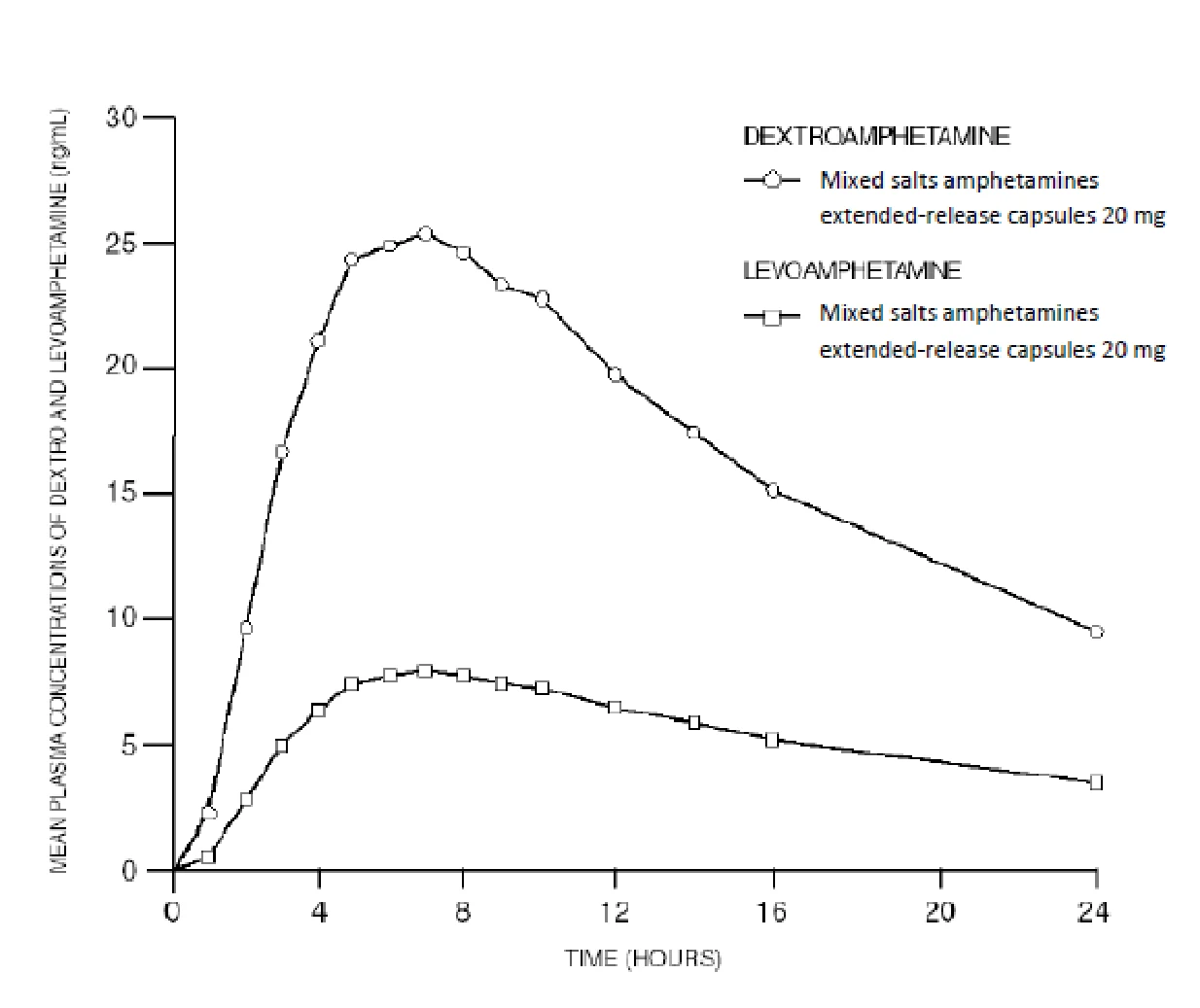
Following oral administration of a single dose of mixed salts amphetamine extended-release capsules in healthy adult subjects, peak plasma concentrations (Cmax) of 28.1 ng/mL and 8.7 ng/mL occurred in about 7 hours for d-amphetamine and 8 hours for l-amphetamine, respectively. The AUC0-inf for d-amphetamine and l-amphetamine were 567 ng●hr/mL and 203 ng●hr/mL, respectively (see Table 7).
The mean elimination half-life is 1 hour shorter for d-amphethamine and 2 hours shorter for l-amphethamine in children aged 6 to 12 years compared to that in adults (t1/2 is 10 hours for d-amphetamine and 13 hours for l-amphetamine in adults, and 9 hours and 11 hours, respectively, for children). Children had higher systemic exposure to amphetamine (Cmax and AUC) than adults for a given dose of mixed salts amphetamine extended-release capsules, which was attributed to the higher dose administered to children on a mg/kg body weight basis compared to adults. Upon dose normalization on a mg/kg basis, children showed 30% less systemic exposure compared to adults.
| Table 7 - Pharmacokinetic Parameters for Single 20 mg Dose of mixed salts amphetamine extended-release capsules | ||||||
|---|---|---|---|---|---|---|
| Treatment | d-amphetamine | l-amphetamine | ||||
| AUC0-inf (ng⋅hr / mL) | Tmax (hours) | Cmax (ng/mL) | AUC0-inf (ng⋅hr/ mL) | Tmax (hours) | Cmax (ng/mL) | |
Mixed salts amphetamines extended-release capsules (20 mg, qd) | 567 | 7.0 | 28.1 | 203 | 8.2 | 8.7 |
Figure 1 - Mean d-amphetamine and l-amphetamine Plasma Concentrations following a single 20 mg morning administration of mixed salts amphetamines extended-release capsules in the Fed State
Food Effect Study in Healthy Adult Subjects
A single-dose study compared the relative bioavailability of d-amphetamine and l-amphetamine following administration of a single 30 mg dose of mixed salts amphetamines extended-release capsules fasted, fed (high-fat meal) and sprinkled on food (otherwise fasted) in 21 healthy adult subjects. Food does not affect the extent of absorption of mixed salts amphetamines extended-release capsules, but prolongs Tmax by 2.5 hours (from 5.2 hours at fasted state to 7.7 hours after a high-fat meal). Opening the capsule and sprinkling the contents on applesauce results in comparable absorption to the intact capsule taken in the fasted states.
Absorption
Pharmacokinetic studies of mixed salts amphetamines extended-release capsules have been conducted in healthy adult and pediatric (aged 6 to 12 years) subjects, and adolescent (aged 13 to 17 years) and pediatric patients with ADHD. Mixed salts amphetamines extended-release capsules contain dextroamphetamine (d-amphetamine) and levoamphetamine (l-amphetamine) salts in the ratio of 3:1.
Mixed salts amphetamines extended-release capsules demonstrates linear pharmacokinetics over the dose range of 20 to 60 mg in adults and adolescents aged 13 to 17 years weighing greater than 75 kg/165 lbs, over the dose range of 10 to 40 mg in adolescents weighing less than or equal to 75 kg/165 lbs and 5 to 30 mg in children aged 6 to 12 years. There was no unexpected accumulation at steady state.
Comparison of the pharmacokinetics of d- and l-amphetamine after oral administration of mixed salts amphetamines extended-release capsules in pediatric (aged 6 to 12 years) and adolescent (aged 13 to 17 years) ADHD patients and healthy adult volunteers indicates that body weight is the primary determinant of apparent differences in the pharmacokinetics of d - and l-amphetamine across the age range. Systemic exposure measured by area under the curve to infinity (AUC∞) and maximum plasma concentration (Cmax) decreased with increases in body weight, while oral volume of distribution (Vz/F), oral clearance (CL/F), and elimination half-life (t1/2) increased with increases in body weight.
Distribution
Literature studies indicated a stereospecific distribution of the individual dextro (d-) and levo (l-) enantiomers of amphetamine in the brain and heart of mice. Distribution kinetics in the rat indicated that similar amounts of both enantiomers were excreted in the urine as parent drug and as the hydroxy metabolite.
Radiolabelled 3H-d-amphetamine was distributed in many tissues of pregnant and non-pregnant female and male mice. Amphetamine crossed the placenta and was present in the placenta, whole fetus, and in fetal brain and liver. Fetal tissue concentrations were generally much lower than maternal tissue concentrations.
Metabolism
Amphetamine is reported to be oxidized at the 4 position of the benzene ring to form 4-hydroxyamphetamine, or on the side chain α or β carbons to form alpha-hydroxy-amphetamine or norephedrine, respectively. Norephedrine and 4-hydroxy-amphetamine are both active and each is subsequently oxidized to form 4-hydroxy-norephedrine. Alpha-hydroxy-amphetamine undergoes deamination to form phenylacetone, which ultimately forms benzoic acid and its glucuronide and the glycine conjugate hippuric acid. Although the enzymes involved in amphetamine metabolism have not been clearly defined, CYP2D6 is known to be involved with formation of 4-hydroxy-amphetamine. Since CYP2D6 is genetically polymorphic, population variations in amphetamine metabolism are a possibility.
Amphetamine is known to inhibit monoamine oxidase, whereas the ability of amphetamine and its metabolites to inhibit various P450 isozymes and other enzymes has not been adequately elucidated. In vitro experiments with human microsomes indicate minor inhibition of CYP2D6 by amphetamine and minor inhibition of CYP1A2, 2D6, and 3A4 by one or more metabolites. However, due to the probability of auto-inhibition and the lack of information on the concentration of these metabolites relative to in vivo concentrations, no predications regarding the potential for amphetamine or its metabolites to inhibit the metabolism of other drugs by CYP isozymes in vivo can be made.
Metabolism of amphetamine was affected by induction of the CYP450 system with phenobarbital. The direct benzene ring hydroxylation of parent drug was mediated by CYP2D1 in the rat and by the human homologue, CYP2D6, in human microsomes. The deamination of amphetamine was shown to be mediated by the CYP isoform 2C3 from the rabbit, but not the 2C11 and 2C13 isoforms from the rat. N-oxygenation of amphetamine to the hydroxylamine and oxime metabolites was demonstrated in vitro with flavin containing monooxygenase Form 3 from humans.
Elimination
With normal urine pHs approximately half of an administered dose of amphetamine is recoverable in urine as derivatives of alpha-hydroxy-amphetamine and approximately another 30%-40% of the dose is recoverable in urine as amphetamine itself. Since amphetamine has a pKa of 9.9, urinary recovery of amphetamine is highly dependent on pH and urine flow rates. Alkaline urine pHs result in less ionization and reduced renal elimination, and acidic pHs and high flow rates result in increased renal elimination with clearances greater than glomerular filtration rates, indicating the involvement of active secretion. Urinary recovery of amphetamine has been reported to range from 1% to 75%, depending on urinary pH, with the remaining fraction of the dose hepatically metabolized. Consequently, both hepatic and renal dysfunction have the potential to inhibit the elimination of amphetamine and result in prolonged exposures. In addition, drugs that affect urinary pH are known to alter the elimination of amphetamine, and any decrease in amphetamine’s metabolism that might occur due to drug interactions or genetic polymorphisms is more likely to be clinically significant when renal elimination is decreased (see 7 Warnings_and_Precautions, Renal; 9.4 Drug-Drug Interactions).
In rats, the urinary excretion of amphetamine and its major rat metabolite, 4-hydroxyamphetamine, was influenced by strain of rat, significant differences occurring between poor metabolizer versus extensive metabolizer strains.
Special Populations and Conditions
Pediatrics
Pharmacokinetic Results in Children and Adolescents with ADHD
In a 20 mg single-dose study in 51 children (aged 6 to 12 years) with ADHD, the mean Tmax for d-amphetamine was 6.8 hours and the mean Cmax was 48.8ng/mL. The corresponding mean Tmax and Cmax values for l-amphetamine were 6.9 hours and 14.8ng/mL, respectively. The mean elimination half-life for d-amphetamine and l-amphetamine was 9.5 and 10.9 hours, respectively. Following dosing of children with ADHD to steady state with mixed salts amphetamines extended-release capsules 10, 20 and 30mg the mean d-amphetamine Cmax (ng/mL) in plasma for mixed salts amphetamines extended-release capsules was 28.8 (10 mg), 54.6 (20 mg) and 89.0 (30 mg). For l-amphetamine, the mean Cmax values for the three mixed salts amphetamines extended-release capsules doses were 8.8, 17.2 and 28.1ng/mL, respectively.
In adolescents aged 13-17 years and weighing less than or equal to 75 kg/165 lbs, the mean elimination half-life for d-amphetamine is 11 hours, and 13-14 hours for l-amphetamine.
| Table 8 - Mixed salts amphetamines extended-release capsules Pharmacokinetic Parameters at Steady State in Children with ADHD | |||||||||||||||
|---|---|---|---|---|---|---|---|---|---|---|---|---|---|---|---|
| Treatment | d-amphetamine | l-amphetamine | |||||||||||||
| AUC0-24 (ng⋅hr/ mL) | Tmax (hours) | Cmax (ng/mL) | AUC0-24 (ng⋅hr /mL) | Tmax (hours) | Cmax (ng/mL) | ||||||||||
Mixed salts amphetamines extended-release capsules (10 mg) | 432 | 6.4 | 28.8 | 138 | 6.4 | 8.8 | |||||||||
| Mixed salts amphethamines extended-release capsules (20 mg) | 777 | 5.8 | 54.6 | 262 | 5.7 | 17.2 | |||||||||
| Mixed salts amphethamines extended-release capsules (30 mg) | 1364 | 5.5 | 89.0 | 444 | 5.5 | 28.1 | |||||||||
- Renal Insufficiency
In a pharmacokinetic study of lisdexamfetamine in subjects with normal and impaired renal function, d-amphetamine clearance was reduced from 0.7 L/hr/kg in normal subjects to 0.4 L/hr/kg in subjects with severe renal impairment (GFR 15 to < 30 mL/min/1.73 m2). D-amphetamine is not dialyzable. (see 7 Warnings and Precautions, Renal; 4 Dosage and Administration).
- 11. Storage, Stability, and Disposal
Dispense in a tight, light-resistant container as defined in the USP.
Store between 15°C and 30°C.
Any unused medicinal product should be disposed of in accordance with local requirements.
Part 2: Scientific Information
13. Pharmaceutical Information
Drug Substance
| Proper Names: | Chemical Names: | Structural Formula and Molecular Weights | Descriptio n and Solubility |
|---|---|---|---|
| Amphetamine Aspartate Monohydrate | (±)-α-methylphenethylamine -DL-aspartate (1:1) monohydrate | 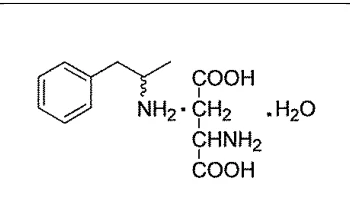 M.W 286.33 g/mol (monohydrate) | White to off-white powder Very soluble in water. |
| Amphetamine Sulfate USP | (±)-α-methylphenethylamine -sulfate (2:1) | 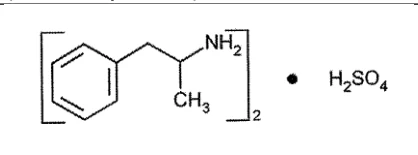 M.W 368.49 g/mol | White crystalline powder. Freely soluble in water. |
| Dextroamphetamin e Saccharate | (+)-α-Methylphenethylamine saccharate (2:1) | 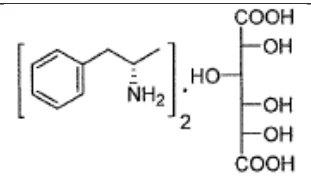 M.W 480.56 g/mol | White to off-white powder. Freely soluble in water. |
| Dextroamphetamin e Sulfate USP | (+)-α-Methylphenethylamine sulfate (2:1) | 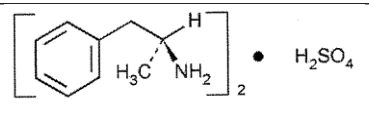 M.W 368.49 g/mol | White crystalline powder. Freely soluble in water. |
14. Clinical Trials
14.1. Clinical Trials by Indication
Treatment of ADHD in Children (6 – 12 years of age)
Table 9 - Summary of patient demographics for clinical trials in children (6 – 12 years of age)
| Study # | Study design | Dosage, route of administration and duration | Study subjects (n) | Mean age (Range) | Sex |
|---|---|---|---|---|---|
| SLI381. 301 | double-blind, randomized, placebo-controlled, parallel-group study | Mixed salts amphetamine extended-release capsules 10, 20, or 30 mg or placebo Oral, QD for three weeks | 584 | 8.6 (6 to 12) years | Male (77%) and Female (23%) |
| SLI381. 201 | double-blind, randomized, placebo- and active-controlled crossover study | Mixed salts amphetamine extended-release capsules 10, 20, or 30 mg or placebo or Mixed salts amphetamine extended-release capsules 10 mg Oral, QD for one week* | 51 | 9.5 (6 to 12) years | Male (86%) and Female (14%) |
*Each subject was randomized to sequentially taking each of the 5 treatments for one week, for a total of 5 weeks
A double-blind, randomized, placebo-controlled, parallel-group study of 584 children aged 6 to 12 years who met DSM-IV® criteria for ADHD (either combined type or hyperactive-impulsive type) was conducted in a naturalistic setting. Patients were randomized to fixed dose treatment groups receiving final doses of 10, 20, or 30 mg/day of mixed salts amphetamine extended-release capsules or placebo. Mixed salts amphetamine extended-release capsules or placebo was taken once daily in the morning for three weeks. Significant improvements in patient behavior, based upon teacher and parent ratings of attention and hyperactivity, were observed for all mixed salts amphetamine extended-release capsules doses compared to patients who received placebo, for all three weeks, including the first week of treatment, when all mixed salts amphetamine extended-release capsules subjects were receiving a titration dose of 10 mg/day. Patients who received mixed salts amphetamine extended-release capsules showed behavioral improvements within the first week of treatment (p<0.001) and in both morning (p<0.001) and afternoon (p<0.001) compared to patients on placebo.
A double-blind, randomized, placebo- and active-controlled crossover study of 51 children aged 6 to 12 years with ADHD was conducted in a classroom laboratory setting. In comparison to placebo, mixed salts amphetamine extended-release capsules 10, 20, and 30 mg/day showed rapid improvement and continued significant efficacy (p<0.05) up to 12 hours post-dose for all cognitive and behavioral measures.
In these two clinical trials conducted in different settings, mixed salts amphetamine extended-release capsules taken once in the morning demonstrated efficacy in the treatment of ADHD (either combined type or hyperactive-impulsive type) for at least 12 hours.
Treatment of ADHD in Adolescents (13 - 17 years of age)
Table 10 - Summary of patient demographics for clinical trials in adolescents (13 – 17 years of age)
| Study # | Study design | Dosage, route of administration and duration | Study subjects (n) | Mean age (Range) | Sex |
|---|---|---|---|---|---|
| SLI381.314a | double-blind, randomized, multi-center, parallel-group, placebo-controlled study | Mixed salts amphetamine extended-release capsules 10, 20, 30, 40, 50, or 60 mg or placebo Oral, QD for four weeks | 327 | 14.2 (13 to 17) years | Male (65%) and Female (35%) |
A double-blind, randomized, multi-center, parallel-group, placebo-controlled study was conducted in adolescents aged 13-17 years (n=327) who met DSM-IV criteria for ADHD. The primary cohort of patients (n=287, weighing <75kg/165lbs) was randomized to fixed dose treatment groups and received four weeks of treatment. Patients were randomized to receive final doses of 10 mg, 20 mg, 30 mg, and 40 mg mixed salts amphetamine extended-release capsules or placebo once daily in the morning; patients randomized to doses greater than 10 mg were titrated to their final doses by 10 mg each week. The secondary cohort consisted of 40 subjects weighing >75kg/165lbs who were randomized to fixed dose treatment groups receiving final doses of 50 mg and 60 mg mixed salts amphetamine extended-release capsules or placebo once daily in the morning for 4 weeks. The primary efficacy variable was the ADHD-RS-IV total scores for the primary cohort. Improvements in the primary cohort were statistically significantly greater in all four primary cohort active treatment groups (mixed salts amphetamine extended-release capsules 10 mg, 20 mg, 30 mg, and 40 mg) compared with the placebo group. Mixed salts amphetamine extended-release capsules at doses of 10-40 mg is effective in the treatment of ADHD in adolescents weighing <75 kg/165 lbs. There was not adequate evidence that doses greater than 20 mg/day conferred additional benefit.
Treatment of ADHD in Adults (18 years of age or older)
Table 11 - Summary of patient demographics for clinical trials in adults (18 years of age or older)
| Study # | Study design | Dosage, route of administration and duration | Study subjects (n) | Mean age (Range) | Sex |
|---|---|---|---|---|---|
| SLI381.303 | double-blind, randomized, placebo-controlled, parallel-group study | Mixed salts amphetamine extended-release capsules 20, 40, or 60 mg or placebo Oral, QD for four weeks | 255 | 39.2 (18 to 76) years | Male (60%) and Female (40%) |
| SLI381.304 | Long-term, multi-center, open-label extension study | Mixed salts amphetamine extended-release capsules 20, 40, or 60 mg or placebo Oral, QD for twelve months | 223 | 39.8 (18 to 76) years | Male (59%) and Female (41%) |
A double-blind, randomized, placebo-controlled, parallel-group study of 255 adults who met DSM-IV® criteria for ADHD was conducted. Patients were randomized to fixed dose treatment groups receiving final doses of 20, 40 or 60 mg/day of mixed salts amphetamine extended-release capsules or placebo. Mixed salts amphetamine extended-release capsules or placebo was taken once daily in the morning for four weeks. Significant improvements in patient symptoms of inattention and impulsivity/hyperactivity, based upon the 18-item total ADHD symptom score, were observed at endpoint for all mixed salts amphetamine extended-release capsules doses compared to patients who received placebo for all four weeks (p<0.001). There was not adequate evidence that doses greater than 20 mg/day conferred additional benefit.
A long-term, open-label extension of the above-mentioned clinical study was conducted in 223 adult patients. At 12 months, all patients showed continuing symptomatic improvement as measured by the 18 item total ADHD symptom score.
14.2. Comparative Bioavailability Studies
Bioequivalence of 1 x 20 mg Capsule to 4 x 5 mg Capsules (Children with ADHD)
In a single dose study in 20 children (aged 6 to 12 years) with ADHD, a single administration of four 5 mg capsules of Mixed Amphetamine Salts Extended-Release Capsules was shown to be bioequivalent to a single 20 mg capsule for both d- and l-amphetamine under fasting conditions.
Table 12 - Pharmacokinetic Parameters for Mixed Amphetamine Salts 30 mg Extended-Release Capsules
Summary Table of the Comparative Bioavailability Data
Mixed Amphetamine Salts Extended-Release Capsules, 4 x 5 mg Capsules vs 1 x 20 mg Capsule - Under Fasting Conditions From Measured Data
Parameter
Geometric Mean
Arithmetic Mean (CV%)
% Ratio of Geometric Means
Confidence Interval
(90% CI)
Mixed Amphetamine Salts Extended-Release Capsules 4x5mg capsules
Mixed Amphetamine Salts Extended-Release Capsules
1x20mg capsules
d-amphetamine
AUCT
(ng●h/mL)
823.5
843.5 (22.2%)
775.7
794.8 (22.6%)
106.2
101.0 -111.6
AUCI
(ng●h/mL)
845.8
863.9 (21.1%)
797.8
815.3 (21.4%)
106.0
101.5 - 110.7
Cmax
(ng/mL)
50.4
51.9 (24.5%)
49.9
51.9 (28.9%)
101.0
92.4 -110.3
Tmaxa
(h)
4.65 (50.0%)
4.50 (37.8%)
T1/2a
(h)
8.10 (14.5%)
7.98 (17.0%)
l-amphetamine
AUCT
(ng●h/mL)
276.8
286.2 (26.4%)
238.5
247.0 (27.1%)
116.0
108.6 -124.0
AUCI
(ng●h/mL)
297.1
304.0 (22.3%)
263.7
269.6 (21.7%)
112.7
107.6 -118.0
Cmax
(ng/mL)
16.2
16.7 (24.1%)
15.2
15.8 (28.6%)
106.6
98.5 -115.3
Tmaxa
(h)
4.95 (50.1%)
4.85 (39.7%)
T1/2a
(h)
9.16 (14.5%)
9.13 (18.5%)
a Arithmetic mean (CV%)
For both d- and l- amphetamine, statistically significant differences were noted between the two treatment groups for AUC, with the 4 x 5 mg group showing higher AUC, but not for Cmax and Tmax.
Summary Table of the Comparative Bioavailability Data
Fasting Study Title: A Relative Bioavailability Study of Mixed Amphetamine Salts 30 mg Extended-Release Capsules versus ADDERALL XR 30 mg Capsules under Fasted Conditions.
This study assessed the relative bioavailability of TEVA-AMPHETAMINE XR, 30 mg (mixed salts amphetamine extended-release capsules) compared to that of ADDERALL XR capsules following a single oral dose (1 x 30 mg XR capsule) in healthy adult subjects when administered under fasted conditions. This was a partial-blind, single-dose, randomized, 2-period, 2-treatment crossover study under fasted conditions.
d-amphetamine (1 x 30 mg) From measured data Geometric Mean Arithmetic Mean (CV %) | ||||
| Parameter | Test* | Reference† | % Ratio of Geometric Means | 90% Confidence Interval |
AUCT (ng·h/mL) | 762.00 773.72 (19.07) | 781.31 800.20 (23.91) | 97.53 | 93.65 - 101.56 |
AUCI (ng·h/mL) | 782.35 794.60 (19.31) | 804.01 825.13 (25.16) | 97.31 | 93.30 - 101.48 |
Cmax (ng/mL) | 41.21 41.71 (16.34) | 45.38 46.23 (20.04) | 90.82 | 86.54 - 95.30 |
Tmax§ (h) | 5.50 (4.00-8.00) | 4.50 (3.00-12.00) | ||
T½€ (h) | 10.83 (13.85) | 10.77 (17.75) | ||
* TEVA-AMPHETAMINE XR, 30 mg (mixed salts amphetamine extended-release capsules)
† Adderall XR Capsules, 30 mg (Shire Canada Inc); purchased in Canada.
§ Expressed as the median (range)
€ Expressed as the arithmetic mean (CV%)
l-amphetamine (1 x 30 mg) From measured data Geometric Mean Arithmetic Mean (CV %) | ||||
| Parameter | Test* | Reference† | % Ratio of Geometric Means | 90% Confidence Interval |
AUCT (ng·h/mL) | 326.25 333.21 (22.78) | 338.57 349.28 (27.70) | 96.36 | 92.40 - 100.49 |
AUCI (ng·h/mL) | 344.52 352.58 (23.95) | 358.21 372.66 (31.90) | 96.18 | 91.84 - 100.72 |
Cmax (ng/mL) | 15.56 15.76 (16.82) | 17.13 17.43 (19.53) | 90.87 | 87.14 - 94.76 |
Tmax§ (h) | 5.50 (4.00-9.00) | 5.00 (2.50-16.00) | ||
T½€ (h) | 13.45 (19.93) | 13.36 (24.52) | ||
* TEVA-AMPHETAMINE XR, 30 mg (mixed salts amphetamine extended-release capsules)
† Adderall XR Capsules, 30 mg (Shire Canada Inc); purchased in Canada.
§ Expressed as the median (range)
€ Expressed as the arithmetic mean (CV%)
Fed Study Title: A Relative Bioavailability Study of Mixed Amphetamine Salts 30 mg Extended-Release Capsules versus ADDERALL XR 30 mg Capsules under Fed Conditions.
This study assessed the relative bioavailability of TEVA-AMPHETAMINE XR, 30 mg (mixed salts amphetamine extended-release capsules) compared to that of ADDERALL XR capsules following a single oral dose (1 x 30 mg XR capsule) in healthy adult subjects when administered under fed conditions. This was a partial-blind, single-dose, randomized, 2-period, 2-treatment crossover study under fed conditions.
d-amphetamine (1 x 30 mg) From measured data Geometric Mean Arithmetic Mean (CV %) | ||||
| Parameter | Test* | Reference† | % Ratio of Geometric Means | 90% Confidence Interval |
AUCT‡ (ng·h/mL) | 718.38 726.46 (15.17) | 754.19 764.07 (15.89) | 95.25 | 91.89 - 98.74 |
AUCI (ng·h/mL) | 738.32 746.84 (15.36) | 775.11 785.71 (16.22) | 95.25 | 91.72 - 98.92 |
Cmax (ng/mL) | 35.63 35.94 (13.11) | 37.22 38.20 (22.84) | 95.73 | 90.92 - 100.80 |
Tmax§ (h) | 7.50 (5.00-9.00) | 7.00 (4.50-12.00) | ||
T½€ (h) | 10.57 (13.76) | 10.24 (13.12) | ||
* TEVA-AMPHETAMINE XR, 30 mg (mixed salts amphetamine extended-release capsules)
† Adderall XR Capsules, 30 mg (Shire Canada Inc) ; purchased in Canada
§ Expressed as the median (range)
€ Expressed as the arithmetic mean (CV%)
l-amphetamine (1 x 30 mg) From measured data Geometric Mean Arithmetic Mean (CV %) | ||||
| Parameter | Test* | Reference† | % Ratio of Geometric Means | 90% Confidence Interval |
AUCT (ng·h/mL) | 300.91 304.75 (16.11) | 318.17 322.74 (16.76) | 94.57 | 90.81 - 98.49 |
AUCI (ng·h/mL) | 317.16 321.67 (16.90) | 334.62 340.05 (17.82) | 94.78 | 90.70 - 99.04 |
Cmax (ng/mL) | 13.44 13.54 (12.53) | 14.13 14.46 (21.43) | 95.13 | 90.44 - 100.07 |
Tmax§ (h) | 7.75 (5.00-9.00) | 7.25 (5.05-16.00) | ||
T½€ (h) | 12.97 (19.48) | 12.43 (15.93) | ||
*TEVA-AMPHETAMINE XR, 30 mg (mixed salts amphetamine extended-release capsules)
† Adderall XR Capsules, 30 mg (Shire Canada Inc); purchased in Canada.
§ Expressed as the median (range)
€ Expressed as the arithmetic mean (CV%)
16. Non-Clinical Toxicology
General toxicology
Acute Toxicity Studies
The acute LD50 amphetamine is as follows:
| Table 13 – Acute LD50 for amphetamine | |
|---|---|
| Species | LD50 (mg/kg) |
| Mice (i.v.) | 52 |
| Mice (oral) | 353 |
| Rat (i.p.) | 70 |
| Dog (i.v.) | 8.5 |
| Monkey (i.v., oral) | 5 |
Acute toxicity studies conducted in mice, rats, dogs and monkeys showed similar dose-dependent responses. The order for comparative toxicity ranking, based upon the LD50 values, was monkey>dog>mouse.
Acute toxicity to dextro (d-), and levo (l-) amphetamine was age-dependent. Young mice (3-30 days old) tolerated higher doses (up to 180 mg/kg i.p.) than adults. Toxicity increased from 18-days of age onward. Mortality response curves were biphasic for developing mice and polyphasic for adult mice.
Acute toxicity signs noted in mice (25-75 mg/kg i.v.), rats (45-178 mg/kg i.p.), dogs (5-9 mg/kg i.v.) and monkeys (1-6 mg/kg i.v.) included marked to severe hyperactivity, stereotypic behavior, mild to marked clonic and/or tonic convulsions, and (in monkeys) marked increase in respiratory rate, body temperature and pupil size. Death was associated with convulsions and, in dogs, massive endocardial hemorrhages in both ventricles.
Subacute and Subchronic Toxicity Studies
Subacute and subchronic toxicity signs noted in mice (0-2000 ppm of d,l-amphetamine in feed) and rats (0-750 ppm of d,l-amphetamine in feed) from 14-day and 13-week dietary studies included hyperactivity, decreased body weight and food consumption. Deaths in the order of 15 to 65% were reported in mice administered 500-2000 ppm of d,l-amphetamine in feed. No treatment-related deaths occurred in the rat study.
Genotoxicity
Amphetamine, in the enantiomer ratio present in mixed salts amphetamine extended-release capsules (d- to l- ratio of 3:1), was not clastogenic in the mouse bone marrow micronucleus test in vivo and was negative when tested in the E. coli component of the Ames test in vitro. d,l-Amphetamine (1:1 enantiomer ratio) has been reported to produce a positive response in the mouse bone marrow micronucleus test, an equivocal response in the Ames test, and negative responses in the in vitro sister chromatid exchange and chromosomal aberration assays.
Carcinogenicity
No evidence of carcinogenicity was found in studies in which d,l-amphetamine (enantiomer ratio of 1:1) was administered to mice and rats in the diet for 2 years at doses of up to 30 mg/kg/day in male mice, 19 mg/kg/day in female mice, and 5 mg/kg/day in male and female rats. These doses are approximately 2.4, 1.5, and 0.8 times respectively the maximum recommended human dose of 30 mg/day on a mg/m2 body surface area basis.
Reproductive and developmental toxicology
Amphetamine, in the enantiomer ratio present in mixed salts amphetamine extended-release capsules (d- to l- ratio of 3:1), did not adversely affect fertility or early embryonic development in the rat at doses of up to 20 mg/kg/day (approximately 5 times the maximum recommended human dose of 30 mg/day on a mg/m2 body surface area basis). Fetal malformations and death have been reported in mice following parenteral administration of d-amphetamine doses of 50 mg/kg/day (approximately 6 times the maximum recommended human dose of 30 mg/day on a mg/m2 basis) or greater to pregnant animals. Administration of these doses was also associated with severe maternal toxicity.
A number of studies in rodents indicate that prenatal or early postnatal exposure to amphetamine (d- d, l-), at doses similar to those used clinically, can result in long-term neurochemical and behavioral alterations. Reported behavioral effects include learning and memory deficits, altered locomotor activity, and changes in sexual function.
17. Supporting Product Monographs
- 1. ADDERALL XR® (Extended-release capsules, 5 mg, 10 mg, 15 mg, 20 mg, 25 mg, 30 mg), submission control number 284572, Product Monograph, Takeda Canada Inc. (FEB 03, 2025).