


Product Monograph - Teva-Lisdexamfetamine (Teva Canada, 10 mg, ..., 60 mg)
Recent Major Label Changes
| 2 Contraindications | 2025-10 |
|---|---|
| 7 Warnings and Precautions, Cardiovascular, QTc Prolongation | 2025-06 |
Table of Contents
Sections or subsections that are not applicable at the time of authorization are not listed.
Recent Major Label Changes ...................................................................................................... 2
Table of Contents ....................................................................................................................... 2
Part 1: Health Professional Information ..................................................................................... 5
- 1.
Indications ...................................................................................................................... 5
1.1 Pediatrics ............................................................................................................. 6
1.2. Geriatrics .............................................................................................................. 6
- 2. Contraindications ............................................................................................................ 6
- 3. Serious Warnings and Precautions Box ........................................................................... 7
- 4.
Dosage and Administration .................................................................................................... 7
4.1. Dosing Considerations .......................................................................................... 7
4.2. Recommended Dose and Dosage Adjustment ...................................................... 8
4.4. Administration ..................................................................................................... 9
4.5. Missed Dose ....................................................................................................... 10
- 5. Overdose ....................................................................................................................... 10
- 6. Dosage Forms, Strengths, Composition and Packaging................................................. 11
- 7.
Warnings and Precautions ............................................................................................ 11
General .......................................................................................................................... 11
Carcinogenesis and Genotoxicity ................................................................................... 12
Cardiovascular ............................................................................................................... 12
Dependence/Tolerance and/or Abuse Liability .............................................................. 14
Driving and Operating Machinery .................................................................................. 14
Endocrine and Metabolism ............................................................................................ 14
Neurologic ..................................................................................................................... 15
Ophthalmologic ............................................................................................................. 16
Psychiatric ..................................................................................................................... 16
Renal ............................................................................................................................. 17
Reproductive Health ...................................................................................................... 17
7.1. Special Populations ............................................................................................ 17
7.1.1. Pregnancy ....................................................................................................17
7.1.2. Breastfeeding ...............................................................................................18
7.1.3. Pediatrics .....................................................................................................18
7.1.4. Geriatrics......................................................................................................19
- 8.
Adverse Reactions......................................................................................................... 19
8.1. Adverse Reaction Overview ................................................................................ 19
8.2. Clinical Trial Adverse Reactions .......................................................................... 19
8.2.1. Clinical Trial Adverse Reactions – Pediatrics .......................................................24
8.3. Less Common Clinical Trial Adverse Reactions .................................................... 26
8.3.1. Less Common Clinical Trial Adverse Reactions-Pediatrics ...................................27
8.5. Post-Market Adverse Reactions .......................................................................... 28
- 9.
Drug Interactions .......................................................................................................... 29
9.1. Serious Drug Interactions ................................................................................... 29
9.2. Drug Interactions Overview ................................................................................ 29
9.4. Drug-Drug Interactions ....................................................................................... 29
9.5. Drug-Food Interactions ....................................................................................... 31
9.6. Drug-Herb Interactions ....................................................................................... 31
9.7. Drug-Laboratory Test Interactions ...................................................................... 31
- 10.
Clinical Pharmacology ................................................................................................... 31
10.1. Mechanism of Action .......................................................................................... 31
10.2. Pharmacodynamics ............................................................................................ 32
10.3. Pharmacokinetics ............................................................................................... 32
- 11. Storage, Stability and Disposal...................................................................................... 36
Part 2: Scientific Information ................................................................................................... 37
- 13. Pharmaceutical Information ......................................................................................... 37
- 14.
Clinical Trials ................................................................................................................. 37
14.1. Clinical Trials by Indication ................................................................................. 37
14.2. Comparative Bioavailability Studies .................................................................... 50
- 15. Microbiology ................................................................................................................. 52
- 16. Non-Clinical Toxicology ................................................................................................. 52
- 17. Supporting Product Monographs .................................................................................. 54
Patient Medication Information ............................................................................................... 55
Part 1: Health Professional Information
1. Indications
Teva-Lisdexamfetamine (lisdexamfetamine dimesylate chewable tablets) are indicated for the treatment of:
- Attention Deficit Hyperactivity Disorder (ADHD).
- Moderate to Severe Binge Eating Disorder (BED) in adults.
Recurrent episodes of binge-eating are characterised by:
- consuming an abnormally large amount of food in a short period of time and sense of lack of control overeating during the episode.
- marked distress about the behavior.
- feeling disgusted or guilty, or eating alone because of embarrassment.
Limitation of Use for BED:
Prescribers should consider that serious cardiovascular (CV) events have been reported with this class of sympathomimetic drugs. The BED clinical trials were not designed to assess CV safety. While there is an accumulation of safety data with lisdexamfetamine dimesylate use in the ADHD population, this is of limited relevance regarding CV risk in the BED population. Given the higher CV risk associated with obesity, the BED population may be at a higher risk (see 4.1 Dosing Considerations and 7 Warnings and Precautions, Cardiovascular).
The safety and effectiveness of Teva-Lisdexamfetamine for the treatment of obesity have not been established. Teva-Lisdexamfetamine is not indicated or recommended for weight loss. Use of other sympathomimetic drugs for weight loss has been associated with serious cardiovascular adverse events.
Need for Comprehensive Treatment Program
Teva-Lisdexamfetamine is indicated as an integral part of a total treatment program for ADHD that may include other measures (psychological, educational/vocational, social) for patients with this syndrome. Drug treatment may not be indicated for all patients with this syndrome. Drug treatment is not intended for use in a patient who exhibits symptoms secondary to environmental factors and/or other primary psychiatric disorders, including psychosis. Appropriate educational/vocational placement is essential in patients with this diagnosis and psychosocial intervention is often helpful. When remedial measures alone are insufficient, the decision to prescribe drug treatment will depend upon the physician's assessment of the chronicity and severity of the patient’s symptoms and on the level of functional impairment.
Long-term Use
The physician who elects to use Teva-Lisdexamfetamine for extended periods should periodically re-evaluate the long-term usefulness of the drug for the individual patient (see 4.2 Recommended Dose and Dosage Adjustment).
The efficacy of lisdexamfetamine dimesylate has been evaluated separately in both children and adolescents for up to four weeks, and in adults for up to ten weeks. In a separate controlled trial of a combined population of children and adolescents, the efficacy of lisdexamfetamine dimesylate has been evaluated for up to seven weeks.
1.1 Pediatrics
ADHD
Pediatrics (6 to 17 years of age): Based on the data submitted and reviewed by Health Canada, the safety and efficacy of lisdexamfetamine dimesylate in this population has been established, and therefore Health Canada has authorized its indication.
Pediatrics (<6 years of age): No data are available to Health Canada; therefore, Health Canada has not authorized an indication for children under the age of 6 years. Amphetamines should not be used in pediatric patients with ADHD under six years of age.
BED
Safety and effectiveness in patients less than 18 years of age have not been established, and therefore Health Canada has not authorized an indication for use in this population.
1.2. Geriatrics
Teva-Lisdexamfetamine has not been systematically studied in the geriatric population (>65 years of age) (see 10.3 Pharmacokinetics). Subjects over 55 years of age were excluded from the ADHD and BED clinical trials. In general, dose selection for an elderly patient should start at the low end of the dosing range, reflecting the greater frequency of decreased hepatic, renal, or cardiac function, and of concomitant disease or other drug therapy.
2. Contraindications
Teva-Lisdexamfetamine is contraindicated in patients who are hypersensitive to this drug or to any ingredient in the formulation, including any non-medicinal ingredient, or component of the container. For a complete listing, see 6 Dosage Forms, Strengths, Composition and Packaging.
Teva-Lisdexamfetamine is contraindicated in patients with the following conditions:
- Moderate to severe hypertension
- Advanced arteriosclerosis
- Symptomatic cardiovascular disease
- Hyperthyroidism
- Known hypersensitivity or idiosyncrasy to the sympathomimetic amines
- Allergy to amphetamines
- Glaucoma
- Agitated states
- Patients with History of drug abuse
- Pheochromocytoma
- During or within 14 days following the administration of monoamine oxidase inhibitors (MAOIs) (hypertensive crises may result) (see 9.4 Drug-Drug Interactions).
- Serious Warnings and Precautions Box
Serious Warnings and Precautions
- Amphetamines have a potential for abuse, misuse, dependence, or diversion for non-therapeutic uses that physicians should consider when prescribing this product. The misuse of amphetamines may cause serious cardiovascular adverse events and sudden death. (see 7 Warnings and Precautions, Cardiovascular and Dependence/Tolerance, 16 Non-Clinical Toxicology, Special Toxicology, Non-Clinical abuse data).
4. Dosage and Administration
4.1. Dosing Considerations
Cardiovascular
Teva-Lisdexamfetamine should not be used in patients with symptomatic cardiovascular disease including coronary artery disease nor in patients with moderate to severe hypertension (see 2 Contraindications). Blood pressure and pulse should be measured prior to initiating treatment and monitored in all patients taking Teva-Lisdexamfetamine (see 7 Warnings and Precautions, Cardiovascular).
Teva-Lisdexamfetamine should generally not be used in patients with known serious structural cardiac abnormalities or other serious heart problems (e.g., cardiomyopathy, serious heart rhythm abnormalities) that may place them at increased vulnerability to the sympathomimetic effects of ADHD or BED drugs (see 2 Contraindications and 7 Warnings and Precautions, Cardiovascular).
Theoretically there exists a pharmacological potential for all ADHD drugs to increase the risk of sudden/cardiac death. Although confirmation is lacking, prescribers should consider this potential risk.
All drugs with sympathomimetic effects prescribed in the management of ADHD or BED should be used with caution in patients who: a) are involved in strenuous exercise or activities b) use other sympathomimetic drugs or c) have a family history of sudden/cardiac death. Prior to the initiation of treatment with sympathomimetic medications, a personal and family history (including assessment for a family history of sudden death or ventricular arrhythmia) and physical exam should be obtained to assess for the presence of cardiac disease. In patients with relevant risk factors and based on the clinician’s judgment, further cardiovascular evaluation may be considered (e.g., electrocardiogram and echocardiogram). Patients who develop symptoms such as exertional chest pain, unexplained syncope, or other symptoms suggestive of cardiac disease during sympathomimetic medication treatment for ADHD or BED should undergo a prompt cardiac evaluation.
Patients who are considered to need extended treatment with Teva-Lisdexamfetamine should undergo periodic evaluation of their cardiovascular status (see 7 Warnings and Precautions, Cardiovascular).
Tics
Careful clinical evaluation for motor or verbal tics of Tourette’s syndrome should be conducted before initiating Teva-Lisdexamfetamine (see 7 Warnings and Precautions, Neurologic, Tics).
Induction of a Manic Episode in Patients with Bipolar Disorder
Prior to initiating Teva-Lisdexamfetamine treatment, screen patients for risk factors for developing a manic episode (e.g., comorbid or history of depressive symptoms or a family history of suicide, bipolar disorder, and depression) (see 7 Warnings and Precautions, Psychiatric, Screening Patients for Bipolar Disorder).
4.2. Recommended Dose and Dosage Adjustment
Dosage should be individualized according to the therapeutic needs and response of the patient. Teva-Lisdexamfetamine should be administered at the lowest effective.
In patients with severe renal insufficiency (GFR 15 to <30 mL/min/1.73 m2), the maximum dose should not exceed 50 mg/day. Further dosage reduction should be considered in patients undergoing dialysis (see 7 Warnings and Precautions, Renal; 10.3 Pharmacokinetics, Special Populations and Conditions).
Attention Deficit Hyperactivity Disorder (ADHD) in Children (> 6 years of age), Adolescents (13 to 17 years of age) and Adults (18 to 65 years of age)
Teva-Lisdexamfetamine is not approved for pediatric patients under 6 years of age.
The usual starting dose is 30 mg once daily in the morning, whether a patient is starting ADHD treatment for the first time or switching from another medication. When in the judgment of the clinician a lower dose is appropriate, a patient may begin treatment with 20 mg once daily in the morning.
If a dose increase is warranted in the judgment of the physician, daily dosage may be adjusted in increments of 10 mg or 20 mg at approximately weekly intervals.
The maximum Teva-Lisdexamfetamine dose should not exceed 60 mg/day. In clinical studies, doses of up to 70 mg/day were shown to be effective, although no additional benefit was demonstrated at doses greater than 30 mg/day, and adverse events and discontinuations were more frequent at higher doses. Doses greater than 70 mg/day of lisdexamfetamine dimesylate have not been studied.
If improvement is not observed after appropriate dosage adjustment over a one-month period, the drug should be discontinued.
The effectiveness of lisdexamfetamine dimesylate has not been studied in adults over 55 years of age (see 10.3 Pharmacokinetics).
Long-term Use
Pharmacological treatment of ADHD may be needed for extended periods. The efficacy of lisdexamfetamine dimesylate in maintaining symptom response in children and adolescent patients (aged 6 to 17 years) with ADHD was studied in a 6-week, placebo-controlled randomized withdrawal trial in subjects following treatment with open-label lisdexamfetamine dimesylate for at least 26 weeks. The efficacy of lisdexamfetamine dimesylate in maintaining symptom response in adult patients (aged 18 to 55 years) with ADHD was studied in a 6-week, placebo-controlled randomized withdrawal trial in subjects with documentation of open-label treatment with lisdexamfetamine dimesylate for a minimum of 6 months. Subjects assigned to lisdexamfetamine dimesylate in the randomized withdrawal phase continued on the same dose used to confirm response in the open-label phase (see 14 Clinical Trials).
The efficacy of lisdexamfetamine dimesylate in ADHD has been evaluated separately in both children and adolescents for up to four weeks, and in adults for up to ten weeks. In a separate controlled trial of a combined population of children and adolescents, the efficacy of lisdexamfetamine dimesylate has been evaluated for up to seven weeks.
The clinician who elects to use Teva-Lisdexamfetamine for extended periods in the treatment of ADHD should periodically re-evaluate the long-term usefulness of the drug for the individual patient. Where possible, drug administration should be interrupted occasionally to determine if there is a recurrence of behavioral symptoms sufficient to require continued therapy.
Moderate to Severe Binge Eating Disorder (BED) in Adults (18 to 65 years of age)
The recommended starting dose is 30 mg/day to be titrated in increments of 20 mg at approximately weekly intervals to achieve the recommended target dose of 50 to 70 mg/day. The maximum dose is 70 mg/day.
Teva-Lisdexamfetamine has not been studied, and is not recommended for use in pediatrics patients (less than 18 years of age) with BED. Lisdexamfetamine dimesylate has not been studied in adults over 55 years of age.
Teva-Lisdexamfetamine should be prescribed for the shortest duration that is clinically indicated in order to minimize exposure to the CV risk in this population; the risk-benefit profile of the drug for the individual patient should be periodically re-evaluated. (see 7 Warnings and Precautions, Cardiovascular).
4.4. Administration
Teva-Lisdexamfetamine chewable tablets should be taken in the morning. Afternoon doses should be avoided because of the potential for insomnia.
Teva-Lisdexamfetamine may be taken with or without food.
Teva-Lisdexamfetamine chewable tablets must be chewed thoroughly before swallowing. The patient should not take anything less than one chewable tablet per day and a single chewable tablet should not be divided. The 60 mg tablets may be slightly harder to chew than the other strengths.
4.5. Missed Dose
If a dose is missed in the morning, the patient should be instructed to wait until the next day and take the usual dose at the usual time in the morning. Do not double dose.
Afternoon doses should be avoided because of the long-acting nature of the drug, including the potential for insomnia.
5. Overdose
Individual patient response to amphetamines varies widely. Toxic symptoms may occur idiosyncratically at low doses.
Symptoms: Frequently observed signs and symptoms of overdose with amphetamines are restlessness, tremor, hyperreflexia, rapid respiration, confusion, aggression, hallucinations, panic states, hyperpyrexia and rhabdomyolysis. Fatigue and depression usually follow the central nervous system stimulation. Cardiovascular effects include arrhythmias, hypertension or hypotension and circulatory collapse. Takotsubo cardiomyopathy may develop. Gastrointestinal symptoms include nausea, vomiting, diarrhea, and abdominal cramps. Fatal poisoning is usually preceded by convulsions and coma.
Posterior reversible encephalopathy syndrome (PRES) has been reported in association with amphetamine overdose. Symptoms indicating PRES include headache, altered mental status, seizures and visual disturbances. Diagnosis should be confirmed by radiological procedure (e.g., MRI). If PRES is suspected or diagnosed, appropriate measures should be taken. Symptoms of PRES are usually reversible but may evolve into ischemic stroke or cerebral hemorrhage. Delay in diagnosis and treatment may lead to permanent neurological sequelae.
Treatment: Management of acute amphetamine intoxication is largely symptomatic and includes gastric lavage, administration of activated charcoal, administration of a cathartic and sedation. Acidification of the urine increases amphetamine excretion, but is believed to increase risk of acute renal failure if myoglobinuria is present. If acute severe hypertension complicates amphetamine overdosage, administration of intravenous phentolamine has been suggested. However, a gradual drop in blood pressure will usually result when sufficient sedation has been achieved.
The prolonged duration of action of lisdexamfetamine dimesylate should be considered when treating patients with overdose.
Lisdexamfetamine and dextroamphetamine are not dialyzable.
For the most recent information in the management of a suspected drug overdose, contact your regional poison control centre or Health Canada’s toll-free number, 1-844 POISON-X (1-844-764-7669).
6. Dosage Forms, Strengths, Composition and Packaging
Table 1 - Dosage Forms, Strengths, and Composition
| Route of Administration | Dosage Form / Strength / Composition | Non-medicinal Ingredients |
| Oral | Chewable tablets: 10 mg, 20 mg, 30 mg, 40 mg, 50 mg, 60 mg | Colloidal Silicon Dioxide, Croscarmellose Sodium, Guar Gum, Magnesium Stearate, Mannitol, Microcrystalline Cellulose, Sucralose and Strawberry Flavour. Strawberry Flavour includes artificial flavours, corn syrup, medium chain triglycerides and modified corn starch |
Teva-Lisdexamfetamine chewable tablets are designed for once-a-day oral administration.
Teva-Lisdexamfetamine chewable tablets contain 10 mg, 20 mg, 30 mg, 40 mg, 50 mg or 60 mg of lisdexamfetamine dimesylate. Corresponding dextroamphetamine base equivalence as follows:
| Lisdexamfetamine dimesylate | 10 mg | 20 mg | 30 mg | 40 mg | 50 mg | 60 mg |
|---|---|---|---|---|---|---|
| dextroamphetamine base equivalence | 3.0 mg | 5.9 mg | 8.9 mg | 11.9 mg | 14.8 mg | 17.8 mg |
Teva-Lisdexamfetamine chewable tablets 10 mg: white to off-white round shaped tablet debossed with ‘L10’ on one side and ‘TV’ on the other, bottles of 100.
Teva-Lisdexamfetamine chewable tablets 20 mg: white to off-white hexagonal shaped tablet debossed with ‘L20’ on one side and ‘TV’ on the other, bottles of 100.
Teva-Lisdexamfetamine chewable tablets 30 mg: white to off-white triangular shaped tablet debossed with ‘L30’ on one side and ‘TV’ on the other, bottles of 100.
Teva-Lisdexamfetamine chewable tablets 40 mg: white to off-white capsule shaped tablet debossed with ‘L40’ on one side and ‘TV’ on the other, bottles of 100.
Teva-Lisdexamfetamine chewable tablets 50 mg: white to off-white square shaped tablet debossed with ‘L50’ on one side and ‘TV’ on the other, bottles of 100.
Teva-Lisdexamfetamine chewable tablets 60 mg: white to off-white diamond shaped tablet debossed with ‘L60’ on one side and ‘TV’ on the other, bottles of 100.
7. Warnings and Precautions
Please see 3 Serious Warnings and Precautions Box.
General
The least amount of amphetamine feasible should be prescribed or dispensed at one time in order to minimize the possibility of overdosage. Teva-Lisdexamfetamine should be used with caution in patients who use other sympathomimetic drugs.
Carcinogenesis and Genotoxicity
See 16 Non-Clinical Toxicology for discussion on animal data.
Cardiovascular
Serious cardiovascular events have been reported with the use of sympathomimetic drugs, including lisdexamfetamine dimesylate, in the ADHD population (as below). Given the higher CV risk associated with obesity, the BED population may be at a higher risk. Prescribers should consider this potential risk when treating BED (see 1 Indications, Limitation of Use for BED).
Limited CV safety information is provided by the BED clinical trials, given the exclusion of higher risk patients (e.g., diabetes, moderate to severe hypertension, and cardiovascular disease; older than 55 years of age) combined with limited patient numbers and limited treatment duration.
As Teva-Lisdexamfetamine was not developed to the regulatory standard of a weight-loss drug, and is not indicated for weight loss, a post-approval cardiac safety assessment (e.g., a dedicated CV outcome study) is not planned.
Misuse and Serious Cardiovascular Adverse Events:
The misuse of amphetamines may cause serious cardiovascular adverse events and sudden death.
Hypertension and Other Cardiovascular Conditions:
CNS stimulants such as lisdexamfetamine dimesylate are known to cause increases in blood pressure and heart rate.
In clinical trials, modest mean increases are seen (about 2-4 mmHg and 3-6 bpm, respectively), and individuals may have larger increases. While the mean changes alone would not be expected to have short-term consequences, all patients should be monitored for larger changes in heart rate and blood pressure.
Patients with moderate to severe hypertension, symptomatic CV disease, or advanced arteriosclerosis should not be treated with Teva-Lisdexamfetamine (see 2 Contraindications). Blood pressure and pulse should be measured prior to initiating treatment, and monitored at appropriate intervals in patients taking Teva-Lisdexamfetamine, especially patients with hypertension. Caution is indicated in treating patients whose underlying medical conditions might be compromised by increases in blood pressure or heart rate, e.g., those with pre-existing hypertension, heart failure, recent myocardial infarction, or ventricular arrhythmia.
QTc Prolongation: Lisdexamfetamine dimesylate has been shown to prolong QTc interval in some patients (see 8.5 Post-Market Adverse Reactions). It should be used with caution in patients with QTc prolongation interval, in patients treated with drugs affecting the QTc interval or in patients with relevant pre-existing cardiac disease or electrolyte disturbances. Lisdexamfetamine dimesylate is contraindicated in patients with symptomatic cardiovascular disease and also in patients with moderate to severe hypertension (see 2 Contraindications).
Binge Eating Disorder
Teva-Lisdexamfetamine should be prescribed for the shortest duration that is clinically indicated in order to minimize exposure to CV risk in this population; the risk-benefit profile of the drug for the individual patient should be periodically re-evaluated.
Sudden Death and Pre-existing Structural Cardiac Abnormalities or Other Serious Heart Problems:
Children and Adolescents
Sudden death has been reported with sympathomimetic drugs used for ADHD treatment at therapeutic doses in children/adolescents with structural cardiac abnormalities or other serious heart problems. Although some serious heart problems alone carry an increased risk of sudden death, sympathomimetic drugs generally should not be used in children/adolescents with known serious structural cardiac abnormalities or other serious cardiac problems (e.g., cardiomyopathy, serious heart rhythm abnormalities), that may place them at increased vulnerability to the sympathomimetic effects of ADHD drugs (see 2 Contraindications).
Adults
Sudden death, stroke, and myocardial infarction have been reported in adults taking stimulant drugs at usual doses for ADHD. Although the role of stimulants in these adult cases is also unknown, adults have a greater likelihood than children of having serious structural cardiac abnormalities, cardiomyopathy, serious heart rhythm abnormalities, coronary artery disease, or other serious cardiac problems. Adults with such abnormalities should also generally not be treated with stimulant drugs (see 2 Contraindications).
Assessing Cardiovascular Status in Patients Being Treated with Sympathomimetic Medications
Theoretically there exists a pharmacological potential for all ADHD drugs to increase the risk of sudden/cardiac death. Although confirmation is lacking, prescribers should consider this potential risk.
All drugs with sympathomimetic effects prescribed in the management of ADHD or BED should be used with caution in patients who: a) are involved in strenuous exercise or activities b) use other sympathomimetic drugs or c) have a family history of sudden/cardiac death. Patients who are being considered for treatment with sympathomimetic medications should have a careful history (including assessment for a family history of sudden death or ventricular arrhythmia) and physical exam to assess for the presence of cardiac disease and should receive further cardiac evaluation if findings suggest such disease (e.g., electrocardiogram and echocardiogram). Patients who develop symptoms such as exertional chest pain, unexplained syncope, or other symptoms suggestive of cardiac disease during sympathomimetic medication treatment for ADHD or BED should undergo a prompt cardiac evaluation (see 2 Contraindications).
Peripheral Vasculopathy, Including Raynaud’s Phenomenon
Stimulants, such as Teva-Lisdexamfetamine, are associated with peripheral vasculopathy, including Raynaud’s phenomenon. Signs and symptoms are usually intermittent and mild; however, very rare sequelae include digital ulceration and/or soft tissue breakdown. Effects of peripheral vasculopathy, including Raynaud’s phenomenon, were observed in post marketing reports at different times and at therapeutic doses in all age groups throughout the course of treatment. Signs and symptoms generally improve after reduction in dose or discontinuation of drug. Careful observation for digital changes is necessary during treatment with stimulants. Further clinical evaluation (e.g., rheumatology referral) may be appropriate for certain patients.
Dependence, Tolerance and/or Abuse Liability
Amphetamines have been extensively abused (see 3 Serious Warnings and Precautions Box, 10 Clinical Pharmacology, Drug Abuse and Dependence Studies, 16 Non-Clinical Toxicology, Non-clinical abuse data). Tolerance, extreme psychological dependence, and severe social disability have occurred. There are reports of patients who have increased the dosage to levels many times higher than recommended. The smallest possible amount of the drug should be prescribed or dispensed at one time. The possibility of tolerance and psychological dependence, particularly with the excessive use, should be kept in mind. Therefore, care should be used in the selection of candidates for Teva-Lisdexamfetamine therapy, in particular if patients have a previous history of drug or alcohol abuse/dependence.
Abrupt cessation following prolonged high dosage administration results in extreme fatigue and mental depression; changes are also noted on the sleep EEG. Careful supervision is therefore recommended during drug withdrawal. Manifestations of chronic intoxication with amphetamines may include severe dermatoses, marked insomnia, irritability, hyperactivity, and personality changes. The most severe manifestation of chronic intoxication is psychosis, often clinically indistinguishable from schizophrenia.
For details on abuse liability studies, refer to 10 Clinical Pharmacology, Drug Abuse and Dependence Studies.
Driving and Operating Machinery
Patients should find out how Teva-Lisdexamfetamine will affect them before engaging in activities such as operating machinery or vehicles, as Teva-Lisdexamfetamine may impair the ability to engage in these activities.
Endocrine and Metabolism
ADHD Population: Suppression of Growth:
CNS stimulants have been associated with weight loss and slowing of growth rate in pediatric patients (see 8.1 Adverse Reactions Overview). Closely monitor growth (weight and height) in pediatric patients treated with CNS stimulants, including Teva-Lisdexamfetamine. Patients who are not growing or gaining weight as expected may need to have their treatment interrupted.
Children and Adolescents in lisdexamfetamine dimesylate ADHD Clinical Trials
In a 4-week controlled trial of lisdexamfetamine in children ages 6 to 12 years with ADHD, mean weight loss from baseline to endpoint was -0.9, -1.9, and -2.5lbs, respectively, for patients assigned to receive 30 mg, 50 mg, and 70 mg of lisdexamfetamine, compared to a 1.0lb weight gain for patients receiving placebo. Higher doses were associated with greater weight loss with four weeks of treatment. Careful follow-up for weight in children ages 6 to 12 years who received lisdexamfetamine over 12 months suggests that consistently medicated children (i.e., treatment for seven days per week throughout the year) have a slowing in growth rate measured by body weight as demonstrated by an age- and sex-normalized mean change from baseline in percentile of -13.4 over one year (average percentiles at baseline and 12 months were 60.9 and 47.2, respectively).
In a 4-week controlled trial of lisdexamfetamine dimesylate in adolescents aged 13 to 17 years with ADHD, mean weight change from baseline to endpoint was -2.7, -4.3, and -4.8lbs, respectively, for patients assigned to receive 30 mg, 50 mg, and 70 mg of lisdexamfetamine dimesylate, compared to a 2.0lb weight gain for patients receiving placebo. Careful follow-up for weight in adolescents aged 13 to 17 years who received lisdexamfetamine over 12 months suggests that consistently medicated adolescents (i.e., treatment for 7 days per week throughout the year) have a slowing in growth rate measured by body weight as demonstrated by an age- and sex-normalized mean change from baseline in percentile of -6.5 over 1 year. The average percentile at baseline (n=265) and 12 months (n=156), were 66.0 and 61.5, respectively.
Stimulant Use in Adolescents and Children with ADHD
Published data for other stimulants report that in children aged 7 to 10 years there is a temporary slowing in growth rate without evidence of growth rebound during this period of development. In a controlled trial of amphetamine (d- to l-enantiomer ratio of 3:1) in adolescents, mean weight change from baseline within the initial four weeks of therapy was –1.1lbs and –2.8lbs, respectively, for patients receiving 10 mg and 20 mg of amphetamine (d- to l-enantiomer ratio of 3:1). Higher doses were associated with greater weight loss within the initial four weeks of treatment. Published data are inadequate to determine whether the chronic use of amphetamines in children may be causally associated with suppression of growth.
Neurologic
Seizures
There is some clinical evidence that stimulants may lower the convulsive threshold in patients with prior history of seizures, in patients with prior EEG abnormalities in absence of seizures, and, very rarely, in patients without a history of seizures and no prior EEG evidence of seizures. In the presence of seizures, the drug should be discontinued.
Tics
Amphetamines have been reported to exacerbate motor and phonic tics in Tourette’s syndrome. Therefore, careful clinical evaluation for tics in Tourette’s syndrome in patients and their families should precede use of stimulant medications.
Serotonin toxicity/Serotonin syndrome
Serotonin toxicity also known as serotonin syndrome is a potentially life-threatening condition and has been reported with amphetamines, including lisdexamfetamine, particularly during combined use with other serotonergic drugs, such as selective serotonin reuptake inhibitors (SSRIs) and serotonin norepinephrine reuptake inhibitors (SNRIs). Other common serotonergic drugs include: tricyclic antidepressants (TCAs), monoamine oxidase inhibitors (MAOIs), serotonin 5-HT1 receptor agonists (triptans), and 5-HT3 receptor antagonist antiemetics (see 9.4 Drug-Drug Interactions).
Serotonin toxicity is characterized by neuromuscular excitation, autonomic stimulation (e.g. tachycardia, flushing) and altered mental state (e.g. anxiety, agitation, hypomania). In accordance with the Hunter Criteria, serotonin toxicity diagnosis is likely when, in the presence of at least one serotonergic agent, one of the following is observed:
- Spontaneous clonus
- Inducible clonus or ocular clonus with agitation or diaphoresis
- Tremor and hyperreflexia
- Hypotonia and body temperature ≥38˚C and ocular clonus or inducible clonus.
If concomitant treatment with Teva-Lisdexamfetamine and other serotonergic agents is clinically warranted, careful observation of the patient is advised, particularly during treatment initiation and dose increases. If serotonin toxicity is suspected, discontinuation of the serotonergic agent should be considered (see 9.2 Drug Interaction Overview, 9.4 Drug-Drug Interactions).
Ophthalmologic
Difficulties with accommodation and blurring of vision have been reported with stimulant treatment (see 2 Contraindications).
Psychiatric
Pre-existing Psychosis:
Administration of stimulants may exacerbate symptoms of behavior disturbance and thought disorder in patients with a pre-existing psychotic disorder.
Screening Patients for Bipolar Disorder:
Particular care should be taken in using stimulants to treat ADHD in patients with comorbid bipolar disorder because of concern for possible induction of a mixed/manic episode in such patients. Prior to initiating treatment with a stimulant, patients with comorbid depressive symptoms should be adequately screened to determine if they are at risk for bipolar disorder; such screening should include a detailed psychiatric history, including a family history of suicide, bipolar disorder, and depression.
Emergence of New Psychotic or Manic Symptoms:
Treatment emergent psychotic or manic symptoms, e.g., hallucinations, delusional thinking, or mania in children/adolescents with ADHD without a prior history of psychotic illness or mania can be caused by stimulants at usual doses. If such symptoms occur, consideration should be given to a possible causal role of the stimulant, and discontinuation of treatment may be appropriate. In a pooled analysis of multiple short term, placebo controlled studies, such symptoms occurred in about 0.1% (4 patients with events out of 3482 exposed to methylphenidate or amphetamine for several weeks at usual doses) of stimulant treated patients compared to 0 in placebo-treated patients.
Aggression:
Aggressive behavior or hostility is often observed in children and adolescents with ADHD, and has been reported in clinical trials and the post-marketing experience of some medications indicated for the treatment of ADHD. Although there is no systematic evidence that stimulants cause aggressive behavior or hostility, patients beginning treatment of ADHD should be monitored for the appearance of, or worsening of, aggressive behavior or hostility.
Suicidal Behavior and Ideation:
There have been post-marketing reports of suicide-related events in patients treated with ADHD drugs, including cases of ideation, attempts, and very rarely, completed suicide. The mechanism of this risk is not known. ADHD and its related co-morbidities may be associated with increased risk of suicidal ideation and/or behavior. Therefore, it is recommended for patients treated with ADHD drugs that caregivers and physicians monitor for signs of suicide-related behavior, including at dose initiation/optimization and drug discontinuation. Patients should be encouraged to report any distressing thoughts or feelings at any time to their healthcare professional. Patients with emergent suicidal ideation and behavior should be evaluated immediately. The physician should initiate appropriate treatment of the underlying psychiatric condition and consider a possible change in the ADHD treatment regimen.
Renal
Due to reduced clearance in patients with severe renal insufficiency (GFR 15 to <30 mL/min/1.73m2), the maximum dose should not exceed 50 mg/day. Further dosage reduction should be considered in patients undergoing dialysis (see 4.2 Recommended Dose and Dosage Adjustment, 10.3 Pharmacokinetics, Special Populations and Conditions).
Lisdexamfetamine and dextroamphetamine are not dialyzable.
Reproductive Health
- Fertility
Lisdexamfetamine has not been studied for effects on fertility. See 16 Non-Clinical Toxicology, Reproductive and Developmental Toxicology.
For information on teratogenicity, please see 7.1.1 Pregnancy.
7.1. Special Populations
7.1.1. Pregnancy
The effects of lisdexamfetamine dimesylate on labour and delivery in humans are unknown.
Infants born to mothers dependent on amphetamines have an increased risk of premature delivery and low birth weight. Also, these infants may experience symptoms of withdrawal as demonstrated by dysphoria, including agitation, and significant lassitude.
Teva-Lisdexamfetamine should be used during pregnancy only if the potential benefit justifies the potential risk to the fetus.
See 7 Warnings and Precautions, Reproductive Health and 16 Non-Clinical Toxicology, Reproductive and Developmental Toxicology.
Teratogenic Risk
There are no adequate and well controlled studies in pregnant women. There has been one report of severe congenital bony deformity, tracheoesophageal fistula, and anal atresia (VATER association) in a baby born to a woman who took dextroamphetamine sulfate with lovastatin during the first trimester of pregnancy. See 16 Non-Clinical Toxicology, Reproductive and Developmental Toxicology.
7.1.2. Breastfeeding
Amphetamines are excreted in human milk. Long-term neurodevelopmental effects on infants from amphetamine exposure are unknown. Because of the potential for serious adverse reactions in nursing infants, a decision should be made whether to discontinue nursing or to discontinue the drug, taking into account the importance of the drug to the mother.
7.1.3. Pediatrics
ADHD
Pediatrics (6 to 17 years old): Teva-Lisdexamfetamine is indicated for use in children 6 years of age and older.
Pediatrics (< 6 years of age): No data are available to Health Canada; therefore, Health Canada has not authorized an indication for use in children younger than 6 years of age. Amphetamines should not be used in children with ADHD under 6 years of age.
Long-term effects of amphetamines in children have not been well established (see 1.1 Pediatrics, 7 Warnings and Precautions, Endocrine and Metabolism; 16 Non-Clinical Toxicology, Juvenile Toxicity).
Chronic administration of amphetamines may be associated with growth inhibition; growth should be monitored during treatment (see 7 Warnings and Precautions, Endocrine and Metabolism).
Clinical experience suggests that in psychotic children, administration of amphetamines may exacerbate symptoms of behavior disturbance and thought disorder (see 7 Warnings and Precautions, Psychiatric).
The presence of tics or Tourette’s syndrome should be ruled out before administering amphetamines to children (see 7 Warnings and Precautions, Neurologic).
BED
Pediatrics (0-18 years of age): No data are available to Health Canada; therefore, Health Canada has not authorized an indication for pediatric use.
7.1.4. Geriatrics
Teva-Lisdexamfetamine has not been systematically studied in the geriatric population (>65 years of age) (see 10.3 Pharmacokinetics). Subjects over 55 years of age were excluded from the ADHD and BED clinical trials. In general, dose selection for an elderly patient should start at the low end of the dosing range, reflecting the greater frequency of decreased hepatic, renal, or cardiac function, and of concomitant disease or other drug therapy.
8. Adverse Reactions
8.1. Adverse Reaction Overview
Attention Deficit Hyperactivity Disorder (ADHD)
Adverse drug reactions (ADRs) observed with lisdexamfetamine dimesylate treatment mainly reflect side effects commonly associated with amphetamine use. In ADHD clinical trials, approximately a third of pediatric, adolescent and adult subjects treated with lisdexamfetamine dimesylate reported decreased appetite and insomnia. Other very common adverse drug reactions include dry mouth, headache and upper abdominal pain. Stimulant side effects generally occur early in treatment and tend to decrease over time.
Small increases in heart rate were observed with lisdexamfetamine dimesylate use. These changes were small in magnitude and are known effects of amphetamine use. No significant differences were observed among the treatment groups in systolic blood pressure and diastolic blood pressure.
Binge Eating Disorder (BED)
The most commonly observed adverse events reported with exposure to lisdexamfetamine dimesylate in BED across the five studies (> 5%) were: dry mouth, insomnia, headache, decreased appetite, nausea, upper respiratory tract infection, nasopharyngitis, tachycardia, constipation, irritability, anxiety, feeling jittery, fatigue and diarrhea. The commonly occurring TEAEs are generally consistent with the known safety profile of lisdexamfetamine dimesylate.
8.2. Clinical Trial Adverse Reactions
Clinical trials are conducted under very specific conditions. The adverse reaction rates observed in the clinical trials; therefore, may not reflect the rates observed in practice and should not be compared to the rates in the clinical trials of another drug. Adverse reaction information from clinical trials may be useful in identifying and approximating rates of adverse drug reactions in real-world use.
Attention Deficit Hyperactivity Disorder (ADHD)
The ADHD pre-marketing development program for lisdexamfetamine dimesylate included exposures in a total of 992 participants in clinical trials (345 pediatric patients aged 6 to 12 years, 233 adolescent patients aged 13 to 17 years, 358 adult patients and 56 healthy adult subjects). Of these, 345 pediatric patients (aged 6 to 12 years) were evaluated in two controlled clinical studies (one parallel group and one crossover), one open label extension study, and one single dose clinical pharmacology study, 233 adolescent (aged 13 to 17 years) patients were evaluated in one controlled clinical study, and 358 adult patients were evaluated in one controlled clinical study and one open-label extension study.
The safety information for the ADHD indication is based on data from the 4-week parallel group controlled clinical trials in children, adolescent and adult patients with ADHD. Adverse reactions were assessed by collecting adverse events, results of physical examinations, vital signs, weights, laboratory analyses, and ECGs.
Adverse events during exposure were obtained primarily by general inquiry and recorded by clinical investigators using terminology of their own choosing. Consequently, it is not possible to provide a meaningful estimate of the proportion of individuals experiencing adverse events without first grouping similar types of events into a smaller number of standardized event categories. In the tables and listings that follow, MedDRA terminology has been used to classify reported adverse events.
The stated frequencies of adverse events represent the proportion of individuals who experienced, at least once, a treatment-emergent adverse event of the type listed.
Adverse reactions reported in the ADHD controlled trials in patients treated with lisdexamfetamine dimesylate (incidence of 1% or greater) and greater than that observed in placebo treated patients are presented as follows: Children (aged 6 to 12 years) – Table 4, adolescents (aged 13 to 17 years) – Table 5 and Adults - Table 2.
Long-Term Extension Studies in ADHD
Three long-term, open-label extension studies were conducted over 12 months in 274 children (aged 6-12 years; 147 subjects completed), 269 adolescents (aged 13-17 years; 156 subjects completed), and 349 adults (aged 18-55 years; 191 subjects completed), respectively. Lisdexamfetamine dimesylate was generally safe and well tolerated in each study with a safety profile consistent with stimulant treatment.
ADHD in Adult Patients
Four hundred and twenty (420) adult subjects with ADHD were enrolled in a Phase 3, randomized, double-blind, multi-center, placebo-controlled, parallel-group, forced-dose titration, safety and efficacy study of lisdexamfetamine dimesylate. The most common ADRs (>5.0%) reported with lisdexamfetamine dimesylate treatment reflected side effects commonly associated with amphetamine use. These included decreased appetite, dry mouth, headache, insomnia, nausea, diarrhea, anxiety, anorexia and initial insomnia; there was no apparent dose effect for these events among lisdexamfetamine dimesylate treatment groups. Most ADRs tended to occur early during the course of treatment and their incidence generally decreased over time despite the forced-dose titration schedule of the study.
Table 2 - Adverse Drug Reactions Reported by 1% or More of Adult Patients with ADHD Taking lisdexamfetamine dimesylate in a 4 Week Clinical Trial
Body System Preferred Term | lisdexamfetamine dimesylate (n = 358) (%) | Placebo (n = 62) (%) | ||
|---|---|---|---|---|
Cardiac Disorders Palpitations Tachycardia | 2 | 0 | ||
| 1 | 0 | |||
Gastrointestinal Disorders Dry Mouth Nausea Diarrhea Abdominal Pain Upper | 26 | 3 | ||
| 7 | 0 | |||
| 7 | 0 | |||
| 3 | 2 | |||
General Disorder and Administration Site Conditions Feeling Jittery | 4 | 0 | ||
Investigations Weight Decreased Blood Pressure Increased | 3 | 0 | ||
| 3 | 0 | |||
Metabolism and Nutrition Disorders Decreased Appetite Anorexia | 27 | 2 | ||
| 5 | 0 | |||
Nervous System Disorders Headache Tremor | 21 | 13 | ||
| 2 | 0 | |||
Psychiatric Disorders Insomnia Anxiety Initial Insomnia Middle Insomnia Agitation Restlessness Libido Decreased Logorrhea | 19 | 5 | ||
| 6 | 0 | |||
| 5 | 3 | |||
| 4 | 0 | |||
| 3 | 0 | |||
| 3 | 0 | |||
| 1 | 0 | |||
| 1 | 0 | |||
Reproductive System and Breast Disorders Erectile Dysfunction | 1 | 0 | ||
Respiratory, Thoracic and Mediastinal Disorders Dyspnea | 2 | 0 | ||
Skin and Subcutaneous Tissue Disorders Hyperhidrosis Rash | 3 | 0 | ||
| 1 | 0 | |||
Note: This table includes those events for which the incidence in patients taking lisdexamfetamine dimesylate was greater than the incidence in patients taking placebo. ADRs for which the incidence was greater or equal in patients taking placebo: Dizziness, Fatigue and Irritability.
Adverse Events Associated with Discontinuation of Treatment in ADHD Clinical Trials
In the controlled adult trial, 6% (21/358) of lisdexamfetamine dimesylate-treated patients discontinued due to adverse events compared to 2% (1/62) who received placebo. The most frequent adverse events leading to discontinuation and considered to be drug-related (i.e., leading to discontinuation in at least 1% of lisdexamfetamine dimesylate-treated patients and at a rate at least twice that of placebo) were insomnia (8/358; 2%), tachycardia (3/358; 1%), irritability (2/358; 1%), hypertension (4/358; 1%), headache (2/358; 1%), anxiety (2/358; 1%), and dyspnea (3/358; 1%).
Weight Loss in Adults with ADHD
In the 4-week adult trial, the dose-dependent effect of lisdexamfetamine dimesylate on body weight was similar to the pediatric studies.
Binge Eating Disorder (BED)
The clinical development program for lisdexamfetamine dimesylate in treatment of BED included exposure in a total of 1252 patients with BED, aged 18 to 55, in five clinical trials, including an open-label extension. Of these, 288 BED patients received the drug for at least a year, and 608 patients for at least six months. Patients with cardiovascular risk factors other than obesity and smoking were excluded.
Adverse events were assessed by collecting adverse events, results of physical examinations, vital signs, weights, laboratory analyses, and ECGs.
Adverse events during exposure were obtained primarily by general inquiry and recorded by clinical investigators using terminology of their own choosing. Consequently, it is not possible to provide a meaningful estimate of the proportion of individuals experiencing adverse events without first grouping similar types of events into a smaller number of standardized event categories. In the tables and listings that follow, MedDRA terminology has been used to classify reported adverse events.
The stated frequencies of adverse events represent the proportion of individuals who experienced, at least once, a treatment-emergent adverse event of the type listed.
Treatment-emergent adverse events reported in lisdexamfetamine dimesylate-treated patients, with an incidence of 2% or greater and greater than that observed in placebo treated patients, from two 12-week randomized, double-blind, multicenter, parallel-group, placebo-controlled dose-optimization studies in adults aged 18-55 years with moderate to severe BED, are presented in Table 3.
Table 3 - Treatment-Emergent Adverse Events Reported by 2% or More of Adult Patients with BED Taking lisdexamfetamine dimesylate, and at incidence rates greater than for placebo, in 12 Week Clinical Trials
Body System Preferred Term | lisdexamfetamine dimesylate (n = 373) (%) | Placebo (n = 372) (%) | |||
|---|---|---|---|---|---|
Body System Preferred Term | lisdexamfetamine dimesylate (n = 373) (%) | Placebo (n = 372) (%) | |||
Cardiac Disorders Palpitations | 3 | 2 | |||
Gastrointestinal Disorders Dry Mouth | 36 | 7 | |||
Nausea Constipation Diarrhea Abdominal Pain Upper Dyspepsia Vomiting | 9 | 6 | |||
| 6 | 1 | ||||
| 4 | 2 | ||||
| 2 | 0 | ||||
| 2 | 1 | ||||
| 2 | 1 | ||||
General Disorder and Administration Site Conditions Irritability Feeling Jittery Fatigue Energy Increased | 7 | 5 | |||
| 6 | 1 | ||||
| 6 | 5 | ||||
| 2 | 0 | ||||
Infections and Infestations Urinary Tract Infection Gastroenteritis | 2 | 0 | |||
| 2 | 1 | ||||
Investigations Increased Heart Ratea Weight Decreased Blood Pressure Increased | 7 | 1 | |||
| 4 | 0 | ||||
| 3 | 2 | ||||
Metabolism and Nutrition Disorders Decreased Appetiteb | 8 | 2 | |||
Nervous System Disorders Headache Paraesthesia, Hypoaesthesia Dysgeusiac | 16 | 9 | |||
| 3 | 1 | ||||
| 2 | 1 | ||||
Psychiatric Disorders Insomniad Anxiety Nightmare Restlessness | 20 | 7 | |||
| 5 | 1 | ||||
| 2 | 0 | ||||
| 2 | 0 | ||||
Reproductive System and Breast Disorders Erectile dysfunctione | 2 | 0 | |||
Skin and Subcutaneous Tissue Disorders Hyperhidrosis Pruritis | 4 | 0 | |||
| 2 | 1 | ||||
a Includes the preferred terms Heart Rate Increased and Tachycardia.
b Decreased appetite includes preferred terms Anorexia and Decreased appetite.
c Dysgeusia includes preferred terms of dysgeusia, ageusia, hypogeusia and hypergeusia
d Insomnia includes preferred terms of Insomnia, Initial Insomnia and Middle Insomnia.
e Denominator includes only male subjects (lisdexamfetamine dimesylate n=49, Placebo n=56)
Adverse Events Leading to Discontinuation of Treatment in BED Clinical Trials
The discontinuation rate due to adverse events was 9% in 1252 BED patients. The more common events leading to discontinuation were: blood pressure increased/hypertension (0.8%), insomnia (0.7%), anxiety (0.6%), tachycardia (0.6%) and irritability (0.5%).
8.2.1. Clinical Trial Adverse Reactions – Pediatrics
ADHD in Children Aged 6 to 12 Years of age
The children clinical trial was a Phase 3, randomized, multi center, double blind, parallel group, placebo-controlled study in 290 children aged 6 to 12 years with ADHD. Adverse drug reactions with the highest subject incidence rates (>5.0%) in lisdexamfetamine dimesylate treatment groups combined were decreased appetite, insomnia, upper abdominal pain, headache, irritability, weight decreased, vomiting, nausea and dizziness. All these adverse drug reactions are typical side effects of amphetamine products. 54.1% of these adverse drug reactions occurred within the first week of treatment with lisdexamfetamine dimesylate, when all the active-treated subjects received lisdexamfetamine dimesylate 30 mg.
Table 4 - Adverse Drug Reactions Reported by 1% or More of Child Patients with ADHD (Aged 6 to 12 years) Taking lisdexamfetamine dimesylate in a 4-Week Clinical Trial
Body System Preferred Term | lisdexamfetamine dimesylate (n = 218) (%) | Placebo (n = 72) (%) | ||
|---|---|---|---|---|
Gastrointestinal Disorders Abdominal Pain Upper Vomiting Nausea Dry Mouth | 12 | 6 | ||
| 9 | 4 | |||
| 6 | 3 | |||
| 5 | 0 | |||
General Disorder and Administration Site Conditions Pyrexia | 2 | 1 | ||
Investigations Weight Decreased | 9 | 1 | ||
Metabolism and Nutrition Disorders Decreased Appetite Anorexia | 39 | 4 | ||
| 2 | 0 | |||
Nervous System Disorders Headache Dizziness Somnolence Psychomotor Hyperactivity | 12 | 10 | ||
| 5 | 0 | |||
| 2 | 1 | |||
| 1 | 0 | |||
Psychiatric Disorders Insomnia Irritability Initial Insomnia Affect Lability Tic Aggression Agitation Obsessive-Compulsive Symptoms | 19 | 3 | ||
| 10 | 0 | |||
| 4 | 0 | |||
| 3 | 0 | |||
| 2 | 0 | |||
| 1 | 0 | |||
| 1 | 0 | |||
| 1 | 0 | |||
Skin and Subcutaneous Tissue Disorders Rash | 3 | 0 | ||
Note: This table includes those events for which the incidence in patients taking lisdexamfetamine dimesylate was greater than the incidence in patients taking placebo. ADRs for which the incidence was greater or equal in patients taking placebo: Fatigue.
Adverse Events Associated with Discontinuation of Treatment in ADHD Clinical Trials
Nine percent (20/218) of lisdexamfetamine dimesylate-treated children aged 6 to 12 years discontinued due to adverse events compared to 1% (1/72) who received placebo. The most frequent adverse events leading to discontinuation and considered to be drug-related (i.e., leading to discontinuation in at least 1% of lisdexamfetamine dimesylate-treated patients and at a rate at least twice that of placebo) were ECG voltage criteria for ventricular hypertrophy, tic, vomiting, psychomotor hyperactivity, decreased appetite, insomnia, and rash (2/218 each; 1%).
Weight Loss and Suppression of Growth in Pediatric Patients with ADHD
In the studies conducted in children (aged 6-12 years), lisdexamfetamine dimesylate demonstrated a dose-dependent effect on subjects’ body weight over four weeks (see 7 Warnings and Precautions, Endocrine and Metabolism).
ADHD in Adolescents Aged 13 to 17 Years
Three hundred and fourteen (314) adolescent subjects (aged 13 to 17 years) with ADHD were enrolled in a Phase 3, randomized, double-blind, multi-center, placebo controlled, parallel-group, forced-dose titration, safety and efficacy study of lisdexamfetamine dimesylate. The most common ADRs (>5.0%) reported with lisdexamfetamine dimesylate treatment reflected side effects commonly associated with amphetamine use. These included decreased appetite, headache, insomnia, weight decreased and irritability; there was no apparent dose effect for these events among lisdexamfetamine dimesylate treatment groups. Most ADRs tended to occur early during the course of treatment and their incidence generally decreased over time despite the forced-dose titration schedule of the study.
Table 5 - Adverse Drug Reactions Reported by 1% or More of Adolescent Patients with ADHD (Aged 13 to 17 Years) taking lisdexamfetamine dimesylate in a 4-Week Clinical Trial
Body System Preferred Term | lisdexamfetamine dimesylate (n = 233) (%) | Placebo (n = 77) (%) | ||
|---|---|---|---|---|
Body System Preferred Term | lisdexamfetamine dimesylate (n = 233) (%) | Placebo (n = 77) (%) | ||
Cardiac Disorders Palpitations | 2 | 1 | ||
Gastrointestinal Disorders Dry Mouth Nausea | 4 | 1 | ||
| 4 | 3 | |||
General Disorder and Administration Site Conditions Fatigue | 4 | 3 | ||
Investigations Weight Decreased Blood Pressure Increased | 9 | 0 | ||
| 1 | 0 | |||
Metabolism and Nutrition Disorders Decreased Appetite Anorexia | 34 | 3 | ||
| 2 | 0 | |||
Nervous System Disorders Headache Tremor | 15 | 13 | ||
| 2 | 0 | |||
Psychiatric Disorders Insomnia Irritability Initial Insomnia Affect Lability | 11 | 4 | ||
| 7 | 4 | |||
| 3 | 0 | |||
| 1 | 0 | |||
Respiratory, Thoracic and Mediastinal Disorders Dyspnea | 1 | 0 | ||
Note: This table includes those events for which the incidence in patients taking lisdexamfetamine dimesylate was greater than the incidence in patients taking placebo. ADRs for which the incidence was greater or equal in patients taking placebo: Diarrhea, Dizziness and Vomiting.
Adverse Events Associated with Discontinuation of Treatment in ADHD Clinical Trials
In the controlled adolescent (aged 13 to 17 years) trial, 4% (10/233) of lisdexamfetamine dimesylate-treated patients discontinued due to adverse reactions compared to 1% (1/77) who received placebo. The most frequent adverse events leading to discontinuation in at least 1% of lisdexamfetamine dimesylate-treated patients and considered to be drug related were irritability (3/233; 1%), decreased appetite, and insomnia (2/233 each; 1%).
Weight Loss and Suppression of Growth in Pediatric Patients with ADHD
In the studies conducted in adolescents (aged 13-17 years), lisdexamfetamine dimesylate demonstrated a dose-dependent effect on subjects’ body weight over four weeks (see 7 Warnings and Precautions, Endocrine and Metabolism).
8.3. Less Common Clinical Trial Adverse Reactions
ADHD in adult patients
Uncommon adverse drug reactions (reported by >0.1% to <1% of adult patients with ADHD taking lisdexamfetamine dimesylate) in a 4-week clinical trial include:
Eye Disorders: Vision blurred
Gastrointestinal Disorders: Vomiting
General Disorders and Administration Site Conditions: Pyrexia
Psychiatric Disorders: Affect lability, depression, dermatillomania, dysphoria, euphoria, tic
Nervous System Disorders: Psychomotor hyperactivity, somnolence
Skin and Subcutaneous Tissue Disorders: Urticaria
BED in adult patients
Less Common Clinical Trial Adverse Events: The adverse events listed below are based on evaluation of data from pre-marketing phase 2-3 studies based on a pooled database of a total of 4 placebo-controlled studies (including open-label portion when applicable). In these studies, multiple doses of lisdexamfetamine dimesylate were administered to 988 patients. All reported events are included except those already listed in Table 3, those too general to be informative, and those not reasonably associated with the use of the drug. In some cases, separate event terms have been consolidated to facilitate meaningful presentation. Events are further classified within System Organ Class categories and enumerated in order of decreasing frequency using the following definitions: common (occurring in less than 10/100 patients, but at least 1/100), uncommon (occurring in less than 1/100, but at least 1/1000 patients) or rare (occurring in less than 1/1000 but at least in 1/10,000 patients).
Ear and Labyrinth Disorders: Uncommon: vertigo, tinnitus
Eye Disorders: Uncommon: vision blurred
Gastrointestinal Disorders: Common: abdominal discomfort, abdominal pain; Uncommon: post-tussive vomiting
General Disorders and Administration Site Conditions: Uncommon: chest pain, pyrexia
Investigations: Uncommon: blood pressure diastolic increased, blood pressure systolic increased
Musculoskeletal and Connective Tissue Disorders: Uncommon: myalgia
Nervous System Disorders: Common: tremor; Uncommon: psychomotor hyperactivity, memory impairment, syncope, dizziness postural, resting tremor
Psychiatric Disorders: Common: bruxism, nervousness; Uncommon: depressed mood, loggorhea, agitation, affect lability, depression, tachyphrenia, euphoric mood, libido decreased, dermatillomania, depressive symptoms, dysphoria, hypomania, loss of libido, major depression
Respiratory, Thoracic and Mediastinal Disorders: Uncommon: dyspnea, dyspnea exertional
Skin and Subcutaneaous Tissue Disorders: Uncommon: rash, alopecia, rash pruritic
Vascular Disorders: Uncommon: hypertension, diastolic hypertension, Raynaud’s Phenomenon
Multiple events may have been reported by a single patient. It is important to emphasize that although the events reported did occur during treatment with lisdexamfetamine dimesylate, they were not necessarily caused by it.
8.3.1. Less Common Clinical Trial Adverse Reactions-Pediatrics
ADHD in children 6-12 years of age
Uncommon adverse drug reactions (reported by >0.1% to <1% of pediatric patients with ADHD taking lisdexamfetamine dimesylate) in a 4-week clinical trial include:
Cardiac Disorders: Palpitation, tachycardia
Eye Disorders: Mydriasis, vision blurred
Gastrointestinal Disorders: Diarrhea
General Disorders and Administration Site Conditions: Feeling jittery
Immune System Disorders: Hypersensitivity
Investigations: Blood pressure increased
Psychiatric Disorders: Depression, dysphoria, logorrhea
Respiratory, Thoracic and Mediastinal Disorders: Dyspnea
ADHD in children 12-17 years of age
Uncommon adverse drug reactions (reported by >0.1% to <1% of adolescent patients with ADHD taking lisdexamfetamine dimesylate) in a 4-week clinical trial include:
Cardiac Disorders: Tachycardia
Gastrointestinal Disorders: Abdominal pain upper
General Disorders and Administration Site Conditions: Feeling jittery, pyrexia
Psychiatric Disorders: Aggression, anxiety, dermatillomania, restlessness
Nervous System Disorders: Psychomotor hyperactivity, somnolence
Skin and Subcutaneous Tissue Disorders: Rash, urticaria
Reproductive System and Breast Disorders: Erectile dysfunction
8.5. Post-Market Adverse Reactions
Table 6 - Post-Market Adverse Reactions
| System Organ Class | Preferred Term |
|---|---|
| Cardiac Disorders | Cardiomyopathy Palpitations |
| Eye Disorders | Diplopia Mydriasis Vision Blurred |
| Gastrointestinal Disorders | Constipation, Intestinal Ischemia |
| General Disorders and Administration Site Disorders | Chest Pain Fatigue |
| Hepatobiliary Disorders | Eosinophilic Hepatitis |
| Immune System Disorders | Anaphylactic Reaction Hypersensitivity |
| Investigations | QTc Prolongation |
| Musculoskeletal and Connective Tissue Disorders | Rhabdomyolysis |
| Nervous System Disorders | Dysgeusia Dyskinesia Restlessness Seizure Somnolence Tremor |
| Psychiatric Disorders | Aggression Agitation Anxiety Bruxism Depression Dermatillomania Dysphoria Euphoria Hallucination Logorrhea Mania Psychotic Episodes Suicidal Behavior Tic |
| Skin and Subcutaneous Tissue Disorders | Angioedema Hyperhidrosis Stevens-Johnson Syndrome Urticaria |
| Vascular Disorders | Raynaud’s Phenomenon, Epistaxis, Contusion |
Suicidal Behavior and Ideation
There have been post-marketing reports of suicide-related events, including completed suicide, suicide attempt, and suicidal ideation in patients treated with ADHD drugs. In some of these reports, comorbid conditions may have contributed to the event (see 7 Warnings and Precautions, Psychiatric).
9. Drug Interactions
9.1. Serious Drug Interactions
Serious Drug Interactions
- Co-Administration of Monoamine Oxidase Inhibitors (MAOIs); see 2 Contraindications, 9.4 Drug-Drug Interactions, Monoamine Oxidase Inhibitors
9.2. Drug Interactions Overview
Lisdexamfetamine is not metabolized by cytochrome P450 (CYP) enzymes. The pharmacokinetic parameters of dextroamphetamine, the active metabolite of lisdexamfetamine, were minimally or not affected when lisdexamfetamine dimesylate was co-administered with omeprazole, extended-release guanfacine, or extended-release venlafaxine (9.4 Drug-Drug Interactions). Due to the risk of serotonergic syndrome, Teva-Lisdexamfetamine should be used with caution in combination with serotonergic and/or neuroleptic drugs, e.g., triptans, certain tricyclic antidepressants and opiate analgesics, lithium, St. John’s Wort, MAOIs (see 2 Contraindications, 7 Warnings and Precautions, Neurologic and 9.4 Drug-Drug Interactions).
9.4. Drug-Drug Interactions
The drugs listed below are based on either drug interaction case reports or studies, or potential interactions due to the expected magnitude and seriousness of the interaction (i.e., those identified as contraindicated).
Proton Pump Inhibitors
These agents act on proton pumps by blocking acid production thereby reducing gastric acidity. A proton pump inhibitor (omeprazole) had no effect on the pharmacokinetics of lisdexamfetamine dimesylate.
In Vivo Study on Cytochrome P450 (CYP) Substrates
An in vivo human study of lisdexamfetamine dimesylate (70 mg) in healthy adults did not result in any clinically meaningful effect on the pharmacokinetics of drug substrates metabolized by CYP1A2 (200 mg caffeine), CYP2D6 (30 mg dextromethorphan), CYP2C19 (40 mg omeprazole), or CYP3A (0.025 mg/kg midazolam).
Agents Whose Blood Levels May be Impacted by Teva-Lisdexamfetamine
Extended-release guanfacine: In a drug interaction study, administration of an extended-release guanfacine (4 mg) to healthy adult volunteers in combination with lisdexamfetamine dimesylate (50 mg) induced a 19% increase in guanfacine maximum plasma concentrations; whereas exposure (area under the curve; AUC) was increased by 7%. These small changes are not expected to be clinically meaningful. In this study, no effect on dextroamphetamine exposure was observed following co-administration of extended-release guanfacine and lisdexamfetamine dimesylate. Drug interaction studies have not been conducted with higher doses of lisdexamfetamine dimesylate.
Extended-release venlafaxine: In a drug interaction study, administration of 225 mg extended-release venlafaxine, a CYP2D6 substrate, in combination with 70 mg lisdexamfetamine dimesylate induced a 9% decrease in the Cmax and 17% decrease in the AUC for the primary active metabolite o-desmethylvenlafaxine and a 10% increase in Cmax and 13% increase in AUC for venlafaxine. These small changes are not expected to be clinically meaningful. In this study, no effect on dextroamphetamine exposure was observed following co-administration of extended-release venlafaxine and lisdexamfetamine dimesylate. Lisdexamfetamine dimesylate (dextroamphetamine) may be a weak inhibitor of CYP2D6. Lisdexamfetamine has no effect on the AUC and Cmax of the composite of venlafaxine and o-desmethylvenlafaxine.
Agents and Conditions that Alter Urinary pH and Impact the Urinary Excretion and Half-Life of Amphetamines
Ascorbic acid and other agents and conditions that acidify urine increase urinary excretion and decrease the half-life of amphetamines. Sodium bicarbonate and other agents and conditions that alkalinize urine, decrease urinary excretion and extend the half-life of amphetamines.
Monoamine Oxidase Inhibitors (MAOIs)
Teva-Lisdexamfetamine is contraindicated during or within 14 days following the administration of MAOIs. MAOIs and amphetamines, when co-administered, can increase the release of norepinephrine and other monoamines. This can cause severe headaches and other signs of hypertensive crisis. A variety of toxic neurological effects and malignant hyperpyrexia can occur, sometimes with fatal results (see 2 Contraindications).
Serotonergic Drugs
On rare occasions, serotonin syndrome has occurred in association with the use of amphetamines, such as lisdexamfetamine dimesylate, when given in conjunction with serotonergic drugs, including selective serotonin reuptake inhibitors (SSRIs) and serotonin and noradrenaline reuptake inhibitors (SNRIs). It has also been reported in association with overdose of amphetamines, including lisdexamfetamine dimesylate (see 5 Overdosage and 7 Warnings and Precautions, Neurologic). There were no reported cases of serotonin syndrome when lisdexamfetamine dimesylate was administered with SSRIs and SNRIs in clinical trials.
As this syndrome may result in potentially life-threatening conditions (characterized by clusters of symptoms such as hyperthermia, rigidity, myoclonus, autonomic instability with possible rapid fluctuations of vital signs, mental status changes including confusion, irritability, extreme agitation progressing to delirium and coma), treatment with serotonergic drugs should be discontinued if such events occur and supportive symptomatic treatment should be initiated. Teva-Lisdexamfetamine should be used with caution in combination with serotonergic and/or neuroleptic drugs (e.g., triptans, certain tricyclic antidepressants and opiate analgesics, lithium, St. John’s Wort, MAOIs) due to the risk of serotonergic syndrome (see 2 Contraindications and 7 Warnings and Precautions, Neurologic).
Agents Whose Effects May be Reduced by Amphetamines
- Adrenergic blockers: As expected by their pharmacologic action, adrenergic blockers are inhibited by amphetamines.
- Antihypertensives: Amphetamines may antagonize the hypotensive effects of antihypertensives.
Agents Whose Effects May be Potentiated by Amphetamines
- Norepinephrine: Amphetamines enhance the adrenergic effect of norepinephrine.
- Modafinil: Modafinil with amphetamines may cause increases in blood pressure and heart rate and may result in additive effects; their concomitant use is not recommended.
Agents that May Reduce the Effects of Amphetamines
- Chlorpromazine: Chlorpromazine blocks dopamine and norepinephrine receptors, thus inhibiting the central stimulant effects of amphetamines.
- Haloperidol: Haloperidol blocks dopamine receptors, thus inhibiting the central stimulant effects of amphetamines.
- Pimozide: Pimozide may block the action of amphetamines, and concomitant use of the two medications is not recommended.
9.5. Drug-Food Interactions
Chewable Tablet Formulation
Food (a high-fat meal) does not affect the Cmax, AUClast, and AUC0-∞ of dextroamphetamine in healthy adults (N=23) after a single 60 mg dose of lisdexamfetamine dimesylate chewable tablets. Food delays the mean Tmax of dextroamphetamine by approximately 1 hour (from 3.90 hours at fasted state to 4.89 hours after a high fat meal).
9.6. Drug-Herb Interactions
Teva-Lisdexamfetamine should be used with caution in combination with St. John’s Wort (see 9.4 Drug-Drug Interactions, Serotonergic Drugs).
9.7. Drug-Laboratory Test Interactions
Amphetamines can cause a significant elevation in plasma corticosteroid levels particularly in the evening, and thus may affect urinary steroid determinations.
Teva-Lisdexamfetamine can interfere with the test results from certain radioactive diagnostic agents (such as those used in dopamine transporter (DAT) visualization, e.g. DATSCAN [ioflupane I-123]) and lead to false-positive diagnostic results (false abnormal DAT binding results).
10. Clinical Pharmacology
10.1. Mechanism of Action
Lisdexamfetamine dimesylate is a prodrug of dextroamphetamine. Amphetamines are non-catecholamine sympathomimetic amines with CNS stimulant activity. Amphetamines block the reuptake of norepinephrine and dopamine into the presynaptic neuron and increase the release of these monoamines into the extraneuronal space. The parent drug, lisdexamfetamine, does not bind to the sites responsible for the reuptake of norepinephrine and dopamine in vitro. The mode of therapeutic action in Attention Deficit Hyperactivity Disorder (ADHD) is not known.
10.2. Pharmacodynamics
Binding assays showed that lisdexamfetamine dimesylate lacked affinity for human recombinant DAT and NET transporter sites. Lisdexamfetamine dimesylate was also tested against 62 specific receptor and enzyme sites that could potentially mediate adverse side effects. Lisdexamfetamine dimesylate did not bind significantly to any of these sites.
In pharmacodynamic studies, the effects of orally administered lisdexamfetamine dimesylate were generally comparable to dextroamphetamine. These studies demonstrated that the total extent of the pharmacological effect of lisdexamfetamine dimesylate (increased locomotor activity) over time was increased while the onset of effect was delayed, compared with an equivalent dose of amphetamine sulphate. This delayed onset is consistent with gradual hydrolysis of lisdexamfetamine dimesylate to release dextroamphetamine. Parenteral (IV or IN) administration of lisdexamfetamine dimesylate resulted in minimal pharmacological effect as compared to that induced by an equivalent dextroamphetamine sulphate dose.
Drug Abuse and Dependence Studies
In a human abuse liability study, when equivalent oral doses of 100 mg lisdexamfetamine dimesylate and 40 mg immediate-release dextroamphetamine sulfate were administered to individuals with a history of drug abuse, lisdexamfetamine dimesylate 100 mg produced subjective responses on a scale of “Drug Liking Effects” (primary endpoint) that were significantly less than dextroamphetamine immediate-release 40 mg. However, oral administration of 150 mg lisdexamfetamine dimesylate produced increases in positive subjective responses on this scale that were statistically indistinguishable from the positive subjective responses produced by 40 mg of oral immediate-release dextroamphetamine and 200 mg of diethylpropion.
Intravenous administration of 50 mg lisdexamfetamine dimesylate to individuals with a history of drug abuse produced positive subjective responses on scales measuring "Drug Liking", "Euphoria", "Amphetamine Effects", and "Benzedrine Effects" that were not significantly different from placebo. Administration of a dose of 20 mg of intravenous dextroamphetamine produced significant positive subjective responses on these scales.
10.3. Pharmacokinetics
Pharmacokinetic studies of dextroamphetamine after oral administration of lisdexamfetamine dimesylate have been conducted in healthy adult (capsule and chewable tablet formulations) and pediatric (aged 6 to 12 years) (capsule formulation) patients with ADHD. Linear pharmacokinetics of dextroamphetamine after single dose oral administration of lisdexamfetamine dimesylate was established over the dose range of 30 mg to 70 mg in children aged 6 to 12 years; and in adults over a range of 50 mg to supratherapeutic dose of 150 mg. There is no accumulation of dextroamphetamine (as measured by AUC) at steady state in healthy adults and no accumulation of lisdexamfetamine dimesylate after once-daily dosing for seven consecutive days.
Absorption
After oral administration, lisdexamfetamine dimesylate is rapidly absorbed from the gastrointestinal tract.
Capsule Formulation In 18 pediatric patients (aged 6 to 12 years) with ADHD, the Tmax of dextroamphetamine was approximately 3.5 hours following single-dose oral administration of lisdexamfetamine dimesylate 30 mg, 50 mg, or 70 mg after an 8 hour overnight fast. The Tmax of lisdexamfetamine dimesylate was approximately one hour.
Food (a high fat meal or yogurt) or orange juice does not affect the observed AUC and Cmax of dextroamphetamine in healthy adults after single-dose oral administration of 70 mg of lisdexamfetamine dimesylate capsules. Food prolongs Tmax by approximately one hour (from 3.8 hrs at fasted state to 4.7 hrs after a high-fat meal or to 4.8 hrs with orange juice). After an 8-hour fast, the AUC for dextroamphetamine following oral administration of lisdexamfetamine dimesylate in solution and as intact capsules were equivalent.
Chewable Tablet Formulation
In healthy adult subjects (N=18), the chewable lisdexamfetamine dimesylate tablet formulation, as evaluated by Cmax, AUClast, and AUC0-∞ of dextroamphetamine has shown comparable bioavailability when compared to the capsule formulation after a single-dose oral administration under fasting condition. The mean Tmax (SD) of dextroamphetamine was 4.4 (1.18) hours following a single 60 mg dose of lisdexamfetamine dimesylate administered in chewable tablet form after a 10-hour overnight fast. The Tmax of lisdexamfetamine was approximately 1 hour. The dextroamphetamine Cmax pharmacokinetic parameter following administration of the 60 mg chewable tablet in adults exhibited low inter-subject (20.89% [95% CI: 14.85, 31.57]), intra-subject (8.37% [95% CI: 6.62, 11.37]) and subject by treatment interaction (4.15% [95% CI: 1.39, 7.34]) variability.
Food (a high-fat meal) does not affect Cmax, AUClast, and AUC0-∞ of dextroamphetamine in healthy adults (N=23) after a single-dose of 60 mg of lisdexamfetamine dimesylate chewable tablets. Food delays the mean Tmax of dextroamphetamine by approximately 1 hour (from 3.90 hrs in fasted state to 4.89 hours after a high fat meal).
Metabolism
Lisdexamfetamine dimesylate is hydrolyzed in the blood to dextroamphetamine, which is responsible for the drug’s activity, and L-lysine. Lisdexamfetamine is not metabolized by cytochrome P450 enzymes.
Amphetamine is reported to be oxidized at the 4 position of the benzene ring to form 4 hydroxyamphetamine, or on the side chain α or β carbons to form alpha-hydroxy-amphetamine or norephedrine, respectively. Norephedrine and 4-hydroxy-amphetamine are both active and each is subsequently oxidized to form 4-hydroxy-norephedrine. Alpha-hydroxy-amphetamine undergoes deamination to form phenylacetone, which ultimately forms benzoic acid and its glucuronide and the glycine conjugate hippuric acid.
Although the enzymes involved in amphetamine metabolism have not been clearly defined, CYP2D6 is known to be involved with formation of 4-hydroxy-amphetamine. Since CYP2D6 is genetically polymorphic, population variations in amphetamine metabolism are a possibility.
Elimination
Following the oral administration of a 70 mg dose of radiolabeled lisdexamfetamine dimesylate to six healthy subjects, approximately 96% of the oral dose radioactivity was recovered in the urine and only 0.3% recovered in the feces over a period of 120 hours. Of the radioactivity recovered in the urine, 42% of the dose was related to amphetamine, 25% to hippuric acid, and 2% intact lisdexamfetamine. Plasma concentrations of unconverted lisdexamfetamine are low and transient, generally becoming non-quantifiable by eight hours after administration. The plasma elimination half-life of lisdexamfetamine typically averaged less than one hour in studies of lisdexamfetamine dimesylate in volunteers.
In Vitro and Animal Pharmacokinetics
Oral administration of lisdexamfetamine dimesylate in comparison to dextroamphetamine sulfate demonstrated that the bioavailability (AUC) of dextroamphetamine from the prodrug was approximately equivalent near therapeutic human equivalent doses (HEDs). At high doses well above the therapeutic range, however, both AUC and Cmax of dextroamphetamine from lisdexamfetamine dimesylate were substantially decreased in comparison to AUC and Cmax of dextroamphetamine from dextroamphetamine sulfate.
Absorption of lisdexamfetamine dimesylate orally administered increased non-linearly with increasing dose. The clearance of lisdexamfetamine dimesylate was greater than that of dextroamphetamine following oral administration. When lisdexamfetamine dimesylate is administered via parenteral routes, there is delayed and gradual release of dextroamphetamine with substantially attenuated peak concentrations when compared to immediate-release dextroamphetamine.
Oral administration of lisdexamfetamine dimesylate demonstrated that lisdexamfetamine dimesylate was not detected in rat brain tissue. The major metabolites of lisdexamfetamine dimesylate following oral administration were glucuronidated amphetamine and amphetamine. These two moieties comprised >90% of the total metabolites in plasma after oral dosing.
Following intravenous administration, small amounts of hydroxylated lisdexamfetamine dimesylate were observed in plasma. As in the case of oral administration, the major metabolites from intravenous administration of lisdexamfetamine dimesylate were similar, glucuronidated amphetamine and amphetamine.
In vitro experiments demonstrated that incubation of lisdexamfetamine dimesylate in human hepatic microsomal suspensions resulted in no significant inhibition of a panel of CYP450 isoforms that included CYP1A2, CYP2A6, CYP2C8, CYP2C9, CYP2C19, CYP2D6, and CYP3A4, nor induction of CYP1A2, CYP2B6 or CYP3A4/5 in cultured fresh human hepatocytes. Lisdexamfetamine dimesylate was stable in the presence of human microsomes and fresh human and rat hepatocytes. No metabolites of lisdexamfetamine dimesylate were observed.
In vitro experiments with human microsomes indicate minor inhibition of CYP2D6 by amphetamine and minor inhibition of CYP1A2, CYP2D6, and CYP3A4 by one or more metabolites. Although the clinical significance of this interaction is likely to be minimal, consideration should be given when medications metabolised by these pathways are administered.
Lisdexamfetamine dimesylate and dextroamphetamine are not in vitro substrates for P-gp nor in vitro inhibitors of P-gp transport in monolayers and therefore are unlikely to be involved in clinical interactions with drugs transported by the P-gp pump.
Urinary excretion was the predominant route of elimination accounting for approximately 77% and 87% of the administered dose in males and females, respectively. Excretion in feces accounted for only 10.9% and 3.9% in males and females, respectively. Elimination of radioactivity in urine and feces occurred largely in the first 48 hours post-dose.
Excretion of radioactive labeled lisdexamfetamine dimesylate was evaluated in intact and bile duct cannulated rats. Lisdexamfetamine dimesylate was rapidly eliminated following oral or intravenous administration. Cumulative biliary excretion for the first 48 hours post-dose accounted for approximately 14% and 12% of the dose in male and female rats, respectively. The majority of radioactivity excreted in bile occurred within 8 hours post-dose. The AUC(last) for prodrug was similar for intact and bile duct cannulated rats with no gender differences. On the basis of these findings, bile excretion does not play a major role in lisdexamfetamine dimesylate elimination.
Special Populations and Conditions
Pediatrics: The pharmacokinetics of dextroamphetamine is similar in pediatric (aged 6 to 12 years) and adolescent (aged 13 to 17 years) ADHD patients, and healthy adult volunteers. Any differences in kinetics seen after oral administration are a result of differences in mg/kg dosing.
Geriatrics: In a study of 47 subjects aged 55 years of age or older, amphetamine clearance was approximately 0.7 L/hr/kg for subjects 55-74 years of age and 0.55 L/hr/kg for subjects ≥75 years of age. This is slightly reduced compared to younger adults (approximately 1 L/hr/kg for subjects 18-45 years of age). Reduced amphetamine clearance does not appear to be related to kidney function as measured by creatinine clearance.
Sex: Systemic exposure to dextroamphetamine is similar for men and women given the same mg/kg dose. Weight/Dose normalized AUC and Cmax were 22% and 12% lower, respectively, in adult females than in males on Day 7 following a 70 mg/day dose of lisdexamfetamine for seven days. Weight/Dose normalized AUC and Cmax values were the same in girls and boys following single doses of 30 mg to 70 mg.
Ethnic Origin: Formal pharmacokinetic studies for race have not been conducted.
Hepatic Insufficiency: No studies have been conducted in patients with hepatic impairment.
Renal Insufficiency: In a pharmacokinetic study of lisdexamfetamine in subjects with normal and impaired renal function, dextroamphetamine clearance was reduced from 0.7 L/hr/kg in normal subjects to 0.4 L/hr/kg in subjects with severe renal impairment (GFR 15 to < 30 mL/min/1.73 m2) (see 4.2 Recommended Dose and Dosage Adjustment; 7 Warnings and Precautions, Renal).
11. Storage, Stability and Disposal
Store Teva-Lisdexamfetamine Chewable Tablets at 15 - 30°C.
Part 2: Scientific Information
13. Pharmaceutical Information
Drug Substance
Common name: lisdexamfetamine dimesylate
Chemical name: (2S)-2,6-diamino-N-[(1S)-1-methyl-2-phenylethyl]hexanamide dimethanesulfonate
Molecular formula and molecular mass: C17H33N3O7S2 (455.59 g/mol)
Structural formula:
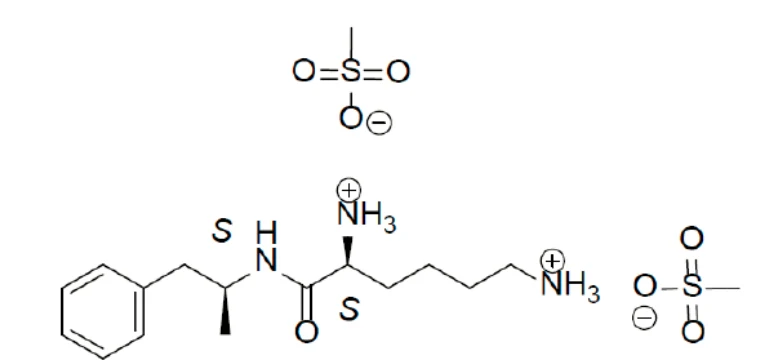
Physicochemical properties: Lisdexamfetamine dimesylate is a white to off-white powder that is freely soluble in water.
14. Clinical Trials
14.1. Clinical Trials by Indication
Attention Deficit Hyperactivity Disorder (ADHD)
Table 7 - Summary of patient demographics for clinical trials in ADHD
| Study # | Study design | Dosage, route of administration and duration | Study subjects (n) | Mean age (Range) | Sex |
|---|---|---|---|---|---|
| Study # | Study design | Dosage, route of administration and duration | Study subjects (n) | Mean age (Range) | Sex |
| Study # | Study design | Dosage, route of administration and duration | Study subjects (n) | Mean age (Range) | Sex |
| NRP104.3 01 | Randomized, double-blind, placebo-controlled, parallel-group study conducted in children aged 6 to 12 years who met DSM-IV criteria for ADHD (either the | Patients were randomized to fixed dose treatment groups receiving final doses of 30, 50, or 70 mg of lisdexamfetamine dimesylate or placebo once daily in the morning for four weeks. | n=285 | 9.0 years ( 6 to 12) | Male: 69.1% Female: 30.9% |
| combined type or the hyperactive-impulsive type). | |||||
| NRP104.2 01 | Double-blind, placebo- and active- controlled, randomized, multi-dose, 3-period and 3-treatment crossover, study of children aged 6 to 12 years who met DSM-IV criteria for ADHD (either the combined type or the hyperactive-impulsive type) conducted in a laboratory classroom setting. | Following a 3-week open-label dose titration with mixed salts amphetamine extended-release capsules, patients were randomized with respect to treatment sequence for the same dose of mixed salts amphetamine extended-release capsules (10, 20, or 30 mg), lisdexamfetamine dimesylate (30, 50, or 70 mg), or placebo once daily in the morning for one week each treatment. | n=50 | 9.1 years (6 to 12) | Male: 62% Female: 38% |
| SPD489-305 | Double-blind, randomized, placebo-controlled, parallel-group study conducted in adolescents aged 13 to 17 years who met DSM-IV criteria for ADHD. | In this 4-week study, patients were randomized in a 1:1:1:1 ratio to a daily morning dose of lisdexamfetamine dimesylate (30, 50 or 70 mg/day) or placebo for a double-blind stepwise forced-dose titration (3 weeks) followed by a 1-week Dose Maintenance Period. All subjects receiving lisdexamfetamine dimesylate were initiated on 30 mg for the first week of treatment. Subjects assigned to the 50 mg and 70 mg dose groups were titrated by 20 mg per week until they achieved their assigned dose. | n=310 | 14.6 years (13 to 17) | Male: 70.3% Female: 29.7% |
| NRP104.3 03 | Double-blind, randomized, | In this 4-week forced-dose titration study, | n=420 | 35.1 years (18 to 55) | Male: 54.3% Female: 45.7% |
| placebo-controlled, parallel-group, forced dose titration study conducted in adults aged 18 to 55 years who met DSM-IV criteria for ADHD (either the combined type or the hyperactive-impulsive type). | subjects were randomly assigned in a 2:2:2:1 ratio of each of the three active doses vs. placebo to a daily morning dose of lisdexamfetamine dimesylate or placebo for four weeks. All lisdexamfetamine dimesylate groups started at 30 mg/day. Subjects randomized to 70 mg titrated to that dose over a 2-week period; those randomized to 50 mg titrated to that dose over a 1-week period; those randomized to 30 mg began dosing on 30 mg/day during Week 1 and remained on that dose throughout the study. | ||||
Study Results in ADHD
Children with ADHD
Table 8 - Results of study NRP104.301 in ADHD (Children Aged 6 to 12 Years)
| Primary Endpoints | Associated value and statistical significance for Drug at specific dosages | Associated value and statistical significance for Placebo or active control |
|---|---|---|
| ADHD Rating Scale (ADHD-RS) total score change from baseline at treatment endpoint for the ITT population | Significant improvement in patient behavior was observed at endpoint for all active treatment groups. LS Mean (SE)* 30 mg: -21.8 (1.60) 50 mg: -23.4 (1.56) 70 mg: -26.7 (1.54) Comparison (placebo-adjusted difference): LS Mean (95% CI†) -15.58 (-20.78, -10.38) p<0.0001 -17.21 (-22.33, -12.08) p<0.0001 -20.49 (-25.63, -15.36) p<0.0001 | LS Mean (SE)* -6.2 (1.56) |
* Treatment effect: p<0.0001 (2-way ANCOVA)
† Dunnett’s test
CI: Confidence Interval; SE: Standard Error; LS: Least Squares
Significant improvements in ADHD symptoms, based upon investigator ratings on the ADHD Rating Scale (ADHD-RS), were observed at Week 1 and continued throughout the entire 4-week treatment period for all lisdexamfetamine dimesylate doses compared to placebo in children aged 6 to 12 years (Table 8). Parents (based on Conner’s Parent Rating Scale) reported significant improvement in behavior throughout the day at approximately 10 am, 2 pm, and 6 pm in the lisdexamfetamine dimesylate group when compared to placebo.
Table 9 - Results of study NRP104.201 in ADHD (Children Aged 6 to 12 Years)
| Primary Endpoints | Associated value and statistical significance for Drug at specific dosages | Associated value and statistical significance for Placebo or active control |
|---|---|---|
| Primary Endpoints | Associated value and statistical significance for Drug at specific dosages | Associated value and statistical significance for Placebo or active control |
| Average of SKAMP-deportment scores across the treatment assessment day, using a mixed-effects model of analysis of variance (ANOVA) for the ITT population | LS Mean (SE) 0.8 (0.1) | LS Mean (SE) mixed salts amphetamine extended-release capsules (10 mg, 20 mg, and 30 mg combined): 0.8 (0.1) Placebo: 1.7 (0.1) |
Difference in LS Mean (95% CI) of lisdexamfetamine dimesylate vs. placebo: -0.9 (-1.1, -0.7)* | Difference in LS Mean (95% CI) of mixed salts amphetamine extended-release capsules vs. placebo: | |
| -0.9 (-1.1, -0.7)* | Difference in LS Mean (95% CI) of lisdexamfetamine dimesylate vs. mixed salts amphetamine extended-release capsules: -0.1 (-0.3, 0.1) | |
* p<0.0001 (2-way ANOVA with treatment and period effects)
CI: Confidence Interval; LS: Least Squares; SE: Standard Error
A significant improvement in patient (aged 6 to 12 years) behavior, based upon the average of investigator ratings on the Swanson, Kotkin, Agler, M.Flynn and Pelham (SKAMP)-deportment scores across the eight sessions of a 12-hour treatment day (assessments conducted at 1, 2, 3, 4.5, 6, 8, 10, and 12 hours post-dose), was observed between patients who received lisdexamfetamine dimesylate compared to patients who received placebo (Table 9).
The results of the secondary efficacy measures (SKAMP-Attention, Clinical Global Impression Improvement [CGI-I], number of math problems attempted [PERMP-A] and number of math problems worked correctly [PERMP-C]) were supportive of the primary efficacy endpoint. On the CGI-I scale, both lisdexamfetamine dimesylate and mixed salts amphetamine extended-release capsules scores indicated significant improvement compared with placebo. In addition, LS means of Permanent Product Measure of Performance [PERMP] average scores for combined doses of active treatments across the treatment day were highly significant compared with placebo, with both associated with robust increases in the number of attempted and correct math problems.
Analog Classroom Study
A second double-blind, placebo-controlled, randomized, crossover design, analog classroom study was conducted in children aged 6 to 12 years (n=129) who met DSM-IV criteria for ADHD (either the combined type or the hyperactive-impulsive type). Following a 4 week open label dose titration with lisdexamfetamine dimesylate (30, 50, 70 mg), patients were randomly assigned to continue lisdexamfetamine dimesylate or placebo once daily in the morning for one week each treatment. A significant difference in patient behavior, based upon the average of investigator ratings on the SKAMP-deportment scores at 1.5 hours post-dose (primary endpoint) and across all seven post dose sessions of a 13-hour treatment day (assessments conducted at 1.5, 2.5, 5.0, 7.5, 10.0, 12.0 and 13.0 hours post dose), was observed between patients who received lisdexamfetamine dimesylate compared to patients who received placebo.
Adolescent with ADHD
Table 10 - Results of Study SPD489-305 in ADHD (Adolescents Aged 13 to 17 Years)
| Primary Endpoints | Associated value and statistical significance for Drug at specific dosages | Associated value and statistical significance for Placebo or active control |
|---|---|---|
| ADHD Rating Scale (ADHD-RS) total score change from baseline at treatment endpoint for the FAS population | Significant improvements in ADHD symptoms were observed at endpoint for all lisdexamfetamine dimesylate doses compared to placebo. LS Mean (SE)* 30 mg: -18.3 (1.25) 50 mg: -21.1 (1.28) 7 0 mg: -20.7 (1.25) Comparison (placebo-adjusted difference): LS Mean (95% CI†) -5.5 (-9.7, -1.3) p=0.0056 -8.3 (-12.5, -4.1) p<0.0001 -7.9 (-12.1, -3.8) p<0.0001 | LS Mean (SE)* -12.8 (1.25) |
* Treatment effect: p<0.0001 (2-way ANCOVA)
† Dunnett’s test
CI: Confidence Interval; FAS: Full Analysis Set; LS: Least Squares; SE: Standard Error
Significant improvements in ADHD symptoms, based upon investigator ratings on the ADHD Rating Scale (ADHD-RS), were observed at endpoint for all lisdexamfetamine dimesylate doses compared to placebo in adolescents aged 13 to 17 years (Table 10). The improvement in the ADHD-RS-IV total score demonstrated in the primary efficacy analysis was supported by the results of the ADHD-RS-IV hyperactivity/impulsivity and inattentiveness subscale analyses at endpoint. Consistent with the primary efficacy result, efficacy was demonstrated at endpoint and at every study visit for all three lisdexamfetamine dimesylate treatment groups. The mean ADHD-RS-IV hyperactivity/impulsivity and inattentiveness subscale scores consistently decreased from Visit 1 to Visit 4, and at every visit there was a consistently larger reduction in the subscale scores in lisdexamfetamine dimesylate treatment groups compared to placebo. At endpoint and at all study visits, the mean change from baseline in the ADHD-RS-IV subscale scores for all three lisdexamfetamine dimesylate treatment groups was statistically significantly different from placebo, representing an improvement in ADHD symptomatology compared to placebo.
The results of the secondary efficacy measure were supportive of the primary efficacy endpoint. On the CGI-I scale, lisdexamfetamine dimesylate scores indicated significant improvement compared with placebo.
Children and Adolescents with ADHD
A double-blind, randomized, placebo- and active-controlled parallel-group, dose-optimization study was conducted in children and adolescents aged 6 to 17 years (total 317 subjects [Full Analysis Set population], 229 (72.2%) subjects aged 6 to 12 years and 88 (27.8%) subjects aged 13 to 17 years) who met DSM-IV criteria for ADHD; subjects previously treated with the active control who had not responded were not enrolled into the study. In this eight-week study, patients were randomized to a daily morning dose of lisdexamfetamine dimesylate (30, 50 or 70 mg/day), active control (included for trial sensitivity) or placebo (1:1:1). The study consisted of 3 periods, as follows: a Screening and Washout Period (up to 42 days), a 7-week Double-blind Evaluation Period (consisting of a 4-week Dose-Optimization Period followed by a 3-week Dose-Maintenance Period), and a 1-week Washout and Follow-up Period. During the 4-week Dose Optimization Period, subjects were titrated until an optimal dose, based on TEAEs and clinical judgment, was reached.
Significant improvements in ADHD symptoms, based upon investigator ratings on the ADHD Rating Scale (ADHD-RS), were observed for lisdexamfetamine dimesylate at endpoint compared to placebo (Table 11). The results of the secondary efficacy measures (CGI-I, change in CHIP-CE: PRF Achievement Domain) were supportive of the primary efficacy endpoint and statistically significantly different from placebo.
Table 11 - Results of Study SPD489-325 in ADHD (Children and Adolescents Aged 6 to 17 Years)
| Primary Endpoints | Associated value and statistical significance for Drug at specific dosages | Associated value and statistical significance for Placebo or active control |
|---|---|---|
| ADHD Rating Scale (ADHD-RS) total score change from baseline at treatment endpoint for the FAS population | Significant improvements in ADHD symptoms were observed at endpoint compared to placebo. LS Mean (SE)* -24.3 (1.16) Comparison (placebo-adjusted difference): LS Mean (95% CI) -18.6 (-21.5, -15.7) p<0.001 | LS Mean (SE)* -5.7 (1.13) |
* Treatment effect: p<0.001 (2-way ANCOVA)
CI: Confidence Interval; FAS: Full Analysis Set; LS: Least Squares; SE: Standard Error
Randomized Withdrawal Study (6 weeks double-blind randomized withdrawal in subjects following treatment with open-label lisdexamfetamine dimesylate for at least 26 weeks)
A double-blind, placebo-controlled, randomized withdrawal study was conducted in children and adolescents aged 6 to 17 years who met the diagnosis of ADHD (DSM-IV criteria). A total of 276 patients were enrolled into the study, 236 patients participated in the preceding study SPD489-325 and 40 subjects directly enrolled. A total of 262 subjects were in the open-label Full Analysis Set population, 185 (70.6%) subjects aged 6 to 12 years and 77 (29.4%) subjects aged 13 to 17 years. In order to ensure that the appropriate population was included in the randomized withdrawal period to evaluate the long-term maintenance of efficacy, subjects were treated with open-label lisdexamfetamine dimesylate for an extended period (at least 26 weeks) prior to being assessed for entry into the randomized withdrawal period. Eligible patients had to demonstrate treatment response as defined by CGI-S <3 and Total Score on the ADHD-RS ≤22. ADHD-RS Total Score is a measure of core symptoms of ADHD. Of patients that maintained open-label treatment response, 157 were randomized to ongoing treatment with the same dose of lisdexamfetamine dimesylate (n=78) or switched to placebo (n=79) during the double-blind phase. Patients were observed for relapse (treatment failure) during the 6-week double-blind phase. Maintenance of efficacy was demonstrated based on the significantly lower proportion of treatment failure among lisdexamfetamine dimesylate subjects (15.8%) compared to placebo (67.5%) at endpoint of the randomized withdrawal period (see Figure 1). The endpoint measurement was defined as the last post-randomization treatment week at which a valid ADHD-RS Total Score and CGI-S were observed. Treatment failure was defined as a ≥50% increase (worsening) in the ADHD-RS Total Score and a ≥2-point increase in the CGI-S score compared to scores at entry into the double-blind randomized withdrawal phase. For the majority of subjects (70.3%) who were treatment failures, ADHD symptoms worsened at or before the Week 2 visit following randomization.
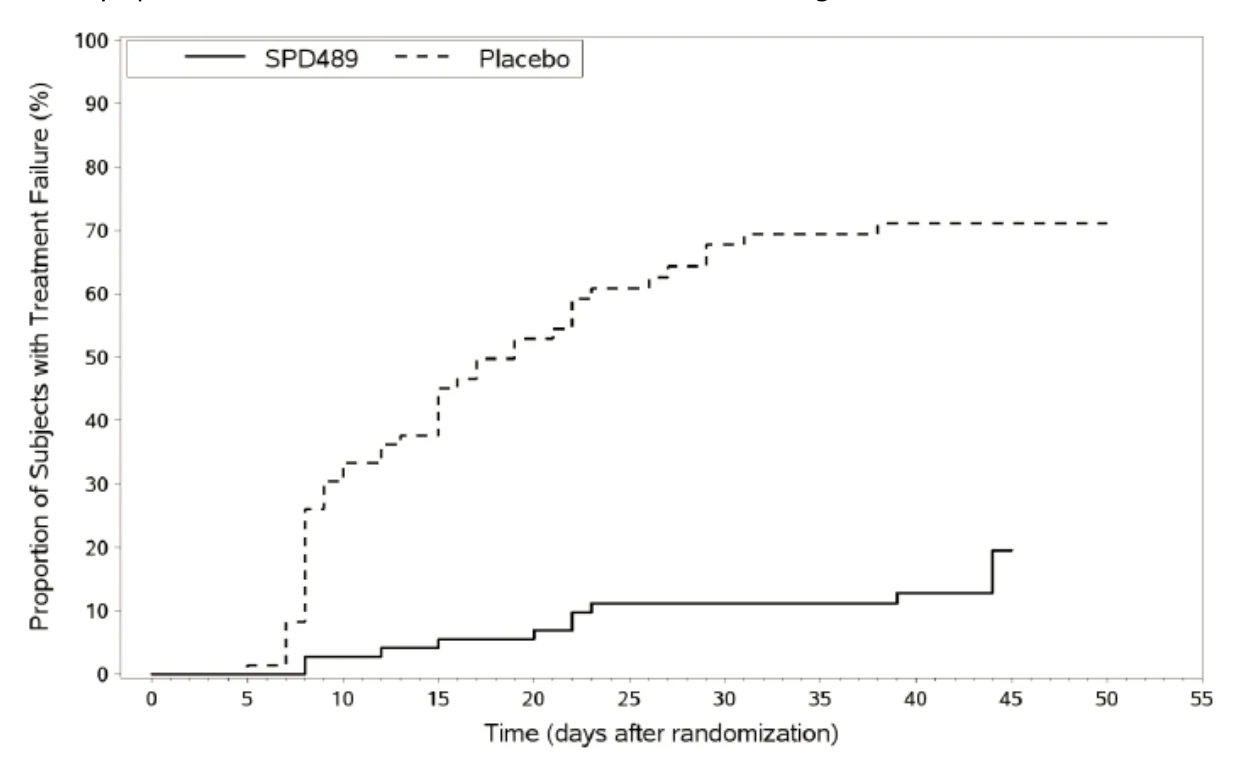
Figure 1: Kaplan-Meier Estimation of Proportion of Patients with Treatment Failure (children and adolescents)
Adults with ADHD
Table 12 - Results of Study NRP104.303 in ADHD (Adults Aged 18 to 55 Years)
| Primary Endpoints | Associated value and statistical significance for Drug at specific dosages | Associated value and statistical significance for Placebo or active control |
|---|---|---|
| ADHD Rating Scale (ADHD-RS) total score change from baseline at treatment endpoint for the ITT population | Significant improvement in ADHD symptoms was observed at endpoint for all lisdexamfetamine dimesylate doses. LS Mean (SE)* 30 mg: -16.2 (1.06) 50 mg: -17.4 (1.05) 70 mg: -18.6 (1.03) Comparison (placebo-adjusted difference): LS Mean (95% CI†) -8.04 (-12.14, -3.95) p<0.0001 -9.16 (-13.25, -5.08) p<0.0001 -10.41 (-14.49, -6.33) p<0.0001 | LS Mean (SE)* -8.2 (1.43) |
* Treatment effect: p<0.0001 (2-way ANCOVA)
† Dunnett’s test
CI: Confidence Interval; LS: Least Squares; SE: Standard Error
Significant improvements in ADHD symptoms, based upon investigator ratings on the ADHD Rating Scale (ADHD-RS), were observed at Week 1 and were seen throughout the entire 4-week treatment period for all lisdexamfetamine dimesylate doses compared to placebo in adults aged 18 to 55 years (Table 12).
The results of the secondary efficacy measure were supportive of the primary efficacy endpoint. On the CGI-I scale, lisdexamfetamine dimesylate scores indicated significant improvement compared with placebo.
Adult Workplace Environment Study
A second double-blind, placebo-controlled, randomized, crossover design, multi-centered, adult workplace environment (AWE) study, a modified analog classroom study of lisdexamfetamine dimesylate to simulate a workplace environment, was conducted in adults (n=142) who met DSM-IV-TR criteria for ADHD. Following a 4-week open-label dose optimization with lisdexamfetamine dimesylate (30, 50, 70 mg), patients were randomly assigned to continue lisdexamfetamine dimesylate or placebo once daily in the morning for one week each treatment. Significant improvements in patient performance, based upon the Permanent Product Measure of Performance (PERMP) scores, a skill-adjusted math test that measures attention in ADHD, were demonstrated at all post-dose time points measured between patients who received lisdexamfetamine dimesylate compared to patients who received placebo. The PERMP assessments were administered at pre dose (-0.5 hours) and at 2, 4, 8, 10, 12, and 14 hours post-dose.
At the optimized dose strength, significant improvements based upon the PERMP-A (number of math problems attempted) score and PERMP-C (number of math problems answered correctly) scores were demonstrated at all post-dose time points measured between patients who received lisdexamfetamine dimesylate compared to patients who received placebo. Secondary measures of Adult ADHD-RS with prompts total score, hyperactivity/impulsivity subscale score, and the inattentiveness subscale score were also supportive of the primary efficacy endpoint and statistically significantly different from placebo. On the CGI-I scale, a significantly larger percentage of subjects receiving lisdexamfetamine dimesylate were improved compared to placebo during the crossover visits.
Randomized Withdrawal Study (6 weeks double-blind randomized withdrawal in subjects with documentation of open-label treatment with lisdexamfetamine dimesylate for a minimum of 6 months)
A double-blind, placebo-controlled, randomized withdrawal design study was conducted in adults aged 18 to 55 years (n=123) who met DSM-IV criteria for ADHD. At study entry, subjects must have had documentation of treatment with lisdexamfetamine dimesylate for a minimum of 6 months and had to demonstrate treatment response as defined by CGI-S <3 and Total Score on the ADHD-RS with adult prompts <22. ADHD-RS Total Score is a measure of core symptoms of ADHD. Subjects that maintained treatment response at Week 3 of the open-label treatment phase (n=116) were eligible to enter the double-blind randomized withdrawal phase (6 weeks duration), and received their entry dose of lisdexamfetamine dimesylate (n=56) or placebo (n=60). The efficacy for subjects maintaining treatment with lisdexamfetamine dimesylate was demonstrated by the significantly lower proportion of treatment failure (<9%) compared to subjects receiving placebo (75%) in the double-blind randomized withdrawal phase (see Figure 2). Treatment failure was defined as a >50% increase in the ADHD-RS with adult prompts Total Score and >2-point increase in the CGI-S score compared to scores at entry into the double-blind randomized withdrawal phase.
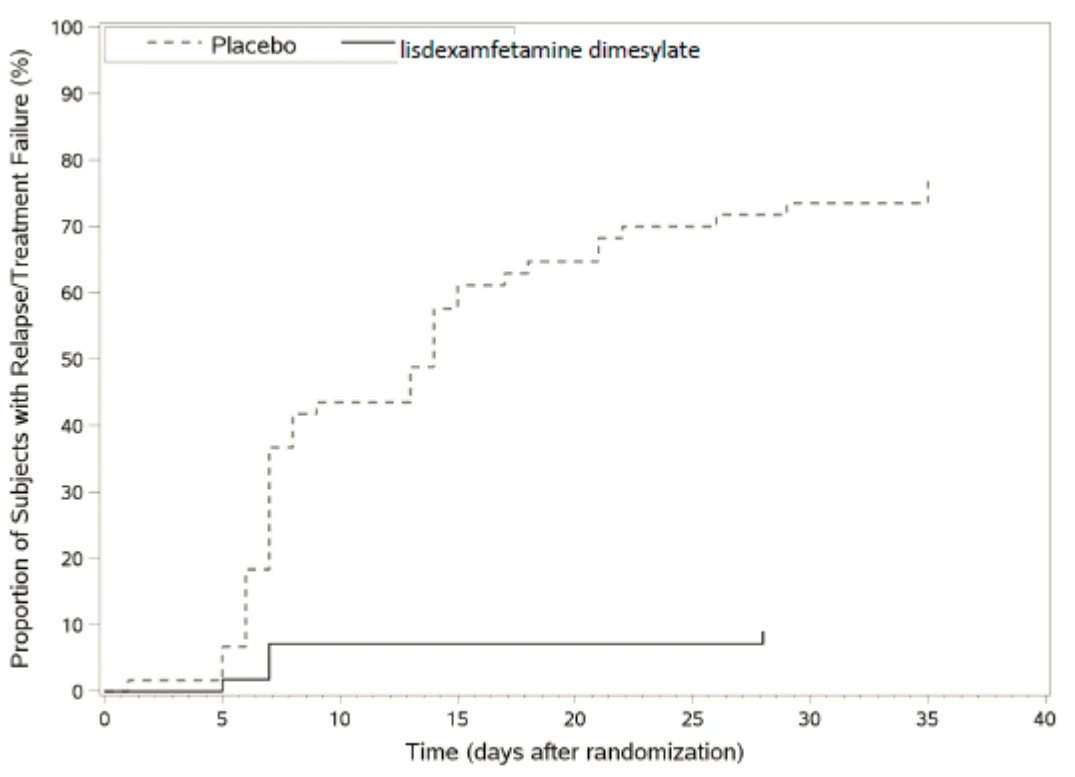
Figure 2: Kaplan-Meier Estimation of Proportion of Patients with Treatment Failure (adults)
Executive Function (Self-regulation) Behaviors Study in ADHD
A 10-week, double-blind, placebo-controlled study was conducted to evaluate change in executive function behaviors, key quality of life outcomes, and ADHD symptoms in adults with ADHD. The study enrolled adults aged 18 to 55 years (n=161) who met DSM-IV criteria for ADHD and had a total score of >65 on Behavior Rating Inventory of Executive Function – Adult Version (BRIEF-A) Global Executive Composite (GEC) T-score by subject-report and a score of >28 using the Adult ADHD-RS with prompts at the Baseline visit. The difference in LS mean change from baseline to week 10 for subject-reported BRIEF-A GEC T-score (-11.2) was significantly better in the lisdexamfetamine dimesylate group compared with placebo (p<0.0001). Secondary efficacy measures of Adult ADHD Impact Module (AIM-A), ADHD-RS with adult prompts, CGI and the ADHD Index T-score of the Conners’ Adult ADHD Rating Scale – Observer: Short Version (CAARS-O:S) were all significantly better in the lisdexamfetamine dimesylate group compared with placebo.
Binge Eating Disorder (BED)
Table 13 - Summary of patient demographics for clinical trials in BED
| Study # | Study design | Dosage, route of administration and duration | Study subjects (n)a | Mean age (Range) | Sexb |
|---|---|---|---|---|---|
| Study # | Study design | Dosage, route of administration and duration | Study subjects (n)a | Mean age (Range) | Sexb |
| SPD489-343 | Multicenter, Randomized, Double-blind, Parallel-group, Placebo-controlled, Dose-optimization Study to Evaluate the Efficacy, Safety, and Tolerability of lisdexamfetamine dimesylate in Adults Aged 18-55 Years with Moderate to Severe Binge Eating Disorder. This study consisted of a screening phase, a double-blind treatment phase (including dose-optimization and dose-maintenance periods), and a follow-up visit. | Lisdexamfetamine Dimesylate 30, 50 and 70 mg oral, once daily capsules Placebo oral, once daily capsules Duration of treatment: 12 weeks | n=374 | 38.1 years (19 to 55) | Male: 13.5% Female: 86.5% |
| SPD489-344 | Multicenter, Randomized, Double-blind, Parallel-group, Placebo-controlled, Dose-optimization Study to Evaluate the Efficacy, Safety, and Tolerability of lisdexamfetamine dimesylate in Adults Aged 18-55 Years with Moderate to Severe Binge Eating Disorder. This study consisted of a screening phase, a double-blind treatment phase (including dose-optimization and dose-maintenance periods), and a follow-up visit. | Lisdexamfetamine Dimesylate 30, 50 and 70 mg oral, once daily capsules Placebo oral, once daily capsules Duration of treatment: 12 weeks | n=350 | 37.9 years (18 to 56) | Male: 14.8% Female: 85.2% |
| SPD489-346 | Multicenter, Double-blind, Placebo-controlled, Randomized-withdrawal Study to Evaluate the Maintenance of Efficacy of lisdexamfetamine dimesylate in Adults Aged 18-55 Years with Moderate to Severe Binge Eating Disorder. This study consisted of a screening phase, an open-label treatment phase (dose optimization followed by dose maintenance), a double-blind withdrawal phase (26 weeks), and a follow-up visit. | Lisdexamfetamine Dimesylate 30, 50 and 70 mg oral, once daily capsules Placebo oral, once daily capsules Duration of treatment: 38 weeks | n=267 | 38.7 years (18 to 55) | Male: 12.6% Female: 87.4% |
a Based on the full analysis set
b Based on the safety analysis set
Study Results in BED
Adults with Moderate to Severe BED
The efficacy of lisdexamfetamine dimesylate in the treatment of BED was demonstrated in two 12-week randomized, double-blind, multi-center, parallel-group, placebo-controlled, dose-optimization studies in adults aged 18-55 years with moderate to severe BED (Study SPD489-343: N=374, Study SPD489-344: N=350). A diagnosis of BED was confirmed using DSM-IV criteria for BED. Requirement of moderate to severe BED was based on having at least 3 binge days per week (as assessed for 2 weeks prior to the baseline visit) and a Clinical Global Impression Severity [CGI-S] score ≥4 at the baseline visit. For both studies, a binge day was defined as a day with at least 1 binge episode, as determined from the subject’s daily binge diary and confirmed by the clinician.
Exclusion criteria related to CV safety included moderate or severe hypertension, diabetes, and cardiovascular diseases, such that obesity and smoking were permissible CV risk factors. Comorbid Axis I or Axis II psychiatric disorders that were either controlled with prohibited medications or were uncontrolled and associated with significant symptoms were excluded. Psychotherapy (e.g., supportive psychotherapy, cognitive behavior therapy, interpersonal therapy) or weight loss support (e.g., Weight Watchers) for BED that began ≥3 months prior to the screening visit was allowed, but initiation or change during the study was prohibited; 9 patients (6 on placebo, and 3 on drug) were receiving psychotherapy for BED at the time of informed consent. The majority of patients were women (87%), White (75%), and recruited in sites in the USA (around 90%).
Both 12-week studies consisted of a 4-week dose-optimization period and an 8-week dose-maintenance period. During dose-optimization, subjects assigned to lisdexamfetamine dimesylate began treatment at the titration dose of 30 mg/day and, after 1 week of treatment, were subsequently titrated to 50 mg/day. Additional increases to 70 mg/day were made as tolerated and clinically indicated. Following the dose-optimization period, subjects continued on their optimized dose for the duration of the dose-maintenance period.
The primary efficacy outcome for the two studies was defined as the LS mean change from baseline at Week 11/12 in the number of binge days per week. Baseline is defined as the weekly average of the number of binge days per week for the 14 days prior to the Baseline visit.
Based upon per-protocol MMRM analysis, subjects from both studies on lisdexamfetamine dimesylate had a statistically significantly greater reduction from baseline compared to placebo in mean number of binge days per week at Weeks 11/12 (Table 14).
Table 14 - Summary of Primary Efficacy Results in BED
| Study Number | Treatment Group | Primary Efficacy Measure: Binge Days per Week at Week 12 |
|---|---|---|
Mean Baseline Score (SD) | LS Mean Change from Baseline (SE) | Placebo-subtracted Differencea (95% CI) |
| SPD489-343 | ||
lisdexamfetamine dimesylate (50 or 70 mg/day)* Placebo | 4.79 (1.27) 4.60 (1.21) | -3.87 (0.12) -2.51 (0.13) |
-1.35 (-1.70, -1.01) -- | ||
| SPD489-344 | ||
lisdexamfetamine dimesylate (50 or 70 mg/day)* Placebo | 4.66 (1.27) 4.82 (1.42) | -3.92 (0.14) -2.26 (0.14) |
-1.66 (-2.04, -1.28) -- | ||
SD: standard deviation; SE: standard error; LS Mean: least-squares mean; CI: confidence interval.
a Difference (drug minus placebo) in least-squares mean change from baseline.
* Doses statistically significantly superior to placebo.
In addition, subjects on lisdexamfetamine dimesylate showed greater improvement as compared to placebo across key secondary outcomes with higher proportion of subject rated improved on the CGI-I rating scale, higher proportion of subjects with 4-week binge cessation, and greater reduction on obsessive/compulsive binge eating symptoms as measured by the Yale-Brown Obsessive Compulsive Scale Modified for Binge Eating (Y-BOCS-BE) total score in both studies.
Randomized Withdrawal Study
A double-blind, placebo-controlled, randomized withdrawal design study was conducted to evaluate maintenance of efficacy based on time to relapse between lisdexamfetamine dimesylate and placebo in adults aged 18 to 55 years (n=267) with moderate to severe BED (DSM-IV-TR diagnosis), who at baseline reported 3 or more binge eating days per week during each of the 2 weeks prior to baseline, and had a CGI-S score of 4 or more.
Exclusion criteria and use of psychotherapy or weight loss support in this study were as described above for the pivotal studies. Two patients were receiving psychotherapy for BED at the time of informed consent. The majority of patients were women (87%), White (84%), and recruited in sites in the USA (around 80%).
The 12-week open-label treatment phase consisted of 4 weeks of dose-optimization and 8 weeks of dose-maintenance. Subjects began treatment at the titration dose of 30 mg/day for 1 week of treatment, and were subsequently titrated to 50 mg/day for the second week. Additional increases to 70 mg/day were made as tolerated and clinically indicated. If, at the end of the third week of dose optimization, the 70 mg dose level was not tolerated, the subject could have been down-titrated to 50 mg; no further dose adjustments were permitted after this time. During the randomised-withdrawal phase, patients received lisdexamfetamine dimesylate (n=137) or placebo (n=138), at the same optimised dose level as at the end of the open-label phase (50 or 70 mg/day), for up to 26 weeks.
Patients who had responded to lisdexamfetamine dimesylate in the preceding 12-week open-label treatment phase were randomized to continuation of lisdexamfetamine dimesylate or placebo for up to 26 weeks of observation for relapse. Response in the open-label phase was defined as 1 or fewer binge days each week for four consecutive weeks prior to the last visit at the end of the 12-week open-label phase and a CGI-S score of 2 or less at the same visit. Relapse during the double-blind phase was defined as having 2 or more binge days each week for two consecutive weeks (14 days) prior to any visit and having an increase in CGI-S score of 2 or more points compared to the randomized-withdrawal baseline.
Lisdexamfetamine dimesylate was superior over placebo as measured by time to relapse, the primary efficacy outcome. At the end of the randomized-withdrawal phase, the group continuing on lisdexamfetamine dimesylate had a lower proportion of relapse (5/136, 3.7%) as compared to the placebo group (42/131, 32.1%). The proportion of patients who completed the randomized withdrawal phase of the study (that is, neither relapsed nor discontinued for other reasons) was 74.5% (102/137) on lisdexamfetamine dimesylate compared to 36.2% (50/138) on placebo.
14.2. Comparative Bioavailability Studies
An open-label, single-dose, two-way, cross-over, comparative bioavailability study of Teva-Lisdexamfetamine 60 mg chewable tablets (Teva Canada Limited) and Vyvanse® 60 mg chewable tablets (Shire US Inc., USA), was conducted in 40 healthy, adult, male and female subjects under fasting conditions. Comparative bioavailability data from 39 subjects that were included in the statistical analysis are presented in the following table.
Summary Table of the Comparative Bioavailability Data
Lisdexamfetamine (1 x 60 mg) Geometric Mean Arithmetic Mean (CV %) | ||||
| Parameter | Test1 | Reference2 | % Ratio of Geometric Means | 90% Confidence Interval |
AUCT (ng·h/mL) | 35.2 40.4 (64.4) | 37.1 40.3 (45.7) | 94.9 | 87.1 – 103.3 |
AUCI (ng·h/mL) | 37.3 42.0 (62.1) | 37.6 40.7 (45.2) | 97.4 | 91.2 – 104.0 |
Cmax (ng/mL) | 29.9 34.5 (64.0) | 31.8 34.7 (45.3) | 94.0 | 84.8 – 104.1 |
Tmax3 (h) | 1.00 (0.75-1.50) | 1.00 (0.75 - 2.00) | ||
T½4 (h) | 0.83 (62.36) | 0.89 (59.85) | ||
1 Teva-Lisdexamfetamine (lisdexamfetamine dimesylate) chewable tablets, 60 mg (Teva Canada Limited)
2 VYVANSE® (lisdexamfetamine dimesylate) chewable tablets, 60 mg (Shire US Inc., USA)
3 Expressed as median (range) only.
4 Expressed as arithmetic mean (CV % only).
There have been no clinical efficacy studies using lisdexamfetamine dimesylate chewable tablets. However, in a randomized, open-label, 2-sequence, 4-period replicated crossover study, the bioavailability of dextroamphetamine (the primary active lisdexamfetamine metabolite) was compared after a single 60 mg dose administration of lisdexamfetamine dimesylate chewable tablet versus lisdexamfetamine dimesylate capsule. The products were administered to healthy adult male and female subjects under fasting conditions. The results from the 18 subjects who completed all four periods of the study are presented below.
Table 15 - Summary Table of the Comparative Bioavailability Data
dextroamphetamine (1 x 60 mg lisdexamfetamine dimesylate) From measured data Geometric Mean Arithmetic Mean (CV %) | ||||
dextroamphetamine (1 x 60 mg lisdexamfetamine dimesylate) From measured data Geometric Mean Arithmetic Mean (CV %) | ||||
| Parameter | lisdexamfetamine dimesylate Chewable Tablet | lisdexamfetamine dimesylate Capsule | % Ratio of Geometric Means | 90% Confidence Interval |
| Parameter | lisdexamfetamine dimesylate Chewable Tablet | lisdexamfetamine dimesylate Capsule | % Ratio of Geometric Means | 90% Confidence Interval |
AUCT(0-96h) (ng·h/mL) | 1047.5 1079 (24.0) | 1052.9 1087 (24.0) | 99.5 | 95.7 - 103.4 |
AUCI (ng·h/mL) | 1135.5 1168 (23.1) | 1126.2 1161 (23.4) | 100.8 | 97.4 - 104.4 |
| Cmax | 55.5 | 55.9 | 99.2 | 96.1 - 102.4 |
| (ng/mL) | 56.9 (25.8) | 56.7 (17.8) | ||
Tmax§ (h) | 4.00 (2.0 - 8.0) | 4.00 (2.0 - 6.0) | ||
T½€ (h) | 12.7 (18.5) | 12.3 (19.4) | ||
§ Expressed as the median (range).
€ Expressed as the arithmetic mean (CV%)
15. Microbiology
No microbiological information is required for this drug product.
16. Non-Clinical Toxicology
General Toxicology:
Acute Toxicity Studies: The LD50 value for lisdexamfetamine diHCl in rats was >1000 mg/kg. Lisdexamfetamine diHCl has a 39.9% inherent dextroamphetamine content. On the basis of this value, the LD50 value would be equivalent to either >399 mg/kg of dextroamphetamine or >548 mg/kg dextroamphetamine sulfate. Therefore, lisdexamfetamine diHCl is approximately 5-fold less lethal by the oral route than dextroamphetamine sulfate (LD50 value of 96.8 mg/kg).
Acute administration of high doses of amphetamine (d- or d,l-) has been shown to produce long lasting neurotoxic effects, including irreversible nerve fiber damage, in rodents. The significance of these findings to humans is unknown.
Subacute and Subchronic Toxicity Studies: In the pivotal 28 day repeat dose rat study, animals were administered lisdexamfetamine dimesylate 20, 40 or 80 mg/kg/day or dextroamphetamine sulfate at 16 mg/kg/day. There was no mortality, no effects on hematological parameters, and only isolated changes associated with clinical chemistry values for mid- and high-dose group animals. The effects noted at the mid dosage of lisdexamfetamine dimesylate were similar to those of an equimolar dose of dextroamphetamine sulfate. No histological findings were present at any dosage of lisdexamfetamine dimesylate.
In the 6-month repeat dose rat study with a 4-week recovery period, animals were administered lisdexamfetamine dimesylate (20 and 40 mg/kg/day) or dextroamphetamine sulfate (8 and 16 mg/kg/day). No treatment-related pathological changes were apparent, including evaluation of Ki-67 immunolabeling for potential proliferative changes in the liver. Overall there were no toxicologically significant differences between the two test articles.
In the pivotal 28 day repeat dose dog study, animals were administered lisdexamfetamine dimesylate 3, 6 and 12 mg/kg/day or dextroamphetamine sulfate at 2.4 mg/kg/day. There was no mortality, and no effects on clinical pathology, ophthalmology, ECG, gross necropsy, and histopathology were observed. Other reported effects associated with lisdexamfetamine dimesylate administration were consistent with the known pharmacological effects of dextroamphetamine. The mid dose of lisdexamfetamine dimesylate demonstrated pharmacological effects similar to those of an equimolar dose of dextroamphetamine sulfate.
Juvenile toxicity studies were performed in the rat (4, 10 and 40 mg/kg/day lisdexamfetamine dimesylate) and dog (2, 5 and 12 mg/kg/day). No adverse effects were observed upon nervous system development or reproductive function in the rat or on neurotoxicity or male reproductive endpoints in the dog.
Genotoxicity:
Mutagenicity Studies: Lisdexamfetamine dimesylate was not clastogenic in the mouse bone marrow micronucleus test in vivo and was negative when tested in the E. coli and S. typhimurium components of the Ames test and in the L5178Y/TK+- mouse lymphoma assay in vitro.
Carcinogenicity:
Carcinogenicity studies have not been performed with lisdexamfetamine dimesylate.
No evidence of carcinogenicity was found in studies in which d,l-amphetamine (enantiomer ratio of 1:1) was administered to mice and rats in the diet for two years at doses of up to 30 mg/kg/day in male mice, 19 mg/kg/day in female mice, and 5 mg/kg/day in male and female rats.
Reproductive and developmental toxicology:
In animal reproduction studies, lisdexamfetamine dimesylate had no apparent effect on embryofetal morphological development or survival when orally administered to pregnant rats and rabbits throughout the period of organogenesis at doses up to 40 and 120 mg/kg/day, respectively. These doses are approximately 3.2 and 19.2 times (child) and 6.5 and 38.9 times (adult) respectively the maximum recommended dose of 60 mg/day for the treatment of ADHD and 5.6 and 33.4 times (adults) respectively the maximum recommended human daily dose of 70 mg for the treatment of BED, on a mg/m2 body surface area basis.
The effects of lisdexamfetamine dimesylate on fertility and early embryonic development have not been investigated in animal reproductive studies. Amphetamine (d to l enantiomer ratio of 3:1) did not adversely affect fertility or early embryonic development in the rat at doses of up to 20 mg/kg/day.
The effects of lisdexamfetamine dimesylate on pre- and post-natal development have not been investigated in animal reproductive studies. A number of studies in rodents indicate that prenatal or early postnatal exposure to amphetamine (d- or d,l-), at doses similar to those used clinically, can result in long term neurochemical and behavioral alterations. Reported behavioral effects include learning and memory deficits, altered locomotor activity, and changes in sexual function.
Juvenile Toxicity:
Effects on Growth: A study was conducted in which juvenile rats received oral doses of 4, 10, or 40 mg/kg/day of lisdexamfetamine from Day 7 to Day 63 of age. These doses are approximately 0.3, 0.8, and 3.2 times the maximum recommended human daily dose of 60 mg for the treatment of ADHD, on a mg/m2 basis. Dose related decreases in food consumption, bodyweight gain, and crown-rump length were seen; after a four week drug free recovery period bodyweights and crown-rump lengths had significantly recovered in females but were still substantially reduced in males. Time to vaginal opening was delayed in females at the highest dose, but there were no drug effects on fertility when the animals were mated beginning on Day 85 of age.
In a study in which juvenile dogs received lisdexamfetamine for six months beginning at 10 weeks of age, decreased bodyweight gain was seen at all doses tested (2, 5, and 12 mg/kg/day, which are approximately 0.5, 1.3, and 3.2 times the maximum recommended human daily dose of 60 mg on a mg/m2 basis). This effect partially or fully reversed during a 4 week drug free recovery period.
Special toxicology:
Non-Clinical Abuse Data: Non-clinical abuse studies indicate that lisdexamfetamine produced behavioural and subjective effects in rats and monkeys that are qualitatively similar to those of the CNS stimulant dextroamphetamine, but that are delayed in onset. The rewarding effects, as determined in self-administration studies, are lower than those of methylphenidate or cocaine, but are greater than those of modafinil or placebo.
17. Supporting Product Monographs
- 1. VYVANSE (lisdexamfetamine chewable tablets; 10 mg, 20 mg, 30 mg, 40 mg, 50 mg and 60 mg, lisdexamfetamine capsules; 10 mg, 20 mg, 30 mg, 40 mg, 50 mg, 60 mg and 70 mg), submission control 296290, Product Monograph, Takeda Canada Inc. 25-09-15