


Product Monograph - Dexedrine Spansule
RECENT MAJOR LABEL CHANGES
| 2 CONTRAINDICATIONS | 11/2024 |
|---|---|
| 4 DOSAGE AND ADMINISTRATION, 4.1 Dosing Considerations | 11/2024 |
| 7 WARNING AND PRECAUTIONS | 11/2024 |
TABLE OF CONTENTS
Sections or subsections that are not applicable at the time of authorization are not listed.
RECENT MAJOR LABEL CHANGES ............................................................................................. 2
TABLE OF CONTENTS ................................................................................................................ 2
PART I: HEALTH PROFESSIONAL INFORMATION ....................................................................... 4
1 INDICATIONS ................................................................................................................ 4
1.1 Pediatrics ............................................................................................................... 5
1.2 Geriatrics ................................................................................................................ 5
2 CONTRAINDICATIONS ................................................................................................... 5
3 SERIOUS WARNINGS AND PRECAUTIONS BOX .............................................................. 5
4 DOSAGE AND ADMINISTRATION .................................................................................. 6
4.1 Dosing Considerations ........................................................................................... 6
4.2 Recommended Dose and Dosage Adjustment ....................................................... 6
4.4 Administration ....................................................................................................... 7
4.5 Missed Dose ........................................................................................................... 7
5 OVERDOSAGE ............................................................................................................... 8
6 DOSAGE FORMS, STRENGTHS, COMPOSITION AND PACKAGING .................................. 9
7 WARNINGS AND PRECAUTIONS .................................................................................. 10
7.1 Special Populations .............................................................................................. 14
7.1.2 Pregnant Women ............................................................................................ 14
7.1.3 Breast-feeding ................................................................................................. 14
7.1.3 Pediatrics ........................................................................................................ 14
7.1.4 Geriatrics ......................................................................................................... 15
8 ADVERSE REACTIONS .................................................................................................. 15
8.2 Clinical Trial Adverse Reactions ............................................................................ 15
8.5 Post-Market Adverse Reactions ........................................................................... 15
9 DRUG INTERACTIONS ................................................................................................. 16
9.1 Serious Drug Interactions ..................................................................................... 16
9.2 Drug Interactions Overview ................................................................................. 16
9.4 Drug-Drug Interactions ........................................................................................ 17
9.5 Drug-Food Interactions ........................................................................................ 18
9.6 Drug-Herb Interactions ........................................................................................ 18
9.7 Drug-Laboratory Test Interactions ....................................................................... 18
10 CLINICAL PHARMACOLOGY ......................................................................................... 18
10.1 Mechanism of Action ........................................................................................... 18
10.3 Pharmacokinetics ................................................................................................. 19
11 STORAGE, STABILITY AND DISPOSAL ........................................................................... 19
12 SPECIAL HANDLING INSTRUCTIONS ............................................................................ 19
PART II: SCIENTIFIC INFORMATION ........................................................................................ 20
13 PHARMACEUTICAL INFORMATION ............................................................................. 20
14 CLINICAL TRIALS ......................................................................................................... 20
15 MICROBIOLOGY .......................................................................................................... 20
16 NON-CLINICAL TOXICOLOGY ....................................................................................... 20
PATIENT MEDICATION INFORMATION ................................................................................... 21
PART I: HEALTH PROFESSIONAL INFORMATION
1 INDICATIONS
DEXEDRINE/DEXEDRINE SPANSULE (dextroamphetamine sulfate) is indicated:
- in the adjunctive treatment of narcolepsy
- for the treatment of attention deficit hyperactivity disorder (ADHD)
Attention Deficit Hyperactivity Disorder (ADHD): A diagnosis of ADHD (DSM-IV) implies the presence of hyperactive-impulsive or inattentive symptoms that caused impairment and that were present before age 7 years. The symptoms must be persistent, must be more severe than is typically observed in individuals at a comparable level of development, must cause clinically significant impairment, e.g., in social, academic, or occupational functioning, and must be present in 2 or more settings, e.g., school (or work) and at home. The symptoms must not be better accounted for by another mental disorder. For the Inattentive Type, at least 6 of the following symptoms must have persisted for at least 6 months: lack of attention to details/careless mistakes, lack of sustained attention, poor listener, failure to follow through on tasks, poor organization, avoids tasks requiring sustained mental effort, loses things, easily distracted, forgetful. For the Hyperactive-Impulsive Type, at least 6 of the following symptoms must have persisted for at least 6 months: fidgeting/squirming, leaving seat, inappropriate running/climbing, difficulty with quiet activities, “on the go,” excessive talking, blurting answers, can’t wait turn, intrusive. For a Combined Type diagnosis, both inattentive and hyperactive-impulsive criteria must be met.
Special Diagnostic Considerations: The specific etiology of ADHD is unknown, and there is no single diagnostic test. Adequate diagnosis requires the use not only of medical but of special psychological, educational, and social resources. Learning may or may not be impaired. The diagnosis must be based upon a complete history and evaluation of the patient and not solely on the presence of the required number of DSM-IV characteristics.
Need for Comprehensive Treatment Program: DEXEDRINE/DEXEDRINE SPANSULE is indicated as an integral part of a total treatment program for ADHD that may include other measures (psychological, educational and social) for patients with this syndrome. Drug treatment may not be indicated for all patients with this syndrome. Drug treatment is not intended for use in the patient who exhibits symptoms secondary to environmental factors and/or other primary psychiatric disorders, including psychosis. Appropriate educational placement is essential in children and adolescents with this diagnosis and psychosocial intervention is often helpful. When remedial measures alone are insufficient, the decision to prescribe drug treatment medication will depend upon the physician’s assessment of the chronicity and severity of the patient’s symptoms.
Long-term Use: The physician who elects to use DEXEDRINE/DEXEDRINE SPANSULE for extended periods should periodically re-evaluate the long-term usefulness of the drug for the individual patient.
1.1 Pediatrics
Pediatrics (< 6 years of age): Amphetamines are not recommended for use in Attention Deficit Hyperactivity Disorder in children under 6 years of age, since safety and efficacy in this age group have not been established. Long-term effects of amphetamines in children above 6 years of age have not been well established.
1.2 Geriatrics
Geriatrics (> 65 years of age): DEXEDRINE/DEXEDRINE SPANSULE should be used with caution in geriatric patients, taking into consideration the greater frequency of decreased hepatic or renal function, of cardiovascular disease, and of concomitant disease or other drug therapy in this patient population, which may necessitate dose adjustments and additional or more frequent monitoring.
2 CONTRAINDICATIONS
DEXEDRINE/DEXEDRINE SPANSULE (dextroamphetamine sulfate) is contraindicated in patients with:
- Hypersensitivity to DEXEDRINE/DEXEDRINE SPANSULE or to any ingredient in the formulation or component of the container. For complete listing, see 6 DOSAGE FORMS, STRENGTHS, COMPOSITION AND PACKAGING.
- Hypersensitivity or idiosyncrasy to sympathomimetic amines
- Advanced arteriosclerosis
- Symptomatic cardiovascular disease
- Moderate to severe hypertension
- Hyperthyroidism
- Agitated state
- History of drug abuse
- Glaucoma
- Anxiety
- Tension
- Pheochromocytoma
- Motor tics or with a family history of diagnosis of Tourette’s Syndrome (verbal tics).
- Concomitant treatment with monoamine oxidase inhibitors (MAOIs) or within 14 days following the withdrawal of MAOIs (see 9.4 Drug-Drug Interactions).
3 SERIOUS WARNINGS AND PRECAUTIONS BOX
Serious Warnings and Precautions
Misuse and Serious Cardiovascular Adverse Events
Amphetamines have a potential for abuse, misuse, dependence, and diversion for non-therapeutic uses that physicians should consider when prescribing this product (see 7 WARNINGS AND PRECAUTIONS, Dependence/Tolerance).
The misuse of amphetamines may cause serious cardiovascular adverse events and sudden death.
4 DOSAGE AND ADMINISTRATION
4.1 Dosing Considerations
- DEXEDRINE/DEXEDRINE SPANSULE should be administered starting at the lowest possible dose. Dosage should then be individually and slowly adjusted, to the lowest effective dosage, since individual patient response to DEXEDRINE/DEXEDRINE SPANSULE varies widely.
- Prior to initiating treatment with DEXEDRINE/DEXEDRINE SPANSULE, a personal and family history (including assessment for a family history of sudden death or ventricular arrhythmia) and physical examination should be obtained to assess for the presence of cardiac disease. In patients with relevant risk factors and based on the clinician’s judgment, further cardiovascular evaluation may be considered (e.g., electrocardiogram and echocardiogram). DEXEDRINE/DEXEDRINE SPANSULE should not be used in patients with symptomatic cardiovascular disease and should generally not be used in patients with known structural cardiac abnormalities (see 2 CONTRAINDICATIONS and 7 WARNINGS AND PRECAUTIONS, Cardiovascular).
- Patients who are considered to need extended treatment with DEXEDRINE should undergo periodic evaluation of their cardiovascular status (see 7 WARNINGS AND PRECAUTIONS, Cardiovascular).
DEXEDRINE (tablet) contains lactose and sucrose (see 6 DOSAGE FORMS, STRENGTHS, COMPOSITION AND PACKAGING). It should not be used in patients with the following rare hereditary problems:
- Galactose intolerance
- Lactase deficiency
- Glucose-galactose malabsorption
- Fructose intolerance
- Sucrase-isomaltase insufficiency
DEXEDRINE SPANSULE (capsule) contains sucrose (sugar spheres) (see 6 DOSAGE FORMS, STRENGTHS, COMPOSITION AND PACKAGING). It should not be used in patients with the following rare hereditary problems:
- Glucose-galactose malabsorption
- Fructose intolerance
- Sucrase-isomaltase insufficiency
4.2 Recommended Dose and Dosage Adjustment
Amphetamines are not recommended for pediatric patients under 6 years of age. Therefore, DEXEDRINE/DEXEDRINE SPANSULE should not be used in this population.
Adjunctive treatment of Narcolepsy:
Daily dosage may range from 5 mg to 60 mg depending on individual patient response.
- Suggested initial dosage for pediatric patients aged 6 to 12: start with 5 mg daily. Daily dosage may be raised in increments of 5 mg at weekly intervals until optimal response is obtained.
- In adults and pediatric patients 12 years of age and older: start with 10 mg daily. Daily dosage may be raised in increments of 10 mg at weekly intervals until optimal response is obtained.
If bothersome adverse reactions appear (e.g., insomnia or anorexia), dosage should be reduced. DEXEDRINE SPANSULE may be used for once-a-day dosage wherever appropriate. When using DEXEDRINE tablets, the first dose is to be taken upon awakening in the morning and additional doses (1 or 2) can be taken at intervals of 4 to 6 hours.
Attention Deficit Hyperactivity Disorder in adults and pediatric patients 6 years of age and older:
Daily dosage may range from 2.5 mg to 40 mg, although some patients may require more than 40 mg daily for optimal response.
- In adults and pediatric patients 6 years of age or older, start with 5 mg once or twice daily. Daily dosage may be raised in increments of 5 mg at weekly intervals until optimal response is obtained. Only in rare cases will it be necessary to exceed a total of 40 mg per day.
If bothersome adverse reactions appear (e.g., insomnia or anorexia), dosage should be reduced. DEXEDRINE SPANSULE may be used for once-a-day dosage wherever appropriate. When using DEXEDRINE tablets, the first dose is to be taken upon awakening in the morning and additional doses (1 or 2) can be taken at intervals of 4 to 6 hours.
Most patients suffering from ADHD require medication for several years, although once symptoms have been controlled, it may be possible to reduce dosage or to interrupt drug therapy during the summer months and at other times when the patient is under less stress. During periods of interrupted drug therapy, behavioral symptoms should be assessed to determine whether their recurrence is sufficient to justify the resumption of treatment.
Patients with severe renal impairment or undergoing dialysis:
Due to reduced clearance in patients with severe renal impairment (GFR 15 to < 30 mL/min/1.73 m2), dosage reduction should be considered in these patients.
As d-amphetamines are not dialyzable, dosage reduction may be considered in patients undergoing dialysis.
4.4 Administration
Time of administration should receive special attention - particularly with DEXEDRINE SPANSULE - because of possible insomnia. Late evening medication should be avoided.
4.5 Missed Dose
If forgotten, the medicine should be taken as soon as remembered and administration should continue as usual. A double dose should not be taken to make up for forgotten individual doses. Late evening medication should be avoided.
5 OVERDOSAGE
The toxic dose of amphetamine varies widely according to the degree of tolerance present. Blood levels are, therefore, of little value in assessing the severity of the overdose; this assessment must depend almost entirely on clinical signs.
Signs and Symptoms: Manifestations of acute overdosage include dilated and reactive pupils, shallow rapid respiration, rhabdomyolysis, hyperpyrexia, fever, chills, sweating and hyperactive tendon reflexes.
Other manifestations:
Central effects may include restlessness, tremor, aggressiveness, anxiety, confusion, delirium, hallucinations, panic attacks and even suicidal or homicidal tendencies. The stimulant effect is usually followed by depression, lethargy and exhaustion.
Cardiovascular effects may include anginal pain, extrasystoles and other arrhythmias, flushing, headache, hypertension or hypotension, pallor, palpitations and tachycardia. Circulatory collapse and syncope may occur.
Gastrointestinal effects include nausea, vomiting, diarrhea and abdominal cramps.
Posterior reversible encephalopathy syndrome (PRES) has been reported in association with amphetamine overdose. Symptoms indicating PRES include headache, altered mental status, seizures and visual disturbances. Diagnosis should be confirmed by radiological procedure (e.g., MRI). If PRES is suspected or diagnosed, appropriate measures should be taken. Symptoms of PRES are usually reversible but may evolve into ischemic stroke or cerebral hemorrhage. Delay in diagnosis and treatment may lead to permanent neurological sequelae.
Fatal poisoning is usually preceded by convulsions and coma.
Treatment: Consult with a Certified Poison Control Center for up to date guidance and advice. Treatment is essentially symptomatic and supportive. In addition to the usual measures, including administration of activated charcoal (use of activated charcoal should be avoided in patients with significant risk of aspiration in whom the airway is not protected) and catharsis, sedatives should be given when indicated.
The prolonged release of DEXEDRINE SPANSULE should be considered when treating patients with overdose. Saline cathartics are useful for hastening the evacuation of pellets that have not already released medication.
Benzodiazepines are first-line agents in amphetamine overdose for agitation, movement disorders, seizures, tachycardia, and hypertension.
Second-line therapies may include antipsychotics such as chlorpromazine, ziprasidone or haloperidol. These drugs antagonize the central stimulant effects of amphetamines and can be used to treat amphetamine intoxication. However, caution should be exercised when administering these products, as they may worsen clinical outcomes related to the toxicity of co-ingestants, including other stimulants (e.g., cocaine) and ethanol withdrawal. Central alpha-2 adrenergic agonists, such as dexmedetomidine, are sometimes used for refractory amphetamine-induced agitation as they may have an additional advantage in that they can mitigate the tachycardia and hypertension often seen in these situations.
If acute severe hypertension complicates amphetamine overdosage, administration of intravenous phentolamine has been suggested. However, a gradual drop in blood pressure will usually result when sufficient sedation has been achieved. In the presence of severe hypotension, the usual procedures employed for shock should be instituted.
Seizures resistant to benzodiazepines may respond to barbiturates, or require escalation of care, including endotracheal intubation and initiation of propofol infusion.
Although previously advocated, enhancing amphetamine excretion via urine acidification is no longer recommended due to lack of effects on amphetamine toxicity and potential compromises in overall patient management (systemic acidosis, renal effects from rhabdomyolysis).
The d-amphetamines are not dialyzable. No data is available to support the recommendation of forced diuresis, hemodialysis, peritoneal dialysis or charcoal hemoperfusion in this regard.
6 DOSAGE FORMS, STRENGTHS, COMPOSITION AND PACKAGING
Table 1 – Dosage Forms, Strengths, Composition and Packaging
5 mg tablet: orange, round-cornered, equilaterally triangular shaped, scored, compressed tablets, engraved with a shield logo.
Available in HDPE bottles of 100 tablets.
10 mg and 15 mg capsules: tapered-end capsules with a brown cap, a natural coloured body and containing two shades of orange pellets. The 10 mg capsules (Size No. 4) are monogrammed, in white ink, “3513-10 mg-” on the brown cap with “SB-10mg-” on the clear body. The 15 mg capsules (Size No. 3) are monogrammed, in white ink, “3514” and “15 mg” on the brown cap with “15 mg” and “SB” on the clear body. A narrow bar appears above and below 15 mg and 3514.
For management of a suspected drug overdose, contact your regional poison control centre.
| Route of Administration | Dosage Form / Strength/Composition | Non-medicinal Ingredients |
| oral | Tablet 5 mg dextroamphetamine sulfate | calcium sulfate, confectioner’s sugar, FD&C Yellow no.5 (tartrazine), FD&C Yellow no.6, gelatin, lactose, mineral oil, starch, stearic acid, sucrose and talc |
| oral | Sustained-release capsule 10 mg and 15 mg dextroamphetamine sulfate | D&C Yellow no.10, dibutyl sebacate, ethylcellulose, FD&C Blue no.1, FD&C Red no.40, FD&C yellow no. 6, gelatin, Opadry Clear YS-1-7006 (hydroxypropyl methylcellulose and polyethylene glycol), povidone, sugar spheres |
Available in HDPE bottles of 100 capsules.
Each sustained-release capsule releases a therapeutic dose promptly with the remaining dose being delivered gradually without interruption to sustain the effects for 10 to 12 hours.
7 WARNINGS AND PRECAUTIONS
Please see 3 SERIOUS WARNINGS AND PRECAUTIONS BOX.
Cardiovascular
Sudden Death and Pre-existing Structural Cardiac Abnormalities:
Children and Adolescents: Sudden death has been reported in association with stimulant drugs used for ADHD treatment at usual doses in children and adolescents with structural cardiac abnormalities or other serious heart problems.
Although some serious heart problems alone carry an increased risk of sudden death, stimulant products generally should not be used in children or adolescents with known serious structural cardiac abnormalities, cardiomyopathy, serious heart rhythm abnormalities, or other serious cardiac problems that may place them at increased vulnerability to the sympathomimetic effects of a stimulant drug.
Adults: Sudden deaths, stroke, and myocardial infarction have been reported in adults taking stimulant drugs at usual doses for ADHD. Although the role of stimulants in these adult cases is also unknown, adults have a greater likelihood than children of having serious structural cardiac abnormalities, cardiomyopathy, serious heart rhythm abnormalities, coronary artery disease, or other serious cardiac problems. Adults with such abnormalities should also generally not be treated with stimulant drugs (see 2 CONTRAINDICATIONS).
Hypertension and other Cardiovascular Conditions: Stimulant medications cause a modest increase in average blood pressure (about 2-4 mmHg) and average heart rate (about 3-6 bpm), and individuals may have larger increases. While the mean changes alone would not be expected to have short-term consequences, all patients should be monitored for larger changes in heart rate and blood pressure. Caution is indicated in treating patients whose underlying medical conditions might be compromised by increases in blood pressure or heart rate, e.g., those with pre-existing hypertension, heart failure, recent myocardial infarction, or ventricular arrhythmia (see 2 CONTRAINDICATIONS).
Assessing Cardiovascular Status in Patients being Treated with Stimulant Medications:
Theoretically, there exists a pharmacological potential for all ADHD drugs to increase the risk of sudden/cardiac death. Although confirmation of an incremental risk for adverse cardiac events arising from treatment with ADHD medications is lacking, prescribers should consider this potential risk.
All drugs with sympathomimetic effects should be used with caution in patients who: a) are involved in strenuous exercise or activities, b) use other stimulants or c) have a family history of sudden/cardiac death. Patients who are being considered for treatment with stimulant medications should have a careful history (including assessment for a family history of sudden death or ventricular arrhythmia) and physical exam to assess for the presence of cardiac disease, and should receive further cardiac evaluation if findings suggest such disease (e.g., electrocardiogram and echocardiogram). Patients who develop symptoms such as exertional chest pain, unexplained syncope, or other symptoms suggestive of cardiac disease during stimulant treatment should undergo a prompt cardiac evaluation.
Dependence/Tolerance
Amphetamines have been extensively abused (see 3 SERIOUS WARNINGS AND PRECAUTION BOX). Tolerance, extreme psychological dependence, and severe social disability can occur. There are reports of patients who have increased the dosage to levels many times higher than recommended. The smallest possible amount of the drug should be prescribed or dispensed at one time in order to minimize the possibility of overdosage.
The possibility of tolerance and psychological dependence, particularly with excessive use, should be kept in mind. Therefore, care should be used in the selection of candidates for DEXEDRINE/DEXEDRINE SPANSULE therapy, in particular if patients have a previous history of drug or alcohol abuse/dependence. Should psychological dependence occur, discontinue medication. Abrupt cessation following prolonged high dosage administration may result in extreme fatigue and mental depression. Changes have also been noted on the sleep EEG. Careful supervision is therefore recommended during drug withdrawal.
Manifestations of chronic intoxication with amphetamines include severe dermatoses, marked insomnia, irritability, hyperactivity, and personality changes. The most severe manifestation of chronic intoxication is psychosis, often clinically indistinguishable from schizophrenia.
Driving and Operating Machinery
Amphetamines may mask extreme fatigue, which can impair the ability to perform potentially hazardous activities such as operating machinery or driving motor vehicles; patients should be cautioned accordingly.
Endocrine and Metabolism
Lactose and sucrose intolerance: DEXEDRINE (tablet) contains lactose and sucrose (see 6 DOSAGE FORMS, STRENGTHS, COMPOSITION AND PACKAGING). It should not be used in patients with the following rare hereditary problems:
- Galactose intolerance
- Lactase deficiency
- Glucose-galactose malabsorption
- Fructose intolerance
- Sucrase-isomaltase insufficiency
DEXEDRINE SPANSULE (capsule) contains sucrose (sugar spheres) (see 6 DOSAGE FORMS, STRENGTHS, COMPOSITION AND PACKAGING). It should not be used in patients with the following rare hereditary problems:
- Glucose-galactose malabsorption
- Fructose intolerance
- Sucrase-isomaltase insufficiency
Long-Term Suppression of Growth: Careful follow-up of weight and height in children ages 7 to 10 years who were randomized to either methylphenidate or non-medication treatment groups over 14 months, as well as in naturalistic subgroups of newly methylphenidate-treated and non-medication treated children over 36 months (to the ages of 10 to 13 years), suggests that consistently medicated children (i.e., treatment for 7 days per week throughout the year) have a temporary slowing in growth rate (on average, a total of about 2 cm less growth in height and 2.7 kg less growth in weight over 3 years), without evidence of growth rebound during this period of development. Published data are inadequate to determine whether chronic use of amphetamines may cause a similar suppression of growth, however, it is anticipated that they likely have this effect as well. Therefore, growth should be monitored during treatment with stimulants, and pediatric patients who are not growing or gaining height or weight as expected may need to have their treatment interrupted.
Neurologic
Seizures: There is some clinical evidence that stimulants may lower the convulsive threshold in patients with prior history of seizures, in patients with prior EEG abnormalities in absence of seizures, and, very rarely, in patients without a history of seizures and no prior EEG evidence of seizures. In the presence of seizures, the drug should be discontinued.
Tics: Amphetamines have been reported to exacerbate motor and phonic tics in Tourette’s syndrome. Therefore, careful clinical evaluation for tics in Tourette’s syndrome in patients and their families should precede use of stimulant medications (see 2 CONTRAINDICATIONS).
Serotonin toxicity/Serotonin syndrome: Serotonin toxicity, also known as serotonin syndrome, is a potentially life-threatening condition and has been rarely reported with amphetamines, particularly during combined use with other serotonergic drugs. It has also been reported in association with an overdose of amphetamines (see 5 OVERDOSAGE)
Serotonin toxicity is characterized by neuromuscular excitation, autonomic stimulation (e.g., tachycardia, flushing) and altered mental state (e.g., anxiety, agitation hypomania). In accordance with the Hunter Criteria, serotonin toxicity diagnosis is likely when, in the presence of at least one serotonergic agent, one of the following is observed:
- Spontaneous clonus
- Inducible clonus or ocular clonus with agitation or diaphoresis
- Tremor and hyperreflexia
- Hypotonia and body temperature ≥38°C and ocular clonus or inducible clonus
Concomitant use with monoamine oxidase inhibitors is contraindicated (see 2 CONTRAINDICATIONS). If concomitant treatment with DEXEDRINE/DEXEDRINE SPANSULE and other serotonergic agents is clinically warranted, careful observation of the patient is advised, particularly during treatment initiation and dose increases (see 9.4 Drug-Drug Interactions). If serotonin toxicity is suspected, discontinuation of the serotonergic agent should be considered.
Ophthalmologic
Difficulties with accommodation and blurring of vision have been reported with stimulant treatment (see 2 CONTRAINDICATIONS).
Psychiatric
Pre-Existing Psychosis: Administration of stimulants may exacerbate symptoms of behavior disturbance and thought disorder in patients with a pre-existing psychotic disorder.
Bipolar Illness: Particular care should be taken in using stimulants to treat ADHD in patients with comorbid bipolar disorder because of concern for possible induction of a mixed/manic episode in such patients. Prior to initiating treatment with a stimulant, patients with comorbid depressive symptoms should be adequately screened to determine if they are at risk for bipolar disorder; such screening should include a detailed psychiatric history, including a family history of suicide, bipolar disorder, and depression.
Emergence of New Psychotic or Manic Symptoms: Treatment emergent psychotic or manic symptoms, e.g., hallucinations, delusional thinking, or mania in children and adolescents without a prior history of psychotic illness or mania can be caused by stimulants at usual doses. If such symptoms occur, consideration should be given to a possible causal role of the stimulant, and discontinuation of treatment may be appropriate. In a pooled analysis of multiple short-term, placebo-controlled studies, such symptoms occurred in about 0.1% (4 patients with events out of 3482 exposed to methylphenidate or amphetamine for several weeks at usual doses) of stimulant-treated patients compared to 0 in placebo-treated patients.
Aggression: Aggressive behavior (or hostility) is often observed in children and adolescents with ADHD. This behavior has been reported in clinical trials and the post-marketing experience of some medications indicated for the treatment of ADHD. Although there is no systematic evidence that stimulants cause aggressive behavior or hostility, patients beginning treatment for ADHD should be monitored for the appearance of or worsening of aggressive behavior or hostility.
Suicidal Behavior and Ideation: There have been post-marketing reports of suicide-related events in patients treated with ADHD drugs, including cases of ideation, attempts, and very rarely, completed suicide. The mechanism of this risk is not known. ADHD and its related co-morbidities may be associated with increased risk of suicidal ideation and/or behavior.
It is recommended for patients treated with ADHD drugs that caregivers and physicians monitor for signs of suicide-related behavior, including at dose initiation/optimization and drug discontinuation. Patients should be encouraged to report any distressing thoughts or feelings at any time to their healthcare professional. Patients with emergent suicidal ideation and behavior should be evaluated immediately. The physician should initiate appropriate treatment of the underlying psychiatric condition and consider a possible change in the ADHD treatment regimen (see 8.5 Post-Market Adverse Reactions).
Renal
Due to reduced clearance in patients with severe renal impairment (GFR 15 to < 30 mL/min/1.73 m2), dosage reduction should be considered in these patients.
As d-amphetamines are not dialyzable, dosage reduction may be considered in patients undergoing dialysis.
Sensitivity/Resistance
DEXEDRINE tablets contain tartrazine (FD&C yellow #5) which can cause allergic type reactions (including bronchial asthma) in susceptible individuals, especially people with a history of allergy to acetylsalicylic acid (ASA). Cross-sensitivity to salicylates and tartrazine is frequently seen.
Vascular
Peripheral Vasculopathy, Including Raynaud’s Phenomenon: Stimulants used to treat ADHD, such as DEXEDRINE/DEXEDRINE SPANSULE, are associated with peripheral vasculopathy, including Raynaud’s phenomenon. Signs and symptoms are usually intermittent and mild; however, very rare sequelae include digital ulceration and/or soft tissue breakdown. Effects of peripheral vasculopathy, including Raynaud’s phenomenon, were observed in post-marketing reports at different times and at therapeutic doses in all age groups throughout the course of treatment. Signs and symptoms generally improve after reduction in dose or discontinuation of drug. Careful observation for digital changes is necessary during treatment with ADHD stimulants. Further clinical evaluation (e.g., rheumatology referral) may be appropriate for certain patients.
7.1 Special Populations
7.1.1 Pregnant Women
Safe use in pregnancy has not been established. Infants born to mothers dependent on amphetamines have an increased risk of premature delivery and low birth weight. Also, these infants may experience symptoms of withdrawal as manifested by dysphoria, agitation and significant lassitude. Reproductive studies in mammals at high multiples of the human dose have suggested an embryotoxic and a teratogenic potential. Use of amphetamines by women who are or who may become pregnant, and especially those in the first trimester of pregnancy, requires that the potential benefit be weighed against the possible hazard to mother and child.
7.1.2 Breast-feeding
Amphetamines are excreted in human milk. Mothers taking DEXEDRINE/DEXEDRINE SPANSULE should be advised to refrain from nursing. Long-term neurodevelopmental effects on infants from amphetamine exposure are unknown. Because of the potential for serious adverse reactions in nursing infants, a decision should be made whether to discontinue nursing or to discontinue the drug, taking into account the importance of the drug to the mother.
7.1.3 Pediatrics
Pediatrics (< 6 years of age): Amphetamines are not recommended for use in ADHD in children under 6 years of age, since safety and efficacy in this age group have not been established.
Long-term effects of amphetamines in children above 6 years of age have not been well established.
Chronic administration of amphetamines may be associated with growth inhibition; growth should be monitored during treatment (see 7 WARNINGS AND PRECAUTIONS, Endocrine and Metabolism).
Clinical experience suggests that in psychotic children, administration of amphetamines may exacerbate symptoms of behavior disturbance and thought disorder (see 7 WARNINGS AND PRECAUTIONS, Psychiatric).
The presence of tics or Tourette’s syndrome should be ruled out before administering amphetamines to children (see 2 CONTRAINDICATIONS and 7 WARNINGS AND PRECAUTIONS, Neurologic).
7.1.4 Geriatrics
Geriatrics (> 65 years of age): DEXEDRINE/DEXEDRINE SPANSULE should be used with caution in geriatric patients, taking into consideration the greater frequency of decreased hepatic or renal function, of cardiovascular disease, and of concomitant disease or other drug therapy, which may necessitate dose adjustments and additional or more frequent monitoring.
8 ADVERSE REACTIONS
8.2 Clinical Trial Adverse Reactions
Clinical trials are conducted under very specific conditions. The adverse reaction rates observed in the clinical trials; therefore, may not reflect the rates observed in practice and should not be compared to the rates in the clinical trials of another drug. Adverse reaction information from clinical trials may be useful in identifying and approximating rates of adverse drug reactions in real-world use.
Cardiac Disorders: palpitations, tachycardia, elevation of blood pressure. There have been isolated reports of cardiomyopathy associated with chronic amphetamine use.
Gastrointestinal Disorders: dryness of the mouth, unpleasant taste, loss of appetite, diarrhea, constipation, other gastrointestinal disturbances, anorexia and weight loss
Nervous System Disorders: overstimulation, restlessness, dizziness, euphoria or dysphoria, dyskinesia, headache, insomnia, exacerbation of motor and phonic tics, Tourette's syndrome, tremor; rarely, psychotic episodes at recommended doses
Psychiatric Disorders: changes in libido
Reproductive System and Breast Disorders: impotence
Skin and Subcutaneous Tissue Disorders: urticaria
8.5 Post-Market Adverse Reactions
The following unexpected serious adverse events have been reported in users of DEXEDRINE/DEXEDRINE SPANSULE in the post-marketing period. These adverse events are compiled from spontaneous reports and are listed regardless of frequency and whether or not causal relationship with DEXEDRINE/DEXEDRINE SPANSULE has been established.
Cardiac Disorders: atrial fibrillation, blood pressure abnormal, heart rate irregular, hypotension, myocardial infarction, sudden/cardiac death, thrombosis
Endocrine Disorders: blood sugar fluctuation, blood glucose increased, hypoglycemia
Gastrointestinal Disorders: tooth disorder, intestinal ischemia
General Disorders and Administration Site Conditions: condition aggravated, chest pain, drug ineffective, feeling abnormal, general physical health deterioration
Immune System Disorders: anaphylactic reaction
Investigations: prostatic specific antigen increased, sperm concentration zero
Musculoskeletal and Connective Tissue Disorders: muscle spasm
Neoplasms Benign, Malignant and Unspecified (incl cysts and polyps): pancreatic neoplasm, prostate cancer
Nervous System Disorders: cerebrovascular accident, fall, hemorrhagic stroke, subdural hematoma
Psychiatric Disorders: screaming
Suicidal Behavior and Ideation: There have been post-marketing reports of suicide-related events, including completed suicide, suicide attempt, and suicidal ideation in patients treated with ADHD drugs. In some of these reports, comorbid conditions may have contributed to the event (see 7 WARNINGS AND PRECAUTIONS, Psychiatric, Suicidal Behavior and Ideation).
Renal and Urinary Disorders: bladder disorder, incontinence, urinary incontinence
Skin and Subcutaneous Tissue Disorders: livedo reticularis, skin discoloration
Vascular Disorders: epistaxis, contusion
9 DRUG INTERACTIONS
9.1 Serious Drug Interactions
Serious Drug Interactions
- Concomitant use with monoamine oxidase inhibitors (MAOIs) (see 2 CONTRAINDICATIONS and 9.4 Drug-Drug Interactions)
9.2 Drug Interactions Overview
Caution should be exercised when co-prescribing amphetamines and other drugs since clinically significant interactions with a number of drugs have been reported. In some instances, potentiation of CNS and cardiac effects could be life-threatening. Dosages should be closely monitored.
Amphetamines and amphetamine derivatives are known to be metabolized, to some degree, by cytochrome P450 2D6 (CYP2D6) and display minor inhibition of CYP2D6 metabolism. The potential for a pharmacokinetic interaction exists with the co-administration of CYP2D6 inhibitors (e.g., terbinafine, cimetidine, quinidine, bupropion, paroxetine and fluoxetine) which may result in an increased exposure to DEXEDRINE/DEXEDRINE SPANSULE (see also 9.4 Drug-Drug Interactions, Serotonergic Drugs below).
9.4 Drug-Drug Interactions
The drugs listed below are based on either drug interaction case reports or studies, or potential interactions due to the expected magnitude and seriousness of the interaction (i.e., those identified as contraindicated).
Monoamine Oxidase Inhibitors (MAOIs): DEXEDRINE/DEXEDRINE SPANSULE is contraindicated during or within 14 days following the administration of MAOIs. MAOIs and amphetamines, when co-administered, can increase the release of norepinephrine and other monoamines. This can cause headaches and other signs of hypertensive crisis. A variety of neurological toxic effects and malignant hyperpyrexia can occur, sometimes with fatal results (see 2 CONTRAINDICATIONS).
Serotonergic drugs: Due to the risk of serotonin toxicity, DEXEDRINE/DEXEDRINE SPANSULE should be used with caution in combination with serotonergic and/or neuroleptic drugs, e.g., selective serotonin reuptake inhibitors (SSRIs), serotonin and noradrenaline reuptake inhibitors (SNRIs), triptans, lithium, St. John’s Wort, tryptophan (see 7 WARNINGS AND PRECAUTIONS, Neurologic, Serotonin toxicity/Serotonin syndrome; see also Tricyclic antidepressants and Opioid analgesics below).
Tricyclic antidepressants: Cardiovascular effects of amphetamines can be potentiated by tricyclic antidepressants.
Tricyclic antidepressants may enhance the serotonergic effects of amphetamines. This may, on rare occasions, result in serotonergic toxicity. Therefore, the combination of amphetamines with tricyclic antidepressants should be used with caution (see 7 WARNINGS AND PRECAUTIONS, Neurologic, Serotonin toxicity/Serotonin syndrome).
Opioid analgesics: Amphetamines may enhance the analgesic effect of opioid analgesics such as morphine and meperidine. The analgesic response to opioid analgesics should be monitored in patients treated with amphetamines. A lower opioid dose may be required to provide appropriate analgesia.
Opioid analgesics may enhance the serotonergic effects of amphetamines. This may, on rare occasions, result in serotonergic toxicity. Therefore, the combination of amphetamines with opioid analgesics should be used with caution (see 7 WARNINGS AND PRECAUTIONS, Neurologic, Serotonin toxicity/Serotonin syndrome).
Agents that alter gastrointestinal pH and impact the absorption of amphetamine
- Gastrointestinal acidifying agents (e.g., glutamic acid hydrochloride and ascorbic acid) may lower the absorption of amphetamines.
- Gastrointestinal alkalinizing agents (e.g., proton pump inhibitors and other antiacids) may increase the absorption of amphetamines.
Agents that alter urinary pH and impact the urinary excretion and half-life of amphetamine
- Agents (e.g., ammonium chloride and sodium acid phosphate) that acidify urine increase urinary excretion and decrease the half-life of amphetamine.
- Agents (e.g., sodium bicarbonate, acetazolamide and thiazides) that alkalinize urine decrease urinary excretion and extend the half-life of amphetamine.
Agents whose effects may be reduced by amphetamines
- Antihypertensives: Amphetamines may decrease the effectiveness of guanethidine, clonidine, adrenergic blockers or other antihypertensives.
Agents whose effects may be potentiated by amphetamines
- Sympathomimetic drugs: Because of possible additive cardiovascular effects, DEXEDRINE/DEXEDRINE SPANSULE should be used with caution in patients being treated with drugs with similar pharmacological actions (e.g., other sympathomimetic drugs such as central nervous system stimulants, decongestants, and norepinephrine) (see 7 WARNINGS AND PRECAUTIONS, Cardiovascular).
Agents that may reduce the effects of amphetamines
- Chlorpromazine: Chlorpromazine blocks dopamine and norepinephrine receptors, thus inhibiting the central stimulant effects of amphetamines, and can be used to treat amphetamine poisoning.
- Haloperidol: Haloperidol blocks dopamine receptors, thus inhibiting the central stimulant effects of amphetamines.
9.5 Drug-Food Interactions
Interactions with food have not been established.
9.6 Drug-Herb Interactions
DEXEDRINE/DEXEDRINE SPANSULE should be used with caution in combination with St. John’s Wort (see 9.4 Drug-Drug Interactions).
9.7 Drug-Laboratory Test Interactions
Amphetamines can cause a significant elevation in plasma corticosteroid levels particularly in the evening, and thus may affect urinary steroid determinations.
10 CLINICAL PHARMACOLOGY
10.1 Mechanism of Action
Dextroamphetamine (dexamphetamine, d-amphetamine) sulfate is a sympathomimetic agent. Like other amphetamines, dextroamphetamine substantially blocks the reuptake of norepinephrine and dopamine into the presynaptic neuron and increases the release of these monoamines into the extraneuronal space. It has actions qualitatively similar to those of amphetamine sulfate but is approximately twice as potent. It has a marked stimulant effect on the central nervous system, particularly the cerebral cortex and the respiratory and vasomotor centers.
Dextroamphetamine sulfate causes a lessening of fatigue, an increase in mental activity, an elevation of mood, and a general feeling of well-being. However, its indiscriminate use in attempts to increase capacity for work or to overcome fatigue is undesirable. At high doses, it produces a euphoria, which upon abrupt withdrawal of the drug reverts to severe depression and lethargy.
The mechanism by which amphetamines produce mental and behavioral effects in children is not conclusively established.
10.3 Pharmacokinetics
Metabolism: Amphetamines and amphetamine derivatives are known to be metabolized, to some degree, by cytochrome P450 2D6 (CYP2D6) and display minor inhibition of CYP2D6 metabolism. As CYP2D6 is genetically polymorphic, population variations in amphetamine metabolism are a possibility.
11 STORAGE, STABILITY AND DISPOSAL
Keep out of the reach and sight of children. DEXEDRINE/ DEXEDRINE SPANSULE should be stored at 15°C - 30°C and preserved in well-closed containers.
12 SPECIAL HANDLING INSTRUCTIONS
Not applicable.
PART II: SCIENTIFIC INFORMATION
13 PHARMACEUTICAL INFORMATION
Drug Substance
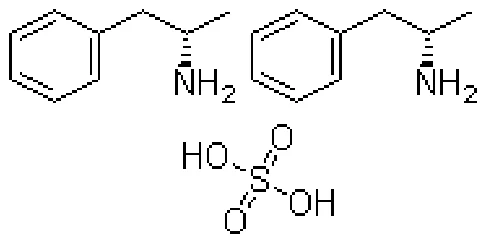
Proper name: dextroamphetamine sulfate
Chemical name: (+)-α-Methylphenethylamine hemisulfate salt
Molecular formula and molecular mass: 2(C9H13N)∙H2SO4; 368.49
Structural formula:
14 CLINICAL TRIALS
The clinical trial data on which the original indication was authorized are not available.
15 MICROBIOLOGY
No microbiological information is required for this drug product.
16 NON-CLINICAL TOXICOLOGY
Reproductive and Developmental Toxicology: A number of studies in rodents indicate that prenatal or early postnatal exposure to amphetamine (d- or d,l-) at doses similar to those used clinically can result in long-term neurochemical and behavioral alterations. Reported behavioral effects include learning and memory deficits, altered locomotor activity, and changes in sexual function.