


Product Monograph - Thyconvi
1. Indications
THYCONVI (levothyroxine sodium) is indicated for:
- Hypothyroidism: as a replacement or supplemental therapy in patients of any age with primary (thyroidal), secondary (pituitary), and tertiary (hypothalamic) hypothyroidism of any etiology, in any state (including pregnancy) except transient hypothyroidism during the recovery phase of subacute thyroiditis;
- Pituitary Thyrotropin (Thyroid-stimulating hormone, TSH) Suppression: as an adjunct to surgery and radioactive iodine therapy in the management of thyrotropin-dependent well-differentiated papillary or follicular carcinoma of the thyroid.
1.1. Pediatrics
Pediatrics (<18 years of age including neonates): Based on the data submitted and reviewed by Health Canada, the safety and efficacy of THYCONVI in pediatric patients has been established. Therefore, Health Canada has authorized an indication for pediatric use (see 4 Dosage and Administration, 4.2 Recommended Dose and Dosage Adjustment, Pediatric Dosage).
1.2. Geriatrics
Geriatrics (≥65 years of age): THYCONVI is approved for use in the geriatric population. However, experience suggests that use in the geriatric population is associated with differences in safety or effectiveness and dosing precautions apply (see 4 Dosage and Administration, 4.2 Recommended Dose and Dosage Adjustment, 7.1.4 Geriatrics).
2. Contraindications
THYCONVI (levothyroxine sodium) is contraindicated in:
- Patients who are hypersensitive to this drug or to any ingredient in the formulation, including any non-medicinal ingredient, or component of the container. For a complete listing (see 6 Dosage Forms, Strengths, Composition, and Packaging).
- Patients with untreated subclinical thyrotoxicosis (suppressed serum TSH with normal L-triiodothyronine/liothyronine [T3] and L-thyroxine/levothyroxine [T4] levels) or overt thyrotoxicosis of any etiology.
- Patients with acute myocardial infarction, acute myocarditis, or acute pancarditis.
- Patients with uncorrected/untreated adrenal insufficiency, as thyroid hormones increase tissue demands for adrenocortical hormones and may thereby precipitate acute adrenal crisis by increasing the metabolic clearance of glucocorticoids (see 7 Warnings and Precautions, Immune Polyglandular Syndrome).
- Pregnant women being treated with drugs for hyperthyroidism, such as methimazole and propylthiouracil. Combination therapy of hyperthyroidism with levothyroxine and anti-thyroid agents is not indicated in pregnancy. (see 7.1.1 Pregnant Women).
3. Serious Warnings and Precautions Box
| Thyroid hormones, including THYCONVI, either alone or with other therapeutic agents, should not be used for the treatment of obesity or for weight loss. In euthyroid patients, doses within the range of daily hormonal requirements are ineffective for weight reduction. Larger doses may produce serious or even life-threatening manifestations of toxicity, particularly when given in association with sympathomimetic amines such as those used for their anorectic effects. |
|---|
4. Dosage and Administration
4.1. Dosing Considerations
The dosage and frequency of administration of THYCONVI are determined by the indication and must in every case be individualized according to patient response and laboratory findings.
Starting dose depends on a variety of factors, including age, body weight, cardiovascular status, and concomitant medical conditions (including pregnancy), concomitant medications, co-administered food, and the specific nature of the condition being treated.
Peak therapeutic effect may not be attained for 4-6 weeks.
Adequacy of therapy is determined through periodic monitoring of TSH and/or T4 as well as clinical status (see 4.2 Recommended Dose and Dosage Adjustment, 4.4 Administration, 7 Warnings and Precautions, and 9 Drug Interactions).
Unless bioequivalence has been established, levothyroxine sodium products from different manufacturers should not be used interchangeably unless retesting of the patient and re-titration of the dosage, as necessary, accompanies the product switch.
Convert mcg dosage to mL using the following equation and round up or down to the nearest syringe graduation (see Dose and Dosage adjustment):
Dose (mcg) 20 = Dose (mL)
Hypothyroidism: The goal of therapy for primary hypothyroidism is to achieve and maintain a clinical and biochemical euthyroid state with consequent resolution of hypothyroid signs and symptoms. The starting dose of THYCONVI, the frequency of dose titration, and the optimal full replacement dose must be individualized for every patient, and will be influenced by such factors as age, weight, cardiovascular status, presence of other illness, and the severity and duration of hypothyroid symptoms.
In patients with secondary or tertiary hypothyroidism resulting from pituitary or hypothalamic disease, respectively, the possibility of secondary adrenal insufficiency should be considered, and if present, treated with glucocorticoids prior to initiation of THYCONVI. The adequacy of levothyroxine sodium therapy should be assessed in these patients by measuring free T4 (FT4), which should be maintained in the upper half of the normal range, in addition to clinical assessment. Measurement of TSH is not a reliable indicator of response to therapy for this condition.
TSH Suppression in Thyroid Cancer: The rationale for TSH suppression therapy is that a reduction in TSH secretion may decrease the growth and function of abnormal thyroid tissue. Exogenous thyroid hormone may inhibit recurrence of tumour growth and may produce regression of metastases from well-differentiated (follicular and papillary) carcinoma of the thyroid. TSH suppression is used as ancillary therapy for these conditions following surgery or radioactive iodine therapy. Medullary and anaplastic carcinoma of the thyroid is unresponsive to TSH suppression therapy.
No controlled studies have compared the various degrees of TSH suppression in the treatment of either benign or malignant thyroid nodular disease. Further, the effectiveness of TSH suppression for benign nodular disease is controversial. The dose of THYCONVI used for TSH suppression should therefore be individualized by the nature of the disease, the patient being treated, and the desired clinical response, weighing the potential benefits of therapy against the risks of iatrogenic thyrotoxicosis. In general, THYCONVI should be given in the smallest dose that will achieve the desired clinical response.
Pediatric – Congenital or acquired hypothyroidism: The THYCONVI pediatric dosage varies with age and body weight. THYCONVI should be given at a dose that maintains T4 or FT4 in the upper half of the normal range and serum TSH in the normal range (see 7.1.3 Pediatrics). Normalization of TSH may lag significantly behind T4 in some infants. In general, despite the smaller body size of children, the dosage (on a weight basis) required to sustain full development and general thriving is higher than in adults.
4.2. Recommended Dose and Dosage Adjustment
Adult Dosage
Hypothyroidism:
Adults ≤ 50 years of age, including adolescents in whom growth and puberty are complete: The usual full replacement dose of THYCONVI for younger, healthy adults is approximately 1.7 mcg/kg/day administered once daily (See Table 1). Therapy is usually initiated at the anticipated full replacement dose. Few patients require doses greater than 200 mcg/day. An inadequate response to daily doses of 300 to 400 mcg/day is rare, and may suggest malabsorption, poor patient compliance, and/or drug interactions.
Adults > 50 years of age: In older patients, the full replacement dose may be altered by decreases in T4 metabolism and levothyroxine sodium absorption. Older patients may require less than 1 mcg/kg/day. For most patients older than 50 years and for patients under 50 years of age with a history of/underlying cardiac disease, an initial starting dose of 25 to 50 mcg/day of THYCONVI is recommended, with gradual increments in dose at six-to-eight-week intervals, as needed (See Table 1).
Adults > 50 years of age with cardiac disease: The recommended starting dose of THYCONVI in patients over 50 with cardiac disease is 12.5 to 25 mcg/day, with gradual dose increments at four-to-six-week intervals (See Table 1). If cardiac symptoms develop or worsen, the cardiac disease should be evaluated, and the dose of levothyroxine sodium reduced. Rarely, worsening angina or other signs of cardiac ischemia may prevent achieving a TSH in the normal range.
Pregnancy: Patients with pre-existing hypothyroidism who are maintained on THYCONVI during pregnancy may require increased doses (see 7.1.1 Pregnancy). Measure serum TSH and free-T4 as soon as pregnancy is confirmed and, at a minimum, during each trimester of pregnancy. In patients with primary hypothyroidism, maintain serum TSH in the trimester-specific reference range. For patients with serum TSH above the normal trimester specific range, increase the dose of THYCONVI by 12.5 to 25 mcg/day (See Table 1) and measure TSH every 4 weeks until a stable THYCONVI dose is reached and serum TSH is within the normal trimester-specific range. Reduce THYCONVI dosage to pre-pregnancy levels immediately after delivery and measure serum TSH levels 4 to 8 weeks postpartum to ensure THYCONVI dose is appropriate.
The goal in new onset hypothyroidism in pregnancy is to normalise thyroid function as rapidly as possible. Evaluate serum TSH every 4 weeks and adjust THYCONVI dosage until a serum TSH is within the normal trimester specific range (see 7.1.1 Pregnant Women).
Subclinical hypothyroidism: Treatment of subclinical hypothyroidism may require lower than usual replacement doses e.g., 1.0 mcg/kg/day (See Table 1). Patients for whom treatment is not initiated should be monitored yearly for changes in clinical status, TSH, and thyroid antibodies.
Severe or long-standing hypothyroidism: Initiate treatment with a low dose of levothyroxine, 12.5–25 mcg/day and increase gradually based on patient response and monitoring, particularly to manage cardiac risks in elderly or compromised individuals (See Table 1).
TSH Suppression in Thyroid Cancer:
For well-differentiated thyroid cancer, TSH is generally suppressed to less than 0.1 mU/L and requires THYCONVI doses greater than 2 mcg/kg/day (See Table 1). However, in patients with high-risk tumors, the target level for TSH suppression may be lower.
Table 1. Dosing and Administration of Levothyroxine in Adults and Adolescents with Completed Growth and Puberty
Medical Condition(s) | Patient Population | Starting Dose | Dosing Increment | Interval for Monitoring/ Dosing Increment | Therapeutic Goal |
| Hypothyroidism | Children with Completed Growth and Puberty | 1.6–1.7 mcg/kg/day | 25–50 mcg/day | 6–8 weeks | Normal TSH (age-specific reference range) |
| Adults < 50 years | 1.7 mcg/kg/day | 25–50 mcg/day | 6–8 weeks | Normal TSH* | |
| Adults > 50 years | 25–50 mcg/day | 12.5–25 mcg/day | 6–8 weeks | ||
| Hypothyroidism with Cardiac Disease | Adults < 50 years | 25–50 mcg/day | 12.5–25 mcg/day | 6–8 weeks | Normal TSH* |
| Adults > 50 years | 12.5–25 mcg/day | 12.5–25 mcg/day | 4–6 weeks | ||
Hypothyroidism in Pregnancy | Pregnant Women | 1.7 mcg/kg/day (increased dose may be required) | 25–50 mcg/day | Every 4 weeks during first half of pregnancy; at least once between week 26 and 32; approximately 6 weeks postpartum | Normal TSH (trimester-specific) and FT4 in the upper third of normal range 1st trimester: < 2.5 mU/L; 2nd trimester: < 3.0 mU/L; 3rd trimester: 3.5 mU/L |
| Subclinical Hypothyroidism | Not specified | 25–50 mcg/day | Adjust as necessary | 6–8 weeks | Normal TSH* |
| Severe Hypothyroidism | Adults < 50 years | 12.5–25 mcg/day | 25 mcg/day | 2–4 weeks | Normal TSH* |
| Well-Differentiated Papillary or Follicular Thyroid Cancers | Not specified | > 2 mcg/kg/day | 25–50 mcg/day | 6–8 weeks | TSH < 0.1 mU/L TSH <0.01 mU/L for patients with high-risk tumors |
*Normal TSH: between 0.5 and 2.0 mU/L FT4: free T4 TSH: Thyroid-stimulating hormone | |||||
Pediatric Dosage
Congenital or acquired hypothyroidism: The initial THYCONVI dose varies with age and body weight and should be adjusted to maintain serum total T4 or FT4 levels in the upper half of the normal range (see Table 2). The recommended dose per body weight decreases with age. In general, unless there are overriding clinical concerns, therapy in children is usually initiated at the full replacement dose (see Table 3). Infants and neonates with very low (< 5 mcg/dL) or undetectable serum T4 levels should be started at the higher end of the dosage range (e.g., 50 mcg daily). A lower dose (e.g., 25 mcg daily) should be considered for neonates at risk of cardiac failure, increasing every few days until a full maintenance dose is reached. Children with underlying heart disease should be started at lower dosages, with careful upward titration. In children with severe, longstanding hypothyroidism or pre-existing cardiac insufficiency, THYCONVI should be initiated gradually, with an initial 25 mcg dose for two weeks, then increasing by 25 mcg every 2 to 4 weeks until the desired dose, based on serum T4 and TSH levels, is achieved. In children at risk of hyperactivity, start at one fourth the recommended full replacement dose, and increase on a weekly basis by the same dose until the full recommended replacement dose is reached (see 7.1.3 Pediatrics).
Table 2 Dosing and Administration of Levothyroxine in children
Medical Condition(s) | Patient Population | Starting Dose | Dosing Increment | Interval for Monitoring/ Dosing Increment | Therapeutic Goal |
|---|---|---|---|---|---|
| Congenital Hypothyroidism | Neonate | 10–15 mcg/kg/day | 12.5 mcg/day | 4–6 weeks* | FT4 level in upper half of normal range |
Congenital/ Acquired Hypothyroidism | Infants/ Children | See Table 3 | 25 mcg/day | 1–2 months (until 1 year), 2–3 months (until 3 years), 3–12 months thereafter* | FT4 level in upper half of normal range, normal TSH |
| Congenital Hypothyroidism with risk of heart failure | Neonate | 25 mcg/day | 12.5 mcg/day | 4–6 weeks* | T4 level in upper half of normal range, normal TSH |
Severe Congenital Hypothyroidism (T4 < 5 mcg/dL) | Neonate | 50 mcg/day | 25 mcg/day | 2–4 weeks* | FT4 level in upper half of normal range, normal TSH |
*For Congenital Hypothyroidism, the current guidelines recommend a 2-week monitoring interval at the beginning of therapy until normalization of TSH levels FT4: free T4; TSH: Thyroid-stimulating hormone | |||||
Table 3 – Dosage Guidelines for Pediatric Hypothyroidism
| Age | Daily dose (mcg) per kg of body weight* |
| 0–3 months | 10–15 mcg/kg/day |
| 3–6 months | 8–10 mcg/kg/day |
| 6–12 months | 6–8 mcg/kg/day |
| 1–5 years | 5–6 mcg/kg/day |
| 6–12 years | 4–5 mcg/kg/day |
| > 12 years with growth and puberty incomplete | 2–3 mcg/kg/day |
| *To be adjusted on the basis of clinical response and laboratory tests (see 7.1.3 Pediatrics). | |
Converting Recommended Microgram Dosage to Millilitres
After determination of the recommended THYCONVI dosage in mcg, (See Table 1, and Table 2, and Table 3), convert the required mcg dosage to mL using the following equation:
Dose (mcg) 20 = Dose (mL)
Once the mcg dose has been converted to mL, round it to the nearest syringe graduation. Table 4 provides examples of dosing volumes in mL corresponding to equivalent mcg doses.
Table 4. Example Dosing Volumes (mL) for Equivalent Dosages (mcg)
| Dose (mcg) | Dose (mL) |
|---|---|
| 12.5 | 0.6 |
| 25 | 1.3 |
| 50 | 2.5 |
| 75 | 3.8 |
| 88 | 4.4 |
| 100 | 5.0 |
| 112 | 5.6 |
| 125 | 6.3 |
| 137 | 6.9 |
| 150 | 7.5 |
| 175 | 8.8 |
| 200 | 10.0 |
| 300 | 15.0 |
Monitoring TSH and/or Thyroxine (T4) Levels
Primary Hypothyroidism in Adults: Clinical and laboratory evaluations should be performed at 6-to-8-week intervals (2 to 3 weeks in severely hypothyroid patients), and the dosage adjusted by 12.5 to 25 mcg increments until the serum TSH concentration is normalized and signs and symptoms resolve. Once optimal replacement is achieved, clinical and laboratory evaluations should be conducted at least annually or whenever warranted by a change in patient status.
Evaluation at more frequent intervals is indicated when compliance is questioned, or abnormal laboratory values are obtained. Patient evaluation is also advisable approximately 2 to 4 weeks after any change in THYCONVI dose.
Pediatrics: In patients with congenital hypothyroidism, assess the adequacy of replacement therapy by measuring both serum TSH and total or free-T4. Monitor TSH and total or free-T4 in children as follows:
- 2 and 4 weeks after therapy initiation, until complete normalization of TSH,
- 2 weeks after any change in dosage
- every 1 to 2 months during the first year of life,
- every 2 to 3 months between 1 and 3 years of age,
- every 3 to 12 months thereafter until growth is completed
Although the general aim of therapy is to normalize the serum TSH level, TSH may not normalize in some patients due to in utero hypothyroidism causing a resetting of pituitary thyroid feedback. Failure of the serum T4 to increase into the upper half of the normal range within 2 weeks of initiation of THYCONVI therapy and/or of the serum TSH to decrease below 20 mIU per liter within 4 weeks may indicate the child is not receiving adequate therapy. Assess compliance, dose of medication administered, and method of administration prior to increasing the dose of THYCONVI.
Secondary and tertiary hypothyroidism: Serum TSH is not a reliable measure of THYCONVI dose adequacy in patients with secondary or tertiary hypothyroidism and should not be used to monitor therapy. Use the serum FT4 level to monitor adequacy of therapy in this patient population. Titrate THYCONVI dosing per above instructions until the patient is clinically euthyroid and the serum free-T4 level is restored to the upper third of the normal range.
4.4. Administration
- Administer THYCONVI as a single daily oral dose, on an empty stomach, 30 minutes to 1 hour before breakfast. As food and drink can significantly change the absorption of levothyroxine sodium, patients should be advised to take levothyroxine sodium at the same time every day and be consistent in how they take it with regards to meals.
- Administer THYCONVI at least 4 hours before or after drugs known to interfere with THYCONVI absorption (see 9 Drug Interactions)
- Evaluate the need for dose adjustments when regularly administering within one hour of certain foods that may affect THYCONVI absorption (see 9 Drug Interactions and 10 Clinical Pharmacology).)
- Administer THYCONVI directly to the mouth using the calibrated oral dosing syringe provided. A household teaspoon or tablespoon should not be used as a measuring device.
4.5. Missed Dose
If a scheduled dose is missed, the dose should be taken as soon as the patient remembers. However, if it is almost time for the next dose, the missed dose can be skipped and the regular dosing schedule continued. Two doses should not be taken together. If more than two doses are missed, the patient should contact their healthcare professional.
5. Overdose
Signs and Symptoms: Excessive doses of levothyroxine sodium result in a hypermetabolic state indistinguishable from thyrotoxicosis of endogenous origin. Signs and symptoms of thyrotoxicosis include exophthalmic goiter, weight loss, increased appetite, palpitations, nervousness, diarrhea, abdominal cramps, sweating, tachycardia, increased pulse and blood pressure, cardiac arrhythmias, angina pectoris, tremors, insomnia, heat intolerance, fever, and menstrual irregularities. In addition, confusion and disorientation may occur. Cerebral embolism, shock, coma, and death have been reported. Seizures have occurred in a child ingesting 18 mg of levothyroxine. Overdose of levothyroxine sodium may result in hyperthyroidism and could lead to symptoms of acute psychosis, especially in patients at risk of psychotic disorders. Symptoms are not always evident or may not appear until several days after ingestion of levothyroxine sodium.
Treatment of Overdosage: THYCONVI should be reduced in dose or temporarily discontinued if signs and symptoms of overdosage appear. In the treatment of acute massive levothyroxine sodium overdosage, symptomatic and supportive therapy should be instituted immediately. Treatment is aimed at reducing gastrointestinal absorption and counteracting central and peripheral effects, mainly those of increased sympathetic activity. The stomach should be emptied immediately by emesis or gastric lavage if not otherwise contraindicated (e.g., by coma, convulsions or loss of gag reflex). Cholestyramine and activated charcoal have also been used to decrease levothyroxine sodium absorption. Beta-receptor antagonists, particularly propranolol, are useful in counteracting many of the effects of increased central and peripheral sympathetic activity, especially when no contraindications exist for their use. Provide respiratory support as needed, control congestive heart failure and arrhythmia, control fever, hypoglycemia, and fluid loss as necessary. Large doses of antithyroid drugs (e.g., methimazole, carbimazole, or propylthiouracil) followed in one to two hours by large doses of iodine may be given to inhibit synthesis and release of thyroid hormones. Cardiac glycosides may be administered if congestive heart failure develops. Glucocorticoids may be administered to inhibit the conversion of T4 to T3. Plasmapheresis, charcoal hemoperfusion and exchange transfusion have been reserved for cases in which continued clinical deterioration occurs despite conventional therapy. Since T4 is extensively protein bound, very little drug will be removed by dialysis.
For the most recent information in the management of a suspected drug overdose, contact your regional poison control centre or Health Canada’s toll-free number, 1-844 POISON-X (1-844-764-7669).
- 6. Dosage Forms, Strengths, Composition, and Packaging
Table 5– Dosage Forms, Strengths, and Composition
Description
THYCONVI oral solution is a clear and colourless liquid. The solution is supplied in glass bottles, with a child resistant and tamper-evident cap.
THYCONVI is free of lactose, sugar, gluten, color additives, and taste masking excipients.
THYCONVI is available in the following formats:
- Carton with two glass bottles of 75 mL
- Carton with one glass bottle of 100 mL
- Carton with two glass bottles of 100 mL
7. Warnings and Precautions
Please see 3 Serious Warnings and Precautions Box.
General
Levothyroxine sodium has a narrow therapeutic index. Regardless of the indication for use, careful dosage titration is necessary to avoid the consequences of over- or under-treatment. These consequences include, among others, effects on growth and development, cardiovascular function, bone metabolism, reproductive function, cognitive function, emotional state, gastrointestinal function, and on glucose and lipid metabolism. Many drugs interact with levothyroxine sodium necessitating adjustments in dosing or monitoring of clinical or laboratory parameters to maintain therapeutic response (see 9 Drug Interactions).
The bioavailability of levothyroxine may differ to some extent among marketed brands. Once the patient is stabilized on a particular brand of levothyroxine sodium, caution should be exercised when a change in drug product brand is implemented. Unless bioequivalence has been established, if a switch to another levothyroxine-containing product is required, there is a need to undertake close clinical and biological monitoring during the transition period due to a potential risk of imbalance. In some patients, a dose adjustment could be necessary.
It has been shown that differences in formulations of levothyroxine, despite an identical content of active ingredient, may be associated with differences in fractional gastrointestinal absorption. These differences may not be observed through measurement of total T3 and T4 serum levels. It is therefore recommended that patients who are switched from one levothyroxine formulation to another be re-titrated to the desired thyroid function. Accuracy in re-titration can best be achieved by using sensitive thyrotropin assays.
Seizures have been reported rarely in association with the initiation of levothyroxine sodium therapy and may be related to the effect of thyroid hormone on seizure threshold.
| Route of Administration | Dosage Form/ Strength/Composition | Non-Medicinal Ingredients |
| Oral | Oral solution, 20 mcg/mL Levothyroxine sodium | Citric acid monohydrate, glycerol, purified water, sodium hydroxide, sodium methyl parahydroxybenzoate |
Carcinogenesis and Genotoxicity
Although animal studies to determine the genotoxicity or carcinogenic potential of thyroid hormones have not been performed, synthetic T4 is identical to that produced by the human thyroid gland. A reported association between prolonged thyroid hormone therapy and breast cancer has not been confirmed and patients receiving levothyroxine sodium for established indications should not discontinue therapy.
Cardiovascular
THYCONVI should be used with caution in patients with cardiovascular disorders, including angina, coronary artery disease, and hypertension, and in the elderly who have a greater likelihood of occult cardiac disease. In these patients, levothyroxine sodium therapy should be initiated at lower doses than those recommended in younger individuals or in patients without cardiac diseases (see 7.1.4 Geriatrics and 4 Dosage and Administration). If cardiac symptoms develop or worsen, the levothyroxine sodium dose should be reduced or withheld for one week and then cautiously restarted at a lower dose. Over-treatment with levothyroxine sodium may have adverse cardiovascular effects such as an increase in heart rate, cardiac wall thickness, and cardiac contractility and may precipitate angina or arrhythmias.
Patients with coronary artery disease who are receiving levothyroxine sodium therapy should be monitored closely during surgical procedures, since the possibility of precipitating cardiac arrhythmias may be greater in those treated with levothyroxine. Concomitant administration of thyroid hormone and sympathomimetic agents to patients with coronary artery disease may increase the risk of coronary insufficiency.
Driving and Operating Machinery
Exercise caution when driving or operating a vehicle or potentially dangerous machinery.
Endocrine and metabolism
Thyroid hormones, either alone or together with other therapeutic agents, should not be used for the treatment of obesity or for weight loss. In euthyroid patients, doses within the range of daily hormonal requirements are ineffective for weight reduction. Larger doses may produce serious or even life-threatening manifestations of toxicity, particularly when given in association with sympathomimetic amines such as those used for their anorectic effects.
Patients treated concomitantly with levothyroxine sodium and orlistat should be monitored for changes in thyroid function (see 9 Drug Interactions). Hypothyroidism and/or reduced control of hypothyroidism may occur. The mechanism may involve a decreased absorption of iodine salts and/or levothyroxine.
Effects on Bone Mineral Density
In women, long-term levothyroxine therapy has been associated with increased bone resorption, thereby decreasing bone mineral density, especially in postmenopausal women on greater replacement doses or in women who are receiving suppressive doses of levothyroxine sodium. The increased bone resorption may be associated with increased serum levels and urinary excretion of calcium and phosphorous, elevations in bone alkaline phosphatase and suppressed serum parathyroid hormone levels. Therefore, it is recommended that patients receiving THYCONVI be given the minimum dose necessary to achieve the desired clinical and biochemical response.
Patients with Nontoxic Diffuse Goiter or Nodular Thyroid Disease
In patients with non-toxic diffuse goiter or nodular thyroid disease, particularly the elderly or those with underlying cardiovascular disease, levothyroxine therapy is contraindicated if the serum TSH level is already suppressed due to the risk of precipitating overt thyrotoxicosis (see 2 Contraindications).
Hypothalamic/Pituitary Hormone Deficiencies
In patients with secondary or tertiary hypothyroidism, additional hypothalamic/pituitary hormone deficiencies should be considered, and, if diagnosed, treated by adequate adrenal replacement therapy before starting the therapy with levothyroxine, to prevent acute adrenal insufficiency (see 2 Contraindications).
Thyroid Gland Autonomy
THYCONVI should be administered with caution to patients in whom there is a suspicion of thyroid gland autonomy, in view of the fact that the effects of exogenous hormone administration will be additive to endogenous thyroid hormone production.
Myxedema Coma
Myxedema coma represents the extreme expression of severe hypothyroidism and is considered a medical emergency. It is a life-threatening emergency characterized by poor circulation and hypometabolism and may result in unpredictable absorption of levothyroxine sodium from the gastrointestinal tract. Therefore, oral thyroid hormone drug products, such as levothyroxine sodium, are not recommended to treat this condition. Thyroid hormone products formulated for intravenous administration should be administered.
Gastrointestinal
Thyroxine absorption is decreased in patients with malabsorption syndromes. It is advised to treat the malabsorption condition to ensure effective thyroxine treatment with regular thyroxine dose.
Hematologic
T4 enhances the response to anticoagulant therapy. Prothrombin time should be closely monitored in patients taking both THYCONVI and oral anticoagulants, and the dosage of anticoagulant adjusted accordingly.
Immune
Autoimmune Polyglandular Syndrome: Occasionally, chronic autoimmune thyroiditis may occur in association with other autoimmune disorders such as adrenal insufficiency, pernicious anemia, and insulin-dependent diabetes mellitus. Use of levothyroxine sodium in patients with concomitant diabetes mellitus, diabetes insipidus or adrenal cortical insufficiency may aggravate the intensity of their symptoms.
Appropriate adjustments of the various therapeutic measures directed at these concomitant endocrine diseases may therefore be required. Treatment of myxedema coma may require simultaneous administration of glucocorticoids (see 4 Dosage and Administration).
This product contains sodium methyl parahydroxybenzoate. Hypersensitivity reactions, generally of the delayed type, may occur.
Monitoring and laboratory tests
Treatment of patients with THYCONVI requires periodic assessment of thyroid status by appropriate laboratory tests and clinical evaluation. Selection of appropriate tests for the diagnosis and management of thyroid disorders depends on patient variables such as presenting signs and symptoms, pregnancy, and concomitant medications. Measurement of FT4 and TSH levels, using a sensitive TSH assay, is recommended to confirm a diagnosis of thyroid disease. Normal ranges for these parameters are age-specific in newborns and younger children.
TSH alone or initially may be useful for thyroid disease screening and for monitoring therapy for primary hypothyroidism as a linear inverse correlation exists between serum TSH and FT4. Measurement of total serum T4 and T3, resin T3 uptake, and free T3 concentrations may also be useful. Antithyroid microsomal antibodies are an indicator of autoimmune thyroid disease. Positive microsomal antibody presence in an euthyroid patient is a major risk factor for the development of hypothyroidism. An elevated serum TSH in the presence of a normal T4 may indicate subclinical hypothyroidism. Intracellular resistance to thyroid hormone is quite rare and is suggested by clinical signs and symptoms of hypothyroidism in the presence of high serum T4 levels.
Adequacy of levothyroxine sodium therapy for hypothyroidism of pituitary or hypothalamic origin should be assessed by measuring FT4, which should be maintained in the upper half of the normal range. Measurement of TSH is not a reliable indicator of response to therapy for this condition.
Adequacy of levothyroxine sodium therapy for congenital and acquired pediatric hypothyroidism should be assessed by measuring serum total T4 or FT4; these should be maintained in the upper half of the normal range. In congenital hypothyroidism, serum TSH normalization may lag behind serum T4 normalization by 2 to 3 months or longer. Rarely, in some patients, serum TSH remains relatively elevated despite clinical euthyroid and age-specific normal T4 or FT4 levels (see 7.1.3 Pediatrics).
Serum biotin may interfere with thyroid function immunoassays that are based on a biotin/streptavidin interaction, leading to either falsely decreased or falsely increased test results (see 9.7 Drug-Laboratory Test Interactions). The risk of interference increases with higher doses of biotin. When possible, it is recommended that patients abstain from taking biotin supplements for at least 2 days prior to specimen collection.
When interpreting results of laboratory tests, possible biotin interference has to be taken into consideration, especially if a lack of coherence with the clinical presentation is observed.
Psychiatric
When initiating THYCONVI therapy in patients at risk of psychotic disorders, it is recommended to start at a low dose at the beginning of the therapy, and to slowly increase the dosage thereafter. Monitoring of the patient is advised. If signs of psychotic disorders occur, adjustment of the dose of levothyroxine should be considered.
Reproductive health
Fertility
The use of levothyroxine sodium is unjustified in the treatment of male or female infertility unless this condition is associated with hypothyroidism.
7.1. Special Populations
7.1.1. Pregnancy
The estimated background risk of major birth defects and miscarriage for the indicated population is unknown. All pregnancies have a background risk of birth defect, loss or other adverse outcomes. Studies have not shown that levothyroxine sodium increases the risk of fetal abnormalities if administered during pregnancy.
Thyroid hormones cross the placental barrier to some extent. T4 levels in the cord blood of athyroid fetuses have been shown to be about one-third of maternal levels. Nevertheless, maternal-fetal transfer of T4 may not prevent in utero hypothyroidism.
Hypothyroidism during pregnancy is associated with a higher rate of complications, including spontaneous abortion, preeclampsia, stillbirth and premature delivery. Maternal hypothyroidism may have an adverse effect on fetal and childhood growth and development. On the basis of current knowledge, THYCONVI should not be discontinued during pregnancy, and hypothyroidism diagnosed during pregnancy should be treated. Studies have shown that during pregnancy T4 concentrations may decrease and TSH concentrations may increase to values outside normal ranges. As such, trimester-specific TSH reference values are recommended (see 4 Dosage and Administration, 4.2 Recommended Dose and Dosage Adjustment). Postpartum values are similar to preconception values. Elevations in TSH may occur as early as the fourth week of gestation.
Combination therapy of hyperthyroidism with levothyroxine and anti-thyroid agents is contraindicated in pregnancy. Such combination would require higher doses of anti-thyroid agents such as methimazole and propylthiouracil, which are known to pass the placenta and to induce hypothyroidism in the infant.
Pregnant women who are maintained on THYCONVI should have their TSH measured approximately every 4 weeks during the first half of pregnancy, and at least once between week 26 and 32, as levothyroxine dose adjustments are often required.
An elevated TSH should be corrected by an increase in levothyroxine sodium dose. After pregnancy, the dose can be decreased to the optimal preconception dose. A serum TSH level should be obtained approximately six weeks postpartum.
7.1.2. Breastfeeding
Minimal amounts of thyroid hormones are excreted in human milk. While caution should be exercised when THYCONVI is administered to a breast-feeding patient, adequate replacement doses of levothyroxine sodium are generally needed to maintain normal lactation.
7.1.3. Pediatrics
Pediatrics (all ages including neonates): Haemodynamic parameters should be monitored when levothyroxine therapy is initiated in very low birth weight preterm neonates as circulatory collapse may occur due to the immature adrenal function.
THYCONVI contains glycerol which has the potential to cause gastrointestinal irritation which may result in vomiting and/or osmotic diarrhea. Patients in the first 3 months of life may be susceptible to serious fluid and electrolyte complications from glycerol-induced gastrointestinal irritation. Closely monitor patients from birth to 3 months of age receiving THYCONVI for signs and symptoms of gastrointestinal irritation.
Congenital Hypothyroidism
Infants with congenital hypothyroidism appear to be at increased risk for other congenital anomalies, with cardiovascular anomalies (pulmonary stenosis, atrial septal defect, and ventricular septal defect) being the most common association.
Rapid restoration of normal serum T4 concentrations is essential to prevent deleterious neonatal thyroid hormone deficiency effects on intelligence, overall growth, and development. Treatment should be initiated immediately upon diagnosis and generally maintained for life. The therapeutic goal is to maintain serum total T4 or FT4 in the upper half of the normal range and serum TSH in the normal range.
Prolonged use of large doses in infants may be associated with temperament problems, which appear to be transient.
Thyroid function tests (serum total T4 or FT4, and TSH) should be monitored closely and used to determine the adequacy of levothyroxine sodium therapy. Serum T4 normalization is usually followed by a rapid decline in TSH. Nevertheless, TSH normalization may lag behind T4 normalization by 2 to 3 months or longer. The relative serum TSH elevation is more marked in the early months, but can persist to some degree throughout life. In rare patients TSH remains relatively elevated despite clinical euthyroidism and age-specific normal total T4 or FT4 levels. Increasing the levothyroxine sodium dosage to suppress TSH into the normal range may produce overtreatment, with an elevated serum T4 and clinical features of hyperthyroidism including irritability, increased appetite with diarrhea, and sleeplessness. Another risk of prolonged overtreatment in infants is premature cranial synostosis.
Acquired Hypothyroidism
Treated children may resume growth at a greater than normal rate (period of transient catch-up growth). In some cases, the catch-up may be adequate to normalize growth. However, severe and prolonged hypothyroidism may reduce adult height. Excessive thyroxine replacement may initiate accelerated bone maturation, producing disproportionate skeletal age advancement and shortened adult stature.
If transient hypothyroidism is suspected hypothyroidism permanence may be assessed after the child reaches 3 years of age. Levothyroxine therapy may be interrupted for 30 days and serum T4 and TSH measured. Low T4 and elevated TSH confirm permanent hypothyroidism; therapy should be re-instituted. If T4 and TSH remain in the normal range, a presumptive diagnosis of transient hypothyroidism can be made. In this instance, continued clinical monitoring and periodic thyroid function test re-evaluation may be warranted.
Since some more severely affected children may become clinically hypothyroid when treatment is discontinued for 30 days, an alternate approach is to reduce the replacement dose of THYCONVI by half during the 30-day trial period. If, after 30 days, the serum TSH is elevated above 20 mU/L, the diagnosis of permanent hypothyroidism is confirmed, and full replacement therapy should be resumed. However, if the serum TSH has not risen to greater than 20 mU/L, THYCONVI treatment should be discontinued for another 30-day trial period followed by repeat serum T4 and TSH testing.
7.1.4. Geriatrics
Because of the increased prevalence of cardiovascular disease among the elderly, levothyroxine therapy should not be initiated at the full replacement dose (see 7 Warnings and Precautions, Cardiovascular and 4.2 Recommended Dose and Dosage Adjustment). Atrial arrhythmias can occur in elderly patients.
Atrial fibrillation is the most common of the arrhythmias observed with levothyroxine overtreatment in the elderly.
8. Adverse Reactions
8.1. Adverse Reaction Overview
The description of adverse reactions in this section is based on clinical experience with SYNTHROID.
Inadequate doses of levothyroxine sodium may produce or fail to resolve symptoms of hypothyroidism.
Adverse reactions associated with levothyroxine sodium are primarily those of thyrotoxicosis due to therapeutic overdosage (see 7 Warnings and Precautions and 5 Overdose). Not all of the adverse reactions listed below have been observed with levothyroxine sodium, and some have occurred with other levothyroxine sodium formulations.
| Cardiac disorders: | palpitations, tachycardia, arrhythmias, increased pulse and blood pressure, cardiac failure, angina, myocardial infarction and cardiac arrest |
|---|---|
| Gastrointestinal system: | diarrhea, vomiting and abdominal cramps |
| General: | fatigue, heat intolerance, fever and excessive sweating |
| Immune system disorders: | Hypersensitivity to levothyroxine itself is not known to occur. Hypersensitivity reactions to inactive ingredients may occur in patients treated with thyroid hormone products. These include urticaria, pruritus, skin rash, flushing, angioedema, various GI symptoms (abdominal pain, nausea, vomiting and diarrhea), fever, arthralgia, serum sickness and wheezing. |
| Investigations: | decreased bone mineral density, elevations in liver function tests |
| Metabolism and nutrition disorders: | increased appetite, weight loss |
| Musculoskeletal and connective tissue: | tremors, muscle weakness, slipped capital femoral epiphysis in children, excessive dose may result in craniosynostosis and premature closure of the epiphyses in children (with resultant compromised adult height) |
| Nervous system: | headache, pseudotumor cerebri, seizures |
| Psychiatric disorders: | hyperactivity, nervousness, anxiety, irritability, emotional lability and insomnia |
| Reproductive system: | menstrual irregularities, impaired fertility |
| Respiratory system: | dyspnea |
| Skin and subcutaneous tissue disorders: | alopecia (generally transient) |
| Vascular disorders: | flushing |
| Gastrointestinal disorders | THYCONVI contains glycerol, which may cause gastrointestinal irritation, including vomiting and osmotic diarrhea, which may result in fluid and electrolyte disturbances. These effects have been reported more frequently in newborns and infants. |
9. Drug Interactions
9.2. Drug Interactions Overview
The magnitude and relative clinical importance of the effects noted below are likely to be patient-specific and may vary by such factors as age, gender, race, intercurrent illnesses, dose of either agent, additional concomitant medications, or timing of drug administration. Any agent that alters thyroid hormone synthesis, secretion, distribution, effect on target tissues, metabolism, or elimination may alter the optimal therapeutic dose of levothyroxine sodium.
9.3. Drug-Behaviour Interactions
The interaction of levothyroxine sodium with individual behavioural risks (e.g. cigarette smoking, cannabis use, and/or alcohol consumption) is not available.
9.4. Drug-Drug Interactions
Many drugs affect thyroid hormone pharmacokinetics and metabolism (e.g., absorption, synthesis, secretion, catabolism, protein binding, and target tissue response) and may alter the therapeutic response to levothyroxine sodium. In addition, thyroid hormones and thyroid status have varied effects on the pharmacokinetics and actions of other drugs. A listing of drug-thyroidal axis interactions is contained in Table 6.
The list of drug-thyroidal axis interactions in Table 6 may not be comprehensive due to the introduction of new drugs that interact with the thyroidal axis or the discovery or previously unknown interactions. The prescriber should be aware of this fact and should consult appropriate reference sources (e.g., package inserts of newly approved drugs, medical literature) for additional information if a drug-drug interaction with levothyroxine is suspected.
The drugs listed in this table are based on either drug interaction case reports or studies, or potential interactions due to the expected magnitude and seriousness of the interaction (i.e., those identified as contraindicated).
Table 6 - Established or Potential Drug-Drug Interactions (Drug-Thyroidal Axis Interactions)
| Proper/Common name | Effect |
| Proper/Common name | Effect |
| Proper/Common name | Effect |
| Proper/Common name | Effect |
| Proper/Common name | Effect |
| Proper/Common name | Effect |
| Drugs that may reduce TSH secretion – the reduction is not sustained; therefore, hypothyroidism does not occur | |
Dopamine/Dopamine Agonists Glucocorticoids Octreotide | Use of these agents may result in a transient reduction in TSH secretion when administered at the following doses:
|
| Drugs that alter thyroid hormone secretion | |
| Drugs that may decrease thyroid hormone secretion, which may result in hypothyroidism | |
Aminoglutethimide Amiodarone Iodide (including iodine-containing radiographic contrast agents) Lithium Thioamides
Sulfonamides Tolbutamide | Long-term aminoglutethimide therapy may minimally decrease T4 and T3 levels and increase TSH, although all values remain within normal limits in most patients. Oral cholecystographic agents and amiodarone are slowly excreted, producing more prolonged hypothyroidism than parenterally administered iodinated contrast agents. The fetus, neonate, elderly and euthyroid patients with underlying thyroid disease (e.g., Hashimotos’s thyroiditis or with Grave’s disease previously treated with radioiodine or surgery) are among those individuals who are particularly susceptible to iodine-induced hypothyroidism. Long-term lithium therapy can result in goiter in up to 50% of patients, and either subclinical or overt hypothyroidism, each in up to 20% of patients. Lithium blocks the TSH-mediated release of T4 and T3. Thyroid function should therefore be carefully monitored during lithium initiation, stabilization, and maintenance. If hypothyroidism occurs during lithium treatment, a higher than usual levothyroxine sodium dose may be required. |
| Drugs that may increase thyroid hormone secretion, which may result in hyperthyroidism | |
Amiodarone Iodide (including iodine-containing radiographic contrast agents) | Iodide and drugs that contain pharmacologic amounts of iodide may cause hyperthyroidism in euthyroid patients with Grave’s disease previously treated with antithyroid drugs or in euthyroid patients with thyroid autonomy (e.g., multinodular goiter or hyperfunctioning thyroid adenoma). Hyperthyroidism may develop over several weeks and may persist for several months after therapy discontinuation. Amiodarone may induce hyperthyroidism by causing thyroiditis. |
| Drugs that may decrease T4 absorption, which may result in hypothyroidism | |
Anion/Cation Exchange Resins
Bile Acid Sequestrants
Calcium Carbonate Ferrous Sulfate Lanthanum carbonate Orlistat Proton Pump Inhibitors Sucralfate Antacids
Simethicone | Concurrent use with bile acid sequestrants and ion exchange resins may reduce the efficacy of levothyroxine by binding and delaying or preventing absorption, potentially resulting in hypothyroidism. Calcium carbonate may form an insoluble chelate with levothyroxine, and ferrous sulfate likely forms a ferric-thyroxine complex. Administer levothyroxine at least four (4) hours apart from these agents. Patients treated concomitantly with orlistat and levothyroxine should be monitored for changes in thyroid function. Hypothyroidism and/or reduced control of hypothyroidism may occur. The mechanism, although not proven, may involve a decreased absorption of iodine salts and/or levothyroxine. Gastric acidity is an essential requirement for adequate absorption of levothyroxine. Sucralfate, antacids and proton pump inhibitors may cause hypochlorhydria, affect intragastric pH, and reduce levothyroxine absorption. Monitor patients appropriately. |
| Drugs that may alter T4 and T3 serum transport – but FT4 concentration remains normal; and therefore, the patient remains euthyroid | |
Clofibrate Estrogen-containing Oral Contraceptives Estrogens (oral) Heroin/Methadone 5-Fluorouracil Mitotane Tamoxifen | Increase serum thyroxin-binding globulin (TBG) Concentration |
Androgens/Anabolic Steroids Asparaginase Glucocorticoids Slow-Release Nicotinic Acid | Decrease serum TBG Concentration |
| Drugs that may cause protein-binding site replacement | |
Furosemide (> 80 mg IV) Heparin Hydantoins Carbamazepine Non-Steroidal Anti-Inflammatory Drugs (NSAIDs)
Salicylates (> 2 g/day) | Administration of these agents with levothyroxine results in an initial transient increase in FT4. Continued administration results in a decrease in Serum T4 and normal FT4 and TSH concentrations and, therefore, patients are clinically euthyroid. Phenytoin and carbamazepine reduce serum protein binding of levothyroxine, and total and FT4 may be reduced by 20 to 40%, but most patients have normal serum TSH levels and are clinically euthyroid. Salicylates inhibit binding of T4 and T3 to TBG and transthyretin. An initial increase in serum FT4 is followed by return of FT4 to normal levels with sustained therapeutic serum salicylate concentrations, although total T4 levels may decrease by as much as 30%. |
| Drugs that may alter T4 and T3 metabolism | |
| Drugs that may increase hepatic metabolism, which may result in hypothyroidism | |
Phenobarbital Rifampin Ritonavir | Stimulation of hepatic microsomal drug-metabolizing enzyme activity may cause increased hepatic degradation of levothyroxine, resulting in increased levothyroxine requirements. Phenobarbital has been shown to reduce the response to thyroxine. Phenobarbital increases L-thyroxine metabolism by inducing uridine 5’-diphospho-glucuronosyltransferase (UGT) and leads to a lower T4 serum levels. Changes in thyroid status may occur if barbiturates are added or withdrawn from patients being treated for hypothyroidism. Rifampin has been shown to accelerate the metabolism of levothyroxine. Post marketing cases have been reported indicating a potential interaction between ritonavir containing products and levothyroxine, resulting in TSH increased levels and hypothyroidism. TSH should be monitored in patients treated concomitantly with ritonavir and levothyroxine for at least the first month after starting and/or ending ritonavir treatment, and levothyroxine dose should be adjusted as needed. |
| Drugs that may decrease T4 5'-deiodinase activity | |
Amiodarone Beta-adrenergic antagonists (e.g., propranolol > 160 mg/day) Glucocorticoids (e.g., dexamethasone ≥ 4 mg/day) Propylthiouracil (PTU) | Administration of these enzyme inhibitors decreases the peripheral conversion of T4 to T3, leading to decreased T3 levels. However, serum T4 levels are usually normal but may occasionally be slightly increased. In patients treated with large doses of propranolol (> 160 mg/day), T3 and T4 levels change slightly, TSH levels remain normal, and patients are clinically euthyroid. It should be noted that actions of particular beta-adrenergic antagonists may be impaired when the hypothyroid patient is converted to the euthyroid state. Short-term administration of large doses of glucocorticoids may decrease serum T3 concentrations by 30% with minimal change in serum T4 levels. However, long-term glucocorticoid therapy may result in slightly decreased T3 and T4 levels due to decreased TBG production (see above). |
| Miscellaneous | |
Anticoagulants (oral)
| Thyroid hormones appear to increase the catabolism of vitamin K-dependent clotting factors, thereby increasing the anticoagulant activity of oral anticoagulants. Therefore, a decrease in the dose of anticoagulant may be warranted with correction of the hypothyroid state or when the levothyroxine sodium dose is increased. Prothrombin time should be carefully monitored in patients taking levothyroxine and oral anticoagulants and the dose of anticoagulant therapy adjusted accordingly. |
Antidepressants
| Concurrent use of tri/tetracyclic antidepressants and levothyroxine may increase the therapeutic and toxic effects of both drugs, possibly due to increased receptor sensitivity to catecholamines. Toxic effects may include increased risk of cardiac arrhythmias and CNS stimulation; onset of action of tricyclics may be accelerated. Administration of sertraline in patients stabilized on levothyroxine may result in increased levothyroxine requirements. |
Antidiabetic Agents
| Addition of levothyroxine to antidiabetic or insulin therapy may result in increased antidiabetic agent or insulin requirements. Careful monitoring of diabetic control is recommended, especially when thyroid therapy is started, changed, or discontinued. |
| Cardiac glycosides | Serum digitalis glycoside levels may be reduced in hyperthyroidism or when the hypothyroid patient is converted to the euthyroid state, necessitating an increase in the dose of digitalis glycosides. Therapeutic effect of digitalis glycosides may be reduced by levothyroxine sodium. |
Cytokines
| Therapy with interferon-alpha has been associated with the development of antithyroid microsomal antibodies in 20% of patients and some have transient hypothyroidism, hyperthyroidism, or both. Patients who have antithyroid antibodies before treatment are at higher risk for thyroid dysfunction during treatment. Interleukin-2 has been associated with transient painless thyroiditis in 20% of patients. Interferon-beta and -gamma have not been reported to cause thyroid dysfunction. |
Growth Hormones
| Excessive use of thyroid hormones with growth hormones may accelerate epiphyseal closure. However, untreated hypothyroidism may interfere with growth response to growth hormone. |
| Ketamine | Concurrent use may produce marked hypertension and tachycardia; cautious administration to patients receiving thyroid hormone therapy is recommended. |
| Methylxanthine Bronchodilators (e.g., theophylline) | Decreased theophylline clearance may occur in hypothyroid patients; clearance returns to normal when the euthyroid state is achieved. |
| Radiographic agents | Thyroid hormones may reduce the uptake of 123I, 131I, and 99mTc. |
| Sympathomimetics | Concurrent use may increase the effects of sympathomimetics or thyroid hormone. Thyroid hormones may increase the risk of coronary insufficiency when sympathomimetic agents are administered to patients with coronary artery disease. |
| Tyrosine Kinase Inhibitors | Plasma concentration of levothyroxine (thyroxine) possibly reduced by Tyrosine Kinase Inhibitors (e.g. imatinib, sunitinib). |
Chloral Hydrate Ciprofloxacin Diazepam Ethionamide Lovastatin Metoclopramide 6-Mercaptopurine Nitroprusside Para-aminosalicylate sodium Perphenazine Resorcinol (excessive topical use) Thiazide Diuretics | These agents have been associated with thyroid hormone and/or TSH level alterations by various mechanisms. |
FT4: free T4 TSH: Thyroid-stimulating hormone | |
9.5. Drug-Food Interactions
Consumption of certain foods may affect levothyroxine absorption thereby necessitating adjustments in dosing. Soybean flour (infant formula), cotton seed meal, walnuts, calcium and calcium-fortified orange juice, and dietary fibre may bind and decrease the absorption of levothyroxine sodium from the gastrointestinal tract.
9.6. Drug-Herb Interactions
St. John’s Wort may increase hepatic metabolism of levothyroxine, which may result in hypothyroidism.
9.7. Drug-Laboratory Test Interactions
A number of drugs or moieties are known to alter serum levels of TSH, T4 and T3 and may thereby influence the interpretation of laboratory tests of thyroid function (see 9 Drug Interactions).
Changes in thyroxine-binding globulin (TBG) concentration should be taken into consideration when interpreting T4 and T3 values. Drugs such as estrogens and estrogen-containing oral contraceptives increase serum TBG concentrations. TBG concentrations may also be increased during pregnancy, in infectious hepatitis and acute intermittent porphyria. Decreases in TBG concentrations are observed in nephrosis, severe hypoproteinemia, severe liver disease, acromegaly, and after androgen or corticosteroid therapy. Familial hyper- or hypothyroxine-binding-globulinemias have been described. The incidence of TBG deficiency is approximately 1 in 9000. Certain drugs such as salicylates inhibit the protein binding of T4. In such cases, the unbound (free) hormone should be measured and/or determination of the free T4 index (FT4I) should be done.
Serum biotin may interfere with thyroid function immunoassays that are based on a biotin/streptavidin interaction, leading to either falsely decreased or falsely increased test results (see 7 Warnings and Precautions, Monitoring and laboratory tests). When available, alternative tests not susceptible to biotin interference should be used for patients taking biotin-containing products.
Persistent clinical and laboratory evidence of hypothyroidism despite an adequate replacement dose suggests either poor patient compliance, impaired absorption, drug interactions, or decreased potency of the preparation due to improper storage.
10. Clinical Pharmacology
10.1. Mechanism of Action
THYCONVI contains levothyroxine sodium, which is the synthetic form of the hormone thyroxine (T4) produced by the thyroid gland.
The synthesis and secretion of the major thyroid hormones, T3 and T4, from the normally functioning thyroid gland are regulated by complex feedback mechanisms of the hypothalamic-pituitary-thyroid axis. The thyroid gland is stimulated to secrete thyroid hormones by the action of thyrotropin (thyroid stimulating hormone, TSH), which is produced in the anterior pituitary gland. TSH secretion is in turn controlled by thyrotropin-releasing hormone (TRH) produced in the hypothalamus, circulating thyroid hormones, and possibly other mechanisms. Thyroid hormones circulating in the blood act as feedback inhibitors of both TSH and TRH secretion. Thus, when serum concentrations of T3 and T4 are increased, secretion of TSH and TRH decreases. Conversely, when serum thyroid hormone concentrations are decreased, secretion of TSH and TRH is increased. Administration of exogenous thyroid hormones to euthyroid individuals results in suppression of endogenous thyroid hormone secretion.
The mechanisms by which thyroid hormones exert their physiologic actions have not been completely elucidated, but it is thought that their principal effects are exerted through control of DNA transcription and protein synthesis. T3 and T4 are transported into cells by passive and active mechanisms. T3 in cell cytoplasm and T3 generated from T4 within the cell diffuse into the nucleus and bind to thyroid receptor proteins, which appear to be primarily attached to DNA. Receptor binding leads to activation or repression of DNA transcription, thereby altering the amounts of mRNA and resultant proteins. Changes in protein concentrations are responsible for the metabolic changes observed in organs and tissues.
The physiologic effects of thyroid hormones are produced primarily by T3, a large portion of which (approximately 80%) is derived from the deiodination of T4 in peripheral tissues. About 70 to 90 percent of peripheral T3 is produced by monodeiodination of T4 at the 5 position (outer ring). Peripheral monodeiodination of T4 at the 5 position (inner ring) results in the formation of reverse triiodothyronine (rT3), which is calorigenically inactive.
10.2. Pharmacodynamics
Thyroid hormones enhance oxygen consumption of most body tissues and increase the basal metabolic rate and metabolism of carbohydrates, lipids, and proteins. Thus, they exert a profound influence on every organ system and are of particular importance in the development of the central nervous system. Thyroid hormones also appear to have direct effects on tissues, such as increased myocardial contractility and decreased systemic vascular resistance.
Levothyroxine, at doses individualized according to patient response, is effective as replacement or supplemental therapy in hypothyroidism of any etiology, except transient hypothyroidism during the recovery phase of subacute thyroiditis.
Levothyroxine is also effective in the suppression of pituitary TSH secretion in the treatment or prevention of Hashimoto’s thyroiditis and as adjunctive therapy in the management of thyrotropin-dependent well-differentiated thyroid cancer (see 1 Indications, 7 Warnings and Precautions and 4 Dosage and Administration).
10.3. Pharmacokinetics
Absorption
Few clinical studies have evaluated the kinetics of orally administered thyroid hormone. In animals, the most active sites of absorption appear to be the proximal and mid-jejunum. T4 is not absorbed from the stomach and little, if any, drug is absorbed from the duodenum. There seems to be no absorption of T4 from the distal colon in animals. A number of human studies have confirmed the importance of an intact jejunum and ileum for T4 absorption and have shown some absorption from the duodenum. Studies involving radioiodinated T4 fecal tracer excretion methods, equilibration, and AUC methods have shown that absorption varies from 48 to 80 percent of the administered dose. The extent of absorption is increased in the fasting state and decreased in malabsorption syndromes, such as celiac disease (i.e., sprue, gluten-sensitive enteropathy). Absorption may also decrease with age. The degree of T4 absorption is dependent on the product formulation as well as on the character of the intestinal contents, the intestinal flora, including plasma protein and soluble dietary factors, which bind thyroid hormone, making it unavailable for diffusion. Decreased absorption may result from administration of infant soybean formula, ferrous sulfate, sodium polystyrene sulfonate, aluminum hydroxide, sucralfate, or bile acid sequestrants. T4 absorption following intramuscular administration is variable. (see 7 Warnings and Precautions, General, Gastrointestinal and 9 Drug Interactions, 9.2 Drug Interactions Overview, 9.4 Drug-Drug Interactions, 9.5 Drug-Food Interactions).
Distribution:
Distribution of thyroid hormones in human body tissues and fluids has not been fully elucidated. More than 99% of circulating hormones is bound to serum proteins, including thyroxine-binding globulin (TBG), thyroxine-binding prealbumin (TBPA), and albumin (TBA). T4 is more extensively and firmly bound to serum proteins than is T3. Only unbound thyroid hormone is metabolically active. The higher affinity of TBG and TBPA for T4 partly explains the higher serum levels, slower metabolic clearance, and longer serum elimination half-life of this hormone.
Certain drugs and physiologic conditions can alter the binding of thyroid hormones to serum proteins and/or the concentrations of the serum proteins available for thyroid hormone binding. These effects must be considered when interpreting the results of thyroid function tests. (see 7 Warnings and Precautions, Monitoring and laboratory tests and 9 Drug Interactions)
Metabolism:
The liver is the major site of degradation for both hormones. T3 and T4 are conjugated with glucuronic and sulfuric acids and excreted in the bile. There is an enterohepatic circulation of thyroid hormones, as they are liberated by hydrolysis in the intestine and reabsorbed. A portion of the conjugated material reaches the colon unchanged, is hydrolyzed there, and is eliminated as free compounds in the feces. In man, approximately 20 to 40 percent of T4 is eliminated in the stool. About 70 percent of the T4 secreted daily is deiodinated to yield equal amounts of T3 and rT3. Subsequent deiodination of T3 and rT3 yields multiple forms of diiodothyronine. A number of other minor T4 metabolites have also been identified. Although some of these metabolites have biologic activity, their overall contribution to the therapeutic effect of T4 is minimal.
Elimination
Thyroid hormones are primarily eliminated by the kidneys. T4 is eliminated slowly from the body (see Table 6), with a half-life of 6 to 7 days. T3 has a half-life of 1 to 2 days.
Table 7 – Pharmacokinetic Parameters of Thyroid Hormones in Euthyroid Patients
| Hormone | Ratio in Thyroglobulin | Biologic Potency | t½ (days) | Protein Binding (%)2 |
| Levothyroxine, T4 | 10 to 20 | 1 | 6 to 71 | 99.96 |
| Liothyronine, T3 | 1 | 4 | ≤ 2 | 99.5 |
1 Three to four days in hyperthyroidism, nine to ten days in hypothyroidism 2 Includes TBG (thyroxine-binding globulin), TBPA (thyroxine-binding prealbumin), and TBA (thyroxine-binding albumin) | ||||
- 11. Storage, Stability, and Disposal
Store THYCONVI oral solution at room temperature (15 to 25°C). Store in the original package. Protect from light.
After first opening of the bottle, the oral solution can be used for 8 weeks. After this period, any remaining solution in the bottle must be properly disposed of in accordance with local guidelines.
Keep out of reach and sight of children.
12. Special Handling Instructions
Do not take THYCONVI after the expiry date shown on the label.
Part 2: Scientific Information
13. Pharmaceutical Information
Drug Substance
Non-proprietary name of the drug substance(s): Levothyroxine sodium
Chemical name: Sodium (2S)-2-amino-3-[4-(4-hydroxy-3,5-diiodophenoxy)-3,5-diiodophenyl] propanoate
Molecular formula and molecular mass: C15H10I4NNaO4, xH2O; 799 g/mol (anhydrous substance)
Structural formula:
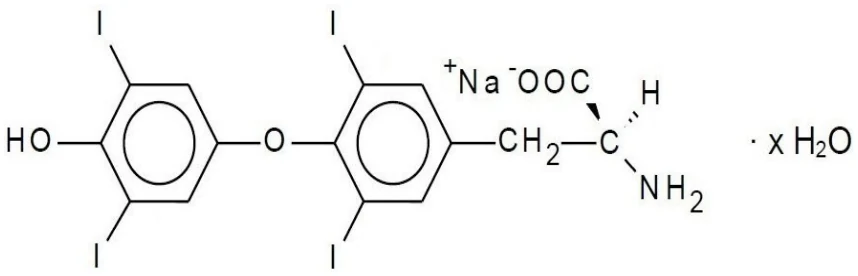
Physicochemical properties: Levothyroxine sodium occurs as an almost white or slightly brownish-yellow, fine, slightly hygroscopic, crystalline powder. Levothyroxine sodium is very slightly soluble in water, slightly soluble in ethanol (96 per cent). It dissolves in dilute solutions of alkali hydroxides.
Pharmaceutical standard: Ph. Eur.
14. Clinical Trials
14.1. Clinical Trials by Indication
Table 8 – Summary of Patient Demographics for Clinical Trials in hypothyroidism
| Study # | Study design | Dosage, route of administration and duration | Study subjects (n) | Mean age (Range) | Sex |
| Study # | Study design | Dosage, route of administration and duration | Study subjects (n) | Mean age (Range) | Sex |
| Study # | Study design | Dosage, route of administration and duration | Study subjects (n) | Mean age (Range) | Sex |
| Kabadi UM., 1994/ “Optimal L-thyroxine dose in primary hypothyroidism” | Longitudinal | 25–200 mcg/day Oral dosage form | 186 | NR (25–84 years) | 152 M/34 F |
| Kabadi UM., 1989/ “Optimal L-thyroxine dose in hypothyroidism” | Longitudinal | 50–200 mcg/day Oral dosage form | 156a | NR (25–84 years) | 133 M/23 F |
| Kabadi UM, Jackson T., 1995/ “TSH predictor in hypothyroidism” | Longitudinal | 25–225 mcg/day Oral dosage form | 192 | NR (25–84 years) | 171 M/21 F |
| Hennessey J, et al., 1985/ “Equivalency of two L thyroxine preparations” | Crossover | 50–200 mcg/day Oral dosage form | 34 | NR | NR |
| Fish LH, et al., 1987/ “Replacement dose in hypothyroidism” | Prospective sequential open-label | 25–150 mcg/day Oral dosage form | 19 | NR | NR |
| Ain KG, et al., 1996/ “Effects of restrictive formulary” | Prospective, randomized, open label, controlled | Restricted arm (n=87): 1.9 ± 0.1 mcg/kg/day Non-restricted arm (n=148): 2.0 ± 0.1 mcg/kg/day Oral dosage form | 241 | Restricted arm: (n=89): 39.3 ± 2.4 years (range NR) Non-restricted arm (n=152): 44.2 ± 1.3 years (range NR) | 74 M/ 167 F |
| Ain KG, et al., 1993/ “TFTs affected by time of blood sampling” | Longitudinal | 150–200 mcg/day Oral dosage form | 51 | NR | NR |
| Liu X-Q, et al., 1998/ “Effects of L-thyroxine on serum lipoproteins” | Longitudinal | 183 (mean) Oral dosage form | 10 | 45.7 ±10.6 years (range NR) | 2 M/8 F |
| Carswell JM, et al., 2012/ “bioequivalence of L-thyroxine” | Randomized open-label cross-over | CH (n=20): 3.0±0.2 mcg/kg AH (n=11): 2.0±0.2 mcg/kg Oral dosage form | 31 | CH (n=20): 4.3±0.6 days AH (n=11): 10.0 ± 0.8 years (range NR) | 7 M/ 24F |
| Hoang TD, et al., 2013/ “Thyroid extract compared with L-thyroxine” | Randomized, double-blind, cross-over | 75–225 mcg/day Oral dosage form | 70 | 50.66 years (Range 23–65 years) | 17M/ 53F |
| Hoermann R, et al., 2002/ “levothyroxine in a variable thyrotropin (TSH)-suppressive dose” | Randomized, open label, withdrawal | 25-200 mcg/day Oral dosage form | 225b | 42±0.68 years (Range 18–70 years) | 29M/ 196F |
| Kowalska I, et al., 2011/ “levothyroxine in subclinical hypothyroidism” | Prospective, open label, case-controlled | 66.18 ± 24.9 mcg/day Oral dosage form | 12c | 51.84±14.8 years (range NR) | 12F |
aThis is considered to be an earlier publication of the same patient population presented in Kabadi, 1994. The 156 patients described are not added into the total number of patients. bOf 346 patients with Graves’ disease enrolled, 225 patients were eligible. cOf 13 patients enrolled, 12 completed the follow up. AH: acquired hypothyroidism; CH: congenital hypothyroidism; NR: not reported. | |||||
The active ingredient of THYCONVI, levothyroxine sodium, is well-established to be efficacious for the indications of replacement or supplemental therapy of hypothyroidism and TSH suppression as an adjunct to surgery and radioactive iodine therapy in the management of thyrotropin-dependent well-differentiated papillary or follicular carcinoma of the thyroid.
The efficacy and safety of THYCONVI were based on the totality of the evidence from a literature review and the results from a bioequivalence study (see 14.2. Comparative Bioavailability Studies). The published studies presented in this section support the effectiveness of levothyroxine sodium in the treatment of hypothyroidism. The controlled clinical studies are primarily: 1) studies that investigated the biochemical response to levothyroxine sodium in patients with hypothyroidism and the correlation of the optimal clinical dose with the pathology of hypothyroidism, 2) conventional studies of untreated hypothyroid patients or those switched from another brand of the same active drug, 3) studies that analyze the dose-response characteristics in hypothyroid patients replaced with levothyroxine sodium or patients receiving levothyroxine sodium for suppression of TSH, 4) studies that demonstrated effectiveness of levothyroxine sodium in maintaining the TSH and/or FT4 levels within the target normal ranges, and 5) a study that investigated effectiveness of LT4 tablets in suppression therapy in patients with Graves' disease and the reported results were clinically significant against the control group with p values of at least <0.05. In all cases, objective biochemical endpoints (e.g., TSH, T4, FT4, etc.) which minimize the potential for influence of chance or bias on results were used to assess the effectiveness of levothyroxine sodium as replacement or suppressive therapy.
Ain, 1996, compared the effects of LT4 in 241 patients who were assigned to either a restricted dosage strength range (25, 50, 100, 125, 150 µg) or a nonrestricted strength range (25, 50, 75, 100, 112, 125, 150, 175, 200, 300 µg) of levothyroxine. Results showed that both formulations effectively maintained FT4 and TSH within normal ranges.
In Carswell (2012), 31 children and adolescents (ages 3-18 years) with severe primary hypothyroidism, including congenital hypothyroidism (CH) and autoimmune thyroiditis, received either brand-name or generic L-thyroxine. The study aimed to maintain FT4 in the upper half of the normal range and normalize TSH after 8 weeks. Results showed both treatments effectively kept FT4 and TSH within normal ranges. The study underscores the importance of precise LT4 titration in managing severe CH.
In Fish (1987), a study involving 19 patients with primary hypothyroidism, assessed the reformulated LT4 (from 1982) dosing. Results showed the mean LT4 replacement dose was 112 mcg/day, significantly lower than the previous 169 mcg/day. Additionally, the serum TSH levels normalized when serum T3 concentrations were similar to those of healthy controls, but when serum T4 levels were significantly above those of controls (P<0.001). These findings suggest the possibility that in humans, serum T3 may play a more important part than serum T4 in regulating the serum TSH concentration.
Hoang (1982) studied 70 adults (ages 18-65) with primary hypothyroidism. Participants, on a stable L-thyroxine dose for at least six months, received each treatment for 16 weeks, in a crossover design. The therapeutic goal was to achieve TSH levels between 0.27-4.20 mU/L and FT4 levels between 0.89–1.76 ng/dL. Results showed that treatment effectively achieved these target hormone levels.
Hoermann (2002) assessed T4 treatment in 346 patients (ages 18-70) with Graves' disease post 12-15 months of antithyroid therapy. Eligible patients (n=225) were randomized to receive T4 (n=114) or no treatment (n=111) for two years. T4 doses was adjusted (25-200 mcg/day) to achieve and maintain TSH suppression (<0.3 mIU/L), while maintaining normal FT4 in normal range. After one-year, significant TSH suppression was achieved in the T4 group. This group was then randomized into two subgroups, where one subgroup continued T4 treatment for another year, while the other subgroup discontinued treatment. In the second year, for subgroup that discontinued T4, TSH normalized in 95% of patients, while treatment subgroup showed a slight increase in TSH level (0.6 mU/L). This indicates T4 treatment is effective in suppression therapy in patients with Graves' disease, and these results were clinically significant against the control group with p values of at least <0.05, and that the dose should be individualized based on the patient’s TSH level.
Kowalska (2011) evaluated T4 therapy in 13 women (51.8 ± 14.1 years) with subclinical hypothyroidism (SH) (TSH > 5 mIU/L) compared to 14 healthy controls. The SH group started treatment with 25 mcg/day of T4, adjusting to a mean dose of 66.18±24.9 mcg/day to achieve euthyroidism. Post-treatment, TSH and FT4 levels normalized, with significant TSH reduction observed after 26 weeks. T4 therapy effectively maintained FT4 within the normal range.
Studies on thyroxine replacement therapy's impact on bone mineral density (BMD) have shown conflicting results, leading to recommendations for dose reductions. A long-term study in a large group of thyroidectomy patients (mean therapy duration 7.9 years [range 1 -19], and mean dose 191 [SD 50] mcg/day) found no evidence of reduced BMD compared to controls, despite higher serum thyroxine and lower thyrotropin levels. BMD was not correlated with dose, therapy duration, cumulative intake, or thyroid function tests. A further study with 17 postmenopausal women with subclinical hypothyroidism and no prior thyroid disease compared levothyroxine sodium treatment to no treatment. Treatment group was slightly older (68 ± 7 vs. 60 ± 5 years, p < 0.02). The average dose to normalize serum TSH was 0.072 ± 0.027 mg. Baseline BMD was not significantly different between groups (see 7 Warnings and Precautions, Endocrine and metabolism, Effects on Bone Mineral Density).
A retrospective review of 12 pregnant women with primary hypothyroidism evaluated thyroxine needs before, during, and after pregnancy. All patients experienced increased serum thyrotropin levels during pregnancy, requiring higher thyroxine doses in 9 out of 12 patients. This suggests that pregnancy often increases thyroxine requirements in women with primary hypothyroidism (see 2 Contraindications, 4.2 Recommended Dose and Dosage Adjustment and 7.1.1 Pregnant Women).
The longitudinal response was evaluated in 43 infants with congenital primary hypothyroidism during the first year of levothyroxine sodium therapy. Diagnosis was confirmed by 4 weeks of age in 38 infants and between 40 and 80 days of age in the remainder. Levothyroxine sodium (10-14 mcg/kg/day) was initiated immediately, normalizing serum total and free thyroxine levels within one week. Infants with dyshormonogenesis showed a more sensitive response to therapy compared to those with thyroid dysgenesis, based on levothyroxine dose and TSH suppression. Early and adequate levothyroxine dosing was a safe and effective treatment for achieving euthyroidism in these infants (see 4 Dosage and Administration, Pediatric - Congenital or acquired hypothyroidism, 4.2 Recommended Dose and Dosage
Adjustment and 7.1.3 Pediatrics).
14.2. Comparative Bioavailability Studies
A randomized, two-treatment, two-sequence, two-period, crossover, single oral dose (600 mcg) comparative bioavailability study of THYCONVI oral solution 20 mcg/ mL (BioSyent Pharma Inc.) and SYNTHROID® tablets 300 mcg (AbbVie Inc., USA) was conducted in healthy, male and female subjects under fasted conditions. Comparative bioavailability data from 42 subjects that were included in the statistical analysis are presented in the following table:
Table 9. Summary Table of the Comparative Bioavailability Data
Levothyroxine (1 x 600 mcg) Baseline-Corrected Data Geometric Mean Arithmetic Mean (CV %) | ||||
|---|---|---|---|---|
| Parameter | Test1 | Reference2 | % Ratio of Geometric Means | 90% Confidence Interval |
AUC0-48h3 (ng⋅h/mL) | 1841.61 1942.84 (28.06) | 1673.80 1771.54 (27.20) | 110.0 | 99.5 – 121.7 |
CMAX (ng/mL) | 71.60 73.88 (23.77) | 66.43 68.20 (21.63) | 107.8 | 101.6 – 114.4 |
TMAX4 (h) | 2.00 (1.00 – 6.00) | 2.50 (1.50 – 10.00) | ||
1 THYCONVI (levothyroxine sodium) oral solution, 20 mcg/mL (BioSyent Pharma Inc.)
2 SYNTHROID® (levothyroxine sodium) tablets, 300 mcg (AbbVie Inc., USA)
3 N=40
4 Expressed as the median (range) only
Due to the long elimination half-life of levothyroxine, AUCI and T½ could not be accurately calculated from the data obtained in this study
15. Microbiology
No microbiological information is required for this drug product.
16. Non-Clinical Toxicology
General toxicology
Available toxicity studies on general toxicity profile of levothyroxine sodium have not indicated any clinically relevant effects.
Genotoxicity, Carcinogenicity, and Reproductive and developmental toxicology
No toxicology studies have been conducted to evaluate the genotoxic, or carcinogenic, potential of levothyroxine sodium. The limited studies on reproductive and developmental toxicity have not indicated any clinically relevant effects.
17. Supporting Product Monographs
- 1. SYNTHROID® Oral tablets, 25 mcg, 50 mcg, 75 mcg, 88 mcg, 100 mcg, 112 mcg, 125 mcg, 137 mcg, 150 mcg, 175 mcg, 200 mcg and 300 mcg, Control Number: 275351, product monograph, BGP Pharma ULC. (2024-10-08)
- 2. EUTHYROX® Oral tablets, 25 mcg, 50 mcg, 75 mcg, 88 mcg, 100 mcg, 112 mcg, 125 mcg, 137 mcg, 150 mcg, 175 mcg, 200 mcg and 300 mcg, Control Number: 287630, product monograph, EMD Serono, A Division of EMD Inc., Canada. (2024-10-21)