


Product Monograph - Tobramycin Injection USP (Sterimax)
INDICATIONS
Tobramycin Injection USP may be indicated for the treatment of the following infections when caused by susceptible organisms: septicemia, complicated and recurrent urinary tract infections, lower respiratory infections, serious skin and soft tissue infections including burns and peritonitis and central nervous system infections caused by organisms resistant to antibiotics usually considered efficacious in these infections.
Tobramycin is usually active against most strains of the following organisms in vitro and in clinical infections:
- Pseudomonas aeruginosa
- Proteus sp. (indole-positive and indole-negative), including Proteus mirabilis, Morganella morganii, Providencia rettgeri, and Proteus vulgaris
- Escherichia coli
- Klebsiella-Enterobacter-Serratia group
- Citrobacter sp.
- Providencia sp.
- Staphylococci, including Staphylococcus aureus (coagulase-positive and coagulase-negative)
Tobramycin Injection USP may be considered in serious staphylococcal infections when penicillin or other potentially less toxic drugs are contraindicated and when bacterial susceptibility testing and clinical judgement indicate its use.
Appropriate sensitivity studies should be performed to determine the susceptibility of the causative organism to tobramycin. Clinical judgement and anticipated bacteriological findings may permit the start of therapy before results of susceptibility studies are obtained.
Note: If susceptibility tests show that the causative organism is resistant to tobramycin, other appropriate therapy should be instituted.
To reduce the development of drug-resistant bacteria and maintain the effectiveness of Tobramycin Injection USP and other antibacterial drugs, Tobramycin Injection USP should be used only to treat infections that are proven or strongly suspected to be caused by susceptible bacteria. When culture and susceptibility information are available, they should be considered in selecting or modifying antibacterial therapy. In the absence of such data, local epidemiology and susceptibility patterns may contribute to the empiric selection of therapy.
CONTRAINDICATIONS
Tobramycin is contraindicated in patients with known hypersensitivity to tobramycin or any other aminoglycoside. Cross-allergenicity to other aminoglycosides has been established.
WARNINGS
Patients treated with tobramycin or other aminoglycosides should be under close clinical observation because these drugs have an inherent potential for causing ototoxicity and nephrotoxicity.
Both vestibular and auditory toxicity can occur. Impairment of eighth-nerve function is most likely in patients with preexisting renal damage, especially if the drug is administered for longer periods or in higher doses than those recommended.
Patients with known or suspected impairment of renal function should be under close clinical observation, and renal and eighth-nerve function should be monitored during therapy.
Renal and eighth-nerve function monitoring is also recommended during the treatment of patients in whom renal function is initially normal, but in whom oliguria or evidence of nitrogen retention (increasing BUN, NPN, or creatinine) develops during therapy. Evidence of developing impairment in renal, vestibular, and/or auditory function requires careful observance of dosage adjustments (see Table 1). Discontinuation of the drug may be indicated.
Peak and trough serum concentrations of aminoglycosides should be monitored periodically during therapy to assure adequate levels and to avoid potentially toxic levels. Prolonged serum concentrations above 12 mg/L should be avoided. Rising trough levels above 2 mg/L may indicate tissue accumulation. Such accumulation, excessive peak concentrations, advanced age and cumulative dose may contribute to ototoxicity and nephrotoxicity.
Careful monitoring is required with concurrent and/or sequential use of other potentially neurotoxic and/or nephrotoxic drugs, particularly other aminoglycosides (e.g. amikacin, streptomycin, neomycin, kanamycin, gentamicin, and paromomycin), amphotericin B, cephaloridine, viomycin, polymyxin B, colistin, cisplatin, and vancomycin. Other factors that may increase patient risk are advanced age and dehydration.
Tobramycin should not be used concurrently with potent diuretics because some diuretics themselves cause ototoxicity.
Tobramycin Injection USP contains sodium metabisulfite, a sulfite that may cause allergic-type reactions, including anaphylactic symptoms and life-threatening or less severe asthmatic episodes in certain susceptible people.
Safety for use in pregnancy has not been established. Animal and human studies have demonstrated that there is a maternal-fetal transfer of tobramycin. No reports to date have revealed teratogenic effects in humans. However, one study in guinea pigs using high doses (50 to 100 mg/kg) in the last four weeks of pregnancy revealed a low incidence of ototoxicity in the newborn. (see TERATOLOGY AND REPRODUCTION).
Gastrointestinal
Clostridium difficile-associated disease
Clostridium difficile-associated disease (CDAD) has been reported with use of many antibacterial agents, including Tobramycin Injection USP. CDAD may range in severity from mild diarrhea to fatal colitis. It is important to consider this diagnosis in patients who present with diarrhea, or symptoms of colitis, pseudomembranous colitis, toxic megacolon, or perforation of colon subsequent to the administration of any antibacterial agent. CDAD has been reported to occur over 2 months after the administration of antibacterial agents.
Treatment with antibacterial agents may alter the normal flora of the colon and may permit overgrowth of Clostridium difficile. C. difficile produces toxins A and B, which contribute to the development of CDAD. CDAD may cause significant morbidity and mortality. CDAD can be refractory to antimicrobial therapy.
If the diagnosis of CDAD is suspected or confirmed, appropriate therapeutic measures should be initiated. Mild cases of CDAD usually respond to discontinuation of antibacterial agents not directed against Clostridium difficile. In moderate to severe cases, consideration should be given to management with fluids and electrolytes, protein supplementation, and treatment with an antibacterial agent clinically effective against Clostridium difficile. Surgical evaluation should be instituted as clinically indicated, as surgical intervention may be required in certain severe cases.
Susceptibility/Resistance
Development of Drug-Resistant Bacteria
Prescribing Tobramycin Injection USP in the absence of a proven or strongly suspected bacterial infection is unlikely to provide benefit to the patient and risks the development of drug-resistant bacteria.
PRECAUTIONS
Neuromuscular block and respiratory paralysis have been reported in cats receiving very high doses of tobramycin (40 mg/kg). The possibility that these phenomena may occur in man should be considered if tobramycin is administered to patients who are also receiving general anesthesia and/or neuromuscular blocking agents such as succinylcholine and tubocurarine, or in patients with myasthenia gravis or Parkinson's disease.
Tobramycin should be used with caution in premature and neonatal infants because of their renal immaturity and the resulting prolongation of the serum half-life of the drug.
If overgrowth of non-susceptible organisms occurs, appropriate therapy should be initiated and, if necessary, the drug withdrawn.
Although not indicated for intraocular or subconjunctival use, macular necrosis following this type of injection of aminoglycosides, including tobramycin, has been reported.
ADVERSE REACTIONS
Nephrotoxicity
Renal function changes, as shown by rising BUN, NPN, and serum creatinine and by oliguria, have been reported, especially in patients with a history of renal impairment who were treated for longer periods or with doses higher than those recommended.
Neurotoxicity
Adverse effects on both vestibular and auditory branches of the eighth nerve have been reported, especially in patients on high dosage and/or prolonged therapy. Symptoms include dizziness, vertigo, tinnitus, roaring in the ears and high frequency hearing loss.
Other adverse reactions that have been reported, and may be associated with tobramycin therapy, include increased serum transaminases (SGOT, SGPT), increased alkaline phosphatase and increased serum bilirubin; anemia, granulocytopenia, and thrombocytopenia; fever, rash, exfoliative dermatitis, itching, urticaria, nausea, vomiting, diarrhea, headache and lethargy. Local reaction at the site of injection has been reported.
OVERDOSAGE
| For management of a suspected drug overdose, contact your regional Poison Control Centre. |
Signs and Symptoms
The severity of the signs and symptoms following a tobramycin overdose are dependent on the dose administered, the patient's renal function, state of hydration, age and whether or not other medications with similar toxicities are being administered concurrently. Toxicity may occur in patients treated for more than 10 days, given more than 5 mg/kg/day, children given more than 7.5 mg/kg/day, or patients with reduced renal function whose dose has not been appropriately adjusted.
Nephrotoxicity following the parenteral administration of an aminoglycoside is most closely related to the area under the curve of the serum concentration versus time graph. Nephrotoxicity is more likely if trough blood concentrations fail to fall below 2 mg/L and is also proportional to the average blood concentration. Patients who are elderly, have abnormal renal function, are receiving other nephrotoxic drugs, or are volume depleted are at greater risk for developing acute tubular necrosis.
Auditory and vestibular toxicities have been associated with aminoglycoside overdose. These toxicities occur in patients treated longer than 10 days, in patients with abnormal renal function, in dehydrated patients, or in patients receiving medications with additive auditory toxicities. These patients may not have signs or symptoms or may experience dizziness, tinnitus, vertigo, and a loss of high-tone acuity as ototoxicity progresses. Ototoxicity signs and symptoms may not begin to occur until long after the drug has been discontinued.
Neuromuscular blockade or respiratory paralysis may occur following administration of aminoglycosides. Neuromuscular blockade, prolonged respiratory paralysis and respiratory failure may occur more commonly in patients with myasthenia gravis or Parkinson's disease. Prolonged respiratory paralysis may also occur in patients receiving decamethonium, tubocurarine, or succinylcholine. If neuromuscular blockade occurs, it may be reversed by the administration of calcium salts but mechanical assistance may be necessary.
If tobramycin were ingested, toxicity would be less likely because aminoglycosides are poorly absorbed from an intact gastrointestinal tract.
Treatment
The initial management in a tobramycin overdose is to assess respiration and if necessary, to establish an airway and ensure oxygenation and ventilation. Resuscitative measures should be initiated promptly if respiratory paralysis occurs.
Patients who have received an overdose of tobramycin and have normal renal function should be carefully hydrated to maintain a urine output of 3 to 5 mL/kg/hr. Fluid balance, creatinine clearance, and tobramycin plasma levels should be carefully monitored until the serum tobramycin level falls below 2 mg/L.
Patients in whom the elimination half-life is greater than 2 hours or whose renal function is abnormal may require more aggressive therapy. In such patients, hemodialysis may be beneficial.
DOSAGE AND ADMINISTRATION
Tobramycin Injection USP may be given by intramuscular injection or intravenous infusion after dilution. The intravenous dose is the same as the intramuscular dose.
Adults
The recommended dosage for patients with normal renal function is 1 mg/kg every eight hours, for a total of 3 mg/kg/day. Mild to moderate infections of the lower urinary tract have responded to doses of 2 to 3 mg/kg/day administered once daily. When renal tissue is involved or in serious infections, especially when there are signs of systemic involvement, two or three equally divided doses are recommended.
The usual dosage for patients weighing more than 60 kg is 80 mg every eight hours. For patients weighing 60 kg or less, the usual dosage is 60 mg every eight hours.
In patients with life-threatening infections, dosages up to 5 mg/kg/day may be administered in three or four equal doses. This dosage should be reduced to 3 mg/kg/day as soon as clinically indicated. To prevent increased toxicity due to excessive blood levels, dosage should not exceed 5 mg/kg/day unless serum levels are monitored.
Children
6 to 7.5 mg/kg/day in 3 or 4 equally divided doses.
Neonates (one week of age or less)
Dosage up to 4 mg/kg/day may be administered in two equal doses every twelve hours (see
PRECAUTIONS).
Treatment Duration
The usual duration of treatment is seven to ten days. A longer course of therapy may be necessary in difficult and complicated infections. Monitoring of renal, auditory, and vestibular functions is advisable in these cases because neurotoxicity is more likely to occur when treatment is extended for longer than ten days.
Patients with Impaired Renal Function
Serum tobramycin concentrations should be monitored during therapy.
Following a loading dose of 1 mg/kg, subsequent dosage in these patients must be adjusted, either with lower doses administered at eight-hour intervals or with normal doses at prolonged intervals (see Table 1). Both regimens should be based on the BUN, the serum creatinine or the creatinine clearance of the patient, because these values correlate with the half-life of tobramycin.
Adjusted Dose at Eight-Hour Intervals (Regimen I)
An appropriately reduced dosage range can be found in Table 1 for any patient for whom the BUN, creatinine clearance or serum creatinine values are known. The choice of dose within the indicated range should be based on the severity of the infection, the sensitivity of the pathogen, and individual patient considerations, especially renal function.
Adjusted Intervals Between Fixed Doses (Regimen II)
Recommended intervals between doses are given in Table 1. As a general rule, the interval in hours can be determined by multiplying the patient's serum creatinine level by six.
Table 1: Two Maintenance Regimens Based on Renal Function and Body Weight Following a Loading Dose of 1 mg/kg*
| Regimen I or Regimen II | ||||||||||||||||
| Renal Function+ | Adjusted Doses of 8-Hour Intervals | Adjusted Intervals Between Fixed Doses | ||||||||||||||
Serum Creatinine mcmol/L | Creatinine Clearance mL/s | Weight | Weight/Dose 50 – 60 kg : 60 mg 60 – 80 kg : 80 mg | |||||||||||||
| 50 – 60 kg | 60 – 80 kg | |||||||||||||||
| ≤ 115 | ≥ 1.17 | 60 mg | 80 mg | q. 8h | ||||||||||||
| 125–170 | 1.15–0.67 | 30–60 mg | 50–80 mg | q. 12h | ||||||||||||
| 175–290 | 0.65–0.33 | 20–25 mg | 30–45 mg | q. 18h | ||||||||||||
| 300–470 | 0.32–0.17 | 10–18 mg | 15–24 mg | q. 24h | ||||||||||||
| 475–660 | 0.15–0.08 | 5–9 mg | 7–12 mg | q. 36h | ||||||||||||
| ≥ 670 | ≤ 0.07 | 2.5–4.5 mg | 3.5–6 mg | q. 48h++ | ||||||||||||
* For life-threatening infections, dosages 50% above those recommended may be used. The dosage should be reduced as soon as possible after improvement is noted.
+ If used to estimate degree of impairment, serum creatinine concentrations should reflect a steady state of renal azotemia.
++ When dialysis is not being performed.
Both of these regimens are suggested as guides to be used when serum levels of tobramycin cannot be measured directly. The appropriate dosage schedules derived from either regimen should be used in conjunction with careful clinical and laboratory observations of the patient and should be modified as necessary.
Dosage in Moderate to Marked Obesity
The appropriate dose may be calculated by using the patient's estimated lean body weight plus 40% of the excess as the basic weight on which to figure mg/kg.
Intravenous Administration
This route is recommended when the intramuscular route is not feasible, e.g. in the presence of shock, hematologic disorders, severe burns, or reduced muscle mass.
The concentration of tobramycin in solution should not normally exceed 1 mg/mL for either adults or children. The solution should be infused over a period of 20 to 60 minutes. When it is necessary to restrict the volume of solution infused, a more concentrated solution may be used; however, it is important that the infusion time exceeds five minutes to prevent excessively high serum concentrations. A volume control set is recommended for this administration.
Note: Tobramycin Injection USP should not be physically premixed with other drugs but should be administered separately according to the recommended dose and route.
PHARMACEUTICAL INFORMATION
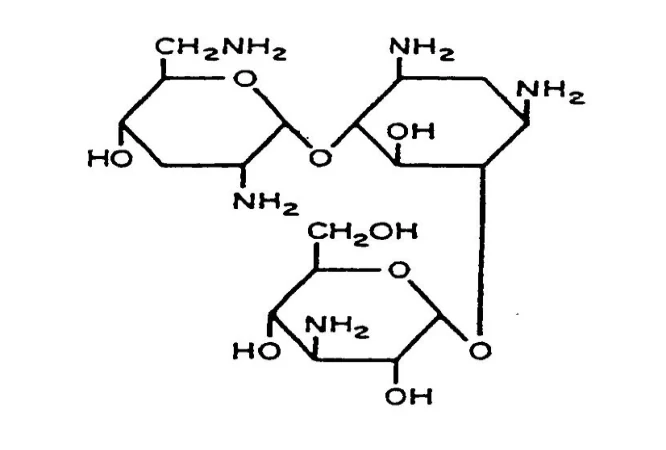
Proper name: Tobramycin
Chemical name: O-3-amino-3-deoxy-α-D-glucopyranosyl-(1→6)-O-[2,6-diamino-
2,3,6-trideoxy-α-D-ribo-hexopyranosyl-(1→4)]-2-deoxy-D-streptamine.
Molecular formula and molecular mass: C18H37N5O9 ; 467.54 g/mol
Structural Formula:
Physicochemical properties: Tobramycin is a white to almost white hygroscopic powder. Freely soluble in water; very slightly soluble in
95% ethanol; practically insoluble in chloroform and in ether.
The pH of a 1:10 solution of tobramycin in water is between 9-10.
COMPOSITION
Tobramycin Injection USP, 10 mg/mL, 2 mL preservative free single use vial: Each mL contains 10 mg tobramycin (as tobramycin sulfate), 3.2 mg sodium metabisulfite, 0.1 mg disodium edetate, sulfuric acid and/or sodium hydroxide to adjust pH, and water for injection.
Tobramycin Injection USP, 40 mg/mL, 2 mL preservative free single use vial: Each mL contains 40 mg tobramycin (as tobramycin sulfate), 3.2 mg sodium metabisulfite, 0.1 mg disodium edetate, sulfuric acid and/or sodium hydroxide to adjust pH, and water for injection.
Solutions For IV Infusion
Tobramycin Injection USP diluted with 5% dextrose or 0.9% sodium chloride, in a concentration range of 0.2 mg/mL to 1 mg/mL, and stored at room temperature, should be used within 24 hours.
Table 2: Recommended Dilutions for Intravenous Infusion
| Concentration of Vial Solution | Amount of Diluent Added per mL of Tobramycin Sulfate Solution | Final Concentration |
| 10 mg/mL | 10 – 50 mL | 0.2 – 1 mg/mL |
| 40 mg/mL | 40 – 200 mL | 0.2 – 1 mg/mL |
As with all parenteral drug products, intravenous admixtures should be inspected visually for clarity, particulate matter, precipitation, discolouration and leakage prior to administration whenever solution and container permit.
STORAGE AND STABILITY
Store at 15°C - 30°C.
Tobramycin Injection USP, 10 mg/mL, single use vial: discard unused portion.
Tobramycin Injection USP, 40 mg/mL, single use vial: discard unused portion.
LATEX FREE STOPPER: Stopper contains no dry natural rubber.
AVAILABILITY OF DOSAGE FORMS
Tobramycin Injection USP, 10 mg/mL, is available in 2 mL preservative-free single use vials, boxes of 10.
Tobramycin Injection USP, 40 mg/mL, is available in 2 mL preservative-free single use vials, boxes of 10.
MICROBIOLOGY
In vitro tests demonstrate that tobramycin is bactericidal and that it acts by inhibiting the synthesis of protein in bacterial cells.
Tobramycin is active against most strains of the following organisms:
- Pseudomonas aeruginosa
- Proteus sp. (indole-positive and indole-negative), including Proteus mirabilis, Morganella morganii, Providencia rettgeri, and Proteus vulgaris
- Escherichia coli
- Klebsiella-Enterobacter-Serratia sp.
- Citrobacter sp.
- Providencia sp.
- Staphylococci, including Staphylococcus aureus (coagulase-positive and coagulase-negative)
Although most strains of enterococci demonstrate in vitro resistance, some strains in this group are susceptible. In vitro studies have shown that an aminoglycoside combined with an antibiotic which interferes with cell-wall synthesis affects some enterococcal strains synergistically. The combination of penicillin G and tobramycin results in a synergistic bactericidal effect in vitro against certain strains of Enterococcus fæcalis (formerly Streptococcus fæcalis). However, this combination is not synergistic against other closely related organisms, e.g. Enterococcus fæcium (formerly Streptococcus fæcium). Speciation of enterococci alone cannot be used to predict susceptibility. Susceptibility testing and tests for antibiotic synergism are, therefore, required.
Susceptibility Plate Tests
If the Bauer-Kirby-Sherris-Turck method of disk susceptibility testing is used, a disk containing 10 mcg tobramycin should give a zone of inhibition of at least 15 mm when tested against a tobramycin susceptible bacterial strain and a zone of inhibition of 13 to 14 mm against strains of intermediate susceptibility, and a zone of inhibition of 12 mm or less against resistant organisms. The minimum inhibitory concentration correlates are ≤4 mg/L for susceptibility and ≥8 mg/L for resistance.
Table 3: In Vitro Susceptibility of Microorganisms to Tobramycin (Cumulative Percent of Strains Inhibited in Broth or Agar-Dilution Studies*)
| Microorganism | No. of Strains | MIC mg/L | |||||||||
|---|---|---|---|---|---|---|---|---|---|---|---|
| 0.06 | 0.06-0.12 | 0.13-0.25 | 0.26-0.5 | 0.51-0.78 | 0.79-1.56 | 1.6-3.12 | 3.2-6.25 | 6.3-12.5 | 12.6-25 | ||
| Ps. aeruginosa | 2888 | 6 | 18 | 40 | 63 | 70 | 91 | 96 | 97 | 98 | 99 |
| Ps. aeruginosa (gentamicin-resistant) | 153 | 12 | 18 | 27 | 30 | 35 | 46 | 59 | 71 | 80 | |
| E. coli | 2117 | 1 | 4 | 18 | 21 | 58 | 78 | 92 | 97 | 98 | |
| Proteus mirabilis (indole-negative) | 1675 | 1 | 5 | 8 | 37 | 60 | 81 | 96 | 99 | ||
| Proteus sp. (indole-positive) | 1213 | 2 | 4 | 16 | 20 | 51 | 71 | 83 | 92 | 96 | |
| Proteus sp. (not specified) | 76 | 1 | 12 | 12 | 42 | 97 | 100 | 100 | 100 | ||
| Klebsiella sp. | 1244 | 3 | 5 | 20 | 47 | 50 | 86 | 94 | 97 | 99 | 99 |
| Klebsiella-Enterobacter sp. | 721 | 3 | 22 | 48 | 54 | 83 | 94 | 97 | 98 | 99 | |
| Enterobacter sp. | 1126 | 1 | 4 | 15 | 36 | 39 | 81 | 91 | 97 | 99 | 99 |
| Serratia sp. | 546 | 3 | 5 | 28 | 53 | 73 | 88 | 94 | |||
| Providencia sp. | 113 | 2 | 4 | 4 | 12 | 28 | 51 | 68 | 81 | ||
| Citrobacter sp. | 167 | 1 | 5 | 19 | 19 | 73 | 93 | 98 | 98 | 99 | |
| Staph. Aureus | 2013 | 11 | 28 | 42 | 70 | 73 | 87 | 93 | 96 | 99 | 99 |
| Streptococcus faecalis (group D) | 448 | 1 | 2 | 2 | 3 | 4 | 14 | 38 | 61 | ||
*Inoculum did not exceed 105 organisms per mL in broth
PHARMACOLOGY
Human Pharmacology
Peak serum concentrations of tobramycin occur between 30 and 130 minutes after intramuscular administration.
Table 4: Serum Concentrations After Single Intramuscular Doses
| SERUM CONCENTRATION (mg/L) | |||||
| Dose | 1/2 hr. | 1 hr. | 2 hr. | 4 hr. | 8 hr. |
| 25 mg | 1.14 | 0.8 | 0.56 | 0.26 | 0.01 |
| 50 mg | 2.09 | 1.95 | 1.26 | 0.56 | 0.1 |
| 75 mg | 2.71 | 2.68 | 1.86 | 0.9 | 0.2 |
| 100 mg | 2.95 | 3.25 | 2.61 | 1.36 | 0.41 |
| 200 mg | 9.63 | 8.99 | 7.70 | 4.33 | 0.94 |
In patients with normal renal function, tobramycin administered every eight hours does not accumulate in the serum. A serum half-life of about 2 hours was reported for patients with normal renal function. However, in patients with impaired renal function serum half-life of the drug ranged from 5 to 47 hours. Dosage for such patients must, therefore, be adjusted accordingly (see DOSAGE AND ADMINISTRATION).
After intravenous administration, serum concentrations are similar to those following intramuscular injection, and are dose related.
Table 5: Intravenous Dose Infused Over 30-45 Minutes
| SERUM CONCENTRATION (mg/L) | ||||||
| Dose | 1/4 hr. | 1/2 hr. | 1 hr. | 2 hr. | 4 hr. | 6 hr. |
| 1 mg/kg | 3.8 | 5.5 | 3.85 | 2.38 | 1.04 | 0.52 |
| 1.5 mg/kg | 4.85 | 6.02 | 5.28 | 2.96 | 1.72 | 0.9 |
Pediatric studies indicate that although the serum half-life in neonates was found to be 2 or 3 times longer than in adults, no accumulation of tobramycin occurred even after multiple doses of 4 mg/kg/day.
Tobramycin is eliminated almost exclusively by glomerular filtration; renal clearance is similar to that of endogenous creatinine. Ultrafiltration studies demonstrate that practically no serum protein binding occurs. In patients with normal renal function, up to 84 percent of the dose is recoverable from the urine in eight hours and up to 93 percent in twenty-four hours.
Peak urine concentrations up to 100 mg/L have been observed after the intramuscular injection of a single dose of 1 mg/kg. After several days of treatment, the amount of tobramycin excreted in the urine approaches the daily dose administered.
An inverse relationship exists between half-life and creatinine clearance, and the dosage schedule should be adjusted according to the degree of renal impairment. In patients undergoing hemodialysis, 25 to 70 percent of the administered dose may be removed, depending upon the duration of hemodialysis. Peritoneal dialysis was considered to be less efficient.
Tobramycin can be detected in tissue and body fluids after parenteral administration. Concentrations in bile ordinarily have been low, which suggests minimum biliary excretion. Tobramycin has been found in low and unpredictable concentrations in the cerebrospinal fluid following parenteral administration and would be inadequate against many gram-negative organisms causing meningitis. It has also been found in sputum and in abscess fluids, though possibly in non-therapeutic concentrations. Tobramycin crosses the placental membranes producing, in one study, a fetal serum half-life of 3.2 hours and a peak serum concentration of 1.2 mg/L.
TOXICOLOGY
Acute Toxicity
The acute toxicity of parenterally administered tobramycin to animals was related to immediate CNS effects. Death often occurred within a few minutes after an intravenous dose and 15 minutes to 2 hours after subcutaneous administration. In a few rats and one guinea pig, delayed deaths were attributed to renal injury.
The intravenous LD50 values ranged from 53 to 107 mg/kg for mice and 131 to 134 mg/kg for rats.
The subcutaneous LD50 values were 416 to 484 mg/kg for mice and 928 to 1028 mg/kg for rats.
Tobramycin was no more toxic in newborn rats than in rats of 5 to 6 weeks of age, but it was slightly more toxic in 3 month old animals.
Two dogs were treated with subcutaneous doses of 100 and 200 mg/kg. No effect was observed with the 100 mg dose. Retching and tremors occurred after the administration of the 200 mg dose. The animals appeared normal after 3 hours. Two dogs tolerated single intravenous doses of 100 mg/kg with emesis as the only observed sign of toxicity.
Two cats received subcutaneous doses of 200 mg/kg of tobramycin which produced marked CNS effects that persisted for more than 5 hours. Both animals appeared normal on the following day. An intravenous dose of 50 mg/kg in three cats produced a short-term ataxia. A dosage of 100 mg/kg caused convulsions and death.
Subacute Toxicity
Rats: In a study using 10 animals/sex/dose, rats given 30 daily subcutaneous doses of 30, 60, or 120 mg/kg of tobramycin survived, with the exception of 1 of 20 of the 120 mg/kg dosage group. There were no significant changes in appearance or behaviour. The 120 mg/kg regimen caused a slight retardation of growth in the females.
A slight renal toxicity was noted at all doses by virtue of an increase in SGOT, increased renal weights, and the histologic finding of a slight to moderate regeneration of renal cortical tubular epithelium. These effects were dose dependent.
In a similar study, rats tolerated 14 daily intravenous doses of 20-80 mg/kg of tobramycin with no adverse effects other than those associated with CNS effects after rapid injection. Six of 10 of the animals of the 80 mg/kg group died shortly after tobramycin administration. The hematologic and blood chemistry data of the surviving animals were unaffected. The relative renal weights of the tobramycin-dosed animals were significantly greater than control. The effect was dose dependent.
No drug-related tissue changes were noted in rats of the 20 mg/kg group. A slight regeneration of renal cortical tubular epithelium was detected in 1 of 20 animals given 40 mg/kg and most of those given 80 mg/kg. It was concluded that the only hazard in administration of tobramycin by the intravenous route rather than by the subcutaneous route is that a too rapid injection can cause convulsions and death.
Dogs: A study using 4 dogs for each daily intramuscular dose was carried out for 28 days. The appearance, behaviour, hematology and blood chemistry were unaffected by doses of 3.75 to 15 mg/kg. Histologic examination of the tissue revealed that a slight renal injury, as evidenced by the finding of a mild regeneration of the tubular epithelium, had occurred at the upper dose.
In a further study with 4 dogs, a daily dose of 30 mg/kg was tolerated for 2 weeks with no apparent ill effects; but thereafter, anorexia, weight loss, hypoactivity, and a general CNS depression were noted. Two animals were killed during the fourth week because of morbidity. Renal tubular necrosis accompanied by regeneration of the tubular epithelium was noted in all animals of the 30 mg/kg group.
Dogs had a reduced tolerance for tobramycin dosage regimens of longer duration. In a study using 2 dogs/sex/dose for 90 days, a daily intramuscular dose of 3.75 or 7.5 mg/kg of tobramycin caused no changes in appearance, behaviour, or body weight, but 2 of 4 dogs on the 7.5 mg/kg dose had a mild degree of renal cortical tubular epithelial regeneration or a mild reparative nephrosis.
A daily dose of 15 mg/kg of tobramycin was well tolerated by 2 of 4 dogs. The other 2 dogs of this group had marked appetite suppression, weight loss and marked elevations in BUN and SGOT. One of these dogs became deaf on day 49. This dog also showed evidence of tobramycin accumulation. A
mild to moderate reparative nephrosis and inflammatory reactions at the injection sites represented the only histologic evidence of tobramycin injury.
The daily intravenous administration of 7.5, 15 or 30 mg/kg of tobramycin for 2 dogs/sex/dose over 14 days caused no changes in appearance or behaviour except for a single emetic episode in one dog of the 30 mg/kg group. Blood serum concentrations of tobramycin one hour after intravenous injection were similar to those found one hour after intramuscular administration. The hematologic and blood chemistry parameters were not altered significantly. A slight to moderate proteinuria was detected in one or two dogs of each dosage regimen, and a slight glucosuria occurred in one animal of the 15 mg/kg group. There was no histologic evidence of tissue injury. It seems probable, however, on the basis of the results of intramuscular administration of similar doses, that renal injury would occur with more prolonged intravenous dosage.
Cats: In a study using 2 animals/sex/dose, cats were given daily subcutaneous doses of 25 or
50 mg/kg. The 25 mg/kg dose was tolerated by 4 cats for 65 doses with no apparent vestibular injury. Hemorrhagic cystitis and urinary tract blockage due to urolithiasis in one male cat were considered unrelated to the drug, but coexistent renal cortical tubular necrosis with epithelial regeneration in the same cat were probably drug-related. One other cat had slight regeneration of renal cortical tubular epithelium. The 50 mg/kg/day dosage was poorly tolerated by all 4 cats. One cat was sacrificed after 25 doses, and another after 40 doses, because of poor physical condition. Tobramycin administration was terminated for the other 2 cats of this group on day 40. All 4 animals had severe vestibular injury. The 2 cats sacrificed during treatment had moderate renal tubular necrosis. A lack of histological evidence of renal injury in the 2 cats that were sacrificed 34 days after a 40 dose treatment, plus the finding of regenerative cortical tubular epithelium in animals killed during treatment suggested that moderate renal injury, occurring as the result of tobramycin administration, may be reversible.
In a second study, 6 cats received tobramycin in a dosage of 35 mg/kg/day causing a marked reduction in PRN times in all six cats within 20 to 47 days.
Guinea Pigs: In a study using guinea pigs, a daily 50 mg/kg dose of tobramycin had no effect on growth or on auditory function in a 4-week period. A 100 mg/kg dose caused a 25% retardation of growth, as compared with controls. No hearing impairment was noted at 2 weeks, but some loss was detected at 4 weeks.
In a further study, daily doses of 150 to 200 mg/kg markedly depressed growth and was lethal to 40% of the animals within 6 weeks. Cochlear injury that occurred in 40% of the surviving animals was verified by electrophysiologic and histopathologic methods.
TERATOLOGY AND REPRODUCTION
Daily subcutaneous administration of tobramycin given in 50 and 100 mg/kg doses to rats (30 animals/sex/dose) during all phases of the reproductive cycle, had no adverse effect on fertility or reproductive performance, nor did it affect the progeny.
In a further study, pregnant rats were given subcutaneous doses of 50 and 100 mg/kg of tobramycin from gestation days 14 through 20. Reparative nephrosis was detected in 6 of 25 of the 50 mg/kg group and 22 of 25 of the 100 mg/kg group at necropsy. There was no adverse effect on reproduction indices, nor on the growth of the progeny.
Daily subcutaneous doses of 20 or 40 mg/kg of tobramycin were given to pregnant rabbits (15 animals/dose) during organogenesis and early fetal development (gestation days 6-18).
A marked anorexia and weight loss occurred in several animals; 3 of the 20 mg/kg group and 13 of the 40 mg/kg group died or aborted prior to gestation day 28. Drug-induced renal injury was evident in most of the animals that received the antibiotic. Fetal development appeared normal in all of the dams, including those that died or aborted. No drug-related abnormalities were detected in any of the progeny. It was concluded that daily subcutaneous doses as great as 40 mg/kg were not teratogenic in the rabbit, despite marked maternal toxicity.
A 25 to 200 mg/kg daily dose of tobramycin to mice during the period of organogenesis produced no embryocidal or teratogenic effect.
Tobramycin doses of 100 mg/kg/day administered to pregnant guinea pigs in early gestation, from the beginning of the second week to the end of the fifth week, resulted in hearing loss and histological damage to the six mothers. The litters born to these females, however, showed no hearing loss or damage to the inner ear. In contrast, when tobramycin was administered at 50 or 100 mg/kg daily to females in the terminal four weeks of gestation, one of eighteen newborn animals had pinna reflex loss at 20,000 Hz and four of thirty-eight had unilateral, incomplete loss of outer hair cells at the basal end of the cochlea.
REFERENCES
- 1. Akiyoshi M. Evaluation of ototoxicity of tobramycin in guinea pigs. J Antimicrob Chemother 1978;4:69-72.
- 2. Beque P, Lasfarques G, Horodoceanu T, and Laplaen R. La tobramycine, activité antibacterienne comparée avec la gentamicine. Nouv. Presse Med. 1973;2:2655.
- 3. Bendush CL, Weber R. Tobramycin sulfate: A summary of worldwide experience from clinical trials. J Infect Dis 1976;134:219-34.
- 4. Benner, EJ. Comparison of the renal toxicity of gentamicin and tobramycin in humans during clinical therapy of infections. Current Chemotherapy, proceedings of the 10th International Congress of Chemotherapy, Zurich, Volume II, p949-950, 1977.
- 5. Bernard B, Garcia SJ, Ballard CA Thrupp LD, Mathies AW and Wehrle PF. Tobramycin: Maternal-fetal pharmacology. Antimicrob Agents Chemother 1977;11: 688-94.
- 6. Black HR, and Griffith RS. Comparative pharmacology of tobramycin and gentamicin in adult volunteers. Paper presented at the 8th International Congress of Chemotherapy, Athens, Greece, September 8-14, 1973.
- 7. Braude AC, Hornstein A, Klein M, Vas S and Rebuck AS. Pulmonary disposition of tobramycin. Am Rev Respir Dis 1983;127:563-5.
- 8. Briedis DJ, Robson HG. Comparative activity of netilmicin, gentamicin, amikacin, and tobramycin against Pseudomonas aeruginosa and Enterobacteriaceae. Antimicrob Agents Chemother 1976;10:592-7.
- 9. Burch K, Nichols RD, Quinn EL, Cox F, Fisher EJ, Madhaven T, and Pohlod D. A clinical trial of tobramycin with pharmacology and microbiological studies. Henry Ford Hosp. Med. J. 1973;21:1
- 10. Burkle WS. Drug evaluation data: Tobramycin and gentamicin: A comparison. Drug Intelligence and Clinical Pharmacy 1976;10:43
- 11. Chadwick P, Salmon S, and Taylor B. Activity of netilmicin compared with those of gentamicin and tobramycin against enterobacteria and Pseudomonas aeruginosa. Antimicrobial Agents and Chemotherapy 1977;12(3):301-307.
- 12. Chisholm GD, Waterworth PM, Calnan JS, Garrod LP. Concentration of antibacterial agents in interstitial tissue fluid. Br Med J 1973;1:569-73.
- 13. Damasco D and Moreno-Lopez M. Study on in vitro activity of the antibiotics tobramycin and gentamicin against Pseudomonas aeruginosa clinical strains. J Antibiot 1973;26:233-7.
- 14. Eickhoff TC, and Ehret JM. In vitro activity of netilmicin compared with gentamicin, tobramycin, amikacin and kanamycin. Antimicrob. Agents Chemother. 1977;11:791
- 15. Fee WE Jr, Vierra V, and Lathrop GR. Clinical evaluation of aminoglycoside toxicity: Tobramycin versus gentamicin, a preliminary report. J. Antimicrob. Chemother. 1978; 4:31-36.
- 16. Frimodt-Moller N, Maigaard S and Madsen PO. Comparative nephrotoxicity among aminoglycosides and beta-lactam antibiotics. Infection 1980;8:283-289.
- 17. Fu KR, and Neu HC. A comparative study of the activity of cefamandole and other cephalosporins and analysis of the β-lactamase stability and synergy of cefamandole with aminoglycosides. Journal of Infectious Diseases 1978;138:S38.
- 18. Gilbert BC, Plamp C, Starr P, Bennett WM, Houghton BC and Porter G. Comparative nephrotoxicity of gentamicin and tobramycin in rats. Antimicrob Agents Chemother 1978;13:34-40.
- 19. Gordon RC, Regamey C, Kirby WMM. Serum protein binding of the aminoglycoside antibiotics. Antimicrob Agents Chemother 1972:2:214-6.
- 20. Hasegawa Y, Yoshida T, Kozen T, Yamagata H, Sakaguchi I, Ikamoto A, Ohara T and Kozen T. Teratological studies on tobramycin in mice and rats. Chemotherapy 1975;23:1544-53.
- 21. Hawley HB, Lewis RM, Swartz DR and Gump DW. Tobramycin therapy of pulmonary infections in patients with cystic fibrosis. Curr Ther Res Clin Exp 1974;16:414-23.
- 22. Herrel WE. (Editorial) Tobramycin-active against Pseudomonas and other gram-negative microbes. Clin. Med. 1973;80:12.
- 23. Jackson GG. Present status of aminoglycoside antibiotics and their safe, effective use. Clin Ther 1977;1:200-15.
- 24. Jaffe G, Ravreby W, Beyers BR and Hirschman SZ. Aminoglycoside tobramycin for therapy of infections due to gram-negative bacteria. Antimicrob Agents Chemother 1974;5:75-81.
- 25. Kahlmeter B, Hallber T, and Kamme C. Gentamicin and tobramycin in patients with various infections — concentrations in serum and urinary excretion. J. Antimicrob Chemother 1978;4:37-45.
- 26. Kaiser AB and McGee ZA. Aminoglycoside therapy of gram-negative bacillary meningitis. N Engl J Med 1975; 293:1215-20.
- 27. Kaplan JM, McCracken GH Jr, Thomas ML, Horton LJ and Davis N. Clinical pharmacology of tobramycin in newborns. Am J Dis Child 1973;125:656-60.
- 28. Landes RR. Single daily doses of tobramycin in therapy of urinary tract infections. J. Infect Dis 1976;134:S142-5.
- 29. Marget W. Investigations on the use of tobramycin in the newborn and in infants. Infection 1975;3:116.
- 30. Marks MI, Hammerberg S, Greenstone G and Silver B. Activity of newer aminoglycosides and carbenicillin, alone and in combination, against gentamicin-resistant Pseudomonas aeruginosa. Antimicrob. Agents Chemother. 1976;10:399.
- 31. Moellering RC and Kunz LJ. Determination of susceptibility of 24 108 gram-negative bacteria to tobramycin and other antibiotics utilizing a computerized system with electronic zone analyzer. Paper presented at the 8th International Congress of Chemotherapy, Athens, Greece, September 8-14, 1973.
- 32. Moellering RC, Wennersten C and Kunz LJ. Emergence of gentamicin-resistant bacteria: Experience with tobramycin therapy of infections due to gentamicin-resistant organisms. J Infect Dis 1976;134:S40-9.
- 33. Mondorf AW, Zegelman M, Klose J, Hendus J, and Breier J. Comparative studies on the action of aminoglycosides and cephalosporins on the proximal tubule of the human kidney. J. Antimicrob. Chemother. 1978;4:53-57.
- 34. Neu HC. Tobramycin: An overview. Journal of Infectious Diseases 1976;134:53.
- 35. Schentag JJ, Plaut ME and Cerra FB. Comparative nephrotoxicity of gentamicin and tobramycin: Pharmacokinetic and clinical studies in 201 patients. Antimicrob. Agents Chemother. 1981;5:859.
- 36. Smith CR, Lipsky J, Laskin O, Hellmann D, Mellits D, Longstreth J and Lietman P. Double-blind comparison of the nephrotoxicity and auditory toxicity of gentamicin and tobramycin. N Engl J Med. 1980;302:1106-1109.
- 37. Stark WM, Hoehn MM and Knox NG. Nebramycin. A new broad spectrum antibiotic complex. I. Detection and biosynthesis. Antimicrob. Agents Chemother. 1967:314.
- 38. Tanaka S, Harima M, Yamada F, and Sugawa T. Placental transfer of tobramycin. Chemotherapy 1975;23:1375-8.
- 39. Turgeon PL and Croteau L. Effets in vitro de l'association de la carbénicilline avec la gentamicine ou la tobramycine a l'égard du Pseudomonas aeruginosa. L'Union Médicale du Canada 1977;106:682.
- 40. Valdivieso M, Horikoshi N, Rodriguez V and Bodey GP. Therapeutic trials with tobramycin. Am J Med Sci 1974;268:149-56.
- 41. Waitz JA. Interrelationships between disk and tube dilution sensitivity tests for the aminoglycoside antibiotics gentamicin, kanamycin, sisomicin, and tobramycin. Antimicrob Agents Chemother 1973;4:445-54.
- 42. Walker BD and Gentry LO. A randomized comparative study of tobramycin and gentamicin in treatment of acute urinary tract infections. Journal of Infectious Diseases 1976;134:S 146.
- 43. Weinstein AJ, Karchmer AW, and Moellering RC Jr. Tobramycin concentrations during peritoneal dialysis. Antimicrob Agents Chemother 1973:4:432-4.
- 44. Welles JS, Emmerson JL, Gibson WR, Nickander R, Owen NV and Anderson RC. Preclinical toxicology studies with tobramycin. Toxicol Appl Pharmacol 1973;25:398-409.
- 45. Whelton A, Carter GG, Craig TJ, Bryant HH, Herbst DV and Walker WG. Comparison of the intrarenal disposition of tobramycin and gentamicin: Therapeutic and toxicologic answers. J. Antimicrob. Chemother. 1978;4:13-22.
- 46. Sandoz Canada Inc., Tobramycin Injection USP (Tobramycin as Tobramycin Sulfate) Product Monograph. Date of Revision: July 17, 2017 (Control No. 201425).