Product Monograph - Upgolyv
Recent Major Label Changes
Not applicable.
Table of Contents
Certain sections or subsections that are not applicable at the time of the preparation of the most recent authorized product monograph are not listed.
Recent Major Label Changes ................................................................................................. 2
Table of Contents.................................................................................................................. 2
Part 1: Healthcare Professional Information .......................................................................... 4
- 1.
Indications .............................................................................................................................. 4
- 1.1. Pediatrics .................................................................................................................... 5
- 1.2. Geriatrics .................................................................................................................... 5
- 2. Contraindications ................................................................................................................... 5
- 3. Serious Warnings and Precautions Box ................................................................................. 5
- 4.
Dosage and Administration ................................................................................................... 6
- 4.1. Dosing Considerations ................................................................................................ 6
- 4.2. Recommended Dose and Dosage Adjustment ........................................................... 6
- 4.4. Administration ............................................................................................................ 7
- 4.5. Missed Dose ............................................................................................................... 7
- 5. Overdose ....................................................................................................................... 7
- 6. Dosage Forms, Strengths, Composition, and Packaging ....................................................... 7
- 7.
Warnings and Precautions ..................................................................................................... 8
7.1. Special Populations .................................................................................................. 14
- 7.1.1. Pregnant Women ............................................................................................. 14
- 7.1.2. Breastfeeding ................................................................................................... 15
- 7.1.3. Pediatrics .......................................................................................................... 15
- 7.1.4. Geriatrics .......................................................................................................... 15
- 8.
Adverse Reactions ................................................................................................................ 15
- 8.1. Adverse Reaction Overview ..................................................................................... 15
- 8.2. Clinical Trial Adverse Reactions ................................................................................ 16
- 8.3. Less Common Clinical Trial Adverse Reactions ........................................................ 21
8.5. Post-Market Adverse Reactions ............................................................................... 23
- 9.
Drug Interactions .................................................................................................................. 23
- 9.2. Drug Interactions Overview ..................................................................................... 23
- 9.4. Drug-Drug Interactions ............................................................................................. 23
- 9.5. Drug-Food Interactions ............................................................................................ 24
- 9.6. Drug-Herb Interactions ............................................................................................. 24
- 9.7. Drug-Laboratory Test Interactions ........................................................................... 24
- 10.
Clinical Pharmacology .................................................................................................. 24
- 10.1. Mechanism of Action ............................................................................................... 24
- 10.2. Pharmacodynamics .................................................................................................. 25
- 10.3. Pharmacokinetics ..................................................................................................... 25
- 10.4. Immunogenicity ........................................................................................................ 27
- 11. Storage, Stability, and Disposal ..................................................................................... 18
Part 2: Scientific Information ............................................................................................... 29
- 13. Pharmaceutical Information ................................................................................................ 29
- 14.
Clinical Trials ................................................................................................................ 29
- 14.1. Clinical Trials by Indication ....................................................................................... 29
- 15. Microbiology ............................................................................................................... 56
- 16. Non-Clinical Toxicology ................................................................................................ 57
- 17. Supporting Product Monographs ........................................................................................ 57
Patient Medication Information .......................................................................................... 58
Part 1: Healthcare Professional Information
Upgolyv (golimumab injection) is a biosimilar biologic drug (biosimilar) to Simponi® (golimumab injection). A biosimilar is a biologic drug that was granted authorization based on a demonstration of similarity to a version previously authorized in Canada, known as the reference biologic drug.
1. Indications
Upgolyv (golimumab injection) Rheumatoid Arthritis (RA)
Upgolyv, in combination with methotrexate (MTX), is indicated for:
- Reducing signs and symptoms and improving physical function in adult patients with moderately to severely active rheumatoid arthritis.
- Inhibiting the progression of structural damage in adult patients with moderately to severely active rheumatoid arthritis who had not previously been treated with MTX.
Psoriatic Arthritis (PsA)
Upgolyv is indicated for:
- Reducing signs and symptoms, inhibiting the progression of structural damage and improving physical function in adult patients with moderately to severely active psoriatic arthritis. Upgolyv can be used in combination with MTX in patients who do not respond adequately to MTX alone.
Ankylosing Spondylitis (AS)
Upgolyv is indicated for:
- Reducing signs and symptoms in adult patients with active ankylosing spondylitis who have had an inadequate response to conventional therapies.
Non-radiographic Axial Spondyloarthritis (nr-Ax SpA)
Upgolyv is indicated for:
- The treatment of adults with severe active non-radiographic axial spondyloarthritis with objective signs of inflammation as indicated by elevated C-reactive protein (CRP) and/or magnetic resonance imaging (MRI) evidence who have had an inadequate response to or are intolerant to nonsteroidal anti-inflammatory drugs (NSAIDs).
Ulcerative Colitis (UC)
Upgolyv is indicated in adult patients with moderately to severely active disease who have had an inadequate response to, or have medical contraindications for, conventional therapy including corticosteroids, amino salicylates, azathioprine (AZA), or 6-mercaptopurine (6-MP), for:
- Inducing and maintaining clinical response (reduction in signs and symptoms);
- Inducing clinical remission;
- Achieving sustained clinical remission in induction responders;
Improving endoscopic appearance of the mucosa during induction (see 14. Clinical Trials).
- 7. Warnings and Precautions, General,
Infections
1.1. Pediatrics
Pediatrics (˂18 years of age):
The safety and efficacy of Upgolyv has not been established in pediatric patients aged 17 years and younger.
See 7.1.3 Pediatrics and 10.3 Pharmacokinetics, Special Populations and Conditions, Pediatrics.
1.2. Geriatrics
Geriatrics (≥65 years of age):
See 7.1.4 Geriatrics and 10.3 Pharmacokinetics, Special Populations and Conditions, Geriatrics.
2. Contraindications
- Patients with severe infections such as sepsis, tuberculosis and opportunistic infections (see 7. Warnings and Precautions, General, Infections).
- Patients with moderate or severe (NYHA class III/IV) congestive heart failure (see 7. Warnings and Precautions, Cardiovascular).
- Patients who are hypersensitive to golimumab, or any other ingredient in the formulation or component of the container. For a complete listing, see the 6. Dosage Forms, Strengths, Composition, and Packaging section of the Product Monograph.
- Serious Warnings and Precautions Box
4. Dosage and Administration
4.1. Dosing Considerations
Upgolyv is intended for use under the guidance and supervision of a physician. After an initial training in proper subcutaneous injection technique, an adult patient with rheumatoid arthritis, psoriatic arthritis, ankylosing spondylitis, non-radiographic axial spondyloarthritis or ulcerative colitis may self-inject with Upgolyv if a physician determines that it is appropriate and with medical follow-up as necessary.
At the time of dosing, if multiple injections are required, the injections should be administered at different sites on the body.
4.2. Recommended Dose and Dosage Adjustment
- Adult Rheumatoid Arthritis, Psoriatic Arthritis, Ankylosing Spondylitis and Non-Radiographic Axial Spondyloarthritis Patients
50 mg of Upgolyv given as a subcutaneous injection once a month, on the same date each month.
For all the above indications, available data from clinical trials suggest that clinical response is usually achieved within 14 to 16 weeks of treatment (after 4 doses). Continued therapy should be carefully reconsidered in a patient not responding within this time period.
Data from clinical trials for RA and PsA suggest that efficacy does not increase with doses higher than 50 mg. Doses higher than 50 mg have not been studied in nr-Ax SpA.
- Adult Ulcerative Colitis
200 mg initially administered by subcutaneous injection at Week 0, followed by 100 mg at Week 2 and then 50 mg every 4 weeks, thereafter.
The maintenance dose of 100 mg every 4 weeks can be considered at the discretion of the treating physician. In addition to the clinical assessment, measurement of golimumab levels may be taken into account before considering dose optimization as some patients may not benefit from dose escalation.
During maintenance treatment, corticosteroids may be tapered in accordance with clinical practice guidelines.
4.4. Administration
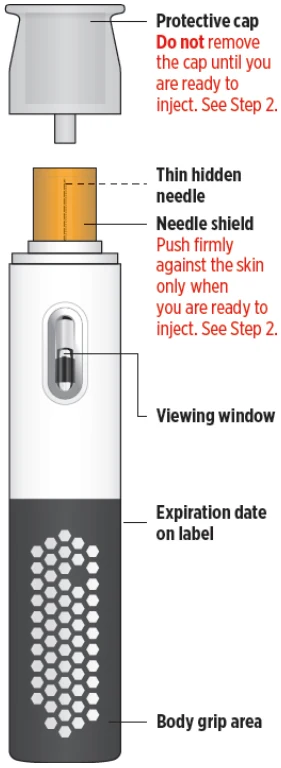
Upgolyv is supplied as a single-use, sterile solution in a pre-filled syringe and single-use autoinjector administered by subcutaneous injection (see 4.1 Dosing Considerations).
Comprehensive instructions for the administration of Upgolyv are given in Patient Medication Information, PROPER USE OF THIS MEDICATION for preparation and giving an injection of Upgolyv.
Patients should be instructed to inject the full amount of Upgolyv according to the directions provided in the Patient Medication Information.
4.5. Missed Dose
Patients who miss a dose of Upgolyv, should be advised to inject this missed dose as soon as they become aware of it, and then follow with their next scheduled dose (see Patient Medication Information, PROPER USE OF THIS MEDICATION, autoinjector and prefilled syringe).
- 5. Overdose
The maximum tolerated dose of golimumab has not been established in humans. Single doses up to 10 mg/kg intravenously have been administered in a clinical study without dose-limiting toxicity. In case of overdosage, it is recommended that the patient be monitored for any signs or symptoms of adverse effects and appropriate symptomatic treatment be instituted immediately.
- 6. Dosage Forms, Strengths, Composition, and Packaging
To help ensure the traceability of biologic products, including biosimilars, health professionals should recognise the importance of recording both the brand name and the non-proprietary (active ingredient) name as well as other product-specific identifiers such as the Drug Identification Number (DIN) and the batch/lot number of the product supplied.
Table 1: Dosage Forms, Strengths, and Composition
| Route of Administration | Dosage Form / Strength/Composition | Non-medicinal Ingredients |
|---|---|---|
| Subcutaneous injection (SC) | 50 mg/0.5 mL auto-injector | L-histidine, L-histidine monohydrochloride monohydrate, poloxamer 188, sorbitol, water for injection |
| 50 mg/0.5 mL prefilled syringe | ||
| 100 mg/1.0 mL auto-injector | ||
| 100 mg/1.0 mL prefilled syringe | ||
Upgolyv does not contain preservatives.
Upgolyv is supplied as a single-use, sterile solution in a Type 1 glass syringe with a fixed stainless steel needle. The syringe is contained in a single-use autoinjector or fitted with a passive safety guard. The syringe is stoppered with a coated stopper and the needle is covered with a needle shield to prevent leakage of the solution through the needle and to protect the needle during handling prior to administration. The fixed needle is a V-bevel, 29G, half-inch stainless steel needle.
Autoinjector
- Each 50 mg single-use autoinjector contains 50 mg golimumab per 0.5 mL in an autoinjector.
- Each 100 mg single-use autoinjector contains 100 mg golimumab per 1 mL in an autoinjector.
Upgolyv is supplied as a sterile solution in a Type 1 glass syringe with a fixed stainless steel needle. This syringe is contained in a single-use autoinjector.
The components of the autoinjector are not made with natural rubber latex. Upgolyv is available in packs of 1 and packs of 3 single-use autoinjector(s).
Upgolyv is packaged in an outer carton.
Prefilled syringe
- Each 50 mg single-use pre-filled syringe contains 50 mg golimumab per 0.5 mL syringe.
- Each 100 mg single-use pre-filled syringe contains 100 mg golimumab per 1 mL syringe Upgolyv is supplied as a sterile solution in a Type 1 glass syringe with a fixed stainless steel needle. The needle cover on the pre-filled syringe is not made with natural rubber latex.
Upgolyv is available in packs of 1 and packs of 3 single-use pre-filled syringe(s). Upgolyv is packaged in an outer carton.
7. Warnings and Precautions
See 3. Serious Warnings and Precautions Box.
General
Infections
Bacterial (including sepsis and pneumonia), mycobacterial (tuberculosis), invasive fungal and opportunistic infections, including fatalities, have been reported in patients receiving TNF-blocking agents, including golimumab. Patients have frequently presented with disseminated rather than localized disease. Some of these serious infections have occurred in patients on concomitant immunosuppressive therapy that, in addition to their underlying disease could predispose them to infections.
Upgolyv should not be given to patients with a clinically important, active infection. Caution should be exercised when considering the use of Upgolyv in patients with a chronic infection or a history of recurrent infection. Patients should be advised of and avoid exposure to potential risk factors for infection as appropriate.
Patients must be monitored closely for infections including tuberculosis before, during and after treatment with golimumab. Because the elimination of golimumab may take up to 5 months, monitoring should be continued throughout this period. Further treatment with Upgolyv must not be given if a patient develops a serious infection or sepsis.
Tuberculosis
Patients should be evaluated for tuberculosis risk factors (including close contact with a person with active tuberculosis) and tested for latent tuberculosis infections prior to treatment with Upgolyv Treatment of latent tuberculosis infections should be initiated prior to therapy with Upgolyv.
Anti-tuberculosis therapy should be considered prior to initiation of Upgolyv in patients with a past history of latent or active tuberculosis in whom an adequate course of treatment cannot be confirmed.
Tests for latent tuberculosis may yield false negative results, especially in patients who are immunocompromised or severely ill. Prior to initiating Upgolyv, treatment for latent TB should be considered in patients who have significant risk factors for TB despite a negative test for latent tuberculosis. The decision to initiate anti-tuberculosis therapy in these patients should only be made following consultation with a physician with expertise in the treatment of tuberculosis and taking into account both the risk for latent tuberculosis infection and the risks of anti-tuberculosis therapy.
In patients receiving golimumab, tuberculosis has frequently presented as disseminated or extrapulmonary disease. Cases of active tuberculosis have occurred in patients treated with golimumab during and after treatment for latent tuberculosis. Patients receiving Upgolyv should be monitored closely for signs and symptoms of active tuberculosis, including patients who tested negative for latent tuberculosis, patients who are on treatment for latent tuberculosis, or patients who were previously treated for tuberculosis infection.
Opportunistic Infections
Opportunistic infections due to bacterial, mycobacterial, invasive fungal, viral, or parasitic organisms including aspergillosis, blastomycosis, candidiasis, coccidioidomycosis, histoplasmosis, legionellosis, listeriosis, pneumocystosis and tuberculosis have been reported with TNF-blockers. Patients have frequently presented with disseminated rather than localized disease.
For patients who have resided in or travelled to regions where invasive fungal infections such as histoplasmosis, coccidioidomycosis, or blastomycosis are endemic, the benefits and risks of Upgolyv treatment should be carefully considered before initiation or continuation of Upgolyv therapy.
In at-risk patients treated with Upgolyv, an invasive fungal infection should be suspected if they develop a serious systemic illness. Invasive fungal infections may present as disseminated rather than localized disease, and antigen and antibody testing may be negative in some patients with active infection. Appropriate empiric antifungal therapy should be considered while a diagnostic workup is being performed. The decision to administer empiric antifungal therapy should be made, if feasible, in consultation with a physician with expertise in the diagnosis and treatment of invasive fungal infections and should take into account both the risk for severe fungal infection and the risks of antifungal therapy.
Hepatitis B Virus (HBV) Reactivation
As observed with the use of other immunosuppressive drugs, the use of TNF-blocking agents, including golimumab has been associated with reactivation of hepatitis B virus (HBV) in patients who are chronic carriers of the virus (i.e., surface antigen positive). In some instances, HBV reactivation occurring in conjunction with TNF-blocker therapy has been fatal. The majority of these reports have occurred in patients who received concomitant immunosuppressants. Patients should be tested for HBV infection before initiating treatment with immunosuppressants, including Upgolyv. For patients who test positive for hepatitis B surface antigen, consultation with a physician with expertise in the treatment of hepatitis B is recommended. Chronic carriers of hepatitis B should be appropriately evaluated and monitored prior to the initiation of, during treatment with, and for several months following discontinuation of Upgolyv.
Concurrent Administration with Anakinra
Serious infections were seen in clinical studies with concurrent use of anakinra (an interleukin-1 antagonist) and another TNF-blocking agent, etanercept, with an increased risk of neutropenia and no added clinical benefit. Because of the nature of the adverse events seen with this combination therapy, similar toxicities may also result from the combination of anakinra and other TNF-blocking agents.
Therefore, the combination of Upgolyv and anakinra is not recommended (see 9.4 Drug-Drug Interactions).
Concurrent Administration with Abatacept
In clinical studies, concurrent administration of TNF-blocking agents and abatacept have been associated with an increased risk of infections including serious infections compared with TNF-blocking agents alone, without increased clinical benefit. Because of the nature of the adverse events seen with the combination of TNF-blocking agents and abatacept therapy, the combination of Upgolyv and abatacept is not recommended (see 9.4 Drug-Drug Interactions).
Concurrent Administration with other Biological Therapeutics
There is insufficient information regarding the concomitant use of golimumab with other biological therapeutics used to treat the same conditions as Upgolyv. The concomitant use of Upgolyv with these biologics is not recommended because of the possibility of an increased risk of infection.
Switching between Biological Therapeutics
When switching from one biologic to another, patients should continue to be monitored, since overlapping biological activity may further increase the risk of infection.
Carcinogenesis and Mutagenesis
The potential role of TNF-blocking therapy in the development of malignancies is not known. Caution should be exercised when considering TNF-blocking therapy for patients with a history of malignancy or when considering continuing treatment in patients who develop malignancy.
Pediatric Malignancy
Malignancies, some fatal, have been reported among children, adolescents, and young adults who received treatment with TNF-blocking agents (initiation of therapy ≤ 18 years of age), of which golimumab is a member. Approximately half of the cases were lymphomas, including Hodgkin’s and non-Hodgkin’s lymphoma. The other cases represented a variety of malignancies, including rare malignancies that are usually associated with immunosuppression, and malignancies that are not usually observed in children and adolescents. The malignancies occurred after a median of 30 months (range 1 to 84 months) after the first dose of TNF-blocker therapy. Most of the patients were receiving concomitant immunosuppressants, such as methotrexate, azathioprine, or 6 mercaptopurine. These cases were reported post-marketing and are derived from a variety of sources, including registries and spontaneous post-marketing reports.
Lymphoma
In the controlled portions of clinical trials of all the TNF-blocking agents including golimumab, more cases of lymphoma have been observed among patients receiving anti-TNF treatment compared with control patients. During the golimumab injection Phase 2 and Phase 3 clinical trials in RA, PsA and AS, the incidence of lymphoma in golimumab-treated patients was higher than expected in the general population. Patients with rheumatoid arthritis and other chronic inflammatory diseases, particularly patients with highly active disease and/or chronic exposure to immunosuppressant therapies, may be at higher risk (up to several fold) than the general population for the development of lymphoma, even in the absence of TNF-blocking therapy.
Rare post-marketing cases of hepatosplenic T-cell lymphoma (HSTCL) have been reported in patients treated with other TNF-blocking agents. This rare type of T-cell lymphoma has a very aggressive disease course and is usually fatal. Nearly all of these cases have occurred in patients with Crohn's disease or ulcerative colitis. The majority were in adolescent and young adult males. Almost all these patients had received treatment with azathioprine (AZA) or 6-mercaptopurine (6–MP) concomitantly with a TNF-blocker at or prior to diagnosis. The potential risk with the combination of AZA or 6-MP and Upgolyv should be carefully considered. A risk for the development for hepatosplenic T-cell lymphoma in patients treated with TNF-blockers cannot be excluded.
Leukemia
Cases of acute and chronic leukemia have been reported with TNF-blocker use, including golimumab, in rheumatoid arthritis and other indications. Even in the absence of TNF-blocker therapy, patients with rheumatoid arthritis may be at a higher risk (approximately two-fold) than the general population for the development of leukemia.
Non-lymphoma Malignancy
In the controlled portions of the golimumab Phase 2 and Phase 3 clinical trials in RA, PsA, AS, and UC, the incidence of non-lymphoma malignancies (excluding non-melanoma skin cancer) was similar between the golimumab and the control groups.
In an exploratory clinical trial evaluating the use of golimumab in patients with severe persistent asthma, more patients treated with golimumab reported malignancies compared with control patients. The significance of this finding is unknown.
Colon Dysplasia/Carcinoma
It is not known if golimumab treatment influences the risk for developing dysplasia or colon cancer. All patients with ulcerative colitis who are at increased risk for dysplasia or colon carcinoma (for example, patients with long-standing ulcerative colitis or primary sclerosing cholangitis), or who had a prior history of dysplasia or colon carcinoma should be screened for dysplasia at regular intervals before therapy and throughout their disease course. This evaluation should include colonoscopy and biopsies per local recommendations. In patients with newly diagnosed dysplasia treated with Upgolyv, the risks and benefits to the individual patient must be carefully reviewed and consideration should be given to whether therapy should be continued.
Skin Cancers
Melanoma and Merkel cell carcinoma have been reported in patients treated with TNF blocking agents, including golimumab. (see 8.5 Post-Market Adverse Reactions). Periodic skin examination is recommended for all patients, particularly those with risk factors for skin cancer.
Cardiovascular
Congestive Heart Failure (CHF)
Cases of worsening congestive heart failure (CHF) and new onset CHF have been reported with TNF blockers, including golimumab. Some cases had a fatal outcome. Cases of CHF in patients with known cardiovascular risk factors have been observed with golimumab. In several exploratory trials of other TNF-blockers in the treatment of CHF, there were greater proportions of TNF blocker-treated patients who had CHF exacerbations requiring hospitalization or increased mortality. Golimumab has not been studied in patients with CHF. Upgolyv should be used with caution in patients with heart failure. If a decision is made to administer Upgolyv to patients with heart failure, they should be closely monitored during therapy, and Upgolyv should be discontinued if new or worsening symptoms of heart failure appear.
Driving and Operating Machinery
No studies on the effect on the ability to drive and use machines have been performed. Upgolyv may have a minor influence on the ability to drive and use machines. Dizziness may occur following administration of Upgolyv.
Hematologic
Hematologic Reactions
There have been reports of pancytopenia, leukopenia, neutropenia, agranulocytosis, aplastic anemia and thrombocytopenia in patients receiving TNF-blockers, including golimumab. In clinical studies, cases of pancytopenia, leukopenia, neutropenia and thrombocytopenia have occurred in patients treated with golimumab. Caution should be exercised in patients treated with Upgolyv who have a current or past history of significant cytopenias. All patients should be advised to seek immediate medical attention if they develop signs and symptoms suggestive of blood dyscrasias (e.g. persistent fever, bruising, bleeding, pallor). Discontinuation of Upgolyv therapy should be considered in patients with confirmed significant hematologic abnormalities.
Hepatic/Biliary/Pancreatic
Hepatically Impaired
Specific studies of golimumab have not been conducted in these patient populations. Upgolyv should be used with caution in subject with impaired hepatic function.
Immune
Immunosuppression
The possibility exists for TNF-blocking agents, including golimumab, to affect host defences against infections and malignancies since TNF mediates inflammation and modulates cellular immune responses. In Phase 1 RA studies, in 81 patients evaluated, there were no substantial differences between subjects receiving golimumab and placebo with respect to responses to delayed-type hypersensitivity antigens. The impact of treatment with golimumab on the development and course of malignancies, as well as active and/or chronic infections, is not fully understood (see 7. Warnings and Precautions and 8. Adverse Reactions).
Immunizations
Live Vaccines/Therapeutic Infectious Agents
Patients treated with Upgolyv may receive concurrent vaccinations, except for live vaccines.
In patients receiving anti-TNF therapy, limited data are available on the response to vaccination with live vaccines or on the secondary transmission of infection by live vaccines. Use of live vaccines could result in clinical infections, including disseminated infections. It is recommended that live vaccines not be given concurrently with Upgolyv.
Other uses of therapeutic infectious agents such as live attenuated bacteria (e.g., BCG bladder instillation for the treatment of cancer) could result in clinical infections, including disseminated infections. It is recommended that therapeutic infectious agents not be given concurrently with Upgolyv.
Non-live Vaccines
Psoriatic arthritis patients treated with golimumab in one Phase 3 PsA study were able to mount effective B-cell immune responses to pneumococcal polysaccharide vaccine. Similar numbers of psoriatic arthritis patients receiving golimumab and not receiving golimumab had at least a two-fold increase in antibody titers. The proportions of patients with response to pneumococcal vaccine were lower among golimumab and control-treated patients receiving MTX compared with patients not receiving MTX. Overall, the data indicate that golimumab does not suppress the humoral immune response to this vaccine.
Autoimmune Processes
Treatment with TNF blockers, including golimumab may result in the formation of autoantibodies and, rarely, in the development of a lupus-like syndrome. If a patient develops symptoms of a lupus-like syndrome following treatment with Upgolyv, treatment should be discontinued (see 8. Adverse Reactions, Immune, Autoantibodies).
Autoimmune hepatitis has been reported for other members of the anti-TNFα class.
Monitoring and Laboratory Tests
There is no known interference between golimumab and laboratory tests.
Neurologic
Demyelinating Disorders
Use of TNF-blocking agents, of which golimumab is a member, have been associated with cases of new onset or exacerbation of central nervous system (CNS) demyelinating disorders, including multiple sclerosis (MS), optic neuritis and peripheral demyelinating disorders, including Guillain-Barré syndrome. In clinical trials, cases of central demyelination, MS, and peripheral demyelinating polyneuropathy have been reported in patients treated with golimumab. Prescribers should exercise caution in considering the use of TNF blockers, including Upgolyv in patients with central or peripheral nervous system demyelinating disorders. Discontinuation of Upgolyv should be considered if these disorders develop.
Peri-Operative Considerations
Surgery
There is limited safety experience of golimumab treatment in patients who have undergone surgical procedures, including arthroplasty. The long half-life should be taken into consideration if a surgical procedure is planned. A patient who requires surgery while on Upgolyv should be closely monitored for infections, and appropriate actions should be taken.
Renal
Renally impaired
Specific studies of golimumab have not been conducted in these patient populations.
Reproductive Health: Female and Male Potential
Women of childbearing potential must use adequate contraception to prevent pregnancy and continue its use for at least 6 months after the last golimumab treatment.
Fertility
It is not known whether golimumab can impair fertility in humans.
Sensitivity/Resistance Allergic Reactions Hypersensitivity Reactions
Allergic reactions (e.g., rash, urticaria, and rarely anaphylaxis and serum sickness-like reactions) have been observed in patients treated with TNF-blocking agents. In post-marketing experience, serious systemic hypersensitivity reactions (including anaphylactic reaction) have been reported following golimumab administration. Some of these reactions occurred after the first administration of golimumab. If any serious allergic or anaphylactic reaction occurs, administration of Upgolyv should be discontinued immediately and appropriate therapy initiated.
7.1. Special Populations
7.1.1. Pregnant Women
There have been no studies in pregnant women. It is not known whether golimumab can cause fetal harm when administered to a pregnant woman or can affect reproduction capacity. Upgolyv should be given to a pregnant woman only if clearly needed.
Golimumab crosses the placenta. Following treatment with another TNF-blocking monoclonal antibody during pregnancy, the antibody has been detected for up to 6 months in the serum of the infant born by the treated women. Consequently, these infants may be at increased risk of infection.
Administration of live vaccines to infants exposed to golimumab in utero is not recommended for 6 months following the mother’s last golimumab injection during pregnancy (see 7. Warnings and Precautions). In addition, in animal developmental toxicity studies conducted in cynomolgus monkeys, golimumab was detected in monkey infant serum following in utero exposure, indicating transport across the placenta (see 16. Non-Clinical Toxicology).
7.1.2. Breastfeeding
It is not known whether golimumab is excreted in human milk or absorbed systemically after ingestion. Because many drugs and immunoglobulins are excreted in human milk, and because of the potential for adverse reactions in nursing infants from golimumab, women must not breast feed during and for at least 6 months after golimumab treatment. A decision should be made whether to discontinue nursing or to discontinue the drug, taking into account the importance of the drug to the mother.
In an animal developmental toxicology study in cynomolgus monkeys, golimumab was detected in breast milk (see 16. Non-Clinical Toxicology).
7.1.3. Pediatrics
Pediatrics (˂18 years of age):
The safety and efficacy of Upgolyv has not been established in pediatric patients aged 17 years and younger.
7.1.4. Geriatrics
Geriatrics (≥65 years of age):
In the Phase 3 golimumab trials in RA, PsA, and AS, no overall differences in AEs, SAEs, and serious infections in patients age 65 or older who received golimumab were observed compared with younger patients. In UC, there were insufficient numbers of patients aged 65 and over to determine whether they respond differently from patients aged 18 to 65. Because there is a higher incidence of infections in the elderly population in general, caution should be used in treating the elderly. There were no patients aged 65 and over in the nr-Ax SpA trial.
8. Adverse Reactions
8.1. Adverse Reaction Overview
Safety data from golimumab trials are available from 6161 golimumab-treated patients including 3090 with rheumatoid arthritis, 634 with psoriatic arthritis, 768 with ankylosing spondylitis, 193 with active non-radiographic axial spondyloarthritis (nr-Ax SpA), 1240 with ulcerative colitis and 231 with severe persistent asthma.
Through week 54 of the UC trials, 16% of patients who received golimumab reported one or more serious adverse events (SAEs). The most common SAEs were ulcerative colitis (7.6%), anaemia (0.6%) and appendicitis (0.3%) The proportion of subjects with SAEs was higher in the golimumab 100 mg maintenance group compared with golimumab 50 mg maintenance group and placebo groups (16% vs. 8% and 8%, respectively).
Upper respiratory tract infection and nasopharyngitis were the most common adverse reactions reported in the combined Phase 3 SC RA, PsA and AS trials through Week 16, occurring in 7% and 6% of golimumab-treated patients as compared with 6% and 5% of control-treated patients, respectively.
Nasopharyngitis was the most common adverse reaction reported in the controlled Phase 2/3 UC trials through week 6 occurring in 2.5% of golimumab-treated patients as compared with 2.9% of control-treated patients.
In the Phase 3 trial in nr-Ax SpA, no new ADRs were identified and the frequency/incidence of ADRs was comparable to that observed in patients with RA, PsA, AS and UC.
8.2. Clinical Trial Adverse Reactions
Clinical trials are conducted under very specific conditions. The adverse reaction rates observed in the clinical trials, therefore, may not reflect the rates observed in practice and should not be compared to the rates in the clinical trials of another drug. Adverse reaction information from clinical trials may be useful in identifying and approximating rates of adverse drug reactions in real-world use.
RA, AS and PsA
Table 2 summarizes the adverse drug reactions that occurred at a rate equal to or higher than 1% in golimumab groups and at a frequency higher than the placebo group during the placebo-controlled period of the Phase 3 golimumab studies in RA, AS and PsA, respectively.
Table 2: Adverse Drug Reactions Reported in ≥1% of Patients in the Phase 3 Trials of RA, PsA, and AS through Week 16a
| Placebo ± DMARDs | Golimumab ± DMARDs | |||||||
|---|---|---|---|---|---|---|---|---|
| Patients treated | 639 | 1659 | ||||||
| Adverse Reaction | ||||||||
| Blood and lymphatic system disorders | ||||||||
| Placebo ± DMARDs | Golimumab ± DMARDs | |||||||
| Anemia | 6 (0.9%) | 20 (1.2%) | ||||||
| Central and peripheral nervous system | ||||||||
| Dizziness | 7 (1.1%) | 32 (1.9%) | ||||||
| Paraesthesia | 3 (0.5%) | 27 (1.6%) | ||||||
| Gastrointestinal system disorders | ||||||||
| Constipation | 2 (0.3%) | 18 (1.1%) | ||||||
| General disorders and administration site conditions | ||||||||
| Injection site reaction (injection site erythema, urticaria, induration, pain, bruising, pruritus, irritation, paresthesia) | 14 (2.2%) | 97 (5.8%) | ||||||
| Non-serious allergic reactions | 7 (1.1%) | 24 (1.4%) | ||||||
| Pyrexia | 4 (0.6%) | 20 (1.2%) | ||||||
| Infections and Infestations | ||||||||
| Bacterial infections (such as cellulitis) | 6 (0.9%) | 24 (1.4%) | ||||||
| Bronchitis | 9 (1.4%) | 31 (1.9%) | ||||||
| Sinusitis | 8 (1.3%) | 27 (1.6%) | ||||||
| Superficial fungal infections | 8 (1.3%) | 31 (1.9%) | ||||||
| Upper respiratory tract infection (nasopharyngitis, pharyngitis, laryngitis, and rhinitis) | 84 (13.1%) | 258 (15.6%) | ||||||
| Viral infections (such as influenza and herpes) | 20 (3.1%) | 75 (4.5%) | ||||||
| Investigations | ||||||||
| Alanine aminotransferase increased | 18 (2.8%) | 58 (3.5%) | ||||||
| Aspartate aminotransferase increased | 10 (1.6%) | 44 (2.7%) | ||||||
| Skin and subcutaneous tissue disorders | ||||||||
| Alopecia | 4 (0.6%) | 18 (1.1%) | ||||||
| Rash | 16 (2.5%) | 49 (3.0%) | ||||||
| Vascular disorders | ||||||||
| Hypertension | 10 (1.6%) | 51 (3.1%) | ||||||
| a Patients may have taken concomitant MTX, sulfasalazine, hydroxychloroquine, low-dose corticosteroids (≤10 mg of prednisone/day or equivalent, and/or NSAIDs during the trials). | ||||||||
Ulcerative Colitis (UC)
Table 3 summarizes the adverse drug reactions that occurred at a rate equal to or higher than 1% in golimumab groups and at a frequency higher than the placebo group during the placebo-controlled period of the Phase 3 studies in UC.
Table 3: Adverse drug reactions reported by ≥ 1% of patients from ulcerative colitis clinical trials
| Adverse Drug Reactions reported by ≥ 1% of Patients in the PURSUIT- Induction Study through Week 6 | ||||
|---|---|---|---|---|
| Patients Treated | Placebo (n=330) | Golimumab 200/100 mg (n=331) | ||
| Adverse Drug Reaction | ||||
| Blood and lymphatic system disorders | ||||
| Anemia | 7 (2.1%) | 9 (2.7%) | ||
| General disorders and administration site conditions | ||||
| Injection site reaction | 3 (0.9%) | 10 (3.0%) | ||
| Infections and Infestations | ||||
Upper respiratory tract infection | 17 (5.2%) | 19 (5.7%) | ||
| Adverse Drug Reactions reported by ≥ 1% of Patients in the PURSUIT-Maintenance Study through Week 54 | ||||
| Patients Treated | Placebo (n=285) | Golimumab 100 mg (n=946) | Golimumab 50 mg (n=154) | |
| Adverse Drug Reaction | ||||
Blood and lymphatic system disorders | ||||
| Anemia | 3 (1.1%) | 43 (4.5%) | 4 (2.6%) | |
| Leukopenia | 5 (1.8%) | 25 (2.6%) | 3 (1.9%) | |
| Autoantibody positive | 6 (2.1%) | 31 (3.3%) | 6 (3.9%) | |
Gastrointestinal system disorders | ||||
| Constipation | 3 (1.1%) | 15 (1.6%) | 2 (1.3%) | |
General disorders and administration site conditions | ||||
| Pyrexia | 8 (2.8%) | 35 (3.7%) | 6 (3.9%) | |
| Infections and infestations | ||||
| Abscess | 4 (1.4%) | 15 (1.6%) | 2 (1.3%) | |
| Bronchitis | 5 (1.8%) | 17 (1.8%) | 6 (3.9%) | |
| Sinusitis | 7 (2.5%) | 28 (3.0%) | 6 (3.9%) | |
| Superficial fungal infections | 4 (1.4%) | 11 (1.2%) | 7 (4.5%) | |
Upper respiratory tract infection | 36 (12.6%) | 208 (22.0%) | 36 (23.4%) | |
| Viral infections | 18 (6.3%) | 57 (6.0%) | 13 (8.4%) | |
| Investigations | ||||
| Alanine aminotransferase increased | 4 (1.4%) | 15 (1.6%) | 3 (2.0%) | |
| Aspartate aminotransferase increased | 3 (1.1%) | 8 (0.8%) | 5 (3.2%) | |
Skin and subcutaneous tissue disorders | ||||
| Rash | 9 (3.2%) | 36 (3.8%) | 10 (6.5%) | |
Other Clinical Trial Adverse Drug Reactions:
Adverse drug reactions that do not appear in the above tables and that occurred ≥1% in golimumab-treated patients beyond the placebo control period included the following events listed below:
Blood and lymphatic system disorders: leukopenia (including neutropenia) Infections and infestations: lower respiratory tract infection (pneumonia) Deaths
During the placebo-controlled Phase 2 and Phase 3 golimumab trials in RA, PsA, AS and severe, persistent asthma, there was 1 (0.13%) death among 753 patients in the placebo group and 5 deaths (0.25%) among 2,024 patients in the combined golimumab group. The most common cause of death among golimumab-treated patients (2/5, 40%) was sepsis. In the controlled and uncontrolled Phase 2 and 3 RA, PsA and AS studies through approximately 3 years, there were 21 deaths among 2,363 patients treated with at least one dose of golimumab over an exposure period of 5,714 patient years (0.37 per 100 patient years), and one death among placebo patients over an exposure period of 344 patient years (0.29 per 100 patient years). The most common known cause of death among golimumab-treated patients through approximately 3 years (3 out of 21 patients, 14%) was lung cancer.
Among 1233 UC patients treated with at least one dose of golimumab over an exposure period of 1080 patient years, 4 deaths occurred through Week 54 (0.37 per 100 patient year). Causes of death were: sepsis (2 subjects), tuberculosis (1 subject), and congestive heart failure (1 subject). No deaths occurred among placebo patients (n=407).
Among 599 UC patients treated with at least one dose of golimumab during the study extension (Weeks 54 – 228), 7 deaths were reported (0.44 per 100 patient years). The most common cause of death was cancer (colorectal (2 subjects) and gall bladder). Among 96 UC patients treated with placebo one patient died (0.95 per 100 patient years).
Injection Site Reactions
In the controlled period of the pivotal trials, 5.1% (123/2392) of golimumab-treated patients had injection site reactions compared with 2.0% (19/969) in control-treated patients. The majority of the injection site reactions were mild and moderate and the most frequent manifestation was injection site erythema.
In the controlled and uncontrolled Phase 3 RA, PsA and AS trials through approximately 3 years, 12.4% of golimumab-treated patients (8.6% in the 50 mg dose group) had injection site reactions. In the controlled pivotal trials in RA, PsA, AS, severe persistent asthma, and Phase 2/3 trials in UC, no patients treated with golimumab developed anaphylactic reactions deemed to be related to golimumab.
Malignancies (See 7. Warnings and Precautions, Carcinogenesis and mutagenesis) Lymphoma
The incidence of lymphoma in golimumab-treated patients during the pivotal trials was higher than expected in the general population. In the controlled and uncontrolled portions of these clinical trials with a median follow up of up to 3 years, a greater incidence of lymphoma was observed in patients receiving golimumab 100 mg compared with patients receiving golimumab 50 mg. These results may be confounded by the small number of events, designs of the Phase 3 studies, and different durations of follow-up across treatment groups. The majority of lymphomas occurred in RA Study 2, which enrolled patients previously exposed to anti-TNF agents who had longer disease duration and more refractory disease. Patients with RA and other chronic inflammatory diseases, particularly patients with highly active disease and/or chronic exposure to immunosuppressant therapies, may be at higher risk (up to several fold) than the general population for the development of lymphoma, even in the absence of TNF-blocking therapy.
Malignancies other than lymphoma
In the controlled periods of pivotal trials, the incidence of non-lymphoma malignancies (excluding non-melanoma skin cancer) was similar between the golimumab and the control group. Through approximately 4 years of follow-up, the incidence of non-lymphoma malignancies (excluding non-melanoma skin cancer) was similar to the general population. The most frequently observed malignancies in golimumab-treated patients during the Phase 3 trials in RA, PsA, and AS were basal cell carcinoma (19/2226, 0.9%), breast cancer (11/2226, 0.5%) and lung cancer (7/2226, 0.3%).
In an exploratory clinical trial involving patients with severe persistent asthma, more patients treated with golimumab had malignancies compared with control patients. The significance of this finding in the asthma population is unknown.
The potential role of TNF-blocking therapy in the development of malignancies is unknown.
Demyelinating Disorders (See 7. Warnings and Precautions, Neurologic, Demyelinating Disorders)
In the controlled and uncontrolled periods of the pivotal trials with a median follow-up of up to 3 years, a greater incidence of demyelination was observed in patients receiving golimumab 100 mg compared with patients receiving golimumab 50 mg. These results may be confounded by the small number of events, designs of the pivotal trials, and different durations of follow-up across treatment groups.
Hepatic
In the controlled period of RA and PsA pivotal trials, mild ALT elevations (>1 and <3 x ULN) occurred in similar proportions of golimumab-treated and control patients (22.1% to 27.4% of patients); in the AS study, more golimumab-treated patients (25.6%) than control patients (3.9%) had mild ALT elevations. With a median follow-up of approximately 5 years, the incidence of mild ALT elevations was similar in golimumab-treated and control patients. In the AS pivotal trial, the incidence of mild ALT elevations was higher in golimumab-treated patients than in control patients. In the controlled period of UC pivotal trials of golimumab induction, mild ALT elevations (>1 and <3 x ULN) occurred in 8.0% and 6.9% of golimumab-treated and control patients, respectively. In the controlled and uncontrolled periods of the UC pivotal trials with a mean follow-up of approximately 2 years, the proportion of patients with mild ALT elevations was 24.7% in patients receiving golimumab and 13.0% in patients receiving placebo.
In the controlled period of RA and AS pivotal trials, ALT elevations ≥5 x ULN were uncommon and seen in more golimumab-treated patients (0.4% to 0.9%) than control patients (0.0%). This trend was not observed in the PsA population. In the controlled and uncontrolled periods of RA, PsA and AS pivotal trials with a median follow-up of 5 years, ALT elevations ≥5 x ULN were observed in 2.0% (34/1740 patients; 0.81 events per 100 patient years) across the RA studies, 0.8% (3/394 patients; 0.91 events per 100 patient years) for the PsA study and 1.4 % (8/564 patients; 0.61 events per 100 patient years) for the AS studies for the golimumab-treated patients. The majority of these elevations were asymptomatic.
In the controlled periods of the pivotal UC trials of golimumab induction, ALT elevations ≥5 x ULN occurred in 0.3% and 1.0% of golimumab-treated patients and placebo-treated patients, respectively. In the controlled and uncontrolled periods of the Phase 2/3 studies in UC with a mean follow-up of approximately 1 year, the incidence of ALT elevations ≥3 x ULN was 2% in patients receiving golimumab and 0.7% in patients receiving placebo. The incidence of ALT elevations ≥5 x ULN was 0.8% in patients receiving golimumab and 1.2% in patients receiving placebo.
In the controlled Phase 3 trials in RA, PsA and AS through Week 16, the proportions of patients with hepatobiliary adverse events were 0.9% (golimumab 50 mg), 0.7% (golimumab 100 mg) and 0.6% (placebo). At Week 24, the proportions of patients with hepatobiliary adverse events were 0.9% (golimumab 50 mg), 1.3% (golimumab 100 mg) and 0.6% (placebo). In controlled and uncontrolled periods of the Phase 3 studies in RA, PsA and AS through approximately 3 years, 3.5% of golimumab-treated patients had hepatobiliary adverse events.
Infections (See 7. Warnings and Precautions, General, Infections)
In the controlled period of pivotal trials, upper respiratory tract infection was the most common adverse reaction reported in 12.6% of golimumab-treated patients (incidence per patient-year: 0.61; 95% confidence interval; CI: 0.55, 0.67) as compared with 10.7% of control patients (incidence per patient-year: 0. 53; 95% CI: 0.44, 0.63). In controlled and uncontrolled portions of the studies with a median follow-up of approximately 4 years, upper respiratory tract infections were observed in 46.2% (1693/3666; 0.35 events per patient year) for golimumab-treated patients.
In the controlled period of pivotal trials, infections were observed in 22.8% of golimumab-treated patients (incidence per patient-year: 1.30; 95% CI: 1.22, 1.40) compared with 19.9% of control patients (incidence per patient-year: 1.23; 95% CI: 1.09, 1.38). In the controlled and uncontrolled portions of the studies with a median follow-up of approximately 4 years, infections were observed in 65.5% (2438/3666; 0.81 events per patient year) for golimumab-treated patients. In the controlled Phase 2/3 trials through Week 6 of golimumab induction in UC, infections were observed in 11.9% of golimumab-treated patients compared with 11.3% of control patients. Through week 54 of UC trials, the incidence per patient year of infections was 39% (0.86 events [95% CI: 0.78, 0.94]) in patients receiving golimumab induction and 100 mg maintenance, 44% (1.0 events [95% CI: 0.85, 1.18]) in patients receiving golimumab induction and 50 mg maintenance, and 35% (0.95 events [95% CI: 0.78, 1.15]) in patients receiving golimumab induction and placebo maintenance.
Serious infections observed in golimumab-treated patients included sepsis, pneumonia, cellulitis, abscess, opportunistic infections and tuberculosis. In the controlled period of RA, PsA, and AS trials, serious infections were observed in 1.4% of golimumab-treated patients and 1.3% of control-treated patients. The incidence of serious infections per patient-year of follow-up in the controlled period of RA, PsA and AS trials was 0.07 (95% CI:0.05, 0.11) for the golimumab 100 mg group, 0.03 (95% CI: 0.01,
0.07) for the golimumab 50 mg group, and 0.04 (95% CI: 0.02, 0.08) for the placebo group. In the controlled period of UC trials of golimumab induction, serious infections were observed in 0.8% of golimumab-treated patients compared with 1.5% of control-treated patients. In the controlled and uncontrolled portions of the pivotal trials with a median follow-up of up to 3 years, there was a greater incidence of serious infections, including opportunistic infections and TB in patients receiving golimumab 100 mg compared with patients receiving golimumab 50 mg. The incidence per patient-year of all serious infections was 0.04 (95% CI: 0.04, 0.05) in patients receiving golimumab 100 mg and 0.03 (95% CI: 0.02, 0.03) in patients receiving golimumab 50 mg. These results may be confounded by the designs of the Phase 3 studies and different durations of follow-up across treatment groups.
Through week 54 of UC trials, the incidence per patient year of serious infections was 3.3% [0.04 events (95% CI: 0.02, 0.06)] in patients receiving golimumab induction and 100 mg maintenance, 3.2% [0.05 events (95% CI: 0.02, 0.11)] in patients receiving golimumab induction and 50 maintenance, and 2.5% [0.06 events (95% CI: 0.02, 0.12)] in patients receiving golimumab induction and placebo maintenance. Infectious agents include bacterial, mycobacterial, invasive fungal, and other opportunistic infectious agents (see 7 Warnings and Precautions, General, Infections). Among 1233 UC patients treated with at least one dose of golimumab, 4 cases of TB and 3 cases of opportunistic infections were reported through Week 54. All opportunistic infections and 3 of 4 TB occurred in patients receiving golimumab at the 100 mg maintenance dose. Among 599 UC patients treated with at least one dose of golimumab during the study extension (Weeks 54 – 228), 4 cases of TB and 3 cases of opportunistic infections were reported in patients receiving golimumab at the 100 mg maintenance dose.
Immune
Autoantibodies
Use of TNF-blocking agents has been associated with the formation of autoantibodies and, rarely, in the development of a lupus-like syndrome.
In the controlled and uncontrolled periods of the pivotal trials through 1 year of follow up, 3.5% of golimumab-treated patients and 2.3% of control patients were newly ANA-positive (at titers of 1:160 or greater). The frequency of anti-dsDNA antibodies at 1 year of follow up in patients anti-dsDNA negative at baseline was 1.1%.
In Phase 2/3 trials in UC through approximately 1 year of follow up, 3.5% of patients who received golimumab induction and 100 mg during the maintenance portion of the UC studies, 4.8% of patients who received golimumab induction and 50 mg during the maintenance portion of the UC studies, and 3.5% of patients who received golimumab induction and placebo during the maintenance portion of the UC studies were newly ANA-positive (at titers of 1:160 or greater). The frequency of anti-ds DNA antibodies at 1 year of follow up in patients who were anti-dsDNA negative at baseline was 3 (0.5%) in patients receiving golimumab induction and 100 mg during maintenance, 1 (0.7%) in patients receiving golimumab induction and 50 mg during maintenance and 0 (0%) in patients who received golimumab induction and placebo during maintenance.
8.3. Less Common Clinical Trial Adverse Reactions
Adverse drug reactions that occurred at rates less than 1% during the golimumab clinical trials included the following events listed by system organ class:
Blood and lymphatic disorders: thrombocytopenia, pancytopenia
Cardiac disorders: congestive heart failure (new onset or worsening)
Infections and infestations: sepsis including septic shock, tuberculosis, histoplasmosis, coccidioidomycosis, pneumocystosis, opportunistic infections (invasive fungal infections, bacterial, atypical mycobacterial and protozoal), arthritis bacterial, pyelonephritis, bursitis infective, and hepatitis B reactivation (see 7. Warnings and Precautions, General, Infections, Opportunistic Infections)
Musculoskeletal and connective tissue disorders: lupus-like syndrome Neoplasm benign and malignant: Lymphoma, pediatric malignancy, leukemia Nervous system disorders: demyelinating disorders (central and peripheral) Respiratory, thoracic and mediastinal disorders: Interstitial lung disease
Skin and subcutaneous tissue disorders: psoriasis: new onset or worsening, palmar/plantar, and pustular, vasculitis (cutaneous)
Vascular disorders: vasculitis (systemic)
8.5. Post-Market Adverse Reactions
Adverse reactions have been reported from worldwide post-marketing use of golimumab. Because these events are reported voluntarily from a population of uncertain size, it is not always possible to reliably estimate their frequency or establish a causal relationship to golimumab exposure.
General Disorders and Administration Site Conditions: Infusion-related reaction.
Immune system disorders: serious systemic hypersensitivity reactions (including anaphylactic reaction), sarcoidosis
Neoplasm benign and malignant: melanoma, Merkel cell carcinoma, Hepatosplenic T-cell lymphoma (HSTCL)*
Skin and subcutaneous tissue disorders: bullous skin reactions, skin exfoliation, lichenoid reactions
*observed with other TNF-blocking agents
9. Drug Interactions
9.2. Drug Interactions Overview
Upgolyv can be used in combination with methotrexate in adult patients with RA, AS or PsA. Specific drug interaction studies have not been conducted with Upgolyv.
9.4. Drug-Drug Interactions
Concurrent Use of Upgolyv with other Biological Therapeutics
The combination of Upgolyv with other biological therapeutics used to treat the same conditions as Upgolyv, including anakinra or abatacept is not recommended (see 7. Warnings and Precautions, General).
Live Vaccines/Therapeutic Infectious Agents
Live vaccines should not be given concurrently with Upgolyv (see 7. Warnings and Precautions, Immune, Immunizations).
Therapeutic infectious agents should not be given concurrently with Upgolyv.
Methotrexate
Although concomitant use of methotrexate (MTX) results in higher steady-state trough concentrations of Upgolyv and reduction of its apparent clearance (approximately by 36%) in patients with RA, PsA, or AS, the data do not suggest the need for dose adjustment of either Upgolyv or methotrexate (see 10.3 Pharmacokinetics).
Cytochrome P450 Substrates
The formation of CYP450 enzymes may be suppressed by increased levels of cytokines (e.g., TNFα) during chronic inflammation. Therefore, it is expected that for a molecule that antagonizes cytokine activity, such as golimumab, the formation of CYP450 enzymes could be normalized. Upon initiation or discontinuation of Upgolyv in patients being treated with CYP450 substrates with a narrow therapeutic index, monitoring of the effect (e.g., warfarin) or drug concentration (e.g., cyclosporine or theophylline) is recommended and the individual dose of the drug product may be adjusted as needed.
9.5. Drug-Food Interactions
Interactions with food have not been established.
9.6. Drug-Herb Interactions
Interactions with herbal products have not been established.
9.7. Drug-Laboratory Test Interactions
Interactions with laboratory tests have not been established.
10. Clinical Pharmacology
10.1. Mechanism of Action
Golimumab is a human IgG1қ monoclonal antibody that binds to both the soluble and transmembrane bioactive forms of human TNF. This interaction prevents the binding of TNF to its receptors, thereby inhibiting the biological activity of TNF. In cell-based assays, golimumab was shown to neutralize TNF-induced cell-surface expression of the adhesion molecules E-selectin, vascular cell adhesion molecule (VCAM)-1 and intercellular adhesion molecule (ICAM)-1 by human endothelial cells. Golimumab was also shown to inhibit TNF-induced secretion of interleukin (IL)-6, IL-8 and granulocyte-macrophage colony stimulating factor (GM-CSF) by human endothelial cells. Consistent with other human IgG1 antibodies, golimumab is capable of binding to Fc receptors and activating complement. No binding to other TNF super-family ligands was observed; in particular, golimumab does not bind or neutralize human lymphotoxin.
TNFα is synthesized primarily by activated monocytes, macrophages and T-cells as a transmembrane protein that self-associates to form the bioactive homotrimer and is rapidly released from the cell surface by proteolysis. The binding of TNF to either the p55 or p75 TNF receptors leads to the clustering of the receptor cytoplasmic domains and initiates signaling. TNF has been identified as a key sentinel cytokine that is produced in response to various stimuli and subsequently promotes the inflammatory response through activation of the caspase-dependent apoptosis pathway and the transcription factors nuclear factor (NF)-κB and activator protein-1 (AP-1). TNF also modulates the immune response through its role in the organization of immune cells in germinal centres. Elevated expression of TNF has been linked to chronic inflammatory diseases such as rheumatoid arthritis, as well as spondyloarthropathies such as psoriatic arthritis and ankylosing spondylitis, and is an important mediator of the articular inflammation and structural damage that are characteristic of these diseases.
10.2. Pharmacodynamics
Golimumab was effective in modulating select markers of inflammation and bone metabolism across indications. Improvement in C-reactive protein (CRP) levels were observed relative to placebo groups and treatment with golimumab resulted in significant reductions from baseline in serum levels of IL-6,
ICAM-1, matrix metalloproteinase-3 (MMP-3) and vascular endothelial growth factor (VEGF) compared to control treatment. In addition, levels of TNFα were significantly reduced in RA and AS patients and levels of IL-8 were reduced in PsA patients. These changes were observed at the first assessment (Week 4) after the initial golimumab administration and were generally sustained through Weeks 14 and/or
- 24. Golimumab with or without methotrexate (MTX) resulted in significant changes in serum levels of select markers of bone metabolism (increases in osteocalcin and procollagen type I N-terminal propeptide [PINP] and decreases in deoxy-pyridinoline [DPD] levels) at Week 4. All of these biomarker changes are consistent with an improvement in the disease processes with reduced inflammation, increased bone growth and decreased bone resorption.
10.3. Pharmacokinetics
Following SC administration of golimumab in healthy subjects, the following PK parameters were obtained as shown in Table 4.
Table 4: Pharmacokinetic parameters of golimumab following a single subcutaneous injection of golimumab in healthy subjects
| Pharmacokinetic Parameter | Golimumab 50 mg (n=26) | Golimumab 100 mg (n=266) | |||||
|---|---|---|---|---|---|---|---|
| Maximum observed serum concentration (Cmax, µg/mL) | 2.7 ± 0.9 | 6.3 ± 2.9 | |||||
| Time to reach Cmax (Tmax, day)a | 5 (2, 10) | 4 (1, 10) | |||||
| Area under the curve from time 0 to infinity (AUCinf,µg·day/mL) | 49.4 ± 15.3 | 99.7 ± 40.1 | |||||
| Terminal half-life (T1/2, day) | 11 ± 3 | 12 ± 3 | |||||
| Apparent systemic clearance (CL/F, mL/day/kg) | 17.1 ± 9.0 | 14.8 ± 5.9 | |||||
| Apparent volume of distribution (Vz/F, mL/kg) | 252 ± 71 | 241 ± 100 | |||||
| a Mean ± SD values are shown for all PK parameters except for Tmax which is presented as the median value with the range of minimum and maximum. | |||||||
Steady-state mean trough serum golimumab concentrations in patients with nr-Ax SpA were comparable to those observed in patients with AS following subcutaneous administration of 50 mg golimumab every 4 weeks.
Following induction doses of 200 mg and 100 mg golimumab at Week 0 and 2 respectively, and maintenance doses of 100 mg golimumab every 4 weeks thereafter in patients with UC, serum golimumab concentrations reached steady-state approximately 14 weeks after the start of therapy. Treatment with 100 mg golimumab every 4 weeks during maintenance resulted in a mean steady-state trough serum concentration of approximately 1.8 ± 1.1 µg/mL.
Concomitant Use of Methotrexate:
When 50 mg golimumab was administered SC to patients with RA, PsA or AS every 4 weeks, serum concentrations reached steady state by Week 12. With concomitant use of methotrexate, treatment with 50 mg golimumab every 4 weeks resulted in a median steady-state trough serum concentration of approximately 0.6 μg/mL in patients with active RA despite methotrexate therapy, and approximately
0.5 μg/mL in patients with active PsA and approximately 0.6 μg/mL in patients with AS. Patients with RA, PsA or AS who did not receive concomitant use of methotrexate had approximately 30% lower steady-state trough concentrations of golimumab than those who received golimumab with methotrexate. Concomitant use of methotrexate reduced the apparent clearance of golimumab by 36% after 6-month treatment with golimumab in patients with RA. However, population PK analysis indicated that concomitant use of nonsteroidal anti-inflammatory drugs, oral corticosteroids or sulfasalazine was not found to influence the apparent clearance of golimumab.
Absorption:
Following a single SC administration of golimumab to healthy subjects or patients with RA, the time to reach maximum serum concentrations (Tmax) ranged from 2 to 6 days. A SC injection of 50 mg golimumab to healthy subjects produced a mean ± standard deviation maximum serum concentration (Cmax) of 3.2 ± 1.4 µg/mL. Both Cmax and area under the concentration-time curve (AUC) increased proportionally with doses over the range of 50 to 400 mg following a single SC administration.
Following a single SC injection of 100 mg in healthy subjects, the absorption of golimumab was similar in the upper arm, abdomen, and thigh, with a mean absolute bioavailability of 51%. Since golimumab exhibited approximately dose proportional PK following SC administration, the absolute bioavailability of a golimumab 50 mg or 200 mg dose is expected to be similar to the 100 mg dose.
Metabolism:
The exact metabolic pathway of golimumab is unknown.
Elimination
The elimination pathways for golimumab have not been characterized.
Mean terminal half-life values were estimated to be approximately 2 weeks in healthy subjects and patients with RA, PsA, AS, or UC.
Population PK analyses showed that, following SC administration of golimumab, patients with higher C-reactive protein levels tended to have higher apparent clearance of golimumab. Patients with higher C-reactive protein levels were more likely to have lower trough serum concentrations of golimumab following SC administration of golimumab.
Patients who developed antibodies to golimumab following SC administration generally had low trough steady-state serum concentrations of golimumab.
Special Populations and Conditions
Pediatrics
The safety and efficacy of subcutaneous golimumab has not been established in pediatric patients aged 17 years and younger.
- Geriatrics: Pharmacokinetic parameters of golimumab were not influenced by age in adult patients. Patients with age ≥65 years had apparent clearance of golimumab similar to patients with age <65 years.
- Sex: No gender-related pharmacokinetic differences were observed with golimumab after correction for patients’ body weights.
- Ethnic Origin: No ethnicity-related pharmacokinetic differences were observed between Caucasians and Asians.
- Hepatic Insufficiency: golimumab has not been studied in this patient population. No dose recommendation can be made.
Renal Insufficiency: golimumab has not been studied in this patient population. No dose
recommendation can be made.
Effect of Body Weight:
Population pharmacokinetic analyses showed there was a trend toward higher apparent clearance of golimumab with increasing weight. As a result, patients with heavier weight tend to have lower steady-state trough concentrations of golimumab. However, across the RA, PsA, and AS populations, a treatment benefit from golimumab 50 mg was observed for all subgroups by weight quartiles with no meaningful differences in clinical efficacy among these subgroups. Treatment with the recommended dose regimens of golimumab in UC patients did not result in meaningful differences in clinical efficacy among the different weight subgroups, particularly among patients receiving the 100 mg maintenance dose. Therefore, there is no need to adjust the dosage of Upgolyv based on a patient’s weight.
10.4. Immunogenicity
All therapeutic proteins have the potential for immunogenicity.
The detection of antibody formation is highly dependent on the sensitivity and specificity of the assay. Additionally, the observed incidence of antibody (including neutralizing antibody) positivity in an assay may be influenced by several factors including assay methodology, sample handling, timing of sample collection, concomitant medications, and underlying disease. For these reasons, comparison of incidence of antibodies in the studies described below with the incidences of antibodies in other studies or to other products may be misleading.
Following SC administration in patients with RA, PsA or AS, antibodies to golimumab, nearly all neutralizing in vitro, were detected by the enzyme immunoassay (EIA) method in 5% of golimumab-treated patients through Week 52. Similar rates were shown across rheumatologic indications.
Treatment with concomitant MTX resulted in a lower proportion of patients with antibodies to golimumab than patients receiving golimumab without MTX (approximately 3% versus 8%, respectively).
Following SC administration in patients with nr-Ax SpA, antibodies to golimumab, all neutralizing in vitro, were detected in 4% of golimumab-treated patients through Week 16 by the EIA method.
Following SC administration in UC patients, antibodies to golimumab were detected by the EIA method in 34 (2.7%) of golimumab-treated patients through Week 54. 21 (68%) of antibody-positive patients had neutralizing antibodies in vitro. The proportion of patients achieving clinical response was 22% (2/9) in antibody-positive patients compared with 51% (148/290) antibody-negative patients. Median serum golimumab concentrations were lower in antibody-positive subjects compared with levels in antibody-negative subjects. The model-predicted mean clearance (CL) value for golimumab was 24.3% higher in antibody-positive patients compared with antibody-negative patients. Treatment with concomitant immunomodulators (azathioprine, 6-mercaptopurine and MTX) resulted in a lower proportion of patients with antibodies to golimumab than patients receiving golimumab without immunomodulators (1.3% versus 3.4%, respectively).
Following administration of golimumab in combination with MTX in RA patients, antibodies to golimumab were detected by the EIA method in 4.2% (39/922) of golimumab-treated patients through approximately 1 year. All patients who were positive for antibodies to golimumab had neutralizing antibodies in vitro.
The small number of patients positive for antibodies to golimumab detected by the EIA method limits the ability to draw definitive conclusions regarding the relationship between antibodies to golimumab and clinical efficacy or safety measures.
The data above reflect the percentage of patients whose test results were considered positive for antibodies to golimumab in an EIA assay.
A drug-tolerant EIA method was subsequently developed for the detection of antibodies to golimumab. This method is approximately 16-fold more sensitive than the original EIA method with less interference from golimumab in serum. Due to the higher sensitivity and the improved drug tolerance, a higher incidence of antibodies to golimumab was expected to be detected with the drug-tolerant EIA method compared to the original EIA method.
- 11. Storage, Stability, and Disposal
Store Upgolyv refrigerated at 2˚C to 8˚C. Keep the product in original carton until time of use to protect from light. Do not freeze. Do not shake.
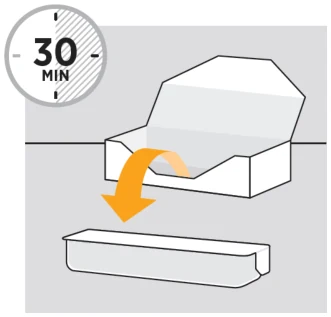
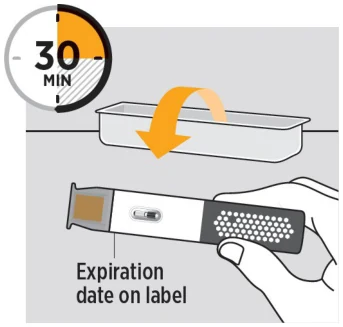
Upgolyv may be stored at room temperature up to a maximum of 25°C for a single period of up to 30 days in the original carton; after storage at room temperature, it should not be refrigerated again. Once removed from refrigerated storage, the room temperature expiration date should be written on the carton. Upgolyv must be protected from light. It should be discarded if not used within 30 days of removal from refrigeration.
Keep out of the sight and reach of children.
Part 2: Scientific Information
13. Pharmaceutical Information
Drug Substance
Non-proprietary name of the drug substance(s): Golimumab
Chemical name: Not applicable. Golimumab is not a chemical.
Golimumab is a human IgG1қ monoclonal antibody.
Molecular formula and molecular mass: Golimumab is a human IgG1қ monoclonal antibody that exhibits multiple glycoforms with predicted molecular masses ranging from 149,802 daltons to 151,064 daltons.
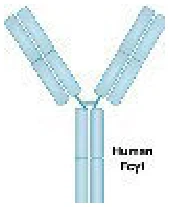
Structure (for biologics)/Structural formula:
Physicochemical properties:
Upgolyv (golimumab) does not contain preservatives. The solution is clear to slightly opalescent, colourless to light yellow with a pH of approximately 5.5. Each mL of Upgolyv contains 100 mg of golimumab, 0.87 mg L-histidine and L-histidine hydrochloride, 41.0 mg sorbitol, 0.15 mg polysorbate 80, and water for injection. Upgolyv is available in two strengths: 50 mg of golimumab in 0.5 mL and 100 mg of golimumab in 1 mL.
Product Characteristics:
Upgolyv is a human IgG1қ monoclonal antibody that exhibits multiple glycoforms with predicted molecular masses ranging from 149,802 daltons to 151,064 daltons. Upgolyv is produced by a recombinant cell line cultured by continuous perfusion and is purified by a series of steps that includes measures to inactivate and remove viruses.
14. Clinical Trials
14.1. Clinical Trials by Indication
Rheumatoid Arthritis
The efficacy and safety of golimumab were evaluated in three multicentre, randomized, double-blind, placebo-controlled studies in over 1,500 patients ≥18 years of age with moderately to severely active RA diagnosed according to American College of Rheumatology (ACR) criteria for at least 3 months prior to screening (Table 5). Patients had at least 4 swollen and 4 tender joints. Golimumab was administered subcutaneously at doses of 50 mg or 100 mg, with or without MTX, every 4 weeks.
Table 5: Summary of controlled trials supporting safety and efficacy in patients with RA
| Study # | Study design | Dosage, route of administration and durationa | Study subjects (n) | Mean age (Range) | Sex (% female) |
|---|---|---|---|---|---|
RA Study 1 (GO-FORWARD) | Multicentre, double-blinded, randomized, placebo-controlled | Golimumab 50 mg or 100 mg; sc; q4w for up to 24 weeks | |||
| Golimumab Placebo | 311 | 50.4±11.36 | 80.6% | ||
| 133 | (18, 79) | ||||
| RA Study 2 (GO-AFTER) | Multicentre, double-blinded, randomized, placebo-controlled | Golimumab 50 mg or 100 mg; sc; q4w for up to 24 weeks | |||
| Golimumab Placebo | 295 | 54.1±12.27 | 79.6% | ||
| 150 | (23, 83) | ||||
| RA Study 3 (GO-BREFORE) | Multicentre, double-blinded, randomized, placebo-controlled | Golimumab 50 mg or 100 mg; sc; q4w for up to 52 weeks | |||
| Golimumab Placebo | 477 | 49.5 | 82.9% | ||
| 160 | ±12.28 | ||||
| (18, 85) | |||||
| aDuration of controlled period | |||||
RA Study 1 (GO-FORWARD): Active Rheumatoid Arthritis Despite MTX
Study RA-1 (GO-FORWARD) evaluated 444 patients who had active RA despite a stable dose of at least 15 mg/week of MTX and who had not been previously treated with an anti-TNF agent. Patients were randomized to receive placebo + MTX (n=133), golimumab 50 mg + MTX (n=89), golimumab 100 mg + MTX (n=89) or golimumab 100 mg monotherapy + placebo (n=133). The co-primary endpoints were the percent of patients achieving ACR 20 response at Week 14 and improvement from baseline in HAQ at Week 24. Major secondary endpoints included change from baseline in van der Heijde-modified Sharp (vdH-S) score at Week 24, DAS 28 (using CRP) response at Week 14, ACR 20 response at Week 24, and improvement from baseline in HAQ at Week 14. All patients receiving placebo + MTX received golimumab 50 mg + MTX after Week 24, but the trial remained blinded until all patients had completed
52 weeks of treatment. At Week 52, patients entered the long-term extension phase and patients receiving golimumab 50 mg could have the dose increased to 100 mg at the discretion of the investigator. Through Week 252, the time point for the last scheduled study agent administration, 131 (29.5%) treated subjects discontinued study agent. Efficacy data were collected and analyzed through Week 256. Through Week 252, the time point for the last scheduled study agent administration, 29 (32.6%) treated subjects initially randomized to receive golimumab 50 mg, continually received the authorized dose of golimumab 50 mg once a month.
RA Study 2 (GO-AFTER): Active Rheumatoid Arthritis, previously treated with anti-TNFα agent(s)
Study RA-2 (GO-AFTER) evaluated 445 patients who were previously treated with one or more of the anti-TNF agents adalimumab, etanercept, or infliximab, without serious adverse reaction. Reasons for discontinuation of prior anti-TNF therapies included lack of efficacy (59%), intolerance (17%), and/or reasons other than safety or efficacy (39%). Patients were randomized to receive placebo (n=150), golimumab 50 mg (n=147), and golimumab 100 mg (n=148). Patients were allowed to continue concomitant DMARD therapy with MTX, sulfasalazine (SSZ), and/or hydroxychloroquine (HCQ) during the study. The use of other DMARDs including cytotoxic agents or other biologics was prohibited. The primary endpoint was the percent of patients achieving ACR 20 response at Week 14. Major secondary endpoints included ACR 50 response at Week 14, DAS 28 (using CRP) response at Week 14, ACR 20 response at Week 24 and improvement from baseline in HAQ score at Week 24. Through Week 252, the time point for the last scheduled study agent administration, 276 (60.1%) treated subjects discontinued study agent. Efficacy data were collected and analyzed through Week 256. Through Week 252, the time point for the last scheduled study agent administration, 21 (14.3%) treated subjects initially randomized to receive golimumab 50 mg continually received the authorized dose of golimumab 50 mg once a month.
RA Study 3 (GO-BEFORE): Active Rheumatoid Arthritis, MTX Naïve
Study RA-3 (GO-BEFORE) evaluated 637 patients with active RA who were MTX-naïve and had not previously been treated with an anti-TNF agent. Patients were randomized to receive placebo + MTX (n=160), golimumab 50 mg + MTX (n=159), golimumab 100 mg + MTX (n=159) or golimumab 100 mg monotherapy + placebo (n=159). For patients receiving active MTX, MTX was administered at a dose of 10 mg/week beginning at Week 0 and increased to 20 mg/week by Week 8. The co-primary endpoints were the percent of patients achieving ACR 50 response at Week 24, and the change from baseline in vdH-S score at Week 52. Major secondary endpoints included the change from baseline in HAQ at Week 52, ACR 20 response at Week 24, the change from baseline in vdH-S score at Week 52 in subjects with abnormal CRP at baseline, and the percent of patients with abnormal CRP at baseline achieving an ACR 50 response at Week 24. At Week 52, patients entered the long-term extension phase in which patients receiving placebo + MTX who had at least 1 tender or swollen joint were switched to golimumab 50 mg + MTX. Patients receiving golimumab 50 mg could have the dose increased to 100 mg at the discretion of the investigator. Through Week 252, the time point for the last scheduled study agent administration, 215 (33.9%) treated subjects discontinued study agent. Efficacy data were collected and analyzed through Week 256. Through Week 252, 62 (39%) treated subjects initially randomized to receive golimumab 50 mg, continually received the authorized dose of golimumab 50 mg once a month.
Study Results
Reduction in Signs and Symptoms
In general, no clinically meaningful differences across efficacy measures were apparent between the golimumab 50 mg and 100 mg dosing regimens in each of the Phase 3 RA studies. Patients in the long-term extension may have their dose modified at the discretion of the study physician.
RA Study 1 (GO-FORWARD)
Treatment with golimumab in patients with active RA despite MTX resulted in improvement in signs and symptoms as demonstrated by the percent of patients achieving an ACR 20 response at Week 14. A significantly greater percent of patients achieved an ACR 20 response in the golimumab 50 mg + MTX group than in the placebo + MTX group (p≤ 0.001) at Weeks 14 and 24. The percent of patients achieving ACR 50 and ACR 70 responses was also greater in the golimumab 50 mg + MTX group than in the placebo + MTX group at Weeks 14 and 24 (Table 6).
When ACR 20 responses over time were considered, improvement was observed at the first assessment (Week 4) after the first golimumab 50 mg + MTX administration, and was maintained through Week 24 (Figure 1).
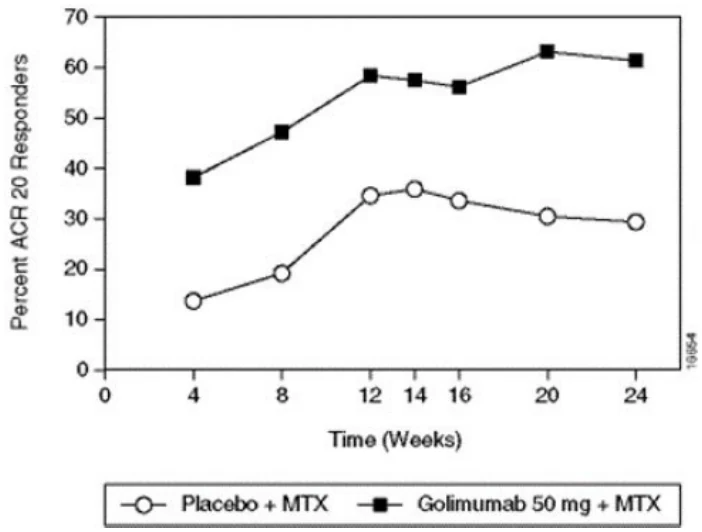
Figure 1: RA Study 1: Percent of patients achieving ACR 20 response through Week 24; randomized patients in placebo + MTX and golimumab 50 mg + MTX dose groups
The percentages of patients achieving a DAS 28 response were 72% and 73% for patients treated with golimumab 50 mg + MTX at Week 14 and at Week 24, respectively, compared to 50% and 42% in those who received placebo + MTX. Remission (defined as DAS28 <2.6) was achieved by 27% of patients treated with golimumab 50 mg + MTX and 7% of those who received placebo + MTX at Week 24.
Table 6: RA Study 1: Percent of RA patients with ACR responses at Week 14 and Week 24
Placebo + MTX (N=133)a | Golimumab 50 mg + MTX* (N=89)a | |||
|---|---|---|---|---|
| ACR 20 (% responders) | ||||
| Week 14 | 33% | 55% | ||
| Week 24 | 28% | 60% | ||
| ACR 50 (% responders) | ||||
| Week 14 | 10% | 35% | ||
| Week 24 | 14% | 37% | ||
| ACR 70 (% responders) | ||||
| Week 14 | 4% | 14% | ||
| Week 24 | 5% | 20% | ||
aN reflects randomized patients; actual number of patients evaluable for each endpoint may vary by timepoint. An ACR 20 response (Felson t al., 1995) was defined as:
An ACR 50 or ACR 70 response was defined as ≥50% or ≥70% improvement in 1 or 2 above. | ||||
Among 89 patients randomized to golimumab 50 mg + MTX, 70 patients were still on golimumab 50 mg
+ MTX treatment at week 52. Among those, 64 (91%) and 43 (61%) out of 70 patients achieved DAS28 response and DAS28 remission, respectively. Forty-eight patients were still on golimumab 50 mg + MTX treatment at week 104. Among those, 40 (83%), 33 (69%) and 24 (50%) out of 48 patients achieved ACR
20, 50 and 70 responses, respectively.
During the long-term extension study, of those patients initially randomized to receive golimumab 50 mg, 29 patients received only golimumab 50 mg + MTX treatment through week 252. Among those, 26 (89.7%) showed an ACR 20 response at the last efficacy assessment (Week 256).
Golimumab 50 mg + MTX treatment also resulted in significantly greater improvement for each ACR component compared with treatment with placebo + MTX (Table 7).
Table 7: RA Study 1: Percent improvement in ACR components at Week 14 and 24; randomized patients
Placebo + MTX (N=133)a | Golimumab 50 mg + MTX* (N=89)a | |||
|---|---|---|---|---|
| Number of swollen joints | ||||
| Baseline (median) | 12.0 | 13.0 | ||
| Week 14 | 38% | 62% | ||
| Week 24 | 32% | 72% | ||
| Number of tender joints | ||||
| Baseline (median) | 21.0 | 26.0 | ||
| Week 14 | 30% | 60% | ||
| Week 24 | 21% | 62% | ||
| Patient’s assessment of pain | ||||
| Baseline (median) | 5.7 | 6.1 | ||
| Week 14 | 18% | 55% | ||
| Week 24 | 15% | 50% | ||
| Patient’s global assessment of disease activity | ||||
| Baseline (median) | 5.3 | 6.0 | ||
| Week 14 | 15% | 45% | ||
| Week 24 | 17% | 48% | ||
| Physician’s global assessment of disease activity | ||||
| Baseline (median) | 5.7 | 6.1 | ||
| Week 14 | 35% | 55% | ||
| Week 24 | 39% | 62% | ||
| HAQ score | ||||
| Baseline (median) | 1.25 | 1.38 | ||
| Week 14 | 10% | 29% | ||
| Week 24 | 7% | 31% | ||
| CRP (mg/dl) | ||||
| Baseline (median) | 0.8 | 1.0 | ||
| Week 14 | 2% | 44% | ||
| Week 24 | 0% | 39% | ||
* p≤0.001 for all comparisons. aN reflects randomized patients; actual number of patients evaluable for each endpoint may vary by timepoint. | ||||
RA Study 2 (GO-AFTER)
Treatment with golimumab 50 mg in patients with active RA, previously treated with anti-TNF agent(s), resulted in significant improvement in signs and symptoms as demonstrated by ACR 20, 50 and 70 responses at Week 14 and 24 (Table 8).
When ACR 20 responses over time were considered, improvement was observed at the first assessment (Week 4) after the first golimumab 50 mg + DMARDs (MTX, SSZ and/or HCQ) administration, and was maintained through Week 24.
Table 8: RA Study 2: Percent of RA patients with ACR responses at Week 14 and Week 24
| Placebo ± DMARDsa (N=150)b | Golimumab 50 mg ± DMARDsa (N=147)b | p-value | |
|---|---|---|---|
| ACR 20 (% responders) | |||
| Week 14 | 18% | 35% | 0.001 |
| Week 24 | 16% | 31% | 0.002 |
| ACR 50 (% responders) | |||
| Week 14 | 7% | 15% | 0.021 |
| Week 24 | 4% | 16% | ˂0.001 |
| ACR 70 (% responders) | |||
| Week 14 | 2% | 10% | 0.005 |
| Week 24 | 2% | 9% | 0.009 |
Number of tender joints: the number of tender joints (0–68) were counted.
week on a VAS. The scale ranged from 0 (no pain) to 10 (worst possible pain) cm.
assessment of disease activity. The scale ranged from 0 (very well) to 10 (very poor) cm.
global assessment of disease activity. The scale ranged from 0 (no arthritis activity) to 10 (extremely active arthritis) cm.
functional areas (dressing, arising, eating, walking, hygiene, reaching, gripping, and activities of daily living). Improvement in HAQ scores (range 0–3) were calculated so that the positive values indicate improvement (i.e., less disability) and negative values indicate worsening.
During the long-term extension study, of those patients initially randomized to receive golimumab 50 mg, 21 patients had received only golimumab 50 mg treatment through week 252. Among those, 12 (57.1%) had an ACR 20 response at the last efficacy assessment (Week 256).
Table 9 shows the percent of patients achieving an ACR 20 response by reported reason for discontinuation of one or more prior anti-TNF therapies.
Table 9: RA Study 2: Percent of ACR 20 responders by patients reported reason for discontinuation of one or more prior anti-TNF therapiesa
Placebo ± DMARDsb | Golimumab 50 mg ± DMARDsb | ||||
|---|---|---|---|---|---|
| ACR 20 Responders | |||||
| Lack of efficacy (% responders) | |||||
| n | 94 | 82 | |||
| Week 14 | 18% | 35%* | |||
| Week 24 | 16% | 29%* | |||
| Intolerance (% responders) | |||||
| n | 24 | 19 | |||
| Week 14 | 17% | 32% | |||
| Week 24 | 25% | 37% | |||
| Other (% responders) | |||||
| n | 62 | 58 | |||
| Week 14 | 23% | 38% | |||
| Week 24 | 21% | 35% | |||
aPatients previously treated with adalimumab, etanercept, or infliximab. Patients were required to provide a reason for discontinuation of each prior anti-TNF therapy that they had received. bDMARDs in Study RA-2 included MTX, HCQ, and/or SSZ (about 68%, 8%, and 5% of patients received MTX, HCQ, and SSZ, respectively). *p<0.05 | |||||
Golimumab 50 mg treatment also resulted in significantly greater improvement for each ACR component compared with treatment with placebo. Swollen joint count for the golimumab 50 mg and placebo group improved by 44% and 20%, respectively at Week 14 and 33% and 1%, respectively at Week 24. Improvement in tender joint count was 34% compared with 6% at Week 14, and 29% compared with -7% at Week 24, for the golimumab 50 mg and placebo groups, respectively. Patients’ and physicians’ assessments and HAQ score were also significantly improved for golimumab 50 mg compared with placebo at Week 14 and 24. For golimumab 50 mg, there was a 37% improvement in CRP compared with 0% improvement for placebo at Week 14, and 15% compared with 0% at Week 24.
The percent of patients achieving a DAS 28 (using CRP) response was significantly greater for those patients treated with golimumab 50 mg compared with those who received placebo at Week 14 (56% compared with 27%; p<0.001) and at Week 24 (45% compared with 21%; p<0.001).
RA Study 3 (GO-BEFORE)
This study evaluated patients with active RA who were MTX naïve and had not previously been treated with an anti-TNF agent. The co-primary endpoint was the percent of patients achieving an ACR 50 response at Week 24. The percent of randomized patients achieving an ACR 50 response with golimumab + MTX compared to MTX plus placebo was not statistically significant (38.4 vs. 29.4%, p=0.053). The percentage of patients achieving an ACR 20 response at Week 24 (major secondary endpoint) was 62% for the golimumab 50 mg + MTX group compared with 49% for the placebo + MTX group.
At Week 52, 60% and 42% of patients who received golimumab 50 mg + MTX achieved ACR 20 and 50 responses, respectively, compared to 52% and 36% of patients who received MTX alone.
At Week 52, 15% of patients in the golimumab 50 mg + MTX group achieved a major clinical response, defined as maintenance of an ACR 70 response over a continuous 6-month period, compared with 7% of patients in the placebo + MTX group.
During the long-term extension study, of those patients initially randomized to receive golimumab 50 mg, 62 patients had received only golimumab 50 mg + MTX treatment through week 252. Among those, 45(72.6%) had an ACR 50 response at the last efficacy assessment (Week 256).
Radiographic Response
RA Study 3 (GO-BEFORE)
In study GO-BEFORE, the change from baseline in the vdH-S score (a composite score of structural damage that radiographically measures the number and size of joint erosions and the degree of joint space narrowing in hands/wrists and feet) was used to assess the degree of structural damage. Key radiographic results for the golimumab 50 mg dose group at Week 52 are presented in Table 10.
Table 10: Radiographic changes from baseline at Week 52 in Study GO-BEFORE
| Changes From Baseline | Placebo + MTX n=160 | Golimumab 50 mg + MTX n=159 | Median Difference (95% CI)a | P-value* |
|---|---|---|---|---|
| Total vdH-S Score | ||||
| Mean ± SD | 1.4 ± 4.6 | 0.7 ± 5.2 | ||
| Median (range) | 0 (-9.0, 35.0) | 0 (-12.4, 56.9) | 0 (0.0, 0.5) | 0.015 |
| Erosion Score | ||||
| Mean ± SD | 0.8 ± 2.8 | 0.4 ± 3.0 | ||
| Median (range) | 0 (-5.5, 23.0) | 0 (-12.4, 31.9) | ||
| JSN Score | ||||
| Mean ± SD | 0.6 ± 2.7 | 0.3 ± 2.5 | ||
| Median (range) | 0 (-3.5, 25.9) | 0 (-2.5, 25.0) | ||
*P-value from the van der Waerden test. aMedian difference and its 95% CI are estimated with Hodges-Lehman method. | ||||
At Week 52, 74% of patients in the golimumab 50 mg + MTX group had no progression of structural damage as defined by a change from baseline in total vdH-S Score ≤ 0, compared to 58% in those with MTX plus placebo.
Improvement in Physical Function and Health-Related Quality of Life
RA Study 1 (GO-FORWARD)
Patients treated with golimumab 50 mg showed significantly greater (p<0.001) improvement in the Disability Index of the Health Assessment Questionnaire (HAQ) score compared with placebo at Week 14 (mean ± SD 0.42 ± 0.50 vs. 0.16 ± 0.49) and Week 24 (mean ± SD 0.47 ± 0.55 vs. 0.13 ± 0.58). Among
89 subjects randomized to golimumab 50 mg + MTX, 48 were still on this treatment at Week 104. The mean (± SD) improvement in HAQ score from baseline was 0.67 ± 0.64 in patients receiving golimumab 50 mg + MTX. At Week 24, 47 (53.4%) patients treated with golimumab 50 mg + MTX had an improvement in HAQ of ≥ 0.3 units, compared to 43 (33.9%) of patients treated with placebo + MTX. At Week 104, 40 out of 47 (85%) golimumab 50 mg + MTX-treated patients maintained ≥ 0.3 units improvement in HAQ.
Patients treated with golimumab 50 mg showed significantly greater improvement (p<0.001) from baseline in SF-36 physical component summary (PCS) score compared to placebo at Week 14 (mean change ± SD 8.0 ± 7.2 vs. 2.4 ± 7.8, respectively) and at Week 24 (mean change ± SD 8.3 ± 8.3 vs. 2.5 ± 8.1). At Week 104, the mean (± SD) improvement in SF-36 PCS score from baseline was 11.0 ± 9.7 in patients treated with golimumab 50 mg + MTX (n=48).
Patients treated with golimumab 50 mg showed significantly greater improvement (p<0.001) from baseline in the FACIT-F scores compared to placebo at Week 14 (mean ± SD 7.58 ± 8.93 vs. 2.27 ± 9.24) and at Week 24 (mean ± SD 7.30 ± 8.65 vs. 2.16 ± 9.53).
RA Study 2 (GO-AFTER)
The mean change from baseline in HAQ score at Week 24 was 0.23 ± 0.50 for the golimumab 50 mg group compared with 0.03 ± 0.50 for the placebo group (p<0.001).
The mean (± SD) change from baseline for the FACIT-F score at Week 14 was 6.02 ± 10.14 for the golimumab 50 mg group compared with 2.16 ± 9.74 for the placebo group (p=0.001).
Psoriatic Arthritis
The safety and efficacy of golimumab were evaluated in a single PsA study (GO-REVEAL), a multicentre, randomized, double-blind, placebo-controlled (through Week 24) study assessing treatment with golimumab 50 mg or 100 mg administered as subcutaneous (SC) injections every 4 weeks in 405 adult patients with active PsA (Table 11). All patients randomized to placebo received golimumab 50 mg after Week 24, but the trial remained double-blind until all patients had completed 52 weeks of treatment.
At Week 52, patients entered the long-term extension phase. Patients receiving golimumab 50 mg could have their dose increased to 100 mg at the discretion of the investigator. In addition, concomitant therapy with DMARDs (including MTX), corticosteroids, and NSAIDs could be added at the discretion of the investigator. Patients enrolled in this study were men and women with a diagnosis of PsA for at least 6 months with a psoriatic skin lesion of at least 2 cm in diameter and active disease with at least 3 swollen and 3 tender joints despite disease-modifying antirheumatic (DMARD) or nonsteroidal anti-inflammatory (NSAID) therapy. Patients with each subtype of psoriatic arthritis were enrolled, including polyarticular arthritis with no rheumatoid nodules (43%), asymmetric peripheral arthritis (30%), distal interphalangeal (DIP) joint arthritis (15%), spondylitis with peripheral arthritis (11%), and arthritis mutilans (1%).
Patients were randomly assigned to placebo (n=113), golimumab 50 mg (n=146), and golimumab 100 mg (n=146). The co-primary endpoints were percent of patients achieving ACR 20 response at Week 14 and change from baseline in total PsA modified vdH-S score at Week 24. Major secondary endpoints included percent of patients achieving ACR 20 response at Week 24, Psoriasis Area Severity Index (PASI) 75 response at Week 14 in a subset of patients with ≥3% Body Surface Area (BSA) psoriasis skin involvement at baseline, improvement from baseline in HAQ scores at Week 24, and change from baseline in the PCS score of the SF-36 at Week 14. Through Week 252, the time point for the last scheduled study agent administration, 126 (31.1%) randomized subjects discontinued study agent.
Efficacy data were collected and analyzed through Week 256. Through Week 252, the time point for the last scheduled study agent administration, 43 (29.4%) treated subjects initially randomized to receive golimumab 50 mg, continually received the authorized dose of golimumab 50 mg once a month.
Table 11: Summary of controlled clinical trials supporting safety and efficacy in patients with PsA
| Study # | Study design | Dosage: Route of Administration and Duration | Study Subjects (n) | Mean Age (Range) | Sex (% female) | ||||
|---|---|---|---|---|---|---|---|---|---|
| PsA | Multicentre, | Golimumab 50 | 146 | 45.7 ± 10.70 | 39.0% | ||||
| (GO-REVEAL) | double-blind, randomized, | mg; sc; q4w for 104 weeks | (23, 78) | ||||||
placebo- controlled | |||||||||
Golimumab 100 mg; sc; q4w for 104 | 146 | 48.2 ± 10.93 (20, 77) | 41.1% | ||||||
| weeks | |||||||||
| Placebo | 113 | 47.0 ± 10.56 | 38.9% | ||||||
| (24, 70) | |||||||||
Study Results
Reduction in Signs and Symptoms
No clinically meaningful differences across efficacy measures were apparent between the golimumab 50 mg and 100 mg dosing regimens in the Phase 3 PsA study. By study design, patients in the long-term extension may have their dose modified at the discretion of the study physician.
Treatment with golimumab 50 mg resulted in significant improvement in signs and symptoms as demonstrated by percent of patients achieving ACR 20 response at Week 14 (p<0.001). Responses observed in the golimumab-treated groups were similar in patients receiving and not receiving concomitant MTX (Table 12).
Table 12: PsA Study: ACR 20 response at Week 14 stratified by baseline MTX use; randomized patients
| Placebo | Golimumab 50 mg | ||||||||
|---|---|---|---|---|---|---|---|---|---|
| Subjects randomized | 113 | 146 | |||||||
| ACR 20 | |||||||||
| N | 113 | 146 | |||||||
| Subjects in response | 10 (8.8%) | 74 (50.7%) | |||||||
| p-value | ˂0.001 | ||||||||
| Subjects receiving MTX at baseline | |||||||||
| N | 55 | 71 | |||||||
| Subjects in response | 8 (14.5%) | 38 (53.5%) | |||||||
| Subjects not receiving MTX at baseline | |||||||||
| N | 58 | 75 | |||||||
| Subjects in response | 2 (3.4%) | 36 (48.0%) | |||||||
| ADAPTED FROM RE247:[E_ACR_27_A], 11JUN2007 19:18 | |||||||||
ACR 20 improvement was observed at the first assessment (Week 4) after the first golimumab administration, and was maintained through Week 24 (Figure 2).
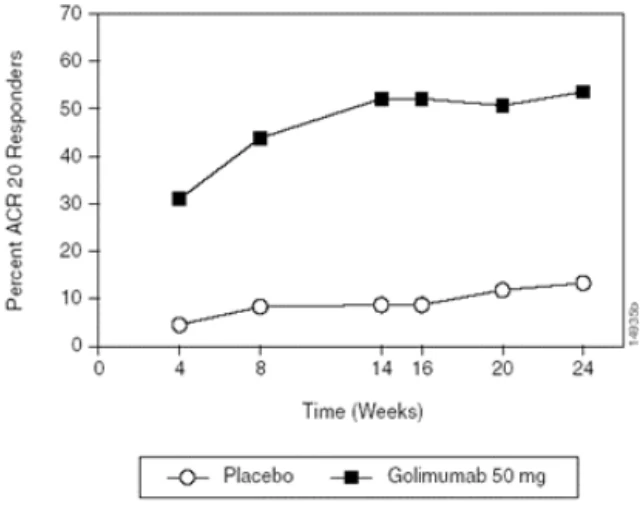
Figure 2: Percent of ACR 20 responders through Week 24; randomized patients in placebo and golimumab 50 mg dose groups
The percent of patients achieving an ACR 50 response at Week 14 was 30% and 2%, and at Week 24 was 32% and 4% for the golimumab 50 mg and placebo groups, respectively (p<0.001). The percent of patients achieving an ACR 70 response was 12% and 1% at Week 14, and at Week 24 was 19% and 1% for the golimumab 50 mg and placebo groups, respectively (p<0.001). Of the 146 subjects randomized to golimumab 50 mg, 70 patients remained on this dose at Week 104. Of these 70 patients, 64 (91.4%),
46 (65.7%) and 31 (44.3%) patients achieved ACR 20, 50 and 70 responses, respectively. Of the 146 subjects randomized to golimumab 50 mg, 43 patients remained on the golimumab 50 mg dose through Week 252. Of these, 37 (86%) patients had an ACR 20 response at the last efficacy assessment (Week 256).
Responses observed in the golimumab 50 mg group were similar in patients receiving and not receiving concomitant MTX.
The percent of patients achieving Psoriatic Arthritis Response Criteria (PsARC) and DAS 28 response (using CRP) was also significantly greater in the golimumab 50 mg group compared with placebo at Week 14 and 24 (p<0.001).
Golimumab treatment also resulted in significantly greater improvement compared with placebo for each ACR component (p<0.001, Table 13).
Table 13: PsA Study: Percent improvement in ACR components at Weeks 14 and 24; randomized patients
Placebo + MTX (N=113)a | Golimumab 50 mg + MTX* (N=146)a | |||
|---|---|---|---|---|
| Number of swollen joints | ||||
| Baseline (median) | 10.0 | 11.0 | ||
| Week 14 | 8% | 60% | ||
| Week 24 | 0% | 67% | ||
| Number of tender joints | ||||
| Baseline (median) | 18.0 | 19.0 | ||
| Week 14 | 0% | 54% | ||
| Week 24 | -6% | 66% | ||
| Patient’s assessment of pain | ||||
| Baseline (median) | 5.4 | 5.8 | ||
| Week 14 | -1% | 48% | ||
| Week 24 | -2% | 50% | ||
| Patient’s global assessment of disease activity | ||||
| Baseline (median) | 5.2 | 5.2 | ||
| Week 14 | 2% | 49% | ||
| Week 24 | -2% | 52% | ||
| Physician’s global assessment of disease activity | ||||
| Baseline (median) | 5.2 | 5.4 | ||
| Week 14 | 7% | 59% | ||
| Week 24 | 5% | 71% | ||
| HAQ score | ||||
| Baseline (median) | 1.0 | 1.0 | ||
| Week 14 | 0% | 28% | ||
| Week 24 | 0% | 33% | ||
| CRP (mg/dl) | ||||
| Baseline (median) | 0.60 | 0.60 | ||
| Week 14 | 0% | 40% | ||
| Week 24 | 0% | 29% | ||
* p-values ˂ 0.001 for all comparisons. aN reflects randomized patients; actual number of patients evaluable for each endpoint may vary by timepoint. CRP: Normal Range: 0.0–0.60 mg/dl | ||||
At Week 14 in patients with enthesitis at baseline, there was a significantly greater improvement from baseline in enthesitis score as measured by PsA-modified Maastricht Ankylosing Spondylitis Enthesitis Score (MASES) with golimumab 50 mg compared with placebo (median 50% vs. 0%; p<0.001).
Significant improvement was maintained through Week 24.
In patients with dactylitis at baseline, the improvement in dactylitis score was numerically greater in the golimumab 50 mg treatment group than in the placebo treatment group at both Week 14 and at Week 24 (median 76% vs. 0%, p=0.10; 100% vs. 42%, p=0.09 respectively).
Psoriasis Skin and Nail Response
Among patients with ≥3% BSA psoriasis skin involvement at baseline, a significantly greater percent of patients achieved PASI 75 response at Week 14 when treated with golimumab 50 mg compared with placebo. The percent of patients achieving a PASI 50 and 90 response in the golimumab 50 mg group at Week 14 was also greater than in placebo group (Table 14). The responses were maintained or increased through Week 24. Of the 109 subjects randomized to golimumab 50 mg and with ≥ 3% BSA psoriasis skin involvement at baseline, 48 patients were still on this treatment at Week 104. Of 48 patients, 33 (68.8%) achieved PASI 75 response at week 104.
Table 14: PsA Study: PASI response at Week 14; randomized patients with ≥3% BSA involvement at baseline
Placebo (N=113)a | Golimumab 50 mg* (N=146)a | ||||
|---|---|---|---|---|---|
| Patients with ≥3% BSA involvement at baseline | 79 | 109 | |||
| PASI 50 (% responders) | 10% | 59% | |||
| PASI 75 (% responders) | 3% | 40% | |||
| PASI 90 (% responders) | 0% | 21% | |||
*p-values < 0.001 for PASI 50, 75, and 90. aN reflects randomized patients; actual number of patients evaluable for each endpoint may vary by timepoint. PASI is an index used for assessing and grading the severity of psoriatic lesions and their response to therapy. The PASI produces a numeric score that ranges from 0 to 72. In the PASI system, the body is divided into 4 regions: the head (h), trunk (t), upper extremities (u), and lower extremities (l), which account for 10%, 30%, 20% and 40% of the total BSA, respectively. Each of these areas is assessed separately for erythema, induration, and scaling, which are each rated on a scale of 0 to 4 (0 = none, 1 = slight, 2 = moderate, 3 = severe, and 4 = very severe). Each region is also assessed for the area of involvement for psoriatic lesions on a scale of 0 to 6 with 0 as no involvement and 6 as 90%–100% involvement. | |||||
Nail physician global assessment (PGA) and Nail Psoriasis Severity Index (NAPSI) analyses were performed on patients with fingernail involvement at baseline. Percent change from baseline in NAPSI and improvement in nail PGA were significantly greater in patients treated with golimumab 50 mg as compared with placebo at both Week 14 and at Week 24 (p≤0.015).
Radiographic Response
Structural damage in both hands and feet was assessed radiographically by the change from baseline in the van der Heijde-Sharp (vdH-S) score, modified for PsA by addition of hand distal interphalangeal (DIP) joints. Key radiographic results for the golimumab 50 mg dose at Week 24 are presented in Table 15.
Table 15: PsA Study: Radiographic changes from baseline at Week 24
| Changes from Baseline | Placebo N=113 | Golimumab 50 mg N=146 | Median Difference (95% CI)a | P-value* |
|---|---|---|---|---|
| Total vdH-S Score | ||||
| Mean ± SD | 0.27 ± 1.26 | -0.16 ± 1.31 | ||
| Median (range) | 0 (-4.5, 6.5) | 0 (-7.1, 5.0) | 0 (0.0, 0.5) | 0.011 |
| Erosion Score | ||||
| Mean ± SD | 0.29 ± 0.91 | -0.12 ± 0.99 | ||
| Median (range) | 0 (-2.5, 3.5) | 0 (-5.7, 2.0) | ||
| JSN Score | ||||
| Mean ± SD | -0.03 ± 0.65 | -0.04 ± 0.57 | ||
| Median (range) | 0 (-3.0, 4.5) | 0 (-2.0, 3.0) | ||
*: P value from the van der Waerden test. a: Median difference and its 95% CI are estimated with the Hodges-Lehman method. | ||||
The number of patients in the individual PsA subtypes was too small to derive meaningful conclusions on the effect of golimumab in each of the PsA subtypes.
At Week 24, 81% (118/146) of patients in the golimumab 50 mg group had no progression of structural damage (as defined by a change from baseline in total vdH-S Score ≤0) compared to 66% in those receiving placebo. Of the 146 patients initially randomized to golimumab 50 mg, X-ray data were available for 101 and 66 patients who remained on this treatment at Weeks 52 and 104, respectively. Of these patients, 77% (78/101) and 76% (50/66) of patients showed no progression from baseline at week 52 and week 104, respectively.
Improvement in Physical Function and Health-Related Quality of Life
In the PsA Study, patients treated with golimumab 50 mg showed significantly greater (p<0.001) improvement in the HAQ score compared with placebo at Week 14 (mean ± SD 0.31 ± 0.50 vs. 0.04 ± 0.44;) and Week 24 (mean ± SD 0.33 ± 0.55 vs. -0.01 ± 0.49).
At Week 24, the percent of patients who achieved clinically meaningful improvements in HAQ of ≥0.30 change from baseline was also significantly greater in those patients receiving golimumab 50 mg when compared with placebo (p<0.001). At Week 104, 69 of the 146 (47.3%) patients randomized to golimumab 50 mg were still on this dose. The mean (± SD) improvement in HAQ score from baseline in these 69 patients was 0.54 ± 0.55.
In the PsA study, patients treated with golimumab 50 mg showed significantly greater improvement (p<0.001) from baseline in the SF-36 physical component summary (PCS) score compared to placebo at Week 14 (mean change ± SD 6.5 ± 8.9 vs. 0.6 ± 7.7) and at Week 24 (mean change ± SD 7.4 ± 9.2 vs. 0.7
± 8.7).
Patients treated with golimumab 50 mg showed significantly greater improvement from baseline (p<0.05) in SF-36 mental component summary (MCS) score compared to placebo at Week 14 (mean ± SD 2.8 ± 10.3 vs. 0.4 ± 11.4) and Week 24 (mean ± SD 3.4 ± 10.5 vs. -0.6 ± 12.1).
Ankylosing Spondylitis
The safety and efficacy of golimumab were evaluated in an AS Study (GO-RAISE), a multicentre, randomized, double-blind, placebo-controlled (through Week 24) study assessing treatment with golimumab 50 mg or 100 mg administered as subcutaneous (SC) injections every 4 weeks in 356 adult patients with active AS (Table 16). Patients enrolled in this study were men and women who had symptoms of active disease (defined as a BASDAI ≥4 and a VAS for total back pain of ≥4, each on a scale of 0 to 10 cm) despite current or previous disease modifying antirheumatic drug (DMARD) or nonsteroidal anti-inflammatory drug (NSAID) therapy. Patients with complete ankylosis of the cervical and lumbar spine were excluded from study participation. Through Week 252, the time point for the last scheduled study agent administration, 101 (28.5%) randomized subjects discontinued study agent. Efficacy data were collected and analyzed through Week 256. Through Week 252, the time point for the last scheduled study agent administration, 68 (49.3%) treated subjects initially randomized to receive golimumab 50mg, continually received the authorized dose of golimumab 50 mg once a month.
Patients were randomly assigned to placebo (n=78), golimumab 50 mg (n=138) and golimumab 100 mg (n=140). Placebo-controlled efficacy data were collected and analyzed through Week 24. The primary endpoint was Assessment in Ankylosing Spondylitis 20 (ASAS 20) response at Week 14. Major secondary endpoints included ASAS 20 response at Week 24, Bath Ankylosing Spondylitis Functional Index (BASFI) at Week 14, and Bath Ankylosing Spondylitis Metrology Index (BASMI) at Week 14.
Table 16: AS Study: Summary of controlled clinical trials supporting safety and efficacy in patients with AS
| Study # | Study design | Dosage: Route of Administration and Durationa | Study Subjects (n) | Mean Age (Range) | Sex (% female) |
|---|---|---|---|---|---|
AS (GO-RAISE) | Multicentre, double-blind, randomized, placebo-controlled | Golimumab 50 mg or 100 mg; sc; q4w for up to 24 weeks Golimumab Placebo | 278 78 | 39.3 ± 12.06 (18, 83) | 28.4% |
aDuration of controlled period
Study Results
Reduction in signs and symptoms
In general, no clinically meaningful differences across efficacy measures were apparent between the golimumab 50 mg and 100 mg dosing regimens in the Phase 3 AS study. During the long-term extension patients may have their dose modified at the discretion of the study physician.
At Week 14, ASAS 20/40 responses were achieved by 59% and 45% respectively, of patients receiving golimumab 50 mg compared with 22% and 15% respectively of patients receiving placebo (p<0.001, Table 17). Improvement in signs and symptoms as measured by ASAS 20 was observed at the first assessment (Week 4) after the first golimumab administration, and was maintained through week 24 (Figure 3).
Among 68 patients who remained on the golimumab 50 mg dose through Week 252, 59(86.8%) patients had an ASAS 20 response at the last efficacy assessment (Week 256).
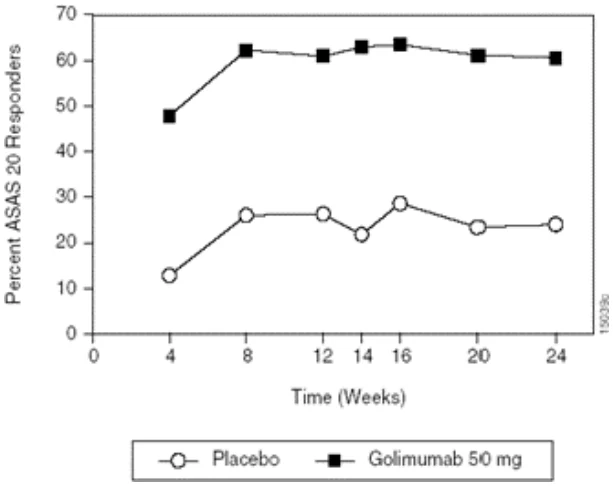
Figure 3: Percent of AS patients achieving ASAS 20 response through Week 24; randomized patients in placebo and golimumab 50 mg dose groups
Table 17: AS Study: Percent of AS patients with ASAS responses; randomized patients
Placebo (N=78)a | Golimumab 50 mg* (N=138)a | ||||
|---|---|---|---|---|---|
| ASAS 20 (% responders) | |||||
| Week 14 | 22% | 59% | |||
| Week 24 | 23% | 56% | |||
| ASAS 40 (% responders) | |||||
| Week 14 | 15% | 45% | |||
| Week 24 | 15% | 44% | |||
*p ≤ 0.001 for all comparisons. aN reflects randomized patients; actual number of patients evaluable for each endpoint may vary by timepoint. An ASAS 20 response (Anderson et al., 2001) was defined as: (1). An improvement of ≥20% from baseline and an absolute improvement from baseline of at least 1 on a 0 to 10 cm scale in at least 3 of the following 4 domains: Patient global assessment, Pain (total back pain) assessment, BASFI score, or Inflammation (average of the first 2 questions of the BASDAI concerning morning stiffness) (2). Absence of deterioration from baseline (deterioration defined as ≥20% worsening and absolute worsening of at least 1 on a 0 to 10 cm scale) in the potential remaining domain. ASAS 40: An ASAS 40 is defined as ≥40% improvement in 3 of 4 domains, with an absolute improvement of at least 2 on a 0 to 10 cm scale, and no deterioration in the remaining domain. | |||||
Patients treated with golimumab 50 mg achieved significantly greater improvements in all ASAS 20 components compared with placebo (Table 18).
Table 18: AS Study: Improvement in ASAS components; randomized patients
Placebo (N=78)a | Golimumab 50 mg* (N=138)a | ||||
|---|---|---|---|---|---|
| Patient’s global assessment of disease activityb: (median change from baseline) | |||||
| Baseline (median) | 7.2 | 7.0 | |||
| Week 14 | -0.8 | -2.8 | |||
| Week 24 | -0.2 | -2.6 | |||
| Total back painb: (median change from baseline) | |||||
| Baseline (median) | 7.6 | 7.5 | |||
| Week 14 | -0.8 | -3.5 | |||
| Week 24 | -0.4 | -3.5 | |||
| Inflammationc: (median change from baseline in morning stiffness) | |||||
| Baseline (median) | 7.1 | 7.1 | |||
| Week 14 | -0.5 | -3.2 | |||
| Week 24 | -0.2 | -3.6 | |||
| Night back painb: (median change from baseline) | |||||
| Baseline (median) | 7.4 | 7.1 | |||
| Week 14 | -0.3 | -3.0 | |||
| Week 24 | -0.4 | -3.1 | |||
| C-reactive proteind: (median change from baseline in mg/dL) | |||||
| Baseline (median) | 1.2 | 1.1 | |||
| Week 14 | 0 | -0.7 | |||
| Week 24 | 0 | -0.7 | |||
* p ˂ 0.001 for all comparisons. aN reflects randomized patients; actual number of patients evaluable for each endpoint may vary by timepoint. bVisual Analogue Scale (with 0 = “best” and 10 = “worst”). A negative/decreasing score is indicative of improvement. cAverage of last 2 questions on the 6-question BASDAI. dNormal range 0-0.6 mg/dL | |||||
Additional measures of efficacy such as ASAS partial remission, ASAS 5/6 response, and BASDAI 50, 70, and 90 were statistically significant at Weeks 14 and 24 for golimumab 50 mg compared with placebo (p<0.001).
Improvement in Physical Function
Median improvement in the Bath Ankylosing Spondylitis Functional Index (BASFI) at Week 14 was 1.4 in the golimumab 50 mg group, compared with worsening by 0.1 in the placebo group (p <0.001). The improvement in physical function was maintained at week 24 in golimumab-treated patients.
Improvement in Range of Motion
No significant change in BASMI was observed at Weeks 14 or 24 in the golimumab 50 mg group compared with the placebo group. However, in the 50 mg golimumab group vs. placebo, significant median improvements from baseline were observed at Weeks 14 and 24 for lumbar flexion, lumbar side flexion at Week 24, and intermalleolar distance measurements at both Weeks 14 and Week 24 (p<0.05).
Improvement in Health-Related Quality of Life
In the AS study, patients treated with golimumab 50 mg showed significantly greater improvement from baseline (p<0.001) in SF-36 physical component summary (PCS) score compared to placebo at Week 14 (mean change ± SD 8.8 ± 9.6 vs. 3.0 ± 7.2) and was maintained through Week 24.
Improvement in Sleep
Patients treated with golimumab 50 mg showed significantly greater median improvement from baseline in sleep scores, as measured by the 20-point Jenkins Sleep Evaluation Questionnaire, compared with placebo at Week 14 (-3.0 vs. 0.0; p<0.001) and Week 24 (-3.0 vs. -1.0; p<0.001).
Non-radiographic Axial Spondyloarthritis
The safety and efficacy of golimumab 50 mg administered subcutaneously every 4 weeks were evaluated in a multi-center, randomized, double-blind, placebo-controlled (through Week 16) study (GO-AHEAD) in adult patients with severe active nr-Ax SpA (defined as those patients meeting the ASAS classification criteria of axial spondyloarthritis but that did not meet the modified New York criteria for AS). Subjects had a diagnosis of active Axial SpA of ≤5 years duration, and chronic back pain of ≥ 3 month duration. All eligible subjects were to be randomized in a 1:1 ratio to either the golimumab 50 mg treatment arm (N = 98) or the placebo treatment arm (N = 100). Subjects were stratified based on CRP level (limited to ≤60% of patients with CRP levels below the upper limit of normal at baseline) and evidence of sacroiliitis (active inflammation) on MRI (limited to ≤50% of patients with no MRI evidence of sacroiliitis at baseline). Subjects who successfully completed Part 1 (Weeks 0-16), were eligible to participate in Part 2 (Weeks 16-48) of the trial in which all patients received golimumab 50 mg administered subcutaneously every 4 weeks through Week 48. Efficacy assessments were performed through Week 52 and safety follow-up through Week 60. Approximately 93% (176/189) of patients who were receiving golimumab at the beginning of the open-label extension (Week 16) remained on treatment through the end of the study (Week 52).
Patients enrolled in this study had active disease, defined as a BASDAI ≥ 4 cm and a VAS for total back pain of ≥ 4 cm, each on a scale of 0 to 10 cm, and either experienced an inadequate response to NSAID therapy or were intolerant to NSAID therapy.
Patients who previously received TNF-α blockers or any biological agents were excluded from the study.
The primary endpoint was ASAS 20 response at Week 16. Major secondary endpoints included ASAS 40 response at Week 16, BASDAI 50 response at Week 16, ASAS partial remission at Week 16, and the change in the Spondyloarthritis Research Consortium of Canada (SPARCC) MRI sacroiliac joints score from baseline to Week 16.
Baseline demographics and disease characteristics were generally comparable across both treatment groups. At baseline, the majority of patients (67%) had a diagnosis of nr-Ax SpA of less than 1 year duration. The mean BASDAI score at baseline was 6.5±1.5 cm. Approximately 81% of the total patient population at baseline received concomitant NSAID therapy.
Approximately 41% of patients showed elevated CRP levels > upper limit of normal, 67% of subjects had evidence of sacroiliitis on MRI, and 80% showed evidence of elevated CRP levels >upper limit of normal and/or evidence of sacroiliitis on MRI. Most patients were male (57%), all (100%) were Caucasian, and the mean age was 31.2 (±7.2) years.
Study Results
Analyses were performed on the All Treated population (AT, N=197). A subpopulation defined by elevated CRP above the upper limit of normal and/or evidence of sacroiliitis on MRI at baseline (n=158/197, 80.2%) was also evaluated.
Reduction in signs and symptoms
Treatment with golimumab 50 mg resulted in improvement in signs and symptoms as demonstrated by the proportion of subjects with an ASAS 20 response at Week 16 (Table 19). Figure 4 shows the proportion of subjects achieving ASAS 20 responses by visit.
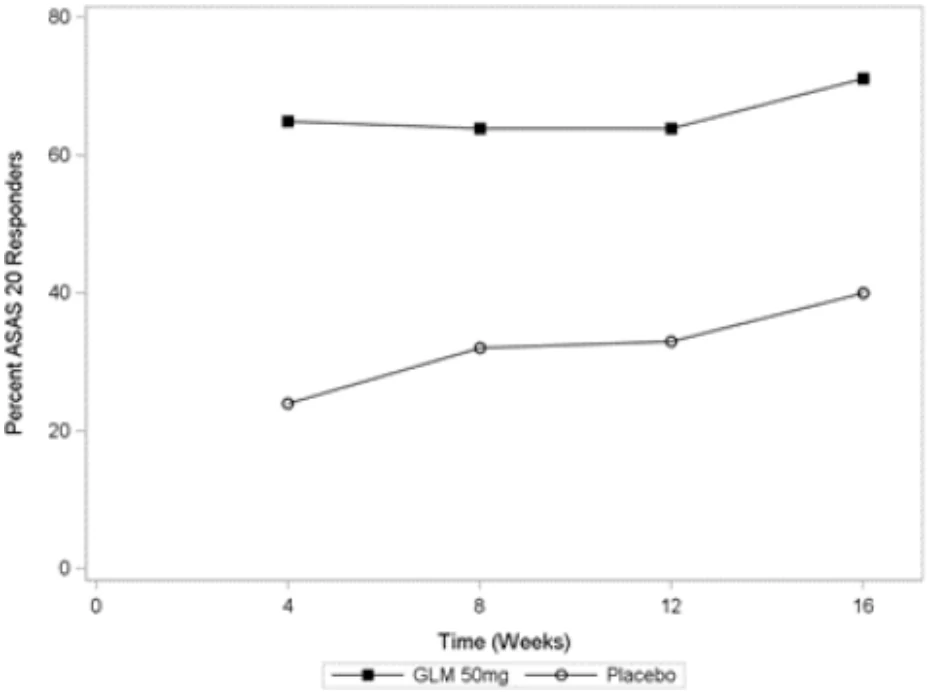
Figure 4: Percent of Subjects Achieving ASAS 20 by Time Point All Treated (AT*)
(*the same subject may not have responded at each timepoint)
Table 19: Percent of nr-Ax SpA patients with ASAS responses at Week 16; randomized and treated patients
| All treated population (AT) | ||||||||||
|---|---|---|---|---|---|---|---|---|---|---|
| Placebo | Golimumab 50 mg | |||||||||
| na | 100 | 97 | ||||||||
| Responders, % of patients | ||||||||||
| ASAS 20 | 40% | 71% | ||||||||
Difference in % vs placebo (95% CI) | 31.2 (17.5, 43.6) | |||||||||
| p-value* | <0.0001** | |||||||||
| ASAS 40 | 23% | 57% | ||||||||
Difference in % vs placebo (95% CI) | 33.8 (20.4, 46.1) | |||||||||
| p-value* | <0.0001** | |||||||||
| Premature discontinuation from the placebo-controlled period (week 16) for any reason: golimumab 50 mg group, n=4 (2%); placebo group, n= 3 (1.5%). All patients who discontinued prior to week 16 were considered non-responder for analyses of response. | ||||||||||
| Concomitant NSAID use: placebo 80/100, (80%); golimumab 50 mg 80/97 (82.5%) | ||||||||||
an reflects randomized and treated patients
*Type I error was controlled using a closed testing procedure.
**Derived based on the stratified Miettinen and Nurminen method with baseline evidence of sacroiliitis on MRI (yes or no) and screening CRP level (≤ upper limit of normal or > upper limit of normal) as stratification factors.
The proportion of subjects achieving BASDAI 50 response at Week 16 in the golimumab 50 mg group (57.7%) was significantly greater (p<0.0001) than in the placebo group (30.0%).
The proportion of subjects achieving ASAS partial remission at Week 16 in the golimumab 50 mg group (33.0%) was significantly greater (p=0.0136) than in the placebo group (18.0%).
In the subpopulation of patients with elevated CRP (> the upper limit of normal) and/or evidence of sacroiliitis on MRI at baseline, comparable results to the AT population were observed in ASAS 20, ASAS 40, BASDAI 50 and ASAS partial remission.
Among subjects treated with golimumab 50 mg who remained on treatment through the end of the study (Week 52), improvements in ASAS 20, ASAS 40, BASDAI 50, and ASAS partial remission were comparable to those reported at Week 16.
Table 20 shows the percent improvement in the components of the ASAS response criteria for the golimumab 50 mg and placebo groups at Week 16.
Table 20: Improvements in ASAS 20 Components at Week 16: All Treated Population (AT) (Mean (SD))
Golimumab 50 mg (n=97) | Placebo (n=100) | |||||
|---|---|---|---|---|---|---|
| ASAS 20 Response Components | Baseline | Week 16 | Change from baseline at week 16 | Baseline | Week 16 | Change from baseline at week 16 |
| Patient global | 6.96 | 2.98 | -3.70 (0.32) | 6.23 | 4.97 | -1.49 (0.31) |
| assessment (0-10) | (1.94) | (2.91) | (2.22) | (3.18) | ||
| Total Back Pain (0-10) | 6.98 | 2.77 | -4.09 (0.30) | 6.61 | 4.74 | -1.96 (0.29) |
| (1.78) | (2.78) | (1.67) | (3.17) | |||
| BASFI (0-10)a | 5.26 | 2.50 | -2.63 (0.23) | 4.70 | 3.87 | -0.91 (0.22) |
| (2.38) | (2.53) | (2.53) | (2.83) | |||
| Inflammation (0-10)b | 6.80 | 2.84 | -3.82 (0.25) | 6.10 | 4.39 | -1.81 (0.24) |
| (1.89) | (2.48) | (2.05) | (2.80) | |||
aBASFI is Bath Ankylosing Spondylitis Functional Index
bInflammation is the mean of 2 patient-reported stiffness self-assessments in the Bath AS Disease Activity Index (BASDAI).
Spinal mobility was assessed by BASMI. The mean change from baseline in BASMI score at Week 16 in the golimumab 50 mg-treated group was -0.5 cm vs. -0.1 cm in the placebo-treated group.
The mean change from baseline in CRP at week 16 was -0.99 mg/dL in the golimumab 50 mg group and was -0.35 mg/dL in the placebo group.
The mean change from baseline in the SPARCC (Spondyloarthritis Research Consortium of Canada) MRI SI joints score was -5.3 in the golimumab 50 mg group and was -0.9 in the placebo group at Week 16.
The change from baseline in the ASQoL score at Week 16 was -5.2 in the golimumab 50 mg group and -
1.8 in the placebo group.
Ulcerative Colitis (UC)
The safety and efficacy of golimumab were evaluated in two multi-center, randomized, double-blind, placebo-controlled Phase 3 clinical studies in patients ≥ 18 years of age.
Table 21: Summary of controlled clinical trials supporting safety and efficacy in patients with UC
| Study # | Study design | Dosage, route of administration and duration | Study Subjectsa (n) | Median Age (Range) | Sex | ||||||
|---|---|---|---|---|---|---|---|---|---|---|---|
Multicentre, double- | SC administration | 38 | M: 596 | ||||||||
UC Study 1 (PURSUIT - Induction) | blinded, randomized, placebo-controlled | at Week 0, and Week 2: | (29, 50) | F: 469 | |||||||
| Placebo | 331 | ||||||||||
Golimumab 100 mg→50 mg | 72 | ||||||||||
Golimumab 200 mg→100 mg | 331 | ||||||||||
| 400 mg→200 mg | 331 | ||||||||||
UC Study 2 (PURSUIT - Maintenance) | Multicentre, double-blinded, randomized, placebo-controlled | SC administration at Week 0, and then q4w through Week 52 | 39 (18-79) | M: 241 F: 223 | |||||||
| Placebo | 156 | ||||||||||
| Golimumab 50 mg | 154 | ||||||||||
| Golimumab 100 mg | 154 | ||||||||||
| aThe safety evaluations for PURSUIT maintenance includes 464 randomized subjects as tabulated above, and 764 non-randomized subjects | |||||||||||
UC Study 1 (PURSUIT-Induction)
UC Study 1 was an induction study conducted in patients with moderately to severely active ulcerative colitis (Mayo score 6 to 12; Endoscopy subscore ≥ 2) who had an inadequate response to or had failed to tolerate conventional therapies, or were corticosteroid dependent. The study was a combination Phase 2 (dose finding) and Phase 3 (dose confirming) study. In the dose finding portion of the study, patients were randomized to one of 4 treatment groups: 400 mg golimumab SC at Week 0 and 200 mg at Week 2 (400/200 mg), 200 mg golimumab SC at Week 0 and 100 mg at Week 2 (200/100 mg), 100 mg golimumab SC at Week 0 and 50 mg at Week 2 (100/50 mg), or placebo SC at Weeks 0 and 2. In the dose confirming portion of the study, efficacy was evaluated in 761 patients who were randomized to receive either 400 mg golimumab SC at Week 0 and 200 mg at Week 2, 200 mg golimumab SC at Week 0 and 100 mg at Week 2, or placebo SC at Weeks 0 and 2. Concomitant stable doses of oral aminosalicylates, corticosteroids, and/or immunomodulatory agents were permitted.
UC Study 2 (PURSUIT-Maintenance)
UC Study 2 was a maintenance study that evaluated 456 patients who achieved clinical response with golimumab induction. Patients were randomized to receive golimumab 50 mg, golimumab 100 mg or placebo administered subcutaneously every 4 weeks. Concomitant stable doses of oral aminosalicylates and/or immunomodulatory agents were permitted. Corticosteroids were to be tapered at the start of the maintenance study. The efficacy of golimumab through Week 54 was assessed in this study.
Patients who completed the maintenance study through Week 54 continued treatment through Week
216. Efficacy assessments were performed through the extension study. Clinical Endpoints
The primary endpoint for UC Study 1 (PURSUIT-Induction) was clinical response at Week 6. The major secondary endpoints were clinical remission, mucosal healing (improvement of endoscopic appearance of the mucosa), and the improvement in the IBDQ score, all at Week 6.
The primary endpoint for UC Study 2 (PURSUIT-Maintenance) was maintenance of clinical response through Week 54. Selected major secondary endpoints included clinical remission at both Week 30 and Week 54 and mucosal healing at both Week 30 and Week 54.
In both studies, clinical response and clinical remission were defined based on the Mayo score, which consists of four subscores: stool frequency, rectal bleeding, findings of endoscopy, and physician’s global assessment. Each subscore is rated on a scale from 0 to 3, indicating normal (0) to severe (3) activity. The Mayo score is the sum of the 4 subscores. Clinical response was defined as a decrease from Week 0 of induction in the Mayo score of ≥ 30% and ≥ 3 points, accompanied by a decrease in the rectal bleeding subscore of ≥ 1 or a rectal bleeding subscore of 0 or 1. Clinical remission was defined as a Mayo score ≤ 2 points, with no individual subscore >1. Improvement of endoscopic appearance of the mucosa (study endpoint, mucosal healing) was defined as a Mayo endoscopy subscore of 0 (normal or inactive disease) or 1 (erythema, decreased vascular pattern, mild friability).
In UC Study 2, patients were assessed for UC disease activity by partial Mayo score every 4 weeks (loss of response was confirmed by endoscopy). A patient who maintained response was in a state of continuous clinical response at each evaluation through Week 54. Similarly, a patient had to be in remission at both weeks 30 and 54 (without demonstrating a loss of response at any time point through Week 54) to achieve durable remission.
Health-related quality of life was assessed using the IBDQ, SF-36 and the EQ-5D. The IBDQ is a questionnaire specifically designed for patients with inflammatory bowel disease. The SF-36 is a general health status questionnaire that has been widely used in various diseases and conditions to assess patients’ physical and mental well being. The EQ-5D is a standardized non-disease specific instrument for describing and valuing health-related quality of life.
Approximately 63% (358/570) of patients, who were receiving golimumab at the beginning of the study extension (Week 56), remained on treatment through the end of the study (last golimumab administration at Week 212).
Study Results
The results for clinical endpoints during induction treatment are based on patients randomized during the dose confirming part of UC Study 1(PURSUIT-Induction, n=504). The results for clinical endpoints during maintenance treatment are based on patients from UC Study 2 (PURSUIT-Maintenance) who achieved clinical response with golimumab from previous induction with golimumab (n=456).
Clinical Response, Clinical Remission, and Improvement of Endoscopic Appearance of the Mucosa
In UC Study 1, a significantly greater percentage of patients in the golimumab group achieved clinical response, clinical remission and endoscopic improvement of the mucosa when compared to placebo at Week 6.
The data from UC Study 2 demonstrate that the proportion of patients who maintained clinical response through Week 54 was significantly greater in the golimumab 100 mg group compared with the placebo group. Additionally, the proportion of patients in clinical response who achieved clinical remission and improvement of endoscopic appearance of the mucosa at both Weeks 30 and 54 were significantly greater in the golimumab 100 mg group compared with the placebo group.
Table 22: The Proportion of Patients with UC in Clinical Response, Clinical Remission and with Improvement of Endoscopic Appearance of the Mucosa in Studies UC-1 and UC-2
| Study YC-1 (6-Week Induction Study) | |||
|---|---|---|---|
| Placebo N=251 | Golimumab 200/100 mg N=253 | Treatment difference (95% C.I.) | |
| Clinical responsea at Week 6 | 30% | 51% | 21% (12%, 29%)* |
| Clinical remissiona at Week 6 | 6% | 18% | 11% (6%, 17%)* |
| Improvement of endoscopic appearance of the mucosa at Week 6a | 29% | 42% | 14% (5%, 22%)† |
| Study UC-2 (54-Week Maintenance Study)b | |||
Placebo N=154 | Golimumab 50 mg N=151 | Golimumab 100 mg N=151 | |
Clinical responsea through Week 54c Treatment Difference 95% CI | 31% | 47% 16% (5%, 27%)¶ | 50% 19% (8%, 29%)‡ |
Clinical remissiona at both Week 30 and Week 54d Treatment difference 95% CI | 16% | 23% 8% (-1%, 16%) | 28% 12% (3%, 21%)§ |
*p<0.0001; †p=0.0014; ‡p<0.001; §p=0.004; ¶p=0.01 aPatients who had a prohibited change in concomitant UC medication, an ostomy or colectomy, discontinued study agent due to lack of therapeutic effect, or a dose adjustment in Study UC-2 were | |||
More golimumab-treated patients demonstrated sustained improvement of endoscopic appearance of the mucosa at both Week 30 and Week 54 in the 50 mg group (42%, nominal p < 0.05) and 100 mg group (42%, p < 0.005) compared with patients in the placebo group (27%).
Mayo Score
In UC Study 1 (PURSUIT-Induction), a greater reduction in the partial Mayo score was evident as early as Week 2 in the golimumab 200/100 mg group compared with the placebo group and this reduction was maintained through Week 6.
The reduced median partial Mayo score (at Week 0 of UC Study 2) was maintained in the golimumab 100 mg group through Week 52 and in the golimumab 50 mg group through Week 48; the median partial Mayo score in the placebo group increased after Week 8 and continued to increase over time to a value at Week 54 approaching the value prior to golimumab induction.
The proportion of subjects in UC Study 2 that maintained improvement in each Mayo subscore from Week 0 through Week 54 in UC Study 2 was greater in 100 mg group compared to the placebo group.
Among patients who entered the study extension, the proportion of subjects with inactive or mild disease activity as assessed by the Physician’s global assessment subscore of the Mayo score was generally sustained through Week 216.
Health-related Quality of Life
In UC Study 1 (PURSUIT-Induction), the mean improvement from baseline in IBDQ score at Week 6 was significantly greater in the golimumab 200/100 mg group, 27.0 ± 33.72, compared with the placebo group, 14.8 ± 31.25; p<0.0001.
15. Microbiology
No microbiological information is required for this drug product.
16. Non-Clinical Toxicology
General Toxicology:
The general toxicity of golimumab was assessed in a 6-month repeat-dose toxicity study conducted in cynomolgus monkeys, using the SC route administration.
In the 6-month SC study, cynomolgus monkeys were administered golimumab at doses of 0 (vehicle), 25, or 50 mg/kg twice weekly. No golimumab-related adverse effects on clinical observations, body weight, food consumption, physical examinations, ECG parameters, ophthalmic examinations, clinical pathology, and anatomic pathology were observed. The no-observed-adverse-effect level (NOAEL) for the general toxicity of golimumab following subcutaneous administration in this study was 50 mg/kg twice weekly.
In the 6-month SC study, immunotoxicity was evaluated by lymphocyte subset analysis, humoral immune response to keyhole limpet hemocyanin (KLH), and immunohistopathology of lymphoid organs. There was a slight increase in the number of circulating lymphocytes. No golimumab-related adverse effects on immunohistopathology of lymphoid tissues were observed.
Carcinogenicity:
No carcinogenicity studies have been performed with golimumab.
Genotoxicity:
Genotoxicity studies have not been conducted with golimumab. Because of their large molecular size, mAbs are not expected to pass through the cellular and nuclear membranes and are not expected to gain access to or to interact with DNA or other chromosomal material.
Reproductive and Developmental Toxicology:
The reproductive and developmental toxicity of golimumab was assessed in an embryo-fetal development study and a pre- and post-natal development study, both conducted in pregnant cynomolgus monkeys. In both studies, pregnant animals were administered golimumab at doses of 0 (vehicle), 25, or 50 mg/kg SC twice weekly.
In the embryo-fetal development study, golimumab was administered during the period of organogenesis from gestation day (GD) 20 to 51 and fetuses were evaluated on GD 100. Golimumab administration to cynomolgus monkeys during pregnancy produced no adverse developmental effects in fetuses, including no adverse effects on the developing immune system, which was evaluated by analysis of cord blood lymphocyte subsets and immunohistopathology of fetal lymphoid tissues.
Golimumab was detected in fetal cord blood, demonstrating transport across the placenta. The NOAEL for maternal and developmental toxicity of golimumab in this study was 50 mg/kg SC twice weekly.
In the pre- and post-natal development study, golimumab was administered from GD 50 to post-natal day (PND) 33 and infants were observed from birth to 6 months of age. Golimumab administration produced no adverse developmental effects in infants, including no adverse effects on morphological and functional development, body weights, ophthalmology examinations, clinical pathology, and immune system function. Full macroscopic anatomic pathology and limited microscopic pathology examinations also revealed no golimumab-related adverse effects. In infants, golimumab acquired during gestation persisted in the infant serum for at least 6 months after birth. Golimumab was also detected in the breast milk at concentrations that were approximately 350-fold lower than in the maternal serum concentrations. The NOAEL for maternal and developmental toxicity of golimumab in this study was 50 mg/kg SC twice weekly.
A fertility study conducted in mice using an analogous anti-mouse TNFα antibody administered by the intravenous route at doses up to 40 mg/kg once per week showed no impairment of fertility.
17. Supporting Product Monographs
SIMPONI/SIMPONI I.V., golimumab injection 50 mg/0.5 mL and 100 mg/1.0 mL / golimumab for injection 50 mg/4.0 mL, submission control 278425, Product Monograph, Janssen Inc. (Aug 7, 2025)
Patient Medication Information
READ THIS FOR SAFE AND EFFECTIVE USE OF YOUR MEDICINE
PrUpgolyvTM
Golimumab injection
This patient medication information is written for the person who will be taking Upgolyv. This may be you or a person you are caring for. Read this information carefully. Keep it as you may need to read it again.
This patient medication information is a summary. It will not tell you everything about this medication. If you have more questions about this medication or want more information about Upgolyv, talk to a healthcare professional.
Upgolyv is a biosimilar biologic drug (biosimilar) to the reference biologic drug Simponi. A biosimilar is authorized based on its similarity to a reference biologic drug that was already authorized for sale.
Serious warnings and precautions box
What Upgolyv is used for:
Upgolyv is a prescription medicine that is approved for the treatment of adult patients with rheumatoid arthritis, psoriatic arthritis, ankylosing spondylitis, non-radiographic axial spondyloarthritis, and ulcerative colitis. In these diseases, the body produces too much of a substance called tumour necrosis factor alpha (TNF-alpha). Too much of this substance causes your body’s immune system to attack healthy tissue and results in inflammation. Blocking TNF-alpha with Upgolyv can reduce inflammation associated with these diseases, but can also reduce your immune system’s ability to fight off infections.
- Rheumatoid Arthritis
Rheumatoid arthritis is an inflammatory disease of the joints. If you have active rheumatoid arthritis, you will be given Upgolyv, which you will take in combination with methotrexate. In patients with rheumatoid arthritis, Upgolyv may help reduce signs and symptoms of inflammatory arthritis (such as pain), may help improve your ability to do simple daily activities (such as dressing, walking and climbing stairs), and may help prevent damage to your bones and joints.
- Psoriatic Arthritis
Psoriatic arthritis is an inflammatory disease of the joints, usually accompanied by psoriasis. If you have active psoriatic arthritis, you will be given Upgolyv alone or in combination with methotrexate. In patients with psoriatic arthritis, Upgolyv may help reduce signs and symptoms of inflammatory arthritis (such as pain), may help improve your ability to do simple daily activities (such as dressing, walking and climbing stairs), and may help to prevent damage to your bones and joints.
- Ankylosing Spondylitis
Ankylosing spondylitis is an inflammatory disease of the spine. If you have active ankylosing spondylitis, you will be given Upgolyv to reduce the signs and symptoms of your disease.
- Non-radiographic axial spondyloarthritis
Non-radiographic axial spondyloarthritis is an inflammatory disease of the spine. If you have severe, active non-radiographic axial spondyloarthritis, you will be given Upgolyv to reduce the signs and symptoms of your disease.
- Ulcerative Colitis
Ulcerative colitis (UC) is a chronic inflammatory bowel disorder. In patients with ulcerative colitis, Upgolyv may:
- Reduce the signs and symptoms of your disease
- Induce remission of your disease
- Induce intestinal healing
- Improve your quality of life by helping you feel better
- Maintain control of signs and symptoms of your disease
- Achieve long-term remission of your disease
How Upgolyv works:
Upgolyv is a medicine that affects your immune system. Upgolyv can lower the ability of your immune system to fight infections. Some patients have had serious infections while receiving Upgolyv, including tuberculosis, and systemic bacterial, and fungal, infections. Some patients have died from these serious infections.
The ingredients in Upgolyv are:
Medicinal ingredient(s): Golimumab
Non-medicinal ingredients: L-histidine, L-histidine monohydrochloride monohydrate, poloxamer 188, sorbitol, water for injection No preservatives are present.
Upgolyv comes in the following dosage form(s):
Upgolyv is available as a single-use autoinjector and as a single-use pre-filled syringe.
Each single-use autoinjector contains either 50 mg of golimumab per 0.5 mL, or 100 mg of golimumab per 1 mL.
Each single-use pre-filled syringe contains either 50 mg of golimumab per 0.5 mL, or 100 mg of golimumab per 1 mL.
Do not use Upgolyv if:
- It is after the expiration date on the label.
- The product is damaged.
- The liquid is discoloured, cloudy or you can see other particulate matter floating in it; Upgolyv is a clear to slightly clear, colourless to light yellow solution.
- You know or think that it may have been exposed to extreme temperatures (such as accidentally frozen or heated).
- You have a severe infection, such as sepsis (an infection in the bloodstream), abscess, tuberculosis or other serious infection.
- You have heart failure that is moderate or severe.
- You are allergic to golimumab or any other ingredient in the formulation or component of the container.
To help avoid side effects and ensure proper use, talk to your healthcare professional before you take Upgolyv. Talk about any health conditions or problems you may have, including if you:
- Have any kind of infection even if it is very minor.
- Have an infection that won’t go away or a history of infection that keeps coming back.
- Have had TB (tuberculosis) or have recently been near anyone who might have TB. Your doctor will evaluate you for TB and perform a skin or blood test. If your doctor feels that you are at risk for TB, he or she may start treating you for TB before you begin Upgolyv therapy.
- Have or have had a hepatitis B infection.
- Have heart failure, or if you previously had or currently have any heart condition. If you develop new or worsening symptoms of heart failure, such as shortness of breath or swelling of your feet, you must notify your doctor.
- Have or have had a condition that affects your nervous system, like multiple sclerosis or Guillain-Barré syndrome. You should tell your doctor if you experience weakness in your arms or legs, numbness, tingling, or visual disturbances.
- Have or have had any type of cancer.
- Have recently received or are scheduled to receive a vaccine.
- Have recently received or are scheduled to receive treatment with a therapeutic infectious agent (such as BCG instillation used for the treatment of cancer).
Are pregnant, planning to become pregnant, or breastfeeding. Upgolyv should only be used during pregnancy if clearly needed. If you are being treated with Upgolyv, you must avoid becoming pregnant by using adequate contraception during your treatment and for 6 months
after your last Upgolyv injection. Women who are breastfeeding should talk to their doctor about whether or not to use Upgolyv.
- Received Upgolyv while you were pregnant as your baby may be at higher risk of getting an infection. It is important to tell your baby’s doctor and other health professionals about your Upgolyv use before the baby receives any vaccine as certain vaccines may put your baby at higher risk of infections.
Tell your healthcare professional about all the medicines you take, including any drugs, vitamins, minerals, natural supplements or alternative medicines. These include any other medicines to treat rheumatoid arthritis, psoriatic arthritis, ankylosing spondylitis, non-radiographic axial spondyloarthritis, or ulcerative colitis.
The following may interact with Upgolyv:
- prescription and non-prescription medicines, vitamins, and herbal supplements.
- Kineret (anakinra) or Orencia (abatacept) or other immunosuppressant medications. Upgolyv should not be taken together with anakinra or abatacept. Also, tell your doctor if you are taking other medications that affect your immune system.
Keep a list of all your medications with you to show your doctor and pharmacist each time you get a new medicine.
How to take Upgolyv:
Where I May Receive Training on How to Self-Inject Upgolyv:
The JAMP CareTM patient support program offers patients various training options to learn how to self-inject Upgolyv. This training will be conducted by a healthcare professional. Please contact your healthcare professional if you have any questions.
PROPER USE OF THIS MEDICATION
Each carton contains the following:
- This Patient Medication Information leaflet
- A detailed, illustrated Instructions for Use
For stepwise instructions explaining how to inject Upgolyv, please refer to the detailed illustrated Instructions for Use for both the pre-filled syringe and the autoinjector.
Usual dose:
Rheumatoid Arthritis, Psoriatic Arthritis, Ankylosing Spondylitis and Non-radiographic Axial Spondyloarthritis
50 mg of Upgolyv given as a subcutaneous injection once a month, on the same date each month.
Ulcerative Colitis
200 mg of Upgolyv given as a subcutaneous injection at Week 0, followed by 100 mg at Week 2 and then 50 or 100 mg every 4 weeks, thereafter. Your doctor may consider doing a blood test (therapeutic drug monitoring) to determine how much golimumab is in your bloodstream in order to optimize your dose of Upgolyv.
Overdose:
Single doses up to 10 mg / kg intravenously have been administered in a clinical study without any direct toxic effect. In case of overdosage, it is recommended that the patient be monitored for any signs or symptoms of adverse effects and appropriate symptomatic treatment be instituted immediately.
Missed dose:
Patients who miss a dose of Upgolyv, should be advised to inject this missed dose as soon as they become aware of it, and then follow with their next scheduled dose.
If you are not sure what to do, talk to your doctor or pharmacist.
Possible side effects from using Upgolyv:
These are not all the possible side effects you may have when taking Upgolyv. If you experience any side effects not listed here, tell your healthcare professional.
The common side effects with Upgolyv include flu, bronchitis, infection of soft tissues, sore throat, upper respiratory infection, sinus infection, runny nose, cold sores, abnormal liver tests, dizziness, numbness or tingling, high blood pressure, fever, hair loss, and redness at the site of injection.
Serious side effects that may require treatment can occur during Upgolyv therapy. Possible serious side effects of Upgolyv include:
Serious Infections
(See How Upgolyv works:) If you develop a fever, chills, headache, flu-like symptoms, feel tired, have a cough, blood in your sputum, shortness of breath, night sweats, weight loss, nausea, vomiting, diarrhea, frequency or burning while passing urine, redness or swelling of skin or joint, cold sores, tooth pain or new or worsening of pain in any location while or after receiving Upgolyv, you should tell your doctor right away because these could be signs that you are getting an infection.
Treatment with TNF-blocking agents such as Upgolyv may result in reactivation of the hepatitis B virus in patients who carry this virus. If you know or suspect you may be a carrier of hepatitis B virus, be sure to tell your doctor about this as this may impact the decision to start or continue treatment with Upgolyv. Your doctor should do a blood test for hepatitis B virus before you start treatment with Upgolyv.
Allergic Reactions
Some patients may get allergic reactions to Upgolyv. Some reactions may be serious, and in rare instances, life-threatening. Some of these reactions occurred after the first administration of golimumab. Symptoms of an allergic reaction may include hives, rash, difficulty breathing, chest pain, and high or low blood pressure. You should contact your doctor if you experience any of these symptoms.
Injection Site Reactions
Some patients develop reactions at the injection site on their skin after Upgolyv injections. These reactions may include mild rash, swelling, bruising, hives, pain, numbness, and irritation. You should contact your doctor if you experience severe symptoms at injection site.
Cancer
In clinical studies, reports of blood cancer called lymphoma were more frequent in patients on golimumab than expected for people in general. People who have been treated for rheumatoid arthritis, psoriatic arthritis or ankylosing spondylitis for a long time, particularly those with highly active disease may be more prone to develop lymphoma. Cancers, other than lymphoma, have also been reported in patients treated with golimumab or other TNF blockers. In a study of golimumab in patients with severe, persistent asthma, cancers occurred in golimumab-treated patients but not in control-treated patients. If you have severe, persistent asthma, you should discuss with your doctor whether Upgolyv is appropriate for you. Some patients treated with golimumab have developed certain kinds of skin cancer like melanoma. If any changes in the appearance of the skin or growths on the skin occur during or after therapy, tell your doctor.
There have been cases of cancers, including unusual types, in children and teenage patients taking TNF-blocking agents, which sometimes resulted in death. For children and adults taking TNF blocker medicines, the chances of developing lymphoma or other cancers may increase.
Rarely, a specific and severe type of lymphoma called Hepatosplenic T-cell lymphoma has been observed in patients taking other TNF blockers, of which Upgolyv is a member. Most of these patients were adolescent or young adult males. This type of cancer has usually resulted in death. Almost all of these patients were being treated for Crohn’s disease or ulcerative colitis with a TNF blocker and had also received drugs known as azathioprine or 6-mercaptopurine. Tell your doctor if you are taking IMURAN (azathioprine) or PURINETHOL (6-mercaptopurine) with Upgolyv.
You should also tell your doctor if you have had or develop lymphoma or other cancers while you are taking Upgolyv. Whether you decide to use Upgolyv or not, you should discuss with your doctor the cancer screening measures and impact of lifestyle choices on the risk of developing cancer.
Congestive Heart Failure
Cases of worsening congestive heart failure (CHF) and new onset CHF have been reported with TNF-blocking agents, including Upgolyv. Some of these patients died. Upgolyv has not been studied in patients with CHF. Tell your doctor if you have heart failure. If you have mild heart failure and your doctor decides to administer Upgolyv, your condition should be closely monitored during treatment. If you develop new or worsening symptoms of heart failure (such as shortness of breath or swelling of your feet), you should contact your doctor right away.
Neurological Events
In rare instances patients treated with TNF-blocking agents may develop diseases such as multiple sclerosis or Guillain-Barré syndrome. Tell your doctor if you have a history of a neurological disease. If you develop symptoms of neurological disease, such as changes in your vision, weakness in your arms or legs, or numbness or tingling in any part of your body, you should contact your doctor right away.
Blood Problems
In some instances, patients treated with TNF-blocking agents may develop low blood counts. If you develop symptoms such as persistent fever, bleeding, or bruising, you should contact your doctor right away.
Vaccinations
You should not receive certain vaccines while using Upgolyv. If you have recently received or are scheduled to receive a vaccine, please inform your doctor.
Certain vaccinations may cause infections. If you received Upgolyv while you were pregnant, your baby may be at higher risk for getting such an infection for up to approximately six months after the last dose you received during pregnancy. It is important to tell your baby’s doctor and other healthcare professionals about your Upgolyv use so they can decide when your baby should receive any vaccine.
Liver Problems
There have been cases where patients taking golimumab developed liver problems. Signs that you could be having a problem include: skin and eyes turning yellow, dark brown-coloured urine, right-sided abdominal pain, fever, nausea, vomiting, and severe fatigue. You should contact your doctor right away if you experience these symptoms.
Driving and Using Machines
Upgolyv may have a minor influence on your ability to drive and use machines. Dizziness may occur following administration of Upgolyv. If this happens, do not drive or use any tools or machines.
Serious side effects and what to do about them
| Frequency / Side Effect / Symptom | Talk to your healthcare professional | Stop taking the / this drug (if applicable) and get immediate medical help | |
|---|---|---|---|
| Only if severe | In all cases | ||
| Common | |||
Serious infections: fever, chills, headache, flu-like symptoms, feel tired, have a cough, blood in your sputum, shortness of breath, night sweats, weight loss, nausea, vomiting, diarrhea, frequency or burning while passing urine, redness or swelling of skin or joint, cold sores, tooth pain or new or worsening of pain in any location while or after receiving Upgolyv. | ✓ | ✓ | |
| Uncommon | |||
| Allergic reactions: hives, rash, difficulty breathing, chest pain, high or low blood pressure. | ✓ | ||
Injection site reactions: rash, swelling, bruising, hives, pain, numbness, and irritation. | ✓ | ||
https://canada.ca/drug-device-
| Frequency / Side Effect / Symptom | Talk to your healthcare professional | Stop taking the / this drug (if applicable) and get immediate medical help | |
|---|---|---|---|
| Only if severe | In all cases | ||
Neurological events: changes in your vision, weakness in your arms or legs, numbness or tingling in any part of your body. | ✓ | ||
| Appendicitis | ✓ | ||
| Rare | |||
| Itchy reddish-purple skin rash and / or threadlike white-grey lines on mucous membranes (lichenoid reactions). | ✓ | ||
If you have a troublesome symptom or side effect that is not listed here or becomes bad enough to interfere with your daily activities, tell your healthcare professional.
Storage:
If you are using Upgolyv at home, it is important that it is stored in your refrigerator at 2-8˚C. Do not freeze Upgoly. Keep the product in the original carton to protect from light until the time of use. Do not shake.
When needed, for example when you are travelling, Upgolyv may also be stored at room temperature up to a maximum of 25°C for a single period up to 30 days in the original carton. Be sure to protect from light until time of use. Once removed from the refrigerator for room temperature storage, it should not be refrigerated again. Upgolyv should be discarded if not used within 30 days after removal from the refrigerator. It is recommended that you record the room temperature expiration date on the carton after which date Upgolyv should be discarded.
Keep out of reach and sight of children.
If you want more information about Upgolyv:
- Talk to your healthcare professional
- Find the full Product Monograph that is prepared for healthcare professionals and includes the Patient Medication Information by visiting the Health Canada Drug Product Database website (https://www.canada.ca/en/health-canada/services/drugs-health-products/drug-products/drug-product-database.html); or by calling 1-866-399-9091.
INSTRUCTIONS FOR USE – Syringe
PrUpgolyvTM
Golimumab injection
Single-Dose Pre-filled Syringe Read these Instructions for Use completely so that you understand how to properly use UpgolyvTM before injecting. Important UpgolyvTM comes as a single-dose pre-filled syringe containing one 50 mg or one 100 mg dose. Each UpgolyvTM pre-filled syringe can only be used one time. Throw away (dispose of) the used pre-filled syringe (See Step 3) after one dose, even if there is medicine left in it. Do not reuse your UpgolyvTM pre-filled syringe. If your healthcare professional decides that you or a caregiver may be able to give your injections of UpgolyvTM at home, you should receive training on the right way to prepare and inject UpgolyvTM using the pre-filled syringe before attempting to inject. Do not try to inject yourself until you have been shown the right way to give the injections by your healthcare professional. Read this Instructions for Use before using your UpgolyvTM pre-filled syringe and each time you get a refill. There may be new information. This leaflet does not take the place of talking with your healthcare professional about your medical condition or your treatment. The UpgolyvTM pre-filled syringe is intended for injection under the skin, not into the muscle or vein. After injection, the needle will retract into the body of the device and lock into place. You will need these supplies:
Not provided in the UpgolyvTM pre-filled syringe carton:
| Pre-filled syringe parts |
|---|
Inspect carton Remove your UpgolyvTM pre-filled syringe carton from the refrigerator. Remove the blister containing the pre-filled syringe from the carton and let it sit on a flat surface at room temperature for at least 30 minutes before use. Do not warm the pre-filled syringe any other way. Check the expiration date (‘EXP’) on the blister and carton. Do not use your pre-filled syringe if the expiration date has passed. Do not inject UpgolyvTM if the perforations on the carton are broken. Call your healthcare professional or pharmacist for a refill. | |
|---|---|
Choose injection site Select from the following areas for your injection:
Choose a different site within your preferred area for each injection. Do not inject into skin that is tender, bruised, red, hard, thick or scaly. Do not inject into areas with scars or stretch marks. | |
Clean injection site Wash your hands well with soap and warm water. Wipe your chosen injection site with an alcohol swab and allow it to dry. Do not touch, fan, or blow on the injection site after you have cleaned it. |
Inspect liquid Take your UpgolyvTM pre-filled syringe out of the blister. Check the sealed security lid on the blister. Do not use if the blister is broken. Check the UpgolyvTM pre-filled syringe liquid in the viewing window. It should be clear to slightly yellow and may contain tiny white or clear particles. You may also see one or more air bubbles. This is normal. Do not inject if the liquid is cloudy or discoloured, or has large particles. Call your healthcare professional or pharmacist for a refill. | |
|---|---|
Remove needle cover Hold your pre-filled syringe by the body and pull needle cover straight off. It is normal to see a drop of liquid. Inject UpgolyvTM within 5 minutes of removing the needle cover. Do not put needle cover back on, as this may damage the needle or cause a needle stick injury. Do not touch needle or let it touch any surface. Do not use a UpgolyvTM pre-filled syringe if it is dropped. Call your healthcare professional or pharmacist for a refill. | |
Position fingers and insert needle Place your thumb, index and middle fingers directly under the finger flange, as shown. Do not touch plunger or area above finger flange as this may cause the needle safety device to activate. Use your other hand to pinch skin at the injection site. Position syringe at about a 45 degree angle to the skin. It is important to pinch enough skin to inject under the skin and not into the muscle. Insert needle with a quick, dart-like motion. |
Release pinch and reposition hand Use your free hand to grasp the body of the pre-filled syringe. | |
|---|---|
Press plunger Place thumb from the opposite hand on the plunger and press the plunger all the way down until it stops. | |
Release pressure from plunger The safety guard will cover the needle and lock into place, removing the needle from your skin. | |
Dispose of your pre-filled syringe Put your used needles, syringes, and sharps in a biohazard safe container right away after use. You may use a household container that is:
When your sharps disposal container is almost full, you will need to follow your community guidelines for the right way to dispose of your sharps disposal container. Do not dispose of your used sharps disposal container in your household trash. |
| Do not recycle your used sharps disposal container. | |
|---|---|
Check injection site There may be a small amount of blood or liquid at the injection site. Hold pressure over your skin with a cotton ball or gauze pad until any bleeding stops. Do not rub the injection site. If needed, cover injection site with a bandage. Your injection is now complete. | |
Storage Information Store UpgolyvTM in the refrigerator at 2°C to 8°C. If needed, store UpgolyvTM at room temperature, up to 25°C for a single period up to 30 days. Do not return it to the refrigerator. Throw away if not used within 30 days at room temperature. Do not freeze UpgolyvTM pre-filled syringe. Do not shake UpgolyvTM pre-filled syringe. Keep UpgolyvTM pre-filled syringe in the original carton to protect from light before use. Keep UpgolyvTM pre-filled syringe out of reach and sight of children. | |
Need help? Call your healthcare professional to talk about any questions you may have. For additional assistance or to share your feedback call 1-866-399-9091. |
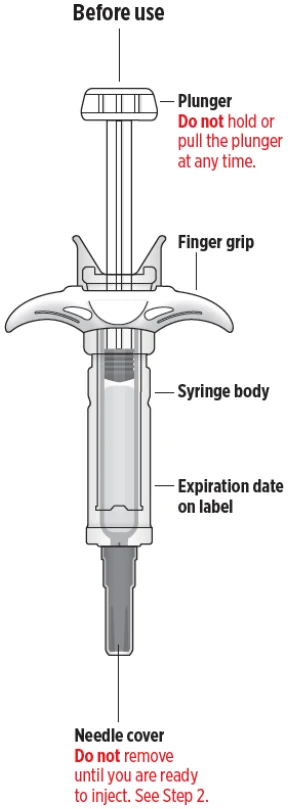
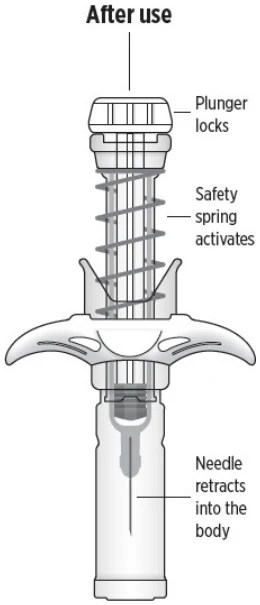
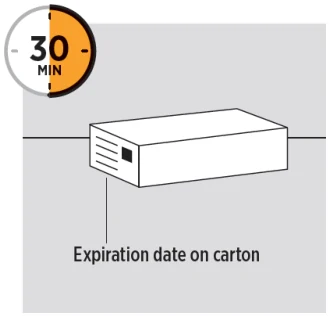
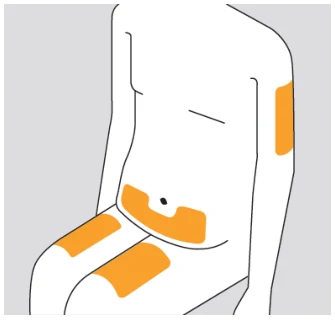
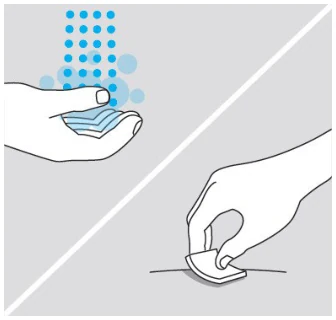
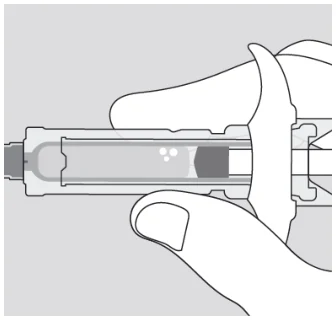
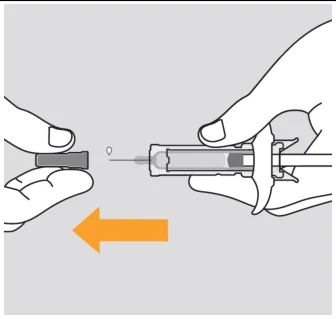
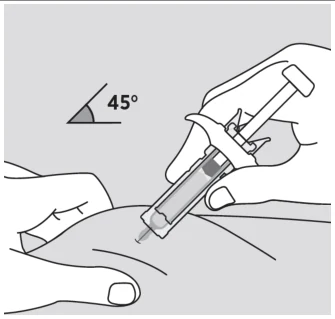
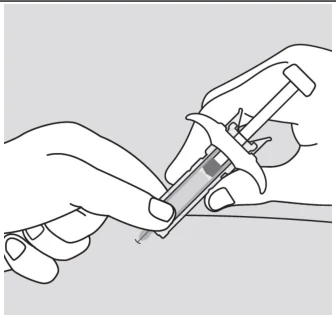
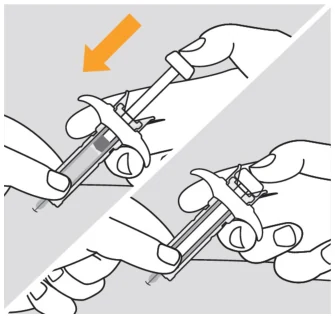
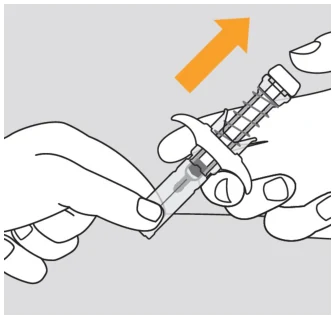
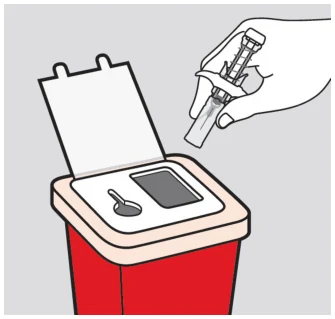
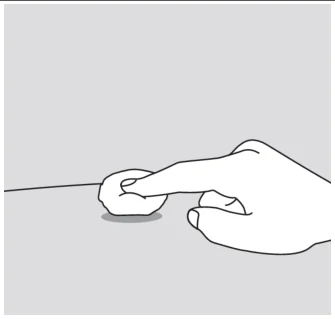
INSTRUCTIONS FOR USE – Autoinjector
PrUpgolyvTM
Golimumab injection
Single-dose pre-filled autoinjector Read these Instructions for Use completely so that you understand how to properly use UpgolyvTM autoinjector before injecting. Important If your healthcare professional decides that you or a caregiver may be able to give your UpgolyvTM injections at home, you should receive training on the right way to prepare and inject UpgolyvTM. Do not try to inject UpgolyvTM yourself until you have been shown the right way to give the injections by your healthcare professional or nurse. Read this Instructions for Use before using UpgolyvTM and each time you get a refill. There may be new information. This Instructions for Use does not take the place of talking with your healthcare professional about your medical condition or your treatment. Remember UpgolyvTM has no button The injection starts when you push UpgolyvTM against the skin. If you are having difficulty injecting: make sure the cap is removed. Dispose of the cap right after removing it. | Your autoinjector at a glance |
|---|---|
Take out UpgolyvTM Take UpgolyvTM out of the refrigerator. Remove UpgolyvTM from the carton. Place UpgolyvTM on a flat surface out of reach and sight of children. UpgolyvTM should sit at room temperature at least for 30 minutes to ensure proper injection. Check that the seal on the autoinjector packaging is not missing or damaged. Do not use if the autoinjector packaging is broken. Do not warm any other way. |
Inspect UpgolyvTM Remove UpgolyvTM from the autoinjector packaging. Do not remove the cap yet. Do not use the autoinjector if the needle protective cap is missing or not securely attached. Check the expiration date ('EXP') on the body of the autoinjector. Do not use UpgolyvTM if the expiration date has passed. Call your healthcare professional or pharmacist for a refill. Gather supplies While UpgolyvTM sits at room temperature for 30 minutes, gather your supplies:
| |
|---|---|
Check liquid in UpgolyvTM After 30 minutes, check the liquid in the viewing window. It should be clear to slightly yellow and may contain tiny white or clear particles. It is also normal to see a small air bubble. Do not inject if the liquid is cloudy or discoloured, or has large particles. | |
Choose injection site Select from the following areas for your injection:
Choose a different site within your preferred area for each injection. Do not inject into skin that is tender, bruised, red, scaly or hard. Do not inject into areas with scars or stretch marks. |
Clean injection site Wash your hands well with soap and warm water. Wipe your chosen injection site with an alcohol swab and allow it to dry. Do not touch, fan or blow on the injection site after you have cleaned it. | ||
|---|---|---|
Remove cap Pull the cap straight off. Dispose of the cap right away. Do not put the cap back on, this may damage the hidden needle. Do not inject if UpgolyvTM is dropped without the cap on. Do not twist the protective cap. Pull the needle protective cap straight off the autoinjector. Do not touch the needle shield with your fingers (this is where the needle comes out) It is important to inject within 5 minutes of removing the cap. | ||
Pinch the skin and position UpgolyvTM autoinjector over injection site Hold UpgolyvTM comfortably with the other hand. Make sure that your injection site is as flat as possible. NOTE! Do not place the autoinjector on your skin until you are ready to inject. | ||
Push UpgolyvTM firmly against the skin to inject and hold Push the needle shield at a 90° angle against the skin to start the injection. Wait for the first “click” that signals the start of injection. You may or may not feel a needle prick. Start counting to 15 to ensure that all drug gets injected. Do not lift UpgolyvTM up yet! This may result in loss of medication. | ||
Do not remove, tilt or rotate UpgolyvTM during injection. Wait for the 2nd 'click' which means your injection is complete. | ||
Hold UpgolyvTM against the skin until the injection is complete Continue holding the body of UpgolyvTM down against the injection site until at least one of the following occurs:
| ||
Remove the autoinjector and check the viewing window Check the viewing window. Look for the orange indicator in the viewing window to confirm UpgolyvTM worked properly. The orange indicator will completely fill the viewing window. If you do not see the orange indicator, call 1-866-399-9091. Do not administer a second dose without speaking to your healthcare professional. Do not reuse the autoinjector. | ||
Dispose of your UpgolyvTM Put your used needles, pens, and sharps in a biohazard safe container right away after use. You may use a household container that is:
When your sharps disposal container is almost full, you will need to follow your community guidelines for the right way to dispose of your sharps disposal container. Do not dispose of your used sharps disposal container in your household trash. Do not recycle your used sharps disposal container. |
Check injection site There may be a small amount of blood or liquid at the injection site. Hold pressure over your skin with a cotton ball or gauze pad until any bleeding stops. Do not rub the injection site. If needed, cover injection site with a bandage. Your injection is now complete. | |
|---|---|
Storage Information Store UpgolyvTM in the refrigerator at 2°C to 8°C. If needed, store UpgolyvTM at room temperature, up to 25°C for a single period up to 30 days. Do not return it to the refrigerator. Throw away (dispose of) if not used within 30 days at room temperature. Do not freeze UpgolyvTM. Do not shake UpgolyvTM. Keep UpgolyvTM in the original carton to protect from light before use. Keep UpgolyvTM out of reach and sight of children. | |
Need help? Call your healthcare professional to talk about any questions you may have. For additional assistance or to share your feedback call 1-866-399-9091. |