


Product Monograph - Valtaxin
Pharmacology
Mechanism of Action: Valrubicin is an anthracycline that affects a variety of inter-related biological functions, most of which involve nucleic acid metabolism. It readily penetrates into cells, where it inhibits the incorporation of nucleosides into nucleic acids, causes extensive chromosomal damage, and arrests cell cycle in G2. Although valrubicin does not bind strongly to DNA, a principal mechanism of its action, mediated by valrubicin metabolites, is interference with the normal DNA breaking-resealing action of DNA topoisomerase II.
Pharmacokinetics after Intravesical Administration of VALTAXIN: When an 800 mg dose of VALTAXIN was administered intravesically to patients with carcinoma in situ, VALTAXIN penetrated into the bladder wall. The mean total anthracycline concentration measured in bladder tissue exceeded the levels causing 90% cytotoxicity to human bladder cells cultured in vitro. During the two-hour dose retention period, the metabolism of VALTAXIN within the bladder was negligible, as evidenced by the analysis of recovered bladder contents. After retention, the drug was almost completely excreted by voiding the instillate. Mean percent recovery of valrubicin, N-trifluoroacetyladriamycin (the major valrubicin metabolite), and total anthracyclines in 14 urine samples from six patients was 98.6%, 0.4%, and 99.0% of the total administered drug, respectively. During the two-hour dose-retention period, only nanogram quantities of valrubicin were absorbed into the plasma, and only minute quantities of valrubicin and its metabolites (N-trifluoroacetyladriamycin and N-trifluoroacetyladriamycinol) could be detected.
AUCo-6 hours values for total anthracyclines were 409 and 788 nmol/L •hr respectively. The AUCo-6 hours total exposure to anthracyclines was 18,382 nmol/L •hr in one patient who experienced a perforated bladder following a transurethral resection that occurred 5 minutes before administration of an intravesical dose of 800 mg of VALTAXIN. Administration of a comparable intravenous dose of VALTAXIN (600 mg/m2; n=2) as a 24-hour infusion resulted in an AUCo-6 hours for total anthracyclines of 11,975 nmol/L•hr. These results are shown in FIGURE 1.
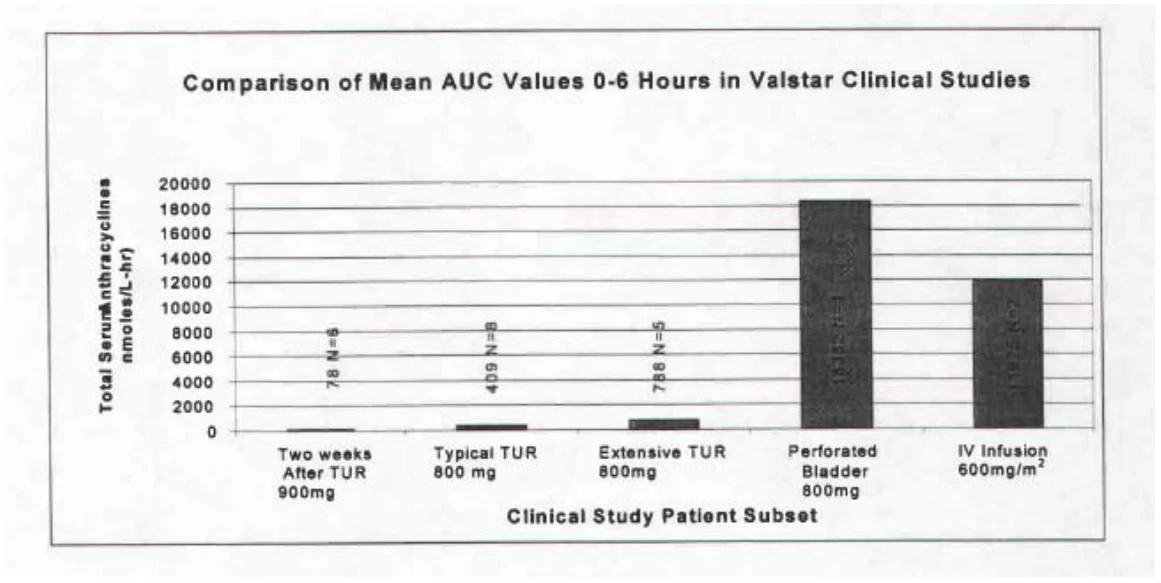
FIGURE 1. Comparison of Mean AUC0.6 hours in VALTAXIN Clinical studies (N=number of patients).
The patient with a perforated bladder who received 800 mg of VALTAXIN intravesically developed severe leukopenia and neutropenia approximately two weeks after drug administration. Systemic hematologic toxicity from VALTAXIN was not seen after an intravesical dose of 800 mg of VALTAXIN unless perforation of the urinary bladder occurred.
Clinical Trials
VALTAXIN has been administered intravesically to a total of 230 patients with transitional cell carcinoma of the bladder, including 205 patients who received multiple weekly doses ranging from 200 to 900 mg. One hundred seventy-nine of the 205 patients received the approved dose and schedule of 800 mg weekly for multiple weeks.
In the 90 study patients with BCG-refractory carcinoma in situ (CIS), 70% had received at least 2 prior courses of BCG and 30% had received one course of BCG and at least one additional course of treatment with another agent(s) - e.g., mitomycin, thiotepa, or interferon. VALTAXIN was administered beginning at least two weeks after transurethral resection and/or fulguration. After six weekly intravesical doses of 800 mg of VALTAXIN, 16 patients (18%) had a complete response documented by bladder biopsies and cytology at both 3 and 6 months following initiation of therapy. Median duration of response from start of treatment varied according to the method of analysis (13.5 months if measured to last bladder biopsy without tumor and 21 months if measured until time of documented recurrence). A retrospective analysis in the patients with complete response (CR) to VALTAXIN demonstrated that time to recurrence of their disease after treatment with VALTAXIN was longer than time to recurrence after previous courses of intravesical therapy. Therefore, the CRs in the pivotal studies were disease free longer with valrubicin than with prior intravesical treatments. These results suggest that the use of valrubicin changed the disease course in these CR patients.
Of the 90 patients with BCG-refractory CIS, 11% (10 patients) developed metastatic or deeply-invasive bladder cancer during long term follow-up; four of these patients, none who underwent cystectomy, died with metastatic bladder cancer and six were found to have developed stage progression to deeply-invasive disease (≥T3), with lymph node involvement in one patient at the time of cystectomy. None of the 10 patients had been complete responders; 8 of the 10 had evidence of disease at the earliest evaluation after treatment (3 months). The remaining 2 had disease recurrence at 6 months after VALTAXIN treatment. It is difficult to ascertain to what extent the development of advanced bladder cancer in these patients was due to delay in cystectomy required to receive treatment with VALTAXIN (3 months was the time of follow-up to determine response), as cystectomy was delayed or was never performed despite failure of treatment with VALTAXIN. In the 10 patients documented to have invasive bladder cancer or metastatic disease, the delay between the time of treatment failure (when cystectomy should have been performed) and cystectomy or documentation of advanced bladder cancer was a median of 17.5 months.
In addition to the CR group, 10 responders failed valrubicin therapy with low-grade papillary tumors only (stage Ta, grade 1 or 2). Therefore, combining these patients with the 16 who did meet the criteria for CR yields a group of 26 patients (29%) who derived clinical benefit from valrubicin treatment.
INDICATIONS AND CLINICAL USES
VALTAXIN (valrubicin) is indicated for intravesical therapy of BCG-refractory carcinoma in situ (CIS) of the urinary bladder.
CONTRAINDICATIONS
VALTAXIN is contraindicated in patients with:
- Known hypersensitivity to anthracyclines
- Known hypersensitivity to Cremophor® EL (JPolyoxyl 35 castor oil, NF)
- Concurrent urinary tract infections
- Small bladder capacity, i.e., unable to tolerate a 75 mL instillation.
WARNINGS AND PRECAUTIONS
Patients should be informed that VALTAXIN has been shown to induce complete response in only about 1 in 5 patients with BCG-refractory CIS, and that delaying cystectomy could lead to development of metastatic bladder cancer, which is lethal. The exact risk of developing metastatic bladder cancer from such a delay may be difficult to assess (see Clinical Trials section) but this risk increases the longer cystectomy is delayed in the presence of persisting CIS. If there is not a complete response of CIS to treatment after 3 months or if CIS recurs, cystectomy must be reconsidered.
VALTAXIN should not be administered to patients with a perforated bladder or to those in whom the integrity of the bladder mucosa has been compromised (see Clinical Pharmacology, Pharmacokinetics Figure 2).
In order to avoid possible dangerous systemic exposure to VALTAXIN for the patients undergoing transurethral resection of the bladder, the status of the bladder should be evaluated before the intravesical instillation of drug. In case of bladder perforation, the administration of VALTAXIN should be delayed until bladder integrity has been restored.
Irritable Bladder Symptoms: VALTAXIN should be used with caution in patients with severe irritable bladder symptoms. Bladder spasm and spontaneous discharge of the intravesical instillate may occur; clamping of the urinary catheter is not advised and, if performed, should be executed under medical supervision and with caution.
Carcinogenesis, Mutagenesis, Impairment of Fertility: The carcinogenic potential of VALTAXIN has not been evaluated, but the drug does cause damage to DNA in vitro and other drugs in the same chemical class are known to be carcinogenic. VALTAXIN was mutagenic in in vitro assays in Salmonella typhimurium and Escherichia coli. VALTAXIN was clastogenic in the chromosomal aberration assay in CHO cells. Studies of the effects of VALTAXIN on male or female fertility have not been done.
Pregnancy: VALTAXIN can cause fetal harm if a pregnant woman is exposed to the drug systemically. Such exposure could occur after perforation of the urinary bladder during VALTAXIN therapy. Daily intravenous doses of 12 mg/kg (about one sixth the recommended human intravesical dose on a mg/m2 basis) given to rats during fetal development caused fetal malformations. A dose of 24 mg/kg (about one third the recommended human intravesical dose on a mg/m2 basis) caused numerous, severe alterations in the skull and skeleton of the developing fetuses This dose also caused an increase in fetal resorptions and a decrease in viable fetuses. Thus, VALTAXIN is embryotoxic and teratogenic. There are no preclinical studies of the effects of intravesical VALTAXIN on fetal development and no adequate and well-controlled studies of VALTAXIN in pregnant women. If VALTAXIN is used during pregnancy, or if the patient becomes pregnant while receiving this drug, the patient should be apprised of the potential hazard to the fetus. It should be used during pregnancy only if the potential benefit justifies the potential risk to the fetus. Women who might become pregnant should be advised to avoid doing so during therapy with VALTAXIN.
Nursing Mothers: It is not known whether VALTAXIN is excreted in human milk. Nevertheless, the drug is highly lipophilic and an exposure of infants to VALTAXIN could pose serious health risks. Women should discontinue nursing before the initiation of VALTAXIN therapy.
Pediatric Use: safety and effectiveness in pediatric patients have not been established.
Geriatric Use: Because carcinoma in situ of the bladder generally occurs in older individuals, 85% of the patients enrolled in the clinical studies of VALTAXIN were more than 60 years of age (49% of the patients were more than 70 years of age). In the primary efficacy studies, the mean age of the population was 69.5 years. There are no specific precautions regarding use of VALTAXIN in geriatric patients who are otherwise in good health.
General: Women of childbearing potential should be advised not to become pregnant during treatment. Men should be advised to refrain from engaging in procreative activities while receiving therapy with VALTAXIN. All patients of reproductive age should be advised to use an effective contraception method during the treatment period.
Aseptic techniques must be used during administration of intravesical VALTAXIN to avoid introducing contaminants into the urinary tract or traumatizing unduly the urinary mucosa.
VALTAXIN should be administered under the supervision of a physician experienced in the use of intravesical cancer chemotherapeutic agents.
ADVERSE REACTIONS
Approximately 84% of patients who received intravesical VALTAXIN in clinical studies experienced local adverse events, but approximately half of the patients reported irritable bladder symptoms prior to treatment. The local adverse reactions associated with VALTAXIN usually occur during or shortly after instillation and resolve within 1 to 7 days after the instillate is removed from the bladder.
Table 1 displays the frequency of the local adverse experiences at baseline and during treatment among 170 patients who received 800 mg doses of VALTAXIN (valrubicin) Sterile Solution for Intravesical Instillation in a multiple-cycle treatment regimen. Only 7 of 143 patients who were scheduled to receive six doses failed to receive all of the planned doses because of the occurrence of local bladder symptoms.
TABLE 1 Occurrence of Local Adverse Reactions Before and During Treatment with Intravesical VALTAXIN (% of Patients)
Patients Who Received Multiple-Cycle Treatment Regimen at 800 mg/dose (N=170)
| Reaction | Before Treatment | During 6-week Course of Treatment |
Any Local Bladder Symptom | 45% | 88% |
| Urinary Frequency | 30% | 61% |
| Dysuria | 11% | 56% |
| Urinary Urgency | 27% | 57% |
| Bladder Spasm | 3% | 31% |
| Hematuria | 11% | 19% |
| Bladder Pain | 6% | 28% |
| Urinary Incontinence | 7% | 22% |
| Cystitis | 4% | 15% |
| Nocturia | 2% | 7% |
| Local Burning Symptoms - Procedure Related | 0% | 5% |
| Urethral Pain | 0% | 3% |
| Pelvic Pain | 1% | 1% |
| Hematuria (Gross) | 0% | 1% |
Most systemic adverse events associated with use of VALTAXIN have been mild in nature and self-limited, resolving within 24 hours after drug administration. TABLE 2 displays the adverse events other than local bladder symptoms that occurred in 1% or more of the 230 patients who received at lease one dose of VALTAXIN (200 to 900 mg) in a clinical trial. It cannot be determined whether these events are drug-related.
TABLE 2
Most Commonly Reported Systemic Adverse Reactions Following Intravesical Administration of VALTAXIN (% of Patients)
| Body System Preferred Term | All Patients Who Received VALTAXIN (N = 230) |
| Body as a Whole | |
| Abdominal Pain | 5% |
| Asthenia | 4% |
| Back Pain | 3% |
| Chest Pain | 3% |
| Fever | 2% |
| Headache | 4% |
| Malaise | 4% |
| Cardiovascular | |
| Vasodilation | 2% |
| Digestive | |
| Diarrhea | 3% |
| Flatulence | 1% |
| Nausea | 5% |
| Vomiting | 2% |
| Hemic and Lymphatic | |
| Anemia | 2% |
| Metabolic and Nutritional | |
| Hyperglycemia | 1% |
| Peripheral Edema | 1% |
| Musculoskeletal | |
| Myalgia | 1% |
| Nervous | |
| Dizziness | 3% |
| Respiratory | |
| Pneumonia 1% | |
| Skin and Appendages | |
| Rash | 3% |
| Urogenital | |
| Hematuria (microscopic) | 3% |
| Urinary Retention | 4% |
| Urinary Tract Infection | 15% |
Adverse reactions other than local reactions that occurred in less than 1% of the patients who received VALTAXIN intravesically in clinical trials are listed below. This list includes only adverse reactions that were suspected of being related to treatment.
Digestive System: Tenesmus.
Metabolic and Nutritional: Nonprotein nitrogen increased.
Skin and Appendages: Pruritus.
Special senses: Taste loss.
Urogenital System: Local skin irritation, poor urine flow, and urethritis.
Inadvertent paravenous extravasation of VALTAXIN was not associated with skin ulceration or necrosis.
Drug Interactions and Effects on Laboratory Tests
Because systemic exposure to VALTAXIN is negligible following intravesical administration, the potential for drug interactions is low. No drug interaction studies were conducted.
SYMPTOMS AND TREATMENT OF OVERDOSE
The primary anticipated complications of overdosage associated with intravesical administration would be consistent with irritable bladder symptoms. Myelosuppression is possible if VALTAXIN is inadvertently administered systemically or if significant systemic exposure occurs following intravesical administration (e.g., in patients with bladder rupture/perforation). If overdosage occurs, general supportive measures should be instituted as deemed necessary by the physician. There is no known antidote for overdoses of VALTAXIN.
DOSAGE AND ADMINISTRATION
VALTAXIN is recommended at a dose of 800 mg administered intravesically once a week for six weeks. Administration should be delayed at least two weeks after transurethral resection and/or fulguration. For each instillation, four 5 mL vials (200 mg valrubicin/5 mL vial) should be allowed to warm slowly to room temperature, but should not be heated. Twenty milliliters of VALTAXIN should then be withdrawn from the four vials and diluted with 55 mL 0.9% Sodium Chloride Injection, USP, providing 75 mL of a diluted VALTAXIN solution. A urethral catheter should then be inserted into the patient's bladder under aseptic conditions, the bladder drained, and the diluted 75.mL VALTAXIN solution instilled slowly via gravity flow over a period of several minutes. The catheter should then be withdrawn. The patient should retain the drug for two hours before voiding. At the end of two hours, all patients should void. (Some patients will be unable to retain the drug for the full two hours.) Patients should be instructed to maintain adequate hydration following treatment.
Patients receiving VALTAXIN for refractory carcinoma in situ must be monitored closely for disease recurrence or progression. Recommended evaluations include cystoscopy, biopsy, and urine cytology every 3 months.
Aseptic techniques must be used during administration of intravesical VALTAXIN to avoid introducing contaminants into the urinary tract or traumatizing unduly the urinary mucosa.
Administration Precautions: As recommended with other cytotoxic agents, caution should be exercised in handling and preparing the solution of VALTAXIN. Contact toxicity, common and severe with other anthracyclines, is not typical with VALTAXIN and, when observed, has been mild. Skin reactions may occur with accidental exposure, and the use of gloves during dose preparation and administration is recommended. Irritation of the eye has also been reported with accidental exposure. If this happens, the eye should be flushed with water immediately and thoroughly.
Preparation for Administration: VALTAXIN Sterile Solution for Intravesical Instillation is a clear red solution. It should be visually inspected for particulate matter and discoloration prior to administration. At temperatures below 4°C, Cremophor® EL may begin to form a waxy precipitate. If this happens, the vial should be warmed in the hand until the solution is clear. If particulate matter is still seen, VALTAXIN should not be administered.
PHARMACEUTICAL INFORMATION
Drug Substance
Proper Name: Valrubicin (N-trifluoroacetyladriamycin-14-valerate), a semisynthetic analog of the anthracycline doxorubicin, is a cytotoxic agent.
Chemical Name and Chemical Structure: (2S -cis)-2-[1,2,3,4,6,11-hexahydro-2,5,12-trihydroxy-7-methoxy-6,11-dioxo-4-[[2,3,6-trideoxy-3-[(trifluoroacetyl)amino]-α-L-lyxo¬hexopyranosyl]oxyl]-2-naphthacenyl]-2-oxoethylpentatanoate. The chemical structure is shown in FIGURE 2.
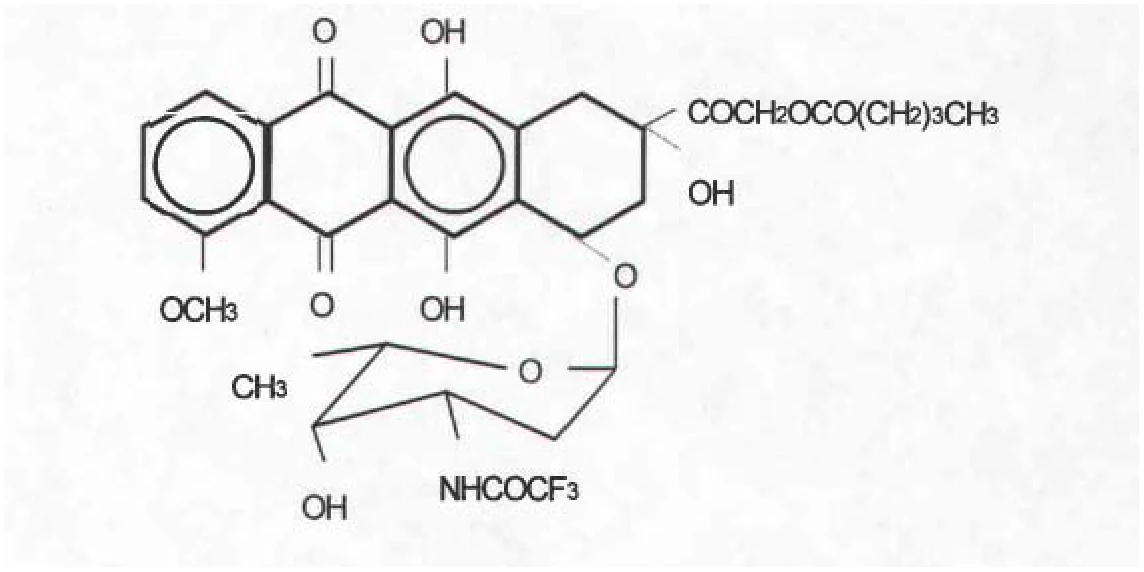
FIGURE 2. Chemical Structure of Valrubicin
Structural Formula: C34H36F3NO13
Molecular Weight: 723.65.
Description: Valrubicin is an orange or orange-red powder that is highly lipophilic, soluble in methylene chloride, ethanol, methanol and acetone, and relatively insoluble in water.
Composition: VALTAXIN (valrubicin) Sterile Solution for Intravesical Instillation is intended for intravesical administration in the urinary bladder. It is supplied as a nonaqueous solution that should be diluted before intravesical administration. Each vial of VALTAXIN contains valrubicin at a concentration of 40 mg/mL in 50% Cremophor® EL (JPolyoxyl 35 castor oil, NF)/50% dehydrated alcohol, USP without preservatives or other additives. The solution is sterile and nonpyrogenic.
List of Excipients: Each vial of VALTAXIN contains 50% Cremophor® EL (Polyoxyl 35 castor oil, NF) and 50% ethanol.
Incompatibilities: The diluent used contains Cremophor® EL which has been known to cause leaching of di (2-ethylhexyl)phthalate (DEHP), a hepatotoxic plasticier, from polyvinyl chloride (PVC) bags and intravenous tubing. VALTAXIN solutions should be prepared and stored in glass, polypropylene, or polyolefin containers and tubing. It is recommended that non-PVC containing administration sets, such as those that are polyethylene-lined, be used.
STORAGE AND STABILITY
Store vials under refrigeration at 2° - 8° C (36° - 46 °F) in the carton. DO NOT FREEZE.
Unopened vials of VALTAXIN are stable until the date indicated on the package when stored under refrigerated conditions at 2° - 8° C (36° - 46° F). Vials should not be heated.
VALTAXIN diluted in 0.9% Sodium Chloride Injection, USP for administration is stable for 12 hours at temperatures up to 25° C (77° F). Since compatibility data are not available, VALTAXIN should not be mixed with other drugs.
SPECIAL HANDLING INSTRUCTIONS
VALTAXIN sterile solution contains Cremophor® EL, which has been known to cause leaching of di(2-ethylhexyl)phthalate (DEHP) a hepatotoxic plasticizer, from polyvinyl chloride (PVC) tags and intravenous tubing. VALTAXIN solutions should be prepared and stored in glass, polypropylene, or polyolefin containers and tubing. It is recommended that non-DEHP containing administration sets, such as those that are polyethylene-lined, be used.
Procedures for proper handling and disposal of anticancer drugs should be used. Spills should be cleaned up with undiluted chlorine bleach.
AVAILABILITY OF DOSAGE FORMS
VALTAXIN Sterile Solution for Intravesical Instillation is a clear red solution in Cremophor® EL / dehydrated alcohol USP, containing 40 mg valrubicin per mL. VALTAXIN Sterile Solution for Intravesical Instillation is available in single-use, clear glass vials, individually packaged in the following sizes:
Carton of 4 X 5 mL Single-use Vials (200 mg/5 mL) Carton of 24 X 5 mL Single-Use Vials (200 mg/5 mL)
Nature and Content of Container: VALTAXIN is supplied as a 200 mg/5 mL single use vial in cartons of 4 or 24 vials. VALTAXIN is a nonaqueous solution that should be diluted before intravesical administration. Each vial of VALTAXIN contains valrubicin at a concentration of 40 mg/mL in 50% Cremophor® EL (polyoxylethyleneglycol tricinoleate)/ 50% dehydrated alcohol, USP without preservatives or other additives. The solution is sterile and nonpyrogenic.
INFORMATION FOR THE CONSUMER
Patients should be informed that VALTAXIN has been shown to induce complete response in only about 1 in 5 patients with BCG-refractory CIS, and that delaying cystectomy could lead to development of metastatic bladder cancer, which is lethal. They should discuss with their physician the relative risk of cystectomy versus the risk of metastatic bladder cancer (see CLINICAL TRIALS) and be aware that the risk increases the longer cystectomy is delayed in the presence of persisting CIS.
Patients should be informed that the major acute toxicities from VALTAXIN are related to irritable bladder symptoms that may occur during instillation and retention of VALTAXIN and for a limited time period following voiding. For the first 24 hours following administration, red-tinged urine is typical. Patients should report prolonged irritable bladder symptoms or prolonged passage of red-colored urine immediately to their physician.
Women of childbearing potential should be advised not to become pregnant during treatment. Men should be advised to refrain from engaging in procreative activities while receiving therapy with VALTAXIN. All patients of reproductive age should be advised to use an effective contraception method during the treatment period.
TOXICOLOGY
When instilled into the intact urinary bladder, very little VALTAXIN reaches the systemic circulation. In an animal model, as in man, at least 90% of the instilled dose can be recovered as parent drug when the bladder is drained following a two-hour dwell time, and pharmacokinetic studies in rats indicate that the total systemic drug exposure following instillation into the bladder is less than 1% of the exposure from the same dose following intravenous administration. Thus the exposure of the major organ systems to VALTAXIN is extremely limited.
The intravesical route in rats or dogs has shown no observable systemic toxicity. No consistent bladder lesions were observed in rats or dogs; after high doses mild to moderate degrees of edema and areas of hemorrhage, neovascularization, fibroplasia and mucosal hyperplasia of the bladder, mostly reversible, were observed in dogs. Mild to moderate prostatic atrophy and moderate testicular degeneration, observed in the mid- and high-dose dogs may have been caused by retrograde flow of the test article during the two-hour treatment period (the bladder was occluded during treatment) because no other systemic effects were observed.
The lack of systemic toxicity following intravesical administration, including the failure to demonstrate classical anthracycline toxicities such as myelosuppression, was due to the low systemic bioavailability of VALTAXIN by this route.
Toxicity studies have also been performed with VALTAXIN administered by the intraperitoneal route, which does provide for significant systemic exposure. In these studies, VALTAXIN produced a minimum of adverse effects when tested in rats and dogs. In rats, these adverse effects included decreases in food consumption and in circulating WBC counts, mild renal proteinosis, testicular degeneration, and bilateral hind limb/foot impairment. Although similar hind limb/foot impairment has also been observed in rats administered doxorubicin, it was seen in only one of three studies in which rats were administered comparable doses of VALTAXIN, and has never been observed in dogs or humans. In toxicity studies involving dogs, the adverse effects included emesis, diarrhea, localized edema and seminiferous tubule degeneration of the testes.
VALTAXIN was mutagenic in two in vitro studies, an Ames bacterial reverse mutation assay and a chromosomal aberration assay in CHO cells. A conventional micronucleus test in male rats also proved positive. No further mutagenicity or carcinogenicity studies have been performed.
Special toxicology studies revealed that VALTAXIN produced no dermal irritation and only mild ocular irritation in rabbits.
REFERENCES:
Recommendations for the Safe Handling of Parenteral Antineoplastic Drugs, NIH Publication No. 83-2621. For sale by the Superintendent of Documents, U.S. Government Printing Office, Washington, DC 20402.
"AMA Council Report, Guidelines for Handling Parenteral Antineoplastics." JAMA, 1985; 2.53(11):1590-1592.
National Study Commission on Cytotoxic Exposure - Recommendations for Handling Cytotoxic Agents. Available from Louis P Jeffrey, ScD., Chairman, National study Commission on Cytotoxic exposure. Massachusetts College of Pharmacy and Allied Health Sciences, 179 Longwood Avenue, Boston, Massachusetts 02115.
"Clinical Oncological Society of Australia, Guidelines and Recommendations for Safe Handling of Antineoplastic Agents." Med J Australia, 1983; (Sept/Oct):288-263.
"American Society of Hospital Pharmacists Technical Assistance Bulletin on Handling Cytotoxic and Hazardous Drugs." Am K. Hosp Pharm, 1990; 47:1033-1049.
"Controlling Occupational exposure to Hazardous Drugs." (OSHA Work-Practice Guidelines), Am J HealthOSyst Pharm, 1996; 53:1669-1685.