


Product Monograph - Verzenio
1 Indications
Early Breast Cancer
VERZENIO® (abemaciclib tablets) is indicated in combination with endocrine therapy for the adjuvant treatment of adult patients with hormone receptor (HR)-positive, human epidermal growth factor receptor 2 (HER2)-negative, node-positive, early breast cancer at high risk of disease recurrence based on clinicopathological features.
Advanced or Metastatic Breast Cancer
VERZENIO (abemaciclib tablets) is indicated for the treatment of hormone receptor (HR)-positive, human epidermal growth factor receptor 2 (HER2)-negative advanced or metastatic breast cancer.
- In combination with an aromatase inhibitor in postmenopausal women as initial endocrine-based therapy.-
- In combination with fulvestrant in women with disease progression following endocrine therapy. Pre- or perimenopausal women must also be treated with a gonadotropin-releasing hormone (GnRH) agonist.
- As a single agent in women with disease progression following endocrine therapy and at least 2 prior chemotherapy regimens. At least one chemotherapy regimen should have been administered in the metastatic setting, and at least one should have contained a taxane.
1.1 Pediatrics
Pediatrics (<18 years of age): No data are available to Health Canada; therefore, Health Canada has not authorized an indication for pediatric use.
1.2 Geriatrics
Geriatrics (≥65 years of age): Evidence from clinical trials showed no differences in safety or effectiveness of VERZENIO between patients ≥65 years and < 65 years of age with early breast cancer or metastatic breast cancer.
2 Contraindications
VERZENIO is contraindicated in patients who are hypersensitive to this drug or to any ingredient in the formulation, including any non-medicinal ingredient, or component of the container. For a complete listing, (see 6 Dosage Forms, Strengths, Composition and Packaging).
3 Serious Warnings and Precautions Box
The following are significant adverse drug reactions identified in clinical trials conducted with VERZENIO:
|
|---|
4 Dosage and Administration
4.1 Dosing Considerations
Pre/perimenopausal women and men treated with the combination of VERZENIO plus an aromatase inhibitor should be treated with a gonadotropin releasing hormone (GnRH) agonist according to local clinical practice.
Patients with severe hepatic impairment require dose adjustment (see 4.2 Recommended Dose and Dosage Adjustment, and 10 Clinical Pharmacology).
Health Canada has not authorized an indication for pediatric use (see 1.1 Pediatrics).
4.2 Recommended Dose and Dosage Adjustment
For early breast cancer in combination with Endocrine Therapy:
The recommended dose of VERZENIO is 150 mg taken orally, twice daily. For early breast cancer (EBC) continue VERZENIO until completion of either 2 years of treatment or until disease recurrence or unacceptable toxicity.
For advanced or metastatic breast cancer:
When used in combination with endocrine therapy, the recommended dose of VERZENIO is 150 mg taken orally, twice daily. When used as a single agent, the recommended dose of VERZENIO is 200 mg taken orally, twice daily. For advanced or metastatic breast cancer (MBC), continue treatment until disease progression or unacceptable toxicity.
For full dosing instructions of the coadministered endocrine therapy, refer to the corresponding Product Monograph.
For All Indications:
Management of some adverse reactions may require dose interruptions, dose reductions and/or permanent discontinuation of VERZENIO. The recommended VERZENIO dose modifications for adverse reactions are provided in Tables 1-7.
For dose modifications and other relevant safety information of the coadministered endocrine therapy, refer to the corresponding Product Monograph.
Discontinue VERZENIO for patients unable to tolerate 50 mg twice daily.
Table 1 - VERZENIO Dose Modifications for Adverse Reactions
| Dose Level | VERZENIO Dose Combination with Endocrine Therapy | VERZENIO Dose for Single Agent |
|---|---|---|
| Recommended starting dose | 150 mg twice daily | 200 mg twice daily |
| First dose reduction | 100 mg twice daily | 150 mg twice daily |
| Second dose reduction | 50 mg twice daily | 100 mg twice daily |
| Third dose reduction | not applicable | 50 mg twice daily |
Table 2 - VERZENIO Dose Modification and Management for Hematologic Toxicitiesa
| Monitor complete blood counts prior to the start of VERZENIO therapy, every two weeks for the first 2 months, monthly for the next 2 months, and as clinically indicated. | |||
|---|---|---|---|
| CTCAE Grade | VERZENIO Dose Modifications | ||
| Grade 1 or 2 | No dose modification is required. | ||
| Grade 3 | Suspend dose until toxicity resolves to ≤Grade 2. Dose reduction is not required. | ||
Grade 3, recurrent, or Grade 4 | Suspend dose until toxicity resolves to ≤Grade 2. Resume at next lower dose. | ||
Abbreviation: CTCAE = Common Terminology Criteria for Adverse Events.
a If blood cell growth factors are required, suspend VERZENIO dose for at least 48 hours after the last dose of blood cell growth factor and until toxicity resolves to ≤Grade 2. Resume at next lower dose unless dose already reduced for the toxicity that led to the use of the growth factor. Use growth factor as per current treatment guidelines.
Table 3 - VERZENIO Dose Modification and Management for Diarrhea
| At the first sign of loose stools, start treatment with antidiarrheal agents, such as loperamide, and increase intake of oral fluids. | ||||
|---|---|---|---|---|
| CTCAE Grade | VERZENIO Dose Modifications | |||
| Grade 1 | No dose modification is required. | |||
| Grade 2 | If toxicity does not resolve within 24 hours to ≤Grade 1, suspend dose until resolution. No dose reduction is required. | |||
| Grade 2 that persists or recurs after resuming the same dose despite maximal supportive measures | Suspend dose until toxicity resolves to ≤Grade 1. Resume at next lower dose. | |||
| Grade 3 or 4 or requires hospitalization | ||||
Table 4 - VERZENIO Dose Modification and Management for Hepatotoxicity
| Monitor ALT, AST, and serum bilirubin prior to the start of VERZENIO therapy, every 2 weeks for the first 2 months, monthly for the next 2 months, and as clinically indicated. | ||||
|---|---|---|---|---|
| CTCAE Grade for ALT and AST | VERZENIO Dose Modifications | |||
Grade 1 (>ULN-3.0 x ULN) Grade 2 (>3.0-5.0 x ULN) WITHOUT increase in total bilirubin above 2 x ULN | No dose modification is required. | |||
| Persistent or Recurrent Grade 2, or Grade 3 (>5.0-20.0 x ULN) WITHOUT increase in total bilirubin above 2 x ULN | Suspend dose until toxicity resolves to baseline or Grade 1. Resume at next lower dose. | |||
| Elevation in AST and/or ALT >3 x ULN WITH total bilirubin >2 x ULN, in the absence of cholestasis | Discontinue VERZENIO. | |||
| Grade 4 (>20.0 x ULN) | Discontinue VERZENIO. | |||
Abbreviations: ALT = alanine aminotransferase, AST = aspartate aminotransferase, ULN = upper limit of normal.
Table 5 - VERZENIO Dose Modification and Management for Interstitial Lung Disease (ILD)/Pneumonitis
| CTCAE Grade | VERZENIO Dose Modifications |
|---|---|
| Grade 1 or 2 | No dose modification is required. |
| Persistent or recurrent Grade 2 toxicity that does not resolve with maximal supportive measures within 7 days to baseline or Grade 1 | Suspend dose until toxicity resolves to baseline or ≤Grade 1. Resume at next lower dose. |
| Grade 3 or 4 | Discontinue VERZENIO. |
Table 6 - VERZENIO Dose Modification and Management for Venous Thromboembolic Events (VTEs)
| CTCAE Grade | VERZENIO Dose Modifications |
|---|---|
| Early Breast Cancer | |
| Any Grade | Suspend dose and treat as clinically indicated. Resume VERZENIO when the patient is clinically stable. |
| Advanced or Metastatic Breast Cancer | |
| Grade 1 or 2 | No dose modification is required. |
| Grade 3 or 4 | Suspend dose and treat as clinically indicated. Resume VERZENIO when the patient is clinically stable. |
Monitor patients for signs and symptoms of venous thrombosis and pulmonary embolism and treat as medically appropriate (see 7 Warnings and Precautions).
Table 7 - VERZENIO Dose Modification and Management for Other Toxicitiesa
| CTCAE Grade | VERZENIO Dose Modifications |
|---|---|
| Grade 1 or 2 | No dose modification is required. |
| Persistent or Recurrent Grade 2 toxicity that does not resolve with maximal supportive measures within 7 days to baseline or Grade 1 | Suspend dose until toxicity resolves to baseline or ≤Grade 1. Resume at next lower dose. |
| Grade 3 or 4 | Suspend dose until toxicity resolves to baseline or ≤Grade 1. Resume at next lower dose. |
a Excluding diarrhea, hematologic toxicity, hepatotoxicity, ILD/pneumonitis, and VTEs.
CYP3A inhibitors
Avoid concomitant use of strong CYP3A inhibitors (for example, voriconazole) and use caution with coadministered moderate (for example, ciprofloxacin) or weak (for example, ranitidine) CYP3A inhibitors. If coadministration with a CYP3A inhibitor is unavoidable, adjust the abemaciclib dose as described in Table 21 (see 9 Drug Interactions).
If a CYP3A inhibitor is discontinued, increase the abemaciclib dose (after 3-5 half-lives of the inhibitor) to the dose that was used before starting the inhibitor (see 9 Drug Interactions, and 10 Clinical Pharmacology).
Avoid grapefruit, grapefruit juice, or grapefruit products.
Severe hepatic impairment (Child-Pugh Class C)
Decrease the dosing frequency to once daily (see 7 Warnings and Precautions, and 10 Clinical Pharmacology).
CYP3A inducers
Avoid concomitant use of strong CYP3A inducers (for example, rifampin). Consider alternative agents with less CYP3A induction (see 10 Clinical Pharmacology).
4.4 Administration
VERZENIO tablets should be swallowed whole (do not to chew, crush, or split tablets before swallowing). No tablet should be ingested if it is not intact.
VERZENIO may be taken with or without food (see 10 Clinical Pharmacology). Patients should be instructed to take their doses of VERZENIO at approximately the same times every day.
4.5 Missed Dose
If the patient vomits or misses a dose of VERZENIO, the patient should take the prescribed dose at the next scheduled time. The patient should not take 2 doses at the same time to make up for the missed dose.
5 Overdose
There is no known antidote for VERZENIO. The treatment of overdose of VERZENIO should consist of general supportive measures.
| For the most recent information in the management of a suspected drug overdose, contact your regional poison control centre or Health Canada’s toll-free number, 1-844 POISON-X (1-844-764-7669). |
|---|
6 Dosage Forms, Strengths, Composition and Packaging
Table 8 - Dosage Forms, Strengths, and Composition
| Route of Administration | Dosage Form / Strength | Non-medicinal Ingredients (Tablet Core) | Non-medicinal Ingredients (Tablet Film Coating) | |||
| Oral | Tablet / 50 mg | croscarmellose sodium, lactose monohydrate, microcrystalline cellulose 101, microcrystalline cellulose 102, silicon dioxide, sodium stearyl fumarate | Beige: iron oxide red, iron oxide yellow, polyethylene glycol, polyvinyl alcohol, talc, titanium dioxide | |||
| Oral | Tablet / 100 mg | White: polyethylene glycol, polyvinyl alcohol, talc, titanium dioxide | ||||
| Oral | Tablet / 150 mg | Yellow: iron oxide yellow, polyethylene glycol, polyvinyl alcohol, talc, titanium dioxide | ||||
| Oral | Tablet / 200 mg | Beige: iron oxide red, iron oxide yellow, polyethylene glycol, polyvinyl alcohol, talc, titanium dioxide | ||||
Description
VERZENIO is supplied in packages of 28 tablets (two blister packs of 14 tablets) in dose strengths of 50 mg, 100 mg, 150 mg, or 200 mg.
VERZENIO 50 mg tablets are a modified oval beige tablet with “Lilly” debossed on one side and “50” on the other side.
VERZENIO 100 mg tablets are a modified oval white to practically white tablet with “Lilly” debossed on one side and “100” on the other side.
VERZENIO 150 mg tablets are a modified oval yellow tablet with “Lilly” debossed on one side and “150” on the other side.
VERZENIO 200 mg tablets are a modified oval beige tablet with “Lilly” debossed on one side and “200” on the other side.
7 Warnings and Precautions
Please see 3 Serious Warnings and Precautions Box.
Driving and Operating Machinery
No studies on the effects of VERZENIO (abemaciclib) on the ability to drive or operate machinery have been conducted. However, since fatigue and dizziness have been reported with the use of VERZENIO, patients should exercise caution when driving or operating machinery while taking VERZENIO.
Gastrointestinal
Diarrhea
Diarrhea was the most frequently reported adverse reaction in EBC patients treated with VERZENIO plus endocrine therapy (All Grade: 83%, Grade 3: 8%) and MBC patients treated with VERZENIO plus letrozole or anastrozole (All Grade: 82%, Grade 3: 10%), VERZENIO plus fulvestrant (All Grade: 86%, Grade 3: 13%), or VERZENIO as a single agent (All Grade: 90%, Grade 3: 20%). There were no reports of Grade 4 diarrhea (see 8 Adverse Reactions).
Diarrhea incidence was greatest during the first month of VERZENIO dosing. The time to onset and resolution for diarrhea were similar across monarchE, MONARCH 3, MONARCH 2, and MONARCH 1 (see 8 Adverse Reactions). The median time to onset of the first diarrhea event ranged from 6 to 8 days; and the median duration of Grade 2 and Grade 3 diarrhea ranged from 6 to 11 days and 5 to 8 days, respectively. Across studies, 19% to 26% of patients with diarrhea required a VERZENIO dose omission and 17% to 23% required a dose reduction.
At the first sign of loose stools, patients should start antidiarrheal therapy such as loperamide, increase oral fluids, and notify their healthcare professional for further instructions and appropriate follow-up. For Grade 3 or 4 diarrhea, or diarrhea that requires hospitalization, discontinue VERZENIO until toxicity resolves to ≤Grade 1, and then resume VERZENIO at the next lower dose (see 4 Dosage and Administration).
Hematologic
Neutropenia
Grade ≥3 neutropenia was reported in patients receiving abemaciclib in EBC and MBC studies.
The occurrence of any grade neutropenia in VERZENIO-treated patients ranged from 37% to 46% (monarchE, MONARCH 1, MONARCH 2, MONARCH 3). Grade ≥3 neutropenia (based on laboratory findings) occurred in VERZENIO-treated patients and ranged from 19% to 32%. Across studies, the median time to the first episode of Grade ≥3 neutropenia ranged from 29 days to 37 days, and the median duration of Grade ≥3 neutropenia ranged from 12 days to 16 days. (see 8 Adverse Reactions).
Febrile neutropenia was reported in ≤1% of patients exposed to VERZENIO in the MONARCH studies. Two deaths due to neutropenic sepsis were observed in MONARCH 2. Inform patients to promptly report any episodes of fever to their healthcare professional (see Patient Medication Information).
Dose modification is recommended for patients who develop Grade 3 or 4 neutropenia (see
4 Dosage and Administration, and 7 Warnings and Precautions, Monitoring and Laboratory Tests).
Venous Thromboembolism
The occurrence of any grade venous thromboembolic events in VERZENIO-treated patients (monarchE, MONARCH 2, MONARCH 3) ranged from 2% to 6%. Venous thromboembolic events included deep vein thrombosis (DVT), pulmonary embolism, pelvic venous thrombosis, cerebral venous thrombosis, subclavian and axillary vein thrombosis, and inferior vena cava thrombosis. Across the clinical development program, deaths due to venous thromboembolism have been reported (see 8 Adverse Reactions).
Dose interruption is recommended for EBC patients with any grade venous thromboembolic event and for MBC patients with a Grade 3 or 4 venous thromboembolic event (see 4 Dosage and Administration).
Arterial Thromboembolic Events
In metastatic breast cancer studies, serious arterial thromboembolic events (ATEs), including ischemic stroke and myocardial infarction, have been reported more frequently in the VERZENIO treatment arms when administered in combination with endocrine therapies. A causal association has not been established between VERZENIO treatment and an increased risk of ATEs. The benefits and risks of continuing VERZENIO in patients who experience a severe ATE should be considered.
Hepatic/Biliary/Pancreatic
Hepatotoxicity
Grade ≥3 increased ALT and AST was reported in patients receiving abemaciclib in EBC and MBC studies.
The occurrence of Grade ≥3 ALT and AST increases in VERZENIO-treated patients (monarchE, MONARCH 2, MONARCH 3) ranged from 2% to 6% and from 2% to 4%, respectively (see 8 Adverse Reactions). Across studies, the median time to onset of Grade ≥3 ALT increases ranged from 57 days to 87 days and the median time to resolution to Grade <3 was 13 days to 14 days. The median time to onset of Grade ≥3 AST increases ranged from 83 days to 185 days and the median time to resolution to Grade <3 ranged from 11 days to 15 days.
Dose interruption, dose reduction, or dose discontinuation is recommended for patients who develop persistent or recurrent Grade 2, or Grade 3 or 4, hepatic transaminase elevation (see 4 Dosage and Administration, and 7 Warnings and Precautions, Monitoring and Laboratory Tests).
Immune
Infections
Infections were reported in patients receiving abemaciclib plus endocrine therapy at a higher rate than in patients treated with placebo plus endocrine therapy and were also reported in patients treated with single-agent abemaciclib. Fatal events of infection occurred in approximately 1% of patients across the MONARCH 1, MONARCH 2 and MONARCH 3 studies.
Monitoring and Laboratory Tests
Monitor complete blood counts prior to the start of VERZENIO therapy, every 2 weeks for the first 2 months, monthly for the next 2 months, and as clinically indicated. Dose modification is recommended for patients who develop Grade 3 or 4 neutropenia (see 4 Dosage and Administration, and 7 Warnings and Precautions).
Monitor liver function tests prior to the start of VERZENIO therapy, every 2 weeks for the first 2 months, monthly for the next 2 months, and as clinically indicated (see 4 Dosage and Administration, and 7 Warnings and Precautions).
Monitor patients for signs and symptoms of venous thrombosis and pulmonary embolism and treat as medically appropriate (see 4 Dosage and Administration, and 7 Warnings and Precautions).
Monitor patients for signs and symptoms of infection and treat as medically appropriate (see 7 Warnings and Precautions).
Monitor patients for pulmonary symptoms indicative of ILD/pneumonitis (see 4 Dosage and Administration, and 7 Warnings and Precautions).
Reproductive Health
Women with reproductive potential should be advised to use highly effective contraception during treatment with VERZENIO and for at least 3 weeks after the last dose (see 7.1.1 Pregnant Women and 16 Non-Clinical Toxicology).
Pregnancy testing is recommended for women of reproductive potential prior to initiating treatment with VERZENIO.
Fertility
Cytotoxic effects to the male reproductive tract in rodents and dogs indicate that abemaciclib may impair fertility in males (see 16 Non-Clinical Toxicology).
Teratogenic Risk
Abemaciclib was teratogenic in rats (see 16 Non-Clinical Toxicology).
Respiratory
Severe, life threatening, or fatal interstitial lung disease (ILD)/pneumonitis can occur in patients treated with VERZENIO. In VERZENIO-treated patients in EBC (monarchE: n=2791), 3% of patients experienced ILD/pneumonitis of any grade: 0.4% had Grade 3 or 4 ILD and there was one fatality due to ILD/pneumonitis (<0.1%). In VERZENIO-treated patients in MBC (MONARCH 1, MONARCH 2, MONARCH 3: n=900), 3.2% of VERZENIO-treated patients had ILD/pneumonitis of any grade, 0.4% had Grade 3 or 4 ILD, and 0.4% had fatal ILD/pneumonitis. The median time to onset of ILD/pneumonitis was 6.3 months for VERZENIO-treated patients in EBC and 8.2 months for VERZENIO-treated patients in MBC after the initiation of VERZENIO.
Other potential causes of ILD/pneumonitis should be excluded. Dose interruptions or dose reduction is recommended for patients who develop persistent or recurrent Grade 2 ILD/pneumonitis. Permanently discontinue VERZENIO in all patients with Grade 3 or 4
ILD/pneumonitis (see 4 Dosage and Administration).
7.1 Special Populations
7.1.1 Pregnancy
There are no available human data on VERZENIO use in pregnant women to inform any drug–associated risks. In animal studies, abemaciclib was teratogenic and caused decreased fetal weight at maternal exposures similar to the exposure in humans at the recommended clinical dose (see 16 Non-Clinical Toxicology). Based on findings in animals and its mechanism of action, VERZENIO can cause fetal harm when administered to a pregnant woman.
Pregnant women or women who become pregnant while taking the drug should be apprised of the potential hazard to the fetus (see 16 Non-Clinical Toxicology).
7.1.2 Breastfeeding
It is unknown if abemaciclib or its metabolites are excreted in human milk. Because many drugs are excreted in human milk and because of the potential for serious adverse reactions in breastfed infants from VERZENIO, advise lactating women not to breastfeed during VERZENIO treatment and for at least 3 weeks after the last dose.
7.1.3 Pediatrics
Pediatrics (<18 years of age): No data are available to Health Canada; therefore, Health Canada has not authorised an indication for pediatric use.
8 Adverse Reactions
8.1 Adverse Reaction Overview
The safety of VERZENIO has been assessed in patients from three randomized Phase 3 studies and one single-arm Phase 2 study of patients with HR-positive, HER2-negative locally advanced or metastatic breast cancer.
The most common adverse reactions reported in ≥20% of patients in any study receiving abemaciclib in combination with endocrine treatment or as a single agent were diarrhea, neutropenia, fatigue, infections, nausea, vomiting, abdominal pain, decreased appetite, anemia, alopecia, leukopenia, headache, and thrombocytopenia.
The most common serious adverse reactions reported in patients in any study receiving abemaciclib in combination with endocrine treatment or as a single agent were pneumonia, sepsis, pulmonary embolism, deep venous thrombosis, diarrhea, neutropenia, anemia, and pneumonitis; the frequency of these events varied across studies and ranged from 0.1% to 2.1% of patients.
Of the 2791 VERZENIO-treated patients in monarchE (early breast cancer trial), 15.4% were 65 years of age or older. No overall differences in safety or effectiveness of VERZENIO were observed between these patients and younger patients.
Of the 900 patients who received VERZENIO in MONARCH 1, MONARCH 2, and MONARCH 3 (metastatic breast cancer trials), 38% were 65 years of age or older. No overall differences in safety or effectiveness of VERZENIO were observed between these patients and younger patients; however, subgroup analyses from clinical studies demonstrated that patients ≥65 years of age reported more hematologic adverse events, hypokalemia (including Grade 3), hypocalcemia, Grade ≥3 infections, decreased appetite, and increased blood creatinine compared to younger patients.
Population pharmacokinetic analyses of combined data from monarchE, MONARCH 2 and MONARCH 3 demonstrated that East Asian patients do not have significantly different abemaciclib exposure compared to patients of other races; however, higher frequencies of adverse events (any grade and Grade ≥3) of ALT increased, AST increased, and neutropenia were reported in East Asian patients compared to Caucasian patients in subgroup analyses of data for monarchE, MONARCH 2 and MONARCH 3. No dose adjustment based on race is required for abemaciclib.
8.2 Clinical Trial Adverse Reactions
Clinical trials are conducted under very specific conditions. Therefore, the frequencies of adverse reactions observed in the clinical trials may not reflect the rates observed in clinical practice and should not be compared to the frequencies reported in clinical trials of another drug.
Early Breast Cancer – Combination with Endocrine Therapy
The safety of VERZENIO (150 mg twice daily) plus endocrine therapy was evaluated in monarchE, a Phase 3 randomized (1:1) open-label trial (see 14 Clinical Trials). The data described below reflect exposure to VERZENIO in 2791 out of 5591 adult women and men with HR-positive, HER2-negative, node-positive, early breast cancer at high risk of recurrence who received at least 1 dose of VERZENIO plus endocrine therapy. Choice of standard endocrine therapy such as tamoxifen or an aromatase inhibitor, with or without ovarian function suppression or androgen suppression per standard practice was as determined by the investigator. Patients who had a history of VTE were not eligible for the study.
At the time of the final overall survival analysis, in the VERZENIO plus endocrine therapy arm the median follow-up was 76 months for VERZENIO and for the endocrine-treatment. Median dose compliance was 98% for VERZENIO.
Dose reductions of VERZENIO due to an adverse reaction occurred in 44% of patients receiving VERZENIO plus endocrine therapy, most commonly due to diarrhea (17%) and neutropenia (8%).
In the VERZENIO plus endocrine therapy arm, permanent discontinuation of VERZENIO due to an adverse event was reported in 19% of patients, including 6% of patients who discontinued both study drugs. In the endocrine therapy only arm, 1.1% of patients permanently discontinued endocrine therapy due to an adverse event. The most common adverse reactions leading to VERZENIO discontinuations were diarrhea (5%), fatigue (2%), and neutropenia (0.9%).
Deaths during treatment or during the 30-day follow up, regardless of causality, were reported in 21 cases (0.8%) of VERZENIO plus endocrine therapy treated patients versus 20 cases (0.7%)
of endocrine therapy alone treated patients. The causes of death during treatment and during the 30-day follow up in patients receiving VERZENIO plus endocrine therapy were: cardiac arrest (n=1), cardiac failure (n=2), myocardial infarction (n=1), ventricular fibrillation (n=1), cerebral hemorrhage (n=1), cerebrovascular accident (n=1), pneumonitis (n=1), hypoxia (n=1), diarrhea (n=1), mesenteric artery thrombosis (1), general physical health deterioration (n=1), pneumonia (1), COVID-19 pneumonia (1), suspected COVID-19 (1), and study disease (6).
The safety profile for men treated with VERZENIO in combination with endocrine therapy is consistent with that observed in women.
Adverse reactions reported in ≥10% and at a higher frequency in patients who received VERZENIO plus endocrine therapy than in patients who received endocrine therapy alone in monarchE are listed in Table 9.
Table 9 - Adverse Reactions (≥10% and at a Higher Frequency in Patients Receiving VERZENIO Plus Endocrine Therapy Versus Patients Receiving Endocrine Therapy Alone) in monarchE
| Adverse Reaction | VERZENIO Plus Endocrine Therapy N=2791 | Endocrine Therapy Alone N=2800 | ||||
|---|---|---|---|---|---|---|
All Grades % | Grade 3 % | Grade 4 % | All Grades % | Grade 3 % | Grade 4 % | |
| Blood and Lymphatic System Disorders | ||||||
| Neutropenia | 46 | 19 | <1 | 6 | <1 | <1 |
| Leukopenia | 38 | 11 | <1 | 7 | <1 | 0 |
| Anemia | 25 | 2 | <1 | 4 | <1 | <1 |
| Lymphopenia | 14 | 5 | <1 | 3 | <1 | 0 |
| Thrombocytopenia | 13 | 1 | <1 | 2 | <1 | <1 |
| Gastrointestinal Disorders | ||||||
| Diarrheaa | 84 | 8 | 0 | 9 | <1 | 0 |
| Nausea | 30 | <1 | 0 | 9 | <1 | 0 |
| Vomiting | 18 | <1 | 0 | 5 | <1 | 0 |
| Stomatitis | 16 | <1 | 0 | 6 | 0 | 0 |
| General Disorders and Administration Site Conditions | ||||||
| Fatigue | 41 | 3 | 0 | 18 | <1 | 0 |
| Infections and Infestations | ||||||
| Infectionsb,c | 52 | 5 | <1 | 39 | 3 | <1 |
| Investigations | ||||||
| Alanine aminotransferase increased | 13 | 3 | <1 | 6 | <1 | 0 |
| Aspartate aminotransferase increased | 12 | 2 | <1 | 5 | <1 | 0 |
| Metabolism and Nutrition Disorders | ||||||
| Decreased appetite | 12 | <1 | 0 | 3 | <1 | 0 |
| Nervous System Disorders | ||||||
| Headache | 20 | <1 | 0 | 15 | <1 | 0 |
| Dizziness | 11 | <1 | 0 | 7 | <1 | 0 |
| Skin and Subcutaneous Tissue Disorders | ||||||
| Rash | 11 | <1 | 0 | 5 | 0 | 0 |
| Alopecia | 11 | 0 | 0 | 3 | 0 | 0 |
a One Grade 5 event was reported in the VERZENIO plus endocrine therapy arm.
b Eight Grade 5 events were reported; 3 in the Verzenio plus endocrine arm and 5 in the endocrine therapy alone arm.
c Includes all reported preferred terms that are part of the Infections and Infestations system organ class. Most common infections (>5%) include upper respiratory tract infection, urinary tract infection, and nasopharyngitis.
Additional adverse reactions in monarchE reported in VERZENIO-treated patients include:
- Pruritus-9%
- Dyspepsia-8%
- Nail disorder-6%
- Lacrimation increased-6%
- Dysgeusia-5%
- Venous thromboembolic events (including pulmonary embolism)-3%
The most frequently reported (≥5%) Grade 3 or 4 adverse reactions were neutropenia, leukopenia, diarrhea, infections, and lymphopenia.
Diarrhea incidence was greatest during the first month of VERZENIO dosing and was lower during subsequent months. The median time to onset of the first diarrhea event was 8 days, and the median durations of diarrhea for Grade 2 and Grade 3 were 6 days and 5 days, respectively. Most diarrhea events recovered or resolved (96%) with supportive treatment alone or together with VERZENIO dose modifications (see 4 Dosage and Administration, and Patient Medication Information). The median time to the first dose reduction due to diarrhea was 55 days. Twenty-three percent (23%) of patients with diarrhea required a dose omission.
Metastatic Breast Cancer – VERZENIO in combination with an Aromatase Inhibitor
The safety of VERZENIO (150 mg twice daily) plus anastrozole (1 mg/day) or letrozole (2.5 mg/day) was evaluated in MONARCH 3, a Phase 3 randomized (2:1), double-blinded, placebo-controlled trial (see 14 Clinical Trials). The data described below reflect exposure to VERZENIO in 327 out of 488 patients with HR-positive, HER2-negative metastatic breast cancer who received at least 1 dose of VERZENIO plus anastrozole or letrozole. Patients were randomly assigned to receive the combination of VERZENIO plus anastrozole or letrozole versus placebo plus anastrozole or letrozole. The median duration of treatment was 15.3 months for the VERZENIO arm and 13.9 months for the placebo arm.
Dose reductions due to an adverse reaction occurred in 47% of patients receiving VERZENIO plus a non-steroidal aromatase inhibitor (NSAI), most commonly due to diarrhea (14%) and neutropenia (13%), compared to 2% and 0.6%, respectively, for patients treated with placebo plus an NSAI.
Permanent study treatment discontinuation due to an adverse event was reported in 17% of patients receiving VERZENIO plus an aromatase inhibitor and in 3% of the patients receiving placebo plus an aromatase inhibitor. Adverse reactions leading to permanent discontinuation for patients receiving VERZENIO plus an aromatase inhibitor included alanine aminotransferase (ALT) increased (1.8%), lung infection (1.8%), diarrhea (1.2%), and venous thromboembolic events (VTEs) (1.2%).
Deaths on therapy or within 30 days of treatment discontinuation were reported for 15 patients (4.6%) treated with VERZENIO plus NSAI (including 11 [3.4%] due to adverse events and 4 [1.2%] due to study disease) and 3 patients (2%) treated with placebo plus NSAI (including 2 [1.2%] due to adverse events and 1 [0.6%] due to study disease). Causes of death for patients receiving VERZENIO plus an aromatase inhibitor included: 4 (1.2%) due to underlying disease, 4 (1.2%) due to lung infection, 2 (0.6%) due to VTE, 2 (0.6%) due to respiratory failure, 1 (0.3%) due to cerebral ischemia, 1 (0.3%) due to cerebrovascular accident, and 1 (0.3%) due to pneumonitis.
Treatment-emergent adverse events reported in ≥5% and at a higher frequency in patients who received VERZENIO plus anastrozole or letrozole than in patients who received placebo plus anastrozole or letrozole in MONARCH 3 are listed in Table 10.
Table 10 - Treatment-Emergent Adverse Events (≥5% and at a Higher Frequency in Patients Receiving VERZENIO Plus Anastrozole or Letrozole Versus Patients Receiving Placebo Plus Anastrozole or Letrozole) in MONARCH 3
| Treatment-Emergent Adverse Event | VERZENIO + anastrozole or letrozole N=327 | Placebo + anastrozole or letrozole N=161 | ||||
|---|---|---|---|---|---|---|
All Grades % | Grade 3 % | Grade 4 % | All Grades % | Grade 3 % | Grade 4 % | |
| Blood and Lymphatic System Disorders | ||||||
| Neutropenia | 44 | 22 | 2 | 2 | <1 | <1 |
| Anemia | 32 | 7 | 0 | 8 | 1 | 0 |
| Leukopenia | 22 | 8 | <1 | 3 | 0 | <1 |
| Thrombocytopenia | 13 | 2 | <1 | 3 | <1 | 0 |
| Lymphopenia | 7 | 3 | 0 | 4 | 0 | 0 |
| Eye Disorders | ||||||
| Lacrimation increased | 7 | 0 | 0 | <1 | 0 | 0 |
| Dry eye | 5 | 0 | 0 | <1 | 0 | 0 |
| Gastrointestinal Disorders | ||||||
| Diarrhea | 82 | 10 | 0 | 32 | 1 | 0 |
| Nausea | 41 | 1 | 0 | 21 | 1 | 0 |
| Abdominal pain | 31 | 2 | 0 | 13 | 1 | 0 |
| Vomiting | 30 | 2 | 0 | 13 | 3 | 0 |
| Constipation | 17 | <1 | 0 | 14 | 0 | 0 |
| Stomatitis | 13 | 0 | 0 | 11 | 0 | 0 |
| Dyspepsia | 8 | 0 | 0 | 3 | 0 | 0 |
| Dry mouth | 5 | 0 | 0 | 3 | 0 | 0 |
| General Disorders and Administration Site Conditions | ||||||
| Fatigue | 41 | 2 | 0 | 34 | 0 | 0 |
| Influenza like illness | 12 | 0 | 0 | 9 | 0 | 0 |
| Peripheral edema | 10 | 0 | 0 | 6 | 0 | 0 |
| Pain | 8 | <1 | 0 | 7 | 0 | 0 |
| Infections and Infestations | ||||||
| Upper respiratory tract infection | 10 | 0 | 0 | 6 | 0 | 0 |
| Lung infection | 7 | 2 | <1 | 3 | 0 | 0 |
| Injury, Poisoning and Procedural Complications | ||||||
| Fall | 6 | <1 | 0 | 3 | <1 | 0 |
| Investigations | ||||||
| Blood creatinine increased | 21 | 2 | <1 | 4 | 0 | 0 |
| Alanine aminotransferase increased | 17 | 6 | <1 | 8 | 2 | 0 |
| Aspartate aminotransferase increased | 17 | 4 | 0 | 8 | 1 | 0 |
| Weight decreased | 11 | <1 | 0 | 3 | <1 | 0 |
| Blood alkaline phosphatase increased | 6 | <1 | 0 | 4 | <1 | 0 |
| Metabolism and Nutrition Disorders | ||||||
| Decreased appetite | 26 | 2 | 0 | 11 | <1 | 0 |
| Hypokalemia | 9 | 3 | <1 | 1 | 0 | 0 |
| Musculoskeletal and Connective Tissue Disorders | ||||||
| Bone pain | 10 | 0 | 0 | 9 | 0 | 0 |
| Muscular weakness | 5 | 0 | 0 | 4 | <1 | 0 |
| Nervous System Disorders | ||||||
| Headache | 20 | <1 | 0 | 16 | 0 | 0 |
| Dizziness | 14 | <1 | 0 | 11 | 0 | 0 |
| Neuropathy | 11 | <1 | 0 | 10 | 0 | 0 |
| Dysgeusia | 10 | 0 | 0 | 3 | 0 | 0 |
| Respiratory, Thoracic and Mediastinal Disorders | ||||||
| Cough | 15 | 0 | 0 | 12 | 0 | 0 |
| Dyspnea | 12 | <1 | <1 | 7 | <1 | 0 |
| Skin and Subcutaneous Tissue Disorders | ||||||
| Alopecia | 28 | 0 | 0 | 11 | 0 | 0 |
| Rash | 15 | <1 | 0 | 5 | 0 | 0 |
| Pruritus | 14 | 0 | 0 | 9 | 0 | 0 |
| Dry skin | 10 | 0 | 0 | 3 | 0 | 0 |
| Nail ridging | 5 | 0 | 0 | 1 | 0 | 0 |
| Vascular Disorders | ||||||
| Hypertension | 7 | 3 | 0 | 6 | <1 | 0 |
| Venous thromboembolic eventsa | 6 | 2 | <1 | <1 | 0 | <1 |
a Venous thromboembolic events included deep vein thrombosis (DVT), pulmonary embolism, and pelvic venous thrombosis.
The most frequently reported (≥5%) Grade 3 or 4 adverse reactions were neutropenia, diarrhea, leukopenia, increased ALT, and anemia.
Diarrhea incidence was greatest during the first month of VERZENIO dosing and was lower during subsequent months. The median time to onset of the first diarrhea event was 8 days, and the median durations of diarrhea for Grade 2 and Grade 3 were 12 days and 8 days, respectively. Most diarrhea events recovered or resolved (89%) with supportive treatment alone or together with VERZENIO dose modifications (see 4 Dosage and Administration, and Patient Medication Information). The median time to the first dose reduction due to diarrhea was 41 days. Nineteen percent (19%) of patients with diarrhea required a dose omission.
Metastatic Breast Cancer – Combination with Fulvestrant
The safety of VERZENIO (150 mg twice daily) plus fulvestrant (500 mg) was evaluated in MONARCH 2, a Phase 3 randomized (2:1), double-blinded, placebo-controlled trial (see 14 Clinical Trials). The data described below reflect exposure to VERZENIO in 441 out of 664 patients with HR-positive, HER2-negative metastatic breast cancer who received at least 1 dose of VERZENIO plus fulvestrant in MONARCH 2. Patients were randomly assigned to receive the combination VERZENIO plus fulvestrant, versus placebo plus fulvestrant.
Median duration of treatment was 12 months for patients receiving VERZENIO plus fulvestrant and 8 months for patients receiving placebo plus fulvestrant.
Dose reductions due to an adverse reaction occurred in 43% of patients receiving VERZENIO plus fulvestrant. The most frequently reported adverse events that led to dose reduction were diarrhea (19%) and neutropenia (10%).
Permanent study treatment discontinuation due to an adverse event was reported in 9% of patients receiving VERZENIO plus fulvestrant and in 3% of patients receiving placebo plus fulvestrant. Adverse reactions leading to permanent discontinuation for patients receiving VERZENIO plus fulvestrant which occurred at ≥1% were infection (1.6%), diarrhea (1.4%), and hepatotoxicity (0.9%).
Deaths on therapy or within 30 days of treatment discontinuation were reported for 14 patients (3.2%) treated with VERZENIO plus fulvestrant and for 10 patients (4.5%) treated with placebo plus fulvestrant. Causes of death for patients receiving VERZENIO plus fulvestrant included: 5 (1.1%) due to underlying disease, 3 (0.7%) due to sepsis, 1 (0.2%) due to cerebral infarction, 1 (0.2%) due to hepatic failure, 1 (0.2%) due to hepatotoxicity, 1 (0.2%) due to lung infection, 1 (0.2%) due to multiple organ dysfunction syndrome, and 1 (0.2%) due to pneumonitis.
Treatment-emergent adverse events reported in ≥5% and at a higher frequency in patients who received VERZENIO plus fulvestrant than in patients who received placebo plus fulvestrant in MONARCH 2 are listed in Table 11.
Table 11 - Treatment-Emergent Adverse Events (≥5% and at a Higher Frequency in Patients Receiving VERZENIO Plus Fulvestrant Versus Patients Receiving Placebo Plus Fulvestrant) in MONARCH 2
| Treatment-Emergent Adverse Event | VERZENIO + Fulvestrant N=441 | Placebo + Fulvestrant N=223 | ||||
|---|---|---|---|---|---|---|
All Grades % | Grade 3 % | Grade 4 % | All Grades % | Grade 3 % | Grade 4 % | |
| Blood and Lymphatic System Disorders | ||||||
| Neutropenia | 46 | 24 | 3 | 4 | 1 | <1 |
| Anemia | 29 | 7 | <1 | 4 | <1 | 0 |
| Leukopenia | 28 | 9 | <1 | 2 | 0 | 0 |
| Thrombocytopenia | 16 | 2 | 1 | 3 | 0 | <1 |
| Lymphopenia | 7 | 3 | <1 | <1 | 0 | 0 |
| Eye Disorders | ||||||
| Lacrimation increased | 7 | <1 | 0 | 1 | 0 | 0 |
| Gastrointestinal Disorders | ||||||
| Diarrhea | 86 | 13 | 0 | 25 | <1 | 0 |
| Nausea | 45 | 3 | 0 | 23 | <1 | 0 |
| Abdominal pain | 35 | 3 | 0 | 16 | <1 | 0 |
| Vomiting | 26 | <1 | 0 | 10 | 2 | 0 |
| Stomatitis | 15 | <1 | 0 | 10 | 0 | 0 |
| Dry mouth | 7 | 0 | 0 | 6 | 0 | 0 |
| Dyspepsia | 6 | 0 | 0 | 5 | 0 | 0 |
| General Disorders and Administration Site Conditions | ||||||
| Fatigue | 40 | 3 | 0 | 27 | <1 | 0 |
| Peripheral edema | 12 | 0 | 0 | 7 | 0 | 0 |
| Pyrexia | 11 | <1 | <1 | 6 | <1 | 0 |
| Influenza like illness | 8 | 0 | 0 | 7 | 0 | 0 |
| Chills | 6 | 0 | 0 | <1 | 0 | 0 |
| Pain | 5 | 0 | 0 | 4 | 0 | 0 |
| Infections and Infestations | ||||||
| Upper respiratory tract infection | 11 | 0 | 0 | 8 | <1 | 0 |
| Urinary tract infection | 9 | <1 | 0 | 3 | 0 | 0 |
| Investigations | ||||||
| Alanine aminotransferase increased | 13 | 4 | <1 | 5 | 2 | 0 |
| Aspartate aminotransferase increased | 12 | 2 | 0 | 7 | 3 | 0 |
| Blood creatinine increased | 12 | <1 | 0 | <1 | 0 | 0 |
| Weight decreased | 10 | <1 | 0 | 2 | <1 | 0 |
| Blood alkaline phosphatase increased | 5 | 1 | 0 | 3 | 0 | 0 |
| Metabolism and Nutrition Disorders | ||||||
| Decreased appetite | 27 | 1 | 0 | 12 | <1 | 0 |
| Hypokalemia | 7 | 3 | <1 | 2 | <1 | 0 |
| Musculoskeletal and Connective Tissue Disorders | ||||||
| Muscular weakness | 11 | <1 | 0 | 6 | 0 | 0 |
| Pain in extremity | 8 | <1 | 0 | 3 | <1 | 0 |
| Myalgia | 8 | 0 | 0 | 6 | 0 | 0 |
| Nervous System Disorders | ||||||
| Headache | 20 | <1 | 0 | 15 | <1 | 0 |
| Dysgeusia | 18 | 0 | 0 | 3 | 0 | 0 |
| Dizziness | 13 | <1 | 0 | 6 | 0 | 0 |
| Psychiatric Disorders | ||||||
| Depression | 5 | 0 | 0 | 4 | <1 | 0 |
| Respiratory, Thoracic and Mediastinal Disorders | ||||||
| Cough | 13 | 0 | 0 | 11 | 0 | 0 |
| Skin and Subcutaneous Tissue Disorders | ||||||
| Alopecia | 16 | 0 | 0 | 2 | 0 | 0 |
| Pruritus | 13 | 0 | 0 | 6 | 0 | 0 |
| Rash | 11 | 1 | 0 | 5 | 0 | 0 |
| Dry Skin | 9 | 0 | 0 | 1 | 0 | 0 |
| Dermatitis acneiform | 5 | <1 | 0 | 2 | 0 | 0 |
| Nail ridging | 5 | 0 | 0 | 0 | 0 | 0 |
| Vascular Disorders | ||||||
| Venous thromboembolic eventsa | 5 | 2 | <1 | <1 | <1 | 0 |
a Venous thromboembolic events include deep vein thrombosis (DVT), pulmonary embolism, cerebral venous sinus thrombosis, subclavian and axillary vein thrombosis, and DVT inferior vena cava.
The most frequently reported (≥5%) Grade 3 or 4 adverse reactions were neutropenia, diarrhea, leukopenia, anemia, and infections.
Diarrhea incidence was greatest during the first month of VERZENIO dosing and was lower during subsequent months. The median time to onset of the first diarrhea event was 6 days, and the median durations of diarrhea for Grade 2 and Grade 3 were 9 days and 6 days, respectively. Most diarrhea events recovered or resolved (85%) with supportive treatment alone or together with VERZENIO dose modifications (see 4 Dosage and Administration, and Patient Medication
Information). The median time to the first dose reduction due to diarrhea was 29 days. Twenty-two percent (22%) of patients with diarrhea required a dose omission.
Metastatic Breast Cancer – Used as a Single Agent
The safety of VERZENIO (200 mg twice daily) was evaluated in MONARCH 1, a Phase 2 single-arm, open-label, multicenter trial (see 14 Clinical Trials). The data described below reflect exposure to VERZENIO in 132 patients with measurable HR-positive, HER2-negative metastatic breast cancer. The median duration of treatment was 4.6 months.
Dose reductions due to an adverse reaction occurred in 49% of patients receiving VERZENIO as a single agent. The most frequent adverse reactions resulting in a dose reduction were diarrhea (20%), neutropenia (11%), and fatigue (9%).
Deaths during treatment or within 30 days of treatment discontinuation due to adverse events were reported in 3 patients (2%). The cause of death in these patients was due to pneumonitis, sepsis, and lung infection.
Treatment-emergent adverse events (≥5%) reported in patients who received VERZENIO as a single agent in MONARCH 1 are listed in Table 12.
Table 12 - Treatment-Emergent Adverse Events (with a Frequency of ≥5% in Patients Receiving VERZENIO as a Single Agent) in MONARCH 1
| Treatment-Emergent Adverse Event | Single Agent VERZENIO N=132 | ||||
|---|---|---|---|---|---|
All Gradesa % | Grade 1 % | Grade 2 % | Grade 3 % | Grade 4 % | |
| Blood and Lymphatic System Disorders | |||||
| Neutropenia | 37 | 2 | 11 | 19 | 5 |
| Anemia | 25 | 8 | 12 | 5 | 0 |
| Thrombocytopenia | 21 | 10 | 7 | 4 | 0 |
| Leukopenia | 17 | 2 | 9 | 5 | <1 |
| Eye Disorders | |||||
| Lacrimation increased | 8 | 7 | <1 | 0 | 0 |
| Dry eye | 5 | 5 | 0 | 0 | 0 |
| Gastrointestinal Disorders | |||||
| Diarrhea | 90 | 42 | 29 | 20 | 0 |
| Nausea | 64 | 39 | 21 | 5 | 0 |
| Abdominal pain | 39 | 22 | 14 | 2 | 0 |
| Vomiting | 35 | 23 | 11 | 2 | 0 |
| Constipation | 17 | 13 | 4 | <1 | 0 |
| Dry mouth | 14 | 12 | 2 | 0 | 0 |
| Stomatitis | 14 | 11 | 2 | 0 | 0 |
| Dyspepsia | 8 | 7 | 2 | 0 | 0 |
| Flatulence | 5 | 5 | <1 | 0 | 0 |
| Gastroesophageal reflux disease | 5 | 5 | 0 | 0 | 0 |
| General Disorders and Administration Site Conditions | |||||
| Fatigue | 65 | 21 | 31 | 13 | 0 |
| Pain | 20 | 11 | 7 | 2 | 0 |
| Pyrexia | 11 | 10 | <1 | 0 | 0 |
| Peripheral edema | 8 | 5 | 2 | 0 | 0 |
| Chills | 6 | 5 | <1 | 0 | 0 |
| Infections and Infestations | |||||
| Upper respiratory tract infection | 8 | <1 | 6 | <1 | 0 |
| Urinary tract infection | 8 | 0 | 8 | 0 | 0 |
| Investigations | |||||
| Weight decreased | 14 | 10 | 4 | 0 | 0 |
| Blood creatinine increased | 13 | 5 | 8 | <1 | 0 |
| Aspartate aminotransferase increased | 8 | 5 | <1 | 2 | 0 |
| Alanine aminotransferase increased | 7 | 4 | 2 | <1 | 0 |
| Metabolism and Nutrition Disorders | |||||
| Decreased appetite | 46 | 28 | 14 | 3 | 0 |
| Dehydration | 10 | 2 | 5 | 2 | 0 |
| Hypokalemia | 5 | 2 | 2 | 2 | 0 |
| Musculoskeletal and Connective Tissue Disorders | |||||
| Back pain | 11 | 7 | 4 | <1 | 0 |
| Arthralgia | 8 | 6 | 2 | 0 | 0 |
| Bone pain | 7 | 5 | <1 | <1 | 0 |
| Muscular weakness | 7 | 2 | 3 | 2 | 0 |
| Myalgia | 5 | 4 | 2 | 0 | 0 |
| Pain in extremity | 5 | 4 | <1 | 0 | 0 |
| Nervous System Disorders | |||||
| Headache | 21 | 14 | 7 | 0 | 0 |
| Dysgeusia | 12 | 11 | 2 | 0 | 0 |
| Dizziness | 11 | 10 | 2 | 0 | 0 |
| Neuropathy | 8 | 5 | 2 | 0 | 0 |
| Psychiatric Disorders | |||||
| Anxiety | 5 | 4 | 2 | 0 | 0 |
| Insomnia | 5 | 3 | 2 | 0 | 0 |
| Respiratory, Thoracic and Mediastinal Disorders | |||||
| Cough | 19 | 15 | 4 | 0 | 0 |
| Dyspnea | 14 | 5 | 5 | 3 | <1 |
| Oropharyngeal pain | 6 | 5 | <1 | 0 | 0 |
| Upper-airway cough syndrome | 5 | 5 | 0 | 0 | 0 |
| Rhinitis allergic | 5 | 5 | 0 | 0 | 0 |
| Skin and Subcutaneous Tissue Disorders | |||||
| Alopecia | 12 | 10 | 2 | 0 | 0 |
| Dry skin | 9 | 8 | <1 | 0 | 0 |
| Rash | 8 | 7 | 0 | 2 | 0 |
| Pruritus | 8 | 6 | <1 | <1 | 0 |
a Refer to NCI CTCAE Criteria Version 4.03 for each Grade of toxicity.
The most frequently reported (≥5%) Grade 3 or 4 adverse reactions were neutropenia, diarrhea, fatigue, leukopenia, anemia, and nausea.
Diarrhea incidence was greatest during the first month of VERZENIO dosing and was lower during subsequent months. The median time to onset of the first diarrhea event was 7 days, and the median durations of diarrhea for Grade 2 and Grade 3 were 8 days and 5 days, respectively. Most diarrhea events recovered or resolved (93%) with supportive treatment alone or together with VERZENIO dose modifications (see 4 Dosage and Administration, and Patient Medication Information). Twenty-six percent (26%) of patients with diarrhea required a dose omission and 23% required a dose reduction. The median time to the first dose reduction due to diarrhea was 28 days.
Clinical trials have not been conducted in a pediatric population.
8.3 Less Common Clinical Trial Adverse Reactions
Additional less common adverse events (all grades) included:
Blood and lymphatic system disorders: febrile neutropenia.
Cardiac disorders: atrial fibrillation, cardiac failure, palpitations, sinus tachycardia.
Ear and labyrinth disorders: vertigo.
Eye disorders: eye pain, vision blurred.
Gastrointestinal disorders: abdominal distension, anal hemorrhage, colitis, dental caries, dysphagia, enterocolitis, gastritis, gastroesophageal reflux disease, gingival pain, hemorrhoids, mouth ulceration, oral pain, periodontal disease, rectal hemorrhage, toothache.
General disorders and administration site conditions: chest pain, chills, edema, face edema, localized edema, malaise, mucosal inflammation, non-cardiac chest pain.
Hepatic disorders: hepatic steatosis
Immune system disorders: hypersensitivity.
Infections and infestations: bronchitis, cellulitis, conjunctivitis, gastroenteritis, gingivitis, influenza, oral herpes, pharyngitis, rash pustular, sepsis, sinusitis, skin infection, tooth infection, vaginal infection, viral infection, vulvovaginal candidiasis, wound infection.
Injury, poisoning and procedural complications: contusion, fracture, procedural pain, seroma.
Investigations: blood bilirubin increased, gamma-glutamyltransferase increased.
Metabolism and nutrition disorders: dehydration, hypercalcemia, hypercholesterolemia, hyperkalemia, hypertriglyceridemia, hyperuricemia, hypoalbuminemia, hypocalcemia, hypomagnesemia, hyponatremia, hypophosphatemia, vitamin B12 deficiency.
Musculoskeletal and connective tissue disorders: arthritis, flank pain, osteonecrosis of jaw.
Nervous system disorders: amnesia, cerebrovascular accident, lethargy, syncope.
Psychiatric disorders: confusional state.
Renal and urinary disorders: acute kidney injury, chronic kidney disease, cystitis noninfective, dysuria, memory impairment, pollakiuria, taste disorder, urinary tract pain.
Reproductive system and breast disorders: pelvis pain, vulvovaginal dryness.
Respiratory, thoracic and mediastinal disorders: dysphonia, epistaxis, nasal congestion, nasal dryness, pneumonitis, productive cough, pulmonary fibrosis, rhinorrhea. ILD/pneumonitis (monarchE: 2.9%, MONARCH 2: 2.0%; MONARCH 3, 5.2%).
Skin and subcutaneous tissue disorders: dermatitis, eczema, erythema, night sweats, pain of skin, palmar-plantar erythrodysesthesia syndrome, skin hyperpigmentation, urticaria.
Vascular disorders: hematoma, hypotension, lymphoedema.
8.4 Abnormal Laboratory Findings: Hematologic, Clinical Chemistry and Other Quantitative Data
Creatinine Increased
VERZENIO has been shown to increase serum creatinine due to inhibition of renal tubular secretion transporters, without affecting glomerular function (see 10 Clinical Pharmacology). In clinical studies, increases in serum creatinine (mean increase, 0.2-0.3 mg/dL) occurred within the first month of VERZENIO dosing, remained elevated but stable through the treatment period, and were reversible upon treatment discontinuation. Alternative markers such as blood urea nitrogen (BUN), cystatin C, or calculated glomerular filtration rate (GFR), which are not based on creatinine, may be considered to determine whether renal function is impaired.
Table 13 - Laboratory Findings – Hematologic Abnormalities in monarchE
| Hematologic Abnormality | VERZENIO Plus Endocrine Therapy N=2791 | Endocrine Therapy Alone N=2800 | ||||
|---|---|---|---|---|---|---|
All Grades % | Grade 3 % | Grade 4 % | All Grades % | Grade 3 % | Grade 4 % | |
| White blood cell decreased | 89 | 19 | <1 | 29 | 1 | 0 |
| Neutrophil count decreased | 84 | 19 | <1 | 23 | 2 | <1 |
| Anemia | 68 | 1 | 0 | 17 | <1 | 0 |
| Lymphocyte count decreased | 59 | 13 | <1 | 24 | 2 | <1 |
| Platelet count decreased | 37 | <1 | <1 | 10 | <1 | <1 |
Table 14 - Laboratory Findings – Clinical Chemistry Abnormalities in monarchE
| Clinical Chemistry Abnormality | VERZENIO Plus Endocrine Therapy N=2791 | Endocrine Therapy Alone N=2800 | ||||
|---|---|---|---|---|---|---|
All Grades % | Grade 3 % | Grade 4 % | All Grades % | Grade 3 % | Grade 4 % | |
| Creatinine increased | 99 | <1 | 0 | 91 | <1 | 0 |
| Alanine aminotransferase increased | 39 | 3 | <1 | 24 | 1 | 0 |
| Aspartate aminotransferase increased | 33 | 2 | <1 | 18 | <1 | 0 |
| Hypokalemia | 11 | 1 | <1 | 4 | <1 | <1 |
Table 15 - Laboratory Findings – Hematologic Abnormalities in MONARCH 3
| Hematologic Abnormality | VERZENIO + anastrozole or letrozole N=327 | Placebo + anastrozole or letrozole N=161 | ||||
|---|---|---|---|---|---|---|
All Grades % | Grade 3 % | Grade 4 % | All Grades % | Grade 3 % | Grade 4 % | |
| White blood cell decreased | 83 | 15 | 0 | 31 | <1 | 0 |
| Anemia | 84 | 2 | 0 | 33 | 0 | 0 |
| Neutrophil count decreased | 81 | 20 | 3 | 22 | 3 | 0 |
| Lymphocyte count decreased | 58 | 9 | <1 | 27 | 2 | 0 |
| Platelet count decreased | 40 | 1 | <1 | 14 | <1 | 0 |
Table 16 - Laboratory Findings – Clinical Chemistry Abnormalities in MONARCH 3
| Clinical Chemistry Abnormality | VERZENIO + anastrozole or letrozole N=327 | Placebo + anastrozole or letrozole N=161 | ||||||||||||
|---|---|---|---|---|---|---|---|---|---|---|---|---|---|---|
All Grades % | Grade 3 % | Grade 4 % | All Grades % | Grade 3 % | Grade 4 % | |||||||||
| Creatinine increased | 98 | 3 | 0 | 85 | 0 | 0 | ||||||||
| Alanine aminotransferase increased | 53 | 7 | <1 | 28 | 2 | 0 | ||||||||
| Aspartate aminotransferase increased | 44 | 5 | 0 | 26 | <1 | 0 | ||||||||
Table 17 - Laboratory Findings – Hematologic Abnormalities in MONARCH 2
| Hematologic Abnormality | VERZENIO + Fulvestrant N=441 | Placebo + Fulvestrant N=223 | ||||
|---|---|---|---|---|---|---|
All Grades % | Grade 3 % | Grade 4 % | All Grades % | Grade 3 % | Grade 4 % | |
| White blood cell decreased | 90 | 23 | <1 | 33 | <1 | 0 |
| Neutrophil count decreased | 87 | 29 | 4 | 30 | 4 | <1 |
| Anemia | 84 | 3 | 0 | 34 | <1 | 0 |
| Lymphocyte count decreased | 63 | 12 | <1 | 32 | 2 | 0 |
| Platelet count decreased | 53 | <1 | 1 | 15 | 0 | 0 |
Table 18 - Laboratory Findings – Clinical Chemistry Abnormalities in MONARCH 2
| Clinical Chemistry Abnormality | VERZENIO + Fulvestrant N=441 | Placebo + Fulvestrant N=223 | ||||
|---|---|---|---|---|---|---|
All Grades % | Grade 3 % | Grade 4 % | All Grades % | Grade 3 % | Grade 4 % | |
| Creatinine increased | 98 | 1 | 0 | 74 | 0 | 0 |
| Alanine aminotransferase increased | 41 | 4 | <1 | 32 | 1 | 0 |
| Aspartate aminotransferase increased | 37 | 4 | 0 | 25 | 4 | <1 |
Table 19 - Laboratory Findings – Hematologic Abnormalities for Patients Receiving VERZENIO as a Single Agent in MONARCH 1
| Hematologic Abnormality | Single Agent VERZENIO N=132 | ||||
|---|---|---|---|---|---|
All Grades % | Grade 1 % | Grade 2 % | Grade 3 % | Grade 4 % | |
| White blood cell decreased | 91 | 19 | 45 | 28 | 0 |
| Neutrophil count decreased | 88 | 18 | 43 | 22 | 5 |
| Anemia | 69 | 30 | 39 | 0 | 0 |
| Lymphocyte count decreased | 42 | 5 | 24 | 13 | <1 |
| Platelet count decreased | 41 | 29 | 10 | 2 | 0 |
Table 20 - Laboratory Findings – Clinical Chemistry Abnormalities for Patients Receiving VERZENIO as a Single Agent in MONARCH 1
| Clinical Chemistry Abnormality | Single Agent VERZENIO N=132 | |||||||||||
|---|---|---|---|---|---|---|---|---|---|---|---|---|
All Grades % | Grade 1 % | Grade 2 % | Grade 3 % | Grade 4 % | ||||||||
| Creatinine increased | 99 | 47 | 51 | <1 | 0 | |||||||
8.5 Post-Market Adverse Reactions
The following adverse reactions have been identified during post-approval use of VERZENIO. Because these reactions are reported voluntarily from a population of uncertain size, it is generally not possible to reliably estimate their frequency.
Respiratory, thoracic, and mediastinal disorders: Interstitial lung disease (ILD)/pneumonitis
9 Drug Interactions
9.2 Drug Interactions Overview
Abemaciclib is primarily metabolized by CYP3A4 to several active metabolites.
Coadministration of abemaciclib with some CYP3A inhibitors can increase plasma concentrations of abemaciclib and active metabolites. The concomitant use of strong CYP3A inhibitors should be avoided.
Coadministration of abemaciclib with strong CYP3A inducers may decrease the plasma concentrations of abemaciclib and its active metabolites. The concomitant use of strong CYP3A inducers should be avoided.
9.4 Drug-Drug Interactions
The drugs listed in this table are based on either drug interaction clinical trials or predicted interactions due to the expected magnitude and seriousness of the interaction.
Table 21 - Established or Potential Drug-Drug Interactions
| Common Name | Source of Evidence | Effect | Clinical Commenta | ||||||
|---|---|---|---|---|---|---|---|---|---|
| Drugs that may increase abemaciclib concentrations | |||||||||
| Strong CYP3A Inhibitor | CT, P |
|
| ||||||
| Moderate CYP3A Inhibitor | P |
|
| ||||||
| |||||||||
| Weak CYP3A Inhibitor | T |
| |||||||
| Drugs that may decrease abemaciclib concentrations | |||||||||
| Strong CYP3A Inducers | CT, P |
|
| ||||||
| Moderate CYP3A Inducers | P |
|
| ||||||
|
| ||||||||
| Weak CYP3A Inducers | T |
| |||||||
| Drugs which may alter the concentrations of abemaciclib | |||||||||
| Loperamide | CT |
|
| ||||||
| Endocrine Therapies | CT |
|
| ||||||
| Effect of abemaciclib on other drugs | |||||||||
| CYP1A2, CYP2C9, CYP2D6 and CYP3A4 Substrates | CT |
|
| ||||||
| |||||||||
| Loperamide | CT |
|
| ||||||
| OCT2, MATE1, and MATE2 Substrates | CT |
|
| ||||||
| Endocrine Therapies | CT |
|
| ||||||
| |||||||||
a For concomitant medications where a dose reduction or caution is recommended, close clinical monitoring is recommended for the duration of administration of the concomitant medication.
Legend: CT = Clinical Trial; P = Predicted; T = Theoretical.
In Vitro Studies
Transporters: Abemaciclib and its major active metabolites inhibit the renal transporters OCT2, MATE1, and MATE2-K at concentrations achievable at the approved recommended dosage. The observed serum creatinine increase in clinical studies with abemaciclib is likely due to inhibition of tubular secretion of creatinine via OCT2, MATE1, and MATE2-K (see 8 Adverse Reactions). Abemaciclib and its major metabolites at clinically relevant concentrations do not inhibit the hepatic uptake transporters OCT1, OATP1B1, and OATP1B3 or the renal uptake transporters OAT1 and OAT3. Abemaciclib and its major active metabolites, M2 and M20, are not substrates of hepatic uptake transporters OCT1, organic anion transporting polypeptide 1B1 (OATP1B1), or OATP1B3.
P-gp and BCRP Transporters: In vitro, abemaciclib is a substrate of P-glycoprotein (P-gp) and breast cancer resistance protein (BCRP). The effect of P-gp or BCRP inhibitors on the pharmacokinetics of abemaciclib has not been studied. Based on the in vitro inhibition of P-gp and BCRP observed with abemaciclib, in vivo interactions of abemaciclib with narrow therapeutic index substrates of these transporters, such as digoxin, may occur.
Statins (Rosuvastatin and Atorvastatin)
Co-administration of abemaciclib with rosuvastatin and atorvastatin, which are substrates of BCRP or P-gp, may increase the risk of rhabdomyolysis due to increased statin plasma concentration. Close monitoring is recommended.
9.5 Drug-Food Interactions
Abemaciclib may be taken with or without food. A food effect study demonstrated a 26% increase in Cmax of abemaciclib and its active metabolites following a high fat breakfast compared with fasted dosing (see 10 Clinical Pharmacology). Although significant, this increase is within observed variability.
Grapefruit, grapefruit juice, and products containing grapefruit extract may increase abemaciclib plasma concentrations and should be avoided (see 4 Dosage and Administration, and 10 Clinical Pharmacology).
9.6 Drug-Herb Interactions
Interactions with herbal products have not been established. St. John’s wort (Hypericum perforatum) is an inducer of CYP3A4/5 that may decrease abemaciclib plasma concentrations and should be avoided (see 9.4 Drug-Drug Interactions, CYP3A Inducers).
9.7 Drug-Laboratory Test Interactions
Interactions with laboratory tests have not been established.
10 Clinical Pharmacology
10.1 Mechanism of Action
Abemaciclib is an inhibitor of cyclin D-dependent kinases 4 and 6 (CDK4 and CDK6) and was most active against cyclin D1/CDK4 in enzymatic assays. Abemaciclib prevents retinoblastoma protein (Rb) phosphorylation, blocking progression from G1 into S phase of the cell cycle, leading to suppression of tumor growth in preclinical models following short duration target inhibition. In estrogen receptor–positive breast cancer cell lines, sustained target inhibition by abemaciclib prevents rebound of Rb phosphorylation and cell cycle reentry, resulting in senescence and apoptosis. In breast cancer xenograft models, abemaciclib dosed daily without interruption at clinically relevant concentrations—as a single agent or in combination with antiestrogens—resulted in reduction of tumor size.
10.2 Pharmacodynamics
In cancer patients, abemaciclib inhibits CDK4 and CDK6 as indicated by inhibition of phosphorylation of Rb and topoisomerase II alpha, which results in cell cycle inhibition upstream of the G1 restriction point at doses of 50 mg to 200 mg twice daily. monarchE, MONARCH 2, and MONARCH 3 exposure-response analyses support the 150 mg twice daily starting dose in combination with endocrine therapy and support dose reductions as needed for tolerability to a dose as low as 50 mg twice daily. MONARCH 1 exposure-response analysis supports the 200 mg twice daily starting dose when used as a single agent.
Cardiac Electrophysiology
Based on evaluation of the QTc interval in patients and in a healthy volunteer study, abemaciclib did not cause large mean increases (i.e., 20 ms) in the QTc interval.
10.3 Pharmacokinetics
The pharmacokinetics of abemaciclib were characterized in patients with cancer following oral doses ranging from 50 mg to 225 mg once daily and 75 mg to 275 mg twice daily. Healthy subjects received single oral doses ranging from 150 mg to 600 mg.
Table 22 - Summary of Abemaciclib Pharmacokinetic Parameters
| Cmax,ss (ng/mL) | Tmax (hours) | t½ (hours) | AUCtau,ss (ng*h/mL) | CL (L/h) | Vd (L) |
| 249 (35%)a | 8.0 (4.1, 24) | 24.8 (52%) | 2520 (35%) | 21.8 (40%) | 747 L (69%) |
Abbreviations: AUCtau,ss = area under the concentration versus time curve during one dosing interval at steady state; Cmax,ss = maximum plasma concentration after multiple dosing at steady-state; CL = hepatic clearance; t1/2 = half-life; Tmax = time of observed maximum plasma concentration after a single dose; Vd = systemic volume of distribution.
Data are presented as geometric mean (CV%) for all parameters except Tmax which is presented as median (range).
a Patients in MONARCH 2 who started at an abemaciclib dose of 150 mg twice daily.
Absorption
The absolute bioavailability of abemaciclib after a single oral dose of 200 mg is 45% (19% CV) (90% confidence interval: 40-51%). In the therapeutic dose range of 50-200 mg, the increase in plasma exposure (AUC) and Cmax is dose proportional. Steady state was achieved within 5 days following repeated twice daily dosing, and abemaciclib accumulated with a geometric mean accumulation ratio of 3.7 (58% CV) and 5.8 (65% CV) based on Cmax and AUC, respectively. Abemaciclib absorption is slow, with a median Tmax of 8.0 hours (range: 4.1-24.0 hours). A high-fat, high-calorie meal (approximately 800 to 1000 calories with 150 calories from protein, 250 calories from carbohydrate, and 500 to 600 calories from fat) administered to healthy subjects increased the AUC0-INF of abemaciclib plus its active metabolites by 9% and increased Cmax by 26%.
Distribution
Abemaciclib was highly bound to plasma proteins in humans (mean bound fraction was approximately 96-98%), and the binding was independent of concentration from 152 ng/mL to 5066 ng/mL. Abemaciclib binds to both human serum albumin and alpha-1-acid glycoprotein. The geometric mean systemic volume of distribution is approximately 747 L (68.6% CV).
In patients with advanced cancer, including breast cancer, concentrations of abemaciclib and its active metabolites M2 and M20 in cerebrospinal fluid are comparable to unbound plasma concentrations.
Metabolism
Hepatic metabolism is the main route of clearance for abemaciclib. Abemaciclib is metabolized to several metabolites primarily by cytochrome P450 (CYP) 3A4, with formation of N-desethylabemaciclib (M2) representing the major metabolism pathway. Additional metabolites include hydroxyabemaciclib (M20), hydroxy-N-desethylabemaciclib (M18), and an oxidative metabolite (M1). M2, M18, and M20 are equipotent to abemaciclib and their AUCs accounted for 25%, 13%, and 26% of the total circulating analytes in plasma, respectively.
Elimination
The geometric mean hepatic clearance (CL) of abemaciclib in patients was 21.8 L/h (40% CV), and the mean plasma elimination half-life for abemaciclib in patients was 24.8 hours (52% CV).
Excretion
After a single 150 mg oral dose of radiolabeled abemaciclib, approximately 81% of the dose was recovered in feces and approximately 3% recovered in urine. The majority of the dose eliminated in feces was metabolites.
Special Populations and Conditions
- Pediatrics Pharmacokinetics of abemaciclib have not been evaluated in children and adolescents <18 years of age.
- Geriatrics Age (range, 24-91 years of age) does not alter abemaciclib pharmacokinetics.
- Sex Gender does not alter abemaciclib pharmacokinetics.
- Ethnic Origin Race was not identified as a significant covariate for abemaciclib pharmacokinetics in patients with cancer.
- Hepatic Insufficiency Abemaciclib is metabolized in the liver. Following a single 200 mg oral dose of abemaciclib, the relative potency adjusted unbound AUC0-INF of abemaciclib plus its active metabolites (M2, M18, M20) in plasma increased 1.2-fold in subjects with mild hepatic impairment (Child-Pugh A, n=9), 1.1-fold in subjects with moderate hepatic impairment (Child-Pugh B, n=10), and 2.7 in subjects with severe hepatic impairment (Child-Pugh C, n=6) relative to subjects with normal hepatic function (n=10). In addition, in subjects with severe hepatic impairment, the mean plasma elimination half-life of abemaciclib increased to 55 hours compared to 24 hours in subjects with normal hepatic function; therefore, a dose reduction is required in patients with severe hepatic impairment (see 4 Dosage and Administration).
- Renal Insufficiency Renal clearance of abemaciclib and its metabolites is minor, with appropriately 3.4% of the dose recovered in urine. In a population pharmacokinetic analysis that included baseline Cockcroft-Gault creatinine clearance (CrCl) information for 989 individuals, in which 383 individuals had mild renal impairment (60 mL/min ≤ CrCl <90 mL/min) and 127 individuals had moderate renal impairment (30 mL/min ≤ CrCl <60 mL/min), mild and moderate renal impairment had no effect on the exposure of abemaciclib; therefore, no dose adjustment is needed based on the above-mentioned patient factors for abemaciclib. The effect of severe renal impairment (CrCl <30 mL/min) on pharmacokinetics of abemaciclib is unknown. There are no data in patients with severe renal impairment, end stage renal disease, or in patients on dialysis. Caution should be used in patients with severe renal impairment.
- Obesity Body weight (range 36-175 kg) had no effect on the exposure of abemaciclib.
11 Storage, Stability And Disposal
Store at room temperature (15°C to 30°C). Keep out of reach and sight of children.
Any unused product or waste material should be disposed of in accordance with local requirements.
Part 2: Scientific Information
13 Pharmaceutical Information
Drug Substance
Non-proprietary name of the drug substance: abemaciclib
Chemical name: 2-Pyrimidinamine, N-[5-[(4-ethyl-1-piperazinyl)methyl]-2-pyridinyl]-5-fluoro-4-[4-fluoro-2-methyl-1-(1-methylethyl)-1H-benzimidazol-6-yl]-
Molecular formula and molecular mass: The empirical formula is C27H32F2N8 with a molecular weight of 506.59.
Structural formula:
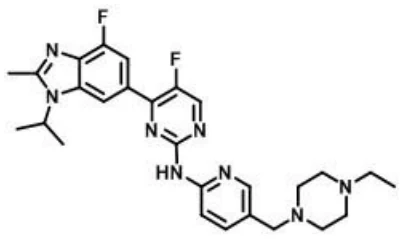
Physicochemical properties: Abemaciclib is a practically white to yellow powder. Abemaciclib has pH dependent solubility and is considered highly soluble, with solubility ≥5 mg/mL up to pH 6.0 and 1.577 mg/mL at pH 6.8 in aqueous media.
14 Clinical Trials
14.1 Clinical Trials by Indication
Early Breast Cancer-Combination with Endocrine Therapy
Table 23 - Summary of Trial Design and Patient Demographics –monarchE- Early Breast Cancer combination with Endocrine Therapy
| Trial design | Dosage, route of administration and duration | Study subjects (n) | Median age (Range) |
| Randomized (1:1), Phase III, open label, multicenter study | Patients (adult women and men) received 2 years of VERZENIO (150 mg orally twice daily on a continuous schedule) plus physician’s choice of standard endocrine therapy or choice of standard endocrine therapy alone. After the end of the study treatment period, standard adjuvant endocrine therapy continued for a duration of at least 5 years if deemed medically appropriate | VERZENIO + standard endocrine therapy (N=2808) standard endocrine therapy alone (N=2829) (5637 total) | VERZENIO + standard endocrine therapy = 51 (23-89) years standard endocrine therapy alone = 51 (22-86) years |
The efficacy of VERZENIO plus physician's choice of standard endocrine therapy was evaluated in monarchE, a randomized (1:1), open-label, multicenter study in adult women and men with HR-positive, HER2-negative, node-positive, resected, early breast cancer (EBC) with clinical and pathological features consistent with a high risk of disease recurrence. To be enrolled, all patients had to have HR positive, HER2-negative EBC with tumor involvement in at least 1 axillary lymph node (pALN). Two cohorts of patients were enrolled. To be enrolled in cohort 1, patients needed to have either ≥4 pALN, or pALN 1-3 and tumor grade 3 and/or tumor size ≥ 50 mm. To be enrolled in cohort 2, patients were required to have pALN 1-3 and Ki-67 score of ≥20% as measured in untreated breast tumor tissue, using a clinical trial assay at a central laboratory. For patients in cohort 1 with available untreated breast tissue samples, retrospective central testing of tissue was conducted to establish if the Ki-67 score was ≥20% or < 20% (specified in the protocol as “Ki-67 high” or “Ki-67 low”, respectively). The intent to treat (ITT) population included patients from both cohort 1 (n=5120) and cohort 2 (n=517). Randomization to treatment was stratified by prior treatment (neoadjuvant chemotherapy versus adjuvant chemotherapy versus no chemotherapy); menopausal status (premenopausal versus postmenopausal); and region (North America/Europe versus Asia versus other). Men were stratified as postmenopausal.
Patients were randomly assigned to receive 150 mg of VERZENIO orally, twice daily, plus endocrine therapy or endocrine therapy alone, VERZENIO was given orally, without regard to food, with at least 6 hours separating doses on a continuous schedule. Patients received VERZENIO for up to 2 years or until disease recurrence, or unacceptable toxicity. After the end of the study treatment period, standard adjuvant endocrine therapy continued for a duration of at least 5 years if deemed medically appropriate.
Initial endocrine therapy received by patients included letrozole (39%), tamoxifen (31%), anastrozole (22%), or exemestane (8%), and 22% of patients received ovarian suppression at any time.
Demographics and baseline characteristics are outlined in Table 24.
Table 24 - Baseline Demographic and Disease Characteristics for the Intent to Treat (ITT) Population – monarchE – Early Breast Cancer combination with Endocrine Therapy
| Demographic Parameter | VERZENIO + Endocrine Therapy N=2808 | Endocrine Therapy Alone N=2829 | Total (N=5637) | ||||||||||
|---|---|---|---|---|---|---|---|---|---|---|---|---|---|
| Age (years) | Median age (range) | 51 (23-89) | 51 (22-86) | 51 (22-89) | |||||||||
| Age group, n (%) | Age <65 years | 2371 (84.4) | 2416 (85.4) | 4787 (84.9) | |||||||||
| Age ≥65 years | 437 (15.6) | 413 (14.6) | 850 (15.1) | ||||||||||
| Gender, n (%) | Women | 2787 (99.3) | 2814 (99.5) | 5601 (99.4) | |||||||||
| Men | 21 (0.7) | 15 (0.5) | 36 (0.6) | ||||||||||
| Race, n (%)a | White | 1947 (70.3) | 1978 (71.0) | 3925 (70.7) | |||||||||
| Asian | 675 (24.4) | 669 (24.0) | 1344 (24.2) | ||||||||||
| American Indian/Alaska Native | 64 (2.3) | 58 (2.1) | 122 (2.2) | ||||||||||
| 57 (2.1) | 53 (1.9) | 110 (2.0) | |||||||||||
| Multiple | 22 (0.8) | 25 (0.9) | 47 (0.8) | ||||||||||
| Native Hawaiian or Other Pacific Islander | 3 (0.1) | 4 (0.1) | 7 (0.1) | ||||||||||
| Menopausal status, n (%) | Premenopausal | 1225 (43.7) | 1224 (43.3) | 2449 (43.5) | |||||||||
| Postmenopausal | 1578 (56.3) | 1605 (56.7) | 3183 (56.5) | ||||||||||
| Number of positive lymph nodes, n (%) | 0 | 7 (0.2) | 7 (0.2) | 14 (0.2) | |||||||||
| 1-3 | 1119 (39.9) | 1143 (40.4) | 2262 (40.1) | ||||||||||
| ≥4 | 1680 (59.8) | 1679 (59.3) | 3359 (59.6) | ||||||||||
| Prior systemic therapy, n (%) | (Neo)adjuvant | 1056 (37.6) | 1070 (37.8) | 2126 (37.7) | |||||||||
| Chemotherapy | 1026 (36.5) | 1029 (36.4) | 2055 (36.5) | ||||||||||
| Endocrine therapy | 86 (3.1) | 97 (3.4) | 183 (3.2) | ||||||||||
| Adjuvant | 2447 (87.1) | 2471 (87.3) | 4918 (87.2) | ||||||||||
| Chemotherapy | 1734 (61.8) | 1731 (61.2) | 3465 (61.5) | ||||||||||
| Endocrine therapy | 1764 (62.8) | 1795 (63.4) | 3559 (63.1) | ||||||||||
| Radiotherapy | 2680 (95.4) | 2700 (95.4) | 5380 (95.4) | ||||||||||
| Histological grade of tumor, n (%) | Grade 1 | 209 (7.4) | 215 (7.6) | 424 (7.5) | |||||||||
| Grade 2 | 1373 (48.9) | 1395 (49.3) | 2768 (49.1) | ||||||||||
| Grade 3 | 1090 (38.8) | 1066 (37.7) | 2156 (38.2) | ||||||||||
| Grade cannot be assessed | 126 (4.5) | 140 (4.9) | 266 (4.7) | ||||||||||
| Primary tumor size by pathology following definitive surgery | <20 mm | 780 (27.8) | 765 (27.0) | 1545 (27.4) | |||||||||
| ≥20 mm but <50 mm | 1369 (48.8) | 1419 (50.2) | 2788 (49.5) | ||||||||||
| ≥50 mm | 610 (21.7) | 612 (21.6) | 1222 (21.7) | ||||||||||
| Progesterone Receptor status, n (%) | Positive | 2421 (86.2) | 2453 (86.7) | 4874 (86.5) | |||||||||
| Negative | 298 (10.6) | 294 (10.4) | 592 (10.5) | ||||||||||
| Estrogen receptor status, n (%) | Positive | 2782 (99.1) | 2807 (99.2) | 5589 (99.1) | |||||||||
| Negative | 16 (0.6) | 17 (0.6) | 33 (0.6) | ||||||||||
| Disease stage at initial diagnosis, n (%) | Stage IA | 2 (0.1) | 1 (0.04) | 3 (0.1) | |||||||||
| Stage IIA | 323 (11.5) | 353 (12.5) | 676 (12.0) | ||||||||||
| Stage IIB | 389 (13.9) | 387 (13.7) | 776 (13.8) | ||||||||||
| Stage IIIA | 1027 (36.6) | 1024 (36.2) | 2051 (36.4) | ||||||||||
| Stage IIIB | 104 (3.7) | 91 (3.2) | 195 (3.5) | ||||||||||
| Stage IIIC | 950 (33.8) | 962 (34.0) | 1912 (33.9) | ||||||||||
| Central lab Ki-67 results from untreated tumor, n (%) | <20% | 953 (33.3) | 973 (34.4) | 1926 (34.2) | |||||||||
| ≥20% | 1262 (44.9) | 1233 (43.6) | 2495 (44.3) | ||||||||||
a Race not reported for 1.5%.
MonarchE – Study Results
The primary end point was invasive disease–free survival (IDFS). IDFS was defined as the time from randomization to the first occurrence of ipsilateral invasive breast tumor recurrence, regional invasive breast cancer recurrence, distant recurrence, contralateral invasive breast cancer, second primary non-breast invasive cancer, or death attributable to any cause. At the second interim efficacy analysis, with a median follow-up of 15.5 months, a statistically significant improvement in IDFS was observed in patients who received VERZENIO plus endocrine therapy versus those who received endocrine therapy alone. Patients treated with VERZENIO plus endocrine therapy had a 25.3% reduction in risk of recurrence or death compared to patients treated with endocrine therapy alone.
At the time of the second overall survival interim analysis (OS IA2), with median follow up of 42 months,.efficacy results were updated for the ITT population. All patients were off study treatment with approximately 82% of patients completing the 2-year on-study treatment period.
Patients treated with VERZENIO plus endocrine therapy had a clinically meaningful reduction of 33.6% in risk of recurrence or death compared to patients treated with endocrine therapy alone. The Kaplan-Meier curves continue to separate over time beyond the 2-year treatment period of VERZENIO, demonstrating a clinically meaningful absolute improvement in 4-year IDFS rate of 6.4%. Consistent benefit was observed across patient stratification subgroups of geographic region, prior chemotherapy, and menopausal status . Also, patients treated with VERZENIO plus endocrine therapy had a 34.1% reduction in risk of distant recurrence or death [distant relapse free survival (DRFS), a secondary endpoint] ,compared to patients treated with endocrine therapy alone and a clinically meaningful absolute improvement in 4 year DRFS rate, of 5.9% . The most common sites of distant recurrence were bone, liver, and lung.
At the final OS analysis with median follow up of 76 months, patients treated with VERZENIO plus endocrine therapy had a statistically significant improvement in overall survival, with a reduction in the risk of death of 15.8% compared to patients treated with endocrine therapy alone.
Efficacy results from the monarchE study are summarized in Table 25. The Kaplan-Meier curve for IDFS is shown in Figure 1.
Table 25 - Efficacy Results of monarchE– Intent-to-Treat Population – Early Breast Cancer combination with Endocrine Therapy
VERZENIO + Endocrine Therapy N=2808 | Endocrine Therapy Alone N=2829 | |||||||||
| Primary endpoint | ||||||||||
| Invasive Disease–Free Survival (IDFS) | ||||||||||
| Number of patients with an event (n, %) | 336 (12.0) | 499 (17.6) | ||||||||
| Hazard ratio (95% CI) | 0.664 (0.578, 0.762) | |||||||||
| p-value | 0.0096a | |||||||||
| IDFS at 48 months (95% CI) | 85.8 (84.2, 87.3) | 79.4 (77.5, 81.1) | ||||||||
| Key secondary endpoints | ||||||||||
| Distant Relapse Free Survival (DRFS)b | ||||||||||
| Number of patients with an event (n, %) | 281 (10.0) | 421 (14.9) | ||||||||
| Hazard ratio (95% CI) | 0.659 (0.567, 0.767) | |||||||||
| DRFS at 48 months (95% CI) | 88.4 (86.9, 89.7) | 82.5 (80.7, 84.1) | ||||||||
Abbreviation: CI = confidence interval.
a This p-value is from the pre-specified interim IDFS analysis. IDFS data from OS Interim Analysis 2 (OS IA2)
b Distant relapse free survival is defined as the time from randomization to distant recurrence or death from any cause, whichever occurs first. DRFS data from the OS IA2
C OS data from the final OS analysis
VERZENIO + Endocrine Therapy N=2808 | Endocrine Therapy Alone N=2829 | ||||||
| Overall Survival (OS)c | |||||||
| Number of patients with an event (n, %) | 301 (10.7) | 360 (12.7) | |||||
| Hazard ratio (95% CI) | 0.842 (0.722, 0.981) | ||||||
| p-value | 0.0273 | ||||||
| OS at 84 months (%, 95% CI) | 86.8 (85.1, 88.3) | 85.0 (83.3, 86.4) | |||||
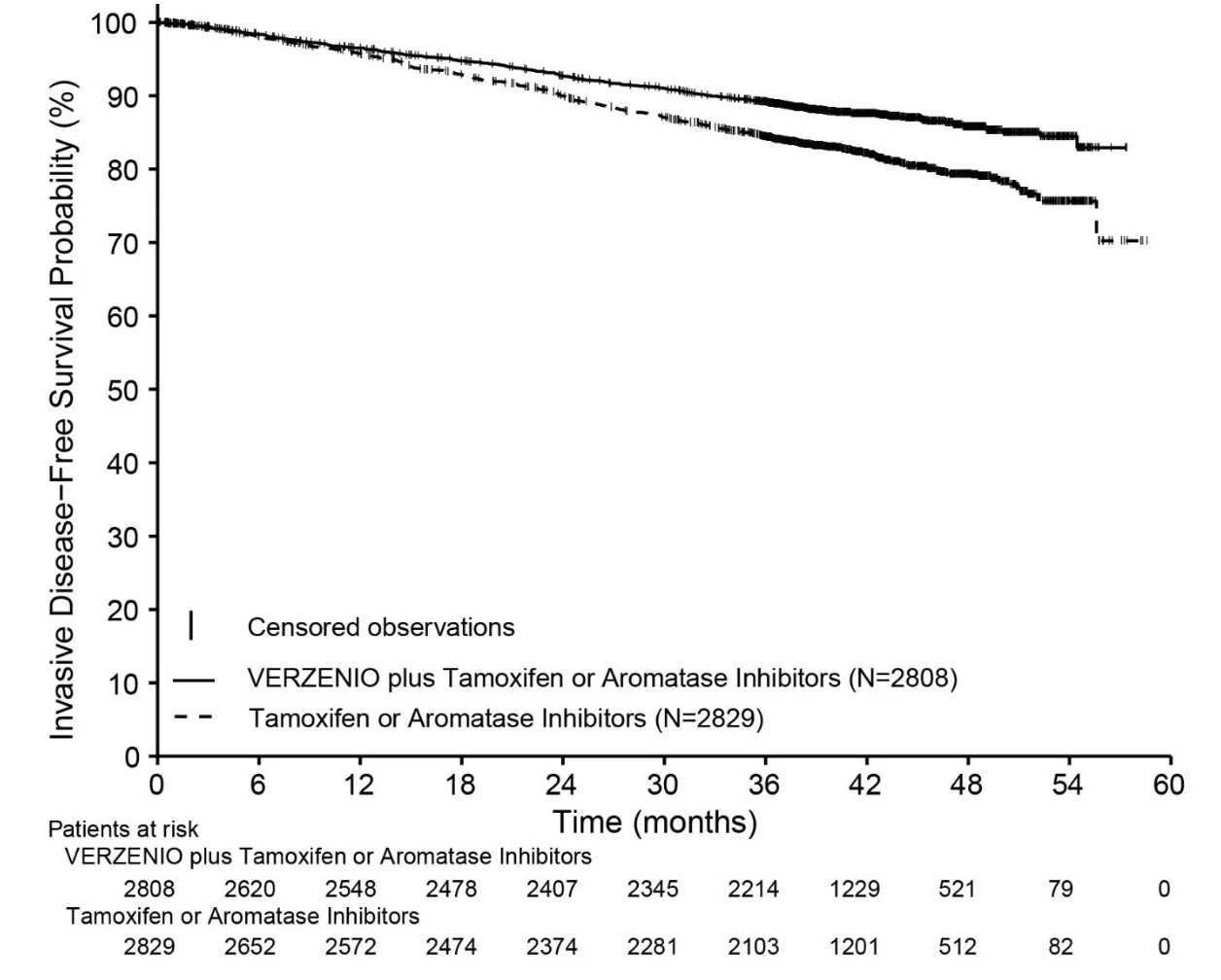
Figure 1: Kaplan-Meier Curves of IDFS : VERZENIO plus Endocrine Therapy versus Endocrine Therapy Alone for the Intent-to-Treat Population – monarchE
Metastatic Breast Cancer
Combination with an Aromatase Inhibitor
VERZENIO (abemaciclib) for the treatment of hormone receptor (HR)-positive, human epidermal growth factor receptor 2 (HER2)-negative advanced or metastatic breast cancer in combination with an aromatase inhibitor in postmenopausal women as initial endocrine based therapy.
Table 26 - Summary of Trial Design and Patient Demographics in MONARCH 3 - Metastatic Breast Cancer combination with an Aromatase Inhibitor
| Trial design | Dosage, route of administration and duration | Study subjects (n) | Median age (Range) |
| Randomized (2:1), Phase III, double-blinded, placebo-controlled, multicenter study | Patients received VERZENIO (150 mg orally twice daily on a continuous schedule) or placebo, plus physician’s choice of a NSAI (letrozole 2.5 mg or anastrozole 1 mg, orally once daily) on a 28 day cycle. | VERZENIO + NSAI (N=328) Placebo + NSAI (N=165) (493 total) | VERZENIO + NSAI = 63 (38-87) years Placebo + NSAI = 63 (32-88) years |
The efficacy of VERZENIO in combination with a non-steroidal aromatase inhibitor (NSAI) was evaluated in MONARCH 3, a randomized, placebo-controlled multicenter study in postmenopausal women with hormone receptor positive (HR-positive), human epidermal growth factor receptor 2 (HER2)-negative advanced (not amenable to curative therapy) or metastatic breast cancer who had not received prior systemic therapy in this disease setting. Patients could have received (neo)adjuvant endocrine therapy if they were at least 12 months from end of therapy. A total of 493 patients were randomized to receive VERZENIO or placebo orally twice daily in combination with physician’s choice of letrozole (80% of patients) or anastrozole (20% of patients). Randomization was stratified by metastatic disease site (visceral, bone only, or other) and by prior (neo)adjuvant endocrine therapy (aromatase inhibitor versus other versus no prior endocrine therapy).
VERZENIO or placebo was given orally, without regard to food, every 12 (±2) hours on Days 1 through 28 of a 28 day cycle. Patients received study treatment until objective disease progression or unacceptable toxicity. Crossover between treatment arms was not allowed.
Demographics and baseline characteristics are outlined in Table 27.
Table 27 - Baseline Demographic and Disease Characteristics for the Intent to Treat (ITT) Population – MONARCH 3- Metastatic Breast Cancer combination with an Aromatase Inhibitor
| Demographic Parameter | VERZENIO + anastrozole or letrozole (N=328) | Placebo + anastrozole or letrozole (N=165) | Total (N=493) | ||||||||||
|---|---|---|---|---|---|---|---|---|---|---|---|---|---|
| Age (years) | Median age (range) | 63.0 (38.0-87.0) | 63.0 (32.0-88.0) | 63.0 (32.0-88.0) | |||||||||
| Age group n (%) | Age <65 years | 180 (54.9) | 91 (55.2) | 271 (55.0) | |||||||||
| Age ≥65 years | 148 (45.1) | 74 (44.8) | 222 (45.0) | ||||||||||
| Race, n (%)a | White | 186 (56.7) | 102 (61.8) | 288 (58.4) | |||||||||
| Asian | 103 (31.4) | 45 (27.3) | 148 (30.0) | ||||||||||
| 5 (1.5) | 3 (1.8) | 8 (1.6) | |||||||||||
| Other | 6 (1.8) | 4 (2.4) | 10 (2.0) | ||||||||||
| ECOG performance status (PS), n (%) | 0 | 192 (58.5) | 104 (63.0) | 296 (60.0) | |||||||||
| 1 | 136 (41.5) | 61 (37.0) | 197 (40.0) | ||||||||||
| Stage of disease at initial diagnosis, n (%) | Stage III | 62 (18.9) | 24 (14.5) | 86 (17.4) | |||||||||
| Stage IV | 132 (40.2) | 61 (37.0) | 193 (39.1) | ||||||||||
| Disease Setting at Study Entry, n (%) | De novo metastatic | 135 (41.2) | 61 (37.0) | 196 (39.8) | |||||||||
| Metastatic recurrent | 182 (55.5) | 99 (60.0) | 281 (57.0) | ||||||||||
| Locoregionally recurrent | 11 (3.4) | 5 (3.0) | 16 (3.2) | ||||||||||
| Progesterone Receptor (PgR) status, n (%) | Positive | 255 (77.7) | 127 (77.0) | 382 (77.5) | |||||||||
| Negative | 70 (21.3) | 36 (21.8) | 106 (21.5) | ||||||||||
| Disease site, n (%) | Visceral | 172 (52.4) | 89 (53.9) | 261 (52.9) | |||||||||
| Non-visceral | |||||||||||||
| Bone only | 70 (21.3) | 39 (23.6) | 109 (22.1) | ||||||||||
| Other | 86 (26.2) | 37 (22.4) | 123 (24.9) | ||||||||||
| Number of organ sites | |||||||||||||
| 1 | 96 (29.3) | 47 (28.5) | 143 (29.0) | ||||||||||
| 2 | 76 (23.2) | 42 (25.5) | 118 (23.9) | ||||||||||
| ≥3 | 154 (47.0) | 75 (45.5) | 229 (46.5) | ||||||||||
| Treatment-free interval, n (%) | Patients with adjuvant therapy, n (%) | 137 (97.9) | 72 (100.0) | 209 (98.6) | |||||||||
| ≤24 months | 22 (15.7) | 19 (26.4) | 41 (19.3) | ||||||||||
| >24 months | 115 (82.1) | 53 (73.6) | 168 (79.2) | ||||||||||
| Prior systemic therapy, n (%) | (Neo)adjuvant and/or adjuvantb | 166 (50.6) | 85 (51.5) | 251 (50.9) | |||||||||
| Endocrine | 141 (43.0) | 78 (47.3) | 219 (44.4) | ||||||||||
| Aromatase inhibitorc | 85 (25.9) | 50 (30.3) | 135 (27.4) | ||||||||||
| Chemotherapy | 125 (38.1) | 66 (40.0) | 191 (38.7) | ||||||||||
Abbreviation: ECOG = Eastern Cooperative Oncology Group.
a Race not reported for 8.5%.
b Patients may have received treatment in more than 1 setting.
c Patient reported.
MONARCH 3 – Study Results
The primary efficacy objective was investigator-assessed progression-free survival (PFS) evaluated according to Response Evaluation Criteria in Solid Tumors (RECIST) Version 1.1. Secondary efficacy endpoints included overall survival (OS) and objective response rate (ORR).
The final analysis, performed at a median follow-up time of 26.7 months for both treatment arms, indicated that patients who received VERZENIO with a NSAI had a statistically significant 46% reduction in the risk of disease progression or death compared to those treated with placebo plus a NSAI. Data from an independent radiographic review was supportive of this treatment effect. Efficacy results from the MONARCH 3 study are summarized in Table 28 and the Kaplan-Meier curve for PFS is shown in Figure 3.
Table 28 - Efficacy Results of MONARCH 3 (Investigator Assessment) – Intent-to-Treat (ITT) Population - Metastatic Breast Cancer combination with an Aromatase Inhibitor
| VERZENIO + anastrozole or letrozole | Placebo + anastrozole or letrozole | |||||||||||
| Progression-Free Survivala | N=328 | N=165 | ||||||||||
| Median, months (95% CI) | 28.18 (23.51, NR) | 14.76 (11.24, 19.20) | ||||||||||
| Hazard ratio (95% CI) | 0.540 (0.418, 0.698) | |||||||||||
| p-value (2-sided) log-rank stratified | p<.0001 | |||||||||||
| Objective Response Rate for Patients with Measurable Disease | N=267 | N=132 | ||||||||||
| Objective response ratea,b, n (%) | 163 (61.0) | 60 (45.5) | ||||||||||
| 95% CI | 55.2, 66.9 | 37.0, 53.9 | ||||||||||
| Complete response, n (%) | 9 (3.4) | 0 | ||||||||||
| Partial response, n (%) | 154 (57.7) | 60 (45.5) | ||||||||||
Abbreviation: CI = confidence interval, RECIST = Response Evaluation Criteria in Solid Tumors.
a Evaluated according to RECIST version 1.1.
b Complete response + partial response.
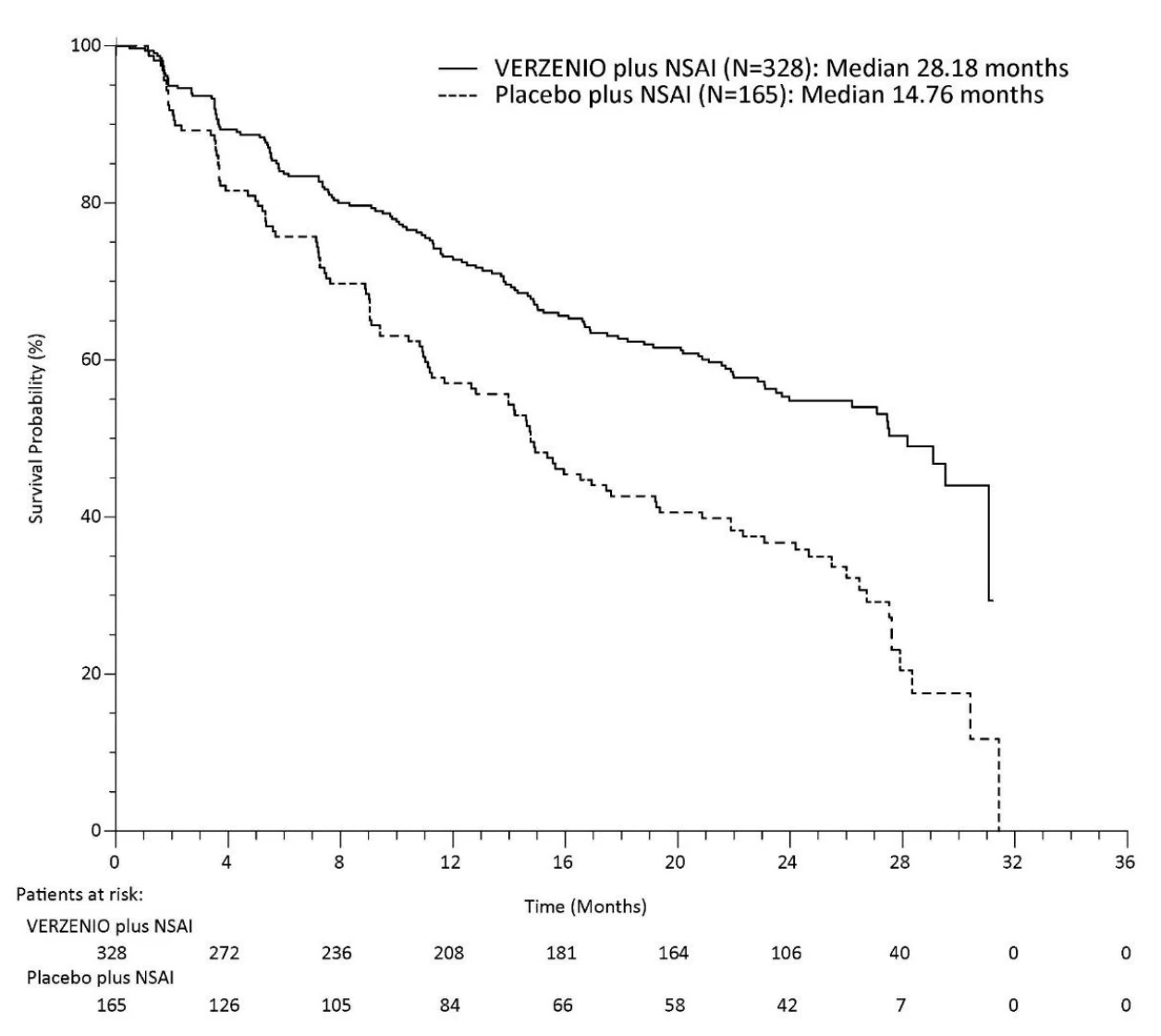
Figure 3. Kaplan-Meier Curves of Progression-Free Survival: VERZENIO plus NSAI versus Placebo plus NSAI – MONARCH 3
A series of prespecified subgroup PFS analyses were performed based on prognostic factors and baseline characteristics. Consistent benefit was observed across predefined patient subgroups (Figure 4).
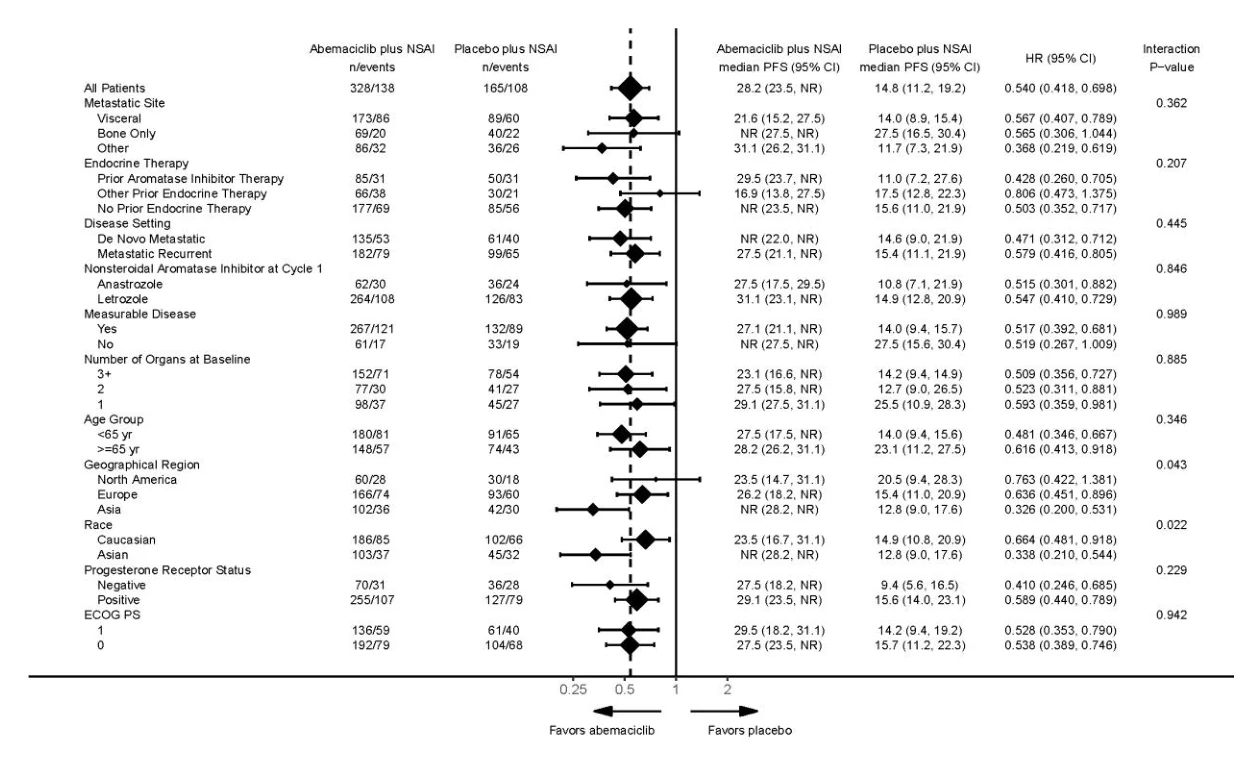
Figure 4. Forest Plot of Subgroup Analyses of Progression-Free Survival by Investigator Assessment, Intent-to-Treat Population – MONARCH 3
Overall survival data were not mature at the time of the final PFS analysis. With a total of 93 events observed (63 events in the VERZENIO plus NSAI arm and 30 events in the placebo plus NSAI arm), the hazard ratio (HR) was 1.057.
Metastatic Breast Cancer
Combination with Fulvestrant
VERZENIO (abemaciclib) for the treatment of hormone receptor (HR)-positive, human epidermal growth factor receptor 2 (HER2)-negative advanced or metastatic breast cancer in combination with fulvestrant in women with disease progression following endocrine therapy
Table 29 - Summary of Trial Design and Patient Demographics in MONARCH 2- Metastatic Breast Cancer combination with Fulvestrant
| Trial design | Dosage, route of administration and duration | Study subjects (n) | Median age (Range) |
| Randomized (2:1), Phase III, placebo-controlled, multicenter study | Patients received VERZENIO (150 mg orally twice daily on a continuous schedule), or placebo, plus intramuscular injection of 500 mg fulvestrant on day 1 and 15 of cycle 1 and day 1 of cycle 2 and beyond. | VERZENIO + fulvestrant (N=446) Placebo + Fulvestrant (N=223) (669 total) | VERZENIO + Fulvestrant = 59 (32-91) Placebo + Fulvestrant = 62 (32-87) |
The efficacy of VERZENIO in combination with fulvestrant was evaluated in MONARCH 2, a randomized, placebo-controlled, multicenter study in women with HR-positive, HER2-negative advanced or metastatic breast cancer who had disease progression following endocrine therapy and who had not received chemotherapy in the metastatic setting. Randomization was stratified by metastatic disease site (visceral, bone only, or other) and by sensitivity to prior endocrine therapy (primary or secondary resistance).
VERZENIO or placebo was given orally, without regard to food, every 12 (±2) hours on Days 1 through 28 of a 28-day cycle. Patients received study treatment until disease progression or unacceptable toxicity. Pre-/perimenopausal women enrolled in the study received a gonadotropin-releasing hormone agonist (e.g., goserelin) for at least 4 weeks prior to and for the duration of treatment. Crossover between treatment arms was not allowed.
Demographics and baseline characteristics are outlined in Table 30.
Table 30 - Baseline Demographic and Disease Characteristics for the Intent to Treat (ITT) Population – MONARCH 2 - Metastatic Breast Cancer combination with Fulvestrant
| Demographic Parameter | VERZENIO + Fulvestrant (N=446) | Placebo + Fulvestrant (N=223) | Total (N=669) | |||||||||||
|---|---|---|---|---|---|---|---|---|---|---|---|---|---|---|
| Age (years) | Median age (range) | 59.0 (32.0-91.0) | 62.0 (32.0-87.0) | 60.0 (32.0-91.0) | ||||||||||
| Age group n (%) | Age <65 years | 291 (65.3) | 133 (59.6) | 424 (63.4) | ||||||||||
| Age ≥65 years | 155 (34.8) | 90 (40.4) | 245 (36.6) | |||||||||||
| Menopausal status, n (%) | Pre-/perimenopausal | 72 (16.1) | 42 (18.8) | 114 (17.0) | ||||||||||
| Postmenopausal | 371 (83.2) | 180 (80.7) | 551 (82.4) | |||||||||||
| Race, n (%)a | White | 237 (53.1) | 136 (61.0) | 373 (55.8) | ||||||||||
| Asian | 149 (33.4) | 65 (29.1) | 214 (32.0) | |||||||||||
| 9 (2.0) | 5 (2.2) | 14 (2.1) | ||||||||||||
| Other | 18 (4.0) | 8 (3.6) | 26 (3.9) | |||||||||||
| ECOG performance status (PS), n (%) | 0 | 264 (59.2) | 136 (61.0) | 400 (59.8) | ||||||||||
| 1 | 176 (39.5) | 87 (39.0) | 263 (39.3) | |||||||||||
| Stage of disease at initial diagnosis, n (%) | Stage III | 113 (25.4) | 51 (22.9) | 164 (24.5) | ||||||||||
| Stage IV | 86 (19.3) | 45 (20.2) | 131 (19.6) | |||||||||||
| Progesteron e receptor (PgR) status, n (%) | Positive | 339 (76.0) | 171 (76.7) | 510 (76.2) | ||||||||||
| Negative | 96 (21.5) | 44 (19.7) | 140 (20.9) | |||||||||||
| Endocrine therapy resistance, n (%) | Primary resistance | 111 (24.9) | 58 (26.0) | 169 (25.3) | ||||||||||
| Secondary resistance | 326 (73.1) | 163 (73.1) | 489 (73.1) | |||||||||||
| Metastatic disease site, n (%) | Visceral | 245 (54.9) | 128 (57.4) | 373 (55.8) | ||||||||||
| Non-visceral | ||||||||||||||
| Bone only | 123 (27.6) | 57 (25.6) | 180 (26.9) | |||||||||||
| Other | 75 (16.8) | 38 (17.0) | 113 (16.9) | |||||||||||
Treatment in locally advanced/ metastatic setting, n (%) | Endocrine | 173 (38.8) | 86 (38.6) | 259 (38.7) | ||||||||||
| Letrozole | 95 (21.3) | 41 (18.4) | 136 (20.3) | |||||||||||
| Anastrozole | 28 (6.3) | 15 (6.7) | 43 (6.4) | |||||||||||
| Exemestane | 14 (3.1) | 9 (4.0) | 23 (3.4) | |||||||||||
| Tamoxifen | 48 (10.8) | 24 (10.8) | 72 (10.8) | |||||||||||
Abbreviation: ECOG = Eastern Cooperative Oncology Group.
a Race not reported for 4.2%.
MONARCH 2 – Study Results
The primary efficacy outcome measure was investigator-assessed progression-free survival (PFS) evaluated according to RECIST v1.1. Secondary efficacy endpoints included OS and ORR.
The efficacy analyses, performed at a median follow-up time of 20 months for both treatment arms, indicated that patients who received VERZENIO with fulvestrant had a statistically significant 44.7% reduction in the risk of disease progression or death compared to those treated with placebo plus fulvestrant (Table 31 and Figure 5). Data from an independent radiographic review was supportive of this treatment effect. Consistent benefit was observed across predefined patient subgroups and menopausal status (Figure 6).
A preplanned overall survival (OS) analysis was performed after 338 events (211 in the VERZENIO with fulvestrant arm and 127 in the placebo with fulvestrant arm). Based on a pre-specified interim analysis on OS, a statistically significant increase in survival was observed in the VERZENIO plus fulvestrant arm compared to the placebo plus fulvestrant arm, with a hazard ratio of 0.757 (95% confidence interval: 0.606 to 0.945, 2-sided p=.0137). The median OS was 46.7 months in the VERZENIO plus fulvestrant arm versus 37.3 months in the placebo plus fulvestrant arm (Table 31 and Figure 7). Consistent benefit was observed across the predefined patient subgroups.
Efficacy results from the MONARCH 2 study are summarized in Table 31 and the Kaplan-Meier curves for PFS and OS are shown in Figure 5, and Figure 7, respectfully.
Table 31 - Efficacy Results of MONARCH 2– Intent-to-Treat (ITT) Population - Metastatic Breast Cancer combination with Fulvestrant
| VERZENIO + Fulvestrant | Placebo + Fulvestrant | |||||||||||
Progression-Free Survivala (Investigator Assessment) | N=446 | N=223 | ||||||||||
| Median, months (95% CI) | 16.4 (14.4, 19.3) | 9.3 (7.4, 11.4) | ||||||||||
| Hazard ratio (95% CI) | 0.553 (0.449, 0.681) | |||||||||||
| p-value (2-sided) log-rank stratified | p<.0001 | |||||||||||
| Overall Survivalb | ||||||||||||
| Number of deaths (%) | 211 (47.3) | 127 (57.0) | ||||||||||
| Median – months (95% CI) | 46.7 (39.2, 52.2) | 37.3 (34.4, 43.2) | ||||||||||
| Hazard ratio (95% CI) | 0.757 (0.606, 0.945) | |||||||||||
| p-value (2-sided) log-rank stratified | p= .0137 | |||||||||||
| Objective Response Rate for Patients with Measurable Disease | N=318 | N=164 | ||||||||||
| Objective response ratea,c, n (%) | 153 (48.1) | 35 (21.3) | ||||||||||
| 95% CI | 42.6, 53.6 | 15.1, 27.6 | ||||||||||
| Complete response, n (%) | 11 (3.5) | 0 (0.0) | ||||||||||
| Partial response, n (%) | 142 (44.7) | 35 (21.3) | ||||||||||
Abbreviation: CI = confidence interval, RECIST = Response Evaluation Criteria in Solid Tumors.
a Evaluated according to RECIST version 1.1.
b The interim analysis for OS data was conducted after 338 events.
c Complete response + partial response.
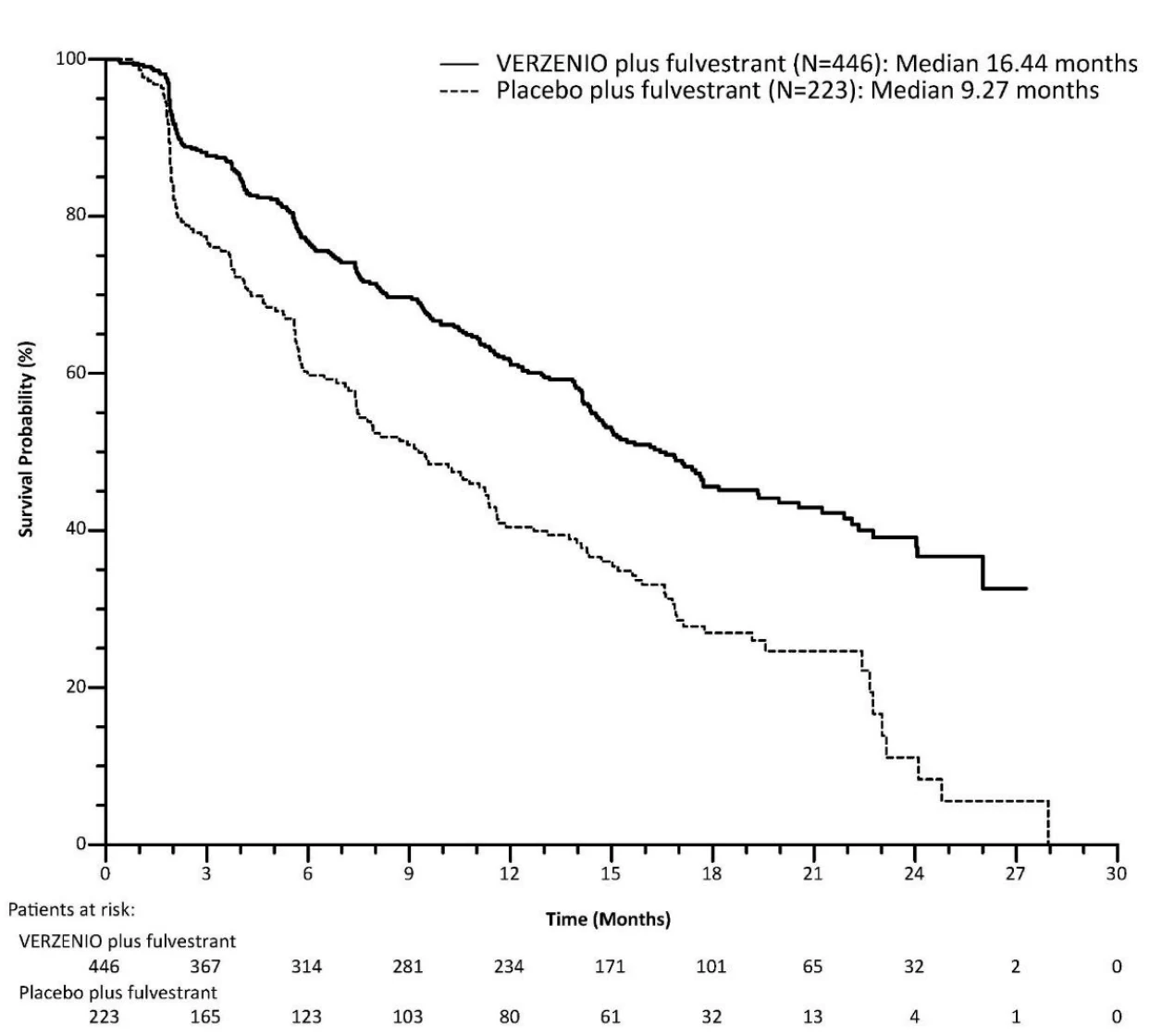
Figure 5. Kaplan-Meier Curves of Progression-Free Survival: VERZENIO plus Fulvestrant versus Placebo plus Fulvestrant – MONARCH 2
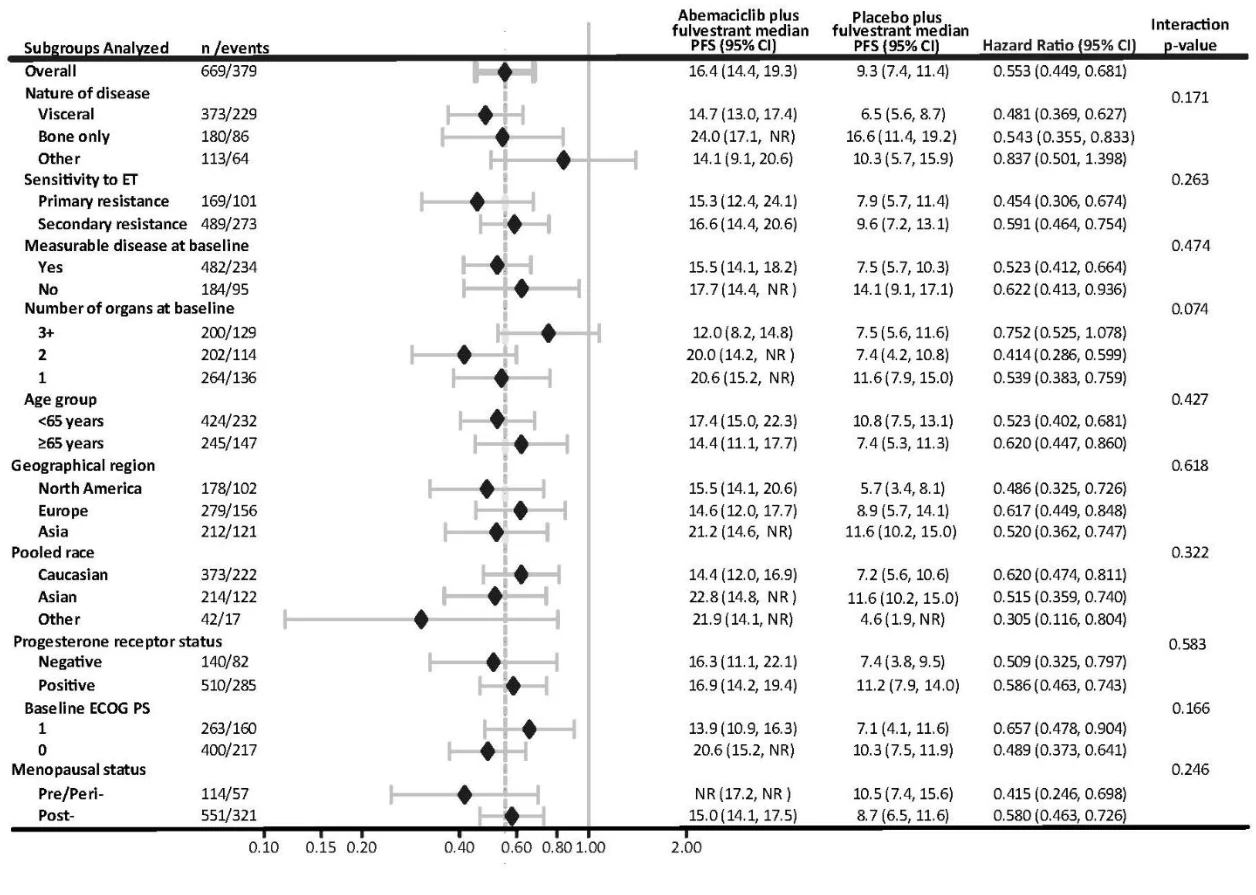
Figure 6. Forest Plot of Summary of Progression-Free Survival by Select Subgroups, Intent-to-Treat Population – MONARCH 2
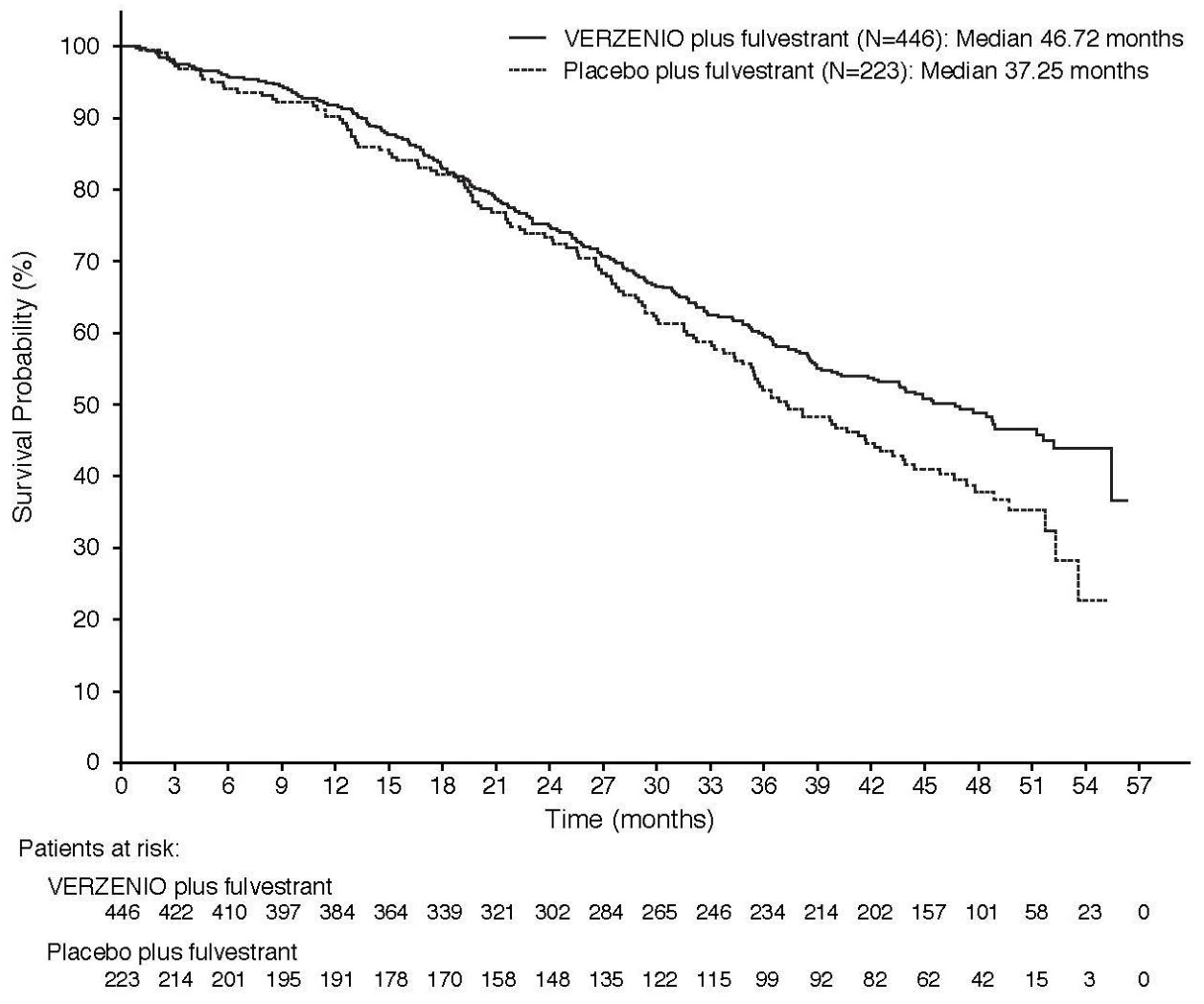
Figure 7. Kaplan-Meier Curves of Overall Survival: VERZENIO plus Fulvestrant versus Placebo plus Fulvestrant – MONARCH 2
Metastatic Breast Cancer
Used as a Single Agent
VERZENIO (abemaciclib) for the treatment of hormone receptor (HR)-positive, human epidermal growth factor receptor 2 (HER2)-negative advanced or metastatic breast cancer as a single agent in women with disease progression following endocrine therapy and at least 2 prior chemotherapy regimens. At least one chemotherapy regimen should have been administered in the metastatic setting, and at least one should have contained a taxane
Table 32 - Summary of Trial Design and Patient Demographics in MONARCH 1 - Metastatic Breast Cancer used as a Single Agent
| Trial design | Dosage, route of administration and duration | Study subjects (n) | Median age (Range) |
| Single arm, Phase II, open-label, multicenter study | Patients received VERZENIO 200 mg orally twice daily on a continuous schedule. | Single-agent VERZENIO (N=132) | Single-agent VERZENIO = 58 (36-89) years |
The efficacy of single agent VERZENIO was evaluated in MONARCH 1, a single-arm, open-label, multicenter study in women with previously treated HR-positive, HER2-negative metastatic breast cancer with disease progression on or following prior endocrine therapy and at least 2 chemotherapy regimens (including a taxane in any setting and no more than 2 regimens in the metastatic setting). All patients had measurable disease at study entry. VERZENIO was given orally (with no food 1 hour before or 1 hour after drug administration) every 12 (±2) hours on Days 1 through 28 of a 28-day cycle. Study treatment continued until disease progression or unacceptable toxicity. The median number of cycles received per patient was 5, with a median duration of therapy of 138.5 days.
In the metastatic setting, patients had received a median of 3 (range, 1-8) prior lines of systemic therapy and 2 (range, 1-6) lines of endocrine therapy. In the metastatic setting, chemotherapy regimens (no more than 2) included taxane-based (68.9%) capecitabine (55.3%), gemcitabine (7.6%), vinorelbine (6.8%), and eribulin (4.5%), and targeted therapies (everolimus, 28.0%).
The duration of metastatic disease (date of Stage IV disease diagnosis to date of first dose of study drug) was 27.6 months (range 0.1 to 228.9).
Demographics and baseline characteristics are outlined in Table 33.
Table 33 - Baseline Demographic and Pre-Treatment Disease Characteristics for the Intent to Treat (ITT) Population – MONARCH 1 - Metastatic Breast Cancer used as a Single Agent
| Demographic Parameter | Single Agent VERZENIO (N=132) | |||||
|---|---|---|---|---|---|---|
| Age (years) | Median age (range) | 58.0 (36.0-89.0) | ||||
| Age group n (%) | Age <65 years | 90 (68.2) | ||||
| Age ≥65 years | 42 (31.8) | |||||
| Race, n (%)a | White | 112 (84.8) | ||||
| 6 (4.5) | ||||||
| Asian | 2 (1.5) | |||||
| ECOG performance status (PS), n (%) | 0 | 73 (55.3) | ||||
| 1 | 59 (44.7) | |||||
| Disease site, n (%) | Visceral | 119 (90.2) | ||||
| Liver | 93 (70.5) | |||||
| Lung | 31 (23.5) | |||||
| Bone | 82 (62.1) | |||||
| Bone Only | 3 (2.3) | |||||
| Number of Metastatic Sites, n (%) | 1 | 19 (14.4) | ||||
| 2 | 46 (34.8) | |||||
| ≥3 | 67 (50.8) | |||||
| Prior Therapy Regimens in Metastatic Setting, n (%) | Prior Endocrine Therapy | |||||
| 1 regimen | 48 (36.4) | |||||
| 2 regimens | 25 (18.9) | |||||
| 3 regimens | 24 (18.2) | |||||
| ≥4 regimes | 18 (13.6) | |||||
| Prior Chemotherapy | ||||||
| 1 regimen | 67 (50.8) | |||||
| 2 regimens | 64 (48.5) | |||||
| 3 regimens | 1 (0.8) | |||||
Abbreviation: ECOG = Eastern Cooperative Oncology Group.
a Race not reported for 9.1%.
MONARCH 1 – Study Results
The primary efficacy outcome measure was confirmed objective response rate (ORR) by investigator assessment as defined by RECIST V1.1. Secondary efficacy endpoints included Duration of Response (DoR). An independent radiographic review of scans was also performed for efficacy assessment.
Efficacy results from the MONARCH 1 study are summarized in Table 34.
Table 34 - Efficacy Results of MONARCH 1– Intent-to-Treat (ITT) Population- Metastatic Breast Cancer used as a Single Agent
Single Agent VERZENIO N=132 | ||||||||||
| Investigator Assessed | Independent Review | |||||||||
| Objective Response Ratea, n (%) | 26 (19.7) | 23 (17.4) | ||||||||
| 95% CI | 13.3, 27.5 | 11.4, 25.0 | ||||||||
| Best Overall Responsea | ||||||||||
| Partial response, n (%) | 26 (19.7) | 23 (17.4) | ||||||||
| Complete response, n (%) | 0 | 0 | ||||||||
| Duration of Responsea | ||||||||||
| Duration of response, median, months | 8.6 | 7.2 | ||||||||
| 95% CI | 5.8, 10.2 | 5.6, NR | ||||||||
Abbreviations: CI = confidence interval, NR = not reached, RECIST = Response Evaluation Criteria in Solid Tumors.
a Evaluated according to RECIST version 1.1.
16 Non-Clinical Toxicology
General Toxicology: Repeat-dose oral toxicity studies were conducted in mice and dogs for up to 3 months and in rats for up to 6 months. The primary target organs associated with daily dosing of abemaciclib in rodents and dogs were the bone marrow, gastrointestinal tract, lymphoid tissues, and male reproductive tract. Morphologic changes in these organs were consistent with antiproliferative effects in rapidly dividing cells, including peripheral blood cytopenias and bone marrow hypocellularity; crypt necrosis/hyperplasia and villous atrophy in the intestines; lymphoid depletion; and hypospermatogenesis and atrophy in the testis. Effects in lung (alveolar macrophage accumulation and bronchoalveolar inflammation) were observed in dogs and mice treated for 3 months at exposure levels approximately 0.1 and 11 times the exposure (AUC) in humans at the recommended dose, respectively and at approximately 2.9 times human exposure in rats. Effects in lung occurred at the lowest dose tested in rats, 10 mg/kg/day.
Effects in eyes (retinal atrophy, cataracts) occurred only in rodents. Eye effects occurred at exposure levels lower than human exposure levels. Effects in kidney (tubular degeneration/regeneration, vacuolation, dilatation) and minor effects in pancreas (vacuolation, atrophy) occurred in mice treated for 3 months and rats treated for 6 months at exposure levels approximately 1.8 and 2.9 times higher than human exposure levels, respectively. Effects in kidney occurred at the lowest dose tested in rats, 10 mg/kg/day. Effects in skeletal muscles (myofiber degeneration) only occurred in rats at exposure levels approximately 6 times higher than the human exposure levels.
Complete or partial recovery was observed for all target organs at the end of the 28-day recovery period, with the exception of the effects on the male reproductive tract. Recovery of eye effects has not been assessed.
Carcinogenicity: Abemaciclib was assessed for carcinogenicity in a 2-year rat study. In 12% of male rats, daily oral administration of abemaciclib resulted in benign testicular interstitial cell adenomas at the highest dose tested, 3 mg/kg/day (approximately 1.5 times the human clinical exposure at 150 mg BID based on AUC). This finding was preceded by interstitial cell hyperplasia. At dose levels greater than or equal to 0.3 mg/kg/day (approximately 0.1 times the human clinical exposure at 150 mg BID based on AUC) interstitial cell hyperplasia was observed. It is unknown if these effects will translate to humans. There were no neoplastic findings in female rats.
Genotoxicity: Abemaciclib and its active human metabolites M2 and M20 were not mutagenic in a bacterial reverse mutation (Ames) assay or clastogenic in an in vitro chromosomal aberration assay in Chinese hamster ovary cells or human peripheral blood lymphocytes. Abemaciclib was not clastogenic in an in vivo rat bone marrow micronucleus assay.
Reproductive and Developmental Toxicology:
Fertility Studies
Abemaciclib may impair fertility in males of reproductive potential. In repeat-dose toxicity studies up to 3-months duration, abemaciclib-related findings in the testis, epididymis, prostate, and seminal vesicle at doses ≥10 mg/kg/day in rodents and ≥0.3 mg/kg/day in dogs included decreased organ weights, intratubular cellular debris, hypospermia, tubular dilatation, atrophy, and degeneration/necrosis. These doses in rats and dogs resulted in approximately 2 and 0.02 times, respectively, the exposure (AUC) in humans at the maximum recommended human dose. No effects on female reproductive organs were observed in repeat-dose toxicity studies. In a rat male fertility study, abemaciclib had no effects on reproductive performance. In a rat female fertility and early embryonic development study and in repeat-dose toxicity studies, abemaciclib did not have any effect on reproductive performance or any important effects on the female reproductive tract indicative of a risk of impaired fertility.
Embryo-Fetal Development Studies
In an embryo-fetal development study, pregnant rats received oral doses of abemaciclib up to 15 mg/kg/day during the period of organogenesis; abemaciclib was teratogenic. Doses ≥4 mg/kg/day caused decreased fetal body weights and increased incidence of cardiovascular and skeletal malformations and variations. These findings included absent innominate artery and aortic arch, malpositioned subclavian artery, unossified sternebra, bipartite ossification of thoracic centrum, and rudimentary or nodulated ribs. At 4 mg/kg/day in rats, the maternal systemic exposures were approximately equal to the human exposure (AUC) at the recommended dose.
Special Toxicology: Abemaciclib was not phototoxic in a rat phototoxicity study at oral dose levels up to 40 mg/kg. Abemaciclib did not cause dermal toxicity in a rat study in which abemaciclib was applied to the skin at dose levels up to 2000 mg/kg. Abemaciclib was not an irritant in a bovine corneal opacity and permeability test.