


Product Monograph - Winpred
Recent Major Label Changes
| 7 Warning and Precautions, Immune | 2025-11 |
|---|
Table Of Contents
Certain sections or subsections that are not applicable at the time of the preparation of the most recent authorized product monograph are not listed.
Recent Major Label Changes ................................................................................................ 2
Table Of Contents ............................................................................................................... 2
Part 1: Healthcare Professional Information ........................................................................ 5
1 Indications ...................................................................................................................... 5
1.1 Pediatrics ......................................................................................................................... 6
1.2 Geriatrics ......................................................................................................................... 6
2 Contraindications............................................................................................................ 6
3 Serious Warnings and Precautions Box ............................................................................ 7
4 Dosage and Administration ............................................................................................. 7
4.1 Dosing Considerations .................................................................................................... 7
4.2 Recommended Dose and Dosage Adjustment ............................................................... 8
4.4 Administration ................................................................................................................ 9
4.5 Missed Dose .................................................................................................................... 9
5 Overdose ........................................................................................................................ 9
6 Dosage Forms, Strengths, Composition, and Packaging.................................................... 9
7 Warnings and Precautions .............................................................................................. 9
General ..................................................................................................................................... 9
Carcinogenesis and Genotoxicity ........................................................................................... 10
Cardiovascular........................................................................................................................ 10
Endocrine and Metabolism .................................................................................................... 10
Gastrointestinal ..................................................................................................................... 11
Hematologic ........................................................................................................................... 11
Hepatic/Biliary/Pancreatic ..................................................................................................... 11
Immune .................................................................................................................................. 12
Monitoring and Laboratory Tests .......................................................................................... 13
Musculoskeletal ..................................................................................................................... 13
Neurologic .............................................................................................................................. 13
Ophthalmologic ..................................................................................................................... 14
Psychiatric .............................................................................................................................. 14
Renal ...................................................................................................................................... 14
Reproductive Health: Female and Male Potential ................................................................ 15
7.1 Special Populations ....................................................................................................... 15
7.1.1 Pregnancy ...................................................................................................................... 15
7.1.2 Breastfeeding ................................................................................................................ 15
7.1.3 Pediatrics ....................................................................................................................... 15
7.1.4 Geriatrics ....................................................................................................................... 16
8 Adverse Reactions ........................................................................................................ 16
8.1 Adverse Reaction Overview .......................................................................................... 16
9 Drug Interactions .......................................................................................................... 19
9.2 Drug Interactions Overview .......................................................................................... 19
9.4 Drug-Drug Interactions ................................................................................................. 20
9.5 Drug-Food Interactions ................................................................................................. 24
9.6 Drug-Herb Interactions ................................................................................................. 25
9.7 Drug-Laboratory Test Interactions................................................................................ 25
10 Clinical Pharmacology ................................................................................................... 25
10.1 Mechanism of Action .................................................................................................... 25
10.2 Pharmacodynamics ....................................................................................................... 25
10.3 Pharmacokinetics .......................................................................................................... 27
11 Storage, Stability, and Disposal ..................................................................................... 28
12 Special Handling Instructions ........................................................................................ 28
Part 2: Scientific Information ............................................................................................. 29
13 Pharmaceutical Information .......................................................................................... 29
14 Clinical Trials ................................................................................................................. 29
15 Microbiology ................................................................................................................ 29
16 Non-Clinical Toxicology ................................................................................................. 29
Patient Medication Information ........................................................................................ 31
Part 1: Healthcare Professional Information
1. Indications
WINPRED (prednisone tablets) is indicated for:
- Adrenocortical function abnormalities: Chronic primary adrenocortical insufficiency (Addison's disease) together with mineralocorticoid or sodium supplementation; secondary adrenocortical insufficiency; adrenogenital syndrome (congenital adrenal hyperplasia).
- Allergic Disorders: Drug-induced allergic reactions; adjunct treatment in anaphylactic or anaphylactoid reactions; adjunct treatment in angioedema; severe allergic, perennial or seasonal rhinitis; serum sickness.
- Collagen Disorders: Maintenance therapy in selected cases of acute rheumatic carditis; systemic dermatomyositis in children; systemic lupus erythematosus.
- Dermatologic Disorders: Atopic dermatitis; contact dermatitis; exfoliative dermatitis; bullous herpetiformis dermatitis; severe multiforme erythema (Stevens-Johnson syndrome); mycosis fungoides; pemphigus; severe psoriasis.
- Gastrointestinal disorders: Inflammatory bowel disease; regional enteritis (Crohn's disease).
- Hematologic disorders: Autoimmune hemolytic anemia; congenital hypoplastic anemia; erythroblastopenia; adult secondary thrombocytopenia; idiopathic thrombocytopenic purpura in adults.
- Nonrheumatic Inflammation: Acute or subacute bursitis; nonspecific acute tendosynovitis.
- Neoplastic Diseases (adjunct treatment): Indicated in conjunction with appropriate specific antineoplastic disease therapy for the palliative treatment of the following neoplastic diseases and related problems acute or chronic lymphocytic leukemia; Hodgkin's or non-Hodgkin's lymphoma.
- Nephrotic syndrome: Indicated to induce diuresis or remission of proteinuria in idiopathic nephrotic syndrome (without uremia), and to improve renal function in patients with lupus erythematosus. In idiopathic nephrotic syndrome, long-term therapy may be required to prevent frequent relapses.
- Neurologic disease: Adjunct treatment in tuberculous meningitis in patients with concurrent or impending subarachnoid block.
- Ophthalmic disorders: Chorioretinitis; diffuse posterior choroiditis; allergic, not topically controlled, conjunctivitis; herpes zoster; iridocyclitis; keratitis not associated with herpes simplex or fungal infection; optic neuritis; sympathetic ophthalmia; diffuse posterior uveitis.
- Respiratory disorders: Bronchial asthma; berylliosis; Loeffler syndrome (eosinophilic pneumonitis or hypereosinophilic syndrome); aspiration pneumonitis; symptomatic sarcoidosis; adjunct treatment in disseminated or fulminating pulmonary tuberculosis.
- Rheumatic disorders: Adjunctive therapy in ankylosing spondylitis; psoriatic arthritis; rheumatoid arthritis (including juvenile arthritis); acute gouty arthritis.
- Thyroiditis: Nonsuppurative thyroiditis.
1.1. Pediatrics
Pediatrics (< 6 years of age): Based on the data submitted and reviewed by Health Canada, the safety and efficacy of WINPRED in pediatric patients has not been established; therefore, Health Canada has not authorized an indication for pediatric use. See 4.2 Recommended Dose and Dosage Adjustment, Pediatric dose.
Pediatrics (6 to 18 years of age): See 4.2 Recommended Dose and Dosage Adjustment, Pediatric dose and 7.1.3 Pediatrics.
1.2 Geriatrics
Geriatrics (> 65 years of age): Evidence from clinical studies and experience suggests that use in the geriatric population is associated with differences in safety or effectiveness. See 4.2 Recommended Dose and Dosage Adjustment, Geriatric dose and 7.1.4. Geriatrics.
2. Contraindications
WINPRED (prednisone) is contraindicated in:
- Patients who are hypersensitive to this drug or to any ingredient in the formulation, including any non-medicinal ingredient, or component of the container. For a complete listing, see 6 Dosage Forms, Strengths, Composition and Packaging.
- Systemic fungal infections.
- Patients administered with live or live, attenuated vaccines while receiving immunosuppressive doses of glucocorticoids.
- Herpes simplex of the eye, except when used for short-term or emergency therapy as in acute sensitivity reactions.
- Patients with measles and chickenpox, except when used for short-term or emergency therapy as in acute sensitivity reactions.
- Patients with peptic ulcers and nonspecific ulcerative colitis.
- Patients with diverticulitis.
- Peptic with viral or bacterial infection not controlled by anti infectives.
- Serious Warnings and Precautions Box
Serious Warnings and Precautions
- Pheochromocytoma crisis: Pheochromocytoma crisis, which can be fatal, has been reported after administration of systemic glucocorticoids. See 7 Warnings and Precautions, Endocrine and Metabolism.
- Viral Infections: Viral infections, such as chickenpox and measles, can have a more serious or even fatal course in non-immune children or adults on glucocorticoids. See 7 Warnings and Precautions, Immune, Viral Infections.
- Strongyloides (threadworm) infestation: Glucocorticoids should be used with great care in patients with known or suspected Strongyloides (threadworm) infestation. In such patients, glucocorticoid-induced immunosuppression may lead to Strongyloides hyperinfection and dissemination with widespread larval migration, often accompanied by severe enterocolitis and potentially fatal gram-negative septicemia. See 7 Warnings and Precautions, Immune, Special pathogens.
4. Dosage and Administration
4.1. Dosing Considerations
- Dose ranges for glucocorticoids are extremely wide, and patient responses are quite variable. The amount of drug each patient receives should be individualized according to the diagnosis, severity, prognosis and probable duration of the disease, and patient response and tolerance.
- In the management of acute disorders, glucocorticoid dosage should be sufficient to ensure that symptoms are controlled quickly, and treatment should be discontinued as soon as possible. Acute disorders respond most rapidly to divided daily doses. In lifethreatening situations where adrenal insufficiency may be the precipitating cause, glucocorticoids can be administered in any dosage required without serious complications, even before a definite diagnosis has been made.
- Long-term glucocorticoid therapy should not be initiated without due consideration of its risks. If glucocorticoids are clearly necessary, the drugs should be administered in the smallest dosage possible. Patients should be continually monitored for signs that indicate dosage adjustment is necessary, such as remission or exacerbations of the disease and stress (surgery, infection, trauma). Periodic attempts should be made to decrease dosage or, preferably, to withdraw the drugs completely.
- Equipotent doses of glucocorticoids are: prednisone 1 mg.
- Discontinuation of Therapy: Although high-dose glucocorticoid therapy used for only brief periods in emergency situations may be reduced and discontinued quite rapidly, long-term therapy with pharmacologic doses of glucocorticoids may result in hypothalamic-pituitary adrenal (HPA) axis suppression by inhibiting the release of ACTH. Therefore, withdrawal following long-term therapy with pharmacologic dosages of glucocorticoids should be very gradual until recovery of HPA-axis function occurs. The time required for complete HPA function recovery following discontinuation of glucocorticoid therapy is variable.
Maintenance therapy can be discontinued when:
- Normal morning plasma cortisol concentrations greater than 10 mcg/dL.
- Response to a ACTH test is normal.
If sudden cessation of treatment is necessary, ACTH may be administered to avoid withdrawal symptoms.
4.2. Recommended Dose and Dosage Adjustment
Adult dose
- Usual adult dose is 5 to 60 mg a day as a single dose or in divided doses.
- Adult prescribing limit is 250 mg daily.
Pediatric dose
- This dosage form is not suitable for children less than 6 years old.
- For children over 6 years old, the recommended dosage should be governed by the same considerations as that for adults.
- Prolonged therapy with glucocorticoids in children should be avoided, if possible, as glucocorticoids may suppress growth. If chronic therapy is essential, then alternative day therapy should be considered to minimize this side effect.
Geriatric dose
- In general, dose selection for an elderly patient should be cautious, usually starting at the low end of the dosing range. See 7.1.4 Geriatrics.
Alternate-Day Therapy
Alternate-day therapy (ADT) is the dosage regimen of choice for long-term oral glucocorticoid treatment of most conditions. In alternate-day therapy, a single dose is administered every other morning. The drug is administered in the morning to simulate the natural circadian rhythm of glucocorticoid secretion which is high in the morning and low in the evening. This regimen provides relief of symptoms while minimizing adrenal suppression, protein catabolism, and other adverse effects. To change patients from initial divided-dose oral therapy to alternate-day therapy, twice the total daily dose that has been found to be effective may be administered as a single dose every other morning; this dose may then be gradually decreased to maintenance levels.
4.4. Administration
WINPRED tablets should be taken orally, with water.
4.5. Missed Dose
If a dose is missed, then it should be taken as soon as possible. However, if it is almost time for the next dose, then the missed dose should be skipped and regular dosing schedule resumed. Patients should not take a double dose to make up for a missed one.
5. Overdose
Treatment of acute overdosage is by supportive and symptomatic. For chronic overdosage in the face of severe disease requiring continuous steroid therapy, the dosage of glucocorticoid may be reduced only temporarily, or alternate day treatment may be introduced.
For the most recent information in the management of a suspected drug overdose, contact your regional poison control centre or Health Canada’s toll-free number, 1-844 POISON-X (1-844-764-7669).
- 6. Dosage Forms, Strengths, Composition, and Packaging
Table 1 – Dosage Forms, Strengths, and Composition
| Route of Administration | Dosage Form / Strength / Composition | Non-medicinal Ingredients |
|---|---|---|
| Oral | Tablet 1 mg | Croscarmellose sodium, lactose monohydrate, magnesium stearate, microcrystalline cellulose |
WINPRED 1 mg: Each round, white, flat-faced with bevelled edge tablet, engraved ICN on one side and W1 on the other side, contains prednisone 1 mg. Available in bottles of 100.
7. Warnings and Precautions
Please see 3 Serious Warnings and Precautions Box.
General
In patients on glucocorticoid therapy subjected to unusual stress, increased dosage of rapidly acting glucocorticoids before, during and after the stressful situation is indicated.
The lowest possible dose of glucocorticoid should be used to control the condition under treatment and when reduction in dosage is possible, the reduction should be gradual. Because complications of treatment with glucocorticoids are dependent on the size of the dose and the duration of treatment, a risk/benefit decision must be made in each individual case as to dose and duration of treatment and as to whether daily or intermittent therapy should be used.
Advise patients to inform subsequent physicians of the prior use of glucocorticoids.
Withdrawal Symptoms: Symptoms of withdrawal from glucocorticoid therapy associated with adrenal insufficiency include muscle weakness, hypotension, hypoglycemia, headache, nausea, vomiting, restlessness, and muscle and joint pain. Muscle weakness and stiff joints may persist for three to six months after treatment has been discontinued. In some instances, withdrawal symptoms may simulate a clinical relapse of the disease for which the patient has been under treatment.
Carcinogenesis and Genotoxicity
Kaposi’s sarcoma has been reported to occur in patients receiving glucocorticoid therapy. Discontinuation of glucocorticoids may result in clinical remission.
No adequate studies have been conducted in animals to determine whether glucocorticoids have a potential for carcinogenesis or mutagenesis.
Cardiovascular
Literature reports suggest an apparent association between the use of glucocorticoids and left ventricular free wall rupture after a recent myocardial infarction; therefore, therapy with glucocorticoids should be used with great caution in these patients.
As sodium retention with resultant oedema and potassium loss may occur in patients receiving glucocorticoids, these agents should be used with caution, and only if strictly necessary, in patients with congestive heart failure. Glucocorticoids should also be used with caution in patients with hypertension, or renal insufficiency. See 7 Warnings and Precautions, Renal.
Adverse effects of glucocorticoids on the cardiovascular system, such as dyslipidemia and hypertension, may predispose treated patients with existing cardiovascular risk factors to additional cardiovascular effects, if high doses and prolonged courses are used. Accordingly, glucocorticoids should be employed judiciously in such patients and attention should be paid to risk modification and additional cardiac monitoring if needed.
Thrombosis including venous thromboembolism has been reported to occur with glucocorticoids. As a result glucocorticoids should be used with caution in patients who have or may be predisposed to thromboembolic disorders.
Endocrine and Metabolism
Pheochromocytoma crisis, which can be fatal, has been reported after administration of systemic glucocorticoids. Glucocorticoids should only be administered to patients with suspected or identified pheochromocytoma after an appropriate risk/benefit evaluation.
Patients should be monitored for hypothalamic-pituitary adrenal (HPA) axis suppression, Cushing’s syndrome and hyperglycemia with chronic use.
Pharmacologic doses of glucocorticoids administered for prolonged periods may result in HPA suppression (secondary adrenocortical insufficiency). The degree and duration of adrenocortical insufficiency produced is variable among patients and depends on the dose, frequency, time of administration and duration of glucocorticoid therapy. This type of relative insufficiency may persist for months after discontinuation of therapy, therefore, in any situation of stress occurring during that period, hormone therapy should be reinstituted. Since mineralocorticoid secretion may be impaired, salt and/or a mineralocorticoid should be administered concurrently. In addition, acute adrenal insufficiency leading to a fatal outcome may occur if glucocorticoids are withdrawn abruptly.
Because glucocorticoids can produce or aggravate Cushing’s syndrome, glucocorticoids should be avoided in patients with Cushing’s disease.
All glucocorticoids increase calcium excretion. Glucocorticoids should be used with caution in patients with osteoporosis.
Glucocorticoids can increase blood glucose, worsen pre-existing diabetes, and predispose those on long-term glucocorticoid therapy to diabetes mellitus.
There is an enhanced effect of glucocorticoids in patients with hypothyroidism. Metabolic clearance of glucocorticoids is decreased in hypothyroid patients and increased in hyperthyroid patients. Changes in thyroid status of the patient may necessitate adjustment in dosage.
A steroid “withdrawal syndrome,” seemingly unrelated to adrenocortical insufficiency, may also occur following abrupt discontinuance of glucocorticoids. This syndrome includes symptoms such as: anorexia, nausea, vomiting, lethargy, headache, fever, joint pain, desquamation, myalgia, weight loss, and/or hypotension. These effects are thought to be due to the sudden change in glucocorticoid concentration rather than to low glucocorticoid levels.
Gastrointestinal
Glucocorticoids should be used with caution in fresh intestinal anastomoses when steroids are used as direct or adjunctive therapy, since they may increase the risk of a perforation. Signs of peritoneal irritation following gastrointestinal perforation in patients receiving glucocorticoids may be minimal or absent.
Hematologic
Acetylsalicytic acid (ASA) and nonsteroidal anti-inflammatory agents should be used cautiously in conjunction with glucocorticoids in patients with hypoprothrombinemia. See 9.4 Drug-Drug Interactions, NSAIDs (nonsteroidal anti-inflammatory drugs).
Hepatic/Biliary/Pancreatic
Hydrocortisone may have an increased effect in patients with liver disease since the metabolism and elimination of hydrocortisone is significantly decreased in these patients. There is an enhanced effect of glucocorticoids in patients with cirrhosis.
High doses of glucocorticoids may produce acute pancreatitis.
Immune
Allergic reactions (eg, angioedema) may occur. Because rare instances of skin reactions and anaphylactic/anaphylactoid reactions have occurred in patients receiving glucocorticoid therapy, appropriate precautionary measures should be taken prior to administration, especially when the patient has a history of allergy to any drug.
Persons who are on glucocorticoids are more susceptible to infections than are healthy individuals. Glucocorticoids may mask some signs of infection and new infections may appear during their use. There may be decreased resistance and inability to localize infection when glucocorticoids are used. Infections with any pathogen including viral, bacterial, fungal, protozoan or helminthic infections, in any location in the body, may be associated with the use of glucocorticoids alone or in combination with other immunosuppressive agents that affect cellular immunity, humoral immunity, or neutrophil function. These infections may be mild, but can be severe and at times fatal. With increasing doses of glucocorticoids, the rate of occurrence of infectious complications increases.
Glucocorticoids can increase the risk of reactivation or exacerbation of latent infections. Monitor for the development of infection and consider Prednisone withdrawal or dosage reduction as needed.
Fungal Infections: Glucocorticoids may exacerbate systemic fungal infections and therefore should not be used in the presence of such infections. There have been cases reported in which concomitant use of amphotericin B and hydrocortisone was followed by cardiac enlargement and congestive heart failure. See 2 Contraindications and 9.4 Drug-Drug Interactions, Potassium-depleting agents.
Special pathogens: Latent disease may be activated or there may be an exacerbation of intercurrent infections due to pathogens, including those caused by Amoeba, Candida, Cryptococus, Mycobacterium, Nocardia, Pneumocystis, Toxoplasma.
It is recommended that amebiasis be ruled out before initiating glucocorticoid therapy in any patient who has spent time in the tropics or in any patient with unexplained diarrhea.
Similarly, glucocorticoids should be used with great care in patients with known or suspected Strongyloides (threadworm) infestation. In such patients, glucocorticoid-induced immunosuppression may lead to Stronglyoides hyperinfection and dissemination with widespread larval migration, often accompanied by severe entercolitis and potentially fatal gram-negative septicemia.
Glucocorticoids should not be used in cerebral malaria. There is currently no evidence of benefit from steroids in this condition.
Tuberculosis: The use of hydrocortisone in active tuberculosis should be restricted to those cases of fulminating or disseminated tuberculosis in which the glucocorticoid is used for the management of the disease in conjunction with an appropriate anti-tuberculous regimen.
If glucocorticoids are indicated in patients with latent tuberculosis or tuberculin reactivity, close observation is necessary as reactivation of the disease may occur. During prolonged glucocorticoid therapy, these patients should receive chemoprophylaxis.
Vaccination: Administration of live or live, attenuated vaccines is contraindicated in patients receiving immunosuppressive doses of glucocorticoids. See 2 Contraindications.
Killed or inactivated vaccines may be administered; however, the response to such vaccines may be diminished. Indicated immunization procedures may be undertaken in patients receiving non-immunosuppressive doses of glucocorticoids.
While on glucocorticoid therapy patients should not be vaccinated against smallpox. Other immunization procedures should not be undertaken in patients who are on glucocorticoids, especially in high doses, because of possible hazards of neurological complications and lack of antibody response.
Viral Infections: Viral infections, such as chickenpox and measles, can have a more serious or even fatal course in non-immune children or adults on glucocorticoids. In non-immune children or adults who have not had these diseases, particular care should be taken to avoid exposure. The contribution of the underlying disease and/or prior glucocorticoid treatment to the risk is also not known See 2 Contraindications.
Monitoring and Laboratory Tests
Glucocorticoids may suppress reactions to skin tests.
Dosage adjustments may be required based on the following conditions: during remission or exacerbation of the disease process; the patient’s individual response to therapy; or upon exposure of the patient to emotional or physical stress such as serious infection, surgery or injury.
Monitoring for signs and symptoms of drug-induced secondary adrenocortical insufficiency may be necessary for up to one year following cessation of long-term or high-dose glucocorticoid therapy.
Musculoskeletal
An acute myopathy has been observed with the use of high doses of glucocorticoids, most often occurring in patients with disorders of neuromuscular transmission (e.g., myasthenia gravis), or in patients receiving concomitant therapy with neuromuscular blocking drugs (e.g., pancuronium). This acute myopathy is generalized, may involve ocular and respiratory muscles, and may result in quadriparesis. Elevations of creatine kinase may occur. Clinical improvement or recovery after stopping glucocorticoids may require weeks to years.
Glucocorticoids should be used with caution in patients with myasthenia gravis.
Osteoporosis is an adverse effect associated with long-term use of large doses of glucocorticoids. Glucocorticoids decrease bone formation and increase bone resorption both through their effect on calcium regulation (e.g., decreasing absorption and increasing excretion) and inhibition of osteoblast function. This, together with a decrease in protein matrix of the bone secondary to an increase in protein catabolism, and reduced sex hormone production, may lead to inhibition of bone growth in pediatric patients and the development of osteoporosis at any age. Special consideration should be given to patients at increased risk of osteoporosis (i.e., postmenopausal women) before initiating glucocorticoid therapy.
Neurologic
Glucocorticoids should be used with caution in patients with seizure disorders.
Systemic glucocorticoids should not be used for the treatment of traumatic brain injury, as demonstrated by the results of a multicenter study. The study results revealed an increased mortality in 2 weeks and 6 months after injury in patients administered methylprednisolone sodium succinate compared to placebo.
There have been reports of epidural lipomatosis in patients taking glucocorticoids (including cases in children).
Ophthalmologic
Use of glucocorticoids may produce posterior subcapsular cataracts, glaucoma with possible damage to the optic nerves, and may enhance the establishment of secondary ocular infections due to bacteria, fungi, or viruses.
As intraocular pressure may become elevated in some individuals, if steroid therapy is continued for more than 6 weeks, intraocular pressure should be monitored.
The use of oral glucocorticoids is not recommended in the treatment of optic neuritis and may lead to an increase in the risk of new episodes.
Glucocorticoids should be used cautiously in patients with ocular herpes simplex because of corneal perforation. Glucocorticoids should not be used in active ocular herpes simplex. See 2 Contraindications.
Glucocorticoid therapy has been associated with central serous chorioretinopathy, which may lead to retinal detachment.
Psychiatric
Psychic derangements may appear when glucocorticoids are used, ranging from euphoria, insomnia, mood swings, personality changes and severe depression to frank psychotic manifestations. Also, existing emotional instability or psychotic tendencies may be aggravated by glucocorticoids.
Potentially severe psychiatric adverse reactions may occur with systemic steroids. Symptoms typically emerge within a few days or weeks of starting treatment. Most reactions recover after either dose reduction or withdrawal, although specific treatment may be necessary.
Psychological effects have been reported upon withdrawal of glucocorticoids; the frequency is unknown.
Patients/caregivers should be encouraged to seek medical attention if psychological symptoms develop in the patient, especially if depressed mood or suicidal ideation is suspected. Patients/caregivers should be alert to possible psychiatric disturbances that may occur either during or immediately after dose tapering/withdrawal of systemic steroids.
Renal
As sodium retention with resultant oedema and potassium loss may occur in patients receiving glucocorticoids, these agents should be used with caution in patients with hypertension or renal insufficiency. Glucocorticoids should also be used with caution, and only if strictly necessary, in patients with congestive heart failure. See 7 Warnings and Precautions, Cardiovascular.
Reproductive Health:
Fertility
Glucocorticoids may cause irregular menstruation in women, as well as abnormal spermatozoa motility and concentration.
Animal studies have shown glucocorticoids to reduce fertility in both males and females.
7.1. Special Populations
7.1.1. Pregnancy
There are no adequate and well-controlled studies in pregnant women. In animal studies, glucocorticoids readily cross the placenta and have been shown to be teratogenic in many species when given in doses equivalent to human dose. Glucocorticoids given to pregnant mice, rats, and rabbits have yielded an increase incidence of cleft palate, in the offspring.
Cataracts have been observed in infants born to mothers undergoing long-term treatment with glucocorticoids during pregnancy.
Since there is inadequate evidence of safety in human pregnancy, this drug should be used in pregnancy or by women of child bearing potential only if clearly needed and the potential benefit justifies the potential risk to the mother and embryo or fetus.
Infants born of mothers who have received substantial doses of glucocorticoids during pregnancy must be carefully observed and evaluated for signs of adrenal insufficiency.
There are no known effects of glucocorticoids on labour and delivery.
7.1.2. Breastfeeding
Systemically administered glucocorticoids appear in human milk and could suppress growth, interfere with endogenous glucocorticoid production, or cause other untoward effects in breast-feeding infants.
Because of the potential for serious adverse reactions in breast-feeding infants from glucocorticoids, glucocorticoids should be administered to breast-feeding mothers only if the benefits of therapy to the mother are judged to outweigh the potential risks to the infant.
7.1.3. Pediatrics
Pediatrics (6 to 18 years of age): Pediatric patients may experience a decrease in their growth velocity observed at low systemic doses and in the absence of laboratory evidence of HPA axis. Growth velocity may therefore be a more sensitive indicator of systemic glucocorticoid exposure in pediatric patients than some commonly used tests of HPA axis function. In order to minimize the potential growth effects of glucocorticoids, pediatric patients should be titrated to the lowest effective dose over the shortest period of time.
Like adults, pediatric patients should be carefully observed with frequent measurements of blood pressure, weight, height, intraocular pressure, and clinical evaluation for the presence of infection, psychosocial disturbances, thromboembolism, peptic ulcers, cataracts and osteoporosis.
Infants and children on prolonged glucocorticoid therapy are at special risk from raised intracranial pressure.
High doses of glucocorticoids may produce pancreatitis in children.
7.1.4. Geriatrics
Geriatrics (> 65 years of age): In general, dose selection for an elderly patient should be cautious, usually starting at the low end of the dosing range, reflecting the greater frequency of decreased hepatic, renal, or cardiac function, and of concomitant disease or other drug therapy.
8. Adverse Reactions
8.1. Adverse Reaction Overview
Note: The following are typical for all systemic glucocorticoids. Their inclusion in this list does not necessarily indicate that the specific event has been observed with this particular formulation.
Table 2 - Adverse Reactions
| System Organ Class | Frequency Not Known (Cannot be estimated from available data) |
|---|---|
| Blood and lymphatic system disorders | Leukocytosis. |
| Cardiac disorders | Cardiac failure congestive (in susceptible patients); Bradycardia; Cardiac arrest; Arrhythmia; Cardiomegaly; Hypertrophic cardiomyopathy in premature infants; Myocardial rupture following recent myocardial infarction; Pulmonary oedema; Syncope; Tachycardia. |
| Endocrine disorders | Cushingoid; Pituitary-adrenal axis suppression particularly at times of stress as in trauma, surgery or illness; Hirsutism; Moon face; |
| Eye disorders | Cataract subcapsular (associated with prolonged, high dose systemic therapy); Exophthalmos; Glaucoma; Central serous chorioretinopathy; |
| Gastrointestinal disorders | Peptic ulcer (with possible perforation and hemorrhage); Gastric hemorrhage; Pancreatitis; Oesophagitis ulcerative; Intestinal perforation (of the small and large intestine, particularly in patients with inflammatory bowel disease); Abdominal distension; Nausea; Hiccups; |
| General disorders and administration site conditions | Impaired healing (usually at high doses); Malaise; Abscess sterile; |
| Hepatobiliary disorders | Hepatomegaly. |
| Immune system disorders | Allergic or hypersensitivity reactions (including anaphylaxis and anaphylactoid reactions [e.g. bronchospasm, laryngeal oedema, urticaria]); Angioedema. |
| Infections and infestations | Infection masked; Opportunistic infection (with any pathogen, in any location in the body, from mild to fatal); Infection (becoming active including reactivation of tuberculosis); Infection susceptibility increased. |
| Injury, poisoning and procedural complications | Spinal compression fracture; Tendon rupture (particularly of the Achilles tendon); Pathological fracture. |
| Investigations | Intraocular pressure increased; Carbohydrate tolerance decreased; Increased insulin requirement (or oral hypoglycemic agents in diabetics); Blood potassium decreased which are correctable and largely preventable by restricting sodium intake to 500 mg per day and supplementing potassium intake; Nitrogen balance negative (due to protein catabolism); Urine calcium increased; Alanine aminotransferase increased; Aspartate aminotransferase increased; Blood alkaline phosphatase increased; Abnormal fat deposits; Weight increased; Elevation in serum liver enzyme levels (usually reversible upon discontinuation); Spermatozoa progressive motility abnormal / sperm concentration abnormal. |
| Metabolism and nutrition disorders | Sodium retention; Fluid retention; Alkalosis hypokalemic; Glucose tolerance impaired; Increased appetite. |
| Musculoskeletal and connective tissue disorders | Myopathy; Muscular weakness; Osteonecrosis of femoral and humeral heads; Osteoporosis; Growth retardation; Neuropathic arthropathy; Muscle atrophy. |
| Neoplasms benign, malignant and unspecified (including cysts and polyps) | Kaposi’s sarcoma (has been reported to occur in patients receiving glucocorticoid therapy) |
| Nervous system disorders | Intracranial pressure increased with papilloedema (benign intracranial hypertension) usually following discontinuation of treatment; Convulsions; Headache; Neuritis; Neuropathy peripheral; Paraesthesia; Vertigo; Arachnoiditis; Meningitis; Paraparesis/paraplegia; Epidural lipomatosis. |
| Psychiatric disorders | Psychic derangements/psychotic manifestations (Euphoric mood, Insomnia, Mood swings, Personality change, Depression, Exacerbation of preexisting Affect lability or Psychotic behaviour) |
| Reproductive system and breast disorders | Menstruation irregular. |
| Renal and urinary disorders | Glycosuria. |
| Skin & subcutaneous tissue disorders | Petechiae; Ecchymosis; Cutaneous and subcutaneous atrophy; Skin atrophy; Acne; Dermatitis allergic; Burning sensation or tingling (especially in the perineal area, after intravenous injection); Dry skin / Skin exfoliation; Erythema; Skin hyperpigmentation; |
Skin hypopigmentation; Hyperhidrosis; Rash; Skin striae; Alopecia; Facial erythema; Hypertrichosis. | |
| Vascular disorders | Hypertension; Circulatory collapse; Fat embolism; Embolism; Thrombophlebitis; Vasculitis. |
Withdrawal symptoms: See 7 Warnings and Precautions, General, Withdrawal Symptoms.
9. Drug Interactions
9.2 Drug Interactions Overview
Prednisone is a cytochrome P450 enzyme (CYP) substrate and is mainly metabolized by the CYP3A enzyme. CYP3A4 is the dominant enzyme of the most abundant CYP subfamily in the liver of adult humans. It catalyzes 6β-hydroxylation of steroids, the essential Phase I metabolic step for both endogenous and synthetic glucocorticoids. Many other compounds are also substrates of CYP3A4, some of which (as well as other drugs) have been shown to alter glucocorticoid metabolism by induction (upregulation) or inhibition of the CYP3A4 enzyme.
CYP3A4 INHIBITORS – Drugs that inhibit CYP3A4 activity generally decrease hepatic clearance and increase the plasma concentration of CYP3A4 substrate medications, such as prednisone. In the presence of a CYP3A4 inhibitor, the dose of prednisone may need to be titrated to avoid steroid toxicity.
CYP3A4 INDUCERS – Drugs that induce CYP3A4 activity generally increase hepatic clearance, resulting in decreased plasma concentration of medications that are substrates for CYP3A4. Coadministration may require an increase in prednisone dosage to achieve the desired result.
CYP3A4 SUBSTRATES – In the presence of another CYP3A4 substrate, the hepatic clearance of prednisone may be affected, with corresponding dosage adjustments required. It is possible that adverse events associated with the use of either drug alone may be more likely to occur with coadministration.
NON-CYP3A4-MEDIATED EFFECTS – Other interactions and effects that occur with prednisone are described in the Table below. See 9.4 Drug-Drug Interactions.
9.4 Drug-Drug Interactions
The drugs listed in this table are based on either drug interaction case reports or studies, or potential interactions due to the expected magnitude and seriousness of the interaction (i.e., those identified as contraindicated).
Table 3 - Established or Potential Drug-Drug Interactions
| Proper/Common name | Source of Evidence | Effect | Clinical comment | |||
|---|---|---|---|---|---|---|
| Proper/Common name | Source of Evidence | Effect | Clinical comment | |||
| Proper/Common name | Source of Evidence | Effect | Clinical comment | |||
| Proper/Common name | Source of Evidence | Effect | Clinical comment | |||
| Proper/Common name | Source of Evidence | Effect | Clinical comment | |||
Antibacterial -ISONIAZID | T | CYP3A4 INHIBITOR. See 9.2 Drug Interactions Overview, CYP3A4 INHIBITORS. In addition, there is a potential effect of glucocorticoids to increase the acetylation rate and clearance of isoniazid. | In the presence of a CYP3A4 inhibitor, the dose of WINPRED may need to be titrated to avoid steroid toxicity. | |||
Antibiotic -RIFAMPIN | T | CYP3A4 INDUCER. See 9.2 Drug Interactions Overview, CYP3A4 INDUCERS. | Coadministration may require an increase in WINPRED dosage to achieve the desired result. | |||
Anticholinergics
BLOCKERS | T | Glucocorticoids may influence the effect of anticholinergics.
| - | |||
| Anticholinesterases | T | Steroids may reduce the effects of anticholinesterases in myasthenia gravis. Concomitant use of anticholinesterase agents and glucocorticoids may produce severe weakness in patients with myasthenia gravis. | If possible, anticholinesterase agents should be withdrawn at least 24 hours before initiating glucocorticoid therapy. | |||
| Anticoagulants (oral) | T | The effect of glucocorticoids on oral anticoagulants is variable. | Coagulation indices should be monitored | |||
| There are reports of enhanced as well as diminished effects of anticoagulants when given concurrently with glucocorticoids. Coadministration of glucocorticoids and warfarin usually results in inhibition of response to warfarin, although there have been some conflicting reports. | frequently to maintain the desired anticoagulant effect. | |||||
Anticonvulsant
| T | CYP3A4 INDUCER (and SUBSTRATE). See 9.2 Drug Interactions Overview, CYP3A4 INHIBITORS, CYP3A4 SUBSTRATES. | Dosage adjustments may be required. | |||
Anticonvulsants
| T | CYP3A4 INDUCERS. See 9.2 Drug Interactions Overview, CYP3A4 INDUCERS. | Coadministration may require an increase in WINPRED dosage to achieve the desired result. | |||
| Antidiabetics | T | Glucocorticoids may increase blood glucose concentrations. | Dosage adjustments of antidiabetic agents may be required. | |||
Antiemetic
| T | CYP3A4 INHIBITORS (and SUBSTRATES). See 9.2 Drug Interactions Overview, CYP3A4 INHIBITORS, CYP3A4 SUBSTRATES. | The dose of WINPRED may need to be titrated. | |||
Antifungal drugs
| T | CYP3A4 INHIBITORS (and SUBSTRATE). See 9.2 Drug Interactions Overview, CYP3A4 INHIBITORS, CYP3A4 SUBSTRATES. Ketoconazole has been reported to significantly decrease the metabolism of certain glucocorticoids by up to 60%, leading to an increased risk of glucocorticoid side effects. | The dose of WINPRED may need to be titrated. | |||
| Antitubercular drugs | T | Serum concentrations of isoniazid may be decreased. | - | |||
Antivirals
| T | CYP3A4 INHIBITORS (and SUBSTRATES). See 9.2 Drug | The dose of WINPRED may need to be titrated. | |||
| INHIBITORS | Interactions Overview, CYP3A4 INHIBITORS, CYP3A4 SUBSTRATES.
| |||||
Aromatase inhibitor -AMINOGLUTETHIMIDE | T | Aminoglutethimide-induced adrenal suppression may exacerbate endocrine changes caused by prolonged glucocorticoid treatment. Aminoglutethimide may lead to a loss of glucocorticoid-induced adrenal suppression. | ||||
Barbiturates
| T | CYP3A4 INDUCERS. See 9.2 Drug Interactions Overview, CYP3A4 INDUCERS. | Coadministration may require an increase in WINPRED dosage to achieve the desired result. | |||
Calcium Channel Blocker -DILTIAZEM | T | CYP3A4 INHIBITOR (and SUBSTRATE). See 9.2 Drug Interactions Overview, CYP3A4 INHIBITORS, CYP3A4 SUBSTRATES. | The dose of WINPRED may need to be titrated. | |||
| CHOLESTYRAMINE | T | Cholestyramine may increase the clearance of glucocorticoids. | - | |||
Contraceptives (oral)
| T | CYP3A4 INHIBITOR (and SUBSTRATE). See 9.2 Drug Interactions Overview, CYP3A4 INHIBITORS, CYP3A4 SUBSTRATES. Estrogens may decrease the hepatic metabolism of certain glucocorticoids, thereby increasing their effect. | The dose of WINPRED may need to be titrated. | |||
| Digitalis glycosides | T | Patients on digitalis glycosides may be at increased risk of arrhythmias due to hypokalemia. | In patients taking these drug therapy combinations serum electrolytes, particularly | |||
| potassium levels, should be monitored closely. | ||||||
Immunosuppressant
| T | CYP3A4 INHIBITOR (and SUBSTRATE). See 9.2 Drug Interactions Overview, CYP3A4 INHIBITORS, CYP3A4 SUBSTRATES.
| The dose of WINPRED may need to be titrated. | |||
Immunosuppressant
TACROLIMUS | T | CYP3A4 SUBSTRATE. See 9.2 Drug Interactions Overview, CYP3A4 SUBSTRATES. | In the presence of another CYP3A4 substrate, the hepatic clearance of WINPRED may be affected, with corresponding dosage adjustments required. | |||
Macrolide Antibiotics
| T | CYP3A4 INHIBITOR (and SUBSTRATE). See 9.2 Drug Interactions Overview, CYP3A4 INHIBITORS, CYP3A4 SUBSTRATES. Macrolide antibiotics have been reported to cause a significant decrease in glucocorticoid clearance. | The dose of WINPRED may need to be titrated. | |||
Macrolide Antibiotics
| T | CYP3A4 INHIBITOR. See 9.2 Drug Interactions Overview, CYP3A4 INHIBITORS. Macrolide antibiotics have been reported to cause a significant decrease in glucocorticoid clearance. | In the presence of a CYP3A4 inhibitor, the dose of WINPRED may need to be titrated to avoid steroid toxicity. | |||
NSAIDs (nonsteroidal anti-inflammatory drugs)
(acetylsalicylic acid) | T | Concomitant use of aspirin (or other nonsteroidal anti-inflammatory agents) and glucocorticoids increases the risk of gastrointestinal side effects. The clearance of salicylates may be increased with concurrent use of glucocorticoids. | Aspirin should be used cautiously in conjunction with concurrent use of glucocorticoids in hypoprothrombinemia. | |||
Potassium-depleting agents
| T | When glucocorticoids are administered concomitantly with potassium-depleting agents, patients should be observed closely for development of hypokalemia. There have been cases reported in which concomitant use of amphotericin B and hydrocortisone was followed by cardiac enlargement and congestive heart failure. | ||||
| Somatropin | T | Glucocorticoid therapy may inhibit the response. | - | |||
| Vaccines | T | Patients on prolonged glucocorticoid therapy may exhibit a diminished response to toxoids and live or attenuated vaccines due to inhibition of antibody response. Glucocorticoids may also potentiate the replication of some organisms contained in live attenuated vaccines. | Routine administration of vaccines or toxoids should be deferred until glucocorticoid therapy is discontinued if possible. | |||
T = Theoretical
9.5. Drug-Food Interactions
Grapefruit juice is a CYP3A4 inhibitor. See 9.2 Drug Interactions Overview, CYP3A4 INHIBITORS.
9.6. Drug-Herb Interactions
Interactions with herbal products have not been established.
9.7. Drug-Laboratory Test Interactions
Glucocorticoids may suppress reactions to skin tests.
10. Clinical Pharmacology
10.1. Mechanism of Action
Prednisone is a synthetic corticosteroid with predominantly glucocorticoid and some mineralcorticoid properties. Their exact mode of action is not clearly understood.
Natural and synthetic glucocorticoids have been found to bind to specific intracellular receptors upon entering target tissues. The macromolecular complex thus formed is transported into the nucleus where it interacts with chromosomal constituents to alter gene expression. These hormones alter the regulation of many cellular processes, including enzyme synthesis and activity, membrane permeability, transport processes, and structure.
Glucocorticoids are most commonly associated with the following physiological processes:
- Inhibition of inflammatory processes (such as accumulation of inflammatory cells, phagocytosis, release of inflammatory mediators, capillary dilatation, migration of leukocytes).
- Decrease the body’s immune responses to diverse stimuli by decreasing production of immune response mediators (such as lymphocytes, eosinophils) and decrease immunoglobulin binding to cell surfaces.
- Inhibition of the later stages of wound healing (capillary proliferation, deposition of collagen, cicatrization).
- Anti-insulin activity, promotion of gluconeogenesis, inhibition of glucose utilization, stimulation of fat synthesis and storage.
- Stimulation of the secretion of various components of gastric juice.
- Increased glomerular filtration rate and resulting increase in urinary excretion of urate (creatinine excretion remains unchanged).
- Calcium loss.
- Suppression of ACTH production.
- Stimulation of erythropoiesis.
Prednisone’s mineralocorticoid activity can also affect the following physiological processes:
- Stimulation of sodium retention.
- Stimulation of intracellular potassium loss.
See 10.2 Pharmacodynamics.
10.2. Pharmacodynamics
Corticosteroids are hormonal steroids released by the adrenal gland, which are classified into glucocorticoids and mineralocorticoids. The main naturally occurring glucocorticoids include cortisol and cortisone.
Glucocorticoids have widespread effects because they influence the function of most cells in the body. While some effects are dose-dependent, others are not further stimulated in the presence of high pharmacological amounts. Glucocorticoids also possess some mineralocorticoid activity.
Prednisone is a synthetic glucocorticoid with about 5 times greater glucocorticoid activity than cortisone, but without a correspondingly increasing the mineralocorticoid activity.
Anti-inflammatory Effects
Glucocorticoids decrease or prevent tissue responses to inflammatory processes, thereby reducing development of symptoms of inflammation without affecting the underlying cause. They inhibit accumulation of inflammatory cells, including macrophages and leukocytes, at sites of inflammation. They also inhibit phagocytosis, lysosomal enzyme release, and synthesis and/or release of several chemical mediators of inflammation. Although the exact mechanisms are not completely understood, actions that may contribute significantly to these effects include blockade of the action of macrophage inhibitory factor, leading to inhibition of macrophage localization; reduction of dilatation and permeability of inflamed capillaries and reduction of leukocyte adherence to the capillary endothelium, leading to inhibition of both leukocyte migration and edema formation; and increased synthesis of lipomodulin (macrocortin), an inhibitor of phospholipase A2-mediated arachidonic acid release from membrane phospholipids, with subsequent inhibition of the synthesis of arachidonic acid-derived mediators of inflammation (prostaglandins, thromboxanes, and leukotrienes).
Immunosuppressant actions may also contribute significantly to the anti-inflammatory effect.
Immunosuppressant Effects
Mechanisms of immunosuppressant action are not completely understood but may involve prevention or suppression of cell-mediated (delayed hypersensitivity) immune reactions as well as more specific actions affecting the immune response. Glucocorticoids reduce the concentration of thymus-dependent lymphocytes (T-lymphocytes), monocytes, and eosinophils. They also decrease binding of immunoglobulin to cell surface receptors and inhibit the synthesis and/or release of interleukins, thereby decreasing T-lymphocyte blastogenesis and reducing expansion of the primary immune complexes through basement membranes and decrease concentrations of complement components and immunoglobulins.
Glucocorticoids generally do not interfere with the development of acquired immunity. Experimentally, however, large doses given with the stimulus can inhibit the normal antibody response. Delayed hypersensitivity can be inhibited.
Glucocorticoids markedly inhibit homograft rejection reactions and are employed for this purpose in the treatment of patients receiving organ transplants. They may work by reducing the amount of antigen liberated by the grafted tissue; by delaying revascularization; and by interfering with the sensitization of antibody-forming cells.
Gluconeogenesis Effects
Glucocorticoids have important effects on intermediary metabolism. They contribute to insulin resistance and stimulate the production of glucose (gluconeogenesis) from proteins. The increase of circulating glucose stimulates the production of insulin, further contributing to hyperinsulinemia, and leads to the deposition of fat, particularly in the trunk, face, and mesentery.
Effects on Electrolyte Balance
Glucocorticoids are associated with some mineralocorticoid activity, which can cause a disturbance of electrolyte balance. This is manifest in the retention of sodium and water, with edema and hypertension, and in the increased excretion of potassium with the possibility of hypokalemic alkalosis. In extreme cases, ECG changes and cardiac failure may be induced.
Other Effects
Glucocorticoids cause inhibition of the later stages of wound healing (capillary proliferation, deposition of collagen, cicatrization).
Glucocorticoids have an inhibitory effect on the secretion of ACTH by the anterior pituitary gland.
Large doses of glucocorticoids stimulate excessive production of acid and pepsin in the stomach and stimulate the formation of peptic ulcer.
Glucocorticoids facilitate fat absorption.
Glucocorticoids appear to antagonize the effect of vitamin D on calcium absorption and increase calcium loss.
Glucocorticoids can stimulate erythropoiesis and increase the production of neutrophils and platelets.
10.3. Pharmacokinetics
Absorption
Synthetic glucocorticoids are rapidly and completely absorbed when given by orally.
Distribution
They are rapidly distributed to muscles, liver, skin, intestine and kidneys. They bind to plasma proteins to varying extents. Because only unbound drug is pharmacologically active, patients with low serum albumin concentrations may be more susceptible to the effects of glucocorticoids than patients with normal serum albumin concentrations.
Metabolism
Prednisone is converted via hepatic metabolism to its pharmacologically active form, prednisolone. Prednisolone is then metabolized, also in the liver, to biologically inactive compounds, primarily glucuronides and sulfates.
Elimination
Prednisone inactive metabolites and small amounts of unmetabolized drug are excreted in urine by the kidneys. Small amounts of unmetabolized drug are also excreted in bile.
Special populations and conditions
- Pediatrics (6 to 18 years of age): In order to minimize the potential growth effects of glucocorticoids, pediatric patients should be titrated to the lowest effective dose over the shortest period of time. See 4.2 Recommended Dose and Dosage Adjustment, Pediatric dose and 7.1.3 Pediatrics.
- Geriatrics (> 65 years of age): Dose selection for an elderly patient should be cautious, usually starting at the low end of the dosing range, reflecting the greater frequency of decreased hepatic, renal, or cardiac function, and of concomitant disease or other drug therapy. See 4.2 Recommended Dose and Dosage Adjustment, Geriatric dose and 7.1.4. Geriatrics.
- Sex: This information is not available for this drug product.
Pregnancy and breastfeeding: Prednisone should be used in pregnancy or by women of child bearing potential only if clearly needed and the potential benefit justifies the potential risk to the mother and embryo or fetus. See 7.1.1 Pregnancy.
Glucocorticoids cross the placenta and may be distributed into breast milk. Glucocorticoids should be administered to breast-feeding mothers only if the benefits of therapy to the mother are judged to outweigh the potential risks to the infant. See 7.1.2 Breastfeeding.
- Genetic polymorphism: This information is not available for this drug product.
- Ethnic origin: This information is not available for this drug product.
- Hepatic Insufficiency: See 7 Warnings and Precautions, Hepatic/Biliary/Pancreatic.
- Renal Insufficiency: Prednisone should be used with caution in patients with renal insufficiency. See 7 Warnings and Precautions, Renal.
- Obesity: This information is not available for this drug product.
- Storage, Stability, and Disposal
Store at room temperature (15°C to 30°C).
Keep out of reach and sight of children.
12. Special Handling Instructions
None.
Part 2: Scientific Information
13. Pharmaceutical Information
Drug Substance
Non-proprietary name of the drug substance: Prednisone
Chemical name: (1) Pregna-l,4-diene-3,11,20-trione;
(2) 17,21-Dihydroxypregna-l,4-diene-3,11,20-trione.
Molecular formula and molecular mass: C21H2605 and 358.44 g/mol
Structural formula:
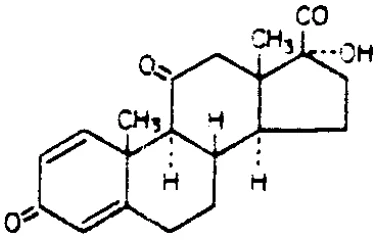
Physicochemical properties: White to practically white, crystalline powder.
Pharmaceutical standard: USP
14. Clinical Trials
The clinical trial data on which the original indication was authorized is not available.
15. Microbiology
No microbiological information is required for this drug product.
16. Non-Clinical Toxicology
General Toxicology
Based on conventional studies of safety pharmacology, repeated-dose toxicity, no unexpected hazards were identified. The toxicities seen in the repeated-dose studies are those expected to occur with continued exposure to exogenous adrenocortical steroids.
Genotoxicity
There was no evidence of a potential for genetic and chromosome mutations when tested in limited studies performed in bacterial and mammalian cells.
Carcinogenicity
Long-term studies in animals have not been performed to evaluate carcinogenic potential.
Reproductive and developmental toxicology
Glucocorticoids have been shown to reduce fertility when administered to both male and female rats.
Glucocorticoids have been shown to be teratogenic in many species when given in doses equivalent to the human dose. In animal studies, glucocorticoids readily cross the placenta and have been shown to be teratogenic in many species when given in doses equivalent to human dose. Glucocorticoids given to pregnant mice, rats, and rabbits have yielded an increase incidence of malformations in the offspring (cleft palate, skeletal malformations) and intra-uterine growth retardation.
Juvenile toxicity
Information is not available.
Special toxicology
Information is not available.