


Product Monograph - Yorvipath
Recent Major Label Changes
| 7 Warnings and Precautions, Immune | 2026-10 |
|---|
Table of Contents
Certain sections or subsections that are not applicable at the time of authorization of the most recent authorized product monograph are not listed.
Recent Major Label Changes ................................................................................................... 2
Table of Contents ................................................................................................................... 2
Part 1: Healthcare Professional Information ........................................................................... 4
- 1.
Indications .................................................................................................................. 4
1.1. Pediatrics .............................................................................................................. 4
1.2. Geriatrics .............................................................................................................. 4
- 2. Contraindications ........................................................................................................ 4
- 4.
Dosage and Administration ......................................................................................... 4
4.1. Dosing Considerations .......................................................................................... 4
4.2. Recommended Dose and Dosage Adjustment ..................................................... 5
4.4. Administration ...................................................................................................... 8
4.5 Missed Dose ......................................................................................................... 9
- 5. Overdose................................................................................................................... 10
- 6. Dosage Forms, Strengths, Composition, and Packaging ............................................. 10
- 7. Warnings and Precautions ......................................................................................... 11
General................................................................................................................................. 11
Carcinogenesis and Genotoxicity .......................................................................................... 11
Cardiovascular ...................................................................................................................... 11
Endocrine and Metabolism ................................................................................................... 12
Immune ................................................................................................................................ 12
Musculoskeletal ................................................................................................................... 12
Reproductive Health ............................................................................................................. 12
7.1. Special Populations ............................................................................................. 13
7.1.1. Pregnant Women ........................................................................................... 13
7.1.2. Breastfeeding ................................................................................................. 13
7.1.3. Pediatrics ........................................................................................................ 13
7.1.4. Geriatrics ........................................................................................................ 13
- 8.
Adverse Reactions ..................................................................................................... 13
8.1. Adverse Reaction Overview ................................................................................ 13
8.2. Clinical Trial Adverse Reactions .......................................................................... 13
8.4 Abnormal Laboratory Findings: Hematologic, Clinical Chemistry and Other Quantitative Data ........................................................................................................... 15
8.5 Post-Market Adverse Reactions ......................................................................... 15
- 9.
Drug Interactions ...................................................................................................... 15
9.2. Drug Interactions Overview ................................................................................ 15
9.4. Drug-Drug Interactions ....................................................................................... 15
9.5. Drug-Food Interactions ....................................................................................... 15
9.6. Drug-Herb Interactions ....................................................................................... 15
9.7. Drug-Laboratory Test Interactions ...................................................................... 15
- 10.
Clinical Pharmacology ............................................................................................... 16
10.1. Mechanism of Action ...................................................................................... 16
10.2. Pharmacodynamics ........................................................................................ 16
10.3. Pharmacokinetics ........................................................................................... 17
10.4. Immunogenicity .............................................................................................. 18
- 11. Storage, Stability, and Disposal ................................................................................. 19
- 12. Special Handling Instructions .................................................................................... 19
Part 2: Scientific Information ................................................................................................ 20
- 13. Pharmaceutical Information ...................................................................................... 20
- 14.
Clinical Trials ............................................................................................................. 21
14.1. Clinical Trials by Indication ............................................................................. 21
- 15. Microbiology ............................................................................................................. 24
- 16. Non-Clinical Toxicology- ............................................................................................ 24
Patient Medication Information ........................................................................................... 26
Part 1: Healthcare Professional Information
1. Indications
Yorvipath (palopegteriparatide injection) is a parathyroid hormone (PTH) replacement therapy indicated for:
- the treatment of chronic hypoparathyroidism in adults.
1.1. Pediatrics
Pediatrics (< 18 years of age): No data are available to Health Canada; therefore, Health Canada has not authorized an indication for pediatric use.
1.2. Geriatrics
Geriatrics (≥ 65 years of age): Limited evidence from clinical studies and experience suggests that use in the geriatric population is not associated with differences in safety or effectiveness. In the pivotal clinical trial, 8/61 (13%) Yorvipath-treated participants were 65 years of age or older compared to 2/21 (10%) participants in the placebo group, and 1/61 (2%) of the Yorvipath-treated participants were 75 years of age or older compared to 1/21 (5%) participants in the placebo group at baseline.
2. Contraindications
Yorvipath is contraindicated in:
- Patients with hypersensitivity to this drug or to any ingredient in the formulation, including any non-medicinal ingredient or component of the container. Hypersensitivity reactions, including anaphylaxis, angioedema, and urticaria, have been observed with PTH analogs, including Yorvipath (see 7 Warnings and precautions, Immune; 8 8. Adverse Reactions ).
- Patients with pseudohypoparathyroidism.
4. Dosage and Administration
4.1. Dosing Considerations
- Treatment should be initiated and monitored by a healthcare professional experienced in the diagnosis and management of patients with hypoparathyroidism.
- Dose recommendations of Yorvipath refer to micrograms of PTH(1-34). The dose should be individualised based on albumin-corrected serum calcium levels. The optimal dose of Yorvipath is the minimum dose required to prevent hypocalcemia, i.e., the dose that maintains albumin-corrected serum calcium levels within the normal range without the need for treatment with active forms of vitamin D or calcium. Calcium supplementation may be continued at doses up to 600 mg daily, which is the recommended amount for general nutritional supplementation.
- Doses of active forms of vitamin D and calcium will need to be adjusted prior to initiating and during treatment with Yorvipath based on albumin-corrected serum calcium level.
- The maximum recommended dosage for Yorvipath is 60 mcg subcutaneously once daily. If an adequate response is not achieved with a maximum Yorvipath dosage of 60 mcg, consider adding or restarting active vitamin D and/or calcium therapy.
- Advise patients to monitor daily for clinical signs and symptoms of hypocalcemia or hypercalcemia.
4.2. Recommended Dose and Dosage Adjustment
The recommended starting dose of Yorvipath is 18 mcg once daily with dose adjustments in 3 mcg increments or decrements thereafter (see Figure 1). The dose range is 6 to 60 mcg per day.
Laboratory testing Prior to Initiation of Yorvipath
Test serum 25(OH) vitamin D and calcium levels prior to treatment initiation. Serum 25(OH) vitamin D should be within normal range and albumin-corrected serum calcium should be between 1.95 - 2.64 mmol/L, i.e., within or slightly below the normal range on at least one laboratory value obtained within two weeks prior to treatment initiation.
Initiation of Yorvipath
When initiating treatment with Yorvipath, the doses of active vitamin D or calcium should be adjusted as follows:
If taking active vitamin D:
- If albumin-corrected serum calcium is ≥ 2.07 mmol/L, active vitamin D should be discontinued on the same day as the first dose of Yorvipath. Calcium dose should be maintained.
- If albumin-corrected serum calcium is < 2.07 mmol/L, active vitamin D should be reduced by ≥ 50% on the same day as the first dose of Yorvipath. Calcium dose should be maintained.
If not taking active vitamin D:
- Calcium dose should be decreased by at least 1500 mg on the same day as the first dose of Yorvipath. If taking elemental calcium doses ≤ 1500 mg per day, calcium should be discontinued entirely.
If calcium supplements are indicated to meet dietary requirements, continuing dietary calcium supplements at doses ≤ 600 mg per day may be considered instead of discontinuing entirely.
Dosage Adjustment and Maintenance of Yorvipath
Titration Recommendations
Yorvipath dose may be increased in increments of 3 mcg if at least 7 days have elapsed since a prior dose change (see Figure 1). The dose must not be increased more often than every 7 days.
Yorvipath dose may be decreased in increments of 3 mcg no more often than every 3 days in response to hypercalcemia (see Figure 1).
Serum calcium concentration must be monitored during dose titration and patients should be monitored for clinical symptoms of hypocalcemia or hypercalcemia.
Serum calcium should be measured 7 days after the first dose, and 7 to 14 days after any dose change in Yorvipath, active vitamin D, or calcium. If necessary, the doses of Yorvipath, active vitamin D, and/or calcium should be adjusted as per Figure 1. Adjustments should be made on the same day.
Titration Recommendations when Albumin-Corrected Serum Calcium is Less Than 3 mmol/L
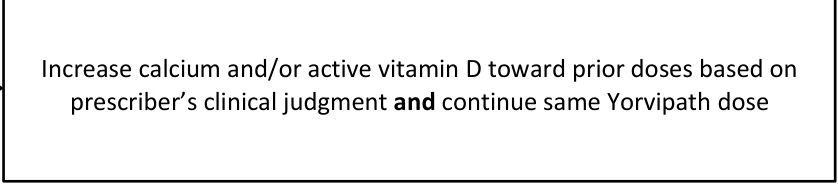
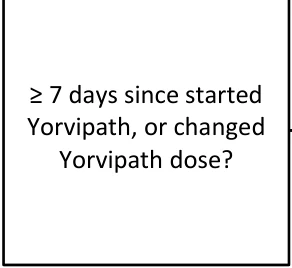
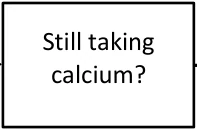
Figure 1 shows dosage titration recommendations for Yorvipath, active vitamin D, and calcium in adults with specific albumin-corrected serum calcium ranges that are less than 3 mmol/L.
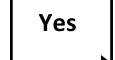
Figure 1 - Titration of Yorvipath, Active Vitamin D, and Calcium Doses
- A. Albumin-corrected serum calcium low (< 2.07 mmol/L):

- B. Albumin-corrected serum calcium normal (≥ 2.07 to ≤ 2.64 mmol/L):
≥ 7 days since started Yorvipath, or changed Yorvipath dose?
Increase calcium and/or active vitamin D toward prior doses based on prescriber’s clinical judgment and continue same Yorvipath dose
Continue same calcium and active vitamin D doses and increase Yorvipath dose by 3 mcg
No
Yes


≥ 7 days since started Yorvipath, or changed Yorvipath dose?
Continue same Yorvipath, calcium, and active vitamin D doses


- Still taking active vitamin D?
No
Yes
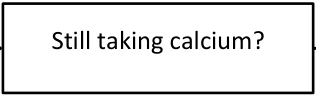
Still taking calcium?
Decrease or discontinue active vitamin D and increase Yorvipath by 3 mcg
No
Yes
Continue same Yorvipath dose
Is calcium dose ≥ 1500 mg/day?
No
Yes
Discontinue calcium and increase Yorvipath by 3 mcg
Decrease calcium dose by ≥ 1500 mg and increase Yorvipath by 3 mcg
No
Yes
- C. Albumin-corrected serum calcium high (≥ 2.65 to < 3.00 mmol/L):



Titration Recommendations when Albumin-Corrected Serum Calcium is 3 mmol/L or Greater
Withhold treatment with Yorvipath for 2 to 3 days and then reassess serum calcium. If subsequent albumin-corrected serum calcium is < 3.00 mmol/L, resume titration of Yorvipath, active vitamin D, and calcium as per the applicable section of Figure 1 using the most recent serum calcium value obtained.
If albumin-corrected serum calcium remains ≥ 3.00 mmol/L, withhold Yorvipath for an additional 2 to 3 days and then reassess serum calcium and follow the instructions provided above.
Dose Maintenance
The maintenance dose is individualised and should be the dose that achieves albumin-corrected serum calcium within the normal range, without the need for active vitamin D or therapeutic doses of calcium. Optionally, calcium supplementation sufficient to meet dietary requirements (≤ 600 mg per day) may be continued. Supplementation with standard (nonactive) vitamin D may be necessary to achieve normal 25(OH) vitamin D concentrations. Serum calcium and 25(OH) vitamin D should be measured as per standard of care when a maintenance dose is achieved.
Interruption or Discontinuation of Yorvipath
Interruption of daily administration of Yorvipath should be avoided to minimise serum PTH fluctuations. Interruption or discontinuation of treatment can result in hypocalcemia. When interrupting or discontinuing treatment for 3 or more consecutive doses, monitor patients for signs and symptoms of hypocalcemia and consider measuring serum calcium. If indicated, resume treatment with calcium and active vitamin D. Resume Yorvipath at the previously prescribed dose as soon as possible after an interruption then measure serum calcium within 7-14 days and adjust doses of Yorvipath, active vitamin D, and calcium as per Figure 1.
Geriatrics (≥ 65 years of age): Dose adjustment is not required based on age (see 0 10.3. Pharmacokinetics).
Pediatrics (< 18 years of age): The safety and efficacy of Yorvipath in children less than 18 years of age have not yet been established. No data are available. Health Canada has not authorized an indication for pediatric use.
Still taking active vitamin D?
Still taking calcium?
Decrease or discontinue active vitamin D and continue same Yorvipath and calcium doses
No
Yes
Decrease Yorvipath dose by 3 mcg
Is calcium dose ≥ 1500 mg/day?
No
Yes
Discontinue calcium dose and continue same Yorvipath dose
Decrease calcium dose by ≥ 1500 mg and continue same Yorvipath dose
No
Yes
Patients with Hepatic Impairment
Yorvipath has not been studied in patients with severe hepatic impairment and should be used with caution in these patients (see 0 10.3. Pharmacokinetics).
Patients with Renal Impairment
Dose adjustment is not required in patients with an estimated glomerular filtration rate (eGFR) ≥ 30 mL/min/1.73 m2. Serum calcium levels should be measured more frequently when used in patients with eGFR < 45 mL/min/1.73 m2. Yorvipath has not been studied in patients with hypoparathyroidism and severe renal impairment (eGFR < 30 mL/min/1.73 m2) (see 0 10.3. Pharmacokinetics).
4.4. Administration
Patients and caregivers who will administer Yorvipath should receive appropriate training by a healthcare professional prior to first use. Advise patients/caregivers to follow the Instructions for Use on how to administer Yorvipath using the pen and needles:
- Yorvipath must be refrigerated at 2°C to 8°C until first use (see 11 Storage, Stability, and Disposal).
- Yorvipath should be inspected visually for particulate matter and discoloration prior to administration. Yorvipath is a clear, colorless solution. Do not use if solid particles appear or if the solution is cloudy or colored.
- Pen flow should be tested when a pen is used for the first time.
- The needle has to be pushed straight onto the pen, then screwed until secure.
- Yorvipath must be administered as a subcutaneous injection to the abdomen or front of the thigh. The injection site should be rotated daily between four possible sites; abdomen (left or right) and front of the thigh (left or right).
- The initial dose of Yorvipath should be administered when the patient can sit or lie down to prevent orthostatic hypotension.
Doses > 30 mcg per day (sequential injections)
All daily doses greater than 30 mcg should be administered as two separate injections given sequentially at different injection sites (seeTable 1). During development, it was determined that doses above 30 mcg must be delivered using two pens in sequence. This approach ensures that every pen, regardless of the prescribed daily dose, maintains a consistent 14-day in-use period, thereby simplifying product handling for patients.
This dosing configuration has been evaluated in the risk management file and validated in the usability/HFE study. Therefore, it is recommended to use a second Yorvipath pen for the additional daily injection, even when both pens have push buttons of the same colour (indicating the same strength).
Table 1 - Recommended scheme for Yorvipath dosing above 30 mcg/day
| Total Dose | First pen turn dial to dose of: | Second pen turn dial to dose of: | Which Yorvipath pen to use? | |
|---|---|---|---|---|
Orange pen (294 mcg / 0.98 mL) | Orange pen (294 mcg / 0.98 mL) | Use 2 separate orange pens one after the other in 2 separate injection sites | ||
| 33 mcg/day | 15 mcg | + | 18 mcg | |
| 36 mcg/day | 18 mcg | + | 18 mcg | |
| 39 mcg/day | 18 mcg | + | 21 mcg | |
| 42 mcg/day | 21 mcg | + | 21 mcg | |
Orange pen (294 mcg / 0.98 mL) | Burgundy pen (420 mcg / 1.4 mL) | ATTENTION: for this dose, you must use two different strength pens one after the other, in separate injection sites | ||
| 45 mcg/day | 21 mcg | + | 24 mcg | First injection: Use 1 orange pen (294 mcg / 0.98 mL pen) + Second injection: Use 1 burgundy pen (420 mcg / 1.4 mL pen) |
Burgundy pen (420 mcg / 1.4 mL) | Burgundy pen (420 mcg / 1.4 mL) | Use 2 separate burgundy pens one after the other in 2 separate injection sites | ||
| 48 mcg/day | 24 mcg | + | 24 mcg | |
| 51 mcg/day | 24 mcg | + | 27 mcg | |
| 54 mcg/day | 27 mcg | + | 27 mcg | |
| 57 mcg/day | 27 mcg | + | 30 mcg | |
| 60 mcg/day | 30 mcg | + | 30 mcg | |
Yorvipath 294 mcg / 0.98 mL pen delivers doses of 15, 18, or 21 mcg (with orange push button).
Yorvipath 420 mcg / 1.4 mL pen delivers doses of 24, 27, or 30 mcg (with burgundy push button).
4.5 Missed Dose
If a dose is missed by less than 12 hours, it should be administered as soon as possible. If a dose is missed by more than 12 hours, it should be skipped, and the next dose should be administered as scheduled.
5. Overdose
In the event of overdose, the patient should be carefully monitored by a healthcare professional.
Overdose can cause hypercalcemia, the manifestations of which may include dehydration, heart palpitations, ECG changes, hypotension, nausea, vomiting, dizziness, muscle weakness, and confusion. Severe hypercalcemia may require medical care and careful monitoring (see 0 7. Warnings and Precautions).
One instance of accidental overdose of approximately 3-fold the prescribed dose lasting more than 7 consecutive days resulted in serum calcium as high as 4.017 mmol/L. The participant was symptomatic and required medical intervention. After withholding Yorvipath, calcium, and active vitamin D, the participant recovered and restarted on the correct dose.
| For the most recent information in the management of a suspected drug overdose, contact your regional poison control centre or Health Canada’s toll-free number, 1-844 POISON-X (1-844-764-7669). |
|---|
- 6. Dosage Forms, Strengths, Composition, and Packaging
Table 2 - Dosage Forms, Strengths, and Composition
Description
Yorvipath is a clear and colourless solution for injection in a pre-filled pen. Do not inject the medicinal product if it is cloudy or contains particulate matter.
Yorvipath is available in packs containing 2 pre-filled pens with 30 disposable needles for 28 days of treatment. Each pre-filled pen is for 14 days of treatment.
Strength colours are indicated on the outer and inner cartons, on the label and push button of the pre-filled pen, as follows:
| Presentation | Delivered Doses | |
|---|---|---|
| Blue | Yorvipath 168 mcg / 0.56 mL | 6 mcg, 9 mcg, 12 mcg |
| Orange | Yorvipath 294 mcg / 0.98 mL | 15 mcg, 18 mcg, 21 mcg |
| Burgundy | Yorvipath 420 mcg / 1.4 mL |
|
| Route of Administration | Dosage Form/Strength/Composition | Non-Medicinal Ingredients |
| Subcutaneous | Injection, single use pre-filled pen:
| Hydrochloric acid, mannitol, metacresol, sodium hydroxide, succinic acid, water for injection |
7. Warnings and Precautions
General
Risk of Digoxin Toxicity with Concomitant Use of Digitalis Compounds
Yorvipath increases serum calcium. Concomitant use with digoxin (which has a narrow therapeutic index) may predispose patients to digitalis toxicity if hypercalcemia develops. Digoxin efficacy may be reduced if hypocalcemia is present. When Yorvipath is used concomitantly with digoxin, measure serum calcium and digoxin levels routinely, and monitor for signs and symptoms of digoxin toxicity. Refer to the digoxin prescribing information for dose adjustments, if needed (see 0 9.4. Drug-Drug Interactions).
Risk of Unintended Changes in Serum Calcium Levels Related to Number of Daily Injections
Using two Yorvipath injections to achieve the recommended daily dosage increases the variability of the total delivered dose, which can cause unintended changes in serum calcium levels, including hypercalcemia and hypocalcemia. Provide patient education on the clinical manifestations of hypercalcemia and hypocalcemia, with instructions to monitor for and report relevant symptoms.
Carcinogenesis and Genotoxicity
Based on the non-clinical data, Yorvipath is not genotoxic (see 16 16. Non-Clinical Toxicology-).
Use in patients at increased risk of osteosarcoma
Yorvipath is a PTH analog. An increased incidence of osteosarcoma has been reported in male and female rats treated with short-lived PTH analogs, including teriparatide. Osteosarcoma occurrence in rats is dependent on teriparatide or PTH dose and treatment duration. Osteosarcoma has been reported in patients treated with teriparatide in the postmarketing setting; however, an increased risk of osteosarcoma has not been observed in observational studies in humans. There are limited data assessing the risk of osteosarcoma beyond 2 years of teriparatide use.
Yorvipath is not recommended in patients who are at increased risk of osteosarcoma, such as patients:
- With skeletal malignancies and bone metastases
- Who are receiving or who have received external beam or implant radiation therapy to the skeleton
- With unexplained elevations of bone specific alkaline phosphatase
- With hereditary disorders predisposing to osteosarcoma
- With metabolic bone diseases other than hypoparathyroidism, including Paget’s disease of bone.
- With open epiphyses. Yorvipath is not approved in pediatric patients (see 7.1.3 Pediatrics )
Cardiovascular
Hypotension
Orthostatic hypotension has been reported with Yorvipath. Associated signs and symptoms may include decreased blood pressure, dizziness (including postural dizziness), palpitations, tachycardia, presyncope, or syncope. Such symptoms can be managed by dosing at bedtime, while reclining. Yorvipath should be administered initially when the patient can sit or lie down due to the potential of orthostatic hypotension.
Endocrine and Metabolism
Serious Hypercalcemia
Serious events of hypercalcemia have been reported with Yorvipath (see 0 8.2. Clinical Trial Adverse Reactions). The risk is highest when starting treatment or increasing the dose, or when using two separate pens to achieve the daily dose. During treatment, serum calcium should be measured (see 0 4. Dosage and Administration) and patients should be monitored for signs and symptoms of hypercalcemia. If severe hypercalcemia occurs, treatment should be as per clinical guidelines, and dose adjustment of Yorvipath should be considered (see 0 4. Dosage and Administration).
Serious Hypocalcemia
Serious events of hypocalcemia have been reported with Yorvipath (see 0 8.2. Clinical Trial Adverse Reactions). The risk is highest when treatment is abruptly discontinued or when two separate pens are used to achieve the daily dose but may occur at any time. During treatment, serum calcium should be measured and patients should be monitored for signs and symptoms of hypocalcemia. If severe hypocalcemia occurs, treatment should be as per clinical guidelines, dose adjustment of Yorvipath should be considered, and dose adjustment of standing or as needed doses of active vitamin D and/or calcium supplements should be considered (see 0 4. Dosage and Administration).
Immune
Serious hypersensitivity reactions including anaphylaxis, angioedema, and urticaria have been reported in patients treated with parathyroid hormone (PTH) analogs, including Yorvipath. Yorvipath should be discontinued at the first sign or symptom of a hypersensitivity reaction. Serious hypersensitivity reactions may require treatment with corticosteroids, antihistamines, and/or epinephrine as clinically needed. Yorvipath is contraindicated in patients with a history of hypersensitivity to palopegteriparatide or any of the inactive ingredients of Yorvipath (see 0 2. Contraindications and 0 8. Adverse Reactions ).
Musculoskeletal
Use in patients with osteoporosis
Screening for and monitoring of osteoporosis should be consistent with local clinical practice for any patient at increased risk of fragility fractures.
Reproductive Health
- Fertility
No studies have been performed on the effects of Yorvipath on human fertility. Data from animal studies do not indicate that administration of Yorvipath impairs fertility (see 0 16. Non-Clinical Toxicology-).
7.1. Special Populations
7.1.1. Pregnant Women
There are no adequate and well-controlled studies with Yorvipath in pregnancy. In embryo-fetal development studies, subcutaneous administration of palopegteriparatide to pregnant rats and rabbits during organogenesis resulted in no adverse developmental effects (see 0 Non-Clinical Toxicology).
A decision to initiate or discontinue treatment with Yorvipath during pregnancy should take into account the possible risks versus the benefits for the pregnant individual. It is recommended to closely monitor serum calcium levels in pregnant patients with hypoparathyroidism treated with Yorvipath.
7.1.2. Breastfeeding
It is unknown whether Yorvipath is excreted in human milk. As Yorvipath is not orally absorbed, it is unlikely to adversely affect the breastfed child. A decision to discontinue breastfeeding or Yorvipath therapy should take into account the benefit of breastfeeding for the child and the benefit of therapy for the parent. It is recommended to closely monitor serum calcium levels when the patient with hypoparathyroidism is breastfeeding during treatment with Yorvipath.
7.1.3. Pediatrics
Pediatrics (< 18 years of age): No data are available to Health Canada; therefore, Health Canada has not authorized an indication for pediatric use.
7.1.4. Geriatrics
Geriatrics (≥ 65 years of age): Clinical studies did not include a sufficient number of participants 65 years of age or older to determine any differences in response from younger adult participants.
8. Adverse Reactions
8.1. Adverse Reaction Overview
The most frequently reported adverse reactions (≥ 10%) in Yorvipath-treated -participants in the 26-week blinded period of the pivotal Phase 3 trial (TCP-304) were injection site reactions (39%), vasodilatory signs and symptoms (28%), and headache (21%). A serious adverse reaction of hypercalcemia (1.60%) was reported in a participant receiving Yorvipath.
8.2. Clinical Trial Adverse Reactions
Clinical trials are conducted under very specific conditions. Therefore, the frequencies of adverse reactions observed in the clinical trials may not reflect frequencies observed in clinical practice and should not be compared to frequencies reported in clinical trials of another drug. Adverse reaction information from clinical trials may be useful in identifying and approximating rates of adverse drug reactions in real-world use.
Table 3 below presents the most common adverse reactions in the 26-week blinded period of the pivotal Phase 3 Trial (TCP-304), that occurred in ≥ 5% of participants treated with Yorvipath, and with ≥ 2% higher frequency when compared to placebo.
Table 3 - Adverse Reactions in ≥ 5% of Participants with Hypoparathyroidism Treated with Yorvipath and with ≥ 2% Higher Frequency Compared to Placebo in Study TCP-304
| Adverse Reaction | Yorvipath n = 61 n (%) | Placebo n = 21 n (%) | ||||
|---|---|---|---|---|---|---|
| General disorders and administration site conditions | ||||||
| Injection site reactionsa | 24 (39) | 1 (5) | ||||
| Nervous system disorders | ||||||
| Vasodilatory signs and symptomsb | 17 (28) | 2 (10) | ||||
| Headache | 13 (21) | 2 (10) | ||||
| Gastrointestinal disorders | ||||||
| Diarrhea | 6 (10) | 1 (5) | ||||
| Metabolism and nutrition disorders | ||||||
| Hypercalcemia | 6 (10) | 0 | ||||
| Respiratory, thoracic and mediastinal disorders | ||||||
| Oropharyngeal pain | 4 (7) | 0 | ||||
Abbreviations: N, total number of participants in the treatment arm; n, number of participants with the adverse reaction; %, percent of participants with the adverse reaction.
a Injection site reactions includes the preferred terms injection site bruising, injection site erythema, injection site rash, and injection site reaction.
b Vasodilatory signs and symptoms includes the preferred terms blood pressure orthostatic decreased, dizziness, dizziness postural, nausea, orthostatic hypotension, palpitations, postural orthostatic tachycardia syndrome, presyncope, syncope, and vertigo.
Injection Site Reactions
Injection site reactions were the most common adverse reactions reported in clinical trials (incidence of 21.6%; median onset of 2.5 days). The most common injection site reactions were localized erythema (all < 5 cm with the majority 0 to < 2 cm) and were mild or moderate (grade 1 or 2) in severity with median duration of 72 hours. All injection site reactions resolved without treatment; none were serious or led to discontinuation.
Vasodilatory Signs and Symptoms
- resolved without treatment; none were serious or led to discontinuation. If symptoms occur, dosing at bedtime while reclining is recommended.
8.4 Abnormal Laboratory Findings: Hematologic, Clinical Chemistry and Other Quantitative Data
Hypercalcaemia
- was greater in participants treated with Yorvipath compared to placebo. During the blinded period, symptomatic hypercalcemia was reported in 8.6% of participants treated with Yorvipath, and all occurred within the first 3 months after initiation of Yorvipath.
Table 4 - Incidence of Elevated Albumin-Corrected Serum Calcium (> 2.65 mmol/L or > 3 mmol/L Post-Baseline in Participants with Hypoparathyroidism Treated with Yorvipath or Placebo in Study 304
Yorvipath N = 61 | Placebo N = 21 | |
|---|---|---|
| Albumin-Corrected Serum Calcium > 2.65 mmol/L, n (%) | 33 (54.1) | 2 (9.5) |
| Albumin-Corrected Serum Calcium > 3 mmol/L, n (%) | 8 (13.1) | 0 (0) |
8.5 Post-Market Adverse Reactions
Immune System Disorders: Hypersensitivity reactions (see 2 Contraindications and 7 Warnings and Precautions; Immune)
9. Drug Interactions
9.2. Drug Interactions Overview
No formal drug interaction studies have been performed with Yorvipath.
9.4. Drug-Drug Interactions
Cardiac glycosides (such as digoxin or digitoxin) have a narrow therapeutic index and are affected by calcium. Patients should be monitored for signs and symptoms of digitalis toxicity when taking Yorvipath and cardiac glycosides.
Other medicinal products can exert effects on serum calcium and may alter the therapeutic response to Yorvipath, including but not limited to bisphosphonates, denosumab, romosozumab, thiazide and loop diuretics, systemic corticosteroids, and lithium. Patients should be monitored for changes in serum calcium when treated concomitantly with these medicinal products.
9.5. Drug-Food Interactions
Interactions with food have not been established.
9.6. Drug-Herb Interactions
Interactions with herbal products have not been established.
9.7. Drug-Laboratory Test Interactions
Interactions with laboratory tests have not been established.
10. Clinical Pharmacology
10.1. Mechanism of Action
Endogenous parathyroid hormone (PTH) is secreted by the parathyroid glands as a polypeptide of 84 amino acids. Endogenous PTH maintains extracellular calcium and phosphate homeostasis by increasing serum calcium and decreasing serum phosphate. These effects are mediated by stimulating bone turnover to mobilize calcium and phosphate from bone, promoting renal calcium reabsorption and phosphate excretion and facilitating synthesis of active vitamin D.
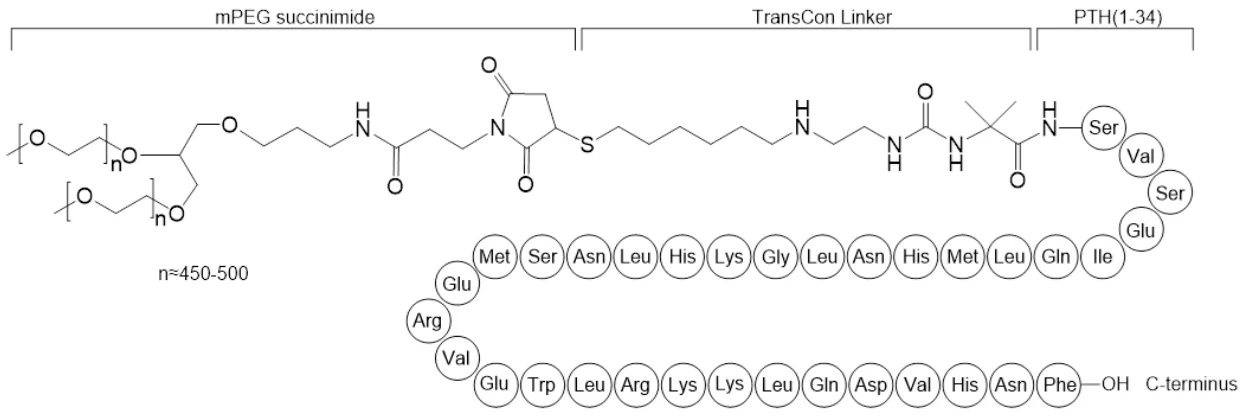
Palopegteriparatide is a prodrug, consisting of PTH(1-34) conjugated to a methoxypolyethylene glycol carrier (mPEG) via a proprietary TransCon Linker. At physiological conditions, palopegteriparatide releases PTH(1-34) and its main metabolite PTH(1-33) via autocleavage of the TransCon Linker to maintain continuous systemic exposure of active PTH.
Similar to endogenous PTH, PTH(1-34) and PTH(1-33) released from palopegteriparatide exert their effects through binding to the parathyroid hormone 1 receptor (PTH1R), which is expressed in bone, kidney and nerve tissue.
10.2. Pharmacodynamics
PTH released from palopegteriparatide and serum calcium concentrations increased in a dose-related manner when palopegteriparatide was administered to healthy volunteers. Exposure-response was not established in participants with hypoparathyroidism.
In a pharmacodynamic/pharmacokinetic sub-study in hypoparathyroid participants, daily subcutaneous administration of palopegteriparatide increased serum calcium levels to within the normal range. Mean steady state concentration-time profile of albumin-corrected serum calcium concentrations over 24-hours following administration of palopegteriparatide is presented in Figure 2.
Figure 2 - Mean Steady-State Albumin-Corrected Serum Calcium Concentrations Following Subcutaneous Administration of Palopegteriparatide in Participants with Hypoparathyroidism
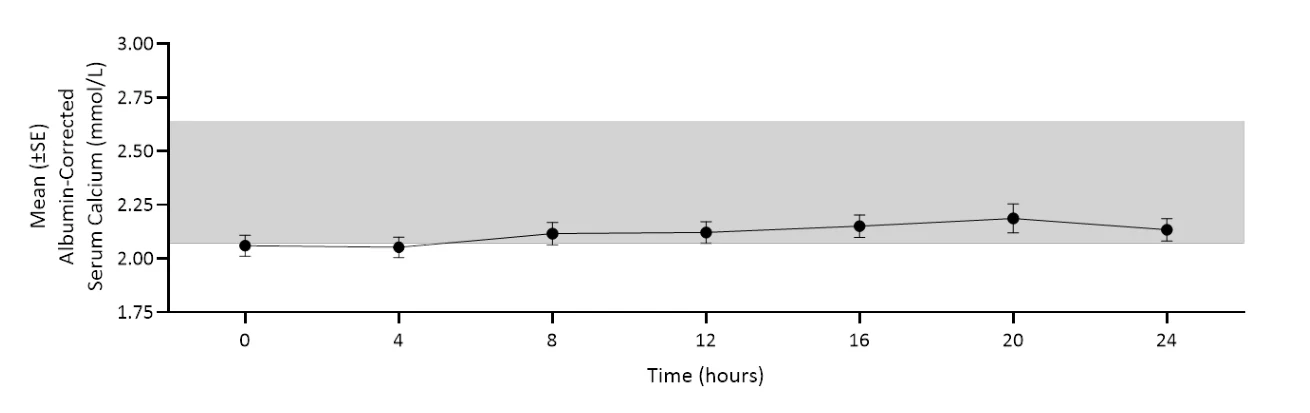
The normal range for albumin-corrected serum calcium in clinical trials was considered to be 2.07 to 2.64 mmol/L as denoted by the grey shading. Mean palopegteriparatide dose (range): 22.3 (12 - 33) mcg/day, n = 7.
10.3. Pharmacokinetics
Yorvipath is a prodrug that releases PTH(1-34) via autocleavage of the TransCon linker with first-order kinetics.
Absorption
In healthy participants, following multiple subcutaneous doses of palopegteriparatide in the range of 12 to 24 mcg PTH(1-34)/day, released Free PTH concentrations increased in a dose-proportional manner and reached steady-state by approximately Day 8. The median (range) time to reach maximum concentrations (Tmax) of Free PTH is 4 (4 to 8) hours.
Mean steady state concentration-time profile of released PTH over 24 hours following daily subcutaneous administration of palopegteriparatide in participants with hypoparathyroidism is presented in Figure 3. At steady-state, administration of palopegteriparatide resulted in continuous exposure to released PTH over the 24-hour dosing period.
Figure 3 - Mean released PTH* Following Subcutaneous Administration of palopegteriparatide at Steady State in Participants with Hypoparathyroidism
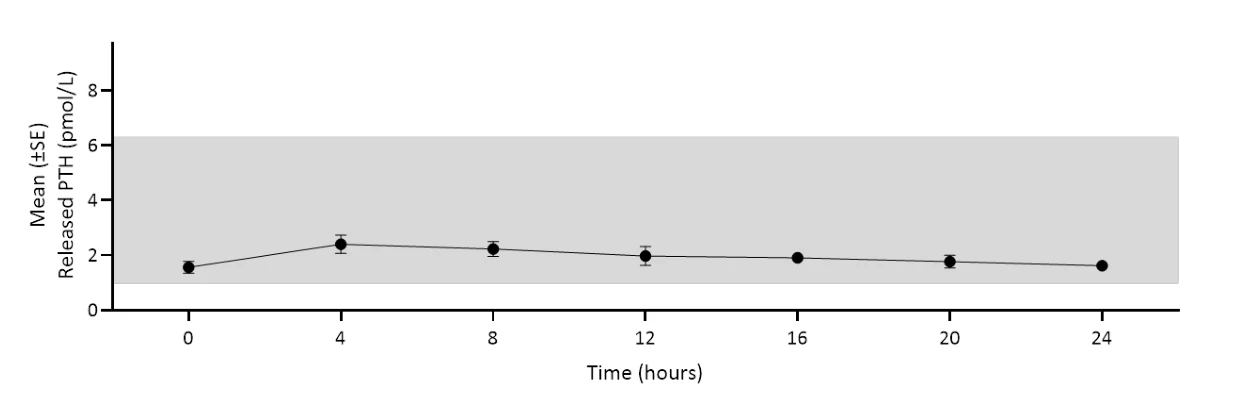
The estimated normal range for PTH(1-34) is approximately 0.42 - 2.76 pmol/L (4 to 26 pg/mL) as denoted by the grey shading. This is calculated based on PTH(1-34) constituting 40% of the molecular weight of PTH(1-84)** and the normal range of 1.06 - 6.9 pmol/L (10 to 65 pg/mL) for PTH(1-84).
* Mean palopegteriparatide dose (range): 22.3 (12-33) mcg /day, n=7, released PTH: sum of PTH(1-34) and active metabolite PTH(1-33).
** PTH(1-84) = endogenous parathyroid hormone.
Distribution
The apparent volume of distribution (CV%) is estimated to be 4.8 L (50%) for palopegteriparatide and 8.7 L (18%) for released PTH.
Metabolism
PTH released from palopegteriparatide is composed of PTH(1-34) and the metabolite PTH(1-33). Peripheral metabolism of PTH occurs in the liver and kidneys.
Elimination
The apparent half-life of PTH released from palopegteriparatide is approximately 60 hours. The estimated clearance (CV%) of palopegteriparatide at steady state is 0.58 L/day (52%) in healthy participants.
No metabolism or excretion studies have been performed with palopegteriparatide.
Peripheral metabolism of PTH occurs via enzymatic cleavage in the liver followed by excretion via the kidneys.
Special Populations and Conditions
- Geriatrics: The pharmacokinetics of palopegteriparatide was not influenced by age (19 to 76 years old).
- Sex: The pharmacokinetics of palopegteriparatide was not influenced by sex.
- Ethnic origin: The pharmacokinetic data of palopegteriparatide for race and ethnicity did not show any trends indicating differences, but the available data are too limited to make definitive conclusions.
- Hepatic Insufficiency: No dedicated hepatic impairment study was conducted. Mild and moderate hepatic impairment is not expected to have a clinically significant impact on the pharmacokinetics of palopegteriparatide.
- Renal Insufficiency: Palopegteriparatide has been administered to participants with hypoparathyroidism with an eGFR of ≥ 30 mL/min/1.73 m2 in long-term clinical trials without the need for dose adjustment beyond the trial titration algorithm. No clinical studies were conducted in participants with hypoparathyroidism who have severe renal impairment. In a study where palopegteriparatide was administered as a single 50 mcg subcutaneous dose to non-hypoparathyroid participants with renal impairment, palopegteriparatide exposure was similar in participants with mild, moderate, and severe renal impairment as compared to participants without renal impairment.
- Obesity: The pharmacokinetics of palopegteriparatide was not influenced by body weight.
10.4. Immunogenicity
Patients may develop antibodies to Yorvipath. The proportion of participants testing positive for binding antibodies at any time during treatment was low, with 0.7% having low titre, non-neutralising antibodies towards PTH and 5% having low titre treatment emergent antibodies against PEG. In 2.2% of the Yorvipath treated participants with pre-existing and treatment-induced anti-PEG antibodies, a transient impact on PK with decreasing serum calcium was observed. However, therapeutic effectiveness was maintained by dose adjustment of Yorvipath according to the trial titration algorithm.
- 11. Storage, Stability, and Disposal
Do not freeze. Store away from heat. Keep Yorvipath in the packaging to protect from light.
Until first use, store Yorvipath in the refrigerator between 2°C to 8°C.
After first use, store Yorvipath for 14 days at room temperature below 30°C. After each use, remove the needle and put the pen cap on to protect from light. Discard the pre-filled pen 14 days after first use.
Any unused medicinal product or waste material should be disposed of in accordance with local requirements.
12. Special Handling Instructions
A new Yorvipath pen should be taken out of the refrigerator 20 minutes before first opening. The solution should appear clear, colourless and free of visible particles. Do not inject the medicinal product if it is cloudy or contains particulate matter.
Every time a pre-filled pen is prepared for administration, a new needle must be attached. Needles must not be re-used. This may prevent blocked needles, contamination, infection, leakage of solution and inaccurate dosing.
The injection needle should be removed after each injection and the pen should be stored without a needle attached. Discard the needles after each injection.
Instructions for the preparation and administration of Yorvipath are given in the package leaflet and instructions for use.
Part 2: Scientific Information
13. Pharmaceutical Information
Drug Substance
Non-proprietary name of the drug substance: palopegteriparatide
Chemical name: 2-[6-[1-[3-[3-[2,3-Bis[methyl-poly(oxyethylen)-oxy)propyloxy]propylamino]-3-oxo-propyl]-2,4-dioxo-pyrrolidin-3yl]sulfanylhexylamino]ethylcarbamoyl-alpha-aminoisobutyryl-L-seryl-L-valyl-L-seryl-L-glutamyl-L-isoleucyl-L-glutaminyl-L-leucyl-L-methionyl-L-histidyl-L-asparaginyl-L-leucyl-glycyl-L-lysyl-L-histidyl-L-leucyl-L-asparaginyl-L-seryl-L-methionyl-L- glutamyl-L-arginyl-L-valyl-L-glutamyl-L-tryptophyl-L-leucyl-L-arginyl-L-lysyl-L-lysyl-L-leucyl-L-glutaminyl-L-aspartyl-L-valyl-L-histidyl-L-asparaginyl-L-phenylalanine
Molecular formula and molecular mass: The theoretical molecular formula is C209H340N60O59S3 + 2 × (C2H4O)n, where n is between approximately 450 and 500. The average molecular weight of palopegteriparatide is approximately 47.4 kDa.
Structural formula:
Physicochemical properties: Palopegteriparatide is a white to off-white solid. pH in a 5% w/w aqueous solution of palopegteriparatide drug substance is approximately 7.
14. Clinical Trials
14.1. Clinical Trials by Indication
Treatment of Hypoparathyroidism
Table 5 - Summary of Participant Demographics for Study TCP-304 in Participants with Hypoparathyroidism
| Study # | Study design | Dosage, route of administration and duration | Study participants (n) | Mean age (Range) | Sex |
|---|---|---|---|---|---|
| TCP-304 | Phase 3, 26-week, multi-center, randomized, double-blind, placebo-controlled, parallel-group trial | Participants randomized 3:1 to starting dose of Yorvipath 18 mcg/day or placebo. Dose was individually and progressively titrated to an optimal dose in increments/ decrements of 3 mcg/day. Yorvipath: (range: 6 to 60 mcg/day) via subcutaneous (SC) injection, once daily (QD) Placebo: SC, QD | Yorvipath: n = 61 Placebo: n = 21 | 49 years (19-78 years) | 64 females 18 males |
The pivotal phase 3 PaTHway clinical trial (TCP-304) assessed the efficacy and safety of Yorvipath as PTH replacement therapy for adults with postsurgical chronic hypoparathyroidism, auto-immune, genetic, or idiopathic hypoparathyroidism for at least 26 weeks, treated with active vitamin D (calcitriol ≥ 0.5 mcg/day or alfacalcidol ≥1.0 mcg/day) and elemental calcium ≥800 mg/day for at least 12 weeks prior to Screening.
Study Design
This was a 26‑week double blind, placebo controlled clinical trial which included participants randomised (3:1) to Yorvipath or placebo, co-administered with conventional therapy (calcium and active vitamin D treatment). Randomisation was stratified by aetiology of hypoparathyroidism (i.e., postsurgical vs. all other causes).
The starting dose of Yorvipath was 18 mcg/day, with dose adjustments in 3 mcg increments or decrements, and a dose range of 6 to 60 mcg per day. Study treatment (Yorvipath or placebo) and conventional therapy were titrated according to a dosing algorithm guided by albumin-corrected serum calcium levels.
The mean age at recruitment was 49 years (19 to 78 years of age; 12% were ≥ 65 years old), and the majority of patients were female (78%) and Caucasian (93%). Eighty five percent (85%) of participants had hypoparathyroidism acquired from neck surgery. Of the participants with other aetiologies of hypoparathyroidism, 7 (8.5%) had idiopathic disease, 2 had autoimmune polyglandular syndrome type 1 (APS 1), 1 had autosomal dominant hypocalcemia type 1 (ADH1, CaSR mutation), 1 had DiGeorge Syndrome, and 1 had hypoparathyroidism, sensorineural deafness and renal dysplasia (HDR) syndrome (GATA3 mutation). At baseline, the median duration of hypoparathyroidism was 8.5 years (range: 1 to 56 years).
Prior to randomisation, all participants underwent an approximate 4 week screening period in which calcium and active vitamin D treatments were adjusted to achieve an albumin-corrected serum calcium concentration between 1.95 to 2.64 mmol/L (7.8 to 10.6 mg/dL), a magnesium concentration ≥ 0.53 mmol/L (≥ 1.3 mg/dL) and below the upper reference range of normal, and a 25(OH) vitamin D concentration between 50 to 200 nmol/L (20 to 80 ng/mL).
For conventional therapy, participants were treated with mean baseline doses of elemental calcium of 1839 mg/day. Mean baseline doses of active vitamin D were 0.75 micrograms/day in calcitriol treated participants (n=70), and 2.3 micrograms/day in alfacalcidol-treated participants (n = 12).
Baseline mean albumin-corrected serum calcium and mean 24-hour urine calcium were similar in both treatment groups: mean albumin-corrected serum calcium was 2.2 mmol/L (8.8 mg/dL) and 2.15 mmol/L (8.6 mg/dL) and mean 24-hour urine calcium was 392 mg/day and 329 mg/day, for Yorvipath and placebo, respectively.
Primary Endpoint
The composite primary efficacy endpoint was defined as the proportion of participants at Week 26 who achieved the following:
- Albumin-corrected serum calcium measured within 4 weeks prior to and on Week 26 visit within the normal range (2.07 to 2.64 mmol/L [8.3 to 10.6 mg/dL]), AND
- Independence from active vitamin D within 4 weeks prior to Week 26 visit (i.e., all daily standing dose of active vitamin D equal to zero AND use of pro re nata [PRN] ≤7 days during the 4 weeks) AND
- Independence from therapeutic doses of calcium within 4 weeks prior to Week 26 visit (i.e., average daily standing dose of elemental calcium ≤600 mg AND use of PRN doses ≤7 days during the 4 weeks) AND
- No increase in prescribed study treatment within 4 weeks prior to week 26 visit.
Key Secondary Endpoints
The key secondary endpoints included a subset of Hypoparathyroidism Patient Experience Scale (HPES) domain scores and 36 Item Short Form Survey (SF 36) subscale scores.
The Cochran–Mantel–Haenszel (CMH) test controlling for randomization stratification factor (etiology of hypoparathyroidism: post-surgical versus other) was used for the primary analysis. Sensitivity analyses were also conducted.
Study Results
The number of Yorvipath-treated participants meeting the composite primary endpoint and each of its components at week 26 compared with the participants from the placebo group is presented in Table 6. In the Yorvipath group, 78.7% (48/61) of participants met the composite primary endpoint compared with 4.8% (1/21) of participants in the placebo group (p-value for difference between groups <0.0001).
Table 6 - Results of Study TCP-304 in Participants with Hypoparathyroidism
| Primary Endpoint | Yorvipath (N = 61) (n, %) | Placebo (N = 21) (n, %) | Response rate difference (95% CI) |
| Response at week 26 | 48 (78.7%) | 1 (4.8%) | 74.0% (60.4%, 87.6%) p < 0.0001 |
| Response for each component | |||
| Albumin-corrected serum calcium within normal rangea | 49 (80.3%) | 10 (47.6%) | 32.7% (9.2%, 56.3%) |
| Independence from active vitamin Db | 60 (98.4%) | 5 (23.8%) | 74.6% (56.1%, 93.1%) |
| Independence from therapeutic doses of calciumc | 57 (93.4%) | 1 (4.8%) | 88.7% (77.7%, 99.7%) |
| No dose increase in Yorvipathd | 57 (93.4%) | 12 (57.1%) | 36.4% (14.2%, 58.5%) |
Abbreviations: CI: confidence interval; PRN: pro re nata.
a The normal range for albumin-corrected serum calcium was 2.07 to 2.64 mmol/L (8.3 to 10.6 mg/dL).
b All daily standing doses of active vitamin D equal to zero AND use of PRN doses for ≤ 7 days within 4 weeks prior to week 26 visit.
c Average daily standing doses of elemental calcium ≤ 600 mg AND use of PRN doses on ≤ 7 days within 4 weeks prior to week 26 visit.
d No dose increase in Yorvipath within 4 weeks prior to week 26 visit.
Key-Secondary Endpoints
Patient-reported Outcomes
Treatment with Yorvipath resulted in statistically significant improvements from baseline to Week 26 in HPES-Symptom – Physical and Cognitive domain scores, HPES-Impact – Physical Functioning and Daily Life domain scores, and SF-36 Physical Functioning subscale score compared to placebo (Table 7). Improvements in patient-reported outcomes were generally observed as early as Week 10 (the time of first assessment on Yorvipath) and were sustained through Week 26.
Table 7 - Change from Baseline to Week 26 in HPES-Symptom, HPES-Impact, and SF-36v2®
Yorvipath (n = 59) | Placebo (n = 19) | Difference | P-value | |||
| HPES-Symptom | ||||||
| Physical domain score, LS mean (SE) | -21.0 (2.2) | -4.8 (5.0) | -16.2 (5.0) | 0.0038 | ||
| Cognitive domain score, LS mean (SE) | -20.5 (2.6) | -6.2 (4.7) | -14.3 (4.7) | 0.0055 | ||
| HPES-Impact | ||||||
| Physical Functioning domain score, LS mean (SE) | -18.3 (2.7) | -1.0 (5.5) | -17.3 (5.5) | 0.0046 | ||
| Daily Life domain score, LS mean (SE) | -17.7 (2.4) | -0.4 (5.7) | -17.3 (5.7) | 0.0061 | ||
| SF-36v2® | ||||||
| Physical Functioning subscale score, LS mean (SE) | 5.3 (0.9) | 0.1 (2.3) | 5.2 (2.3) | 0.0347 | ||
Summary statistics at baseline and post-baseline visits are calculated from participants with data at both baseline and post-baseline visits.
15. Microbiology
No microbiological information is required for this drug product.
- 16. Non-Clinical Toxicology-
General Toxicology
In a 26-week rat study, daily subcutaneous administration of palopegteriparatide resulted in increased bone turnover in healthy euparathyroid rats. In both sexes treated at the low dose of 5 mcg/kg/day (2-fold the maximum recommended human dose (MRHD), based on AUC of PTH(1-34) and active metabolite PTH(1-33)) and in females treated at 10 mcg/kg/day (5-fold the MRHD, based on AUC of PTH(1-34) and PTH(1-33)), the increased bone turnover tended towards a net catabolic effect (bone resorption). The net catabolic bone phenotype was characterized by a decrease in proximal tibial bone mass and bone mineral density (BMD). In males treated at 10 mcg/kg/day (5-fold the MRHD, based on AUC of PTH(1-34) and PTH(1-33)) and in both sexes treated at the high dose of 20 mcg/kg/day (9-fold the MRHD, based on AUC of PTH(1-34) and PTH(1-33)), the increased bone turnover resulted in a net anabolic bone effect (bone formation). The net anabolic phenotype was characterized by an increase in proximal tibial bone mass and density. The increase in bone formation was accompanied by an increase in osteoblast cellularity, peritrabecular fibrosis and unmineralized bone matrix, and physeal dysplasia at the highest dose level. The relevance of these effects remains unclear in a clinical setting where palopegteriparatide doses are individually adjusted.
Genotoxicity
Palopegteriparatide demonstrated no genotoxic potential at maximum tested limits in the standard battery of genotoxicity studies. Palopegteriparatide was non-mutagenic in an in vitro bacterial reverse-mutation assay (Ames test). Additionally, it was non-clastogenic in both the in vitro human lymphocyte chromosome aberration assay at concentrations up to 500 mcg/mL and the in vivo rat bone marrow micronucleus assay at subcutaneous doses up to 60 mcg/kg/day.
Carcinogenicity
No long-term animal studies have been performed to evaluate the carcinogenic potential of palopegteriparatide.
Reproductive and Developmental Toxicology
Two fertility and early embryonic development (FEED) studies were conducted in male and female rats, where palopegteriparatide was administered by subcutaneous injection at 2, 6, and 20 mcg/kg/day. No effect on fertility and reproductive function of male and female rats was observed up to the highest tested dose.
In an embryo-fetal developmental toxicity study in rats, palopegteriparatide was administered subcutaneously during the period of organogenesis (gestation days (GD) 6 to 17) at doses of 2, 8, and 30 mcg/kg/day. In pregnant rats, there was no evidence of embryo-lethality, fetotoxicity, or fetal malformations up to the highest dose tested corresponding to 8-fold the MRHD, based on the AUCs of PTH(1-34) and active metabolite PTH(1-33).
In an embryo-fetal developmental toxicity study in rabbits, palopegteriparatide was administered subcutaneously to pregnant female rabbits during the period of organogenesis (GD 7 to 19) at doses of 1, 3, and 6 mcg/kg/day. There was no evidence of any palopegteriparatide-related embryo-lethality, fetotoxicity, or fetal malformations at any dose level up to 7-fold the MRHD, based on the AUC of PTH(1-34).
Exaggerated PTH pharmacological effects were observed at the highest doses tested in the pregnant rats and rabbits (increased serum calcium levels, decreased body weight, decreased food consumption and/or clinical signs). The exposures at the no observed adverse effect level (NOAEL) for maternal toxicity were 2 and 3-fold the MRHD, based on exposure to released PTH by AUC in pregnant rats and rabbits, respectively.
In the pre- and post-natal development (PPND) study in rats, palopegteriparatide was injected subcutaneously at doses of 5, 10, and 20 mcg/kg/day to pregnant rats from GD 6 to lactation day 21. Palopegteriparatide did not induce adverse effects on maternal reproductive function or on developmental parameters of male and female offspring of pregnant and lactating female rats at doses up to 20 mcg/kg/day (4-fold the MRHD, based on Cmax of PTH(1-34) and active metabolite PTH(1-33)). Non-adverse dose-related decrease in reproductive performance was observed in the F1 generation with differences reaching statistical significance compared to controls at the highest dose.