


Product Monograph - Zomorph
ACTIONS AND CLINICAL PHARMACOLOGY
Morphine is an opioid analgesic, which exerts an agonist effect at specific, saturable opioid receptors in the CNS and other tissues. In man, morphine produces a variety of effects including analgesia, constipation from decreased gastrointestinal motility, suppression of the cough reflex, respiratory depression from reduced responsiveness of the respiratory centre to CO2, nausea and vomiting via stimulation of the CTZ, changes in mood including euphoria and dysphoria, sedation, mental clouding, and alterations of the endocrine and autonomic nervous systems.
The psychological effects are of longer duration than that of analgesia. Morphine-induced analgesia is relatively selective in that other sensory modalities (touch, vision, hearing) are not affected. Moderate doses of morphine are effective in relieving clinical (pathological) pain and increasing pain threshold to tolerate pain. The capacity of perceive the sensation of pain may be relatively unaltered. The analgesic effects of morphine are due to its CNS action, i.e, limbic system, hypothalamus, and centrally induced endocrinological effect. At present, the exact mechanism by which the opiates exert their effects remains unknown.
Morphine is readily absorbed from the gastrointestinal tract and after s.c. or i.m. injection. Due to first-pass metabolism in the liver, the effect of an oral dose is less than after parenteral administration. With repeated regular dosing, orally administered morphine is about one-third as potent as when given by i.m. injection. Morphine is primarily excreted in the urine as morphine-3-glucuronide. About 7 to 10% of a dose of morphine is excreted in the feces via the bile.
Pharmacokinetics
ZOMORPH (morphine sulfate) sustained-release capsules produce peak morphine levels in approximately 5.5 hours following a single dose to fasting subjects. Compared to the Canadian reference product, M-Eslon, which is administered twice daily, the mean Cmax with ZOMORPH is significantly lower, which is typical for a prolonged action drug intended for once daily administration. Overall bioavailability is, however, comparable between ZOMORPH and M-Eslon, as shown in the following table.
Table 1
Summary Table of the Single-Dose Comparative Bioavailability Data
Morphine
(1 x 60 mg dose)
From measured data
Geometric Mean
Arithmetic Mean (CV%)
| Parameter | Zomorph | M-Eslon* | % Ratio of Geometric Means | 90% Confidence Interval |
AUCT (ng.h/mL) | 172.39 177.78 (24.3) | 160.35 165.34 (26.7) | 108 | 101 – 115 |
AUCI (ng.h/mL) | 224.46 229.45 (21.2) | 212.26 218.59 (21.2) | 106 | 99 – 113 |
Cmax (ng/mL) | 10.23 10.76 (32.4) | 14.36 15.22 (36.4) | 71 | 64 - 80 |
| Tmax ** (h) | 5.50 (17.0) | 2.00 (59.0) | ||
| T½** (h) | 19.62 (29.3) | 22.66 (43.5) |
* Skenan LP purchased in France was used as the reference product. M-Eslon, the Canadian reference product and Skenan LP were manufactured in the same manufacturing location using the same formulation and manufacturing process.
** Expressed as the arithmetic mean (CV%) only.
ZOMORPH pharmacokinetics is not influenced by food intake. When subjects were given a high fat content meal, there were no significant alterations in the absorption or overall bioavailability of morphine sulfate, as shown in Table 2.
Table 2
Summary Table of the Single-Dose Bioavailability Data in the Fed VS the Fasting State
Morphine
(1 x 60 mg dose Fasting VS Fed)
From measured data
Geometric Mean
Arithmetic Mean (CV%)
| Parameter | Zomorph (Fasting) | Zomorph (Fed) | % Ratio of Geometric Means | 90% Confidence Interval |
AUCT (ng.h/mL) | 172.39 177.78 (24.3) | 165.79 169.54 (21.2) | 104 | 98 - 111 |
AUCI (ng.h/mL) | 224.46 229.45 (21.2) | 214.46 218.98 (20.4) | 105 | 98 - 112 |
Cmax (ng/mL) | 10.23 10.76 (32.4) | 11.39 111.88 (30.9) | 90 | 80 - 100 |
| Tmax * (h) | 5.50 (17.0) | 5.50 (20.1) | ||
| T½ * (h) | 19.62 (29.3) | 19.79(42.6) |
* Expressed as the arithmetic mean (CV%) only.
Steady state levels of morphine sulfate are achieved 6 days after daily dosing with ZOMORPH 60 mg. On day 7, following daily dosing with either 60 mg ZOMORPH or 30 mg twice daily of M-Eslon, the comparative pharmacokinetic profiles of the two products were estimated in the steady state after administration of the last dose. Since on the 7th day, the second dose of M-Eslon was not administered, AUC for the 12-hour dosing interval was calculated from measured values multiplied by 2 for the comparison of AUC over a period of 24 hours (AUC tau). The two products were bioequivalent with respect to estimated bioavailability (AUCJ) and average blood concentrations (Cavg). The mean steady state Cmax values were significantly higher with ZOMORPH than with the reference product M-Eslon. The Cmin values could not be accurately estimated due to the nature of the clinical design. (Table 3).
Table 3
Comparative steady state profiles of ZOMORPH 60 mg once daily versus the Canadian reference product given at 30 mg b.i.d. for 7 days
as measured by the blood concentrations of morphine
Morphine
(1 x 60 mg dose o.d. VS 1x 30 mg dose b.i.d. for 7 days)
From measured data
Geometric Mean
Arithmetic Mean (CV %)
| Parameter | Zomorph | M-Eslon* | % Ratio of Geometric Means | 90 % Confidence Interval |
| AUCtau§ (ng.h/mL) | 268.65 277.36 (25.32) | 232.18 236.30 (18.82) | 116 | 108 - 124 |
CMAX (ng/mL) | 19.69 20.42 (29.98) | 13.48 13.82 (22.41) | 146 | 134 - 160 |
CMIN (ng/mL) | 6.07 6.41 (31.87) | 5.99 6.24 (27.89) | 101 | 88 - 117 |
| TMAX ** (h) | 6.46 (24.6) | 4.38 (48.1) |
§ As Zomorph is a once-a-day formulation and M-Eslon is a twice-a-day formulation, the dosing interval was 24 and 12 hours, respectively. Since on the 7th day, the second dose of M-Eslon was not administered, AUC for the 12 hour dosing interval of M-Eslon was calculated from measured values multiplied by 2 for the comparison of AUC over a period of 24 hours (AUCtau).
* Skenan LP purchased in France was used as the reference product. M-Eslon, the Canadian reference product and Skenan LP were manufactured in the same manufacturing location using the same formulation and manufacturing process.
** Expressed as the arithmetic mean (CV%) only, presented as the time to peak from last dose.
Dose proportionality: A study was conducted in 21 healthy male volunteers to assess the dose proportionality of three strengths (20, 60 and 120 mg) of Zomorph administered as a single dose under fasting conditions. The study was conducted following a randomized, three periods, six sequences, crossover design. For purpose of comparison, the pharmacokinetic parameters were normalized at 60 mg. For the 60 and 120 mg strengths, the resulting morphine parameters showed that the criteria used to estimate linearity were all fulfilled. The mean Cmax and the 90% confidence interval for the mean AUCT and AUC∞ ratio fell within the acceptance range of 80 to 125%. Tmax values were not different either. Comparison of the 20 mg dose with the two higher strengths was not as clear however. The mean AUCT fell outside the acceptance range although the mean AUC∞ and AUC 24 ratios were within the 80 to 125% range.
Clinical Trial
In a multi-centre, randomized double-blind, double-dummy, two-way crossover clinical study, a comparison of the clinical efficacy and safety of ZOMORPH and M-Eslon was conducted in 210 adult patients diagnosed with cancer; 191 patients (age: 21 to 81 years, mean: 56.2 years) completed both study periods. They presented with chronic moderate to severe pain requiring WHO step 3 analgesics. Drug dosages were tailored to match the twice-daily morphine levels used to maintain these patients prior to the study. Dose levels ranged from 60 to 400 mg daily for each of the two 7 days periods. The medication was given as a once daily dose of ZOMORPH or a twice daily dose of M-Eslon in the first period, with the patients switched over to the other drug in the second period.
No statistically significant differences were observed between ZOMORPH and M-Eslon on averaged determinations of the required incidence and doses of opiate rescue medication, pain intensity, overall assessment of quality of life and safety. When considering specifically the last three days of each drug treatment (pooled across both periods), one difference in favour of M-Eslon was noted for pain relief.
INDICATIONS AND CLINICAL USE
ZOMORPH (morphine sulfate) sustained-release capsules are indicated for the symptomatic relief of moderate to severe pain requiring the prolonged use of an opioid analgesic preparation for several days or more.
Zomorph cannot be considered interchangeable with slow-release morphine preparations on the Canadian market.
CONTRAINDICATIONS
ZOMORPH (morphine sulfate) sustained-release capsules should not be given to patients with: hypersensitivity to opiate narcotics including morphine and any of the ingredients in Zomorph (see Composition); acute asthma or other obstructive airway disease and acute respiratory depression with hypoxia; elevated carbon dioxide levels in the blood; cor pulmonale; cardiac arrhythmias; acute alcoholism; severe cirrhosis; delirium tremens; severe CNS depression, convulsive disorders; increased cerebrospinal or intracranial pressure; head injury or brain tumour (may cause marked exaggeration of cerebrospinal fluid pressure and mask the clinical course); suspected surgical abdomen (paralytic ileus); surgical anastomosis (opioids may cause increase in intraluminal pressure); after surgery of the biliary tract; surgical anastomosis; hypotension; concomitant MAO inhibitors (or within 14 days of such therapy)
Until further information is available, co-ingestion of ZOMORPH with alcohol is contraindicated. Co-ingestion of ZOMORPH and alcohol can potentially result in rapid increases in opioid plasma concentrations which may be fatal, even in opioid tolerant patients.
WARNINGS
ZOMORPH (morphine sulfate) sustained-release capsules should be swallowed whole. Chewing or crushing ZOMORPH capsules could lead to the rapid release and absorption of a potentially fatal dose of morphine.
ZOMORPH 60 mg, 120 mg and 200 mg ARE FOR USE ONLY IN OPIOID TOLERANT PATIENTS (see DOSAGE AND ADMINISTRATION). These strengths may cause fatal respiratory depression when administered to patients not previously exposed to daily morphine equivalent dosages of 60 to 200 mg or
more. Care should be taken in the prescribing of these strengths. Patients should be instructed against use by individuals other than the patient for whom it was prescribed, as such inappropriate use may have severe medical consequences, including death.
ZOMORPH is intended for oral use only. Abuse can lead to overdose and death. This risk is increased when the capsules are crushed or chewed, and with concurrent use of alcohol and other CNS depressants. With parenteral abuse, the capsule excipients, especially talc, can cause local tissue necrosis, infection, pulmonary granulomas, and increased risk of endocarditis and valvular heart injury.
Drug Tolerance and Dependence
As with other opioids, tolerance and physical dependence tend to develop upon repeated administration of morphine and there is potential for abuse of the drug and for development of strong psychological dependence. ZOMORPH capsules (morphine sulfate prolonged release capsules) should therefore be prescribed and handled with the high degree of caution appropriate to the use of a drug with strong abuse potential. Drug abuse is not, however, a problem in patients with severe pain in which morphine is appropriately indicated. On the other hand, in the absence of a clear indication for a strong opioid analgesic, drug-seeking behaviour must be suspected and resisted, particularly in patients with a history of, or propensity for drug abuse. Withdrawal symptoms may occur following abrupt discontinuation of morphine therapy or upon administration of an opioid antagonist. Therefore, patients on prolonged therapy should be withdrawn gradually from the drug if it is no longer required for pain control.
CNS Depression
Zomorph should be used with caution and in reduced dosage during concomitant administration of other opioid analgesics, general anaesthetics, phenothiazines and other tranquillizers, sedative hypnotics, tricyclic antidepressants and other CNS depressants, including alcohol. Respiratory depression, hypotension or coma may result.
Severe pain antagonizes the subjective and respiratory depressant actions of morphine. Should pain suddenly subside, these effects may rapidly become manifest. Patients who are scheduled for cordotomy or other interruption of pain transmission pathways should not receive ZOMORPH capsules (morphine sulfate prolonged release capsules) with 24 hours of the procedure.
Use in Pregnancy
Animals studies indicate that morphine may be teratogenic at high doses in mice (see TOXICOLOGY), and may cause an increased incidence of abortions and reduced birth weight in rabbits. In humans, it is not known whether morphine can cause fetal harm when administered during pregnancy or can affect reproductive capacity. ZOMORPH capsules (morphine sulfate prolonged release capsules) should be given to pregnant patients only if clearly needed and when the anticipated benefits outweigh the risk to the fetus and the mother. Infants born to mothers who are physically dependent on narcotics exhibit withdrawal symptoms, (see Neonatal Withdrawal Syndrome), reversible reduction in brain volume, small size, decreased ventilatory response to CO2 and increased risk of sudden infant death syndrome.
PRECAUTIONS
General
ZOMORPH is intended for use in patients requiring continuous around-the-clock treatment with an opioid analgesic. It is not appropriate as a pro re nata treatment for pain. As with any opioid, it is critical to adjust the dose of ZOMORPH for each individual patient, taking into account the patient’s prior experience with analgesics.
Respiratory Depression
Morphine should be used with extreme caution in patients with chronic obstructive pulmonary disease or cor pulmonale in patients having a substantially decreased respiratory reserve, pre-existing respiratory depression, hypoxia or hypercapnia. Such patients are often less sensitive to the stimulatory effects of carbon dioxide on the respiratory centre and even therapeutic doses of morphine may reduce respiratory drive to the point of apnea.
Head Injury and Increased Intracranial Pressure
The respiratory depressant effects of morphine, and the capacity to elevate cerebrospinal fluid pressure, may be greatly increased in the presence of an already elevated intracranial pressure produced by trauma. Also, morphine may produce confusion, miosis, vomiting and other side effects, which obscure the clinical course of patients with head injury. In such patients, morphine must be used with extreme caution and only if it is judged essential.
Hypotensive Effect
Morphine administration may result in severe hypotension in patients whose ability to maintain adequate blood pressure is compromised by reduced blood volume, or concurrent administration of such drugs as phenothiazines or certain anesthetics.
Morphine may produce orthostatic hypotension and syncope in ambulatory patients. It should be administered with caution to patients in circulatory shock, as vasodilation produced by morphine may further reduce cardiac output and blood pressure.
Morphine may cause a decrease in systemic vascular resistance in patients with myocardial infarction. A transient fall in systemic arterial pressure may result, leading to severe hypotension. Administered in large doses, morphine may cause severe hypotension even in the supine patient.
Gastrointestinal Obstruction
Morphine may obscure the diagnosis or clinical course of patients with gastrointestinal obstruction, especially paralytic ileus because ZOMORPH, like other morphine preparations, diminishes propulsive peristaltic waves in the gastrointestinal tract and may prolong the obstruction.
Ambulatory Surgery and Post-Operative Use
ZOMORPH is not indicated for pre-emptive analgesia (administration pre-operatively for the management of post-operative pain).
In post-operative pain, as with all types of pain, ZOMORPH is indicated for relief of moderate to severe pain requiring the continuous use of an opioid analgesic preparation for several days or more. Physicians should individualize treatment, moving from parenteral to oral analgesics as appropriate.
Patients who are already receiving ZOMORPH capsules as part of ongoing analgesic therapy may be continued on the drug if appropriate dosage adjustments are made considering the procedure, other drugs given including perioperative medications (see PRECAUTIONS, Drug Interactions, Mixed agonist/antagonist opioid analgesics) and the temporary changes in physiology caused by the surgical intervention (see DOSAGE AND ADMINISTRATION, and PRECAUTIONS, Drug Interactions).
ZOMORPH and other morphine-like opioids have been shown to decrease bowel motility. Ileus is a common post-operative complication, especially after intra-abdominal surgery with opioid analgesia. Caution should be taken to monitor for decreased bowel motility in post-operative patients receiving opioids. Standard supportive therapy should be implemented.
ZOMORPH should not be used in the early post-operative period (12-24 hours post-surgery) unless the patient is ambulatory and gastrointestinal function is normal (see also PRECAUTIONS, Drug Interactions, Mixed agonist/antagonist opioid analgesics).
Special Risk Groups
Morphine should be administered with caution, and in reduced dosages, to elderly or debilitated patients, to patients with severely reduced hepatic or renal function, and in patients with Addison’s disease, hypothyroidism, toxic psychosis, biliary tract disease, including acute pancreatitis, prostatic hypertrophy or urethral stricture, hypopituitarism, anemia, severe malnutrition, fulminant ulcerative colitis, untreated myxedema.
Caution should be exercised in the administration of morphine to patients with CNS depression, toxic psychosis, acute alcoholism and delirium tremens, and seizure disorders.
Paediatric Use
Safety and effectiveness of ZOMORPH in paediatric patients below the age of 18 have not been established. The range of dose strengths available may not be appropriate for treatment of very young paediatric patients.
Use in Pregnancy (see WARNINGS)
Labour/delivery and Lactation
Morphine crosses the placental barrier and its administration during labour can produce respiratory depression and psychophysiologic effects in the neonate. ZOMORPH is not recommended for use in women during and immediately prior to labour, when use of shorter acting analgesics or other analgesic techniques are more appropriate. Neonates whose mothers received opioid analgesics during labour should be observed closely for signs of respiratory depression. A specific opioid antagonist, such as naloxone, should be available for reversal of opioid-induced respiratory depression in the neonate.
Morphine has been detected in human breast milk. Breast-feeding infants might experience withdrawal
symptoms upon cessation of morphine administered to the mother. Caution should be exercised if morphine is administered to a nursing mother.
Neonatal Withdrawal Syndrome
Chronic maternal use of opioids during pregnancy may cause newborns to suffer from neonatal withdrawal syndrome following birth. Manifestations of this syndrome include irritability, hyperactivity, abnormal sleep pattern, high-pitched cry, tremor, vomiting, diarrhea, weight loss, and failure to gain weight. The time and amount of the mother’s last dose, and the rate of elimination of the drug from the newborn may affect the onset, duration, and severity of the disorder.
Driving and Operating Dangerous Machinery
Morphine may impair the mental and/or physical abilities needed for certain potentially hazardous activities such as driving a car or operating machinery. Patients should be cautioned accordingly.
Patients should also be cautious about the combined effects of morphine with other CNS depressants, including other opioids, phenothiazines, sedative/hypnotics and alcohol.
Drug Interactions
Generally, the effects of morphine may be antagonized by acidifying agents and potentiated by alkalinizing agents.
Anticholinergics
The concomitant use of anticholinergics with opioids, including morphine, may result in an increased risk of severe constipation and urinary retention.
Mixed Agonist/antagonist Opioids
Mixed agonist/antagonist opioid analgisics (i.e. pentazocine, nalbuphine, butorphanol, and buprenophine) may result in reversal of analgesia, and my precipitate withdrawal symptoms in patients who are physically dependent on opioids.
CNS Depressants
CNS depressants, such as other opioids, alcohol, anaesthetics, antihistamines, barbiturates, beta-blockers, chloral hydrate, glutethimide, hypnotics, MAO inhibitors, phenothiazines, pyrazolidone antihistamines, sedatives, skeletal muscle relaxants and tricyclic antidepressants may enhance the depressant effects of morphine. Concurrent use may result in potentiation of CNS depression and death may occur. If used concurrently with CNS depressants, dosage adjustment may be required.
Muscle Relaxants
Morphine may enhance the neuromuscular blocking action of skeletal muscle relaxants and produce an increased degree of respiratory depression.
Cimetidine
Concomitant administration of morphine and cimetidine has been reported to precipitate apnea, confusion and muscle twitching. Patient should be monitored for increased respiratory and CNS depression when receiving cimetidine concomitantly with ZOMORPH.
Amphetamines
Amphetamines potentiate the analgesic effect of morphine.
Oral Anticoagulants
Morphine may increase the anticoagulant activity of coumarin and other anticoagulants.
ADVERSE REACTIONS
The major hazards associated with morphine, as with other opioid analgesics, are respiratory depression and central nervous system depression and, to a lesser degree, circulatory depression. Respiratory arrest, shock and cardiac arrest have occurred following oral or parenteral use of morphine.
The most frequently observed side effects of opioid analgesics such as morphine are constipation, sedation, nausea, dizziness, vomiting, pruritus, headache, dry mouth, asthenia and sweating.
Sedation:
Most patients experience initial drowsiness partly for pharmacokinetic reasons and partly because patients often recuperate from prolonged fatigue after the relief of persistent pain. Drowsiness usually clears in 3 to 5 days and is usually not a reason for concern providing that it is not excessive, or associated with unsteadiness or confusional symptoms. If excessive sedation persists beyond a few days, the reason for it must be sought and the dose of the opioid should be reduced. Some of these are: concomitant sedative medications, hepatic or renal dysfunction, brain metastases, hypercalcemia and, respiratory failure, higher doses than tolerated in an older patient, or the patient is actually more severely ill than realized. If it is necessary to reduce the dose, it can be carefully increased again after 3 or 4 days if it is obvious that the pain is not being well controlled. Dizziness and unsteadiness may be caused by postural hypotension particularly in elderly or debilitated patients. It can be alleviated if the patient lies down. Because of the slower clearance in patients over 50 years of age, an appropriate dose in this age group may be as low as half or less than the usual in the younger age group.
Nausea and Vomiting:
Nausea is a common side effect on initiation of therapy with opioid analgesics and is thought to occur by activation of the chemoreceptor trigger zone, stimulation of the vestibular apparatus and through delayed gastric emptying. The prevalence of nausea declines following continued treatment with opioid analgesics. When instituting prolonged therapy for chronic pain the routine prescription of antiemetic should be considered. In the cancer patient, investigation of nausea should include such causes as constipation, bowel obstruction, uraemia, hypercalcemia, hepatomegaly, tumour invasion of celiac plexus and concurrent use of drugs with emetogenic properties. Persistent nausea which does not respond to dosage reduction may be caused by opioid-induced gastric stasis and may be accompanied by other symptoms including anorexia, early satiety, vomiting and abdominal fullness. These symptoms respond to chronic treatment with gastrointestinal prokinetic agents.
Patients taking the equivalent of a single dose of 20 mg or more of morphine every 4 hours (120 mg of ZOMORPH capsules (morphine sulfate prolonged release capsules) every 24 hours) usually require an antiemetic during early therapy. Small doses of procholoperazine or haloperidol are the most frequently prescribed antiemetics. Nausea and vomiting tend to lessen in a week or so but may persist due to opioid-induced gastric stasis. In such patients, metoclopramide is often useful.
Constipation
Practically all patients become constipated while taking opioids on a persistent basis. In some instances, particularly the elderly or bedridden, patients may become impacted. It is essential to caution the patients in this regard and to institute an appropriate regimen of bowel management at the start of prolonged opioid therapy. Softeners, laxatives and other appropriate measures should be used as required.
The following adverse effects occur less frequently with opioid analgesics.
Nervous system: euphoria, dysphoria, weakness, insomnia, dizziness, headache, anxiety, agitation, depression, depersonalization, disorientation, nervousness, hyperkynesia, hypertonia, tremor, uncoordinated muscle movements, muscular rigidity, twitching, seizure, speech disorder, hypesthesia, paresthesia, amnesia, visual disturbances, vision abnormalities, amblyopia, confusion, convulsions, coma, delirium, lethargy, abnormal gait, ataxia, vertigo, miosis, tinnitus, thought abnormalities, abnormal dreams and, hallucinations.
Cardiovascular system: tachycardia, bradycardia, postural hypotension, palpitations, syncope, vasodilation, chest pain, ST depression, and migraine.
Respiratory system: hypoventilation, bronchospasm, pharyngitis, bronchitis, cough, pneumonia, dyspnoea, sinusitis, and yawning.
Digestive system: dry mouth, thirst, dysphagia, anorexia, increased appetite, abdominal pain, taste alterations, diarrhea, dyspepsia, eructation, flatulence, hiccups, gastroenteritis, ileus, stomatitis, abnormal liver function tests, rectal disorder and biliary tract spasm.
Urogenital system: urinary retention or hesitancy, dysuria, oliguria, polyuria, hematuria, antidiuretic effects, amenorrhea, abnormal ejaculation, reduced libido, impotence.
Endocrine system: A syndrome of inappropriate antidiuretic hormone secretion characterized by hyponatremia secondary to decreased free-water excretion may be prominent (monitoring of electrolytes may be necessary), hypoglycemia.
Skin and appendages: pruritus, urticaria, skin rashes, exfoliative dermatitis, dry skin and edema.
Haematic and lymphatic system: anaemia, thrombocytopenia, and lymphadenopathy.
Other: asthenia, malaise, chills, fever, dehydration, weight loss, and skeletal muscle rigidity.
Withdrawal (Abstinence) Syndrome
Physical dependence with or without psychological dependence tends to occur on chronic administration. An abstinence syndrome may be precipitated when opioid administration is discontinued or opioid antagonists administered. The following withdrawal symptoms may be observed after opioids are discontinued: myalgia, backache, joint pain, gooseflesh, nervousness or restlessness, anxiety, mydriasis, lacrimation, rhinorrhea, perspiration, sneezing, tremors or shivering, stomach cramps, nausea, vomiting, diarrhea, anorexia, insomnia, yawning, weakness, tachycardia, increased blood pressure or respiratory rate and unexplained fever. With appropriate medical use of opioids and gradual withdrawal from the drug, these symptoms are usually mild.
The specific adverse effects reported with ZOMORPH and M-Eslon during the comparative clinical trial are shown in the following tabulation (Table 4). The incidence and severity of side effects did not differ between the two treatments.
Table 4
Adverse effects reported with an incidence of ≥1% in a comparative, multi-center, double-blind crossover trial of ZOMORPH (60-400 mg o.d.) and M-Eslon (30-200 mg b.i.d.) conducted in cancer patients presenting with stable chronic moderate to severe pain.
Body system/ Adverse effects1 | Incidence (%) | |
ZOMORPH (N=202) | M-Eslon N=200 | |
Body as a whole Asthenia Headache Abdominal pain Pain Fever | 12 (5.9) 10 (5.0) 6 (3.0) 3 (1.5) 2 (1.0) | 6 (3.0) 12 (6.0) 1 (0.5) 5 (2.5) 10 (5.0) |
Cardiovascular Tachycardia | 2 (1.0) | 1 (0.5) |
Digestive Constipation Nausea Vomiting Diarrhea Anorexia | 17 (8.4) 15 (7.4) 10 (5.0) 5 (2.5) 2 (1.0) | 17 (8.5) 12 (6.0) 14 (7.0) 4 (2.0) 6 (3.0) |
Hematological and Lymphatic Anemia | 3 (1.5) | 6 (3.0) |
Metabolic and Nutritional Edema Weight loss | 4 (2.0) 0 (0.0) | 4 (2.0) 2 (1.0) |
Musculoskeletal Bone pain | 3 (1.5) | 0 (0.0) |
Nervous system Sleep disorder Dizziness Insomnia Anxiety Confusion Dry mouth Vertigo | 5 (2.5) 3 (1.5) 3 (1.5) 2 (1.0) 2 (1.0) 2 (1.0) 1 (0.5) | 9 (4.5) 6 (3.0) 2 (1.0) 0 (0.0) 5 (2.5) 1 (0.5) 3 (1.5) |
Table 4 (continued)
Respiratory Dyspnea Pharyngitis | 3 (1.5) 2 (1.0) | 3 (1.5) 0 (0.0) |
Skin and appendages Skin disorder | 2 (1.0) | 4 (2.0) |
Urogenital Dysuria Hematuria Kidney function abnormal | 2 (1.0) 0 (0.0) 0 (0.0) | 0 (0.0) 3 (1.5) 2 (1.0) |
1: All events reported irrespective of causality relationship
Body system/ Adverse effects1 | Incidence (%) | |
ZOMORPH (N=202) | M-Eslon N=200 | |
Summary:
No. patients with at least 1 AE 88 (43.6) 92 (46.0) (any type)2
No. patients with at least 1 AE 25 (12.4) 22 (11.0) considered related to study
drug2
Premature withdrawals 6 (3.0) 3 (1.5)
No. patients with at least2
serious AE (not death) 5 (2.5) 5 (2.5) 6 AEs 11 AEs 2: Considered at least possibly related to the study medications
In the same study the following adverse events (by body system) were reported with Zomorph with an incidence of < 1% (irrespective of causality relationship):
Body as a whole: Abdomen enlarged, ascites, Back pain, chest pain, flu syndrome, necrosis.
Cardiovascular: Angina pectoris.
Digestive : Biliary pain, rectal hemorrhage.
Endocrine: Adrenal disorder.
Metabolic and nutritional: Peripheral edema.
Nervous system: Dilation of stomach, hallucinations, hypertension, neuropathy, paresthesia.
Respiratory: Cough increased.
Skin and appendages: Sweating.
Urogenital: penis disorder, urinary retention, vaginal hemorrhage.
SYMPTOMS AND TREATMENT OF OVERDOSAGE
Symptoms
Acute morphine overdosage is characterized by respiratory depression (reduced respiratory rate and/or tidal volume; Cheyne-Stokes respiration; cyanosis), extreme somnolence progressing to stupor or coma, flaccidity of skeletal muscle, cold and clammy skin, constricted pupils and sometimes pulmonary edema, hypotension and bradycardia, apnea, circulatory collapse, cardiac arrest and death. Convulsions may occur in young children.
Treatment
Primary attention should be given to the establishment of adequate respiratory exchange through provision of a patent airway and controlled or assisted ventilation. Evacuation of gastric contents may be useful in removing unabsorbed drug, particularly when extended-release morphine, such as ZOMORPH, has been taken. Before attempting treatment by gastric emptying or activated charcoal, care should be taken to secure the airway. The opioid antagonist naloxone is a specific antidote against respiratory depression due to overdosage or as a result of unusual sensitivity to morphine. An appropriate dose of an opioid antagonist should therefore be administered, preferably by the intravenous route. The usual initial intravenous adult dose of naloxone is 0.4 mg or higher. Concomitant efforts at respiratory resuscitation should be carried out. Since the duration of action of morphine, particularly extended release formulations, may exceed that of the antagonist, the patient should be under continued surveillance and doses of the antagonist should be repeated as needed to maintain adequate respiration.
An opioid antagonist should not be administered in the absence of clinically significant respiratory or cardiovascular depression secondary to morphine overdose. Oxygen, intravenous fluids, vasopressors and other supportive measures should be used as indicated.
Supportive measures (including oxygen, vasopressors) should be employed in the management of circulatory shock and pulmonary edema as indicated. Cardiac arrest or arrhythmias may require cardiac massage or defibrillation.
Opioid-tolerant individuals: In an individual physically dependent on opioids, the administration of the usual dose of opioid antagonist will precipitate an acute withdrawal syndrome. The severity of this syndrome will depend on the degree of physical dependence and the dose of antagonist administered. The use of opioid antagonists in such individuals should be reserved for cases where such treatment is clearly needed. If an opioid antagonist must be used to treat serious respiratory depression in the physically dependent patient, the antagonist should be administered with extreme care by using dosage titration, commencing with 10 to 20% of the usual recommended initial dose.
DOSAGE AND ADMINISTRATION
Zomorph cannot be considered interchangeable with slow-release morphine preparations on the Canadian market.
Administration and dosing of morphine should be individualized bearing in mind the properties of the drug. In addition, the nature and severity of the pain or pains experienced, and the total condition of the patient must be taken into account. Of special importance is other medication given previously or concurrently.
As with other strong opioid analgesics, use of morphine for the management of persistent pain should be preceded by a thorough assessment of the patient and diagnosis of the specific pain or pains and their causes. Use of opioids for the relief of chronic pain, including cancer pain, all important as it may be, should be only one part of a comprehensive approach to pain control including other treatment modalities or drug therapy, non-drug measures and psychosocial support.
ZOMORPH capsules should be swallowed whole and should not be chewed, crushed or dissolved since this can lead to rapid release and absorption of a potentially fatal dose of morphine.
ZOMORPH capsules may be opened and the entire bead contents sprinkled on a small amount of applesauce immediately prior to ingestion, or by gastric tube gastrotomy to dysphagic (e.g. E.N.T. cancer) patients who can benefit from an extended release preparation. The beads must not be chewed, crushed, or dissolved due to risk of acute overdose.
ZOMORPH 60 mg, 120 mg and 200 mg capsules are for use only in opioid tolerant patients, requiring daily morphine equivalent dosages of 60 mg to 200 mg, or more. These doses may lead to severe medical consequences, including fatal respiratory depression, in patients not previously exposed to similar doses of opioids.
ZOMORPH should not be used in the early post-operative period (12 - 24 hours post-surgery) unless the patient is ambulatory and gastrointestinal function is normal.
For essential information on the important details of the management of cancer pain, the reader may wish to consult the following resource: Cancer Pain: A Monograph on the Management of Cancer Pain. Health and Welfare Canada.
Initial Adult Dose
Individual dosing requirements vary considerably and attention should be given to the following:
- patient’s age, weight, general condition and medical status;
- severity and type of pain;.
- medical and analgesic history: the total daily dose, potency and specific characteristics of the opioid the patient has been taking previously;
- reliability of the relative potency estimate used to calculate the equivalent morphine dose needed;
- patient’s degree of opioid tolerance;
- concurrent medications.
The most frequent initial dose is 20 mg ZOMORPH Capsules (Morphine Sulfate Extended Release Capsules) given every 24 hours.
ZOMORPH pharmacokinetics are not influenced by food intake, thus may be taken with food or liquids at any time during the day.
Patients over the age of 50 tend to require much lower doses of morphine than the younger age group. In elderly and debilitated patients and those with impaired respiratory function or significantly decreased renal function, the initial dose should be one-half the usual recommended dose.
Patients Currently Receiving Opioids
For patients who are receiving an alternate opioid, the “oral morphine equivalent” of the analgesic presently being used should be determined. Having determined the total daily dose of the previous opioid, consult the following analgesic equivalence table (Table 5) to estimate the correct daily dose equivalent of ZOMORPH. It is better to underestimate a patient’s 24-hour oral morphine dose and make available rescue medication than to overestimate the 24-hour oral morphine dose and manage an adverse experience or overdose.
Since ZOMORPH is not considered directly interchangeable with any other morphine preparation, caution should be exercised to estimate the equivalent dosage of ZOMORPH for replacing any other morphine preparations (see INDICATIONS and WARNINGS).
ZOMORPH should not be given more frequently than every 24 hours. As with conversion from any oral morphine formulation to another, supplemental pain medication may be required until the response to the patient’s daily ZOMORPH dosage has stabilized.
TABLE 5 OPIOID ANALGESICS: APPROXIMATE ANALGESIC EQUIVALENCES1
| DRUG | Equivalent Dose (mg)2 (compared to morphine 10 mg IM) | Duration of Action (hours) | |
| Parenteral | Oral | ||
Strong Opioid Agonists: Morphine Oxycodone Hydromorphone Anileridine Levorphanol Meperidine6 Oxymorphone Methadone5 Heroin | 10 15 1.5 25 2 75 1.5 - 5-8 | 603 304 7.5 75 4 300 5 (rectal) - 10-15 | 3-4 2-4 2-4 2-3 4-8 1-3 3-4 - 3-4 |
Weak Opioid Agonists: Codeine Propoxyphene | 120 50 | 200 100 | 3-4 2-4 |
Mixed Agonist-Antagonists7: Pentazocine6 Nalbuphine Butorphanol | 60 10 2 | 180 - - | 3-4 3-6 3-4 |
- 1.
References:
Expert Advisory Committee on the Management of Severe Chronic Pain in Cancer Patients, Health and Welfare Canada. Cancer pain: A monograph on the management of cancer pain. Ministry of Supplies and Services Canada, 1987. Cat. No. H42-2/5-1984E.
Foley KM. N Engl J Med 1985;313(2):84-95.
Aronoff GM, Evans WO. Pharmacological management of chronic pain: A review. In: Aronoff GM, editor. Evaluation and treatment of chronic pain. 2nd ed. Baltimore (MD): Williams and Wilkins; 1992. p. 359-68.
Cherny NI, Portenoy RK. Practical issues in the management of cancer pain. In: Wall PD, Melzack R, editors. Textbook of pain. 3rd ed. New York: Churchill Livingstone; 1994. p. 1437-67.
- 2. Most of the data were derived from single-dose, acute pain studies and should be considered an approximation for selection of doses when treating chronic pain. As analgesic conversion factors are approximate and patient response may vary, dosing should be individualized according to relief of pain and side effects. Because of incomplete cross-tolerance, dose reductions of 25-50% of the equianalgesic dose may be appropriate in some patients when converting from one opioid to another, particularly at high doses.† Upward titration may be required to reach appropriate maintenance doses. † Levy MH. Pharmacologic treatment of cancer pain. N Engl J Med 1996;335:1124-1132.
- 3. For acute pain, the oral or rectal dose of morphine is six times the injectable dose. However, for chronic dosing, clinical experience indicates that this ratio is 2 - 3: 1 (i.e., 20-30 mg of oral or rectal morphine is equivalent to 10 mg of parenteral morphine).
- 4. Based on single entity oral oxycodone in acute pain.
- 5. Extremely variable equianalgesic dose. Patients should undergo individualized titration starting at an equivalent to 1/10 of the morphine dose.
- 6. Not recommended for the management of chronic pain.
- 7. Mixed agonist-antagonists can precipitate withdrawal in patients on pure opioid agonists.
Use with Non-Opioid Medications:
If a non-opioid analgesic is being provided, it may be continued. If the non-opioid is discontinued, consideration should be given to increasing the opioid dose to compensate for the non-opioid analgesic.
Dose Titration
Dose titration is the key to success with morphine therapy. Proper optimization of doses scaled to the relief of the individual’s pain should aim at the regular administration of the lowest dose of morphine which will maintain the patient free of pain at all times without unmanageable side effects . Dose adjustment should be based on the patient’s clinical response.
Because of the extended release properties of ZOMORPH, dosage adjustments should generally be separated by 48 hours. If dose increments are required, they should be proportionately greater at the lower dose level (in terms of percentage of the previous dose), than when adjusting a higher dose. The usual recommended daily dose increments are: 20, 40, 60, 120, 180, 200 and 400 mg. Above 400 mg per day, dosage increases should be added in increments of 20 to 60 mg per dose (per day).
ZOMORPH is designed for once daily dosing. If “breakthrough” pain occurs repeatedly at the end of a dosing interval, it is recommended that administration of rescue medication be considered rather than increasing dosage and/or frequency of Zomorph.
Adjustment or reduction of the dose
During the first 2 or 3 days of effective pain relief the patient may exhibit drowsiness or sleep for prolonged periods. This can be misinterpreted as the effect of excessive analgesic dosing rather than the first sign of relief in a patient exhausted by pain. The dose, therefore, should be maintained for at least three days before reduction, provided the sedation is not excessive or associated with unsteadiness and confusional symptoms, and respiratory activity and other vital signs are adequate. If excessive sedation persists, the reason(s) for such an effect must be sought. Some of these are: concomitant sedative medications, hepatic or renal failure, exacerbated respiratory failure, higher doses than tolerated by an older patient, or the patient is actually more severely ill than realized. If it is necessary to reduce the dose, it can be carefully increased again after three or four days if it is obvious that the pain is not being well controlled.
Cessation of therapy
Following successful relief of severe pain, periodic attempts to reduce the opioid dose should be made. Doses should be tapered gradually to prevent signs and symptoms of withdrawal in the physically dependent patient. Smaller doses or complete discontinuation of the opioid analgesic may become feasible due to a change in the patient’s condition or improved mental state.
Opioid agents do not relieve effectively dysesthetic pain, post-herpetic neuralgia, stabbing pains, activity-related pain, and some forms of headache. This is not to say that patients with advanced cancer suffering from some of these forms of pain should not be given an adequate trial of opiate analgesics, but it may be necessary to refer such patients at an early time for other forms of pain therapy. Pain without nociception does not respond to opioids.
PHARMACEUTICAL INFORMATION
Drug Substance
Chemical Name: Morphinan-3,6-diol, 7,8-didehydro-4,5-epoxy-17-methyl, (5α, 6α)-, sulfate (2:1) (salt), pentahydrate
Structural formula:
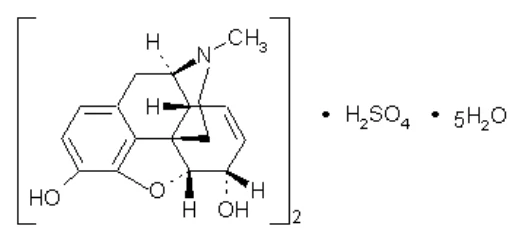
Molecular formula: (C17,H19,NO3)2 H2SO4.5H2O
Molecular weight: 758.83
Appearance: Pentahydrate, white, fine acicular crystals or powder, or cubical masses. Odourless or almost odourless. One gram dissolves in 15.5 mL water at 25oC, 0.7 mL water at 80oC, 565 mL alcohol, 240 mL alcohol at 60oC; insoluble in chloroform and ether.
Solubility: Soluble in water, very slightly soluble in alcohol and practically insoluble in toluene.
COMPOSITION
Each hard gelatin capsule of Zomorph (morphine sulfate ) sustained-release capsules contains 20, 40, 60, 120 or 200 mg morphine sulfate. Inactive ingredients: Sugar spheres composed of Sucrose and Maize starch, Hypromellose, Poly (ethyl acrylate/methyl methacrylate/trimethyl-ammonioethyl methacrylate chloride), Triethyl citrate, Talc, Hydrophobic colloidal silica
Capsule shell : Brilliant Blue FCF - FD&C Blue 1 and/or Allura Red AC - FD&C Red 40, Titanium dioxide, Gelatin and black iron oxide.
STABILITY AND STORAGE CONDITIONS
Store between 15o and 25oC.
AVAILABILITY OF DOSAGE FORMS
ZOMORPH (morphine sulfate) sustained-release capsules are listed under the Narcotic Act and Regulations, and may only be sold under the authority of the written prescription of a qualified practitioner.
ZOMORPH 20 mg is available in a size 4 hard gelatin capsule, with a white opaque body and light blue opaque cap. The number “20” is printed in black on the body.
ZOMORPH 40 mg is available in a size 4 hard gelatin capsule, with a white opaque body and dark blue opaque cap. The number “40” is printed in black on the body.
ZOMORPH 60 mg is available in a size 3 hard gelatin capsule, with a white opaque body and violet opaque cap. The number “60” is printed in black on the body.
ZOMORPH 120 mg is available in a size 1 hard gelatin capsule, with a white opaque body and rose opaque cap. The number “120” is printed in black on the body.
ZOMORPH 200 mg is available in a size 0+ hard gelatin capsule, with a white opaque body and amethyst opaque cap. The number “200” is printed in black on the body.
ZOMORPH sustained-release capsules are packaged in blister packs of 10 capsules. Boxes of 3 blisters containing 30 capsules.
INFORMATION FOR THE PATIENT
ZOMORPH (morphine sulfate sustained-release capsules)
WARNING: IT IS EXTREMELY IMPORTANT TO AVIOD DRINKING ALCOHOL, INCLUDING BEER, AT THE SAME TIME YOU TAKE ZOMORPH, SINCE THEIR COMBINED EFFECT MAY CAUSE DIFFICULTY BREATHING, LOW BLOOD PRESSURE AND POSSIBLY DEATH.
What is morphine?
Morphine relieves pain and should help you to live more comfortably and independently. It is effective when used as directed by your doctor.
Your pain may increase or decrease from time to time and your doctor may need to change the amount of morphine you take (your daily dosage).
What is ZOMORPH?
ZOMORPH is a capsule that is made in such a way as to slowly release morphine over a 24-hour period, usually requiring a dose just once a day to control your pain.
ZOMORPH is available in five capsule strengths, available in boxes of 3 blisters each containing 10 capsules.
ZOMORPH 20 mg is available in a size 4 hard gelatin capsule, with a white opaque body and light blue opaque cap. The number “20” is printed in black on the body.
ZOMORPH 40 mg is available in a size 4 hard gelatin capsule, with a white opaque body and dark blue opaque cap. The number “40” is printed in black on the body.
ZOMORPH 60 mg is available in a size 3 hard gelatin capsule, with a white opaque body and violet opaque cap. The number “60” is printed in black on the body.
ZOMORPH 120 mg is available in a size 1 hard gelatin capsule, with a white opaque body and rose opaque cap. The number “120” is printed in black on the body.
ZOMORPH 200 mg is available in a size 0+ hard gelatin capsule, with a white opaque body and amethyst opaque cap. The number “200” is printed in black on the body.
What does Zomorph contain
Each capsule of Zomorph contains morphine sulfate and the following inactive ingredients: sugar spheres composed of sucrose and maize starch, hypromellose, poly (ethyl acrylate/methyl methacrylate/trimethyl-ammonioethyl methacrylate chloride), triethyl citrate, talc and hydrophobic colloidal silica. The capsule shell is composed of coloring agents (Brilliant Blue FCF - FD&C Blue 1 and/or Allura Red AC - FD&C Red 40), titanium dioxide, gelatin and black iron oxide.
What you need to remember about ZOMORPH
- Only use ZOMORPH the way your doctor recommends.
- Only use ZOMORPH for the condition for which it was prescribed.
- ZOMORPH is not for occasional (“as needed”) use.
- Do not crush, dissolve, or chew the contents of the capsules before swallowing. Alternatively, the bead contents of the capsules may be sprinkled on applesauce immediately prior to eating. If the beads are crushed, dissolved, or chewed, the entire dose may be absorbed into your body all at once. This can lead to serious problems, including overdose and death.
- Keep ZOMORPH out of the reach of children. Accidental overdose by a child is dangerous and may result in death.
- Prevent theft and misuse. ZOMORPH contains morphine, an opioid painkiller that can be a target for people who abuse prescription medicines. Therefore, keep your capsules in a secure place, to protect them from theft. Never give them to anyone else. Selling or giving away this medicine may endanger other individuals and is against the law.
Do not take ZOMORPH if:
- Your doctor did not prescribe ZOMORPH for you.
- You have severe asthma or severe lung problems.
You have had a severe allergic reaction to morphine or to any of the ingredients in Zomorph (See
What does Zomorph contain). A severe allergic reaction includes a severe rash, hives, breathing problems, or dizziness.
Tell your doctor about all of your medical conditions before taking the medication, especially the ones listed below:
- Trouble breathing or lung problem.
- Irregular heartbeat
- Recent head injury or concussion.
- Brain tumour
- Recent abdominal surgery
- Low blood pressure
- Liver or kidney problems.
- Gastrointestinal blockage
- Adrenal gland problems, such as Addison’s disease.
- Convulsions or seizures.
- Alcoholism.
- Hallucinations or other severe mental problems.
- Depression
- Past or present substance abuse or drug addiction including alcohol.
- Concomitant medications, including monoamine oxidase inhibitors, antihistamines, sedatives, sleeping tablets, antidepressants, muscle relaxants and pain killers (analgesics) as they could affect the way you respond to morphine.
- Pregnant or plan to become pregnant, breast-feeding.
How to take your medication:
- Follow your doctor’s directions exactly. Your starting dose of ZOMORPH will be clearly labelled on your medication bottle. Be sure to follow the instructions on the label exactly. This is very important. If your doctor changes your dosage, be sure to write down the new instructions at the time your doctor calls you or sees you. Then, follow the new instructions exactly.
- Try to take ZOMORPH at the same time each day.
Do not crush, dissolve or chew the contents of the capsules before swallowing. ZOMORPH capsules may be swallowed whole with a glass of water or the capsules may be opened and the contents
mixed with soft food and swallowed immediately prior to eating. Chewing or crushing the beads could lead to absorption of excessive morphine at once that results in serious problem, including overdose and death.
- ZOMORPH must be taken regularly once daily to prevent pain through the day and night. If your pain worsens, making you uncomfortable, or if pain occurs between doses (breakthrough pain) contact your doctor immediately and he/she may decide that it is necessary to adjust your daily dosage of ZOMORPH.
- It may be necessary for you to take more than one capsule strength at the same time in order to receive the total daily dosage prescribed by your doctor.
- You should not take the 60 mg, 120 mg or 200 mg capsules unless you have already taken the same daily strength or more previously and your doctor has instructed you to do so.
- If you miss a dose, take it as soon as possible. If it is almost time for your next dose, skip the missed dose and go back to your regular dosing schedule. Do not take 2 doses at once unless instructed by your doctor. If uncertain about your dosing, call your doctor.
- Re-ordering ZOMORPH: A new written prescription is required from your doctor each time you need more ZOMORPH. Therefore, it is important to contact your doctor at least three working days before your current supply runs out. It is very important that you do not miss any doses.
- Regularly review your pain symptoms with your doctor.
- Consult your doctor for instructions on how to stop taking this medicine slowly to avoid uncomfortable symptoms. You should not stop taking ZOMORPH all at once if you have been taking it for more than a few days.
- If you are instructed to stop taking ZOMORPH, flush the unused capsules down the toilet.
What are the possible side effects of ZOMORPH
Some of the common side effects of ZOMORPH are headache, constipation, nausea, vomiting, drowsiness, weakness and itching. Some of these side effects may decrease with continued use. These are not all the possible side effects of ZOMORPH.
Morphine causes constipation. This is to be expected, so your doctor may order a laxative and stool softener to help relieve your constipation while you are taking ZOMORPH. Tell your doctor about the problem if it arises.
Call you doctor or get medical help right away if
- your breathing slows down or becomes difficult
- you feel faint, dizzy, confused, or have any other unusual symptoms
- you take too many capsules
Withdrawal effects
- Long-term use of Zomorph may lead to physical dependence and symptoms such as nervousness, trembling, sweating, colic and diarrhea may occur if Zomorph is suddenly withdrawn. These effects can be reduced if Zomorph is withdrawn gradually over several weeks under the doctor’s supervision.
What Should You Avoid While Taking ZOMORPH?
- Do not drive, operate heavy machinery, or participate in any other possibly dangerous activities until you know how you react to this medicine. ZOMORPH can make you drowsy.
- Do not drink alcohol while using ZOMORPH. It may increase the chance of having dangerous side effects.
Do not take other medicines without your doctor's approval. Other medicines include prescription and non-prescription medicines, vitamins, and supplements. Be especially careful about products that make you drowsy.
PHARMACOLOGY
Morphine is a phenanthrene alkaloid obtained from opium. Morphine and related compounds interact with specific receptors primarily found in the brain, spinal cord and the myenteric plexus of the gut wall. In man, the principal pharmacological actions of morphine are in the CNS; analgesia, drowsiness, mood changes, mental clouding, respiratory depression, nausea or emesis, miosis and on smooth muscle; increased gastrointestinal tone with a reduction in propulsive motion, increased biliary pressure and increased tone of the ureter and vesical sphincter.
Morphine induced analgesia is a result of increases in both the pain threshold and pain tolerance. Morphine alters the affective response to pain in that patients remain aware of its existence but are less distressed. Morphine relieves most types of pain but is more effective against dull constant pains than sharp intermittent ones.
Morphine is readily absorbed from the gastrointestinal tract, nasal mucosa, lung, and after subcutaneous or intramuscular injection. Due to first-pass metabolism the effect of an oral dose is less than that of the same dose given parenterally. The parenteral to oral morphine potency ratio has been reported to range from 1:6 to 1:2. In general, the greatest difference between parenteral and oral potency is seen in acute studies. With chronic dosing, oral morphine is about 1/3 as potent as when given by injection.
Following absorption, approximately 30 to 35% of morphine is reversibly bound to plasma proteins. Free morphine readily leaves the circulation and is concentrated in the liver, kidney, lung, spleen and, to a lesser extent, skeletal muscle. In adults, only small quantities of morphine pass the blood brain barrier. The mean elimination half-life of morphine is 2 to 3 hours with great interpatient variability. The major route of elimination is via the kidney. About 7 to 10% is excreted in the feces via the bile. Conjugated morphine excreted in the bile may be hydrolyzed and reabsorbed from the large bowel. Conjugation with glucuronic acid is the major metabolic pathway for morphine. The major metabolites are morphine-3-glucuronide (M3G) and morphine-6-glucuronide (M6G). Minor metabolites include normorphine, morphine-3-6 diglucuronide and morphine-3-ethereal sulfate. Route-specific differences in metabolite concentration were demonstrated in a pharmacokinetic study between oral and rectal administration of morphine. The mean AUC molar ratios of M6G and M3G to morphine were greater after oral morphine administration compared with rectal morphine administration. Systemic bioavailability and peak plasma concentration of M6G and M3G were significantly greater after oral morphine administration compared with the rectal route. Conversely, the systemic bioavailability of morphine was lower after oral administration although it was not statistically significant. Therefore rectal administration of morphine may be associated with significant avoidance of hepatic biotransformation.
Animal Pharmacology of Morphine
Morphine reduces the contractile responses and the quantity of acetylcholine released by the longitudinal muscle of isolated guinea pig ileum.
In vivo, morphine raises the pain perception threshold, modifies reaction to pain, suppresses responses to mechanical, thermal and electrical stimuli and, at high doses, induces catatonia in most species (Straub tail). In cats, subcutaneous administration causes excitation, fright, aggressiveness, motor incoordination and circling movements (morphine mania). In general, morphine increases locomotor activity.
At a dose of 20 mg/kg, morphine causes a three-fold increase in hot plate reaction time in the mouse. In rodents, analgesia is dose-related.
At low doses, morphine increases respiratory rate; at higher doses, respiration is slowed. A 35% decrease in respiratory rate has been observed in mice. In the rat, a dose of 10 mg/kg causes an 86% decrease in oxygen consumption after 120 minutes. Finally, in rabbits and dogs, periodic respiration occurs as a result of the reduced reaction of the bulbar respiratory centre to CO2, its physiological excitant.
In rodents, morphine induces a biphasic change in body temperature (primarily hypothermia).
In rats and other species, naloxone blocks this hypothermic effect, and the analgesic action of morphine.
In the dog, as in man, morphine induces miosis; in cats, it causes mydriasis. These effects are of central origin.
Repeated administration of morphine causes characteristic signs of tolerance, addiction and withdrawal syndromes. Monkeys, dogs and cats show major characteristics of the dependence syndrome observed in man.
TOXICOLOGY
Single dose studies of morphine in animals:
The LD50 values given in the Registry of toxic effects of chemical substances are shown in the following table (Table 6):
Table 6. LD50 values of morphine in rats, mice and dogs
| Species | Route of administration | LD50 in mg/kg |
| Rat | Oral Intravenous | 170 46 |
| Mouse | Oral Intravenous | 670 200 |
| Dog | Intravenous | 316 |
The symptoms of acute toxicity vary from one animal species to another. In the mouse, the symptoms are pronounced excitation and cramps, while the rat shows akinesia and paralysis. In the dog, the signs of toxicity are vomiting, diarrhea and tachycardia. Acute toxicity is age-dependent. The ratio of the LD50 in mice aged 30 days and 1 day is 6.2.
A study to determine the LD50 of morphine sulfate raw material administered by the oral route was conducted in parallel with the M-ESLON Capsules (Morphine Sulfate Extended Release Capsules) microgranules. The results are shown in Table 7 which appears below:
Table 7. Comparison of LD50 Between morphine sulfate and M-ESLON microgranules.
| SPECIES (Strain) | # of animals per sex/group | Route of Administration | Observation Period (days) | LD 50 (mg/kg)* Mophine sulfate | LD 50 (mg/kg)* M-Eslon microgranules containing 364 mg morphine sulfate/g |
| MOUSE (Swiss) | 10 males 10 females | Oral | 14 | 1100 1000 | 1310 1164 |
RAT (Wistar) | 10 males 10 females | Oral | 14 | 700 675 | 910 764 |
* Calculated by Lichfield and Wilcoxon method (J Pharmacol Exp Ther 1949, 96:99-113)
Toxicity of Morphine in Human
Morphine toxicity may result from overdosage. Because of the great inter-individual variation in sensitivity to opioids it is difficult to determine an exact dose of any opioid that is toxic or lethal.
The presence of pain or tolerance tends to diminish the toxic effects of morphine. Published data suggests that in a morphine naive, pain-free individual, the lethal oral dose would be in excess of 60 mg. Patients on chronic oral morphine therapy have been known to take in excess of 3000 mg/day with no apparent toxicity.
REFERENCES
PRECLINICAL
- 1.
AYHAN IH, RANDRUP A
Behavioural and pharmacological studies on morphine-induced excitation of rats, possible relation to brain cathecholamines. Psychopharmacologia (Berl), 1973;29:317-28
- 2.
GOLDENTHAL EI
A compilation of values in newborn and adult animals. Toxicol Appl Pharmacol 1971; 18: 185-207
- 3.
IWAMOTO K, KLASSEN CD
First-pass effect of morphine in rats. J Pharmacol Exp Ther 1977;200(1):236-44
- 4.
MARTIN GE, NARUSE T
Differences in the pharmacological actions of intrathecally administered neurotensin and morphine. Regulatory Peptides 1982;3:97-103
- 5.
MARTIN WR, EADES CG, THOMSON JA, HUPPLER RE, GILBERT PE
The effects of morphine- and nalorphine-like drugs in the non dependent and morphine dependent chronic spinal dog. J Pharmacol Exp ther 1976;197(3):517-32
- 6. Registry of toxic effects of chemical substances NIOSH 1981-82;2:758
- 7.
RETHY CR, SMITH CB, VILLARREAL JE
Effects of narcotic analgesics upon the locomotor activity and brain catecholamine content of the mouse. J Pharmacol Exp Ther 1971;176(2):472-9
- 8.
WARD SJ, METCALF G, ROES JMH
The comparative pharmacology of morphine, ketocyclazocine and 2'hydroxy-5-9-dimethyl-2'-allyl-6,7-benzomorphinan in rodents. J Pharm Pharmacol 1977;12(29 suppl):54
CLINICAL
- 1.
BALL M, MOORE RA, FISHER A, McQUAY HJ, ALLEN MC, SEAR J
Renal failure and the use of morphine in intensive care. Lancet 1985;1:784-6
- 2.
BERKOWITZ BA
The relationship of pharmacokinetics to pharmacological activity; morphine, methadone and naloxone. Research review. Clin Pharmacokin 1976;1:219-30
- 3.
FELL D, CHMIELESKI A, SMITH G
Postoperative analgesia with controlled-release morphine sulfate: comparison with intramuscular morphine. Br Med J 1982;285:92-4
- 4.
HANKS GW, ROSE NM, AHERNE GW, PIALL EM, FAIRFIELD S, TRUEMAN T
Controlled-release morphine tablets. A double-blind trial in dental surgery patients. Br J Anaesth 1982;54:479-86
- 5.
HANKS GW, TRUEMAN T
Controlled-release morphine tablets are effective in twice-daily dosage in chronic cancer pain. In: Wilkes E (ed): Advances in morphine therapy. 1983 International Symposium on pain control (Geneva). Int Congr Symp Series #64, Royal Society of Medicine 1984;103-5
- 6.
HANKS GW, AHERNE GW, HOSKIN PJ, TURNER P, POULAIN P
Explanations for potency of repeated oral doses of morphine. Lancet 1987:723-4
- 7.
JAFFE JH, MARTIN WR
Opioid analgesics and antagonists.
In: Goodman and Gilman (eds.): The Pharmacological Basis of Therapeutics, 7th Ed. Macmillan
Publishing Co. New York 1985, pp. 491-531
- 8.
KAIKO RF, WALLENTEIN SL, ROGERS AG, GRABINSKI PY, HOUDE RW
Narcotics in the elderly.
Med Clin N Am 1982; 66(5): 1079-89
- 9.
KOSSMAN B, DICK W, BOWDLER J, KILIAN J, HECHT M
Modern aspects of morphine therapy
In: Wilked E (ed): Advance in morphine therapy, 1983 International Symposium on pain Control (Geneva)
Int Congr Symp Series #64, Royal Society of Medecine, 1984; 73-81
- 10.
MOORE RA, McQUAT HJ, BULLINGHAM RES, BALDWIN D, ALLEN MC
Systematic availability of oral slow-release morphine in man.
Ann Cli Biochem 1985; 22: 226-31
- 11.
OWEN JA, SITAR DS, BERGER L, BROWNELL L, DUKE PC, MITENKO PA
Age related morphine kinetic.
Clin Pharmacol Ther 1983; 34(3): 364-8
- 12.
PINNOCK CA, DERBYSHIRE DR, ACHOLA KJ, SMITH G
Absorption of controlled-release morphine sulphate in the immediate postoperative period. Br J Anaesth 1986; 58: 868-72
- 13.
SLATTERY PJ, BOAS RA
Newer methods of delivery of opiates for relief of pain. Review article. Drugs 1985; 30: 539-51
- 14.
TWYCROSS RG
Morphine and diamorphine in the terminally ill patient.
Acta Anaesth Scan 1982;Suppl 74:128-34
- 15.
TWYCROSS RG
Overview of analgesia. In: Bonica JJ Ventafridda V, (eds): Advances in Pain Research and Therapy, Vol 2, Raven Press, New York 1979, 617-33
- 16.
TWYCROSS RG,
Narcotic analgesics in clinical practice. In: Bonica JJ et al (eds): Advances in Pain Research and Therapy, vol. 5, Raven Press, New York 1983; 435-59
- 17.
TWYCROSS RG, ZENZ M
The use of morphine by mouth in advanced cancer. Die Anwendung von oralem Morphin bie. Inkurablen Schmerzen.
Anaesthesist 1983;32:279-83
- 18.
VANDERBERGHE HM, SOLDIN SJ, MACLEOD SM
Pharmacokinetics of Morphine: a review. 1984;2:321-5
- 19.
VATER M, SMITH G, AHERNE GW, AITENHEAD AR
Pharmacokinetics and analgesic effect of slow-release oral morphine sulfate in volunteers. Br J Anaest 1984;56:821-7
- 20.
HANKS GW, TWYCROSS RG, BLISS JM
Controlled release morphine tablets: a double-blind trial in patients with advanced cancer. Anaesthesia 1987;42:840-4
- 21.
MEED SD, KLEINMAN PM, KANTOR TG, BLUM RH, SAVARESE JJ
Management of cancer pain with oral controlled-release morphine sulfate. J Clin Pharmacol 1987;27(2):155-61