


Product Monograph - Adalat XL Plus
SUMMARY PRODUCT INFORMATION
Table 1 – Product Information Summary
Route of
Administration Dosage Form, Strength Nonmedicinal Ingredients
ADALAT XL (nifedipine extended-release tablets Bayer Standard)
oral extended-release tablets
20, 30, and 60 mg
Cellulose acetate, hydroxypropyl cellulose, hypromellose, magnesium stearate, pharmaceutical shellac, polyethylene glycol 3350, polyethylene oxide, propylene glycol, red ferric oxide, sodium chloride, synthetic black iron oxide, and titanium dioxide. ASPIRIN 81 mg (acetylsalicylic acid delayed-release tablets USP)
oral delayed-release, enteric coated tablets
81 mg
Lactose, carnauba wax, corn starch, croscarmellose sodium, BD&C Blue #1, FD&C Blue #2, hypromellose, methacrylic acid copolymer, microcrystalline cellulose, polysorbate 80, powdered cellulose, pregelatinized starch, propylene glycol, shellac, sodium lauryl sulphate, titanium dioxide, and triacetin.
INDICATIONS AND CLINICAL USE
ADALAT XL PLUS (nifedipine extended-release tablets and acetylsalicylic acid delayed-release tablets) is indicated in patients for whom treatment with both ADALAT XL and ASPIRIN 81 mg is appropriate. Please refer to ADALAT XL and ASPIRIN Product Monographs for additional information concerning approved indications. (1, 2)
ADALAT XL PLUS is not indicated for initial therapy. The dose of ADALAT XL should be determined by titration before the switch to ADALAT XL PLUS. If the fixed combination represents the dose and dosing frequency determined by this titration, the use of ADALAT XL PLUS may be more convenient in the management of patients.
If during maintenance therapy dosage adjustment is necessary, it is advisable to use the individual drugs.
CONTRAINDICATIONS
- ADALAT XL PLUS (nifedipine extended-release tablets and acetylsalicylic acid delayed-release tablets) should not be given to patients who are hypersensitive to nifedipine, acetylsalicylic acid, or to any ingredient in the formulation or component of the container. For a complete listing, see the DOSAGE FORMS, COMPOSITION AND PACKAGING section.
- ADALAT XL PLUS is contraindicated in pregnancy, during lactation, and in women of childbearing potential. Fetal malformations and adverse effects on pregnancy have been reported in animals (see WARNINGS AND PRECAUTIONS: Special Populations).
- ADALAT XL PLUS is contraindicated in children.
- ADALAT XL PLUS is contraindicated in patients with severe hypotension or cardiovascular shock.
- ADALAT XL PLUS must not be used in combination with rifampicin because insufficient plasma levels of nifedipine may result due to enzyme induction.
ADALAT XL PLUS should not be used in combination with methotrexate at doses of
15 mg/week or more.
- ADALAT XL PLUS is contraindicated in patients with a history of asthma induced by the administration of salicylates or substances with a similar action, notably a nonsteroidal anti-inflammatory drug.
- ADALAT XL PLUS should not be used in patients with hemorrhagic diathesis.
- ADALAT XL PLUS should not be used in patients with active peptic ulcer.
- ADALAT XL PLUS must not be used in patients with a Kock pouch (ileostomy after proctocolectomy).
WARNINGS AND PRECAUTIONS
Serious Warnings and Precautions
- Increased angina and/or myocardial infarction in patients with severe obstructive coronary artery disease (see WARNINGS AND PRECAUTIONS: Increased Angina and/or Myocardial Infarction)
Severe hypotension and lowering of cardiac output in patients with severe heart failure (see
WARNINGS AND PRECAUTIONS: Patients with Heart Failure).
General
ASA (acetylsalicylic acid) is one of the most frequent causes of accidental poisonings in toddlers and infants. ADALAT XL PLUS (nifedipine extended-release tablets and acetylsalicylic acid delayed-release tablets) and its constituents should be kept well out of the reach of children.
Ibuprofen can interfere with the anti-platelet effect of low dose ASA. Long-term daily use of ibuprofen may render ASA less effective when used for stroke prevention and thus is not recommended while taking ADALAT XL PLUS. Healthcare professionals should advise patients of the appropriate occasional use of ibuprofen and ADALAT XL PLUS (see DRUG INTERACTIONS, Drug-Drug Interactions).
ADALAT XL PLUS should be administered cautiously to patients with the following:
- hypersensitivity to anti-inflammatory or antirheumatic drugs or other allergens
- impaired renal function or hepatic function
- a history of chronic or recurrent gastrointestinal ulcerations and bleeds
- a history of bleeding tendencies, significant anemia and/or hypothrombinemia
Cardiovascular
Excessive Hypotension in Patients with Angina
Since ADALAT XL (nifedipine extended-release tablets) lowers peripheral vascular resistance and blood pressure, ADALAT XL PLUS should be used cautiously in patients with angina who are prone to develop hypotension and those with a history of cerebrovascular insufficiency. Occasionally patients have had excessive and poorly tolerated hypotension. Syncope has been reported (see ADVERSE REACTIONS). These responses have usually occurred during initial titration or at the time of subsequent upward dosage adjustment and may be more likely in patients on concomitant beta blockers. If excessive hypotension occurs, dosage should be lowered or the drug should be discontinued (see CONTRAINDICATIONS).
Severe hypotension and/or increased fluid volume requirements have been reported in patients receiving nifedipine with a beta blocker, who underwent coronary artery bypass surgery using high-dose fentanyl anesthesia. The interaction with high-dose fentanyl appears to be due to the combination of nifedipine and a beta blocker, but the possibility that it may occur with nifedipine alone, with low doses of fentanyl in other surgical procedures, or with other narcotic analgesics cannot be ruled out. In nifedipine-treated patients where surgery using high-dose fentanyl anesthesia is contemplated, the physician should be aware of these potential problems, and if the patient's condition permits, sufficient time (at least 36 hours) should be allowed for nifedipine to be washed out of the body prior to surgery.
Increased Angina and/or Myocardial Infarction
Rarely, patients, particularly those who have severe obstructive coronary artery disease have developed well-documented increased frequency, duration and/or severity of angina or acute myocardial infarction on starting nifedipine or at the time of dosage increase. The mechanism of the response is not established.
Since there has not been a study of ADALAT XL in acute myocardial infarction reported, similar effects of ADALAT XL to that of immediate-release nifedipine cannot be excluded. Immediate-release nifedipine is contraindicated in acute myocardial infarction.
Beta-blocker Withdrawal
Patients with angina recently withdrawn from beta blockers may develop a withdrawal syndrome with increased angina, probably related to increased sensitivity to catecholamines. Initiation of treatment with ADALAT XL will not prevent this occurrence and might be expected to exacerbate it by provoking reflex catecholamine release. There have been occasional reports of increased angina in a setting of beta-blocker withdrawal and initiation of nifedipine. It is
important to taper beta blockers if possible, rather than stopping them abruptly before beginning ADALAT XL.
Patients with Heart Failure
There have been isolated reports of severe hypotension and lowering of cardiac output following administration of nifedipine to patients with severe heart failure. Thus, ADALAT XL should be used cautiously in patients with severe heart failure. Rarely have patients usually receiving a beta blocker developed heart failure after beginning nifedipine therapy.
In patients with severe aortic stenosis, nifedipine will not produce its usual afterload reducing effects, and there is a possibility that an unopposed negative inotropic action of the drug may produce heart failure if the end-diastolic pressure is raised. Caution should therefore be exercised when using ADALAT XL in patients with these conditions.
Peripheral Edema
Mild to moderate peripheral edema, typically associated with arterial vasodilation and not due to left ventricular dysfunction, has been reported to occur in patients treated with ADALAT XL (see ADVERSE REACTIONS: ADALAT XL). This edema occurs primarily in the lower extremities and may respond to diuretic therapy. With patients whose angina or hypertension is complicated by congestive heart failure, care should be taken to differentiate this peripheral edema from the effects of increasing left ventricular dysfunction.
Gastrointestinal
Patients with Pre-existing Gastrointestinal Narrowing
Since the ADALAT XL delivery system contains a nondeformable material, caution should be used when administering ADALAT XL in patients with pre-existing severe gastrointestinal narrowing (pathologic or iatrogenic). There have been rare reports of obstructive symptoms in patients with known strictures in association with the ingestion of ADALAT XL tablets. In single cases, obstructive symptoms have been described without known history of gastrointestinal disorders. Bezoars can occur in very rare cases and may require surgical intervention.
When doing barium contrast X-ray, ADALAT XL may cause false positive effects (eg, filling defects interpreted as polyp).
Hypersensitivity
Acetylsalicylic acid may precipitate bronchospasm and induce asthma attacks or other hypersensitivity reactions. Risk factors are present bronchial asthma, hay fever, nasal polyps, or chronic respiratory disease. This applies also for patients showing allergic reactions (eg, cutaneous reactions, itching, urticaria) to other substances.
Hematologic
Due to effect on platelet aggregation, acetylsalicylic acid may be associated with an increased risk of bleeding. Caution is necessary when salicylates and anticoagulants are prescribed concurrently, as salicylates can depress the concentration of prothrombin in the plasma.
Peri-operative Considerations
Due to its inhibitory effect on platelet aggregation, acetylsalicylic acid may lead to an increased bleeding tendency during and after surgical operations (including minor surgeries, eg, dental extractions).
Sexual Function/Reproduction
Male Fertility
In some cases of in vitro fertilization, nifedipine has been associated with reversible spermatozoal biochemical changes. In vitro studies have shown that nifedipine may inhibit expression of mannose-ligand receptors, thus preventing the spermatozoa from attaching to the zona pellucida and impairing sperm function. In those men who are repeatedly unsuccessful in fathering a child by in vitro fertilization and where no other explanation could be found, nifedipine should be considered as a possible cause.
Special Populations
Pregnant Women
The use of ADALAT XL PLUS is contraindicated during pregnancy (see CONTRAINDICATIONS).
There are no adequate and well-controlled studies of ADALAT XL in pregnant women. An increase in the number of fetal mortalities and resorptions occurred after the administration of 30 and 100 mg/kg nifedipine to pregnant mice, rats, and rabbits. Fetal malformations occurred after the administration of 30 and 100 mg/kg nifedipine to pregnant mice and 100 mg/kg to pregnant rats (see CONTRAINDICATIONS).
Use of salicylates in the first 3 months of pregnancy has been associated in several epidemiological studies with an elevated risk of malformations (cleft palate, heart malformations). After normal therapeutic doses this risk seems to be low: a prospective study with exposure of about 32,000 mother-child pairs has not yielded any association with the risk of malformations.
In the last 3 months of pregnancy, administration of salicylates in high doses (>300mg/day) can lead to prolongation of the gestation period, premature closure of the arterial duct, and inhibition of uterine contractions. An increased hemorrhagic tendency has been observed in both mother and child.
Administration of acetylsalicylic acid in high doses (>300 mg/d) shortly before birth can lead to intracranial hemorrhages, particularly in premature babies.
Nursing Mothers
The use of nifedipine is contraindicated during lactation (see CONTRAINDICATIONS).
ASA and its metabolites pass into breast milk in small quantities. Since no adverse effects on the infant have been observed after occasional use, interruption of breastfeeding is usually unnecessary. However, on regular use or on intake of high doses, breastfeeding should be discontinued early.
Pediatrics
ADALAT XL PLUS should not be used in children (see CONTRAINDICATIONS). The safety and efficacy of ADALAT XL in children below 18 years of age has not been established.
Geriatrics
ADALAT XL should be administered cautiously to elderly patients, especially to those with a history of hypotension or cerebral vascular insufficiency.
Diabetic Patients
The use of ADALAT XL in diabetic patients may require adjustment for their control.
Hepatic Insufficiency
ADALAT XL should be used with caution in patients with impaired liver function (see ACTION AND CLINICAL PHARMACOLOGY: Special Populations and Conditions: Hepatic Insufficiency). A dose reduction, particularly in severe cases, may be required. Close monitoring of response and metabolic effect should apply.
Low Uric Acid Excretion
At low doses, ASA reduces excretion of uric acid. This can trigger gout in patients who already tend to have low uric acid excretion.
Monitoring and Laboratory Tests
Hypotension/Heart Rate
Because ADALAT XL is an arterial and arteriolar vasodilator, hypotension and a compensatory increase in heart rate may occur. Thus, blood pressure and heart rate should be monitored carefully during nifedipine therapy. Close monitoring is especially recommended for patients who are prone to develop hypotension, those with a history of cerebrovascular insufficiency, and those who are taking medications that are known to lower blood pressure (see WARNINGS AND PRECAUTIONS: Cardiovascular).
Thyroid Function Tests
Salicylates can produce changes in thyroid function tests.
Liver Function Tests
Isolated cases of liver function disturbances (transaminases increase) have been described following administration of ASA.
ADVERSE REACTIONS
Formal clinical trials to examine the safety of combination use of ADALAT XL (nifedipine extended-release tablets) and ASPIRIN 81 mg (acetylsalicylic acid delayed-release tablets) have not been conducted. The following sections summarize the safety information derived from clinical trials and postmarketing use of the individual drugs.
ADALAT XL
Hypertension
In 661 hypertensive patients treated in controlled trials with ADALAT XL, adverse effects were reported in 54.0% of patients and required discontinuation of therapy in 11.9% of patients. The majority of adverse effects reported occurred within the first three months of therapy.
The most common adverse effects reported with ADALAT XL were edema, which was dose related and ranged in frequency from approximately 10 to 30% in the 30 to 120 mg dose range, headache (16.6%), fatigue (6.2%), dizziness (4.4%), constipation (3.5%), and nausea (3.5%).
The following adverse effects were also reported. Incidences greater than 1% are given in parenthesis:
Cardiovascular: flushing (2.4%), palpitation (2.3%), tachycardia (1.2%), chest pain (1.1%), ventricular arrhythmia, hypotension, syncope.
Central Nervous System: insomnia (1.8%), nervousness (1.8%), somnolence (1.5%), depression, tremor, decreased libido, migraine, vertigo, amnesia, anxiety, impaired concentration, twitching, ataxia, hypertonia, paresthesia, hypoesthesia.
Gastrointestinal: dyspepsia (1.5%), flatulence (1.5%), abdominal pain (1.4%), dry mouth (1.1%), diarrhea, vomiting, thirst, melena, eructation, weight increase.
Genito-urinary: impotence (1.5%), polyuria (1.5%), dysuria, nocturia, oliguria, urinary incontinence, urinary frequency, menstrual disorder.
Musculo-skeletal: arthralgia, back pain, myalgia.
Special Senses: abnormal vision, abnormal lacrimation, taste disturbance, conjuctivitis, tinnitus.
Dermatologic: rash (2.3%), pruritus (1.1%), erythematous rash, alopecia.
Respiratory: dyspnea (1.7%), bronchospasm, pharyngitis, upper respiratory tract infection, epistaxis.
Other: leg cramps (2.7%), pain (2.7%), asthenia (2.0%), face edema, gout, allergy, fever, breast pain.
Angina
In 257 chronic stable angina patients treated in controlled and long-term open studies with ADALAT XL, adverse effects were reported in 30.0% of patients and required discontinuation of therapy in 8.5% of patients.
The most common adverse effects were: edema (10.1%), headache (3.1%), angina pectoris (3.1%).
The following adverse effects were also reported. Incidences greater than 1% are given in parenthesis:
Cardiovascular: palpitation (2.3%), tachycardia, myocardial infarction, ventricular arrhythmia, extrasystoles, dyspnea, chest pain.
In patients with angina, rarely, and possibly due to tachycardia, nifedipine has been reported to have precipitated an angina pectoris attack. In addition, more serious events were occasionally observed, not readily distinguishable from the natural history of the disease in these patients. It remains possible, however, that some or many of these events were drug related. These events include myocardial infarction, congestive heart failure or pulmonary edema, and ventricular arrhythmias or conduction disturbances.
Central Nervous System: dizziness (2.3%), hypoesthesia (1.2%), confusion, insomnia, somnolence, nervousness, asthenia, hyperkinesia.
Gastrointestinal: constipation (1.9%), dyspepsia (1.2%), abdominal pain (1.2%), diarrhea, nausea, melena.
Genito-urinary: impotence, hematuria, polyuria, dysuria.
Musculo-skeletal: leg cramps, paresthesia, myalgia, arthralgia.
Dermatologic: rash, pruritus.
Other: fatigue (1.2%), pain, periorbital edema.
Other Adverse Effects
The following adverse events have been reported with nifedipine rarely.
Rare instances of allergic hepatitis and cholestasis with or without jaundice have been reported in patients treated with nifedipine.
Gingival hyperplasia similar to that caused by diphenylhydantoin has been reported in patients treated with nifedipine. The lesions usually regressed on discontinuation of the drug. However, on occasion gingivectomy was necessary.
Gynecomastia has been observed rarely in older men on long-term therapy, but has so far always regressed completely on discontinuation of the drug.
Isolated cases of angioedema have been reported. Angioedema may be accompanied by breathing difficulty. Anaphylaxis has been reported rarely.
In postmarketing experience, there have been rare reports of exfoliative dermatitis and Stevens-Johnson Syndrome. Gastrointestinal irritation and gastrointestinal bleeding were also reported; however, the causal relationship is uncertain.
The following adverse events were identified only during postmarketing experience with a frequency that could not be estimated: agranulocytosis, epidermal photosensitivity allergic reaction, eye pain, gastro esophageal sphincter insufficiency, hyperglycemia, hypoaesthesia, jaundice, leukopenia, toxic epidermal necrolysis, somnolence, toxic palpable purpura.
Laboratory Tests
Rare, usually transient, but occasionally significant elevations of enzymes such as CPK, AST, and ALT have been noted. The relationship to drug therapy is uncertain in most cases, but probable in some. These laboratory abnormalities have rarely been associated with clinical symptoms; however, cholestasis with or without jaundice has been reported.
An increase (5.4%) in mean alkaline phosphatase was noted in patients treated with ADALAT XL. This was an isolated finding not associated with clinical symptoms and rarely resulted in values which exceeded the upper limit of the normal range.
Serum potassium was unchanged in patients receiving ADALAT XL in the absence of concomitant diuretic therapy and slightly decreased in patients receiving concomitant diuretics.
Nifedipine decreases platelet aggregation in vitro. Limited clinical studies have demonstrated a moderate but statistically significant decrease in platelet aggregation and increase in bleeding time in some nifedipine-treated patients. This is thought to be a function of inhibition of calcium transport across the platelet membrane. No clinical significance for these findings has been demonstrated.
Positive direct Coombs tests, with or without associated hemolytic anemia, have been reported but a causal relationship between nifedipine administration and positivity of this laboratory test, including hemolysis, could not be determined.
Rare reversible elevations in BUN and serum creatinine have been reported in patients with pre-existing chronic renal insufficiency. The relationship to therapy with ADALAT XL is uncertain in most cases, but probable in some.
ASPIRIN 81 mg
Many adverse reactions due to ASPIRIN ingestion are dose related. Table 2 lists adverse reactions that have been reported in the literature and from both clinical and postmarketing experience.
Table 2 – ASPIRIN Adverse Drug Reactions Reported in Clinical and Postmarketing Experience
Gastrointestinal nausea, vomiting, diarrhea, gastrointestinal bleeding and/or ulceration, dyspepsia, heartburn, hematemesis, melena
(the frequency and severity of these adverse effects are dose related) Ear tinnitus, vertigo, hearing loss
Hematologic leukopenia, thrombocytopenia, purpura, anemia
Dermatologic and
Hypersensitivity
urticaria, angioedema, pruritus, skin eruptions, asthma, anaphylaxis, Quincke edema
Miscellaneous mental confusion, drowsiness, sweating, thirst
DRUG INTERACTIONS
Drug-Drug Interactions
General: Biotransformation by Cytochrome P450 System
As with all drugs, care should be exercised when treating patients with multiple medications. Dihydrophyridine calcium channel blockers, including ADALAT XL (nifedipine extended-release tablets), undergo biotransformation by the cytochrome P450 system, mainly via the CYP3A4 isoenzyme. Coadministration of nifedipine with other drugs which follow the same route of biotransformation may result in altered bioavailability. Dosages of similarly metabolized drugs, particularly those of low therapeutic ratio, and especially in patients with renal and/or hepatic impairment, may require adjustment when starting or stopping concomitantly administered nifedipine to maintain optimum therapeutic blood levels. If necessary, a reduction in the dose of nifedipine may be considered.
Drugs known to be inhibitors of the cytochrome P450 system include: azole antifungals (ketoconazole, itraconazole, fluconazole), cimetidine, cyclosporine, erythromycin, fluoxetine, HIV protease inhibitors (amprenavir, indinavir, nelfinavir, ritonavir, saquanavir), nefazodone, quinidine, terfenadine, and warfarin.
Drugs known to be inducers of the cytochrome P450 system include: phenobarbital, phenytoin, and rifampicin.
Drugs known to be biotransformed via cytochrome P450 include: benzodiazepines, cisapride, flecainide, tacrolimus, theophylline, imipramine, and propafenone.
ADALAT XL PLUS (nifedipine extended-release tablets and acetylsalicylic acid delayed-release tablets) should be used with caution with other products that have anticoagulation or antiplatelet effects, as these effects may be potentiated. Drugs that bind to protein binding sites should also be used cautiously since ASA may displace drugs from their protein binding site.
Angiotensin-converting Enzyme (ACE) Inhibitors
The hyponatremic and hypotensive effects of ACE inhibitors may be diminished by the concomitant administration of ASA due to its indirect effect on the renin-angiotensin conversion pathway. The potential interaction may be related to the dose of ASA (3 g/day or more).
Anticoagulants
There have been rare reports of increased prothrombin time in patients taking coumarin anticoagulants to whom nifedipine was administered. However, the relationship to nifedipine therapy is uncertain.
Caution is necessary when salicylates and anticoagulants are prescribed concurrently, as salicylates can depress the concentration of prothrombin in the plasma.
ASA and Other NSAIDs
Concomitant use of ASA and NSAIDs increases the risk of gastrointestinal side effects while providing no additional therapeutic benefit (see also DRUG INTERACTIONS, Drug-Drug Interactions, General: Biotransformation by Cytochrome P450 System, Ibuprofen).
Beta Adrenergic Blocking Agents
Concomitant administration of nifedipine and beta blocking agents is usually well tolerated, but there have been occasional literature reports suggesting that the combination may increase the likelihood of congestive heart failure, severe hypotension, or exacerbation of angina. Therefore, caution and careful monitoring of patients on concomitant therapy is recommended (see INDICATIONS AND CLINICAL USE and WARNINGS AND PRECAUTIONS: Cardiovascular).
Carbamazepine
No formal studies have been performed to investigate the potential interaction between nifedipine and carbamazepine. As carbamazepine has been shown to reduce the plasma concentrations of the structurally similar calcium channel blocker, nimodipine, due to enzyme induction, a decrease in nifedipine plasma concentrations and hence a decrease in efficacy cannot be excluded.
Cimetidine and Ranitidine
Pharmacokinetic studies have shown that concurrent administration of cimetidine or ranitidine with nifedipine results in significant increases in nifedipine plasma levels (ca. 80% with cimetidine and 70% with ranitidine). Patients receiving either of these drugs concomitantly with nifedipine should be monitored carefully for the possible exacerbation of effects of nifedipine, such as hypotension. Adjustment of nifedipine dosage may be necessary.
Cisapride
Simultaneous administration of cisapride and nifedipine may lead to increased plasma concentrations of nifedipine. Upon coadministration of both drugs, the blood pressure should be monitored and, if necessary, a reduction of the nifedipine dose considered.
Coadministration with ASPIRIN
The safety, pharmacodynamic effects, and pharmacokinetics of coadministration of ADALAT XL 60 mg and acetylsalicylic acid (100 mg enteric-coated tablet) were studied in a multiple-dose, randomized, double-blind, placebo-controlled, three-treatment crossover study in healthy male volunteers. The results of this clinical pharmacology study showed that concomitant administration of nifedipine and acetylsalicylic acid has no clinically relevant effect on the pharmacokinetics of the two drugs. Coadministration of nifedipine did not alter the effect of acetylsalicylic acid on platelet aggregation and bleeding time.
Digoxin
Administration of nifedipine with digoxin may lead to reduced digoxin clearance and therefore an increase in the plasma digoxin level. It is recommended that digoxin levels be monitored when initiating, adjusting, and discontinuing nifedipine to avoid possible “underdosing” or “overdosing” with digitalis.
Plasma concentrations of digoxin are increased due to a decrease in renal excretion with concomitant usage of ASPIRIN.
Diuretics
Sodium excretion produced by spironolactone may be decreased by salicylate administration.
Diltiazem
Diltiazem decreases the clearance of nifedipine. The combination of both drugs should be administered with caution, and a reduction of the nifedipine dose may be considered.
Glucocorticoids (Systemic), Except Hydrocortisone Used as Replacement Therapy in Addison’s Disease
Decreased blood salicylate levels during corticosteroid treatment and risk of salicylate overdose after this treatment is stopped via increased elimination of salicylates by corticosteroids.
Ibuprofen
Ibuprofen can interfere with the anti-platelet effect of low dose acetylsalicylic acid (ASA). Long-term daily use of ibuprofen may render ASA less effective when used for cardio-protection and stroke prevention, and therefore is not recommended when taking ADALAT XL PLUS. Healthcare professionals should advise patients of the appropriate occasional use of ibuprofen and ADALAT XL PLUS.
Long-acting Nitrates
Nifedipine may be safely coadministered with nitrates, but there have been no controlled studies to evaluate the antianginal effectiveness of this combination.
Methotrexate, Used at 15 mg/week or Less
Salicylates may retard the elimination of methotrexate by decreasing renal clearance of methotrexate, displacing methotrexate from protein binding sites, and thereby increasing its hematological toxicity.
Oral Hypoglycemics
Large doses of salicylates have a hypoglycemic action and may enhance the effect of oral hypoglycemic agents. Diabetics receiving concurrent salicylate and hypoglycemic therapy should be monitored closely: reduction of the sulfonylurea hypoglycemic drug dosage may be necessary.
Quinidine
The addition of nifedipine to a stable quinidine regimen may reduce the quinidine by 50%; an enhanced response to nifedipine may also occur. The addition of quinidine to a stable nifedipine regimen may result in elevated nifedipine concentrations and a reduced response to quinidine. Some patients have experienced elevated quinidine levels when nifedipine was discontinued. Therefore, patients receiving concomitant therapy of nifedipine and quinidine, or those who had their nifedipine discontinued while still receiving quinidine, should be closely monitored, including determination of plasma levels of quinidine. Consideration should be given to dosage adjustment.
Quinupristin/Dalfopristin
Simultaneous administration of quinupristin/dalfopristin and nifedipine may lead to increased plasma concentrations of nifedipine. Upon coadministration of both drugs, blood pressure should be monitored and, if necessary, a reduction of the nifedipine dose should be considered.
Uricosuric Agents
Salicylates in large doses are uricosuric agents; smaller amounts may depress uric acid clearance and thus decrease the uricosuric effects of other drugs.
Valproic Acid
No formal studies have been performed to investigate the potential interaction between nifedipine and valproic acid (VPA). As VPA has been shown to increase the plasma concentrations of the structurally similar calcium channel blocker nimodipine due to enzyme inhibition, an increase in nifedipine plasma concentrations and hence an increase in efficacy cannot be excluded.
Salicylates may alter VPA metabolism and may displace VPA from protein binding sites, possibly intensifying the effects of VPA. Caution is recommended when VPA is administered concomitantly with salicylates.
Drug-Food Interactions
Published data indicate that through inhibition of cytochrome P450, flavonoids present in the grapefruit juice can increase plasma levels and augment pharmacodynamic effects of some dihydropyridine calcium channel blockers, including nifedipine (see ACTION AND CLINICAL PHARMACOLOGY: Pharmacokinetic). Therefore, the administration of nifedipine with grapefruit juice should be avoided.
Interactions with food have not been established for ASPIRIN.
Drug-Herb Interactions
Interactions with herbal products have not been established.
Drug-Laboratory Interactions
Salicylates can produce changes in thyroid function tests.
Drug-Lifestyle Interactions
Reactions to the drug, which vary in intensity from individual to individual, can impair the ability to drive or to operate machinery, particularly at the start of the treatment, upon changing the medication, or in combination with alcohol.
Patients taking ASA daily are at an increased risk of developing gastrointestinal bleeding following the ingestion of alcohol.
DOSAGE AND ADMINISTRATION
Dosing Considerations
See WARNINGS AND PRECAUTIONS: Special Populations and DRUG INTERACTIONS: Drug-Drug Interactions.
Administration
ADALAT XL PLUS (nifedipine extended-release tablets and acetylsalicylic acid delayed-release tablets) is not indicated for initial therapy. The dose of nifedipine should be determined by titration before the switch to ADALAT XL PLUS.
Dosage should be individualized depending on patient tolerance and response. Once the dose of nifedipine has been established, patients should take 1 tablet of ADALAT XL (nifedipine
extended-release tablets) and 1 tablet of ASPIRIN 81 mg (acetylsalicylic acid delayed-release tablets) daily.
Therapy for hypertension should normally be initiated with 20 or 30 mg of nifedipine extended-release tablets once daily. The usual maintenance dose is 30 to 60 mg once daily. Doses greater than 90 mg daily are not recommended.
No "rebound effect" has been observed upon discontinuation of ADALAT XL. However, if discontinuation of nifedipine is necessary, sound clinical practice suggests that the dosage should be decreased gradually under close physician supervision.
ADALAT XL and ASPIRIN 81 mg tablets must be swallowed whole and should not be bitten or divided. Both tablets should preferably be taken after meals, with plenty of liquid.
OVERDOSAGE
ADALAT XL
There are several well-documented cases of ADALAT XL (nifedipine extended-release tablets) overdosage. The following symptoms are observed in cases of severe nifedipine intoxication: disturbance of consciousness to the point of coma, a drop in blood pressure, tachycardia/bradycardia, hyperglycemia, metabolic acidosis, hypoxia, and cardiogenic shock with pulmonary edema.
As far as treatment is concerned, elimination of the active substance and the restoration of stable cardiovascular conditions have priority. After oral ingestion, thorough gastric lavage is indicated, if necessary in combination with irrigation of the small intestine. Particularly in cases of intoxication with slow-release products like ADALAT XL, elimination must be as complete as possible, including the small intestine, to prevent the otherwise inevitable subsequent absorption of the active substance. Hemodialysis serves no purpose, as nifedipine is not dialysable, but plasmapheresis is advisable (high plasma protein binding, relatively low volume of distribution).
Clinically significant hypotension calls for active cardiovascular support including monitoring of cardiac and respiratory function including elevation of extremities and attention to circulating fluid volume and urine output.
Hypotension as a result of arterial vasodilation can also be treated with calcium (10 mL of 10% calcium gluconate solution administered slowly via intravenous route and repeated if necessary). As a result, the serum calcium can reach the upper normal range to slightly elevated levels. If an insufficient increase in blood pressure is achieved with calcium, vasoconstricting sympathomimetics such as dopamine or noradrenaline are additionally administered as a last resort only in patients without cardiac arrhythmia or ischemic heart disease and when other safer measures have failed. The dosage of these drugs is determined solely by the effect obtained. Additional liquid or volume must be administered with caution because of the danger of overloading the heart.
Bradycardia and/or bradyarrhythmias have been observed in some cases of nifedipine overdosage. Appropriate clinical measures, according to the nature and severity of the symptoms, should be applied.
ASPIRIN 81mg
Table 3 – Symptoms of ASPIRIN (Acetylsalicylic Acid Tablets) Overdose
Mild Overdose or Early
Poisoning
burning in the mouth, lethargy, nausea, vomiting, tinnitus, sweating, thirst, tachycardia or dizziness
Moderate Overdose all of the symptoms from mild overdose plus tachypnea, hyperpyrexia, dehydration, loss of coordination, restlessness, mental confusion Severe Overdose all of the symptoms from moderate overdose plus hypotension, hallucinations, stupor, hypoglycemia, convulsions, cerebral edema, oliguria, renal failure, cardiovascular failure, coma, metabolic acidosis, respiratory alkalosis and/or failure
Emergency Management
- 1. Immediate transfer to hospital and maintain cardiovascular and respiratory support.
- 2. Gastric lavage, administration of activated charcoal.
- 3. Check of acid-base balance and correct if necessary.
- 4. Alkaline diuresis so as to obtain urine pH between 7.5 and 8 should be considered when plasma salicylate concentration is greater than 500 mg/L (3.6 mmol/L) in adults or 300 mg/L (2.2 mmol/L) in children.
- 5. Hemodialysis should be considered in severe poisoning 800 mg/L (5.8 mmol/L) in adults and 700 mg/L (5.0 mmol/L) in children, as renal elimination of salicylates may be slow due to the presence of acidic urine and renal failure. Hemodialysis should also be considered if the patient is experiencing severe systemic metabolic acidosis (arterial pH < 7.2), acute renal failure, pulmonary edema, or CNS symptoms such as: drowsiness, agitation, coma, or convulsions.
- 6. Fluid losses should be replaced with hypotonic solution (eg, half-saline) and supplemented with glucose 50 to 100 g/L.
- 7. Symptomatic treatment.
Fatal Dose
The fatal dose varies from 10 to 30 g of ASA. However, (in one case) 130 g of ASA was ingested without fatal outcome.
ACTION AND CLINICAL PHARMACOLOGY
ADALAT XL
Mechanism of Action
ADALAT XL (nifedipine extended-release tablets) is a calcium ion influx inhibitor (calcium channel blocker or calcium ion antagonist).
ADALAT XL, while similar in appearance to a conventional tablet, nonetheless consists of a semipermeable membrane surrounding an osmotically active drug core. The core itself is divided into two layers: an “active” layer containing the drug, and a “push” layer containing pharmacologically inert but osmotically active components. As water from the gastrointestinal tract enters the tablet, pressure increases in the osmotic layer and “pushes” against the drug layer, forcing drug through the orifice in the active layer.
Drug delivery is essentially constant as long as the osmotic gradient remains constant and then gradually falls to zero as drug is exhausted from the tablet. Upon swallowing, the biologically inert components of the tablet remain intact during gastrointestinal transit and are eliminated in the feces as an insoluble shell.
The antianginal and antihypertensive actions of nifedipine are believed to be related to a specific cellular action of selectively inhibiting transmembrane influx of calcium ions into cardiac muscle and vascular smooth muscle. The contractile processes of these tissues are dependent upon the movement of extracellular calcium into the cells through specific ion channels. Nifedipine selectively inhibits the transmembrane influx of calcium through the slow channel without affecting, to any significant degree, the transmembrane influx of sodium through the fast channel. This results in a reduction of free calcium ions available within the muscle cells and an inhibition of the contractile processes. Nifedipine does not alter total serum calcium.
The specific mechanisms by which nifedipine relieves angina and reduces blood pressure have not been fully determined but are believed to be brought about largely by its vasodilatory action.
Pharmacodynamics
Nifedipine dilates the main coronary arteries and coronary arterioles both in normal and ischemic regions resulting in an increase in blood flow and hence in myocardial oxygen delivery.
Nifedipine by its vasodilatory action on peripheral arterioles, reduces the total peripheral vascular resistance. This reduces the workload of the heart and thus reduces myocardial energy consumption and oxygen requirements which probably accounts for the effectiveness of nifedipine in chronic stable angina.
The mechanism by which nifedipine reduces arterial blood pressure involves peripheral arterial vasodilation and subsequent reduction in peripheral vascular resistance. The increased peripheral vascular resistance that is an underlying cause of hypertension results from an increase in active tension in the vascular smooth muscle. Studies have demonstrated that the increase in active tension reflects an increase in cytosolic free calcium.
The negative inotropic effect of nifedipine is usually not of major clinical significance because at therapeutic doses, nifedipine's vasodilatory property evokes a baroreceptor mediated reflex tachycardia which tends to counterbalance this negative inotropic effect. Continued administration of nifedipine to hypertensive patients has shown no significant increase in heart rate.
Although nifedipine causes a slight depression of sinoatrial node function and atrioventricular conduction in isolated myocardial preparations, such effects have not been seen in studies in intact animals or in man. In formal electrophysiologic studies, predominantly in patients with normal conduction systems, nifedipine has had no tendency to prolong atrioventricular conduction or sinus node recovery time, or to slow sinus rate.
Pharmacokinetics
Absorption
Nifedipine is completely absorbed after oral administration. Plasma drug concentrations rise at a gradual, controlled rate exhibiting zero-order absorption kinetics after ADALAT XL administration and reach a plateau at approximately six hours after the first dose. For subsequent doses, relatively constant plasma concentrations at this plateau are maintained with minimal fluctuations over the 24-hour dosing interval. About a four-fold higher fluctuation index (ratio of peak to trough plasma concentration) was observed with the conventional immediate-release nifedipine capsule at t.i.d. dosing than with once-daily ADALAT XL tablets. At steady state the bioavailability of the ADALAT XL tablet is 86% relative to nifedipine capsules. Administration of the ADALAT XL tablet in the presence of food slightly alters the early rate of drug absorption but does not influence the extent of drug bioavailability. Markedly reduced GI retention time over prolonged periods (ie, short bowel syndrome), however, may influence the pharmacokinetic profile of the drug which could potentially result in lower plasma concentrations. Pharmacokinetics of ADALAT XL tablets are linear over the dose range of 30 to 180 mg in that plasma drug concentrations are proportional to dose administered. There was no evidence of dose dumping either in the presence or absence of food. The bioavailability of the 20 mg tablet is directly proportional to the 30 mg tablet.
Metabolism
Nifedipine is metabolized by the cytochrome P450 enzyme system, predominantly via CYP3A4, but also by CYP1A2 and CYP2A6 isoenzymes.
Compounds found in grapefruit juice inhibit the cytochrome P450 system, especially CYP3A4. In a grapefruit-juice-nifedipine interaction study in healthy male volunteers, pharmacokinetics of nifedipine showed significant alteration. Following administration of a single dose of nifedipine 10 mg with 250 mL grapefruit juice, the mean value of nifedipine AUC increased by 34% and the tmax increased from 0.8 hours to 1.2 hours as compared to water (see DRUG INTERACTIONS: Drug-Food Interactions).
Excretion
Nifedipine is extensively metabolized to highly water-soluble, inactive metabolites accounting for 60 to 80% of the dose excreted in the urine. The remainder is excreted in the feces in metabolized form, most likely as a result of biliary excretion. The main metabolite (95%) is the hydroxycarbolic acid derivative; the remaining 5% is the corresponding lactone. Only traces (less than 0.1% of the dose) of unchanged nifedipine can be detected in the urine.
Special Populations and Conditions
Hepatic Insufficiency
Since hepatic biotransformation is the predominant route for the disposition of nifedipine, the pharmacokinetics may be altered in patients with chronic liver disease. Pharmacokinetic studies in patients with hepatic cirrhosis showed a clinically significant prolongation of elimination half-life and a decrease in total clearance of nifedipine. The degree of serum protein binding of nifedipine is high (92-98%). Protein binding may be greatly reduced in patients with hepatic impairment (see WARNINGS AND PRECAUTIONS: Special Populations: Hepatic Insufficiency).
Renal Insufficiency
Patients in hemodialysis or CAPD (continuous ambulatory peritoneal dialysis) have not reported significantly altered pharmacokinetics of nifedipine.
The pharmacokinetics of nifedipine are not significantly influenced by the degree of renal impairment.
ASPIRIN 81mg
Mechanism of Action
ASPIRIN (acetylsalicylic acid tablets) interferes with the production of prostaglandins in various organs and tissues through acetylation of the enzyme cyclo-oxygenase. Prostaglandins are themselves powerful irritants and produce headaches and pain on injection in man. Prostaglandins also appear to sensitize pain receptors to other noxious substances such as histamine and bradykinin. By preventing the synthesis and release of prostaglandins in inflammation, ASPIRIN may avert the sensitization of pain receptors.
The antipyretic activity of ASPIRIN is due to its ability to interfere with the production of prostaglandin E1 in the brain. Prostaglandin E1 is one of the most powerful pyretic agents known.
The inhibition of platelet aggregation by ASPIRIN is due to its ability to interfere with the production of thromboxane A2 within the platelet. Thromboxane A2 is largely responsible for the aggregating properties of platelets.
In vitro studies have shown that ASPIRIN enhances the activity of the Nitric oxide (NO)-cGMP system and heme oxygenase-1 (HO-1) by acting on the endothelial NO synthase site.
Pharmacokinetics
Absorption
When ASPIRIN is taken orally, it is rapidly absorbed from the stomach and proximal small intestine. The gastric mucosa is permeable to the nonionized form of acetylsalicylic acid, which passes through the stomach wall by a passive diffusion process.
Optimum absorption of salicylate in the human stomach occurs in the pH range of 2.15 to 4.10. Absorption in the small intestine occurs at a significantly faster rate than in the stomach. After an oral dose of 0.65 g ASPIRIN, the plasma acetylsalicylate concentration in man usually reaches a level between 0.6 and 1.0 mg % in 20 minutes after ingestion and drops to 0.2 mg % within an hour. Within the same period of time, half or more of the ingested dose is hydrolyzed to salicylic acid by esterases in the gastrointestinal mucosa and the liver, the total plasma salicylate concentration reaching a peak between one or two hours after ingestion, averaging between 3 and 7 mg %. Many factors influence the speed of absorption of ASA in a particular individual at a given time; tablet disintegration, solubility, particle size, gastric emptying time, psychological state, physical condition, nature and quantity of gastric contents, etc-all affect absorption.
Distribution
Distribution of salicylate throughout most body fluids and tissues proceeds at a rapid rate after absorption. Aside from the plasma itself, fluids which have been found to contain substantial amounts of salicylate after oral ingestion include spinal, peritoneal and synovial fluids, saliva, and milk. Tissues containing high concentrations of the drug are the kidney, liver, heart, and lungs. Concentrations in the brain are usually low, and are minimal in feces, bile and sweat.
The drug readily crosses the placental barrier. At clinical concentrations, from 50% to 90% of the salicylate is bound to plasma proteins especially albumin, while acetylsalicylic acid itself is bound to only a very limited extent. However, ASA has the capacity of acetylating various proteins, hormones, DNA, platelets, and hemoglobin, which at least partly explains its wide-ranging pharmacological actions.
Metabolism
The liver appears to be the principal site for salicylate metabolism, although other tissues may also be involved. The three chief metabolic products of ASPIRIN or salicylic acid are salicyluric acid, the ether or phenolic glucuronide, and the ester or acyl glucuronide. A small fraction is also converted to gentisic acid and other hydroxybenzoic acids. The half-life of ASPIRIN in the circulation is from 13 to 19 minutes so that the blood level drops quickly after absorption is complete. However, the half-life of the salicylate ranges between 3.5 and 4.5 hours, which means that 50% of the ingested dose leaves the circulation within that time.
Excretion
Excretion of salicylates occurs principally via the kidney, through a combination of glomerular filtration and tubular excretion, in the form of free salicylic acid, salicyluric acid, as well as phenolic and acyl glucuronides. Salicylate can be detected in the urine shortly after its ingestion but the full dose requires up to 48 hours for complete elimination. The rate of excretion of free salicylate is extremely variable, reported recovery rates in human urine ranging from 10% to 85%, depending largely on urinary pH. In general, it can be stated that acid urine facilitates reabsorption of salicylate by renal tubules, while alkaline urine promotes excretion of the drug.
With the administration of 325 mg, elimination of ASPIRIN is linear following a first order kinetics. At higher doses, elimination half-life increases.
Special Populations and Conditions
Absorption and clearance of salicylates are not affected by gender or age.
STORAGE AND STABILITY
Store between 15°C and 30°C. Protect from light and humidity.
DOSAGE FORMS, COMPOSITION AND PACKAGING
ADALAT XL PLUS (nifedipine extended-release tablets and acetylsalicylic acid delayed-release tablets) is available in cartons containing 28 ASPIRIN 81 mg tablets (acetylsalicylic acid delayed-release tablets) packed with 28 (either 20 mg, 30 mg, or 60 mg) ADALAT XL tablets (nifedipine extended-release tablets) (see Table 4). The tablets are packaged in clear blisters and are arranged side by side. Due to the clear nature of the blister package and the difference in color of the two products, they are readily distinguishable from each other.
Table 4 – Description and Availability of ADALAT XL PLUS
| Strength | Description | Packaging |
| ADALAT XL PLUS 20 mg/81 mg |
| Each carton contains two blister packs of 14 ADALAT XL tablets and 14 ASPIRIN 81 mg tablets |
| ADALAT XL PLUS 30 mg/81 mg |
| Each carton contains two blister packs of 14 ADALAT XL tablets and 14 ASPIRIN 81 mg tablets |
| ADALAT XL PLUS 60 mg/81 mg |
| Each carton contains two blister packs of 14 ADALAT XL tablets and 14 ASPIRIN 81 mg tablets |
ADALAT XL
ADALAT XL is supplied as 20, 30, and 60 mg tablets for oral administration. ADALAT XL 20, 30, and 60 mg tablets, in addition to the active ingredient nifedipine, contain the following inactive ingredients: cellulose acetate, hydroxypropyl cellulose, hypromellose, magnesium stearate, pharmaceutical shellac, polyethylene glycol 3350, polyethylene oxide, propylene glycol, red ferric oxide, sodium chloride, synthetic black iron oxide, and titanium dioxide.
ASPIRIN
ASPIRIN 81 mg enteric-coated tablets contain 81 mg acetylsalicylic acid in a formula containing carnauba wax, corn starch, croscarmellose sodium, FD&C Blue #1, FD&C Blue #2, hypromellose, lactose monohydrate, methacrylic acid copolymer, microcrystalline cellulose, polysorbate 80, powdered cellulose, pregelatinized starch, propylene glycol, shellac, sodium lauryl sulfate, titanium dioxide, triacetin.
PART II: SCIENTIFIC INFORMATION
PHARMACEUTICAL INFORMATION
Drug Substance
ADALAT XL
Proper Name: Nifedipine USP/Ph.Eur.
Chemical Name: 1,4-dihydro-2, 6-dimethyl-4-(o-nitrophenyl)-3,5- pyridine-dicarboxylic acid dimethyl ester
Molecular Formula: C17H18N2O6
Molecular Weight: 346.3
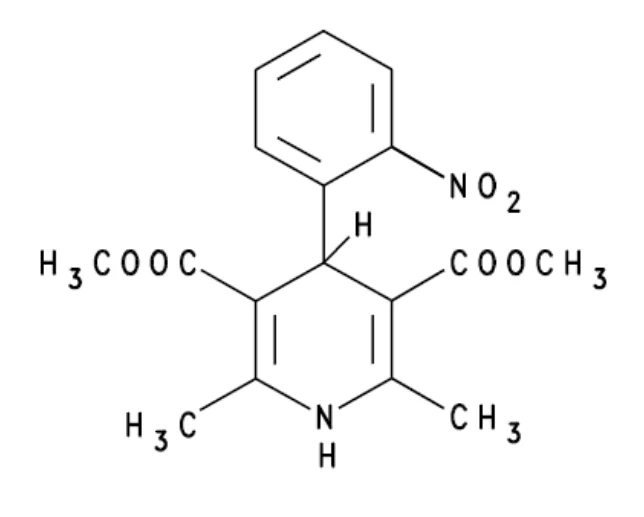
Structural Formula:
Physicochemical Properties: Nifedipine is a pyridine dicarboxylic acid dimethylester. It is a fine yellowish powder, practically insoluble in water but soluble in ethanol. It is light-sensitive, and when exposed, is converted to a pharmacologically inactive pyridine derivative via an intramolecular redox process.
ASPIRIN
Proper Name: Acetylsalicylic acid USP
Chemical Name: 2-(Acetyloxy) benzoic acid; salicylic acid acetate
Molecular Formula: C9H8O4
Molecular Weight: 180.16
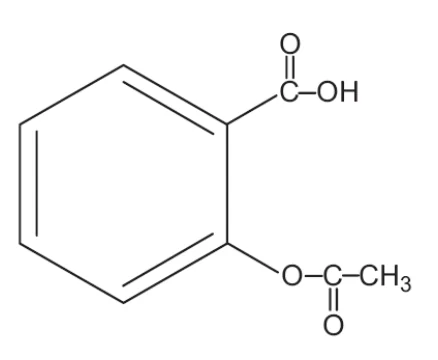
Structural Formula:
Physicochemical Properties: Description: White granules, commonly tabular or needle-like, or white crystalline powder. Odourless or having a faint odour.
Solubility: Slightly soluble in water; freely soluble in alcohol; soluble in chloroform and ether; sparingly soluble in absolute ether.
pK Value (25°C): 3.49
Melting Point: 135°C (rapid heating)
CLINICAL TRIALS
Formal clinical trials to assess the efficacy of combined used of ADALAT XL (nifedipine extended-release tablets) and ASPIRIN 81 mg (acetylsalicylic acid delayed-release tablets) have not been conducted. The following sections summarize clinical efficacy data for the individual drug products.
ADALAT XL
A number of studies have been conducted to evaluate the efficacy of ADALAT XL and previous nifedipine formulations in the treatment of hypertension (see REFERENCES). (3-15) The long-term safety and efficacy of ADALAT XL in the treatment of hypertension was studied in the INSIGHT trial and is briefly summarized below.
INSIGHT Trial
The International Nifedipine GITS Study Intervention as a Goal in Hypertension Treatment trial called INSIGHT was a prospective double-blind trial with dynamic randomization which enrolled mainly white hypertensive men and women. The primary endpoint was a composite of death from any cardiovascular or cerebrovascular cause, together with nonfatal stroke, myocardial infarction, and heart failure. The secondary endpoint included total mortality, death from a vascular cause, and nonfatal vascular events including transient ischemic attacks, angina (new or worsening), and renal failure. INSIGHT was designed to establish the superiority of ADALAT XL over the diuretic combination coamilozide (hydrochlorothiazide and amiloride). When the results of the Swedish Trial in Old Patients with Hypertension-2 study (STOP-2) became known and because these results suggested that calcium-channel blockade and diuretic treatment had similar efficacy in preventing complications, but before the patient code in INSIGHT was broken, a secondary, noninferiority analysis was added.
INSIGHT randomized 6575 mild to moderate essential hypertensive or isolated systolic hypertensive patients, 55-80 years of age, with at least one other cardiovascular risk factor to nifedipine and coamilozide. Patients were excluded if they had heart failure with low ejection fraction (<40%), unstable angina, PTCA (Percutaneous Transluminal Coronary Angioplasty) or CABG (Coronary Artery Bypass Grafting) within 6 months prior to study start, or myocardial infarction or stroke in the 12 months prior to study start. Doses of each drug were titrated to achieve a target blood pressure of 140/90 mmHg (or drop of 20/10 mmHg), and if that target was not reached additional drugs could be added (atenolol and subsequently enalapril). On average patients were treated for 3.5 years. After placebo washout, the baseline blood pressure was 173/99 mmHg and decreased to 138/82 mmHg by the end of the trial in both groups. Heart rate was not different between the groups. At the end of the study, 69% and 72% of patients on ADALAT XL and hydrochlorothiazide/amiloride, respectively, were on monotherapy. All endpoints were assessed and adjudicated by the Critical Events Committee. The overall results of the study show that ADALAT XL was not inferior to the diuretic combination coamilozide (see Table 5).
Table 5 – INSIGHT Trial Results
ADALAT XL Hydrochlorothiazide/
Amiloride
Odds Ratio (95% CI)
P-value
Primary Outcomes Composite 200 (6.3%) 182 (5.8%) 11.1 (0.90-1.36) 0.34 Secondary Outcomes Composite 383 (12.1%) 397 (12.5%) 0.96 (0.83-1.12) 0.62 Total Mortality 153 (4.8%) 152 (4.8%) 1.01 (0.80-1.27) 0.95 All Adverse Events 1546 (49%) 1327 (42%) N/A <0.001 Serious Adverse Events 796 (25%) 880 (28%) N/A 0.02
ASPIRIN 81 mg
Demographics and Trial Design of ASPIRIN Studies
Table 6 – Demographics and Trial Design for the Indication of Reducing the Risk of a First Nonfatal Myocardial Infarction in Individuals Deemed to be at Sufficient Risk of Such an Event by Their Physician
Study Trial Design Dosage, Route of
Administration
and Duration
Study Subjects (n=number)
Mean
Age
(Range)
Gender
TPT
(16)
Randomized, factorial,
placebo-controlled,
parallel-group study
Warfarin
(mean) 4.1 mg,
ASA 75 mg
Warfarin + ASA 1,277
Warfarin + ASA placebo 1,268
ASA + Warfarin Placebo 1,268
ASA Placebo + Warfarin Placebo 1,272
45-69 years
Male
HOT
(17)
Prospective,
randomized, open with
blinded endpoint
evaluation (PROBE).
ASA component was
double-blinded
ASA 75 mg or
placebo; felodipine
5 mg, inhibitors, β-
blockers, diuretics
mean - 3.8 years
19,567 subjects of which 18,790 were randomized to ASA or Placebo
(ASA = 9,399;
Placebo = 9,391)
61.5 years
- mean
(50-80 years)
Male 53%
Female 47%
Table 7: Demographics and Trial Design for the Indications Reducing the Risk of Transient Ischemic Attacks (TIA) and for Secondary Prevention of Atherothrombotic Cerebral Infarction
Study Trial Design Dosage, Route of
Administration, and Duration
Study
Subjects
(n=number)
Mean Age
(Range)
Gender
SALT
(18)
Prospective, randomized,
double-blind, placebo-
controlled, multicentre
study
ASA 75mg daily for minimum of 12 months and maximum of 63 months (mean 30.6 months)
ASA 676
Placebo 684
50-79 years
ASA mean:
67 years
PLA mean:
66.8 years
ASA 65.4% male
Placebo 66.2% male
Lindblad
et al
(19)
Prospective, randomized,
double-blind, placebo-
controlled study
ASA 75mg daily for 6 months
ASA 117
Placebo 115
66 years
(40-81 years)
75% male
Results of ASPIRIN Studies
Table 8 – Summary of Studies for the Indication of Reducing the Risk of a First Nonfatal Myocardial Infarction in Individuals Deemed to be at Sufficient Risk of Such an Event by Their Physician
Study Primary Endpoints Associated Value and Statistical Significance for ASA
Compared to Placebo
Value ASA vs Placebo
TPT
(16)
All ischemic heart disease defined as the sum of fatal and nonfatal events (ie, coronary death and fatal and nonfatal myocardial infarction)
ASA 10.2%, Placebo 13.3% 20% reduction in IHD
P=0.04
ASA was statistically
significantly better than placebo
HOT
(17)
Major cardiovascular events defined as all (fatal and nonfatal) myocardial infarctions, all (fatal and nonfatal) strokes, and all other cardiovascular deaths
Reduction in all cardiovascular events by 15%
P=0.03
ASA was statistically
significantly better than placebo
Reduction in all myocardial infarction by 36%
P=0.002
ASA was statistically
significantly better than placebo
Table 9 – Summary of Studies for the Indication of Reducing the Risk of Transient Ischemic Attacks (TIA) and for Secondary Prevention of Atherothrombotic Cerebral Infarction
Study Primary Endpoints Associated Value and Statistical Significance for ASA
Compared to Placebo
Value ASA vs Placebo
SALT
(18)
Risk of stroke or death 18% reduction in risk:
Relative Risk 0.82 (CI 0.67-0.99)
P=0.02
ASA was statistically
significantly better than placebo
Lindbla
d et al
(19)
Stroke (without complete recovery) at 6 months
ASA 2 cases, Placebo 11 cases
P=0.01
ASA was statistically
significantly better than placebo
DETAILED PHARMACOLOGY
ADALAT XL (nifedipine extended-release tablets)
In Vitro Animal Pharmacology
Inhibition of Transmembrane Ca++ Influx
Nifedipine has been shown in isolated preparations to restrict the transmembrane calcium ion influx during excitation-contraction coupling in both cardiac and vascular smooth muscles.
In the cat papillary muscle under voltage clamp conditions, nifedipine at a concentration of 10-7 to 10-5 M did not influence the fast Na+ inward current, but depressed the slow Ca++ inward
current in a dose-dependent manner without altering the kinetic control mechanism (gating mechanism).
In isolated rabbit ears perfused with tyrode solution, nifedipine has been shown to cause immediate vasodilation, loss of vascular tone, and a lack of response to increases in perfusion pressure. However, subsequent neutralization of the drug effect could be achieved by an 8-fold increase in the extracelluar Ca++ concentration.
Studies in vitro using rat thoracic aorta and superior mesenteric artery preparations have shown that nifedipine inhibits contractions induced by potassium and noradrenaline. Tracing the movement of 45Ca++ in these preparations showed that nifedipine 3 x 10⁻⁶ M reduced the calcium influx triggered by noradrenaline or depolarization. The influx could not be completely blocked and 45Ca++ efflux remained unaffected.
Electrophysiologic Effect
In the isolated guinea-pig atria, the prolongation of the functional refractory period by nifedipine was not very pronounced, although there was a marked decrease in contractility. Even at high concentrations, nifedipine did not affect myocardial excitability.
In the conscious dog, nifedipine produced a moderate, dose-dependent PQ shortening. Only injection of large doses (0.3 to 30 μg) of nifedipine into the posterior septal artery induced a dose-dependent increase in AV conduction. The increase in blood flow through the posterior septal artery required only 1/10 of the dose necessary to affect AV conduction.
These electrophysiologic properties of nifedipine explain in part the lack of antiarrhythmic activity of the drug.
In Vivo Animal Pharmacology
Cardiovascular Effects
In dogs under opiate analgesia (thereby maintaining practically intact regulation of the circulation), nifedipine administered sublingually at dosages of 10-1000 μg/kg caused a dose-dependent increase in coronary flow, resulting in an increased oxygen supply to the heart. The peripheral flow, measured in the femoral artery, also increased in a dose-dependent manner. At low doses (10-31.5 μg/kg) the cardiac contractility, measured by left ventricular dp/dt, and the end-diastolic pressure were reduced or unaffected, while at higher doses (100-1000 μg/kg) there was an increase in dp/dt dependent on the increase in heart rate. Thus low doses of nifedipine may produce a negative inotropic effect, but higher doses produce greater peripheral vasodilation, and the direct negative inotropic effect is modified by the baroreceptor mediated reflex, positive inotropic response and tachycardia.
In further hemodynamic investigations conducted in conscious dogs with implanted aortic flow-probes, a reduction in total peripheral resistance was observed with nifedipine doses of only 10 μg/kg sublingually which did not appreciably lower the mean blood pressure. However, a decrease in the mean blood pressure occurred when doses were raised to 31.5 or 100 μg/kg. In the higher dose range there were significant decreases in peripheral resistance, with concomitant
increases in heart rate, stroke volume and cardiac output as a result of compensatory mechanisms. The drop in peripheral resistance associated with the increase in cardiac output results in a partial transformation of the pressure workload of the heart into a volume workload which is considered to be less oxygen consuming. Lowering of the peripheral resistance also indicated that nifedipine reduces the afterload.
Antihypertensive Effects
In male spontaneously hypertensive rats, nifedipine was administered in single oral doses of 0.3, 1, 3, 6, or 9 mg/kg and compared to hydralazine 2.5, 6, or 7.5 mg/kg (5 animals/group). This was followed by oral administration once a day for ten weeks of nifedipine 1, 3, 6, or 9 mg/kg/day or hydralazine 6 mg/kg/day (5-7 animals/group). No changes in blood pressure were seen after nifedipine 0.3 mg/kg but the 1 and 3 mg/kg doses caused maximal decrease in blood pressure 1-4 hours after administration. Maximal effects of the higher (6 and 9 mg/kg) doses of nifedipine were seen after 15 minutes with a slightly longer duration following 9 mg/kg. The hydralazine dose of 2.5 mg/kg was not observed to have an antihypertensive effect. Significant decreases in blood pressure were seen after 6 and 7.5 mg/kg with maximal effect after 2-4 hours. In the ten-week study, nifedipine at doses of 3 mg/kg/day and above produced significant decreases in blood pressure in the first week and throughout the subsequent weeks to the end of administration. The effect of nifedipine 9 mg/kg/day was comparable to that of hydralazine 6 mg/kg/day.
ASPIRIN 81 mg (acetylsalicylic acid delayed-release tablets)
Effects on Platelets: Relation to Hemostasis and Thrombosis
Platelets play an important role in normal hemostasis, and clinical pathologic and experimental evidence indicates that their aggregation may play an equally important role in the evolution of a variety of disease states including cerebrovascular disease, ischemic heart disease, and myocardial infarction. ASPIRIN (acetylsalicylic acid tablets) inhibits platelet aggregation by irreversibly acetylating platelet cyclo-oxygenase, thereby blocking the production of prostaglandin endoperoxides PGG2 and PGH2 which are precursors of the major platelet-aggregating material, thromboxane A2, which is also a powerful vasoconstrictor. However, ASPIRIN does not prevent the adherence of platelets to damaged vessel walls or the release of granule contents from these adherent platelets. As the anuclear platelets are unable to synthesize new enzyme molecules to replace those that have been inactivated, inhibition of platelet aggregation by ASPIRIN thus persists for the life of the platelets. Daily administration of 20 to 40 mg of ASA to healthy volunteers reduced platelet thromboxane production but inhibited platelet aggregation only partially. When administered to patients recovering from myocardial infarction, 50 mg ASA daily had the same effects on thromboxane production, platelet aggregation, and bleeding times as 324 mg daily. Other studies show that ASA doses of 40 to 325 mg daily suppressed thromboxane production by at least 80%, but 80 mg ASA daily was the lowest dose required for maximum cumulative thrombocyte function inhibition. The protective effect of ASPIRIN against experimentally induced thrombosis or atherosclerosis has been demonstrated in several animal models.
Besides inhibiting the biosynthesis of thromboxane A2 by platelets, ASPIRIN also interferes with the production of prostacyclin (PGI2) by vascular endothelial cells, the above-mentioned prostaglandin endoperoxides being common precursors of both thromboxane A2 and prostacyclin. This latter compound is one of the most powerfully acting platelet deaggregators and vasodilators, and thus it would appear that the interference with the hemostatic processes by ASPIRIN depends on the thromboxane-prostacyclin balance. In fact, it has been suggested that under some conditions, high doses of ASPIRIN may be thrombogenic. However, in contrast to platelets, the vascular endothelial cells are able to regenerate cyclo-oxygenase in a relatively short time and therefore therapeutic doses of ASPIRIN are likely to produce a lesser inhibition of the vascular prostacyclin system than of the platelet thromboxane-forming mechanism. In fact, there is no clinical evidence to indicate that high doses of ASPIRIN would result in an increased risk of thromboembolism. Indeed, quite the contrary was observed and, in a controlled study, paradoxical shortening of the bleeding time was not observed at a daily ASA dose of 3.6 g. Lower dosages of ASA make selective blocking of the TxA2-synthesis without a simultaneous blocking of PGI2-production possible.
The use of ASPIRIN in patients with a suspected acute myocardial infarction was investigated in a large multicentre trial involving over 17,000 patients. Treatment with ASPIRIN resulted in a 23% reduction in the risk of vascular mortality versus placebo at 5 weeks. This use translates to a reduction of 24 deaths and 14 nonvascular events per 1000 patients treated. The effect of time to therapy revealed that patients treated with ASPIRIN “early” (0 to 4 hours) versus “late” (5 to 24 hours) after symptom onset experienced reductions in the odds of vascular death of 25% versus 21%, versus placebo at 5 weeks. ‘Early’ treatment with ASPIRIN resulted in the saving of 4 additional lives per 1000 patients versus ‘late’ treatment.
Long-term follow-up (up to 10 years) of patients in this study established that the early survival advantage to ASPIRIN persisted long term, and that this prolonged benefit was additive to that of fibrinolytic therapy.
The use of ASPIRIN for secondary prevention of thrombotic events is supported by a comprehensive overview of a number of clinical trials involving patients who already had some type of vascular disease (myocardial infarction, unstable angina, stroke, or transient cerebral ischemia). Overall, these studies point to a 26-28% reduction of the combined endpoints of MI, stroke, or vascular deaths by treatment with ASA alone at doses of 75 to 325 mg daily. Studies which directly compared low doses with higher doses (30-1200 mg/day), indicated that the incidence of gastrointestinal adverse effects were significantly less common with the lower doses.
In a study in patients undergoing coronary artery bypass surgery (CABG), patients given ASPIRIN at a dosage of 80 mg to 650 mg within 48 hours of revascularization had a risk of dying reduced to 1.3% as compared to 4.0% for those who did not receive treatment (P<0.001). There was a reduction in the incidence of myocardial infarction of 2.8% vs 5.4%, P < 0.001. In total, the reduction in fatal and nonfatal outcomes was lower in those who received ASA, 10.6% vs 18.6% in those who did not (P <0.001). The investigators Perioperative Ischemia Research Group (PIRG) concluded that early use of ASPIRIN after coronary by-pass surgery is safe and is associated with a reduce risk of death and ischemic complications involving the heart, brain,
kidneys, and gastrointestinal tract.There was no ASPIRIN dose effect observed for either fatal or nonfatal outcomes with total doses lower than 325 mg daily.
Recent discussions have focused on the efficacy of ASPIRIN for the primary prevention of myocardial infarction and stroke. Two large scale randomized trials, aimed at evaluating prophylactic use of ASPIRIN, were conducted among apparently healthy male physicians (22,000 in the United States and 5,000 in the United Kingdom) and their results have been published. In the summary overview of the combined results presented by the principal investigators, the authors state that:
“Taken together, these two primary prevention studies demonstrate a significant (P <0.0001) reduction in nonfatal myocardial infarction of about one third.”
On the other hand, the same two studies have not indicated any reduction in overall vascular mortality and also suggested a slight increase in the risk of nonfatal disabling stroke. Current controversy exists about the applicability of these findings, obtained in a selected population, to the general public. As well, the optimum dosage regimen still remains an open question in this regard. Thus, the use of ASPIRIN for primary prevention should remain, in the words of the principal investigators:
“a matter of judgment in which the physician considers the cardiovascular risk profile of the patient and balances the known hazards of ASPIRIN...against the clearly established reduction in the incidence of a first myocardial infarction.”
TOXICOLOGY
ADALAT XL (nifedipine extended-release tablets)
Acute Toxicity
Signs of toxicity were usually observed from 5 to 10 minutes after oral administration and immediately after intravenous administration. These include a reduction of spontaneous motility and apathy in association with increased frequency of respiration usually seen at the lower dosages, with saltatory and clonic spasm, cyanosis and death at the higher dosages. Post-mortem examinations revealed pulmonary edema in rats and cats.
Table 10 – LD50 in Animal Studies
Species Dose Range (mg/kg) LD50 (mg/kg)
Oral Intravenous Oral Intravenous
Mouse 294-882 3-5 494 (421-572) 4.2 (3.8-4.6) Rat 588-1323 10-25 1022 (950-1087) 15.5 (13.7-17.5) Rabbit 100-500 1-4 250-500 2-3 Cat 50-250 0.5-8 100 0.5-8 Dog 250-2000 0.5-3 >250 2-3
Subacute Toxicity
In rats, oral doses of 0.5 to 100 mg/kg/day nifedipine for 13 weeks did not induce significant adverse effects.
Similar results were obtained in dogs treated with 0.5 to 50 mg/kg/day nifedipine for thirteen weeks.
Chronic Toxicity and Carcinogenicity Studies
Nifedipine was administered orally to dogs at doses of 2.5, 20, and 100 mg/kg/day for 52 weeks. No indication of toxic damage caused by nifedipine was found.
In a two-year study, nifedipine was administered orally to male and female rats in the diet at doses of 5-9, 29-39, and 156-210 mg/kg/day. In the lowest dose group, nifedipine was without toxic effects. The higher doses led to dose-dependent, significant weight losses. An increased mortality was found in the 156-210 mg/kg dose group, especially in the females. The pathological-anatomical examination of the dead animals showed a hypotonia or atonia of the musculature of the small intestine. An increase in the weight of the adrenal glands of male rats was also observed in this dose group. Histopathological examinations revealed no organ damage related to treatment.
At the end of the study, all rats were examined histopathologically with regard to tumorigenesis. Although the animals in the highest dose group showed no uncommon tumor incidence, this group was considered not suitable for comparison with the other treatment groups because of the high mortality rate. No significant differences were found between the controls and the remaining two groups with respect to the frequency, nature, and localization of tumors.
Mutagenicity Studies
In the Dominant Lethal test, the oral administration of nifedipine to mice at a dose of 100 mg/kg for five consecutive days did not affect fertility rate or postimplantation loss.
In the Micronucleus test, two doses of 50 mg/kg or 100 mg/kg nifedipine given orally to mice also did not produce any mutagenic effect. Furthermore, the formation of erythrocytes was not impaired as shown by the polychromatic: normochromatic erythrocyte ratio.
In the Ames' Salmonella/microsome test, nifedipine at doses of up to 12,500 μg per plate did not cause any bacteriotoxic effects. Also, a dose-dependent and biologically relevant increase in the number of mutants to a level double that of the negative control was not noted.
Reproduction Studies
Pregnant mice, rats, and rabbits were treated orally with 10, 30, and 100 mg/kg nifedipine from Day 6 to Day 15 of gestation.
In the mouse, at doses of 30 and 100 mg/kg, there was an increase in the number of fetal resorptions. Fetal malformations in the form of cleft palate and rib deformities occurred at all dose levels in a dose-related fashion (cleft palate occurred in 5/218 controls, 13/190 at 10 mg/kg, 22/112 at 30 mg/kg and 3/3 at 100 mg/kg).
In the rat, the dose of 30 mg/kg was not toxic to pregnant dams, but caused reduced fetal weight and increased fetal loss. The dose of 100 mg/kg produced malformations in the fetuses from 20%
of the mother animals. In a total of 11 fetuses, 10 showed malformation of the front or hind paws (ectrodactyly, oligodactyly, and adactyly) and one developed a severe malformation of the sinciput.
In the rabbit, there was dose-dependent anorexia and weight loss in mothers during the dosing period. At 30 and 100 mg/kg reduced litter size and weight and increased fetal loss were evident.
Studies on pregnant Rhesus monkeys with oral doses of 2 mg/kg/day (1 animal) or 6 mg/kg/day (4 animals) revealed no teratogenic effects. The placentas were poorly developed in these animals.
Prenatal and postnatal studies on rats with daily doses of 3, 10, 30, and 100 mg/kg showed that nifedipine caused significant prolongation of the gestation period at dosages of 10 mg/kg upwards and a decrease in litter size. The postnatal development of the newborn animals was impaired when doses of 30 mg/kg or more had been administered. All offspring in the 100 mg/kg group died.
ASPIRIN 81mg
The clinical and pathological signs of poisoning from toxic and lethal oral doses of ASA have been extensively described for man, much less extensively for other species.
Acute Toxicity
The acute toxicity of ASA in animals has been studied and reviewed in detail by Boyd. (20, 21) The signs of poisoning in rats from doses in the lethal range are due to varying degrees of gastroenteritis, hepatitis, nephritis, pulmonary edema, encephalopathy, shock, and minor toxic effects on other organs and tissues. Death is due to convulsions or cardiovascular shock. The major difference between species appears to be the ability to vomit toxic doses, seen in man, cats, and dogs but not in mice, rats, and rabbits. Otherwise, the pathological reaction to toxic doses of ASA is similar in all species in which such studies have been reported. The acute oral LD50 values have been reported as being over 1.0 g/kg in man, cat, and dog, 0.92 g/kg in female and 1.48 g/kg in male albino rats, 1.19 g/kg in guinea pig, 1.1 g/kg in mouse, and 1.8 g/kg in rabbit.
Chronic Toxicity
Chronic toxicity studies were reported in mice and rats. When ASA was administered at 2 to 20 times the maximum tolerated clinical dose to mice for up to one year, a dose-related deleterious effect was observed on mean survival time, number of young born, and number of young raised to weaning age. No evidence of carcinogenic effect was found.
The chronic oral LD50 in male albino rats has been reported as 0.24 g/kg/day when given for 100 days. At these daily doses ASA produced no anorexia and no loss of body weight. It did produce polydipsia, aciduria, diuresis, drowsiness, hyperreflexia, piloerection, rapid and deep respiration, tachycardia, and during the second month, soft stools, epistaxis, sialorrhea, dacryorrhea, and death in hypothermic coma. Autopsy disclosed the presence of a hypertrophied stomach, renal congestion, mild hepatitis and pneumonitis. While teratogenic effects were noted in animals at near lethal doses, there is no evidence to indicate that ASA is teratogenic in man.
REFERENCES
- 1. Bayer. Product Monograph for Adalat® XL® Bayer Inc.2004 August 12.
- 2. Bayer. Product Monograph for ASPIRIN® Bayer Inc.2007 October 5.
- 3. Banzet O, Colin JN, Thibonnier M, Singlas E, Alexandre JM, Corvol P. Acute antihypertensive effect and pharmacokinetics of a tablet preparation of nifedipine. Eur J Clin Pharmacol. 1983;24(2):145-50.
- 4.
Brennan F, Flanagan M, Blake S, Cannon P. Nifedipine in the treatment of hypertension.
Eur J Clin Pharmacol. 1983;25(6):713-5.
- 5. Bursztyn M, Grossman E, Rosenthal T. Long-acting nifedipine in moderate and severe hypertensive patients with serious concomitant diseases. Am Heart J. 1985 Jul;110(1 Pt 1):96-101.
- 6. Hallin L, Andren L, Hansson L. Controlled trial of nifedipine and bendroflumethiazide in hypertension. J Cardiovasc Pharmacol. 1983 Nov-Dec;5(6):1083-5.
- 7. Halperin AK, Cubeddu LX. The role of calcium channel blockers in the treatment of hypertension. Am Heart J. 1986 Feb;111(2):363-82.
- 8. Hornung RS, Gould BA, Jones RI, Sonecha T, Raftery EB. Nifedipine tablets for hypertension: a study using continuous ambulatory intra-arterial recording. Postgrad Med J. 1983;59 Suppl 2:95-7.
- 9. Landmark K. Antihypertensive and metabolic effects of long-term therapy with nifedipine slow-release tablets. J Cardiovasc Pharmacol. 1985 Jan-Feb;7(1):12-7.
- 10. Lochner W, Braasch W, Kroneberg G, editors. 2nd international Adalat symposium. New therapy of ischemic heart disease. New York: Springer-Verlag; 1975.
- 11. Myers MG, Leenen FH, Burns R, Frankel D. Nifedipine tablet vs. hydralazine in patients with persisting hypertension who receive combined diuretic and beta-blocker therapy. Clin Pharmacol Ther. 1986 Apr;39(4):409-13.
- 12. Ochs HR, Ramsch KD, Verburg-Ochs B, Greenblatt DJ, Gerloff J. Nifedipine: kinetics and dynamics after single oral doses. Klin Wochenschr. 1984 May 2;62(9):427-9.
- 13. Ohman KP, Weiner L, von Schenck H, Karlberg BE. Antihypertensive and metabolic effects of nifedipine and labetalol alone and in combination in primary hypertension. Eur J Clin Pharmacol. 1985;29(2):149-54.
- 14. Puech P, Krebs R, editors. 4th international Adalat symposium. New therapy of ischemic heart disease. Amsterdam: Excerpta Medica; 1980.
- 15. Toal CB. Efficacy of a low dose nifedipine GITS (20 mg) in patients with mild to moderate hypertension. Can J Cardiol. 1997 Oct;13(10):921-7.
- 16.
Thrombosis prevention trial: randomised trial of low-intensity oral anticoagulation with warfarin and low-dose aspirin in the primary prevention of ischaemic heart disease in
men at increased risk. The Medical Research Council's General Practice Research Framework. Lancet. 1998 Jan 24;351(9098):233-41.
- 17. Hansson L, Zanchetti A, Carruthers SG, Dahlof B, Elmfeldt D, Julius S, et al. Effects of intensive blood-pressure lowering and low-dose aspirin in patients with hypertension: principal results of the Hypertension Optimal Treatment (HOT) randomised trial. HOT Study Group. Lancet. 1998 Jun 13;351(9118):1755-62.
- 18. Swedish Aspirin Low-Dose Trial (SALT) of 75 mg aspirin as secondary prophylaxis after cerebrovascular ischaemic events. The SALT Collaborative Group. Lancet. 1991 Nov 30;338(8779):1345-9.
- 19. Lindblad B, Persson NH, Takolander R, Bergqvist D. Does low-dose acetylsalicylic acid prevent stroke after carotid surgery? A double-blind, placebo-controlled randomized trial. Stroke. 1993 Aug;24(8):1125-8.
- 20.
Boyd EM. The acute oral toxicity of acetylsalicylic acid. Toxicology. 1959
May;1(3):229-39.
- 21.
Boyd EM. Analgesic abuse: maximal tolerated daily doses of acetylsalicylic acid. Can
Med Assoc J. 1968 Oct 26;99(16):790-8.