


Product Monograph - Adenosine Injection
INDICATIONS AND CLINICAL USE
Adenosine Injection is indicated for the conversion to sinus rhythm of paroxysmal supraventricular tachycardia (PSVT), including that associated with accessory bypass tracts (Wolff-Parkinson-White syndrome). When clinically advisable, appropriate vagal maneuvers (e.g., Valsalva maneuver) should be attempted prior to Adenosine Injection administration.
Adenosine Injection is indicated to aid in the diagnosis of broad or narrow complex supraventricular tachycardia. Although Adenosine Injection is not effective in converting atrial flutter, atrial fibrillation or ventricular tachycardia to sinus rhythm, the transient atrioventricular nodal block produced helps diagnosis of atrial activity.
It is essential to ascertain that Adenosine Injection actually reaches the systemic circulation (see DOSAGE AND ADMINISTRATION).
Adenosine Injection does not convert atrial flutter, atrial fibrillation or ventricular tachycardia to normal sinus rhythm.
Adenosine Injection should only be used with appropriate cardiac monitoring.
CONTRAINDICATIONS
Adenosine Injection is contraindicated in:
- Second-, or third-degree atrioventricular (AV) block (except in patients with a functioning artificial pacemaker);
- Sick sinus syndrome (except in patients with a functioning artificial pacemaker);
- Symptomatic bradycardia (except in patients with a functioning artificial pacemaker);
- Known hypersensitivity to adenosine.
WARNINGS
Heart Block
Adenosine exerts its effect by decreasing conduction through the atrioventricular (AV) node and may produce a short lasting first-, second-, or third-degree heart block. Appropriate therapy should be instituted as needed. Patients who develop high-level block on one dose of adenosine should not be given additional doses. Because of the very short half-life of adenosine (< 10 seconds), these effects are generally self-limiting. Appropriate resuscitative measures should be available.
Rarely, ventricular fibrillation/flutter has been reported following adenosine administration, including both resuscitated and fatal events. In most instances, these cases were associated with the concomitant use of digoxin, and less frequently with digoxin and verapamil. Adenosine Injection should be used with caution in patients receiving digoxin or digoxin and verapamil in combination.
Patients with atrial fibrillation/flutter and an accessory bypass tract may develop increased conduction down the anomalous pathway.
Arrhythmias at Time of Conversion
At the time of conversion to normal sinus rhythm, a variety of new rhythms may appear on the electrocardiogram. They generally last only a few seconds without intervention, and may take the form of premature ventricular contractions, polymorphic ventricular tachycardia, torsades de pointes, atrial premature contractions, atrial fibrillation, sinus bradycardia, sinus tachycardia, skipped beats, and varying degrees of atrioventricular (AV) nodal block. These arrhythmias and conduction disturbances were observed in about 55% of patients.
Asystole
Transient or prolonged episodes of asystole have been reported with fatal outcomes in some cases.
Bronchoconstriction
Adenosine has been administered to a limited number of patients with asthma, and serious exacerbation of their symptoms has been reported in some patients. Respiratory compromise has occurred during adenosine infusion in patients with chronic obstructive pulmonary disease (COPD). Therefore, the use of Adenosine Injection should be avoided in patients with COPD or asthma.
Adenosine Injection therapy should be discontinued in any patient who develops severe respiratory difficulties.
PRECAUTIONS
Use in Pregnancy
Adenosine is a substance naturally present in the body and therefore no fetal effects would be anticipated. However, since it is not known whether adenosine can cause fetal harm when administered to pregnant women, it should not be used during pregnancy unless potential benefits outweigh the potential risks to the fetus.
Use in Children
No controlled studies have been conducted in pediatric patients to establish the safety and efficacy of adenosine for the conversion of paroxysmal supraventricular tachycardia (PSVT). However, open-label studies carried out by independent investigators indicated that intravenous adenosine can be used safely in neonates, infants, children, and adolescents (see DOSAGE AND ADMINISTRATION, Pediatric Patients, and SELECTED BIBLIOGRAPHY).
Use in Elderly
Clinical studies of adenosine did not include sufficient numbers of subjects aged 65 and over to determine whether they respond differently from younger subjects. Other reported clinical experience has not identified differences in responses between elderly and younger patients. In general, adenosine in geriatric patients should be used with caution since this population may have a diminished cardiac function, nodal dysfunction, concomitant diseases or drug therapy that may alter hemodynamic function and produce severe bradycardia or atrioventricular (AV) block.
Drug Interactions
Cardioactive Drugs:
Adenosine has been effectively administered in the presence of other cardioactive drugs, such as quinidine, beta-adrenergic blocking agents, calcium channel blocking agents, and angiotensin converting enzyme inhibitors, without any change in the adverse reaction profile. Digoxin and verapamil use may be rarely associated with ventricular fibrillation when combined with adenosine (see WARNINGS). Because of the synergistic depressant effects on the sinoatrial and atrioventricular (SA and AV) nodes, Adenosine Injection should be used with caution in the presence of these agents.
Methylxanthines:
The effects of adenosine are antagonized by methylxanthines (such as caffeine and theophylline). In the presence of methylxanthines, larger doses of adenosine may be required or adenosine may not be effective.
Dipyridamole:
Adenosine effects are potentiated by dipyridamole. Thus, smaller doses of adenosine may be effective in the presence of dipyridamole.
Carbamazepine:
Carbamazepine has been reported to increase the degree of heart block produced by other agents. Since the primary effect of adenosine is to decrease conduction through the atrioventricular (AV) node, higher degrees of heart block may be produced in the presence of carbamazepine.
ADVERSE REACTIONS
In controlled clinical trials, 268 patients received adenosine. One hundred and two patients (38%) experienced one or more adverse events. These adverse events appeared immediately after administration of adenosine and usually lasted less than one minute. The most common adverse reactions were: facial flushing (18%), dyspnea (12%), chest pressure (7%), and nausea (3%).
Cardiovascular System
Facial flushing (18%), headache (2%), sweating, palpitations, chest pain, and hypotension (less than 1%). A variety of arrhythmias and conduction disturbances were observed in about 55% of patients at the time of conversion to normal sinus rhythm.
Respiratory System
Shortness of breath/dyspnea (12%), chest pressure (7%), hyperventilation, and head pressure (less than 1%).
Central Nervous System
Light-headedness (2%), dizziness, tingling in arms, numbness (1%), apprehension, blurred vision, burning sensation, heaviness in arms, and neck and back pain (less than 1%).
Gastrointestinal System
Nausea (3%) and metallic taste, tightness in throat, and pressure in groin (less than 1%).
The following adverse events have been reported from marketing experience with adenosine. Because these events are reported voluntarily from a population of uncertain size, and are associated with concomitant diseases and multiple drug therapies and surgical procedures, it is not always possible to reliably estimate their frequency or establish a causal relationship to drug exposure. Decisions to include these events in labeling are typically based on one or more of the following factors: (1) seriousness of the event, (2) frequency of the reporting, (3) strength of causal connection to the drug, or a combination of these factors.
Cardiovascular: Prolonged asystole, ventricular tachycardia, ventricular fibrillation, transient increase in blood pressure, bradycardia, atrial fibrillation, and torsades de pointes (see WARNINGS and PRECAUTIONS).
Respiratory: Bronchospasm
Central Nervous System: Convulsions, grand mal and tonic-clonic seizures
SYMPTOMS AND TREATMENT OF OVERDOSAGE
For management of a suspected drug overdose, contact your regional Poison Control Centre.
No cases of overdosage associated with the use of adenosine have been reported. It is unlikely that the true overdosage will occur because adenosine has a short half-life (< 10 seconds) and because adenosine is dosed by a rapid bolus injection. If prolonged adverse events associated with the use of adenosine occur, treatment should be individualized and directed towards the specific event. To date, no patient has required administration of adenosine antagonists such as aminophylline to counteract adverse events associated with the use of adenosine.
In clinical studies on the use of adenosine as a diagnostic agent in imaging, less than 0.1% of the patients exposed to adenosine were described as having severe, prolonged adverse events. These prolonged adverse events were treated with aminophylline after discontinuation of the adenosine infusion. The usual concentration of aminophylline used was 1.25 mg/mL (125 mg in 100 mL) administered intravenously over five to six minutes. An additional 1.25 mg/mL (125 mg in 100 mL) can be administered, but clinical experience has demonstrated that this is rarely required.
DOSAGE AND ADMINISTRATION
Adenosine Injection should only be used with appropriate cardiac monitoring.
Adenosine Injection should be given as a rapid bolus intravenous injection. To be certain the solution reaches the systemic circulation, it should be administered either directly into a peripheral vein or, if given into an intravenous line, it should be given as close to the patient as possible and followed by a rapid saline flush.
Adult Patients
The recommended intravenous doses for adults are as follows:
Initial dose: 6 mg administered as a rapid intravenous bolus given over a 1- to 2-second time period.
Additional doses: If the initial dose does not terminate supraventricular tachycardia within 1 - 2 minutes, 12 mg dose should be given as a rapid intravenous bolus. This 12 mg dose may be repeated a second time if required. Single bolus injections greater than 12 mg are not recommended.
Pediatric Patients
Pediatric patients with a body weight < 50 kg:
Initial dose: Give 0.05 - 0.10 mg/kg as a rapid intravenous bolus given either centrally or peripherally.
Additional doses: If conversion of paroxysmal supraventricular tachycardia (PSVT) does not occur within 1 - 2 minutes, additional bolus injections of adenosine can be administered at incrementally higher doses, increasing the amount given by 0.05 - 0.10 mg/kg. Follow each bolus with a saline flush. This process should be continued until sinus rhythm is established or up to a maximum dose of 0.3 mg/kg.
For pediatric patients who require single intravenous doses less than 0.6 mg (0.2 mL of 3 mg/mL solution), Adenosine Injection may be further diluted with normal saline to a final concentration range from 0.3 to 1 mg/mL in a suitable glass container as follows:
| Desired Concentration (mg/mL) | Volume of Adenosine Injection, 3 mg/mL Required (mL) | Volume of Diluent Required (mL) | Final Volume of Diluted Solution (mL) |
| 0.3 | 1 | 9 | 10 |
| 1 | 1 | 2 | 3 |
Diluted solutions should be used immediately. Discard unused portion.
Patient with a body weight ≥ 50 kg:
Administer the adult dose.
Single bolus injections greater than 12 mg are not recommended for adult or pediatric patients.
NOTE: Adenosine Injection should be inspected visually for particulate matter and discolouration prior to administration.
As with all parenteral products, intravenous admixtures should be inspected for clarity of solutions, particulate matter, precipitate, discolouration, and leakage prior to administration whenever solution and container permit. Solutions showing haziness, particulate matter, precipitate, discolouration or leakage should not be used.
Adenosine Injection should not be refrigerated as crystallization may occur. If crystallization has occurred, dissolve crystals by warming to room temperature. The solution must be clear at the time of use.
Retain in carton until time of use. Disposable syringes are intended for single use only.
PHARMACEUTICAL INFORMATION
Drug Substance
Common Name: Adenosine
Chemical Name: 6-amino-9-β-D-ribofuranosyl-9-H-purine; Adenine riboside
| Structural Formula: |
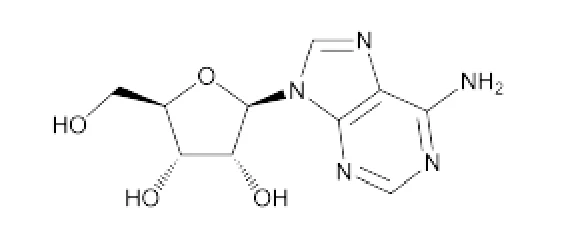
Molecular Weight: 267.2
Molecular Formula: C10H13N5O4
Description: Adenosine is a white crystalline powder. It is soluble in water (7 mg/mL at pH 7.0) and practically insoluble in alcohol. Solubility increases by warming and by lowering the pH. The melting point is 233 °C to 238 °C.
Composition: Adenosine Injection is a sterile solution for rapid bolus intravenous injection and is available in 6 mg/2 mL vials, and in 6 mg/2 mL and 12 mg/4 mL prefilled syringes. Each mL contains 3 mg adenosine and 9 mg Sodium Chloride in Water for Injection. The pH of the solution is between 4.5 and 7.5. Adenosine Injection does not contain preservatives, colours or additives.
STABILITY AND STORAGE RECOMMENDATIONS
Adenosine Injection should be stored at controlled room temperature (15 °C to 30 °C). Single-dose vials and single-use prefilled syringes. Retain in carton until the time of use. Discard unused portion. Do not refrigerate as crystallization may occur. If crystallization has occurred, dissolve crystals by warming to room temperature. The solution must be clear at the time of use.
AVAILABILITY OF DOSAGE FORMS
Adenosine Injection is supplied as a sterile non-pyrogenic solution in normal saline as follows:
Product Code:
C605102 2 mL single-dose flip-top vials containing 6 mg adenosine/2 mL solution (3 mg/mL) in a package of 10.
C000000 5 mL size single-use pre-filled syringe containing 6 mg adenosine/2 mL solution (3 mg/mL). Available in cartons containing 10 individually boxed syringes.
C000000 5 mL size single-use pre-filled syringe containing 12 mg adenosine/4 mL solution (3 mg/mL). Available in cartons containing 10 individually boxed syringes.
Vial stoppers and syringe stoppers do not contain natural rubber latex.
INSTRUCTIONS FOR SYRINGE USE
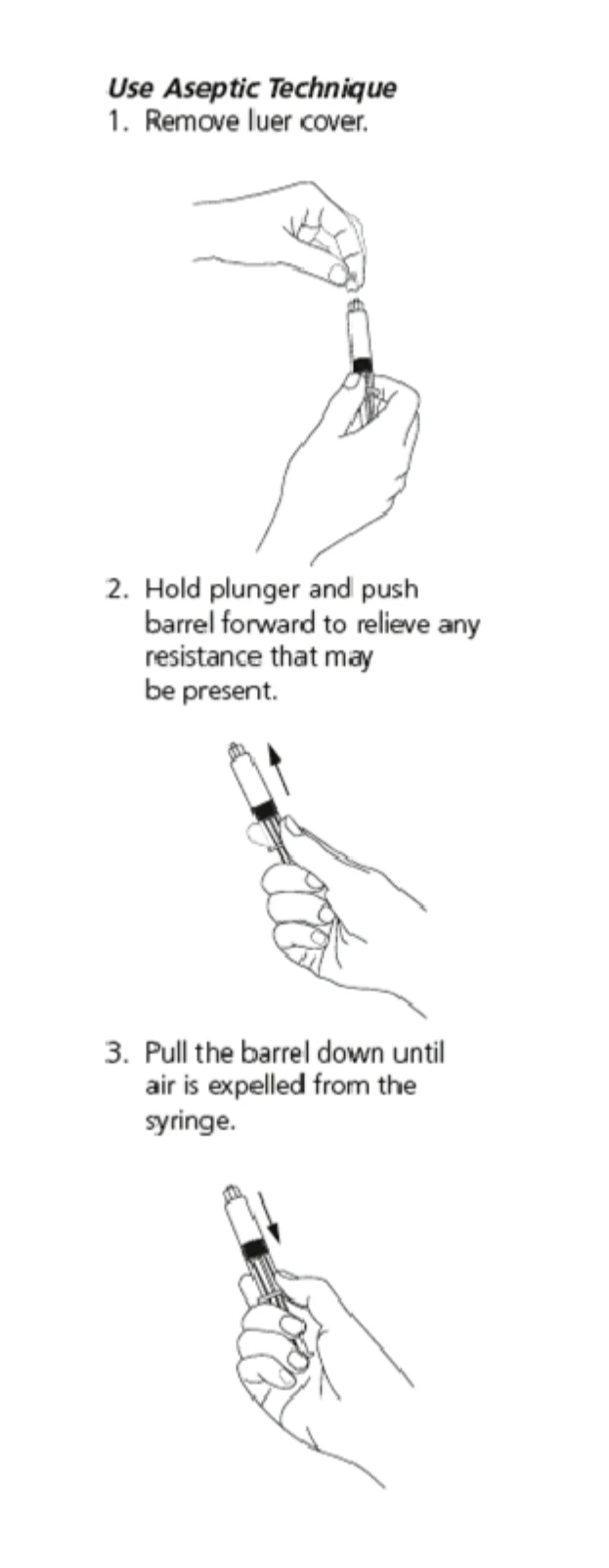
The new TopPac® syringe delivery system easily adapts to most peripheral line connection valves without the use of a needle. A needle is not provided with the Adenosine Injection TopPac® syringe delivery system. Should you require the use of a needle to inject Adenosine Injection directly into a vein, the adaptable Luer Lock tip can accommodate an 18 or 20 gauge needle. To use the syringe, remove luer cover. Hold plunger and push barrel forward to relieve any resistance that may be present. Pull the barrel down until air is expelled from the syringe. Adenosine Injection is now ready to be administered (see DOSAGE AND ADMINISTRATION Section). Syringes are intended for single use only. To prevent needle stick injuries needles should not be recapped, purposely bent or broken by hand. TopPac® is a latex free, plastic delivery system and is a registered trademark of Schott. Any portion of the syringe not used at once should be discarded. For additional information pertaining to the use of the Adenosine Injection TopPac®syringe, please refer to the diagrams.
PHARMACOLOGY
Animal Studies
Cardiac Electrophysiology
Adenosine exerts pronounced negative chronotropic and dromotropic effects on cardiac pacemakers and atrioventricular (AV) nodal conduction, respectively. Junctional pacemakers appear to be more sensitive to adenosine than sinus pacemakers, and ventricular pacemakers more sensitive than junctional pacemakers.
Significant species variability was observed in animal experiments with regard to adenosine effects on the heart. In the guinea pig, the atrioventricular (AV) node is more sensitive to adenosine than the sinus node, while the opposite is true in the dog. Dipyridamole potentiates the action of adenosine in the guinea pig, but not in the rat heart. Species variability has also been observed with regard to the indirect anti-adrenergic action of adenosine.
Acute Cardiovascular Effects of Adenosine
Adenosine was administered intravenously to three conscious male beagle dogs at an initial dose of 4.8 mg/kg and a second dose, administered 2 - 3 hours later, of 9.6 mg/kg. All dogs were observed for seven days. Examinations conducted both pre- and post-injection demonstrated no electrocardiographic changes.
Other Effects
Adenosine can induce bronchoconstriction in rats.
Increased levels of intrarenal adenosine caused a significant decrease in glomerular filtration rate, sodium excretion and renin release. Direct administration of adenosine into the cerebral ventricles resulted in ataxia, muscular weakness, sleepiness and change in behaviour.
Adenosine modulates sympathetic neurotransmission through actions at various sites including ganglia, presynaptic noradrenergic nerve terminals and postsynaptic target organs receiving sympathetic innervation. Adenosine can also affect cholinergic neurotransmission.
Pharmacokinetics
Adenosine is a naturally occurring nucleoside which is present in various forms in all cells of the body. Any intravenously administered dose of adenosine is minute in comparison to the existing body pool.
Adenosine may be converted to its base adenine and then to AMP, or directly to AMP. Adenosine may also be deaminated to inosine and then converted to AMP. Under normal circumstances, adenosine is generated by breakdown of ATP and by biosynthesis in the liver. The biochemical pathways seem to be the same for all species. It appears that erythrocytes serve as the transporting vehicle for adenosine.
A system exists to conserve and recycle adenosine in the body. The major components of this salvage system appear to be the endothelial cells of the blood vessels and the erythrocytes themselves.
Human Studies
Adenosine at a dose of 83 mcg/kg terminated electrically-induced paroxysmal supraventricular tachycardia (PSVT). However, it was ineffective in terminating either intra-atrial tachycardia or atrial fibrillation (AF).
Bolus injections of adenosine, ranging from 3 to 12 mg, exert negative chronotropic and dromotropic effects on sinoatrial and atrioventricular nodes, respectively, without significant changes in blood pressure.
Continuous intravenous infusion, for 6 minutes, of 10 - 140 mcg/kg/min in conscious human subjects resulted in increased heart rate (by 33 beats/min), increased systolic blood pressure (by 13 mmHg) and decreased diastolic blood pressure (by 8 mmHg). In addition, it caused pronounced increases in plasma norepinephrine and epinephrine levels.
When adenosine 70 - 90 mcg/kg/min infusion was administered to conscious human subjects, both heart rate and skin temperature increased without a change in the blood pressure.
Systemic infusion of adenosine at dosages that affect myocardial blood flow,
40 - 50 mcg/kg/min, had no effect on glomerular filtration rate or total renal blood flow in healthy subjects.
Inhalation of adenosine caused a concentration-dependent bronchoconstriction in asthmatic patients, but not in non-asthmatics.
Adenosine is a respiratory stimulant (probably through activation of carotid body chemoreceptors) and intravenous administration in man has been shown to increase minute ventilation (Ve) and reduce arterial PCO2 causing respiratory alkalosis.
The short half-life of intravenously administered adenosine of less than 10 seconds makes it impossible to perform the standard pharmacokinetic studies in man.
TOXICOLOGY
Acute Single-Dose Intravenous Toxicity
Adenosine was administered as a single intravenous injection to five male and five female Charles River CD-1 mice at a dose of 6 mg per animal, and to five male and five female Sprague-Dawley rats at a dose of 12 mg per animal.
No mortalities and no visible abnormalities or postmortem abnormalities were observed in these studies.
The LD50 value was estimated to be greater than 240 mg/kg in mice and greater than 48 mg/kg in rats.
Acute Multidose Intravenous Toxicity
Rats
Adenosine was administered intravenously to 10 male and 10 female Charles River CD rats at a dosage level of 200 mg/kg. Total dosage was administered in five approximately equal amounts, one minute apart. Control group received the vehicle.
Immediately following drug administration, most animals exhibited decreased activity which persisted for approximately 30 minutes. In addition, ataxia was observed in some animals. Four hours postdose, all surviving animals appeared normal.
One female from the treated group was found dead at the 30-minute observation interval. Prostration was noted prior to death. Red foci were observed in the thymus and left lobe of the lung of this animal. All other animals survived to study termination.
Dogs
Adenosine was administered intravenously to four male and four female beagle dogs at a dosage of 50 mg/kg. Total dosage was administered in five approximately equal amounts one minute apart. Control group received the vehicle. Higher incidence of decreased activity and ptyalism was seen in the treated group during the first hour after dosing. All dogs survived to study termination.
Long-Term Toxicity and Carcinogenicity
Because adenosine is administered as a single dose and because it is a normal component of the body, no chronic toxicity studies and no carcinogenicity studies were performed.
Mutagenicity
Adenosine was tested in the Salmonella/Mammalian Microsome Plate Incorporation Mutagenicity Assay for its ability to induce back mutations at selected loci of several strains of Salmonella typhimurium in the presence and absence of rat liver microsomal enzymes. The tester strains used were TA98, TA100, TA1535, TA1537, and TA1538. Adenosine did not cause a positive response in any of the tester strains either in the presence or absence of microsomal enzymes.
Reproduction and Teratology
Adenosine present at millimolar concentrations in cell cultures produces a variety of chromosomal alterations. In rats and mice, adenosine administered intraperitoneally once a day for five days at 50, 100 and 150 mg/kg [10 - 30 (rats) and 5 - 15 (mice) times human dosage on a mg/m2 basis] caused decreased spermatogenesis and increased the number of abnormal sperm, a reflection of the ability of adenosine to produce chromosomal damage.
SELECTED BIBLIOGRAPHY
- 1. Belardinelli L, Linden J, Berne RM. The cardiac effects of adenosine. Prog Cardiovascular Disease 1989;32:73.
- 2. Caruso AC. Supraventricular tachycardia. Postgrad Med 1991;96:73.
- 3. Dimarco JP, Miles W, Akhtar M, et al. Adenosine for paroxysmal supraventricular tachycardia: dose ranging and comparison with verapamil. Ann Int Med 1990;113:104.
- 4. Dimarco JP, Sellers TD, et al. Diagnostic and therapeutic use of adenosine in patients with supraventricular tachyarrhythmias. JACC 1985;6:417.
- 5. Dipalma JR. Adenosine for paroxysmal supraventricular tachycardia. Am Fam Physicians 1991;44:929.
- 6. Evoniuk G, Von Borezet RW, Wurtman RJ. Antagonism of the cardiovascular effects of adenosine by caffeine or 8-(p-sulfophenyl)theophylline. J Pharmacol Exp Ther 1987;240:428.
- 7. Faulds D, Chrisp P, Buchley M. Adenosine. An evaluation of its use in cardiac diagnostic procedures, and in the treatment of paroxysmal supraventricular tachycardia. Drugs 1991; 41(4):596.
- 8. Pelleg A, Porter RS. The pharmacology of adenosine. Pharmacother 1990;10:157.
- 9. Plagemann P. Transport and Metabolism of Adenosine in Human Erythrocytes: Effect of Transport Inhibitors and Regulation by Phosphate. Jour. Cell. Physio. 1986;128:491 - 500.
- 10. Solti F, Juhasz-Nagy S, Kecakemeti V, Czako E. The effect of adenosine on impulse formation and propagation in the heart. Cor Vasa 1984;26:296.
- 11. Vidrio H, Bracia-Marguez F, Magos GA. Repeated administration of adenosine increases its cardiovascular effects in rats. Eur J Pharm 1987;54:227.
- 12. Paul T, and Pflammater J-P. Adenosine: an effective and safe antiarrhythmic drug in pediatrics. Pediatr. Cardiol. 1997;18:118 - 126.
- 13. Adenocard® (adenosine injection, USP, 3 mg/mL), Innovator Product Monograph, Astellas Pharma Canada, Inc., Control No. 141264, March 24, 2011.