


Patient Medication Information: uses, side effects, how to take - Allergy Relief Nasal Spray
What is ALLERGY RELIEF NASAL SPRAY used for?
- ALLERGY RELIEF NASAL SPRAY is an effective, medicine that relieves seasonal (i.e., hay fever) and year-round allergy symptoms caused by pollen, mold, dust and pets.
- ALLERGY RELIEF NASAL SPRAY relieves these allergy symptoms: sneezing; itchy nose and throat; runny nose and itchy, watery eyes. It also relieves nasal congestion and sinus pain and pressure.
What problems can ALLERGY RELIEF NASAL SPRAY help with?
Allergies can cause uncomfortable symptoms like congestion and itchy eyes. These symptoms can be triggered by allergens like pollen, mold, dust or pet dander.
ALLERGY RELIEF NASAL SPRAY helps relieve a broad range of symptoms from many allergens. For example, ALLERGY RELIEF NASAL SPRAY helps with:
| Symptoms | Triggers | |||
| [Hexagonal symbols] | [Hexagonal symbols] | |||
| [Nose symbol] | [Eye symbol] | [Flower & tree pollen symbols] | [Cat symbol] | [House symbol] |
| Nasal symptoms | Eye symptoms | Outdoor allergens | Animal allergens | Indoor allergens |
|
|
|
|
|
How does ALLERGY RELIEF NASAL SPRAY work?
ALLERGY RELIEF NASAL SPRAY works directly within your nose and nasal passages to help reduce your allergic reaction at the source to relieve the symptoms that make you uncomfortable.
ALLERGY RELIEF NASAL SPRAY controls several key inflammatory substances (histamine, chemokines, leukotrienes, cytokines, tryptases and prostaglandins) your body releases when you have an allergic reaction, whereas most non-prescription allergy medications will only act on one of these substances (i.e., histamine).
Because of the way it works, it may take several days for ALLERGY RELIEF NASAL SPRAY to reach maximum effect. That’s why it’s best to use ALLERGY RELIEF NASAL SPRAY regularly, once a day as directed.
What are the ingredients in ALLERGY RELIEF NASAL SPRAY?
Medicinal ingredients: fluticasone propionate (a corticosteroid)
Non-medicinal ingredients: benzalkonium chloride, dextrose monohydrate, microcrystalline cellulose and carboxymethylcellulose sodium, phenylethyl alcohol, polysorbate 80, and purified water.
ALLERGY RELIEF NASAL SPRAY comes in the following dosage forms:
ALLERGY RELIEF NASAL SPRAY comes in a nasal spray device that will deliver either 60 or 120 sprays. Each spray delivers a mist containing 50 mcg of fluticasone propionate.
Do not use ALLERGY RELIEF NASAL SPRAY:
In children and adolescents under 18 years of age unless on the advice of a doctor.
- If you are allergic to it or any of its ingredients.
- If you have an untreated fungal (yeast), bacterial or tuberculosis infection of your respiratory tract.
To help avoid side effects and ensure proper use, talk to your healthcare professional before you take ALLERGY RELIEF NASAL SPRAY. Talk about any health conditions or problems you may have, including if you:
Are pregnant (or planning to become pregnant).
- Are breastfeeding a baby.
- Take a medicine for HIV infection (such as ritonavir)
- Suffer from severe liver disease.
- Have been exposed to chickenpox or measles.
- Have a problem with your thyroid.
- Have yellow or green discharge from your nose.
- Have a fever or a nasal or sinus infection.
- Are recovering from recent surgery, trauma or ulcers in your nose.
- Are taking or have previously taken other steroids either as an injection or by mouth.
- Have a blood clotting problem AND are taking Acetylsalicylic Acid (ASA).
Other warnings you should know about:
- You should avoid coming into contact with measles, chickenpox or tuberculosis while taking ALLERGY RELIEF NASAL SPRAY. If you are exposed, tell your doctor.
Drugs like ALLERGY RELIEF NASAL SPRAY may cause eye disorders:
- Cataracts: clouding of the lens in the eye, blurry vision, eye pain;
- Glaucoma: an increased pressure in your eyes, eye pain. Untreated, it may lead to permanent vision loss.
- Detached retina: blurry vision, dark area in your vision or other changes in vision.
- Contact your doctor if you experience blurry vision or other vision problems. You should have regular eye exams.
- Slower growth in adolescents (12 – 17 years of age) may occur. You and your doctor should monitor your child’s growth.
ALLERGY RELIEF NASAL SPRAY is not recommended for continuous, long-term treatment in children.
Tell your healthcare professional about all the medicines you take, including any drugs, vitamins, minerals, natural supplements or alternative medicines.
The following may interact with ALLERGY RELIEF NASAL SPRAY:
- Ritonavir (a medicine used to treat HIV infection or AIDS).
- Ketoconazole (a medicine used to treat fungal infections).
- Acetylsalicylic acid (a medicine for pain and fever relief).
USING ALLERGY RELIEF NASAL SPRAY
How to take ALLERGY RELIEF NASAL SPRAY:
Do not share this bottle with anyone else as this may spread germs.
For best results, it’s important to get a full dose.
Here’s how, in five easy steps.
- 1. Shake
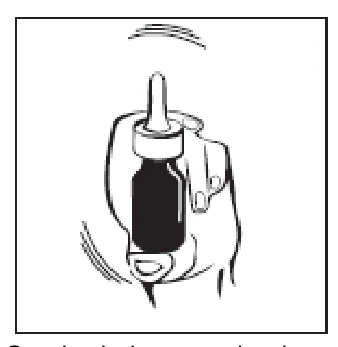
Gently shake spray bottle.
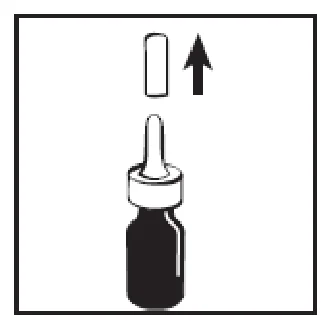
Remove translucent cap.
- 2. Prime
Do this when:
- Starting new bottle
- Haven’t used it in a week
- Just cleaned nozzle
Otherwise go to step 3
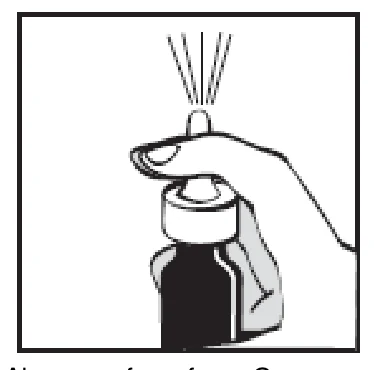
Aim away from face. Grasp spray bottle as shown. Pump until fine mist appears.
Won’t I waste product by priming?
It’s not a waste to prime the pump, because it helps you get a full dose. Getting a full dose is important for getting the relief you deserve. Don’t worry about running out due to priming. There is enough medicine in the spray bottle to allow for priming sprays plus the number of sprays labeled on the bottle. Always point the spray bottle away from your face when priming.
- 3. Blow Nose
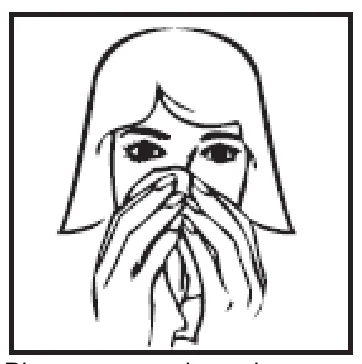
Blow nose gently to clear nostrils.
- 4. Aim
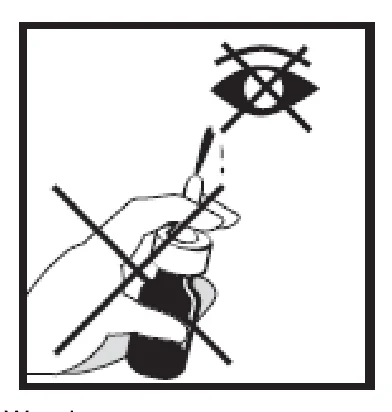
Warning
Do not spray in your eyes or mouth. Only for use in your nose.
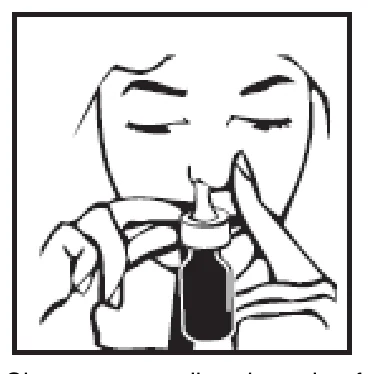
Close one nostril and put tip of spray nozzle in other nostril.
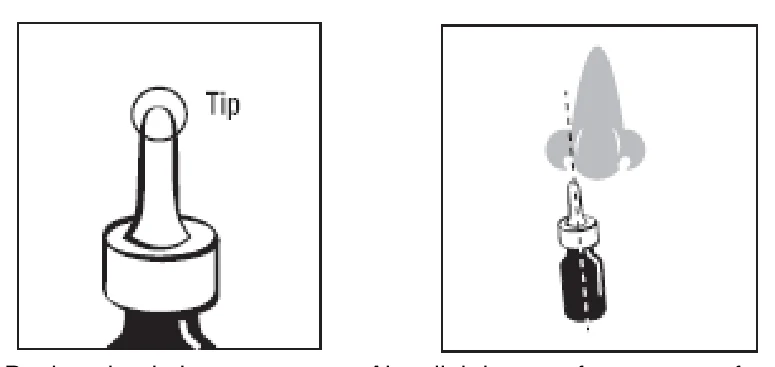
Put just the tip into your nose. Aim slightly away from centre of nose.
- 5. Breathe and spray
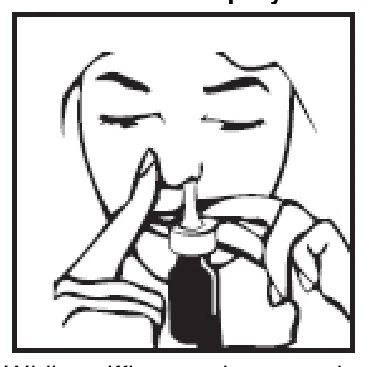
While sniffing gently, press down on spray nozzle once or twice (according to dosing instructions). You’ll feel a light mist in your nose. Breathe out through your mouth. Repeat in other nostril. Wipe spray nozzle with clean tissue and replace cap.
What if I feel stinging in my nose, or I sneeze?
Some people may feel a slight stinging, or may sneeze after spraying ALLERGY RELIEF NASAL SPRAY in their nostrils. This feeling should go away in a few seconds.
Usual dose:
ALLERGY RELIEF NASAL SPRAY works best when you use it daily.
Adults 18 years of age and older:
- Week 1 – use 2 sprays in each nostril once daily, preferably in the morning.
- Week 2 through 3 months – use 1 spray in each nostril once daily, if your symptoms are under control.
- After 3 months of daily use – ask your doctor if you can keep using.
If you have any difficulties or you are unsure about how or when to take ALLERGY RELIEF NASAL SPRAY, check with your doctor or pharmacist.
Overdose:
If you think you have taken too much ALLERGY RELIEF NASAL SPRAY, contact your healthcare professional, hospital emergency department or regional Poison Control Centre immediately, even if there are no symptoms.
Missed Dose:
If you miss a dose, do not worry; just use your regular dose the next day. Don’t add an extra dose.
KEEP IT CLEAN
A clean spray nozzle helps ensure a full dose. Clean it weekly, or if it’s clogged. Don’t try to unblock nozzle with pin or sharp object— that can damage it.
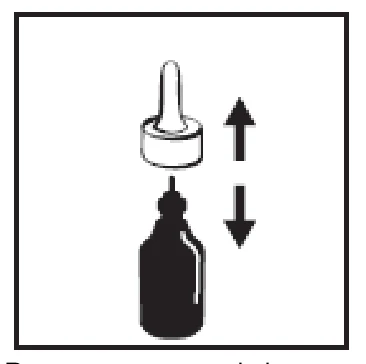
- 1. Remove spray nozzle by grasping at base and pulling up.
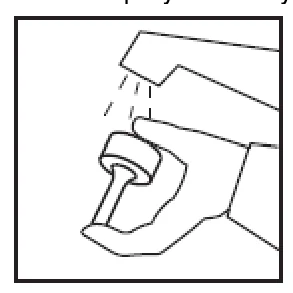
- 2. Rinse under running water, and dry at room temperature.
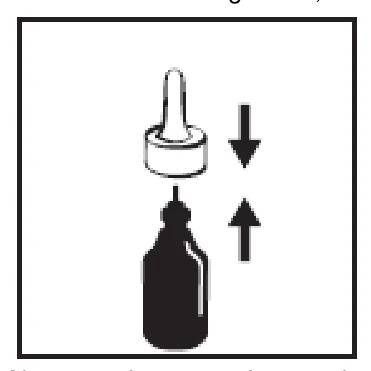
- 3. Aim away from your face and gently replace spray nozzle until you hear a soft click.
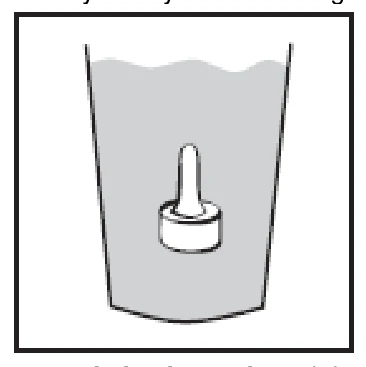
If spray nozzle is clogged, soak in warm water. Then repeat steps 2 and 3.
How long should a bottle of ALLERGY RELIEF NASAL SPRAY last?
This table shows roughly how long your bottle will last. It assumes you follow the instructions for priming the pump, and that you follow the recommended dosing. After you’ve used the number of sprays shown on the label, each spray may not deliver a full dose—even if there is liquid left in the bottle.
| If the label says... | The bottle should last... |
| 60 sprays | 2 weeks |
| 120 sprays | 4 weeks |
If my symptoms go away, should I stop using ALLERGY RELIEF NASAL SPRAY?
You may be tempted to stop using ALLERGY RELIEF NASAL SPRAY when you start to feel better. It’s important you keep using ALLERGY RELIEF NASAL SPRAY daily as long as you’re exposed to allergens that bother you, like pollen, mold, dust or pet dander. This way you’ll keep feeling relief.
If your symptoms do not improve within 7 days of starting use or you get new symptoms such as severe facial pain or think nasal discharge you may have something more than allergies, such as an infection. You should stop treatment and speak with your doctor.
If you suffer allergy symptoms only during certain times, like when pollen levels are high, you may stop using ALLERGY RELIEF NASAL SPRAY when that time ends.
Can I keep using ALLERGY RELIEF NASAL SPRAY year round?
Some people suffer from allergies all year. If you are age 18 or older and have used ALLERGY RELIEF NASAL SPRAY steadily for three months check with your doctor to make sure it’s OK to keep using ALLERGY RELIEF NASAL SPRAY daily. In fact, it’s a good idea for anyone with persistent allergies to talk with a doctor every so often about symptoms and medicines.
WHAT TO EXPECT
How soon will I get relief?
You may start to feel relief the first day you use ALLERGY RELIEF NASAL SPRAY. Keep using it every day, though. It takes several days before ALLERGY RELIEF NASAL SPRAY builds up to full effectiveness. For seasonal allergies, ALLERGY RELIEF NASAL SPRAY works best if it is started before the exposure to allergens occurs. Speak with your pharmacist to determine the best time to begin ALLERGY RELIEF NASAL SPRAY to help treat symptoms.
How long will the relief last?
ALLERGY RELIEF NASAL SPRAY is meant to control your symptoms every day, all day and all night. To help you get this lasting relief, it’s important to use ALLERGY RELIEF NASAL SPRAY regularly, once a day as directed.
What are possible side effects from using ALLERGY RELIEF NASAL SPRAY?
Serious side effects are rare with ALLERGY RELIEF NASAL SPRAY because ALLERGY RELIEF NASAL SPRAY works in your nose and nasal passages. Very little of it travels through your body. However, like all medicines, ALLERGY RELIEF NASAL SPRAY can cause side effects in some people.
The following are possible side effects you may feel when taking ALLERGY RELIEF NASAL SPRAY. If you experience any side effects not listed here, contact your healthcare professional.
- A dry, irritated or burning sensation in your nose
- Nosebleeds (you may also get streaks of blood when you blow your nose)
- Sneezing, runny nose, congestion
- Soreness, or sores in your nose or mouth
- Headache
- Dry or irritated eyes, blurred vision
- Unpleasant or change in sense of taste and/or smell
- Sore throat, throat irritation, dryness, hoarseness or cough
- You get a constant whistling sound from your nose. This may be a sign of damage inside your nose.
- Slower healing of wounds. Do not use ALLERGY RELIEF NASAL SPRAY until your nose has healed if you have a sore in your nose, if you have surgery on your nose, or if your nose has been injured.
- Worsening of the symptoms of infections such as existing tuberculosis, fungal, bacterial or parasitic infections or herpes of the eye.
SERIOUS SIDE EFFECTS AND WHAT TO DO ABOUT THEM:
Talk to your healthcare professional if you experience:
- Cushing’s Syndrome: Rapid weight gain especially around the body and face; excess sweating; thinning of the skin with easy bruising and dryness; muscle and bone weakness.
- Decreased Adrenal Function: tiredness, weakness, nausea and vomiting.
- Osteonecrosis (tiny breaks in a bone leading to eventual collapse): Progressive or persistent pain or limited range of motion in a joint or limb.
- Psychological or Behavioural: Anxiety, depression or aggression, restlessness or trouble sleeping may occur, especially in children.
- Cataracts: glare, reduced vision.
Stop taking ALLERGY RELIEF NASAL SPRAY and get immediate medical help if you experience:
- Allergic Reactions: chest pain or tightness, wheezing, coughing or having difficulty breathing, suddenly feeling weak or lightheaded (which may lead to collapse or loss of consciousness), swelling around the face, mouth or tongue, eyes or lips with difficulty swallowing, skin rashes (hives) or redness
- Glaucoma: increased pressure in your eyes, eye pain.
If you have a troublesome symptom or side effect that is not listed here or becomes bad enough to interfere with your daily activities, talk to your healthcare professional.
Reporting Side Effects
You can report any suspected side effects associated with the use of health products to Health Canada by:
NOTE: Contact your health professional if you need information about how to manage your side effects. The Canada Vigilance Program does not provide medical advice. |
Storage:
Keep out of reach and sight of children. Your medicine may harm them.
Store at room temperature 15°C to 30°C. Do not use ALLERGY RELIEF NASAL SPRAY after the expiry date shown on the pack.
If you want more information about ALLERGY RELIEF NASAL SPRAY:
- Talk to your healthcare professional
- Find the full product monograph that is prepared for healthcare professionals and includes this Patient Medication Information by visiting the Health Canada Website https://health-products.canada.ca/dpd-bdpp/index-eng.jsp, the manufacturer’s website http://www.apotex.ca/products or by calling 1-800-667-4708.