


Product Monograph - Altargo
SUMMARY PRODUCT INFORMATION
Route of Administration | Dosage Form / Strength | Clinically Relevant Nonmedicinal Ingredients |
| Topical | 1% ointment | White soft paraffin containing butylated hydroxytoluene (BHT) This is a complete listing. |
INDICATIONS AND CLINICAL USE
ALTARGO™ (retapamulin) 1% ointment is indicated for use in adult and pediatric patients aged 9 months and older for topical treatment of the following uncomplicated bacterial skin and skin structure infections due to Staphylococcus aureus (methicillin-susceptible isolates only) or Streptococcus pyogenes:
- primary impetigo
- secondarily infected traumatic lesions (small lacerations, abrasions, and sutured wounds)
Geriatrics (> 65 years of age):
Of the total number of patients in the adequate and well-controlled studies of ALTARGO™, 234 patients were 65 years of age and older, of whom 114 patients were 75 years of age or older. No overall differences in effectiveness or safety were observed between these patients and younger adult patients.
Pediatrics (< 9 months of age):
The safety and effectiveness of ALTARGO™ 1% ointment in pediatric patients younger than 9 months of age have not been established.
CONTRAINDICATIONS
ALTARGO™ (retapamulin) 1% ointment is contraindicated in patients with a known or suspected hypersensitivity to ALTARGO™ or any component of the ointment. For a complete listing, see the DOSAGE FORMS, COMPOSITION AND PACKAGING section of this Product Monograph.
WARNINGS AND PRECAUTIONS
General
Do not ingest.
Safety and efficacy of ALTARGO™ (retapamulin) 1% ointment have not been established in primary impetigo with more than 10 lesions and affecting more than 100 cm2 in total surface area (or exceeding 2% of body surface area in pediatric patients) or in secondarily infected traumatic lesions of more than 10 cm in length or 100 cm2 in total surface area.
ALTARGO™ should not be used to treat infections known or thought likely to be due to methicillin-resistant Staphylococcus aureus (MRSA) (see MICROBIOLOGY).
ALTARGO™ should not be used to treat abscesses.
As with other antibacterial agents, prolonged use may result in overgrowth of non-susceptible microorganisms, including fungi.
ALTARGO™ ointment contains butylated hydroxytoluene (BHT) which may cause local skin reactions (i.e., contact dermatitis) or irritation to the eyes or mucous membranes.
Sensitivity
In the event of sensitization or severe local irritation from ALTARGO™, usage should be discontinued, the ointment carefully wiped off and appropriate alternative therapy for the infection instituted.
Mucosal Surfaces
Do not use on mucous membranes (oral, intranasal, or intravaginal). Epistaxis has been reported with use of retapamulin on nasal mucosa.
Ophthalmologic
Do not use in the eyes. ALTARGO™ has not been evaluated for ophthalmic use.
Special Populations
Pregnant Women: There are no adequate and well-controlled studies in pregnant women. ALTARGO™ should not be used in pregnancy unless the expected benefit to the mother outweighs the potential risk to the fetus. In preclinical studies in rats, maternal toxicity (decreased body weight gain and food consumption) and developmental toxicity (decreased fetal body weight and delayed skeletal ossification) were observed at oral doses of ≥ 150 mg/kg (3 times the maximum observed human systemic exposure, AUC 238 ng•h/mL), but such effects were not observed in rabbits. Animal studies have not been conducted with respect to effects on postnatal development (see TOXICOLOGY).
Nursing Women: The safe use of retapamulin during breast-feeding has not been established. It is not known whether retapamulin is excreted in human breast milk. Because many drugs are excreted in human milk, caution should be exercised when ALTARGO™ is administered to a nursing woman.
Pediatrics (< 9 months of age): The safety and effectiveness of ALTARGO™ in pediatric patients younger than 9 months of age have not been established.
ADVERSE REACTIONS
Adverse Drug Reaction Overview
Overall, the frequency of drug-related adverse events for ALTARGO™ (retapamulin) 1% ointment in the combined phase III studies (n=2115) was low (5%), with the majority of adverse events occurring in < 1% of patients. Most events were of mild to moderate intensity. The most frequent drug-related adverse event was application site irritation. In clinical trials, application site irritation most often occurred rapidly after the initial application of ALTARGO™, and persisted for the duration of treatment. However, most patients who experienced application site irritation were able to complete the full course of treatment with ALTARGO™.
The incidence of discontinuations of ALTARGO™ due to drug-related adverse events was 0.2%. Two patients discontinued due to application site irritation, one due to application site pruritus, one due to application site pain and one due to contact dermatitis. The frequency of withdrawals from clinical studies due to an adverse event was low and similar between treatment groups. The most commonly reported adverse events leading to withdrawal were cellulitis (unrelated to the wound under study, <1%) and diarrhea (<1%).
Clinical Trial Adverse Drug Reactions
Because clinical trials are conducted under very specific conditions the adverse reaction rates observed in the clinical trials may not reflect the rates observed in practice and should not be compared to the rates in the clinical trials of another drug. Adverse drug reaction information from clinical trials is useful for identifying drug-related adverse events and for approximating rates.
The safety profile of ALTARGO™ was assessed in five controlled phase III clinical studies in 2115 adult and pediatric patients ≥ 9 months of age, who used at least one dose of ALTARGO™ from a 5-day twice a day regimen.
The most common drug-related adverse event (≥ 1%) reported in patients treated with ALTARGO™ in the phase III studies is shown in Table 1.
Table 1 Drug-related Adverse Events Reported by ≥ 1% of Patients Treated With
ALTARGO™ in Phase III Clinical Studies
| Adverse Event | ALTARGO™ N = 2115 n (%) | Topical comparator N = 172 n (%) | Oral comparator N = 819 n (%) | Placebo N = 71 n (%) |
General Disorders and Administration Site Conditions Application site irritation | 29 (1%) | 0 (0%) | 4 (<1%) | 0 (0%) |
Less Common Clinical Trial Adverse Drug Reactions (<1%)
General Disorders and Administration Site Conditions: Application site reactions (pruritus, pain, erythema).
Skin and subcutaneous tissue disorders: contact dermatitis.
The proportion of both adult and pediatric patients reporting a specific adverse event was consistent with that reported in the overall population. There were very limited data for the subject cohorts between ≥ 9 months to < 2 years of age in the secondarily infected traumatic lesions clinical studies (2 patients enrolled).
Post-Marketing Adverse Drug Reactions
The safety profile of ALTARGO™ where marketed is consistent with the adverse events observed during clinical trials.
General Disorders and Administration Site Conditions: application site irritation (including burning).
Immune System Disorders: hypersensitivity, including angioedema
Skin and Subcutaneous Tissue Disorders: contact dermatitis
Vascular: epistaxis
DRUG INTERACTIONS
Overview
Retapamulin is a substrate and a potent inhibitor of CYP3A4. Due to low systemic exposure to retapamulin following topical application in adults and pediatric patients 2 years of age and older, dosage adjustments for retapamulin are unnecessary in these patients when co-administered with CYP3A4 inhibitors. Topical application of ALTARGOTM is unlikely to affect the metabolism of other P450 substrates. Caution should be exercised for children less than 2 years of age (see Drug-Drug Interactions).
In vitro studies indicate that retapamulin is a P-glycoprotein (P-gp) substrate and inhibitor. Based on low systemic exposure to retapamulin observed following topical application of ALTARGO™, treatment in adults and pediatric patients of 2 years of age and older is unlikely to cause drug interactions due to P-gp inhibition. Caution should be exercised for children less than 2 years of age (see Drug-Drug Interactions).
The effect of concurrent application of ALTARGO™ and other topical products to the same area of skin has not been studied, and is not recommended.
Drug-Drug Interactions
No clinically significant drug interactions are known in adults.
Co-administration of oral ketoconazole 200 mg twice daily increased retapamulin geometric mean AUC(0-24) and Cmax by 81% after topical application of ALTARGO™ (retapamulin) 1% ointment on the abraded skin of healthy adult males. Co-administration of retapamulin and CYP3A4 inhibitors such as ketoconazole, has not been studied in children.
No drug interaction studies have been conducted in children. In children under 2 years of age, increased systemic exposure of retapamulin was observed (see ACTION AND CLINICAL PHARMACOLOGY, Pharmacokinetics). As CYP3A4 inhibitors may further increase systemic exposure to retapamulin, caution should be exercised if CYP3A4 inhibitor(s) are used concomitantly with retapamulin in young children.
Drug-Food Interactions
Interactions with food have not been established.
Drug-Laboratory Test Interactions
Interactions with laboratory tests have not been established.
DOSAGE AND ADMINISTRATION
Dosing Considerations
ALTARGO™ (retapamulin) 1% ointment is for cutaneous use only.
Safety and efficacy have not been established in primary impetigo with more than 10 lesions and affecting more than 100 cm2 in total surface area (or exceeding 2% of body surface area in pediatric patients) or in secondarily infected traumatic lesions of more than 10 cm in length or 100 cm2 in total surface area.
To reduce the development of drug-resistant bacteria and maintain the effectiveness of ALTARGO™ and other antibacterial drugs, ALTARGO™ should be used only to treat infections that are proven or strongly suspected to be caused by susceptible bacteria. When culture and susceptibility information are available, they should be considered in selecting or modifying antibacterial therapy. In the absence of such data, local epidemiology and susceptibility patterns may contribute to the empiric selection of therapy.
Recommended Dose and Dosage Adjustment
Adults, children and infants 9 months of age and older: Apply a thin layer of ALTARGO™ 1% ointment to the affected area twice daily for 5 days. Patients not showing a clinical response within 3-4 days should be re-evaluated.
Special Populations and Conditions
Pediatrics: The safety and efficacy of ALTARGO™ have not been established in pediatric patients < 9 months of age.
Geriatrics: No dosage adjustment is necessary.
Hepatic Insufficiency: No dosage adjustment is necessary. In view of the low systemic exposure to retapamulin following topical application in adults and pediatric patients of 2 years of age and older, hepatic impairment is not expected to result in systemic exposure of clinical concern (see ACTIONS AND CLINICAL PHARMACOLOGY, Pharmacokinetics). Caution should be exercised for children less than 2 years of age (see Drug-Drug Interactions).
Renal Insufficiency: No dosage adjustment is necessary. In view of the low systemic exposure to retapamulin following topical application, renal impairment is not expected to result in systemic exposure of clinical concern (see ACTIONS AND CLINICAL PHARMACOLOGY, Pharmacokinetics).
Administration
A thin layer of ointment should be applied to the affected area. The area treated may be covered with a sterile bandage or gauze dressing if desired.
Missed Dose
If a dose of ALTARGO™ is missed, the patient should be advised to apply the ointment as soon as he/she remembers, and then continue with the next application at the proper time interval.
OVERDOSAGE
Overdosage with ALTARGO™ (retapamulin) 1% ointment has not been reported. Any signs or symptoms of overdose, either topically or by accidental ingestion, should be treated symptomatically and consistent with good clinical practice.
There is no known antidote for overdoses of ALTARGO™.
ACTION AND CLINICAL PHARMACOLOGY
Mechanism of Action
Retapamulin selectively inhibits bacterial protein synthesis through an interaction at a siteon the 50S subunit of the bacterial ribosome that differs from that of other antibiotics. In vitro target-specific cross-resistance between retapamulin and other classes of antibiotics is rare.
Retapamulin is predominantly bacteriostatic against Staphylococcus aureus and Streptococcus pyogenes (see MICROBIOLOGY).
Pharmacodynamics
In post-hoc analyses of manually over-read 12-lead ECGs from healthy subjects (N = 103), no significant effects on QT/QTc intervals were observed after topical application of ALTARGO™ (retapamulin) 1% ointment on intact and abraded skin. Due to the low systemic exposure to retapamulin with topical application, QT prolongation in patients is unlikely (see ACTION AND CLINICAL PHARMACOLOGY, Pharmacokinetics).
Pharmacokinetics
Absorption: In a study of healthy adult subjects, ALTARGO™ was applied daily to intact and to abraded skin under occlusion for up to 7 days. Systemic exposure to retapamulin following topical application of ALTARGO™ through intact skin was very low. The geometric mean Cmax value of retapamulin in plasma after application to 200 cm2 of abraded skin was 9.75 ng/mL on Day 1 and 8.79 ng/mL on Day 7. The maximum individual systemic exposure (Cmax) after a single topical application of ALTARGO™ to 200 cm2 of abraded skin was 22.1 ng/mL.
For management of a suspected drug overdose, contact your regional Poison Control Centre.
Plasma samples were obtained from 380 adult subjects and 136 pediatric subjects (ages 2-17 years) who were receiving topical treatment with ALTARGO™ twice daily for the treatment of secondarily infected traumatic lesions. Only a limited number of samples (11%) had measurable retapamulin concentrations (lower limit of quantitation 0.5 ng/mL) with the majority of measurable concentrations less than 2.5 ng/mL. Plasma concentrations of retapamulin were measurable in 12% of adult patients (> 18 years of age) (n = 47) and in 7% of pediatric patients (aged 2 to 17 years) (n = 9). The maximum measured retapamulin concentration in adults was 10.7 ng/mL and in pediatric subjects (aged 2-17 years) was 18.5 ng/mL.
Thus, systemic exposure resulting from topical application of ALTARGO™ in adult and pediatric subjects (aged 2 to 17 years) is very low when used at the recommended dosage.
Children 9 months to 2 years of age
Plasma concentrations of retapamulin were measurable in 32% of patients (n = 16). One plasma retapamulin concentration in this age group (95.1 ng/mL) was higher than the highest observed retapamulin level seen in pediatric patients aged 2 to 17 years (18.5 ng/mL).
Children 2 months to 9 months of age
Retapamulin is not indicated in pediatric patients less than 9 months of age. Plasma concentrations of retapamulin were measurable in 69% of patients (n = 20). Four plasma retapamulin concentrations in this age group (26.9 ng/mL, 80.3 ng/mL, 174.3 ng/mL and 177.3 ng/mL) were higher than the highest observed retapamulin level seen in pediatric patients aged 2 to 17 years (18.5 ng/mL).
Distribution: Tissue distribution of retapamulin has not been investigated in humans. Retapamulin is approximately 94% bound to human plasma proteins.
Metabolism: Retapamulin metabolism in humans was investigated using non-quantitative methodologies. Two minor mono-oxygenated metabolites were detected in plasma of healthy adult subjects. Metabolites found in urine included two N-demethylated metabolites and numerous products of mono-oxygenation as well as further oxidation products.
In in vitro human hepatocyte studies, the main routes of metabolism were mono-oxygenation and di-oxygenation. The major enzyme responsible for metabolism of retapamulin in human liver microsomes was CYP3A4. In freshly excised human skin, very low amounts of 3 mono-oxygenated metabolites were generated.
Excretion: Retapamulin elimination in humans has not been investigated due to very low systemic exposure after topical application. In preclinical species, 14C-labeled retapamulin was rapidly eliminated, primarily via metabolism and excretion of drug-related material in the bile.
STORAGE AND STABILITY
ALTARGO™ (retapamulin) 1% ointment should be stored at or below 25°C.
Discard tube after end of treatment.
DOSAGE FORMS, COMPOSITION AND PACKAGING
Each gram of ALTARGO™ (retapamulin) 1% ointment contains 10 mg of retapamulin (1% w/w). The nonmedicinal ingredient is white soft paraffin containing butylated hydroxytoluene (BHT).
ALTARGO™ 1% ointment is available in 5 g, 10 g and 15 g tubes.
PART II: SCIENTIFIC INFORMATION
PHARMACEUTICAL INFORMATION
Drug Substance
Proper name: retapamulin
Chemical name: acetic acid, [[(3-exo)-8-methyl-8-azabicyclo[3.2.1]oct-3- yl]thio]-, (3aS,4R,5S,6S,8R,9R,9aR,10R)-6- ethenyldecahydro-5-hydroxy-4,6,9,10-tetramethyl-1-oxo- 3a,9-propano-3aH-cyclopentacycloocten-8-yl ester (9Cl)
Molecular formula: C30H47NO4S
Molecular mass: 517.78
Structural formula:
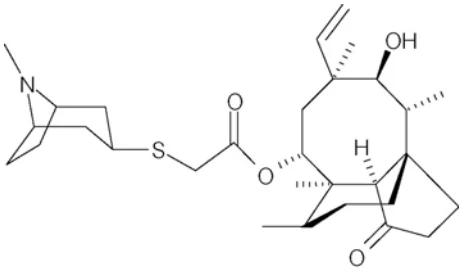
Physicochemical properties: Retapamulin is a white to pale yellow crystalline solid. It is very soluble in ethanol.
CLINICAL TRIALS
Primary Impetigo
ALTARGO™ (retapamulin) 1% ointment was the subject of two pivotal phase III trials for the treatment of primary bullous or non-bullous impetigo in adult and pediatric subjects ≥ 9 months of age. Subjects had no more than 10 lesions and the infected lesions had a maximum area of 100 cm2 for a single lesion or multiple lesions for adult subjects, or did not exceed 2% of body surface area for pediatric subjects. The infected lesions had to be suitable for topical antibiotic therapy.
Study Design and Demographics
Table 2 Primary Impetigo: Summary of Clinical Study Designs and Subject
Demographics
| Study design | Dosage, route of administration and duration | Study subjects (n=number) | Mean age in years (Range) | Gender |
Study TOC103469 Randomized, double-blind, multicenter, superiority, placebo-controlled study Countries: Netherlands, India, Peru and Mexico | ALTARGO™ 1% ointment: Twice daily for 5 days Placebo ointment: Twice daily for 5 days Study duration: 14 days | 210 | 11.1 (9 months-73 years) | 49% male 51% female |
Study TOC100224 Randomized, observer-blind, multicenter, non-inferiority, comparator-controlled study Countries: Netherlands, France, Germany Canada, Costa Rica, India, Peru, Poland and South Africa | ALTARGO™ 1% ointment: Twice daily for 5 days Sodium fusidate ointment (topical 2%): Three times daily for 7 days Study duration: 14 days | 517 | 16.7 (9 months-84 years) | 54% male 46% female |
Study Results
The following table presents the results for clinical response at end of therapy (2 days after treatment cessation) by study and analysis population.
Table 3 Primary Impetigo: Clinical Response at End of Therapy1 by Study and Analysis
Population
| Study | n/N | Success Rate (%)2 | n/N | Success Rate (%)2 | Difference in Success Rates (%) | 95% CI5 (%) |
| Study TOC103469 | ALTARGO™ | Placebo | ||||
| ITTC3 | 119/139 | 85.6 | 37/71 | 52.1 | 33.5 | (20.5, 46.5) |
| ITTB | 101/114 | 88.6 | 28/57 | 49.1 | 39.5 | (25.2, 53.7) |
| Study TOC100224 | ALTARGO™ | topical comparator | ||||
| PPC4 | 314/317 | 99.1 | 141/150 | 94.0 | 5.1 | (1.1, 9.0)6 |
| PPB | 240/242 | 99.2 | 106/114 | 93.0 | 6.2 | (1.4, 11.0) 6 |
n = number with clinical success outcome, N = number in analysis population
ITTC = Intent to Treat Clinical. All randomized subjects who took at least one dose of study medication. ITTB = Intent to Treat Bacteriology. Subjects from the ITTC population who had a pathogen isolated at baseline. PPC = Per Protocol Clinical. Subjects from the ITTC population who adhered to the protocol. PPB = Per Protocol Bacteriology. Subjects from the ITTB population who adhered to the protocol. CI = Confidence Interval
1 End of therapy was defined as 2 days after treatment cessation (Day 7 for ALTARGO™ and placebo groups, Day 9 for topical comparator group).
2 Clinical success at end of therapy was defined as total absence of the treated lesion or the treated lesions have become dry without crusts compared to baseline, or improvement (a decline in the size of the affected area, number of lesions or both) such that no further antimicrobial therapy is necessary.
3 The primary analysis population was ITTC.
4 The primary analysis population was PPC.
5 Confidence intervals were not adjusted for multiplicity
6 Due to high efficacy rate, the normality assumption may not have been valid.
The results for clinical response at end of therapy against the most common pathogens from the impetigo clinical trials are presented in Table 4.
Table 4 Primary Impetigo: Clinical Response by Baseline Pathogen in Microbiologically
Evaluable Subjects at End of Therapy1
| Pathogen | n/N | Success Rate (%) | n/N | Success Rate (%) | Difference in Success Rates (%) |
| Study TOC103469 (ITTB) | ALTARGO™ | Placebo | |||
Staphylococcus aureus (methicillin-susceptible isolates only) | 84/95 | 88.4 | 27/51 | 52.9 | 35.5 |
| Streptococcus pyogenes | 30/34 | 88.2 | 3/8 | 37.5 | 50.7 |
| Study TOC100224 (PPB) | ALTARGO™ | topical comparator | |||
Staphylococcus aureus (methicillin-susceptible isolates only) | 209/211 | 99.1 | 90/97 | 92.8 | 6.3 |
| Streptococcus pyogenes | 90/92 | 97.8 | 32/36 | 88.9 | 8.9 |
n/N = number of clinical successes/number of pathogens isolated at baseline
ITTB = Intent To Treat Bacteriology population
PPB = Per Protocol Bacteriology. Subjects from the ITTB population who adhered to the protocol. 1 End of Therapy was defined as 2 days after treatment cessation (Day 7 for topical ALTARGO™ and placebo groups, Day 9 for topical comparator group).
Pediatrics: There were 534 pediatric subjects (≥ 9 months of age to <18 years of age) in the primary impetigo studies described above, 344 of whom received at least one dose of ALTARGO™ (ITTC). Clinical success rates at end of therapy were 86.5% for ALTARGO™ and 50.0% for placebo (ITTC) in study TOC103469 and 99.1% for ALTARGO™ and 92.7% for topical comparator (PPC) in study TOC100224. There was no difference in efficacy between adult and pediatric subjects.
Secondarily Infected Traumatic Lesions
ALTARGO™ was the subject of two pivotal phase III trials for the treatment of secondarily infected traumatic lesions (small lacerations, sutured wounds and abrasions) in adults, adolescents and pediatric subjects (≥ 9 months of age to < 13 years of age). Infected lacerations and sutured wounds were not more than 10 cm in length and infected abrasions were not more than 100 cm2 in total area. The infected lesions had to be suitable for topical antibiotic therapy.
Study Design and Demographics
Table 5 Secondarily Infected Traumatic Lesions: Summary of Clinical Study Designs and
Subject Demographics
| Study design | Dosage, route of administration and duration | Study subjects (n=number) | Mean age in years (Range) | Gender |
Study SB-275833/030A inferiority, comparator-controlled study Countries: Austria, Canada, Costa Rica, Germany, Greece, India, Russian Federation, South Africa, Spain, United States | ALTARGO™ 1% ointment: Twice daily for 5 days Oral cephalexin: Adults and adolescents: 500 mg twice daily for 10 days or Pediatric subjects less than 13 years of age: 12.5 mg/kg twice daily for 10 days Study duration: 17-19 days | 988 | 38.0 (1-98) | 59% male 41% female |
Study SB-275833/030B inferiority, comparator-controlled study Countries: Austria, Canada, Germany, Greece, India, Russian Federation, South Africa, Spain, United States. | ALTARGO™ 1% ointment: Twice daily for 5 days Oral cephalexin: Adults and adolescents: 500 mg twice daily for 10 days or Pediatric subjects less than 13 years of age: 12.5 mg/kg twice daily for 10 days Study duration: 17-19 days | 916 | 43.8 (2-91) | 53% male 47% female |
Study Results
The following table presents the clinical response at follow-up (7-9 days after treatment cessation) by study and analysis population.
Table 6 Secondarily Infected Traumatic Lesions: Clinical Response at Follow-Up1 by
Study and Analysis Population
| Study | n/N | Success Rate (%)2 | n/N | Success Rate (%)2 | Difference in Success Rates (%) | 95% CI4 (%) |
Study SB- 275833/030A | ALTARGO™ | oral comparator | ||||
| PPC3 | 525/592 | 88.7 | 239/260 | 91.9 | -3.2 | (-7.4, 0.9) |
| PPB | 264/302 | 87.4 | 119/132 | 90.2 | -2.7 | (-9.0, 3.6) |
| Study SB-275833/030B | ALTARGO™ | oral comparator | ||||
| PPC3 | 488/540 | 90.4 | 229/249 | 92.0 | -1.6 | (-5.8, 2.6) |
| PPB | 240/264 | 90.9 | 111/123 | 90.2 | 0.7 | (-5.6, 7.0) |
n = number with clinical success outcome, N = number in analysis population
PPC = Per Protocol Clinical. Subjects from the ITTC population who adhered to the protocol.
PPB = Per Protocol Bacteriology. Subjects from the ITTB population who adhered to the protocol. CI = Confidence Interval
1 Follow-up was defined as 7 to 9 days after treatment cessation (Day 12-14 for the topical ALTARGO™ group and Day 17-19 for the oral comparator group).
2 Clinical success at follow-up was defined as sufficient resolution of signs and symptoms of the infection for subjects who were clinical successes at the end of therapy such that no additional antibiotic therapy is required.
3 The primary analysis population was PPC.
4 Confidence intervals were not adjusted for multiplicity.
The results for clinical response at follow-up against the most common pathogens from the secondarily infected traumatic lesions clinical trials are presented in Table 7.
Table 7 Secondarily Infected Traumatic Lesions: Clinical Response by Baseline Pathogen in Microbiologically Evaluable Subjects at
Follow-Up1, Individually and Combined (PPB)
| SB-275833/030A | SB-275833/030B | SB-275833/030A and SB-275833/030B Combined | |||||||||||
| Pathogen | ALTARGO™ 1% ointment | Oral comparator | ALTARGO™ 1% ointment | Oral comparator | ALTARGO™ 1% ointment | Oral comparator | Differ- ence in Success Rates (%) | ||||||
| n/N | Success Rate (%) | n/N | Success Rate (%) | n/N | Success Rate (%) | n/N | Success Rate (%) | n/N | Success Rate (%) | n/N | Success Rate (%) | ||
| Staphylococcus aureus (methicillin-susceptible isolates only) | 175/192 | 91.1 | 71/78 | 91.0 | 155/166 | 93.4 | 62/68 | 91.2 | 330/358 | 92.2 | 133/146 | 91.1 | 1.1 |
| Streptococcus pyogenes | 35/39 | 89.7 | 16/18 | 88.9 | 28/29 | 96.6 | 16/16 | 100.0 | 63/68 | 92.6 | 32/34 | 94.1 | -1.5 |
n/N = number of clinical successes/number of pathogens isolated at baseline
PPB = Per Protocol Bacteriology. Subjects from the ITTB population who adhered to the protocol.
1 Follow-Up was defined as 7 to 9 days after treatment cessation (Day 12-14 for the topical ALTARGO™ group and Day 17-19 for the oral comparator group).
Pediatrics: There were 241 pediatric subjects (≥ 9 months to <18 years of age) in the secondarily infected traumatic lesions studies described above, 163 of whom received at least one dose of ALTARGO™. There were very limited data for the subject cohorts between ≥ 9 months to < 2 years of age (2 subjects enrolled). Clinical success rates at follow-up in the pediatric per protocol populations were 95.4% for ALTARGO™ and 95.5% for oral comparator. There was no difference in efficacy between adult and pediatric subjects.
DETAILED PHARMACOLOGY
Mechanism of Action
Retapamulin selectively inhibits bacterial protein synthesis by interacting at a site on the 50S subunit of the bacterial ribosome through an interaction that is different from that of other antibiotics. This binding site involves ribosomal protein L3 and is in the region of the ribosomal P site and peptidyl transferase center. By virtue of binding to this site pleuromutilins inhibit peptidyl transfer, block P-site interactions and prevent the normal formation of active 50S ribosomal subunits. Therefore, retapamulin appears to inhibit bacterial protein synthesis by multiple mechanisms.
Animal Pharmacology
Pharmacodynamics:
To assess the effects of retapamulin on major organ systems and to detect any potential adverse effects, an in vitro hERG assay and a battery of in vivo cardiovascular, respiratory, renal and gastrointestinal safety pharmacology studies were conducted in the CD-1 mouse, Sprague-Dawley rat, beagle dog or cynomolgus monkey at doses up to 450 mg/kg. No clinically significant safety pharmacology findings were observed relative to subjects' very low systemic drug exposure resulting from the topical administration of ALTARGO™.
Numerous studies have been conducted in experimental surgical wound infections in animals to illustrate the in vivo efficacy of retapamulin against Staphylococcus aureus (including methicillin-resistant isolates) and Streptococcus pyogenes. The results of these studies indicate that twice daily application of retapamulin as a 1% w/w ointment for 4 days is effective against Staphylococcus aureus (including methicillin-resistant isolates) and Streptococcus pyogenes.
Pharmacokinetics:
Following single intravenous administration of retapamulin to the rat, dog and monkey, plasma clearance was high and the volume of distribution was in excess of total body water, indicating significant tissue distribution. In a whole body autoradiography study in rats given a single intravenous dose of [14C] retapamulin, drug-related material was rapidly and widely distributed. In general, tissue concentrations declined with time. At 7 days post-dose, drug-related material was observed in multiple tissues. Appreciable concentrations of radioactivity were associated with melanin-containing tissues and were observed for up to 35 days in the uveal tract of the eye and in sporadically localized areas of skin. Retapamulin displayed moderate to high in vitro plasma protein binding in the rat (84%), monkey (77%) and human (94%).
In rats and monkeys following oral administration of [14C] retapamulin, the predominant route of metabolism involved multiple mono-oxygenations. Following oral administration of [14C] retapamulin to intact male and female rats or monkeys, radioactivity was predominantly eliminated in the feces. Following either an oral or intravenous dose of [14C] retapamulin to male bile duct-cannulated rats, bile was a major route of elimination of radioactivity indicating good oral absorption of radioactive material. In male intact monkeys, fecal and urinary elimination of radioactivity following an intravenous or oral dose was comparable, indicating good oral absorption of radioactive material.
Human Pharmacology
Pharmacodynamics:
The irritation potential of ALTARGO™ was assessed on the intact and abraded skin of healthy adult subjects in two phase I clinical studies. On both intact and abraded skin, ALTARGO™ was neither a primary nor cumulative irritant after daily 24-hour applications for 2 days and 14 to 21 days. The potential of ALTARGO™ to induce contact sensitization following repeated topical applications to intact skin in healthy subjects was also evaluated in one of the phase I studies. The results demonstrated that the potential for contact sensitization after topical application of retapamulin was no greater than that of widely marketed topical products. In addition, no subjects in the phase II/III studies had evidence of sensitization. In combination with the results from the phase I study, these data show that ALTARGO™ has a low propensity to induce contact sensitization in subjects with impetigo, secondarily infected traumatic lesions or secondarily infected dermatoses.
Two phase I studies were designed to assess systemic retapamulin exposure after topical administration of retapamulin ointment on intact and abraded skin model in healthy volunteers, and were not designed as thorough QT studies. In post-hoc analyses of manually over-read 12-lead ECGs from healthy subjects (N = 103) in these two studies, no significant effects on QT/QTc intervals were observed after topical application of ALTARGO™. Further pharmacodynamic and pharmacokinetic analyses of the ECG data in these studies showed no correlation between QT/QTc absolute values or maximum change from baseline with systemic retapamulin exposure. In these studies, up to 1600 cm2 surface area of intact or abraded skin with fully occlusive dressing condition was used. In the target patient population, the maximum surface area is of 100 cm2 (typical wound sizes likely smaller), and the dressings are more likely to be semi-occlusive or non-occlusive (or no dressing). In the majority of subjects with pharmacokinetic data from phase II and phase III studies, no or little retapamulin could be detected in plasma, and within those small number of detectable samples, the highest retapamulin concentration did not exceed that in healthy adult subjects. Due to the low systemic exposure to retapamulin with topical application, QT prolongation in patients is unlikely (see ACTION AND CLINICAL PHARMACOLOGY, Pharmacokinetics).
MICROBIOLOGY
Retapamulin is a semisynthetic derivative of the compound pleuromutilin, which is isolated through fermentation from Clitopilus passeckerianus (formerly Pleurotus passeckerianus). Retapamulin has been shown to be active against most isolates of the following bacteria both in vitro and in clinical infections (see Table 8).
Table 8 In Vitro Activity of Retapamulin Against Organisms for which Clinical Efficacy has been Demonstrated
| Pathogen | Number of Isolates | MIC (mcg/mL) | ||
| Range | MIC50 | MIC90 | ||
| Staphylococcus aureus (methicillin-susceptible only) | 1452 | 0.008-0.5 | 0.12 | 0.12 |
| Streptococcus pyogenes | 370 | ≤0.002-0.25 | 0.03 | 0.06 |
The following in vitro data on clinical isolates are available but their clinical significance is unknown (see Table 9).
Table 9 In Vitro Activity of Retapamulin Against Gram-Positive Aerobic, Gram-Negative
Aerobic and Anaerobic Organisms
| Pathogen | Number of Isolates | MIC (mcg/mL) | ||
| Range | MIC50 | MIC90 | ||
| Methicillin-resistant Staphylococcus aureus* | 780 | 0.004-0.5 | 0.06 | 0.12 |
| Coagulase-negative staphylococci | 975 | ≤0.002-0.5 | 0.06 | 0.06 |
| Streptocococcus agalactiae | 980 | 0.004-0.25 | 0.03 | 0.06 |
| Viridans streptococci | 930 | ≤0.002-0.5 | 0.06 | 0.25 |
| Other Streptococcus species | 44 | 0.008-1 | 0.03 | 0.06 |
| Other Gram-positive pathogens1 | 50 | 0.004-128 | 64 | 128 |
| Pseudomonas aeruginosa2 | 90 | 64->256 | >256 | >256 |
| Enterobacter cloacae2 | 53 | 8->256 | 64 | 256 |
| Escherichia coli2 | 50 | 8->256 | 16 | 32 |
| Haemophilus influenzae | 41 | ≤0.016-0.5 | 0.25 | 0.25 |
| Other Gram-negative pathogens2 | 294 | 0.008->256 | 64 | >256 |
| Propionibacterium acnes | 117 | ≤0.015-1 | ≤0.015 | 0.25 |
1 Enterococcus faecalis are inherently resistant to retapamulin
2 Enterobacteriaceae and Pseudomonas aeruginosa are inherently resistant to retapamulin
*Based on in vitro broth microdilution susceptibility testing, no differences were observed in the in vitro activity of retapamulin versus Staphylococcus aureus whether the isolates were susceptible or resistant to methicillin. Retapamulin susceptibility did not correlate with clinical success rates in subjects with methicillin-resistant Staphylococcus aureus (MRSA). The reason for the observed reduced clinical efficacy is unknown.
Development of Resistance: In vitro, three mechanisms that cause reduced susceptibility to retapamulin have been identified, specifically, target specific mutations in ribosomal protein L3, the presence of Cfr rRNA methyltransferase, or the non-target specific presence of an efflux mechanism (ABC transporter vgaA and vgaAv). This non-target specific efflux mechanism has also been demonstrated to reduce the in vitro activity of streptogramin A. Decreased susceptibility of Staphylococcus aureus to retapamulin (highest retapamulin MIC was 2 mcg/mL) develops slowly in vitro via multistep mutations in L3 after serial passage in sub-inhibitory concentrations of retapamulin. In preclinical studies, a few isolates of Staphylococcus aureus possessing vgaAv genes demonstrated decreased susceptibility to retapamulin (MICs ranging between 1-32 mcg/mL). A single preclinical Staphylococcus aureus isolate which possessed vgaA genes had a retapamulin MIC of 64 mcg/mL. No development of resistance was observed during treatment with retapamulin in the clinical study program and all clinical isolates were inhibited by retapamulin concentrations ≤ 2 mcg/mL. The clinical significance of these findings is not known.
Susceptibility Testing: The clinical microbiology laboratory should provide cumulative results of the in vitro susceptibility test results for antimicrobial drugs used in local hospitals and practice areas to the physician in the form of periodic reports that describe the susceptibility profile of nosocomial and community-acquired pathogens. These reports should aid the physician in selecting the most effective antimicrobial.
Dilution Techniques: Quantitative methods can be used to determine the minimum inhibitory concentration (MIC) of retapamulin that will inhibit the growth of the bacteria being tested. The MIC provides an estimate of the susceptibility of bacteria to retapamulin. The MIC should be determined using a standardized procedure. Standardized procedures are based on a dilution method (broth or agar) or equivalent with standardized inoculum concentrations and standardized concentrations of retapamulin powder.
Diffusion Techniques: Quantitative methods that require measurement of zone diameters also provide reproducible estimates of the susceptibility of bacteria to antimicrobial compounds. One such standardized procedure requires the use of standardized inoculum concentrations. This procedure uses paper disks impregnated with 2 mcg of retapamulin to test the susceptibility of microorganisms to retapamulin.
Susceptibility Test Interpretive Criteria: In vitro susceptibility test interpretive criteria for retapamulin have not been determined for this topical antimicrobial. The relation of the in vitro MIC and/or disk diffusion susceptibility test results to clinical efficacy of retapamulin against the bacteria tested should be monitored.
Quality Control Parameters for Susceptibility Testing: In vitro susceptibility test quality control parameters were developed for retapamulin so that laboratories that test the susceptibility of bacterial isolates to retapamulin can determine if the susceptibility test is performing correctly. Standardized dilution techniques and diffusion methods require the use of laboratory control microorganisms to monitor the technical aspects of the laboratory procedures. Standard retapamulin powder should provide the following MIC values and a 2 mcg retapamulin disk should produce the following zone diameters with the indicated quality control strains in Table 10.
Table 10 Acceptable Quality Control Ranges for Retapamulin
| Microorganism | MIC Range (mcg/mL) | Disk Diffusion Zone Diameter (mm) |
| Staphylococcus aureus ATCC 29213 | 0.06-0.25 | NA |
| Staphylococcus aureus ATCC 25923 | NA | 23-30 |
| Streptococcus pneumoniae ATCC 49619 | 0.06-0.5a | 13-19b |
NA = Not applicable.
a This quality control range is applicable using cation-adjusted Mueller-Hinton broth with 2-5% lysed horse blood. b This quality control limit is applicable using Mueller-Hinton agar with 5% sheep blood.
TOXICOLOGY
Local Tolerance: Retapamulin showed no evidence of skin sensitization potential in mice and was only a weak skin sensitizer in a guinea pig maximization test (1 of 20 guinea pigs responded with a mild sensitization reaction).
Single Dose Toxicity: In rats, single oral doses of retapamulin up to 450 mg/kg and single bolus intravenous doses up to 10 mg/kg were well-tolerated, whereas mortality occurred at 30 mg/kg intravenously. In monkeys, single dose oral administration of retapamulin was well-tolerated up to 150 mg/kg with emesis occurring at 450 mg/kg. Topical application of up to 2.0% retapamulin formulated as a petrolatum ointment to the intact skin of rabbits did not produce dermal irritation, while retapamulin gel and cream formulations produced dermal irritation at ≥1.0%.
In another study, topical application of petrolatum ointment formulations of retapamulin (0.5, 2.0 or 5.0%) to the intact or abraded skin of rabbits induced concentration-dependent dermal irritation with responses at abraded sites having an increased frequency, severity and duration of response as compared to intact sites. Following a single application of 0.5 or 2.0% ointment (exposure for 24 hours) to intact sites, the only observation after bandage removal was very slight erythema which did not persist beyond 1 hour. At a few of the abraded sites that were treated with 2.0% and 5.0% ointment, erythema and/or edema persisted for up to 96 hours, but, sites were normal by Day 7.
Repeat Dose Toxicity: In rats, repeated oral administration of retapamulin (up to 450 mg/kg/day) for 14 days was associated with increased liver weight, hepatocellular hypertrophy/vacuolation, decreased serum total thyroxine (T4) and/or total triiodothyronine (T3), increased serum thyroid stimulating hormone, thyroid follicular cell hypertrophy and localized hair loss. Emesis was the principal finding in monkeys (oral, ≥ 50 mg/kg). The no-observable adverse effect level (NOAEL) following oral administration in both rats and monkeys was 50 mg/kg/day.
In rabbits, repeated topical applications of a 0.5% retapamulin ointment to intact and abraded skin for 14 days induced very slight erythema and edema, however, microscopic dermal changes were not present. After application of 2.0 and 5.0% retapamulin ointments for 14 days, acanthosis, hyperkeratosis, inflammation, ulceration and dermal fibrosis was present microscopically at most sites.
Repeated topical application of 2.0% retapamulin petrolatum ointment daily for ∼11 weeks to intact skin sites of rabbits resulted in very slight to severe erythema, very slight to moderate edema and desquamation. Daily topical application of 0.5% (for 11 weeks) or 1.0% ointment (for 13 weeks) produced dermal irritation of similar incidence and severity to that observed for the vehicle group. The NOAEL was 2.0% for systemic effects of retapamulin when applied to the intact skin of male rabbits for up to 11 weeks and 1.0% for local effects when applied for up to 13 weeks.
Repeated daily topical applications of 0.5, 1.0 or 2.0% retapamulin ointment to the intact skin sites of juvenile minipigs (8 weeks of age) for 14 days caused no erythema or edema. There was no evidence of systemic toxicity and retapamulin was not detectable in plasma samples on Day 1. The NOAEL was 2.0% retapamulin.
Based on the absence of dermal effects in the above juvenile minipig study, a 10-day dose range dermal irritation study in minipigs (18 weeks of age) with abraded application sites was conducted. In this study, repeated daily topical application of 1.0, 2.0 and 5.0% retapamulin ointment induced no signs of erythema or edema, no retapamulin-related changes in toxicology parameters and was associated with very low and sporadic retapamulin plasma concentrations.
Carcinogenesis, Mutagenesis, Impairment of Fertility: Long-term studies in animals to evaluate carcinogenic potential have not been conducted with retapamulin.
Retapamulin showed no genotoxicity when evaluated in vitro for gene mutation and/or chromosomal effects in the mouse lymphoma cell assay, in cultured human peripheral blood lymphocytes, or when evaluated in vivo in a rat micronucleus test. In one of two studies in cultured human lymphocytes, there was an increase in the number of polyploid cells. This was not of concern because the increases were within the historical control range and did not occur in longer treatment arms of the study. Given the clear negative result in the in vivo bone marrow micronucleus assay in rats (an assay for both structural and numerical chromosomal aberrations), together with supporting data from the in vivo repeat dose toxicity assessments (i.e., absence of a treatment-related increase in multi-nucleated and/or karyomegalic hepatocytes), the weight of evidence suggests that retapamulin has no in vivo aneugenic potential.
No evidence of impaired fertility was found in male or female rats given retapamulin 50, 150, or 450 mg/kg/day orally.
Embryo-Fetal Development: Effects on embryo-fetal development were assessed in pregnant rats given 50, 150 or 450 mg/kg/day by oral gavage on days 6 to 17 postcoitus. Maternal toxicity (decreased body weight gain and food consumption) and developmental toxicity (decreased fetal body weight and delayed skeletal ossification) were evident at doses ≥150 mg/kg/day (3-fold the maximum observed human systemic exposure, AUC 238 ng•h/mL). There were no treatment-related malformations observed in fetal rats.
Retapamulin was given as a continuous intravenous infusion to pregnant rabbits at dosages of 2.4, 7.2 or 24 mg/kg/day from day 7 to 19 of gestation. Maternal toxicity (decreased body weight gain, food consumption, and abortions) was demonstrated at dosages ≥ 7.2 mg/kg/day (8- fold the maximum observed human systemic exposure, AUC at 238 ng•h/mL). There was no treatment-related effect on embryo-fetal development.
Juvenile Toxicity: Repeated daily topical application of 0.5 and 1.0% retapamulin ointment to intact skin of neonatal male and female rats, beginning on post-natal day 9 for 43 days under semi-occluded conditions, was associated with minimal erythema and/or scabbing in both treatment groups. Systemic exposure to retapamulin was low, with quantifiable levels of retapamulin at both dose levels measured on post-natal day 51. There was no evidence of systemic toxicity. The NOAEL for developmental toxicity was 1.0%.
REFERENCES
- 1.
Clinical and Laboratory Standards Institute (CLSI). Methods for Dilution
Antimicrobial Susceptibility Tests for Bacteria that Grow Aerobically - 6th Edition. Approved Standard NCCLS Document M7-A7 2006; 26(2).
- 2.
Clinical and Laboratory Standards Institute (CLSI). Performance Standards for
Antimicrobial Disk Susceptibility Tests – Eighth Edition. Approved Standard NCCLS Document M2-A9 2006; 26(1).
- 3.
Clinical and Laboratory Standards Institute (CLSI). Performance Standards for
Antimicrobial Susceptibility Testing. Fifteenth Informational Standard M100-S17 2007; 27(1).
- 4.
Free A, Roth E, Dalessandro M, Hiram J, Scangarella N, Shawar R, et al.
Retapamulin ointment twice daily for 5 days vs oral cephalexin twice daily for 10 days for empiric treatment of secondarily infected traumatic lesions of the skin. Skinmed 2006 Sep; 5(5): 224-32.
- 5.
Oranje AP, Chosidow O, Sacchidanand S, Todd G, Singh K, Scangarella N, et al.
Topical retapamulin ointment, 1%, versus sodium fusidate ointment, 2%, for impetigo: a randomized, observer-blinded, noninferiority study. Dermatology 2007; 215(4): 331-40.