


Product Monograph - Asacol
RECENT MAJOR LABEL CHANGES
WARNINGS AND PRECAUTIONS, Renal 04/2020
WARNINGS AND PRECAUTIONS, Acute Intolerance Syndrome 03/2021
WARNINGS AND PRECAUTIONS, 7.1.2 Breast-feeding 03/2021
TABLE OF CONTENTS
RECENT MAJOR LABEL CHANGES ........................................................................................ 2
TABLE OF CONTENTS ............................................................................................................. 2
PART I: HEALTH PROFESSIONAL INFORMATION ................................................................. 4
1 INDICATIONS ................................................................................................................. 4
1.1 Pediatrics ............................................................................................................... 4
1.2 Geriatrics ............................................................................................................... 4
2 CONTRAINDICATIONS .................................................................................................. 4
3 SERIOUS WARNINGS AND PRECAUTIONS BOX ........................................................ 5
4 DOSAGE AND ADMINISTRATION................................................................................. 5
4.1 Recommended Dose and Dosage Adjustment ....................................................... 5
4.2 Administration ........................................................................................................ 5
4.3 Missed Dose .......................................................................................................... 6
5 OVERDOSAGE ............................................................................................................... 6
6 DOSAGE FORMS, STRENGTHS, COMPOSITION AND PACKAGING ......................... 6
7 WARNINGS AND PRECAUTIONS ................................................................................. 7
7.1 Special Populations ............................................................................................... 8
7.1.1 Pregnant Women ...............................................................................................8
7.1.2 Breast-feeding ....................................................................................................9
7.1.3 Pediatrics ...........................................................................................................9
7.1.4 Geriatrics ............................................................................................................9
8 ADVERSE REACTIONS ................................................................................................. 9
8.1 Adverse Reaction Overview ................................................................................... 9
8.2 Clinical Trial Adverse Reactions............................................................................. 9
8.3 Less Common Clinical Trial Adverse Reactions ................................................... 12
8.4 Abnormal Laboratory Findings: Hematologic, Clinical Chemistry and Other Quantitative Data ........................................................................................................... 12
8.5 Post-Market Adverse Reactions ........................................................................... 12
9 DRUG INTERACTIONS ................................................................................................ 13
9.1 Overview .............................................................................................................. 13
9.2 Drug-Drug Interactions ......................................................................................... 13
9.3 Drug-Food Interactions ........................................................................................ 14
9.4 Drug-Herb Interactions ......................................................................................... 14
9.5 Drug-Laboratory Test Interactions ........................................................................ 14
10 ACTION AND CLINICAL PHARMACOLOGY ............................................................... 14
10.1 Mechanism of Action ........................................................................................ 14
10.2 Pharmacokinetics ............................................................................................. 14
11 STORAGE, STABILITY AND DISPOSAL ..................................................................... 15
PART II: Scientific INFORMATION ......................................................................................... 16
12 PHARMACEUTICAL INFORMATION ........................................................................... 16
13 CLINICAL TRIALS ........................................................................................................ 16
13.1 Trial Design and Study Demographics ............................................................. 16
14 NON-CLINICAL TOXICOLOGY .................................................................................... 18
PATIENT MEDICATION INFORMATION ................................................................................. 20
PART I: HEALTH PROFESSIONAL INFORMATION
1 INDICATIONS
Asacol (400mg of 5-aminosalicylic acid enteric coated tablets) is indicated for:
- the treatment of mild to moderate active ulcerative colitis
- the maintenance of remission of mild to moderate ulcerative colitis. Asacol at the dosage tested of 1.6 g/day may not be effective for the maintenance of remission when the underlying disease is severe.
Abrupt discontinuation may result in relapse.
1.1 Pediatrics
Pediatrics: No data are available to Health Canada; therefore, Health Canada has not authorized an indication for pediatric use.
1.2 Geriatrics
Geriatrics: No data are available to Health Canada; therefore, Health Canada has not authorized an indication for geriatric use.
2 CONTRAINDICATIONS
Asacol is contraindicated in patients who are hypersensitive to this drug or to any ingredient in the formulation, including any non-medicinal ingredient, or component of the container. For a complete listing, see DOSAGE FORMS, STRENGTHS, COMPOSITION AND PACKAGING.
Asacol is contraindicated in:
- Patients with a history of sensitivity to salicylates
- Patients with severe renal impairment (GFR<30 mL/min/1.73 m2) and/or severe hepatic impairment (see WARNINGS & PRECAUTIONS – Renal and Hepatic/Biliary/Pancreatic)
- Patients with existing gastric or duodenal ulcer
- Patients with urinary tract obstruction
- Patients unable to swallow the intact tablets
3 SERIOUS WARNINGS AND PRECAUTIONS BOX
4 DOSAGE AND ADMINISTRATION
4.1 Recommended Dose and Dosage Adjustment
For the treatment of mildly to moderately active ulcerative colitis: Usual daily adult dose is 2 to 8 Asacol 400 mg tablets, taken orally in divided doses. In patients with severe active disease, the dose may be increased to 12 tablets daily.
For the maintenance of remission of ulcerative colitis: The recommended dosage in adults is 4 tablets, taken orally in divided doses. The treatment duration in a well-controlled clinical trial was 6 months.
Abrupt discontinuation is not recommended.
Ulcerative colitis rarely remits completely. Thus, it is important for patients to closely comply with the maintenance dosage prescribed by their doctors. By doing so, the risk of relapse can be substantially reduced.
Health Canada has not authorized an indication for pediatric use.
4.2 Administration
Tablets should be swallowed whole, taking care not to break the outer coating. The outer coating is designed to remain intact, to protect the active ingredient until it reaches the terminal ileum, where the tablet coating dissolves and the contents of the tablet are released into the terminal ileum and colon.
Patients should be advised to take Asacol tablets only as prescribed. The number or frequency of tablets ingested should not be changed without first consulting their physician.
Serious Warnings and Precautions
- Hypersensitivity: If toxic or hypersensitivity reactions occur, the drug should be discontinued. In assessing liver and joint complications, it should be kept in mind that these are frequently associated with ulcerative colitis.
- Renal: Renal impairment, including minimal change nephropathy, acute and chronic interstitial nephritis, and renal failure has been reported in patients taking Asacol tablets as well as in patients taking other mesalamine products. Asacol is contraindicated in patients with severe renal impairment (see CONTRAINDICATIONS). It is recommended that all patients have an evaluation of renal function prior to initiation of Asacol tablets and periodically while on Asacol therapy. For patients with moderate or mild renal impairment, see WARNINGS AND PRECAUTIONS.
Intact or partially intact tablets may infrequently appear in the stool. If this occurs repeatedly, the patient should be advised to consult their physician.
4.3 Missed Dose
If a dose of this medication has been missed, it should be taken as soon as possible. However, if it is almost time for the next dose, skip the missed dose and go back to the regular dosing schedule. Do not take double the dose.
5 OVERDOSAGE
There are no documented reports of serious human toxicity following overdose with mesalamine. Based on the adverse effect profile, symptoms that might be observed following acute overdose include headache, abdominal pain, nausea, vomiting, and diarrhea. Mesalamine is not metabolized to salicylate. There is no specific antidote and treatment is symptomatic and supportive. In treatment of acute overdose, activated charcoal and/or gastric lavage may be indicated if implemented within sixty minutes from the time of ingestion.
6 DOSAGE FORMS, STRENGTHS, COMPOSITION AND PACKAGING
Table – Dosage Forms, Strengths, Composition and Packaging.
Asacol tablets are available for oral administration as brown-red, capsule-shaped, enteric coated tablets printed in black ink with “0752 DR”.
Each brown-red capsule-shaped enteric coated tablet of Asacol contains 400 mg mesalamine. Asacol colon-targeted tablets are coated with a special acrylic-based resin, Eudragit®-S {methacrylic acid copolymer Type B (USP)}, which delays release of the mesalamine until the tablets reach the terminal ileum.
Asacol colon-targeted tablets are supplied in bottles of 180 tablets each.
| For management of a suspected drug overdose, contact your regional poison control centre. |
| Route of Administration | Dosage Form / Strength/Composition | Non-medicinal Ingredients |
| oral | Tablet, 400 mg | dibutyl phthalate, edible black ink (ammonium hydroxide, n-butyl alcohol, shellac glaze [modified] in SD-45, synthetic black iron oxide and propylene glycol), iron oxide red, iron oxide yellow, lactose, magnesium stearate, Eudragit®-S {methacrylic acid copolymer Type B (USP)}, polyethylene glycol, polyvinylpyrrolidone, sodium starch glycolate, colloidal silicon dioxide and talc. |
7 WARNINGS AND PRECAUTIONS
Please see the SERIOUS WARNINGS AND PRECAUTIONS BOX at the beginning of Part I: Health Professional Information.
General
Asacol and other mesalamine-containing products have differences in formulation and release characteristics that may lead to differences in concentrations of mesalamine delivered to the colon. If it is deemed necessary to switch from one mesalamine-containing product to another mesalamine-containing product, the prescriber should carefully assess the overall benefit-risk analysis based on the patient’s clinical conditions and on all available information for the various mesalamine-containing products.
Acute Intolerance Syndrome
Mesalamine has been implicated in the production of an acute intolerance syndrome characterized by cramping, acute abdominal pain and bloody diarrhea, sometimes fever, headache and a rash; in such cases prompt withdrawal is required. The patient’s history of sulfasalazine intolerance, if any, should be re-evaluated. If a rechallenge is performed later in order to validate the hypersensitivity, it should be carried out under close supervision and only if clearly needed, giving consideration to reduced dosage. The possibility of increased absorption of mesalamine and concomitant renal tubular damage as noted in the preclinical studies must be kept in mind. Patients on concurrent mesalamine and those with pre-existing renal disease, should be carefully monitored with urinalysis, blood urea nitrogen (BUN) and creatinine testing.
Driving and Operating Machinery
There are no data available on the effects of mesalamine on ability to drive and use machines.
Gastrointestinal
Exacerbation of the symptoms of colitis, thought to have been caused by mesalamine or sulfasalazine, has been reported in 3% of patients in controlled clinical trials. This acute reaction, characterized by cramping, abdominal pain, bloody diarrhea, and occasionally by fever, headache, malaise, pruritus, rash, and conjunctivitis, has been reported after the initiation of Asacol tablets as well as other mesalamine products. Symptoms usually abate when Asacol tablets are discontinued.
Patients with pyloric stenosis may have prolonged gastric retention of Asacol tablets which could delay release of mesalamine in the colon.
What appears to be intact or partially intact tablets may be observed in the stool.
Hepatic/Biliary/Pancreatic
Caution should be exercised when using Asacol (or other compounds which contain or are converted to mesalamine or its metabolites) in patients with hepatic dysfunction.
In assessing liver complications, it should be kept in mind that these are frequently associated with ulcerative colitis.
There have been reports of hepatic failure and increased liver enzymes in patients with pre-existing liver disease when treated with Mesalazine products. Therefore, Asacol is contraindicated in patients with severe hepatic impairment (see CONTRAINDICATIONS). In patients with mild to moderate liver function impairment, caution should be exercised and
Asacol should only be used if the expected benefit clearly outweighs the risks to the patients. Appropriate assessment and monitoring of liver function should be performed.
Immune
Hypersensitivity
Some patients who have experienced a hypersensitivity reaction to sulfasalazine may have a similar reaction to Asacol tablets or to other compounds that contain, or are converted to, mesalamine. Asacol does not contain a sulfa moiety, thus sulfa-related side effects are avoided. Many patients with a history of sulfasalazine intolerance are able to tolerate Asacol tablets as demonstrated in open-label clinical trials. These patients should be instructed to discontinue therapy if signs of rash or fever become apparent. In case of an allergic reaction, appropriate measures (standard of care) should be taken.
Monitoring and Laboratory Tests
It is recommended that all patients have an evaluation of renal function prior to initiation of Asacol tablets and periodically while on Asacol therapy.
It is recommended that appropriate assessment and monitoring of liver function should be performed.
Renal
Reports of renal impairment, including minimal change nephropathy, and acute or chronic interstitial nephritis have been associated with mesalamine products and pro-drugs of mesalamine. Cases of nephrolithiasis have been reported with the use of mesalazine, including stones with a 100% mesalazine content. It is recommended to ensure adequate fluid intake during treatment. Asacol is contraindicated in patients with severe renal impairment (see CONTRAINDICATIONS). In patients with mild to moderate renal dysfunction, history of renal disease or taking concomitant nephrotoxic drugs, caution should be exercised and Asacol should be used only if the benefits outweigh the risks. It is recommended that all patients have an evaluation of renal function prior to initiation of therapy and periodically while on treatment.
7.1 Special Populations
7.1.1 Pregnant Women
There are no adequate and well controlled studies of Asacol use in pregnant women. Limited published data on the class of mesalamine products show an increased rate of preterm birth, stillbirth and low birth weight. These adverse pregnancy outcomes are also associated with active inflammatory bowel disease. Mesalamine crosses the placenta. Animal reproduction studies of mesalamine found no evidence of fetal harm. Mesalamine should be used during pregnancy only if the benefits clearly outweigh the risks to the fetus.
Dibutyl phthalate (DBP) is an inactive ingredient in Asacol’s enteric coating, and in animal studies at doses >95 times the human dose based on body surface area, maternal DBP was associated with external and skeletal malformations and adverse effects on the male reproductive system. Asacol should be used during pregnancy only if the potential benefit justifies the potential risk.
7.1.2 Breast-feeding
It has been reported that small amounts of 5-ASA and higher concentrations of acetyl-5-ASA are found in breast milk. While the clinical significance of this has not been determined, caution should be exercised when Asacol tablets are administered to a nursing woman.
When mesalamine is used in nursing women, infants should be monitored for changes in stool consistency. If the infant develops diarrhea, breast-feeding should be discontinued. Cases of diarrhea in breastfed infants exposed to mesalamine have been reported.
Isolated weight decrease in nursing infant has been reported during post-marketing experience with mesalamine.
Dibutyl phthalate (DBP), an inactive ingredient in the enteric coating of Asacol tablets, and its primary metabolite mono-butyl phthalate (MBP) are excreted into human milk. The clinical significance of this has not been determined.
7.1.3 Pediatrics
Pediatrics: No data are available to Health Canada; therefore, Health Canada has not authorized an indication for pediatric use.
7.1.4 Geriatrics
Geriatrics: No data are available to Health Canada; therefore, Health Canada has not authorized an indication for geriatric use.
8 ADVERSE REACTIONS
8.1 Adverse Reaction Overview
Asacol is generally well tolerated. The most commonly reported adverse reactions were nausea, diarrhea, abdominal pain and headache. Other common adverse reactions seen in clinical trials with Asacol were acute exacerbation of ulcerative colitis symptoms, abnormal hepatic functions tests and rash. Adverse events seen in clinical trials with Asacol tablets have generally been mild and reversible, and have seldom resulted in discontinuation of treatment.
8.2 Clinical Trial Adverse Reactions
Because clinical trials are conducted under very specific conditions, the adverse reaction rates observed in the clinical trials may not reflect the rates observed in practice and should not be compared to the rates in the clinical trials of another drug. Adverse reaction information from clinical trials is useful for identifying drug-related adverse events and for approximating rates.
In two short-term (6 weeks), double-blind, placebo-controlled clinical studies involving 245 patients, 155 of whom were randomized to Asacol tablets, five (3.2%) of the Asacol patients discontinued Asacol therapy because of adverse events as compared to two (2.2%) of the placebo patients. Adverse reactions leading to withdrawal from Asacol tablets included (each in one patient): diarrhea and colitis flare; dizziness, nausea, joint pain, and headache; rash, lethargy and constipation; dry mouth, malaise, lower back discomfort, mild disorientation, mild indigestion and cramping; headache, nausea, malaise, aching, vomiting, muscle cramps, a stuffy head, plugged ears, and fever.
Adverse events occurring at a frequency of greater than 2% in these clinical trials are listed below. Overall, the incidence of adverse events seen with Asacol tablets was similar to placebo.
Headache, abdominal pain, eructation, pain, nausea, pharyngitis, dizziness, asthenia, diarrhea, back pain, fever, rash, dyspepsia, rhinitis, arthralgia, vomiting, constipation, hypertonia, flatulence, flu syndrome, chills, colitis exacerbation, chest pain, peripheral edema, myalgia, pruritus, sweating, dysmenorrhea.
Of these adverse events, only rash showed a consistently higher frequency with increasing Asacol dose in these studies.
The following adverse reactions were seen in 2% of the patients in the controlled studies: malaise, arthritis, insomnia, increased cough, acne, and conjunctivitis.
In a 6 month placebo-controlled maintenance trial involving 264 patients, 177 of whom were randomized to Asacol tablets, six (3.4%) of the Asacol patients discontinued Asacol therapy because of adverse events, as compared to four (4.6%) of the placebo patients. Adverse reactions leading to withdrawal from Asacol tablets included (each in one patient): anxiety; headache; pruritus, decreased libido; rheumatoid arthritis; and stomatitis and asthenia.
In the 6 month placebo-controlled maintenance trial, the incidence of adverse events seen with Asacol tablets was similar to that seen with placebo. Adverse events occurring in Asacol 1.6 g/day group at a frequency of 2% or greater are listed in Table 1 below.
Table 1 Frequency (%) of Adverse Events Reported in the Long-Term (6 months) Double-Blind Controlled Study
| Event | Asacol 0.8 g/day (n=90) | Asacol 1.6 g/day (n=87) | Placebo (n=87) | |||
|---|---|---|---|---|---|---|
| Cardiac disorders | ||||||
| Chest Pain | 8 | 8 | 6 | |||
| Ear and labyrinth disorders | ||||||
| Deaf | 0 | 2 | 0 | |||
| Eye disorders | ||||||
| Amblyopia | 1 | 2 | 0 | |||
| Lacrimation Disorder | 1 | 2 | 0 | |||
| Vision Abnormality | 1 | 3 | 0 | |||
| Gastrointestinal disorders | ||||||
| Abdomen Enlargement | 3 | 2 | 0 | |||
| Abdominal Pain | 30 | 33 | 44 | |||
| Colitis Flare | 8 | 10 | 8 | |||
| Constipation | 4 | 13 | 13 | |||
| Diarrhea | 30 | 40 | 49 | |||
| Dry Mouth | 1 | 2 | 2 | |||
| Dyspepsia | 9 | 5 | 9 | |||
| Flatulence | 21 | 28 | 30 | |||
| Event | Asacol 0.8 g/day (n=90) | Asacol 1.6 g/day (n=87) | Placebo (n=87) | |||
|---|---|---|---|---|---|---|
| Gastroenteritis | 2 | 5 | 1 | |||
| Gastrointestinal Bleeding | 8 | 10 | 8 | |||
| Nausea | 19 | 17 | 15 | |||
| Rectal Bleeding | 4 | 2 | 5 | |||
| Rectal Disorder | 1 | 7 | 2 | |||
| Stool Abnormality | 7 | 10 | 8 | |||
| Tenesmus | 6 | 7 | 5 | |||
| Vomiting | 6 | 6 | 7 | |||
| General disorders and administration site conditions | ||||||
| Asthenia | 10 | 20 | 16 | |||
| Fever | 12 | 14 | 13 | |||
| Flu Syndrome | 14 | 10 | 20 | |||
| Malaise | 1 | 5 | 5 | |||
| Pain | 19 | 23 | 11 | |||
| Infections and infestations | ||||||
| Infection | 7 | 9 | 3 | |||
| Monilia Vagina | 1 | 2 | 1 | |||
| Pharyngitis | 22 | 21 | 15 | |||
| Sinusitis | 7 | 7 | 6 | |||
| Musculoskeletal and connective tissue disorders | ||||||
| Arthralgia | 7 | 8 | 9 | |||
| Arthritis | 1 | 2 | 2 | |||
| Back Pain | 21 | 10 | 11 | |||
| Hypertonia | 4 | 5 | 3 | |||
| Joint Disorder | 2 | 3 | 0 | |||
| Myalgia | 7 | 8 | 5 | |||
| Nervous system disorders | ||||||
| Dizziness | 8 | 8 | 7 | |||
| Headache | 52 | 47 | 49 | |||
| Nervousness | 6 | 6 | 2 | |||
| Paresthesia | 0 | 5 | 5 | |||
| Somnolence | 0 | 2 | 3 | |||
| Psychiatric disorders | ||||||
| Anxiety | 3 | 2 | 2 | |||
| Insomnia | 4 | 5 | 5 | |||
| Renal and urinary disorders | ||||||
| Cystitis | 0 | 2 | 0 | |||
| Dysuria | 1 | 2 | 1 | |||
| Hematuria | 0 | 3 | 1 | |||
| Increased Urination | 2 | 3 | 0 | |||
| Reproductive system and breast disorders | ||||||
| Dysmenorrhea | 1 | 5 | 2 | |||
| Prostate Disorder | 1 | 2 | 0 | |||
| Vaginitis | 0 | 2 | 0 | |||
| Respiratory, thoracic and mediastinal disorders | ||||||
| Asthma | 0 | 2 | 0 | |||
| Bronchitis | 3 | 2 | 2 | |||
| Event | Asacol 0.8 g/day (n=90) | Asacol 1.6 g/day (n=87) | Placebo (n=87) | |||
|---|---|---|---|---|---|---|
| Epistaxis | 1 | 2 | 0 | |||
| Increased Cough | 12 | 7 | 16 | |||
| Lung Disorder | 0 | 3 | 0 | |||
| Rhinitis | 43 | 40 | 36 | |||
| Skin and subcutaneous tissue disorders | ||||||
| Pruritus | 2 | 3 | 7 | |||
| Urticaria | 0 | 2 | 1 | |||
8.3 Less Common Clinical Trial Adverse Reactions
In addition, the following adverse reactions were seen in 1% of patients receiving Asacol 1.6 g/day in the maintenance study: migraine, ear disorder, rash, vasodilation, allergic reaction, dyspnea, chills, pneumonia, urine abnormality, peripheral edema, palpitations, anorexia, depression, urinary tract infection, leg cramps, alopecia and sweating.
In uncontrolled clinical studies, the following adverse events occurred at a frequency of 5% or greater and appeared to increase in frequency with increasing dose: Asthenia, flu syndrome, back pain, arthralgia, and rhinitis.
8.4 Abnormal Laboratory Findings: Hematologic, Clinical Chemistry and Other Quantitative Data
Elevated AST or ALT, elevated alkaline phosphatase, elevated serum creatinine and BUN.
8.5 Post-Market Adverse Reactions
In addition to the adverse events listed above, the following adverse events have also been reported in controlled clinical trials, open-label studies, literature reports, or foreign and domestic marketing experience. Because many of these events were reported voluntarily from a population of unknown size, estimates of frequency cannot be made. The relationship of the reported events to Asacol is unclear in many cases, some, including anorexia, joint pain, pyoderma gangrenosum, oral ulcers, and anemia, are sometimes part of the clinical presentation of ulcerative colitis.
Blood and lymphatic system disorders: agranulocytosis (rare), aplastic anemia (rare), thrombocytopenia, eosinophilia, leukopenia, anemia, lymphadenopathy
Cardiac disorders: pericarditis (rare), myocarditis (rare)
Ear and labyrinth disorders: ear pain, tinnitus, vertigo
Eye disorders: eye pain, blurred vision
Gastrointestinal disorders: pancreatitis, gastroenteritis, gastritis, dry mouth, abdominal enlargement, oral ulcers, perforated peptic ulcer (rare), bloody diarrhea, tenesmus
General disorders and administration site conditions: facial edema, edema, drug fever (rare), mesalamine-induced acute intolerance syndrome
Hepatobiliary disorders: hepatic impairment, including hepatic failure or hepatitis (rare), cholecystitis. Asymptomatic elevations of liver function tests have occurred in patients taking Asacol tablets. These elevations usually resolve during continued therapy or with discontinuation of Asacol. When any elevations in liver enzymes are assessed, it should be kept in mind that hepatic complications are frequently associated with inflammatory bowel disease.
Immune system disorders: anaphylactic reaction, lupus-like syndrome, Drug Reaction with Eosinophilia and Systemic Symptoms (DRESS)
Infections and infestations: sinusitis
Metabolism and nutrition disorders: anorexia, increased appetite
Musculoskeletal and connective tissue disorders: gout, neck pain
Nervous system disorders: somnolence, migraine, paresthesia, tremor, taste perversion, peripheral neuropathy (rare), Guillain-Barré syndrome (rare), transverse myelitis (rare)
Psychiatric disorders: anxiety, confusion, depression, emotional lability, hyperesthesia, nervousness
Respiratory, thoracic and mediastinal disorders: allergic and interstitial lung disease, eosinophilic pneumonia, interstitial pneumonitis, asthma exacerbation, pleuritis
Skin and subcutaneous tissue disorders: alopecia, psoriasis (rare), pyoderma gangrenosum (rare), dry skin, erythema nodosum, Stevens-Johnson Syndrome (SJS), urticaria
Renal and urinary disorders: interstitial nephritis (rare), minimal change nephropathy (rare), nephrolithiasis, renal failure (rare) (see WARNINGS AND PRECAUTIONS), dysuria, urinary urgency, hematuria, epididymitis
Reproductive system and breast disorders: menorrhagia
Vascular disorders: vasodilation
9 DRUG INTERACTIONS
9.1 Overview
There are no known drug interactions. The effects of co-administration of Asacol tablets with cimetidine, with an antacid containing activated dimethicone and aluminum hydroxide, or with an antacid accompanied by a high fat meal were addressed in a clinical study. There were no significant in vivo effects on mesalamine release or the extent of drug absorption from Asacol tablets by any of the three treatments. It has been reported that simultaneous administration of famotidine, a potent H2-antagonist, and Asacol tablets does not influence the absorption and urinary excretion of mesalamine.
9.2 Drug-Drug Interactions
Asacol tablets should not be administered with preparations which lower the stool pH, such as lactulose.
Interactions similar to acetylsalicylic acid cannot be excluded.
The hypoglycaemic effect of sulfonylureas may be enhanced when administered with aminosalicylates (oral antidiabetics may be displaced from the binding sites of plasma proteins). 5- ASA was reported to inhibit coumarin anticoagulants, resulting in thrombosis.
Concomitant treatment with mesalamine may increase the risk of myelosuppression in patients receiving azathioprine or 6-mercaptopurine. The concurrent use of mesalamine with azathioprine or 6-mercaptopurine may increase the risk for blood dyscrasia. If concomitant use including complete blood cell counts and platelet counts.
The concurrent use of mesalamine with known nephrotoxic agents, including nonsteroidal anti- inflammatory drugs (NSAIDs) may increase the risk of nephrotoxicity. Monitor patients taking nephrotoxic drugs for changes in renal function and mesalamine-related adverse reactions.
9.3 Drug-Food Interactions
Interactions with food products have not been established.
9.4 Drug-Herb Interactions
Interactions with herbal products have not been established.
9.5 Drug-Laboratory Test Interactions
Several reports of possible interference with measurements, by liquid chromatography, of urinary normetanephrine causing a false-positive test result have been observed in patients exposed to sulfasalazine or its metabolite, mesalamine/mesalazine.
10 ACTION AND CLINICAL PHARMACOLOGY
10.1 Mechanism of Action
The active ingredient in Asacol, mesalamine (5-aminosalicylic acid, also referred to as 5-ASA), is the major active component of sulfasalazine for the treatment of inflammatory bowel disease. The available evidence suggests that mesalamine has a topical anti-inflammatory effect on the colon, where it inhibits prostaglandin and leukotriene synthesis.
10.2 Pharmacokinetics
Absorption
Human studies conducted using radiological and serum markers showed that the Asacol coating delayed release of mesalamine until the terminal ileum was reached. Other studies compared mesalamine absorption when administered as an enema (a readily available dosage form) and when released for absorption in the stomach, small intestine, and colon relative to an intravenous dose. Mesalamine release from Asacol is delayed until the terminal ileum as reflected by tmax’s of about 7 hours for mesalamine and its metabolite, N-acetyl-5-aminosalicylic acid. The t1/2elm’s were about 3 hours for mesalamine and 10 hours for N-acetyl-5-aminosalicylic acid. Once released in the colon, mesalamine was minimally absorbed and plasma levels were similar to those found following rectal administration. Approximately 20% of the administered dose released was absorbed, with about 80% available for topical activity in the colon. Absorption of mesalamine is similar in fasted and fed subjects.
Serum levels and urinary excretion of mesalamine and N-acetyl-5-aminosalicylic acid following single and multiple equimolar Asacol and sulfasalazine doses to healthy subjects and to patients were compared. There was no consistent trend for greater serum mesalamine or metabolite levels following Asacol dosage. Based on urinary dose recoveries, the extent of mesalamine absorption for Asacol was no greater than that for sulfasalazine. Overall, there were no meaningful differences in the extents of mesalamine absorption following equimolar Asacol and sulfasalazine doses.
In another study, there was a dose response in serum mesalamine and metabolite levels at Asacol doses of 1.2 and 2.4 g/day. In other studies when Asacol was administered at higher or lower doses than 1.2 and 2.4 g/day, serum mesalamine and N-acetyl-5-aminosalicylic acid concentrations differed from those for the 1.2 and 2.4 g/day doses as would be expected following a linear dose response relationship. The effects of co-administration of Asacol with cimetidine, an antacid containing activated simethicone and aluminum hydroxide, and antacid with a high fat meal were addressed in another study. There were no significant in vivo effects on mesalamine release or the extent of drug absorption from Asacol by any of the three treatments.
Metabolism
Mesalamine, once absorbed, is rapidly acetylated through the gut mucosal wall and by the liver.
Elimination
Mesalamine is mainly excreted by the kidney as N-acetyl-5-aminosalicylic acid.
11 STORAGE, STABILITY AND DISPOSAL
Store at controlled room temperature (15°C – 30°C).
PART II: SCIENTIFIC INFORMATION
12 PHARMACEUTICAL INFORMATION
Drug Substance
Proper name: mesalamine
Chemical name: 5-amino-2-hydroxybenzoic acid, also referred to as 5-aminosalicylic acid or 5-ASA.
Molecular formula and molecular mass: C7H7NO3 and 153.1
Structural formula:
COOH OH H2N
Physicochemical properties: Mesalamine is an off-white to light-brown powder that decomposes at 280°C and is slightly soluble in water. It darkens upon exposure to air, high humidity or light over a period of several months.
pKa Values: pK1 = 2.74, pK2 = 5.80.
13 CLINICAL TRIALS
13.1 Trial Design and Study Demographics
Mildly to moderately active ulcerative colitis:
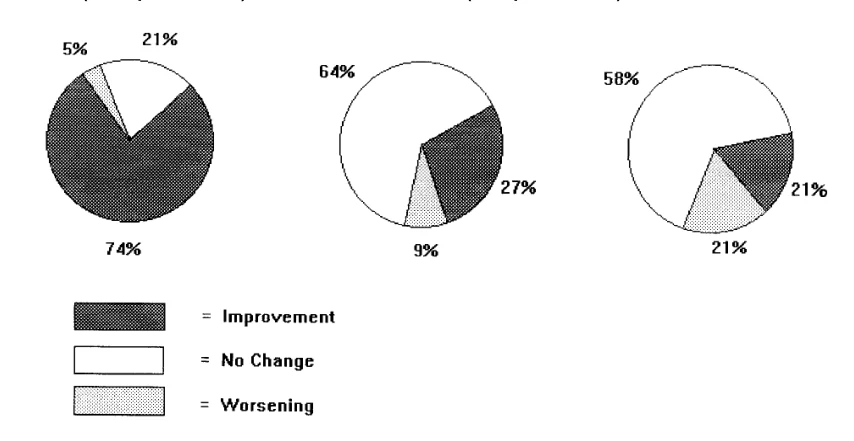
In a randomized, double-blind, placebo-controlled clinical trial it was shown (see chart below) that Asacol (4.8 g/day of mesalamine in divided doses) was highly effective in inducing remission in ulcerative colitis patients with active disease.
OVERALL OUTCOME OF PHYSICIANS GLOBAL ASSESSMENT
High dose Asacol Low dose Asacol Placebo
(38 patients) (11 patients) (38 patients)
13.1.1 Trial Design and Study Demographics
Maintenance of remission of ulcerative colitis:
A 6 month, randomized, double-blind, placebo-controlled, multi-centre study involved 264 patients treated with Asacol 0.8 g/day (n=90), 1.6 g/day (n=87), or placebo (n=87).
Table 2 Summary of patient demographics for clinical trials in the maintenance of remission of ulcerative colitis
| Study # | Trial design | Dosage, route of administration and duration | Study subjects (N=number) |
| Study 1 | 6 month, randomized, double-blind, placebo-controlled, multi-centre study | Asacol 0.8 g/day, 1.6 g/day (n=87), or placebo (n=87) | N=264 0.8 g: n=84 1.6 g: n=87 Placebo: n =87 |
13.1.2 Study Results
The proportion of patients treated with 0.8 g/day who maintained endoscopic remission was not statistically significant compared to placebo. In the ITT analysis of patients treated with Asacol 1.6 g/day, Asacol maintained endoscopic remission of ulcerative colitis in 61 of 87 (70.1%) of patients, compared to 42 of 87 (48.3%) of placebo recipients (p=0.005).
A pooled efficacy analysis of 4 maintenance trials compared Asacol (0.8 to 2.8 g/day) with sulfasalazine (2 to 4 g/day). Treatment success was 58 of 98 (59%) for Asacol and 70 of 102 (69%) for sulfasalazine, a non-significant difference.
Additional double-blind clinical trials of 16, 24, and 52 weeks duration have shown Asacol in doses ranging from 0.8 to 4.4 g/day to be as effective as sulfasalazine for maintenance of remission. It is particularly noteworthy that most patients intolerant or allergic to sulfasalazine can be effectively maintained in remission on Asacol as demonstrated in open-labeled clinical trials. In addition, male infertility resulting from sulfasalazine therapy has been shown to be reversible upon treatment with Asacol.
14 NON-CLINICAL TOXICOLOGY
Acute Toxicity Studies: The acute peroral LD50 value for mesalamine is reported to be 5000 mg/kg in mice and 4594 mg/kg in rats.
Subacute Toxicity Studies: Rats (2/sex/group) were administered mesalamine orally at dosages of 0, 40, 120, 360, and 1080 mg/kg/day for 14 days. One female rat (1080 mg/kg/day) died, most probably of renal failure complicated by gastric mucosal injury. Drug-related changes in the clinical chemistry assays (increased serum urea nitrogen, serum creatinine and serum total proteins, and decreased albumin/globulin ratios) occurred only at the 1080 mg/kg/day level. Drug-related histomorphologic effects were present in the kidneys (1080 mg/kg/day) and gastrointestinal tracts (360 and 1080 mg/kg/day) of treated rats.
A similar study in rabbits resulted in diarrhea during the first week (males, 1080 mg/kg/day). Urinalysis revealed slight increases in proteinuria, bilirubinuria, and urinary acetone in the high dose group.
No drug-related effects were observed when rabbits were given 227.3 mg/kg/day rectally (suppository) for 12 days.
Chronic Toxicity Study: Dogs (2/sex/group) were administered Asacol tablets at oral dosages of 40, 120, and 200 mg/kg/day for one year. Control dogs received placebo tablets. Histopathology and clinical chemistry assessment showed no evidence of drug-related effects.
Teratology Studies: No evidence of teratogenicity was observed when mesalamine was administered orally at a dosage of 480 mg/kg/day to pregnant rats and rabbits.
Carcinogenicity: Dietary mesalamine was determined not to be carcinogenic in rats at doses as high as 480 mg/kg/day in one two year study, and 840 mg/kg/day in a second two year study. Similarly, dietary mesalamine was not carcinogenic in mice at 2000 mg/kg/day. These doses are 15, 26 and 62.5 times the maximum recommended human maintenance dose of Asacol of 1.6 g/day (32 mg/kg/day if 50 kg body weight assumed.)
Genotoxicity: Mesalamine was not mutagenic in two bacterial test systems (Ames assay and K. pneumoniae test) with and without metabolic activation.
Reproductive and Developmental Toxicology: The effects of oral mesalamine on fertility and gestation indices were investigated in rats at doses up to 480 mg/kg/day. No effects on fertility or gestation parameters were noted in these studies.
Special Studies: Two studies to assess the potential renal toxicity of mesalamine in a rat model have been reported in the literature. In an acute study, rats were given a single massive intravenous injection, at dose levels between 214 and 872 mg/kg. The animals killed 24-96 hours after the injection presented lesions in the proximal cortical tubules as well as renal papillary necrosis. The former lesion was reversible by one week post-administration. In a second study, using a more clinically relevant dosing regimen, rats were dosed up to 200 mg/kg p.o. for 4 weeks. No drug-related effects were observed.