


Product Monograph - Dipentum
RECENT MAJOR LABEL CHANGES
| NA |
|---|
TABLE OF CONTENTS
Sections or subsections that are not applicable at the time of authorization are not listed.
RECENT MAJOR LABEL CHANGES .......................................................................................... 2
TABLE OF CONTENTS ............................................................................................................ 2
PART I: HEALTH PROFESSIONAL INFORMATION .................................................................... 4
1 INDICATIONS ............................................................................................................. 4
1.1 Pediatrics .................................................................................................................. 4
1.2 Geriatrics .................................................................................................................. 4
2 CONTRAINDICATIONS ................................................................................................ 4
4 DOSAGE AND ADMINISTRATION ................................................................................ 4
4.1 Dosing Considerations ............................................................................................. 4
4.2 Recommended Dose and Dosage Adjustment ........................................................ 4
4.4 Administration ......................................................................................................... 5
4.5 Missed Dose ............................................................................................................. 5
5 OVERDOSAGE ............................................................................................................ 5
6 DOSAGE FORMS, STRENGTHS, COMPOSITION AND PACKAGING ................................ 5
7 WARNINGS AND PRECAUTIONS ................................................................................. 6
7.1 Special Populations .................................................................................................. 7
7.1.1 Pregnant Women ............................................................................................... 7
7.1.2 Breast-feeding .................................................................................................... 8
7.1.3 Pediatrics ............................................................................................................ 8
7.1.4 Geriatrics ............................................................................................................ 8
8 ADVERSE REACTIONS................................................................................................. 8
8.2 Clinical Trial Adverse Reactions ............................................................................... 8
8.3 Less Common Clinical Trial Adverse Reactions ...................................................... 10
8.5 Post-Market Adverse Reactions ............................................................................. 12
9 DRUG INTERACTIONS .............................................................................................. 12
9.3 Drug-Behavioural Interactions ............................................................................... 12
9.4 Drug-Drug Interactions .......................................................................................... 13
9.5 Drug-Food Interactions .......................................................................................... 14
9.6 Drug-Herb Interactions .......................................................................................... 14
9.7 Drug-Laboratory Test Interactions......................................................................... 14
10 CLINICAL PHARMACOLOGY ...................................................................................... 14
10.1 Mechanism of Action ....................................................................................... 14
10.2 Pharmacodynamics .......................................................................................... 15
10.3 Pharmacokinetics ............................................................................................. 15
11 STORAGE, STABILITY AND DISPOSAL ........................................................................ 17
PART II: SCIENTIFIC INFORMATION ..................................................................................... 18
13 PHARMACEUTICAL INFORMATION .......................................................................... 18
14 CLINICAL TRIALS ...................................................................................................... 18
14.1 Clinical Trials by Indication .............................................................................. 18
16 NON-CLINICAL TOXICOLOGY .................................................................................... 19
PATIENT MEDICATION INFORMATION ................................................................................ 23
PART I: HEALTH PROFESSIONAL INFORMATION
1 INDICATIONS
DIPENTUM (olsalazine sodium capsule) is indicated for:
- Long-term maintenance of patients with ulcerative colitis in remission.
- Treatment of acute ulcerative colitis of mild to moderate severity, with or without the concomitant use of steroids.
1.1 Pediatrics
Pediatrics (≤ 18 years of age): No data are available to Health Canada; therefore, Health Canada has not authorized an indication for pediatric use.
1.2 Geriatrics
Geriatrics (≥ 65 years of age): Evidence from clinical studies and experience suggests that use in the geriatric population is associated with differences in safety or effectiveness.
2 CONTRAINDICATIONS
- Olsalazine sodium is contraindicated in patients who are hypersensitive to this drug or to any ingredient in the formulation, including any non-medicinal ingredient, or component of the container. For a complete listing, see 6 DOSAGE FORMS, STRENGTHS, COMPOSITION AND PACKAGING.
- Olsalazine sodium is contraindicated in patients with hypersensitivity to olsalazine or other salicylates.
4 DOSAGE AND ADMINISTRATION
4.1 Dosing Considerations
- Concomitant therapy with oral or rectal steroids may be used.
- Long-term maintenance therapy with Dipentum is recommended in order to avoid relapse and remain free from symptoms.
4.2 Recommended Dose and Dosage Adjustment
Usual Adult Dose (Including Elderly)
Acute: 500 mg (2 capsules), 4 times daily
Prophylaxis: 500 mg (2 capsules), 2 times daily
- Dosage should be adjusted according to the severity of the disease.
- Increase the dose gradually over a one-week period, starting with 500 mg (2 capsules) per day. If no response is achieved with 2 g and the drug is well tolerated, the dose may be increased to 3 g daily. A single dose should not exceed 1 g.
- The drug should be taken at regular intervals, together with meals.
- Patients experiencing watery diarrhea associated with increasing dosage can reduce the dose to the previously tolerated dose, for a two-day period.
- The dose may then be increased again. Further sub-division of the dose may be necessary.
4.4 Administration
Oral administration.
4.5 Missed Dose
If a dose of this medication has been missed, it should be taken as soon as possible. However, if it is almost time for the next dose, skip the missed dose and resume the regular dosing schedule. The patient should not take more than 4 capsules in any dosing interval.
5 OVERDOSAGE
No overdosage has been reported in humans. The knowledge of overdosage is limited. Possible overdose symptoms include nausea, vomiting and diarrhoea. It is recommended to check hematology, acid-base, electrolyte, liver and kidney status, and to provide supportive treatment. There is no specific antidote to Dipentum.
Maximum single oral doses of 5g/kg in mice and rats and 2 g/kg in dogs were not lethal. Symptoms of acute toxicity were decreased motor activity and diarrhea in all species tested. In addition, vomiting was reported in dogs.
| For management of a suspected drug overdose, contact your regional poison control centre. |
|---|
6 DOSAGE FORMS, STRENGTHS, COMPOSITION AND PACKAGING
Table 1 – Dosage Forms, Strengths, Composition and Packaging
Each opaque, beige, hard gelatin capsule contains 250 mg olsalazine sodium. Bottles of 100.
| Route of Administration | Dosage Form / Strength / Composition | Non-medicinal Ingredients |
| Oral | Capsule 250 mg olsalazine sodium | Black iron oxide, caramel, gelatin, magnesium stearate and titanium dioxide |
7 WARNINGS AND PRECAUTIONS
General
All 5-ASA preparations have been reported to cause an exacerbation of colitis symptoms in less than 1% of patients with ulcerative colitis. This reaction may also occur with olsalazine treatment due to the pharmacological similarities among these drugs.
Overall, approximately 17% of patients reported diarrhea when olsalazine was initially administered, resulting in treatment withdrawal in 6%. This diarrhea appears to be dose related although it may be difficult to distinguish it from the underlying symptoms of the disease. The diarrhea is temporary and may depend on the extent of colonic involvement.
However, the severity of ulcerative colitis does not appear to influence its occurrence.
Drug-related diarrhea in patients in remission is defined as watery stools, four or more times a day, without blood or sigmoidoscopic signs of inflammation. Withdrawal of the drug results in prompt clinical improvement of the diarrhea.
Disease-induced diarrhea (i.e. relapse of the colitis) is defined as four or more bowel movements a day with visible blood in association with sigmoidoscopic evidence of inflammation.
Drug-induced hypersensitivity colitis presents with increasing diarrhea that is frequently bloody. Other signs of hypersensitivity such as fever, skin rash, cramping abdominal pain, or nausea are often part of this type of acute exacerbation. Sigmoidoscopy reveals the macroscopic changes of an active colitis. Withdrawal of the drug results in prompt improvement of this hypersensitivity reaction.
Dipentum can be used with or without concomitant steroids for treatment of acute ulcerative colitis of mild to moderate severity.
The following definitions may serve as guidelines for selection of patients:
Remission is defined as three or fewer bowel movements a day without macroscopic blood admixture and without sigmoidoscopic evidence of inflammation.
Mild disease is defined as three to five bowel movements a day or other symptoms of colitis including rectal bleeding, anorexia, or nausea.
Moderate disease includes patients with at least six and up to ten bowel movements per day, with or without rectal bleeding, anorexia or nausea.
Severe disease is indicated by ten or more bowel movements per day and one or more of the following signs: abdominal tenderness, pulse rate greater than 100 beats/minute, body temperature higher than 37.5° C.
Dependence/Tolerance
Drug dependence has not been reported with chronic administration of olsalazine.
Hematologic
Patients and/or their caregivers should be instructed on how to recognize signs of haematotoxicity and should be advised to contact their physicians immediately if symptoms such as fever, sore throat, mouth ulcers, bruising, or bleeding develop.
Hepatic/Biliary/Pancreatic
Patients with impaired hepatic function should be monitored (see 8 ADVERSE REACTIONS).
Renal
It is recommended to monitor renal function in patients receiving olsalazine by estimating serum creatinine before treatment, every 3 months for the first year, every 6 months for the next 4 years, and annually after 5 years of treatment.
Although renal abnormalities were not reported in clinical trials with olsalazine, there have been rare reports from post-marketing experience (see 8 ADVERSE REACTIONS). Therefore, the possibility of renal tubular damage due to absorbed mesalamine or its n-acetylated metabolite, as noted in section 16 NON-CLINICAL TOXICOLOGY must be kept in mind, particularly for patients with pre-existing renal disease. In these patients, monitoring with urinalysis, BUN and creatinine determinations is advised.
Respiratory
Severe allergies and/or asthma
Patients with severe allergies or asthma should be monitored for signs of worsening of symptoms.
7.1 Special Populations
7.1.1 Pregnant Women
Olsalazine has been shown to produce fetal developmental toxicity as indicated by reduced fetal weights, retarded ossifications and immaturity of the fetal visceral organs when given during organogenesis to pregnant rats in doses 5 to 20 times the human dose (100 to 400 mg/kg). There are no adequate and well-controlled studies in pregnant women. Olsalazine should be used during pregnancy only if the potential benefit justifies the potential risk to the fetus.
7.1.2 Breast-feeding
Small amounts of the active metabolite of olsalazine (5-ASA) may pass into breast milk. Harmful infant effects (diarrhea) have been reported when 5-ASA was used during breastfeeding. Unless the benefit of the treatment outweighs the risks, olsalazine should not be taken by breast-feeding women, or patients should be advised to discontinue breastfeeding if using olsalazine.
Oral administration of olsalazine to lactating rats in doses 5 to 20 times the human dose produced growth retardation in their pups.
7.1.3 Pediatrics
Pediatrics (<18 years of age): No data are available to Health Canada; therefore, Health Canada has not authorized an indication for pediatric use.
7.1.4 Geriatrics
In general, elderly patients should be treated with caution due to the greater frequency of decreased hepatic, renal, or cardiac function, co- existence of other disease, as well as concomitant drug therapy.
8 ADVERSE REACTIONS
8.1 Adverse Reaction Overview
Olsalazine has been evaluated in ulcerative colitis patients in remission, as well as those with acute disease. The most commonly reported adverse reactions are gastrointestinal disorders such as diarrhea (11.1%), abdominal pain or cramps (10.1%) and nausea (5%). The most common adverse reaction leading to discontinuation was diarrhea/loose stools. Olsalazine appears to induce loose stool in approximately 15% of patients; this incidence may be reduced if olsalazine is initially titrated and taken with food.
8.2 Clinical Trial Adverse Reactions
Clinical trials are conducted under very specific conditions. The adverse reaction rates observed in the clinical trials; therefore, may not reflect the rates observed in practice and should not be compared to the rates in the clinical trials of another drug. Adverse reaction information from clinical trials may be useful in identifying and approximating rates of adverse drug reactions in real-world use.
Over 2,500 patients have been treated with olsalazine in various controlled and uncontrolled clinical studies. In these studies, olsalazine was administered mainly to patients intolerant to sulfasalazine. The adverse effects related to olsalazine reported in uncontrolled studies were similar to those seen in controlled clinical trials. Several of these adverse effects were often difficult to distinguish from possible symptoms of the underlying disease or from the effects of prior and/ or concomitant therapy. A causal relationship to the drug has not been demonstrated for some of these events.
Table 2 - Adverse Reactions Resulting in Withdrawal From Controlled Studies
| Total | ||||||
Olsalazine (N = 441) | Placebo (N = 208) | |||||
| Diarrhea/ Loose Stools | 26 (5.9%) | 10 (4.8%) | ||||
| Nausea | 3 | 2 | ||||
| Abdominal Pain | 5 (1.1%) | 0 | ||||
| Rash/ Itching | 5 (1.1%) | 0 | ||||
| Headache | 3 | 0 | ||||
| Heartburn | 2 | 0 | ||||
| Rectal Bleeding | 1 | 0 | ||||
| Insomnia | 1 | 0 | ||||
| Dizziness | 1 | 0 | ||||
| Anorexia | 1 | 0 | ||||
| Light Headedness | 1 | 0 | ||||
| Depression | 1 | 0 | ||||
| Miscellaneous | 4 (0.9%) | 3 (1.4%) | ||||
| Total Number of Patients Withdrawn | 46 (10.4%) | 14 (6.7%) | ||||
Table 3 - Comparative incidence (%) of adverse effects reported by one percent or more of ulcerative colitis patients treated with olsalazine or placebo in double-blind controlled trials
| Adverse Event | Olsalazine (N=441) % | Placebo (N=208) % | |||
|---|---|---|---|---|---|
| Gastrointestinal Disorders | |||||
| Diarrhea | 11.1 | 6.7 | |||
| Abdominal Pain/Cramps | 10.1 | 7.2 | |||
| Nausea | 5.0 | 3.9 | |||
| Dyspepsia | 4.0 | 4.3 | |||
| Bloating | 1.5 | 1.4 | |||
| Vomiting | 1.0 | - | |||
| Stomatitis | 1.0 | - | |||
| Increased Blood in Stool | - | 3.4 | |||
| Metabolism and Nutrition Disorders | |||||
| Anorexia | 1.3 | 1.9 | |||
| Adverse Event | Olsalazine (N=441) % | Placebo (N=208) % | ||
|---|---|---|---|---|
| Nervous System Disorders | ||||
| Headache | 5.0 | 4.8 | ||
| Insomnia | - | 2.4 | ||
| General Disorders and Administration Site Conditions | ||||
| Fatigue/Drowsiness/Lethargy | 1.8 | 2.9 | ||
| Psychiatric Disorders | ||||
| Depression | 1.5 | - | ||
| Ear and Labyrinth Disorders | ||||
| Vertigo/Dizziness | 1.0 | - | ||
| Skin and Subcutaneous Tissue Disorders | ||||
| Rash | 2.3 | 1.4 | ||
| Itching | 1.3 | - | ||
| Musculoskeletal and Connective Tissue Disorders | ||||
| Arthralgia/Joint Pain | 4.0 | 2.9 | ||
| Infections and Infestations | ||||
| Upper Respiratory Tract Infection/ Runny Nose | 1.5 | - | ||
Olsalazine has been evaluated in ulcerative colitis patients in remission, as well as those with acute disease. Both sulfasalazine-tolerant and intolerant patients have been studied in controlled clinical trials. Overall, 10.4% of patients discontinued olsalazine because of an adverse experience as compared with 6.7% of placebo patients (Table 2). In sulfasalazine-controlled trials in which all patients were already known to be sulfasalazine-intolerant, adverse experiences with this drug resulted in a similar rate of discontinuance of treatment (10.0%).
In general, olsalazine is well tolerated; adverse effects appear to be mild and transient, and may be difficult to differentiate from the symptoms of the underlying disease (Table 3). Olsalazine appears to induce loose stool in approximately 15% of patients. This incidence may be reduced if olsalazine is initially titrated and taken with food.
8.3 Less Common Clinical Trial Adverse Reactions
There have been rare reports of the following adverse effects in patients receiving olsalazine.
Blood and Lymphatic System Disorders: Anemia, eosinophilia, hemolytic anemia, interstitial pulmonary disease, leucopenia, lymphopenia, neutropenia, reticulocytosis, thrombocytopenia.
Cardiac Disorders: Chest pains, edema, heart block second degree, palpitations, pericarditis, peripheral edema, shortness of breath, tachycardia, tightness in chest.
A patient who developed thyroid disease 9 days after starting DIPENTUM was given propranolol and radioactive iodine and subsequently developed shortness of breath and nausea. The patient died 5 days later with signs and symptoms of acute diffuse myocarditis.
Ear and Labyrinth Disorders: Tinnitus.
Eye Disorders: Dry eyes, vision blurred, watery eyes.
Gastrointestinal Disorders: Abdominal pain upper, diarrhea with dehydration, dry mouth, epigastric discomfort, flare in symptoms, flatulence, increased blood in stool, pancreatitis, rectal bleeding, rectal discomfort.
In a double- blind, placebo- controlled study, increased frequency and severity of diarrhea were reported in patients randomized to olsalazine 500 mg B. I. D. with concomitant pelvic radiation.
General Disorders and Administration Site Conditions: Fever chills, hot flashes, irritability, rigors.
Hepatobiliary Disorders: Rare cases of granulomatous hepatitis and nonspecific, reactive hepatitis have been reported in patients receiving olsalazine. Additionally, a patient developed mild cholestatic hepatitis during treatment with sulfasalazine and experienced the same symptoms two weeks later after the treatment was changed to olsalazine. Withdrawal of olsalazine led to complete recovery in these cases.
Immune System Disorders: Bronchospasm, erythema nodosum.
Laboratory: ALT (SGPT) or AST (SGOT) elevated beyond the normal range.
Musculoskeletal and Connective Tissue Disorders: Muscle cramps.
Nervous System Disorders: Insomnia, paresthesia, tremors.
Psychiatric Disorders: Mood swings.
Renal and Urinary Disorders: Dysuria, hematuria, interstitial nephritis, nephrotic syndrome, proteinuria, urinary frequency.
Reproductive System and Breast Disorders: Impotence, menorrhagia.
Skin and Subcutaneous Tissue Disorders: Alopecia, erythema, photosensitivity.
Vascular Disorders: Hypertension, orthostatic hypotension.
8.5 Post-Market Adverse Reactions
The following events have been identified during post-approval use of products that contain (or are metabolized to) mesalamine in clinical practice. Because they are reported voluntarily from a population of unknown size, estimates of frequency cannot be made. These events have been chosen for inclusion due to a combination of seriousness, frequency of reporting, or potential causal connection to mesalamine:
Blood and Lymphatic System Disorders: Agranulocytosis, aplastic anaemia, pancytopenia.
Cardiac Disorders: Myocarditis.
General Disorders and Administration Site Conditions: Pyrexia.
Hepatobiliary Disorders: Hepatic enzyme increased, hepatitis, increased bilirubin.
Reports of hepatotoxicity, including elevated liver function tests (SGOT/AST, SGPT/ALT, GGT, LDH, alkaline phosphatase, bilirubin), jaundice, cholestatic jaundice, cirrhosis, and possible hepatocellular damage including liver necrosis and liver failure. Some of these cases were fatal. One case of Kawasaki-like syndrome, which included hepatic function changes, was also reported.
Immune System Disorders: Anaphylactic reaction, Drug Reaction with Eosinophilia and Systemic Symptoms (DRESS).
Musculoskeletal and Connective Tissue Disorders: Myalgia.
Nervous System Disorders: Peripheral neuropathy.
Respiratory, Thoracic and Mediastinal Disorders: Dyspnoae, interstitial lung disease.
Skin and Subcutaneous Tissue Disorders: Angioneurotic oedema, urticaria, pruritus, Stevens-Johnson Syndrome.
9 DRUG INTERACTIONS
9.2 Drug Interactions Overview
The coadministration of salicylates and low molecular weight heparins or heparinoids may result in an increased risk of bleeding, more specifically hematomas following neuraxial anesthesia. Salicylates should be discontinued prior to the initiation of a low molecular weight heparin or heparinoid. If this is not possible, it is recommended to monitor patients closely for bleeding.
Increased prothrombin time in patients taking concomitant warfarin has been reported.
In view of the inhibition of thiopurine methyl transferase (TPMT) by olsalazine, the coadministration of olsalazine and 6-mercaptopurine or thioguanine may result in an increased risk of myelosuppression. If coadministered with 6-mercaptopurine, it is recommended to use the lowest possible doses of each drug and to monitor the patient, especially for leukopenia. In case of coadministration with thioguanine, careful monitoring of blood counts is recommended.
It is recommended not to give salicylates for six weeks after the varicella vaccine to avoid a possible increased risk of developing Reye’s syndrome.
9.3 Drug-Behavioural Interactions
No data available.
9.4 Drug-Drug Interactions
The drugs listed in this table are based on either drug interaction case reports or studies, or potential interactions due to the expected magnitude and seriousness of the interaction (i.e., those identified as contraindicated).
Table 4 - Established or Potential Drug-Drug Interactions
| Proper / Common name | Source of Evidence | Effect | Clinical comment |
|---|---|---|---|
| Antineoplastic agents such as 6-mercaptopurine and thioguanine | T | May result in an increased risk of myelosuppression . | It is recommended to use the lowest possible doses of each drug and to monitor the patient, especially for leukopenia. In case of coadministration with thioguanine, careful monitoring of blood counts is recommended. |
| Proper / Common name | Source of Evidence | Effect | Clinical comment |
|---|---|---|---|
Low molecular weight heparin (LMWH) such as dalteparin, enoxaparin Heparinoids, such as chondroitin sulfate, pentosan | T | May result in an increased risk of bleeding, more specifically hematomas following neuraxial anesthesia. | Salicylates should be discontinued prior to the initiation of a low molecular weight heparin or heparinoid. If this is not possible, it is recommended to monitor patients closely for bleeding. |
| Varicella vaccine | T | Increased risk of Reye’s syndrome | It is recommended not to give salicylates for six weeks after the varicella vaccine. |
| Warfarin | C | Increased prothrombin time | Caution is warranted. |
Legend: C = Case Study; CT = Clinical Trial; T = Theoretical
9.5 Drug-Food Interactions
Interactions with food have not been established.
9.6 Drug-Herb Interactions
Interactions with herbal products have not been established.
9.7 Drug-Laboratory Test Interactions
Interactions with laboratory tests have not been established.
10 CLINICAL PHARMACOLOGY
10.1 Mechanism of Action
Olsalazine is delivered to the colon, where it is bioconverted through bacterial reduction into 2 molecules of 5-amino-salicylic acid (5-ASA). Subsequently 5-ASA, generated in high concentrations, acts topically on the colonic mucosa either to keep the inflammation in remission or to act as an anti-inflammatory drug in acute Ulcerative Colitis (UC).
As this mode of action and site-specific delivery involves unusual pharmacodynamics and pharmacokinetics, standard calculations such as for absorption, bioavailability, etc. must be interpreted differently than for a systematically acting drug. However, many of the properties of olsalazine are shared by sulfasalazine, which has been used in the treatment of UC for more than 30 years.
The conversion of olsalazine to 5-aminosalicylic acid (5-ASA) in the colon is similar to that of sulfasalazine (SASP), which is converted into sulfapyridine and 5-ASA. On a weight basis olsalazine delivers twice the amount of 5-ASA to the colon compared with SASP and there is no residual carrier molecule (sulfapyridine) following olsalazine administration. It is thought that the 5-ASA component is therapeutically active in ulcerative colitis. The usual dose of sulfasalazine for maintenance of remission in patients with ulcerative colitis is 2 grams daily, which would provide approximately 0.8 gram of mesalamine to the colon. More than 0.9 gram of mesalamine would usually be made available in the colon from 1 gram of olsalazine.
The mechanism of action of 5-ASA (and SASP) is unknown, but appears to be topical rather than systemic. Mucosal production of arachidonic acid (AA) metabolites, both through the cyclooxygenase pathways (i. e., prostanoids), and through the lipoxygenase pathways (i. e., leukotrienes (LTs) and hydroxyeicosatetraenoic acids [HETEs]) is increased in patients with chronic inflammatory bowel disease, and it is possible that mesalamine diminishes inflammation by blocking cyclooxygenase and inhibiting prostaglandin (PG) production in the colon.
10.2 Pharmacodynamics
Secondary pharmacological effects:
The only pharmacological effect noticed with olsalazine is the increased incidence of loose stool seen at high doses. In patients with a total colectomy the 24 hour output of ileostomy fluid increased from 500 mL to 900 mL following administration of 2 g olsalazine. This is a minor increase (80%), which a normal healthy colon could easily absorb.
In cases of an abrupt volume load or a decreased absorption capacity, such an increase might still lead to the development of loose stool. Since every dose appears to be a single event (no cumulative effect is seen) an initial division of doses will be of benefit. Adaptation to olsalazine induced loose stool has been noted in two studies. In one study with refractive patients the dose was gradually increased to 4 g/day. During scale up 9 patients reported diarrhea but in 7 this was of a transient nature. In another study the dose was increased to 3 g/day during one week. Two out of 27 patients reported loose stool, one of whom had the same problem on previous therapy with sulfasalazine.
10.3 Pharmacokinetics
Absorption:
A minute amount of olsalazine is absorbed. In healthy male volunteers taking a single dose of 1 - 2 g, the average olsalazine recovery in urine was 0.25 - 0.39%. The bioavailability was extremely low. After a single 1 g oral dose a value of 1.7% with food and 2.4% without food was calculated. In healthy volunteers an olsalazine plasma peak level of 3.6 - 4.0 µM appeared after 1 hour in fasting subjects following a 1 g single dose. With food the same dose gave rise to a peak of 2.3 µM at 1.7 hours. These levels emphasize the low absorption of olsalazine and indicate that the stomach and upper small intestine are the major absorption sites.
Distribution:
In vitro studies showed that olsalazine was unable to penetrate erythrocytes during a 30 minute incubation at 37°C. The association of olsalazine with human plasma proteins is extraordinarily high, i.e. human serum 99.5% bound, human albumin 98-99% bound. Consequently the plasma level of free olsalazine is negligible. The olsalazine binding was not affected by other drugs known to be strongly bound to protein, i.e. up to 600 µM of Warfarin, Naproxen, diazepam and digitoxin did not decrease the olsalazine binding.
Metabolism:
Olsalazine is bioconverted to 5-ASA only in the colon. No studies in animal or man have indicated any systemic conversion. The site where olsalazine splits has been verified in a number of studies. 1) In coloctomized patients - no 5-ASA was formed. 2) No 5-ASA or acetyl-5-ASA (Ac-5-ASA) appears in plasma until after 4 hours, corresponding to the transit time from mouth to caecum. 3) Ingested, passable dialysis capsules showed high levels of 5-ASA and Ac-5-ASA (5 - 40 mM) but no olsalazine.
Thus the highly reductive bacterial environment with azoreductases found in the caecum and colon is needed for the bioconversion of olsalazine to 5-ASA. Once generated, 5-ASA can be acetylated to Ac-5-ASA by bacteria and more importantly by the colonocytes. This leads to a progressive increase in the level of Ac-5-ASA in the colon. The 5-ASA slowly absorbed from the colon is rapidly acetylated in the liver. Thus very low circulating levels of 5-ASA are measured and in the urine Ac-5-ASA is found almost exclusively. Systemically absorbed olsalazine is metabolized to a limited degree (≈10%) in the liver into olsalazine-O-sulfate (OLZ-S). This corresponds to 0.1-0.4% of a given olsalazine dose. As will be explained subsequently the only noticeable aspect of this minor metabolite is its long half life in plasma. Olsalazine-S accumulates to steady state within 2 to 3 weeks. Patients on daily doses of 1.0 g olsalazine for 2 to 4 years show a stable plasma concentration of olsalazine-S (3.3 to 12.4 μmol/L).
Elimination:
Olsalazine is eliminated via 4 different pathways i.e. kidney, bile, faeces and metabolism.
Systemically absorbed olsalazine is rapidly cleared from plasma with a half-time of 0.9 hour. Corresponding elimination of OLZ-S metabolite is 120 hours, which will cause this metabolite to accumulate to reach a steady state after 10-14 days. Beyond 14 days and for more than a year the plasma level of OLZ-S was constant. The reason for the slow elimination of OLZ-S is mainly a strong association with plasma protein.
In the colon olsalazine is rapidly and totally bioconverted to 5-ASA. The plasma 5-ASA and Ac-5-ASA is rapidly cleared via the kidneys. The elimination half-times are 45 and 80 minutes, respectively. In urine 20% Ac-5-ASA and less than 1% 5-ASA is found.
Bile clearance of olsalazine in man is at least 5% as judged from i.v. studies. Due to technical difficulties with bile collection such studies in man often yield a minimum value.
From studies with a 1 g single dose of olsalazine we can make the following conclusion about its elimination: in urine less 1% is recovered as olsalazine, 20% as Ac-5-ASA, and less than 1% as 5-ASA.
The remaining 80% is eliminated via the faeces as 5-ASA and Ac-5-ASA. Due to the site specific delivery of 5-ASA to the colon where the absorption of 5-ASA is low, very limited amounts of 5-ASA will reach the kidneys and then almost exclusively as the inert metabolite Ac-5-ASA. As a consequence of the pharmacokinetic properties of olsalazine approximately 99% of a given dose will reach the colon where it is totally bioconverted into 5-ASA.
Factors influencing the pharmacodynamics and pharmacokinetics of olsalazine
Being a weak acid, olsalazine is mainly absorbed in an acid environment. Factors decreasing the acidity of the stomach will decrease its absorption, thus delivering more olsalazine to the colon. Since olsalazine needs a reductive bacterial environment in the colon, strong enterically confined antibiotics might transiently decrease the rate of bioconversion to 5-ASA. Likewise laxatives or severe diarrhea might temporarily decrease the formation of 5-ASA due to limited transit time of olsalazine in the colon.
Special Populations and Conditions
- Geriatrics
Geriatric use of DIPENTUM did not include sufficient numbers of subjects aged 65 and over to determine whether they respond differently from younger subjects. Other reported clinical experience has not identified differences in responses between the elderly and younger patients. In general, elderly patients should be treated with caution due to the greater frequency of decreased hepatic, renal, or cardiac function, co-existence of other disease, as well as concomitant drug therapy.
11 STORAGE, STABILITY AND DISPOSAL
Store in a well closed container at room temperature (15°C to 30°C).
Keep out of reach and sight of children.
PART II: SCIENTIFIC INFORMATION
13 PHARMACEUTICAL INFORMATION
Drug Substance
Proper name: Olsalazine
Chemical name: Olsalazine sodium (I.N.N. and USAN)
Disodium 3,3'-azobis-(6-hydroxybenzoate)
Disodium 5,5'-azodisalicylate
Molecular formula and molecular mass: C14H8N2Na2O6, 346.21
Structural formula:
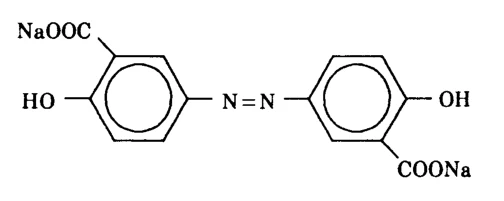
Physicochemical properties: Olsalazine sodium is a yellow odorless crystalline fine powder. Olsalazine sodium is sparingly soluble to soluble in water, soluble in dimethylsulfoxide and insoluble in most common organic solvents.
14 CLINICAL TRIALS
14.1 Clinical Trials by Indication
Ulcerative colitis
Table 5: Summary of patient demographics for clinical trials in ulcerative colitis patients in remission
| Study # | Study design | Dosage, route of administration and duration | Study subjects (n) |
|---|---|---|---|
| 1 | 2-arm placebo controlled | Olsalazine 500 mg B.I.D. Placebo | 52 49 Total: 101 |
| 2 | 2-arm active controlled | Olsalazine 500 mg B.I.D. Sulfasalazine 1 g B.I.D. | Total: 164 |
Two controlled studies have demonstrated the efficacy of olsalazine as maintenance therapy in patients with ulcerative colitis. In the first, ulcerative colitis patients in remission were randomized to olsalazine 500 mg B.I.D. or placebo, and relapse rates for a six-month period of time were compared.
In the second study, 164 ulcerative colitis patients in remission were randomized to olsalazine 500 mg B.I.D. or sulfasalazine 1 gram B.I.D., and relapse rates were compared after six months.
Study Results
In the first study, for the 52 patients randomized to olsalazine, 12 relapses occurred, while for the 49 placebo patients, 22 relapses occurred. This difference in relapse rates was significant (p<0.02).
In the second study, the relapse rate for olsalazine was 19.5% while that for sulfasalazine was 12.2%, a non-significant difference.
16 NON-CLINICAL TOXICOLOGY
General Toxicology:
The toxicity studies performed with olsalazine sodium and summarized below confirm that this drug has low toxicity.
Based on extensive toxicological studies, olsalazine has been proven to be a safe drug for the use in acute and long-term treatment of ulcerative colitis.
Single dose toxicity
The oral toxicity was low for all three species examined, LD50 being greater than the maximum practical dose, i.e. 5000 mg/kg for the mouse and rat and 2000 mg/kg for the dog.
The intravenous toxicity was also low, LD50 for the mouse and rat being 233-266 mg/kg and 521 mg/kg respectively. Studies in the dog showed that the lethal dose was approximately 300 mg/kg.
Table 6: Repeated dose toxicity
| Route of administration | Species | Duration of administration | Dose levels mg/kg bw/day |
| po | Rat | 4 weeks | 5, 50, 100, 200, 400, 800 |
| po | Dog | 4 weeks | 0, 250, 500, 1000 |
| po | Rat | 6 months | 0, 100, 200, 400 |
| po | Dog | 6 months | 0, 250, 500, 1000 |
| Route of administration | Species | Duration of administration | Dose levels mg/kg bw/day | ||||
| po | Rat 1 | 8 weeks | 0, 600, 800, 1100, 1500 (diet administration) | ||||
| po | Rat 1 | 4 weeks | 0, 2000, 2500, 3000 (diet administration) | ||||
| po | Rat 1 | 4 weeks | 0, 800, 1100, 1500, 2000 (gavage) | ||||
| po | Rat | 12 months | 0, 400, 800, 1600 | ||||
| po | Dog | 12 months | 0, 250, 500, 1000 | ||||
| (iv) | Rat | 2 weeks | 0, 10, 30, 90 2 | ||||
1: Range finding study 2: Olsalazine sulphate | |||||||
In the rat the dose level of 400 mg/kg caused no appreciable changes when administered for long time periods. At 800 and 1600 mg/kg the kidney was the target organ when examined morphologically (pelvic dilatation and focal mineral deposits, transitional cell hyperplasia, congestion and/or hemorrhages and fibrosis). This was not reflected in clinical or other parameters.
In the dog the dose level of 250 mg/kg did not cause any appreciable effects while doses of 500 and 1000 mg/kg were associated with transient gastrointestinal effects (loose faeces and vomiting). No morphological changes were observed.
Carcinogenicity:
Table 7: Carcinogenicity
| Route of administration | Species | Duration of administration | Dose levels mg/kg bw/day |
| po | Mouse | 18 months | 0, 500, 1000, 2000 |
| po | Rat | 24 months | 0, 200, 400, 800 |
In an eighteen month oral mouse carcinogenicity study, olsalazine was tested in male and female CD-1 mice at daily doses of 500, 1000 and 2000 mg/kg/day (approximately 25 to 100 times the human maintenance dose). Liver hemangiosarcomata were found in two male mice (4%) receiving olsalazine at 100 times the human dose, while no such tumor occurred in the other treated male mice groups or any of the treated female mice. The observed incidence of this tumor is within the 4% incidence in historical controls.
Even in the rat study using dose levels of 200, 400 and 800 mg/kg over 24 months the incidence of tumours and non-neoplastic lesions were rare for all groups. The kidneys seemed to be the target organs, as reflected in an increased incidence of mineralization and transitional cell hyperplasia but these changes were not associated with increased incidence of neoplasms of the kidneys. At dose levels of 400 and 800 mg/kg in the males there was also an increased incidence of mineralization and focal transitional cell hyperplasia of the urinary bladder (calculi in the vesical lumen). In three cases this was associated with urinary bladder carcinoma. A similar carcinoma was also found in one control rat.
The occurrence of these carcinoma is interpreted as being the ultimate response of the transitional cell epithelium to the chronic exposure to / irritation by the calculi. They are accordingly of a mechanical origin and are consequently not chemically induced.
Genotoxicity:
Mutagenicity
Studies performed:
Bacterial mutagenicity
Mutation in mouse lymphoma cells
Metaphase analysis in vitro
Metaphase analysis in vivo
A comprehensive mutagenicity testing program was performed covering gene mutation and chromosome aberration studies. Gene mutation studies were performed in pro-caryotic cells (bacteria) and in eucaryotic cells (cultured mammalian cells). The chromosome aberration studies were performed in vitro (human lymphocytes) and in vivo (rat bone marrow cells).
The results showed that olsalazine was neither a gene mutagen nor a clastogenic agent.
Reproductive and Developmental Toxicology:
Table 8: Teratology
| Route of administration | Species | Duration of administration (days)* | Dose levels mg/kg bw/day |
| po | Rat | 15 ac--20 pp | 0, 100, 200, 400 |
| po | Rat | 6--15 pc | 0, 100, 200, 400 |
| po | Rabbit 1 | 6--18 pc | 0, 200, 400, 800 |
| po | Rabbit | Adaptation study to increasing dose levels | |
| po | Rabbit 1 | 7 ac--18 pc after adaptation | 0, 50, 100, 200, 300, 400 |
| po | Rabbit | 7 ac--18 pc after adaptation | 0, 50, 100, 150 |
| Route of administration | Species | Duration of administration (days)* | Dose levels mg/kg bw/day | ||||
| po | Mouse | 6--15 pc | 0, 250, 500, 1000 | ||||
| po | Rat | 15 pc--20 pp | 0, 100, 200, 400 | ||||
* ac = ante coitus; pc = post coitus; pp = post-partum 1: Range finding study | |||||||
In the rat fertility study using dose levels of 100, 200 and 400 mg/kg there were no adverse reactions.
In the rat teratology study the influence at dose levels of 100 and 200 mg/kg was negligible while at 400 mg/kg, a slight influence on growth development was suspected.
In the rabbit teratology study, dose range finding experiments showed maternal toxicity (gastrointestinal disturbances) at dose levels above 150 mg/kg.
A teratology study was performed modifying the protocol (i.e. adaptation of the animals to increasing dose levels before mating and splitting the daily dose) and using dose levels of 50, 100 and 150 mg/kg. No materno-toxic effect was seen nor any effect on the progeny.
In the mouse teratology study using dose levels of 250, 500 and 1000 mg/kg, there was no effect either on the females nor on the progeny.
Olsalazine has been shown to produce fetal developmental toxicity as indicated by reduced fetal weights, retarded ossifications and immaturity of the fetal visceral organs when given during organogenesis to pregnant rats in doses 5 to 20 times the human dose (100 to 400 mg/kg).
Autoradiography confirmed that olsalazine does not pass the rat placental barrier.
Oral administration of olsalazine to lactating rats in doses 5 to 20 times the human dose produced growth retardation in their pups.