


Product Monograph - Jamp Sulfasalazine
ACTION AND CLINICAL PHARMACOLOGY
About 20% of sulfasalazine is absorbed in the small intestine after oral administration. A small percentage of the absorbed sulfasalazine is excreted in the urine and the rest via the bile into the small intestine (enterohepatic circulation). This portion together with the unabsorbed sulfasalazine enters the colon where it is split by bacteria into two main metabolites, sulfapyridine and 5-amino-salicylic acid (5-ASA). The peak serum concentration is reached after 3-5 hours. The mean serum half-life after a single dose is about 6 hours; after repeated doses it is about 8 hours.
Sulfapyridine is absorbed, partially acetylated and/or hydroxylated in the liver and/or conjugated with glucuronic acid. In patients who are slow acetylators, the serum concentration of free sulfapyridine is higher than that in fast acetylators. The major part is excreted in the urine.
Non-acetylated sulfapyridine is bound to serum proteins and reaches a maximum serum concentration after 12 hours. Sulfapyridine has a tendency to accumulate. It does not disappear completely from the serum until 3 days after withdrawal of the drug.
The total urinary recovery of sulfasalazine and its sulfapyridine metabolites in healthy subjects during 3 days after the administration of a single 2 g dose of sulfasalazine averaged 91%.
The absorbed 5-aminosalicylic acid is partly excreted in the urine, mainly as
acetyl-5-aminosalicylic acid. A larger portion of 5-aminosalicylic acid is excreted in the feces.
The mode of action of sulfasalazine is unclear and is suggested as being: anti-inflammatory, immunosuppressive and bacteriostatic.
In clinical cases of inflammatory bowel disease (IBD), the anti-inflammatory effects seem to relieve the acute symptoms of diarrhea, gut inflammation, mucosal oedema and bleeding. The long-term protection afforded by therapy with sulfasalazine may be due to immunosuppressive properties of the drug.
Anti-inflammatory effects
Sulfasalazine inhibits superoxide production by granulocytes stimulated with immune complexes or formyl peptides. In addition, 5-ASA is a powerful scavenger of oxygen free radicals. Other granulocyte functions inhibited by sulfasalazine include degranulation, chemotaxis and random migration. These inhibitory effects on inflammatory cell functions may contribute to the beneficial clinical activity of sulfasalazine.
Sulfasalazine is a relatively weak inhibitor of the cyclo-oxygenase enzyme, but a potent inhibitor of 15-prostaglandin dehydrogenase (PGDH), the main metabolic pathway for the prostaglandins.
On the lipoxygenase side of the arachidonic acid cascade, sulfasalazine has been shown to exert an inhibitory effect on several enzymes including 5-Lipoxygenase (5-LO) and Leukotriene C4 (LTC4) synthetase. In line with this effect, sulfasalazine has been shown to inhibit the release of lipoxygenase product from inflammatory cells and tissue.
Taken together, the effects of sulfasalazine on arachidonic acid metabolizing enzymes would lead to a decrease in pro-inflammatory lipoxygenase products with a simultaneous increase in immunosuppressive, anti-inflammatory prostaglandins, which may have a bearing on the clinical activity.
Effects on immunological functions
Since the disorders in which sulfasalazine has clinical activity are considered to be of autoimmune nature, the effect of sulfasalazine on immune competent cells is of interest. Both natural killer cell activity and T-cell proliferation are inhibited by sulfasalazine in in vitro systems.
Antibacterial effects
In-vitro studies have shown that both sulfasalazine and its main metabolites inhibit bacterial growth. A reduction in several bacterial species of the gut flora has also been observed after clinical treatment with sulfasalazine tablets.
Pharmacokinetics in patients with rheumatoid arthritis
The pharmacokinetics of sulfasalazine and its metabolites after a single oral 2 g dose was compared in patients with rheumatoid arthritis and in patients with ulcerative colitis. The study showed a large individual variability, which is also found in studies in healthy volunteers, but no difference between the two patient groups was observed, except for a significantly higher peak concentration of sulfapyridine in rheumatoid arthritis patients. The area under the plasma concentration curve (AUC) for sulfapyridine was also increased, but the difference was not significant.
Bioavailability in elderly patients with rheumatoid arthritis
The pharmacokinetics of sulfasalazine and its metabolites was compared in young (mean age 40.5 years) and elderly (mean age 74.4 years) rheumatoid arthritis patients after a single oral (2 g) dose taken fasting and at steady state. The only difference found between the two groups was a prolonged t1/2 in the elderly, but no significant difference in either the plasma concentration at steady state or in the renal clearance. For sulfapyridine, both tmax and volume of distribution were significantly increased in the elderly after the single doses, but this difference with age disappeared at chronic dosing. The data indicates that there is no major age dependent difference in the pharmacokinetics of sulfasalazine. However, the effect of acetylation phenotype is much more important.
INDICATIONS AND CLINICAL USE
JAMP Sulfasalazine (sulfasalazine) is indicated as an adjunctive therapy in the treatment of severe ulcerative colitis, proctitis or distal ulcerative colitis and Crohn's disease. It is especially useful for chronic administration.
CONTRAINDICATIONS
JAMP Sulfasalazine (sulfasalazine) is contraindicated
- In patients with hypersensitivity to sulfasalazine, its metabolites, or any other component of the product (See Composition), sulfonamides, or salicylates.
- In infants under 2 years of age.
- In patients with intestinal and urinary obstructions.
- In Patients with porphyria, as these drugs have been reported to precipitate an acute attack.
- In patients in whom acute asthmatic attacks, urticaria, rhinitis or other allergic manifestations are precipitated by acetyl salicylic acid (ASA) or other non-steroidal anti-inflammatory agents. Fatal anaphylactic reactions have occurred in such individuals.
- In patients with severe renal impairment (GFR<30mL/min/1.73m2) and/or severe hepatic impairment (see WARNINGS AND PRECAUTIONS).
WARNINGS AND PRECAUTIONS
General
JAMP Sulfasalazine (sulfasalazine) should be administered under medical supervision. Sulfasalazine shares the potential toxic effects of other sulphonamides (e.g. hypersensitivity, renal/hepatic impairment, hematologic disorders), especially sulfapyridine and the usual precautions of sulfonamide therapy should be observed (see specific sections under WARNINGS AND PRECAUTIONS).
JAMP Sulfasalazine should be used only after critical appraisal of the risk to benefit in patients with hepatic or renal damage, blood dyscrasias, severe allergy or bronchial asthma. Pancreatitis has been observed in some susceptible individuals.
Deaths associated with the administration of sulfasalazine have been reported from hypersensitivity reactions, agranulocytosis, aplastic anemia, other blood dyscrasias, renal and liver damage, irreversible neuromuscular and CNS changes and fibrosing alveolitis. The presence of clinical signs such as sore throat, fever, pallor, purpura, or jaundice during sulfasalazine treatment may indicate myelosuppression, hemolysis, or hepatotoxicity.
Discontinue treatment with sulfasalazine while awaiting the results of blood tests.
Sulfasalazine or its metabolites may interfere with ultraviolet absorbance, particularly at 340 nm, and may cause interference with some laboratory assays that use nicotinamide adenine dinucleotide [NAD(H)] or nicotinamide adenine dinucleotide phosphate [NADP(H)]. Caution should be exercised in the interpretation of these laboratory results in patients who are receiving sulfasalazine (see Drug-Laboratories Test Interactions).
The risk of serious-life-threatening events, including drug rash with eosinophilia and systemic symptoms (DRESS), appears to be highest during the first 3 months of sulfasalazine therapy. Closer monitoring of patients during this period is of importance for early diagnosis and appropriate management.
Complete blood counts, including differential white cell count, and liver function tests should be performed before starting sulfasalazine and every second week during the first three months of therapy. During the second three months, the same tests should be done once monthly and thereafter once every three months and as clinically indicated. Assessment of renal function (including urinalysis) should be performed in all patients initially and at least monthly for the first three months of treatment. Thereafter, monitoring should be performed as clinically indicated. A falling trend in the blood count is a better indicator than a single value (see Monitoring and Laboratory Tests).
Sulfasalazine may produce an orange-yellow colour of the urine. Similar discolouration of the skin and yellow staining of soft contact lenses have occasionally been reported.
Hematologic
Patients, especially those with glucose-6-phosphate dehydrogenase deficiency, should be observed closely for signs of hemolytic anemia. This reaction is frequently dose related. If toxic or hypersensitivity reactions occur, the drug should be discontinued immediately.
Bone marrow depression (most often manifested as leucopenia) has been reported, usually within the first 3 months of starting treatment. In the majority of the patients this has been reversible upon stopping the drug. A full blood count, including differential white blood cell count, should be carried out before starting treatment and monitored closely during the first 3 months of treatment. A falling trend in the count of any formed blood element is a better indicator than a single value.
Afterwards, patients should be screened if their condition changes or if they present with any symptoms of infection.
Serious infections associated with myelosuppression, including sepsis and pneumonia, have been reported.
Red cell and platelet counts should be carried out before and periodically during therapy.
Hepatic
There have been reports of hepatic failure and increased liver enzymes in patients with pre- existing liver disease when treated with 5-ASA/Mesalazine products. Therefore, JAMP Sulfasalazine is contraindicated in patients with severe hepatic impairment (see Contraindications). In patients with mild to moderate liver function impairment, caution should be exercised and JAMP Sulfasalazine should only be used if the expected benefit clearly outweighs the risks to the patients. Liver function tests should be carried out before and periodically during therapy.
Hypersensitivity Reactions
Drug rash with eosinophilia and systemic symptoms (DRESS)
Severe life-threatening hypersensitivity reactions have been reported in patients taking various drugs including sulfasalazine. They may include internal organ involvement, such as hepatitis, nephritis, myocarditis, mononucleosis-like syndrome (i.e., pseudomononucleosis), haematological abnormalities (including hematophagic histiocytosis), pneumonitis including eosinophilic infiltration and systemic hypersensitivity reactions such as Drug rash with eosinophilia and systemic symptoms (DRESS). It is important to note that early manifestations of hypersensitivity, such as fever, elevated liver function tests and/or hepatomegaly and eosinophilia or lymphadenopathy, may be present even though rash is not evident. If such signs or symptoms are present, the patient should be evaluated immediately. Sulfasalazine should be discontinued if an alternative etiology for the signs or symptoms cannot be established.
There have been reports of hepatic failure and increased liver enzymes in patients with pre- existing liver disease when treated with 5-ASA/Mesalazine products. Therefore, Sulfasalazine Tablets are contraindicated in patients with severe hepatic impairment (see Contraindications). In patients with mild to moderate liver function impairment, caution should be exercised and, JAMP Sulfasalazine should only be used if the expected benefit clearly outweighs the risks to the patients.
Serious skin reactions
Serious skin reactions, some of them fatal, including exfoliative dermatitis, Stevens-Johnson syndrome, and toxic epidermal necrolysis, have been reported rarely in association with the use of sulfasalazine. Patients appear to be at highest risk for these events early in the course of therapy, the onset of the event occurring in the majority of cases within the first month of treatment. Sulfasalazine should be discontinued at the first appearance of skin rash, mucosal lesions, or any other sign of hypersensitivity.
Other
Patients hypersensitive to furosemide, thiazides diuretics, carbonic anhydrase inhibitors, may also be hypersensitive to this medication. Patients should be monitored for signs of skin rash, mucosal lesions, or any other signs of hypersensitivity.
Immune
Patients who develop a new infection while undergoing treatment with sulfasalazine should be monitored closely. Administration of sulfasalazine should be discontinued if a patient develops a serious infection. Caution should be exercised when considering the use of sulfasalazine in patients with a history of recurring or chronic infections or with underlying conditions which may predispose patients to infections.
Renal
Reports of renal impairment, including minimal change nephropathy, and acute or chronic interstitial nephritis have been associated with mesalamine products and pro-drugs of mesalamine. JAMP Sulfasalazine is contraindicated in patients with severe renal impairment (see Contraindications). In patients with mild to moderate renal dysfunction, caution should be exercised and JAMP Sulfasalazine should be used only if the benefits outweigh the risks.
Urinalysis should be carried out before and periodically during therapy.
Adequate fluid intake must be maintained in order to prevent crystalluria and kidney stone formation.
Sexual Function/Reproduction
Oligospermia with infertility have been observed in men treated with sulfasalazine. Withdrawal of the drug appears to reverse these effects within 2 to 3 months.
Monitoring and Laboratory Tests
The following may be especially important in patient monitoring (other tests may be warranted in some patients, depending on their condition):
Bone marrow depression (most often manifested as leucopenia) has been reported, usually within the first 3 months of starting treatment. In the majority of the patients this has been reversible upon stopping the drug.
Complete blood counts, including differential white cell count and liver function tests, should be performed before starting sulfasalazine and every second week during the first three months of therapy. During the second three months, the same tests should be done once monthly and thereafter once every three months and as clinically indicated. Assessment of renal function (including urinalysis) should be performed in all patients initially and at least monthly for the first three months of treatment. Thereafter, monitoring should be performed as clinically indicated. A falling trend in the blood count is a better indicator than a single value (see WARNINGS AND PRECAUTIONS).
Proctoscopy and sigmoidoscopy may be required periodically during treatment to determine patient response and dosage adjustments.
Special Populations
Pregnancy and Reproduction
Sulfasalazine should not be used during pregnancy unless the benefits to the mother clearly outweigh the risks to the fetus.
Teratogenic Effects
Oral sulfasalazine inhibits the absorption and metabolism of folic acid and may cause folic acid deficiency. There have been reports of babies with neural tube defects born to mothers who were exposed to sulfasalazine during pregnancy, although the role of sulfasalazine in these defects has not been definitely established. Because the possibility of harm cannot be ruled out, sulfasalazine should be used during pregnancy only if clearly needed.
Reproduction studies have been performed in rats and rabbits at doses up to 6 times the human dose and have revealed no evidence of impaired female fertility or harm to the fetus due to sulfasalazine.
The outcome of pregnancy in a group of pregnant women with intestinal bowel disease (IBD) treated with sulfasalazine alone or sulfasalazine and concomitant steroid therapy was compared with untreated IBD pregnancies. The incidence of fetal morbidity and mortality was comparable between the groups and to the expected outcome in the general population.
Non-teratogenic Effects
Sulfasalazine and sulfapyridine pass the placental barrier. Although sulfapyridine has been shown to have a poor bilirubin displacing capacity, the potential for kernicterus in newborns should be kept in mind.
A case of agranulocytosis has been reported in an infant whose mother was taking both sulfasalazine and prednisone throughout pregnancy.
Nursing Mothers
Caution should be exercised when sulfasalazine is administered to a nursing woman, since it is excreted in the milk. The concentration of sulfapyridine in milk is about 30 - 60% of that in serum. However, since sulfapyridine has a poor bilirubin displacing capacity, the risk for kernicterus in healthy suckling children may be low with therapeutic doses. Sulfasalazine and sulfapyridine are found in low levels in breast milk. Caution should be used, particularly if breastfeeding premature infants or those deficient in Glucose-6-Phosphate Dehydrogenase (G-6- PD). There have been reports of bloody stools or diarrhea in infants who were breastfeeding from mothers on sulfasalazine. In cases where the outcome was reported, bloody stools or diarrhea resolved in the infant after discontinuation of sulfasalazine in the mother.
Pediatrics
Use in children with systemic onset juvenile rheumatoid arthritis may result in a serum sickness- like reaction; therefore, sulfasalazine is not recommended in these patients.
ADVERSE REACTIONS
Adverse reactions with sulfasalazine may be more frequent and more severe in patients who are slow acetylators.
Most side effects are dose dependent, and the symptoms can be alleviated by reducing the dosage. Increased incidence of adverse reactions are seen with daily dosage of 4 g or more, or total serum sulfapyridine levels above 50 mcg/mL. Hypersensitivity reactions have been noted, in which a dose reduction is irrelevant.
The most commonly reported adverse reactions are: nausea, vomiting, gastric distress, methaemoglobinaemia, anorexia, headache and apparently reversible oligospermia. These occur in about one-third of patients. Less frequent adverse reactions are skin rash, erythema, pruritus, urticaria, fever, Heinz-body anemia, hemolytic anemia, leukopenia, megaloblastic (macrocytic) anemia, and cyanosis, which may occur at a frequency of one in every thirty patients or less.
Although the listing that follows includes a few adverse reactions which have not been reported with this specific drug, the pharmacological similarities among the sulfonamides require that each of these reactions be considered when sulfasalazine is administered.
Other adverse reactions which occur rarely, in approximately 1 in 1,000 patients or less are:
Blood dyscrasias: aplastic anemia, agranulocytosis, purpura, thrombocytopenia and hypoprothrombinemia, pancytopenia, macrocytosis, congenital neutropenia, and myelodysplastic syndrome.
Hypersensitivity reactions: erythema multiforme (Stevens Johnson syndrome), exfoliative dermatitis, epidermal necrolysis (Lyell's syndrome) with corneal damage, anaphylaxis, serum sickness syndrome, pneumonitis with or without eosinophilia, vasculitis, fibrosing alveolitis, pleuritis, pericarditis with or without tamponade, allergic myocarditis, polyarteritis nodosa, hepatitis and hepatic necrosis with and without immune complexes, parapsoriasis varioliformis acuta (Mucha Habermann syndrome), rhabdomyolysis, photosensitization, arthralgia, periorbital edema, conjunctival and scleral injection, alopecia and induction of autoantibodies.
Skin reactions: facial edema, exanthema, lichens planus, toxic pustuloderma, drug rash with eosinophilia and systemic symptoms (DRESS), angioedema.
Gastrointestinal reactions: hepatitis, pancreatitis, bloody diarrhea, impaired folic acid absorption, impaired digoxin absorption, stomatitis, mouth ulceration, diarrhea, abdominal pain, aggravation of ulcerative colitis, pseudomembranous colitis, and neutropenic enterocolitis.
Respiratory reactions: cough, dyspnea, interstitial lung disease (some with fatal outcome).
CNS reactions: transverse myelitis, convulsions, transient lesions of the posterior spinal column, cauda equina syndrome, Guillain-Barré syndrome, peripheral neuropathy, encephalopathy, mental depression, vertigo, hearing loss, insomnia, ataxia, hallucinations, tinnitus and drowsiness.
Nervous system reactions: smell and taste disorders.
Hepatic reactions: elevation of liver enzymes, hepatic failure, hepatitis fulminant, sometimes leading to liver transplantation, Jaundice, cholestatic jaundice, cirrhosis, and possible hepatocellular damage including liver necrosis and liver failure.
Renal reactions: toxic nephrosis with oliguria and anuria, nephrotic syndrome, hematuria, crystalluria proteinuria, and interstitial nephritis, hemolytic-uretic syndrome.
Musculoskeletal/connective tissue reactions: Sjögren’s syndrome, systemic lupus erythematosis.
Other reactions: urine discoloration and skin discoloration. The sulfonamides bear certain chemical similarities to some goitrogens, diuretics, acetazolamide and the thiazides, and oral hypoglycemic agents. Goiter production, diuresis, and hypoglycemia have occured rarely in patients receiving sulfonamides. Cross-sensitivity may exist with these agents. Rats appear to be especially susceptible to the goitrogenic effects of sulfonamides and long-term administration has produced thyroid malignancies in this species.
Postmarketing Reports
The following events have been identified during post-approval use of products which contain (or are metabolized to) mesalamine in clinical practice. Because they are reported voluntarily from a population of unknown size, estimates of frequency cannot be made. These events have been chosen for inclusion due to a combination of seriousness, frequency of reporting, or potential causal connection to mesalamine:
Blood dyscrasias: pseudomononucleosis
Cardiac disorders: myocarditis
Hepatobiliary disorders: hepatitis cholestatic, cholestasis Metabolism and nutrition system disorders: folate deficiency Renal and urinary disorders: nephrolithiasis
Respiratory, thoracic and mediastinal disorders: oropharyngeal pain
Vascular disorders: pallor
DRUG INTERACTIONS
Drug-Drug Interactions
Combinations containing any of the following medications, depending on the amount present, may interact with this medication.
The following drug interactions and/or related problems have been selected on the basis of their potential clinical significance:
- Antibiotics
- Anticoagulants, coumarin- or indandione-derivative
- Anticonvulsants, hydantoin
- Antidiabetic agents, oral
The following drug interactions and/or related problems have been selected on the basis of their possible mechanism of action (detailed in paranthesis):
Digitalis glycosides or folic acid,
(sulfasalazine may inhibit absorption and lower the serum concentrations of these medications; folic acid requirements may be increased in patients receiving sulfasalazine) (patients taking digitalis glycosides should be monitored closely for evidence of altered digitalis effect. Reduced absorption of digoxin resulting in non-therapeutic serum levels, has been reported in patients taking digoxin concomitantly with oral sulfasalazine)
Methenamine
(in acid urine methenamine breaks down into formaldehyde which may form an insoluble precipitate with certain sulfonamides and may also increase the danger of crystalluria; concomitant use is not recommended)
Methotrexate
(may be displaced from protein binding sites and/or metabolism may be inhibited by sulfonamides, resulting in increased or prolonged effects and/or toxicity; dosage adjustments may be necessary during and after sulfonamide therapy; co-administration of oral sulfasalazine and methotrexate to rheumatoid arthritis patients did not alter the pharmacokinetic disposition of the drugs; however, an increased incidence of gastrointestinal adverse events, especially nausea, was reported)
Oxyphenbutazone Phenylbutazone
(effects may be potentiated when used concomitantly with sulfonamides because of displacement from plasma protein binding sites)
Photosensitizing medications
(caution in concomitant use of sulfasalazine with these medications is recommended because of potential additive photosensitizing effects)
Probenecid
(decreases renal tubular secretion of sulfonamides when used concomitantly, resulting in increased and more prolonged sulfonamide concentrations and/or toxicity; sulfonamide dosage adjustments may be necessary during and after probenecid therapy and sulfonamide serum determinations may be useful in prolonged probenecid therapy)
Sulfinpyrazone
(concomitant use may displace sulfonamides from protein binding sites and may decrease renal excretion, resulting in increased sulfonamide concentrations and/or toxicity; sulfonamide dosage adjustments may be necessary during and after sulfinpyrazone therapy)
Thiopurine methyltransferase (TPMT)
(Due to inhibition of thiopurine methyltransferase (TPMT) by sulfasalazine, bone marrow suppression and leukopenia have been reported when thiopurine 6-mercaptopurine or its prodrug, azathioprine, and oral sulfasalazine were used concomitantly)
Drug-Laboratories Test Interactions
Several reports of possible interference with measurements, by liquid chromatography, of urinary normetanephrine causing a false-positive test result have been observed in patients exposed to sulfasalazine or its metabolite, mesalamine/ mesalazine.
Sulfasalazine or its metabolites may interfere with ultraviolet absorbance, particularly at 340 nm, and may cause interference with some laboratory assays that use NAD(H) or NADP(H) to measure ultraviolet absorbance around that wavelength. Examples of such assays may include alanine aminotransferase (ALT), aspartate aminotransferase (AST), creatine kinase-muscle/brain (CK-MB), glutamate dehydrogenase (GLDH), ammonia, thyroxine, or glucose. Consult with the testing laboratory regarding the methodology used. Caution should be exercised in the interpretation of these laboratory results in patients who are receiving sulfasalazine. Results should be interpreted in conjunction with clinical findings (see WARNINGS AND PRECAUTIONS, General).
SYMPTOMS AND TREATMENT OF OVERDOSAGE
Symptoms: Similar to those of any sulphonamide, the most likely symptoms being gastrointestinal disturbances (nausea and vomiting), drowsiness, convulsions, haematuria, crystalluria or anuria. Patients with impaired renal function are at increased risk of serious toxicity. Patients should be observed for development of methemoglobinemia or
For management of a suspected drug overdose, contact your regional Poison Control Centre.
sulfahemoglobinemia. If these occur, treat appropriately. Serum sulfapyridine concentrations may be used to monitor progress of recovery from overdosage.
Treatment: Gastric lavage or emesis plus catharsis as indicated. Alkalinize urine. If kidney function is normal, force fluids. If anuria is present, restrict fluids and salt, and treat appropriately. Catheterization of the ureters may be indicated for complete renal blockage by crystals. The low molecular weight of sulfasalazine and its metabolites may facilitate their removal by dialysis. For agranulocytosis, discontinue the drug immediately, hospitalize the patient and institute appropriate therapy.
For hypersensitivity reactions, discontinue treatment immediately. Such reactions may be controlled with antihistamines and, if necessary, systemic corticosteroids.
DOSAGE AND ADMINISTRATION
Dosing Consideration
The dosage of JAMP Sulfasalazine should be adjusted according to the response to the treatment and the patient's tolerance to the drug. The tablets should be taken at regular and even intervals over the 24 hour period. JAMP Sulfasalazine tablets should preferably be taken with a meal. For intestinal inflammatory diseases the night-time doses interval should not exceed 8 hours.
Patients not previously treated with sulfasalazine should increase the dose gradually during the first few weeks. The incidence of adverse reactions tends to increase with daily dosages of 4 g or more; patients receiving these doses should be advised of this possibility and should be carefully observed for the appearance of adverse reactions.
Recommended Dose and Dosage Adjustment
Inflammatory Bowel Disease, Ulcerative Colitis, Crohn's Disease
- 1.
Acute attacks:
Adults:
Severe attacks: 2 - 4 tablets, 3 - 4 times daily Moderate and mild attacks: 2 tablets, 3 - 4 times daily.
Children:
25-35 kg body weight: 1 tablet 3 times daily
35-50 kg body weight: 2 tablets 2-3 times daily
- 2.
Prophylaxis:
Adults:
In the state of remission in ulcerative colitis the maintenance dose recommended for keeping the patient free from symptoms is 2 tablets 2 - 3 times a day. Treatment with this dosage should continue indefinitely, unless adverse effects are observed. In case of deterioration, raise the dosage to 2 - 4 tablets, 3 - 4 times a day.
Children:
25-35 kg body weight: 1 tablet twice daily
35-50 kg body weight: 1 tablet 2-3 times daily
Patients experiencing gastrointestinal side effects with sulfasalazine tablets should use a lower dose.
Special Population
- 1.
Elderly patients
Based on pharmacokinetic studies, no special dosage instructions are required for elderly patients.
- 2.
Patients with renal deficiency
JAMP Sulfasalazine should be used with caution in patients with renal deficiency.
PHARMACEUTICAL INFORMATION
Drug substance: Sulfasalazine
Chemical name: 2-Hydroxy-5-[2-[4-(pyridine-2-ylsulfamoyl) phenyl]diazenyl]-benzoic acid
Structural formula:
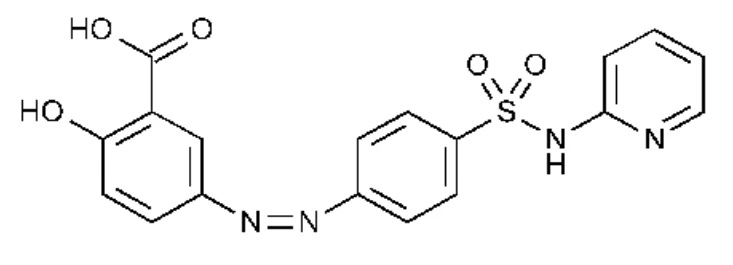
Molecular formula: C18H14N4O5S
Molecular weight 398.4 g/mol
Physical form: Bright yellow or brownish-yellow, fine powder.
Solubility:
Practically insoluble in water, very slightly soluble in ethanol (96 percent), practically insoluble in methylene chloride. It dissolves in dilute solutions of alkali hydroxides.
AVAILABILITY OF DOSAGE FORMS
JAMP Sulfasalazine (sulfasalazine) is available in the following dosage forms:
- JAMP Sulfasalazine tablets: Yellow to orange colored, round shaped, biconvex tablet and engraved with “500” and a score line on one side and plain on another side. Supplied in bottles of 100 and 500 tablets.
Composition:
The non-medicinal ingredients in the JAMP Sulfasalazine formulation are:
- JAMP Sulfasalazine tablets: colloidal silicon dioxide, magnesium stearate, povidone, pregelatinized starch
Storage:
Store at room temperature (15-30°C).
CLINICAL TRIALS
Comparative Bioavailability Study
A randomized, two-treatment, two-period, single-dose (1 x 500 mg) crossover bioequivalence study of PrJAMP Sulfasalazine (JAMP Pharma Corporation) and PrSALAZOPYRIN® (Pfizer Canada ULC) was conducted in healthy adult male human subjects under fed conditions. A summary of the data from the 24 subjects that were included in the pharmacokinetic and statistical analyses is presented in the following table.
SUMMARY TABLE OF THE COMPARATIVE BIOAVAILABILITY DATA
Sulfasalazine (1 x 500 mg) Geometric Mean Arithmetic Mean (CV%) | ||||
| Parameter | Test1 | Reference2 | % Ratio of Geometric Means | 90% Confidence Interval |
AUCT (ng.h/mL) | 50273.98 64813.17 (76.2) | 47316.81 59738.96 (76.5) | 106.2 | 96.8 - 116.7 |
AUCI (ng.h/mL) | 52054.21 67138.80 (76.6) | 49083.95 61918.54 (76.4) | 106.1 | 96.8 - 116.2 |
Cmax (ng/mL) | 5130.01 6120.82 (62.4) | 5099.63 5952.17 (57.6) | 100.6 | 92.2-109.7 |
Tmax3 (hr) | 5.50 (4.00- 12.00) | 5.50 (4.00- 10.00) | ||
T1/24 (hr) | 8.84 (19.8) | 8.82 (23.1) | ||
1 PrJAMP Sulfasalazine (sulfasalazine) tablets, 500 mg (JAMP Pharma Corporation).
2 PrSALAZOPYRIN® (sulfasalazine) tablets, 500 mg (Pfizer Canada ULC).
3 Expressed as the median (range) only.
4 Expressed as the arithmetic mean (CV%).
PHARMACOLOGY
As the etiology of ulcerative colitis and Crohn's disease is unclear, it is difficult to establish the significance of the different pharmacological actions of sulfasalazine.
Sulfasalazine has been used for more than four decades in the treatment of inflammatory bowel disease. Like other azo compounds, sulfasalazine exhibits an affinity for connective tissue. It also has an antibacterial as well as anti-inflammatory effect. An effect on prostaglandin synthetase and metabolism has also been suggested. Significant changes in immunological variables proved the immunosuppressive effect of sulfasalazine.
The absence of etiologic treatment for ulcerative colitis and Crohn's disease is evidenced throughout all studies. The success of the therapy depends on the site of the inflammation. In their studies, Gabel and Goldstein et al found that optimal results were obtained with sulfasalzine when it was tolerated with minimal side effects (13%). From the data of Goldstein et al, it was suggested that sulfasalazine alone was an effective drug treatment for Crohn's disease.
A dosage of 2 g daily was a satisfactory maintenance treatment for ulcerative colitis and should be continued unless contraindicated by side effects. A dose of 2 g daily may give good results in patients with ulcerative colitis and Crohn's disease where treatment with corticosteroids and azathioprine have failed.
It is difficult to evaluate in the individual case whether the adverse effects are due to sulfasalazine or to the symptoms of ulcerative colitis or Crohn's disease.
The most common side effects are related to gastric intolerance and upper gastrointestinal (GI) tract response to the drug, i.e. nausea, vomiting, gastric distress and anorexia.
Lowering the dose may decrease the frequency of adverse reactions.
Holdsworth has reported that patients having side effects not related to dosage (such as rash, fever, allergy) can be easily desensitized. Patients could continue their sulfasalazine therapy using 2 - 3 g daily, thereafter.
TOXICOLOGY
Single dose toxicity
In single-dose toxicity studies in the mouse, rat and rabbit, the oral toxicity was low for all three species examined, the LD50 being greater than the maximum tolerated dose, i.e. 15 g/kg for the mouse and 7.5 g/kg for the rat and rabbit.
Toxicity at repeated dose administration
Rat
A 200 mg/kg dose was well tolerated in rats, the only finding being a reversible thyroid influence. At 500 and 800 mg/kg there were drug-induced effects on different parameters (body weight gain, organ weights, thyroid function and morphology). Most of these effects were normalized after the recovery period.
Dog
Doses of 250 and 500 mg/kg were well tolerated in dogs, the only finding being increased relative weight of thyroid glands. Two dogs given 800 mg/kg also had an atrophy of testicular epithelium. (Impairment of male fertility has been reported in animals and man, and has been shown to be of a reversible type B [see Reproduction toxicity]).
Reproduction toxicity
In the rat fertility study using doses of 200, 500 and 800 mg/kg, there was a drug induced impairment of male fertility which was shown to be of a reversible type. Only at a dose of 800 mg/kg were there other adverse reactions in the parent generation and in the offspring.
In the rat teratology study the 200 mg/kg dose was without adverse reactions. The 500 mg/kg dose had an influence on maternal and foetal body weight gain, the 800 mg/kg dose also influenced the skeletal growth and implantation rate.
In the rabbit teratology study, using the same doses, a maternal transient body weight loss was found at doses of 500 and 800 mg/kg, but, there was no influence on the offspring.
In the rat peri- and post-natal study, the 200 mg/kg dose was without adverse reactions. At doses of 500 and 800 mg/kg, there were materno-toxic effects - lower body weight gain and at 800 mg/kg, there was also an aggravation of labour (dystocia). As a consequence, there was also an increased pup mortality rate and lower pup weight gain.
Mutagenicity
A mutagenicity testing program including in vitro tests for point mutations and chromosome aberrations showed that sulfasalazine did not possess any mutagenic activity under the conditions of these tests.
Carcinogenicity
No carcinogenicity studies have been performed based upon the following criteria:
- The chemical structure of sulfasalazine does not indicate any suspected carcinogenic risk and sulfasalazine has no relationship with other carcinogens.
- Results from mutagenicity studies were negative.
- Results from chronic toxicity studies did not indicate a potential drug induced involvement in tumour development.
- Human therapeutic experience with sulfasalazine for more than 40 years is not associated with suspected tumour development.
REFERENCES
- 1. Ahnfelt N-O and Björklund U. Extended report on bioavailability of Salazopyrin® tablets and Salazopyrin® EN coated tablets, which are both made to a new formulation. Project / Product Report L 318 G9. Pharmacia AB, Sweden (1984).
- 2. Ali A T M M et al. Mode of action of sulphasalazine: An alternative view. Lancet(1982): 506-507.
- 3. Allgayer H et al. Soyabean lipoxygenase inhibition: Studies with the sulphasalazine metabolites N-acetylaminosalicylic acid, 5-aminosalicylic acid and sulphapyridine. Eur J Clin Pharmacol (1984) 26: 449-451.
- 4. Allgayer H and Stenson W F. A comparison of effects of sulfasalazine and its metabolites on the metabolism of endogenous vs exogenous arachidonic acid. Immun Pharmacol (1988) 15: 39-46.
- 5. Astbury C et al. A comparison of the single dose pharmacokinetics of sulfasalazine in rheumatoid arthritis and inflammatory bowel disease. Br J Rheumatol (1988) 27: 133.
- 6. Azad Khan A K, Howes D T, Piris J and Truelove S C, Optimum dose of sulphasalazine for maintenance treatment in ulcerative colitis, Gut (1980) 21: 232-240.
- 7. Bach M K et al. Inhibition by sulfasalazine of LTC synthetase and rat liver glutathione S-transferases. Biochem Pharmacol (1985) 34: 2695-2704.
- 8. Betts et al. In vitro anti-oxidant properties of potential biotransformative products of salicylate, sulphasalazine and amidopyrine. Free Radicals Biol Med (1985) 1: 273-280.
- 9. Callen J P and Soderstrom R M, Granulomatous hepatitis associated with salicylazosulfapyridine therapy, South Med J (1978) 71: 1159-1160.
- 10. Campbell D, Nya rön om Salazopyrins farmakokinetik och farmakologi /New findings concerning the pharmacokinetics and pharmacology of Salazopyrin/, Läkartidningen (1973) 70: 3068-3071.
- 11. Campbell D, Possible modes of action of Azulfidine / Salazopyrin, Z Gastroenterol Suppl (1981) 19: 14-19.
- 12. Carlin G et al. Effect of anti-inflammatory drugs on xanthine oxidase and xanthine oxidase induced depolymerization of hyaluronic acid. Agents and Actions(1985) 16: 377-384.
- 13. Carlin G et al. Inhibition of leucocyte superoxide production by sulfasalazine. Proceedings Int Conf Med Biochem Chem Aspects of Free Radicals, Kyoto, April 9-13, 1988.
- 14. Cohen S M, Rosenthal D S, Karp P J, Ulcerative colitis and erythrocyte G6PD deficiency. Salicylazosulfapyridine-provoked hemolysis, J Am Med Ass (1969) 205: 528-530.
- 15. Comer S S and Jasin H E. In vitro immunomodulatory effects of sulfasalazine and its metabolites. J Rheumatol (1988) 15: 580-586.
- 16. Das K M, Eastwood M A, McManus J P A, Sircus W, The role of the colon in the metabolism of salicylazosulfapyridine, Scand J Gastroenterol (1974) 9: 137-141.
- 17. Das K M, Eastwood M A, McManus J P A, Sircus W, Adverse reactions during salicylazosulphapyridine therapy and the relation with drug metabolism and acetylator phenotype, N Engl Med (1973) 289: 491-495.
- 18. Franklin J L, Rosenberg I H, Impaired folic acid absorption in inflammatory bowel disease: effects of salicylazosulfapyridine (Azulfidine), Gastroenterology (1973) 64: 517-525.
- 19. Gabel L, Anti-inflammatory drug treatment of Crohn's disease. A prospective evaluation of 100 consecutively treated patients, Project /Product Report 103 L318, 25-07 - 1979.
- 20. Gabor E P, Hemolytic anemia as adverse reaction to salicylazosulfapyridine, N Engl J Med (1973) 289: 1372.
- 21. Gibson P R and Jewell D P. Sulphasalazine and derivatives, natural killer activity and ulcerative colitis. Clin Science (1985) 69: 177-184.
- 22. Goldstein F, Menduke H, Thornton J J and Abramson J, Anti-inflammatory Drug Treatment of Crohn's Disease: A Prospective Evaluation of 100 consecutively Treated Patients, J Clin Gastroenterol (1980) 2: 77-85.
- 23. Goldstein F, Thornton J J and Abramson J, Anti-inflammatory Drug Treatment in Crohn's Disease, Am J Gastroenterol (1976) 66: 251-258.
- 24. Harris J, Archampong E Q, Clark C G, The effect on Salazopyrin on water and electrolyte transport in the human colon measured in vivo and in vitro, Gut (1972) 13: 855.
- 25.
Harvath L et al. Selective inhibition of human neutrophil chemotaxis to
N-formyl-methionyl-leucyl-phenylalanine by sulfones. J Immunol (1986) 137: 1305-1311.
- 26. Holdsworth C D, Sulphasalazine desensitization, Brit Med J (1981) 282: 110.
- 27. Holm G and Perlmann P, The effect of antimetabolites on the cytotoxicity by human lymphocytes, In: Advances in Transplantation, Ed by Dausset, J. et al, Munksgaard, Copenhagen (1968) p. 155-161.
- 28. Hoult J R S and Moore P K. Effects of sulphasalazine and its metabolites on prostaglandin synthesis, inactivation and actions on smooth muscle. Br J Pharmacol (1980) 68: 719-730.
- 29. Jänerot G. Fertility, sterility and pregnancy in chronic inflammatory bowel disease. Scand J Gastroenterol (1982) 17: 1-4.
- 30. Järnerot G, Into-Malmberg M-B, Esbjoernet E, Placental transfer of sulphasalazine and sulfapyridine and some of its metabolites, Scand J Gastroenterol (1981) 16: 693-697.
- 31. Järnerot G and Into-Malmberg M-B, Sulphasalazine treatment during breast feeding, Scand J Gastroenterol (1979) 14:869-871.
- 32. Jones J H, Gastrointestinal problems in pregnancy, Practioner (1978) 220: 116-118.
- 33. Jonsson G. Sulfasalazine. Acute peroral toxicity studies - mouse, rat and rabbit. Project / Product Report L 318 C6. Pharmacia AB, Sweden (1982).
- 34. Jonsson G. SAP-M. Fertility study - rat. Project / Product Report L 318 C5. Pharmacia AB, Sweden (1977).
- 35. Jonsson G. SAP-M. Teratology study - rats. Project / Product Report L 318 C3. Pharmacia AB, Sweden (1976).
- 36. Jonsson G. SAP-M. Peri- and post-natal study - rats. Project / Product Report L 318 C2. Pharmacia AB, Sweden (1975).
- 37. Jonsson G, Bodin N and Waller T. Sulfasalazine. Six month peroral toxicity study - rat. Project / Product Report L 318 C7. Pharmacia AB, Sweden (1983).
- 38. Jonsson G and Falk J. SAP-M. Six-month oral toxicity study - dogs. Project / Product Report L 318 C4. Pharmacia AB, Sweden (1976).
- 39. Juhl R, Summers R W, Blaug S, Guillory J K, Diminished urinary digoxin (D) excretion after salicylazosulfapyridine (SASP), Fed Proc (1975) 34: 916.
- 40. Kaufman D W. Birth defects and drugs in pregnancy. Littleton MA. Publishing Sciences Group Inc. (1977) p. 296-313.
- 41. Kirkland D. Sulfasalazine. Metaphase analysis in human lymphocytes. Toxicol Report Reference No 43/8203. Toxicol Laboratories Ltd, England (1982).
- 42. Krook A et al. The effect of metronidazole and sulfasalazine on the fecal flora in patients with Crohn's disease. Scand J Gastroenterol (1981) 16: 183-192.
- 43. Laursen M L, The influence of salicyl-azosulfapyridine on the immune response to antigenic tumour cells inoculated into the coecal lumen of C3H mice, Scand J Gastroenterol (1978) 13: 991-997.
- 44. Lennard-Jones J E, Baron J H, Bennett P N, Swarbrick E T, Coghill N F, Stewart J S, Dowling R H, Neale G, Jones F A, Misiewicz J J, Langman M J, Milton-Thompson G and Watkinson G, Sulphasalazine in asymptomatic Crohn's disease. A multicenter trial, Gut (1977) 18: 69-72.
- 45. Levi A J, Fisher A M, Hughes L, Hendry W F, Male infertility due to sulphasalazine, Lancet (1979) 2: 276-278
- 46. Martindale, The extra pharmacopoeia. Sulphonamides. Ed by Wade A, The Pharmaceutical Press, London, Ed 27,1466-1467 (1977).
- 47. Meyler's side effects of drugs. Salicylates. Ed by Dukes M N G, Excerpta Medica, Amsterdam, Ed 9 (1980) p.130.
- 48. Miller B, Haematological effect of sulfasalazine, Z Gastroenterologie (1981) 19: 28-31.
- 49. Mogadam M, Dobbins W O, Korelitz B J, Ahmed S W, Pregnancy in inflammatory bowel disease: Effect of sulfasalazine and corticosteroids on fetal outcome, Gastroenterology (1981) 80: 72-76.
- 50. Molin L and Stendahl O. The effect of sulfasalazine and its active components on human polymorphonuclear leukocyte function in relation to ulcerative colitis. Acta Med Scand (1979) 206: 451-457.
- 51. Neal T M et al. Inhibition of neutrophil degranulation and superoxide production by sulfasalazine. Biochem Pharmacol (1987) 36: 2765-2768.
- 52. Neumann V C and Grindulis K A. Sulphasalazine in rheumatoid arthritis: an old drug revived. J Royal Society Med (1984) 77: 169-172.
- 53. Neumann V C et al. Effects of sulphasalazine on faecal flora in patients with rheumatoid arthritis: A comparison with penicillamine. Br J Rheumatol (1987) 26: 334-337.
- 54. Peterkin G A G and Khan S A, latrogenic skin disease. Practioner (1969) 202: 117-126.
- 55. Randall R E, Renal failure following antibiotics, Ann Intern Med (1967) 66: 1052-1053.
- 56. Rhodes J M et al. Inhibition of leucocyte motility by drugs used in ulcerative colitis. Gut (1981) 22: 642-647.
- 57. Rubinstein A, Das K M, Melamed J, Murphy R A, Comparative analysis of systemic immunological parameters in ulcerative colitis and idiopathic proctitis: effects of sulfasalazine in vivo and in vitro, Clin Exp Immunol (1978) 33: 217-224.
- 58.
Sandberg-Gertzén H et al. In vitro effects of sulphasalazine, azodisal sodium, and their
- metabolites on clostridium difficile and some other faecal bacteria. Scand J Gastroenterol (1985) 20: 607-612.
- 59. Schröder H and Campbell D E S, Absorption, metabolism and excretion of salicylazosulfapyridine in man, Clin Pharmacol Ther (1972) 13: 539-551.
- 60. Schröder H and Evans D A P, Acetylator phenotype and adverse effects of sulphasalazine in healthy subjects, Gut (1972) 13: 278-284.
- 59. Schröder H and Campbell D E S, Absorption, metabolism and excretion of salicylazosulfapyridine in man, Clin Pharmacol Ther (1972) 13: 539-551.
- 60. Schröder H and Evans D A P, Acetylator phenotype and adverse effects of sulphasalazine in healthy subjects, Gut (1972) 13: 278-284.
- 61. Schröder H and Evans D A P, The polymorphic acetylation of sulphapyridine in man, Med Genet (1972) 9: 168-171.
- 62. Schröder H, Lewkonia R M, Price Evans D A, Metabolism of salicylazosulfa-pyridine in healthy subjects and in patients with ulcerative colitis, Clin Pharmacol Ther (1973) 14: 802-809.
- 63. Selhub J, Dhar G J, Rosenberg I H, Inhibition of folate enzymes by sulfasalazine, J Clin Invest (1978) 61: 221-224.
- 64. Sharon P and Stenson W F. Metabolism and arachidonic acid in acetic acid colitis in rats. Similarities to human inflammatory bowel disease. Gastroenterol (1985) 88: 55-63.
- 65.
Sircar J C et al. Inhibition of soybean lipoxygenase by sulfasalazine and 5aminosalicylic acid: a possible mode of action in ulcerative colitis. Biochem Pharmacol (1983) 32:
170-172.
- 66. Smith J N and Winship D H, Complications and extraintestinal problems in inflammatory bowel disease, Med Clin North Am (1980) 64: 1161-1171.
- 67. Stenson W F et al. Sulfasalazine inhibits the synthesis of chemotactic lipids by neutrophils. J Clin Invest (1982) 69: 494-497.
- 68. Taggart A J et al. The pharmacokinetics of sulphasalazine in young and elderly patients with rheumatoid arthritis. Scand J Rheumatol Suppl (1987) 64: 29-36.
- 69. Tesh J et al. SAP-M and Salazopyrin: Comparative effects of repeated oral administration on the progress and outcome of pregnancy in the rabbit. Life Science Report No.78/PH1 2/030. Life Science Research Ltd, England (1978).
- 70. Toovey S, Hudson E, Hendry W F, Levi A J, Sulphasalazine and male infertility: reversibility and possible mechanism, Gut (1981) 22: 445-451.
- 71. van Hees P A M, Clinical and pharmacological aspects of sulfasalazine, Diss Univ Nijmegen, Gist-Brocades, 219 pages (1979).
- 72. Varley R. Sulfasalazine. Bacterial mutagenicity tests. Toxicol Report Reference No 42/8203. Toxicol Laboratories Ltd, England (1982).
- 73. West B et al. Effects of sulphasalazine (Salazopyrin) on faecal flora in patients with inflammatory bowel disease. Gut (1974) 15: 960-965.
- 74. West B, Lendrum R, Hill M J, Walker G, Effects of sulphasalazine (Salazopyrin) on faecal flora in patient with inflammatory bowel disease, Gut (1974) 15: 960-965.
- 75. Willoughby C P, Truelove S C, Ulcerative colitis and pregnancy, Gut (1980) 21: 469-474.
- 76. Imundo LF, Jacobs JC. Sulfasalzine therapy for juvenile rheumatoid arthritis. J Rheumatol 1996; 23: 360-366.
- 77. Rains CP, Noble S, Faulds D. Sulfasalazine. A review of its pharmacological properties and therapeutic efficacy in the treatment of rheumatoid arthritis. Drugs 1995; 50: 137-156.
- 78. Swinson CM, Perry J, Lumb M, Levi AJ. Role of sulphasalazine in the aetiology of folate deficiency in ulcerative colitis. Gut 1981; 22: 456-461.
- 79. Grindulis KA, McConkey B. Does sulphasalazine cause folate deficiency in rheumatoid arthritis? Scand Rheumatol 1985; 14: 265-270.
- 80. Prouse PJ, Shawe D, Gumpel JM. Macrocytic anaemia in patients treated with sulphasalazine for rheumatoid arthritis. Br Med J 1986; 293: 1407.
- 81. Logan ECM, Williamson LM, Ryrie DR. Sulphasalazine associated pancytopenia may be caused by acute folate deficiency. Gut 1986; 27: 868-872.
- 82. Hertzberger-ten Cate R, Cats A. Toxicity of sulfasalazine in systemic juvenile chronic arthritis. Clin Exp Rheumatol 1991; 9: 85-88.
- 83. Toovey S, Hudson E, Hendry WF, Levi AJ. Sulphasalazine and male infertility: Reversibility and possible mechanism. Gut 1981; 22: 445-451.
- 84. O'Morain C, Smethurst P, Dore CJ. Reversible male infertility due to sulphasalazine: Studies in man and rat. Gut 1984; 25: 1078-1084.
- 85.
Ostensen M. Optimisation of antirheumatic drug treatment in pregnancy.
- Clin Pharmacokinet 1994; 27: 486 -503.
- 86. Mogadam M, Dobbins WO, Koerlitz BI, Ahmed SW. Pregnancy in inflammatory bowel disease: Effect of sulfasalazine and corticosteroids on fetal outcome. Gastroenterology 1981; 80: 72-76.
- 87. Heinonen OP, Slone D, Shapiro S et al. Birth Defects and Drugs in Pregnancy. Chapter 21. Antimicrobial and Antiparasitic Agents. PSG Publishing Company, Littleton, MA. Edited by Kaufman DW; 1977: 296-313).
- 88. Jarnerot G. Review: Fertility, sterility and pregnancy in chronic inflammatory bowel disease. Scand J Gastroenterol 1982; 17: 1-4.
- 89. Juhl RP, Summers RW, Guillory JK, Blaug SM, Cheng FH, Brown DD. Effect of sulfasalazine on digoxin bioavailability. Clin Pharmacol Ther 1976; 20: 387-394.
- 90. Szumlanski CL, Weinshilboum RM. Sulphasalazine inhibition of thiopurine methyltransferase: possible mechanism for interaction with 6-mecaptopurine and azathioprine. Br J Clin Pharmacol 1995; 39: 456-459.
- 91. Lowry PW, Franklin CL, Weaver AL, Szumlanski, CL, Mays DC, Loftus EV, Tremaine WJ, Lipsky JJ, Weinshilboum RM, Sandborn WJ. Leucopenia resulting from a drug interaction between azathioprine or 6-mercaptopurine and mesalamine, sulphasalazine, or balsalazide. Gut 2001; 49: 656-664.
- 92. Haagsma CJ, Russel FGM, Vree TB, Van Riel PLCM, Van De Putte LBA. Combination of methotrexate and sulphasalazine in patients with rheumatoid arthritis: Pharmacokinetic analysis and relationship to clinical response. Br J Clin Pharmacol 1996; 42: 195-200.
- 93. Haagsma CJ, Van Riel PLCM, De Jong AJL, Van De Putte LBA. Combination of sulphasalazine and methotrexate versus the single components in early rheumatoid arthritis: A randomized, controlled, double-blind, 52 week clinical trial. Br J Clin Rheumatol 1997; 36: 1082-1088.
- 94. Dougados M, Combe B, Cantagrel A, Goupille P, Olive P, Schattenkirchner M, Meusser S, Paimela L, Rau R, Zeidler H, Leirisalo-Repo M, Peldan K. Combination therapy in early rheumatoid arthritis: A randomized, controlled, double blind 52 week clinical trial of sulphasalazine and methotrexate compared with the single components. Ann Rheum Dis 1999; 58: 220-225.
- 95. Bouhanick B, Fauvel J, Pont F. Biochemical misdiagnosis of pheochromocytoma in patients treated with sulfasalazine. JAMA (2010) 304: 1898-1901.
- 96.
Ito T, Imai T, Kikumori T, Shibata A, Horiba T, Kobayashi H, Sawaki M, Watanabe R, Nakao A, Kiuchi T. Adrenal incidentaloma: review of 197 patients and report of a drug- related
- false -positive urinary normetanephrine result. Surg. Today (2006) 36: 961-965
- 97. Walsh N. Sulfasalazine induced falsely positive urinary catecholamines. Pheumatology News 5[8], 11. 2006
- 98. PrSALAZOPYRIN® (Sulfasalazine tablets USP, 500 mg), Control No. 239257, Product Monograph, Pfizer Canada ULC, October 19, 2020