


Product Monograph - Mezera (Avir Pharma, 500 mg, 1 G)
RECENT MAJOR LABEL CHANGES
| 4 DOSAGE AND ADMINISTRATION, 4.2 Recommended Dose and Dosage Adjustment | 03/2024 |
|---|---|
| 7 WARNINGS AND PRECAUTIONS, Renal | 08/2024 |
| 7 WARNINGS AND PRECAUTIONS, Skin | 08/2024 |
TABLE OF CONTENTS
Sections or subsections that are not applicable at the time of authorization are not listed.
RECENT MAJOR LABEL CHANGES ............................................................................................ 2
TABLE OF CONTENTS .............................................................................................................. 2
PART I: HEALTH PROFESSIONAL INFORMATION ...................................................................... 4
1 INDICATIONS ............................................................................................................... 4
1.1 Pediatrics .............................................................................................................. 4
1.2 Geriatrics .............................................................................................................. 4
2 CONTRAINDICATIONS ................................................................................................. 4
4 DOSAGE AND ADMINISTRATION ................................................................................. 4
4.1 Dosing Considerations .......................................................................................... 4
4.2 Recommended Dose and Dosage Adjustment ..................................................... 5
4.4 Administration ...................................................................................................... 5
4.5 Missed Dose ......................................................................................................... 5
5 OVERDOSAGE .............................................................................................................. 5
6 DOSAGE FORMS, STRENGTHS, COMPOSITION AND PACKAGING ................................. 6
7 WARNINGS AND PRECAUTIONS .................................................................................. 6
7.1 Special Populations ............................................................................................... 9
7.1.1 Pregnant Women ............................................................................................. 9
7.1.2 Breast-feeding .................................................................................................. 9
7.1.3 Pediatrics .......................................................................................................... 9
7.1.4 Geriatrics .......................................................................................................... 9
8 ADVERSE REACTIONS .................................................................................................. 9
8.1 Adverse Reaction Overview .................................................................................. 9
8.2 Clinical Trial Adverse Reactions .......................................................................... 10
8.3 Less Common Clinical Trial Adverse Reactions ................................................... 11
8.4 Abnormal Laboratory Findings: Hematologic, Clinical Chemistry and Other Quantitative Data ........................................................................................................... 11
8.5 Post-Market Adverse Reactions ......................................................................... 12
9 DRUG INTERACTIONS ................................................................................................ 12
9.2 Drug Interactions Overview ................................................................................ 12
9.3 Drug-Behavioural Interactions ............................................................................ 13
9.4 Drug-Drug Interactions ....................................................................................... 13
9.5 Drug-Food Interactions ....................................................................................... 13
9.6 Drug-Herb Interactions ....................................................................................... 13
9.7 Drug-Laboratory Test Interactions ...................................................................... 13
10 CLINICAL PHARMACOLOGY ....................................................................................... 13
10.1 Mechanism of Action .......................................................................................... 13
10.2 Pharmacodynamics ............................................................................................ 14
10.3 Pharmacokinetics ............................................................................................... 14
11 STORAGE, STABILITY AND DISPOSAL ......................................................................... 15
12 SPECIAL HANDLING INSTRUCTIONS ........................................................................... 15
PART II: SCIENTIFIC INFORMATION ....................................................................................... 16
13 PHARMACEUTICAL INFORMATION ............................................................................ 16
14 CLINICAL TRIALS ........................................................................................................ 17
14.1 Clinical Trials by Indication ................................................................................. 17
15 MICROBIOLOGY ........................................................................................................ 20
16 NON-CLINICAL TOXICOLOGY ..................................................................................... 20
PATIENT MEDICATION INFORMATION .................................................................................. 22
PART I: HEALTH PROFESSIONAL INFORMATION
1 INDICATIONS
MEZERA (mesalamine) delayed-release tablets are indicated for:
- the induction of remission in adult patients with active, mild to moderate ulcerative colitis.
1.1 Pediatrics
Pediatrics (<18 years of age): No data are available to Health Canada; therefore, Health Canada has not authorized an indication for pediatric use.
1.2 Geriatrics
Geriatrics: No data are available to Health Canada; therefore, Health Canada has not authorized an indication for geriatric use.
2 CONTRAINDICATIONS
MEZERA (mesalamine) delayed-release tablets are contraindicated in:
- patients with severe renal impairment (GFR<30 mL/min/1.73 m2) (see 7 WARNINGS AND PRECAUTIONS, Renal).
- patients with severe hepatic impairment (see 7 WARNINGS AND PRECAUTIONS, Hepatic).
- patients who are hypersensitive to this drug, to salicylates or their derivatives, including acetylsalicylic acid (e.g. Aspirin®) or to any ingredient in the formulation, including any non-medicinal ingredient, or component of the container. For a complete listing, see 6 DOSAGE FORMS, STRENGTHS, COMPOSITION AND PACKAGING.
- patients with existing gastric or duodenal ulcer.
- patients with urinary tract obstructions.
- patients who are unable to swallow intact tablet.
- infants under 2 years of age.
4 DOSAGE AND ADMINISTRATION
4.1 Dosing Considerations
- Hepatic Impairment: MEZERA is contraindicated in patients with severe hepatic impairment. In patients with mild to moderate liver function impairment, caution should be exercised and MEZERA should be used only if the expected benefit clearly outweighs the risks to the patient. Appropriate assessments and monitoring of liver function should be performed prior to and during treatment, at the discretion of the treating physician (see 2 CONTRAINDICATIONS, and 7 WARNINGS AND PRECAUTIONS, Hepatic).
- Renal Impairment: MEZERA is contraindicated in patients with severe renal impairment. In patients with mild to moderate renal function impairment, caution should be exercised and MEZERA should be used only if the benefits outweigh the risks. Appropriate assessments of renal function should be done prior to initiation of therapy and periodically while on treatment especially during the initial phase of treatment (see 2 CONTRAINDICATIONS, and 7 WARNINGS AND PRECAUTIONS, Renal).
Hematologic: Blood test for differential blood count is recommended prior to and during treatment, at the discretion of the treating physician, given the risk of serious blood dyscrasias when MEZERA is used alone or concomitantly with 6-mercaptopurine or azathioprine.
MEZERA should be used only if the benefits clearly outweigh the risks in patients with underlying bleeding or clotting disorders (see 7 WARNINGS AND PRECAUTIONS, Hematologic).
4.2 Recommended Dose and Dosage Adjustment
- Two 500 mg MEZERA tablets or one 1 g MEZERA tablet, three times per day (total adult dose: 3 g/day).
- Health Canada has not authorized an indication for pediatric use.
4.4 Administration
Tablets should be taken consistently by the patient in order to ensure therapeutic success. Tablets should be swallowed whole before meals with liquid in the morning, at midday and in the evening. The tablets should not be crushed, chewed or broken. Abrupt discontinuation is not recommended. MEZERA tablets should not be administered with alcohol (see 9.5 Drug-Food interactions).
4.5 Missed Dose
If a dose of MEZERA is missed, it should be taken as soon as possible, unless it is almost time for the next dose, in which case, the patient should skip the missed dose and continue as per the regular dosing schedule. A patient should not take two MEZERA doses at the same time to make up for a missed dose.
5 OVERDOSAGE
There is no experience with MEZERA overdosage. However, because mesalamine is an aminosalicylate, the symptoms of overdose may mimic the symptoms of salicylate overdose including confusion, diarrhea, drowsiness, headache, hyperventilation, sweating, tinnitus, vertigo, and vomiting. Severe intoxication may lead to disruption of electrolyte balance and blood-pH, hyperthermia, and dehydration; therefore, measures used to treat salicylate overdose may be applied to mesalamine overdose. Under ordinary circumstances, local mesalamine absorption from the colon is limited.
There is no specific antidote and symptomatic treatment at hospital is required. Fluid and electrolyte imbalance should be corrected by the administration of appropriate intravenous therapy. Close monitoring of renal function is required in order to maintain adequate renal function.
| For management of a suspected drug overdose, contact your regional poison control centre. |
|---|
6 DOSAGE FORMS, STRENGTHS, COMPOSITION AND PACKAGING
Table 1 – Dosage Forms, Strengths, Composition and Packaging
MEZERA 500 mg tablets are butter-yellow to ochre, oblong, biconvex. They are supplied in blister cards of 10 tablets, in boxes of 100 tablets.
MEZERA 1 g tablets are yellow to ochre, oblong, biconvex. They are supplied in blister cards of 10 tablets, in boxes of 100 tablets.
7 WARNINGS AND PRECAUTIONS
General
Caution should be exercised when treating patients allergic to sulfasalazine due to the potential risk of cross sensitivity reactions between sulfasalazine and mesalamine (see 7 WARNINGS AND PRECAUTIONS, Sensitivity/Resistance).
MEZERA has been associated with an acute intolerance syndrome that may be difficult to distinguish from a flare of inflammatory bowel disease (see 7 WARNINGS AND PRECAUTIONS, Sensitivity/Resistance).
It is recommended that all patients have an evaluation of renal function (e.g. serum creatinine) prior to initiation of therapy and periodically while on treatment (see 7 WARNINGS AND PRECAUTIONS, Renal).
Carcinogenesis and Mutagenesis
Carcinogenicity studies in animals and mutagenicity tests were negative (see 16 NON-CLINICAL TOXICOLOGY).
Cardiovascular
Cardiac side effects, including pericarditis and myocarditis have been rarely reported with the use of MEZERA.
| Route of Administration | Dosage Form / Strength/Composition | Non-medicinal Ingredients |
| Oral | Delayed-release tablets, mesalamine 500 mg and 1 g | 500 mg: Basic butylated methacrylate copolymer, calcium stearate, croscarmellose sodium, glycine, hypromellose, iron oxide yellow, macrogol, methacrylic acid/methyl methacrylate copolymer (1:1), microcrystalline cellulose, povidone, silica, sodium carbonate, talc and titanium dioxide. 1 g: Calcium stearate, croscarmellose sodium, hypromellose, iron oxide yellow, macrogol, methacrylic acid/methyl methacrylate copolymer (1:1), methacrylic acid/methyl methacrylate copolymer (1:2), microcrystalline cellulose, povidone, silica, talc and titanium dioxide. |
Cases of pericarditis have also been reported as manifestation of inflammatory bowel disease. Discontinuation of MEZERA may be warranted in some cases, but rechallenge with MEZERA can be performed under careful clinical observation should the continued therapeutic need for MEZERA be present.
Driving and Operating Machinery
There are no data available on the effects of MEZERA on the ability to drive and use machines.
Gastrointestinal
Epigastric pain, also commonly associated with inflammatory bowel disease and prednisone or sulfasalazine (SAS) therapy, should be investigated in order to exclude pericarditis and pancreatitis either as adverse drug reactions to MEZERA or secondary manifestations of inflammatory bowel disease. Acute intolerance syndrome may also cause abdominal pain (see 7 WARNINGS AND PRECAUTIONS, Sensitivity/Resistance).
Patients with pyloric stenosis may have prolonged gastric retention of MEZERA tablets which could delay release of mesalamine in the colon.
Hematologic
Following treatment with MEZERA, serious blood dyscrasias (including myelosuppression) have been reported very rarely. The risk is further increased when MEZERA products are used concomitantly with 6-mercaptopurine or azathioprine (see 9.4 Drug-Drug Interactions). Blood test for differential blood count is recommended prior to and during treatment, at the discretion of the treating physician. If the patient develops unexplained bleeding, bruising, purpura, anaemia, fever or sore throat, haematological investigations should be performed. If there is suspicion of blood dyscrasia, MEZERA treatment should be discontinued.
MEZERA should be used only if the benefits clearly outweigh the risks in patients with underlying bleeding or clotting disorders.
Hepatic/Biliary/Pancreatic
There have been reports of hepatic failure and increased liver enzymes in patients with pre-existing liver disease when treated with 5-ASA/mesalamine products. Therefore, MEZERA is contraindicated in patients with severe hepatic impairment (see 2 CONTRAINDICATIONS). In patients with mild to moderate liver function impairment, caution should be exercised and MEZERA should be used only if the expected benefit clearly outweighs the risks to the patient. Appropriate assessment and monitoring of liver function (e.g. ALT or AST) should be performed prior to and during treatment, at the discretion of the treating physician.
Renal
Reports of renal impairment, including minimal change nephropathy, and acute or chronic interstitial nephritis have been associated with MEZERA products and pro-drugs of mesalamine.
Cases of nephrolithiasis have been reported with the use of mesalamine, including stones with a 100% mesalamine content. It is recommended to ensure adequate fluid intake during treatment.
Mesalamine may produce red-brown urine discoloration after contact with sodium hypochlorite bleach (e.g., in toilets cleaned with sodium hypochlorite contained in certain bleaches).
MEZERA is contraindicated in patients with severe renal impairment (see 2 CONTRAINDICATIONS). In patients with mild to moderate renal dysfunction, caution should be exercised and MEZERA should be used only if the benefits outweigh the risks.
It is recommended that all patients have an evaluation of renal function (e.g. serum creatinine) prior to initiation of therapy and periodically while on treatment especially during the initial phase of treatment. MEZERA induced nephrotoxicity should be suspected in patients developing renal dysfunction during treatment. If this is the case, MEZERA should be discontinued immediately. The concurrent use of other known nephrotoxic agents may increase the risk of renal reactions, thus requiring increased monitoring frequency of renal function.
Respiratory
Patients with chronic lung function impairment, especially asthma, are at risk of hypersensitivity reactions with MEZERA products and should be closely monitored.
Sensitivity/Resistance
Some patients who have experienced a hypersensitivity reaction to sulfasalazine may have a similar reaction to MEZERA or other compounds that contain or are converted to mesalamine. Therefore, caution should be exercised when treating patients allergic to sulfasalazine due to the potential risk of cross sensitivity reactions between sulfasalazine and mesalamine. These patients should be instructed to discontinue therapy if signs of rash or pyrexia become apparent.
Acute Intolerance Syndrome
MEZERA has been associated with an acute intolerance syndrome that may be difficult to distinguish from a flare of inflammatory bowel disease. Although the exact frequency of occurrence has not been determined, it has occurred in 3% of patients in controlled clinical trials of mesalamine or sulfasalazine. Symptoms include cramping, acute abdominal pain and bloody diarrhea, sometimes fever, headache and rash. If acute intolerance syndrome is suspected, prompt treatment discontinuation is required.
Skin
Severe Cutaneous Reactions
Use of mesalamine has been associated with the following serious and life-threatening severe cutaneous adverse reactions (SCARs), including:
- Drug reaction with eosinophilia and systemic symptoms (DRESS),
- Stevens-Johnson syndrome (SJS) and
- Toxic epidermal necrolysis (TEN).
Mesalamine should be discontinued, at the first appearance of signs and symptoms of severe skin reactions, such as skin rash, mucosal lesions, or any other sign of hypersensitivity.
Photosensitivity
Patients treated with mesalamine or sulfasalazine who have pre-existing skin conditions such as atopic dermatitis and atopic eczema have reported more severe photosensitivity reactions. Patients should be advised to avoid sun exposure, wear protective clothing, and use a broad-spectrum sunscreen when outdoors.
7.1 Special Populations
7.1.1 Pregnant Women
There are no adequate well controlled studies of MEZERA in pregnant women. Mesalamine is known to cross the placental barrier, and no clinical studies have been performed in pregnant women. Premature labor, congenital malformations, and other adverse pregnancy outcomes (including serious events such as ectrodactyly, oligohydramnios, congenital nephrotic syndrome, and fetal tachycardia) were reported in infants born to mothers who were exposed to mesalamine during pregnancy. One case each of fetal anemia and hydrops fetalis were also reported in one infant.
MEZERA should be used during pregnancy only if the benefits clearly outweigh the risks to the foetus.
7.1.2 Breast-feeding
No controlled studies with MEZERA during breast-feeding have been carried out. In nursing mothers, mesalamine and its inactive main metabolite, N-acetyl-5-ASA, are excreted in breast milk. The concentration of mesalamine is much lower than in maternal blood, but the metabolite N- acetyl-5-ASA appears in similar concentrations. Caution should be exercised, and MEZERA should be used in nursing mothers only if the benefits outweigh the risks.
When MEZERA is used in nursing women, infants should be monitored for changes in stool consistency. If the infant develops diarrhea, breast-feeding should be discontinued. Cases of diarrhea in breastfed infants exposed to mesalamine have been reported.
7.1.3 Pediatrics
Pediatrics (< 18 years of age): No data are available to Health Canada; therefore, Health Canada has not authorized an indication for pediatric use.
7.1.4 Geriatrics
Specific clinical studies of MEZERA in geriatric population have not been conducted. Some clinical studies of MEZERA included insufficient numbers of subject’s ≥65 years of age. However, the results from these studies cannot be used to determine whether they respond differently from younger subjects. Other reported clinical experience with mesalamine has not identified differences in responses between the elderly and younger patients. In general, dose selection for an elderly patient should be cautious, reflecting the greater frequency of decreased hepatic, renal, or cardiac function or concomitant disease or other drug therapy.
MEZERA is substantially excreted by the kidney, and the risk of toxic reactions to this drug may be greater in patients with impaired renal function. Because elderly patients are more likely to have decreased renal function, closer monitoring of renal function may be needed (see 2 CONTRAINDICATIONS, and 7 WARNINGS AND PRECAUTIONS, Renal).
8 ADVERSE REACTIONS
8.1 Adverse Reaction Overview
The most frequently reported drug-related adverse events within the pivotal ulcerative colitis clinical studies were headache, nausea, vomiting, dyspepsia, aspartate aminotransferase increased, gamma-glutamyltransferase increased, alanine aminotransferase increased and blood alkaline phosphatase increased.
8.2 Clinical Trial Adverse Reactions
Clinical trials are conducted under very specific conditions. The adverse reaction rates observed in the clinical trials, therefore, may not reflect the rates observed in practice and should not be compared to the rates in the clinical trials of another drug. Adverse reaction information from clinical trials may be useful in identifying and approximating rates of adverse drug reactions in real-world use.
In an 8-week, double-blind, randomised, multicentre clinical study to compare the efficacy and safety of MEZERA tablets (3.0 g mesalamine/day) vs. ethylcellulose-coated mesalamine tablets (3.0 g mesalamine/day) in patients with active, mild to moderate ulcerative colitis, 131 patients received MEZERA tablets, and 127 patients received ethylcellulose-coated mesalamine tablets. Most adverse reactions were mild or moderate in severity. The following treatment-emergent adverse reactions were reported:
Table 2 – Drug-related Treatment-Emergent Adverse Reactions reported by at Least 1% of Patients treated with MEZERA 500 mg tablets three times daily for 8 weeks in study SAT-14
| Treatment Group | ||||||||
| Drug-related Treatment-Emergent Adverse Reactions | MEZERA 500 mg tablets 3 g/day n = 131 (%) | Ethylcellulose-coated mesalamine 500 mg tablets 3 g/day n = 127 (%) | ||||||
| Overall | 18.3% | 22.0% | ||||||
| Gastrointestinal disorders | ||||||||
| Nausea | 3.8 | 2.4 | ||||||
| Vomiting | 1.5 | 0.0 | ||||||
| Dyspepsia | 1.5 | 2.4 | ||||||
| Nervous system disorders | ||||||||
| Headache | 7.6 | 5.5 | ||||||
In an 8-week, double-blind, randomised, multicentre clinical study to compare the efficacy and tolerability of MEZERA 1 g tablets (3.0 g mesalamine/day) vs. MEZERA 500 mg tablets (3.0 g mesalamine/day) in patients with active, mild to moderate ulcerative colitis, 151 patients received MEZERA 1 g tablets, and 155 patients MEZERA 500 mg tablets. Most adverse reactions were mild or moderate in severity. The following treatment-emergent adverse reactions were reported:
Table 3 – Drug-related Treatment-Emergent Adverse Reactions reported by at Least 1% of Patients treated with MEZERA 1 g tablets three times daily or MEZERA 500 mg tablets three times daily for 8 weeks in study SAT-25
| Treatment Group | ||||||||
| Drug-related Treatment-Emergent Adverse Reactions | MEZERA 1 g tablets 3 g/day n = 151 (%) | MEZERA 500 mg tablets 3 g/day n = 155 (%) | ||||||
| Overall | 2.6% | 2.6% | ||||||
| Investigations | ||||||||
| Aspartate aminotransferase increased | 1.3 | 0.6 | ||||||
| Gamma-glutamyltransferase increased | 1.3 | 0.6 | ||||||
| Alanine aminotransferase increased | 0.7 | 1.3 | ||||||
| Blood alkaline phosphatase increased | 0.7 | 1.3 | ||||||
8.3 Less Common Clinical Trial Adverse Reactions
Other less common (<1%) drug-related adverse events reported with MEZERA tablets in the pivotal clinical studies included:
Gastrointestinal disorders: abdominal pain, diarrhea, dysphagia
General disorders and administration site conditions: fatigue
Hepatobiliary disorders: hepatitis cholestatic
Infections and infestations: sinusitis
Investigations: blood alkaline phosphatase increased, blood urine, haemoglobin decreased, lipase increased, transaminases increased
Musculoskeletal and connective tissue disorders: tendonitis, back pain
Nervous system disorders: migraine
Psychiatric disorders: depression, insomnia
Skin and subcutaneous tissue disorders: acne, alopecia, rash
8.4 Abnormal Laboratory Findings: Hematologic, Clinical Chemistry and Other Quantitative Data
This information is not available for MEZERA.
8.5 Post-Market Adverse Reactions
The following adverse drug reactions have been identified during the post-approval use of MEZERA. Because these reactions are reported voluntarily from a population of uncertain size, it is not always possible to reliably estimate their frequency or establish a causal relationship to drug exposure.
Blood and lymphatic system disorders: Altered blood counts (aplastic anaemia, agranulocytosis, pancytopenia, neutropenia, leukopenia, thrombocytopenia)
Cardiac disorders: Myocarditis (rare [<1/1,000]), pericarditis (rare)
Gastrointestinal disorders: Acute pancreatitis, flatulence
Investigations: Changes in liver function parameters (increase in parameters of cholestasis), changes in pancreatic enzymes (amylase increased), eosinophil count increased
Hepatobiliary disorders: Hepatitis
Immune system disorders: Hypersensitivity reactions such as allergic exanthema, pyrexia, lupus erythematosus syndrome, pancolitis
Musculoskeletal and connective tissue disorders: Myalgia, arthralgia
Nervous system disorders: Dizziness, peripheral neuropathy
Pregnancy and Fetal Outcomes: Premature labor, ectrodactyly, fetal anemia, hydrops fetalis, oligohydramnios, congenital nephrotic syndrome and fetal tachycardia were reported with mesalamine treatment.
Renal and urinary disorders: Impairment of renal function including acute and chronic interstitial nephritis and renal insufficiency, nephrolithiasis
Reproductive system and breast disorders: Oligospermia (reversible)
Respiratory, thoracic and mediastinal disorders: Allergic and fibrotic lung reactions (including dyspnoea, cough, bronchospasm, alveolitis, pulmonary eosinophilia, lung infiltration, pneumonitis)
Skin and subcutaneous tissue disorders: Rash and pruritus (common), a photosensitivity (rare)*, Stevens-Johnson syndrome (SJS), drug reaction with eosinophilia and systemic symptoms (DRESS), toxic epidermal necrolysis (TEN)†
*Photosensitivity: More severe reactions are reported in patients with pre-existing skin conditions such as atopic dermatitis and atopic eczema.
- Drug reactions with eosinophilia and systemic symptoms (DRESS), Stevens-Johnson syndrome (SJS), toxic epidermal necrolysis (TEN): Severe cutaneous adverse reactions (SCARs), including drug reaction with eosinophilia and systemic symptoms (DRESS), Stevens-Johnson syndrome (SJS) and toxic epidermal necrolysis (TEN), have been reported in association with mesalamine treatment (see 7 WARNINGS AND PRECAUTIONS).
9 DRUG INTERACTIONS
9.2 Drug Interactions Overview
Interaction between azathioprine, 6-mercaptopurine and aminosalicylates (including mesalamine) can increase the risk of leukopenia. Other potential interactions with a number of drugs could occur (see 9.4 Drug-Drug Interactions).
9.3 Drug-Behavioural Interactions
Interactions in terms of individual behavioural risks have not been established.
9.4 Drug-Drug Interactions
No investigations of interaction between MEZERA and other drugs have been performed. However, there have been reports of interactions between products containing mesalamine and other drugs.
Interaction between azathioprine, 6-mercaptopurine and aminosalicylates including mesalamine, has been reported with oral mesalamine. Concomitant treatment with mesalamine can increase the risk of myelosuppression in patients receiving azathioprine, 6-mercaptopurine or thioguanine. An increase in whole blood 6-thioguanine nucleotide (6-TGN) concentrations has been reported although the mechanism of this interaction remains unclear.
Mesalamine could also increase renal and hematologic toxicity of methotrexate by additive effect and diminished absorption of folic acid.
Caution should be exercised when mesalamine and sulfonylureas are prescribed concomitantly as the hypoglycemic effect of sulfonylureas may be enhanced. Interactions with warfarin, methotrexate, probenecid, sulfinpyrazone, spironolactone, furosemide and rifampicin cannot be excluded. Potentiation of undesirable glucocorticoid effects on the stomach is possible.
The concurrent use of mesalamine with known nephrotoxic agents, including non-steroidal anti-inflammatory drugs (NSAIDs) and azathioprine may increase the risk of renal reactions.
A theoretical interaction of salicylates with Varicella Virus Vaccine (chicken pox vaccine) might increase the risk of Reye’s syndrome; as a result, the use of salicylates (including mesalamine) is discouraged for six weeks following Varicella vaccination.
9.5 Drug-Food Interactions
Interactions with food have not been established. Mesalamine should not be administered with alcohol. Concomitant administration of alcohol could impact the dissolution profile of 1 g MEZERA tablet. Alcohol dose dumping study showed unacceptable release of mesalamine within the lag time of 15 minutes and complete change in overall release profile in 0.1N HCl with 40% ethanol.
9.6 Drug-Herb Interactions
Interactions with herbal products have not been established.
9.7 Drug-Laboratory Test Interactions
Several reports of possible interference with measurements, by liquid chromatography, of urinary normetanephrine causing a false-positive test result have been observed in patients exposed to sulfasalazine or its metabolite, mesalamine/mesalazine.
10 CLINICAL PHARMACOLOGY
10.1 Mechanism of Action
Mesalamine (5-ASA) is the active moiety of the prodrug sulfasalazine which acts to suppress inflammatory bowel disease. The mechanism of action of mesalamine (a 5-aminosalicylic acid or 5-ASA) is not fully understood, but appears to be topical rather than systemic. Inflammatory intestinal disease is often accompanied by diffuse tissue reactions including ulceration and cellular infiltration of lymphocytes, plasma cells, eosinophils, polymorphonuclear cells and activated phagocytic cells.
The interference of mesalamine with either leukotriene or prostaglandin metabolism may play a major role in suppressing the inflammatory response mechanism. Mesalamine prevents accumulation of thromboxane B2 and 6-keto-prostaglandin F1. Both mesalamine and sulfasalazine (SAS) reverse H2O, and Cl-secretion and increase Na+ secretion in experimentally-induced colitis in guinea pigs. Sulfasalazine (SAS) and mesalamine are known to inhibit polymorphonuclear cell migration possibly via lipoxygenase inhibition at concentrations lower than those required to inhibit prostaglandin synthesis. It is thus possible that both SAS and mesalamine are capable of inhibiting both pathways via lipoxygenase inhibition.
Intestinal secretion is stimulated not only by prostaglandins but also by the metabolites of arachidonic acid generated via the lipoxygenase pathway. Upon phagocytic activation and arachidonic acid metabolism activation, reactive oxygen metabolites are generated. Mesalamine acts as a dose-dependent antioxidant which scavenges oxygen derived free radicals produced by activated phagocytes. In addition, mesalamine associates with the membrane surface, allowing chain breaking antioxidant activity when peroxidation is initiated within the membrane. Mesalamine is able to block initiation of oxidation from solution as well as propagation within the membrane. Mesalamine also inhibits the formation of both eicosanoids and cytokines.
10.2 Pharmacodynamics
Although the mesalamine mode of action is not clear, it appears to be multi-factorial. Mesalamine is thought to affect the inflammatory process through its ability to inhibit prostaglandin synthesis, interfere with leukotriene synthesis and consequent leukocyte migration as well as act as a potent scavenger of free radicals. Regardless of the mode of action, mesalamine appears to be active mainly topically rather than systemically.
10.3 Pharmacokinetics
Mesalamine is considered to act locally from the lumen of the gastrointestinal tract. Therefore, plasma concentrations of 5-ASA and its main metabolite N-acetyl-5-ASA are thought not to be relevant for the efficacy. There is no evidence for a quantitative correlation of safety issues to plasma concentrations of 5-ASA or its metabolite.
Absorption
Oral administration of mesalamine delayed-release tablets allows passage through the stomach intact. On average, mesalamine appears in plasma at detectable concentrations approximately 3 to 4 hours after administration of mesalamine tablets.
Distribution
After administration of a single radiolabelled 500 mg MEZERA tablet, mean Cmax in the ileocaecal region was 1138 ng/mL, and the mean time to reach Cmax was 4.28 hours. The proportion of the total amount of mesalamine absorbed in the ileocaecal junction was calculated to be 40%; the proportion absorbed in both the ileocaecal junction and the ascending colon was calculated to be 75 to 80%.
Maximal 5 ASA release occurs in the terminal ileum / ileocaecal area. About 75 to 80% of the totally absorbed 5 ASA + N Ac 5 ASA concentrations is absorbed in the ileocaecal region and ascending colon area after ingestion of MEZERA 500 mg tablets. However, this only represents about 21% of the applied 5 ASA dose as calculated from renal secretion. Therefore, nearly 80% of 5 ASA from MEZERA tablets is available in the more distal gut regions, causing high luminal mesalamine concentrations and enhancing therapeutic efficacy.
Metabolism
Metabolism of mesalamine occurs mainly in the intestinal mucosa and, to a lesser extent, in the liver. The main metabolite is N-acetyl-5-aminosalicylic acid, which is –like 5-ASA – predominantly eliminated by the renal and fecal routes. It appears to have no therapeutic activity or specific toxic effects. The acetylation step appears irreversible. As metabolism occurs mainly in the intestinal mucosa, it has not been possible to differentiate between a rapid and slow acetylation form as in the case of sulfasalazine/sulfapyridine. The plasma protein binding of mesalamine and acetylated mesalamine is 43% and 78%, respectively.
The influence of renal and hepatic impairment on pharmacokinetics of mesalamine has not been evaluated.
Elimination
The kidneys excrete both free 5-ASA and acetylated forms (N-Ac-5-ASA) into the urine. Urinary clearance of absorbed drug occurs rapidly, mainly as the acetylated metabolite. Urinary recovery of at steady state after daily administration of MEZERA tablet 500 mg was 47.3 mg of 5-ASA and 336.8 mg of N-Ac-5-ASA.
Special Populations and Conditions
This information is not available for this drug product.
11 STORAGE, STABILITY AND DISPOSAL
MEZERA 500 mg tablets should be stored as follows:
Store at room temperature between 15 and 25°C. Keep out of reach of children. No other specific storage conditions required.
MEZERA 1 g tablets should be stored as follows:
Store at room temperature between 15 and 30°C. Keep out of reach of children. No other specific storage conditions required.
12 SPECIAL HANDLING INSTRUCTIONS
Any unused medicinal product or waste material should be disposed of in accordance with local requirements.
PART II: SCIENTIFIC INFORMATION
13 PHARMACEUTICAL INFORMATION
Drug Substance
Proper name: Mesalazine (INN, Ph. Eur., BP)
Mesalamine (USAN)
[also known as 5-aminosalicylic acid (5-ASA)]
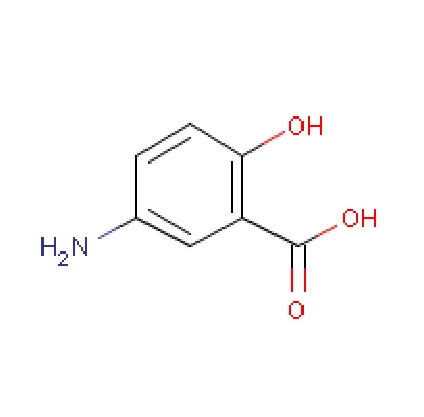
Chemical name: 5-amino-2-hydroxybenzoic acid
Molecular formula and molecular mass: C7H7NO3 153.14
Structural formula:
Physicochemical properties:
Description: 5-aminosalicylic acid is an almost white or light grey or light tan to pink powder or crystals.
Solubility: Very slightly soluble in water, practically insoluble in ethanol (96%). Dissolves in dilute solutions of alkali hydroxides and in dilute hydrochloric acid.
Melting Range: about 265°C (with decomposition)
14 CLINICAL TRIALS
14.1 Clinical Trials by Indication
Ulcerative colitis
Table 4 - Summary of patient demographics for clinical trials in ulcerative colitis
| Study # | Study design | Dosage, route of administration and duration | Study subjects (n) | Mean age (Range) | Sex |
| SAT-14 (Pivotal) | Oral administration for 8 weeks of: MEZERA 500 mg tablets: 2 tablets, 3 times daily or Mesalamine ethylcellulose-coated 500 mg tablets: 2 tablets, 3 times daily | 258 | 41.6 years (18-81 years) | M: 52.3% F: 47.7% | |
| SAT-25 (Pivotal) | Oral administration for 8 weeks of: MEZERA 1 g tablets: 1 tablet, 3 times daily or MEZERA 500 mg tablets: 2 tablets, 3 times daily | 306 | 42.4 years (17-74 years) | M: 49.7% F: 50.3% |
Study SAT-14
Efficacy of MEZERA 500 mg Tablets, at a dosage of 3 g/day was demonstrated in a randomised controlled trial performed in adults with active mild to moderate ulcerative colitis.
The main objective of the pivotal study was to compare the efficacy over 8 weeks of a daily dose of 3 g mesalamine administered either as MEZERA or as ethylcellulose-coated tablets, in 500 mg tablets in patients with endoscopically-confirmed mild-to-moderate active ulcerative colitis, as defined as a Clinical Activity Index (CAI) of 6 to12, and an endoscopic index (EI) ≥ 4. The CAI was an index scale ranging from 0 to 29 points and was the sum scores of seven variables: bowel movement frequency, presence of blood, general well being, abdominal pain, temperature due to colitis, extraintestinal manifestations, and laboratory findings (erythrocyte sedimentation rate and hemoglobin). The EI endoscopic index scale could range from 0 to a maximum of 12.
The primary endpoint was the rate of clinical remission at the final/withdrawal examination. Clinical remission (complete response) was defined by the CAI ≤ 4.
Study SAT-25
Efficacy of MEZERA 1 g Tablets, at a dosage of 3 g/day was demonstrated in a randomised controlled trial performed in adults with active mild to moderate ulcerative colitis.
The main objective of the pivotal study was to prove the non-inferiority of an 8-week treatment with one MEZERA 1 g tablet three times daily (TID) versus two MEZERA 500 mg tablets TID daily in patients with endoscopically-confirmed mild-to-moderate active ulcerative colitis, as defined as a Clinical Activity Index (CAI) of 4 to12, and an endoscopic index (EI) ≥ 4. The CAI was an index scale ranging from 0 to 29 points and was the sum scores of seven variables: bowel movement frequency, presence of blood, general well being, abdominal pain, temperature due to colitis, extraintestinal manifestations, and laboratory findings (erythrocyte sedimentation rate and hemoglobin). The EI endoscopic index scale could range from 0 to a maximum of 12.
The primary endpoint was the percentage of patients being in clinical remission at Visit 4 - Last observation carried forward (V4-LOCF). Clinical remission was defined as CAI ≤ 4 with stool frequency subscore of 0 (i.e. < 18 stools/week [CAI subscore 1]) and rectal bleeding subscore of 0 (i.e. 0-1 stools with blood in or on the stool [CAI subscore 2]).
Study Results
Study SAT-14
Table 5 - Proportion of Patients in Clinical Remission (CAI ≤4) at Study End, Study SAT 14
MEZERA 500 mg tablets 3 g/day | Ethylcellulose coated mesalamine 500 mg tablets 3 g/day | p-value 95% CI (difference in remission rates) | |
| Per Protocol analysis set | n = 109 69% | n = 106 69% | 0.01976 -0.1238, 0.1226 |
| Intent-to-Treat analysis set | n = 131 63% | n = 127 64% | 0.02120 -0.1259, 0.1073 |
Note: One of the 127 ITT patients in the ethylcellulose group was not evaluable with respect to clinical remission.
A total of 260 patients with mild to moderate active UC were randomised, 258 patients were treated, and 228 patients completing the study. The 30 patients withdrawn prematurely during treatment were withdrawn for lack of efficacy [10 (3.9%)], lack of co operation [8 (3.1%)], intolerable adverse events [9 (3.5%)] or not satisfying the entry criteria [3 (1.2%)]. The mean CAI at baseline was 8.2 in both treatment groups.
The non-inferiority of MEZERA vs ethylcellulose-coated mesalamine was shown, based on a lower non-inferiority margin of -13.0% (p-values of 0.01976 for Per Protocol and 0.02120 for Intent-to-Treat).
Table 6 - Secondary Efficacy Parameters (Per-Protocol Analysis), Study SAT 14
| Efficacy Parameter | MEZERA 500 mg tablets 3 g/day N = 109 | Ethylcellulose coated mesalamine 500 mg tablets 3 g/day N = 106 |
| Change of number of stools per week (mean (SEM)): | -15.3 (1.8) | -14.3 (2.0) |
| Change of number of bloody stools per week (mean (SEM)): | -13.9 (1.5) | -14.0 (1.6) |
| Endoscopic remission rates (valid n analysis): (n/Nt (%)) | 45/107 (42%) | 44/102 (43%) |
| Histological improvement rates: (n/Nt (%)) | 71/109 (65%) (n.d.: 5) | 67/106 (63%) (n.d.: 6) |
Notes: Nt’ = group total; n.d. = not determinable (included in denominator); SEM = Standard error of the mean
Histological improvement = Decrease in histological index (HI) by ≥1 point from baseline to week 8.
The degree of mucosal inflammation was evaluated on a 5-level scale as 0:“none”, 1: “remission’, 2:“mild”, 3:“moderate”, and 4: “severe”.
Other secondary efficacy parameters (PP analysis set) were generally supportive of the primary efficacy parameter. The rate of patients with remission was 39% (MEZERA) and 34% (Ethylcellulose coated) when remission was defined as CAI<4 with number of stool = 0 and number of bloody stool = 0.
Note that no adjustment for multiplicity of testing was performed, therefore, no definitive conclusion can be drawn regarding the statistical significance of the secondary endpoints.
Study SAT-25
Table 7 - Number (%) of patients in clinical remission at V4-LOCF, Study SAT-25
MEZERA 1 g tablets 3 g/day | MEZERA 500 mg tablets 3 g/day | Difference between proportions [95%-RCI] | p-value | |
| Per Protocol Analysis | n = 103 46.6% | n = 114 38.6% | 8.0% [-9.6%, 25.2%] | 0.0003 |
Notes: RCI = Repeated 95% confidence interval; V4-LOCF = Visit 4 - Last observation carried forward
A total of 306 patients have been randomised and took at least one dose of the study medication and 14 patients terminated the study prematurely. The most common primary reason was lack of patient’s co-operation (6 patients), lack of efficacy (4 patients) and intolerable adverse event (3 patients). Other reasons applied in 1 patient. There was no indication that treatment groups were differentially affected by withdrawal reasons. In total, 291 patients participated in the follow-up phase.
The primary efficacy analysis was performed on the Per Protocol population of 217 patients. Twenty-one patients were excluded from the Per Protocol analysis because of protocol violations. No notable differences were observed between the treatment groups with regard to the protocol violations resulting in exclusion of patients from the Per Protocol set.
The non-inferiority of MEZERA 500 mg tablets vs MZERA 1 g tablets was shown, based on a lower non-inferiority margin of -10.0% (p-values of 0.0003 for Per Protocol analysis and <0.0001 for Intent-to-Treat analysis).
Secondary efficacy parameters (full analysis set) were generally supportive of the primary efficacy parameter and confirmed the results of the primary analysis. Note that no adjustment for multiplicity of testing was performed, therefore, no definitive conclusion can be drawn regarding the statistical significance of the secondary endpoints.
15 MICROBIOLOGY
No microbiological information is required for this drug product.
16 NON-CLINICAL TOXICOLOGY
General Toxicology
Animal studies to date show the kidney to be the only significant target organ for mesalamine toxicity in rats and dogs. At high doses (640 mg/kg/day), the lesions produced consisted of papillary necrosis and multifocal proximal tubular injury. In rats, the no-effect levels were 160 mg/kg/day for females and 40 mg/kg/day for males (minimal and reversible tubular lesions seen) after 13 weeks of oral administration. In dogs, the no-effect level in both males and females was 40 mg/kg/day after 6 months of oral administration. In this six-month oral toxicity study in dogs, doses of 80 mg/kg/day and higher, caused renal pathology similar to that described for the rat. Aside from gastric lesions, heart lesions and bone marrow depression seen in some of the rats at the 640 mg/kg level and considered secondary effects of kidney damage, no other signs of systemic toxicity were noted at daily doses up to 160 mg/kg in rats and 120 mg/kg in dogs for 13 weeks and six months, respectively.
In the 12-month oral toxicity study in dogs, keratoconjunctivitis sicca (KCS), a lesion relatively common lesion in dogs, occurred at oral doses of 40 mg/kg/day and above.
Carcinogenicity
Administration of doses of 0, 50, 100 and 320 mg/kg/day for 127 weeks in rats did not result in significant differences in unscheduled deaths, clinical signs, nodules or masses, between groups. Ophthalmoscopic investigations revealed no treatment-related changes. Treatment with mesalamine was not associated with oncogenic changes or an increased tumor risk. The assessment of hematology, clinical biochemistry and urinalysis indicated no changes of toxicological significance at 13, 26 and 52 weeks of treatment.
After 127 weeks, analysis of the lesions indicated slight substance-related and dose-dependent toxic changes as degenerative kidney damage and hyalinization of tubular basement membrane and Bowman’s capsule in the 100 mg and 320 mg/kg/day groups. Ulceration of the gastric mucosa and atrophy of the seminal vesicles were also more frequent in the 320 mg/kg/day group.
Genotoxicity
Mesalamine was not mutagenic in the Ames test, E. coli reverse mutation assay, mouse micronucleus test, sister chromatid exchange assay, or in a chromosomal aberrations assay.
Reproductive and Developmental Toxicology
Teratology studies with mesalamine have been performed in rats at oral doses up to 320 mg/kg/day and in rabbits at oral doses up to 495 mg/kg/day. The battery of tests completed to date has shown that mesalamine is devoid of embryotoxicity and teratogenicity in rats and rabbits; that it does not affect male rat fertility after five weeks of oral administration at 296 mg/kg/day; and that it lacks the potential to affect late pregnancy, delivery, lactation or pup development in rats.
Special Toxicology (Other studies)
Nephrotoxic potential of 5-aminosalicylic acid
Owing to its structural relationship to phenacetin, the aminophenols and salicylates, mesalamine was included in a series of compounds studied following identification of antipyretic-analgesic nephropathy in humans. Mesalamine also produced papillary necrosis, following single intravenous doses ranging from 150 mg/kg to 872 mg/kg in rats in addition to the proximal tubule necrosis seen with acetylsalicylic acid (e.g. Aspirin®) and phenacetin derivatives. These findings are consistent with the renal changes observed in the toxicity studies with mesalamine (see above).
It has been shown that oral doses of mesalamine of 30 mg/kg and 200 mg/kg daily for four weeks failed to produce any adverse effects on kidney function or histology in rat.
Animal Studies
Animal pharmacology tests were conducted on mesalamine using the oral route of administration for most tests, at a dose of 500 mg/kg in order to simulate practice-relevant conditions. In the paw-edema test with carrageen injection, 200 mg/kg per os proved ineffective, but 500 mg/kg mesalamine per os exhibited mild antiphlogistic action.
In the animal renal function tests (natriuresis and diuresis), no biologically relevant effects of 200 mg/kg per os were demonstrated. After 600 mg/kg, marked functional changes were observed: increases in total urinary output, natriuresis and proteinuria. The urinary sediment contained an increased number of erythrocytes and epithelial cells. Both potassium elimination and specify weight were reduced. It can be concluded from these experiments that even high doses of mesalamine have no effect on vital parameters. Disturbances in renal function are to be expected only at dosages equivalent to a single dose at least 8 to 10 times the daily dose in man.