


Product Monograph - Auro-Levetiracetam
RECENT MAJOR LABEL CHANGES
| 7 WARNINGS AND PRECAUTIONS, Neurologic | 12/2023 |
|---|---|
| 7 WARNINGS AND PRECAUTIONS, Psychiatric | 12/2023 |
TABLE OF CONTENTS
Sections or subsections that are not applicable at the time of authorization are not listed.
RECENT MAJOR LABEL CHANGES ........................................................................................... 2
TABLE OF CONTENTS ............................................................................................................. 2
PART I: HEALTH PROFESSIONAL INFORMATION .................................................................... 4
1 INDICATIONS ...................................................................................................................... 4
1.1 Pediatrics .......................................................................................................................... 4
1.2 Geriatrics .......................................................................................................................... 4
2 CONTRAINDICATIONS ......................................................................................................... 4
4 DOSAGE AND ADMINISTRATION ........................................................................................ 4
4.1 Dosing Considerations ...................................................................................................... 4
4.2 Recommended Dose and Dosage Adjustment ................................................................. 4
4.4 Administration ................................................................................................................. 6
4.5 Missed Dose ..................................................................................................................... 6
5 OVERDOSAGE ..................................................................................................................... 6
6 DOSAGE FORMS, STRENGTHS, COMPOSITION AND PACKAGING ........................................ 7
7 WARNINGS AND PRECAUTIONS .......................................................................................... 7
7.1 Special Populations ........................................................................................................ 12
7.1.1 Pregnant Women ....................................................................................................................... 12
7.1.2 Breastfeeding ............................................................................................................................. 12
7.1.3 Pediatrics .................................................................................................................................... 13
7.1.4 Geriatrics .................................................................................................................................... 13
8 ADVERSE REACTIONS ........................................................................................................ 13
8.1 Adverse Reaction Overview ........................................................................................... 13
8.2 Clinical Trial Adverse Reactions ...................................................................................... 13
8.4 Abnormal Laboratory Findings: Hematologic, Clinical Chemistry and Other Quantitative Data ...................................................................................................................................... 16
8.5 Post-Market Adverse Reactions ..................................................................................... 17
9 DRUG INTERACTIONS ....................................................................................................... 18
9.2 Drug Interactions Overview............................................................................................ 18
9.3 Drug-Behavioural Interactions ....................................................................................... 18
9.4 Drug-Drug Interactions ................................................................................................... 18
9.5 Drug-Food Interactions .................................................................................................. 19
9.6 Drug-Herb Interactions .................................................................................................. 19
9.7 Drug-Laboratory Test Interactions ................................................................................. 19
10 CLINICAL PHARMACOLOGY ............................................................................................. 20
10.1 Mechanism of Action ................................................................................................... 20
10.3 Pharmacokinetics ......................................................................................................... 21
11 STORAGE, STABILITY AND DISPOSAL ............................................................................... 24
12 SPECIAL HANDLING INSTRUCTIONS ................................................................................ 24
PART II: SCIENTIFIC INFORMATION ...................................................................................... 25
13 PHARMACEUTICAL INFORMATION ................................................................................. 25
14 CLINICAL TRIALS.............................................................................................................. 26
14.1 Clinical Trials by Indication ........................................................................................... 26
14.3 Comparative Bioavailability Studies ............................................................................. 30
15 MICROBIOLOGY .............................................................................................................. 31
16 NON-CLINICAL TOXICOLOGY ........................................................................................... 31
17 SUPPORTING PRODUCT MONOGRAPHS ......................................................................... 33
PATIENT MEDICATION INFORMATION ................................................................................ 34
PART I: HEALTH PROFESSIONAL INFORMATION
1 INDICATIONS
Auro-Levetiracetam (levetiracetam) is indicated as adjunctive therapy in the management of adult (> 18 years of age) patients with epilepsy who are not satisfactorily controlled by conventional therapy.
1.1 Pediatrics
Pediatrics (< 18 years of age): Based on the data submitted and reviewed by Health Canada, the safety and efficacy of levetiracetam in pediatric patients has not been established; therefore, Health Canada has not authorized an indication for pediatric use (see 7.1.3 Pediatrics and 10.3 Pharmacokinetics, Special Populations and Conditions, Pediatrics).
1.2 Geriatrics
Geriatrics (≥ 65 years of age): Evidence from clinical studies and experience suggests that use in the geriatric population is associated with differences in safety or efficacy (see 7.1.4 Geriatrics, 4.2 Recommended Dose and Dosage Adjustment, Geriatrics and 10.3 Pharmacokinetics, Special Populations and Conditions, Geriatrics).
2 CONTRAINDICATIONS
Auro-Levetiracetam is contraindicated in patients who are hypersensitive to:
- this drug or to any ingredient in the formulation, including any non-medicinal ingredient, or component of the container. For a complete listing, see 6 DOSAGE FORMS, STRENGTHS, COMPOSITION AND PACKAGING.
4 DOSAGE AND ADMINISTRATION
4.1 Dosing Considerations
Auro-Levetiracetam is given orally with or without food. After oral administration, the bitter taste of levetiracetam may be experienced.
4.2 Recommended Dose and Dosage Adjustment
Adults
Treatment should be initiated at a dose of 1000 mg/day, given as twice daily dosing (500 mg bid). Depending on clinical response and tolerability, the daily dose may be increased every two weeks by increments of 1000 mg, to a maximum recommended daily dose of 3000 mg.
In clinical trials, daily doses of 1000 mg, 2000 mg, and 3000 mg, given as twice a day dosing, were shown to be effective. Although there was a tendency toward greater response rate with higher dose, a consistent statistically significant increase in response with increased dose has not been shown. There are limited safety data from controlled clinical trials at doses higher than 3000 mg/day (approximately 40 patients), therefore these doses are not recommended.
Patients with Impaired Renal Function
Renal excretion of unchanged drug accounts for approximately 66% of administered levetiracetam dose. Consistent with this, Auro-Levetiracetam dosage should be reduced in patients with impaired renal function (see Table 1 below). Patients with end stage renal disease should receive supplemental doses following dialysis. To use this dosing table, an estimate of the patient’s creatinine clearance is needed.
CLcr in mL/min may be estimated from serum creatinine (mg/dL) determination using the following formula:
[140 - age (years)] x weight (kg)
CLcr = -------------------------------------------------- (x 0.85 for female patients)
72 x serum creatinine (mg/dL)
Then CLcr is adjusted for body surface area (BSA) as follows:
CLcr (mL/min)
CLcr (mL/min/1.73m2) = ---------------------------- x 1.73
BSA subject (m2)
Table 1 – Dosing Adjustment for Patients with Impaired Renal Function
| Group | Creatinine Clearance (mL/min/1.73 m2) | Dosage and Frequency |
|---|---|---|
| Normal | > 80 | 500 to 1500 mg twice daily |
| Mild | 50 – 79 | 500 to 1000 mg twice daily |
| Moderate | 30 – 49 | 250 to 750 mg twice daily |
| Severe* | < 30 | 250 to 500 mg twice daily |
| End-stage renal disease patients undergoing dialysis (1) | – | 500 to 1000 mg once daily |
(1) Following dialysis, a 250 to 500 mg supplemental dose is recommended.
- * or according to best clinical judgment
Patients with Impaired Hepatic Function
No dose adjustment is needed in patients with mild to moderate hepatic impairment. In patients with severe hepatic impairment, the creatinine clearance may underestimate the renal insufficiency. Therefore a 50% reduction of the daily maintenance dose is recommended when the creatinine clearance is <60 mL/min/1.73m2.
Pediatrics (< 18 years of age): Health Canada has not authorized an indication for pediatric use (see 1.1 Pediatrics and 7.1.3 Pediatrics).
Geriatrics (≥ 65 years of age)
Dose selection and titration should proceed cautiously in elderly patients, as renal function decreases with age.
4.4 Administration
The film-coated tablets must be taken orally, swallowed with liquid. The daily dose is administered in two equally divided doses.
4.5 Missed Dose
If the patient misses a dose by a few hours, they should be instructed to take Auro-Levetiracetam as soon as they remember. If it is close to their next dose, they should be instructed to take their medication at the next regular time. Patients should not take two doses at the same time.
5 OVERDOSAGE
Symptoms
The highest reported levetiracetam overdose is approximately 10 times the therapeutic dose. In the majority of overdose cases, multiple drugs were involved. Somnolence, agitation, aggression, depressed level of consciousness, respiratory depression, and coma were observed with levetiracetam overdoses. The minimal lethal oral dose in rodents is a least 233 times the maximum clinically studied dose.
Treatment
There is no antidote for overdose with levetiracetam; treatment is symptomatic and may include hemodialysis. If indicated, elimination of unabsorbed drug should be attempted by emesis or gastric lavage; usual precautions should be observed to maintain airway. General supportive care of the patient is indicated including monitoring of vital signs and observation of the clinical status of the patient.
Standard hemodialysis procedures result in significant removal of levetiracetam (approximately
50% in 4 hours) and should be considered in cases of overdose. Although hemodialysis has not been performed in the few known cases of overdose, it may be indicated by the patient’s clinical state or in patients with significant renal impairment.
| For management of a suspected drug overdose, contact your regional poison control centre. |
|---|
6 DOSAGE FORMS, STRENGTHS, COMPOSITION AND PACKAGING
Table 2 – Dosage Forms, Strengths, Composition and Packaging
Route of Administratio n | Dosage Form / Strength/Compositi on | Non-medicinal Ingredients |
|---|---|---|
| oral | tablets 250 mg, 500 mg & 750 mg | Non-medicinal ingredients: Colloidal anhydrous Silica, Hypromellose 3cP, Hypromellose 6cP, Magnesium stearate, Maize Starch, Polyethylene glycol 4000, Povidone, Talc and Titanium Dioxide, Additionally 250 mg tablet contains FD & C Blue # 2, 500 mg tablet contains Iron oxide yellow and 750 mg tablet contains FD & C Blue # 2, FD & C Yellow # 6 and Iron oxide red. |
Auro-Levetiracetam film-coated tablets contain the labeled amount of levetiracetam.
Auro-Levetiracetam tablets, 250 mg are Blue, oval shaped, biconvex film-coated tablets debossed with a deep break line separating ‘E’ and ‘10’ on one side and plain on the other side. They are supplied in HDPE bottles of 30’s, 100’s, 120’s and 500’s.
Auro-Levetiracetam tablets, 500 mg are Yellow, oval shaped, biconvex film-coated tablets debossed with a deep break line separating ‘E’ and ‘11’ on one side and plain on the other side. They are supplied in HDPE bottles of 30’s, 100’s, 120’s and 500’s.
Auro-Levetiracetam tablets, 750 mg are Orange, oval shaped, biconvex film-coated tablets debossed with a deep break line separating ‘E’ and ‘12’ on one side and plain on the other side. They are supplied in HDPE bottles of 30’s, 100’s, 120’s, 250’s and 500’s.
7 WARNINGS AND PRECAUTIONS
General
As with all antiepileptic drugs, Auro-Levetiracetam should be withdrawn gradually to minimize the potential of increased seizure frequency.
Carcinogenesis and Mutagenesis
See 16 NON-CLINICAL TOXICOLOGY, Carcinogenicity and 16 NON-CLINICAL TOXICOLOGY, Genotoxicity for discussion on animal data.
Cardiovascular
QT Prolongation
The effect of levetiracetam on the QTc interval was evaluated in a randomized, double-blind, placebo- and positive-controlled, single-dose, four-way crossover study of levetiracetam (1000 mg or 5000 mg) in 52 healthy subjects. The maximum difference from placebo in the mean change from baseline QTc was 4.0 ms (90% CI: 0.0, 8.0) for levetiracetam 1000 mg treatment at 4 h after dosing and 4.1 ms (90% CI: 0.1, 8.1) for the levetiracetam 5000 mg (supratherapeutic) treatment at 1.5 h after dosing.
Rare cases of ECG QT interval prolongation have been observed during post-marketing surveillance in patients with and without a prior history of cardiac conditions. Auro-Levetiracetam should be used with caution, particularly in patients with QTc-interval prolongation, in patients concomitantly treated with drugs affecting the QTc-interval, or in patients with relevant pre-existing cardiac disease or electrolyte disturbances (see 8.5 Post-Market Adverse Reactions, Cardiac disorders).
Driving and Operating Machinery
Levetiracetam may cause somnolence and fatigue, as well as other central nervous system related symptoms (e.g., coordination difficulties). Therefore, patients are advised not to drive or operate machinery or other skilled tasks until it is established that their ability to perform such activities is not affected.
Hematologic
Statistically significant decreases compared to placebo were seen in total mean RBC count, mean hemoglobin, and mean hematocrit in levetiracetam-treated patients in controlled trials. For hemoglobin values, the percentage of levetiracetam or placebo treated patients with possibly clinically significant abnormalities were less than 0.5% each. For hematocrit values, a total of 5.1% of levetiracetam treated versus 3.2% of placebo patients had at least one possibly significant decrease in hematocrit (≤ 37% in males and 32% in females).
For white blood cells (WBC), 2.9% of treated versus 2.3% of placebo patients had at least one possibly clinically significant decrease in WBC count (≤ 2.8 x 10⁹/L), while 2.6% of treated vs. 1.7% of placebo patients had at least one possibly significant decrease in neutrophil count (≤ 1.0 x 10⁹/L). Of the levetiracetam treated patients with a low neutrophil count, all but one rose towards or reached baseline with continued treatment. No patient was discontinued secondary to low neutrophil counts.
Cases of decreased blood cell counts (neutropenia, agranulocytosis, leucopenia, thrombocytopenia and pancytopenia) have been described in association with levetiracetam administration. Complete blood cell counts are advised in patients experiencing important weakness, pyrexia, recurrent infections or coagulation disorders (see 8.5 Post-Market Adverse Reactions, Blood and lymphatic disorders).
Hepatic/Biliary/Pancreatic
Reports of hepatitis and hepatic failure in patients taking levetiracetam, with and without other medications, have been received in post-market surveillance (see 8.5 Post-Market Adverse Reactions). For information on dosage adjustment in patients with severe hepatic impairment, see 4.2 Recommended Dose and Dosage Adjustment.
Immune
Hypersensitivity Reactions
- Serious Dermatological Reactions
Serious hypersensitivity reactions with dermatological involvement have been reported in both children and adults in association with levetiracetam use, including Stevens-Johnson syndrome (SJS), Toxic Epidermal Necrolysis (TEN), and Drug Reaction with Eosinophilia and Systemic Symptoms (DRESS).
Such serious skin reactions may be life-threatening, and some patients have required hospitalization with very rare reports of fatal outcome. There is no way to tell if a mild rash will become a severe skin reaction. If any of these hypersensitivity reactions are suspected, and an alternative cause cannot be established, Auro-Levetiracetam should be discontinued. Recurrence of the serious skin reactions following re- challenge with levetiracetam has been reported.
The median time to onset for reported cases of SJS and TEN was 12 days. The reporting rate of TEN and SJS associated with levetiracetam use, which is generally accepted to be an underestimate due to under reporting, is 9 cases/million patient years. This exceeds the background incidence rate estimates for these serious skin reactions in the general population; background estimates range between 0.5 to 6 cases per million-person years.
The time to onset of DRESS may be longer than for SJS and TEN, e.g. up to 6 weeks or more after treatment initiation. Typically, although not exclusively, DRESS initially presents with fever and rash, and then with other organ system involvement that may or may not include eosinophilia, lymphadenopathy, hepatitis, nephritis, and/or myocarditis. Because DRESS is variable in its expression, other organ system signs and symptoms not noted here may also occur. Organ involvement may be more severe than skin involvement.
- Anaphylaxis and Angioedema
Levetiracetam can cause anaphylaxis or angioedema after the first dose or at any time during treatment. Signs and symptoms in cases reported in the post-marketing setting have included hypotension, hives, rash, respiratory distress, and swelling of the face, lip, mouth, eye, tongue, throat, and feet. In some reported cases, reactions were life-threatening and required emergency treatment. If a patient develops signs or symptoms of anaphylaxis or angioedema, the patient should seek immediate medical attention. Auro-Levetiracetam should be discontinued permanently if a clear alternative etiology for the reaction cannot be established.
Neurologic
Somnolence and Fatigue
Due to possible different individual sensitivity, some patients might experience somnolence or other central nervous system related symptoms (e.g. coordination difficulties), at the beginning of treatment or following a dose increase (see 8 ADVERSE REACTIONS).
Seizure Worsening
A paradoxical reaction of worsening of seizure may be observed especially when starting treatment or at increase in dose.
Lack of efficacy or seizure worsening has also been reported in patients with epilepsy associated with sodium voltage-gated channel alpha subunit 8 (SCN8A) mutations. In the case of lack of efficacy or worsening seizures, use of Auro-Levetiracetam should be re-evaluated.
Psychiatric
Suicidal Ideation and Behaviour
Suicidal ideation and behaviour have been reported in patients treated with antiepileptic agents in several indications.
All patients treated with antiepileptic drugs, irrespective of indication, should be monitored for signs of depression and/or suicidal ideation and behaviour and appropriate treatment should be considered. Patients (and caregivers of patients) should be advised to seek medical advice should signs of suicidal ideation or behaviour emerge.
An FDA meta-analysis of randomized placebo-controlled trials, in which antiepileptic drugs were used for various indications, has shown a small increased risk of suicidal ideation and behaviour in patients treated with these drugs. The mechanism of this risk is not known.
There were 43892 patients in the placebo controlled clinical trials that were included in the meta- analysis. Approximately 75% of patients in these clinical trials were treated for indications other than epilepsy and, for the majority of non-epilepsy indications the treatment (antiepileptic drug or placebo) was administered as monotherapy. Patients with epilepsy represented approximately 25% of the total number of patients treated in the placebo controlled clinical trials and, for the majority of epilepsy patients, treatment (antiepileptic drug or placebo) was administered as adjunct to other antiepileptic agents (i.e., patients in both treatment arms were being treated with one or more antiepileptic drug). Therefore, the small increased risk of suicidal ideation and behaviour from the meta-analysis (0.43% for patients on antiepileptic drugs compared to 0.24% for patients on placebo) is based largely on patients that received monotherapy treatment (antiepileptic drug or placebo) for non-epilepsy indications. The study design does not allow an estimation of the risk of suicidal ideation and behaviour for patients with epilepsy that are taking antiepileptic drugs, due both to this population being the minority in the study, and the drug- placebo comparison in this population being confounded by the presence of adjunct antiepileptic drug treatment in both arms.
Psychiatric Reactions and Changes in Behaviour
Auro-Levetiracetam may cause behavioural abnormalities and psychotic symptoms. Behavioural adverse reactions reported with levetiracetam include affect liability, aggression, agitation, anger, anxiety, apathy, depression, hostility, irritability, personality change, paranoia and obsessive-compulsive disorder (OCD). Closely monitor patients treated with Auro-Levetiracetam for psychiatric signs and symptoms.
Renal
Renal excretion of unchanged drug accounts for approximately 66% of administered levetiracetam dose. Consistent with this, pharmacokinetic studies in renally-impaired patients indicate that apparent clearance is significantly reduced in subjects with renal impairment (see 10.3 Pharmacokinetics, Special Populations and Conditions, Renal Insufficiency).
In patients with renal impairment Auro-Levetiracetam dosage should be appropriately reduced. Patients with end stage renal disease, i.e. those undergoing dialysis should be given supplemental doses after dialysis (see 4.2 Recommended Dose and Dosage Adjustment, Patients with Impaired Renal Function).
Reproductive Health: Female and Male Potential
- Fertility
The effect of this medication on human fertility is unknown. No adverse effects on male or female fertility or reproductive performance were observed in rats at doses up to 1800 mg/kg/day (see 16 NON-CLINICAL TOXICOLOGY, Reproductive and Developmental Toxicology)
- Teratogenic Risk
There is non-clinical evidence suggesting that levetiracetam is embryotoxic and teratogenic (see 16 NON-CLINICAL TOXICOLOGY, Reproductive and Developmental Toxicology). Auro-Levetiracetam should therefore be used during pregnancy only when the potential benefits outweigh the possible risks to the fetus (see 7.1.1 Pregnant Women).
7.1 Special Populations
7.1.1 Pregnant Women
Levetiracetam Blood Levels May Decrease During Pregnancy: As with other antiepileptic drugs, physiological changes during pregnancy may affect levetiracetam concentration. There have been reports of decreased levetiracetam concentration during pregnancy. This decrease is more pronounced during the third trimester (up to 60% of baseline concentration before pregnancy). It is recommended that clinical response should be monitored carefully in women receiving Auro-Levetiracetam treatment during pregnancy, and determination of changes in plasma concentrations should be considered to ensure that adequate seizure control is maintained throughout pregnancy. In the event that medication is increased during pregnancy, the dose may need to be adjusted postpartum).
Risk to the Unborn Child: In reproductive toxicity studies in rats and rabbits, levetiracetam induced developmental toxicity at exposure levels similar to or greater than the human exposure. There was evidence of increased skeletal variations/minor anomalies, retarded growth, embryonic death, and increased pup mortality. In the rat, fetal abnormalities occurred in the absence of overt maternal toxicity. The systemic exposure at the observed no effect level in the rabbit was about 4 to 5 times the human exposure. There are no adequate and well-controlled studies on the use of levetiracetam in pregnant women. Levetiracetam and/or its metabolites cross the placental barrier in animal species and in humans.
Information about the potential risk for humans is limited. Pregnancy registry data indicate that the risk of having a child with a birth defect is greater for women on antiepileptic polytherapy, including levetiracetam as a component, than for women not treated with antiepileptic drugs. Auro-Levetiracetam should not be used during pregnancy unless potential benefits to mother and fetus are considered to outweigh potential risks to both. Discontinuation of antiepileptic treatments may result in disease worsening, which can be harmful to the mother and the fetus.
Pregnancy Registry: Pregnant patients taking Auro-Levetiracetam should be encouraged to enroll in the North American Antiepileptic Drug Pregnancy Registry. This can be done by calling the toll-free number 1-888-233-2334, and must be done by patients themselves. Information on the registry can also be found at the following website: http://www.aedpregnancyregistry.org/
7.1.2 Breastfeeding
Levetiracetam is excreted in breast milk. Therefore, there is a potential for serious adverse reactions from levetiracetam in nursing infants. A decision should be made whether to discontinue nursing or discontinue the drug, taking into account the importance of the drug to the mother, and the as-yet uncharacterized risks to the infant.
7.1.3 Pediatrics
Pediatrics (< 18 years of age): Based on the data submitted and reviewed by Health Canada, the safety and efficacy of levetiracetam in pediatric patients has not been established; therefore, Health Canada has not authorized an indication for pediatric use.
7.1.4 Geriatrics
Geriatrics (≥65 years of age): There were 347 patients treated with levetiracetam in clinical trials that were 65 or over. No overall differences in safety were observed between these subjects and younger subjects. There were insufficient numbers of elderly patients in controlled trials for epilepsy to adequately assess the efficacy of levetiracetam in these patients (see also 4.2 Recommended Dose and Dosage Adjustment; and 10.3 Pharmacokinetics, Special Populations and Conditions).
Renal function can be decreased in the elderly and levetiracetam is known to be substantially excreted by the kidney, the risk of adverse reactions to the drug may be greater in patients with impaired renal function. A pharmacokinetic study in 16 elderly subjects (age 61-88 years) showed a decrease in clearance by about 40% with oral administration of both single dose and 10 days of multiple twice-daily dosing. This decrease is most likely due to the expected decrease in renal function in these elderly subjects. Care should therefore be taken in dose selection for elderly patients, and it may be useful to monitor renal function (see 4.2 Recommended Dose and Dosage Adjustment).
8 ADVERSE REACTIONS
8.1 Adverse Reaction Overview
In well-controlled clinical studies, the most frequently reported adverse events associated with the use of levetiracetam in combination with other AEDs, not seen at an equivalent frequency among placebo- treated patients, were somnolence, asthenia, dizziness and infection. Of the most frequently reported adverse events, asthenia, somnolence and dizziness appeared to occur predominantly during the first four weeks of treatment with levetiracetam.
8.2 Clinical Trial Adverse Reactions
Clinical trials are conducted under very specific conditions. The adverse reaction rates observed in the clinical trials; therefore, may not reflect the rates observed in practice and should not be compared to the rates in the clinical trials of another drug. Adverse reaction information from clinical trials may be useful in identifying and approximating rates of adverse drug reactions in real-world use.
Central Nervous System Adverse Events
Levetiracetam use is associated with the occurrence of central nervous system (CNS) adverse events; the most significant of these can be classified into the following categories: 1) somnolence and fatigue, 2) behavioural/psychiatric symptoms and 3) coordination difficulties.
There was no clear dose response relationship for any of the three categories of CNS adverse events, within the recommended dose range of up to 3000 mg/day. Somnolence/asthenia and coordination difficulties occurred most frequently within the first four weeks of treatment and usually resolved while patients remained on treatment. In the case of behavioural/psychiatric symptoms (including such adverse events as aggression, agitation, anger, anxiety, emotional lability, hostility, irritability), approximately half of the patients reported these events within the first four weeks, with the remaining events occurring throughout the duration of the trials.
The following CNS adverse events were observed in controlled clinical trials.
Table 3 - Total Combined Incidence Rate for Each of the Three Categories of CNS Adverse Events in Placebo-Controlled Add-On Clinical Trials
| Category of CNS Adverse Event | Levetiracetam* + AED Therapy (n = 672) (%) | Placebo + AED Therapy (n = 351) (%) |
|---|---|---|
Somnolence and fatigue Somnolence Asthenia | 15 14 | 10 10 |
Behavioural/ psychiatric symptoms Nonpsychotic1 Psychotic2 | 14 1 | 6 0 |
| Coordination difficulties3 | 3 | 2 |
*Reflects levetiracetam doses of 1000 mg, 2000 mg, 3000 mg, and 4000 mg per day.
- 1 ”Non-psychotic behavioural/psychiatric symptoms” encompasses the following terms: agitation, antisocial reaction, anxiety, apathy, depersonalization, depression, emotional lability, euphoria, hostility, nervousness, neurosis, personality disorder and suicide attempt.
- 2 ”Psychotic behavioural/psychiatric symptoms” encompasses the following terms: hallucinations, paranoid reaction, psychosis and psychotic depression.
3 ”Coordination difficulties” encompasses the following terms: ataxia, abnormal gait, incoordination.
See Table 4 for incidence rate of individual AEs contained within the categories.
Behavioural/psychiatric symptoms (including agitation, emotional lability, hostility, anxiety etc.) have been reported approximately equally in patients with and without a psychiatric history.
There was no clear dose response relationship for any of the three categories of CNS adverse events, within the recommended dose range of up to 3000 mg/day. In a controlled study including a dose of 4000 mg, administered without titration, the incidence rate of somnolence during the first four weeks of treatment for patients receiving the high dose was 42%, compared to 21% for patients receiving 2000 mg/day.
Table 4 - Incidence (%) of Treatment-Emergent Adverse Events in Placebo-Controlled, Add-On Studies by Body System. (Adverse events occurred in at least 1% Of Levetiracetam-treated patients and occurred more frequently than placebo-treated patients.) (Studies N051, N052, N132 and N138)
| Body System / Adverse Event | Levetiracetam+ AED Therapy (n = 672) (%) | Placebo + AED Therapy (n = 351) (%) |
|---|---|---|
Body as a Whole Asthenia Infection* | 14 13 | 10 7 |
Digestive System Tooth disorders | 2 | 1 |
Hemic and Lymphatic System Ecchymosis | 2 | 1 |
Nervous System Amnesia Anxiety Ataxia Depression Dizziness Emotional lability Hostility Nervousness Personality disorders Somnolence Thinking abnormal Vertigo | 2 2 3 4 9 2 2 4 1 15 2 3 | 0 1 1 2 4 0 1 2 0 10 1 1 |
Respiratory System Pharyngitis Rhinitis Sinusitis | 6 4 2 | 4 3 1 |
*In levetiracetam-treated patients, the majority of “Infection” events (93%) were coded to reported terms of “common cold” or “infection upper respiratory”.
Other events reported by 1% or more of patients treated with levetiracetam but as or more frequent in the placebo group were: abdominal pain, accidental injury, amblyopia, anorexia, back pain, bronchitis, chest pain, confusion, constipation, convulsion, cough increased, diarrhea, diplopia, drug level increased, dysmenorrhea, dyspepsia, fever, flu syndrome, fungal infection, gastroenteritis, gingivitis, grand mal convulsion, headache, insomnia, nausea, otitis media, pain, paresthesia, rash, tremor, urinary tract infection, vomiting and weight gain.
Additional Events Observed in Placebo Controlled Trials
Lack of Dose Related Incidence of Adverse Events within Therapeutic Range
Based on the data from the controlled clinical trials, there was no evidence of dose relationship within the recommended dose range of 1000 to 3000 mg/day.
Discontinuation or Dose Reduction in Well-Controlled Clinical Studies
In well-controlled clinical studies, 14.3% of patients receiving levetiracetam and 11.7% receiving placebo either discontinued or had a dose reduction as a result of an adverse event. Table 5 lists the most common (>1%) adverse events that resulted in discontinuation or dose reduction.
Table 5 - Adverse Events that Most Commonly Resulted in Discontinuation or Dose Reduction in Placebo-Controlled Studies in Patients with Epilepsy
Levetiracetam (n = 672) | Placebo (n = 351) | |
|---|---|---|
| Asthenia | 9 (1.3%) | 3 (0.9%) |
| Headache | 8 (1.2%) | 2 (0.6%) |
| Convulsion | 16 (2.4%) | 10 (2.8%) |
| Dizziness | 11 (1.6%) | 0 |
| Somnolence | 31 (4.6%) | 6 (1.7%) |
| Rash | 0 | 5 (1.4%) |
The overall adverse experience profile of levetiracetam was similar between females and males. There are insufficient data to support a statement regarding the distribution of adverse experience reports by age and race.
The following adverse events were seen in well-controlled studies of levetiracetam for indications in epilepsy other than those approved in this labeling: balance disorder, disturbance in attention, eczema, hyperkinesia, memory impairment, myalgia, nasopharyngitis, pruritus, mood swings, and vision blurred, aggression, agitation, depression, and irritability.
8.4 Abnormal Laboratory Findings: Hematologic, Clinical Chemistry and Other Quantitative Data
Levetiracetam can cause hematologic abnormalities, including decreases in white blood cell (WBC) and neutrophil counts, decreases in red blood cell (RBC) counts, hemoglobin, and hematocrit, and increases in eosinophil counts (see 7 WARNINGS AND PRECAUTIONS, Hematologic and 7 WARNINGS AND PRECAUTIONS, Immune).
8.5 Post-Market Adverse Reactions
In post-marketing experience, nervous system and psychiatric disorders have most frequently been reported. In addition to adverse reactions during clinical studies, and listed above, the following adverse reactions have been reported in post-marketing experience. Data are insufficient to support an estimate of their incidence in the population to be treated.
Blood and lymphatic disorders: agranulocytosis, leukopenia, neutropenia, pancytopenia (with bone marrow suppression identified in some of these cases), thrombocytopenia (see 7 WARNINGS AND PRECAUTIONS, Hematologic).
Cardiac disorders: electrocardiogram QT prolonged.
Hepatic/Biliary/Pancreatic: Reports of abnormal liver function tests, hepatitis, hepatic failure, and pancreatitis in patients taking levetiracetam, with and without other medications, have been received.
Immune system disorders: Hypersensitivity reactions such as SJS, TEN, DRESS and anaphylactic reactions (see 7 WARNINGS AND PRECAUTIONS, Immune).
Metabolism and nutrition disorders: weight decreased, cases of hypokalemia, hyponatremia, and hypomagnesaemia have been associated with the use of levetiracetam.
Musculoskeletal and connective tissue disorders: muscular weakness, rhabdomyolysis and/or blood creatine phosphokinase increase has been reported in diverse patient populations, however, a higher prevalence of these reports in Japanese patients may signal an elevated risk.
Nervous system disorders: encephalopathy, paraesthesia, choreoathetosis, dyskinesia, lethargy, gait disturbance, increase in seizure frequency, neuroleptic malignant syndrome (NMS) with higher prevalence in Japanese patients.
Psychiatric: abnormal behaviour, anger, panic attack, anxiety, confusional state, delirium, hallucination, psychotic disorders, paranoia (see 8.2 Clinical Trial Adverse Reactions, Central Nervous System Adverse Events), suicidal behaviour (including completed suicide), and obsessive-compulsive disorder (OCD) (see 7 WARNINGS AND PRECAUTIONS, Psychiatric).
Renal and urinary disorders: Cases of acute kidney injury (including acute renal failure, nephritis) have been reported in patients treated with levetiracetam.
Reproductive Health: Fetal toxicity associated with concomitant use of levetiracetam and other antiepileptic drugs has been reported in pregnancy registries (see 7.1.1 Pregnant Women).
Skin and subcutaneous tissue disorders: Toxic Epidermal Necrolysis (TEN), Stevens-Johnson syndrome (SJS), Drug Reaction with Eosinophilia and Systemic Symptom (DRESS), erythema multiforme, angioedema (see 7 WARNINGS AND PRECAUTIONS, Immune), alopecia: in several alopecia cases, recovery was observed when levetiracetam was discontinued.
9 DRUG INTERACTIONS
9.2 Drug Interactions Overview
In Vitro Studies on Metabolic Interaction Potential
In vitro, levetiracetam and its primary metabolite have been shown not to inhibit the major human liver cytochrome P450 isoforms (CYP3A4, 2A6, 2C8/9/10, 2C19, 2D6, 2E1 and 1A2), glucuronyl transferase (paracetamol UGT i.e. UCT1A6, ethinyl estradiol UGT i.e. UGT1A1 and p-nitrophenol UGT i.e. UGT [p16.2]) and epoxide hydrolase activities. In addition, levetiracetam does not affect the in vitro glucuronidation of valproic acid. In human hepatocytes in culture, levetiracetam did not cause enzyme induction.
Levetiracetam circulates largely unbound (<10% bound) to plasma proteins; therefore, clinically significant interactions with other drugs through competition for protein binding sites are unlikely.
Thus in vitro data, in combination with the pharmacokinetic characteristics of the drug, indicate that levetiracetam is unlikely to produce, or be subject to, pharmacokinetic interactions.
9.3 Drug-Behavioural Interactions
The effect of lifestyle choices (e.g., smoking, alcohol consumption) on the use of levetiracetam has not been established.
9.4 Drug-Drug Interactions
Other Antiepileptic Drugs (AEDs)
Potential drug interactions between levetiracetam and other AEDs (phenytoin, carbamazepine, valproic acid, phenobarbital, lamotrigine, gabapentin and primidone) were assessed by evaluating the serum concentrations of levetiracetam and these AEDs during placebo-controlled clinical studies. These data suggest that levetiracetam may not significantly influence the plasma concentrations of these other AEDs, and that the other AEDs may not significantly influence the plasma concentrations of levetiracetam.
For two of these AEDs - phenytoin and valproate - formal PK interaction studies with levetiracetam were performed. Levetiracetam was co-administered with either phenytoin or valproate at doses of 3000 mg/day and 1000 mg/day respectively. No clinically significant interactions were observed.
Based on post-market experience, concomitant use of carbamazepine and levetiracetam has been reported to increase carbamazepine-induced toxicity (e.g. nystagmus, nausea, vomiting).
Antacids
No data on the influence of antacids on the absorption of levetiracetam is available.
Digoxin
Levetiracetam (1000 mg bid) did not influence the pharmacokinetics and pharmacodynamics
(ECG) of digoxin given as a 0.25 mg dose every day. Coadministration of digoxin did not influence the pharmacokinetics of levetiracetam.
Methotrexate
Concomitant administration of levetiracetam and methotrexate has been very rarely reported to decrease methotrexate clearance, resulting in increased/prolonged blood methotrexate concentration to potentially toxic levels. Blood methotrexate and levetiracetam levels should be carefully monitored in patients treated concomitantly with the two drugs.
Oral Contraceptives
A pharmacokinetic clinical interaction study has been performed in healthy subjects between the oral contraceptive containing 0.03 mg ethinyl estradiol and 0.15 mg levonorgesterol, and the lowest therapeutic dose of levetiracetam (500 mg bid). No clinically significant pharmacokinetic interactions were observed.
However, pharmacokinetic interaction studies using levetiracetam as adjunctive therapy and covering the recommended dosage range have not been conducted. Therefore, physicians should advise their female patients to be alert to any irregular vaginal bleeding or spotting, and to immediately report to them any occurrences.
Probenecid
Probenecid, a renal tubular secretion blocking agent, administered at a dose of 500 mg four times a day, did not change the pharmacokinetics of levetiracetam 1000 mg bid). CSSmax of the metabolite, ucb L057, was approximately doubled in the presence of probenecid and the renal clearance of the metabolite ucb L057 was decreased by 60%; this alteration is likely related to competitive inhibition of tubular secretion of ucb L057. The effect of levetiracetam on probenecid was not studied.
Warfarin
Levetiracetam (1000 mg bid) did not influence the pharmacokinetics of R and S warfarin (2.5 mg, 5 mg or 7.5 mg daily). Prothrombin time was not affected by levetiracetam. Coadministration of warfarin did not affect the pharmacokinetics of levetiracetam.
9.5 Drug-Food Interactions
Levetiracetam is rapidly and almost completely absorbed after oral administration. The extent of absorption of levetiracetam was not altered by food, but the rate of absorption was slightly reduced.
9.6 Drug-Herb Interactions
Interactions with herbal products have not been studied.
9.7 Drug-Laboratory Test Interactions
Interactions with laboratory tests have not been studied.
10 CLINICAL PHARMACOLOGY
10.1 Mechanism of Action
Levetiracetam is a drug of the pyrrolidine class chemically unrelated to existing antiepileptic drugs (AEDs). As with other drugs in this class, the mechanism of action of levetiracetam in man is not known (see 10.1 Mechanism of Action, Preclinical Studies below for experimental in vitro and in vivo data in animals).
Preclinical Studies
The pharmacological activity of levetiracetam has been assessed in a variety of animal models of acute seizures and chronic epilepsy. Many studies included standard antiepileptic drugs (AEDs) as comparative agents.
Levetiracetam displayed protection against seizures in animal models of chronic epilepsy involving genetic and kindled animals with spontaneous, recurrent seizures. This contrasts to a lack of anticonvulsant activity in two primary screening tests for AEDs, the maximal electroshock (MES) test, and the maximal pentylenetetrazol (PTZ) test. In general, levetiracetam is devoid of any activity against single seizures induced by maximal stimulation with different chemoconvulsants and only shows a minor anticonvulsant action upon submaximal stimulation and in threshold tests. An exception is the antiseizure protection observed against secondarily generalized activity from focal seizures induced by the chemoconvulsants pilocarpine and kainic acid. The predictive value of these animal models for mechanism of action is uncertain.
In vitro studies show that levetiracetam, at concentrations of up to 10 mcM did not appear to result in significant ligand displacement at known receptor sites such as benzodiazepine, GABA (gamma- aminobutyric acid), glycine, NMDA (N-methyl-D-asparate) reuptake sites or second messenger systems. It is unclear whether binding to any of these sites would occur at higher levetiracetam concentrations. Levetiracetam does not appear to modulate neuronal voltage-gated sodium and T-type calcium currents. Levetiracetam partially inhibits N-type calcium currents in neuronal cells.
A binding site for levetiracetam (LEV), that appears to be saturable, has been demonstrated in rat brain [Kd of 62 ± 20 nM and Bmax of 4.5 ± 0.1 pmol/mg protein] and spinal cord [Kd of 52 ± 14 nM and Bmax of 1.6 ± 0.1 pmol/mg protein], using a tritiated derivative of levetiracetam ([3H]ucb 30889). [3H]LEV and [3H]ucb 30889 are structurally related radioligands. [3H]ucb 30889 was preferentially used in binding studies, as it displayed a ten-fold higher affinity than [3H]LEV for their binding sites. In the rat, both radioligands were shown to label the same binding sites. These sites have the same tissue distribution and are almost exclusively restricted to the brain.
All sites, in the rat, labeled by [3H]ucb 30889 can be displaced by unlabeled LEV. Experimental data indicate that this binding site labeled by [3H]ucb 30889 appears to be the synaptic vesicle protein SV2A. [3H]ucb 30889 was also suggested to bind to SV2A in human brain [Kd of 53 ± 7 nM and Bmax of 3.6 ± 0.7 pmol/mg protein] and in CHO cells expressing the human recombinant protein. Measurement of [3H]ucb 30889 binding to brain membranes from SV2A knockout mice was 79 ± 9 DPM/assay vs. 933 ± 65 DPM/assay in brain membranes from wild type mice. [3H]ucb 30889 binds to SV2A but not to the related isoforms SV2B and SV2C, expressed in fibroblasts. In Chinese hamster ovary (CHO) cells and tissue from the human cerebral cortex, the binding curves in competition experiments did not reveal the existence of the multiple SV2A binding sites that are observed with [3H]ucb 30889. This indicates that LEV is non-selective or poorly selective with respect to the different SV2A binding sites.
The clinical relevance of these data to humans is unknown.
10.3 Pharmacokinetics
Single-and multiple-dose pharmacokinetics of levetiracetam have included healthy volunteers, adult and pediatric patients with epilepsy, elderly subjects, and subjects with renal and hepatic impairment. Results of these studies indicate that levetiracetam is rapidly and almost completely absorbed after oral administration. The pharmacokinetic profile is linear with low intra- and inter-subject variability. There is no modification of the clearance after repeated administration. Food does not affect the extent of absorption of levetiracetam, although the rate is decreased. Levetiracetam is not protein- bound (<10% bound) and its volume of distribution is close to the volume of intracellular and extracellular water. Sixty-six percent (66%) of the dose is renally excreted unchanged. The major metabolic pathway of levetiracetam (24% of the dose) is an enzymatic hydrolysis of the acetamide group. It is not liver cytochrome P450 dependent. The metabolites have no known pharmacodynamic activity and are renally excreted. Plasma half-life of levetiracetam across studies is 6-8 hours. Plasma half-life is increased in subjects with renal impairment, and in the elderly primarily due to impaired renal clearance.
Based on its pharmacokinetic characteristics, levetiracetam is unlikely to produce or to be subject to metabolic interactions.
The pharmacokinetic profile is comparable in healthy volunteers and in patients with epilepsy. Due to its complete and linear absorption, plasma levels can be predicted from the oral dose of levetiracetam expressed as mg/kg body weight. Therefore, there is no need for plasma level monitoring of levetiracetam.
The pharmacokinetics of levetiracetam have been characterized in single- and multiple-dose PK studies, with doses up to 5000 mg; these studies included healthy volunteers (N=98), patients with epilepsy (N=58 adult patients and N=24 pediatric patients), elderly subjects (N=16) and subjects with renal and hepatic impairment (N=36 and 16, respectively).
Absorption
Levetiracetam is rapidly and almost completely absorbed after oral administration. The oral bioavailability of levetiracetam tablets is 100%. Plasma peak concentrations (Cmax) are achieved at 1.3 hours after dosing. The extent of absorption is independent of both dose and the presence of food, but the latter delays Tmax by 1.5 hours and decreases Cmax by 20%. The pharmacokinetics of levetiracetam are linear over the dose range of 500 – 5000 mg. Steady-state is achieved after two days of a twice daily administration schedule. Mean peak concentrations (Cmax) are 31 and 43 mcg/mL, respectively, following a single 1000 mg dose, and a repeated 1000 mg twice daily dose.
Distribution
Neither levetiracetam nor its primary metabolite is significantly bound to plasma proteins (<10%). The volume of distribution of levetiracetam is approximately 0.5 to 0.7 L/kg, a value that is close to the total body water volume. No tissue distribution data for humans are available.
Metabolism
Levetiracetam is not extensively metabolized in humans. The major metabolic pathway is the enzymatic hydrolysis of the acetamide group, which produces the pharmacologically inactive carboxylic acid metabolite, ucb L057 (24% of dose). The production of this metabolite is not dependent on any liver cytochrome P450 isoenzymes and is mediated by serine esterase(s) in various tissues, including blood cells. Two minor metabolites were identified as the product of hydroxylation of the 2-oxo- pyrrolidine ring (2% of dose) and opening of the 2-oxo-pyrrolidine ring in position 5 (1% of dose). There is no evidence for enantiomeric interconversion of levetiracetam or its major metabolite.
Elimination
Levetiracetam plasma half-life in adults is 7 ± 1 hours and was unaffected by dose, route of administration or repeated administration. Levetiracetam is eliminated from the systemic circulation by renal excretion as unchanged drug, which represents 66% of administered dose. The total body clearance is 0.96 mL/min/kg and renal clearance is 0.6 mL/min/kg. Approximately 93% of the dose was excreted within 48 hours. The mechanism of excretion is glomerular filtration with subsequent partial tubular reabsorption. The primary metabolite, ucb L057, is excreted by glomerular filtration and active tubular secretion with a renal clearance of 4 mL/min/kg. Levetiracetam elimination is correlated to creatinine clearance and clearance is thus reduced in patients with impaired renal function (see 7 WARNINGS AND PRECAUTIONS, Renal and 4.2 Recommended Dose and Dosage Adjustment, Patients with Impaired Renal Function).
Special Populations and Conditions
- Pediatrics (6-12 years of age): Pharmacokinetics of levetiracetam were evaluated in 24 pediatric patients (age 6-12 years) after a single dose. The apparent clearance of levetiracetam adjusted to body weight was approximately 40% higher than in epileptic adults.
- Geriatrics (61-88 years of age): Pharmacokinetics of levetiracetam were evaluated in 16 elderly patients, ranging in age from 61-88 years, with 11 of the 16 patients aged 75 years of age or over with creatinine clearance ranging from 30 to 74 mL/min. Following oral administration of 500 mg bid for 10 days, total body clearance decreased by 38% and the half-life was increased about 40% (10 to 11 hours) when compared to healthy adults. This is most likely due to the decrease in renal function in these subjects.
- Sex: Levetiracetam Cmax and AUC were 20% higher in women (N=11) compared to men (N=12). However, clearances adjusted for body weight were comparable.
- Ethnic origin: Formal pharmacokinetic studies of the effects of race have not been conducted. Because levetiracetam is primarily renally excreted and there are no known important racial differences in creatinine clearance, significant pharmacokinetic differences due to race are not expected.
- Hepatic insufficiency: A single-dose pharmacokinetic study was performed in 16 subjects with hepatic impairment (N=5 mild/Child-Pugh Grade A; N=6 moderate/Grade B; N=5 severe/Grade C vs 5 healthy controls). For the mild and moderate subgroups neither mean nor individual pharmacokinetic values were clinically different from those of controls. In patients with severe hepatic impairment, mean apparent body clearance was 50% that of normal subjects, with decreased renal clearance accounting for most of the decrease. Therefore a 50% reduction of the daily maintenance dose is recommended when the creatinine clearance is <60 mL/min/1.73 m2 (see 7 WARNINGS AND PRECAUTIONS and 4 DOSAGE AND ADMINISTRATION).
Renal insufficiency: Single dose pharmacokinetics were performed in 20 subjects with renal impairment (N=7 mild/CLcr of 50-79 mL/min; N=8 moderate/CLcr of 30-49 mL/min; N=5 severe/CLcr<30 mL/min), and N=11 matching healthy volunteers. Clearance of levetiracetam is correlated with creatinine clearance and levetiracetam pharmacokinetics following repeat administration were well predicted from single dose data. The apparent body clearance of the parent drug levetiracetam is reduced in patients with impaired renal function by approximately 40% in the mild group, 50% in the moderate group, and 60% in the severe renal impairment group. For the primary metabolite ucb L057, the decrease in clearance values from baseline was greater than that seen for the parent drug in all subject groups.
In anuric (end stage renal disease) patients, the apparent body clearance was approximately 30% compared to that of normal subjects. Approximately 50% of the pool of levetiracetam in the body is removed during a standard 4-hour hemodialysis procedure.
Dosage should be reduced in patients with impaired renal function receiving levetiracetam, and supplemental doses should be given to patients after dialysis (see 7 WARNINGS AND PRECAUTIONS and 4 DOSAGE AND ADMINISTRATION).
11 STORAGE, STABILITY AND DISPOSAL
Store between 15oC to 30oC
12 SPECIAL HANDLING INSTRUCTIONS
No Special Handling Instructions are required for this drug product.
PART II: SCIENTIFIC INFORMATION
13 PHARMACEUTICAL INFORMATION
Drug Substance
| Proper name | : | Levetiracetam | |
| Chemical name | : | (S)-α-ethyl-2-oxo-1-pyrrolidine Acetamide or 2-(S)-2-(2-oxopyrrolidine-1-yl) butyramide | |
| Molecular formula | : | C8H14N2O2 | |
| Molecular weight | : | 170.21 g/mol | |
| Structural formula | : | 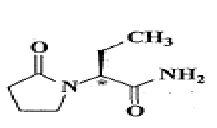 | |
| Physicochemical properties | |||
| Description | : | A white to almost white powder | |
| Solubility | : | It is very soluble in water, soluble in acetonitrile and practically insoluble in hexane. | |
| Hygroscopicity | : | Non-hygroscopic | |
| Specific Optical Rotation (C=1, in Water, on anhydrous basis). | : | Between -76.0° to -82.0° | |
| Polymorphism | : | There is no evidence of polymorphic forms of levetiracetam, both from chemical literature and our experiments | |
14 CLINICAL TRIALS
14.1 Clinical Trials by Indication
Table 6 - Summary of Patient Demographics for Clinical Trials in Epilepsy
| Study # | Study design | Dosage, route of administration and duration | Study subjects (n) | Mean age (Range) | Sex |
|---|---|---|---|---|---|
| N132 | Phase III, multicentre, randomized, add- on, double-blind, placebo-controlled, parallel-group | Levetiracetam: 1000 mg/day, 3000 mg/day Placebo Oral Up to 38 weeks Baseline:12 weeks Titration: 6 weeks Evaluation: 12 weeks Withdrawal: 8 weeks | 294 | 38 (16 – 70) | 178 M 116 F |
| N051 | Phase III, double- blind, two-period and three- treatment crossover, placebo- controlled, randomized, add-on, multicentre | Levetiracetam: 1000 mg/day, 2000 mg/day Placebo Oral Up to 48 weeks Baseline: 12 weeks Transition period A: 4 weeks Evaluation period A: 12 weeks Transition period B: 4 weeks Evaluation period B: 12 weeks Withdrawal: 2 weeks | 324 | 37 (14 – 69) | 157 M 167 F |
| Study # | Study design | Dosage, route of administration and duration | Study subjects (n) | Mean age (Range) | Sex |
|---|---|---|---|---|---|
| N138 | Phase III, unbalanced, multicentre, double-blind, parallel-group, placebo-controlled, responder-selected | Levetiracetam: 3000 mg/day Placebo Oral Part I: Efficacy under add-on treatment Up to 30 weeks Baseline: 12 weeks Up-titration: 4 weeks Evaluation period A: 12 weeks Add-on evaluation: 12 weeks Responder selection: 2 weeks Withdrawal: 6 weeks Part II: Efficacy under monotherapy Up to 24 weeks Therapy shift: 12 weeks Monotherapy: 12 weeks Withdrawal: 6 weeks | 286 | 36 (17 – 70) | 138 M 148 F |
The efficacy of levetiracetam as adjunctive therapy (added to other antiepileptic drugs) in adults was established in three multicenter, randomized, double-blind, placebo-controlled clinical studies in a total of 904 adult patients who had a history of partial onset seizures with or without secondary generalization.
- General Methodology
Patient Population
Patients in these three studies had refractory partial onset seizures for a minimum of 1 (or 2) year(s) prior to enrollment. They had previously taken a minimum number of classical AEDs (either one or two), and at the time of the study were taking a stable dose regimen of at least one AED. During the baseline period, it was required that patients experienced a minimum of
12 partial onset seizures over 12 weeks (Study N132) or 4 partial onset seizures during each 4-week period (Study N051) or 2 partial onset seizures per 4-week period (Study N138).
Dosing Schedules
After a prospective baseline period of approximately 12 weeks, patients were randomized to placebo, or levetiracetam at 1000 mg, 2000 mg or 3000 mg/day (depending on the study), given as twice daily doses. In all trials, there was a 2- or 4-week titration period, followed by a 12-14-week maintenance period.
Study Results
- Measure of Efficacy
The primary measure of efficacy was a between group comparison of the percent reduction in weekly partial seizure frequency relative to placebo over the entire randomized treatment period (titration + maintenance). Secondary efficacy parameters include the 50% and 100% responder rate in partial onset seizure frequency over the entire randomized treatment period. Efficacy results are based on the ITT population with the exception of a few patients lacking evaluable seizure frequency data.
The above trial description applies to all three studies below. Thus, for each trial, only primary distinguishing information is stated below.
Study N132
Study N132 was a parallel-group study conducted in the United States comparing placebo, levetiracetam 1000 mg/day, and levetiracetam 3000 mg/day in 95, 98, and 101 randomized patients, respectively. The efficacy for Study N132 is displayed in Table 7.
Table 7- Median Percent Reduction from Baseline in Weekly Frequency of Partial Onset Seizures in Study N132
| AEDs + Placebo | AEDs + Levetiracetam 1000 mg/day | AEDs + Levetiracetam 3000 mg/day | |
|---|---|---|---|
| N | 95 | 97 | 101 |
| Median baseline seizure frequency | 1.77 | 2.53 | 2.08 |
| Percent reduction in partial seizure frequency from baseline | 6.9% | 36.9% * | 38.1% * |
*P<0.001 versus placebo
Study N051
Study N051 was a crossover study conducted in Europe comparing placebo, levetiracetam 1000 mg/day, and levetiracetam 2000 mg/day in 112, 106, and 106 randomized patients, respectively.
The first period of the study (Period A) was designed to be analyzed as a parallel-group study. The efficacy results for Period A are displayed in Table 8.
Table 8 - Median Percent Reduction from Baseline in Weekly Frequency of Partial Onset Seizures in Study N051 Period A
| AEDs + Placebo | AEDs + Levetiracetam 1000 mg/day | AEDs + Levetiracetam 2000 mg/day | |
|---|---|---|---|
| N | 111 | 106 | 105 |
| Median baseline seizure frequency | 2.46 | 2.82 | 2.59 |
| Percent reduction in partial seizure frequency from baseline | 1.1% | 20.7%* | 24.4%* |
*P<0.001 versus placebo
Study N138
Study N138 was a parallel-group study conducted in Europe comparing placebo and levetiracetam 3000 mg/day in 105 and 181 randomized patients, respectively. Table 9 displays the efficacy results for Study N138.
Table 9 - Median Percent Reduction from Baseline in Weekly Frequency of Partial Onset Seizures in Study N138
| AEDs + Placebo | AEDs + Levetiracetam 3000 mg/day | |
|---|---|---|
| N | 104 | 180 |
| Median baseline seizure frequency | 1.78 | 1.67 |
| Percent reduction in partial seizure frequency from baseline | 7.3% | 36.8% * |
*P<0.001 versus placebo
- Responder Rates
Each patient is categorized according to their efficacy data: percent reduction from baseline in weekly frequency of partial onset seizures, calculated over the entire randomized treatment period. The percentage of patients who remained on levetiracetam for at least 21 days and achieved ≥50% reduction, or a 100% reduction (seizure free) within each of the three pivotal studies is presented in Table 10.
Table 10 - Partial Onset Responder Rate over the Entire Treatment Period by Randomized Dose
| Percent Reduction | AEDs + Placebo | AEDs + Levetiracetam 1000 mg/day | AEDs + Levetiracetam 2000 mg/day | AEDs + Levetiracetam 3000 mg/day |
|---|---|---|---|---|
| Study N132 | ||||
| N | 95 | 97 | - | 101 |
| > 50% | 7% | 36% | - | 40% |
| Seizure free (100%) | 0% | 3% | - | 6% |
| Study N051 | ||||
| N | 111 | 106 | 105 | - |
| > 50% | 6% | 21% | 34% | - |
| Seizure free (100%) | 1% | 2% | 3% | - |
| Study N138 | ||||
| N | 104 | - | - | 180 |
| >50% | 14% | - | - | 39% |
| Seizure free (100%) | 0% | - | - | 7% |
14.3 Comparative Bioavailability Studies
A single dose (1 x 750 mg), randomized, two treatment, two sequence, two period, cross-over, comparative bioavailability study of Auro-Levetiracetam (Auro Pharma Inc.) and KEPPRA (Lundbeck Canada Inc.) was conducted in healthy, adult, human subjects under fasting conditions. Results of the 27 subjects who completed both periods of the study are summarized in the table below
SUMMARY TABLE OF THE COMPARATIVE BIOAVAILABILITY DATA
Levetiracetam (1 x 750 mg) Geometric Mean Arithmetic Mean (CV %) | ||||
| Parameter | Test1 | Reference2 | % Ratio of Geometric Means | 90% Confidence Interval |
AUCT (ng⋅h/mL) | 231.01 234.03 (15.7) | 226.84 228.51 (11.9) | 101.8 | 98.5-105.3 |
AUCI (ng⋅h/mL) | 235.03 238.02 (15.5) | 230.80 232.54 (12.1) | 101.8 | 98.6-105.2 |
CMAX (ng/mL) | 21.66 22.02 (18.4) | 21.00 21.43 (21.1) | 103.1 | 98.3-108.3 |
Levetiracetam (1 x 750 mg) Geometric Mean Arithmetic Mean (CV %) | ||||
| Parameter | Test1 | Reference2 | % Ratio of Geometric Means | 90% Confidence Interval |
TMAX3 (h) | 0.75 (0.33-3.00) | 0.75 (0.33-3.00) | ||
T½4 (h) | 7.91 (8.5) | 8.03 (8.5) | ||
1 Auro-Levetiracetam (Levetiracetam) tablets, 750 mg (Auro Pharma Inc.)
2 Keppra (Levetiracetam) tablets, 750 mg (Lundbeck Canada Inc.)
3 Expressed as the median (range) only.
4 Expressed as arithmetic mean (CV %) only
15 MICROBIOLOGY
No microbiological information is required for this drug product.
16 NON-CLINICAL TOXICOLOGY
General Toxicology
The general toxicity of levetiracetam was evaluated after oral administration in acute (mouse, rat, dog and monkey), subacute and chronic (two to 52 weeks or longer in the mouse, rat and dog) studies. Acute (mouse, rat and dog) and two-week (rat and dog) toxicity studies were also conducted using intravenous (iv) administration.
The single-dose studies in mice, rats and dogs indicate a low acute toxicity potential. Lethality was only reached after iv dosing in these studies; although in a subsequent study in mice (micronucleus test), lethality was reached at 10000 mg/kg orally. Oral administration is associated with only transient clinical signs (emesis, salivation, tremors, decreased motor activity, ataxia, tachypnea and side lying). In dogs, emesis is a dose-limiting effect.
Repeat administration of levetiracetam is well tolerated. Mortality is observed only following iv administration of 900 mg/kg in rats. In general, clinical signs are minimal across studies and species with the most consistent observations being neuromuscular effects, salivation, and emesis in dogs. In the rodent only, treatment-related changes in the liver and kidney were reported. In the liver, a reversible increase in liver weight and hypertrophy of centrilobular hepatocytes was observed in both sexes in rats and mice. Centrilobular vacuolation associated with lipid deposition occurred in male rats and in mice. Kidney pathology consisting of hyaline droplet nephropathy, exacerbation of chronic progressive nephropathy and associated changes was observed in male rats.
These changes are considered to be a male rat-specific pathology associated with α2- microglobulin accumulation in the proximal tubules that is not toxicologically relevant to man. There was no target organ identified in the dog. No lethality, organ failure or other irreversible toxicity was observed after long-term oral treatment up to 1800 mg/kg/day in the rat, 960 mg/kg/day in the mouse and 1200 mg/kg/day in the dog.
Studies in neonatal or juvenile animals do not indicate any greater potential for toxicity compared to adult animals. Investigations involving oral administration of for up to 2 weeks of ucb L057, the major human metabolite, indicate a low potential for toxicity in rats and dogs.
Genotoxicity
Levetiracetam was not mutagenic in the Ames test or in mammalian cells in vitro in the Chinese hamster ovary/HGPRT locus assay. It was not clastogenic in an in vitro analysis of metaphase chromosomes obtained from Chinese hamster ovary cells or in an in vivo mouse micronucleus assay. The hydrolysis product and major human metabolite of levetiracetam (ucb L057) was not mutagenic in the Ames test or the in vitro mouse lymphoma assay.
Carcinogenicity
Rats were dosed with levetiracetam in the diet for 104 weeks at doses of 50, 300 and 1800 mg/kg/day. There was no evidence of carcinogenicity. Two studies have been conducted in mice. In one study, mice received levetiracetam in the diet for 80 weeks at doses of 60, 240 and 960 mg/kg/day (high dose is equivalent to 2 times the MRHD on a mg/m2 or exposure basis). In a second study, mice received levetiracetam by oral gavage for 2 years at dose levels of 1000, 2000 and 4000 mg/kg/day. Due to poor survival at the highest dose of 4000 mg/kg/day in this study, the high dose was reduced to 3000 mg/kg/day (equivalent to 12 times the MRHD). In neither study was evidence of carcinogenicity seen.
Reproductive and Developmental Toxicology
No adverse effects on male or female fertility or reproductive performance were observed in rats at doses up to 1800 mg/kg/day.
Administration to rats before mating and throughout pregnancy and lactation was associated with slightly retarded fetal growth and skeletal ossification in utero and slight increase in pup mortality between birth and day 8 postpartum at 1800 mg/kg/day and slightly retarded skeletal ossification at 350 mg/kg/day.
When female rats were administered levetiracetam orally up to 1800 mg/kg/day from day 15 of pregnancy to weaning (day 21 postpartum), no effects were observed on litter parameters, pup survival and development. The dose of 1800 mg/kg/day corresponds to 30-fold the upper recommended daily dose in man on a mg/kg/day basis or 6-fold when calculated on a mg/m2 body surface area basis.
In pregnant rats treated at 400, 1200 and 3600 mg/kg/day from day 6 to 15 of pregnancy, the no adverse effect level for embryo-fetal survival, growth and development is 1200 mg/kg/day. There was a slight increase in the proportion of fetuses with supernumerary ribs (thoracolumbar border) and a marginal reduction in skeletal ossification at 3600 mg/kg/day. This dose was toxic for the mothers. This dose represents 60-fold the upper recommended dose in man on a mg/kg/day basis, or 12-fold on a mg/m2 basis.
In pregnant rabbits, the no-adverse effect level for embryo-fetal survival, growth and development was 200 mg/kg/day, a dose producing adverse effects in the mothers. At the highest dose of 1800 mg/kg/day, a 2.5-fold increase in fetal abnormalities was observed together with marked maternal toxicity. This was not seen in two other studies. The dose of 1800 mg/kg/day corresponds to 30-fold the upper recommended dose in man on a mg/kg/day basis or 11-fold when calculated on a mg/m2 basis.
In a study in pregnant mice, levetiracetam administered at 3000 mg/kg/day from day 6 to 15 of pregnancy produced a slight retardation of growth and skeletal ossification and no effect on survival and morphological development. Plasma levetiracetam concentrations at approximate peak time were 20-fold higher than peak concentrations measured in man after 3000 mg/day.
17 SUPPORTING PRODUCT MONOGRAPHS
1 PrKEPPRA® (Film-coated tablets, 250 mg, 500 mg, and 750 mg), Submission Control Number:
268666, Product Monograph, UCB Canada Inc. March 07, 2023.