


Patient Medication Information: uses, side effects, how to take - Basaglar (Eli Lilly Canada, PM 00067432)
What is Basaglar used for?
Basaglar [insulin glargine injection (rDNA origin)] is a recombinant human insulin analogue that is a long-acting blood-glucose-lowering agent administered subcutaneously (under the skin) once a day. Basaglar is indicated in the treatment of patients over 17 years of age with type 1 or type 2 diabetes mellitus who require basal (long-acting) insulin for the control of hyperglycemia (high blood sugar). Basaglar is also indicated in the treatment of pediatric patients (>6 years old) with type 1 diabetes mellitus who require basal (long-acting) insulin for the control of hyperglycemia.
How does Basaglar work?
Insulin is a hormone produced by the pancreas, a large gland that lies near the stomach. This hormone is necessary for your body to use food, especially sugar, correctly. Diabetes occurs either when the pancreas does not make enough insulin to meet your body’s needs or when your body cannot properly use the insulin you normally produce.
When your body does not make enough insulin, you need an external source of insulin. That is why you must take insulin injections. Basaglar is similar to the insulin made by your body.
Serious Warnings and Precautions
|
|---|
Insulin injections, such as Basaglar, play a key role in keeping your diabetes under control. In addition to proper insulin therapy, it is important to maintain a healthy lifestyle – this includes eating a balanced diet, participating in regular exercise or other physical activities, carefully monitoring your glucose levels and following your healthcare professional’s recommendations. These simple actions will compliment your insulin therapy and will ultimately help you gain greater control of your diabetes.
You have been instructed to test your blood and/or your urine regularly for glucose; it is especially important to test even more often when changing insulins or changing your dosing schedule. If your blood tests consistently show above- or below-normal glucose levels, or your urine tests consistently show the presence of glucose, your diabetes is not properly controlled and you must let your healthcare professional know.
Insulin injections play an important role in keeping your diabetes under control. But the way you live – your diet, careful monitoring of your glucose levels, exercise, or planned physical activity and following your healthcare professional’s recommendations– all work with your insulin to help you control your diabetes.
Always keep an extra supply of Basaglar on hand. Always wear medical alert identification and carry information about your diabetes so that appropriate treatment can be given if complications occur while you are away from home.
What are the ingredients in Basaglar?
Medicinal ingredients: insulin glargine (rDNA origin)]
Non-medicinal ingredients: glycerin, metacresol, zinc oxide, and water for injection. Hydrochloric acid and sodium hydroxide are added for pH adjustment.
Basaglar comes in the following dosage forms:
Solution for injection (100 U/mL):
- 3 mL cartridges in packages of 5 (for use only with Lilly’s reusable insulin pens)
- KwikPen, 3 mL prefilled pen, in packages of 5
Do not use Basaglar:
- if you are allergic to this drug or to any ingredient in the formulations or component of the container,
- if you have diabetic ketoacidosis,
- for intravenous or intramuscular injections.
- if your blood sugar is too low (hypoglycemia). After treating your low blood sugar, follow your health care provider’s instructions on the use of Basaglar.
To help avoid side effects and ensure proper use, talk to your healthcare professional before you take Basaglar. Talk about any health conditions or problems you may have, including if you:
- are planning to have a baby, are pregnant, or are nursing a baby;
- are taking any medication;
- develop skin changes at the injection site.
The injection site should be rotated to prevent skin changes such as lumps under the skin. The insulin may not work very well if you inject into a lumpy area (see “How to take Basaglar”). Contact your healthcare professional if you are currently injecting into a lumpy area before you start injecting in a different area. A sudden change of site may result in hypoglycemia. Your healthcare professional may tell you to check your blood sugar more closely, and to adjust your insulin or your other antidiabetic medications dose.
Accidental mix-ups between insulin glargine and other insulins, particularly fast-acting insulins, have been reported. To avoid medication errors between insulin glargine and other insulins, always check your insulin labels before every injection.
Hypokalemia (low potassium) is a possible side effect with all insulins. You might be more at risk if you are using potassium lowering drugs or losing potassium through other means (e.g., diarrhea). Symptoms of hypokalemia include: fatigue, muscle weakness or spasms, constipation, tingling or numbness, feeling of skipped heart beats or palpitations.
If you have diabetic retinopathy (condition affecting the retina of the eye) and you have a marked change in blood glucose levels, the retinopathy may temporarily get worse. Ask your doctor about this.
Other warnings you should know about:
The use of thiazolidinediones (such as rosiglitazone and pioglitazone), alone or in combination with other antidiabetic agents (including insulin), has been associated with heart failure and swelling of the lower extremities. Contact your physician immediately if you develop symptoms of shortness of breath, fatigue, exercise intolerance, or swelling of the lower extremities while you are on these medications.
Concomitant oral antidiabetic treatment may need to be adjusted.
Tell your healthcare professional about all the medicines you take, including any drugs, vitamins, minerals, natural supplements or alternative medicines.
The following may interact with Basaglar:
Other medicines, including non-prescription medicines, and dietary supplements (such as vitamins) can change the way insulin works. Your dose of insulin or other medications may need to be changed in consultation with your healthcare professional. Please see “Usual Dose, Medication” section below for potential medication interactions with insulin.
How to take Basaglar:
Your doctor has recommended the type of insulin that he/she believes is best for you. DO NOT USE ANY OTHER INSULIN EXCEPT ON THE ADVICE AND DIRECTION OF YOUR DOCTOR.
Basaglar is a clear solution and looks like some fast-acting insulins. Always check for the name of the insulin on your carton and the label when you pick it up from the pharmacy to make sure it is the same as what your doctor has recommended.
CAREFULLY FOLLOW YOUR HEALTHCARE PROFESSIONAL’S DIRECTION ON HOW TO USE BASAGLAR CARTRIDGES AND KWIKPENS TO:
- HELP AVOID CONTAMINATION AND POSSIBLE INFECTION
- OBTAIN AN ACCURATE DOSE.
Do not reuse needles. DO NOT SHARE INJECTION PENS, CARTRIDGES, OR NEEDLES WITH ANYONE ELSE. Do not share an injection pen or Basaglar cartridge with anyone, including family members, even if the needle on the injection pen is changed. You may give another person a serious infection, or get a serious infection from them.
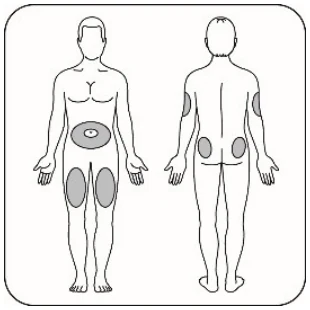
Injection sites within an injection area (abdomen, thigh, buttock, or upper arm) must be rotated from one injection to the next so that the same site is not used more than approximately once a month. Do not inject into pits (depressions), thickened skin or lumps.
How to use a Basaglar cartridge
It is important to use the Basaglar cartridge only with Lilly reusable insulin pens.
Using the cartridge in any other injection pen not suitable for the Basaglar cartridge could lead to a mistake in dosing and cause medical problems for you, such as a blood glucose level that is too low or too high.
- HumaPen® Savvio™ and HumaPen Luxura® deliver Basaglar in 1 unit dose increments.
- HumaPen Luxura® HD delivers Basaglar in 0.5 unit dose increments.
Follow the Instructions for Use that comes with the reusable pen injector.
Although rare, technical problems with the cartridge can occur which may prevent correct dosing. They include: broken, cracked or damaged cartridges, air bubbles or foam, and blocked needles. If technical problems occur or are suspected, contact your healthcare professional or the Lilly Customer Response Centre (1-888-545-5972).
How to use the Basaglar KwikPen
Please refer to the Instruction for Use provided with your Basaglar KwikPen.
Hypoglycemia or hyperglycemia can result from injecting insulin in the wrong site or incorrectly. Hypoglycemia can result from injection directly into a blood vessel and if not recognized or treated may be followed by hyperglycemia since there was not Basaglar deposition for long-term absorption.
Usual dose:
The dosage of Basaglar should be individualized and determined based on your healthcare professional’s advice in accordance with your needs. You may take Basaglar at any time during the day, but you must take it at the same time every day.
Many factors may affect your usual Basaglar dose, which may include changes in your diet, activity, or work schedule. Follow your healthcare professional’s instructions carefully. Consult your healthcare professional if you notice your insulin requirements changing markedly. Other factors that may affect your dose of insulin or your need to do additional blood/urine testing are described below:
Illness
Illness, especially with nausea and vomiting, diarrhea and/or fever, may cause your insulin requirements to change. Even if you are not eating, you will still require insulin. You and your doctor should establish a sick day plan for you to use in case of illness. When you are sick, test your blood/urine frequently and call your doctor as instructed.
Pregnancy
If you are planning to have a baby, are pregnant, or are nursing a baby, consult your doctor. Good control of diabetes is especially important for you and your unborn baby. Pregnancy may make managing your diabetes more difficult.
Medication
Always discuss any medications you are taking, prescription or “over-the-counter (OTC)”, with your healthcare professional. To prevent drug interactions, provide the names of everything you are taking even before they ask if there have been any changes. Insulin requirements may be increased in the presence of drugs with hyperglycemic activity, such as contraceptives (for example, birth control pills, injections and patches), and hormone replacement therapies, corticosteroids, thyroid replacement therapy, and medications such as decongestants and diet pills. Insulin requirements may be reduced in the presence of drugs with hypoglycemic activity, such as oral antidiabetic agents, salicylates (for example, aspirin), sulfa antibiotics, blood pressure medications including angiotensin-converting-enzyme (ACE) inhibitors, and certain psychiatric medications including monoamine oxidase (MAO) inhibitors or anti-depressants and anti-anxiety medications.
Substances such as beta-blockers (medicines used for conditions including blood pressure, heart arrhythmias, palpitations and headache) and alcohol may enhance or weaken the blood-glucose-lowering effect of insulins, and signs of hypoglycemia may be reduced or absent, as well.
Exercise
If your exercise routine changes, discuss with your healthcare professional the possible need to adjust your insulin regimen. Exercise may lower your body’s need for insulin during, and for some time after, the activity. As for all insulins, the rate of absorption, and consequently the onset and duration of action, may be affected by exercise and other variables.
Travel
Consult your healthcare professional concerning possible adjustments in your insulin schedule if you will be traveling across time zones. You may want to take along extra insulin and supplies whenever you travel.
Overdose:
If you have injected too much Basaglar, your blood sugar may become too low (hypoglycemia). Check your blood sugar frequently. In general, to prevent hypoglycemia you must eat more food and monitor your blood sugar. For information on the treatment of hypoglycemia, see “Common Problems of Diabetes” below.
Hypoglycemia may occur as a result of an excess of insulin relative to food intake, energy expenditure or both.
| If you think you, or a person you are caring for, have taken too much Basaglar, contact a healthcare professional, hospital emergency department, or regional poison control centre immediately, even if there are no symptoms. |
Missed Dose:
If you have missed a dose of Basaglar or if you have not injected enough insulin, your blood sugar level may become too high (hyperglycemia). Check your blood sugar frequently. For information on the treatment of hyperglycemia, see “Common Problems of Diabetes” below.
Do not take a double dose to make up for a forgotten dose.
What are possible side effects from using Basaglar?
These are not all the possible side effects you may have when taking Basaglar. If you experience any side effects not listed here, tell your healthcare professional.
Common Problems of Diabetes:
Hypoglycemia (Insulin Reaction)
Hypoglycemia (low blood sugar) is one of the most frequent adverse events experienced by insulin users. It can be brought on by situations such as:
- intercurrent conditions (illness, stress, or emotional disturbances),
- accidental injection of too much insulin,
- malfunction and/or misuse of injection devices,
- not eating enough, or skipped meals,
- an increase in exercise,
- a new insulin type or schedule,
- some new medications, including prescriptions, over-the-counter medication, herbs, vitamins, and street drugs.
Symptoms of mild to moderate hypoglycemia may occur suddenly and can include:
- abnormal behavior (anxiety, irritability, restlessness, trouble concentrating, personality changes, mood changes, confusion or nervousness),
- fatigue,
- tingling in your hands, feet, lips, or tongue,
- tremor (shaking),
- unsteady gait (walking),
- dizziness, light-headedness, or drowsiness,
- headache,
- blurred vision,
- slurred speech,
- palpitations (rapid heartbeat),
- cold sweat,
- pale skin,
- nightmares or trouble sleeping,
- nausea,
- hunger.
Mild to moderate hypoglycemia may be treated by consuming foods or drinks that contain sugar. Patients should always carry an adequate amount (about 15 grams of glucose) of a quick source of sugar, such as candy, juice or glucose tablets, prominently labelled for rescuers. Contact your healthcare professional about appropriate proportions of carbohydrates.
Signs of severe hypoglycemia can include:
- disorientation,
- convulsions,
- loss of consciousness
- seizures.
Severe hypoglycemia may require the assistance of another person. Patients who are unable to take sugar orally or who are unconscious may require a glucagon rescue product (nasal or injection) or should be treated with intravenous administration of glucose by medical personnel. Without immediate medical help, serious reactions or even death could occur.
The early warning symptoms of hypoglycemia may be changed, be less pronounced, or be absent, as for example, in patients whose sugar levels are markedly improved, in elderly patients, in patients with diabetic nerve disease, in patients with a long history of diabetes, or in patients receiving treatment with certain other drugs. Such situations may result in severe hypoglycemia (and possibly, loss of consciousness) before a patient has symptoms.
Some people may not recognize when their blood sugar drops too low. Often the first sign of this is confusion or loss of consciousness. Educational and behavioural programs, including blood glucose awareness training, may help improve your ability to detect hypoglycemia and reduce the frequency of severe hypoglycemia.
Without recognition of early warnings symptoms, you may not be able to take steps to avoid more serious hypoglycemia. Be alert for all of the various types of symptoms that may indicate hypoglycemia. Patients who experience hypoglycemia without early warning symptoms should monitor their blood glucose frequently, especially prior to activities such as driving a car or using mechanical equipment. If the blood glucose is below your normal fasting glucose, you should consider eating or drinking sugar-containing foods to treat your hypoglycemia.
Other people may develop hypoglycemia during the night – this is called nocturnal hypoglycemia. It is fairly common and lasts over 4 hours. Because the person is usually asleep when it occurs, nocturnal hypoglycemia can go undetected, resulting in increased risk of severe hypoglycemia compared to the daytime. To help reduce your risk of asymptomatic nocturnal hypoglycemia, your doctor may ask you to periodically monitor your overnight blood glucose levels.
If you have frequent episodes of hypoglycemia, experience difficulty in recognizing the symptoms, or if your diabetes is getting worse, you should consult your healthcare professional to discuss possible changes in therapy, meal plans, and/or exercise programs to help you avoid hypoglycemia.
Hyperglycemia
Hyperglycemia (high blood sugar) may develop if your body has too little insulin.
Hyperglycemia can be brought about by:
- intercurrent conditions (illness, stress, or emotional disturbances),
- not taking your insulin or taking less than recommended by your healthcare professional,
- malfunction and/or misuse of injection devices,
- eating significantly more than your meal plan suggests,
- a new insulin type or schedule,
- some new medications, including prescriptions, over-the-counter medication, herbs, vitamins and street drugs.
Symptoms of hyperglycemia include:
- confusion or drowsiness,
- increased thirst,
- decreased appetite, nausea, or vomiting,
- palpitations (rapid heartbeat)
- increased urination and dehydration (too little fluid in your body),
- blurred vision,
- flushed dry skin,
- acetone odour of breath.
Hyperglycemia can be mild or severe. It can progress to high glucose levels, diabetic ketoacidosis (DKA), and result in unconsciousness and death.
Diabetic ketoacidosis
The first symptoms of diabetic ketoacidosis (DKA) usually come on over a period of hours or days. With DKA, urine tests show large amounts of glucose and acetone.
Symptoms of DKA include: First symptoms:
- drowsiness,
- flushed face,
- thirst,
- loss of appetite,
- fruity smelling breath
- rapid, deep breathing,
- abdominal (stomach area) pain.
Severe symptoms:
- heavy breathing,
- palpitations (rapid heartbeat).
Prolonged hyperglycemia or DKA can lead to:
- nausea,
- vomiting,
- dehydration,
- loss of consciousness,
- death.
Severe or continuing hyperglycemia or DKA requires evaluation and treatment by your healthcare professional. Basaglar should not be used to treat DKA, and the persons treating you should be advised you are taking a long-acting insulin and about your regimen.
Allergic reactions
In rare cases, a patient may be allergic to an insulin product. Severe insulin allergies may be life-threatening. If you think you are having an allergic reaction, seek medical help immediately.
Signs of insulin allergy include:
- a rash all over your body,
- shortness of breath,
- wheezing (trouble breathing),
- palpitations (rapid heartbeat),
- sweating,
- low blood pressure.
Possible reactions on the skin at the injection site
Injecting insulin can cause the following reactions on the skin at the injection site:
- a little depression in the skin (lipoatrophy),
- skin thickening (lipohypertrophy),
- skin lumps (localized cutaneous amyloidosis),
- redness, swelling, or itching at injection site.
In some instances, these reactions may be related to factors other than insulin, such as irritants in the skin cleansing agent or poor injection technique. You can reduce the chance of getting an injection site reaction if you change the injection site each time. If you have local injection site reactions, contact your healthcare professional as a sudden change of site may result in hypoglycemia.
If you have a troublesome symptom or side effect that is not listed here or becomes bad enough to interfere with your daily activities, tell your healthcare professional.
Reporting Side Effects
You can report any suspected side effects associated with the use of health products to Health Canada by:
NOTE: Contact your health professional if you need information about how to manage your side effects. The Canada Vigilance Program does not provide medical advice. |
Storage:
Unopened Cartridge or KwikPen:
Unopened Basaglar cartridges or KwikPen should be stored in a refrigerator, between 2°C and 8°C. Keep Basaglar away from direct heat and light. Basaglar should not be stored in the freezer and should not be allowed to freeze. If Basaglar freezes, discard it.
Opened (In Use) Cartridge or KwikPen:
The opened Basaglar cartridge or KwikPen in use should be stored at room temperature (below 30°C) for up to 28 days away from direct heat and light. If there is any remaining insulin after 28 days, discard it. The opened cartridge in use must never be removed from and reinserted into the injection pen. If Basaglar freezes discard it.
Do not use a Basaglar cartridge or KwikPen after the expiration date stamped on the label or if it is cloudy or contains visible particles.
Keep out of reach and sight of children.
Disposal:
Dispose of used needles in a sharps container or a hard plastic container with a secure lid. Do not throw needles directly into your household trash. Do not recycle the filled sharps container. Ask your healthcare professional about options available to dispose of the sharps container properly.
You can also check the Canadian Diabetes Association website at www.diabetes.ca for information on sharps disposal.
The directions regarding needle handling are not intended to replace local, healthcare professional or institutional policies.
Dispose of the used KwikPen as instructed by your healthcare professional after you remove the needle.
If you want more information about Basaglar:
- Talk to your healthcare professional
- Find the full product monograph that is prepared for healthcare professionals and includes this Patient Medication Information by visiting the Health Canada website: (https://www.canada.ca/en/health-canada/services/drugs-health-products/drug-products/drug-product-database.html; the manufacturer’s website www.lilly.ca, or by calling 1-888-545-5972.
The information in this document is current as of the last revision date shown below. For the most current information please visit our website or contact us directly.
You may need to read this package insert again. Please do not throw it away until you have finished your medicine.
Basaglar and KwikPen are trademarks owned by or licensed to Eli Lilly and Company, its subsidiaries, or affiliates.
Lantus is a trademark owned by sanofi-aventis Canada Inc.
Last Revised August 26, 2022
BAS-0004-PMI-20220826
HP7715
Instructions for Use
BASAGLAR® KwikPen®
Insulin glargine (rDNA origin)
100 units/mL, 3 mL pen

www.lilly.ca Lilly (logo)
PLEASE READ THESE INSTRUCTIONS BEFORE USE
Read the entire Instructions for Use before you start taking BASAGLAR® and each time you get another BASAGLAR® KwikPen®. There may be new information. This information does not take the place of talking to your healthcare professional about your medical condition or your treatment.
BASAGLAR KwikPen (“Pen”) is a disposable prefilled pen containing 300 units of BASAGLAR. You can give yourself multiple doses using one Pen. The Pen dials 1 unit at a time. You can give from 1 to 80 units in a single injection. If your dose is more than 80 units, you will need to give yourself more than one injection. The plunger only moves a little with each injection, and you may not notice that it moves. The plunger will only reach the end of the cartridge when you have used all 300 units in the Pen.
The Pen is for single patient use only. Do not share your Pen with other people, even if the needle has been changed. Do not reuse or share needles with other people. You may give an infection to them or get an infection from them.
This Pen is not recommended for use by the blind or visually impaired without the help of someone trained to use the Pen.
| KwikPen Parts | |||||
| Pen Cap | Cartridge Holder | Label | Dose Indicator | ||
| Dose Knob | |||||
| Cap Clip | Rubber Seal | Plunger | Pen Body | Dose Window | |
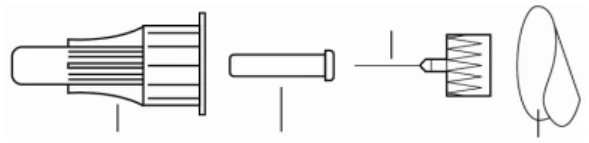
Pen Needle Parts (Needles Not Included) | Dose Knob with green ring | ||||
| Needle | |||||
| Outer Needle Shield | Inner Needle Shield | Paper Tab |
How to recognize your Basaglar KwikPen
- Pen color: Light grey
- Dose Knob: Light grey with green ring on the end
- Labels: Light grey with green colour bars
Supplies needed to give your injection
- BASAGLAR KwikPen
- KwikPen compatible Needle (BD Pen Needles recommended)
- Alcohol swab
Preparing your Pen
- Wash your hands with soap and water.
- Check the Pen to make sure you are taking the right type of insulin. This is especially important if you use more than 1 type of insulin.
- Do not use your Pen past the expiration date printed on the Label or for more than 28 days after you first start using the Pen.
- Always use a new Needle for each injection to help prevent infections and blocked Needles.
 | |||
 |  |
Step 1:
BASAGLAR should look clear and colourless. Do not use if it is cloudy, coloured, or has particles or clumps in it. | |
Step 2:
| |
Step 3:
| |
Step 4:
|
Priming your Pen
Prime before each injection.
- Priming your Pen means removing the air from the Needle and Cartridge that may collect during normal use and ensures that the Pen is working correctly.
- If you do not prime before each injection, you may get too much or too little insulin.
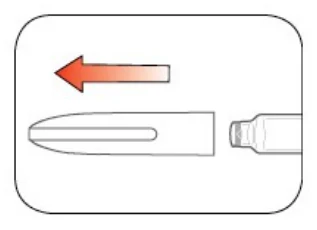
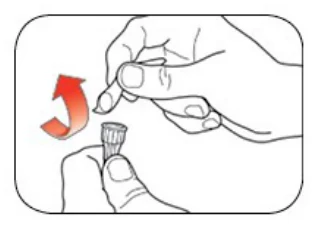
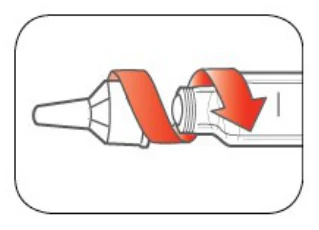
Step 5:
|
 | |
 | |
 | |
 |
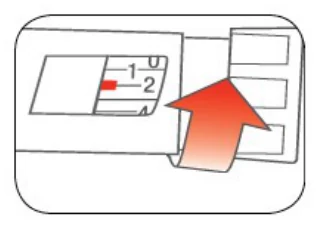 |
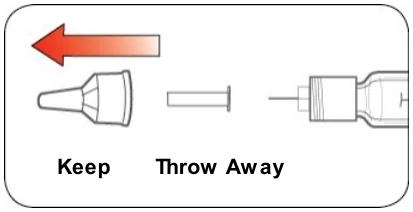
Keep Throw Away |
Step 6:
| |
Step 7:
Small air bubbles are normal and will not affect your dose. |
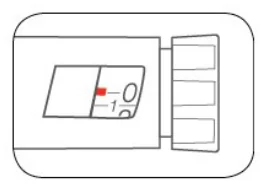
Selecting your dose
- You can give from 1 to 80 units in a single injection.
If your dose is more than 80 units, you will need to give more than one injection.
- If you need help deciding how to divide up your dose, ask your healthcare professional.
- You should use a new Needle for each injection and repeat the priming step.
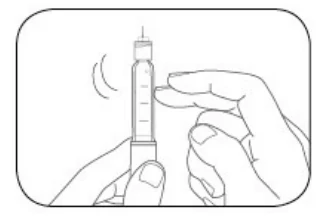 | |
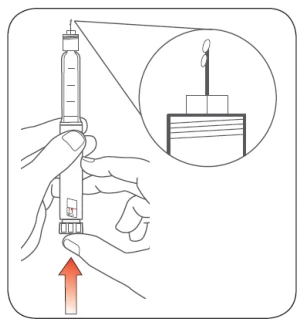  |
Step 8:
| 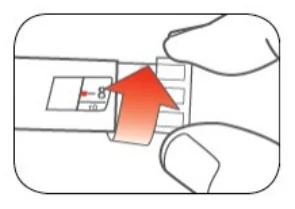 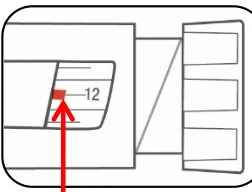 (Example: 12 units shown in the Dose Window) 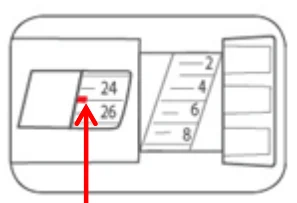 (Example: 25 units shown in the Dose Window) |
- The Pen will not let you dial more than the number of units left in the Pen.
If you need to inject more than the number of units left in the Pen, you may either:
- inject the amount left in your Pen and then use a new Pen to give the rest of your dose, or
- get a new Pen and inject the full dose.
- It is normal to see a small amount of insulin left in the Pen that you can not inject.
Giving your injection
- Inject your insulin as your healthcare professional has shown you.
- Change (rotate) your injection site for each injection.
- Do not try to change your dose while injecting.
Step 9: Choose your injection site.
|  | ||
Step 10:
Do not try to inject your insulin by turning the Dose Knob. You will NOT receive your insulin by turning the Dose Knob. | 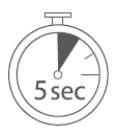 | 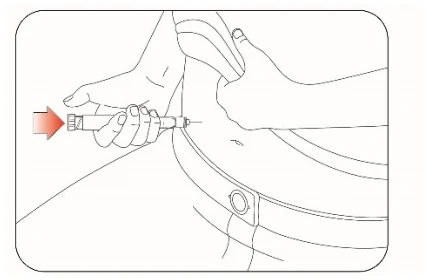 | |
Step 11:
The plunger only moves a little with each injection, and you may not notice that it moves. If you see blood after you take the Needle out of your skin, press the injection site lightly with a piece of gauze or an alcohol swab. Do not rub the area. |
After your injection
Step 12:
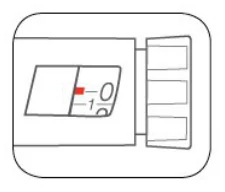
|
 |
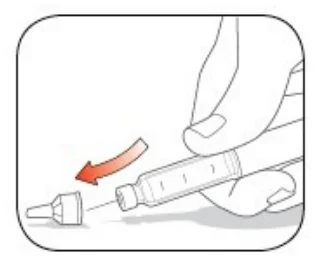 |
Step 13:
| |
Step 14:
|
Disposing of Pens and Needles
- Dispose of used Needles in a sharps container or a hard plastic container with a secure lid. Do not throw Needles directly into your household trash.
- Dispose of the used Pen as instructed by your healthcare professional after you have removed the Needle.
- Do not recycle the filled sharps container.
- Ask your healthcare professional about options available to dispose of the sharps container properly. You can also check the Canadian Diabetes Association website at www.diabetes.ca for information on sharps disposal.
- The directions regarding Needle handling are not intended to replace local, healthcare professional or institutional policies.
Storing your Pen
Unused Pens
- Store unused Pens in the refrigerator at 2°C to 8°C.
- Do not freeze BASAGLAR. Do not use if it has been frozen.
- Unused Pens may be used until the expiration date printed on the Label, if the Pen has been kept in the refrigerator.
In-use Pen
- Store the Pen you are currently using at room temperature (up to 30°C) and away from heat and light.
- Throw away the Pen you are using after 28 days, even if it still has insulin left in it.
Refer to the Consumer Information Leaflet for complete insulin storage instructions.
General information about the safe and effective use of your Pen
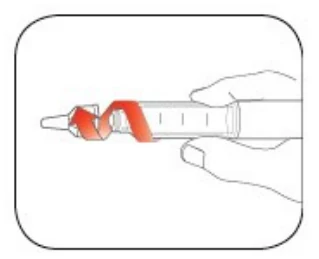 | |
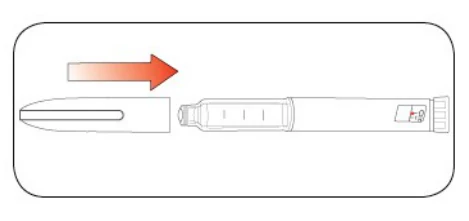 |
- Keep your Pen and Needles out of the sight and reach of children.
- Do not use your Pen if any part looks broken or damaged.
- Always carry an extra Pen in case yours is lost or damaged.
Troubleshooting
- If you cannot remove the Pen Cap, gently twist the cap back and forth, and then pull the cap straight off.
If the Dose Knob is hard to push:
- Pushing the Dose Knob more slowly will make it easier to inject.
- Your Needle may be blocked. Put on a new Needle and prime the Pen.
- You may have dust, food, or liquid inside the Pen. Throw the Pen away and get a new Pen.
If you have any questions or problems with your BASAGLAR KwikPen, contact your healthcare professional for assistance or call Lilly at 1-888-545-5972.
For more information on BASAGLAR KwikPen and insulin, please visit our website at www.lilly.ca.
BASAGLAR and KWIKPEN are trademarks owned or licensed by Eli Lilly and Company, its subsidiaries or affiliates.
Manufactured by:
Eli Lilly and Company
Pen Assembly Facility
Indianapolis, Indiana 46285
USA
Distributed by:
Eli Lilly Canada Inc.
PO Box 73
Toronto, Ontario
M5X 1B1
Copyright © 2015, 2022, Eli Lilly and Company. All rights reserved.
BASAGLAR KwikPen meets the current dose accuracy and functional requirements of ISO 11608-1.
The information in this document is current as of the revision date shown below. For the most current information please visit our website at www.lilly.ca or contact us directly at 1-888-545-5972.
Document Revision Date: August 26, 2022
BASKP-0003-CA-IFU-August 26, 2022
Lilly (red script)