


Product Monograph - Berinert 500
RECENT MAJOR LABEL CHANGES
| N/A |
|---|
TABLE OF CONTENTS
Sections or subsections that are not applicable at the time of authorization are not listed.
RECENT MAJOR LABEL CHANGES ........................................................................................... 2
TABLE OF CONTENTS ............................................................................................................. 2
PART I: HEALTH PROFESSIONAL INFORMATION ..................................................................... 4
1 INDICATIONS .............................................................................................................. 4
1.1 Pediatrics ................................................................................................................... 4
1.2 Geriatrics ................................................................................................................... 4
2 CONTRAINDICATIONS ................................................................................................. 4
3 SERIOUS WARNINGS AND PRECAUTIONS BOX ............................................................ 4
4 DOSAGE AND ADMINISTRATION ................................................................................. 4
4.1 Dosing Considerations .............................................................................................. 4
4.2 Recommended Dose and Dosage Adjustment ......................................................... 5
4.3 Reconstitution ........................................................................................................... 5
4.4 Administration .......................................................................................................... 7
4.5 Missed Dose .............................................................................................................. 8
5 OVERDOSAGE ............................................................................................................. 8
6 DOSAGE FORMS, STRENGTHS, COMPOSITION AND PACKAGING ................................. 8
7 WARNINGS AND PRECAUTIONS .................................................................................. 9
7.1 Special Populations ................................................................................................. 10
7.1.1 Pregnant Women .............................................................................................. 10
7.1.2 Breast-feeding ................................................................................................... 10
7.1.3 Pediatrics ........................................................................................................... 10
7.1.4 Geriatrics ........................................................................................................... 10
8 ADVERSE REACTIONS................................................................................................ 10
8.1 Adverse Reaction Overview .................................................................................... 10
8.2 Clinical Trial Adverse Reactions .............................................................................. 11
8.2.1 Clinical Trial Adverse Reactions – Pediatrics..................................................... 15
8.3 Less Common Clinical Trial Adverse Reactions ....................................................... 15
8.3.1 Less Common Clinical Trial Adverse Reactions – Pediatrics ............................. 16
8.4 Abnormal Laboratory Findings: Hematologic, Clinical Chemistry and Other Quantitative Data .............................................................................................................. 16
8.5 Post-Market Adverse Reactions .............................................................................. 16
9 DRUG INTERACTIONS ............................................................................................... 17
9.2 Drug- Interactions Overview ................................................................................... 17
9.3 Drug-Behavioural Interactions ................................................................................ 17
9.4 Drug-Drug Interactions ........................................................................................... 17
9.5 Drug-Food Interactions ........................................................................................... 17
9.6 Drug-Herb Interactions ........................................................................................... 17
9.7 Drug-Laboratory Test Interactions.......................................................................... 17
10 CLINICAL PHARMACOLOGY ....................................................................................... 17
10.1 Mechanism of Action ........................................................................................ 17
10.2 Pharmacodynamics ........................................................................................... 18
10.3 Pharmacokinetics .............................................................................................. 19
11 STORAGE, STABILITY AND DISPOSAL ......................................................................... 20
12 SPECIAL HANDLING INSTRUCTIONS ........................................................................... 20
PART II: SCIENTIFIC INFORMATION ...................................................................................... 21
13 PHARMACEUTICAL INFORMATION ........................................................................... 21
14 CLINICAL TRIALS ....................................................................................................... 22
14.1 Trial Design and Study Demographics .............................................................. 22
14.2 Comparative Bioavailability Studies ................................................................. 29
14.3 Immunogenicity ................................................................................................ 30
15 MICROBIOLOGY ....................................................................................................... 31
16 NON-CLINICAL TOXICOLOGY ..................................................................................... 31
PATIENT MEDICATION INFORMATION ................................................................................. 35
PART I: HEALTH PROFESSIONAL INFORMATION
1 INDICATIONS
BERINERT 500 / BERINERT 1500 (reduced volume) commonly referred as BERINERT (C1 Esterase Inhibitor, Human) is indicated for:
- The treatment of acute abdominal, facial, or laryngeal attacks of hereditary angioedema (HAE) of moderate to severe intensity in pediatric and adult patients.
The safety and efficacy of BERINERT for prophylactic therapy has not been established.
1.1 Pediatrics
Pediatrics (3-16 years): Based on the data submitted and reviewed by Health Canada, the safety and efficacy of BERINERT in pediatric patients has been established. Therefore, Health Canada has authorized an indication for pediatric use. Please refer to 7.1.3 Pediatrics.
1.2 Geriatrics
Geriatrics (65 and above): The safety and efficacy of BERINERT in the geriatric population have not been evaluated in controlled clinical studies. However, based on registry data the safety profile observed in the geriatric population was similar to that observed in the younger populations studied. Please refer to 7.1.4 Geriatrics.
2 CONTRAINDICATIONS
- BERINERT is contraindicated in individuals who have a known hypersensitivity or have had an anaphylactic or severe systemic reaction to C1-INH preparations or to any ingredient in the formulation or component of the container. For a complete listing, see 6 DOSAGE FORMS, STRENGTHS, COMPOSITION AND PACKAGING.
3 SERIOUS WARNINGS AND PRECAUTIONS BOX
|
|---|
4 DOSAGE AND ADMINISTRATION
4.1 Dosing Considerations
- BERINERT should not be mixed with other medicinal products and should be administered by a separate infusion line.
- If self-administration is considered, ensure that the patient receives instructions and training on intravenous administration.
- For patients that are traveling, advise patients to bring an adequate supply of BERINERT for their treatments.
4.2 Recommended Dose and Dosage Adjustment
The recommended dose of BERINERT in the treatment of abdominal, facial and laryngeal HAE attacks of moderate to severe intensity is 20 IU per kg body weight administered by intravenous injection.
4.3 Reconstitution
Table 1 – Reconstitution
| Format | Vial Size | Volume of Diluent to be Added to Vial | Approximate Available Volume | Concentration per mL |
| 500 | 17 mL | 10 mL | 10 mL | 50 IU/mL |
| 1500 | 10 mL | 3 mL | 3 mL | 500 IU/mL |
BERINERT 500 should be reconstituted with the provided 10 mL of Sterile Water for Injection (Diluent).
BERINERT 1500 should be reconstituted with the provided 3 mL of Sterile Water for Injection (Diluent).
Use the Mix2Vial® filter transfer set provided with BERINERT (see 6 DOSAGE FORMS, STRENGTHS, COMPOSITION AND PACKAGING) or any double-ended needle and vented filter spike if Mix2Vial® is not used. Use the syringe provided with the product.
Do not refrigerate after reconstitution. To ensure product sterility, reconstitute and administer BERINERT using aseptic techniques. BERINERT contains no preservative, the reconstituted product should be administered immediately.
The reconstituted solution for BERINERT 500 should be colorless and clear. The reconstituted solution for BERINERT 1500 should be colorless, clear to slightly opalescent. Inspect BERINERT visually for particulate matter and discoloration prior to administration. Do not use if the solution is cloudy or contains particulates.
| Follow the steps below and use aseptic technique to administer BERINERT. | ||||
|---|---|---|---|---|
| A | PREPARATION | |||
Prepare the vials/Mix2Vial® and infusion supplies: Ensure that the diluent and BERINERT vials are at room temperature. Prepare syringes, infusion sets and other supplies for the infusion. | ||||
| B | RECONSTITUTION - follow these steps to reconstitute BERINERT | |||
| 1 | Clean Stoppers
| Diluent Vial 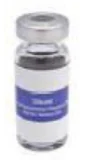 BERINERT Vial 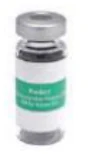 | ||
| 2 | Open the Mix2Vial® package by peeling away the lid. To maintain sterility, leave the Mix2Vial®set in its clear outer package. | 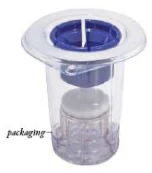 | ||
| 3 | Prepare Diluent Vial:
| 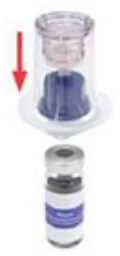 | ||
| 4 | Remove the Mix2Vial® packaging: While holding the diluent vial, carefully remove the outer package from the Mix2Vial® set. Make sure to pull off only the package, not the Mix2Vial® set. | 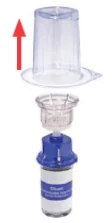 | ||
| 5 | Transfer Diluent into BERINERT Vial:
| 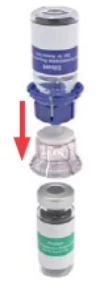 | ||
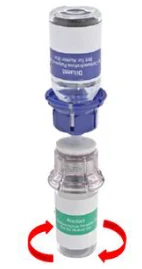
| 6 | Dissolve BERINERT: With the diluent and BERINERT vial still attached to the Mix2Vial® set, gently swirl the BERINERT vial to ensure the product is fully dissolved (note: BERINERT 1500 may take longer than BERINERT 500 to dissolve). Do not shake the vial. | |||
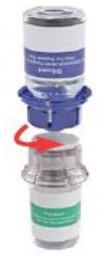
| 7 | Unscrew empty diluent (Blue) vial: With one hand, grip the clear end of the Mix2Vial® set and with the other hand grip the blue end of the Mix2Vial® set and unscrew the set into 2 pieces. | |||
| 8 | Load the syringe:
| Fig. A Fig. B | ||
| 9 | Prepare administration set equipped with microbore tubing:
| |||
4.4 Administration
It is recommended that BERINERT 500 be administered by slow intravenous injection at a rate of 4 mL/minute.
It is recommended that BERINERT 1500 be administered as a slow intravenous injection.
 | ||
 | ||
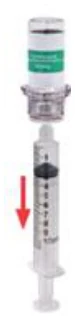 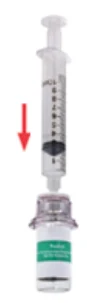 | ||
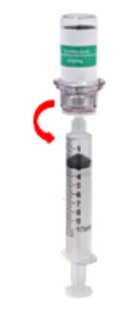 |
| C | ADMINISTRATION |
|---|---|
Administer BERINERT® using aseptic technique:
|
4.5 Missed Dose
Not Applicable.
5 OVERDOSAGE
The development of thrombosis has been reported in association with BERINERT when used (off label) and at higher than labeled doses (greater than 90 IU/kg body weight) in newborns and young children with congenital heart anomalies during or after cardiac surgery under extracorporeal circulation.
| For the most recent information in the management of a suspected drug overdose, contact your regional poison control centre or Health Canada's toll-free number, 1-844 POISON-X (1-844-764-7669). |
|---|
6 DOSAGE FORMS, STRENGTHS, COMPOSITION AND PACKAGING
To help ensure the traceability of biologic products, including biosimilars, health professionals should recognise the importance of recording both the brand name and the non-proprietary (active ingredient) name as well as other product-specific identifiers such as the Drug Identification Number (DIN) and the batch/lot number of the product supplied.
Table 2 – Dosage Forms, Strengths, Composition and Packaging
| Route of Administration | Dosage Form/ Strength/Composition | Non-medicinal Ingredients | ||||
| Intravenous injection | Lyophilised powder | 500 IU/vial | Glycine, 85 to 115 mg Sodium chloride, 70 to 100 mg Sodium citrate, 25 to 35 mg | |||
| 1500 IU/vial | Glycine, 25.5 to 34.5 mg Sodium chloride, 21 to 30 mg Sodium citrate, 4.5 to 10.5 mg | |||||
BERINERT 500/BERINERT 1500 (reduced volume), commonly referred to as BERINERT, is a purified, pasteurised, nanofiltered, lyophilised concentrate of human C1 esterase inhibitor (C1-INH) to be reconstituted for intravenous administration. It is prepared from large pools of human plasma.
The potency of C1-INH is expressed in IU, which is related to current WHO standard for C1-INH products.
BERINERT 500: The BERINERT 500 package contains one single-use vial containing 500 IU of lyophilized human C1 esterase inhibitor (C1-INH), one 10 mL vial of Sterile Water for Injection (Diluent), one Mix2Vial® filter transfer set and an inner carton. The inner carton contains one syringe and one infusion set.
BERINERT 1500 (Reduced Volume): The BERINERT 1500 package contains one single-use vial containing 1500 IU of lyophilized human C1 esterase inhibitor (C1-INH), one 3 mL vial of Sterile Water for Injection (Diluent), one Mix2Vial® filter transfer set and an inner carton. The inner carton contains one syringe and one infusion set.
The components used in the packaging for BERINERT 500 and BERINERT 1500 are latex-free.
7 WARNINGS AND PRECAUTIONS
Please see 3 SERIOUS WARNINGS AND PRECAUTIONS BOX.
This product is prepared from large pools of human plasma. Thus, there is a possibility it may contain causative agents of viral or other undetermined diseases.
General
BERINERT is made from human plasma and may contain pathogens such as viruses and, theoretically, the agent responsible for the Creutzfeldt-Jakob disease (CJD). The risk that such products will transmit an infectious agent has been reduced by implementing stringent measures to reduce the risk of contamination by pathogens (for more information please see 13 PHARMACEUTICAL INFORMATION, subsection Viral Inactivation).
The current manufacturing process includes multiple steps that reduce the risk of viral transmission. Since February 22, 2001 (date of licensure of the current product formulation), no proven case of virus transmission has been attributed to BERINERT. The manufacturing process of the BERINERT drug substance up to and including the virus filtration step is identical for BERINERT 500 and BERINERT 1500. Despite these measures, human plasma-derived products may still potentially transmit diseases. There is also the possibility that unknown infectious agents may be present in such products. All infections thought by a physician to have been possibly transmitted by this product should be reported by the latter or another healthcare provider to CSL Behring at 1-866-773-7721. The physician or healthcare provider should discuss the risks and benefits of this product with the patient.
Cardiovascular
Thrombotic events have been reported at the recommended dose of C1 Esterase Inhibitor (Human) products, including BERINERT, following treatment of HAE attacks. Thrombotic events also have been reported when used off-label and at higher than labeled doses.
Patients with known risk factors for thrombotic events should be monitored closely.
Sensitivity/Resistance
As with any pharmaceutical agent, allergic reactions may occur. If symptoms of allergic or early signs of hypersensitivity reactions (e.g. hives, generalized urticaria, tightness of the chest, wheezing, hypotension, and anaphylaxis) occur, immediately discontinue the administration of BERINERT and take appropriate measures as required.
7.1 Special Populations
7.1.1 Pregnant Women
Animal reproduction studies have not been conducted with BERINERT. In a retrospective case collection study, 20 pregnant women ranging in age from 20 to 35 years who received BERINERT with repeated doses, up to 3,500 IU per attack, reported no complications during delivery and no harmful effects on their 34 neonates. In pregnant women, the benefits of treatment should be weighed against the potential risks.
7.1.2 Breast-feeding
BERINERT has not been evaluated in nursing mothers with HAE. BERINERT should be given to nursing mothers only if clearly needed.
7.1.3 Pediatrics
Pediatrics: The safety and efficacy of BERINERT have been evaluated in 12 pediatric patients with HAE (age range 10 to 16 years) in the placebo-controlled pivotal study and open-label extension study. BERINERT was also evaluated in 18 pediatric patients with HAE (age range 5 to 11 years) in a Registry Study conducted in the US and Europe. The safety profile observed in the pediatric population was similar to that observed in adults.
7.1.4 Geriatrics
Geriatrics: The safety and efficacy of BERINERT in the geriatric population have not been evaluated in controlled clinical studies. BERINERT was evaluated in 27 geriatric subjects (age range 65 to 83 years) with HAE in a Registry Study conducted in the US and Europe. The safety profile observed in the geriatric population was similar to that observed in the younger populations studied.
8 ADVERSE REACTIONS
8.1 Adverse Reaction Overview
The most serious adverse reaction reported in subjects in clinical studies who received BERINERT is an increase in the severity of pain associated with HAE.
The most common adverse reactions that have been reported in greater than 4% of the subjects who received BERINERT are HAE, headache, dysgeusia, abdominal pain, nausea, muscle spasms, pain, diarrhea, and vomiting.
The other common adverse reactions that have been reported in 1% to 4 % of the subjects who received BERINERT are back pain, edema peripheral, abdominal distension and upper respiratory tract infection, including nasopharyngitis.
8.2 Clinical Trial Adverse Reactions
Clinical trials are conducted under very specific conditions. The adverse reaction rates observed in the clinical trials; therefore, may not reflect the rates observed in practice and should not be compared to the rates in the clinical trials of another drug. Adverse reaction information from clinical trials may be useful in identifying and approximating rates of adverse drug reactions in real-world use.
Placebo-Controlled Pivotal Study
In a pivotal Phase III clinical study, 124 subjects experiencing an acute moderate to severe abdominal or facial HAE attack were treated with BERINERT (either a 10 IU per kg body weight dose, 20 IU per kg body weight dose), or placebo (physiological saline solution). Table 3, Table 4, and Table 5 list the associated Adverse Events (AEs) that occurred in more than 4% of the subjects up to 4 hours, 72 hours and 9 days respectively after the end of a BERINERT infusion, irrespective of causality.
Table 3 – Adverse Reactions* Occurring up to 4 Hours after Initial Infusion in More Than 4% of Subjects, Irrespective of Causality†
| Adverse Reactions | Number (%) of Subjects Reporting Adverse Reactions BERINERT 20 IU/kg (n = 43) | Number (%) of Subjects Reporting Adverse Reactions Placebo Group (n = 42) |
|---|---|---|
| Nausea† | 3 (7%) | 5 (11.9%) |
| Dysgeusia | 2 (4.7%) | 0 (0) |
| Abdominal Pain† | 2 (4.7%) | 3 (7.1%) |
| Vomiting† | 1 (2.3%) | 3 (7.1%) |
| Diarrhea† | 0 (0) | 4 (9.5%) |
| Headache | 0 (0) | 2 (4.8%) |
* The study protocol specified that adverse events that began within 72 hours of blinded study medication administration were to be classified as at least possibly related to study medication (i.e., adverse reactions).
† The following abdominal symptoms were identified in the protocol as associated with HAE abdominal attacks: abdominal pain, bloating, cramps, nausea, vomiting, and diarrhea.
Table 4 – Adverse Reactions* Occurring in More Than 4% of Subjects up to 72 Hours After Infusion of Initial or Rescue Medication† by Intent-to-Treat, Irrespective of Causality
| Adverse Reactions | Number (%) of Subjects Reporting Adverse Reactions†‡ BERINERT 20 IU/kg (n = 43) | Number (%) of Subjects Reporting Adverse Reactions†‡ Placebo Group (n = 42) |
|---|---|---|
| Nausea | 3 (7%) | 11 (26.2%) |
| Headache | 3 (7%) | 5 (11.9%) |
| Abdominal Pain | 3 (7%) | 5 (11.9%) |
| Dysgeusia | 2 (4.7%) | 1 (2.4%) |
| Vomiting | 1 (2.3%) | 7 (16.7%) |
| Pain | 1 (2.3%) | 4 (9.5%) |
| Muscle spasms | 1 (2.3%) | 4 (9.5%) |
| Diarrhea | 0 (0) | 8 (19%) |
| Back pain | 0 (0) | 2 (4.8%) |
| Facial pain | 0 (0) | 2 (4.8%) |
* The study protocol specified that adverse events that began within 72 hours of blinded study medication administration were to be classified as at least possibly related to study medication (i.e., adverse reactions).
† If a subject experienced no relief or insufficient relief of symptoms within 4 hours after infusion, investigators had the option to administer a blinded second infusion (“rescue” treatment) of BERINERT (20 IU/kg for the placebo group or 10 IU/kg for the 10 IU/kg group), or placebo (for the 20 IU/kg group).
‡ Adverse reactions following either initial treatment and/or blinded “rescue” treatment. Because more subjects in the placebo randomization group than in the BERINERT randomization group received rescue treatment, the median observation period in this analysis for subjects randomized to placebo was slightly longer than for subjects randomized to receive BERINERT.
Table 5 – Incidence of Adverse Reactions (ARs) by Descending Frequency Occurring in More Than 4% of Subjects Receiving BERINERT up to 9 Days after Infusion, Irrespective of Causality
Adverse Reactions
| Number of Subjects Reporting ARs (n=108) | Percent (%) | |
|---|---|---|
| Hereditary angioedema | 14 | 13.0 |
| Headache | 13 | 12.0 |
| Abdominal pain* | 7 | 6.5 |
| Nausea* | 7 | 6.5 |
| Muscle spasms | 6 | 5.6 |
| Pain | 6 | 5.6 |
| Diarrhea* | 5 | 4.6 |
| Vomiting* | 5 | 4.6 |
*Symptoms were considered to be related to the underlying disease. Any increase in intensity or new occurrence of these symptoms after study medication administration was considered to be an ARs.
Open-Label Extension Study
In a supportive Phase III extension study, 57 subjects with 1085 acute moderate to severe abdominal, facial, peripheral, and laryngeal HAE attacks received a 20 IU/kg body weight dose of BERINERT. Table 6 lists the associated AEs that occurred in the safety analysis of the open-labeled extension study in ≥2 subjects or associated with ≥5 attacks during infusion, within 24 hours or 72 hours after the end of a BERINERT infusion.
Table 6 – Incidence of Subjects and Attacks with Adverse Reactions (ARs)* Starting during Infusion or Within 24 Hours or 72 Hours after End of an Infusion (Experienced by ≥2 Subjects or Associated with ≥5 Attacks Overall) by Preferred Term (Safety Subject and Attack Populations)
| Preferred Term | Number (%) of Subjects (n=57) | Number (%) of Attacks (n=1085) | ||
|---|---|---|---|---|
| ARs within 24 hours | ARs within 72 hours | ARs within 24 hours | ARs within 72 hours | |
| Any preferred term | 13 (22.8%) | 20 (35.1%) | 27 (2.5%) | 41 (3.8%) |
| Headache | 2 (3.5%) | 4 (7.0%) | 3 (0.3%) | 6 (0.6%) |
| Nasopharyngitis | 1 (1.8%) | 2 (3.5%) | 1 (<0.1%) | 2 (0.2%) |
| Abdominal pain | 1 (1.8%) | 2 (3.5%) | 2 (0.2%) | 5 (0.5%) |
| Upper respiratory tract infection | 0 (0) | 1 (1.8%) | 0 (0) | 1 (<0.1%) |
| Abdominal discomfort | 0 (0) | 1 (1.8%) | 0 (0) | 1 (<0.1%) |
| Hereditary angioedema† | 1 (1.8%) | 1 (1.8%) | 1 (<0.1%) | 1 (<0.1%) |
| Influenza like illness | 1 (1.8%) | 2 (3.5%) | 1 (<0.1%) | 2 (0.2%) |
| Rash | 2 (3.5%) | 2 (3.5%) | 2 (0.2%) | 2 (0.2%) |
| Vulvovaginal mycotic infection | 0 (0) | 2 (3.5%) | 0 (0) | 2 (0.2%) |
| Nausea | 1 (1.8%) | 1 (1.8%) | 4 (0.4%) | 5 (0.5%) |
AR = Adverse Reaction. N = total number of subjects/attacks.
Data are sorted by decreasing frequency by number of subjects.
* Because of the allowance of rescue medication in both study arms, all listed adverse events were considered to be at least potentially related to study medication (e.g., adverse reactions), regardless of the investigator’s opinion concerning causality.
† Hereditary angioedema attacks were only to be reported as adverse event if it was a worsening of symptoms during a treated attack. New attacks were not to be reported as adverse events. Although the adverse event of hereditary angioedema in subject 22301 was a new attack that started after the previous attack had completely resolved, this attack was reported as an adverse event, because the attack was not included in the study and treated outside study site with medication other than the study medication.
The most frequently reported ARs were headache (4 subjects [7.0 %]) and nasopharyngitis (2 subjects [3.5 %]) (Table 7).
Table 7 – Summary of Adverse Reactions* by Type of Attack (Safety Subject Population)
| Type of AR | Number (%) of Subjects | ||||
|---|---|---|---|---|---|
| Abdominal (n=51) | Peripheral (n=30) | Laryngeal (n=16) | Facial (n=21) | Other† (n=3) | |
| Subjects with ARs | 17 (33.3%) | 7 (23.3%) | 2 (12.5%) | 0 (0) | 0 (0) |
| Subjects with at least possibly related ARs | 4 (7.8%) | 3 (10.0%) | 1 (6.3%) | 0 (0) | 0 (0) |
| Subjects with serious ARs | 1 (2.0%) | 0 (0) | 0 (0) | 0 (0) | 0 (0) |
| Study medication permanently discontinued due to ARs | 1 (2.0%) | 0 (0) | 0 (0) | 0 (0) | 0 (0) |
| Most frequent ARs (3 subjects overall) | |||||
| Headache | 5 (9.8%) | 0 (0) | 0 (0) | 0 (0) | 0 (0) |
| Nasopharyngitis | 1 (2.0%) | 2 (6.7%) | 0 (0) | 0 (0) | 0 (0) |
| At least possibly related ARs | |||||
| Abdominal discomfort | 0 (0) | 1 (3.3%) | 0 (0) | 0 (0) | 0 (0) |
| Dizziness | 1 (2.0%) | 0 (0) | 0 (0) | 0 (0) | 0 (0) |
| Dry mouth | 0 (0) | 1 (3.3%) | 0 (0) | 0 (0) | 0 (0) |
| Erythema infectiosum | 1 (2.0%) | 0 (0) | 0 (0) | 0 (0) | 0 (0) |
| Headache | 1 (2.0%) | 0 (0) | 0 (0) | 0 (0) | 0 (0) |
| Infusion-related reaction | 1 (2.0%) | 0 (0) | 0 (0) | 0 (0) | 0 (0) |
| Influenza like illness | 1 (2.0%) | 0 (0) | 1 (6.3%) | 0 (0) | 0 (0) |
| Pruritus | 0 (0) | 1 (3.3%) | 0 (0) | 0 (0) | 0 (0) |
| Rash | 0 (0) | 1 (3.3%) | 0 (0) | 0 (0) | 0 (0) |
AR = Adverse Reaction. N = number of subjects.
Only ARs associated with attacks of the respective subgroups were included in the analysis.
* Because of the allowance of rescue medication in both study arms, all listed adverse events were considered to be at least potentially related to study medication (e.g., adverse reactions), regardless of the investigator’s opinion concerning causality.
† The following attacks in 3 subjects were classified as other: “right inner cheek” [not reported as facial attack according to the investigator because there were no external facial signs]; “scrotal swelling”, and “moderate nonpitting edema to midline buttocks superior to anus” and “other”.
BERINERT was well tolerated when administered for treatment of multiple consecutive HAE attacks of any type.
The majority of AEs were mild or moderate in intensity.
Safety, Bioavailability and Pharmacokinetics Study
In this study 16 subjects were administered a single dose of 1,500 IU of BERINERT 500 and 15 subjects were administered a single dose of 1,500 IU of BERINERT 1500 resulting in a total of 31 subject exposures.
A total of 12 treatment-emergent AEs (TEAEs) were reported by 8 of the 16 (50.0%) subjects during the study; no pre-treatment AEs were reported. The majority of AEs (8/12); were of mild intensity (no severe AEs were recorded) and all AEs resolved by the end of the reporting period. No AEs were assessed by the investigator as having a causal relationship to the administration of BERINERT. There were no deaths, other serious AEs, or thromboembolic events reported and no subject was withdrawn from the study because of an AE.
The most frequently reported TEAEs were listed in the System Organ Class (SOC) "infections and infestations" with (7/12) TEAEs reported in 6/16 (37.5%) subjects for this SOC. This included 6 TEAEs of nasopharyngitis and 1 TEAE of folliculitis. Other AEs included single events of influenza-like illness, vessel puncture site pain, headache, paresthesia, and oropharyngeal pain.
8.2.1 Clinical Trial Adverse Reactions – Pediatrics
The safety profile observed in the pediatric population was similar to that observed in adults.
8.3 Less Common Clinical Trial Adverse Reactions
Table 8 lists the AEs that occurred in less than 1% of the subjects up to 9 days after the end of a BERINERT infusion in a pivotal phase III clinical study CE1145_3001, irrespective of causality (grouped by SOC).
Table 8 – Associated Adverse Events (AEs) That Occurred in Less Than 1% of the Subjects Up to 9 Days After the End of a BERINERT Infusion in a Pivotal Phase III Clinical Study CE1145_3001, Irrespective of Causality (Grouped by SOC)
| System Organ Class | Associated AE |
|---|---|
| Ear and labyrinth disorders | Ear pain |
| Gastrointestinal disorders | Abdominal pain upper, dysphagia, eructation, lip swelling, retching, toothache, haemorrhoidal haemorrhage |
| General disorders and administration site conditions | Face edema, pyrexia, puncture site reaction |
| Hepatobiliary disorders | Biliary colic |
| Infections and infestations | Bronchitis, cystitis, influenza |
| Investigations | Blood pressure increase, increased body temperature |
| Musculoskeletal and connective tissue disorders | Tendonitis, joint swelling |
| Psychiatric disorders | Anxiety |
| Renal and urinary disorders | Haematuria, renal pain |
| Respiratory, thoracic and mediastinal disorders | Cough, pharyngolaryngeal pain, rhinorrhoea, throat irritation |
8.3.1 Less Common Clinical Trial Adverse Reactions – Pediatrics
Not applicable
8.4 Abnormal Laboratory Findings: Hematologic, Clinical Chemistry and Other Quantitative Data
Not applicable.
8.5 Post-Market Adverse Reactions
Because post-marketing reporting of adverse reactions is voluntary and from a population of uncertain size, it is not always possible to reliably estimate the frequency of these reactions or establish a causal relationship to product exposure.
Adverse reactions reported in patients receiving BERINERT for treatment of HAE include allergic/anaphylactic reactions, injection-site reactions, and fever.
Thrombotic Events Associated with HAE Treatment
Thromboembolic events have been reported with the use of BERINERT at the recommended dose following treatment of HAE attacks. These include: basilar artery thrombosis, multiple pulmonary microemboli, and thrombosis.
Thrombotic Events Associated with Off-Label Use
Thromboembolic events reported with the use of BERINERT in patients receiving off-label high doses during cardiac surgery include carotid artery thrombosis, cerebral thrombosis, myocardial infarction, pulmonary embolism, renal vein thrombosis, sagittal sinus thrombosis, inferior vena cava thrombosis, superior vena cava thrombosis, internal jugular vein thrombosis, and peripheral venous thrombosis.
The following adverse reactions, identified by system organ class, have been attributed to BERINERT during post approval use.
Immune System Disorder
Allergic/anaphylactic reactions including tachycardia, hyper-or hypotension, flushing, hives, dyspnoea, headache, dizziness, nausea and in very rare cases reaching as far as anaphylactic shock.
General/Body as a Whole
Injection site reactions and fever.
For safety with respect to transmissible agents, see 7 WARNINGS AND PRECAUTIONS.
9 DRUG INTERACTIONS
9.1 Drug- Interactions Overview
No formal drug interaction studies have been conducted with BERINERT, and to date no relevant interactions are known.
9.2 Drug-Behavioural Interactions
Not applicable
9.3 Drug-Drug Interactions
Interactions with other drugs have not been established.
9.4 Drug-Food Interactions
Interactions with food have not been established.
9.5 Drug-Herb Interactions
Interactions with herbal products have not been established.
9.6 Drug-Laboratory Test Interactions
Interactions with laboratory tests have not been established.
10 CLINICAL PHARMACOLOGY
10.1 Mechanism of Action
C1 esterase inhibitor is a normal constituent of human plasma and belongs to the group of serine protease inhibitors (serpins) that includes antithrombin III, alpha1-protease inhibitor, alpha2-antiplasmin, and heparin cofactor II. As with the other inhibitors in this group, C1 esterase inhibitor has an important inhibiting potential on several of the major cascade systems of the human body, including the complement system, the intrinsic coagulation (contact) system, the fibrinolytic system, and the coagulation cascade. Regulation of these systems is performed through the formation of complexes between the proteinase and the inhibitor, resulting in inactivation of both and consumption of the C1 esterase inhibitor.
C1 esterase inhibitor, which is usually activated during the inflammatory process, inactivates its substrate by covalently binding to the reactive site. C1 esterase inhibitor is the only known inhibitor for the subcomponent of the complement component 1 (C1r), C1s, coagulation factor XIIa, and kallikrein. Additionally, C1 esterase inhibitor is the main inhibitor for coagulation factor XIa of the intrinsic coagulation cascade.
HAE patients have low levels of endogenous or functional C1 esterase inhibitor. Although the events that induce attacks of angioedema in HAE patients are not well defined, it has been postulated that increased vascular permeability and the clinical manifestation of HAE attacks may be primarily mediated through contact system activation. Suppression of contact system activation by C1 esterase inhibitor through the inactivation of plasma kallikrein and factor XIIa is thought to modulate this vascular permeability by preventing the generation of bradykinin.
Administration of BERINERT to patients with C1 esterase inhibitor deficiency replaces the missing or malfunctioning protein in patients. The plasma concentration of C1 esterase inhibitor in healthy volunteers is approximately 270 mg/L.
10.2 Pharmacodynamics
No pharmacodynamic studies in humans have been performed for BERINERT, but due to the pharmacological profile of C1-INH and the pathophysiological changes observed in subjects with HAE, it is assumed that intravenously administered C1-INH has an identical pharmacodynamic profile to that of endogenous C1-INH in the plasma of healthy subjects.
Influence of BERINERT on Complement Activity in Human or Rat Plasma
The inhibition of human or rat complement by BERINERT was evaluated in an in-vitro study. As a complement source human or rat plasma was used, the complement activity was measured by the lysis of amboceptor (hemolysing antibody) coated sheep erythrocytes. Serial dilutions of BERINERT (0.074 to 1.9 IU/mL) were tested in duplicate for its complement inhibitory activity. From linear regression curves the IC50-value (concentration that inhibits 50% of the complement activity) was calculated. BERINERT inhibited human complement with an IC50-value of 0.93 IU/mL and rat complement with an IC50-value of 1.14 IU/mL. It was concluded that inhibition of human and rat complement were comparable with BERINERT.
BERINERT in Edema Formation and Capillary Leak and Reperfusion Injury
- a) The blocking by human C1-Inactivator of both carrageenin paw edema and its potentiation by the angiotensin converting enzyme-inhibitor ramipril.
The edema was induced by subplantar injection of 0.1 mL of 1% carrageenin solution (activator of factor XII) into the hind paw of Sprague-Dawley rats. Thirty minutes prior to carrageenin injection animals received either 160 IU BERINERT i.v. (group 1), 3 mg/kg ramipril p.o. (group 2) or a combination of both (group 3). A fourth group was treated with 3 mg/kg ramipril p.o. 30 minutes before carrageenin and 160 IU C1-INH concentrate together with the carrageenin injection. Control animals received only carrageenin (group 5). Paw volumes were measured prior to induction of edema and 0.5, 1, 3, and 6 hours after carrageenin application.
Injection of 160 IU BERINERT 30 minutes before edema induction profoundly suppressed inflammation of the rat paws compared with the carrageenin control. Pretreatment of rats with ramipril led to strong potentiation of edema. Oral application of ramipril with concomitant or subsequent (after 30 minutes) i.v. injection of BERINERT resulted in clearly smaller paw volumes compared with control animals.
In conclusion, formation of rat paw edema induced by carrageenin, and its potentiation by ACE inhibition was almost completely blocked by BERINERT.
- b) Efficacy of C1-inhibitor on capillary leakage and septic shock in the rat
The use of C1-INH concentrate in a preclinical model of capillary leak syndrome was investigated in rats.
Following injection of 0.3 mL/200 g b.w. of fluorescein isothyocyanate-labelled rat serum albumin (FITC-RSA), interleukin 2 (IL-2) (2 or 5x10⁶ IU/kg b.w.) was applied topically or given intravenously. Subsequent macromolecular extravasation in the microcirculation was recorded and was quantified. The effect of C1-INH concentrate on induced vascular permeability of macromolecules was compared with untreated control animals.
C1-INH concentrate was administered 30 min prior to the injection of FITC-RSA once as an intravenous bolus of 100, 250 or 500 IU/kg b.w. Administration of BERINERT resulted in a significant reduction of edema formation after the application of IL-2 with a significant p-value of p<0.05.
10.3 Pharmacokinetics
The pharmacokinetic properties of BERINERT have been investigated in two studies.
The pharmacokinetics (PK) of BERINERT 500 were evaluated in an open-label, uncontrolled, single-center study in 40 subjects (34 adults and 6 children under 18 years of age) with either mild or severe HAE. The 25 subjects with mild HAE were treated on demand for an acute attack; the 15 subjects with severe HAE were treated on a prophylactic basis. All subjects received a single intravenous injection of BERINERT 500 ranging from 500 IU to 1,500 IU. The median dose was 1,058 IU (range: 526-1,010 IU), the median dose per kg body weight was 14.5 IU/kg (range: 9.9-22.1 IU/kg). Blood was sampled to determine C1 esterase inhibitor activity at baseline and for up to 72 hours after the infusion. In addition, the in vivo recovery (IVR) was calculated for the first 4 hours after the infusion.
The median volume of distribution at steady state for BERINERT 500 in all subjects was 45.4 mL/kg body weight, which corresponds to 3.2 L for a person weighing 70 kg. The median systemic clearance was 1.0 mL/kg/hour (70 mL/h for a person weighing 70 kg), resulting in an overall median elimination half-life of 36.1 hours. The median half-life of functional C1-INH in subjects with HAE ranges from 31.8 to 46.5 hours depending on the severity of HAE.
A phase I study conducted in 15 healthy, adult subjects provided PK data that was used to assess the relative bioavailability of BERINERT 1500 and BERINERT 500. Half-life was estimated in a subset of subjects using non-compartmental PK analyses. The mean half-life of BERINERT 1500 and BERINERT 500 was 87.7 hours and 91.4 hours, respectively (see Table 9).
Table 9 – Side by Side PK Results of Each Formulation
| C1-INH Antigen Parameter | Units | BERINERT 1500 n = 15 | BERINERT 500 n = 15 | |||||||||||
|---|---|---|---|---|---|---|---|---|---|---|---|---|---|---|
| Cmax | ||||||||||||||
| n | mg/mL | 15 | 15 | |||||||||||
| Mean (SD) | 0.32 (0.023) | 0.31 (0.020) | ||||||||||||
| 95% CI | 0.31, 0.33 | 0.30, 0.32 | ||||||||||||
| Min, Max | 0.29, 0.36 | 0.29, 0.36 | ||||||||||||
| AUC0-last | ||||||||||||||
| n | h*mg/mL | 15 | 15 | |||||||||||
| Mean (SD) | 57.8 (4.92) | 56.5 (4.25) | ||||||||||||
| 95% CI | 55.1, 60.6 | 54.1, 58.9 | ||||||||||||
| Min, Max | 51.5, 67.5 | 50.2, 64.1 | ||||||||||||
| T1/2a | ||||||||||||||
| n | h | 7 | 7 | |||||||||||
| Mean (SD) | 87.7 (32.42) | 91.4 (71.42) | ||||||||||||
| 95% CI | 57.7, 117.7 | 25.4, 157.5 | ||||||||||||
| Min, Max | 49.1, 150.4 | 27.9, 223.8 | ||||||||||||
Note: For BERINERT 500; 3 vials each reconstituted with 10 mL of Sterile Water for Injection (Diluent) were used. For BERINERT 1500; 1 vial reconstituted with 3 mL of Sterile Water for Injection (Diluent) was used.
Some estimates of T1/2 could not be determined either with or without correction for an endogenous baseline C1-INH level. This may have been due to the noticeably high variation of C1-INH data.
a Baseline Corrected Values
AUC0-last = AUC to the last quantifiable concentration; CI = confidence interval; C1-INH = C1-esterase inhibitor; Cmax = maximum observed plasma concentration; h = hour(s); Max = maximum; Min = minimum; N / n = number of subjects; SD = standard deviation; T1/2 = apparent terminal elimination half-life
11 STORAGE, STABILITY AND DISPOSAL
BERINERT 500
When stored in the refrigerator or at room temperature (at +2°C to +30°C), BERINERT 500 is stable for the period indicated by the expiration date on the carton and vial label (up to 36 months).
BERINERT 1500
When stored in the refrigerator or at room temperature (at +2°C to +30°C), BERINERT 1500 is stable for the period indicated by the expiration date on the carton and vial label (up to 36 months).
Keep BERINERT in its original carton until ready to use. Do not freeze. Protect from light.
Storage after Reconstitution: BERINERT contains no preservative, the reconstituted product should be administered immediately.
12 SPECIAL HANDLING INSTRUCTIONS
Not applicable
PART II: SCIENTIFIC INFORMATION
13 PHARMACEUTICAL INFORMATION
Drug Substance
Proper name: C1 Esterase Inhibitor, Human
Chemical name: Not Applicable
Molecular formula and molecular mass: 105 kDa
Structural formula: A single-chain glycoprotein containing 478 amino acid residues organized into three beta-sheets and eight or nine alpha-helices.
Physicochemical properties: Soluble single-chain glycoprotein of which carbohydrate chains account for 26% to 35% of its weight.
Pharmaceutical standard: The potency of C1-INH is expressed in International Units (IU), which is related to the current World Health Organization (WHO) standard for C1-INH products.
Product Characteristics
Human C1 esterase inhibitor is a soluble single-chain glycoprotein containing 478 amino acid residues organized into three beta-sheets and eight or nine alpha-helices. The apparent molecular weight of the heavily glycosylated molecule is 105 kilodalton (kDa), of which the carbohydrate chains comprise 26% to 35%.
Viral Inactivation
Because BERINERT is produced from pooled human plasma, a range of precautions have been implemented to eliminate, or minimize to the greatest extent possible, the risk for potential transmission of infectious and/or pathogenic viruses to subjects being treated with BERINERT.
The selection and control of the source material is a major factor in the quality assurance for biological medicinal products. Plasma used in the manufacture of BERINERT is collected in centers inspected by the relevant competent authority and audited by CSL Plasma.
The principal complementary measures used to ensure the viral safety of plasma used in the manufacture of BERINERT are:
- Selection of plasma centers.
- Selection of plasma donors.
- Testing of each donation for the absence of viral markers (hepatitis B virus surface antigen [HBsAg], and antibodies against hepatitis C virus [HCV], and human immunodeficiency virus [HIV]-1 and HIV-2).
- Testing sample pools of donations for the absence of viral genomes of hepatitis A virus (HAV), hepatitis B virus (HBV), HCV, HIV-1 and high titers of human B19 virus (B19V, parvovirus B 19) in order to avoid unnecessary loss of plasma due to a reactive plasma pool for fractionation, which would have been lost otherwise. This testing regime based on sample pool screening facilitates the interdiction of single reactive donations.
- Discarding any plasma donation in inventory hold retrospectively suspected to contain viruses based on look back information.
The virus inactivation and removal process in the manufacture of BERINERT comprise 3 steps:
- 1. Treatment in aqueous stabilized solution at +60°C for 10 hours (pasteurization);
- 2. Hydrophobic interaction chromatography; and
- 3. Virus filtration (also called nanofiltration) by two filters, 20 nm and 15 nm, in series.
Virus validation studies, using the current formulation of BERINERT intended for marketing, were conducted to assess the capacity of the manufacturing process for BERINERT to inactivate and/or eliminate viruses. These in vitro spiking experiments demonstrated that high overall virus reduction factors are achieved. The total mean cumulative virus inactivation/reduction ranged from 12.4 to ≥19.9 log10 as shown in Table 10.
Table 10 – Mean Virus Inactivation/Reductions in BERINERT
| Virus Studied | Pasteurization [log10] | Hydrophobic Interaction Chromatography [log10] | Virus Filtration [log10] | Total Cumulative [log10] | |||||
|---|---|---|---|---|---|---|---|---|---|
| Enveloped Viruses | |||||||||
| HIV-1 | ≥6.6 | ≥4.5 | ≥5.1 | ≥16.2 | |||||
| BVDV | ≥9.2 | ≥4.7 | ≥5.3 | ≥19.2 | |||||
| PRV | 6.3 | ≥6.5 | ≥7.1 | ≥19.9 | |||||
| WNV | ≥7.0 | ND | ≥8.0 | ≥ 15.0 | |||||
| Non-Enveloped Viruses | |||||||||
| HAV | ≥6.4 | 2.8 | ≥5.3 | ≥14.5 | |||||
| CPV | 1.4 | 3.9 | 7.1 | 12.4 | |||||
| B19V | 3.9 | ND | ND | NA | |||||
HIV-1: Human immunodeficiency virus type 1, a model for HIV-1 and HIV-2
BVDV: Bovine viral diarrhea virus, a model for HCV
PRV: Pseudorabies virus, a model for large enveloped DNA viruses WNV: West Nile virus
HAV: Hepatitis A virus; CPV: Canine parvovirus; B19V: B19 virus; ND: Not determined; NA: Not applicable
14 CLINICAL TRIALS
14.1 Trial Design and Study Demographics
Pivotal Study
A pivotal Phase III prospective, multinational, randomized, parallel-group, placebo-controlled, dose-finding, three-arm, double-blind clinical study assessed the efficacy and safety of BERINERT in 124 adult and pediatric subjects with C1 esterase inhibitor (C1-INH) deficiency who were experiencing an acute moderate to severe attack of abdominal or facial HAE. Subjects ranged in age from six to 72 years of age; 67.7% were female and 32.3% were male; and approximately 90% were Caucasian.
Table 11 – Summary of patient demographics for clinical trials in pivotal study
| Study # | Study design | Dosage, route of administration and duration | Study subjects (n) | Mean age (Range) | Sex |
| CE1145_3001 | Multinational, prospective, randomized, parallel-group, placebo-controlled, dose-finding, 3-arm, double-blind study | Placebo (n=42) 10 IU/kg (n=39) 20 IU/kg (n=43) i.v. infusion at 4 mL/min | 124 | 33.1 (6-72) | Male and female |
The study objectives were to show that BERINERT shortens the time to onset of relief of symptoms of an abdominal or facial attack compared to placebo and to compare the efficacy of two different doses of BERINERT. The time of onset of relief of symptoms was determined by the subject’s response to a standard question posed at appropriate time intervals for as long as 24 hours after start of treatment, taking into account all single HAE symptoms.
Subjects were randomized to receive a single 10 IU/kg body weight dose of BERINERT (39 subjects), a single 20 IU/kg dose of BERINERT (43 subjects), or a single dose of placebo (42 subjects) by slow intravenous infusion (recommended 4 mL per minute) within 5 hours of an attack becoming moderate or severe. At least 70% of the subjects in each treatment group were required to be experiencing an abdominal attack.
If a subject experienced no relief or insufficient relief of symptoms within 4 hours after infusion, investigators had the option to administer a second infusion of BERINERT (20 IU/kg for the placebo group, 10 IU/kg for the 10 IU/kg group), or placebo (for the 20 IU/kg group). This “rescue medication” was administered to subjects until complete resolution of symptoms was achieved.
Adverse events were collected for up to 7 to 9 days following initial administration of BERINERT or Placebo.
In the rare case that a subject developed life-threatening laryngeal edema after inclusion into the study, immediate start of open-label treatment with a 20 IU/kg body weight dose of BERINERT was allowed.
All subjects who received confounding medication (rescue medication) before symptom relief were regarded as “non-responders”. Therefore, time to onset of symptom relief was set at 24 hours if a subject received any rescue medication (i.e., rescue study medication, narcotic analgesics, non-narcotic analgesics, anti-emetics, open-label C1 inhibitor, androgens at increased dose, or fresh frozen plasma) between 5 hours before administration of blinded study medication until time to onset of relief.
For the trial to be considered successful, the study protocol specified the following criteria for the differences between the BERINERT 20 IU/kg and the placebo group:
- The time to onset of relief of symptoms of the HAE attack had to achieve a one-sided p value of less than 0.0249 for the final analysis, and at least one of the following criteria had to demonstrate a trend in favor of BERINERT with a one-sided p-value of less than 0.1:
- The proportion of subjects with increased intensity of clinical HAE symptoms between 2 and 4 hours after start of treatment with study medication compared to baseline, or
- The number of vomiting episodes within 4 hours after start of study treatment.
Study Results
The study demonstrated the efficacy of a 20 IU/kg dose of BERINERT compared to placebo in reducing the time to onset of relief from symptoms of an HAE attack (abdominal or facial) as determined by the subject’s assessment.
Subjects treated with 20 IU/kg body weight of BERINERT experienced a highly significant reduction (p=0.0025) in time to onset of relief from symptoms of an HAE attack as compared to placebo. As shown in Table 12, the median time to onset of symptom relief for the BERINERT 20 IU/kg body weight group was 30 minutes as compared to 90 minutes for the placebo group.
Table 12 – Median Time to Symptom Relief for BERINERT (20 IU/kg Body Weight vs. Placebo) by Attack Type and Intensity of Baseline Attack
| Median Time to Onset of Symptom Relief | ||
|---|---|---|
| 20 IU/kg Body Weight BERINERT Group (n=43) | Placebo Group (n=42) | |
| Overall | 30 minutes† | 90 minutes |
Attack type: Facial Abdominal | 55 minutes 30 minutes | 24 hours 75 minutes |
Intensity of baseline attack: Moderate Severe | 47 minutes 30 minutes | 80 minutes 13.5 hours |
† Statistically significant reduction (p=0.0025) compared to placebo
Figure 1 is the Kaplan-Meier (KM) curve showing the percentage of subjects reporting onset of relief of HAE attack symptoms as function of time.
Figure 1 – Kaplan-Meier Curve: Time to Onset of Symptom Relief up to 4 Hours after Start of Study Treatment
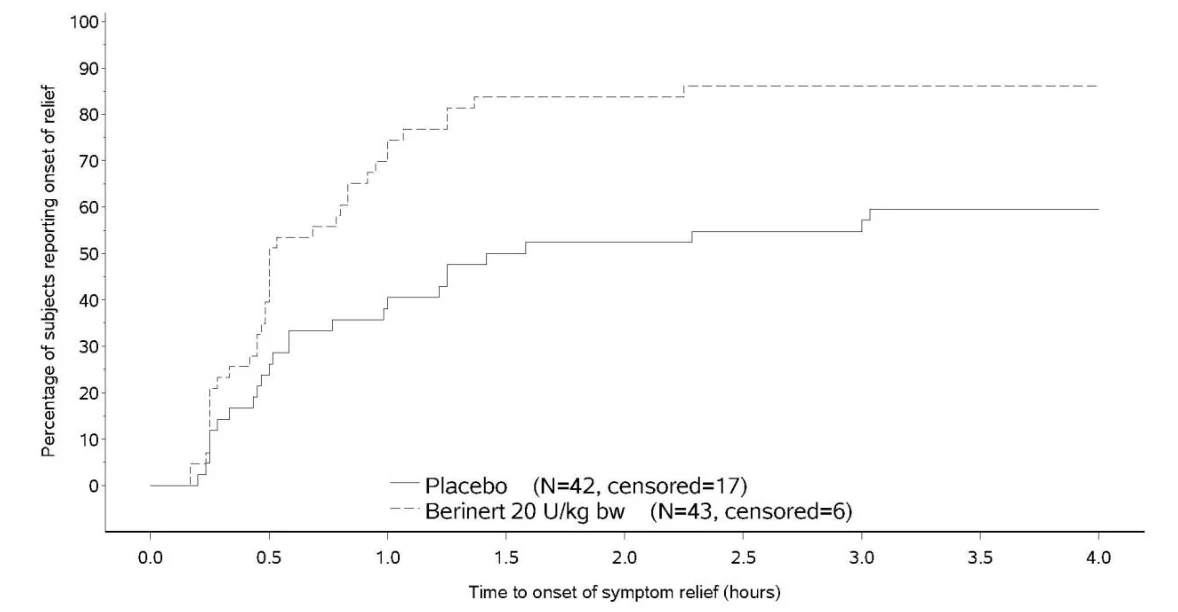
The Protocol permitted rescue medication to be administered starting 4 hours after randomized blinded study medication has been administered. Thus individual time points beyond 4 hours are not presented, as a differentiation between rescue and study medication is no longer possible.
*Included: rescue study medication (as blinded C1 inhibitor or placebo given as rescue medication), open–label C1 inhibitor, narcotic analgesics, anti-emetics, androgens at increased dose or fresh –frozen plasma. Subjects who received any to these medications (except for non-narcotics analgesics) between start of randomized blinded study medication and onset of symptom relief are counted as treatment failures i.e. without relief up to 4 hours.
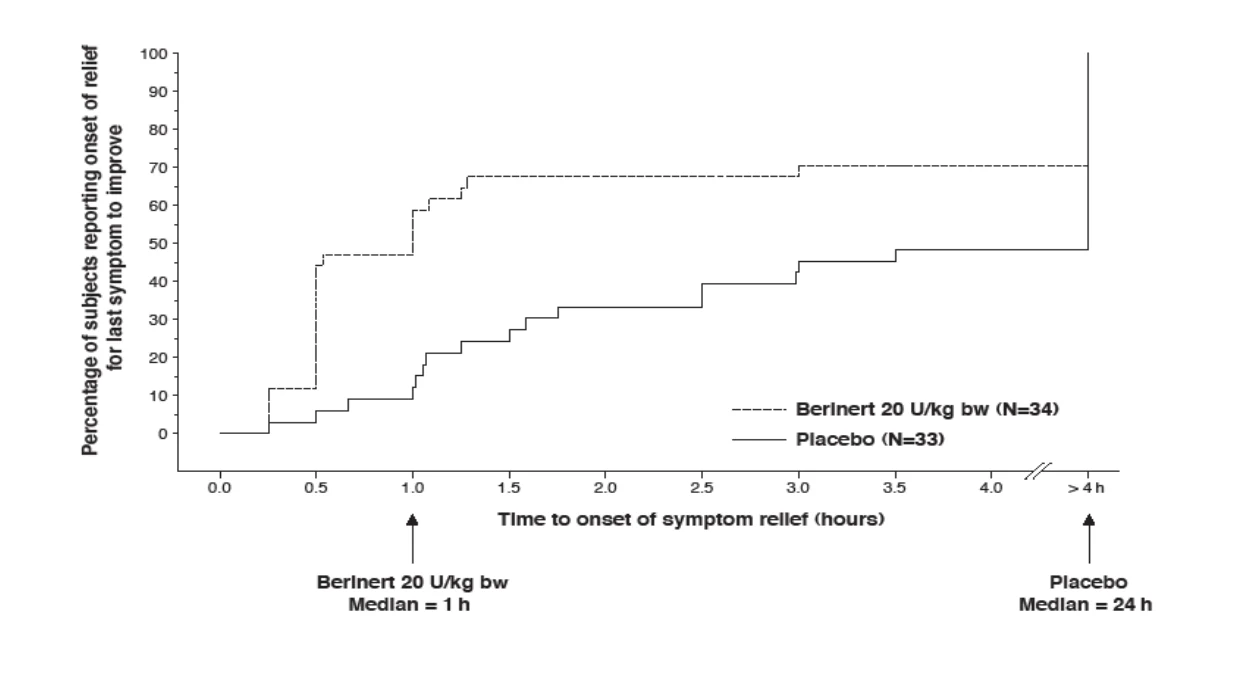
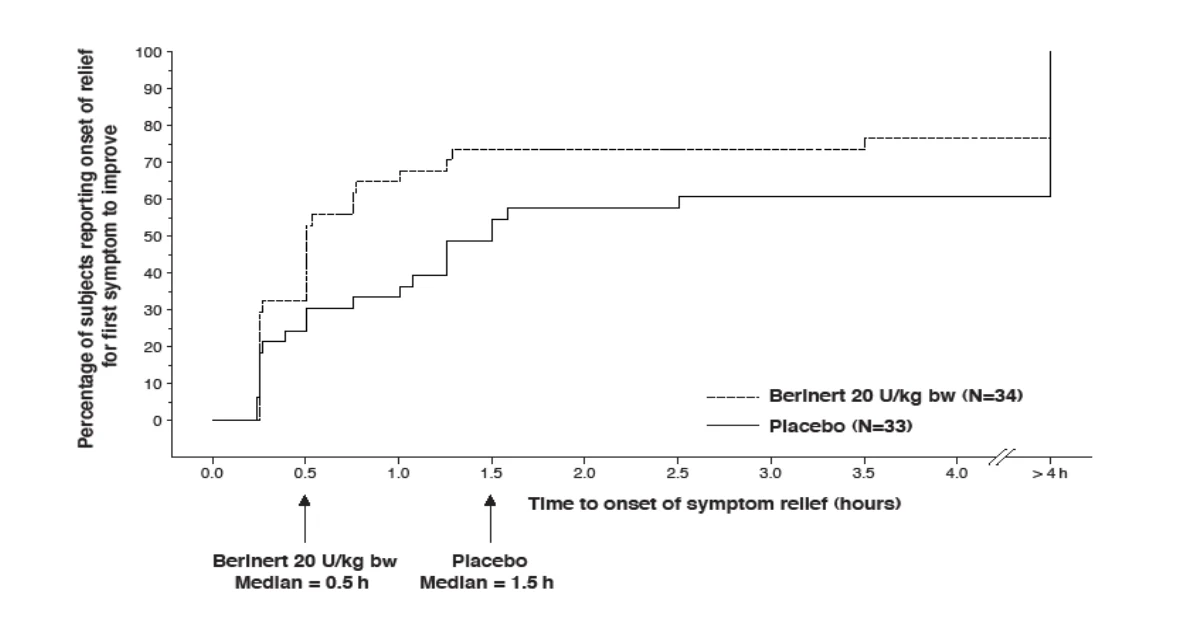
The efficacy of BERINERT 20 IU/kg body weight could be confirmed by observing a reduction in the intensity of single HAE symptoms at an earlier time compared to placebo. For abdominal attacks Figure 2 shows the time to start of relief of the last symptom to improve that was already present at baseline. Pre-defined abdominal HAE symptoms included pain, nausea, vomiting, cramps and diarrhea.
Figure 3 shows the respective time to start of relief of the first symptom to improve that was already present at baseline.
Figure 2 – Time to Start of Relief of the Last Symptom to Improve (Abdominal Attacks) With Imputation to >4 Hours for Subjects Who Received any Rescue Medication* Before Start of Relief
*Included rescue study medication (as blinded C1 inhibitor or placebo given as rescue medication), open-label C1 inhibitor, narcotic and non-narcotic analgesics, anti-emetics, androgens at increased dose or fresh frozen plasma.
Figure 3 – Time to Start of Relief of the First Symptom to Improve (Abdominal Attacks) With Imputation to >4 Hours for Subjects Who Received Any Rescue Medication* Before Start of Relief
*Included rescue study medication (as blinded C1 inhibitor or placebo given as rescue medication), open-label C1 inhibitor, narcotic and non-narcotic analgesics, anti-emetics, androgens at increased dose or fresh frozen plasma.
Table 13 compares the changes in HAE symptoms in subjects receiving BERINERT at 20 IU/kg body weight and placebo.
Table 13 – Proportion of Subjects with Changes in HAE Symptoms, (BERINERT 20 IU/kg Body Weight vs. Placebo)
| Proportion of Subjects With | 20 IU/kg Body Weight BERINERT Group (n=43) | Placebo Group (n=42) |
|---|---|---|
| Onset of symptom relief within 60 minutes after administration of study medication | 74.4.% (32/43) | 40.5% (17/42) |
| Worsened intensity of clinical HAE symptoms between 2 and 4 hours after administration of study medication compared to baseline | 7.0* (3/43) | 35.7% (15/42) |
| At least one new HAE symptom not present at baseline and 4 hours after administration of study medication compared to baseline | 4.7% (2/43) | 19.0% (8/42) |
| Onset of symptom relief within 4 hours after administration of study medication | 37 (86%) | 25 (59.5%) |
| Number of vomiting episodes within 4 hours after start of study treatment | 6** | 35 |
| Number (percent) of combined abdominal and facial attack subjects receiving rescue medication, analgesics or anti-emetics at any time prior to initial relief of symptoms | 6 (14.0%) (with non-narcotic analgesics: 13 (30.2%)) | 17 (40.5%) (with non-narcotic analgesics: 23 (54.8%)) |
* p=0.0011
** p=0.033
Both the proportion of subjects with increased intensity of clinical HAE symptoms between 2 and 4 hours after start of treatment with BERINERT compared to baseline and the number of vomiting episodes within 4 hours after start of study treatment were significantly reduced.
The study demonstrated that the 20 IU BERINERT/kg body weight dose was significantly more efficacious than the 10 IU BERINERT/kg body weight or the placebo. Additionally, the 10 IU BERINERT/kg body weight dose did not show a clinically significant difference compared to placebo.
Extension Study
BERINERT was evaluated in a prospective, open-label, uncontrolled, multicenter extension study conducted at 15 centers in the US and Canada in subjects who had participated in the pivotal study. Subjects could be enrolled in the extension study after they had received study medication in the pivotal study and the 24-hour assessment (primary efficacy parameter) had been completed. The subjects who were screened and eligible, but not treated in study CE1145_3001 and who developed a laryngeal edema, could also be enrolled and treated in the extension study.
The purpose of this extension study was to provide BERINERT 20 IU/kg to subjects who had participated in the pivotal Phase III study and who experienced any type of subsequent HAE attack (i.e., abdominal, facial, peripheral and laryngeal).
Each acute HAE attack was treated and evaluated in this study. The observation period for the first attack for each subject began with enrollment into the study (confirmation of informed consent on Day 1) and ended after the virus safety assessment approximately 3 months after administration of study medication. For each subsequent HAE attack, the observation period started on the day the attack was treated (Day 1) and ended with Day 7 to 9 (end of observation period for adverse events [AEs]). After CE1145 infusion on Day 1, subjects were observed at the study site until onset of relief of HAE symptoms.
Subjects were monitored for changes in vital signs, and for the occurrence of any AEs. Time to onset of symptom relief and time to complete resolution of HAE symptoms were assessed every 15 minutes for the first 2 hours, every 30 minutes for the subsequent 2 hours, and at 5, 6, 7, 8, 12, 16, 20, and 24 hours after administration of the study medication. Each attack was followed up until complete resolution of all HAE symptoms.
A total of 57 subjects (19 males and 38 females, age range: 10 to 53 years) with 1085 HAE attacks were treated in this study.
The predominant location of HAE attacks was abdominal (747 attacks in 51 subjects), followed by peripheral attacks (235 attacks in 30 subjects). A total of 51 facial attacks occurred in 21 subjects, and 48 laryngeal attacks occurred in 16 subjects.
Some study subjects experienced HAE attacks in more than one location.
Table 14 – Time to Initial Onset of Symptom Relief and Time to Complete Resolution of HAE Symptoms for Laryngeal Attacks
| Statistic | Laryngeal (n=48) |
|---|---|
| Time to Onset of Symptom Relief | |
Median hours (min) [Range] | 0.25 (15 min) [0.10-1.25] |
| 95% CI for median | [0.23; 0.42] |
| Time to Complete Resolution of HAE Symptoms | |
Median hours [Range] | 8.38 [0.63-61.83a] |
| 95% CI for median | [6.22; 21.50] |
CI = confidence interval; HAE = hereditary angioedema; N = number of attacks.
a The maximum time to complete resolution of 61.8 hours was an imputed value. Subject 29301 had 2 laryngeal attacks with missing times to complete resolution of HAE symptoms, which were imputed with the maximum time to complete resolution of HAE symptoms observed for an abdominal attack in this subject.
An analysis of laryngeal HAE attacks showed that the median time to initial onset of Symptom relief and median time to complete resolution in the per-attack analysis were 0.25 hours (15 Minutes) and 8.4 hours (8 hours and 24 minutes), respectively (Table 14).
The prospective open-label extension study demonstrated that BERINERT 20 IU/kg body weight dose appeared to be effective in ameliorating laryngeal HAE attacks by achieving complete resolution of HAE symptoms within 24 hours from attack onset in the majority of subjects.
The treatment effects observed with BERINERT in the extension study are consistent with the findings from the placebo-controlled efficacy trial for facial and abdominal attacks.
14.2 Comparative Bioavailability Studies
Trial Design and Study Demographics
This was a phase 1, randomized, double-blind, single-center, cross-over study to evaluate the safety, relative bioavailability, and PK of two presentations of C1-esterase inhibitor (C1-INH) administered intravenously.
A total of 16 healthy eligible male and female subjects were enrolled in the clinical study and then randomized to receive the following two presentations of BERINERT:
- A: a single IV bolus dose of BERINERT 1500 (a volume-reduced presentation of BERINERT 500) – 1,500 international units (IU)
- B: a single IV infused dose of BERINERT 500 (the currently marketed presentation of BERINERT) – 1,500 IU
BERINERT 500 and BERINERT 1500 were administered in two different treatment sequences using a cross-over design:
- Treatment sequence AB: Single dose of BERINERT 1500 (1,500 IU) followed by a single dose of BERINERT 500 (1,500 IU)
- Treatment sequence BA: Single dose of BERINERT 500 (1,500 IU) followed by a single dose of BERINERT 1500 (1,500 IU)
During the study, assessments were conducted to evaluate safety and PK parameters. Safety was evaluated by continuous observation of adverse events (AEs). In each period, 1 pre-dose and 14 post-dose samples were collected from each subject. All PK assessments were based on plasma C1-INH concentrations and functional activity measurements.
Results
Subject Demographics
The majority of the 16 subjects enrolled in the study were male (11/16; 68.8%) and all were of the white race (16/16; 100.0%); the median age of subjects was 35.0 years and the median body mass index was 23.90 kg/m2.
Safety Results
Please refer to 8 ADVERSE REACTIONS.
- Primary Endpoint: The primary endpoint for this study was the incidence of AEs within 24 hours of the BERINERT 1500 administration. There were no AEs reported within 24 hours of administration of BERINERT 1500.
Secondary Endpoint: The secondary safety endpoint for this study was the incidence of AEs within 10 days (240 hours) of BERINERT 1500 administration. There were 6 AEs reported within 10 days of BERINERT 1500 administration in 5/15 (33.3%) subjects. Of the 6 AEs reported during the 10-day period after BERINERT 1500 administration, nasopharyngitis was the most frequently reported event (4 events). All events were either mild or moderate in severity, none were causally related to
- IMP administration, and all events were reported as recovered/resolved at the completion of the study.
Pharmacokinetic Results
Please refer to 10 CLINICAL PHARMACOLOGY.
14.3 Immunogenicity
Neoantigenicity Study
Since the pasteurization and nanofiltration step during the production process could theoretically result in the formation of a neoepitope in the C1-INH molecule, neoantigenicity studies were performed.
Two groups of rabbits were immunized intravenously either with the unpasteurized or the pasteurized C1-INH concentrate. Three rabbits died during the immunization period due to an anaphylactic shock. This was a reaction to the foreign protein material and not related to a possible toxicity of C1-INH concentrate.
On Day 25, a blood sample was obtained from the remaining animals. The sera were investigated in an Ouchterlony test against the corresponding antigen and revealed precipitating antibodies. On Day 31, animals were bled and the sera were obtained separately. Sera from rabbits immunized with the pasteurized C1-INH concentrate were absorbed with non-heated C1-INH.
Subsequently, pre-absorbed samples were tested in the Ouchterlony test against non-heated C1-INH or pasteurized C1-INH. After absorption of the sera, precipitating antibodies were no longer demonstrable in the Ouchterlony test. These results indicate that heat-treatment of the C1-INH concentrate at +60°C for 10 hours did not lead to the induction of neoantigen formation.
In order to support the results of the in-vitro experiments, the possible formation of neoantigens was examined in a more sensitive in vivo model. Pre-absorbed sera from rabbits immunized as described above were used for passive cutaneous anaphylaxis (PCA) in guinea pigs.
Guinea pigs received absorbed serum injected i.v. two guinea pigs, which had received normal rabbit serum, served as controls. Pasteurized C1-INH concentrate solution were injected intracutaneously (i.c.) into the skin of the right flank. Comparable amounts of native C1-INH concentrate solutions were injected into the skin of the left flank. The animals were then treated with Evans Blue solution and sacrificed a few minutes later. The diameters of the blue-dyed skin areas around the injection sites were measured as parameter for cutaneous anaphylactic reaction and compared to the respective control values. The reactions in guinea pigs after administration of the absorbed rabbit sera did not differ from those in the two control animals, which had received normal rabbit serum under the same conditions.
In conclusion, the in-vitro Ouchterlony test and the in-vivo PCA model in guinea pigs did not show any evidence of newly arising antigenic determinants in BERINERT following pasteurization.
Neoantigenicity study after introduction of the nanofiltration step: Two groups of 3 female rabbits each were immunized s.c. either with the BERINERT or the BERINERT (nanofiltered) concentrate. On day 0, 14 and 28 the test substances were administered s.c. on the back of the animals. The dose volume for all treatments was 1 mL/site (1 site/dosing day).
S.c. administration of BERINERT or BERINERT (nanofiltered) caused a small area of erythema around the injection site in some animals which had resolved by the next sensitisation. No other adverse effects were seen in the rabbits and body weight was not affected.
On Day 56, the rabbit’s blood samples were taken either from a cannulated vein and/or by cardiac puncture and the resultant serum from each immunization group was pooled. Serum samples of both immunization groups (BERINERT group 1=control antigen; BERINERT nanofiltered group 2=immunizing antigen) were initially purified using Protein A columns. In a subsequent procedure employing two absorption steps using the control antigen BERINERT to absorb Anti-BERINERT antibodies present in the hyperimmune serum from rabbits immunized with the immunizing antigen BERINERT nanofiltered (group 2) the resulting absorbed hyperimmune serum was subjected to a final Western blots analysis using BERINERT and BERINERT (nanofiltered) with appropriate positive and negative controls and detection with appropriately enzyme labeled antibodies and substrate.
There was no detection of BERINERT (nanofiltered) by anti-BERINERT (nanofiltered)-antibodies blocked with BERINERT. This observation indicates that the nanofiltration step introduced in the manufacturing process of BERINERT has not resulted in conformational changes that may lead to the formation of neoantigenic sites by modification of the three dimensional protein structure.
15 MICROBIOLOGY
No microbiological information is required for this drug product.
16 NON-CLINICAL TOXICOLOGY
General Toxicology
Local Tolerance Studies
The local i.v. tolerance of BERINERT 500 and 1500 was examined in rabbit studies. In the first study, animal received an i.v. dose of 1,500 IU BERINERT 500 (5 mL, injection time 1 minute) into a lateral marginal ear vein. A control animal received 5 mL isotonic saline under the same conditions.
The local reaction was checked immediately after injection and during the following day. At the end of the study the vicinity of the injection site was inspected. This local i.v. tolerance study did not reveal any pathological changes, neither at the time of injection nor during the following 24 hours. No pathological signs like inflammation of the venous wall or thrombogenesis were observed at autopsy. Therefore, C1 esterase inhibitor (C1-INH) concentrate can be considered to be locally well tolerated in rabbits.
In a second study, the local tolerance of 25 and 75 IU BERINERT 500/ kg b.w. was also tested in comparison to 0.9% saline in New Zealand White rabbits after a single s.c. administration of a volume of 0.44 or 1.32 mL/kg body weight.
Subcutaneous administration of 25 IU BERINERT caused in one case a slight short-termed clinical irritation (erythema) within 72 h. After administration of 75 IU BERINERT no drug-related clinical findings were observed. No further drug-related macroscopical and histological findings were seen for both doses. Based on these results it is concluded that a single administration of BERINERT in a dose of 25 IU and 75 IU per kg b.w. is tolerated in NZW rabbits after s.c. injection. The slight short-term irritations in a single case can be regarded as an isolated finding as it did occur in one animal in the low, but not in the high dose group.
In a third study, local tolerance following one intravenous, intra-arterial, subcutaneous or intramuscular injection was investigated.
Physiological saline was used as control item. Rabbits received BERINERT 1500 at a dosage volume of 3 mL/injection (1617 IU/animal) by intravenous or intra-arterial administration into one ear. Further animals received a dosage volume of 0.5 mL/injection (269.5 IU/animal) by intramuscular administration into the dorsal muscle. Additionally, subcutaneous administration was tested with 3 mL/injection (1617 IU/animal) into the median flanks. The control item (isotonic saline solution, 0.9% NaCl) was tested at the respective contralateral site of each animal.
No unscheduled deaths and no systemic clinical signs were recorded. Body weight was unaffected by the test item-treatment independent of the route of administration.
No erythema and no edema were observed at intravenous, intra arterial and intramuscular injection sites treated with the test item. Erythema and edema were observed at subcutaneous injection sites treated with the test item with a slightly higher incidence and/or severity when compared to control sites. Hematoma and induration observed at the injection sites were considered to be related to the injection procedures.
Intravenous route: One male had minimal perivenous collagen degradation and mononuclear cell infiltrate in the treated site. The other male had slight perivenous heterophil infiltrate in the treated site. These findings were considered as probably related to the test item administration, although of low incidence and severity and although there were no differences between control and treated sites in the female animal.
In conclusion, injection by all tested routes of administration (intravenous, subcutaneous, intra-arterial and intramuscular) of BERINERT 1500 was well tolerated compared to the respective control item. BERINERT 1500 was clinically, locally and histologically well-tolerated in rabbits.
Single-Dose Toxicity
Three groups of NMRI mice were treated with single i.v. doses of 1,500, 3,000, and 6,000 IU/kg C1-INH concentrate, respectively. A fourth group of animals received isotonic saline and served as control. Mice were observed for a period of 14 days, body weight was measured daily, and the clinical status of the animals was documented on a daily basis. At the end of the observation period, mice were sacrificed and pathological-anatomical examinations were performed.
The same treatment and observation schedule was carried out in four groups of Wistar rats. Animals received either isotonic saline or single i.v. doses of 1000, 2000 or 3000 IU/kg C1-INH concentrate.
The body weight development of mice and rats treated with C1-INH concentrate was similar to that of control animals. All animals gained weight normally. There were no unscheduled deaths. Clinical investigations did not reveal any pathological signs, neither at the time of injection nor in the 14-day follow-up period.
No abnormal findings were observed at autopsy after 14 days in mice and rats treated with BERINERT as compared to the controls.
Repeat-Dose Toxicity
A total of 120 SPF-bred Wistar rats of both sexes received doses of BERINERT of 20, 60 and 200 IU/kg body weight/day for a period of up to 14 days. BERINERT was administered daily as an intravenous bolus. A control group was treated similarly with physiological saline only.
Clinical signs, food consumption, body weight and ophthalmoscopical examinations were recorded periodically during acclimatization and treatment periods. At the end of the dosing period, blood samples were withdrawn for hematology, plasma chemistry analyses and urinalysis. All animals were sacrificed, necropsied and examined post-mortem. Histological examinations were performed on organs and tissues from all control and high-dose BERINERT animals, and all gross lesions from all animals.
In a toxicokinetic assessment, plasma levels of C1-INH were tested 24 h after 6th, 10th and 14th treatment.
The time dependency of the antibody formation in rats against the human C1-INH and the C1-INH levels were determined.
Intravenous administration of BERINERT resulted in no mortality, no clinical signs of toxicological relevance during the entire study period, no relevant changes on food consumption or body weights, no changes of toxicological relevance during the ophthalmoscopical examinations, no effects on hematology, clinical biochemistry or urinanalysis parameters, no effects of toxicological relevance in the organ weights and no macroscopic and microscopic findings of toxicological relevance.
Findings of phlebitis/periphlebitis/thrombophlebitis and/or perivascular hemorrhage were noted at the injection sites in the majority of rats. These lesions occurred also in control rats and were attributed to the mechanical irritation consequent to the daily i.v. application rather than to a direct toxic effect of the test item.
Measurement of C1-INH plasma levels resulted in a clear dose-dependency from the administered dose of BERINERT. In the placebo group, certain C1-INH baseline values could be detected. This was attributed to the intrinsic (rat) levels of C1-INH as the test procedure used an activity measurement i.e. the inhibition of complement C1 esterase by C1-INH. Slightly elevated C1-INH plasma levels over baseline were detectable with 20 IU/kg/day BERINERT. A clear dose dependency was demonstrated in the groups receiving 60 IU/kg/day or 200 IU/kg/day BERINERT.
The measurement of antibody response against C1-INH gave no clear results. This would mean that human C1-INH is antigenic to rats in principle but the i.v. route might not lead to an immune response.
In conclusion, the i.v. administration of BERINERT to rats was well tolerated up to the maximal dose of 200 IU/kg b.w.
Other Toxicity Studies
A pro-thrombotic risk, potentially associated with the administration of the C1-INH, was evaluated in thrombogenicity tests in rabbits.
Evaluation of Prothrombotic Effects of BERINERT 500
This study was conducted to investigate the thrombogenic potential of BERINERT 500 using an in vivo thrombogenicity test in rabbits based on an initial study by which produces temporary venous stasis by ligating an appropriate vein and taking thrombosis incidence and thrombus dry weight as parameters for evaluation and comparison. BERINERT 500 was administered in doses of 200, 400 and 800 IU/kg (representing the 10-40 fold of the recommended clinical dose) to 4 female NZW rabbits via the intravenous route.
No thrombus formation could be observed at any time during the course of this study (i.e. thrombus score of 0). In comparison, historical data showed that i.v. infusion of isotonic saline used as negative control generally results in a thrombus score of 0, whereas the i.v. administration of 25-250 IU/kg FEIBA used as the positive control leads to dose-depending increase in thrombus score with fully occluding thrombi (score=3) detectable at the highest dose tested, representing the maximum response of this animal model.
Therefore, it can be concluded that under the conditions of this study, there is no pro-thrombotic risk associated with the i.v. administration of BERINERT 500 up to 800 IU/kg.
Evaluation of Prothrombotic Effects of BERINERT 1500 (C1 Esterase Inhibitor (Human)) following IV Administration
The aim of the study was to investigate the thrombogenic potential of BERINERT 1500 using an in vivo thrombogenicity test in rabbits8 based on an initial study9 which produces temporary venous stasis by ligating an appropriate vein and taking thrombosis incidence and thrombus dry weight as parameters for evaluation and comparison. BERINERT 1500 was administered in doses of 200 and 800 IU/kg (representing the 10 or 40 fold of the recommended clinical dose) to 4 female NZW rabbits via the intravenous route.
No thrombus formation could be observed at any time during the course of this study. In comparison, historical data showed that i.v. infusion of isotonic saline used as negative control generally results in a thrombus score of 0. Whereas the i.v. administration of 50 IU/kg FEIBA within the course of the study used as the positive control leads to an increase in thrombus score of 2.
It can be concluded that there is no pro-thrombotic risk associated with the i.v. administration of BERINERT 1500 up to 800 IU/kg.
Carcinogenicity
With respect to carcinogenicity testing of BERINERT, no oncogenic/carcinogenic effect of this naturally occurring human plasma factors is expected in humans.
Therefore, no carcinogenicity studies were performed.
Genotoxicity
No studies on the genotoxic potential of BERINERT were performed as the ingredients of BERINERT are human plasma proteins and there is no evidence for mutagenic potential.
Reproductive and Developmental Toxicology
As BERINERT is manufactured from human plasma; adverse effects on fertility, postnatal development and reproduction as well as teratogenic effects are not expected in humans. Furthermore data on pregnant women treated with BERINERT are available, which did not show risks for embryotoxicity.
Therefore, no studies on reproduction and developmental toxicity were performed.