


Product Monograph - Botox Cosmetic
RECENT MAJOR LABEL CHANGES
| 03/2025 |
|---|---|
| 4 DOSAGE AND ADMINISTRATION, 4.2 Recommended Dose and Dosage Adjustment | 03/2025 |
| 8 ADVERSE REACTIONS, 8.2 Clinical Trial Adverse Reactions | 03/2025 |
| 9 DRUG INTERACTIONS, 9.4 Drug-Drug Interaction | 08/2022 |
TABLE OF CONTENTS
Sections or subsections that are not applicable at the time of authorization are not listed.
RECENT MAJOR LABEL CHANGES .......................................................................................... 2
TABLE OF CONTENTS ............................................................................................................ 2
PART I: HEALTH PROFESSIONAL INFORMATION .................................................................... 5
1 INDICATIONS ............................................................................................................. 5
1.1 Pediatrics ................................................................................................................ 5
1.2 Geriatrics ................................................................................................................ 5
2 CONTRAINDICATIONS ................................................................................................ 5
3 SERIOUS WARNINGS AND PRECAUTIONS BOX ........................................................... 6
4 DOSAGE AND ADMINISTRATION ................................................................................ 6
4.1 Dosing Considerations ........................................................................................... 6
4.2 Recommended Dose and Dosage Adjustment ...................................................... 7
4.3 Reconstitution ........................................................................................................ 9
4.4 Administration ..................................................................................................... 10
4.5 Missed Dose ......................................................................................................... 10
5 OVERDOSAGE .......................................................................................................... 10
6 DOSAGE FORMS, STRENGTHS, COMPOSITION AND PACKAGING .............................. 11
7 WARNINGS AND PRECAUTIONS ............................................................................... 12
General ............................................................................................................................. 12
Carcinogenesis and Mutagenesis..................................................................................... 13
Cardiovascular .................................................................................................................. 13
Driving and Operating Machinery .................................................................................... 13
Immune ............................................................................................................................ 13
Monitoring and Laboratory Tests .................................................................................... 14
Neurologic ........................................................................................................................ 14
Ophthalmologic ................................................................................................................ 14
Skin ................................................................................................................................... 14
7.1 Special Populations .............................................................................................. 14
7.1.1 Pregnant Women ............................................................................................. 14
7.1.2 Breast-feeding .................................................................................................. 15
7.1.3 Pediatrics .......................................................................................................... 15
7.1.4 Geriatrics .......................................................................................................... 15
8 ADVERSE REACTIONS............................................................................................... 15
8.1 Adverse Reaction Overview ................................................................................. 15
8.2 Clinical Trial Adverse Reactions ........................................................................... 15
8.3 Less Common Clinical Trial Adverse Reactions .................................................... 17
8.4 Abnormal Laboratory Findings: Hematologic, Clinical Chemistry and Other Quantitative Data ............................................................................................................. 17
8.5 Post-Market Adverse Reactions ........................................................................... 17
9 DRUG INTERACTIONS .............................................................................................. 18
9.2 Drug Interactions Overview ................................................................................. 18
9.3 Drug-Behavioural Interactions ............................................................................. 18
9.4 Drug-Drug Interactions ........................................................................................ 18
9.5 Drug-Food Interactions ........................................................................................ 19
9.6 Drug-Herb Interactions ........................................................................................ 19
9.7 Drug-Laboratory Test Interactions....................................................................... 19
10 CLINICAL PHARMACOLOGY ...................................................................................... 20
10.1 Mechanism of Action ........................................................................................... 20
10.2 Pharmacodynamics .............................................................................................. 20
10.3 Pharmacokinetics ................................................................................................. 20
11 STORAGE, STABILITY AND DISPOSAL ........................................................................ 20
12 SPECIAL HANDLING INSTRUCTIONS .......................................................................... 21
PART II: SCIENTIFIC INFORMATION ..................................................................................... 22
13 PHARMACEUTICAL INFORMATION .......................................................................... 22
14 CLINICAL TRIALS ...................................................................................................... 22
14.1 Efficacy and Safety Trials by Indication ................................................................ 22
Upper Facial Lines ............................................................................................................ 22
Glabellar Lines .................................................................................................................. 22
Horizontal Forehead Lines ............................................................................................... 23
Lateral Canthal Lines (Crow’s Feet) ................................................................................. 23
Lower Face Muscle Prominence ...................................................................................... 24
Platysma Prominence ...................................................................................................... 24
15 MICROBIOLOGY ...................................................................................................... 27
16 NON-CLINICAL TOXICOLOGY .................................................................................... 27
PATIENT MEDICATION INFORMATION ................................................................................ 30
PART I: HEALTH PROFESSIONAL INFORMATION
1 INDICATIONS
BOTOX COSMETIC® (onabotulinumtoxinA for injection) is indicated:
Upper Facial Lines
- for the treatment of upper facial rhytides, including forehead, lateral canthus, and glabellar lines.
Lower Facial Muscle Prominence
- for the improvement in the appearance of platysma prominence in adults.
1.1 Pediatrics
Pediatrics (< 18 years of age): No data are available to Health Canada; therefore, Health Canada has not authorized these indications for pediatric use.
1.2 Geriatrics
Geriatrics (≥ 65 years of age): Studies specifically designed to determine the dose in geriatric patients have not been performed. Dosages for the geriatric population are as for other adults. Initial dosing should begin at the lowest recommended dose for the specific indication.
2 CONTRAINDICATIONS
Botox Cosmetic is contraindicated in:
- patients who are hypersensitive to any botulinum toxin type A or to any ingredient in the formulation or component of the container. For a complete listing, see the 6 DOSAGE FORMS, STRENGTHS, COMPOSITION AND PACKAGING section of the product monograph.
- the presence of infection at the proposed injection site(s).
3 SERIOUS WARNINGS AND PRECAUTIONS BOX
4 DOSAGE AND ADMINISTRATION
4.1 Dosing Considerations
- For Intramuscular Use Only
- Botox Cosmetic should only be given by a physician or authorized prescriber with the appropriate qualifications and experience in the treatment and the use of required equipment.
- The term “Allergan Unit” upon which dosing is based is a specific measurement of toxin activity that is unique to AbbVie’s formulation of botulinum toxin type A. Therefore, the “Allergan Units” used to describe Botox Cosmetic activity are different from those used to describe that of other botulinum toxin preparations and the units representing Botox Cosmetic activity are not interchangeable with other products.
- The use of one vial for more than one patient is not recommended because the product and diluent do not contain a preservative.
- Treatment should be initiated at the lowest recommended dose. This dose can be gradually increased in subsequent treatments to the maximum recommended dose, if needed. The exact dosage and number of injection sites should be tailored to the patient’s needs based on the size, number and location of muscles involved, presence of local muscle weakness, response to previous treatment, and the patient’s medical condition.
Serious Warnings and Precautions
- The term “Allergan Unit” upon which dosing is based is a specific measurement of toxin activity that is unique to this formulation of botulinum toxin type A. Therefore, the “Allergan Units” used to describe Botox and Botox Cosmetic’s activity are different from those used to describe that of other botulinum toxin preparations and the units representing Botox and Botox Cosmetic’s activity are not interchangeable with other products.
- Botox Cosmetic should only be given by a physician or authorized prescriber with the appropriate qualifications and experience in the treatment and the use of required equipment.
- Follow the recommended dosage and frequency of administration for Botox Cosmetic (see 7 WARNINGS AND PRECAUTIONS, General and 4 DOSAGE AND ADMINISTRATION).
- DISTANT SPREAD OF TOXIN EFFECT: The effects of Botox Cosmetic and all botulinum toxin products may spread from the area of injection to produce symptoms consistent with botulinum toxin effects. These symptoms have been reported hours to weeks after injection. Swallowing and breathing difficulties can be life-threatening and there have been reports of death. The risk of symptoms is probably greatest in children treated for spasticity, but symptoms can occur in adults, particularly in those patients who have underlying conditions that would predispose them to these symptoms.
- Injection intervals of Botox Cosmetic should be no more frequent than every three months. Indication specific dosage and administration recommendations should be followed. In treating adult patients, if combined with non-cosmetic indications, the maximum cumulative dose in a 3-month interval should generally not exceed 6 Units/kg or 360 Units, whichever is lower.
4.2 Recommended Dose and Dosage Adjustment
Botox Cosmetic is reconstituted only with 0.9% sterile non-preserved saline. Dilutions resulting in 4.0 Units to 7.0 Units per 0.1 mL are generally recommended.
Upper Facial Lines
Glabellar lines: 4 Units should be injected intramuscularly using a 30-gauge needle in each of 5 sites, 2 in each corrugator muscle and 1 in the procerus muscle for a total dose of 20 Units.
In order to reduce the complication of ptosis, injection near the levator palpebrae superioris should be avoided, particularly in patients with larger brow-depressor complexes. Medial corrugator injections should be placed at least 1 cm above the bony supraorbital ridge.
Forehead lines: 2 to 6 Units should be injected intramuscularly at each of 4 injection sites in the frontalis muscle, every 1 to 2 cm along either side of a deep forehead crease, 2 to 3 cm above the eyebrows, for a total dose of up to 24 Units.
Lateral canthus lines: Generally, 2 to 6 Units should be injected bilaterally at each of 1 to 3 injection sites at a 2 to 3 mm depth, lateral to the lateral orbital rim, where most lines are seen when a smile is forced. Injection should be at least 1 cm outside the bony orbit, not medial to the vertical line through the lateral canthus, and not close to the inferior margin of the zygoma.
The safety and effectiveness of dosing with Botox Cosmetic more frequently than every 3 months have not been evaluated.
Lower Facial Muscle Prominence
Platysma Prominence
Using an appropriately sized sterile syringe, needle, and aseptic technique, inject 2 Units of reconstituted Botox Cosmetic into each of the 4 sites in the upper segment of platysma muscle, below the jawline on each side. In addition, inject 1 Unit of reconstituted Botox Cosmetic into each of the 5 sites along each vertical neck band, 1 to 2 vertical neck bands per side. Depending on platysma prominence severity, the total dose may be 26 Units (1 band/side), 31 Units (1 band one side, 2 bands other side), or 36 Units (2 bands/side) (seeError! Reference source not found.Table 1, Figure 1,and Figure 2 below).
Identify the treatment location: For each side, the 4 jawline injections to the upper platysma muscle should be approximately 1 to 2 cm inferior and parallel to the lower mandibular border. The anterior injection site should be in line with the oral commissure, and the posterior injection site should be slightly anterior to the angle of the mandible. The remaining 2 injections should be equidistant (approximately 1 to 2 cm apart) between the anterior and posterior injection points (see Figure 1 and Figure 2).
For each vertical neck band, 1 to 2 per side, distribute 5 injections vertically approximately 1 to 2 cm apart (see Figure 1 and Figure 2). The most superior injection site should be approximately 1 to 2 cm inferior to the jawline injections.
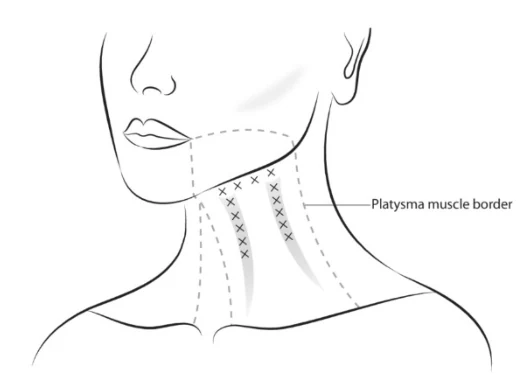
Figure 1. Injection Sites for Platysma Prominence (2 Bands)
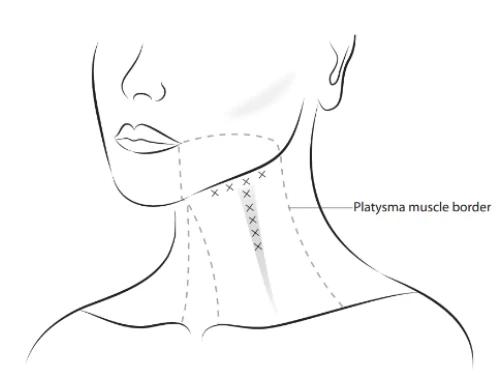
Figure 2. Injection Sites for Platysma Prominence (1 Band)
Administration: The platysma muscle is a thin muscle sheet just below the surface of the skin. Therefore, all platysma muscle injections should be administered superficially and intramuscularly with the needle perpendicular to the surface of the skin. For vertical neck band injections, each band should be identified while the patient is contracting their platysma. Gently pinch the band to isolate the muscle from nearby anatomical structures during administration (see Table 1).
To reduce injection-related complications, injection should be at least 1 cm inferior to the lower mandibular border. Do not inject into structures deep to the platysma muscle, particularly in the anterior region of the neck.
Improvement in platysma prominence, following Botox Cosmetic injection, lasts up to 4 months.
The safety and effectiveness of dosing with Botox Cosmetic more frequently than every 3 months have not been evaluated.
Table 1. Dosing for Platysma Prominence
| Jawline Injection (Inferior to the Lower Mandibular Border) | Vertical Neck Band Injection | Total Dose (Number of Injection Sites) | |
|---|---|---|---|
| 2 Units/0.05 mL into each of the 4 sites on each side (16 Units in 8 sites) | 1 Unit/0.025 mL into each of the 5 sites per band (1 to 2 bands/side) | 1 band on both sides (10 Units in 10 sites) | 26 Units (18 sites) |
| 1 band on one side, and 2 bands on the other side (15 Units in 15 sites) | 31 Units (23 sites) | ||
| 2 bands on both sides (20 Units in 20 sites) | 36 Units (28 sites) | ||
Lack of Response
There are several potential explanations for a lack or diminished response to an individual treatment with Botox Cosmetic. These may include inadequate dose selection, selection of inappropriate muscles for injection, muscles inaccessible to injection, underlying structural abnormalities such as muscle contractures or bone disorders, change in pattern of muscle involvement, patient perception of benefit compared with initial results, inappropriate storage or reconstitution, as well as neutralizing antibodies to botulinum toxin. A neutralizing antibody is defined as an antibody that inactivates the biological activity of the toxin. However, there have been patients who continued to respond to therapy and demonstrated presence of neutralizing antibodies; the proportion of patients which lose their response to botulinum toxin therapy and have demonstrable levels of neutralizing antibodies is small.
The critical factors for neutralizing antibody production are the frequency and dose of injection. To reduce the potential for neutralizing antibody formation, it is recommended that injection intervals of Botox Cosmetic should be no more frequent than every three months.
A suggested course of action when patients do not respond to Botox Cosmetic injections is:
- 1) wait the usual treatment interval;
- 2) consider reasons for lack of response listed above;
- 3) more than one treatment course should be considered before classification of a patient as a non-responder;
- 4) test patient serum for neutralizing antibody presence.
4.3 Reconstitution
To reconstitute vacuum-dried Botox Cosmetic, use sterile normal saline without a preservative; 0.9% Sodium Chloride Injection is the only recommended diluent. Draw up the proper amount of diluent in the appropriate size syringe. Since Botox Cosmetic is denatured by bubbling or similar violent agitation, inject the diluent into the vial gently. Discard the vial if a vacuum does not pull the diluent into the vial. Record the date and time of reconstitution on the space on the label. Botox Cosmetic should be administered within twenty-four hours after reconstitution.
During this time period, reconstituted Botox Cosmetic should be stored in a refrigerator (2 to 8o C). Reconstituted Botox Cosmetic should be clear, colorless and free of particulate matter. Parenteral drug products should be inspected visually for particulate matter and discoloration prior to administration and whenever the solution and the container permit.
Table 2. Reconstitution
Resulting Dose: Units per 0.1 mL | Quantity of Diluent Added (0.9% Sodium Chloride for Injection) | ||||
| 50 Units Vial | 100 Units Vial | ||||
| 7.5 Units | 0.7 mL | 1.3 mL | |||
| 5.0 Units | 1.0 mL | 2.0 mL | |||
| 4.0 Units | 1.25 mL | 2.5 mL | |||
| 2.5 Units | 2.0 mL | 4.0 mL | |||
4.4 Administration
An injection of Botox Cosmetic is prepared by drawing into an appropriately-sized sterile syringe with an amount of the properly diluted toxin (see Table 2) slightly greater than the intended dose. Air bubbles in the syringe barrel are expelled and the syringe may be attached to the electromyographic injection needle. Injection volume in excess of the intended dose is expelled through the needle into an appropriate waste container to assure patency of the needle and to confirm that there is no syringe-needle leakage. A new sterile needle and syringe should be used to enter the vial on each occasion for dilution or removal of Botox Cosmetic.
4.5 Missed Dose
Missed doses may be administered as soon as is practical.
5 OVERDOSAGE
Overdose of Botox Cosmetic is a relative term and depends upon dose, site of injection, and underlying tissue properties. Signs and symptoms of overdose are not apparent immediately post-injection. Excessive doses may produce local, or distant, generalized and profound neuromuscular paralysis. Should accidental injection or oral ingestion occur, or overdose be suspected, the person should be medically monitored for up to several weeks for progressive signs or symptoms of muscular weakness distant from the site of injection that may include ptosis, diplopia, swallowing and speech disorders, generalized weakness or respiratory failure. These patients should be considered for further medical evaluation and appropriate medical therapy immediately instituted, which may include hospitalization.
If the musculature of the oropharynx and esophagus are affected, aspiration may occur which may lead to development of aspiration pneumonia. If the respiratory muscles become paralyzed or sufficiently weakened, intubation and assisted respiration may be necessary until recovery takes place. Supportive care could involve the need for a tracheostomy and/or prolonged mechanical ventilation, in addition to other general supportive care.
6 DOSAGE FORMS, STRENGTHS, COMPOSITION AND PACKAGING
To help ensure the traceability of biologic products, including biosimilars, health professionals should recognize the importance of recording both the brand name and the non-proprietary (active ingredient) name as well as other product-specific identifiers such as the Drug Identification Number (DIN) and the batch/lot number of the product supplied.
Table 3. Dosage Forms, Strengths, Composition and Packaging
Botox Cosmetic is available in 50 and 100 Unit sterile vials of Clostridium botulinum toxin type A in a vacuum-dried form without a preservative. One Allergan Unit corresponds to the calculated median lethal dose (LD50) in mice using reconstituted Botox Cosmetic and injected intraperitoneally.
Table 4. Quantities of the Ingredients in Each Vial
| INGREDIENTS | 50 Botox Cosmetic Units Vial | 100 Botox Cosmetic Units Vial |
| Clostridium botulinum toxin type A neurotoxin complex (900kD) | 50 Units | 100 Units |
| Human Serum Albumin | 0.25 mg | 0.5 mg |
| Sodium Chloride | 0.45 mg | 0.9 mg |
Description
Botox Cosmetic is a sterile, vacuum-dried form of purified botulinum neurotoxin type A complex, produced from a culture of the Hall strain of Clostridium botulinum grown in a medium containing N-Z amine, glucose and yeast extract. It is purified to a crystalline complex consisting of the neurotoxin, a non-toxic protein and four major hemagglutinin proteins.
| For management of a suspected drug overdose, contact your regional poison control centre. |
|---|
| Route of Administration | Dosage Form / Strength/Composition | Non-medicinal Ingredients |
| Intramuscular | Sterile vacuum-dried concentrate; powder for solution for injection; 50 and 100 Allergan Units per vial | Albumin (human) Sodium chloride |
This product contains human serum albumin, a derivative of human blood. Based on effective donor screening and product manufacturing processes, it carries an extremely remote risk for transmission of viral diseases. A theoretical risk for transmission of Creutzfeldt-Jakob disease (CJD) also is considered extremely remote. No cases of transmission of viral diseases or CJD have ever been identified for albumin.
7 WARNINGS AND PRECAUTIONS
Please see the 3 SERIOUS WARNINGS AND PRECAUTIONS BOX at the beginning of Part I: Health Professional Information.
General
BOTOX and Botox Cosmetic contain the same active ingredient in the same formulation. Therefore, adverse events observed with the use of Botox also have the potential to be associated with the use of Botox Cosmetic.
Use Botox Cosmetic only as directed.
Do not use dosage recommendations and potency Units applied to other botulinum toxin products when using Botox Cosmetic.
The safe and effective use of Botox Cosmetic depends upon proper storage of the product, selection of the correct dose, and proper reconstitution and administration techniques.
A physician or authorized prescriber administering Botox Cosmetic should be familiar with the relevant anatomy of the area involved and any alterations to the anatomy due to prior surgical procedures. Care should be taken when injecting in or near vulnerable anatomic structures. Serious adverse events including fatal outcomes have been reported in patients who had received Botox injected directly into salivary glands, the oro-lingual-pharyngeal region, esophagus and stomach. Some patients had pre-existing dysphagia or significant debility. Pneumothorax associated with injection procedure has been reported following the administration of Botox near the thorax. Caution is warranted when injecting in proximity to the lung, particularly the apices.
Caution should be used when Botox Cosmetic is used in the presence of inflammation at the proposed injection site(s) or when excessive weakness or atrophy is present in the target muscle.
Local muscle weakness represents the expected pharmacological action of botulinum toxin in muscle tissue. However, weakness of adjacent muscles associated with local diffusion and/or injection technique has been reported.
Progressive signs or symptoms of muscular weakness remote to the site of injection may include ptosis and diplopia, as well as other serious adverse effects including swallowing and speech disorders, generalized weakness or respiratory failure. In addition, certain adverse effects (e.g., dysphagia, aspiration pneumonia) have been rarely reported in both pediatric and adult patients, some of which have been associated with a fatal outcome.
When exposed to very high doses, patients with neurologic disorders, e.g., pediatric cerebral palsy or adult spasticity, may be at increased risk of clinically significant systemic effects.
Patients or caregivers should be advised to seek immediate medical care if swallowing, speech or respiratory disorders arise.
Patients with a history of underlying neurologic disorders, dysphagia and/or aspiration should be treated with extreme caution. The botulinum toxin product should be used under specialist supervision in these patients and should only be used if the benefit of treatment is considered to outweigh the risk.
Injection intervals of Botox Cosmetic should be no more frequent than every three months. Indication specific dosage and administration recommendations should be followed. If combined with non-cosmetic indications, the maximum cumulative dose in a 3-month interval should generally not exceed 6 Units/kg or 360 Units, whichever is lower.
The primary release procedure for Botox Cosmetic uses a cell-based potency assay to determine the potency relative to a reference standard. The assay is specific to AbbVie’s product Botox Cosmetic. One Allergan Unit corresponds to the calculated median intraperitoneal lethal dose (LD50) in mice. Due to specific details of this assay such as the vehicle, dilution scheme and laboratory protocols, Units of biological activity of Botox Cosmetic cannot be compared to nor converted into Units of any other botulinum toxin or any toxin assessed with any other specific assay method. The specific activity of Botox Cosmetic is approximately 20 Units/nanogram of neurotoxin protein complex.
This product contains human serum albumin, a derivative of human blood. Based on effective donor screening and product manufacturing processes, it carries an extremely remote risk for transmission of viral diseases. A theoretical risk for transmission of Creutzfeldt-Jakob disease (CJD) also is considered extremely remote. No cases of transmission of viral diseases or CJD have ever been identified for albumin.
Carcinogenesis and Mutagenesis
Studies in animals have not been performed to evaluate the carcinogenic potential of Botox Cosmetic. Botox Cosmetic was not mutagenic in in vitro and in vivo mutagenicity studies. (See 16 NON-CLINICAL TOXICOLOGY section for more information.)
Cardiovascular
There have been reports following administration of botulinum toxin of adverse events involving the cardiovascular system, including arrhythmia and myocardial infarction, some with fatal outcomes. Some of these patients had risk factors including pre-existing cardiovascular disease. The exact relationship of these events to Botox Cosmetic/Botox is unknown.
Driving and Operating Machinery
Asthenia, muscle weakness, dizziness and visual disturbance have been reported after treatment of Botox and/or Botox Cosmetic and could make driving or using machines dangerous.
Immune
Formation of neutralizing antibodies to botulinum toxin type A may reduce the effectiveness of Botox Cosmetic treatment by inactivating the biological activity of the toxin. The critical factors for neutralizing antibody formation have not been well characterized. The results from some studies suggest that Botox injections at more frequent intervals or at higher doses may lead to greater incidence of antibody formation. When appropriate, the potential for antibody formation may be minimized by injecting with the lowest effective dose given at the longest feasible intervals between injections.
As with all biologic products, an anaphylactic reaction may occur. Necessary precautions should be taken, and epinephrine should be available.
Serious and/or immediate hypersensitivity reactions such as anaphylaxis and serum sickness have been rarely reported, as well as other manifestations of hypersensitivity including urticaria, soft tissue edema, and dyspnea. Some of these reactions have been reported following the use of Botox Cosmetic either alone or in conjunction with other products associated with similar reactions. If such a reaction occurs, further injection should be discontinued, and appropriate medical therapy immediately instituted. One fatal case of anaphylaxis has been reported in which the patient died after being injected with Botox Cosmetic diluted with 5 ml of 1% lidocaine. The causal role of Botox Cosmetic, lidocaine, or both cannot be reliably determined.
Monitoring and Laboratory Tests
There are no specific requirements for laboratory test monitoring when patients are treated with Botox Cosmetic.
Neurologic
Extreme caution should be exercised when administering Botox Cosmetic to individuals with peripheral motor neuropathic diseases (e.g., amyotrophic lateral sclerosis, or motor neuropathy) or neuromuscular junction disorders (e.g., myasthenia gravis or Lambert-Eaton syndrome). Patients with neuromuscular junction disorders may be at increased risk of clinically significant systemic effects including severe dysphagia and respiratory compromise from typical doses of Botox Cosmetic. There have been rare cases of administration of a botulinum toxin to patients with known or unrecognized neuromuscular junction disorders where the patients have shown extreme sensitivity to the systemic effects of typical clinical doses. In some of these cases, dysphagia has lasted several months and required placement of a gastric feeding tube. When exposed to very high doses, patients with neurologic disorders, e.g., pediatric cerebral palsy or adult spasticity, may also be at increased risk of clinically significant systemic effects.
Ophthalmologic
In order to reduce the complications of ptosis, avoid injection near the levator palpebrae superioris, particularly in patients with larger brow-depressor complexes. Medial corrugator injections should be placed at least 1 cm above the bony supraorbital ridge. To reduce the occurrence of diplopia, injections of the lateral canthal lines should be outside the bony orbit, not medial to the vertical line through the lateral canthus. To reduce the occurrence of lip ptosis, injections should be above the insertion of the zygomaticus muscles.
Skin
As is expected for any injection procedure, localized pain, inflammation, paresthesia, hypoesthesia, tenderness, swelling/edema, erythema, localized infection, bleeding and/or bruising have been associated with the injection. Needle-related pain and/or anxiety have resulted in vasovagal responses, including transient symptomatic hypotension and syncope.
7.1 Special Populations
7.1.1 Pregnant Women
There are no adequate and well-controlled studies of Botox Cosmetic administration in pregnant women. Studies in animals have shown reproductive toxicity. The potential risk for humans is unknown. Botox Cosmetic should not be used during pregnancy. If this drug is used during pregnancy, or if the patient becomes pregnant while taking this drug, the patient should be apprised of the potential risks, including abortion or fetal malformations, which have been observed in rabbits.
7.1.2 Breast-feeding
It is not known whether this drug is excreted in human milk. Because many drugs are excreted in human milk, caution should be exercised when Botox Cosmetic is administered to a nursing woman.
7.1.3 Pediatrics
Pediatrics (< 18 years of age): No data are available to Health Canada; therefore, Health Canada has not authorized an indication for pediatric use.
7.1.4 Geriatrics
Geriatrics (≥ 65 years of age): Studies of Botox Cosmetic specifically designed to determine the dose in geriatric patients have not been performed. Dosages for the geriatric population are as for other adults. In addition, aggregate review of Botox Cosmetic and Botox post-marketing and clinical trial safety reports showed that, in general, the risk of adverse events is comparable between the geriatric and younger population. In general, dose selection for an geriatric patient should be cautious, usually starting at the lowest recommended dose for the specific indication.
8 ADVERSE REACTIONS
8.1 Adverse Reaction Overview
In general, adverse reactions occur within the first few days following injection and while generally transient may have duration of several months or, in rare cases, longer.
Local muscle weakness represents the expected pharmacological action of botulinum toxin in muscle tissue. However, weakness of adjacent muscles associated with local diffusion and/or injection technique has been reported. Very rare cases of muscle weakness remote to the site of injection and uncommon cases of other serious adverse effects (e.g., dysphagia when injected into the neck region) have been reported with cosmetic application.
As is expected for any injection procedure, localized pain, inflammation, paresthesia, hypoesthesia, tenderness, swelling/oedema, erythema, localized infection, bleeding and/or bruising have been associated with the injection. Needle-related pain and/or anxiety have resulted in vasovagal responses, including transient symptomatic hypotension and syncope.
8.2 Clinical Trial Adverse Reactions
Clinical trials are conducted under very specific conditions. The adverse reaction rates observed in the clinical trials; therefore, may not reflect the rates observed in practice and should not be compared to the rates in the clinical trials of another drug. Adverse reaction information from clinical trials may be useful in identifying and approximating rates of adverse drug reactions in real-world use.
Because clinical trials are conducted under very specific conditions, the adverse reaction rates observed in the clinical trials may not reflect the rates observed in practice and should not be compared to the rates in the clinical trials of another drug. Adverse reaction information from clinical trials is useful for identifying drug-related adverse events and for approximating rates.
Upper Facial Lines
Safety was evaluated in two multicenter, double-blind, placebo-controlled, parallel group studies of identical design for the treatment of glabellar lines (N = 535; 405 in the Botox Cosmetic-treated group and 130 in the placebo-treated group). The most frequently reported treatment-related adverse events were headache (9.4% in the Botox Cosmetic-treated group and 15.4% in the placebo-treated group) and blepharoptosis (3.2% in the Botox Cosmetic-treated group and 0% in the placebo-treated group). Blepharoptosis is consistent with the pharmacologic action of Botox Cosmetic and may be technique related.
Table 5. Most Frequently Reported Treatment-Related Adverse Events
Botox Cosmetic n = 405 (%) | Placebo n = 130 (%) | |
Nervous System disorders Headache | 9.3% | 15.4% |
Eye disorders Blepharoptosis | 3.2% | 0% |
Most adverse events reported were of mild-to-moderate severity and all were transient. In a multicenter, open-label, repeat injection study, 318 patients who had participated in one of the two double-blind studies and who had glabellar line severity of at least mild severity at maximum frown received 2 additional treatments of Botox Cosmetic. In this study, adverse events were comparable in type, incidence, severity, and causality to those reported in the two placebo-controlled, double-blind studies.
In clinical studies where Botox Cosmetic was administered for the treatment of forehead or periorbital wrinkles, treatment-related adverse events have been consistent with those for glabellar lines. Adverse events that were reported as treatment-related after treatment of horizontal forehead lines with 16 Units of Botox Cosmetic include: headache (20%), bruising (10%), eyelid swelling (15%), and aching or itching forehead (10%). Injecting well above the brow reduces the risk of ptosis.
Treatment-related adverse events associated with treatment of periorbital wrinkles include mild bruising (4-25%) and headache (5.6%); these events occurred at a similar rate on the placebo-treated side. In addition, eyelid droop or shape change, and pain have been reported. Rare cases of diplopia and an asymmetric smile due to injection of zygomaticus major have been reported. These complications can be avoided with adherence to the recommended injection location (see 7 WARNINGS AND PRECAUTIONS and 4 DOSAGE AND ADMINISTRATION sections).
Lower Facial Muscle Prominence
Platysma Prominence
The safety of Botox Cosmetic 26 Units, 31 Units, or 36 Units was evaluated in 466 Botox Cosmetic-treated subjects and 481 placebo-treated subjects in double-blind, placebo-controlled clinical studies for the improvement of platysma prominence. There were no adverse reactions reported by ≥ 1% of Botox Cosmetic-treated subjects and more frequent than in placebo-treated subjects.
The safety of up to 4 Botox Cosmetic treatments for platysma prominence was assessed in a double-blind, placebo-controlled clinical study and its open-label extension study. Eligible subjects who received Botox Cosmetic or placebo in the lead-in study received up to 3 additional Botox Cosmetic treatments in the open-label extension study. Adverse reactions that occurred at < 1% among 350 Botox Cosmetic-treated subjects include mild dysphagia in 3 subjects (0.9%) and mild facial paresis in 2 subjects (0.6%).
No change was observed in the overall safety profile with repeat dosing up to 4 treatments with Botox Cosmetic.
8.3 Less Common Clinical Trial Adverse Reactions
Adverse events that were reported as treatment-related and were reported in 1-3% of Botox Cosmetic-treated patients are listed.
Gastrointestinal disorders: Nausea (1.0%)
General disorders and administration site conditions: Face pain (2.2%), injection site, pain/burning/stinging (2.5%), injection site edema (1.5%), ecchymosis (1.0%)
Musculoskeletal and connective tissue disorders: Local muscle weakness (1.7%)
Nervous system disorders: Paresthesia (1.0%)
Skin and subcutaneous tissue disorders: Erythema (1.7%), skin tightness (including Mephisto sign) (1.0%)
8.4 Abnormal Laboratory Findings: Hematologic, Clinical Chemistry and Other Quantitative Data
No specific trends in abnormal hematologic or clinical chemistry findings have been reported.
8.5 Post-Market Adverse Reactions
BOTOX and Botox Cosmetic contain the same active ingredient in the same formulation. Therefore, adverse events observed with the use of Botox Cosmetic also have the potential to be associated with the use of BOTOX.
Adverse events after treatment with botulinum toxin, regardless of indication, include rare spontaneous reports of death, sometimes associated with dysphagia, respiratory compromise, pneumonia, and/or other significant debility. There have also been reports of adverse events involving the cardiovascular system, including arrhythmia and myocardial infarction, some with fatal outcomes. Some of these patients had risk factors including pre-existing cardiovascular disease. The exact relationship of these events to the botulinum toxin injection has not been established.
New onset or recurrent seizures have also been reported, typically in patients who are predisposed to experiencing these events. The reports in children were predominantly from cerebral palsy patients treated for spasticity. The exact relationship of these events to the botulinum toxin injection has not been established.
Serious and/or immediate hypersensitivity reactions such as anaphylaxis and serum sickness have been rarely reported, as well as other manifestations of hypersensitivity including urticaria, soft tissue edema, and dyspnea. Some of these reactions have been reported following the use of Botox either alone or in conjunction with other products associated with similar reactions. One fatal case of anaphylaxis has been reported in which the patient died after being injected with Botox inappropriately diluted with 5 ml of 1% lidocaine. The causal role of Botox, lidocaine, or both cannot be reliably determined.
The following list of adverse drug reactions or other medically relevant adverse events have been reported since the drug has been marketed, regardless of indication, and may be in addition to those cited in the 7 WARNING AND PRECAUTIONS and 8.2 Clinical Trials Adverse Reactions sections: denervation/muscle atrophy; respiratory depression and/or respiratory failure; dyspnea; aspiration pneumonia; dysarthria; dysphonia; dry mouth; strabismus; peripheral neuropathy; abdominal pain; diarrhea; nausea; vomiting; pyrexia; anorexia; vision blurred; visual disturbance; hypoacusis; tinnitus; vertigo; facial palsy; facial paresis; brachial plexopathy; radiculopathy; syncope; hypoesthesia; malaise; myalgia; myasthenia gravis; paresthesia; allergic reaction; skin rash (including erythema multiforme, urticarial, dermatitis psoriasiform, and psoriasiforme eruption); pruritus; hyperhidrosis; alopecia, including madarosis; worsening of migraine; dry eye; localized muscle twitching/involuntary muscle contractions.
Angle closure glaucoma has been reported very rarely following Botox treatment for blepharospasm.
Eyelid edema has been reported following periocular Botox injection.
Lagophthalmos has been reported following Botox Cosmetic injection into the glabellar lines or crow’s feet lines.
These reactions are reported voluntarily from a population of uncertain size. The exact relationship of these events to botulinum toxin is unknown.
9 DRUG INTERACTIONS
9.2 Drug Interactions Overview
No specific interactions have been reported.
9.3 Drug-Behavioural Interactions
Drug-behavioural interactions have not been established.
9.4 Drug-Drug Interactions
The drugs listed in this table are based on either drug interaction case reports or studies, or potential interactions due to the expected magnitude and seriousness of the interaction (i.e., those identified as contraindicated).
Table 6. Established or Potential Drug-Drug Interactions
| Proper/Common name | Source of Evidence | Effect | Clinical comment | |||
| aminoglycoside antibiotics or spectinomycin, or other medicinal products that interfere with neuromuscular transmission (e.g., neuromuscular blocking agents, both depolarizing (succinylcholine) and non-depolarizing (tubocurarine derivatives), lincosamides, polymyxins, quinidine, magnesium sulfate, and anticholinesterases). | T | Theoretically, the effect of botulinum toxin type A may be potentiated | The effect of botulinum toxin may be potentiated by aminoglycoside antibiotics or spectinomycin, or other drugs that interfere with neuromuscular transmission (e.g., tubocurarine-type muscle relaxants). Caution should be exercised when Botox Cosmetic is used with aminoglycosides (e.g., streptomycin, tobramycin, neomycin, gentamycin, netilmicin, kanamycin, amikacin), spectinomycin, polymyxins, tetracyclines, lincomycin or any other drugs that interfere with neuromuscular transmission. | |||
| Different botulinum neurotoxin serotypes | T | Unknown | The effect of administering different botulinum neurotoxin serotypes at the same time or within several months of each other is unknown. Excessive weakness may be exacerbated by administration of another botulinum toxin prior to the resolution of the effects of a previously administered botulinum toxin. | |||
| Legend: C = Case Study; CT = Clinical Trial; T = Theoretical | ||||||
9.5 Drug-Food Interactions
Interactions with food have not been established.
9.6 Drug-Herb Interactions
Interactions with herbal products have not been established.
9.7 Drug-Laboratory Test Interactions
Interactions with laboratory tests have not been established.
10 CLINICAL PHARMACOLOGY
10.1 Mechanism of Action
Botox Cosmetic is a sterile, vacuum-dried form of purified botulinum neurotoxin type A complex, produced from a culture of the Hall strain of Clostridium botulinum grown in a medium containing N-Z amine, glucose and yeast extract. It is purified to a crystalline complex consisting of the neurotoxin, a non-toxic protein and four major hemagglutinin proteins.
Botox Cosmetic blocks neuromuscular conduction by binding to receptor sites on motor nerve terminals, entering the nerve terminals, and inhibiting the release of acetylcholine. When injected intramuscularly at therapeutic doses, Botox Cosmetic produces partial chemical denervation of the muscle resulting in localized muscle paralysis. When chemically denervated, the muscle may atrophy, axonal sprouting may occur, and extra-junctional acetylcholine receptors may develop. There is evidence that reinnervation of the muscle may occur, thus reversing muscle weakness produced by localized injection of Botox Cosmetic.
The primary release procedure for Botox Cosmetic uses a cell-based potency assay to determine the potency relative to a reference standard. The assay is specific to AbbVie’s product Botox Cosmetic. One Allergan Unit corresponds to the calculated median intraperitoneal lethal dose (LD50) in mice. Due to specific method details such as the vehicle, dilution scheme and laboratory protocols, Units of biological activity of Botox Cosmetic cannot be compared to or converted into units of any other botulinum toxin activity. The specific activity of Botox Cosmetic is approximately 20 Units/nanogram of neurotoxin protein complex.
10.2 Pharmacodynamics
No formal pharmacodynamic studies have been conducted with Botox Cosmetic.
10.3 Pharmacokinetics
It is believed that little systemic distribution of therapeutic doses of Botox Cosmetic occurs. Botox Cosmetic is not expected to be presented in the peripheral blood at measurable levels following intramuscular injection at the recommended doses. The recommended quantities of neurotoxin administered at each treatment session are not expected to result in systemic, overt distant clinical effects, i.e., muscle weakness, in patients without other neuromuscular dysfunction. However, clinical studies using single fiber electromyographic techniques have shown subtle electrophysiologic findings consistent with neuromuscular inhibition (i.e., “jitter”) in muscles distant to the injection site, but these were unaccompanied by any clinical signs or symptoms of neuromuscular inhibition from the effects of botulinum toxin.
11 STORAGE, STABILITY AND DISPOSAL
- Store the vacuum-dried product either in a refrigerator at 2 to 8oC, or in a freezer at or below -5o C.
- Administer Botox Cosmetic within 24 hours after the vial is removed from the freezer and reconstituted.
- During these 24 hours, reconstituted Botox Cosmetic should be stored in a refrigerator (2 to 8o C).
- Reconstituted Botox Cosmetic should be clear, colorless and free of particulate matter.
- Do not freeze reconstituted Botox Cosmetic.
- At the time of use, product acceptability should be confirmed relative to the expiration date indicated on the product vial and outer box.
12 SPECIAL HANDLING INSTRUCTIONS
All vials, including expired vials, or equipment used in direct contact with the drug should be disposed of as medical waste. In cases when deactivation of the toxin is desired (e.g., spills), the use of dilute hypochlorite solution (0.5% or 1%) for five minutes is recommended prior to disposal as medical waste.
PART II: SCIENTIFIC INFORMATION
13 PHARMACEUTICAL INFORMATION
Drug Substance
Proper name: OnabotulinumtoxinA for injection
Chemical name: Clostridium botulinum type A neurotoxin complex
Molecular formula and molecular mass: The amino acid composition of the neurotoxin complex (based on the average of three independent assays) is as follows:
Asx1442Thr485Ser531Glx719Pro237Gly395Ala341Val390Cys103Met84Ile644Leu718Tyr499Phe356Lys486His47Arg241Trp115 where Asx represents a mixture of Asn and Asp, and Glx represents a mixture of Gln and Glu.
Structural formula: The Purified Neurotoxin Complex is a 900 kD complex composed of a 150 kD neurotoxin, a 130 kD non-toxic, non-hemagglutinating protein, and various hemagglutinins ranging between 14 and 48 kD. The 150 kD neurotoxin is produced as a single-chain polypeptide. The polypeptide is activated by the proteolytic enzymes of C. botulinum during fermentation in a process known as nicking, which converts the single-chain polypeptide into a di-chain polypeptide comprised of a 97 kD heavy chain linked by a disulfide bond to a 53 kD light chain. The complete amino acid sequence of the neurotoxin was derived from a cloned DNA sequence. The neurotoxin, before nicking, consists of 1296 amino acids (1295 after the Met at the N-terminus is cleaved. Ten amino acid residues, from Leu438 - Lys447, are removed during nicking.
The primary release procedure for Botox Cosmetic uses a cell-based potency assay to determine the potency relative to a reference standard. The assay is specific to AbbVie’s product Botox Cosmetic. One Allergan Unit corresponds to the calculated median intraperitoneal lethal dose (LD50) in mice. Due to specific details of this assay such as the vehicle, dilution scheme and laboratory protocols, Units of biological activity of Botox Cosmetic cannot be compared to nor converted into Units of any other botulinum toxin or any toxin assessed with any other specific assay method. The specific activity of Botox Cosmetic is approximately 20 Units/nanogram of neurotoxin protein complex.
14 CLINICAL TRIALS
14.1 Efficacy and Safety Trials by Indication
Upper Facial Lines
Glabellar Lines
In a clinical study, the safety and efficacy of Botox Cosmetic was compared with placebo for the treatment of glabellar lines. Botox Cosmetic was administered to 203 subjects as a single treatment of intramuscular injections at 5 sites, 2 in each corrugator muscle and 1 in the procerus muscle. Each injection was 0.1 mL (4 Units), for a total of 0.5 mL (20 Units).
The following was concluded in a study in Glabellar Lines:
- > 80% of subjects responded to treatment as rated by investigators and > 90% by self-assessment.
For both primary efficacy variables, the investigator’s rating of glabellar line severity at maximum frown and the subject’s global assessment of change of appearance of glabellar lines, there was a
- Botox Cosmetic than with placebo at all timepoints from Day 7 through Day 120 (p < 0.001).
- For the investigator’s rating of glabellar line severity at rest, there was a significantly higher responder rate with Botox Cosmetic than with placebo at all timepoints.
- Subgroup analyses of the primary efficacy variables by age group (≤ 50 years and ≥ 51 years) and by investigator gave results similar to those for the overall study population.
- Subjects rated their impression of improvement even more highly than did the investigators, particularly later in the study. By Day 120, 44.1% of subjects rated their appearance as at least moderately improved.
- Botox Cosmetic was shown in this study to be well-tolerated, with no treatment-related serious adverse events.
Horizontal Forehead Lines
The safety and efficacy of Botox Cosmetic for the treatment of horizontal forehead lines has been described in published investigator clinical studies. Botox Cosmetic was administered to 59 subjects as a single treatment of intramuscular injections at injection doses into the frontalis of 8, 16 and 24 Units.
Following was concluded in the study conducted to assess the safety and efficacy of Botox Cosmetic for the treatment of horizontal forehead lines:
- Approximately 90% of subjects responded to treatment as rated by investigators and up to 75 to 80% by self-assessment.
- There was a reduction in horizontal rhytides severity in all three Botox Cosmetic treatment groups at both contraction and repose.
- There was a significant dose-response trend for rate of improvement at maximum brow elevation: 53% in the 24 Units group versus 15% in the 8 Units group at 16 weeks, by a trained observer.
- There was a significant dose-response trend for rate of relapse to baseline: 35% in the 24 Units group versus 75% in the 8 Units group at 16 weeks, by a trained observer.
- Botox Cosmetic was shown in this study to be well-tolerated, with no treatment-related serious adverse events. The most common treatment-related adverse events were headache, local pain and swelling resulting from injection.
Lateral Canthal Lines (Crow’s Feet)
In another published investigator clinical study, the safety and efficacy of Botox Cosmetic was compared with placebo for the treatment of lateral canthal lines (crow’s feet). Botox Cosmetic was administered to 60 subjects in orbicularis oculi muscle as a single injection treatment at one of 3 doses (6, 12 and 18 Units total) on one side, and placebo contralaterally. In a second study of lateral canthal lines, Botox Cosmetic (5 to 15 Units) was injected on each side in 80 subjects.
Following was concluded in the published investigator clinical studies for the treatment of lateral canthal lines (crow’s feet):
- Botox Cosmetic was associated with significantly higher success rates than placebo at all dose levels, as determined by both trained observers and patients.
At four weeks post-injection, 89 to 95% patients on the Botox Cosmetic-treated side were
- to 80% of patients felt they had treatment success, compared to approximately 5 to 15% and 15 to 45%, respectively on the placebo-treated side.
- No clear dose-response relationship was observed.
- Benefits of the second injection lasted longer than the first. The success rate of a second injection reached 100% for the 12 and 18 Units groups, and approximately 80% of patients were considered treatment successes at 16 weeks, for all groups.
- Patient surveys revealed high satisfaction with Botox Cosmetic treatments; 89% described themselves as satisfied or very satisfied; 93% indicated they would undergo treatment again.
- Botox Cosmetic was well tolerated. No serious or severe adverse events were reported. The most common adverse event related to treatment was bruising; the incidence was similar on the placebo-treated side.
Lower Face Muscle Prominence
Platysma Prominence
Two Phase 3 multicenter, randomized, double-blind, placebo-controlled studies evaluated Botox Cosmetic (N = 408 Botox Cosmetic and N = 426 placebo) for the improvement in the appearance of moderate to severe platysma prominence. Based on baseline severity, subjects were randomized to receive a single treatment of Botox Cosmetic (26 Units, 31 Units, or 36 Units) or placebo.
The primary efficacy measure was the assessment of platysma prominence severity at maximum contraction using the 5-grade Clinician Allergan Platysma Prominence Scale (C-APPS) by the investigators, and the 5-grade Participant Allergan Platysma Prominence Scale (P-APPS) by the subjects. For both scales, the 5 grades are 1 = Minimal, 2 = Mild, 3 = Moderate, 4 = Severe, 5 = Extreme. C-APPS and P-APPS assessments were performed independently. The primary timepoint was Day 14 after the first treatment.
Table 7. Platysma Prominence Severity Grades and Descriptions (per side)
| Grade | Severity Description per side |
|---|---|
| 1 | Minimal; no visible neck bands and no impact to jawline definition |
| 2 | Mild; visible neck bands and no impact to jawline definition |
| 3 | Moderate; 1 visible continuous neck band impacting jawline definition |
| 4 | Severe; 2 visible continuous neck bands impacting jawline definition |
| 5 | Extreme; 3 or more visible neck bands impacting jawline definition |
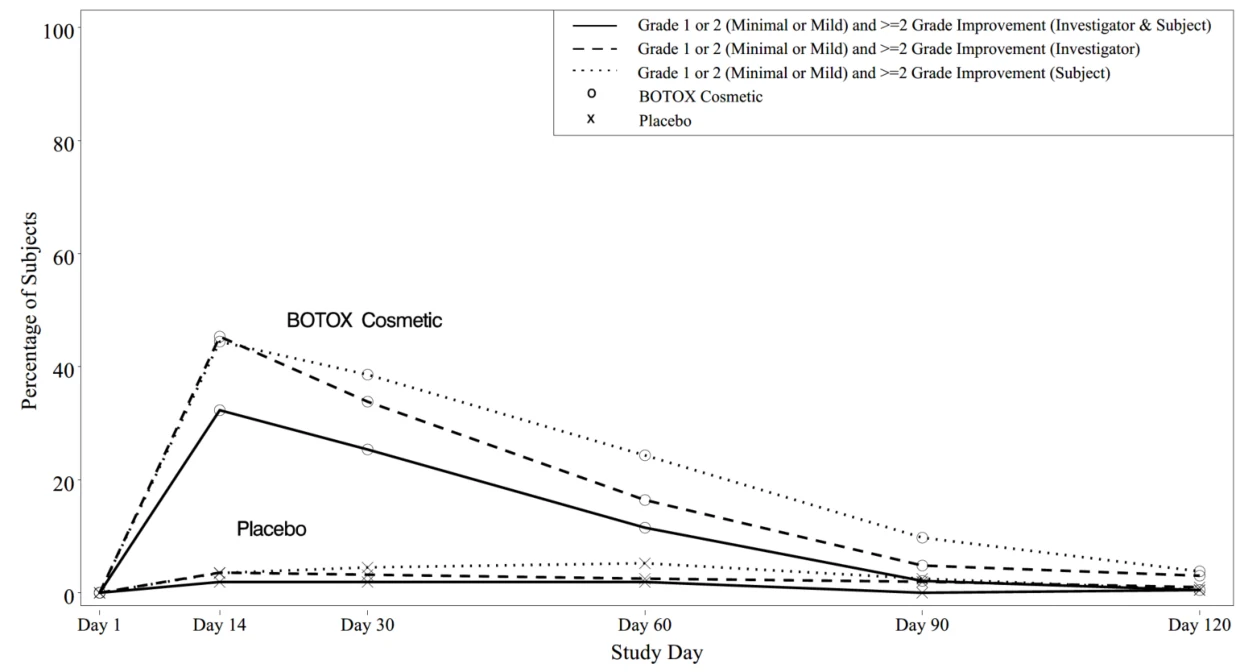
The primary efficacy endpoint was defined as composite achievement of Grade 1 or 2 (Minimal or Mild) and at least a 2-grade improvement from baseline in platysma prominence severity at maximum contraction, assessed by both investigator and subject at Day 14. The percentage of responders was greater in the Botox Cosmetic group compared to placebo at Day 14 (p < 0.0001 for Studies 1 and 2) (Table 8).
Table 8. Studies 1 and 2: Number and Percentage of Subjects Achieving a Grade 1 or 2 (Minimal or Mild) and ≥ 2-Grade Improvement from Baseline Based on Investigator and Subject Assessments of Platysma Prominence Severity at Maximum Contraction at Day 14
- a. Composite achievement of ≥ 2-grade improvement from baseline based on both the investigator and subject assessments and achievement of Grade 1 or 2 at Day 14.
- b. Difference between Botox Cosmetic and Placebo groups with 95% Confidence Intervals (CI)
| Study 1 | Study 2 | |||||||||||
|---|---|---|---|---|---|---|---|---|---|---|---|---|
Botox Cosmetic 26, 31, or 36 Units (N = 199) n (%) | Placebo (N = 209) n (%) | Difference (%) (95% CI)b p-value | Botox Cosmetic 26, 31, or 36 Units (N = 209) n (%) | Placebo (N = 217) n (%) | Difference (%) (95% CI)b p-value | |||||||
| ≥ 2-Grade Compositea | 64 (32.3%) | 4 (1.9%) | 30.4% (23.5%, 37,2%) p < 0.0001 | 66 (31.4%) | 1 (0.5%) | 30.9% (24.5%, 37.4%) p < 0.0001 | ||||||
| Minimal or Mild | ||||||||||||
| Investigator Assessment | 113 (56.9%) | 12 (5.8%) | 51.1% (43.3%, 63.9%) - | 101 (48.3%) | 7 (3.0%) | 45.3% (38.0%, 52.6%) - | ||||||
| Subject Assessment | 103 (51.7%) | 11 (5.1%) | 46.6% (39.0%, 54.3%) - | 99 (47.1%) | 11 (5.1%) | 42.0% (34.4%, 49.6%) - | ||||||
Study 1
Study 2
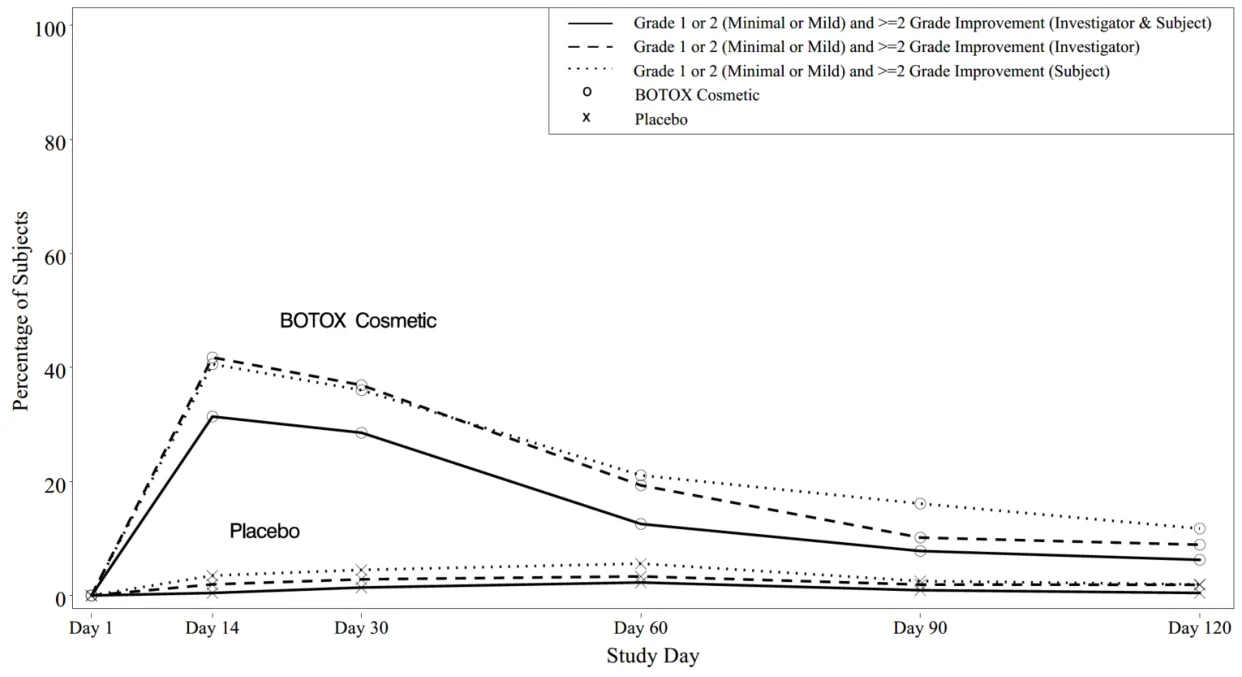
Figure 3. Studies 1 and 2: Percentage of Subjects Achieving a Grade 1 or 2 (Minimal or Mild) and ≥ 2-Grade Improvement from Baseline Based on Both the Investigator and Subject Assessments of Platysma Prominence at Maximum Contraction Over Time
Eligible subjects who completed Study 1 had the option to participate in an open-label extension study with up to 3 additional Botox Cosmetic treatments for platysma prominence. The primary objective of this study was safety and no formal statistical analyses were planned for efficacy assessments. In these subjects, similar trends in efficacy were observed with each subsequent Botox Cosmetic treatment for platysma prominence severity, treatment satisfaction, and bother due to the appearance of their jawline and vertical neck bands.
In pivotal studies, 3.6% (30/834) of subjects were 65 years of age or older. The responder rates appeared to be higher for subjects younger than age 65 (32.4 %) than for subjects 65 years or older (15.4 %).
15 MICROBIOLOGY
No microbiological information is required for this drug product.
16 NON-CLINICAL TOXICOLOGY
General Toxicology:
Animal Toxicology Studies
There were no observable toxic effects in rats that received a single intravenous or intramuscular injection of 5 Units/kg of Botox Cosmetic, and in monkeys that received 8 Units/kg intramuscularly.
In a one-year study where monkeys received seven intramuscular injections (once every two months), there were no observable toxic effects at a Botox Cosmetic dosage level of 4 Units/kg (approximately 2/3 of the maximum recommended human dose). Three out of six female monkeys in the 16 Units/kg group were sacrificed in extremis. This probably was a treatment-related effect of high doses of Botox Cosmetic. Local muscle atrophy and degeneration at the injection site (expected pharmacological effects) were observed in all Botox Cosmetic treated monkeys. There was evidence of systemic toxicity in animals treated with 8 Units/kg and 16 Units/kg. No antibodies were detected in the sera of animals during the study.
Carcinogenicity:
No long-term animal studies have been performed to evaluate carcinogenic potential Botox Cosmetic.
Genotoxicity:
Botox Cosmetic was not mutagenic in the in vitro Ames microbial mutagen test with or without metabolic activation at a maximum concentration of 42.9 Units/plate using tester strains of Salmonella typhimurium and Escherichia coli. No increases in the average mutant frequencies were seen in in vitro evaluations of Botox Cosmetic at dosages as high as 43.0 Units/plate (approximately 100,000 times the maximum anticipated clinical dose, based upon 360 Units/60 kg person) with and without metabolic S9 activation in AS52/XPRT mammalian cells. No chromosomal aberrations were produced in in vitro evaluations of Botox Cosmetic in Chinese hamster ovary cells at dosages as high as 43.0 Units/kg with and without metabolic activation. No clastogenic effects were observed in in vivo micronucleus evaluations of Botox Cosmetic in mice at doses as high as six to seven times the maximum anticipated human dose.
The teratogenic effects of Botox Cosmetic were evaluated in mice, rats and rabbits. No teratogenic effects were observed when presumed pregnant mice were injected intramuscularly with doses of 4 Units/kg (approximately 2/3 of the maximum recommended human dose) and 8 Units/kg on Days 5 and 13 of gestation; however, dosages of 16 Units/kg induced a slightly lower fetal body weight. No teratogenic effects were observed in rats when injected intramuscularly with doses of 16 Units/kg on Days 6 and 13 of gestation, and 2 Units/kg/day on Days 6 through 15 of gestation. In rabbits, daily injections at dosages of 0.5 Unit/kg/day (Days 6 through 18 of gestation) and 4 and 6 Units/kg (Days 6 and 13 of gestation) caused death and abortions among surviving animals. External malformations were observed in the fetus in one 0.125 Unit/kg/day and one 2 Units/kg dosage. The rabbit appears to be a more sensitive species to Botox Cosmetic.
Reproductive and Developmental Toxicology:
The reproductive and developmental effects of Botox Cosmetic were evaluated in rats at dose levels of 4, 8 and 16 Units/kg. Muscle atrophy at the injected site, reduced body weight gains and reduced absolute feed consumption were observed following intramuscular injection of Botox Cosmetic at dosages of 4 Units/kg and higher on Days 5 and 13 of presumed gestation, and Day 7 of lactation. No effects on maternal reproductive performance were observed at the highest dose tested, 16 Units/kg (approximately three times the maximum recommended human dose). No adverse effects on development of the pups were observed at 4 Units/kg; however, higher dosages were associated with reduced pup body weight and/or pup viability at birth.
A fertility and reproductive toxicity study with Botox Cosmetic was evaluated in rats. No effects on reproduction were observed following intramuscular injection of Botox Cosmetic at dosages of 4 Units/kg (approximately 2/3 of the maximum recommended human dose) in male rats and at dosages of 8 Units/kg in female rats. Higher dosages (8 and 16 Units/kg) were associated with dose-dependent reductions in fertility in male rats, and the cohabitation period was slightly increased at dosages of 16 Units/kg. Altered estrous cycling (prolonged diestrus) and interrelated reductions in fertility occurred in the female rats dosed with 16 Units/kg.
Special Toxicology:
Antigenicity
Antigenicity studies in rats and guinea pigs showed no effects. In an indirect hemagglutination assay, mice were immunized once per week for two weeks. Both the placebo (human serum albumin) and Botox Cosmetic were antigenic when Complete Freund's Adjuvant (CFA) was used. No antigenicity was detected without the adjuvant.
Ocular or dermal irritation
No ocular or dermal irritation was observed in rabbits at concentrations of Botox Cosmetic up to 200 Units/mL.
Juvenile Toxicity:
In a 20-week study where juvenile monkeys received a series of three intramuscular injection sessions (each session divided into four sites, distributed bilaterally into the heads of the gastrocnemius muscles, and given at 8-week intervals), the NOEL was at a Botox Cosmetic dosage level of 8 Units/kg. Local pharmacologic effects were observed in all Botox Cosmetic-treated animals and included decreases in size and weights of the injected site (gastrocnemius muscles) and microscopic observations of muscle fiber atrophy with occasional involvement of the underlying soleus muscle. Systemic effects included a slight transient decrease in body weight gains in animals receiving 12 Units/kg.
In a study in which juvenile rats received intramuscular injection of Botox Cosmetic every other week from postnatal Day 21 for 3 months at the doses of 8, 16, or 24 Units/kg, changes in bone size and geometry associated with decreased bone density and bone mass secondary to the limb disuse, lack of muscle contraction and decrease in body weight gain observed. The changes were less severe at the lowest dose tested, with signs of reversibility at all dose levels. The no-effect dose for adverse developmental effects in juvenile animals (8 Units/kg) was similar to the human dose (400 Units) on a body weight (kg) basis.