


Product Monograph - Buccolam
Recent Major Label Changes
None at time of the most recent authorization
Table of Contents
Certain sections (as indicated in section 2.1. of the PM Guidance) or subsections that are not applicable at the time of the preparation of the most recent authorized product monograph are not listed.
Recent Major Label Changes ................................................................................................. 2
Table of Contents ................................................................................................................. 2
Part 1: Healthcare Professional Information.......................................................................... 5
- 1.
Indications..................................................................................................................... 5
1.1. Pediatrics .................................................................................................................... 5
1.2. Geriatrics .................................................................................................................... 5
- 2. Contraindications .......................................................................................................... 5
- 3. Serious Warnings and Precautions Box ........................................................................... 6
- 4.
Dosage and Administration ............................................................................................ 6
4.1. Dosing Considerations ............................................................................................... 6
4.2. Recommended Dose and Dosage Adjustment .......................................................... 7
4.4. Administration ........................................................................................................... 8
- 5. Overdose ..................................................................................................................... 10
- 6. Dosage Forms, Strengths, Composition, and Packaging ................................................ 10
- 7.
Warnings and Precautions ........................................................................................... 11
General ................................................................................................................................. 11
Carcinogenesis and Genotoxicity ......................................................................................... 11
Cardiovascular ...................................................................................................................... 11
Dependence, Tolerance and/or Abuse Liability ................................................................... 12
Driving and Operating Machinery ........................................................................................ 13
Falls and Fractures ................................................................................................................ 13
General Disorders and Administration Site Conditions ....................................................... 14
Hepatic/Biliary/Pancreatic ................................................................................................... 14
Immune ................................................................................................................................ 14
Musculoskeletal .................................................................................................................... 14
Neurologic ............................................................................................................................ 14
Ophthalmologic .................................................................................................................... 14
Renal ..................................................................................................................................... 14
Reproductive Health ............................................................................................................. 15
Respiratory ........................................................................................................................... 15
7.1. Special Populations .................................................................................................. 15
7.1.1. Pregnancy ......................................................................................................... 15
7.1.2. Breastfeeding ................................................................................................... 15
7.1.3. Pediatrics .......................................................................................................... 15
7.1.4. Geriatrics .......................................................................................................... 16
- 8.
Adverse Reactions ....................................................................................................... 16
8.1. Adverse Reaction Overview ..................................................................................... 16
8.2. Clinical Trial Adverse Reactions ............................................................................... 17
8.2.1. Clinical Trial Adverse Reactions – Pediatrics.................................................... 18
8.3. Less Common Clinical Trial Adverse Reactions ........................................................ 18
8.3.1. Less Common Clinical Trial Adverse Reactions – Pediatrics ............................ 18
8.5. Post-Market Adverse Reactions ............................................................................... 19
- 9.
Drug Interactions ......................................................................................................... 19
9.1. Serious Drug Interactions ........................................................................................ 19
9.2. Drug Interactions Overview ..................................................................................... 19
9.3. Drug-Behaviour Interactions .................................................................................... 20
9.4. Drug-Drug Interactions ............................................................................................ 20
9.5. Drug-Food Interactions ............................................................................................ 23
9.6. Drug-Herb Interactions ............................................................................................ 23
9.7. Drug-Laboratory Test Interactions........................................................................... 23
- 10.
Clinical Pharmacology .................................................................................................. 23
10.1. Mechanism of Action ............................................................................................... 23
10.2. Pharmacodynamics .................................................................................................. 23
10.3. Pharmacokinetics ..................................................................................................... 23
- 11. Storage, Stability, and Disposal .................................................................................... 25
Part 2: Scientific Information .............................................................................................. 26
- 13. Pharmaceutical Information ........................................................................................ 26
- 14. Clinical Trials ............................................................................................................... 26
- 15. Microbiology ............................................................................................................... 26
- 16. Non-Clinical Toxicology ................................................................................................ 26
Patient Medication Information ......................................................................................... 29
Part 1: Healthcare Professional Information
1. Indications
BUCCOLAM (Midazolam Oromucosal Solution) is indicated in patients aged from 3 months to < 18 years, for the treatment of prolonged (lasting more than 5 minutes), acute, convulsive seizures distinct from a patient’s usual seizure pattern in patients with epilepsy.
It must only be used by parents/caregivers when the patient has been diagnosed with epilepsy and is on stable regimens of anti-epileptic drugs.
For infants between 3-6 months of age treatment should be in a hospital setting where monitoring is possible and resuscitation equipment is available. See section 4.2 Recommended Dose and Dosage Adjustment.
1.1. Pediatrics
Pediatrics (0 to < 3 months): The safety and efficacy of BUCCOLAM in children aged 0 to less than 3 months have not been established. No data are available. Evidence suggests that use in this population is associated with differences in safety or effectiveness. BUCCOLAM is not authorized for use in this patient population. (see 7.1.3 Pediatrics, Pediatrics (0 - < 3 months); 10.3 Pharmacokinetics, Metabolism)
Pediatrics (3 months to < 6 months): Treatment should only be in a hospital setting where monitoring is possible and resuscitation equipment is available. (See 7.1.3 Pediatrics, Pediatric (3 - < 6 months); 10.3 Pharmacokinetics, Metabolism)
Pediatrics (6 months to < 18 years): Treatment can be in a hospital setting or by parents/caregivers. In case of parent/caregivers, it must only be used when the patient has been diagnosed to have epilepsy and is on stable regimens of anti-epileptic drugs.
1.2. Geriatrics
Geriatrics(> 65 years old): BUCCOLAM is not authorized for use in geriatrics. The safety and efficacy of BUCCOLAM in geriatric patients has not been established. Evidence suggests that use of midazolam in the geriatric population is associated with differences in safety or effectiveness. (see 4.1 Dosing Considerations; 7 Warnings and Precautions, Falls and Fractures)
2. Contraindications
BUCCOLAM (Midazolam Oromucosal Solution) is contraindicated in patients with:
- a known hypersensitivity to this drug or to benzodiazepines, or any ingredient in the formulation, including any non-medicinal ingredient, or component of the container. For a complete listing, see 6 Dosage Forms, Strengths, Composition, and Packaging.
- Myasthenia gravis
- acute pulmonary insufficiency
- Sleep apnea syndrome
- severe chronic obstructive pulmonary disease (see 7 Warnings and Precautions, Respiratory)
- acute narrow angle glaucoma
- Severe hepatic impairment
3. Serious Warnings and Precautions Box
- Serious Cardiorespiratory Events
Serious cardiorespiratory events have occurred. These have included respiratory depression, apnea, respiratory arrest and/or cardiac arrest, sometimes resulting in death.
- Addiction, Abuse and Misuse
The use of benzodiazepines, including BUCCOLAM, can lead to abuse, misuse, addiction, physical dependence and withdrawal reactions. Abuse and misuse can result in overdose or death, especially when benzodiazepines are combined with other medicines, such as opioids, alcohol or illicit drugs.
- Assess each patient’s risk prior to prescribing BUCCOLAM
- Monitor all patients regularly for the development of these behaviours or conditions.
- BUCCOLAM should be stored securely to avoid theft or misuse.
- Withdrawal
Benzodiazepines, like BUCCOLAM, can produce severe or life-threatening withdrawal symptoms with repeated or continuous administration:
- Avoid abrupt discontinuation or rapid dose reduction of BUCCOLAM.
- Terminate treatment with BUCCOLAM by gradually tapering the dosage schedule under close monitoring (see 7 Warnings and Precautions, Dependence, Tolerance and/or Abuse Liability).
- Risks from Concomitant use with Opioids
Concomitant use of BUCCOLAM and opioids may result in profound sedation, respiratory depression, coma and death (see 7 Warnings and Precautions, General, Concomitant use with opioids).
- Reserve concomitant prescribing of these drugs for use in patients for whom alternative treatment options are not possible.
- Limit dosages and durations to the minimum required.
- Follow patients for signs and symptoms of respiratory depression and sedation.
4. Dosage and Administration
4.1. Dosing Considerations
- BUCCOLAM should always be prescribed at the lowest effective dose for the shortest duration possible.
- BUCCOLAM can produce withdrawal signs and symptoms or rebound phenomena following abrupt discontinuation or rapid dose reduction (see 3 Serious Warnings and Precautions Box, Withdrawal; 7 Warnings and Precautions, Dependence, Tolerance and/or Abuse Liability). Abrupt discontinuation should be avoided and treatment - even if only of short duration - should be terminated by gradually tapering the dosage schedule under close monitoring.
- Tapering should be tailored to the specific patient. Special attention should be given to patients with a history of seizure.
- If a patient experiences withdrawal signs and symptoms, consider postponing the taper or raising the benzodiazepine to the previous dosage prior to proceeding with a gradual taper.
Renal impairment
No dose adjustment is required, however, BUCCOLAM should be used with caution in patients with chronic renal failure as elimination of midazolam may be delayed and the effects prolonged (see 7 Warnings and Precautions, Renal).
Hepatic impairment
Hepatic impairment reduces the clearance of midazolam with a subsequent increase in terminal half-life. Therefore, the clinical effects may be stronger and prolonged, hence careful monitoring of the clinical effects and vital signs is recommended following administration of BUCCOLAM in patients with moderate hepatic impairment (see 7 Warnings and Precautions, Hepatic/Biliary/Pancreatic).
BUCCOLAM is contraindicated in patients with severe hepatic impairment (see 2 Contraindications).
Geriatrics
Geriatric patients in particular may be more sensitive to benzodiazepines (see 7 Warnings and Precautions, Falls and fractures).
Long-term use of midazolam should be avoided in elderly patients. Enhanced monitoring is recommended.
4.2. Recommended Dose and Dosage Adjustment
- Standard doses are indicated below:
| Age range | Dose | Label colour |
|---|---|---|
| 3 to < 6 months hospital setting | 2.5 mg | Yellow |
| 6 months to < 1 year | 2.5 mg | Yellow |
| 1 year to < 5 years | 5 mg | Blue |
| 5 years to < 10 years | 7.5 mg | Purple |
| 10 years to < 18 years | 10 mg | Orange |
Caregivers should only administer a single dose of midazolam. If the seizure has not stopped within 10 minutes after administration of midazolam, emergency medical assistance must be sought and the empty syringe given to the healthcare professional to provide information on the dose received by the patient.
Due to the risk of respiratory depression, a second or repeat dose in the event of insufficient response or when seizures re-occur after an initial response should not be given without prior medical advice (see 10.3 Pharmacokinetics).
Pediatric population
The safety and efficacy of midazolam in children aged 0 to < 3 months have not been studied. No data are available.
Treatment Frequency
It is recommended that patients be treated with BUCCOLAM no more frequently than every five days and no more than five times per month. If a patient requires more frequent administration of BUCCOLAM for seizure control, the patient's treatment regimen may require re-evaluation by the physician. (See 7 Warnings and Precautions, Dependence, Tolerance and/or Abuse Liability)
4.4. Administration
Administration Guide and Patient Booklet are available for download on the website www.pendopharm.com.
Precautions to be taken before handling or administering the medicinal product
BUCCOLAM is for oromucosal use only and should be administered only using the oral syringe (do not use needles or any type of tubing). BUCCOLAM (Midazolam Oromucosal Solution) is not for intravenous or any other parenteral use.
The oral syringe cap should be removed before use to avoid risk of choking.
Administration of BUCCOLAM (Midazolam Oromucosal Solution)
BUCCOLAM (Midazolam Oromucosal Solution) is for oromucosal use. The full amount of solution should be inserted slowly into the space between the gum and the cheek. Laryngo-tracheal insertion should be avoided to prevent accidental aspiration of the solution. If necessary (for larger volumes and/or smaller patients), approximately half the dose should be given slowly into one side of the mouth, then the other half given slowly into the other side.
Step 1
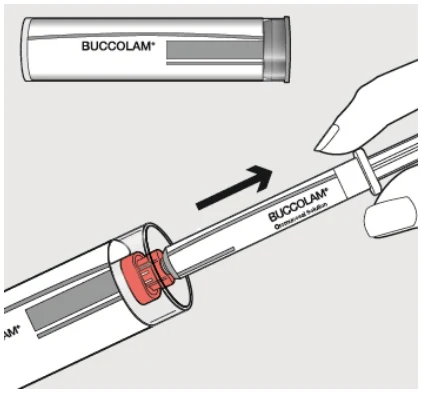 | Hold the plastic tube and pull the cap off. Take the syringe out of the tube. |
|---|
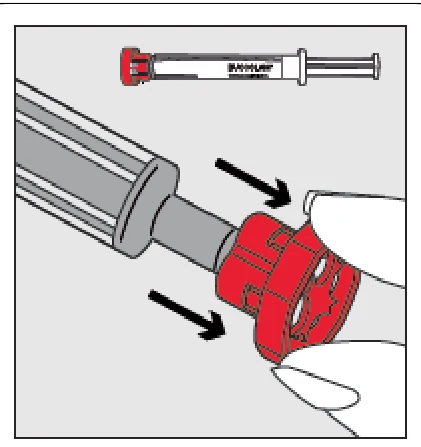
Step 2
| Pull the red cap off the tip of the syringe and dispose of it safely. |
|---|
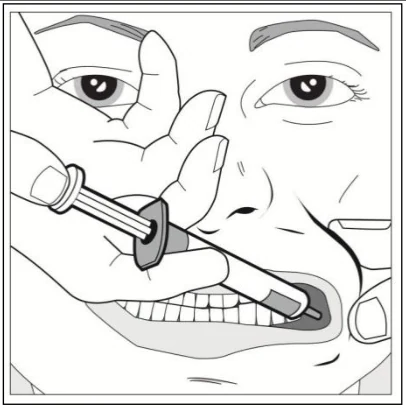
Step 3
| Using the finger and thumb, gently pinch and pull back the child’s cheek. Put the tip of the syringe into the back of the space between the inside of the cheek and the lower gum. |
|---|
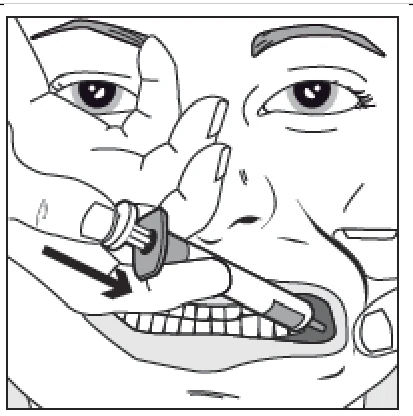
Step 4
Slowly press the syringe plunger until the plunger stops. The full amount of solution should be inserted slowly into the space between the gum and the cheek (buccal cavity). If necessary (for larger volumes and/or smaller patients), approximately half the dose should be given slowly into one side of the mouth, then the other half given slowly into the other side. |
|---|
 |
|---|
 |
|---|
 |
|---|
5. Overdose
Symptoms
Midazolam overdose can present a threat to life if the patient has pre-existing respiratory or cardiac insufficiency, or when combined with other CNS depressants (including alcohol).
Overdose of benzodiazepines is usually manifested by degrees of central nervous system depression ranging from drowsiness to coma. In mild cases, symptoms include drowsiness, mental confusion, sedation, somnolence, impaired coordination, diminished reflexes and lethargy. In more serious cases, symptoms may include ataxia, hypotonia, hypotension, respiratory depression, cardiorespiratory arrest, coma, and death.
Treatment
Following overdose with oral midazolam, vomiting should be induced (within one hour) if the patient is conscious. If there is no advantage in emptying the stomach, activated charcoal should be given to reduce absorption.
Treatment of overdose is the same as that followed for overdose with other benzodiazepines. Continuous monitoring of vital signs including EKG, should be immediately instituted and general supportive measures should be employed. Immediate attention should be given to the maintenance of an adequate airway and support of ventilation. If not already present, an intravenous infusion line should be established and further measures should be taken to provide critical care. Should hypotension develop, treatment may include intravenous fluid therapy, repositioning, and other appropriate countermeasures. Cardiopulmonary resuscitation may be required. At present, there is no information as to whether peritoneal dialysis, forced diuresis or hemodialysis are of value in the treatment of midazolam overdose.
The benzodiazepine antagonist flumazenil is a specific antidote in known or suspected overdose. (For conditions of use refer to flumazenil Product Monograph).
Caution should be observed with the use of flumazenil in cases of mixed drug overdosage and in patients with epilepsy treated with benzodiazepines.
For the most recent information in the management of a suspected drug overdose, contact your regional poison control centre or Health Canada’s toll-free number, 1-844 POISON-X (1-844-764-7669).
- 6. Dosage Forms, Strengths, Composition, and Packaging
Table 1 – Dosage Forms, Strengths, and Composition
Description
3 months to less than 1 year: 2.5 mg / 0.5 mL in 1 mL amber syringe, labelled yellow
1 year to less than 5 years: 5 mg / 1 mL in 3mL amber syringe, labelled blue
| Route of Administration | Dosage Form/ Strength/Composition | Non-Medicinal Ingredients |
| Buccal | Solution, 2.5mg / 0.5 mL, 5mg / 1 mL, 7.5 mg / 1.5 mL, 10mg / 2 mL | Hydrochloric acid, sodium chloride, sodium hydroxide (for pH adjustment), water for injection |
5 years to less than 10 years: 7.5 mg / 1.5 mL in 3mL amber syringe, labelled purple
10 years to less than 18 years: 10 mg / 2 mL in 3mL amber syringe, labelled orange
BUCCOLAM (Midazolam Oromucosal Solution) is a clear colourless liquid. All strengths are supplied in amber coloured pre-filled, single-use oral syringes. Each oral syringe is individually packed in a protective plastic tube. BUCCOLAM (Midazolam Oromucosal Solution) is available in cartons containing 2 and 4 pre-filled oral syringes / tubes (of the same dose).
7. Warnings and Precautions
See 3 Serious Warnings and Precautions Box.
General
Concomitant use with opioids: Concomitant use of benzodiazepines, including BUCCOLAM, and opioids may result in profound sedation, respiratory depression, coma, and death. Because of these risks, reserve concomitant prescribing of these drugs for use in patients for whom alternative treatment options are not possible (see 3 Serious Warnings and Precautions Box, Risks from Concomitant use with Opioids; 9.1 Serious Drug Interactions).
Observational studies have demonstrated that concomitant use of opioid analgesics and benzodiazepines increases the risk of drug-related mortality compared to use of opioid analgesics alone. Because of similar pharmacological properties, it is reasonable to expect similar risk with the concomitant use of other CNS depressant drugs with opioid analgesics.
If a decision is made to prescribe BUCCOLAM concomitantly with opioids, prescribe the lowest effective dosages and minimum durations of concomitant use. In patients already receiving an opioid analgesic, prescribe a lower initial dose of BUCCOLAM than indicated, and titrate based on clinical response. If an opioid analgesic is initiated in a patient already taking BUCCOLAM, prescribe a lower initial dose of the opioid analgesic and titrate based on clinical response. Follow patients closely for signs and symptoms of respiratory depression and sedation (see 5 Overdose).
Advise both patients and caregivers about the risks of respiratory depression and sedation when BUCCOLAM is used with opioids.
Advise patients not to drive or operate heavy machinery until the effects of concomitant use of the opioid have been determined.
Concomitant use with other benzodiazepines: Debilitated patients are more prone to the central nervous system (CNS) effects of benzodiazepines and, therefore, lower doses may be required.
Carcinogenesis and Genotoxicity
Twenty-four months (lifetime) toxicity studies in mice and rats indicate carcinogenic activity. The significance of these findings relative to the infrequent use of midazolam in humans is, at present, unknown. The physician should therefore take these findings into consideration when using midazolam. See animal data in 16 Non-Clinical Toxicology.
Cardiovascular
BUCCOLAM (Midazolam Oromucosal Solution) should be used with caution in patients with impaired cardiac function because in may result in decreased clearance of midazolam.
Careful attention should be given in the selection of patients that might be especially susceptible to adverse cardiac and respiratory reactions. Older chronically ill patients and those with concomitant use of other cardiorespiratory depressant agents are also especially susceptible to adverse reactions. It should be borne in mind that a fall in oxygen saturation will increase the probability of arrhythmias and other potentially fatal events in susceptible patients. Oxygen supplementation should be used in elderly patients with chronic respiratory or cardiac disease and patients who are seriously ill. (see 7 Warnings and Precautions, Respiratory; 7.1.4 Geriatrics).
Serious cardiorespiratory events have occurred after administration of midazolam. These have included respiratory depression, apnea, respiratory arrest and/or cardiac arrest, sometimes resulting in death. Strict adherence to the cautions and warnings recommended in the use of this drug is therefore required in order to minimize the incidence of these reactions. (see 8 Adverse Reactions)
During clinical trials, few cases of respiratory depression were observed with the administration of midazolam oromucosal solution.
Dependence, Tolerance and/or Abuse Liability
Use of benzodiazepines, such as BUCCOLAM, can lead to abuse, misuse, addiction, physical dependence (including tolerance) and withdrawal reactions. Abuse and misuse can result in overdose or death, especially when benzodiazepines are combined with other medicines, such as opioids, alcohol, or illicit drugs.
The risk of dependence increases with higher doses and longer term use but can occur with short-term use at recommended therapeutic doses. The risk of dependence is greater in patients with a history of psychiatric disorders and/or substance (including alcohol) use disorder.
- Discuss the risks of treatment with BUCCOLAM with the patient, considering alternative (including non-drug) treatment options.
- Prior to prescribing BUCCOLAM, carefully evaluate each patient’s risk of abuse, misuse and addiction, considering their medical condition and concomitant drug use. In individuals prone to substance use disorder, BUCCOLAM should only be administered if deemed medically necessary, employing extreme caution and close supervision.
- BUCCOLAM should always be prescribed at the lowest effective dose and for the shortest duration possible.
- All patients receiving opioids should be routinely monitored for signs and symptoms of misuse and abuse. If a substance use disorder is suspected, evaluate the patient and refer them for substance abuse treatment, as appropriate.
BUCCOLAM is not recommended for chronic or daily use as an anticonvulsant because of the potential for development physical dependence and/or tolerance to midazolam. Chronic or daily use of midazolam may increase the frequency and/or severity of grand mal seizures, requiring an increase in the dosage of standard anticonvulsant medication. In such cases, abrupt withdrawal of chronic midazolam may also be associated with a temporary increase in the frequency and/or severity of seizures and other withdrawal symptoms (see 4.2 Recommended Dose and Dosage Adjustment, Treatment frequency).
Withdrawal: The abrupt discontinuation or rapid dose reduction of benzodiazepines, such as BUCCOLAM, can produce withdrawal signs and symptoms, ranging from mild to severe and even life threatening. Other factors that may precipitate withdrawal are switching from a long-acting to a short-acting benzodiazepine, decreasing blood levels of the drug or administration of an antagonist. The risk of withdrawal is higher with higher doses and/or prolonged use but can occur with short-term use at recommended therapeutic doses.
The onset of withdrawal signs and symptoms can range from hours to weeks following drug cessation and occur even with tapered dosage. Some symptoms can persist for months. Since symptoms are often similar to those for which the patient is being treated, it may be difficult to distinguish from a relapse of the patient’s condition.
Severe or life-threatening symptoms of withdrawal include catatonia, delirium tremens, depression, dissociative effects (e.g. hallucinations), mania, psychosis, seizures (including status epilepticus) and suicidal ideation and behavior.
Other withdrawal signs and symptoms include abdominal cramps, cognitive impairment, diarrhea, dysphoria, extreme anxiety or panic attacks, headache, hypersensitivity to light, noise and physical contact, insomnia, irritability, muscle pain or stiffness, paresthesia, restlessness, sweating, tension, tremors and vomiting. There is also a possibility of rebound anxiety or rebound insomnia.
- Abrupt discontinuation should be avoided and treatment - even if only of short duration - should be terminated by gradually tapering the dosage schedule under close monitoring.
- Tapering should be tailored to the specific patient. Special attention should be given to patients with a history of seizure.
- If a patient experiences withdrawal signs and symptoms, consider postponing the taper or raising the benzodiazepine to the previous dosage prior to proceeding with a gradual taper.
- Inform patients of risk of discontinuing abruptly, reducing dosage rapidly or switching medications.
- Stress the importance of consulting with their healthcare professional in order to discontinue safely.
- Patients experiencing withdrawal signs and symptoms should seek immediate medical attention.
(see 3 Serious Warnings and Precautions Box, Addiction, Abuse and Misuse, Withdrawal; 4.1 Dosing Considerations)
Driving and Operating Machinery
Patients receiving BUCCOLAM should not engage in hazardous activities requiring complete mental alertness (i.e. operating machinery or driving a motor vehicle) until the effects of the drug, such as drowsiness, have subsided. Patients should also be cautioned about the ingestion of alcohol or other CNS depressant drugs until the effects of midazolam have subsided.
Falls and Fractures
There have been reports of falls and fractures among benzodiazepine users due to adverse reactions such as sedation, dizziness and ataxia. The risk is increased in those taking concomitant sedatives (including alcoholic beverages), the elderly or debilitated patients.
General Disorders and Administration Site Conditions
Paradoxical reactions to benzodiazepines including midazolam have been reported. These include anxiety, agitation, convulsions/seizures, excitation, hallucinations, hostility, aggression, myoclonic/tonic movement, rage, sexual arousal, sleep disturbances/insomnia.
Hepatic/Biliary/Pancreatic
Midazolam may accumulate in patients with impaired hepatic function, as these patients exhibit changes in elimination half-life, volume of distribution and total body clearance. (see 10.3 Pharmacokinetics).
Immune
Severe anaphylactic/anaphylactoid reactions have been reported with the use of benzodiazepines. Cases of angioedema involving the tongue, glottis or larynx have been reported in patients after taking the first or subsequent doses of benzodiazepines. Some patients taking benzodiazepines have had additional symptoms such as dyspnea, throat closing, or nausea and vomiting. Some patients have required medical therapy in the emergency department. If angioedema involves the tongue, glottis or larynx, airway obstruction may occur and be fatal. Patients who develop angioedema after treatment with a benzodiazepine should not be rechallenged with the drug.
Musculoskeletal
Myasthenia: Myasthenic patients have the potential for respiratory decompensation if a substance with CNS-depressant and/or muscle-relaxant properties is administered. However, myasthenic patients with established respiratory failure will need mechanical ventilation. Careful monitoring of the patients is recommended.
Neurologic
Midazolam has been shown to cause dose-related anterograde amnesia, an impairment or a lack of recall of events following administration of the drug.
Ophthalmologic
Benzodiazepines such as midazolam are contraindicated in patients with acute narrow angle glaucoma. Midazolam lowered the intraocular pressure in subjects without eye disease, but did not prevent the increases elicited by succinylcholine or endotracheal intubation. Patients with glaucoma have not been studied.
Renal
Midazolam may accumulate in patients with chronic renal failure, as these patients exhibit changes in elimination half-life, volume of distribution and total body clearance (see 10.3 Pharmacokinetics, Special Populations and Conditions). Caution should therefore be exercised in administering midazolam to these patients.
Reproductive Health
See 7.1.1 Pregnancy
Fertility
Animal studies did not show an impairment of fertility (see 16 Non-Clinical Toxicology).
There are no adequate and well-controlled studies of midazolam in pregnant women. Animal studies with other anxiolytic-sedative agents have suggested increased risk of congenital malformations. (see 7.1.1 Pregnancy).
Respiratory
Midazolam should be used with caution in patients with chronic respiratory insufficiency or compromised respiratory function related to a concurrent disease process (e.g. asthma, pneumonia) because midazolam may further depress respiration.
7.1. Special Populations
7.1.1. Pregnancy
Safety in pregnancy has not been established. Several studies have suggested an increased risk of congenital malformations associated with the use of some benzodiazepines during the first trimester of pregnancy. There is limited amount of data from the use of midazolam in pregnant women. Animal studies do not indicate a teratogenic effect with respect to reproductive toxicity, but fetotoxicity has been observed in humans as with other benzodiazepines. No data on exposed pregnancies are available for the first two trimesters of pregnancy.
The administration of high doses of midazolam in the last trimester of pregnancy or during labour has been reported to produce maternal or fetal adverse reactions (risk of aspiration of fluids and stomach contents during labour in the mother, irregularities in the fetal heart rate, hypotonia, poor suckling, hypothermia and respiratory depression in the new-born infant).
Midazolam may be used during pregnancy if clearly necessary. The risk for new-born infants should be taken into account in the event of administration of midazolam in the third trimester of pregnancy.
7.1.2. Breastfeeding
Midazolam is excreted in low quantities (0.6%) in human milk. Nursing mothers should be advised to discontinue breast-feeding for 24 hours following administration of midazolam.
7.1.3. Pediatrics
Pediatrics (0 - < 3 months): The safety and efficacy of midazolam in children aged 0 to 3 months have not been established. No data are available. Evidence suggests that use in the pre-term and neonate population is associated with differences in safety or effectiveness.
Some evidence suggests that in very pre-term neonates, midazolam could have an impact on brain maturation, more precisely in hippocampal development and would correlate with working memory deficits in school age children. This is also supported by non-clinical data in rodents (see 16 Non-Clinical Toxicology, Juvenile Toxicology).
Pediatrics (3 - < 6 months): Given the higher metabolite to parent drug ratio in younger children, a delayed respiratory depression as a result of high active metabolite concentrations in the 3-6 months age group cannot be excluded (see 10.3 Pharmacokinetics, Metabolism). Therefore, the use of BUCCOLAM (Midazolam Oromucosal Solution) in the 3-6 month age group should be limited to use only under the supervision of a healthcare professional where respiratory function can be monitored and where resuscitation and respiratory assistance equipment are available.
7.1.4. Geriatrics
The safety and efficacy of BUCCOLAM (Midazolam Oromucosal Solution) in geriatric patients have not been established. No data are available. BUCCOLAM is not authorized for use in this population.
Elderly or debilitated patients may be more sensitive to benzodiazepines. There is an increased risk of cognitive impairment, delirium, falls, fractures, hospitalizations and motor vehicle accidents in the elderly.
Doses of oromucosal midazolam should be decreased for elderly and debilitated patients. Complete recovery after midazolam administration in such patients may take longer.
Older chronically ill patients and those with concomitant use of other cardiorespiratory depressant agents are also especially susceptible to adverse reactions. It should be borne in mind that a fall in oxygen saturation will increase the probability of arrhythmias and other potentially fatal events in susceptible patients. Oxygen supplementation should be used in elderly patients with chronic respiratory or cardiac disease and patients who are seriously ill. (see 7 Warnings and Precautions, Cardiovascular; Respiratory)
8. Adverse Reactions
8.1. Adverse Reaction Overview
The same adverse events described for other midazolam containing products should be considered in treatment with BUCCOLAM.
The table below lists the adverse reactions reported to occur when oromucosal midazolam was administered to children in clinical studies.
The frequency of adverse reactions is classified as follows:
Very common: ≥ 1/10
Common: ≥ 1/100 to < 1/10
Uncommon: ≥ 1/1,000 to < 1/100
Rare: ≥ 1/10,000 to < 1/1,000
Very rare: < 1/10,000
Not known: cannot be estimated from the available data
Within each frequency grouping, adverse reactions are presented in order of decreasing seriousness:
| System Organ Class | Frequency: Adverse Drug Reaction |
|---|---|
| System Organ Class | Frequency: Adverse Drug Reaction |
| Cardiac disorders | Very Common: Increased mean arterial pressure*, decrease mean arterial pressure*, hypotension*, increased pulse rate*, decreased pulse rate* Very rare: |
| Bradycardia*, cardiac arrest*, vasodilatation* | |
| Gastrointestinal disorders | Common: Nausea* and emesis/vomiting* Uncommon: Hiccoughs* Very rare: Constipation*, dry mouth* |
| General disorders and administration site conditions | Very rare: Fatigue*, hiccups* |
| Nervous system disorders | Common: Drowsiness*, dizziness*, excessive sedation*, headache*, Sedation, somnolence, depressed levels of consciousness, respiratory depression Very rare: Anterograde amnesia*, ataxia*, seizure*, paradoxical reactions*, lethargy* |
| Psychiatric disorders | Common: Agitation*, confusion*, hallucination* Very rare: Aggression*, anger*, confusional state*, euphoric mood*, hostility*, movement disorder*, physical assault* |
| Respiratory, thoracic and mediastinal disorders | Very Common: Apnea*, Decreased respiratory rate*, Increased respiratory rate/tachypnea* Common: Airway obstruction*, Coughing*, Respiratory depression* Very rare: Dyspnea*, laryngospasm*, respiratory arrest* |
| Skin and subcutaneous tissue disorders | Uncommon: Pruritus, rash and urticarial |
*These adverse reactions have been reported to occur when midazolam is injected in children and/or adults, which may be of relevance to oromucosal administration.
Description of selected adverse reactions
An increased risk for falls and fractures has been recorded in elderly benzodiazepine users. Life-threatening incidents are more likely to occur in those with pre-existing respiratory insufficiency or impaired cardiac function, particularly when a high dosage is administered (see 7 Warnings and Precautions).
8.2. Clinical Trial Adverse Reactions
Clinical trials are conducted under very specific conditions. Therefore, the frequencies of adverse reactions observed in the clinical trials may not reflect frequencies observed in clinical practice and should not be compared to frequencies reported in clinical trials of another drug.
8.2.1. Clinical Trial Adverse Reactions – Pediatrics
Published clinical studies show that oromucosal midazolam was administered to 505 children with seizures. Respiratory depression occurs at a rate of up to 5%, although this is a known complication of convulsive seizures as well as being related to midazolam use. One episode of pruritus was possibly attributed to the use of buccal midazolam.
8.3. Less Common Clinical Trial Adverse Reactions
The same adverse events described for other midazolam containing products should be considered in treatment with BUCCOLAM. This list provided below is from other midazolam drug products and were reported in adults. However, it is to be considered that similar observations in pediatric patients have been made.
Other adverse reactions occurring at a lower incidence, usually less than 1% are listed below.
Cardiac Disorders: premature ventricular contractions, bigeminy, vasovagal episode, bradycardia, tachycardia, and nodal rhythm.
Ear and Labyrinth Disorders: ears blocked and loss of balance.
Eye disorders: blurred vision, diplopia, nystagmus, visual disturbance, difficulty focusing eyes, pinpoint pupils, cyclic movement of eyelids, Gastrointestinal Disorders: acid taste, excessive salivation, retching and toothache.
Immune System Disorders: allergic reactions, including anaphylactic shock.
Injury, Poisoning and Procedural Complications: cold feeling when drug injected and cool sensation in arm during infusion
Musculoskeletal and Connective Tissue Disorders: Muscle stiffness
Nervous System Disorders: nervousness, restlessness, anxiety, argumentativeness, aggression, insomnia, nightmares; deep sedation, prolonged sedation, oversedation, disorientation, slurred speech, emergence delirium, agitation during emergence, prolonged emergence from anesthesia, dreaming during emergence; dysphoria, euphoria, anterograde amnesia, lightheadedness, feeling faint; tremors, muscle contractions, twitches and abnormal spontaneous muscular activity, tonic/clonic movements, athetoid movements; ataxia.
Respiratory, Thoracic and Mediastinal Disorders: yawning, laryngospasm, bronchospasm, dyspnea, shallow respiration, hyperventilation, wheezing, respiratory arrest, respiratory failure, apnea, hypoxia, and oxygen desaturation.
Skin and Subcutaneous Tissue Disorders: erythema, rash, pruritus and hives
8.3.1. Less Common Clinical Trial Adverse Reactions – Pediatrics
The same adverse events described for other midazolam containing products should be considered in treatment with BUCCOLAM. This list provided below is from other midazolam drug products.
The following list shows other reported side effects. This list is not exhaustive.
Cardiovascular: Hypotension, bradycardia, cardiac/cardiopulmonary arrest.
General Disorders and Administration Site Conditions: Lack of efficacy, paradoxical response, therapeutic response decreased.
Hepatobiliary Disorders: isolated elevations in certain parameters of liver function, e.g. AST (SGOT), ALT (SGPT), alkaline phosphatase and total bilirubin, as well as isolated changes in total protein and albumin, have been reported.
Injury, Poisoning and Procedural Complications: excessive sedation.
Nervous System Disorders: convulsions, tonic/clonic convulsions, cerebral convulsion, lethargy. Convulsions occurred primarily in neonates (under 4 months old) and/or children with history of seizures
Psychiatric Disorders: withdrawal syndrome, combative reaction, agitation, hallucination.
Respiratory, Thoracic and Mediastinal Disorders: respiratory arrest, respiratory failure, apnea, hypoxia, oxygen desaturation.
8.5. Post-Market Adverse Reactions
Immune system disorders: Anaphylactic reaction (unknown frequency)
Skin and subcutaneous tissue disorders: Angioedema (unknown frequency)
Injury, Poisoning and Procedural Complications: There have been reports of falls and fractures in benzodiazepine users due to adverse reactions such as sedation, dizziness and ataxia. The risk is increased in those taking concomitant sedatives (including alcoholic beverages), the elderly and debilitated patients.
Dependence/Withdrawal: Development of physical dependence and withdrawal following discontinuation of therapy has been observed with benzodiazepines. Severe and life-threatening symptoms have been reported. (see 3 Serious Warnings and Precautions Box, Addiction, Abuse and Misuse; 7 Warnings and Precautions, Dependence, Tolerance and/or Abuse Liability)
9. Drug Interactions
9.1. Serious Drug Interactions
Concomitant use of BUCCOLAM and opioids may result in profound sedation, respiratory depression, coma and death.
- Reserve concomitant prescribing of these drugs for use in patients for whom alternative treatment options are not possible.
- Limit dosages and durations to the minimum required.
- Follow patients for signs and symptoms of respiratory depression and sedation.
(see 7 Warnings and Precautions, General, Concomitant use with Opioids)
The effect of CYP3A4 inhibitors may be larger in infants since part of the oromucosal dose is probably swallowed and absorbed in the gastro-intestinal tract.
9.2. Drug Interactions Overview
Concomitant use of barbiturates, alcohol, opioids or other CNS depressants increases the risk of apnea and may contribute to excessive and/or prolonged drug effect.
Midazolam is metabolized by CYP3A4. Inhibitors and inducers of CYP3A4 have the potential to respectively increase and decrease the plasma concentrations and, subsequently, the effects of midazolam thus requiring dose adjustments accordingly. Pharmacokinetic interactions with CYP3A4 inhibitors or inducers are more pronounced for oral as compared to oromucosal or parenteral midazolam as CYP3A4 enzymes are also present in the upper gastro-intestinal tract. After oromucosal administration, only systemic clearance will be affected. After a single dose of oromucosal midazolam, the consequence on the maximal clinical effect due to CYP3A4 inhibition will be minor while the duration of effect may be prolonged. Hence, a careful monitoring of the clinical effects and vital signs is recommended during the use of midazolam with a CYP3A4 inhibitor even after a single dose.
9.3. Drug-Behaviour Interactions
Alcohol (including alcohol-containing medicinal products) may markedly enhance the sedative effect of midazolam, and increase the risk of apnea. Alcohol intake should be strongly avoided in case of midazolam administration (see 7 Warnings and Precautions, Dependence, Tolerance and/or Abuse Liability; Driving and Operating Machinery).
9.4. Drug-Drug Interactions
BUCCOLAM produces additive CNS depressant effect when co-administered with alcohol, antihistamines, anticonvulsants, or psychotropic medications which themselves can produce CNS depression.
The drugs listed in this table are based on either drug interaction case reports or studies, or potential interactions due to the expected magnitude and seriousness of the interaction.
Table 2 - Established or Potential Drug-Drug Interactions
| Proper/Common name | Effect | Clinical comment |
| Proper/Common name | Effect | Clinical comment |
| Proper/Common name | Effect | Clinical comment |
| Proper/Common name | Effect | Clinical comment |
Itraconazole/Fluconazo le/Voriconazole /Pasocanole/Ketocona zole | Inhibitors of CYP3A4: Fluconazole and itraconazole both increased the plasma concentrations of intravenous midazolam by 2 to 3-fold associated with an increase in terminal half-life by 2.4 fold for itraconazole and 1.5 fold for fluconazole. Voriconazole increased the exposure of intravenous midazolam by 3-fold whereas its elimination half-life increased by about 3-fold. Posaconazole increased the plasma concentrations of intravenous midazolam by about 2-fold. Ketoconazole increased the plasma concentrations of intravenous midazolam by 5-fold while the terminal half-life increased by about 3 fold. | Bolus doses of midazolam given for short-term sedation did not enhance the effect of midazolam to a clinically significant degree by itraconazole and fluconazole, and dosage reduction is not required. Monitoring of the clinical effects and vital signs is recommended during the use of midazolam with a CYP3A4 inhibitor even after a single dose. |
Erythromycin/ Clarithromycin/ | Inhibitors of CYP3A4: Erythromycin resulted in an increase in the plasma concentrations of intravenous midazolam by about 1.6 to 2 –fold associated with an increase of the terminal half-life of midazolam by 1.5 to 1.8-fold. Clarithromycin increased the plasma concentrations of intravenous midazolam by up to 2.5-fold associated with an increase in terminal half-life by 1.5 to 2-fold. | Monitoring of the clinical effects and vital signs is recommended during the use of midazolam with a CYP3A4 inhibitor even after a single dose. |
| Rifampicin, carbamazepine | Inducer of CYP3A4: 7 days of 600 mg once daily of rifampicin decreased the plasma concentrations of intravenous midazolam by about 60%. The terminal half-life decreased by about 50-60%. | Midazolam dose adjustment should be considered in patients treated with rifampicin |
| Saquinavir/Ritonavir | Co-administration with protease inhibitors (e.g. saquinavir and other HIV protease inhibitors) may cause a large increase in the concentration of midazolam. Co-administration of a single intravenous dose of 0.05 mg/kg midazolam after 3 or 5 days of saquinavir dosing (1200 mg t.i.d.) to 12 healthy volunteers decreased the midazolam clearance by 56 % and increased the elimination half-life from 4.1 to 9.5 hours. Only the subjective effects to midazolam (visual analogue scales with the item “overall drug effect”) were intensified by saquinavir. Upon co-administration with ritonavir-boosted lopinavir, the plasma concentrations of intravenous midazolam increased by 5.4-fold, associated with a similar increase in terminal half-life. | Monitoring of the clinical effects and vital signs is recommended during concomitant use with HIV inhibitors even after a single dose. |
Phenytoin/ Sodium Valproate | Co-administration with midazolam may cause enhanced sedation or respiratory or cardiovascular depression. Midazolam may interact with other hepatically metabolised medicinal products, e.g. phenytoin, causing potentiation. Displacement of midazolam from its plasma binding sites by sodium valproate may increase the response to midazolam. | Monitoring of the clinical effects and vital signs is recommended during the use of midazolam with phenytoin and/or sodium valproate inhibitor even after a single dose |
| Cimetidine/Ranitidine/ Omeprazole | Inhibitors of CYP3A4: Cimetidine, ranitidine and omeprazole have been shown to reduce the clearance of midazolam and other benzodiazepines and may potentiate their actions. | Monitoring of the clinical effects and vital signs is recommended during the use of midazolam with a CYP3A4 inhibitor even after a single dose. |
| Diltiazem/Verapamil | Inhibitors of CYP3A: Diltiazem and verapamil have been shown to reduce the clearance of midazolam and other benzodiazepines and may potentiate their actions. A single dose of diltiazem increased the plasma concentrations of intravenous midazolam by about 25% and the terminal half-life was prolonged by 43%. | Monitoring of the clinical effects and vital signs is recommended during the use of midazolam with a CYP3A4 inhibitor even after a single dose. |
| Levodopa | Midazolam may cause inhibition of levodopa in some people. | Monitoring of the clinical effects of levodopa is recommended during concomitant use even after a single dose. |
| Baclofen/Pancuronium | Midazolam may cause potentiation of muscle relaxants, with increased CNS depressant effects. Preliminary data, with a small number of subjects, reveal that midazolam appears to potentiate the effect of pancuronium. | Monitoring of the clinical effects is recommended during concomitant use even after a single dose. |
| Xanthine | Metabolism of midazolam and other benzodiazepines is accelerated by xanthines. | Midazolam dose adjustment may be considered depending on clinical response |
| Atorvastatin | Inhibitor of CYP3A4: A 1.4-fold increase in plasma concentrations of intravenous midazolam was shown compared to control group. | Monitoring of the clinical effects and vital signs is recommended during the use of midazolam with a CYP3A4 inhibitor even after a single dose. |
9.5. Drug-Food Interactions
Grapefruit juice reduces the clearance of midazolam and potentiates its action.
9.6. Drug-Herb Interactions
St John’s Wort decreased plasma concentrations of midazolam by about 20-40% associated with a decrease in terminal half life of about 15-17%. Depending on the specific St John's Wort extract, the CYP3A4 inducing effect may vary.
9.7. Drug-Laboratory Test Interactions
Interactions with laboratory tests have not been established.
10. Clinical Pharmacology
10.1. Mechanism of Action
Midazolam is a derivative of the imidazobenzodiazepine group. The free base is a lipophilic substance with low solubility in water. The basic nitrogen in position 2 of the imidazobenzodiazepine ring system enables midazolam to form a water-soluble hydrochloride salt with acids producing a stable solution suitable for oromucosal administration. Midazolam binds in nanomolar concentrations to the high-affinity, stereospecific benzodiazepine receptor sites in the mammalian brain. These receptor sites are functionally coupled to GABA recognition sites and to sites related to chloride channels. Midazolam decreases the cyclic GMP level in the cerebellum. The CNS pharmacological effects of midazolam can be reversed with flumazenil (Ro 15-1788), a specific benzodiazepine antagonist.
10.2. Pharmacodynamics
The onset of effect of midazolam is rapid and its duration of action short. Midazolam possesses all the pharmacological effects of the benzodiazepines, namely it is a sedative, hypnotic, anticonvulsant, anxiolytic, muscle relaxant and amnestic agent. In addition, midazolam enhances GABAergic inhibition, decreases the firing rate of single neurons, decreases the cerebral metabolic rate for oxygen, decreases cerebral blood flow, enhances the survival time of mice in a hypoxic milieu and induces amnesia in the passive avoidance paradigm. Depending on the route of administration and dose used, midazolam can produce sedative-hypnotic effects or induce anesthesia. The administration of midazolam may often be followed by anterograde amnesia.
10.3. Pharmacokinetics
Table 3 – Pharmacokinetic parameters for the recommended dosage in children aged 3 months to less than 18 years, based on a population pharmacokinetic study
| Age | Cmax (ng/mL) | AUC0-∞ (ng.h/mL) | Tmax | t1/2(h) | CL*(L/h) | Vd*(L) | |
| 2.5 mg | 3 m - ≤ 6 m | 137 | 274 | 20.0 | 5.68 | 13.9 | 55.8 |
| 2.5 mg | >6 m - < 1 yr | 97 | 147 | 18.0 | 3.62 | 18.2 | 61.3 |
| 5 mg | 1 yr - < 5 yrs | 133 | 239 | 21.5 | 3.14 | 31.0 | 81.1 |
| 7.5 mg | 5 yrs - < 10 yrs | 96 | 179 | 26.3 | 2.10 | 44.0 | 105.4 |
| 10 mg | 10 yrs - < 18 yrs | 86 | 186 | 28.3 | 1.92 | 56.0 | 130.6 |
*Population mean parameter at representative median ages (i.e.,4.5 months, 9 months old, 3 yrs old, 7.5 yrs old and 14 yrs old).
Absorption
After oromucosal administration midazolam is absorbed rapidly. Maximum plasma concentration is reached within 30 minutes in children. The absolute bioavailability of oromucosal midazolam is about 75% in adults. The bioavailability of oromucosal midazolam has been estimated at 87% in children with severe malaria and convulsions.
Distribution
Midazolam is highly lipophilic and distributes extensively. The steady state volume of distribution following oromucosal administration is estimated to be 5.3 L/kg.
Approximately 97% of midazolam is bound to plasma proteins. The major fraction of plasma protein binding is due to albumin. There is a slow and insignificant passage of midazolam into the cerebrospinal fluid. In humans, midazolam has been shown to cross the placenta slowly and to enter fetal circulation. Small quantities of midazolam are found in human milk.
Metabolism
Midazolam is almost entirely eliminated by biotransformation. Midazolam is hydroxylated by CYP3A4 to the pharmacologically active, but less potent metabolites 1-hydroxy midazolam and 4-hydroxy midazolam. Following oromucosal administration in children the area under the curve ratio for alpha hydroxy midazolam to midazolam is 0.46.
In a population pharmacokinetic study, the metabolite levels were shown to be higher in younger (< 6 months) than older pediatric patients.
Elimination
Plasma clearance of midazolam in children following oromucosal administration is 30 mL/kg/min. The initial and terminal elimination half-lives are 27 and 204 minutes, respectively. Midazolam is excreted mainly by the renal route (60-80% of the injected dose) and recovered as glucuroconjugated alpha-hydroxy midazolam. Less than 1% of the dose is recovered in urine as unchanged medicinal product.
Special populations and conditions
Pediatrics In seriously ill neonates and children, the half-life of midazolam is substantially prolonged and the clearance reduced compared to healthy adults or other groups of children. It cannot be determined if these differences are due to age, immature organ function or
- immature metabolic pathways, underlying illness or debility.
- Geriatrics Geriatric patients have longer elimination half-lives for midazolam and its metabolites, which may result in prolonged drug exposure. Geriatric patients may have altered drug distribution; diminished hepatic and/or renal function; and subjects over 55 years of age may be particularly sensitive.
Pregnancy and breastfeeding Pregnant women in active labour reach significantly higher midazolam plasma levels, a smaller volume of distribution and a lower clearance than pregnant women undergoing caesarean section or nonpregnant gynecological patients. When given immediately before caesarean section, midazolam can cause respiratory depression of the infant.
In animals and humans, midazolam has been shown to cross the placenta and to enter the fetal circulation. Clinical data indicate that midazolam is excreted in human milk. Following oral intake, low concentrations of midazolam could be detected for short periods of time. Measurable levels of midazolam were found in maternal venous serum, umbilical venous and arterial serum and amniotic fluid, indicating placental transfer of the drug in humans. Fifteen to 60 minutes following intramuscular administration of 0.05 mg/kg of midazolam, both the umbilical venous and the umbilical arterial serum concentrations were lower than maternal venous concentrations.
- Cardiac insufficiency The elimination half-life is longer in patients with congestive heart failure compared with that in healthy subjects (see 7 Warnings and Precautions, Cardiovascular).
- Exposure following a second dose in the same seizure episode Simulated exposure data show that the overall AUC approximately doubles when a second dose is administered at 10, 30 and 60 minutes following the first dose. A second dose at 10 minutes results in a significant increase in mean Cmax of 1.9 fold. At 30 and 60 minutes, significant distribution of midazolam has already occurred and therefore the increase in mean Cmax is less pronounced; 1.5 to 1.7 and 1.3 to 1.4 fold respectively (see 4 Dosage and Administration).
- Hepatic Insufficiency The elimination half-life in cirrhotic patients may be longer and the clearance lower as compared to those in healthy volunteers (see 7 Warnings and Precautions).
- Renal Insufficiency The elimination half-life in patients with chronic renal failure is similar to that in healthy volunteers. The elimination half-life of midazolam is prolonged up to six times in the critically ill (see 7 Warnings and Precautions).
- Storage, Stability, and Disposal
Store at room temperature (15 to 30 °C). Keep the oral syringe in the protective plastic tube.
BUCCOLAM should be stored securely to avoid theft or misuse.
Do not refrigerate or freeze.
Keep out of reach and sight of children.
Any unused medicinal product or waste material should be disposed of in accordance with local requirements.
Part 2: Scientific Information
13. Pharmaceutical Information
Drug Substance
Non-proprietary name of the drug substance(s): midazolam
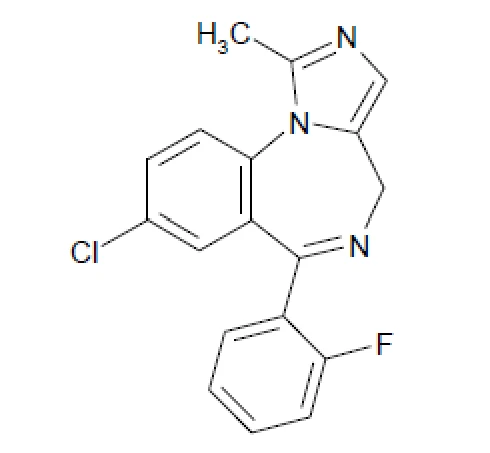
Chemical name: 8-chloro-6-(2-fluorophenyl)-1-methyl-4H-imidazo [1,5-α] [1,4] benzodiazepine
Molecular formula and molecular mass: C18H13ClFN3 (325.8 g/mol)
Structural formula:
Physicochemical properties: White to yellow crystalline powder. Practically insoluble in water; freely soluble in acetone and in ethanol; soluble in methanol. The hydrochloride salt of midazolam, which is formed in situ, is soluble in aqueous solutions. Melting range: 161-164°C.
Pharmaceutical standard: Ph. Eur.
14. Clinical Trials
The efficacy/effectiveness of BUCCOLAM for the treatment of acute, convulsive seizures lasting more than 5 minutes was supported using the totality of evidence provided by randomized controlled clinical trials (RCTs) described in the literature and data from international market experience. A total of 510 pediatric patients were exposed to buccal midazolam doses ranging from 0.2 to 0.5 mg/kg in 8 published randomized clinical trials (RCTs).
15. Microbiology
No microbiological information is required for this drug product.
16. Non-Clinical Toxicology
General toxicology:
In beagle dogs, a single dose of midazolam maleate administered intravenously at the dose of 10 mg/kg resulted in muscle relaxation, licking, salivation, ataxia, inability to stand, swimming movements, loss of placing reflex, dazed appearance, disoriented behavior, emesis and sedation, corresponding to human equivalent doses (HED) ranging from 10 to 20 times the planned doses according to age and weight in children.
Subchronic intravenous administration of midazolam in rats (1.0, 2.5 or 6 mg/kg/day for 5 weeks), dogs (1.0, or 6.0 mg/kg/day for 5 weeks) and rabbits (1.5, or 5.0 mg/kg/day for 2 weeks) resulted in sedation and ataxia, as well as decreased motor activity, loss of righting reflex, muscle relaxation, and hypnosis in rabbits.
A one-year toxicity study conducted in beagle dogs (1.0, 7.0, or 45 mg/kg/day, orally, nine/sex/group) resulted in reduced weight gain in dogs. Treatment-related clinical effects included CNS depression and some behavioral changes, both of which declined after a few weeks of treatment. Gamma glutamyl transpeptidase (GGTP) levels increased, and liver weights increased in a dose-dependent manner, and serum alkaline phosphatase levels were elevated in the 45 mg/kg/day group. Microscopic evaluation of the liver revealed the following pathology: parenchymal cell hypertrophy, altered cytoplasmic staining, yellow-brown granules in parenchymal cells and whorls of eosinophilic material. These changes reverted to normal in 3 of 4 dogs by the end of the 14-week recovery period.
Genotoxicity
In the Ames test, with and without metabolic activation, using five Salmonella typhimurium strains: TA 1535, TA 1537, TA 1538, TA 100 and TA 98, results were negative at concentrations of 50, 100 and 500 mcg of midazolam per plate. A concentration of 750 mcg/plate was too toxic to the bacteria and could not be evaluated.
Midazolam increased metaphase chromosome dislocation in immortalized Don: Wg3h cells at a concentration of 37.5 mcg/mL and higher, and induced cytotoxic chromosomal aberration (chromatid gaps, chromatid deletions and chromosome gaps) in CHE-3N cells at concentration of 5 mcg/mL.
Carcinogenicity
There was no evidence of carcinogenic potential in rats and mice treated with midazolam doses of 1 and 9 mg/kg/day orally in diet for 2 years. At 80 mg/kg/day given orally for 24 months, midazolam was associated with increased evidence of hepatic tumor (primary adenomas or carcinomas) in female mice and benign thyroid follicular cell tumor in male rats. The observed adverse effects (AEs) in mice were increased mortality rate, decreased WBC counts, inflammation of the prepuce and urinary tract with distended urinary bladders in males; increased body weight gains, increased absolute and relative mean liver weights and hepatocellular hypertrophy in both sexes; and increased adrenal hypertrophy in female mice. AEs, observed in male and/or female Sprague-Dawley rats treated with 80 mg/kg/day dietary midazolam maleate for 24 months included decreased serum glucose in high-dose males and females, increased serum urea nitrogen in high-dose females, albuminuria in high-dose males, increased hepatic masses or nodules in high-dose females and mottled livers in high-dose males and females, increased liver, thyroid, kidney and adrenal gland weights and decreased testes and pituitary gland weights. Histopathology findings were centrilobular hepatocytic hypertrophy and centrilobular fatty change in the liver and benign follicular tumor of the thyroid gland. In the same study, observations at 1 and 9 mg/kg/day included increased body weight and food consumption, increased liver weights and centrilobular hepatocytic hypertrophy and centrilobular fatty change in the liver.
Reproductive and developmental toxicology
Studies have demonstrated that midazolam is neither embryotoxic nor teratogenic in rats and rabbits and exerts no influence on the fertility, general reproductive performance, as well as perinatal and postnatal development of rats.
Juvenile toxicity
Published studies in animals demonstrate that the use of midazolam during the period of rapid brain growth or synaptogenesis results in widespread neuronal and oligodendrocyte cell loss in the developing brain and alterations in synaptic morphology and neurogenesis. Based on comparisons across species, the window of vulnerability to these changes is believed to correlate with exposures in the third trimester through the first several months of life, but may extend out to approximately 3 years of age in humans.
The clinical significance of these nonclinical findings is not known. Healthcare providers should balance the benefits of appropriate use of midazolam hydrochloride in neonates and young children who require procedures against the potential risks suggested by nonclinical data.