


Product Monograph - Bupivacaine Heavy Injection BP (Auro Pharma)
RECENT MAJOR LABEL CHANGES
| 1 INDICATIONS, 1.1 Pediatrics | 01/2024 |
|---|
3 SERIOUS WARNINGS AND PRECAUTIONS BOX
| 01/2024 | |
| 4 DOSAGE AND ADMINISTRATION, 4.4 Administration | 01/2024 |
| 7 WARNINGS AND PRECAUTIONS, General, | 01/2024 |
| 7 WARNINGS AND PRECAUTIONS, 7.1 Special Populations, 7.1.3 Pediatrics | 01/2024 |
TABLE OF CONTENTS
RECENT MAJOR LABEL CHANGES ............................................................................................ 2
TABLE OF CONTENTS .............................................................................................................. 2
PART I: HEALTH PROFESSIONAL INFORMATION ..................................................................... 4
1 INDICATIONS ...................................................................................................................... 4
1.1 Pediatrics ......................................................................................................................... 4
1.2 Geriatrics ......................................................................................................................... 4
2 CONTRAINDICATIONS ......................................................................................................... 4
3 SERIOUS WARNINGS AND PRECAUTIONS BOX .................................................................... 5
4 DOSAGE AND ADMINISTRATION ......................................................................................... 5
4.1 Dosing Considerations ..................................................................................................... 6
4.2 Recommended Dose and Dosage Adjustment ................................................................ 6
4.3 Reconstitution ................................................................................................................. 6
4.4 Administration ................................................................................................................ 7
5 OVERDOSAGE ..................................................................................................................... 8
6 DOSAGE FORMS, STRENGTHS, COMPOSITION AND PACKAGING ....................................... 11
7 WARNINGS AND PRECAUTIONS ........................................................................................ 11
7.1 Special Populations ...................................................................................................... 13
7.1.1 Pregnant Women ................................................................................................... 13
7.1.2 Breast-feeding ........................................................................................................ 14
7.1.3 Pediatrics ............................................................................................................... 14
7.1.4 Geriatrics ................................................................................................................. 14
8 ADVERSE REACTIONS ........................................................................................................ 15
8.1 Adverse Reaction Overview .......................................................................................... 15
9 DRUG INTERACTIONS ........................................................................................................ 17
9.4 Drug-Drug Interactions ................................................................................................ 17
9.5 Drug-Food Interactions ................................................................................................ 19
9.6 Drug-Herb Interactions ................................................................................................ 19
9.7 Drug-Laboratory Test Interactions ............................................................................... 19
10 CLINICAL PHARMACOLOGY ............................................................................................. 19
10.1 Mechanism of Action ........................................................................................... 19
10.2 Pharmacodynamics ............................................................................................. 19
10.3 Pharmacokinetics ................................................................................................ 20
11 STORAGE, STABILITY AND DISPOSAL ............................................................................... 22
12 SPECIAL HANDLING INSTRUCTIONS ................................................................................. 22
PART II: SCIENTIFIC INFORMATION ...................................................................................... 23
13 PHARMACEUTICAL INFORMATION .................................................................................. 23
14 CLINICAL TRIALS .............................................................................................................. 23
15 MICROBIOLOGY .............................................................................................................. 23
16 NON-CLINICAL TOXICOLOGY ........................................................................................... 23
17 SUPPORTING PRODUCT MONOGRAPHS .......................................................................... 24
PATIENT MEDICATION INFORMATION ................................................................................. 25
PART I: HEALTH PROFESSIONAL INFORMATION
1 INDICATIONS
Adults (>18 years of age):
Bupivacaine Heavy Injection BP is indicated for:
the production of local or regional anesthesia and analgesia with the following procedure:
- subarachnoid (spinal) blocks
Standard procedures for subarachnoid (spinal) blocks should be observed.
1.1 Pediatrics
Pediatrics (< 18 years of age): No data are available to Health Canada; therefore, Health Canada has not authorized an indication for spinal use in children younger than 18 years. See also 4.4 Administration.
1.2 Geriatrics
Geriatrics: Evidence from clinical studies and experience suggests that use in the geriatric population is associated with differences in safety or effectiveness. See 7.1.4 Geriatrics
2 CONTRAINDICATIONS
Bupivacaine Heavy Injection BP is contraindicated:
- In patients who are hypersensitive to bupivacaine hydrochloride, or any local anesthetic agent of the amide type, or to any ingredient in the formulation, including any non-medicinal ingredient, or component of the container. For a complete listing, see 6 DOSAGE FORMS, STRENGTHS, COMPOSITION AND PACKAGING.
- In severe shock and in heart block and when there is inflammation and/or sepsis near the site of the proposed injection.
Spinal Use
With the exception of serious diseases of the central nervous system or of the lumbar vertebral column, most anesthesiologists consider the following conditions to be only relative contraindications to spinal anesthesia. The decision as to whether or not spinal anesthesia should be used for an individual case depends on the physician’s appraisal of the advantages, as opposed to the risks, and on his ability to cope with the complications that may arise.
- 1. Disease of the cerebrospinal system, such as meningitis, spinal fluid block, cranial or spinal hemorrhage, increased intracranial pressure, tumours and syphilis.
- 2. Shock. This should be treated before any anesthetic is administered. However, in emergency operations, spinal anesthesia may at times be considered the method of choice.
- 3. Profound anemia, cachexia and when death is imminent.
- 4. Sepsis with positive blood cultures.
- 5. High Blood Pressure. Spinal anesthesia should be well tolerated if particular care is taken to prevent a sudden or appreciable fall in blood pressure.
- 6. Low Blood Pressure. The use of suitable pressor agents and methods of controlling the diffusion of the anesthetic should remove the principal objection to spinal anesthesia in patients with low blood pressure.
- 7. Highly nervous and sensitive persons. Pre-operative medication should overcome this difficulty.
- 8. Visceral perforation, bowel strangulation, acute peritonitis. Some surgeons object to contraction of the gastrointestinal musculature; others, however, consider the associated arrest of peristalsis an advantage. With gastrointestinal hemorrhage, spinal anesthesia should be used with caution or may even be contraindicated.
- 9. Cardiac decompensation, massive pleural effusion and increased intra-abdominal pressure (e.g. full-term pregnancy, massive ascites, large tumor). High spinal anesthesia should not be used in patients with these conditions unless the Trendelenburg position can be omitted or the intra-abdominal pressure released slowly.
3 SERIOUS WARNINGS AND PRECAUTIONS BOX
Serious Warnings and Precautions Local anesthetics should only be used by clinicians who are well versed in diagnosis and management of dose-related toxicity and other acute emergencies which may arise from the block to be performed, and then only after ensuring the immediate availability of cardiopulmonary resuscitative equipment, resuscitative drugs, including oxygen, and the personnel resources needed for proper management of toxic reactions and related emergencies (see 8 ADVERSE REACTIONS and 5 OVERDOSAGE). Delay in proper management of dose-related toxicity, underventilation from any cause and/or altered sensitivity may lead to the development of acidosis, cardiac arrest and, possibly, death. An intravenous cannula must be inserted before the local anesthetic is injected for nerve blocks which may result in hypotension or bradycardia, or where acute systemic toxicity may develop following inadvertent intravascular injection. |
|---|
4 DOSAGE AND ADMINISTRATION
4.1 Dosing Considerations
As with all local anesthetics, the dosage of bupivacaine hydrochloride varies and depends upon the area to be anesthetized, the vascularity of the tissues, the number of neuronal segments to be blocked, the depth of anesthesia and degree of muscle relaxation required, individual tolerance, the technique of anesthesia and the physical condition of the patient. The lowest dosage and concentration needed to provide effective anesthesia should be administered. The rapid injection of a large volume of local anesthetic solution should be avoided and fractional doses should be used when feasible. In general, complete block of all nerve fibers in large nerves requires the higher concentrations of drug. In smaller nerves, or when a less intense block is required (e.g., in the relief of labour pain), the lower concentrations are indicated. The volume of drug used will affect the extent of spread of anesthesia.
There have been adverse event reports of irreversible chondrolysis in patients receiving intra-articular infusions of local anesthetics following arthroscopic and other surgical procedures. Bupivacaine Heavy Injection BP is not approved for this use (see 7 WARNINGS AND PRECAUTIONS, General).
4.2 Recommended Dose and Dosage Adjustment
The duration of anesthesia with bupivacaine hydrochloride is such that, for most procedures, a single dose is sufficient. Maximum dosage limit must be individualized in each case after evaluating the size and physical status of the patient, as well as the usual rate of systemic absorption from a particular injection site. The maximum dose of bupivacaine hydrochloride is considered to apply to a healthy 70 kilogram, young male. However, it is not recommended that they be exceeded in heavier persons.
At present, there is insufficient clinical evidence with multiple dosage or intermittent dose techniques to permit precise recommendations for such procedures to be given.
The 0.75% hyperbaric solution of Bupivacaine Heavy Injection BP in glucose is recommended at term for obstetrical anesthesia and analgesia.
The lowest dosage of local anesthetic that results in effective anesthesia or analgesia should be used to avoid high plasma levels and serious adverse reactions.
To avoid intravascular injection, aspiration should be repeated prior to and during administration of the main dose, which should be injected slowly, while closely observing the patient’s vital functions and maintaining verbal contact.
4.3 Reconstitution
The solubility of bupivacaine hydrochloride is limited at pH > 6.5. This must be taken into consideration when alkaline solutions, i.e., carbonates, are added since precipitation might occur.
4.4 Administration
Adults
Dosage and administration of Bupivacaine Heavy Injection BP should be managed according to patient condition and standard of anesthetic care. See Spinal Use.
Children
Bupivacaine Heavy Injection BP (bupivacaine hydrochloride 7.5 mg/mL hyperbaric solution in glucose) is not recommended for spinal use in patients younger than 18 years.
Spinal Use
Bupivacaine hydrochloride for spinal anesthesia is available as a 0.75% hyperbaric solution.
The smallest dose required to produce the desired result should be administered and the dosage should be reduced for elderly and debilitated patients and patients with cardiac and/or liver disease. The use of the hyperbaric solution should permit improved control of the extent of anesthesia since the solution will have a higher specific gravity than spinal fluid.
Bupivacaine hydrochloride 7.5 mg/mL hyperbaric solution in glucose is not recommended in patients younger than 18 years of age.
| RECOMMENDED ADULT DOSAGE LIMITS FOR SPINAL ANESTHESIA | |||
|---|---|---|---|
| Extent of Anesthesia | Bupivacaine hydrochloride 0.75% Hyperbaric Solution Dosage | Injection Site (Lumbar Interspace) | |
| mL | mg | ||
| Low Spinal and Saddle block for perineal operations | 0.8 - 1.06 | 6 - 8 | 4th |
| Median Spinal for operations on lower abdomen | 1.06 - 1.6 | 8 - 12 | 3rd or 4th |
| High Spinal for operations on upper abdomen | 1.6 - 2.0 | 12 - 15 | 2nd, 3rd or 4th |
The extent and degree of spinal anesthesia depend on: the dose of anesthetic (see table), the specific gravity of the anesthetic solution, the volume of solution administered, the force of injection, the level of puncture and the position of the patient during and immediately after injection.
The lateral recumbent position is the customary one for injection; however, when both perineal and abdominal anesthesia are required, the sitting position may be preferred. After preliminary antiseptic preparation of the back, the spinal interspace to be punctured is marked and anesthetized with 1 to 2 mL of 0.25% bupivacaine HCl solution.
Ephedrine (25 mg) may be administered if needed to maintain blood pressure.
After the spinal anesthetic has been administered, the specific gravity of the solution injected determines which position the patient should be placed in, at least for the first 15 to 20 minutes. Continuous sensory tests should be made by gentle strokes with a sharp instrument or by pinching the skin, comparing the sensitivity to that of the inside of the forearm.
Since hypalgesia always precedes anesthesia, it is necessary to determine the line of demarcation between hypalgesia and normal sensation, to avoid extension of anesthesia above the desired segment.
After injection of a 0.75% hyperbaric solution for spinal anesthesia, the patient is immediately placed on his back and the table tilted to a 10 to 20 degree Trendelenburg position in order to allow the solution to flow cephalad.
Under no circumstances should a patient be left in a head-down position longer than one minute from the start of injection without testing the height of anesthesia. The neck is sharply flexed by supporting the head on a double pillow. When hypalgesia is extended to the desired height, the table is promptly brought to the horizontal position and time (about 10 to 20 minutes) allowed for the anesthetic agent to become fixed.
5 OVERDOSAGE
Acute systemic toxicity from local anesthetics is generally related to high plasma levels encountered during therapeutic use of local anesthetics, or to unintended subarachnoid or intravascular injection, exceptionally rapid absorption from highly vascularized areas or overdosage and originates mainly in the central nervous and the cardiovascular systems (see 8 ADVERSE REACTIONS and 7 WARNINGS AND PRECAUTIONS). Central nervous system reactions are similar for all amide local anesthetics, while cardiac reactions are more dependent on the drug, both quantitatively and qualitatively.
Symptoms
Accidental intravascular injections of local anesthetics may cause immediate (within seconds to a few minutes) systemic toxic reactions. In the event of overdose, systemic toxicity appears later (15-60 minutes after injection) due to the slower increase in local anesthetic blood concentration.
Central nervous system toxicity is a graded response with symptoms and signs of escalating severity. The first symptoms are usually circumoral paresthesia, numbness of the tongue, lightheadedness, hyperacousis, tinnitus and visual disturbances. Dysarthria, muscular twitching or tremors are more serious and precede the onset of generalized convulsions. These signs must not be mistaken for a neurotic behaviour. Unconsciousness and grand mal convulsions may follow which may last from a few seconds to several minutes. Hypoxia and hypercarbia occur rapidly following convulsions due to the increased muscular activity, together with the interference with normal respiration and loss of the airway. In severe cases apnoea may occur. Acidosis, hyperkalaemia, hypocalcaemia and hypoxia increase and extend the toxic effects of local anesthetics.
Recovery is due to redistribution and subsequent metabolism and excretion of the local anesthetic drug. Recovery may be rapid unless large amounts of the drug have been administered.
Cardiovascular system toxicity may be seen in severe cases and is generally preceded by signs of toxicity in the central nervous system. In patients under heavy sedation or receiving a general anesthetic, prodromal CNS symptoms may be absent. Hypotension, bradycardia, arrhythmia and even cardiac arrest may occur as a result of high systemic concentrations of local anesthetics, but in rare cases cardiac arrest has occurred without prodromal CNS effects.
Cardiovascular toxic reactions are usually related to depression of the conduction system of the heart and myocardium, leading to decreased cardiac output, hypotension, heart block, bradycardia and sometimes ventricular arrhythmias, including ventricular tachycardia, ventricular fibrillation and cardiac arrest.
In children, early signs of local anesthetic toxicity may be difficult to detect in cases where the block is given during general anesthesia.
Treatment
The first consideration is prevention, best accomplished by careful and constant monitoring of cardiovascular and respiratory vital signs and the patient’s state of consciousness after each local anesthetic injection. At the first sign of change, oxygen should be administered. If signs of acute systemic toxicity appear, injection of the local anesthetic should be immediately stopped.
THE FIRST STEP IN THE MANAGEMENT OF SYSTEMIC TOXIC REACTIONS, AS WELL AS UNDERVENTILATION OR APNEA, CONSISTS OF THE IMMEDIATE ESTABLISHMENT AND MAINTENANCE OF A PATENT AIRWAY AND ASSISTED OR CONTROLLED VENTILATION WITH 100% OXYGEN AND A DELIVERY SYSTEM CAPABLE OF PERMITTING IMMEDIATE POSITIVE AIRWAY PRESSURE BY MASK OR ENDOTRACHEAL INTUBATION. This may prevent convulsions if they have not already occurred.
Supportive treatment of the cardiovascular system includes intravenous fluids and, when appropriate, vasopressors (such as epinephrine or ephedrine which enhance myocardial contractility).
If necessary, use drugs to control convulsions. A bolus intravenous injection of a muscle relaxant (e.g., succinylcholine 1 mg/kg of body weight) will paralyze the patient without depressing the central nervous or cardiovascular systems and facilitate endotracheal intubation, controlled ventilation, and secure optimal oxygenation. An anticonvulsant should be given intravenously if the convulsions do not stop spontaneously in 15-20 seconds. A bolus intravenous dose of diazepam (0.1 mg/kg) or thiopental (1-3 mg/kg) will permit ventilation and counteract central nervous system stimulation, but these drugs also depress central nervous system, respiratory, and cardiac function, add to possible depression, and may result in apnea. Thiopental will control convulsions rapidly, while the action of diazepam will be slower. Prolonged convulsions may jeopardize the patient’s ventilation and oxygenation. Intravenous barbiturates, anticonvulsant agents, or muscle relaxants should only be administered by those familiar with their use. For specific techniques and procedures, refer to standard textbooks.
Recent clinical data from patients experiencing local anesthetic-induced convulsions demonstrated rapid development of hypoxia, hypercarbia and acidosis with bupivacaine hydrochloride within a minute of the onset of convulsions. These observations suggest that oxygen consumption and carbon dioxide production are greatly increased during local anesthetic convulsions and emphasize the importance of immediate and effective ventilation with oxygen which may avoid cardiac arrest.
If cardiovascular depression is evident (hypotension, bradycardia), ephedrine 5-10 mg should be given intravenously and may be repeated, if necessary, after 2-3 minutes. Children should be given ephedrine doses commensurate with their age and weight.
Should circulatory arrest occur, immediate cardiopulmonary resuscitation should be instituted.
Optimal oxygenation and ventilation and circulatory support as well as treatment of acidosis are of vital importance, since hypoxia and acidosis will increase the systemic toxicity of local anesthetics. A successful resuscitation may require prolonged efforts.
The supine position is dangerous in pregnant women at term because of aortocaval compression by the gravid uterus. Therefore, during treatment of systemic toxicity, maternal hypotension or foetal bradycardia following regional block, the parturient should be maintained in the left lateral decubitus position if possible, or manual displacement of the uterus off the great vessels should be accomplished. Resuscitation of obstetrical patients may take longer than resuscitation of nonpregnant patients and closed-chest cardiac compression may be ineffective. Rapid delivery of the foetus may improve the response to resuscitative efforts.
If cardiac arrest should occur, a successful outcome may require prolonged resuscitative efforts.
| For management of a suspected drug overdose, contact your regional poison control centre. |
|---|
6 DOSAGE FORMS, STRENGTHS, COMPOSITION AND PACKAGING
Dosage Forms, Strengths, Composition and Packaging
| Route of Administration | Dosage Form / Strength / Composition | Non-medicinal Ingredients |
|---|---|---|
Parenteral – Intraspinal | Sterile solution 7.5 mg/mL bupivacaine hydrochloride, hyperbaric solution | glucose monohydrate, sodium hydroxide and/or hydrochloric acid and water for injection |
0.75% - hyperbaric solution for spinal use only
Bupivacaine Heavy Injection BP spinal solution is supplied in 2 mL single dose ampoules (boxes of 10).
Each mL of solution contains 7.5 mg bupivacaine hydrochloride and 82.5 mg glucose in Water for Injection. The pH is adjusted between 4.0 and 6.5 with NaOH or HCl.
7 WARNINGS AND PRECAUTIONS
General
Spinal Use
When administering bupivacaine hydrochloride hyperbaric solution for spinal anesthesia, the patient’s blood pressure should be carefully monitored. Spinal anesthesia is usually associated with a fall in arterial blood pressure due to sympathetic blockade.
Cardiovascular
Ventricular arrhythmia, ventricular fibrillation, sudden cardiovascular collapse and death have been reported when bupivacaine hydrochloride was utilized for local anesthetic procedures that may have resulted in high systemic concentrations of bupivacaine hydrochloride.
Subarachnoid (spinal) blocks may lead to hypotension and bradycardia. The risk of such effects can be reduced either by preloading the circulation with crystalloidal or colloidal solutions or by injecting a vasopressor such as ephedrine 20-40 mg intramuscularly. Hypotension should be treated promptly, e.g., with ephedrine 5-10 mg intravenously and repeated as necessary. Children should be given ephedrine doses commensurate with their age and weight.
Local anesthetics should be used with caution in patients with impaired cardiovascular function because they may be less able to compensate for functional changes associated with the prolongation of A-V conduction produced by amide-type local anesthetics.
Patients with partial or complete heart block require special attention since local anesthetics may depress myocardial conduction. To reduce the risk of potentially serious adverse reactions, attempts should be made to optimize the patient’s condition before major blocks are performed. Dosage should be adjusted accordingly.
Subarachnoid (spinal) anaesthesia should be used with caution in patients with impaired cardiovascular function.
Driving and Operating Machinery
Exercise caution when driving or operating a vehicle or potentially dangerous machinery.
Hepatic/Biliary/Pancreatic
Because amide-type local anesthetics such as bupivacaine hydrochloride are metabolized by the liver, these drugs should be used cautiously in patients with hepatic disease. Patients with severe hepatic disease, because of their inability to metabolize local anesthetics normally, are at a greater risk of developing toxic plasma concentrations.
Drug Induced Liver Injury (DILI): Serious cases of drug-induced liver injury (DILI), hepatic failure, and increased hepatic enzymes have been reported with bupivacaine hydrochloride, especially following repeated injections or long-term infusions. These events were not dose dependent, and patients were adults of all ages, with or without previous history of hepatic-related events. Stop administration of bupivacaine hydrochloride if signs of hepatic dysfunction are observed during treatment. Re-challenge should be avoided (see 8 ADVERSE REACTIONS).
Peri-Operative Considerations
It is essential that aspiration for blood or cerebrospinal fluid be done prior to injecting any local anesthetic, both the original dose and all subsequent doses, to avoid intravascular or subarachnoid injection. During the performance of spinal anesthesia, a free flow of cerebrospinal fluid is indicative of entry into the subarachnoid space. Aspiration should be performed before the anesthetic solution is injected to confirm entry into the subarachnoid space and to avoid intravascular injection. However, a negative aspiration does not ensure against an intravascular or subarachnoid injection.
The safety and effectiveness of local anesthetics depend on proper dosage, correct technique, adequate precautions and readiness for emergencies. Regional or local anesthetic procedures should always be performed in a properly equipped and staffed area.
Resuscitative equipment and resuscitative drugs, including oxygen, should be available for immediate use (see 7 WARNINGS AND PRECAUTIONS, 8 ADVERSE REACTIONS and 5 OVERDOSAGE). During major regional nerve blocks, the patients should be in an optimal condition and have intravenous fluids running via an indwelling catheter to assure a functioning intravenous pathway. The clinician responsible should have adequate and appropriate training in the procedure to be performed, should take the necessary precautions to avoid intravascular injection (see 4 DOSAGE AND ADMINISTRATION), and should be familiar with the diagnosis and treatment of side effects, systemic toxicity and other complications (see 8 ADVERSE REACTIONS and 5 OVERDOSAGE).
Careful and constant monitoring of cardiovascular and respiratory vital signs (adequacy of ventilation) and the patient’s state of consciousness should be performed after each local anesthetic injection. It should be kept in mind at such times that restlessness, anxiety, incoherent speech, lightheadedness, numbness and tingling of the mouth and lips, metallic taste, tinnitus, dizziness, blurred vision, tremors, twitching, depression, or drowsiness may be early warning signs of central nervous system toxicity.
Renal
Local anesthetics should be used with caution in patients in poor general condition due to severe renal dysfunction although regional anesthesia is frequently indicated in these patients.
Reproductive Health: Female and Male Potential
See 7.1.1 Pregnant Women.
- Fertility
No data are available.
- Teratogenic Risk
Please see 16 NON-CLINICAL TOXICOLOGY.
7.1 Special Populations
Local anesthetics should be used with caution in patients in poor general condition due to aging or other compromising factors such as advanced liver disease or severe renal dysfunction although regional anesthesia is frequently indicated in these patients.
Debilitated and acutely ill patients should be given reduced doses commensurate with their age and physical condition.
7.1.1 Pregnant Women
Pregnant Women: Decrease pup survival in rats and an embryocidal effect in rabbits have been observed when bupivacaine hydrochloride was administered to these species in doses comparable, respectively, to nine and five times the maximal recommended daily human dose of bupivacaine (400 mg).
There are no adequate and well-controlled studies in pregnant women of the effect of bupivacaine hydrochloride on the developing foetus.
Bupivacaine hydrochloride should be used during pregnancy only if the potential benefit justifies the potential risk to the foetus. This does not exclude the use of bupivacaine hydrochloride at term for obstetrical anesthesia or analgesia.
Labour and Delivery: The hyperbaric solution of 0.75% Bupivacaine Heavy Injection BP should be used for women during Labour and Delivery only if the potential benefit justifies the potential risk to the mother and foetus.
Maternal hypotension has resulted from regional anesthesia (see 7 WARNINGS AND PRECAUTIONS, Cardiovascular). Local anesthetics produce vasodilation by blocking sympathetic nerves. It is extremely important to avoid aortocaval compression by the gravid uterus during administration of regional block to parturients. Elevating the patient’s legs and positioning her on her left side will help prevent decreases in blood pressure. The foetal heart rate also should be monitored continuously, and electronic foetal monitoring is highly advisable.
Subarachnoid anesthesia may alter the forces of parturition through changes in uterine contractility or maternal expulsive efforts. Subarachnoid anesthesia has been reported to prolong the second stage of labour by removing the parturient’s urge to bear down or by interfering with motor function. Obstetrical anesthesia may increase the need for forceps assistance.
7.1.2 Breast-feeding
Bupivacaine hydrochloride is excreted in the breast milk, but in such small quantities that there is generally no risk of affecting the infant at therapeutic doses.
7.1.3 Pediatrics
Pediatrics (< 18 years of age): No data are available to Health Canada; therefore, Health Canada has not authorized an indication for spinal use in children younger than 18 years.
7.1.4 Geriatrics
Geriatrics: Evidence from clinical studies and experience suggests that use in the geriatric population is associated with differences in safety or effectiveness.
Elderly patients should be given reduced doses commensurate with their age and physical condition.
8 ADVERSE REACTIONS
8.1 Adverse Reaction Overview
Reactions to bupivacaine hydrochloride are characteristic of those associated with other local acting anesthetics of the amide type.
Adverse reactions to local anesthetics are very rare in the absence of overdose or inadvertent intravascular injection. The effects of systemic overdose and unintentional intravascular injections can be serious, but should be distinguished from the physiological effects of the nerve block itself (e.g. a decrease in blood pressure and bradycardia during epidural anesthesia). Neurological damage, caused directly (e.g. nerve trauma) or indirectly (e.g. epidural abscess) by the needle puncture, is a rare but well recognised consequence of regional, and particularly epidural anesthesia.
The most commonly encountered acute adverse experiences that demand immediate management are related to the central nervous system and the cardiovascular system. These adverse reactions are generally dose-related and due to high plasma levels which may result from overdosage (see 5 OVERDOSAGE), rapid absorption from the injection site, diminished tolerance or from inadvertent intravascular injection. Factors influencing plasma protein binding, e.g. diseases which alter protein synthesis or competition of other drugs for protein binding, may diminish individual tolerances.
Central Nervous System: These are characterized by excitation and/or depression. Restlessness, anxiety, dizziness, tinnitus, blurred vision or tremors may occur, possibly proceeding to convulsions. However, excitement may be transient or absent, with depression being the first manifestation of an adverse reaction. This may quickly be followed by drowsiness merging into unconsciousness and respiratory arrest. Other central nervous system effects may be nausea, vomiting, chills, paraesthesia, numbness of the tongue, hyperacousis, lightheadedness, dysarthria and constriction of the pupils.
Cardiovascular System: High doses or unintentional intravascular injection may lead to high plasma levels and related depression of the myocardium, decreased cardiac output, heart block, hypotension, bradycardia, hypertension, ventricular arrhythmias, including ventricular tachycardia and ventricular fibrillation, and cardiac arrest. Reactions due to systemic absorption may be either slow or rapid in onset. Cardiovascular collapse and cardiac arrest can occur rapidly (see 7 WARNINGS AND PRECAUTIONS, Cardiovascular and 5 OVERDOSAGE).
Allergic: Allergic type reactions are rare (<0.1%) and may occur as a result of sensitivity to local anesthetics of the amide type. These reactions are characterized by signs such as urticaria, pruritis, erythema, angioneurotic oedema (including laryngeal oedema), tachycardia, sneezing, nausea, vomiting, dizziness, syncope, excessive sweating, elevated temperature, and in the most severe instances, anaphylactic shock.
Neurologic: The incidence of adverse neurologic reactions may be related to the total dose of local anesthetic administered but is also dependent upon the particular drug used, the route of administration and the physical condition of the patient. Nerve trauma, neuropathy, urinary retention, diplopia and spinal cord dysfunction (e.g., anterior spinal artery syndrome, arachnoiditis, cauda equina syndrome, in rare cases paresis and paraplegia), have been associated with regional anesthesia. Neurological effects may be related to local anesthetic techniques, with or without a contribution from the drug.
Spinal Use: THE MOST COMMONLY ENCOUNTERED ADVERSE REACTIONS WHICH DEMAND IMMEDIATE COUNTERMEASURES ARE HYPOTENSION DUE TO LOSS OF SYMPATHETIC TONE AND RESPIRATORY PARALYSIS OR UNDERVENTILATION DUE TO CEPHALAD EXTENSION OF THE MOTOR LEVEL OF ANESTHESIA. THESE MAY LEAD TO CARDIAC ARREST IF UNTREATED.
In addition, one or several of the following complications or side effects may be observed during or after spinal anesthesia.
Meningitis
With the employment of an aseptic technique, septic meningitis should be practically nonexistent. Some instances of aseptic meningitis, with fever, neck rigidity, and cloudy spinal fluid, have been reported with the use of other spinal anesthetics. In such cases, the course is usually brief and benign, terminating in complete recovery.
However, in a few, permanent paralyses (sometimes terminating fatally) and sensory disturbances have been observed. This type of meningitis has also been observed in rare instances following ordinary diagnostic lumbar puncture.
Palsies
These are rare and affect either the extraocular muscles or the legs and the anal and vesical sphincters (cauda equina syndrome). Paralysis of extraocular muscles usually clears up spontaneously by the third or fourth week.
Cauda equina and lumbosacral cord complications (usually consisting of arachnoiditis and demyelinization) result in either loss or impairment of motor and sensory function of the saddle area (bladder, rectum) and one or both legs. The complications have occurred after the use of most, if not all, spinal anesthetics. The loss or impairment of motor function may be permanent or partial recovery may slowly occur. Various explanations for such complications have been advanced, such as hypersensitivity or intolerance to the anesthetic agent with a resultant myelolytic or neurotoxic effect; pooling of relatively high concentrations of anesthetic solution around the cauda equina and spinal cord before diffusion; and accidental injection of irritating antiseptics or detergents (as when syringes and needles are incompletely cleansed or when ampoule storage enters a cracked ampoule). Hence, most anesthesiologists prefer to autoclave ampoules in order to destroy bacteria on the exterior before opening.
Headache
This may largely be prevented by using a small gauge needle to prevent spinal fluid leakage and by placing the patient in the supine position after operation and providing adequate hydration.
Nausea and Vomiting
These may be due to a drop in blood pressure, undue intra-abdominal manipulation or pre-operative medication.
Hepatobiliary system
Drug induced liver injury (DILI), hepatic failure, jaundice and other signs of hepatic dysfunction (increased alanine aminotransferase (ALT), alkaline phosphates (AlkP) and bilirubin) have been observed following bupivacaine hydrochloride use (see 7 WARNINGS AND PRECAUTIONS).
9 DRUG INTERACTIONS
9.4 Drug-Drug Interactions
The drugs listed in this section are based on either drug interaction case reports or studies, or potential interactions due to the expected magnitude and seriousness of the interaction (i.e., those identified as contraindicated).
Bupivacaine hydrochloride should be used cautiously in persons with known drug allergies or sensitivities.
Local anesthetics
Mixing or the prior or intercurrent use of any other local anesthetic with bupivacaine hydrochloride is not recommended because of insufficient data regarding the interaction and safety of such mixtures. Bupivacaine hydrochloride should be used with caution in patients receiving other amide-type local anesthetics such as lidocaine, ropivacaine, mepivacaine and prilocaine since the toxic effects are additive.
Antiarrhythmic Drugs
Bupivacaine hydrochloride should also be used with caution with structurally related agents such as the antiarrhythmics, procainamide, disopyramide, tocainide, mexiletine and flecainide.
Class III Antiarrhythmic drugs
Specific interaction studies with bupivacaine hydrochloride and class III anti-arrhythmic drugs
(e.g. amiodarone) have not been performed, but caution is advised. Patients being treated with class III anti-arrhythmic drugs should be under close surveillance and ECG monitoring since cardiac affects may be additive.
Ergot-Containing Drugs
Bupivacaine hydrochloride with epinephrine or other vasopressors or vasoconstrictors should not be used concomitantly with ergot-type oxytocic drugs, because a severe persistent hypertension may occur and cerebrovascular and cardiac accidents are possible.
Monoamine Oxidase (MAO) Inhibitors
The administration of local anesthetic solutions containing epinephrine or norepinephrine to patients receiving monoamine oxidase inhibitors may produce severe, prolonged hypertension. Concurrent use of these agents should generally be avoided. In situations when concurrent therapy is necessary, extreme caution and careful patient monitoring is essential.
Tricyclic Antidepressants (triptyline, imipramine)
The administration of local anesthetic solutions containing epinephrine or norepinephrine to patients receiving tricyclic antidepressants may produce severe, prolonged hypertension. Concurrent use of these agents should generally be avoided. In situations when concurrent therapy is necessary, extreme caution and careful patient monitoring is essential.
Neuroleptics (phenothiazines, butyrophenones)
Phenothiazines and butyrophenones may reduce or reverse the pressor effect of epinephrine resulting in hypotensive responses and tachycardia.
Sedatives
If sedatives are used to reduce patient apprehension, they should be used in reduced doses, since local anesthetic agents, like sedatives, are central nervous system depressants which in combination may have an additive effect.
General Anesthetics – Inhalation agents (halothane, cyclopropane, trichloroethylene, enflurane and related agents)
Dose-related cardiac arrhythmias may occur if preparations containing epinephrine are employed in patients during or immediately following the administration of general anesthesia with inhalational agents such as halothane, cyclopropane, trichloroethylene, enflurane or other related agents. In deciding whether to use these products concurrently in the same patient, the combined action of both agents upon the myocardium, the concentration and volume of vascoconstrictor used, and the time since injection, when applicable, should be taken into account.
Use of chloroprocaine or other local anesthetics, prior to general anesthesia, may interfere with subsequent use of bupivacaine hydrochloride. Because of this, and because safety of intercurrent use with bupivacaine hydrochloride and other local anesthetics has not been established, such use is not recommended.
H2-antagonists
The H2-antagonists cimetidine and ranitidine have been shown to reduce the clearance of bupivacaine hydrochloride; ranitidine to a lesser degree than cimetidine. Concomitant administration may increase likelihood of toxicity of bupivacaine hydrochloride. Administration of H2 blockers prior to epidural anesthesia is inadvisable since toxic levels of local anesthetic may result.
9.5 Drug-Food Interactions
Interactions with food have not been established.
9.6 Drug-Herb Interactions
Interactions with herbal products have not been established.
9.7 Drug-Laboratory Test Interactions
Interactions with laboratory tests have not been established.
10 CLINICAL PHARMACOLOGY
Bupivacaine hydrochloride is a long-acting, amide-type local anesthetic with both anesthetic and analgesic effects. At high doses it produces surgical anesthesia, while at lower doses it produces sensory block (analgesia) with less pronounced motor block.
10.1 Mechanism of Action
Local anesthetics block the generation and the conduction of nerve impulses, presumably by increasing the threshold for electrical excitation in the nerve, by slowing the propagation of the nerve impulse, and by reducing the rate of rise of the action potential. In general, the progression of anesthesia is related to the diameter, myelination, and conduction velocity of affected nerve fibers. Clinically, the order of loss of nerve function is as follows: (1) pain, (2) temperature, (3) touch, (4) proprioception, and (5) skeletal muscle tone.
bupivacaine hydrochloride stabilizes the neuronal membrane and prevents both the generation and the conduction of nerve impulses, thereby exerting a local anesthetic action. As with other local anesthetics, bupivacaine hydrochloride causes a reversible blockade of impulse propagation along nerve fibers by preventing the inward movement of sodium ions through the cell membrane of the nerve fibers. The sodium channel of the nerve membrane is considered a receptor for local anesthetic molecules.
10.2 Pharmacodynamics
The onset of action is rapid, and anesthesia is long lasting. The duration of action of a local anesthetic is dependent on a number of factors including site of injection, route of administration, concentration and volume (see 4 DOSAGE AND ADMINISTRATION). It has also been noted that there is a period of analgesia that persists after the return of sensation, during which time the need for strong analgesics is reduced.
Bupivacaine hydrochloride, like other local anesthetics, may also have effects on other excitable membranes e.g. in the brain and myocardium. If excessive amounts of drug reach the systemic circulation rapidly, symptoms and signs of toxicity will appear, emanating mainly from the central nervous and cardiovascular systems.
Central nervous system toxicity (see 5 OVERDOSAGE) usually precedes the cardiovascular effects as central nervous system toxicity occurs at lower plasma concentrations. Direct effects of local anesthetics on the heart include slow conduction, negative inotropism and eventually cardiac arrest.
10.3 Pharmacokinetics
Absorption:
The plasma concentration of local anesthetics is dependent upon the dose, the route of administration, the patient's hemodynamic/circulatory condition, and the vascularity of the injection site.
Following injection of bupivacaine hydrochloride for caudal, epidural, or peripheral nerve block in man, peak levels of bupivacaine hydrochloride in the blood are reached in 30 to 45 minutes, followed by a gradual decline to insignificant levels during the next three to six hours. Intercostal blocks give the highest peak plasma concentration due to a rapid absorption (maximum plasma concentrations in the order of 1-4 mg/L after a 400 mg dose), while subcutaneous abdominal injections give the lowest plasma concentration. Epidural and major plexus blocks are intermediate. In children, rapid absorption and high plasma concentrations (in the order of 1-1.5 mg/L after a dose of 3 mg/kg) are seen with caudal block.
Bupivacaine hydrochloride shows complete, biphasic absorption from the epidural space with plasma half-lives in the order of seven minutes after initial administration, slowing to six hours over time. The slow absorption is rate-limiting in the elimination of bupivacaine hydrochloride, which explains why the apparent elimination half-life after epidural administration is longer than after intravenous administration.
Distribution:
Local anesthetics are bound to plasma proteins in varying degrees. The highly lipophilic agents, such as bupivacaine hydrochloride, are far more highly protein-bound than the more hydrophilic compounds. Bupivacaine hydrochloride is approximately 95% protein-bound in normal adults. Generally, the lower the plasma concentration of drug, the higher the percentage of drug bound to plasma proteins. If plasma protein concentrations are decreased, more of the free drug will be available to exert activity. Bupivacaine hydrochloride is mainly bound to alpha-1-acid glycoprotein.
Bupivacaine hydrochloride readily crosses the placenta and equilibrium in regard to the unbound concentration is rapidly reached. The rate and degree of diffusion is governed by (1) the degree of plasma protein binding, (2) the degree of ionization and (3) the degree of lipid solubility. The degree of plasma protein binding in the foetus is less than in the mother, which results in lower total plasma concentrations in the foetus than in the mother. The free concentration, however, is the same in both mother and foetus.
Fetal/maternal ratios of local anesthetics appear to be inversely related to the degree of plasma protein binding because only the free, unbound drug is available for placental transfer. Bupivacaine hydrochloride with a high protein binding capacity (95%) has a low fetal/maternal ratio (0.2 to 0.4).
Bupivacaine hydrochloride has a total plasma clearance of 0.58 L/min a volume of distribution at steady state of 73 L.
An increase in total plasma concentration has been observed during continuous epidural infusion for postoperative pain relief. This is related to a postoperative increase in alpha-1-acid glycoprotein. The unbound, i.e. pharmacologically active, concentration is similar before and after surgery.
Metabolism:
Because of its amide structure, Bupivacaine hydrochloride is extensively metabolized in the liver predominantly by aromatic hydroxylation to 4-hydroxy- bupivacaine hydrochloride and N-dealkylation to 2,6-pipecoloxylidine (PPX), both mediated by cytochrome P450 3A4. The major metabolite of bupivacaine hydrochloride is pipecoloxylidine, a dealkylated derivative. Patients with hepatic disease may be more susceptible to the potential toxicities of the amide-type local anesthetics.
Elimination:
The plasma elimination half-life of bupivacaine hydrochloride in adults is 2.7 hours (range 1.2 to 4.6 hours). In infants, the half-life ranges from 6 to 22 hours, thus it is significantly longer than in adults. Half-life is also prolonged in the elderly. Bupivacaine hydrochloride has an intermediate hepatic extraction ratio of 0.38 after intravenous administration. In children between 1 to 7 years the pharmacokinetics are similar to those in adults.
The kidney is the main excretory organ for most local anesthetics and their metabolites. Urinary excretion is affected by renal perfusion and factors affecting urinary pH.
Clearance of bupivacaine hydrochloride is almost entirely due to liver metabolism and more sensitive to changes in intrinsic hepatic enzyme function than to liver perfusion.
Special Populations and Conditions
Local anesthetics should be used with caution in patients in poor general condition due to aging or other compromising factors such as advanced liver disease or severe renal dysfunction although regional anesthesia is frequently indicated in these patients.
Debilitated and acutely ill patients should be given reduced doses commensurate with their age and physical condition.
11 STORAGE, STABILITY AND DISPOSAL
Store at 20 - 25°C. Do not freeze. Protect from light.
12 SPECIAL HANDLING INSTRUCTIONS
The solution may be autoclaved once at 15-pound pressure, 121°C (250°F) for 15 minutes. Do not administer any solution which is discoloured or contains particulate matter.
PART II: SCIENTIFIC INFORMATION
13 PHARMACEUTICAL INFORMATION
Drug Substance
| Proper name: | bupivacaine hydrochloride |
|---|---|
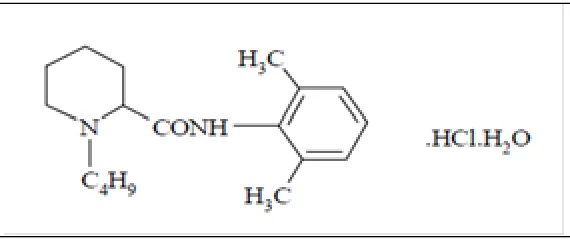
| Chemical name: | (2RS)-1-Butyl-N-(2,6-dimethylphenyl)piperidine-2-carboxamide hydrochloride monohydrate |
| Molecular formula and Molecular mass: | C18H28N2O, HCl, H2O and 342.90 g/mol |
| Structural formula: | |
| Physicochemical properties: | White or almost white, crystalline powder or colourless crystals |
14 CLINICAL TRIALS
The information on which the original indication was authorized is not available.
15 MICROBIOLOGY
No microbiological information is required for this drug product.
16 NON-CLINICAL TOXICOLOGY
General Toxicology:
Acute LD50 determinations in the mouse and rat were as follows:
| Route of Administration | Species | Acute LD50 ±s.e. mg/kg at 24 hours | |
|---|---|---|---|
| Bupivacaine hydrochloride 0.75% (Hyperbaric) | I.V. | Mouse | 6.2 ± 0.4 |
I.V.: Intravenous
At high intravenous doses in mice and rats, symptoms of toxicity included CNS stimulation followed by convulsions. Central stimulation is followed by depression and death is usually due to respiratory depression.
Bupivacaine hydrochloride produced seizures in rhesus monkeys when serum levels reached
 |
the 4.5 to 5.5 µg/mL range.
No significant pathologic changes were observed following sub-lethal doses of bupivacaine hydrochloride in the rat, rabbit, dog and monkey, except for dose-related inflammatory reactions in the muscle tissue at the injection sites. In irritation studies in the rabbit, healing of the intramuscular lesions was well advanced or complete within seven days after the injection.
Libelius and others reported denervation-like changes in the skeletal muscle of rats following repeated intramuscular injection into the same site. They commented, however, that the conditions under which these changes occurred are not likely to be encountered in the clinical use of the drug.
No immediate or delayed allergic responses were observed in the guinea pig after sensitivity testing. No evidence of drug-induced teratogenic effects was observed in rats and rabbits given subcutaneous injections of bupivacaine hydrochloride.
Decreased pup survival in rats and an embryocidal effect in rabbits have been observed when bupivacaine hydrochloride was administered to these species in doses comparable to nine and five times, respectively the maximal recommended daily human dose (400 mg).
17 SUPPORTING PRODUCT MONOGRAPHS
- 1. MARCAINE® SPINAL Bupivacaine Hydrochloride in Dextrose Injection Sterile Solution,
7.5 mg/mL, Parenteral – Intraspinal submission control 269793, Product Monograph, Pfizer Canada ULC, Date of Revision: MAY 11, 2023.