


Product Monograph - Oraqix
SUMMARY PRODUCT INFORMATION
Route of Administration | Dosage Form / Strength | All Non-medicinal Ingredients |
| Topical Periodontal Administration DO NOT INJECT | Gel / Lidocaine 25 mg/mL; Prilocaine 25 mg/mL | Hydrochloric Acid, NF, Ph Eur Poloxamer 188, purified Poloxamer 407, purified Purified Water, USP, Ph Eur |
INDICATIONS AND CLINICAL USE
Adults
ORAQIX® (Lidocaine and Prilocaine Periodontal Gel) is indicated for topical application in periodontal pockets for moderate pain during scaling and/or root planing.
ORAQIX® should NOT be injected.
Geriatrics (> 65 years of age): There are limited data available on the use of ORAQIX® in the elderly. Greater sensitivity of some older individuals cannot be ruled out. Caution is advised in dose selection for the elderly (see WARNINGS and PRECAUTIONS, Special Populations, Geriatrics).
Pediatrics (< 18 years of age): ORAQIX® is not recommended to be used in children (see WARNINGS and PRECAUTIONS, Special Populations, Pediatrics).
CONTRAINDICATIONS
ORAQIX® (Lidocaine and Prilocaine Periodontal Gel) is contraindicated:
- in patients with a known history of hypersensitivity to local anesthetics of the amide type or to any other component of the product;
- in patients with congenital or idiopathic methemoglobinemia
WARNINGS AND PRECAUTIONS
ORAQIX® (Lidocaine and Prilocaine Periodontal Gel) must not be injected. ORAQIX® (Lidocaine and Prilocaine Periodontal Gel) should not be used with standard dental syringes.
General
Allergy: Allergic and anaphylactic reactions associated with lidocaine or prilocaine can occur. These reactions may be characterized by urticaria, angioedema, bronchospasm, and shock. If these reactions occur they should be managed according to standard clinical practice.
Methemoglobinemia: Prilocaine can cause elevated methemoglobin levels particularly in conjunction with methemoglobin inducing agents. Methemoglobinemia has also been associated with amino- or nitro-derivatives of benzene e.g. aniline, dapsone and lidocaine although reports on the link between lidocaine treatment and methemoglobinemia are limited. Methemoglobinemia is well documented in relation to prilocaine and lidocaine combination treatment and correlated with exposure to prilocaine and the plasma levels of its metabolite o-toluidine.
| Patients with glucose-6-phosphate dehydrogenase deficiency or congenital or idiopathic | |
| methemoglobinemia are more susceptible to drug-induced methemoglobinemia. ORAQIX® | |
| (Lidocaine and Prilocaine Periodontal Gel) should not be used in those patients with congenital | |
| or idiopathic methemoglobinemia. | |
| Patients taking drugs associated with drug-induced methemoglobinemia are also at greater risk | |
| for developing methemoglobinemia. Treatment with ORAQIX® should be avoided in patients | |
| with any of the above conditions or with a previous history of problems in connection with | |
| prilocaine treatment (see DRUG INTERACTIONS, Methemoglobinemia). | |
The development of methemoglobinemia is generally dose-related. Levels of methemoglobin observed after application of the ORAQIX® in clinical trials did not exceed normal values (i.e. <2% of the individual patient's total hemoglobin). The individual maximum level of methemoglobin in blood ranged from 0.8% to 1.7% following administration of the maximum dose of 8.5 g ORAQIX® (see OVERDOSAGE, Methemoglobinemia).
| Cardiovascular | ||
| ORAQIX® (Lidocaine and Prilocaine Periodontal Gel ) should be used with caution in patients | ||
| with severe impairment of impulse initiation and conduction in the heart (e.g. grade II and III AV | ||
| block, pronounced bradycardia) since these subjects may be particularly sensitive to local | ||
| anesthetics and potential cardiac depression (see also DRUG INTERACTIONS – | ||
| Antiarrhythmics) | ||
Ear/Nose/Throat
ORAQIX® should not be used in clinical situations where it can penetrate or migrate into the middle ear. Tests on laboratory animals (guinea pigs) have shown that a cream formulation containing lidocaine and prilocaine has an ototoxic effect.
When the same animals were exposed to the cream formulation in the external auditory canal, no abnormalities were observed. Minor structural damage to the tympanic membrane in guinea pigs was observed when a lidocaine-prilocaine cream formulation was applied directly to the membrane.
| Care should be taken to avoid excess ORAQIX® from spreading to the oropharyngeal mucosa. | |
| Hepatic | |
| Patients with severe hepatic disease are at greater risk for developing toxic plasma | |
| concentrations of lidocaine and prilocaine, because of their inability to metabolize local | |
| anesthetics normally. | |
Ophthalmologic
ORAQIX® should not come into contact with the eyes due to its potential to cause loss of protective reflexes thus resulting in corneal irritation or abrasion. If eye contact occurs, immediately rinse the eye with water or sodium chloride solution and protect the eye until normal sensation returns. The patient should be evaluated by an ophthalmologist, as indicated.
Peri-Operative Considerations
Injury: Patients should be cautioned to avoid injury to the treated area, or exposure to extreme hot or cold temperatures, until complete sensation has returned.
Sensitivity
Patients allergic to paraminobenzoic acid derivatives (procaine, tetracaine, benzocaine, etc.) have not shown cross sensitivity to lidocaine and/or prilocaine. However, ORAQIX® should be used with caution in patients with a history of drug sensitivities, especially if the etiologic agent is uncertain.
Carcinogenesis and Mutagenesis
The risks of lidocaine and prilocaine, and their metabolites, in carcinogenesis and mutagenesis have been studied in rodents. Frequent use of high doses of lidocaine and prilocaine is not recommended (see Part II, TOXICOLOGY, Carcinogenesis and Mutagenesis).
Special Populations
Pregnant Women: ORAQIX® should be used during pregnancy only if the benefits outweigh the risks. There are no adequate and well-controlled studies to evaluate ORAQIX® during pregnancy. Animal reproduction studies are not always predictive of human response.
Lidocaine and prilocaine cross the placental barrier and may be absorbed by the fetal tissues. It is reasonable to assume that lidocaine and prilocaine have been used in a large number of pregnant women and women of child-bearing age. No specific disturbances to the reproductive process have so far been reported, e.g., an increased incidence of malformations or other directly or indirectly harmful effects on the fetus. However, care should be given during early pregnancy when maximum organogenesis takes place.
Nursing Women: Lidocaine and, possibly, prilocaine are excreted in breast milk, but in such small quantities that there is generally no risk to the infant being affected at therapeutic dose levels due to low systemic absorption.
Pediatrics (<18 years of age)
Safety and effectiveness in pediatric patients have not been studied. Very young children are more susceptible to methemoglobinemia associated with prilocaine treatment and this is related to the development of the enzyme methemoglobin reductase which converts methemoglobin back to hemoglobin. Methemoglobin reductase reaches adult levels at between 3 and 6 months.
Geriatrics (> 65 years of age): Of the total number of subjects in clinical studies of ORAQIX®, 7% were aged 65 and over, while 1% were aged 75 and over. No overall differences in safety or effectiveness were observed between these subjects and younger subjects. Other reported clinical experience has not identified differences in responses between elderly and younger patients, but greater sensitivity of some older individuals cannot be ruled out.
In general, dose selection for an elderly patient should be cautious, usually starting at the low end of the dosing range, reflecting the greater frequency of decreased hepatic, renal, or cardiac function, and of concomitant disease or other drug therapy.
ADVERSE REACTIONS
Adverse Drug Reaction Overview
The clinical safety database included 559 subjects, 391 of whom were exposed to ORAQIX® (Lidocaine and Prilocaine Periodontal Gel) and 168 to placebo gel. In a crossover study, 170 patients exposed to ORAQIX® also received an injection of 2% lidocaine with epinephrine.
The most frequent adverse reactions in clinical trials were local reactions in the oral cavity. The frequency and type of reactions were similar for ORAQIX® and placebo-treatment patients.
The treatment-emergent adverse events observed in three placebo-controlled parallel studies (B1
- B3) are summarized in Table 1.
Table 1: Treatment-Emergent Adverse Events for ORAQIX® in placebo controlled parallel studies (B1 – B3) (≥ 1% and more frequent than placebo)
Adverse Event
ORAQIX® n = 169
(case, %)
Placebo
n = 168 (case, %) Application Site Reaction 25 (15) 20 (12)
Headache 4 (2) 3 (2)
Taste Perversion 4 (2) 1 (1)
Accident and/or Injury 2 (1) 2 (1)
Application Site Edema 2 (1) 1 (1)
Respiratory Infection 2 (1) 0 (0)
Allergic Reactions: In rare cases, local anesthetics have been associated with allergic reactions and in the most severe instances, anaphylactic shock (see WARNINGS AND PRECAUTIONS, Sensitivity, Allergy) Allergic reactions were not reported during clinical studies with ORAQIX®. Very rare cases of anaphylactic or anaphylactoid reactions associated with the use of ORAQIX® have been reported.
Abnormal Hematologic and Clinical Chemistry Findings: Prilocaine in high doses may cause an increase in the methemoglobin level particularly in conjunction with methemoglobin-inducing agents in the use of other products containing prilocaine (see OVERDOSAGE).
DRUG INTERACTIONS
| Overview | |
| ORAQIX® (Lidocaine and Prilocaine Periodontal Gel) should be used with caution in | |
| combination with dental injection anesthesia, other local anesthetics, or agents structurally | |
| related to local anesthetic. | |
Drug-Drug Interactions
Antiarrhythmic Drugs: Class I antiarrhythmics (such as tocainide and mexiletine) should be used with caution since the toxic effects are likely to be additive and potentially synergistic (see ADVERSE REACTIONS and OVERDOSAGE).
Specific interaction studies with lidocaine/prilocaine and class III anti-arrhythmic drugs (e.g., amiodarone, bretylium, sotalol, dofetilide) have not been performed, but caution is advised. Patients treated with class III anti-arrhythmic drugs should be under close surveillance and ECG monitoring considered because cardiac effects of these drugs and ORAQIX® could be additive.
Methemoglobinemia:
Prilocaine, a component of ORAQIX®, accentuates the formation of methemoglobin by a mechanism involving metabolism of prilocaine to o-toluidine and subsequent oxidation of hemoglobin to methemoglobin. The reduction of methemoglobin back to hemoglobin is dependent on the presence of methemoglobin reductase (see CONTRAINDICATIONS and OVERDOSAGE).
Patients taking drugs associated with drug-induced methemoglobinemia such as sulfonamides, acetaminophen, acetanilide, aniline dyes, benzocaine, chloroquine, dapsone, naphthalene, nitrates and nitrites, nitrofurantoin, nitroglycerin, nitroprusside, pamaquine, para-aminosalicylic acid, phenacetin, phenobarbital, phenytoin, primaquine, and quinine are also at greater risk for developing methemoglobinemia (see OVERDOSAGE).
DOSAGE AND ADMINISTRATION
Dosing Considerations
ORAQIX® is for TOPICAL USE ONLY. DO NOT INJECT. ORAQIX® should not be used with standard dental anesthetic syringes. Only use this product with the ORAQIX® Dispenser, which is available from DENTSPLY Canada.
Conditions where dosing may require adjustment:
In patients who are administered other local anesthetics or amide type local anesthetics (see
DRUG INTERACTIONS).
- In elderly patients or those with impaired elimination, dose selection should be cautious, usually starting at the low end of the dosing range to avoid toxicity due to increased blood levels of lidocaine and prilocaine.
Recommended Dose
Typically, one cartridge (1.7 g) or less of ORAQIX® (Lidocaine and Prilocaine Periodontal Gel) will be sufficient for one quadrant of the dentition. The maximum recommended dose of ORAQIX® at one treatment session is five cartridges, i.e. 8.5 g gel containing 212.5 mg lidocaine base and 212.5 mg prilocaine base.
If additional local anesthesia is needed in combination with ORAQIX®, please refer to the product monograph of each adjunctive anesthetic. Because the systemic toxic effects of local anesthetics are additive, it is not recommended to give any further local anesthetics during the same treatment session, if the amount of ORAQIX® administered corresponds to the maximum recommended dose of five cartridges.
The use of ORAQIX® in children and adolescents has not been assessed and therefore its use is not recommended in patients less than 18 years old.
Administration
Apply ORAQIX® on the gingival margin around the selected teeth using the blunt-tipped applicator included in the package, then fill the periodontal pockets with ORAQIX® using the blunt-tipped applicator until the gel becomes visible at the gingival margin. Wait for 30 seconds before starting treatment. A longer waiting time does not enhance the anesthesia. Anesthetic effect, as assessed by probing of pocket depths, has a duration of approximately 20 minutes
(individual overall range 14 – 27 minutes). If the anesthesia starts to wear off, ORAQIX® may be re-applied if needed.
At room temperature ORAQIX® stays liquid; it turns into an elastic gel at body temperature. If it becomes excessively viscous in the cartridge, the cartridge should be placed in a refrigerator until it becomes a liquid again. When in the liquid state, the air bubble visible in the cartridge will move if the cartridge is tilted.
Instructions for application of ORAQIX® using the ORAQIX® Dispenser are provided in the package insert supplied with the ORAQIX® Dispenser.
OVERDOSAGE
For management of a suspected drug overdose, contact your regional Poison Control Centre.
Local anesthetic toxicity
Symptoms: ORAQIX® (Lidocaine and Prilocaine Periodontal Gel) used at the recommended dosage is not likely to cause toxic plasma levels of lidocaine or prilocaine. However, if other local anesthetics are administered at the same time, e.g. topically or by injection, the toxic effects are thought to be additive and could result in an overdose with systemic toxic reactions. Overdosage may result from a subsequent injection of local anesthetics for rescue pain relief or for other dental procedures. There is generally an increase in severity of symptoms with increasing plasma concentrations of lidocaine and/or prilocaine.
Systemic toxicity may typically be found around 5000 ng/mL of lidocaine, however a small number of patients reportedly may show signs and symptoms of toxicity at approximately 1000 ng/mL. Pharmacological thresholds for prilocaine are poorly defined. The plasma level of lidocaine observed after the maximum recommended dose (5 cartridges) of ORAQIX® in 11 patients exposed over 3 hours ranged from 157-552 ng/mL with a mean of 284 ng/mL ± 122 SD. The corresponding figure for prilocaine was 53-181 ng/mL with a mean of 106 ± 45 SD (see CLINICAL PHARMACOLOGY, Absorption).
Systemic adverse effects of lidocaine and/or prilocaine are manifested by central nervous system and/or cardiovascular symptoms. Clinical symptoms of systemic toxicity include CNS excitation and/or depression (light-headedness, hyperacusis, visual disturbances, muscular tremors, and general convulsions). Lidocaine and/or prilocaine may cause decreases in cardiac output, total peripheral resistance and mean arterial pressure. These changes may be attributable to direct depressant effects of these local anesthetic agents on the cardiovascular system. Cardiovascular manifestations may include hypotension, bradycardia, arrhythmia, and cardiovascular collapse.
Management: Should severe CNS or cardiovascular symptoms occur, these may be treated symptomatically by, for example, the administration of anticonvulsive drugs, respiratory support and/or cardiovascular resuscitation as necessary.
Methemoglobinemia
Symptoms:
Prilocaine can cause elevated methemoglobin levels particularly in conjunction with methemoglobin-inducing agents. Methemoglobinemia has also been reported in a few cases in association with lidocaine treatment. Patients with glucose-6-phosphate dehydrogenase deficiency or congenital or idiopathic methemoglobinemia are more susceptible to drug-induced methemoglobinemia. Very young patients or patients with glucose-6-phosphate dehydrogenase deficiency or congenital or idiopathic methemoglobinemia are more susceptible to drug-induced methemoglobinemia.
Signs and symptoms of methemoglobinemia may be delayed some hours after exposure. Initial signs and symptoms of methemoglobinemia are characterized by a slate grey cyanosis seen in buccal mucous membranes, lips and nail beds, etc. In severe cases symptoms may include central cyanosis, headache, lethargy, dizziness, fatigue, syncope, dyspnea, CNS depression, seizures, dysrhythmia and shock.
Methemoglobinemia should be considered if central cyanosis unresponsive to oxygen therapy occurs, especially if methemoglobin inducing agents have been used. Calculated oxygen saturation and pulse oximetry are inaccurate in the setting of methemoglobinemia. The diagnosis can be confirmed by an elevated methemoglobin level measured with co-oximetry. Normally, methemoglobin levels are <1% and cyanosis may not be evident until a level of at least 10% is present. The development of methemoglobinemia is generally dose related. The individual maximum level of methemoglobin in blood ranged from 0.8% to 1.7% following administration of the maximum dose of 8.5 g ORAQIX®.
Management: Clinically significant symptoms of methemoglobinemia should be treated with a standard clinical regimen such as a slow intravenous injection of methylene blue at a dosage of 1-2 mg/kg given over a five minute period.
ACTION AND CLINICAL PHARMACOLOGY
Mechanism of Action & Pharmacodynamics
ORAQIX® (Lidocaine and Prilocaine Periodontal Gel) is an oil/water microemulsion in which the oil phase is a eutectic mixture of lidocaine and prilocaine bases in a ratio of 1:1 by weight. ORAQIX® is a viscous liquid at room temperature, and it turns into an elastic gel at body temperature. Lidocaine and prilocaine are both amide-type local anesthetic agents. Both lidocaine and prilocaine block sodium ion channels required for the initiation and conduction of neuronal impulses, resulting in local anesthesia.
ORAQIX® is applied directly into periodontal pockets to provide localized anesthesia. The onset of local anesthetic effect after application of ORAQIX® occurs by 30 seconds and a longer waiting time does not enhance the anesthetic effect. Anesthetic effect, as assessed by probing of pocket depths, lasted for about 20 minutes (individual overall range 14 – 31 minutes).
Pharmacokinetics
Table 2: Summary of ORAQIX® Pharmacokinetic Parameters
| Cmax* | Tmax** | t1/2 (h)* | AUC∞* | ||
| (ng/mL) | (min) | ||||
| (ng·min/mL) | |||||
| ORAQIX® | Lidocaine | 182 (±53) | 30 | 3.6 (±1.3) | 47,000 (±45,000) |
| Single Dose | |||||
| Prilocaine | 77 (± 27) | 30 | 2.8 (± 1.0) | 8,000 (±2,000) | |
| (0.9-3.5 g) | |||||
| ORAQIX® | Lidocaine | 284 | 200 | 217.8 (±79.9) | 84,000 (±42,000) |
| (± 122) | |||||
| Total Dose | |||||
| over 3 h | Prilocaine | 106 (±45) | 200 | 169.5 (±62.1) | 26,000 (10,000) |
| (8-8.5g) |
* Mean values
** Median values
Absorption: Lidocaine and prilocaine are absorbed from ORAQIX® to a similar extent via the oral mucous membranes. The systemic bioavailability after the highest recommended dose, 8.5 g, is estimated to be 20 to 40 % (95% confidence interval) for both drugs.
A low bioavailability is expected from the gel if swallowed, as both lidocaine and prilocaine show a substantial first-pass hepatic elimination. The median Tmax of both drugs is 30 minutes after administration of a single dose and 200 minutes after a cumulative dose of 8.5 g ORAQIX®, administered as repeated applications during 3 hours.
The toxicities of lidocaine and prilocaine are thought to be additive. Systemic CNS toxicity may occur over a range of plasma concentrations of local anesthetics. CNS toxicity may typically be found around 5000 ng/mL of lidocaine, however a small number of patients reportedly may show signs of toxicity at approximately 1000 ng/mL.
The median Tmax of lidocaine and prilocaine was 30 minutes, ranging between 20 and 40 min., after the start of a single application of 0.9 to 3.5 g ORAQIX®, and 200 minutes, ranging between 120 and 200 min., after a cumulative dose of 8.5g ORAQIX® administered as repeated applications over 3 hours.
Distribution: Lidocaine and prilocaine have an intermediate degree of plasma protein binding, mainly to α1-acid glycoprotein, with a protein binding of 70% and 40%, respectively. When administered intravenously, the mean volume of distribution (for 60-kg person) at steady state for lidocaine and prilocaine were 90 L and 156 L, respectively. ORAQIX® is not intended for intravenous administration. Both lidocaine and prilocaine cross the placental and blood brain barriers, presumably by passive diffusion.
Metabolism: Lidocaine and prilocaine are mainly metabolized in the liver. Prilocaine and lidocaine are not metabolized by plasma esterases.
The main metabolism of lidocaine is through N-dealkylation to monoethylglycinexylidide (MEGX) and glycinexylidide (GX), which is mainly mediated by CYP3 A4. These metabolites are hydrolyzed to 2,6-xylidine, which is converted to 4-hydroxy-2,6-xylidine (mediated by CYP2A6), the major urinary metabolite in man. After a total of 8-8.5 g ORAQIX® administered as repeated applications over 3 hours, the mean (+SD) 2,6-xylidine Cmax was 18 (+8.4) ng/mL ranging between 8 and 32 ng/mL. The mean 2,6-xylidine AUC∞ was 9800 ng.min/mL (± 6370), ranging between 3480-24,580 ng/min/mL). MEGX has an antiarrhythmic and convulsant activity similar to that of lidocaine and a somewhat longer half-life. GX has a weak antiarrhythmic effect but lacks convulsant activity and has a half-life of about 10 h.
Prilocaine is split at the amide linkage to o-toluidine, which is converted further to 4- and 6-hydroxytoluidine. The prilocaine metabolite o-toluidine and the hydroxylated metabolites of o-toluidine are excreted mainly in the urine. The formation of methemoglobin during treatment with prilocaine is related to the plasma concentration of o-toluidine and its metabolites. However, even after the maximum recommended dose of 8.5 g ORAQIX®, individual maximum plasma concentrations of methemoglobin were within the normal range (<2% of hemoglobin).
Excretion: Lidocaine and prilocaine have systemic clearances of 0.95 and 2.37 L/min, respectively, after intravenous administration as single agents. The terminal half-life of both drugs after intravenous administration as single agents is 1.6 h. ORAQIX® is not intended for intravenous administration. However, after application of ORAQIX® to the periodontal pockets the mean (± SD) terminal lidocaine half-life was 3.6 (± 1.3) hours, ranging between 2.2 and 6.5 h. The mean (± SD) terminal prilocaine half-life was 2.8 (± 1.0) hours, ranging between 2.0 to 5.7 h. For the metabolite o-toluidine the mean terminal half-life was 4.0 (± 1.1) hours, ranging between 2.0 and 5.7 hours. For the metabolite 2,6-xylidine the mean terminal half-life was 8.0 (± 4.0) hours, ranging between 3.7 and 18.3 hours.
Linearity: The increase in Cmax of both lidocaine and prilocaine is proportional (or less than proportional) to the dose after single application of ORAQIX®. The Cmax after a cumulative dose of 8.5 g ORAQIX® administered as repeated applications over 3 hours, (i.e. the highest recommended dose, corresponding to 212.5 mg each of lidocaine and prilocaine base), is lower than that extrapolated from the proportional increase in plasma concentrations at lower doses.
| Pediatrics: The pharmacokinetics of lidocaine and prilocaine after ORAQIX® administration | |
| have not been studied in pediatric patients. | |
| Geriatrics: The pharmacokinetics of lidocaine and prilocaine after ORAQIX® administration | |
| have not been studied in geriatric patients. However, intravenous studies, the elimination half-life | |
| of lidocaine was statistically significantly longer in elderly patients (2.5 hours) than in younger | |
| patients (1.5 hours). No studies on the intravenous pharmacokinetics of prilocaine in elderly | |
| patients have been performed (See WARNINGS AND PRECAUTIONS). | |
Renal Impairment: Lidocaine and prilocaine and their metabolites are known to be excreted by the kidney, and the metabolites may accumulate in patients with impaired renal function.
Hepatic Impairment: The half-life of lidocaine may be prolonged two-fold or more in patients with liver dysfunction. Liver dysfunction may also alter prilocaine pharmacokinetics. Because of their inability to metabolize local anesthetics normally, patients with severe hepatic disease are at a greater risk of developing toxic plasma concentrations of lidocaine and prilocaine.
STORAGE AND STABILITY
| ORAQIX® (Lidocaine and Prilocaine Periodontal Gel) is a liquid at room temperature and | |
| transforms to an elastic gel at body temperature in the periodontal pockets. |
Store at room temperature 15°-30°C.
SPECIAL HANDLING INSTRUCTIONS
DO NOT FREEZE. Some components of ORAQIX® (Lidocaine and Prilocaine Periodontal Gel) may precipitate if cartridges are frozen. Cartridges should not be used if they contain a precipitate.
Do not use dental cartridge warmers with ORAQIX®. The heat will cause the product to gel.
DOSAGE FORMS, COMPOSITION AND PACKAGING
ORAQIX® (Lidocaine and Prilocaine Periodontal Gel) is a microemulsion in which the oil phase is a eutectic mixture of lidocaine and prilocaine base in a ratio of 1:1 by weight. This eutectic mixture has a melting point below room temperature, therefore both local anesthetics exist as liquid oils rather than as crystals. ORAQIX® contains poloxamer excipients, which show reversible temperature-dependent gelation. Together with the lidocaine-prilocaine 1:1 mixture, the poloxamers form a low-viscosity fluid system at room temperature and an elastic gel in the periodontal pocket. ORAQIX® is administered into periodontal pockets, by means of the supplied special applicator. Gelation occurs at body temperature, followed by release of the local anesthetics, lidocaine and prilocaine.
ORAQIX® is supplied in single-use glass dental cartridges that provide 1.7 g gel (42.5 mg of lidocaine and 42.5 mg of prilocaine). Each gram of ORAQIX® contains 25 mg lidocaine base and 25 mg prilocaine base. The gel also contains poloxamer 188 purified, poloxamer 407 purified, hydrochloric acid, and purified water. The pH of ORAQIX® is 7.5-8.0.
| Individually blister-packaged cartridges of ORAQIX® are distributed in a carton of 20. Each | |
| individual blister package also contains a sterile blunt-tipped applicator. The applicator has a | |
| blunt-tip end for ORAQIX® application and a sharp-tip end for piercing the rubber top of the | |
| ORAQIX® cartridge. Each blunt-tipped applicator is for single use only. Any unused periodontal | |
| gel should be discarded. |
PART II: SCIENTIFIC INFORMATION
PHARMACEUTICAL INFORMATION
Drug Substance
Proper Name Lidocaine Prilocaine
Chemical Name 2-(diethylamino)-N-(2,6-dimethylphenyl)-
acetamide
N-(2-methylphenyl)-2 (propylamino)-propanamide
Molecular formula C14H22N2O C13H20N2O
Molecular mass 234.3 220.3
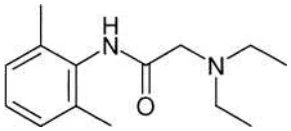
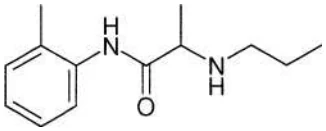
Structural formula
Physiochemical Properties Octanol:water partition ratio of 43 at pH
7.4. The pKa of lidocaine is 7.86.
Octanol:water partition ratio of 25 at pH 7.4. The pKa of prilocaine is 7.89.
Description White to almost white crystalline powder White to almost white crystalline powder
CLINICAL TRIALS
A total of 337 patients (146 men and 191 women; 169 ORAQIX® and 168 placebo) were studied in three randomized, double-blind, placebo-controlled trials. Subjects received a median dose of approximately 1 cartridge (1.7g gel), ranging from 1/4 – 2 1/2 cartridges per quadrant treated. The primary objective of these clinical studies was to estimate the analgesic effect of ORAQIX® by asking subjects to rate their pain on a continuous visual analog scale (VAS) from 0 (no pain) to 100 mm (worst pain imaginable). Patients were asked to report overall procedural pain 5 minutes following manual scaling and/or root planing (SRP) in a single quadrant that had been pre-treated with ORAQIX® or placebo (vehicle only, without lidocaine or prilocaine).
In all three studies, subjects who were given ORAQIX® reported less pain during the procedure than those given placebo. Study B3 recruited patients with a known sensitivity to mechanical probing of dental-pockets, whereas in Studies B1 and B2, this was not a requirement. Results of Studies B1, B2 and B3 are summarized in Table 3.
Study Results
| Table 3: Visual Analog Pain Scale (100 mm scale) | ||
| Study (No. of patients) | ORAQIX® | Placebo Median |
| Median VAS | VAS | |
| B1 (n=122)* | 7 | 17 |
| B2 (n=130)* | 5 | 13 |
| B3 (n=85)* | 11 | 27 |
*p <0.05
TOXICOLOGY
Systemic toxicity may typically be found at blood lidocaine concentration of 5 mg/L, but signs and symptoms may be reported at concentrations as low as 1 mg/L.
The blood lidocaine levels associated with toxicity are considerably higher than the mean maximum observed blood levels (Cmax) of 0.182 mg/L (182 ng/mL) and 0.284 mg/L (284 ng/mL) following single and multiple doses of ORAQIX® , respectively (see ACTION and CLINICAL PHARMACOLOGY).
Local Tolerance
A local tolerance study in dogs showed that ORAQIX® (Lidocaine and Prilocaine Periodontal Gel) did not provoke an irritative reaction or any other toxic effects when applied repeatedly (on 5 occasions over 10 days for up to 2 hours) on the gingiva and in the gingival sulcus of dogs.
Placebo, 5.0, and 10.0% emulsions containing lidocaine and prilocaine were administered (0.25 mL) ocularly, on a single occasion, to 6 rabbits. Eye irritation was examined at both 1 hour and 24 hours after administration and then daily for up to 10 days after treatment. Administration of physiological saline and the placebo emulsion caused a mild and short lasting irritation which had completely regressed after 48 hours. However, both the 5.0 and 10.0% emulsions produced a severe and long lasting irritation, including marked conjunctival hyperemia, swelling, fluid and exudate discharge and iris reaction, but not corneal damage. These symptoms gradually disappeared 2-10 days after administration. The reaction observed after a single ocular administration indicates that, precautions should be taken when using ORAQIX® close to the eyes.
Ototoxicity in guinea pigs has occurred when a lidocaine-prilocaine cream formulation was instilled into the middle ear. Direct application of a lidocaine-prilocaine cream formulation to the tympanic membrane has resulted in minor structural damage. On the basis of these findings, excess ORAQIX® gel should not be allowed to spread to the oropharyngeal mucosa.
Carcinogenicity and Mutagenicity
Carcinogenesis: Long-term studies in animals have not been performed to evaluate the carcinogenic potential of either lidocaine or prilocaine.
Chronic oral toxicity studies of o -toluidine, a metabolite of prilocaine, have shown that this compound is a carcinogen in both mice and rats. These findings were observed at the lowest tested dose of 150 mg/kg/day or greater over two years (estimated daily exposures in mice and rats were approximately 6 and 12 times, respectively, the estimated exposure to o -toluidine at the maximum recommended human dose of 8.5g of ORAQIX® gel on a mg/m2 basis). Thus, the no effect dose is less than 6 to 12 times the estimated exposure to o -toluidine at the maximum recommended human dose, assuming 100% bioavailability of prilocaine from ORAQIX® Complete conversion of prilocaine to its metabolite o-toluidine on a molar basis is assumed. This gives a conversion on a weight basis of about 50% for prilocaine base (dependent on the molecular weights, i.e. 220 for prilocaine base and 107 for o -toluidine).
In carcinogenicity studies in rats with 2,6-xylidine tumours were found in the nasal cavity, subcutis and liver. However the relationship between the high doses tested, methodological considerations and human exposure is not clear. There is potential for 2,6-xylidine or its N-hydroxy metabolite to form DNA adducts and this may be implicated in carcinogenesis. DNA adducts have been seen with repeat administration of lidocaine and prilocaine but were not observed following single administration although evident when 2,6-xylidine was administered.
The clinical relevance of the observed tumorigenicity and potential for tumour formation of these metabolites of prilocaine and lidocaine following intermittent use for local anesthesia is unknown. Frequent use of high doses of lidocaine and or prilocaine is not therefore recommended.
Mutagenicity: The mutagenic potentials of lidocaine and prilocaine have been tested in the Ames Salmonella reverse mutation assay, an in vitro chromosome aberrations assay in human lymphocytes and in an in vivo mouse micronucleus assay. There was no indication of any mutagenic effects for either compound in these studies.
o -Toluidine (0.5μg/mL), a metabolite of prilocaine, was positive in Escherichia coli DNA repair and phage-induction assays. Urine concentrates from rats treated orally with 300 mg/kg o –toluidine were mutagenic to Salmonella typhimurium in the presence of metabolic activation. Several other tests on o -toluidine, including reverse mutations in five different Salmonella typhimurium strains with or without metabolic activation, and single strand breaks in DNA of V79 Chinese hamster cells, were negative.
Genotoxicity tests with 2, 6-xylidine, a metabolite of lidocaine, indicate an in vitro genotoxic potential although 2,6-xylidine was negative in a UDS (unscheduled DNA synthesis) Assay and in a micronucleus study, gave conflicting results for gene mutation in bacteria but sister chromatid exchange and chromosomal aberrations were induced in cultured mammalian cells.
The relationship of the findings with these metabolites to intermittent use of prilocaine and lidocaine is unknown, however frequent use of high doses of lidocaine and prilocaine is not recommended.
Reproduction and Teratogenicity
In two teratogenicity studies in rats, subcutaneous administration of a 1:1 w/w mixture of lidocaine HCl and prilocaine HCl in doses up to 40 + 40 mg/kg (150 μmol/kg lidocaine HC1 + 160 μmol/kg prilocaine HCl) did not affect organogenesis or early fetal development.
A slight decrease in body weight gain was observed in the dams at the highest dose level. A dose-related incidence of necrosis at the injection site was observed. Also observed was a slight but dose-related decrease in packed cell volume, hemoglobin concentration and the number of erythrocytes, as well as a slight increase in the number of platelets. All changes were very small. An increase in methemoglobin concentration was observed, however, the increase was very slight and not statistically significant. The local reaction (necrosis) noted at the injection site prevented higher doses being given.
REFERENCES
- 1. Anniko M, Schmidt S-H. The ototoxic potential of EMLA. A new local anesthetic for the tympanic membrane. Acta Otolaryngol (Stockholm) 1988;105:225-265.
- 2. Bradberry S. Methaemoglobinaemia. Medicine 2007; 35 (10): 552-553.
|
| Drug Safety 1996;14:394-405. |
- 4. Donaldson D, Gelsky SC, Landry RG, Matthews DC, Sandhu HS. A placebo-controlled multicentered evaluation of an anesthetic gel (ORAQIX®) for periodontal therapy. J Clin Periodontal 2003; 30: 171-175.
- 5. Friskopp J, Nilsson M, Isacsson G. The anesthetic onset and duration of a new lidocaine/prilocaine gel intra-pocket anesthetic (ORAQIX®) for periodontal scaling/root planing. J Clin Periodontol. 2001 May;28(5):453-458.
- 6.
Friskopp J, Huledal G. Plasma levels of lidocaine and prilocaine after application of
ORAQIX®, a new intrapocket anesthetic, in patients with advanced periodontitis. J Clin Periodontol. 2001 May;28(5):425-429.
- 7. Jakobson B, Nilsson A. Methemoglobinemia associated with a prilocaine-lidocaine cream and rimetoprim-sulphamethoxazole. A case report. Acta Anesthesiol Scand 1985;29:453-455.
- 8.
Jeffcoat MK, Geurs NC, Magnusson I, MacNeil S, Mickels N, Roberts F, Robinson P,
Salamati A, Yukna R. Intrapocket anesthesia for scaling and root planing: result of a double-blind multicenter trial using lidocaine prilocaine dental gel." J Periodontal July 2001; 72: 895-900.
- 9.
Magnusson I, Geurs N, Harris P, Hefto A, Mariotti A, Mauriello S, Soler L, Offenbacher
S. Intrapocket anesthesia for scaling and root planing in pain-sensitive patients." J Periodontal May 2003; 74: 597-602.
- 10.
van Steenberghe D, Bercy P, De Boever J, Adriaens P, Geers L, Hendrickx E,
Adriaenssen C, Rompen E, Malmenas M, Ramsberg J. Patient evaluation of a novel non-injectable anesthetic gel: a multicenter crossover study comparing the gel to infiltration anesthesia during scaling and root planing. J Periodontal November 2004; 75: 1471-1478.