


Product Monograph - Bylvay
Recent Major Label Changes
| 1 Indications | 07/2025 |
|---|---|
| 1 Indications, 1.1 Pediatrics | 07/2025 |
| 4 Dosage and Administration, 4.2 Recommended Dose and Dosage Adjustment | 07/2025 |
| 7 Warnings and Precautions, 7.1.3 Pediatrics | 07/2025 |
Table of Contents
Certain sections or subsections that are not applicable at the time of the preparation of the most recent authorized product monograph are not listed.
Recent Major Label Changes ................................................................................................. 2
Table of Contents ................................................................................................................. 2
Part 1: Health Professional Information ................................................................................ 4
1 Indications ................................................................................................................ 4
1.1 Pediatrics ................................................................................................................ 4
1.2 Geriatrics ................................................................................................................ 4
2 Contraindications ...................................................................................................... 4
4 Dosage and Administration ....................................................................................... 5
4.1 Dosing Considerations ........................................................................................... 5
4.2 Recommended Dose and Dosage Adjustment ...................................................... 5
4.4 Administration ....................................................................................................... 6
4.5 Missed Dose ........................................................................................................... 7
5 Overdose .................................................................................................................. 7
6 Dosage Forms, Strengths, Composition and Packaging ............................................... 8
7 Warnings and Precautions ......................................................................................... 8
General ............................................................................................................................... 8
Gastrointestinal .................................................................................................................. 9
Hepatic/Biliary/Pancreatic ................................................................................................. 9
Monitoring and Laboratory Tests ...................................................................................... 9
Reproductive Health .......................................................................................................... 9
7.1 Special Populations .............................................................................................. 10
7.1.1 Pregnancy ......................................................................................................... 10
7.1.2 Breastfeeding ................................................................................................... 10
7.1.3 Pediatrics .......................................................................................................... 10
7.1.4 Geriatrics .......................................................................................................... 11
8 Adverse Reactions ................................................................................................... 11
8.1 Adverse Reaction Overview ................................................................................. 11
8.2 Clinical Trial Adverse Reactions ........................................................................... 11
8.2.1 Clinical Trial Adverse Reactions – Pediatrics.................................................... 12
8.4 Abnormal Laboratory Findings: Hematologic, Clinical Chemistry, and Other Quantitative Data ............................................................................................................. 15
8.5 Post-Market Adverse Reactions ........................................................................... 16
9 Drug Interactions .................................................................................................... 16
9.4 Drug-Drug Interactions ........................................................................................ 16
9.5 Drug-Food Interactions ........................................................................................ 17
9.6 Drug-Herb Interactions ........................................................................................ 17
9.7 Drug-Laboratory Test Interactions....................................................................... 17
10 Clinical Pharmacology ............................................................................................. 17
10.1 Mechanism of Action ........................................................................................... 17
10.2 Pharmacodynamics .............................................................................................. 18
10.3 Pharmacokinetics ................................................................................................. 18
11 Storage, Stability, and Disposal ................................................................................ 19
Part 2: Scientific Information .............................................................................................. 20
13 Pharmaceutical Information .................................................................................... 20
14 Clinical Trials ........................................................................................................... 20
14.1 Clinical Trials by Indication .................................................................................. 20
Progressive Familial Intrahepatic Cholestasis .................................................................. 20
Alagille Syndrome ............................................................................................................ 23
16 Non-Clinical Toxicology ........................................................................................... 25
Patient Medication Information ......................................................................................... 27
Part 1: Health Professional Information
1 Indications
BYLVAY (odevixibat) is indicated for:
Progressive Familial Intrahepatic Cholestasis
- the treatment of pruritus in patients aged 6 months or older with progressive familial intrahepatic cholestasis (PFIC).
Limitations of Use:
BYLVAY may not be effective in a subgroup of PFIC type 2 patients with specific ABCB11 variants resulting in non-functional or complete absence of the bile salt export pump protein.
Alagille Syndrome
- the treatment of cholestatic pruritus in patients aged 12 months or older with Alagille syndrome (ALGS).
1.1 Pediatrics
Pediatrics (< 18 years of age):
PFIC
Based on the data submitted and reviewed by Health Canada, the safety and efficacy of BYLVAY in pediatric patients aged 6 months or older for the treatment of pruritus in PFIC have been established. Therefore, Health Canada has authorized an indication for pediatric use. The safety and efficacy of BYLVAY in pediatric patients < 6 months of age for the treatment of pruritus in PFIC have not been established.
ALGS
Based on the data submitted and reviewed by Health Canada, the safety and efficacy of BYLVAY in pediatric patients aged 12 months or older for the treatment of pruritus in ALGS have been established. Therefore, Health Canada has authorized an indication for pediatric use. The safety and efficacy of BYLVAY in pediatric patients < 12 months of age for the treatment of pruritus in ALGS have not been established.
1.2 Geriatrics
Geriatrics (≥ 65 years of age): The safety and effectiveness of BYLVAY in adult patients, including those 65 years of age and older, have not been established.
2 Contraindications
Odevixibat is contraindicated in patients who are hypersensitive to this drug or to any ingredient in the formulation, including any non-medicinal ingredient, or component of the container. For a complete listing, see 6 Dosage Forms, Strengths, Composition and Packaging.
4 Dosage and Administration
4.1 Dosing Considerations
- All available capsule strengths may be swallowed whole or opened and sprinkled. The strength chosen to support total daily dose should be based on predicted ease of administration for each patient, i.e., total number of capsules, size of capsules, ability to swallow whole capsules.
- For patients taking bile acid binding resins, take BYLVAY at least 4 hours before or 4 hours after taking a bile acid binding resin.
4.2 Recommended Dose and Dosage Adjustment
Recommended Dose
PFIC
The recommended dose of BYLVAY is 40 mcg/kg administered orally once daily in the morning with a meal.
ALGS
The recommended dose of BYLVAY is 120 mcg/kg administered orally once daily in the morning with a meal.
Dosage Adjustment
PFIC
Improvement in pruritus and reduction of serum bile acid levels may occur gradually in some patients after initiating BYLVAY therapy. If an adequate clinical response has not been achieved after 3 months of continuous therapy, the dose may be increased to 120 mcg/kg/day, with a maximum daily dose of 7200 mcg per day.
ALGS
Dose reduction to 40 mcg/kg/day may be considered if tolerability issues occur in the absence of other causes. Once the tolerability issues stabilize, the dose may be increased to 120 mcg/kg/day again.
Table 1 below shows the recommended weight-based total daily dosage needed for the recommended dosage at 40 mcg/kg and 120 mcg/kg once daily.
Table 1 Recommended Dosage
| Body weight (kg) | Total daily dosage (mcg) (for nominal dose of 40 mcg/kg/day) | Total daily dosage (mcg) (for nominal dose of 120 mcg/kg/day) |
|---|---|---|
| 4 to 7.4 | 200 | 600 |
| 7.5 to 12.4 | 400 | 1200 |
| 12.5 to 17.4 | 600 | 1800 |
| 17.5 to 25.4 | 800 | 2400 |
| 25.5 to 35.4 | 1200 | 3600 |
| 35.5 to 45.4 | 1600 | 4800 |
| 45.5 to 55.4 | 2000 | 6000 |
| 55.5 and above | 2400 | 7200 |
Special Populations
Renal Impairment: No dose adjustment is required for patients with mild or moderate renal impairment. There are no available clinical data for the use of BYLVAY in patients with moderate or severe renal impairment or end-stage renal disease (ESRD) requiring haemodialysis (see 10.3 Pharmacokinetics).
Hepatic Impairment: No dose adjustment is required for patients with mild or moderate hepatic impairment (see 10.3 Pharmacokinetics).
The safety and effectiveness of BYLVAY have not been studied in patients with decompensated liver disease. Limited data are available in patients with cirrhosis or portal hypertension. Closely monitor for liver test abnormalities during the treatment and discontinue BYLVAY if patient progresses to portal hypertension, cirrhosis, or demonstrated hepatic decompensation event. (see 7 Warnings and Precautions).
Geriatrics (≥ 65 years of age): The safety and effectiveness of BYLVAY in adult patients, including those 65 years of age and older, have not been established.
Pediatrics (<18 years of age): The safety and efficacy of BYLVAY in pediatric patients less than 6 months of age for the treatment of pruritus in PFIC and in pediatric patients less than 12 months of age for the treatment of pruritus in ALGS have not been established.
4.4 Administration
BYLVAY is for oral use. Administer BYLVAY in the morning with a meal.
The larger 200 mcg and 600 mcg capsules (Size 0) are intended to be opened and sprinkled on soft food or in a liquid but may be swallowed whole.
The smaller 400 mcg and 1200 mcg capsules (Size 3) are intended to be swallowed whole but may be opened and sprinkled on soft food or in a liquid.
Administering the drug in a liquid requires the use of an oral syringe. Do not administer via a bottle or “sippy cup” because the pellets will not pass through the opening.
Pellets will not dissolve in liquids.
For capsules to be opened and sprinkled on soft food, the patient should be instructed to:
- 1. Place a small quantity (up to 30 mL/2 tablespoons) of soft food (yoghurt, apple sauce, oatmeal porridge, banana puree, carrot puree, chocolate-flavoured pudding or rice pudding) in a bowl. The food should be at or below room temperature.
- 2.
Hold the capsule horizontally at both ends, twist in opposite directions and pull apart to empty the pellets into the bowl of soft food. The capsule should be gently tapped to ensure that all pellets will
- come out.
- 3. Repeat Step 2 if the dose requires more than one capsule.
- 4. Gently mix the pellets with a spoon into the soft food.
- 5. Administer the entire dose immediately after mixing. Do not store the mixture for future use.
- 6. Drink a glass of water or age-appropriate liquid following the dose.
- 7. Dispose all empty capsule shells.
For capsules to be opened and sprinkled in a liquid (requires use of an oral dose syringe 5mL or larger), the patient should be instructed to:
- 1. Hold the capsule horizontally at both ends, twist in opposite directions and pull apart to empty the pellets into a small mixing cup. The capsule should be gently tapped to ensure that all pellets will come out.
- 2. Repeat Step 1 if the dose requires more than one capsule.
- 3. Add 1 teaspoon (5 mL) of an age-appropriate liquid (for example, breast milk, infant formula, or water).
- 4. Let the pellets sit in the liquid for approximately 5 minutes to allow complete wetting. REMINDER: The pellets will not dissolve in the liquid.
- 5. After 5 minutes, place the tip of the oral syringe completely into the mixing cup. Pull the plunger of the syringe up slowly to withdraw the liquid/pellet mixture into the syringe. Gently push the plunger down again to expel the liquid/pellet mixture back into the mixing cup. Do this 2 to 3 times to ensure complete mixing of the pellets into the liquid.
- 6. Withdraw the entire contents into the oral syringe by pulling the plunger on the end of the syringe.
- 7. Place the tip of the syringe into the front of the patient’s mouth between the tongue and the side of the mouth, and then gently push the plunger down to squirt the liquid/pellet mixture between the child's tongue and the side of the mouth. Do not squirt liquid/pellet mixture in the back of the child's throat because this could cause gagging or choking.
- 8. If any pellet/liquid mixture remains in the mixing cup, repeat Step 6 and Step 7 until the entire dose has been administered. Do not store the mixture for future use.
- 9. Follow the dose with water or an age-appropriate liquid (breast milk, infant formula).
- 10. Dispose of all empty capsule shells.
4.5 Missed Dose
If a dose of BYLVAY is missed, the patient should take the forgotten dose as soon as possible without exceeding one dose per day.
5 Overdose
Symptoms
An overdose may result in symptoms resulting from an exaggeration of the known pharmacodynamic effects of the medicinal product, mainly gastrointestinal effects such as diarrhea and vomiting.
Management
In the event of an overdose, the patient should be treated symptomatically and supportive measures instituted as required.
For the most recent information in the management of a suspected drug overdose, contact your regional poison control centre or Health Canada’s toll-free number, 1-844 POISON-X (1-844-764-7669).
6 Dosage Forms, Strengths, Composition and Packaging
Table 2 Dosage Forms, Strengths, Composition and Packaging
BYLVAY is supplied in high-density polyethylene (HDPE) bottle with a tamper evident, child resistant polypropylene closure. Pack size of 30 capsules.
BYLVAY 200 mcg capsules
Size 0 capsule (21.7 mm × 7.64 mm) with ivory opaque cap and white opaque body; imprinted “A200” with black ink.
BYLVAY 400 mcg capsules
Size 3 capsule (15.9 mm × 5.82 mm) with orange opaque cap and white opaque body; imprinted “A400” with black ink.
BYLVAY 600 mcg capsules
Size 0 capsule (21.7 mm × 7.64 mm) with ivory opaque cap and body; imprinted “A600” with black ink.
BYLVAY 1200 mcg capsules
Size 3 capsule (15.9 mm × 5.82 mm) with orange opaque cap and body; imprinted “A1200” with black ink.
7 Warnings and Precautions
General
Odevixibat Response
The mechanism of action of odevixibat requires that the enterohepatic circulation of bile acids and bile salt transport into biliary canaliculi is preserved. Conditions, medications or surgical procedures that impair either gastrointestinal motility, or enterohepatic circulation of bile acids, including bile salt transport to biliary canaliculi have the potential to reduce the efficacy of odevixibat. For this reason, PFIC patients with pathologic variations (for example, of the ABCB11 gene) that predict complete absence of the BSEP protein or non-functional BSEP protein may not respond to odevixibat.
There are limited or no clinical data with odevixibat in PFIC subtypes other than 1 and 2.
Lipophilic medicinal products
| Route of Administration | Dosage Form / Strength/Composition | Non-medicinal Ingredients |
| Oral | Capsule, 200 mcg, 400 mcg, 600 mcg, 1200 mcg | Black iron oxide, hypromellose, microcrystalline cellulose, propylene glycol, red iron oxide (400 mcg and 1200 mcg capsules only), shellac, titanium dioxide, yellow iron oxide |
The absorption of lipophilic medicinal products may be affected by concomitant use of BYLVAY (see 9.4 Drug Interactions).
Gastrointestinal
Diarrhea
Diarrhea has been reported as a common adverse reaction when taking BYLVAY. Diarrhea may lead to dehydration. Patients should be monitored regularly to ensure adequate hydration during episodes of diarrhea. Interruption of treatment should be considered during acute episodes of diarrhea and/or vomiting that risk dehydration.
Hepatic/Biliary/Pancreatic
Liver test abnormalities
In clinical trials, increased levels of liver enzymes and bilirubin were observed in some patients receiving BYLVAY. Assessment of hepatic laboratory tests (alanine aminotransferase, aspartate aminotransferase, gamma-glutamyl transferase, alkaline phosphatase and total bilirubin) is recommended for all patients prior to initiating BYLVAY, with monitoring per standard clinical practice.
The safety and effectiveness of BYLVAY have not been studied in patients with decompensated liver disease. Limited data are available in patients with cirrhosis or portal hypertension. Closely monitor for liver test abnormalities during the treatment and discontinue BYLVAY if patient progresses to portal hypertension, cirrhosis, or demonstrated hepatic decompensation event.
Monitoring and Laboratory Tests
Fat-soluble vitamin deficiency
In clinical trials, decreased levels of fat-soluble vitamins A, D, E, and K (measured using international normalized ratio (INR)) and calcium were observed in some patients receiving BYLVAY. All observed decreases in calcium were not considered to be clinically significant by the investigators.
Assessment of fat-soluble vitamin levels (Vitamins A, D, E), calcium, and INR are recommended for all patients prior to initiating BYLVAY, with monitoring per standard clinical practice. Consider BYLVAY discontinuation for fat-soluble-vitamin deficiency refractory to supplementation.
Reproductive Health
Women of childbearing potential should use an effective method of contraception when treated with BYLVAY (see 9.4 Drug-Drug Interactions)
Fertility
No fertility data are available in humans. Animal studies do not indicate any direct or indirect effects on fertility or reproduction.
7.1 Special Populations
7.1.1 Pregnancy
There are no data from the use of odevixibat in pregnant women. Animal studies have shown reproductive toxicity (see 16 Non-Clinical Toxicology). BYLVAY is not recommended during pregnancy and in women of childbearing potential not using contraception.
Women of childbearing potential should use an effective method of contraception when treated with BYLVAY (see 9.4 Drug-Drug Interactions).
7.1.2 Breastfeeding
There are no data on the presence of odevixibat in human milk, the effects on the breastfed infant, or the effects on milk production.
A risk to newborns/infants cannot be excluded. A decision must be made whether to discontinue breast-feeding or to discontinue/abstain from BYLVAY therapy, taking into account the benefit of breast-feeding for the child, the benefit of therapy for the mother, and any potential adverse effects on the breastfed child from odevixibat.
7.1.3 Pediatrics
Pediatrics (< 18 years of age):
PFIC
Based on the data submitted and reviewed by Health Canada, the safety and efficacy of BYLVAY in pediatric patients aged 6 months or older for the treatment of pruritus in PFIC have been established. Therefore, Health Canada has authorized an indication for pediatric use. The safety and efficacy of BYLVAY in pediatric patients < 6 months of age for the treatment of pruritus in PFIC have not been established.
ALGS
Based on the data submitted and reviewed by Health Canada, the safety and efficacy of BYLVAY in pediatric patients aged 12 months or older for the treatment of pruritus in ALGS have been established. Therefore, Health Canada has authorized an indication for pediatric use. The safety and efficacy of BYLVAY in pediatric patients < 12 months of age for the treatment of pruritus in ALGS have not been established.
7.1.4 Geriatrics
Geriatrics (≥ 65 years of age): The safety and effectiveness of BYLVAY in adult patients, including those 65 years of age and older, have not been established.
8 Adverse Reactions
8.1 Adverse Reaction Overview
PFIC
The safety of BYLVAY was evaluated in a total of 117 patients with PFIC treated with BYLVAY in two phase 3 clinical trials, including study A4250-005 (PEDFIC1), a randomized, double-blind, placebo-controlled, 24-week study of two dose levels of BYLVAY (40 mcg/kg and 120 mcg/kg; n=61) administered once daily and study A4250-008 (PEDFIC2), an open-label 72-week study of BYLVAY 120 mcg/kg/day for continued treatment of patients in Study A4250-005 and enrollment of an additional cohort of patients with PFIC (n=56).
The very commonly reported adverse drug reactions (in ≥10%) in A4250-005 (PEDFIC1) were diarrhea (31%) and vomiting (17%). 8 patients experienced a treatment emergent serious adverse event in Study A4250-005.
In Study A4250-005, 1 patient in the 120 mcg/kg/day group discontinued study drug due to an adverse event (which was diarrhea). No patients in the 40 mcg/kg/day or placebo group experienced a TEAE leading to study drug discontinuation during Study A4250-005.
ALGS
The safety of BYLVAY was evaluated in a total of 52 patients with ALGS treated with BYLVAY in two phase 3 clinical trials, including study A4250-012 (ASSERT), a randomized, double-blind, placebo-controlled, 24-week study and study A4250-015 (ASSERT-EXT), an open-label 72-week study.
The most commonly reported adverse drug reaction (in ≥ 2 patients in either treatment group) in Study A4250-012 was diarrhea (29% odevixibat vs 5.9% placebo). 7 patients experienced a treatment emergent serious adverse event in Study A4250-012, including 5 patients (14.3%) who received odevixibat and 2 patients (11.8%) who received placebo.
No patients in the odevixibat or placebo group experienced a TEAE leading to study drug discontinuation during Study A4250-012.
8.2 Clinical Trial Adverse Reactions
Clinical trials are conducted under very specific conditions. Therefore, the frequencies of adverse reactions observed in the clinical trials may not reflect frequencies observed in clinical practice and should not be compared to frequencies reported in clinical trials of another drug.
8.2.1 Clinical Trial Adverse Reactions – Pediatrics
There is limited data on the safety of odevixibat in adults ≥ 18 years of age.
PFIC
The 5 patients ≥ 18 years of age were included in the long-term extension study A4250-008. The oldest patient was 26 years of age.
The most common adverse drug reactions were gastrointestinal and liver-chemistry abnormalities.
Table 3 Common Adverse Drug Reactions* in ≥ 2% of Patients in the PFIC clinical trial (A4250-005) (PEDFIC1)
| Study A4250-005 (By Treatment) | ||||||||||||
|---|---|---|---|---|---|---|---|---|---|---|---|---|
Placebo (N=20) N (%) | 40 mcg/kg/day (N=23) N (%) | 120mcg/kg/day (N=19) N (%) | Total BYLVAY 40 mcg/kg/day and 120mcg/kg/day (N=42) N (%) | |||||||||
| Blood and Lymphatic System Disorders | ||||||||||||
| Splenomegaly | 0 | 0 | 2 (10.5) | 2 (4.8) | ||||||||
| Gastrointestinal Disorders | ||||||||||||
| Diarrhea | 1 (5.0) | 9 (39.1) | 4 (21.1) | 13 (31.0) | ||||||||
| Vomiting | 0 | 4 (17.4) | 3 (15.8) | 7 (16.7) | ||||||||
| Abdominal pain a | 0 | 3 (13.0) | 3 (15.8) | 6 (14.3) | ||||||||
| Gastro-esophageal reflux disease | 0 | 1 (4.3) | 0 | 1 (2.4) | ||||||||
| Mouth ulceration | 0 | 0 | 1 (5.3) | 1 (2.4) | ||||||||
| Hepatobiliary disorders | ||||||||||||
| Cholelithiasis | 0 | 0 | 1 (5.3) | 1 (2.4) | ||||||||
| Jaundice | 0 | 1 (4.3) | 0 | 1 (2.4) | ||||||||
| Injury, Poisoning and Procedural Complications | ||||||||||||
| Lower limb fracture | 0 | 1 (4.3) | 0 | 1 (2.4) | ||||||||
| Metabolism and Nutrition Disorders | ||||||||||||
| Dehydration | 0 | 0 | 1 (5.3) | 1 (2.4) | ||||||||
| Skin and Subcutaneous Tissue Disorders | ||||||||||||
| Rash vesicular | 0 | 1 (4.3) | 0 | 1 (2.4) | ||||||||
a – Abdominal pain is a grouped term that includes abdominal discomfort, abdominal pain and abdominal pain upper
*Adverse Drug Reactions are based on as treatment emergent adverse events (TEAEs) being reported more frequently with odevixibat than with placebo, regardless of causality.
In the long-term follow-up Study A4250-008, adverse drug reactions were similar to those observed in Study A4250-005 (PEDFIC1). There was 1 recurrence of pancreatitis in the long-term follow up study (PEDFIC2).
ALGS
Table 4 Common Adverse Drug Reactions* in ≥ 2 Patients in the ALGS Clinical Trial (A4250-012)
| Study A4250-012 (By Treatment) | ||||||
|---|---|---|---|---|---|---|
Placebo (N=17) N (%) | 120mcg/kg/day (N=35) N (%) | |||||
| Gastrointestinal Disorders | ||||||
| Diarrhea | 1 (5.9) | 10 (28.6) | ||||
| Abdominal paina | 1 (5.9) | 5 (14.2) | ||||
| Investigations | ||||||
| Weight decreased | 0 | 2 (5.7) | ||||
| Vascular Disorders | ||||||
| Hematomab | 0 | 3 (8.6) | ||||
a – Abdominal pain is a grouped term that includes abdominal discomfort, abdominal pain and abdominal pain upper b – The three events of hematoma reported in Study A4250-012 were attributed to trauma and assessed as unrelated to odevixibat by the investigators.
*Adverse Drug Reactions are based on as treatment emergent adverse events (TEAEs) being reported more frequently with odevixibat than with placebo, regardless of causality.
In the long-term follow-up Study A4250-015, adverse drug reactions were similar to those observed in Study A4250-012. There were 2 patients who experienced an increase in international normalised ratio (INR) in the long-term follow-up study.
Diarrheal adverse reactions
PFIC
Treatment interruption was reported for diarrhea in 4% of patients and discontinuation of BYLVAY due to diarrhea was reported in 1%.
ALGS
All cases of diarrhea were Grade 1 in intensity. No reports of diarrhea were serious in nature, none led to treatment interruption, and none of the patients discontinued treatment due to diarrhea.
8.4 Abnormal Laboratory Findings: Hematologic, Clinical Chemistry, and Other Quantitative Data
Clinical Trial Findings
PFIC
Table 5 Treatment-Emergent Adverse Events - Laboratory Abnormalities (≥2%) of Patients in the Pooled Population for Study A4250-005
| Study A4250-005 (By Treatment) | ||||||||||
Placebo (N=20) N (%) | 40 mcg/kg/day (N=23) N (%) | 120 mcg/kg/day (N=19) N (%) | Total BYLVAY 40 mcg/kg/day and 120 mcg/kg/day (n=42) N (%) | |||||||
| Alanine aminotransferase increased | 1 (5.0) | 3 (13.0) | 3 (15.8) | 6 (14.3) | ||||||
| Blood bilirubin increased | 2 (10.0) | 3 (13.0) | 2 (10.5) | 5 (11.9) | ||||||
| Aspartate aminotransferase increased | 1 (5.0) | 2 (8.7) | 1 (5.3) | 3 (7.1) | ||||||
| Vitamin A deficiency | 0 | 0 | 1 (5.3) | 1 (2.4) | ||||||
| Vitamin E deficiency | 0 | 0 | 1 (5.3) | 1 (2.4) | ||||||
In the long-term follow-up Study A4250-008, laboratory abnormalities were similar to those observed in Study A4250-005 (PEDFIC1).
In the randomized study A4250-005, 7% of odevixibat-treated patients and 0% of placebo-treated patients experienced calcium shifts to low.
In the long-term follow-up study A4250-008, 26% experienced calcium shifts to low. However, none of these laboratory abnormalities were reported as treatment-emergent adverse events.
All observed decreases in calcium were considered to be not clinically significant by the investigators.
ALGS
Table 6 Treatment-Emergent Adverse Events - Laboratory Abnormalities (≥2%) of Patients in the ALGS Clinical Trial (A4250-012)
| Study A4250-012 (By Treatment) | ||||
| Study A4250-012 (By Treatment) | ||||
Placebo (N=17) N (%) | 120 mcg/kg/day (N=35) N (%) | |||
Placebo (N=17) N (%) | 120 mcg/kg/day (N=35) N (%) | |||
| Alanine aminotransferase increased | 0 | 1 (2.9) | ||
| Gamma-glutamyltransferase increased | 0 | 1 (2.9) | ||
| Hepatic enzyme increased | 1 (5.9) | 1 (2.9) | ||
| International normalised ratio increased | 2 (11.8) | 1 (2.9) | ||
| Vitamin A decreased | 0 | 1 (2.9) | ||
| Vitamin D deficiency | 1 (5.9) | 1 (2.9) | ||
| Vitamin E decreased | 0 | 1 (2.9) | ||
No patients in this trial permanently discontinued treatment due to liver test abnormalities.
In the long-term follow-up Study A4250-015, laboratory abnormalities were similar to those observed in Study A4250-012.
8.5 Post-Market Adverse Reactions
Not Applicable.
9 Drug Interactions
9.4 Drug-Drug Interactions
The drugs listed in Table are based on either drug interaction studies, or are potential interactions due to the expected magnitude and seriousness of the interaction.
Table 7 Established or Potential Drug-Drug Interactions
| [Proper/Common name] | Source of Evidence | Effect | Clinical comment |
Bile acid binding resins e.g., cholestyramine, colesevelam, or colestipol | CT | Bile acid binding resins may bind odevixibat in the gut, reducing BYLVAY efficacy | Administer bile acid binding resins at least 4 hours before or 4 hours after administration of BYLVAY |
Legend: CT = Clinical Trial
Interaction with lipophilic medicinal products
In an interaction study with a lipophilic combination oral contraceptive containing ethinyl estradiol (EE) (0.03 mg) and levonorgestrel (LVN) (0.15 mg) conducted in adult healthy females, concomitant use of BYLVAY 3 mg once daily for 6 days had no impact on the area under the curve (AUC) of LVN and decreased the AUC of EE by 17%, which is not considered clinically relevant.
Interaction studies with other lipophilic medicinal products have not been performed, therefore, an effect on the absorption of other fat-soluble medicinal products cannot be excluded.
Cytochrome P450-mediated interactions
In adult healthy subjects, concomitant use of BYLVAY 7.2 mg once daily for 4 days decreased the AUC of oral midazolam (a CYP3A4 substrate) by 30% and 1-OH-midazolam exposure by less than 20%, which is not considered clinically relevant.
In in vitro studies, odevixibat was not an inhibitor of CYP isoforms 1A2, 2B6, 2C8, 2C9, 2C19 or 2D6 nor an inducer of CYP isoforms 1A2, 2B6, or 3A4 at clinically relevant concentrations.
Transporter-mediated interactions
Odevixibat is a substrate of P-glycoprotein (P-gp) but not a substrate of breast cancer resistance protein (BCRP). In adult healthy subjects, coadministration of the strong P-gp inhibitor itraconazole increased the plasma exposure of a single dose of odevixibat 7.2 mg by approximately 50-60%, which is not expected to have a clinically significant effect.
In in vitro studies, odevixibat did not inhibit the transporters P glycoprotein (P-gp); breast cancer resistance protein (BCRP); organic anion transporter polypeptide 1B1 and 1B3(OATP1B1 and OATP1B3); organic anion transporter (OAT)1, OAT3; organic cation transporter 2 (OCT2), multidrug and toxin extrusion transporter 1 and 2K (MATE1 and MATE2K).
9.5 Drug-Food Interactions
Administration of BYLVAY following a high-fat, high-calorie meal decreased the rate and extent of absorption and prolonged the time to reach maximum concentrations, relative to fasted conditions. Administration of BYLVAY, opened and sprinkled on applesauce, resulted in decreases in the rate and extent of absorption and prolonged the time to reach maximum concentrations compared to whole capsules administered under fasted conditions (see 10.3 Pharmacokinetics). The effect of food on the pharmacokinetics of odevixibat is not clinically significant. BYLVAY should be administered in the morning with a meal (see 4.4 Administration).
9.6 Drug-Herb Interactions
Interactions with herbal products have not been established.
9.7 Drug-Laboratory Test Interactions
Interactions with laboratory tests have not been established.
10 Clinical Pharmacology
10.1 Mechanism of Action
Odevixibat is a reversible, selective inhibitor of the ileal bile acid transporter (IBAT). It acts locally in the distal ileum to decrease the reuptake (of bile acids) from the terminal ileum and increase the clearance of bile acids through the colon, reducing the concentration of bile acids in the serum.
Pruritus is a common symptom in patients with PFIC and ALGS; the pathophysiology of pruritus in patients with PFIC is not completely understood. Although the complete mechanism by which odevixibat improves pruritus in PFIC and ALGS patients is unknown, it may involve inhibition of the IBAT, which results in decreased reuptake of bile salts, as observed by a decrease in serum bile acids.
10.2 Pharmacodynamics
Odevixibat reduces serum bile acids in patients with PFIC and ALGS.
In Study A4250-005, a 24-week, randomized, double-blind, placebo-controlled trial conducted in 62 patients with a confirmed diagnosis of PFIC type 1 or type 2, the majority of patients (88.7%) had elevated serum bile acids above 100 µmol/L at baseline (see 14 Clinical Trials). Serum bile acids concentrations were reduced from baseline within 4-8 weeks of odevixibat treatment compared to placebo treatment. The decreased concentrations of serum bile acids fluctuated over time but generally were maintained during the treatment over 24 weeks. The extent of decrease in serum bile acids was similar between 40 and 120 mcg/kg.
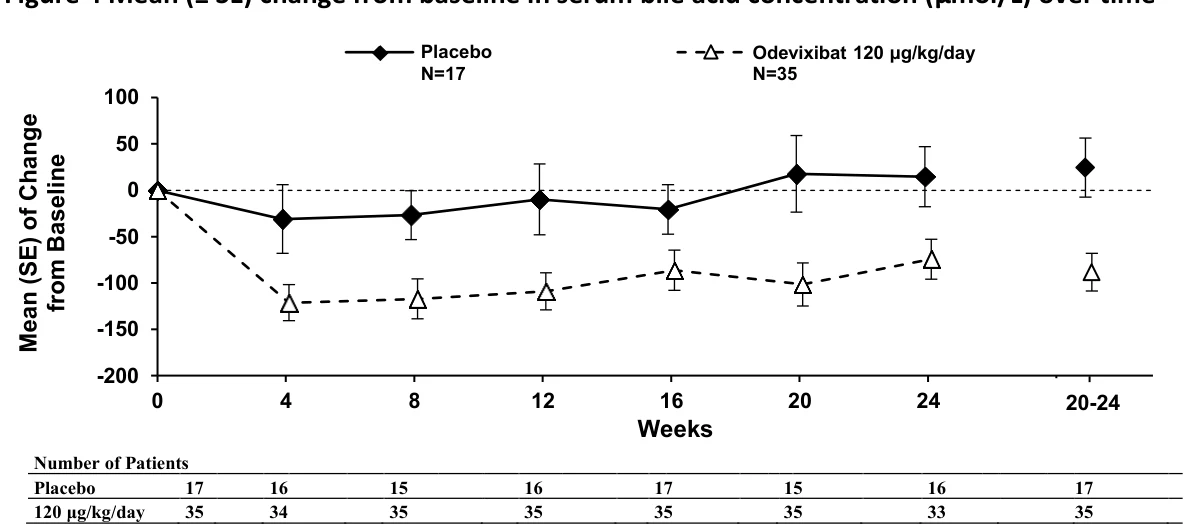
Study A4250-012 is a 24-week, randomized, double-blind, placebo-controlled trial conducted in 52 patients with a confirmed diagnosis of ALGS who were administered with BYLVAY 120 mcg/kg once daily (see 14 Clinical Trials). At baseline, serum bile acids were variable ranging from 96 to 510 µmol/L. Serum bile acid concentrations were reduced from baseline as early as Week 4 of odevixibat treatment and the reduction was generally maintained during treatment over 24 weeks.
10.3 Pharmacokinetics
In pediatric patients with PFIC, 6 months to 17 years of age who received BYLVAY 40 mcg/kg or 120 mcg/kg once daily with food in the morning, the measurable odevixibat concentrations ranged from 0.06 to 0.72 ng/mL, and odevixibat concentrations were below the limit of quantification (0.05 ng/mL) in the majority of plasma samples.
In pediatric patients with ALGS who received BYLVAY 120 mcg/kg once daily with food in the morning, the measurable odevixibat concentrations ranged from 0.05 to 3.4 ng/mL.
Following single and repeated oral administration of odevixibat from 0.1 to 3 mg in healthy adults, plasma concentrations of odevixibat were mostly below the limit of quantification (0.05 ng/mL); therefore, AUC and peak plasma concentration (Cmax) could not be calculated.
Following a single administration of odevixibat 7.2 mg in healthy adults, the mean (%CV) Cmax and AUC0-24h were 0.47 ng/mL (34.8) and 2.19 ng*h/mL (36.2), respectively. No accumulation of odevixibat was observed following once-daily dosing.
Absorption
Odevixibat is minimally absorbed following oral administration. Peak odevixibat plasma concentration (Cmax) is reached within 1 to 5 hours following a single administration of odevixibat 7.2 mg in healthy adults.
Effect of Food
Following administration of a single 9.6 mg dose of BYLVAY under high-fat, high-calorie fed conditions to healthy adult volunteers, a prolonged median Tmax from 3 hours to 4.5 hours and decreases of approximately 72% and 62% in Cmax and AUCT, respectively, were observed when compared to administration under fasted conditions.
Alternate Modes of Administration
Administration of a single 9.6 mg dose of BYLVAY sprinkled on applesauce resulted in a prolonged median Tmax (3 hours vs. 4.5 hours) and decreases of approximately 39% and 36% in Cmax and AUCT, respectively, compared to administration of intact capsules under fasted conditions.
The effect of food on the systemic exposure to odevixibat is not clinically significant. BYLVAY should be administered in the morning with a meal (see 4.4 Administration).
Distribution
Odevixibat is more than 99% bound to human plasma proteins.
Metabolism
Odevixibat is minimally metabolised in humans.
Elimination
Following administration of a single oral dose of 3 000 mcg of radiolabeled odevixibat in healthy adults, the average percent recovery of the administered dose was 82.9% in faeces; less than 0.002% was recovered in the urine. More than 97% of faecal radioactivity was determined to be unchanged odevixibat.
The mean half-life was 2.36 hours in healthy adults following a single oral dose of 7.2 mg odevixibat.
Special Populations and Conditions
- Hepatic Insufficiency The majority of patients with PFIC and all patients with ALGS presented with some degree of hepatic impairment because of the disease. Hepatic metabolism of odevixibat is not a major component of the elimination of odevixibat.
- Renal Insufficiency There are no available clinical data for the use of odevixibat in patients with moderate or severe renal impairment or end-stage renal disease (ESRD) requiring hemodialysis. The impact of renal impairment on the pharmacokinetics of odevixibat is expected to be small due to low systemic exposure and the fact that odevixibat is minimally excreted in urine.
11 Storage, Stability, and Disposal
Store in the original container at 15°C to 30°C. Protect from exposure to light.
Part 2: Scientific Information
13 Pharmaceutical Information
Drug Substance
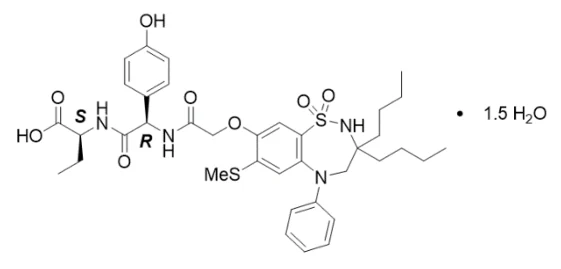
Proper/Common name: odevixibat sesquihydrate
Chemical name: (2S)-2-{[(2R)-2-(2-{[3,3-dibutyl-7-(methylsulfanyl)-1,1-dioxo-5-phenyl-2,3,4,5-tetrahydro-1H-1λ6,2,5-benzothiadiazepin-8yl]oxy}acetamido)-2-(4 hydroxyphenyl)acetly]amino}butanoic acid sesquihydrate
Molecular formula and molecular mass: C37H48N4O8S2 x 1.5 H2O / 768.0 g/mol (anhydrous form / 740.9 g/mol)
Structural formula:
Physicochemical properties: Odevixibat sesquihydrate is a white to off-white solid. Its solubility in aqueous solutions is pH dependent and increases with increased pH.
14 Clinical Trials
14.1 Clinical Trials by Indication
Progressive Familial Intrahepatic Cholestasis
Table 8 Summary of patient demographics for clinical trials in PFIC
| Study # | Study design | Dosage, route of administration and duration | Study subjects (n) | Mean age (Range) | Sex |
| Study # | Study design | Dosage, route of administration and duration | Study subjects (n) | Mean age (Range) | Sex |
| A4250-005 | Randomised (1:1:1), double-blind, placebo-controlled | 40 mcg/kg/day, 120 mcg/kg/day odevixibat, oral Placebo 24-weeks | 62 Total Subjects 17 (27%) PFIC1 45 (73%) PFIC2 42 odevixibat 20 placebo | 3.2 years (0.5 to 15.9 years) | 50% M |
| A4250-008a | Open-label extension | 120 mcg/kg/day odevixibat, oral 72-weeks | 112 Total subjects 35 (31%) PFIC 1 66 (59%) PFIC 2 7 (6%) PFIC3 2 (2%) PFIC4 2 (2%) PFIC6 | 5.3 years (0.5 to 19.5 years) | 51% M |
a data cut 7/31/2022
The efficacy of BYLVAY in patients with PFIC was evaluated in study A4250-005: a 24-week, randomised, double-blind, placebo-controlled trial conducted in 62 paediatric patients with a confirmed diagnosis of PFIC Type 1 or Type 2, who were aged 6 months to 17 years: each with serum bile acids ≥ 100 µmol/L and a history of significant pruritus (including a mean scratch score ≥ 2). Patients were randomised 1:1:1 to placebo, or 40 or 120 mcg/kg/day odevixibat and stratified by PFIC Type (1 or 2) and age (6 months to 5 years, 6 to 12 years, and 13 to ≤ 18 years). Reasons for patient exclusion included pathologic variations of the ABCB11 gene that predict complete absence of the BSEP protein, liver transplant, history of other liver disease, hepatic decompensation, abnormal intestinal motility or malabsorption, active infection, INR > 1.4, ALT > 10 × ULN or bilirubin > 10 × ULN. 13% of the patients had prior biliary diversion surgery. Patients completing study A4250-005 were eligible to enrol in study A4250-008, a 72-week open-label extension trial.
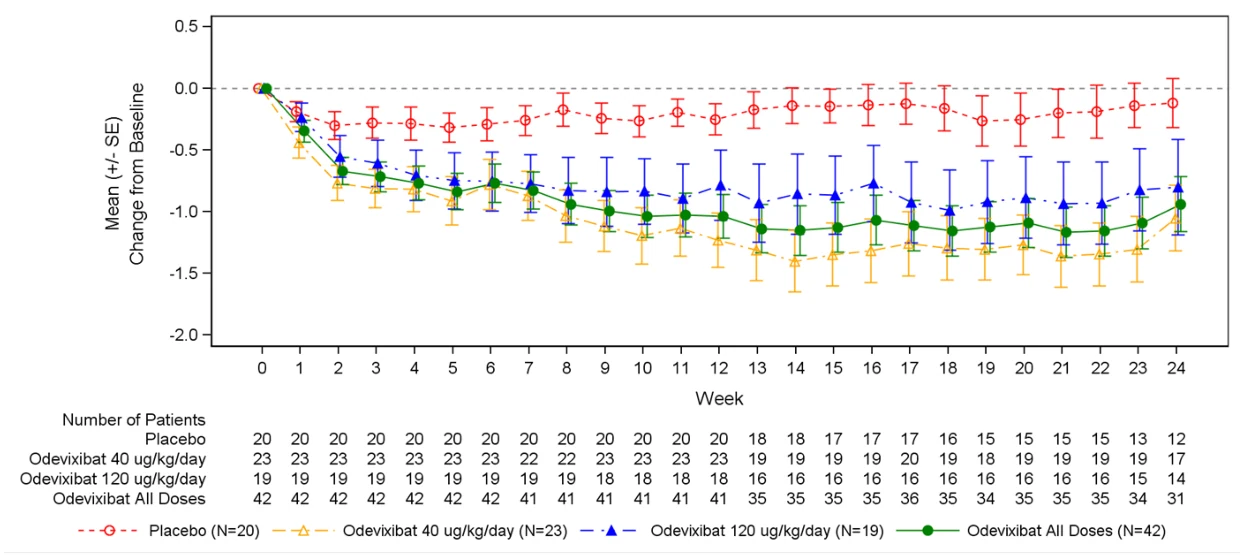
The primary endpoint in study A4250-005 was the proportion of patients with at least a 70% reduction in fasting serum bile acid levels or who achieved a level ≤ 70 μmol/L at Week 24. The proportion of positive pruritus assessments at the patient level over the 24-week treatment period based on an observer-reported outcome (ObsRO) instrument was a secondary endpoint. Given the patients’ young age, ObsRO was used to measure patients’ scratching as observed by their caregiver twice daily (once in the morning and once in the evening). Scratching was assessed on a 5-point ordinal response scale, with scores ranging from 0 (no scratching) to 4 (worst possible scratching). A positive pruritus assessment was a score of ≤ 1 or at least 1-point improvement from baseline.
Median (range) age of patients in study A4250-005 was 3.2 (0.5 to 15.9) years; 3 patients were older than 12 years of age. None were more than 18 years of age. 50% were male and 84% were white. At baseline, 81% of patients were treated with UDCA, 66% with rifampicin, and 89% with UDCA and/or rifampicin.
Baseline hepatic impairment per Child-Pugh classification was mild in 66%, moderate in 34%, and severe in 0% of patients. Baseline mean (SD) eGFR was 164 (30.6) mL/min/1.73 m². Baseline mean (SD) ALT, AST and bilirubin levels were 99 (116.8) U/L, 101 (69.8) U/L, and 3.2 (3.57) mg/dL, respectively. Baseline mean (SD) pruritus score (range: 0-4) and serum bile acids levels were similar in BYLVAY-treated patients (2.9 [0.089] and 252.1 [103.0] μmol/L, respectively) and placebo-treated patients (3.0 [0.143] and 247.5 [101.1] μmol/L, respectively).
Table 9 presents the results of the comparison of the key efficacy results in study A4250-005 between BYLVAY and placebo. These data are displayed graphically over the 24-week treatment period in Error! Reference source not found. (serum bile acids) andError! Reference source not found. (scratching scores).
Table 9 - Results of study A4250-005
| Primary and Secondary Endpoints | Placebo (N=20) | BYLVAY | ||||||||||
40 mcg/kg/day (N=23) | BYLVAY 120 mcg/kg/day (N=19) | Total (N=42) | ||||||||||
| Proportion of patients with significant reduction in serum bile acids at end of treatmentc | ||||||||||||
n (%) (95% CI) | 0 (0.00, 16.84) | 10 (43.5) (23.19, 65.51) | 4 (21.1) (6.05, 45.57) | 14 (33.3) (19.57, 49.55) | ||||||||
Difference in proportion vs. placebo (95% CI) | 0.44 (0.22, 0.66) | 0.21 (0.02, 0.46) | 0.31 (0.09, 0.50) | |||||||||
| One-sided p-valuea | 0.0015 | 0.0174 | 0.0015 | |||||||||
| Proportion of positive pruritus assessments over the treatment period | ||||||||||||
| Mean | 28.74 | 58.31 | 47.69 | 53.51 | ||||||||
| LS Mean Difference (SE) vs placebo (95% CI)b | 28.23 (9.18) (9.83, 46.64) | 21.71 (9.89) (1.87, 41.5) | 24.97 (8.24) (8.45, 41.49) | |||||||||
aBased on Cochran Mantel Haenszel test stratified by PFIC Type. P-values for the dose groups are adjusted for multiplicity.
bBased on an analysis of covariance model with daytime and nighttime baseline pruritus scores as covariates and treatment group and stratification factors (PFIC Type and age category) as fixed effects. LS: Least squares.
cat least a 70% reduction in fasting serum bile acid levels from baseline or who achieved a level ≤ 70 μmol/L at Week 24
Figure 1 Mean (+SE) change from baseline in serum bile acid concentration (µmol/L) over time
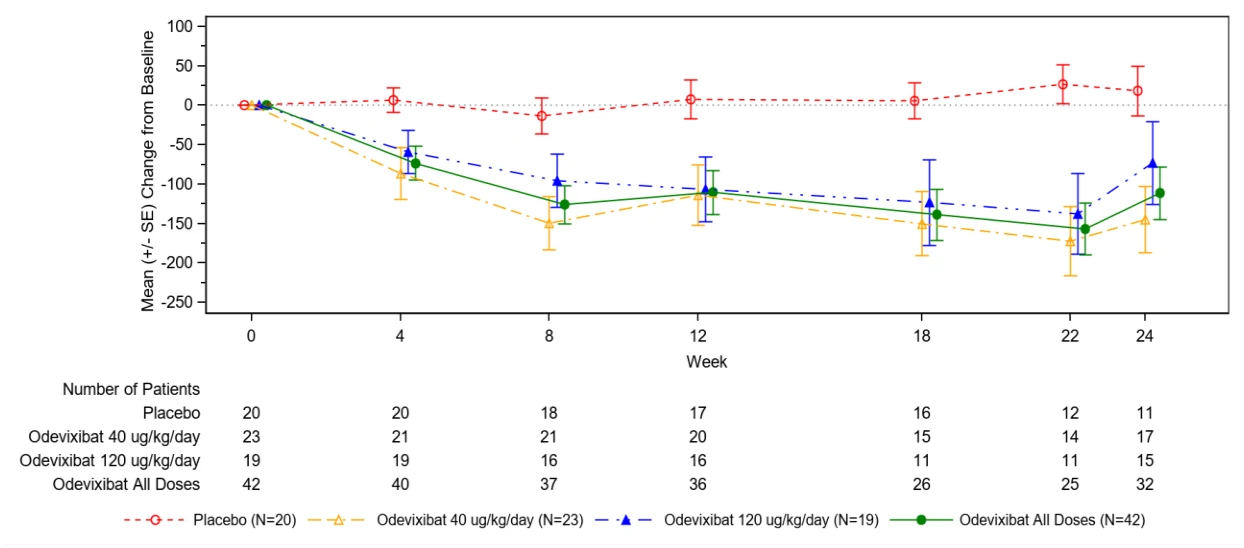
Figure 2 Mean (+SE) change from baseline in pruritus (scratching) severity score over time
Alagille Syndrome
Table 10 Summary of patient demographics for clinical trials in ALGS
| Study # | Study design | Dosage, route of administration and duration | Study subjects (n) | Mean age (Range) | Sex |
| A4250-012 | Randomised (2:1), double-blind, placebo-controlled | 120 mcg/kg/day odevixibat, oral Placebo 24-weeks | 52 Total Subjects 35 odevixibat 17 placebo | 5.45 years (0.5 to 15.5 years) | 52% M |
| A4250-015a | Open-label extension | 120 mcg/kg/day odevixibat, oral 72-weeks | 49 Total Subjects | 5.4 years (1 to 15.8 years) | 51% M |
a data cut 9/9/2022
The efficacy of BYLVAY in patients with ALGS was evaluated in study A4250-012: a 24-week, randomised, double-blind, placebo-controlled trial conducted in 52 patients with a confirmed diagnosis of ALGS, who were aged 6 months to 15.5 years. Patients were randomised 2:1 to 120 mcg/kg/day odevixibat or placebo and stratified by age at randomisation (< 10 years and ≥ 10 to < 18 years). Patients who had decompensated liver disease, who had other concomitant liver disease, whose INR was > 1.4, whose ALT was > 10 x ULN, whose total bilirubin > 15 x ULN at screening, or who had received a liver transplant were excluded. Patients completing study A4250-012 were eligible to enrol in study A4250-015, a 72-week open-label extension trial.
The primary endpoint in study A4250-012 was change in scratching severity score from baseline to Month 6 (Weeks 21 to 24) based on the worst scratching score using an ObsRO instrument. Scratching was assessed once in the morning and once in the evening using a 5-point scale (0-4). Change in serum bile acid levels from baseline to the average of Weeks 20 and 24 was the key secondary endpoint. An additional secondary endpoint included change from baseline to end of treatment in sleep parameters (assessed using a 5-point scale (0-4)).
Median age (range) of the patients in study A4250-012 was 5.45 (0.5 to 15.5) years; 51.9% were male and 82.7% were white. 92.3% of patients had the JAG1 mutation and 7.7% had the NOTCH2 mutation. At baseline, 98.1% of patients were treated with concomitant anti-pruritic medications, including UDCA (88.5%). Overall, 51 (98.1%) of the 52 patients had moderate hepatic impairment and 1 (1.9%) (placebo group) had severe hepatic impairment based on the Child-Pugh classification.
Baseline mean (SD) eGFR was 158.65 (51.437) mL/min/1.73 m2. Baseline mean (SD) ALT, AST, and total bilirubin were 173.7 (84.48) U/L, 167.0 (83.22) U/L, and 55.14 (47.911) µmol/L, respectively. Baseline mean (SD) scratching score (range: 0-4) and serum bile acids levels were similar in odevixibat treated patients (2.80 [0.520] and 237.4 [114.88] µmol/L, respectively) and placebo treated patients (3.01 [0.636] and 246.1 [120.53] µmol/L, respectively).
Table 11 presents the results of the change from baseline in average scratching score based on the ObsRO assessments to Month 6 (Weeks 21 to 24) and results of the change from baseline in serum bile acids to the average of Weeks 20 and 24. These data are displayed graphically over the 24-week treatment period in Figure 3 (scratching scores) and Figure 4 (serum bile acids).
Table 11 - Results of Study A4250-012
| Primary and Secondary Endpoints | Placebo (N=17) | BYLVAY 120 mcg/kg/day (N=35) | |||||
| Change from baseline in average scratching score to Month 6 (Weeks 21 to 24) of treatment | |||||||
| LS Mean (SE)a | -0.80 (0.233) | -1.69 (0.174) | |||||
| LS Mean difference vs. placebo (95% CI)a | -0.88 (-1.44, -0.33) | ||||||
| One-sided p-valuea | 0.0012 | ||||||
| Change from baseline in serum bile acid concentration (µmol/L) to the average of Weeks 20 and 24 of treatment | |||||||
| LS Mean (SE)a | 22.39 (28.463) | -90.35 (21.336) | |||||
| LS Mean difference vs. placebo (95% CI)a | -112.74 (-178.78, -46.69) | ||||||
| One-sided p-valuea | 0.0006 | ||||||
aThe analyses are based on mixed-model effect repeated measures (MMRM) with baseline scratching score or baseline serum bile acid concentration (as applicable for the endpoint) as a covariate, and baseline age stratification (< 10, ≥ 10 years), baseline direct bilirubin (scratching score only), treatment group, time (months/visits), and treatment-by-time interaction as fixed effects.
Figure 3 Mean (± SE) change from baseline in pruritus (scratching) severity score over time
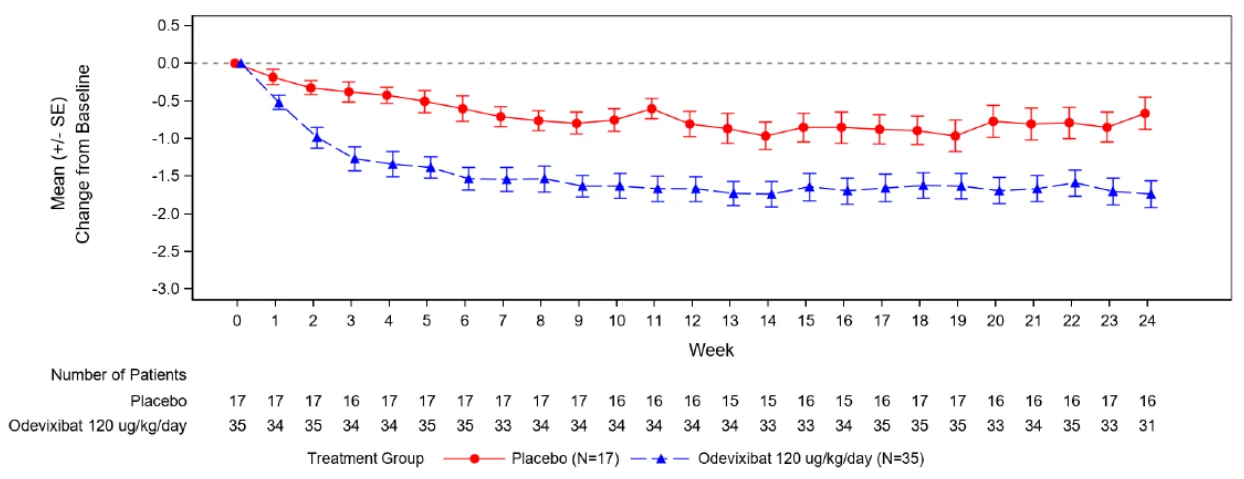
Figure 4 Mean (± SE) change from baseline in serum bile acid concentration (µmol/L) over time
Odevixibat treatment led to improvements in multiple sleep parameters, including the percentage of days with help falling asleep and the daytime tiredness score.
Continued treatment with odevixibat in Study A4250-015 led to sustained improvements in pruritus scores and reductions in serum bile acid levels through 48 weeks of treatment.
16 Non-Clinical Toxicology
General toxicology: During single-dose studies 2000 mg/kg was the highest dosage tested in mice and rats with no pathologic findings. The major clinical signs in mice were diarrhea and transient body-weight loss. Rats were asymptomatic.
In the repeat-dose studies involving mice, rats, dogs, and marmosets, no drug-related deaths were reported, except for male mice treated orally with 300 mg/kg/day during a 13-week study. These mice showed clinical deterioration before euthanasia, characterized by decreased activity, cold body surface,
piloerection, and slow/labored breathing. However, no specific microscopic cause of death could be identified. These deaths were attributed to drug administration and occurred at a systemic exposure level 490 times higher than the human equivalent.
The NOAEL (no observed adverse effect level) in the 26-week oral toxicity study in rats and the 39-week oral toxicity study in dogs was 300 mg/kg/day and 150 mg/kg/day, respectively, approximately 732 and 31 times the maximum recommended dose, respectively.
Genotoxicity: Odevixibat was negative in both Salmonella typhimurium LT2 and Escherichia coli WP2 strains, the mouse lymphoma cell forward mutation assay, and in vivo, rat micronucleus.
Carcinogenicity: In 2-year carcinogenicity studies, odevixibat was not tumorigenic in rats or mice at oral doses up to 100 mg/kg/day. Systemic exposure to odevixibat (AUC) at the maximum dose studied in rats and mice was approximately 231 and 491 times the maximum recommended dose, respectively.
Reproductive and developmental toxicology: In pregnant New Zealand White rabbits, early delivery/abortion was observed in two rabbits receiving odevixibat during the period of foetal organogenesis at an exposure multiple of ≥ 2.3 of the anticipated clinical exposure (based on total plasma odevixibat AUC0-24). Reductions in maternal body weight and food consumption were noted in all dose groups (transient at the exposure multiple 1.1 of the anticipated dose).
Starting from the exposure multiple of 1.1 of the clinical human exposure (based on total plasma odevixibat AUC0-24), 7 foetuses (1.3% of all foetuses from odevixibat exposed does) in all dose groups were found to have cardiovascular defects (i.e. 5-chambered heart, small ventricle, large atrium, ventricular septum defect, misshapen aortic valve, dilated aortic arch, right sided and retroesophageal aortic arch, fusion of aortic arch and pulmonary trunk, ductus arteriosus atresia, and absence of subclavian artery). No such malformations were observed when odevixibat was administered to pregnant rats. Because of the findings in rabbits, an effect of odevixibat on cardiovascular development cannot be excluded.
Odevixibat had no effect on the reproductive performance, fertility, embryo-foetal development, or prenatal/postnatal development studies in rats at the exposure multiple of 133 of the anticipated clinical exposure (based on total plasma odevixibat AUC0-24), including juveniles (exposure multiple of 63 of the anticipated human exposure).
There is insufficient information on the excretion of odevixibat in animal milk. The presence of odevixibat in breast milk was not measured in animal studies. Exposure was demonstrated in the pups of lactating dams in the pre- and post-natal developmental toxicity study with rats (3.2-52.1% of the odevixibat plasma concentration of the lactating dams). It is therefore possible that odevixibat is present in breast milk.
In pregnant rats, given radioactive 2.5 μmol/kg odevixibat intravenously at day 18 of gestation, the radioactivity was rapidly distributed throughout the body of the dam (including the placenta and amnion membrane). Radioactivity passed the placenta and was detectable in low concentrations at 4 hours post-injection in the fetal liver only. In the fetuses, the radioactivity was below the limit of detection at 24 hour post administration.