


Product Monograph - Cnj-016
Recent Major Label Changes
- None at the time of the most recent authorization
Certain sections (as indicated in section 2.1. of the PM Guidance) or subsections that are not applicable at the time of the preparation of the most recent authorized product monograph are not listed.
Table of Contents
Part 1: Healthcare Professional Information ........................................................................... 4
1 Indications ..................................................................................................................... 4
1.1 Pediatrics ....................................................................................................................... 4
1.2 Geriatrics ....................................................................................................................... 4
2 Contraindications ........................................................................................................... 4
3 Serious Warnings and Precautions Box .......................................................................... 5
4 Dosage and Administration ............................................................................................ 5
4.1 Dosing Considerations.................................................................................................... 5
4.2 Recommended Dose and Dosage Adjustment ................................................................ 5
4.4 Administration ............................................................................................................... 5
5 Overdose ....................................................................................................................... 6
6 Dosage Forms, Strengths, Composition, and Packaging .................................................. 6
7 Warnings and Precautions ............................................................................................. 7
General ................................................................................................................................... 7
Cardiovascular ........................................................................................................................ 8
Hematologic ........................................................................................................................... 8
Neurologic .............................................................................................................................. 9
Renal ...................................................................................................................................... 9
Respiratory ........................................................................................................................... 10
Sensitivity/Resistance ........................................................................................................... 10
7.1 Special Populations ...................................................................................................... 10
7.1.1 Pregnancy ............................................................................................................... 10
7.1.2 Breastfeeding ......................................................................................................... 10
7.1.3 Pediatrics ................................................................................................................ 10
7.1.4 Geriatrics ................................................................................................................ 10
8 Adverse Reactions ....................................................................................................... 11
8.1 Adverse Reaction Overview ......................................................................................... 11
8.2 Clinical Trial Adverse Reactions .................................................................................... 11
8.3 Less Common Clinical Trial Adverse Reactions (<5%) .................................................... 13
8.5 Post-Market Adverse Reactions.................................................................................... 13
9 Drug Interactions ......................................................................................................... 13
9.1 Serious Drug Interactions ............................................................................................. 13
9.2 Drug Interactions Overview ......................................................................................... 13
9.3 Drug-Behaviour Interactions ........................................................................................ 13
9.4 Drug-Drug Interactions ................................................................................................. 14
9.5 Drug-Food Interactions ................................................................................................ 14
9.6 Drug-Herb Interactions ................................................................................................ 14
9.7 Drug-Laboratory Test Interactions ................................................................................ 14
10 Clinical Pharmacology .................................................................................................. 15
10.1 Mechanism of Action ................................................................................................... 15
10.2 Pharmacodynamics ...................................................................................................... 15
10.3 Pharmacokinetics ......................................................................................................... 15
11 Storage, Stability, and Disposal .................................................................................... 16
12 Special Handling Instructions ....................................................................................... 16
Part 2: Scientific Information ................................................................................................ 17
13 Pharmaceutical Information ........................................................................................ 17
14 Clinical Trials ................................................................................................................ 19
14.1 Clinical Trials by Indication ........................................................................................... 19
16 Non-Clinical Toxicology ................................................................................................ 21
Patient Medication Information ........................................................................................... 22
Part 1: Healthcare Professional Information
1 Indications
Vaccinia Immunoglobulin Intravenous (Human) [VIGIV] is indicated for the treatment and/or modification of the following conditions:
- Eczema vaccinatum
- Progressive vaccinia
- Severe generalized vaccinia
- Vaccinia infections in individuals who have skin conditions such as burns, impetigo, varicella-zoster, or poison ivy; or in individuals who have eczematous skin lesions because of either the activity or extensiveness of such lesions
- Aberrant infections induced by vaccinia virus that include its accidental implantation in eyes (except in cases of isolated keratitis), mouth, or other areas where vaccinia infection would constitute a special hazard.
In addition, VIGIV is indicated for the prophylaxis of patients with skin conditions that may predispose them to the development of eczema vaccinatum, progressive or generalized vaccinia.
VIGIV is not indicated for the treatment of isolated keratitis. The benefit of VIGIV treatment of other vaccinia complications that include vaccinia keratitis should be weighed against the potential risk of corneal scarring. VIGIV is not considered to be effective in the treatment of postvaccinial encephalitis.
Prospective clinical studies to evaluate the efficacy and safety of any VIG IM/IV product in patients suffering complications of vaccinia vaccination have not been conducted.
1.1 Pediatrics
Pediatrics (<18 years of age): No data is available
1.2 Geriatrics
Geriatrics (>65 years of age): No data is available
2 Contraindications
- VIGIV is contraindicated in patients who are hypersensitive to this drug or to any ingredient in the formulation, including any non-medicinal ingredient, or component of the container. For a complete listing, see 6 Dosage Forms, Strengths, Composition, and Packaging.
- While VIGIV should be considered in treatment of severe ocular complications due to vaccinia virus, it is contraindicated for use in the presence of isolated vaccinia keratitis.
- VIGIV should not be used in individuals with a history of anaphylaxis or prior severe systemic reaction associated with the parenteral administration of this or other human immunoglobulin preparations.
- While VIGIV contains less than 40 µg/mL IgA, persons with selective IgA deficiency can develop antibodies to IgA and therefore could have anaphylactic reactions to subsequent administration of blood products that contain IgA, including VIGIV.
3 Serious Warnings and Precautions Box
- VIGIV is prepared from pools of human plasma, which may contain infectious agents such as viruses (see 7 Warnings and Precautions).
- Hypersensitivity reactions can occur in very rare cases of IgA deficiency or hypersensitivity to human globulin (see 7 Warnings and Precautions).
- The formulation of VIGIV contains maltose. Maltose in IGIV products has been shown to give falsely high blood glucose levels in certain types of blood glucose testing systems (see 9 Drug Interactions).
- The physician should discuss the risks and benefits of this product with the patient, before administering to the patient.
4 Dosage and Administration
4.1 Dosing Considerations
For patients with risk factors for thrombosis, the maximum daily dose of VIGIV should not exceed 12,000 U/kg.
4.2 Recommended Dose and Dosage Adjustment
For the treatment of severe complications of vaccinia vaccination (see 1 Indications section), Vaccinia Immunoglobulin Intravenous (Human) [VIGIV] should be administered at a dose of 6000 U/kg, as soon as symptoms appear and are judged to be due to severe vaccinia-related complication.
Consideration may be given to repeat dosing, depending on the severity of the symptoms and response to treatment; however, clinical data on repeat doses are lacking.
The administration of higher doses (e.g. 9000 U/kg) may be considered in the event that the patient does not respond to the initial 6000 U/kg dose.
4.4 Administration
Parenteral drug products should be inspected visually for particulate matter and discoloration prior to administration.
If frozen, thaw vial by placing in a refrigerator at 2 to 8°C until the contents are thawed for approximately 14 hours. Product can be thawed rapidly by placing at room temperature for one hour followed by a water bath at 37°C until thawed.
- Do not thaw this product in a microwave oven.
- Do not refreeze the vial.
Remove the tab portion of the vial cap and clean the rubber stopper with 70% alcohol or equivalent. Remove the entire contents of the vial to obtain the labeled dosage of VIGIV. If partial vials are required for the dosage calculation, the entire contents of the vial should be withdrawn to ensure accurate calculation of the dosage requirement. DO NOT SHAKE VIAL; AVOID FOAMING.
Bring VIGIV vials to room temperature prior to dosing.
VIGIV should be administered directly through a dedicated IV line with a rate of infusion of no greater than 2 mL/min. For subjects weighing less than 50 kg, it is recommended to infuse the product at a rate no greater than 0.04 mL/kg/minute (133.3 U/kg/minute). The maximum assessed rate of infusion of VIGIV has been 4 mL/min (see 8 Adverse Reactions section). Based on clinical trials, there was a lower incidence of adverse reactions when VIGIV (9000 IU/kg Units per kg) was infused at 2 mL/min than 4 mL/min.
The dosage and the rate of infusion have not been evaluated in pediatric or geriatric patients (see 7.1 Special Populations section).
It may be prudent to infuse the product more slowly if the patient develops a minor adverse (e.g. flushing) reaction or in patients with risk factors for thrombosis/thromboembolism, and/or renal insufficiency. For patients with pre-existing renal insufficiency, or at increased risk of acute kidney injury, thrombosis, or volume overload, do not exceed the recommended infusion rate and follow the infusion schedule closely.
Following administration of VIGIV, patients should be kept under observation for at least 20 minutes for monitoring of potential adverse effects. This product should be administered under the supervision of a qualified health professional that is experienced in the use of passive immunizing agents. Appropriate management of therapy and complications is only possible when adequate diagnostic and treatment facilities are readily available.
Compatibility of VIGIV was only assessed with 0.9% Sodium Chloride USP and not with other solutions such as dextrose in water. If a pre-existing catheter must be used, the line should be flushed with 0.9% Sodium Chloride USP before use and VIGIV should not be diluted more than 1:2 (v/v).
Do not reuse or save VIGIV for future use. This product contains no preservative; therefore partially used vials should be discarded.
VIGIV must be given by intravenous administration.
5 Overdose
Consequences of an overdose are not known. The dosage of VIGIV is dependent upon clinical severity and individual response.
For the most recent information in the management of a suspected drug overdose, contact your regional poison control centre or Health Canada’s toll-free number, 1-844 POISON-X (1-844-764-7669).
6 Dosage Forms, Strengths, Composition, and Packaging
To help ensure the traceability of biologic products, healthcare professionals should record both the brand name and the non-proprietary (active ingredient) name as well as other product-specific identifiers such as the Drug Identification Number (DIN) and the batch/lot number of the product supplied.
Table 1 Dosage Forms and Strengths
Table 2 - Composition of Vaccinia Immunoglobulin Intravenous (Human)
| Ingredient | Quantity |
|---|---|
| Anti-vaccinia antibody | ≥50,000 Units/vial |
| Total Protein (≥96% Human IgG) | 40–80 mg/mL |
| Maltose | 90–120 mg/mL (9–12 g%) |
| Polysorbate 80 | 0.1–0.4 mg/mL (0.01–0.04%) |
| Water for Injection | 850 mg/mL |
VIGIV may contain trace amounts of tri-n-butyl phosphate and octoxynol.
Description
VIGIV is a sterile liquid gamma globulin (IgG) fraction of human plasma containing antibodies to vaccinia virus.
Vaccinia Immunoglobulin Intravenous (Human) [VIGIV] contains the following:
One 20 mL type 1 glass tubing vial containing ≥50,000 U Vaccinia Immunoglobulin (Human)/vial, fitted with a rubber stopper and a plastic cap.
7 Warnings and Precautions
See 3 Serious Warnings and Precautions Box. This product is prepared from large pools of human plasma. Thus, there is a possibility it may contain causative agents of viral or other undetermined diseases.
General
Transmission of Infectious Agents
VIGIV is prepared from human plasma and carries the possibility of blood-borne viral agents and, theoretically, the Creutzfeld-Jakob disease agent. The risk of transmission of recognized blood-borne viruses has been reduced by screening plasma donors for prior exposure to certain viruses, by testing for the presence of certain current viral infections, and by implementing process steps for the inactivation and/or removal of certain potential viruses during manufacturing (see Viral Inactivation). Despite these measures, VIGIV can still potentially transmit disease as some as yet unknown infectious agents may not be removed by the manufacturing process. Therefore, VIGIV should be given only if a benefit is expected. The physician should discuss the risks and benefits of this product with the patient.
All infections thought to have been possibly transmitted by this product should be reported by the physician or other health care provider to Emergent BioSolutions Canada Inc., at 1-800-768-2304 (phone) or medicalinformation@ebsi.com.
| Route of Administration | Dosage Form/Strength | Clinically Relevant nonmedicinal Ingredients |
| Intravenous | Sterile solution for infusion/ ≥50,000 U/vial | Maltose Polysorbate 80 |
Infusion Rate Precautions
Adverse drug reactions may be related to the rate of infusion. Follow closely the recommended infusion rate given under 4 Dosage and Administration.
Cardiovascular
Thrombosis may occur in patients receiving immunoglobulin treatment. Patients at risk may include those with a history of cardiovascular risk factors, advanced age, impaired cardiac output, hypercoagulable disorders, prolonged periods of immobilization, history of arterial or venous thrombosis, estrogen use, indwelling central vascular catheters, and/or known or suspected hyperviscosity. Thrombosis may occur in the absence of known risk factors. The potential risks and benefits of VIGIV should be weighed against those of alternative therapies for all patients for whom VIGIV administration is being considered.
There is also clinical evidence of an association between intravenous immunoglobulin product administration and thromboembolic events such as myocardial infarction, stroke, pulmonary embolism and deep vein thrombosis. Caution should be exercised in prescribing VIGIV in patients with pre-existing risk factors for thrombotic events.
Baseline assessment of blood viscosity should be considered in patients at risk for hyperviscosity, including those with cryoglobulins, fasting chylomicronemia/markedly high triacylglycerols (triglycerides), or monoclonal gammopathies (see Monitoring and Laboratory Tests).
For patients who are at risk of developing thromboembolic events, administer VIGIV at the minimum concentration available and at the minimum rate of infusion practicable. The maximum daily dose of VIGIV should not exceed 12,000 U/kg in patients with thrombotic risk factors. Ensure adequate hydration in patients before administration. Monitor for signs and symptoms of thrombosis.
Hematologic
IGIV products can contain blood group antibodies which may act as hemolysins and induce in vivo coating of red blood cells with immunoglobulin, causing a positive direct antiglobulin reaction and, rarely, hemolysis. Acute hemolysis, including intravascular hemolysis, has been reported and delayed hemolytic anemia can develop subsequent to IGIV therapy due to enhanced red blood cell sequestration. Severe hemolysis may lead to renal dysfunction/failure.
The following risk factors may be associated with the development of hemolysis: high doses (e.g. >2 g per kg), given either as a single administration or divided over several days, and non-O blood group. Other individual patient factors, such as an underlying inflammatory state (as may be reflected by, for example, elevated C-reactive protein or erythrocyte sedimentation rate), have been hypothesized to increase the risk of hemolysis, but their role is uncertain.
VIGIV recipients should be monitored for clinical signs and symptoms of hemolysis. Consider appropriate laboratory testing in higher risk patients, including measurement of hemoglobin or hematocrit prior to infusion and within approximately 36 to 96 hours post infusion and again approximately seven to 10 days post infusion. If signs and/or symptoms of hemolysis or a significant drop in hemoglobin or hematocrit have been observed after VIGIV infusion, perform additional confirmatory laboratory testing (see Monitoring and Laboratory Tests).
Monitoring and Laboratory Tests
- Hemolysis: If signs and/or symptoms of hemolysis or a significant drop in hemoglobin or hematocrit have been observed after VIGIV infusion, perform additional confirmatory laboratory testing.
- Respiratory: If TRALI (Transfusion-related Acute Lung Injury) is suspected, appropriate tests should be performed for the presence of anti-neutrophil antibodies in both the product and patient serum.
- Thrombosis: Because of the potentially increased risk of thrombosis, baseline assessment of blood viscosity should be considered in patients at risk for hyperviscosity, including those with cryoglobulins, fasting chylomicronemia/markedly high triacylglycerols (triglycerides), or monoclonal gammopathies.
- Renal: Periodic monitoring of renal function and urine output is particularly important in patients judged to be at increased risk of developing acute renal failure. Assess renal function, including measurement of blood urea nitrogen (BUN) and serum creatinine, before the initial infusion of VIGIV and at appropriate intervals thereafter.
Neurologic
An aseptic meningitis syndrome (AMS) has been reported to occur infrequently in association with IGIV administration. The syndrome usually begins within several hours to two days following IGIV treatment. It is characterized by symptoms and signs including the following: severe headache, nuchal rigidity, drowsiness, fever, photophobia, painful eye movements, and nausea and vomiting. Cerebrospinal fluid studies (CSF) are frequently positive with pleocytosis up to several thousand cells per cubic millimeter, predominately from the granulocytic series, and with elevated protein levels up to several hundred mg/dL, but negative culture results. Patients exhibiting such symptoms and signs should receive a thorough neurological examination, including CSF studies, to rule out other causes of meningitis. AMS may occur more frequently in association with high total doses (2 g/kg) of IGIV treatment (in comparison, at the recommended dosage of 6000 U/kg, a patient may be exposed to up to 0.18 g/kg protein after VIGIV administration). Discontinuation of IGIV treatment has resulted in remission of AMS within several days without sequelae.
Renal
Acute renal dysfunction, acute kidney injury, acute renal failure, osmotic nephrosis, acute tubular necrosis, proximal tubular nephropathy, and death may occur in patients receiving immunoglobulin treatment, including VIGIV. Although these reports of renal dysfunction and acute renal failure have been associated with the use of many licensed IGIV products, those that contained sucrose as a stabilizer and were administered at daily doses of 400 mg Ig/kg or greater have accounted for a disproportionate share of the total number. VIGIV does not contain sucrose as a stabilizer, and the recommended dose is less than 400 mg Ig/kg. Patients predisposed to acute renal failure include the following: patients with any degree of pre-existing renal insufficiency, diabetes mellitus, volume depletion, sepsis, or paraproteinemia, patients who are at least 65 years of age, or patients who are receiving known nephrotoxic drugs. Especially in such patients, as well as in patients judged to be at risk of thrombotic and thromboembolic events, VIGIV should be administered at the minimum concentration available and at the minimum rate of infusion practicable. It is also important to ensure that patients are not volume depleted before VIGIV infusion. If renal function deteriorates, consider discontinuing VIGIV.
Periodic monitoring of renal function and urine output is particularly important in patients judged to be at increased risk of developing acute renal failure. Assess renal function, including measurement of blood urea nitrogen (BUN) and serum creatinine, before the initial infusion of VIGIV and at appropriate intervals thereafter.
Respiratory
Transfusion-related Acute Lung Injury (TRALI) occurs within one to six hours after blood or blood product transfusions and may occur in patients receiving immunoglobulin treatment. TRALI is characterized by severe respiratory distress, non-cardiogenic pulmonary edema or fluid overload, hypoxemia and fever. Patients with TRALI may be managed using oxygen therapy with adequate ventilatory support.
VIGIV recipients should be monitored for pulmonary adverse reactions. If TRALI is suspected, appropriate tests should be performed for the presence of anti-HLA and anti-neutrophil antibodies in both the product and patient serum (see Monitoring and Laboratory Tests).
Sensitivity/Resistance
Severe immediate hypersensitivity reactions to plasma-derived products are generally rare. These reactions can occur in very rare cases of IgA deficiency or hypersensitivity to human globulin. Monitor all patients for signs and symptoms of acute allergic reaction during and following VIGIV administration. In case of allergic or anaphylactic reaction, the infusion should be stopped immediately. The product should be administered only in a setting where appropriate equipment, medication and personnel trained in the management of acute anaphylaxis and shock are available.
7.1 Special Populations
7.1.1 Pregnancy
Animal reproduction studies have not been conducted with VIGIV; therefore it is not known whether VIGIV can cause fetal harm when administered to a pregnant woman or whether it can affect reproduction capacity. However, immunoglobulins have been widely used during pregnancy for many years without any apparent negative reproductive effects. The risk/benefit of VIGIV administration should be assessed for each individual case.
7.1.2 Breastfeeding
It is unknown if VIGIV is excreted in human milk. Precaution should be exercised because many drugs can be excreted in human milk.
7.1.3 Pediatrics
Safety and effectiveness in the pediatric population has not been established for VIGIV.
7.1.4 Geriatrics
Safety and effectiveness in the geriatric population has not been established for VIGIV.
8 Adverse Reactions
8.1 Adverse Reaction Overview
Certain adverse drug reactions may be related to the rate of infusion. The recommended infusion rate given under 4 Dosage and Administration must be closely followed. Patients and their vital signs must be closely monitored and carefully observed for any symptoms throughout the infusion period and immediately following an infusion.
8.2 Clinical Trial Adverse Reactions
Clinical trials are conducted under very specific conditions. Therefore, the frequencies of adverse reactions observed in the clinical trials may not reflect frequencies observed in clinical practice and should not be compared to frequencies reported in clinical trials of another drug.
Adverse drug reaction information from clinical trials is useful for identifying drug-related adverse events and for approximating rates.
There were no serious adverse events or adverse events of severe intensity in clinical trials with VIGIV. There were no instances where VIGIV was either discontinued due to an adverse event, or where a reduction in either the dose administered or the infusion rate was required.
Increases in serum creatinine and blood urea nitrogen have been observed as soon as one to two days after treatment with other IGIVs. Other severe renal adverse events seen after IGIV therapy include acute renal failure, acute tubular necrosis, proximal tubular nephropathy, and osmotic nephrosis.
In a pharmacokinetic clinical study, 60 healthy male and female volunteers received a single intravenous (IV) dose of either 6000 U/kg or 9000 U/kg VIGIV. The population consisted of vaccinia vaccination-naïve subjects, ages 18 to 32, with both males and females enrolled in an approximate 50:50 ratio.
In a pharmacodynamic clinical study, 32 healthy male and female volunteers were randomized to receive vaccinia vaccination (n=10), VIGIV (9000 U/kg) four days prior to vaccinia vaccination (n=10), or VIGIV (9000 U/kg) concurrent with vaccinia vaccination (n=12). The population consisted of vaccinia vaccination-naïve male and female subjects, ages 18 to 32, in a 75:25 ratio. The ethnic background of patients included those of Caucasian, African American, Asian and Hispanic descent, with the majority of them being Caucasian.
In another pharmacodynamic clinical study, 50 healthy male and female volunteers were randomized to receive VIGIV at 9000 U/kg (n=20) or at 24,000 U/kg (n=20) or placebo (n=10) four days prior to vaccinia (n=30) or placebo vaccination (n=20). The population consisted of vaccinia vaccination-naïve male and female subjects, ages 18 to 33, in a 60:40 ratio. The ethnic background of patients included those of Caucasian, African American, and Hispanic descent, with the majority of them being African American.
The most frequently reported adverse events related to VIGIV administration in all studies were headache, rigors, nausea, and dizziness. Table 1 describes all adverse drug reactions that were temporally related to VIGIV or placebo administration (within three days).
Table 3 Adverse Drug Reactions that Occurred Temporally* following VIGIV Administration (≥5%)
| SYSTEM ORGAN CLASS | PREFERRED TERM | VIGIV (%) | PLACEBOd N=32 (%) | ||
| 6000 U/kga N=31 | 9000 U/kgb N=39 | 9000 U/kgc N=20 | 24000 U/kgc N=20 | ||
| All Body System | |||||
| All Preferred Terms | |||||
| 19 (61.3) | 30 (76.9) | 2 (10.0) | 5 (25.0) | 4 (12.5) | |
| Gastrointestinal disorders | |||||
| Nausea | 4 (12.9) | ||||
| 11 (28.2) | 0 (0.0) | 0 (0.0) | 1 (3.1) | ||
| Vomiting NOS | 1 (3.2) | 3 (7.7) | 0 (0.0) | 0 (0.0) | 0 (0.0) |
| General disorders and administration site conditions | |||||
| Asthenia | 2 (6.5) | 2 (5.1) | 0 (0.0) | 0 (0.0) | 1 (3.1) |
| Fatigue | 0 (0.0) | 2 (5.1) | 0 (0.0) | 0 (0.0) | 1 (3.1) |
| Feeling cold | 4 (12.9) | 6 (15.4) | 0 (0.0) | 0 (0.0) | 0 (0.0) |
| Feeling hot | 3 (9.7) | 1 (2.6) | 0 (0.0) | 0 (0.0) | 0 (0.0) |
| Oedema peripheral | 0 (0.0) | 0 (0.0) | 0 (0.0) | 1 (5.0) | 0 (0.0) |
| Pain NOS | 1 (3.2) | 5 (12.8) | 0 (0.0) | 0 (0.0) | 0 (0.0) |
| Pyrexia | 2 (6.5) | 1 (2.6) | 0 (0.0) | 0 (0.0) | 0 (0.0) |
| Rigors | 7 (22.6) | 7 (17.9) | 0 (0.0) | 0 (0.0) | 0 (0.0) |
| Metabolism and nutrition disorders | |||||
| Appetite decreased NOS | 2 (6.5) | 2 (5.1) | 0 (0.0) | 0 (0.0) | 0 (0.0) |
| Musculoskeletal and connective tissue disorders | |||||
| Back pain | 2 (6.5) | 2 (5.1) | 0 (0.0) | 0 (0.0) | 0 (0.0) |
| Muscle cramp | 2 (6.5) | 2 (5.1) | 0 (0.0) | 0 (0.0) | 0 (0.0) |
| Nervous system disorders | |||||
| Dizziness | 5 (16.1) | 7 (17.9) | 1 (5.0) | 0 (0.0) | 1 (3.1) |
| Headache | 17 (54.8) | 23 (59.0) | 1 (5.0) | 4 (20.0) | 3 (9.4) |
| Paraesthesia | 2 (6.5) | 1 (2.6) | 0 (0.0) | 0 (0.0) | 0 (0.0) |
| Tremor | 1 (3.2) | 2 (5.1) | 0 (0.0) | 0 (0.0) | 0 (0.0) |
| Skin and subcutaneous tissue disorders | |||||
| Sweating increased | 3 (9.7) | 2 (5.1) | 0 (0.0) | 0 (0.0) | 0 (0.0) |
| Vascular disorders | |||||
| Pallor | 1 (3.2) | 3 (7.7) | 0 (0.0) | 0 (0.0) | 0 (0.0) |
| * Adverse events that occurred within 3 days of VIGIV administration. | |||||
| a Infusion rate: 4 mL/min; subjects were fasted. | |||||
| b Infusion rate: 4 mL/min or 2 mL/min; subjects were fasted. | |||||
| c Infusion rate:2 mL/min; subjects were not fasted. | |||||
| d 0.9% NaCl infused at 2 mL/min. | |||||
These adverse events were mostly mild and expected, and are related to IV infusion of immunoglobulins. VIGIV had no effect on blood pressure or heart rate during a clinical trial of 90 days duration.
There was a higher incidence of adverse drug reaction after administration of VIGIV in fasted subjects compared to the subjects that were not fasted. Furthermore, there was a lower incidence of adverse drug reaction when VIGIV was infused at 2 mL/min than 4 mL/min.
8.3 Less Common Clinical Trial Adverse Reactions (<5%)
Eye disorders: Abnormal sensation in eye, photopsia, vision blurred
Gastrointestinal disorders: Loose stools
General disorders and administration site conditions: Chest pain, energy increased, gait abnormal, infusion site erythema
Musculoskeletal and connective tissue disorders: Joint stiffness, muscle spasms, muscle tightness, myalgia, pain in limb
Nervous system disorders: Dysgeusia, somnolence, syncope
Psychiatric disorders: Irritability, nervousness, tension
Reproductive system and breast disorders: Dysmenorrhea
Vascular disorders: Flushing
8.5 Post-Market Adverse Reactions
The following adverse drug reaction has been reported in post-marketing experience.
General Disorders and Administration Site Conditions: Chest pain
9 Drug Interactions
9.1 Serious Drug Interactions
- Live attenuated virus vaccines: immunoglobulin administration may impair the efficacy of live attenuated virus vaccines for a period of 3 months or more (see 9.4 Drug-Drug Interactions).
9.2 Drug Interactions Overview
Administration of VIGIV with other drugs has not been evaluated. It is recommended that VIGIV be administered separately from other drugs. Refer to the 4 Dosage and Administration section for information on drug compatibility.
9.3 Drug-Behaviour Interactions
The interaction of VIGIV with individual behavioural risks (e.g. cigarette smoking, cannabis use, and/or alcohol consumption) has not been studied.
9.4 Drug-Drug Interactions
Interactions with other drugs have not been established. It is recommended that VIGIV be administered separately from other drugs.
Immunoglobulin administration may impair the efficacy of live attenuated vaccines such as measles, rubella, mumps and varicella. Vaccination with live virus vaccines should be deferred until approximately three months after administration of VIGIV. People who received VIGIV shortly after live virus vaccination, should be revaccinated three months after the administration of the immunoglobulin.
Table 4 Established or Potential Drug-Drug Interactions
| Vaccinia Immunoglobulin (Human) | Source of evidence | Effect | Clinical comment |
| Live attenuated virus vaccines (e.g. measles, rubella, mumps, varicella) | T | Immunoglobulin may impair efficacy | If VIGIV is given less than 14 days after vaccination, revaccination should be considered. |
| Legend: C = Case Study; CT = Clinical Trial; T = Theoretical; PBPK = Physiologically based pharmacokinetic modeling; popPK = Population pharmacokinetic modeling | |||
9.5 Drug-Food Interactions
Interactions with food have not been established.
9.6 Drug-Herb Interactions
Interactions with herbal products have not been established.
9.7 Drug-Laboratory Test Interactions
After administration of VIGIV, a transitory increase of passively transferred antibodies in the patient’s blood may result in misleading positive results in serological testing (e.g. anti-HBs, Coombs' test).
VIGIV contains maltose, which can be misinterpreted as glucose by certain types of blood glucose testing systems (for example, by systems based on glucose dehydrogenase, pyrroloquinolineequinone (GDH-PQQ) or glucose-dye-oxidoreductase methods). Due to the potential for falsely elevated glucose readings and therefore the inappropriate administration of insulin resulting in life-threatening hypoglycemia, only testing systems that are glucose-specific should be used to test or monitor blood glucose levels in patients receiving maltose-containing parenteral products, including VIGIV. Also, cases of true hypoglycemia may go untreated if the hypoglycemic state is masked by falsely elevated glucose readings. Accordingly, when administering VIGIV or other parenteral maltose-containing products, the measurement of blood glucose must be done with a glucose-specific method. The product information of the blood glucose testing system, including that of the test strips, should be carefully reviewed to determine if the system is appropriate for use with maltose-containing parenteral products. If any uncertainty exists, contact the manufacturer of the testing system to determine if the system is appropriate for use with maltose-containing parenteral products.
10 Clinical Pharmacology
10.1 Mechanism of Action
The mechanism of action is not known for VIGIV. Antibodies obtained from pooled human plasma of individuals immunized with the smallpox vaccine provide passive immunity.
10.2 Pharmacodynamics
Two double blind pharmacodynamic studies were conducted in which 82 healthy volunteers were randomized to receive vaccinia vaccination with or without VIGIV (studies VA-003A and VA-003B). The objectives of the two studies were to assess the effects of VIGIV upon the local and immunological response to vaccinia vaccination and to further characterize the safety of VIGIV. VIGIV reduced the local and immunological response to vaccinia vaccination when it was administered four days prior to vaccination compared to vaccination alone. This demonstrated that VIGIV can neutralize vaccinia virus in vivo, which supports the licensed indications.
10.3 Pharmacokinetics
A phase 1, randomized, double-blind study was conducted in which 60 healthy volunteers received either 6000 U/kg or 9000 U/kg VIGIV. After IV administration of 6000 U/kg to 31 healthy male and female volunteers, a mean peak plasma concentration of 161 U/mL was achieved within two hours. The half-life of VIGIV was 30 days (range of 13 to 67 days) and the volume of distribution was 6630 mL. Pharmacokinetic parameters were calculated based on antibody levels determined by an ELISA.
The binding capacity and neutralizing antibody activity of anti-vaccinia antibody in these subjects five days after IV administration of VIGIV (both 6000 U/kg and 9000 U/kg dosages) were at least as high as the theoretical values that would be achieved following the administration of the comparator Vaccinia Immunoglobulin (VIG) (see Table 3). Five days represents the approximate time of peak serum anti-vaccinia antibody concentration following intramuscular (IM) administration of other Immunoglobulin (Human) products. No historical pharmacokinetic data are available for the theoretical IM comparator, VIG.
Table 5 Test of Non-Inferiority
| Dose VIGIV (U/kg) | Plasma Levels, U/mL (Rangea) | Ratio of Means % (97.5% Lower Confidence Interval Bound)d | |
| VIGIVb | VIGIMc | ||
| 6000 | 60.1 (36.1-84.6) | 66.2 (42.3-94.9) | 90.82 (86.94) |
| 9000 | 90.3 (63.4-133.8) | 64.8 (47.6-87.2) | 139.40 (135.27) |
| a Geometric mean (range) | |||
| b Observed levels | |||
| c Simulated levels | |||
| d Expressed as a percentage relative to the geometric mean of the simulated concentrations at Day 5 after 6000 U/kg IM administration | |||
Absorption
Following administration of VIGIV the volume of distribution was ~7 L for the 6000 U/kg and 9000 U/kg dose. The maximum concentration of VIGIV at 6000 U/kg dose was 161.0 ±40.0 U/mL which was reached 1.8 ±1.2 hours and at 9000 U/kg dose was 232.0 ±40.9 U/mL which was reached at 2.6 ±2.4 hours after administration.
Distribution
The bioavailability following VIGIV administration is expected to be immediate and complete, with passive antibodies quickly distributed between plasma and extravascular spaces. Immunoglobulin products have been demonstrated to poorly penetrate across an intact blood brain barrier.
Metabolism
Immunoglobulins and immune complexes are metabolized in the reticuloendothelial system.
Elimination
In clinical studies the elimination half-life of VIGIV was 26 to 33 days.
11 Storage, Stability, and Disposal
Product should be stored frozen at ≤-15°C. Do not use after expiration date. See shelf carton for storage condition and expiry date.
12 Special Handling Instructions
Use within 60 days of thawing at 2 to 8°C. IV infusion should begin within four hours after entering the vial. Do not use if the solution is turbid. Protect from light.
Part 2: Scientific Information
13 Pharmaceutical Information
Drug Substance
Non-proprietary name of the drug substance: Vaccinia Immunoglobulin Intravenous (Human) [VIGIV]
Chemical name: Vaccinia Immunoglobulin Intravenous (Human) [VIGIV]
Molecular formula and molecular mass: Gamma Globulin (IgG); ~150,000 Daltons
Structure: Gamma Immunoglobulin (IgG)
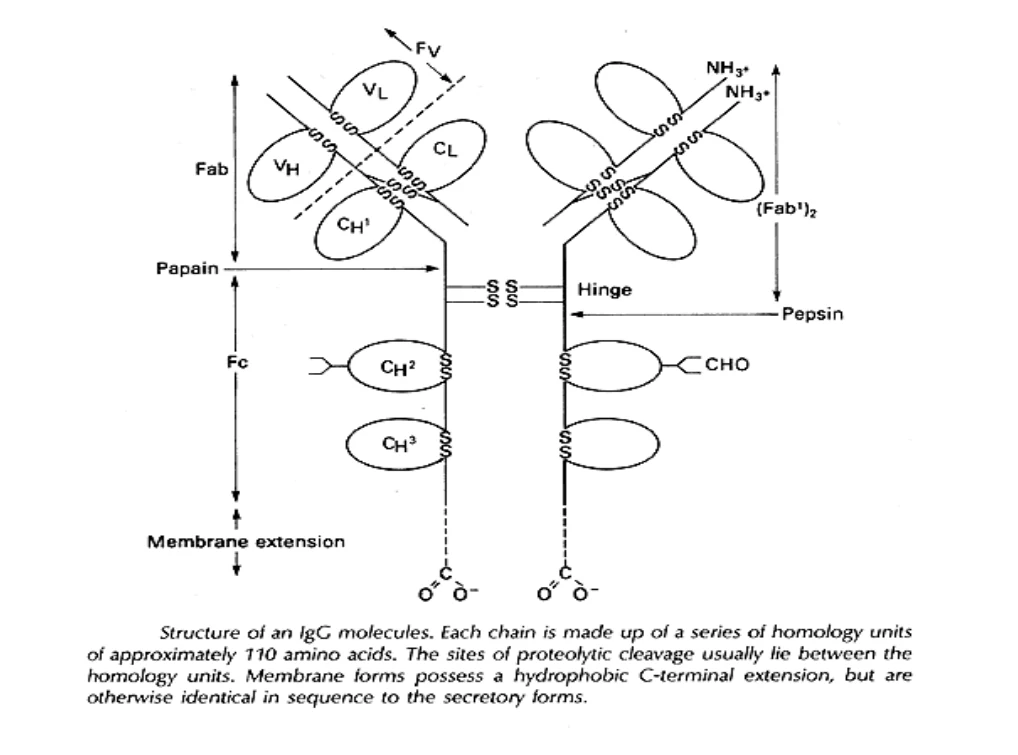
Physicochemical properties: VIGIV has a molecular weight of approximately 150,000 Daltons, comprised of two “heavy” chains (50,000 Daltons each) and two light chains (25,000 Daltons each). The relative proportions of IgG1, IgG2 and IgG3 were 65%, 27% and 7%, respectively. Vaccinia-specific IgG (binding activity by ELISA) was found to be primarily of the IgG1 isotype (over 99%) with the remainder being vaccinia-specific IgG3. The product potency (as determined by a plaque reduction neutralization test) is expressed in arbitrary units (U) by comparison to the FDA reference standard. Each vial contains approximately 40 to 80 mg/mL total protein and greater than 50,000 units of vaccinia antibody neutralizing activity. The product contains ≤40 µg/mL of Immunoglobulin A (IgA).
Pharmaceutical standard: FDA/CBER Vaccinia Immunoglobulin Reference Standard (VIGIV) Lot #1, prepared from lyophilized bulk material and containing 5% globulin. Fill volume is 0.5 mL and its protein concentration is 50 mg/mL.
Product Characteristics:
Viral Inactivation
Several steps in the manufacturing process have been validated for their ability to remove/inactivate viruses that may not have been detected in the Source Plasma. The manufacturing process includes both a 20 nm virus filtration step and a solvent/detergent treatment step (using tri-n-butyl phosphate and octoxynol) that have been validated for their capacity to remove and/or inactivate lipid-enveloped and non-enveloped viruses. In addition to the two specific steps, the anion-exchange chromatography step contributes to the removal of small non-lipid enveloped viruses. Table 5 summarizes the viral reduction values obtained through validation studies using enveloped and non-enveloped model viruses.
Table 6 Virus Reduction Values (Log10) Obtained through Validation Studies
| Enveloped | Non-Enveloped | ||||||||||||||||||||||
| Genome | RNA | DNA | RNA | DNA | |||||||||||||||||||
| Virus | HIV-1 | BVDV | PRV | Vaccinia | HAV | EMC | MMV | PPV | |||||||||||||||
| Family | retro | flavi | herpes | pox | picorna | parvo | |||||||||||||||||
| Size (nm) | 80–100 | 50–70 | 120–200 | 220–450 long x 140–260 wide | 25–30 | 30 | 20–25 | 18–24 | |||||||||||||||
| Anion Exchange Chromatography (partitioning) | Not evaluated | 2.3 | n.e. | 3.4 | n.e. | ||||||||||||||||||
| 20N Filtration (size exclusion) | ³4.7 | ³3.5 | ³5.6a | n.e. | n.e. | 4.8 | n.e. | 4.1 | |||||||||||||||
| Solvent/Detergent (inactivation) | ³4.7 | ³7.3 | ³5.5 | ≥3.7 | Not evaluated | ||||||||||||||||||
| Total Reduction (log10) | ³9.4 | ³10.8 | ³11.1 | ≥3.7 | 2.3 | 4.8 | 3.4 | 4.1 | |||||||||||||||
| a The PRV was retained by the 0.1 mm pre-filter during the virus validation. Since manufacturing employs a 0.1 mm pre-filter before the 20N filter, the claim of ³5.6 reduction is considered applicable. | |||||||||||||||||||||||
| HIV-1: human immunodeficiency virus-1; relevant virus for human immunodeficiency virus-1 and model for HIV-2 | |||||||||||||||||||||||
| BVDV: bovine viral diarrhea virus; model virus for hepatitis C virus (HCV) and West Nile virus (WNV) | |||||||||||||||||||||||
| PRV: pseudorabies virus; model for large enveloped DNA viruses, including herpes | |||||||||||||||||||||||
| HAV: human hepatitis A virus; relevant virus for HAV and model for small non-enveloped viruses in general | |||||||||||||||||||||||
| EMC: encephalomyocarditis virus; model for HAV and for small non-enveloped viruses in general | |||||||||||||||||||||||
| MMV: murine minute virus; model for human parvovirus B19 and for small non-enveloped viruses in general | |||||||||||||||||||||||
| PPV: porcine parvovirus; model for human parvovirus B19 and for small non-enveloped viruses in general | |||||||||||||||||||||||
| n.e.: not evaluated | |||||||||||||||||||||||
The 20 nm filtration step is expected to remove the vaccinia virus, based on the size of the virus (200 to 450 nm long x 140 to 460 nm wide), and on the results obtained for BVDV (50 to 70 nm). However, no validation studies were performed for the nanofiltration step specifically using vaccinia virus. Further clearance is obtained by the solvent and detergent step, which was validated for the inactivation, and resulted in a 3.7 log10 reduction of the vaccinia virus. In addition, the presence of anti-vaccinia antibodies in the product is also predicted to inactivate the vaccinia virus.
However, despite these measures, such products can still potentially transmit disease (see 7 Warnings and Precautions).
14 Clinical Trials
14.1 Clinical Trials by Indication
The safety of VIGIV was evaluated in three clinical trials (studies VA-002, VA-003A, and VA-003B). Study VA-002 was a phase 1 study that evaluated the pharmacokinetics and safety of VIGIV at 6000 U/kg or 9000 U/kg in healthy subjects. Studies VA-003A and VA-003B were double-blind studies that evaluated the pharmacokinetic, pharmacodynamics, and safety of VIGIV in healthy subjects with or without vaccinia vaccination. In clinical trials, doses of up to 24,000 U/kg administered to healthy volunteers were tolerated.
A clinical study is being conducted to assess the efficacy and safety of VIGIV in the treatment of complications of smallpox vaccination.
Study Demographics and Trial Design
Table 7 Summary of Patient Demographics for VIGIV Clinical Trials
| Study No. | Study design | Dosage, route of administration and duration | Study subjects (n) | Mean age (Range) | Sex |
| VA-002 | Phase 1, double-blind, multi-centre, randomized, parallel arm study | Single dose of 6000 or 9000 U/kg by IV infusion | Healthy subjects (60) | 23 years (19–32) | 34M:26F |
| VA-003A | Single centre, randomized, double-blind, parallel arm study | Single dose of 9000 U/kg by IV infusion | Healthy subjects (32) | 24 years (18–32) | 24M:8F |
| VA-003B | Single centre, randomized, double-blind, parallel arm study | Single dose of 9000 or 24,000 U/kg by IV infusion | Healthy subjects (50) | 24 years (18–33) | 30M:20F |
In each study, the demographics in each group were comparable with respect to age, gender, height, weight, and ethnicity.
Study Results
VA-002 was a phase 1, randomized, double-blind study in which 60 healthy volunteers received either 6000 U/kg or 9000 U/kg VIGIV. The objective of VA-002 was to assess the safety and pharmacokinetic profile of VIGIV. After a single IV administration of VIGIV (6000 or 9000 U/kg) the levels of vaccinia immunoglobulin remain in the circulation for a prolonged period of time, with a mean half-life ranging from approximately 630 to 720 hours (26 to 30 days). In addition, the drug has a large volume of distribution, as demonstrated by both non-compartmental and compartmental analyses.
Non-compartmental analyses demonstrated that at the two dose levels studied, the drug exhibited dose-proportionality (AUC and Cmax values). In addition, pharmacokinetic parameters estimated by compartmental analysis were similar to those calculated by noncompartmental methods.
Table 8 Non-compartmental Pharmacokinetic Parameters (mean (±SD)) of Vaccinia Immunoglobulin
| VIGIV (6000 U/kg or 9000 U/kg) from measured data Arithmetic Mean (±SD) | ||
| Parameter | 6000 U/kg | 9000 U/kg |
| AUC0 - ∞ (U*h/mL) | 58521 (16079) | 78401 (17502) |
| AUC0-t (U*h/mL) | 49405 (13246) | 71541 (13173) |
| CMAX (U/mL) | 161 (40.0) | 232 (40.9) |
| TMAX (h) | 1.84 (1.12) | 2.61 (2.41) |
| T½ (days) | 30.0 (10.0) | 26.2 (5.08) |
In addition, the plasma concentration of circulating VIGIV was compared to a theoretical value obtained from a model of previously licensed Baxter VIG disposition, at Day 5 after IV administration of VIGIV. This comparison was made at Day 5, because Baxter VIG was administered IM whereas VIGIV is administered IV, and the equilibration between the extravascular and the intravascular compartments following IM injection would occur at approximately five days. The results indicated that the vaccinia antibody levels following administration of VIGIV were superior to that of Baxter VIG at doses of both 6000 U/kg and 9000 U/kg.
VA-003A was a single center, randomized, double-blind, parallel arm study. In VA-003A the variability of the antibody and local response to vaccinia vaccination and the extent to which VIGIV (9000 U/kg) attenuates or reduces the response in naive subjects when administered four days before, or concurrently with vaccination were assessed. Administration of VIGIV four days prior to vaccination slightly reduced the local reaction as compared to concurrent administration of VIGIV with vaccination, and with vaccination alone.
VA-003B was a single center, randomized, double-blind, parallel arm study. In VA-003B the variability associated with the antibody response to vaccinia vaccination and the extent to which VIGIV (9000 U/kg or 24,000 U/kg) attenuates the antibody response to vaccinia vaccine when administered four days before vaccination were assessed. The administration of VIGIV four days prior to vaccinia vaccination decreased the endogenous immune response to vaccination and the local response to vaccination in a dose-dependent manner. This demonstrates that VIGIV neutralizes vaccinia virus in vivo, which supports its licensed indications.
16 Non-Clinical Toxicology
Animal Studies
The efficacy of VIGIV, Baxter VIG (FDA approved product for vaccinia vaccination complications), and CBER standard against the vaccinia virus in a mouse-tail lesion model were compared. The strains of vaccinia virus were selected based on their detailed documented history of use in smallpox vaccination (NYCBH) and the relatively higher content of the EEV form of the virus which has been suggested to confer greater protection against orthopoxvirus challenge (IHD-J). A tail infectivity model for vaccinia was established using female Balb/C mice challenged with vaccinia strain IHD-J or NYCBH strain administered by tail vein injection. In the first series of efficacy studies, the post exposure protection of vaccinia immunoglobulin (VIG) against IHD-J strain vaccinia virus was determined in the tail infectivity model. A range of doses of VIGIV and Baxter VIG was compared for their ability to reduce pock formation in this model.
In the second series of efficacy studies, the post exposure protection of VIG against the NYCBH strain of vaccinia virus was determined. VIGIV, Baxter VIG and CBER VIG reference standard were tested against the NYCBH strain of vaccinia virus. VIGIV has been shown to exert an in vivo protective effect against vaccinia infection compared to negative control. Using a mouse-tail lesion model with two different strains of vaccinia virus, it was observed that the protective effect of VIGIV appeared similar to Baxter VIG and CBER reference standard.
Since VIGIV is a product of human origin, secondary pharmacodynamics, safety pharmacology and pharmacodynamic drug interactions were not investigated in animals.
General toxicology
Immunoglobulins are normal constituents of the human body. Toxicology studies have not been performed with VIGIV as the product has been formulated with ingredients that are known to be non-toxic at the levels at which they are present in the final product.
Acute Toxicity
The toxicologic properties of immunoglobulins manufactured by anion exchange chromatography and having the same formulation as VIGIV have been examined. An IV acute toxicity study was conducted in mice with a similar product; Rho (D) Immunoglobulin (Human), WinRho®. An LD50 was not determined, as the maximal dose used did not kill any experimental animals. A lower limit of 18,750 IU (3750 µg) WinRho®/kg body weight, or 233 mg human IgG/kg, was established as the LD50 for this drug. Neither observation nor necropsy of the experimental animals revealed any acute toxicity related to the study drug.