


Product Monograph - Hepagam B
RECENT MAJOR LABEL CHANGES
| 1 INDICATIONS | [02/2024] |
|---|---|
| 2 CONTRAINDICATIONS | [02/2024] |
| 4 DOSAGE AND ADMINISTRATION, 4.1 Dosing Considerations | [02/2024] |
| 6 DOSAGE FORMS, STRENGTHS, COMPOSITION AND PACKAGING | [01/2025] |
| 7 WARNINGS AND PRECAUTIONS | [02/2024] |
| 8 ADVERSE REACTIONS, 8.1 Adverse Reaction Overview | [02/2024] |
| 10 CLINICAL PHARMACOLOGY, 10.1 Mechanism of Action | [02/2024] |
| 14 CLINICAL TRIALS, 14.1 Trial Design and Study Demographics | [02/2024] |
| 14 CLINICAL TRIALS, 14.2 Study Results | [02/2024] |
TABLE OF CONTENTS
Sections or subsections that are not applicable at the time of authorization are not listed.
RECENT MAJOR LABEL CHANGES ............................................................................................ 2
TABLE OF CONTENTS .............................................................................................................. 3
PART I: HEALTH PROFESSIONAL INFORMATION ...................................................................... 5
1 INDICATIONS ............................................................................................................... 5
Pediatrics .......................................................................................................................... 5
Geriatrics .......................................................................................................................... 5
2 CONTRAINDICATIONS ................................................................................................. 6
3 SERIOUS WARNINGS AND PRECAUTIONS BOX ............................................................ 6
4 DOSAGE AND ADMINISTRATION ................................................................................. 6
4.1 Dosing Considerations ............................................................................................ 6
4.2 Recommended Dose and Dosage Adjustment ....................................................... 7
4.4 Administration ...................................................................................................... 10
4.5 Missed Dose ......................................................................................................... 11
5 OVERDOSAGE ............................................................................................................ 11
6 DOSAGE FORMS, STRENGTHS, COMPOSITION AND PACKAGING ............................... 11
7 WARNINGS AND PRECAUTIONS ................................................................................ 12
Special Populations ........................................................................................................ 15
7.1.1 Pregnant Women ........................................................................................... 15
7.1.2 Breast-feeding ................................................................................................ 15
7.1.3 Pediatrics ........................................................................................................ 15
7.1.4 Geriatrics ........................................................................................................ 15
8 ADVERSE REACTIONS ................................................................................................ 16
8.1 Adverse Reaction Overview ..................................................................................... 16
8.2 Clinical Trial Adverse Reactions ................................................................................ 17
8.2.1 Clinical Trial Adverse Reactions – Pediatrics ................................................... 17
8.4. Abnormal Laboratory Findings: Hematologic, Clinical Chemistry and Other
Quantitative Data ........................................................................................................... 18
8.5 Post-Market Adverse Reactions ............................................................................... 18
9 DRUG INTERACTIONS ................................................................................................ 19
9.1 Serious Drug Interactions ......................................................................................... 19
9.2 Drug Interactions Overview ...................................................................................... 19
9.3 Drug-behaviours interactions ................................................................................... 19
9.4 Drug-Drug Interactions ............................................................................................. 20
9.5 Drug-Food Interactions ............................................................................................ 20
9.6 Drug-Herb Interactions ............................................................................................. 20
9.7 Drug-Laboratory Test Interactions ........................................................................... 20
10 CLINICAL PHARMACOLOGY ....................................................................................... 21
Mechanism of Action ..................................................................................................... 21
Pharmacodynamics ........................................................................................................ 21
Pharmacokinetics ........................................................................................................... 22
11 STORAGE, STABILITY AND DISPOSAL ......................................................................... 23
12 SPECIAL HANDLING INSTRUCTIONS ........................................................................... 23
PART II: SCIENTIFIC INFORMATION ....................................................................................... 23
13 PHARMACEUTICAL INFORMATION ............................................................................ 23
14 CLINICAL TRIALS ........................................................................................................ 26
14.1 Trial Design and Study Demographics .................................................................... 26
14.2 Study Results .......................................................................................................... 28
14.3 Comparative Bioavailability Studies ....................................................................... 31
15 MICROBIOLOGY ........................................................................................................ 32
16 NON-CLINICAL TOXICOLOGY ..................................................................................... 33
PATIENT MEDICATION INFORMATION .................................................................................. 34
PART I: HEALTH PROFESSIONAL INFORMATION
1 INDICATIONS
HepaGam B (Hepatitis B Immunoglobulin (Human) Injection) is indicated for:
Post-exposure Prophylaxis
HepaGam B is indicated for the treatment of acute exposure to blood containing hepatitis B surface antigen (HBsAg), perinatal exposure of infants born to HBsAg-positive mothers, sexual exposure to HBsAg-positive persons and household exposure to persons with acute HBV infection in the following settings:
Acute Exposure to Blood Containing HBsAg
Following either parenteral exposure (needlestick, bite, sharps), direct mucous membrane contact (accidental splash), or oral ingestion (pipetting accident) involving HBsAg-positive materials such as blood, plasma, or serum).
Perinatal Exposure of Infants Born to HBsAg-positive Mothers
Infants born to mothers positive for HBsAg with or without Hepatitis B e antigen (HBeAg).
Sexual Exposure to HBsAg-positive Persons Sexual partners of HBsAg-positive persons.
Household Exposure to Persons with Acute HBV Infection
Infants less than 12 months old whose mother or primary caregiver is positive for HBsAg, or other household contacts with identifiable blood exposure to the index patient.
HepaGam B is administered intramuscularly for post-exposure prophylaxis.
Prevention of Hepatitis B Recurrence Following Liver Transplantation
HepaGam B is indicated for the prevention of hepatitis B recurrence following liver transplantation in adult patients with hepatitis B who have no or low levels of HBV replication. HepaGam B should be administered intravenously for this indication. For more information, see PART II: 14. SCIENTIFIC INFORMATION, CLINICAL TRIALS.
Pediatrics
Pediatrics (<18 years of age): HepaGam B was found to be safe and effective in a pediatric population (infants born to mothers who were HBsAg-positive). The protection rate against development of hepatitis B in infants, born to mothers who were HBsAg-positive, was 98%. No safety concerns were identified.
Geriatrics
Geriatrics (>65 years of age): Clinical studies of HepaGam B did not include sufficient numbers of subjects aged 65 and over to determine whether they respond differently from younger subjects.
2 CONTRAINDICATIONS
For post-exposure prophylaxis indications, HepaGam B is administered intramuscularly. In patients who have severe thrombocytopenia or any coagulation disorder that would contraindicate intramuscular injections, HepaGam B should be given only if the expected benefits outweigh the potential risks.
HepaGam B is contraindicated in patients who are hypersensitive to this drug or to any ingredient in the formulation, including any non-medicinal ingredient, or component of the container. For a complete listing, see 6 DOSAGE FORMS, STRENGTHS, COMPOSITION AND PACKAGING.
Patients who are deficient in IgA: While HepaGam B contains less than 40 µg/mL IgA, individuals who are deficient in IgA may have the potential to develop IgA antibodies and have an anaphylactoid reaction if exposed (or treated) again.
3 SERIOUS WARNINGS AND PRECAUTIONS BOX
Serious Warnings and Precautions
HepaGam B is prepared from pools of human plasma which may contain the causative agents of hepatitis and other viral diseases. The risk that such products will transmit an infectious agent has been reduced by screening plasma donors for prior exposure to certain viruses, by testing for the presence of certain current virus infections, and by inactivating and/or removing certain viruses during manufacturing. Despite these measures, such products can still potentially transmit disease. There is also the possibility that unknown infectious agents may be present in such products. True hypersensitivity reactions are rare. These reactions can occur in very rare cases of IgA deficiency or hypersensitivity to human globulin. In case of allergic or anaphylactic reaction, the infusion should be stopped immediately. In case of shock, the current medical standards for treatment of shock should be observed. The physician should discuss the risks and benefits of this product with the patient before prescribing or administering to the patient (see WARNINGS AND PRECAUTIONS, General). |
|---|
4 DOSAGE AND ADMINISTRATION
4.1 Dosing Considerations
Post-exposure Prophylaxis
For post-exposure prophylaxis indications, HepaGam B is administered intramuscularly as directed in Section 4.2 RECOMMENDED DOSE AND DOSE ADJUSTMENT.
It is important to use a separate vial, sterile syringe, and needle for each individual patient to prevent transmission of infectious agents from one person to another.
HepaGam B may be administered at the same time (but at different site), or up to one month preceding hepatitis B vaccination without impairing the active immune response to hepatitis B vaccine. Efficacy of live attenuated virus vaccines may be impaired by immunoglobulin administration; revaccination may be necessary.
Prevention of Hepatitis B Recurrence Following Liver Transplantation
For the prevention of hepatitis B recurrence following liver transplantation in adult patients with hepatitis B, HepaGam B (Hepatitis B Immunoglobulin (Human) Injection), should be administered intravenously to attain serum anti-HBs levels greater than 500 mIU/mL as described in Section 4.2 RECOMMENDED DOSE AND DOSE ADJUSTMENT.
These dosing recommendations are based on a systematic review of the clinical trial literature and meta-analysis (see PART II: SCIENTIFIC INFORMATION, 14. CLINICAL TRIALS).
This report found that Hepatitis B Immunoglobulin (HBIG) prophylaxis was most effective when administered in high doses to achieve anti-HBs levels of greater than 500 mIU/mL over longer time periods (greater than six months). The recommended dosing schedule described below is designed to achieve persistent anti-HBs levels of greater than 500 mIU/mL.
4.2 Recommended Dose and Dosage Adjustment
Post-exposure Prophylaxis
Acute Exposure to Blood Containing HBsAg
Table 1 below summarizes prophylaxis for percutaneous (needlestick, bite, sharps), ocular, or mucous membrane exposure to blood according to the source of exposure and vaccination status of the exposed person. For greatest effectiveness, passive prophylaxis with HepaGam B should be given as soon as possible after exposure, as its value after seven days following exposure is unclear. An injection of 0.06 mL/kg of body weight should be administered intramuscularly as soon as possible after exposure, preferably within 24 hours. Consult the hepatitis B vaccine package insert for dosage information regarding the vaccine.
For persons who refuse hepatitis B vaccine or who are known non-responders to vaccine, a second dose of HepaGam B should be given one month after the first dose.
Table 1 Recommendations for Hepatitis B Prophylaxis following Percutaneous or Permucosal Exposure
| Source | Exposed Person | ||||
|---|---|---|---|---|---|
| Unvaccinated | Vaccinated | ||||
| HBsAg-positive |
|
| |||
| Known Source – High Risk for HBsAg-positive |
|
| |||
| Known Source – Low Risk for HBsAg-positive | Initiate HB vaccine series | Nothing required | |||
| Unknown Source | Initiate HB vaccine series | Nothing required | |||
a Hepatitis B Immunoglobulin (Human) dose of 0.06 mL/kg (intramuscular)
b See manufacturer’s recommendation for appropriate dose.
c Less than 10 mIU/mL anti-HBs by radioimmunoassay, negative by enzyme immunoassay.
d Two doses of Hepatitis B Immunoglobulin (Human) is preferred if no response after at least four doses of vaccine.
Prophylaxis of Infants Born to Mothers who are Positive for HBsAg with or without HBeAg
Table 2 contains the recommended schedule of hepatitis B prophylaxis for infants born to mothers that are either known to be positive for HBsAg or have not been screened. Infants born to mothers known to be HBsAg-positive should receive 0.5 mL HepaGam B after physiologic stabilization of the infant and preferably within 12 hours of birth. The hepatitis B vaccine series should be initiated simultaneously, if not contraindicated, with the first dose of the vaccine given concurrently with the HepaGam B, but at a different site. Subsequent doses of the vaccine should be administered in accordance with the recommendations of the manufacturer. Women admitted for delivery, who were not screened for HBsAg during the prenatal period, should be tested.
While test results are pending, the newborn infant should receive hepatitis B vaccine within 12 hours of birth (see manufacturer’s recommendations for dose). If the mother is later found to be HBsAg-positive, the infant should receive 0.5 mL HepaGam B as soon as possible and within seven days of birth; however, the efficacy of HepaGam B administered after 48 hours of age is not known. Testing for HBsAg and anti-HBs is recommended at 12 to 15 months of age. If HBsAg is not detectable and anti-HBs is present, the child has been protected.
Table 2 Recommended Schedule of Hepatitis B Immunoprophylaxis to Prevent Perinatal Transmission of Hepatitis B Virus Infection
| Age of Infant | ||
|---|---|---|
| Administer | Infant Born to Mother Known to be HBsAg-positive | Infant Born to Mother Not Screened for HBsAg |
First Vaccinationa Hepatitis B Immunoglobulin (Human) b | Birth (within 12 hours) Birth (within 12 hours) | Birth (within 12 hours) If mother is found to be HBsAg-positive, administer dose to infant as soon as possible, not later than 1 week after birth |
| Second Vaccinationa | 1 month | 1–2 months |
| Third Vaccinationa | 6 monthsc | 6 monthsc |
a See manufacturer’s recommendation for appropriate dose
b 0.5 mL administered intramuscularly at a site different from that used for the vaccine
c Advisory Committee on Immunization Practices (ACIP) recommendation
Sexual Exposure to HBsAg-positive Persons
All susceptible persons whose sexual partners have acute hepatitis B infection should receive a single dose of HepaGam B (0.06 mL/kg) and should begin the hepatitis B vaccine series, if not contraindicated, within 14 days of the last sexual contact or if sexual contact with the infected person will continue. Administering the vaccine with HepaGam B may improve the efficacy of post-exposure treatment. The vaccine has the added advantage of conferring long-lasting protection.
Household Exposure to Persons with Acute HBV Infection
Prophylaxis of an infant less than 12 months of age with 0.5 mL HepaGam B and hepatitis B vaccine is indicated if the mother or primary caregiver has acute HBV infection. Prophylaxis of other household contacts of persons with acute HBV infection is not indicated unless they had an identifiable blood exposure to the index patient, such as by sharing toothbrushes or razors. Such exposures should be treated like sexual exposures. If the index patient becomes an HBV carrier, all household contacts should receive hepatitis B vaccine.
Prevention of Hepatitis B Recurrence Following Liver Transplantation
Each dose of HepaGam B should be administered as an intravenous dose of 35 mL (10,920 IU anti-HBs). The first dose should be administered concurrently with the grafting of the transplanted liver (the anhepatic phase) with subsequent dosing as recommended in Table 3.
Anti-HBs levels should be measured after the first week of treatment to allow for initial adjustment of dosage.
Table 3 HepaGam B Dosing Regimen
| Anhepatic Phase* | Week 1 Post-operativea | Months 1-3 Post-operative | Month 4 Onwards |
|---|---|---|---|
| First dose | Daily from Day 1–7 | Every two weeks from Day 14 | Monthly |
a Anti-HBs levels should be measured after the first week of treatment, to allow for initial adjustment of dosage.
HepaGam B dose adjustments may be required in patients who fail to reach anti-HBs levels of 500 mIU/mL within the first week post-liver transplantation. Patients who have surgical bleeding or abdominal fluid drainage (>500 mL) or patients who undergo plasmapheresis are particularly susceptible to extensive loss of circulated anti-HBs. The following dose adjustment is recommended:
- the dosing regimen should be increased to 5460 IU (17.5 mL intravenous) every six hours until the target anti-HBs is reached.
Regular monitoring of serum HBsAg, HBV-DNA and HBeAg as well as anti-HBs antibody levels should be performed to decide on the continuation of HepaGam B treatment and/or treatment adjustment.
In patients who develop treatment-related adverse events, especially during early the post- operative period when immune complexes may develop, such as from the large amounts of hepatitis B immunoglobulin immunoprecipitating with HBsAg, the HepaGam B infusion rate should be decreased. Symptoms related to immune complex formation should be treated with antihistamines or analgesic agents.
4.4 Administration
Post-exposure Prophylaxis (Intramuscular Administration)
HepaGam B should be prepared for intramuscular administration under aseptic conditions. DO NOT SHAKE VIAL; AVOID FOAMING. Parenteral drugs should be visually assessed for particulate matter and discolouration prior to administration. HepaGam B should be administered intramuscularly within 12 hours of birth in infants, or within 48 hours of exposure for adults.
Injection should be given into the deltoid muscle or into the anteriolateral thigh in term infants. If administered in combination with hepatitis B vaccine, HepaGam B must be injected into a separate site to prevent vaccine neutralization.
Prevention of Hepatitis B Recurrence Following Liver Transplantation (IV Administration)
HepaGam B should be prepared for IV administration under aseptic conditions. DO NOT SHAKE VIAL; AVOID FOAMING. Parenteral drugs should be visually assessed for particulate matter and discolouration prior to administration.
- HepaGam B should be administered as provided through a separate intravenous line using an administration set containing an in-line filter and a constant infusion pump.
- Use normal saline as the diluent if dilution of HepaGam B is preferred prior to intravenous administration.
- Do not use dextrose (5%) in water (D5W) as the diluent.
- Rate of administration should be set at 2 mL per minute.
- The rate of infusion should be decreased to 1 mL per minute or slower if the patient develops discomfort or there is concern about the speed of infusion.
4.5 Missed Dose
Post-exposure Prophylaxis (Intramuscular Administration) & Prevention of Hepatitis B Recurrence Following Liver Transplantation (IV Administration)
If a scheduled dose is missed, HepaGam B should be administered as soon as possible after the missed dose(s). Scheduling of subsequent doses should be determined by the treating physician and the HepaGam B dosing regimen (see 4.2 Recommended Dose and Dosage Adjustment).
5 OVERDOSAGE
Consequences of an overdose with HepaGam B are not known.
| For management of a suspected drug overdose, contact your regional poison control centre. |
|---|
6 DOSAGE FORMS, STRENGTHS, COMPOSITION AND PACKAGING
HepaGam B (Hepatitis B Immunoglobulin (Human) Injection), is a sterile solution of purified gamma globulin (5% or 50 mg/mL) fraction (human plasma protein (≥96% Human IgG)) containing antibodies to hepatitis B surface antigen (anti-HBs).
Table 4 – Dosage Forms, Strengths, Composition and Packaging
HepaGam B, Hepatitis B Immunoglobulin (Human), is supplied as:
A carton containing a 1 mL fill single dose (>312 IU/mL) in a glass vial fitted with stopper and a package insert
A carton containing a 5 mL fill single dose (>312 IU/mL) in a glass vial fitted with stopper and a package insert
To help ensure the traceability of biologic products, health professionals should recognise the importance of recording both the brand name and the non-proprietary (active ingredient) name as well as other product-specific identifiers such as the Drug Identification Number (DIN) and the batch/lot number of the product supplied.
7 WARNINGS AND PRECAUTIONS
Please see 3 SERIOUS WARNINGS AND PRECAUTIONS BOX.
This product is prepared from large pools of human plasma. Thus, there is a possibility it may contain causative agents of viral or other undetermined diseases.
General
Although HepaGam B is formulated for intravenous or intramuscular administration, HepaGam B should only be administered intravenously for the prevention of hepatitis B recurrence following liver transplantation. Intravenous administration is required due to the large volume required per dose (35 mL) and because many liver transplant patients will have thrombocytopenia or coagulation disorders following transplantation, which may contraindicate intramuscular administration.
For intravenous administration, following liver transplant, certain adverse drug reactions may be related to the rate of infusion. The recommended infusion rate given under DOSAGE AND ADMINISTRATION, Administration must be closely followed. Patients must be closely monitored and carefully observed for any symptoms throughout the infusion period and immediately following an infusion.
| Route of Administration | Dosage Form / Strength/Composition | Non-medicinal Ingredients |
| Intravenous, intramuscular | Solution/ Liquid >312 IU/mL/ contains no preservative and is stabilized with 10% maltose and 0.03% polysorbate 80. | Maltose, Polysorbate 80; may contain trace amounts of tri-n-butyl phosphate and Triton X-100® |
If patients develop treatment-related adverse events due to immune complex formation between HBIG and circulating HBsAg, dose adjustments may be required. Symptoms related to immune complexes should be treated with antihistamines or analgesic agents and the HepaGam B infusion rate should be decreased (see Administration).
HepaGam B is made from human plasma. Products made from human plasma may contain infectious agents such as viruses and, theoretically, the Creutzfeldt-Jakob disease agent. The risk that such products will transmit an infectious agent has been reduced by screening plasma donors for prior exposure to certain viruses, by testing for the presence of certain current virus infections, and by inactivating and/or removing certain viruses. The manufacturing process includes both a Planova® 20 nm virus filter that effectively removes lipid-enveloped and non- enveloped viruses based on size, and a solvent/detergent treatment step (using tri-n-butyl phosphate and Triton X-100®) that effectively inactivates lipid-enveloped viruses by irreversibly destroying the lipid coat. These two processes are designed to increase product safety by reducing the risk of viral transmission of several viruses including human immunodeficiency virus (HIV), hepatitis B and hepatitis C. However, despite these measures, such products can still potentially transmit disease. There is also the possibility that unknown infectious agents may be present in such products. Individuals who receive infusions of blood or plasma products may develop signs and/or symptoms of some viral infections. All infections thought to have been possibly transmitted by this product should be reported by the physician or other health care provider to KI BioPharma LLC at 1-866-916-0077.
Cardiovascular
For the post-exposure prophylaxis indications, HepaGam B is administered intramuscularly. In patients who have severe thrombocytopenia or any coagulation disorder that would contraindicate intramuscular injections, HepaGam B should be given only if the expected benefits outweigh the potential risks.
Rare thrombotic events have been reported in association with immunoglobulin intravenous (Human) (IGIV). Patients at risk may include those with a history of atherosclerosis, multiple cardiovascular risk factors, advanced age, impaired cardiac output, hypercoagulable disorders, prolonged periods of immobilization, and/or known or suspected hyperviscosity.
Although the risk of thrombotic adverse events following HepaGam B is extremely low, care should be taken in patients at risk for hyperviscosity, including those with cryoglobulins, fasting chylomicronemia/markedly high triacylglycerols (triglycerides), or monoclonal gammopathies (see WARNINGS AND PRECAUTIONS, Monitoring and Laboratory Tests). For patients who are at risk of developing thrombotic events, administer HepaGam B at the minimum rate of infusion practicable.
Hematologic
IGIV products can contain blood group antibodies which may act as haemolysins and induce in vivo coating of red blood cells (RBC) with immunoglobulin, causing a positive direct antiglobulin reaction (Coombs’ test) and, rarely, haemolysis. Haemolytic anaemia can develop subsequent to IGIV therapy due to enhanced RBC sequestration. IGIV recipients should be monitored for clinical signs and symptoms of haemolysis (see WARNINGS AND PRECAUTIONS: Monitoring and Laboratory Tests).
Monitoring and Laboratory Tests
Liver transplant patients should be monitored regularly for serum anti-HBs antibody levels.
Assessment and Monitoring for Thrombotic Risk Factors
Because of the potentially increased risk of thrombosis, baseline assessment of blood viscosity should be considered in patients at risk for hyperviscosity, including those with cryoglobulins, fasting chylomicronemia/markedly high triacylglycerols (triglycerides), or monoclonal gammopathies.
Blood Glucose Testing
The maltose contained in HepaGam B can interfere with some types of blood glucose monitoring systems, i.e., those based on the glucose dehydrogenase pyrroloquinequinone (GDH-PQQ) method. This can result in falsely elevated glucose readings and, consequently, in the inappropriate administration of insulin resulting in life-threatening hypoglycemia. Cases of true hypoglycemia may go untreated if the hypoglycemic state is masked by falsely elevated results.
Neurologic
Neurologic Aseptic Meningitis Syndrome (AMS) has been reported to occur in association with IGIV treatment. The syndrome usually begins within several hours to 2 days following IGIV treatment. Cerebrospinal fluid (CSF) studies are frequently positive with pleocytosis up to several thousand cells per mm3, predominantly from the granulocytic series, and elevated protein levels up to several hundred mg/dL. AMS may occur more frequently in association with high-dose (2 g/kg) IGIV treatment. Patients exhibiting such signs and symptoms should receive a thorough neurological examination, including CSF studies, to rule out other causes of meningitis. Discontinuation of IGIV treatment has resulted in remission of AMS within several days without sequelae.
Renal
Intravenous immunoglobulin (human) products have been reported to produce renal dysfunction in patients that are predisposed to acute renal failure or those who have renal insufficiency. In such patients, it has been recommended that intravenous immunoglobulin (human) products be administered at a minimum practical concentration and infusion rate. While renal dysfunction has been reported with various intravenous immunoglobulin (human) products, the vast majority of these reports have involved products that utilize sucrose as a stabilizer.
HepaGam B does not contain sucrose as a stabilizer. Regardless, it is recommended that renal function be assessed prior to administration of HepaGam B and at appropriate intervals following administration, especially for patients at risk of developing acute renal failure. If renal dysfunction occurs, clinical judgment should be used to determine whether the infusion rate of HepaGam B should be decreased or the product should be discontinued.
Respiratory
In patients receiving IGIV, there have been some reports of acute non-cardiogenic pulmonary oedema [Transfusion-related acute lung injury (TRALI)]. TRALI is characterised by severe hypoxia, dyspnoea, tachypnoea, cyanosis, fever and hypotension. Symptoms of TRALI typically develop during or within 6 hours after a transfusion, often within 1–2 hours. Therefore, IGIV recipients must be monitored for and
IGIV infusion must be immediately stopped in case of pulmonary adverse reactions. TRALI is a potentially life-threatening condition requiring immediate intensive-care-unit management.
Sensitivity/Resistance
Although only single mild allergic reaction had been reported following HepaGam B administration during clinical studies (see Adverse Reaction Overview), epinephrine and diphenhydramine should be available for the treatment of any allergic reactions.
HepaGam B contains trace amounts of IgA (<40 µg/mL). Patients with known antibodies to IgA may have a greater risk of severe hypersensitivity and anaphylactic reactions if exposed to blood products again. HepaGam B is contraindicated in IgA deficient patients with antibodies against IgA and a history of hypersensitivity reactions (see CONTRAINDICATIONS).
Special Populations
7.1.1 Pregnant Women
Animal reproduction studies have not been conducted with HepaGam B. It is also not known whether HepaGam B can cause fetal harm when administered to a pregnant woman or can affect reproductive capacity. However, immunoglobulins have been widely used during pregnancy for many years without any apparent negative reproductive effects. The risk/benefit of HepaGam B administration should be assessed for each individual case.
Extent of exposure in pregnancy during clinical trials: No experience.
7.1.2 Breast-feeding
It is not known whether HepaGam B is excreted in human milk. Because many drugs are excreted in human milk, caution should be exercised when HepaGam B is administered to a nursing mother.
7.1.3 Pediatrics
Pediatrics (<18 years of age): HepaGam B was found to be safe and effective for prevention of vertical transmission of the hepatitis B virus. Infants born to mothers who were HBsAg-positive had a protection rate against developing the hepatitis B virus of 98%. No safety concerns were identified during the trial.
7.1.4 Geriatrics
Geriatrics (>65 years of age): Clinical studies of HepaGam B did not include sufficient numbers of subjects aged 65 and over to determine whether they respond differently from younger subjects.
8 ADVERSE REACTIONS
8.1 Adverse Reaction Overview
The most common expected adverse drug reactions for intravenous immunoglobulins like HepaGam B are chills, fever, headaches, vomiting, allergic reactions, nausea, arthralgia and moderate low back pain.
Although anaphylactic reactions to HepaGam B are very rare they have been reported following the administration of other forms of intravenous immunoglobulin (human) products (see WARNINGS AND PRECAUTIONS, General).
Post-exposure Prophylaxis
In clinical trial HB-004, 253 infants born to HBsAg-positive mothers received a single dose of HepaGam B and hepatitis B vaccine intramuscularly within 12 hours of birth. A total of 531 adverse events were reported for 159 of the infants (63%). The most common adverse events were diarrhea (57 events) and pyrexia (52 events). The majority of adverse events were mild in intensity. Only one adverse event, indurations of the right and left thighs, was reported as possibly treatment-related. A total of 43 serious adverse event terms were captured on Case Report Forms (CRFs) for 38 infants during the study. None of the serious adverse events were related to HepaGam B administration.
In addition, 42 adult males and females were administered a single dose of HepaGam B along with hepatitis B vaccine within 48 hours of possible exposure to hepatitis B virus (needle stick, bite, sharps, etc). A total of 69 adverse events were reported for 25 of the patients (60%). The most frequent adverse event was headache (12 events). The majority of events were reported as mild. Nineteen adverse events were reported as possibly related to HepaGam B administration. The most common related adverse events were nausea, pyrexia, arthralgia, myalgia and headache.
Prevention of Hepatitis B Recurrence Following Liver Transplantation
In clinical trial HB-005 with 27 liver transplant patients who received intravenous infusions of HepaGam B , one adverse drug reaction of hypotension was reported. In studies with healthy volunteers, only one adverse drug reaction of nausea had been reported in the 70 adult subjects who received an intramuscular administration of HepaGam B.
In an open-label extension study (HB-006), four HBsAg-negative post-transplant patients who participated in HB-005 received 47 infusions of HepaGam B in total. Seventeen adverse events were reported. None considered as related to study drug.
In clinical trial HB-009, with 11 liver transplant patients who received total of 194 infusions of HepaGam B, 212 adverse events were reported. Only five adverse events were deemed related to study drug, all affecting a single participant. These five AEs were hypertension, dyspnea, pyrexia, infusion related reaction, and increased respiratory rate. All were deemed mild in intensity and consistent with a faster than usual infusion rate. A total of 25 serious adverse events were reported by six participants. None of the serious adverse events were deemed related to study drug.
Healthy Volunteer Studies
Seventy healthy male and female volunteers received a single dose of HepaGam B, Hepatitis B Immunoglobulin (Human), intramuscularly in clinical trials. Seventeen subjects reported 30 adverse events following administration of HepaGam B. The most frequently reported adverse events included four subjects (6%) who experienced headache, seven subjects (10%) who had cold symptoms or flu and two subjects (3%) who experienced lightheadedness/fainted. The majority of events were reported as mild. One adverse event, an episode of nausea, was considered to be drug related. There were no serious adverse events reported. A similar number of subjects in the comparator groups reported adverse events.
8.2 Clinical Trial Adverse Reactions
Clinical trials are conducted under very specific conditions. The adverse reaction rates observed in the clinical trials, therefore, may not reflect the rates observed in practice and should not be compared to the rates in the clinical trials of another drug. Adverse reaction information from clinical trials may be useful in identifying and approximating rates of adverse drug reactions in real-world use.
Hepatitis B-Related Liver Transplantation
A single adverse drug reaction of hypotension occurred following a total of 578 (<1%) HepaGam B infusions administered to 27 subjects in a Phase III clinical trial examining HepaGam B for the prevention of hepatitis B recurrence following liver transplantation. This study utilized the recommended dosing regimen outlined in Table 3 (see DOSAGE AND ADMINISTRATION). The reaction was recorded during the first week post-transplant and resolved on the same day and did not recur with subsequent HepaGam B infusions.
In clinical trial HB-009, with 11 liver transplant patients who received total of 194 infusions of HepaGam B, 212 adverse events were reported. Five adverse events were deemed related to study drug, all affecting a single patient. These five adverse events were hypertension, dyspnea, pyrexia, infusion related reaction, and increased respiratory rate.
Healthy Volunteer Studies
Seventy healthy male and female volunteers received a single dose of Hepatitis B Immunoglobulin (Human), intramuscularly, in clinical trials. One adverse event, an episode of nausea, was considered to be drug related.
8.2.1 Clinical Trial Adverse Reactions – Pediatrics
Please refer to 8.1 Adverse Reaction Overview, Post-exposure Prophylaxis
8.4. Abnormal Laboratory Findings: Hematologic, Clinical Chemistry and Other Quantitative Data
Clinical Trial Findings
There have been no abnormal hematology or clinical chemistry values reported to be related to HepaGam B administration.
8.5 Post-Market Adverse Reactions
The following adverse reactions have been identified during post-approval use of HepaGam B. Because these reactions are reported voluntarily from a population of uncertain size, it is not always possible to reliably estimate their frequency or establish a causal relationship to drug exposure.
The system organ classification of reported adverse reactions is provided below:
Table 6: Adverse Reactions identified during post-approval use of HepaGam B.
| Organ system/Disorder | Adverse Reaction |
|---|---|
| Cardiac Disorders: | Sinus tachycardia |
| Gastrointestinal Disorders: | Abdominal pain |
| Nausea | |
| General Disorders and Administration Site Conditions: | Asthenia |
| Chest pain | |
| Chills | |
| Feeling cold | |
| Feeling hot | |
| Influenza like illness | |
| Malaise | |
| Pain | |
| Pyrexia | |
| Immune System Disorders: | Anaphylactoid reaction |
| Anaphylactic shock | |
| Hypersensitivity | |
| Investigations: | Lipase increased |
9 DRUG INTERACTIONS
9.1 Serious Drug Interactions
Serious Drug Interactions Live attenuated virus vaccines: immunoglobulin administration may impair the efficacy of live attenuated virus vaccines for a period of three months or more (see DRUG INTERACTIONS, Overview). |
|---|
9.2 Drug Interactions Overview
Immunoglobulin administration may impair the efficacy of live attenuated virus vaccines such as measles, rubella, mumps and varicella. Vaccination with live virus vaccines should be deferred until approximately three months after administration of HepaGam B (Hepatitis B Immunoglobulin (Human) Injection). Persons who received HepaGam B less than 14 days after live virus vaccination should be revaccinated three months after the administration of the immunoglobulin, unless serologic test results indicate that antibodies were produced.
There are no available data on concomitant use of HepaGam B and other medications.
Antibodies present in HepaGam B may interfere with some serological tests (see Drug- Laboratory Interactions).
9.3 Drug-behaviours interactions
Interactions with behaviour have not been established.
| Transaminases increased | |
| Musculoskeletal and Connective Tissue Disorders: | Back pain |
|---|---|
| Groin pain | |
| Nervous System Disorders: | Dizziness |
| Headache | |
| Respiratory, Thoracic and Mediastinal Disorders: | Dyspnoea |
| Skin and Subcutaneous Tissue Disorders: | Cold sweat |
| Rash erythematous | |
| Vascular Disorders: | Flushing |
9.4 Drug-Drug Interactions
The drugs listed in this table are based on either drug interaction case reports or studies, or potential interactions due to the expected magnitude and seriousness of the interaction (i.e., those identified as contraindicated).
Table 7 - Established or Potential Drug-Drug Interactions
| Hepatitis B Immunoglobulin (Human) | Source of Evidence | Effect | Clinical comment |
| Live attenuated virus vaccines (e.g. measles, rubella, mumps, varicella) | T | Immunoglobulin may impair efficacy | If Hepatitis B Immunoglobulin is given less than 14 days after live virus vaccination, revaccination should be considered. |
T = Theoretical
The use of live virus vaccination before or after HepaGam B administration should follow the recommendations by the Canadian National Advisory Committee on Immunization.
Interactions with other drugs have not been established
9.5 Drug-Food Interactions
Interactions with food have not been established.
9.6 Drug-Herb Interactions
Interactions with herbal products have not been established.
9.7 Drug-Laboratory Test Interactions
After administration of Hepatitis B Immunoglobulin (Human), a transitory increase of passively transferred antibodies in the patient’s blood may result in misleading positive results in serological testing (e.g. ‘Coombs’ test).
HepaGam B contains maltose, which can interfere with certain types of blood glucose testing and monitoring systems, i.e., those based on the GDH-PQQ (see WARNINGS AND PRECAUTIONS, Blood Glucose Testing). Even though HepaGam B is administered intravenously, due to the potential for falsely elevated glucose readings only testing systems that are glucose-specific should be used to test or monitor blood glucose levels in patients receiving maltose-containing parenteral products, including HepaGam B.
The product information of the blood glucose testing system, including that of the test strips, should be carefully reviewed to determine if the system is appropriate for use with maltose- containing parenteral products. If any uncertainty exists, contact the manufacturer of the testing system to determine if the system is appropriate for use with maltose-containing parenteral products.
10 CLINICAL PHARMACOLOGY
Mechanism of Action
Post-exposure Prophylaxis
Clinical studies conducted prior to 1983 with hepatitis B immunoglobulins similar to HepaGam B demonstrated the advantage of simultaneous administration of hepatitis B vaccine and Hepatitis B Immunoglobulin (Human) by the intramuscular route. The Centers for Disease Control and Prevention Advisory Committee on Immunization Practices (ACIP) advises that the combination prophylaxis be provided following certain instances of hepatitis B exposure. Recommendations on post-exposure prophylaxis are based on available efficacy data, primarily from studies in neonates. Cases of hepatitis B are rarely seen following exposure to HBV in persons with pre-existing anti-HBs antibodies.
Prevention of Hepatitis B Recurrence following Liver Transplantation
Hepatitis B virus re-infection is the consequence of an immediate re-infection of the graft due to circulating HBV particles, a re-infection of the graft from HBV particles coming from extra hepatic sites, or both.
The mechanism whereby Hepatitis B Immunoglobulin (HBIG) protects the transplanted liver against HBV re-infection is not well understood. One hypothesis is that HBIG protects naïve hepatocytes against HBV release from extra hepatic sites through blockage of a putative HBV receptor. Alternatively, HBIG may neutralize circulating virions through immune precipitation and immune complex formation or trigger an antibody-dependent cell-mediated cytotoxicity response resulting in target cell lysis. In addition, HBIG has been reported to bind to hepatocytes and interact with HBsAg within cells.
Regardless of the mechanism, there is evidence of a dose-dependent response to HBIG treatment.
Pharmacodynamics
Hepatitis B immunoglobulin products provide passive immunization to the hepatitis B virus and significantly decrease hepatitis B recurrence and increase graft and patient survival following liver transplantation in hepatitis B surface antigen (HBsAg) positive patients.
The clinical effectiveness of HBIG prophylaxis in the prevention of hepatitis B recurrence following liver transplantation is dependent on the dose, length of administration and the viral replication status of the patient at the time of transplant.
HBIG is most effective when administered in high doses to achieve anti-HBs levels greater than 500 mIU/mL over long time periods (greater than six months). A meta-analysis of the literature data showed that patients treated with long-term high-dose HBIG had a hepatitis B recurrence rate of 15.2%, compared to a 40.4% recurrence rate in subjects treated with long- term, low-dose HBIG. Short-term immunoprophylaxis with HBIG may delay hepatitis B recurrence, but the overall rate of re-infection is similar to untreated patients. Therefore, it is important that treatment be continued long-term.
The absence of viral replication (absence of HBeAg and/or HBV DNA in serum) at the time of liver transplant is associated with an increase in the effectiveness of HBIG (see PART II: SCIENTIFIC INFORMATION, Table 16). As a result, HepaGam B is recommended in patients who have no or low levels of viral replication at the time of liver transplantation.
Animal Studies
Nonclinical pharmacology studies have not been performed with Hepatitis B Immunoglobulin (Human) as there is broad experience in humans with intravenous and intramuscular administration of immunoglobulin products. Since the product is of human origin, immunogenicity is expected when administered to animals.
Pharmacokinetics
Currently there is no pharmacokinetic data available for HepaGam B intravenous administration in liver transplant patients. The ability of the described dosing regimen (see Table 3 in DOSAGE AND ADMINISTRATION) to maintain anti-HBs levels was examined in an analysis of 24 hepatitis B-related liver transplant patients from a Phase III clinical trial. Anti-HBs levels taken before and after each dose showed that the target trough of 500 mIU/mL was achieved after the first few HepaGam B doses and maintained in the first year post-transplant in 22 of the 24 patients. As described above under Dosing Considerations, these levels have been associated with efficacy.
The pharmacokinetic profile of HepaGam B in healthy volunteers after intramuscular injection of 0.06 mL/kg is summarized in Table 8.
Table 8: Pharmacokinetic profile of HepaGam B in healthy volunteers after intramuscular injection of 0.06 mL/kg
Absorption
A pharmacokinetic trial of HepaGam B (Hepatitis B Immunoglobulin (Human) Injection), given intramuscularly to 30 healthy male and female volunteers demonstrated pharmacokinetic parameters similar to those reported in the literature. The volume of distribution was 7.0 ±1.5 L. Maximum concentration of HepaGam B was 215.6 mIU/mL, which was reached 5.4 ±2.4 days following administration. The maximum concentration of anti-HBs achieved by HepaGam B was consistent with that of a commercially available HBIG when compared in the same comparative pharmacokinetics trial. There is an immediate time to the onset of HepaGam B action, and the time to steady state between intravascular and extravascular spaces is approximately five days.
Distribution:
The bioavailability of Hepatitis B Immunoglobulin (Human) for intravenous use is complete and immediate. IgG is quickly distributed between plasma and extravascular fluid. Immunoglobulin
|
|
|
| |
|---|---|---|---|---|
|
|
|
|
|
products have been demonstrated to poorly penetrate across an intact blood brain barrier.
Metabolism:
Immunoglobulins and immune complexes are broken down in the reticuloendothelial system.
Elimination
The elimination half-life of HepaGam B is 24.5 days following intramuscular administration. Based on studies with other immunoglobulin products, a slightly decreased half-life is expected following intravenous administration.
Duration of effect
Immunoglobulin administration may impair the efficacy of live attenuated virus vaccines for a period of three months or more (see 9.1 Serious Drug Interactions).
11 STORAGE, STABILITY AND DISPOSAL
Store under refrigeration (2 to 8ºC). Do not freeze. Do not use after expiration date indicated on the label.
12 SPECIAL HANDLING INSTRUCTIONS
The product should be brought to room or body temperature before use.
The solution should be clear or slightly opalescent. Do not use solutions that are cloudy or have deposits.
PART II: SCIENTIFIC INFORMATION
13 PHARMACEUTICAL INFORMATION
Drug Substance
Proper name: Hepatitis B Immunoglobulin (Human)
Chemical name: Hepatitis B Immunoglobulin (Human)
Molecular formula and molecular mass: Glycoprotein of approximately 160,000 Da
Structural formula: Gamma Globulin (IgG)
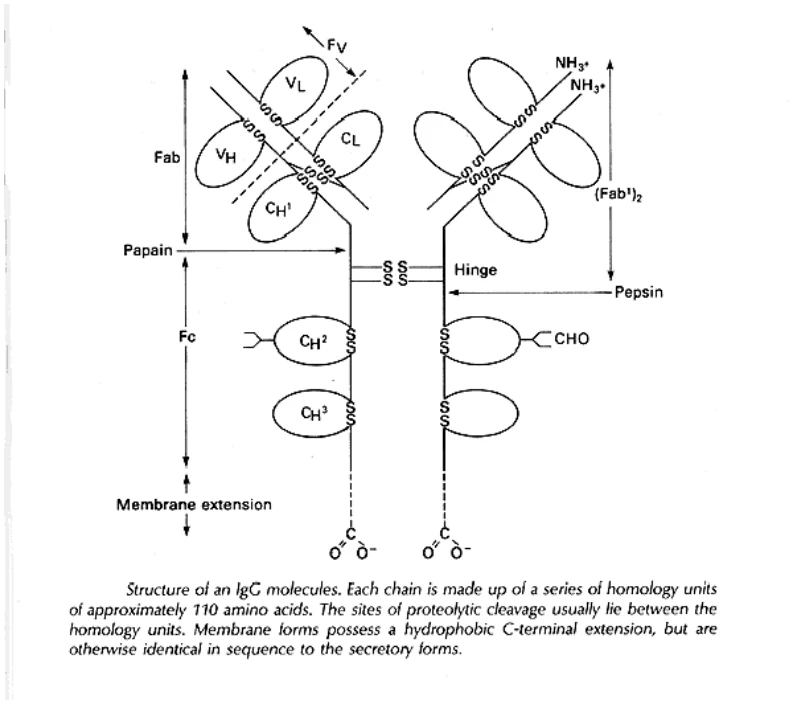
Physicochemical properties: IgG is a monomeric protein with a sedimentation coefficient of 7S and a molecular weight ranging from 146,000 to 170,000 Da. Carbohydrate content of IgG is approximately 2 to 3%.
Product Characteristics:
HepaGam B (Hepatitis B Immunoglobulin (Human) Injection) is a sterile solution of purified gamma globulin (5% or 50 mg/mL) fraction containing polyclonal antibodies to hepatitis B surface antigen (anti-HBs). It is prepared from plasma donated by individuals with high titres of anti-HBs. The plasma is purified by an anion-exchange column chromatography method. The manufacturing process includes two viral inactivation/removal steps including a solvent detergent treatment step (using tri-n-butyl phosphate and Triton X-100®) and a Planova® 20 nm virus filtration (see Viral Inactivation).
The product potency is expressed in international units (IU) by comparison to the World Health Organization (WHO) international Hepatitis B Immunoglobulin reference preparation. Each vial contains greater than 312 IU/mL.
Viral Inactivation
Anti-HBs plasma is collected from donors at US FDA-licensed collection facilities. Plasma donors are carefully screened for eligibility by physical exam and through questionnaires and interviews to assess risk of exposure to certain viruses. Each plasma donation is tested for HIV-1/2 and HCV antibodies and HBsAg. PCR tests for enveloped (HCV, HIV-1 and HBV) and non-enveloped (HAV and Parvovirus B-19) viruses are also performed on plasma mini- pools representing each of the individual donations used in
HepaGam B manufacturing. As an additional precaution, the manufacturing plasma pools are also tested for the presence of hepatitis B (HBsAg).
To further increase product safety by reducing the risk of virus transmission, two virus removal and inactivation steps are included in the HepaGam B manufacturing process. The solvent detergent treatment step (using tri-n-butyl phosphate and Triton X-100®) inactivates lipid enveloped viruses such as hepatitis C and HIV by irreversibly destroying the lipid coat. The Planova® 20 nm virus filter removes both lipid-enveloped and non-enveloped viruses based on virus size. These two processes are designed to increase product safety by effectively clearing several viruses including human immunodeficiency virus (HIV), herpes viruses, hepatitis B (HBV) and hepatitis C (HCV) if they were to be present and reducing the risk of viral transmission. The inactivation and reduction of known enveloped and non-enveloped model viruses were validated in laboratory studies as summarized in Table 9.
Table 9 Virus Reduction Values Obtained Through Validation Studies
| Enveloped | Non-Enveloped | ||||||
|---|---|---|---|---|---|---|---|
| Genome | RNA | DNA | RNA | DNA | |||
| Virus | HIV-1 | BVDV | PRV | HAV | EMC | MMV | PPV |
| Family | Retro | Flavi | Herpes | Picorna | Parvo | ||
| Size (nm) | 80–100 | 50–70 | 120–200 | 25–30 | 30 | 20–25 | 18–24 |
| Anion-Exchange Chromatography (Partitioning) | Not Evaluated | 2.3 | NE | 3.4 | NE | ||
| 20N Filtration (Size Exclusion) | ≥4.7 | ≥3.5 | ≥5.6a | NE | 4.4 | NE | 3.5b |
| Solvent/Detergent | >4.7 | ≥7.1 | ≥5.4 | Not Evaluated | |||
| Total Reduction (log10) | ≥9.4 | ≥10.6 | ≥11.0 | 2.3 | 4.4 | 3.4 | 3.5 |
Abbreviations:
HIV-1: human immunodeficiency virus-1; relevant virus for human immunodeficiency virus-1 and model for HIV-2
BVDV: bovine viral diarrhea virus; model virus for hepatitis C virus (HCV) and West Nile virus (WNV) PRV: pseudorabies virus; model for large enveloped DNA viruses, including herpes
HAV: human hepatitis A virus; relevant virus for HAV and model for small non-enveloped viruses in general EMC: encephalomyocarditis virus; model for HAV and for small non-enveloped viruses in general
MMV: murine minute virus; model for human B19 parvovirus and for small non-enveloped viruses in general PPV: porcine parvovirus; model for human B19 parvovirus and for small non-enveloped viruses in general NE.: not evaluated
a The PRV was retained by the 0.1µm pre-filter during the virus validation. Since manufacturing employs a 0.1µm pre-filter before the 20N filter, the claim of ≥ 5.6 reduction is considered applicable.
b One of the five PPV runs for the 20N filter yielded a 1.25 log clearance over the 0.1 μm pre-filter. Since production employs a 0.1 μm pre-filter before the 20N filter, the 1.25 logs were added to the 2.2 log clearance obtained over the 20N filter, and the value of 3.5 was used for determination of the mean reduction factor.
14 CLINICAL TRIALS
14.1 Trial Design and Study Demographics
Clinical Trials in Post-exposure Populations
In a clinical study, the efficacy and safety of HepaGam B were evaluated in post-exposure prophylaxis in two different populations: infants born to HBsAg-positive mothers (vertical arm) and adults possibly exposed to HBV (horizontal arm). A summary of patient demographic information for this study is presented in Table 10.
Table 10 Summary of Patient Demographics for Post-exposure Prophylaxis Study
|
|
|
|
|
|
|---|---|---|---|---|---|
|
|
|
|
|
|
|
|
|
|
Infants and adults in study HB-004 also received the hepatitis B vaccine on Day 0, concurrent with HepaGam B, and on Days 30 and 180, as per the manufacturer’s recommendation. All infants were followed up for safety for up to one year and adults for six months following HepaGam B administration.
Clinical Trials for the Prevention of Hepatitis B Recurrence Following Liver Transplantation (HB-005)
A clinical trial examined the effectiveness of HepaGam B in the prevention of hepatitis B recurrence following liver transplantation. This was a multi-center, open-labeled, superiority study involving HbsAg- positive/HbeAg-negative liver transplant patients. The study included two arms; an active treatment group of patients enrolled to receive the described dosing regimen of HepaGam B starting during transplant and continuing over the course of a year, and a retrospective untreated control group of historical patients with data gathered by chart review.
Table 11 Summary of Patient Demographics for Clinical Trials in Hepatitis B-related Liver Transplant Patients
| Study No. | Trial Design | Dosage, Route of Administration and Duration | Study Subjects (n=number) | Mean Age (Range) | Gender |
|---|---|---|---|---|---|
| HB-005 | Multi-center, open-labeled, historically controlled, superiority study in HbsAg- positive/HbeAg- negative liver transplant patients | HepaGam B was administered by intravenous infusion of >10 000 IU/dose. The dosing regimen consisted of 24 doses over a 1-year period, beginning during transplant, followed by daily for 7 days, biweekly for 3 months and then monthly. | N=41 (n=27 for HepaGam B and n=14 for retrospective untreated control group) | 48.8 years (31–68 years) | 34 Males, 7 Females |
| HB-006 | multi-centre, historically controlled, open-label extension study (of HB-005) | HepaGam B was administered as an intravenous infusion of > 10 000 IU. The dosing regimen consisted of one dosed ate baseline and at monthly intervals thereafter for pproximately one year. | N=13 | 46 (33 – 63) | 10 Males 3 females |
There were 27 liver transplant patients who received HepaGam B and 14 retrospective untreated control patients in clinical trial HB-005. The patients in both groups were HbsAg-positive/HbeAg-negative liver transplant patients who met similar entry criteria, had similar medical history and had similar status at transplant based on MELD and/or ChildPugh-Turcotte scores.
Clinical Trials in preventing HBV recurrence in Liver Transplant Patients (HB-009)
A Phase III clinical trial assessed the pharmacokinetics (PK), safety, and efficacy of HepaGam B in combination with antiviral therapy in hepatitis B-related liver transplant study participants. The primary objective was to assess the efficacy of HepaGam B in combination with antivirals in preventing HBV recurrence in the study population compared to a reference rate for antiviral therapy alone.
Table 12 Summary of Patient Demographics for Clinical Trials in Hepatitis B-related Liver Transplant Patients
|
|
|
|
|
|
|---|---|---|---|---|---|
| multi-center, open-label, non-randomized study | ~10,000 IU daily for 7 days, followed by every 2 weeks from day 14 to 84, and monthly from day 120 to 360 |
|
|
|
A Systematic Review of the Clinical Trial Literature and Meta-Analysis of Hepatitis B Immuno globulin (HBIG) prophylaxis in the prevention of hepatitis B recurrence following liver transplantation
A systematic review of the clinical trial literature and meta-analysis, supporting the efficacy of Hepatitis B Immuno globulin (HBIG) prophylaxis in the prevention of hepatitis B recurrence following liver transplantation was completed. The meta-analysis examined clinical literature reports from studies of HBIG monotherapy and/or no prophylaxis following liver transplantation in subjects with hepatitis B. A total of 37 studies in 1922 patients were analyzed.
14.2 Study Results
Clinical Trials in Post-exposure Populations
Four infants tested positive for HbsAg during the study, representing a 0.98 (174/178) protection rate (Table 13).
Table 13 Protection Rate against Hepatitis B Infection in Infants Born to HbsAg-positive Mothers, who were Administered HepaGam B within 12 Hours of Birth and Hepatitis B Vaccine
| N | Protection Rate | 95% Confidence Interval |
|---|---|---|
| 178 | 0.978 | (0.944, 0.994) |
Exact confidence interval limits for the binomial proportion using the F distribution method
HepaGam B was not inferior to the historical reference protection rate of 0.97 (lower 95% confidence bound for the calculated protection rate was greater than 0.92). Of note, each of the four infants who became HbsAg positive during the study subsequently became HbsAg-negative. Two of them seroconverted and became anti- HBs positive during the study. The other two infants remained anti-HBs negative (anti-HBs <10 mIU/mL) after one year follow-up. Anti-HBc (IgM), indicating a new HBV infection, was detected in one of these four infants.
A total of 42 adults received HepaGam B and hepatitis B vaccine. Among them, 23 completed the study. None of the 23 adults became HbsAg positive during the study. The efficacy results from the remaining 19 adults are unknown.
HepaGam B is effective in combination with the hepatitis B vaccine in post-exposure prophylaxis against hepatitis B infection.
Clinical Trials for the Prevention of Hepatitis B Recurrence Following Liver Transplantation (HB-005)
For the efficacy endpoint of the proportion of patients with HBV recurrence (HbsAg positive and/or HbeAg positive after 4 weeks post-orthotopic Liver Transplantation [OLT]), a significant treatment effect was observed. As summarized in Table 14, HBV recurrence was seen in 2/24 or 8.3% of HepaGam B patients compared to 12/14 or 86% of retrospective untreated control patients. Two of the HepaGam B patients who died within 28 days post-transplant were excluded from all efficacy analyses, but included for safety analyses. The deaths were not HBV, nor study drug related.
Table 14 – Results of Study HB-005 for the Prevention of Hepatitis B Recurrence Following Liver Transplantation
| Primary Endpoint | HepaGam B | Retrospective Untreated Control | P-value (Fischer’s Exact Test) |
|---|---|---|---|
| HBV Recurrence Proportion, % (95% confidence interval) | 8.3 (1.0-27.0) | 85.7 (57.2–98.2) | <0.001 |
The conclusion that HepaGam B monotherapy post-OLT is effective at preventing HBV recurrence post-OLT is further supported by the secondary endpoints of time to recurrence, survival, anti-HBs levels, biochemical markers of liver inflammation, and liver biopsy. Time to recurrence for the HepaGam B treatment group was 365 days for the HbsAg positive patient and 257 days for the HbeAg positive patient. In comparison, the retrospective untreated control patients had a median time to recurrence of 88 days with a 95% confidence interval of 47 to 125 days. Survival calculations showed that 96% (23/24) of patients in the active treatment group survived for at least 1 year post-OLT compared to 43% (6/14) retrospective control patients. The endpoints for HBV recurrence were supported by an observed drop in anti-HBs levels, elevated liver function tests, and abnormal liver biopsy result at the time of recurrence.
In the open-label extension (HB-006), a significant treatment effect was observed for the primary efficacy endpoint, the proportion of patients with HBV recurrence (HbsAg positive between 4 weeks and 2 years post-OLT). As summarized in the table below, HBV recurrence was seen in 1/11 or 9.1% of active patients compared to 12/14 or 86% of retrospective untreated control patients.
Table 15 – Results of Study HB-006 Extension Study for the Prevention of Hepatitis B Recurrence Following Liver Transplantation
| Primary Endpoint | HepaGam B | Retrospective Untreated Control | P-value (Fischer’s Exact Test) |
|---|---|---|---|
| HBV Recurrence Proportion, % (95% confidence interval) | 9.1 (0.2, 41.3) | 85.7 (57.2, 98.2) | <0.0001 |
Clinical Trials in preventing HBV recurrence in Liver Transplant Patients (HB-009)
The primary endpoint of the study was recurrence of HBV, as shown by 2 successive positive HbsAg tests. Eight of 11 participants were HbsAg positive at baseline and day 0 (anhepatic phase). By day 4, all participants were negative except for one, and all were negative by day 6 post-OLT. The last participant to clear was the one with the highest viral load at screening and baseline. All participants remained negative for HbsAg at all time points thereafter and consequently, none of the participants had a recurrence of HBV. There was no HBV recurrence observed over the 1-year observation period.
A Systematic Review of the Clinical Trial Literature and Meta-Analysis
A large number of literature reports have shown that treatment with Hepatitis B Immunoglobulin, or HBIG, has been effective in decreasing hepatitis B recurrence and increasing graft and patient survival following liver transplantation in HbsAg positive patients. In particular, a landmark European study examining 372 consecutive HbsAg-positive patients from 17 centres established the efficacy of long-term immunoprophylaxis with high- dose HBIG in the prevention of hepatitis B recurrence after liver transplantation and changed the clinical practice for this indication. A systematic review and meta-analysis of this literature data was conducted to assess the efficacy of HBIG in the prevention of HBV recurrence following liver transplantation.
The meta-analysis examined clinical literature reports from studies of HBIG monotherapy and/or no prophylaxis following liver transplantation in subjects with hepatitis B. A total of 37 studies in 1922 patients were analyzed. The main finding was that HBIG prophylaxis is effective in the prevention of HBV recurrence following liver transplantation as compared to no prophylaxis. The meta-analysis results indicated that HBIG prophylaxis significantly decreases hepatitis B recurrence following liver transplantation, with hepatitis B recurrence rates of 37.5% in patients receiving HBIG compared to 80.3% for patients receiving no prophylaxis. The meta-analysis also showed a correlation between the reduced hepatitis B recurrence rate in patients treated with HBIG and a decreased incidence of hepatitis B virus (HBV)-related deaths following liver transplantation: from 14% in patients receiving no prophylaxis to 5% in patients treated with HBIG.
HBIG prophylaxis was most effective when administered in high doses to achieve anti-HBs concentrations greater than 500 mIU/mL over long time periods (greater than six months) to patients that had no or low levels of HBV replication immediately prior to liver transplantation. These results are demonstrated in Table 16.
Table 16 Results from a Meta-analysis of Literature Data Showing Efficacy of Long-term High-dose HBIG
| Treatment Group | HBV Recurrence Rate % (n) |
|---|---|
| No prophylaxis | 80.3% (n=362) |
| HBIG prophylaxis (all durations and doses) | 37.5 % (n=1496) |
| Short-term HBIG | 72.7 % (n=166) |
| Long-term HBIG | 23.0% (n=1028) |
| Long-term Low- dose HBIG | 40.4% (n=289) |
| Long-term High- dose HBIG | 15.2 % (n=254) |
| Long-term High-dose Replicators | 49.6% (n=27) |
| Long-term High-dose Non-replicators | 5.4% (n=175) |
Short-term <6 months treatment
Long-term ≥6 months treatment
Low-dose = anti-HBs targets 100–200 IU/L High-dose = anti-HBs targets ≥500 IU/L
Replicators = HBV-DNA positive or HbeAg positive at the time of transplantation Non-replicators = HBV-DNA negative and HbeAg negative at the time of transplant
14.3 Comparative Bioavailability Studies
The comparative pharmacokinetics of HepaGam B and a commercially available HBIG product following intramuscular administration was assessed in healthy male and female subjects. The study was a single-centre, randomized, single blind, comparative, parallel study. The pharmacokinetic data was assessed by measurement of plasma levels of anti-HBs over a period of 84 days (~3 half-lives of immunoglobulin products).
This study was conducted in 60 healthy volunteer subjects. The HepaGam B treatment group (n=30) consisted of 16 male and 14 female subjects with a mean age of 35 ±10 years (range 22 to 55 years) and a mean weight of 71.8 ±13.3 kg (range 46.5 to 93.0 kg). The comparator treatment group (n=30) consisted of 17 male and 13 female subjects with a mean age of 35 ±8 years (range 22 to 54 years) and a mean weight of 69.0 ±10.1 kg (range 51.0 to
91.0 kg).
Table 17 Summary of Patient Demographics for Pharmacokinetics Study
| Study No. | Trial Design | Dosage, Route of Administration and Duration | Study Subjects (n=number) | Mean Age (Range) | Gender |
|---|---|---|---|---|---|
| HB-00142 | Single centre, randomized, single- blind, parallel arm study in healthy volunteers. | Single dose of 0.06 mL/kg by intramuscular injection | n=60 (30 in each treatment arm) | 35 years (22–55 years) | 33 Males, 27 Females |
Table 18 Measured Pharmacokinetic Parameters from Subjects Administered Either HepaGam B or the Reference HBIG Product at a Dose of 0.06 mL/kg Intramuscular
HepaGam B and a commercially available HBIG product From measured data Geometric Mean Arithmetic Mean (CV %) | ||||
| Parameter | Hepagam B | Reference HBIG | % Ratio of Geometric Means | Confidence Interval |
AUCT (mIU*day/mL) | 7356.7 7521.3 (20.6) | 5267.7 5418.4 (23.2) | 139.7 | 126.3–154.5 |
AUCI (units) | 8253.9 8477.4 (22.9) | 6051.5 6208.6 (22.8) | 136.4 | 123.2–151.0 |
CMAX (mIU/mL) | 211.6 215.6 (19.1) | 153.5 157.2 (22.5) | 137.9 | 125.9–151.1 |
TMAXa (days) | 5.4 (43.9) | 6.6 (38.9) | Not applicable | Not applicable |
T½ a (days) | 24.5 (18.9) | 24.4 (21.1) | Not applicable | Not applicable |
a Expressed as the arithmetic mean (CV%) only.
When the ratios of the geometric means and the 90% confidence intervals were corrected for measured potency, the AUC and Cmax ratios met the standard bioequivalence criteria.
15 MICROBIOLOGY
No microbiological information is required for this drug product.
16 NON-CLINICAL TOXICOLOGY
Toxicology studies have not been performed with Hepatitis B Immunoglobulin (Human) because the product has been formulated with ingredients that are known to be non-toxic at the levels at which they are present in the final product.