


Patient Medication Information: uses, side effects, how to take - Combivent Respimat
What COMBIVENT RESPIMAT is used for:
COMBIVENT RESPIMAT is used in adults to treat the wheezing or shortness of breath (bronchospasm) caused by chronic obstructive pulmonary disease (COPD).
How COMBIVENT RESPIMAT works:
COMBIVENT RESPIMAT contains 2 medicinal ingredients:
- ipratropium bromide (an anticholinergic)
- salbutamol (a beta-agonist)
Both ingredients belong to a group of medicines called bronchodilators. Bronchodilators help to open and relax the muscles of the airways. This allows more air to get in and out of the lungs. This makes it easier to breathe and helps prevent shortness of breath and wheezing.
The ingredients in COMBIVENT RESPIMAT are:
Medicinal ingredients: Ipratropium bromide monohydrate and salbutamol sulfate.
Non-medicinal ingredients: Benzalkonium chloride, edetate disodium, hydrochloric acid and purified water.
COMBIVENT RESPIMAT comes in the following dosage forms:
Solution for oral inhalation delivered by the COMBIVENT RESPIMAT inhaler. Each dose contains 20 mcg ipratropium bromide (monohydrate) and 100 mcg salbutamol (as salbutamol sulfate).
Do not use COMBIVENT RESPIMAT if:
- you are allergic to ipratropium bromide or other drugs which are anticholinergic (contain atropine or its derivatives), salbutamol sulfate, or to any other ingredients COMBIVENT RESPIMAT
- you have a fast or irregular heart beat or have a thickened heart muscle due to various conditions.
To help avoid side effects and ensure proper use, talk to your healthcare professional before you take COMBIVENT RESPIMAT. Talk about any health conditions or problems you may have, including if you:
- have thyroid or adrenal gland problems;
- have high blood pressure;
- have heart or blood vessel problems such as heart disease and problems with how your heart beats;
- have diabetes;
have low levels of potassium in your blood (hypokalemia), especially if you are taking:
- drugs known as xanthine derivatives (such as theophylline);
- steroids to treat asthma;
- water pills (diuretics);
- have eye problems, such as glaucoma, or eye pain;
- are taking any other medications including eye drops or any medications you can buy without a prescription;
- have problems passing urine;
- have prostate problems;
have ever had to stop taking other medications for this illness because you were allergic to them
or they caused problems;
- have low oxygen levels in your body (hypoxia);
- have or have a history of seizures;
- have cystic fibrosis, a genetic disorder that affects the lungs, pancreas and other organs;
are pregnant or planning to become pregnant. Talk to your healthcare professional if you become pregnant while taking COMBIVENT RESPIMAT. Your healthcare professional will consider the benefit to you and the risk to your unborn baby;
- are breastfeeding. It is not known if COMBIVENT RESPIMAT can pass into breastmilk
Other warnings you should know about:
Driving and Using Machines: If you experience side effects such as dizziness, dilated pupils, or blurred vision, you should avoid driving or operating machinery.
Paradoxical bronchospasm: If you feel tightness of the chest, coughing, wheezing or breathlessness right after using COMBIVENT RESPIMAT, you may have a serious condition called “paradoxical bronchospasm” (an unexpected closing of your airways). Stop using COMBIVENT RESPIMAT and seek medical help right away.
Monitoring and Laboratory Tests: COMBIVENT RESPIMAT can cause abnormal blood test results such as high blood levels of ketones, low blood levels of potassium and high blood sugar. Your healthcare professional will decide when to perform blood tests and will interpret the results.
COMBIVENT RESPIMAT may cause positive tests for performance enhancement (doping) in athletic competitions.
Tell your healthcare professional about all the medicines you take, including any drugs, vitamins, minerals, natural supplements or alternative medicines.
The following may interact with COMBIVENT RESPIMAT:
- other bronchodilators, medicines used to open the airway;
beta blockers, medicines used to treat high blood pressure or other heart problems such as
propranolol;
- xanthine derivatives such as theophylline;
anti-depressants, medicines used to treat depression (such as monoamine oxidase inhibitors, and
tricyclic antidepressants);
- epinephrine, a medicine that can be used to treat allergic reactions or sudden asthma attacks;
certain diuretics or “water pills”, medicines used to lower fluid levels and treat high blood
pressure such asfurosemide, hydrochlorothiazide;
- medicines used to treat allergies;
- digoxin, a medicine used to treat certain heart problems;
- glucocorticosteroids, medicines used to treat autoimmune diseases, severe allergies and asthma;
- halothane or halogenated anesthesia.
How to take COMBIVENT RESPIMAT:
- Take COMBIVENT RESPIMAT as directed by your healthcare professional.
- Before using COMBIVENT RESPIMAT, read the Instructions for Use at the end of this Patient Medication Information and follow the instructions carefully. Make sure you understand and can follow these instructions. Talk to your healthcare professional if you are unsure.
- COMBIVENT RESPIMAT should only be inhaled. Do not spray into your eyes.
- COMBIVENT RESPIMAT has been prescribed for you and should not be given to other people.
- If you have to go into hospital for an operation, take your inhaler with you and tell the healthcare professional what medicine(s) you are taking.
See a healthcare professional right away if:
- your breathing condition gets worse (breathlessness, wheezing or tight chest);
- your usual dose does not provide relief of wheezing or chest tightness.
Usual dose:
Your healthcare professional will decide your dose of COMBIVENT RESPIMAT. This may depend on your condition and how you react to COMBIVENT RESPIMAT.
The recommended dose is 1 puff four times a day.
The maximum dose is 6 puffs in 24 hours.
Overdose:
If you accidentally take more COMBIVENT RESPIMAT than recommended by your healthcare professional, you may feel shaky, have chest pain, dry mouth, blurred vision, or feel like your heart is beating faster than usual. Talk to your healthcare professional right away if this occurs.
| If you think you, or a person you are caring for, have taken too much COMBIVENT RESPIMAT, contact a healthcare professional, hospital emergency department, regional poison control centre or Health Canada’s toll-free number, 1-844 POISON-X (1-844-764-7669) immediately, even if there are no signs or symptoms. |
|---|
Possible side effects from using COMBIVENT RESPIMAT:
These are not all the possible side effects you may have when taking COMBIVENT RESPIMAT. If you experience any side effects not listed here, tell your healthcare professional.
Side effects may include:
- wheezing after inhalation;
- headache, dizziness, drowsiness;
- nausea (feeling sick), digestive problems like constipation, diarrhoea and vomiting;
- muscle problems such as cramps, spasms, weakness, pain, feeling weak, tremor (shaking);
- feeling nervous;
- mental disorder;
- voice sounds raspy or strained;
- increased sweating;
- bronchitis and upper respiratory tract infection (a cold);
- throat irritation, cough, dry mouth or throat, bad taste - sucking on a sour candy or rinsing your mouth may help.
Serious side effects and what to do about them
| Frequency/Side Effect/Symptom | Talk to your healthcare professional | Stop taking this drug and get immediate medical help | |
|---|---|---|---|
| Frequency/Side Effect/Symptom | Talk to your healthcare professional | Stop taking this drug and get immediate medical help | |
| Frequency/Side Effect/Symptom | Talk to your healthcare professional | Stop taking this drug and get immediate medical help | |
| Only if severe | In all cases | ||
| Only if severe | In all cases | ||
| Only if severe | In all cases | ||
| Uncommon | |||
| Bronchospasm (sudden narrowing of the airway): increased wheezing, tightness in the chest, or difficulty in breathing (can happen after taking your dose) | ✓ | ||
| Dyspnea (shortness of breath) | ✓ | ||
| Hypertension (high blood pressure): shortness of breath, fatigue, dizziness or fainting, chest pain or pressure, swelling in your ankles and legs, bluish colour to your lips and skin, racing pulse or heart palpitations | ✓ | ||
| Hypotension (low blood pressure): dizziness, fainting, light-headedness, blurred vision, nausea, vomiting, fatigue (may occur when you go from lying or sitting to standing up) | ✓ | ||
| Skin rash | ✓ | ||
| Rare | |||
| Allergic reaction: difficulty swallowing or breathing, wheezing, feeling sick to your stomach and throwing up, hives or rash, swelling of the face, lips, tongue or throat | ✓ | ||
| Angina: (not enough oxygen to the heart muscle): discomfort in the shoulder, arm, back, throat, jaw or teeth; pain or pressure in the chest | ✓ | ||
| Arrhythmia (abnormal heart rhythms): rapid, slow or irregular heartbeat | ✓ | ||
| Eye problems: decrease in vision or new or worsened pressure in your eyes (possible signs of glaucoma), eye pain or discomfort, blurred vision, seeing halos or rainbows around items or red eyes | ✓ | ||
| Hypokalemia: (low level of potassium in the blood): muscle weakness, muscle spasms, cramping, constipation, feeling of skipped heart beats or palpitations, fatigue, tingling or numbness | ✓ | ||
| Muscle pain, weakness or spasms; paralysis | ✓ | ||
| Myocardial ischemia: (lack of blood flow to the heart which can lead to heart attack): sudden chest pain, pressure or discomfort, feeling faint, feeling anxious, shortness of breath, irregular heartbeat, nausea, sudden heavy sweating | ✓ | ||
| Palpitation (fast-beating, fluttering or pounding heart): skipping beats, beating too fast, pounding, fluttering rapidly | ✓ | ||
| Tachycardia (abnormally fast heartbeat): dizziness, light headedness, shortness of breath, racing heart | ✓ | ||
| Urinary retention (inability to pass urine or to empty the bladder): pain | ✓ | ||
If you have a troublesome symptom or side effect that is not listed here or becomes bad enough to interfere with your daily activities, tell your healthcare professional.
Reporting Side Effects
You can report any suspected side effects associated with the use of health products to Health Canada by:
NOTE: Contact your healthcare professional if you need information about how to manage your side effects. The Canada Vigilance Program does not provide medical advice. |
Storage:
Store at room temperature (15- 30oC). Do not freeze.
Keep out of reach and sight of children.
COMBIVENT RESPIMAT should be discarded when:
- three months have passed since you first used it (even if not all the medication has been used) or;
- when the locking mechanism is engaged and no more medication can be dispensed.
If you want more information about COMBIVENT RESPIMAT:
- Talk to your healthcare professional
- Find the full product monograph that is prepared for healthcare professionals and includes the Patient Medication Information by visiting the Health Canada Drug Product Database website (https://www.canada.ca/en/health-canada/services/drugs-health-products/drug-products/drug-product-database.html ); the manufacturer’s website (https://www.boehringer-ingelheim.ca), or by calling the manufacturer, Boehringer Ingelheim (Canada) Ltd., at 1-800-263-5103, extension 84633.
The information in this leaflet is current up to the time of the last authorization date shown below, but more current information may be available from the manufacturer.
Date of Authorization: 2026-07-22
INTRODUCTION
Read these Instructions for Use before you start using COMBIVENT RESPIMAT.
You will need to use this inhaler FOUR TIMES A DAY. Each time you use it take 1 PUFF.
Each box contains:
- 1 RESPIMAT inhaler
- 1 cartridge
Each cartridge provides 120 puffs (120 doses).
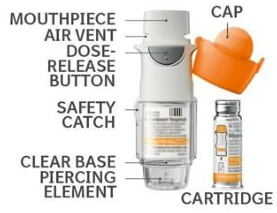
The colour of the cap of the RESPIMAT inhaler is the same colour as the cartridge.
HOW TO STORE MY COMBIVENT RESPIMAT INHALER
- Store COMBIVENT RESPIMAT (the cartridge and inhaler) between 15-30oC. Do not freeze.
- Keep out of the sight and reach of children. Do not use your inhaler after the expiry date.
- Do not touch the piercing element inside the clear base.
- If COMBIVENT RESPIMAT has not been used for more than 3 days, release 1 puff towards the ground.
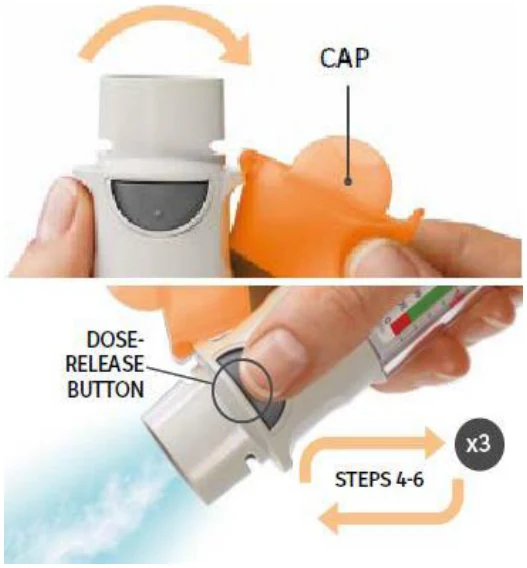
- If COMBIVENT RESPIMAT has not been used for more than 21 days, repeat steps 4 to 6 under “Prepare for First Use” until a cloud is visible. Then repeat steps 4 to 6 three more times.
HOW TO CARE FOR YOUR COMBIVENT RESPIMAT
Clean the mouthpiece, including the metal part inside the mouthpiece, with a damp cloth or tissue only. You should do this at least once a week. Any minor changes in the colour of the mouthpiece will not affect how your COMBIVENT RESPIMAT inhaler works.
WHEN TO GET A NEW COMBIVENT RESPIMAT
- Your COMBIVENT RESPIMAT inhaler contains 120 puffs (120 doses).
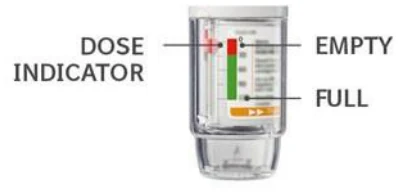
- The dose indicator shows you about how much medication is left.
When the dose indicator enters the red area of the scale you need to get a refill or a new prescription. There is about:
- 7 days of medication left for the 120 puff product.
- When the dose indicator reaches the end of the red scale, your COMBIVENT RESPIMAT is empty and locks automatically. At this point, the clear base cannot be turned any further.
Throw out the COMBIVENT RESPIMAT when:
- Three months have passed since you first used it or, even if all the medication has not bee used
- When the locking mechanism is engaged and no more medication can be dispensed.
INSTRUCTIONS FOR USE
1 PUFF FOUR TIMES A DAY
| Prepare for First Use | ||
|---|---|---|
| 1 | Remove clear base
|  |
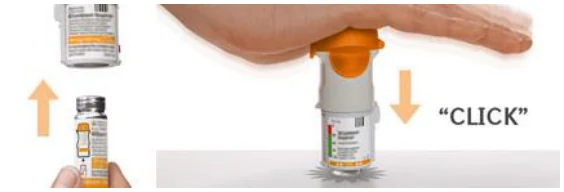
| 2 | Insert cartridge
|  |
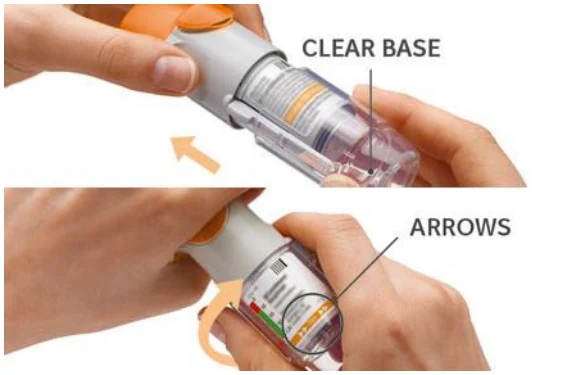
| 3 | Replace clear base
|   |
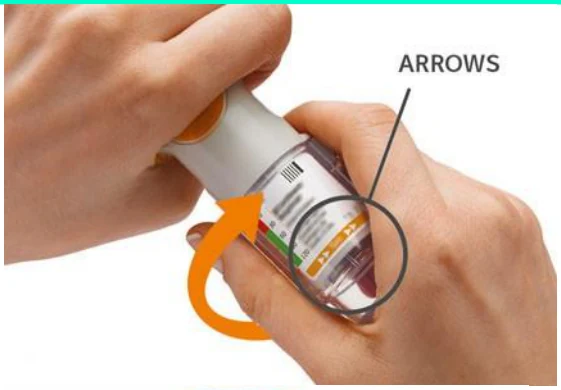
| 4 | Turn
| |
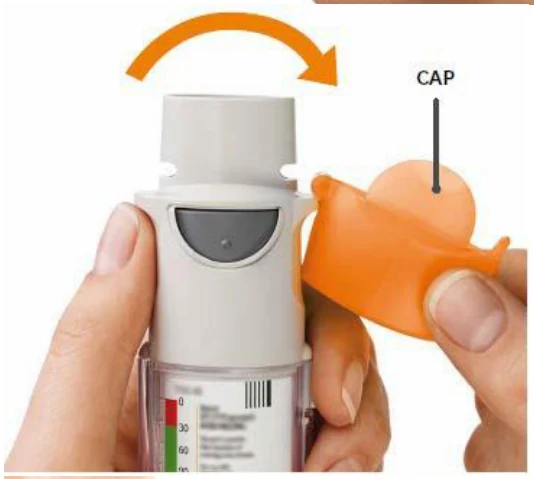
| 5 | Open
| |
| 6 | Press
Your inhaler is now ready to use. | |
| Daily Use | |
|---|---|
TURN
|  |
OPEN
|  |
PRESS
Close the cap. | 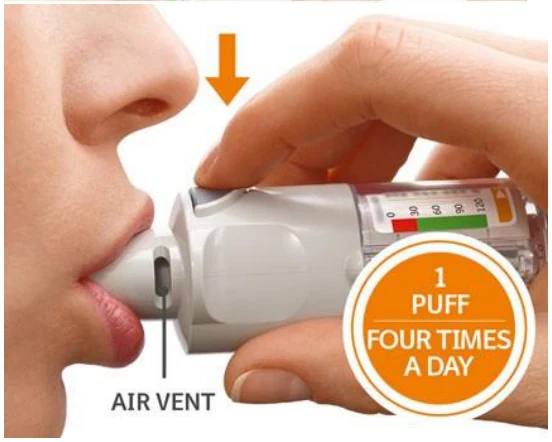 |
| Answers to Common Questions | |
|---|---|
| It is difficult to insert the cartridge deep enough: | The dose indicator on the COMBIVENT RESPIMAT reaches zero too soon: |
| Did you accidentally turn the clear base before inserting the cartridge? Open the cap, press the dose-release button, then insert the cartridge. | Did you use COMBIVENT RESPIMAT as indicated (1 puff/four times a day)? COMBIVENT RESPIMAT will last 30 days if used at 1 puff four times a day. |
| Did you insert the cartridge with the wide end first? Insert the cartridge with the narrow end first. | Did you turn the clear base before you inserted the cartridge? The dose indicator counts each turn of the clear base regardless whether a cartridge has been inserted or not. |
| Did you spray in the air often to check whether the COMBIVENT RESPIMAT is working? Once you have prepared COMBIVENT RESPIMAT, no test-spraying is required if used daily. | |
| Did you insert the cartridge into a used COMBIVENT RESPIMAT? Always insert a new cartridge into a NEW COMBIVENT RESPIMAT. | |
| I cannot press the dose-release button: | My COMBIVENT RESPIMAT doesn’t spray: |
| Did you turn the clear base? If not, turn the clear base in a continuous movement until it clicks (half a turn). | Did you insert a cartridge? If not, insert a cartridge. |
| Is the dose indicator on the COMBIVENT RESPIMAT pointing to zero? The COMBIVENT RESPIMAT inhaler is locked after 120 puffs (120 doses). Prepare and use your new COMBIVENT RESPIMAT inhaler. | Did you repeat Turn, Open, Press (TOP) less than three times after inserting the cartridge? Repeat Turn, Open, Press (TOP) three times after inserting the cartridge as shown in steps 4 to 6 under “Prepare for First Use”. |
Is the dose indicator on the COMBIVENT RESPIMAT pointing to 0? If the dose indicator points to 0, you have used up all your medication and the inhaler is locked. Once your COMBIVENT RESPIMAT is assembled, do not remove the clear base or the cartridge. Always insert a new cartridge into a NEW COMBIVENT RESPIMAT. | |
| I cannot turn the clear base: | My COMBIVENT RESPIMAT sprays automatically: |
| Did you turn the clear base already? If the clear base has already been turned, follow steps “OPEN” and “PRESS” under the directions for “Daily Use” to get your dose. | Was the cap open when you turned the clear base? Close the cap, then turn the clear base. |
| Is the dose indicator on the COMBIVENT RESPIMAT pointing to zero? The COMBIVENT RESPIMAT inhaler is locked after 120 puffs (120 doses). Prepare and use your new COMBIVENT RESPIMAT inhaler. | Did you press the dose-release button when turning the clear base? Close the cap so the dose-release button is covered, then turn the clear base. |
| Did you stop when turning the clear base before it clicked? Turn the clear base in a continuous movement until it clicks (half a turn). | |