


Product Monograph - Crysvita
RECENT MAJOR LABEL CHANGES
| 7 Warnings and Precautions | 2025-09 |
|---|---|
| 7 Warnings and Precautions, 7.1.1 Pregnancy | 2025-09 |
TABLE OF CONTENTS
Sections or subsections that are not applicable at the time of authorization are not listed.
RECENT MAJOR LABEL CHANGES ......................................................................................2
TABLE OF CONTENTS ..............................................................................................................2
PART 1: HEALTHCARE PROFESSIONAL INFORMATION ...............................................4
1 INDICATIONS....................................................................................................................4
1.1 Pediatrics ..................................................................................................................4
1.2 Geriatrics ..................................................................................................................4
2 CONTRAINDICATIONS ..................................................................................................4
4 DOSAGE AND ADMINISTRATION ...............................................................................5
4.1 Dosing Considerations .............................................................................................5
4.2 Recommended Dose and Dosage Adjustment .........................................................5
4.4 Administration .........................................................................................................7
4.5 Missed Dose .............................................................................................................8
5 OVERDOSE .......................................................................................................................8
6 DOSAGE FORMS, STRENGTHS, COMPOSITION, AND PACKAGING ...............8
7 WARNINGS AND PRECAUTIONS ...............................................................................8
7.1 Special Populations ................................................................................................10
7.1.1 Pregnancy .......................................................................................................... 10
7.1.2 Breastfeeding .................................................................................................... 10
7.1.3 Pediatrics ........................................................................................................... 10
7.1.4 Geriatrics ........................................................................................................... 10
8 ADVERSE REACTIONS................................................................................................10
8.1 Adverse Reaction Overview ..................................................................................10
8.2 Clinical Trial Adverse Reactions ...........................................................................11
8.2.1 Clinical Trial Adverse Reactions - Pediatrics ................................................... 13
8.3 Less Common Clinical Trial Adverse Reactions ...................................................15
8.3.1 Less Common Clinical Trial Adverse Reactions – Pediatrics .......................... 15
8.5 Post-Market Adverse Reactions .............................................................................15
9 DRUG INTERACTIONS .................................................................................................15
9.2 Drug Interactions Overview ...................................................................................15
9.4 Drug-Drug Interactions ..........................................................................................15
9.5 Drug-Food Interactions ..........................................................................................15
9.6 Drug-Herb Interactions ..........................................................................................15
9.7 Drug-Laboratory Test Interactions ........................................................................15
10 CLINICAL PHARMACOLOGY .....................................................................................16
10.1 Mechanism of Action .............................................................................................16
10.2 Pharmacodynamics ................................................................................................16
10.3 Pharmacokinetics ...................................................................................................16
11 STORAGE, STABILITY, AND DISPOSAL ................................................................17
12 SPECIAL HANDLING INSTRUCTIONS .....................................................................17
PART 2: SCIENTIFIC INFORMATION ...................................................................................18
13 PHARMACEUTICAL INFORMATION ........................................................................18
14 CLINICAL TRIALS .........................................................................................................19
14.1 Clinical Trials by Indication ..................................................................................19
15 MICROBIOLOGY ............................................................................................................26
16 NON-CLINICAL TOXICOLOGY ...................................................................................26
PATIENT MEDICATION INFORMATION ...............................................................................29
PART 1: HEALTHCARE PROFESSIONAL INFORMATION
1 INDICATIONS
X-linked hypophosphatemia
CRYSVITA (Burosumab Injection) is indicated for the treatment of X-linked hypophosphatemia (XLH) in adult and pediatric patients 6 months of age and older.
Tumor-induced osteomalacia
CRYSVITA is indicated for the treatment of FGF23-related hypophosphatemia in tumor-induced osteomalacia (TIO) associated with tumors that cannot be curatively resected or localized in adult patients.
Treatment should be initiated and monitored by a healthcare professional experienced in the management of patients with metabolic bone diseases.
1.1 Pediatrics
X-linked hypophosphatemia
Pediatrics (≥ 6 months of age and <18 years of age): Based on the data submitted and reviewed by Health Canada in patients aged 1-12 years at the time of enrollment, the safety and efficacy of CRYSVITA in pediatric patients has been established; therefore, Health Canada has authorized an indication for pediatric use. There is no clinical trial efficacy and safety experience with CRYSVITA in patients less than 1 year of age. Data were collected from a small number of patients who entered adolescence during clinical trials. Dosing in patients 6 months to 1 year and adolescents (aged 13-17) was derived using modeling and simulation of adult and pediatric (aged 1 to 12 years) pharmacokinetic (PK) and pharmacodynamic (PD) data.
1.2 Geriatrics
Geriatrics (≥ 65 years of age): Clinical studies with CRYSVITA did not include sufficient numbers of patients aged 65 and over to determine whether they respond differently from younger patients.
2 CONTRAINDICATIONS
- CRYSVITA is contraindicated in patients who are hypersensitive to this drug or to any ingredient in the formulation, including any non-medicinal ingredient, or component of the container. For a complete listing, see Dosage Forms, Strengths, Composition and Packaging.
- Do not use CRYSVITA with oral phosphate and/or active vitamin D analogues (calcitriol or alfacalcidol).
- Do not initiate CRYSVITA treatment if serum phosphorus is within or above the normal range for age.
- CRYSVITA is contraindicated in patients with severe renal impairment or end stage renal disease because these conditions are associated with abnormal mineral metabolism.
4 DOSAGE AND ADMINISTRATION
4.1 Dosing Considerations
- Discontinue oral phosphate and active vitamin D analogues (calcitriol or alfacalcidol) at least 1 week prior to initiation of treatment. Non-active Vitamin D supplementation may be continued.
- Fasting serum phosphorus concentration should be below the reference range for age prior to initiation of treatment.
4.2 Recommended Dose and Dosage Adjustment
X-linked hypophosphatemia
Pediatric Patients with X-linked Hypophosphatemia (6 months to less than 18 years of age)
Pediatrics (6 month to less than 1 year of age): The recommended starting dose regimen for patients with a body weight of at least 6 kg is 0.8 mg/kg of body weight, rounded down to the nearest 1 mg, administered every two weeks. The minimum starting dose is 5 mg.
Pediatrics (1 year to 18 years of age): The recommended starting dose regimen is 0.8 mg/kg of body weight, rounded to the nearest 10 mg, administered every two weeks. The minimum starting dose is 10 mg up to a maximum dose of 90 mg.
After initiation of treatment with CRYSVITA, measure fasting serum phosphorus every 4 weeks for the first 3 months of treatment, and thereafter as appropriate. If serum phosphorus is within the lower limit of the reference range for age, continue treatment with the same dose. Follow the dose adjustment schedule noted below to maintain serum phosphorus within the reference range for age. Patient weight should be checked periodically to ensure proper total dose for patient weight is being administered.
Dose increase:
Pediatrics (6 month to less than 1 year of age): If serum phosphorus is below the reference range for age, the dose may be increased stepwise in 0.4 mg/kg intervals up to a maximum of 1.2 mg/kg, administered every two weeks. The calculated dose should be rounded to the nearest 1 mg.
Pediatrics (1 year to 18 years of age): If serum phosphorus is below the reference range for age, the dose may be increased stepwise in 0.4 mg/kg intervals up to a maximum of 2 mg/kg, administered every two weeks. The calculated dose should be rounded to the nearest 10 mg with a maximum dose of 90 mg. Reassess fasting serum phosphorus level 4 weeks after dose adjustment. Do not adjust CRYSVITA dose more frequently than every 4 weeks.
Dose decrease, all pediatric patients:
If serum phosphorus is above the reference range for age, withhold the next dose and reassess the serum phosphorus level in 4 weeks. The patient must have serum phosphorus below the reference range for age to reinitiate CRYSVITA. Once serum phosphorus is below the reference range for age, treatment may be restarted at half the dose level previously administered. Reassess serum phosphorus level 4 weeks after dose adjustment. If the level is below the reference range for age after the re-initiation dose, the dose can be gradually increased according to the Dose Increase instructions.
Adult Patients with X-linked Hypophosphatemia (18 years of age and older)
The recommended dose regimen in adults is 1 mg/kg of body weight, rounded to the nearest 10 mg up to a maximum dose of 90 mg, administered every four weeks. Dose recalculation should be performed if there are changes in patient weight of ±10%.
After initiation of treatment with CRYSVITA, measure fasting serum phosphorus on a monthly basis, measured 2 weeks post-dose, for the first 3 months of treatment, and thereafter as appropriate. If serum phosphorus is within the normal range, continue with the same dose.
Dose increase:
CRYSVITA should not be administered at doses greater than 1 mg/kg in adults.
Dose decrease:
If serum phosphorus is above the normal range, withhold the next dose and reassess the serum phosphorus level after 4 weeks. The patient must have serum phosphorus below the normal range to be able to reinitiate CRYSVITA. Once serum phosphorus is below the normal range, treatment may be restarted at half the previous starting dose up to a maximum dose of 40 mg every 4 weeks. Reassess serum phosphorus 2 weeks after any change in dose. Do not adjust CRYSVITA dose more frequently than every 4 weeks.
Tumor-induced Osteomalacia
Adult Patients with Tumor-induced Osteomalacia (18 years of age and older)
The recommended starting dose for adults is 0.5 mg/kg body weight administered every 4 weeks, rounded to the nearest 10 mg, up to a maximum dose of 2 mg/kg, administered every 2 weeks.
After initiation of treatment with CRYSVITA, assess fasting serum phosphate on a monthly basis, measured 2 weeks post-dose, for the first 3 months of treatment, and thereafter as appropriate. If serum phosphate is within the normal range, continue with the same dose. Follow the dose adjustment schedule below to maintain serum phosphorus within the reference range.
Dose increase
If serum phosphorus is below the normal range, the dose should be titrated in accordance with Table 1 up to the maximum dose of 2 mg/kg, administered every 2 weeks. For those individuals not reaching a serum phosphorus greater than the lower limit of the normal range, physicians may consider dividing total dose administered every 4 weeks and administering every 2 weeks.
Table 1: TIO Dose Schedule* for Stepwise** Dose Increase for Adults (18 years of age and older)
Starting Dose | First Dose Increase*** | Second Dose Increase*** | Third Dose Increase*** | Fourth Dose Increase | Fifth Dose Increase (maximum dose) | |
|---|---|---|---|---|---|---|
| If serum phosphorus 2 weeks post-dose adjustment is below lower limit of normal | 0.5 mg/kg every 4 weeks | Increase to: 1 mg/kg every 4 weeks OR 0.5 mg/kg every 2 weeks | Increase to: 1.5 mg/kg every 4 weeks**** OR 0.75 mg/kg every 2 weeks | Increase to: 2 mg/kg every 4 weeks**** OR 1 mg/kg every 2 weeks | Increase to: 1.5 mg/kg every 2 weeks | Increase to: 2 mg/kg every 2 weeks |
*Rounded to the nearest 10 mg.
**Do not adjust CRYSVITA more frequently than every 4 weeks.
*** For those individuals not reaching a serum phosphorus greater than the lower limit of the normal range, physicians may consider dividing total dose administered every 4 weeks and administering every 2 weeks.
**** In patients with high body weight, if the calculated dose is greater than 180 mg every 4 weeks, move to a divided dose every 2 weeks.
Dose decrease
If serum phosphate is above the normal range, withhold the next dose and reassess the serum phosphate level in 4 weeks. The patient must have serum phosphate below the reference range to reinitiate CRYSVITA. Once serum phosphate is below the reference range, treatment may be restarted at approximately half the initial starting dose administered every 2 weeks. After a dose decrease, reassess the serum phosphate level 2 weeks after the dose adjustment. If the level remains below the reference range after the re-initiation dose, the dose can be adjusted.
Dose Interruption
If a patient undergoes treatment of the underlying tumor (i.e., surgical excision or radiation therapy) CRYSVITA treatment should be interrupted and serum phosphorus reassessed after treatment has been completed. CRYSVITA dose should be restarted at the patient’s initiation dose if serum phosphorus remains below the lower limit of normal.
4.4 Administration
CRYSVITA is administered by subcutaneous injection and should be administered by a healthcare professional.
Injection sites should be rotated with each injection administered at a different anatomic location (upper arms, upper thighs, buttocks, or any quadrant of abdomen) than the previous injection. Do not inject into moles, scars, or areas where the skin is tender, bruised, red, hard, or not intact. If a given dose on a dosing day requires multiple vials of CRYSVITA, contents from two vials can be combined for injection. The maximum volume of CRYSVITA per injection is 1.5 mL. If multiple injections are required on a given dosing day administer at different injection sites. Monitor for signs of reactions.
Visually inspect CRYSVITA for particulate matter and discolouration prior to administration. CRYSVITA is a sterile, preservative-free, clear to slightly opalescent, and colourless to pale brown-yellow solution for subcutaneous injection. Do not use if the solution is discoloured or cloudy or if the solution contains any particles or foreign particulate matter.
4.5 Missed Dose
If a patient misses a dose, resume CRYSVITA as soon as possible at prescribed dose and begin new dosing schedule based on date at resumption of dosing. To avoid missed doses, treatments may be administered 3 days either side of the scheduled treatment date.
5 OVERDOSE
There have been no reports of overdose with CRYSVITA. In clinical trials, the maximum dose tested in pediatric patients was 2 mg/kg to a maximum of 90 mg, and maximum intended dose tested in adult patients was 1 mg/kg to a maximum of 90 mg. In non-XLH adult and juvenile cynomolgus monkeys, the main adverse effects consisted of ectopic mineralization in multiple tissues and organs, which were observed at doses of CRYSVITA that resulted in increased serum phosphorus levels compared to baseline and control levels (0.3, 3, and 30 mg/kg in adult animals and 3 mg/kg in juvenile animals). In adult animals, ectopic mineralization was associated with secondary adverse effects on kidney and heart at ≥3 mg/kg and 30 mg/kg, respectively. Adverse effects on bone associated with increased serum phosphorus included thickening of long bones and decreases in femur and vertebral bone strength in adult animals at 30 mg/kg [see NON-CLINICAL TOXICOLOGY].
In case of overdose, it is recommended that serum phosphorus levels, serum calcium levels and renal function be measured immediately and monitored periodically until resolution to normal/baseline levels. In case of hyperphosphatemia, withhold CRYSVITA and initiate appropriate medical treatment.
For the most recent information in the management of a suspected drug overdose, contact your regional poison control centre or Health Canada’s toll-free number, 1-844 POISON-X (1-844-764-7669).
6 DOSAGE FORMS, STRENGTHS, COMPOSITION, AND PACKAGING
Table 2: Dosage Forms, Strengths, Composition
CRYSVITA (Burosumab Injection) for subcutaneous administration is supplied as a sterile, preservative-free, clear to slightly opalescent, and colourless to pale brown-yellow solution in a single-use vial.
7 WARNINGS AND PRECAUTIONS
General
Hyperphosphatemia and Risk of Ectopic Mineralization
Increases in serum phosphorus to above the upper limit of normal may be associated with an increased risk of ectopic mineralization, most commonly nephrocalcinosis. For patients already taking CRYSVITA, dose interruption and/or dose reduction may be required based on the
| Route of Administration | Dosage Form / Strength/Composition | Non-Medicinal Ingredients |
| Subcutaneous Injection | Solution for Injection 10 mg/mL, 20 mg/mL or 30 mg/mL | D-sorbitol, L-histidine, L-methionine, polysorbate 80, water for injection (USP), and hydrochloric acid may be used to adjust pH. |
patient’s serum phosphorus levels [see DOSAGE AND ADMINISTRATION]. Periodic monitoring for signs of ectopic mineralization (e.g., renal ultrasound) should be performed.
Hypercalcemia and hyperparathyroidism
Increases in serum calcium or parathyroid hormone have been reported in patients treated with CRYSVITA. In patients with tertiary hyperparathyroidism, risk factors such as prolonged immobilization, dehydration, hypervitaminosis D, or renal impairment may increase the risk of moderate to severe hypercalcemia. Monitor serum calcium and parathyroid hormone levels before and during CRYSVITA treatment. In patients with moderate to severe hypercalcemia, CRYSVITA should not be administered until the hypercalcemia is adequately managed.
Injection Site Reactions
Administration of CRYSVITA may result in local injection site reactions, especially in pediatric patients. Discontinue CRYSVITA if severe injection site reactions occur and administer appropriate medical treatment [see ADVERSE REACTIONS].
Vitamin D Decrease
During CRYSVITA treatment, monitoring of 25-hydroxy vitamin D (25(OH)D) concentration is advised. If vitamin D levels decrease below the normal range, vitamin D supplementation may be needed. Active vitamin D analogues are contraindicated.
Driving and Operating Machinery
Patients experiencing dizziness while taking CRYSVITA should not drive or operate machinery.
Immune
Hypersensitivity
Hypersensitivity reactions (e.g. rash, urticaria, facial swelling) have been reported in patients with CRYSVITA. Discontinue CRYSVITA if serious hypersensitivity reactions occur and initiate appropriate medical treatment [see ADVERSE REACTIONS].
Reproductive Health: Female and Male Potential
Fertility
There are no available data on the effects of CRYSVITA on human fertility to inform a drug-associated risk of adverse fertility outcomes. In addition, no dedicated fertility studies have been conducted in animals. In a 40-week repeat-dose toxicity study conducted in cynomolgus monkeys, no adverse effects on female reproductive organs or menstrual length were observed at doses up to 30 mg/kg. In male monkeys, minimal mineralization in the rete testis or seminiferous tubules associated with hyperphosphatemia was observed at doses ≥3 mg/kg. Semen analysis did not show any adverse effects at any dose [see 15 NON-CLINICAL TOXICOLOGY].
7.1 Special Populations
7.1.1 Pregnancy
There are no available data on CRYSVITA use in pregnant women to inform a drug-associated risk of adverse developmental outcomes. In utero, burosumab exposure in non-XLH pregnant cynomolgus monkeys did not result in teratogenic effects. Adverse effects, such as fetal loss and pre-term birth, were observed in pregnant cynomolgus monkeys. Fetal loss was observed at an exposure higher than that provided by the maximum recommended human dose of 2 mg/kg and was accompanied by maternal hyperphosphatemia and placental mineralization. Pre-term birth was observed at an exposure less than that provided by the maximum recommended human dose. In addition, burosumab was detected in serum from monkey fetuses indicating transport across the placenta [see 15 NON-CLINICAL TOXICOLOGY].
Animal studies are not always predictive of human response; therefore, it is unknown whether CRYSVITA can cause fetal harm when administered to a pregnant woman. Report pregnancies to the Kyowa Kirin Adverse Event reporting line at 1-866-590-9508.
The use of CRYSVITA during pregnancy is not recommended.
In woman of childbearing potential, an effective contraception method should be used during treatment with CRYSVITA and for at least 14 weeks after stopping treatment.
7.1.2 Breastfeeding
CRYSVITA has not been studied in lactating women. It is unknown if the drug is excreted in human milk. Because many drugs are excreted in human milk precaution should be exercised.
7.1.3 Pediatrics
No patients less than 1 year of age were enrolled in XLH clinical trials with CRYSVITA. There is no efficacy and safety experience with CRYSVITA in pediatric patients less than 1 year of age.
Safety and efficacy of CRYSVITA have been established in pediatric patients aged 1-12 years with XLH [see 8 ADVERSE REACTIONS and 14 CLINICAL STUDIES]. Efficacy in pediatric patients with XLH is based on two open label studies of 52 pediatric patients 5 to 12 years of age (Study UX023-CL201), and 13 pediatric patients 1 to 4 years of age (Study UX023-CL205) and one phase 3, open-label, active control study (61 patients 1-12 years of age (Study UX023-CL301)) evaluating serum phosphorus and radiographic findings. Dosing in patients 6 months to 1 year and adolescents (age 13-17) was derived using modeling and simulation of adult and pediatric (aged 1 to 12 years) PK and PD data.
7.1.4 Geriatrics
Clinical studies of CRYSVITA did not include sufficient numbers of patients aged 65 and over to determine whether they respond differently from younger patients.
8 ADVERSE REACTIONS
8.1 Adverse Reaction Overview
Overall, 94 pediatric XLH patients aged 1-12 have been exposed to CRYSVITA for a mean duration of 98 weeks (min 41, max 150.0). In Study UX023-CL301, serious treatment emergent adverse events (TEAEs) of craniosynostosis, viral infection and migraine were reported by 3 (10%) patients in the CRYSVITA arm (N=29). The rates of the TEAEs of craniosynostosis, viral infection and migraine in the CRYSVITA arm were comparable to those in the active comparator arm. Common adverse reactions in pediatric patients are presented in Table 5. No pediatric patients discontinued CRYSVITA due to adverse events.
There have been 175 adult XLH patients exposed to CRYSVITA for a mean duration of 61 weeks (min 12, max 184). Common adverse reactions in adults are presented in Table 3. In clinical trials, 3 adults discontinued from treatment with CRYSVITA due to adverse events.
8.2 Clinical Trial Adverse Reactions
Clinical trials are conducted under very specific conditions. The adverse reaction rates observed in the clinical trials; therefore, may not reflect the rates observed in practice and should not be compared to the rates in the clinical trials of another drug. Adverse reaction information from clinical trials may be useful in identifying and approximating rates of adverse drug reactions in real-world use.
Adverse Reactions in Adult Patients with XLH
The safety data described below reflect the results of a randomized, double-blind, placebo-controlled Phase 3 study in adults with XLH (Study UX023-CL303: CRYSVITA = 68, Placebo = 66) aged 20-63 years (mean age 41 years), of whom most were white/Caucasian (81%) and female (65%). Patients started on a dose of 1 mg/kg subcutaneously every 4 weeks and had a mean dose of 0.95 mg/kg (range of weight-adjusted dose after rounding 0.3 – 1.2 mg/kg) at Week 24. Adverse reactions reported in more than 5% of CRYSVITA-treated patients and ≥2 patients than with placebo from the 24-week placebo-controlled portion of UX023-CL303 are shown in Table 3.
Table 3: Adverse Reactions Occurring in More Than 5% of CRYSVITA-Treated Adult Patients and in at Least 2 Patients More Than with Placebo from the 24-Week Placebo-Controlled Period of Study UX023-CL303
| Adverse Reaction (MedDRA 18.1) | CRYSVITA (N=68) n (%) | Placebo (N=66) n (%) | ||||
| Back pain | 10 (15) | 6 (9) | ||||
| Headache1 | 9 (13) | 6 (9) | ||||
| Tooth infection2 | 9 (13) | 6 (9) | ||||
| Restless legs syndrome | 8 (12) | 5 (8) | ||||
| Vitamin D decreased3 | 8 (12) | 3 (5) | ||||
| Dizziness | 7 (10) | 4 (6) | ||||
| Constipation | 6 (9) | 0 (0) | ||||
| Muscle spasm | 5 (7) | 2 (3) | ||||
| Blood phosphorus increased4 | 4 (6) | 0 (0) | ||||
n = number of patients with an event; N = total number of patients who received at least one dose of CRYSVITA or placebo 1 Headache includes: headache, and head discomfort 2 Tooth infection includes: tooth abscess, and tooth infection 3 Vitamin D decreased includes: vitamin D deficiency, blood 25-hydroxycholecalciferol decreased, and vitamin D decreased 4 Blood phosphorus increased includes: blood phosphorus increased, and hyperphosphatemia | ||||||
Hypersensitivity Reactions
In the double-blind period of UX023-CL303 in adults, approximately 6% of patients in both the CRYSVITA and placebo treatment groups experienced a hypersensitivity event. The events were mild or moderate and did not require discontinuation.
Hyperphosphatemia
In the double-blind period of UX023-CL303, 7% of patients in the CRYSVITA treatment group experienced hyperphosphatemia meeting the protocol-specified criteria for dose reduction (either a single serum phosphorus greater than 5.0 mg/dL or serum phosphorus greater than 4.5 mg/dL [the upper limit of normal for adults] on two occasions). The hyperphosphatemia was managed with dose reduction. The dose for all patients meeting the protocol-specified criteria was reduced 50 percent to 0.5 mg/kg. A single patient required a second dose reduction to 0.25 mg/kg for continued hyperphosphatemia.
Injection Site Reactions (ISR)
In the double-blind period of UX023-CL303, approximately 12% of patients in both the CRYSVITA and placebo treatment groups had a local reaction (e.g. injection site reaction, erythema, rash, bruising, pain, pruritus, and hematoma) at the site of the injection. Injection site reactions were generally mild in severity, occurred within 1 day of injection, lasted approximately 1 to 3 days, required no treatment, and resolved in almost all instances.
Restless Leg Syndrome (RLS)
In the double-blind period of UX023-CL303, approximately 12% of the CRYSVITA treatment group had worsening of baseline restless leg syndrome (RLS) or new onset RLS of mild to moderate severity; these events did not lead to dose discontinuation. Non-serious RLS has also been reported in other repeat dose adult XLH studies; in one case, worsening baseline RLS was attributed to dose limiting toxicity and led to drug discontinuation and subsequent resolution of the event.
Spinal Stenosis
Spinal stenosis (sometimes with cord compression) is known to occur in adults with XLH. In CRYSVITA clinical trials, 6 patients (of 176) underwent spinal surgery. It is unknown if CRYSVITA is associated with new or exacerbated spinal stenosis or spinal cord compression.
Adverse Reactions in Adult Patients with TIO
The safety of CRYSVITA in patients with TIO was demonstrated in two single-arm clinical studies (UX023T-CL201 and KRN23-002) that enrolled a total of 27 patients. Fourteen patients were male, and patients ranged from 33 to 73 years of age. The mean dose of CRYSVITA was 0.77 mg/kg every 4 weeks and the mean duration of exposure was 121 weeks.
Adverse reactions reported in adult TIO patients in the pooled data from UX023T-CL201 and KRN23-002 are shown in Table 4.
Table 4: Adverse Reactions Reported in Adult Patients with TIO Based on UX023T-CL201 and KRN23-002 (N=27)
| Adverse Reaction | Overall (N=27) N (%) |
|---|---|
| Tooth abscess1 | 5 (19) |
| Muscle spasms | 5 (19) |
| Dizziness | 4 (15) |
| Constipation | 4 (15) |
| Injection site reaction2 | 4 (15) |
| Rash3 | 4 (15) |
| Headache | 3 (11) |
| Vitamin D deficiency | 2 (7) |
| Hyperphosphatemia | 2 (7) |
| Restless legs syndrome | 2 (7) |
1 Tooth abscess is defined by PTs “Tooth abscess” and “Tooth ache”
2 Injection Site Reactions is defined by PTs “Injection Site Reaction”, “Injection Site Pain” and “Injection Site Swelling”
3 Rash is defined by PTs “Rash” and “Rash papular”
Hypersensitivity reactions
In the pooled data for UX023T-CL201 and KRN23-002, 22% of patients experienced a hypersensitivity reaction. The most frequent hypersensitivity reactions were eczema (11%) and rash (11%). The events were mild or moderate in severity.
Hyperphosphatemia
In the pooled data for UX023T-CL201 and KRN23-002, 2 patients (7%) experienced hyperphosphatemia which was managed with dose reduction.
Injection site reactions
The frequency of injection site reactions was 15% (injection site reaction, injection site pain, and injection site swelling). The injection site reactions were generally mild in severity, required no treatment and resolved in all cases.
Restless Legs Syndrome
In the pooled data for UX023T-CL201 and KRN23-002, 2 patients (7%) experienced symptoms of restless legs syndrome, which were mild and did not require treatment interruption.
8.2.1 Clinical Trial Adverse Reactions - Pediatrics
Adverse Reactions in Pediatric Patients with XLH
The safety data described below reflect exposure to CRYSVITA in 94 pediatric XLH patients aged 1-12 that included 81 exposed for at least 64 weeks (Study UX023-CL201 and Study UX023-CL301) and 13 exposed for at least 40 weeks (Study UX023-CL205). Overall, the patient population was 1-12 years (mean age 6.9 years), 49% male, and 88% white/Caucasian. Starting doses were 0.1-0.6 mg/kg in UX023-CL201 and 0.8 mg/kg in UX023-CL205 and UX023-CL301, and dosing was adjusted towards a target serum phosphorus level of 3.5-5.0 mg/dL. In Study UX023-CL201, 26 of the patients received CRYSVITA at a mean dose of 1.05 mg/kg (range 0.4 – 2.0 mg/kg) every 2 weeks at Week 64; the other 26 patients received CRYSVITA every 4 weeks. In Studies UX023-CL205 and UX023-CL301, patients received CRYSVITA at a mean dose of approximately 0.90 mg/kg every 2 weeks at Week 40 and Week 64, respectively. Adverse reactions occurring in ≥ 10% of subjects in the CRYSVITA group, with higher frequency than in the subjects in the active control group, through the 64-week treatment period in Study UX023-CL301 are shown in Table 5.
Table 5: Adverse Reactions Reported in 10% or More of CRYSVITA-Treated Pediatric Patients with Higher Frequency Than the Active Control Group in Study UX023-CL301
Adverse Reaction (MedDRA 18.1) | CRYSVITA (N=29) n (%) | Active Control (N=32) n (%) | ||||
|---|---|---|---|---|---|---|
| Pyrexia | 16 (55) | 6 (19) | ||||
| Injection site reaction1 | 15 (52) | 0 (0) | ||||
| Cough2 | 15 (52) | 6 (19) | ||||
| Vomiting | 12 (41) | 8 (25) | ||||
| Pain in extremity | 11 (38) | 10 (31) | ||||
| Headache | 10 (34) | 6 (19) | ||||
| Tooth abscess3 | 10 (34) | 4 (13) | ||||
| Dental Caries | 9 (31) | 2 (6) | ||||
| Diarrhea | 7 (24) | 2 (6) | ||||
| Vitamin D decreased4 | 7 (24) | 1 (3) | ||||
| Constipation | 5 (17) | 0 (0) | ||||
| Rash5 | 4 (14) | 2 (6) | ||||
| Nausea | 3 (10) | 1 (3) | ||||
n = number of patients with an event; N = total number of patients who received at least one dose of CRYSVITA or active control 1 Injection site reaction includes: injection site reaction, injection site erythema, injection site pruritus, injection site swelling, injection site pain, injection site rash, injection site bruising, injection site hypersensitivity, injection site inflammation, injection site papule, injection site erosion injection site discoloration, injection site discomfort, injection site hematoma, injection site hemorrhage, injection site induration, injection site macule, and injection site urticaria 2 Cough includes: cough and productive cough 3 Tooth Abscess includes: tooth abscess, tooth infection, toothache 4 Vitamin D decreased includes: vitamin D deficiency, blood 25-hydroxycholecalciferol decreased, and vitamin D decreased 5 Rash includes: rash, rash pruritic, rash maculopapular, rash erythematous, rash generalized and rash pustular | ||||||
Additional Adverse Reactions reported in more than 10% of CRYSVITA-Treated Pediatric Patients and previously identified from Studies UX023-CL201 and UX023-CL205 (N=65) included myalgia (15%) and dizziness (12%).
Hypersensitivity reactions
In Study UX023-CL301 (N=29 for CRYSVITA arm), 38% of the pediatric patients had a hypersensitivity reaction. The most frequent hypersensitivity reactions were rash (10%), injection site rash (10%), injection site urticaria (7%), and rhinitis allergic (7%). In Studies UX023-CL201 and UX023-CL205 (N=65), the most frequent hypersensitivity reactions were rash (22%), injection site rash (6%), and urticaria (5%).
Hyperphosphatemia
In pediatric studies, there were no events of hyperphosphatemia reported.
Injection Site Reactions (ISR)
In Study UX023-CL301 (N=29 for CRYSVITA arm), 52% of the pediatric patients had a local injection site reaction (e.g. injection site erythema, reaction, pruritus, swelling, rash, erosion, urticaria, discomfort, hypersensitivity, inflammation, and papule) at the site of CRYSVITA injection. In Studies UX023-CL201 and UX023-CL205 (N=65), approximately 58% of the patients had a local injection site reaction at the site of CRYSVITA injection. Injection site reactions were generally mild in severity, occurred within 1 day of injection, and lasted approximately 1 to 3 days.
8.3 Less Common Clinical Trial Adverse Reactions
Not applicable due to size of trials; see Table 3 and Table 4.
8.3.1 Less Common Clinical Trial Adverse Reactions – Pediatrics
- Table 5.
8.5 Post-Market Adverse Reactions
The following adverse reactions have been identified during post-approval use of CRYSVITA.
- Endocrine disorders: Hyperparathyroidism
- Metabolism and nutrition disorders: Hypercalcemia, Hypercalciuria
- Skin and subcutaneous tissue disorders: Urticaria
- Investigations: Blood phosphorus increased in pediatric XLH patients, Blood parathyroid hormone increased
9 DRUG INTERACTIONS
9.2 Drug Interactions Overview
Drug interaction studies have not been conducted with CRYSVITA.
9.4 Drug-Drug Interactions
Interactions with other drugs have not been established.
9.5 Drug-Food Interactions
Interactions with food have not been established.
9.6 Drug-Herb Interactions
Interactions with herbal products have not been established.
9.7 Drug-Laboratory Test Interactions
Interactions with laboratory tests have not been established.
10 CLINICAL PHARMACOLOGY
10.1 Mechanism of Action
X-linked hypophosphatemia is caused by excess fibroblast growth factor 23 (FGF23) which suppresses renal tubular phosphate reabsorption and the renal production of 1,25 dihydroxy-vitamin D. Burosumab binds to and inhibits the biological activity of FGF23 increasing renal phosphate reabsorption and increasing the serum concentration of 1,25 dihydroxy-vitamin D.
10.2 Pharmacodynamics
Following SC administration of burosumab in XLH and TIO patients, higher burosumab concentrations were associated with greater increase of serum phosphorus levels. The increase in serum phosphorus was reversible and returned to near baseline following systemic elimination of burosumab.
Ratio of renal tubular maximum reabsorption rate of phosphate to glomerular filtration rate (TmP/GFR) showed dose-dependent increases from baseline [see CLINICAL STUDIES].
Elevation in serum total FGF23 was observed after initiation of burosumab treatment. The clinical implication of elevated total FGF23 serum concentrations is unknown.
10.3 Pharmacokinetics
Burosumab exhibited linear pharmacokinetics following SC injections within the dose range of 0.1 to 1 mg/kg. Based on the population PK analysis, the PK characteristics of burosumab were similar between patients with XLH and TIO.
Absorption: Following single SC administrations of burosumab, within the dose range of 0.1 to 1 mg/kg, the mean Tmax values ranged from 8 to 11 days. The mean (±SD) steady-state trough concentration of burosumab in patients with XLH following SC dosing once every 4 weeks was 5.8 (±3.4) mcg/mL. Based on population PK estimates, the systemic accumulation is estimated to be 1.6-fold for the once every 4-week dosing regimen.
Distribution: The apparent volume of distribution of burosumab is estimated to be 8 L based on population PK model estimates for a patient of 70 kg of body weight.
Metabolism: The exact pathway through which burosumab is metabolized has not been characterized. As a human monoclonal antibody, burosumab is expected to be degraded into small peptides and amino acids via catabolic pathways in the same manner as endogenous IgG.
Elimination: The apparent clearance was estimated to be 0.290 L/day based on population PK model estimates for a patient of 70 kg of body weight. The estimated half-life of burosumab was approximately 19 days.
Special Populations and Conditions
Pediatrics: The following was observed in pediatric patients with XLH. Following SC dosing once every two weeks, the mean (±SD) steady-state trough concentration was 15.8 (±9.4) mcg/mL in pediatric patients with XLH 5-12 years of age, and 11.2 (±4.6) mcg/mL in pediatric patients with XLH 1-4 years of age. Based on population PK estimates, the systemic accumulation is estimated to be 2.5-fold for the once every 2-week dosing regimen. Population pharmacokinetic analysis indicated that clearance and volume of distribution of burosumab increases when body weight increases. Age was found not to significantly influence burosumab PK. The apparent volume of distribution was estimated to be 3.4 L and the apparent clearance was estimated to be 0.136 L/day based on population PK model estimates for a patient of 30 kg of body weight.
Hepatic Insufficiency: No studies have been conducted to determine the effect of hepatic impairment on the pharmacokinetics of burosumab.
Renal Insufficiency: No studies have been conducted to determine the effect of renal impairment on the pharmacokinetics of burosumab.
11 STORAGE, STABILITY, AND DISPOSAL
CRYSVITA vials must be stored in the original carton until the time of use under refrigerated conditions at 36°F to 46°F (2°C to 8°C). Keep CRYSVITA vial in the original carton to protect from light until time of use.
Do not freeze or shake CRYSVITA.
Do not use CRYSVITA beyond the expiration date stamped on the carton.
CRYSVITA vials are single-use only. Discard any unused product.
12 SPECIAL HANDLING INSTRUCTIONS
Any unused medicinal product or waste material should be disposed of in accordance with local requirements.
PART 2: SCIENTIFIC INFORMATION
13 PHARMACEUTICAL INFORMATION
Drug Substance
Proper name: Burosumab
Chemical name: Immunoglobulin G1, anti-(human Fibroblast Growth Factor 23 (FGF23) antigen) (human monoclonal burosumab heavy chain), disulfide with human monoclonal burosumab kappa/light chain, dimer
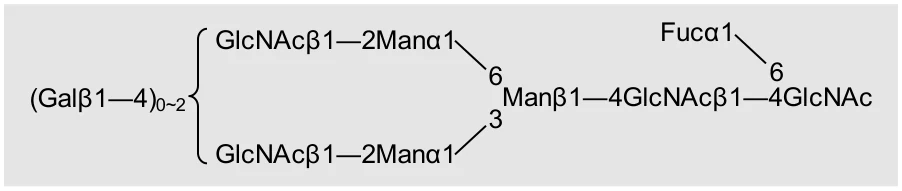
Molecular formula and molecular mass: Burosumab is a human Immunoglobulin G subclass 1 (IgG1), anti-(human fibroblast growth factor 23 (FGF23) antigen) antibody produced by recombinant DNA technology using Chinese hamster ovary (CHO) mammalian cell culture. Burosumab is composed of two heavy chain (γ1-chain) molecules and two LC (κ-chain) molecules. Each heavy chain (H-chain) has an N-linked carbohydrate moiety at asparagine 297 (Asn297). The molecular weight calculated by mass spectrometry is approximately 147 kilodaltons (kDa).
Structural formula: Based upon the molecular weight observed, main N-Glycan structures were resolved as shown in the figure below. The major carbohydrate species on each site are typical sialylated biantennary structures with core fucose.
Physicochemical properties: Burosumab has Complementarity Determining Regions (CDRs) derived from mouse anti-human Fibroblast Growth Factor 23 (FGF23). It binds to excess FGF23 in biological fluid. The Mechanism of Action (MoA) of KRN23 is neutralization of excess FGF23 that can inhibit an interaction between soluble FGF23 and FGF23 receptor complex on the cell surface.
Product Characteristics
CRYSVITA is intended for subcutaneous injection and is supplied as a sterile, preservative-free, clear to slightly opalescent and colourless to pale brown-yellow solution in a single-use vial. Each vial of CRYSVITA contains 10 mg, 20 mg, or 30 mg of burosumab in 1 mL solution containing D-sorbitol (45.91 mg), L-histidine (1.55 mg), L-methionine (1.49 mg), polysorbate 80 (0.5 mg) in water for injection, USP.
14 CLINICAL TRIALS
14.1 Clinical Trials by Indication
Table 6: Summary of Patient Demographics for Clinical Trials in X-linked Hypophosphatemia
| Study # | Trial Design | Dosage, Route of Administration and Duration | Study Subjects (n) | Mean Age (Range) | Sex |
| UX023-CL201 | Randomized, Phase 2, open-label dose finding study | Starting doses of 0.1 mg/kg, 0.2 mg/kg, or 0.3 mg/kg Q2W, or 0.2 mg/kg, 0.4 mg/kg, or 0.6 mg/kg Q4W. Doses titrated to target serum phosphorus with max dose 2.0 mg/kg. SC injections, 64 weeks (ongoing). | 52 Prepubescent XLH patients | 8.5 years old (5 – 12) | 24 male 28 female |
| UX023-CL205 | Open-label, Phase 2 study | Subcutaneous 0.8 mg/kg every two weeks with titration up to 1.2 mg/kg based on serum phosphorus measurements for up to 40 weeks. | 13 pediatric XLH patients | 2.9 years old (1 – 4) | 9 male 4 female |
| UX023-CL301 | Randomized, Phase 3, open-label study | Subcutaneous 0.8 mg/kg every two weeks with titration up to 1.2 mg/kg based on serum phosphorus measurements for up to 64 weeks. | 61 pediatric XLH patients | 6.3 years old (1 – 12.9) | 27 male 34 female |
| UX023-CL303 | Phase 3, Randomized, double-blind, placebo-controlled followed by open-label extension | Subcutaneous 1 mg/kg every 4 weeks for 24 weeks placebo-controlled treatment, followed by open-label treatment for all subjects up to 48 weeks | 134 adult XLH patients | 40 years old (19 – 66) | 47 male 87 female |
| UX023-CL304 | Open-label, single-arm, phase 3 study | Subcutaneous 1.0 mg/kg every four weeks | 14 adult XLH patients | 40 years old (25 – 52) | 6 male 8 female |
| UX023T-CL201 | Open-label, single-arm, Phase 2 study | Subcutaneous 0.3 mg/kg every 4 weeks, titrated to 2.5 to 4.0 mg/dL based on serum phosphorus measurements | 14 adult TIO patients | 56.9 years old (33 – 68) | 8 male 6 female |
Pediatric X-linked Hypophosphatemia
CRYSVITA has been evaluated in 94 pediatric patients with XLH. For the purposes of CRYSVITA clinical trials in pediatric XLH patients aged 1-12, the normal range for serum phosphorus used was 3.2-6.1 mg/dL and the normal range for serum ALP was 297-385 U/L.
UX023-CL201:
UX023-CL201 is a randomized, open-label study in 52 prepubescent XLH patients, 5 to 12 years old, which compared treatment with CRYSVITA administered every 2 weeks versus every 4 weeks. All 52 patients completed at least 64 weeks on study; no patient discontinued. CRYSVITA dose was adjusted to target a fasting serum phosphorus concentration of 3.5 to 5.0 mg/dL. Twenty-six of 52 patients received CRYSVITA every two weeks at an average dose of 0.73 (range: 0.3, 1.5), 0.98 (range: 0.4, 2.0) and 1.04 (range: 0.4, 2.0) mg/kg at Weeks 16, 40 and 60 respectively, and up to a maximum dose of 2.0 mg/kg. The remaining 26 patients received CRYSVITA every four weeks. Ninety-six percent had received oral phosphate and active vitamin D analogues for a mean duration of 7 (2.4) years. Oral phosphate and active vitamin D analogues were discontinued prior to study enrolment. Ninety-four percent of patients had radiographic evidence of rickets at baseline.
UX023-CL205:
UX023-CL205 is a 64-week open-label study in 13 pediatric XLH patients, 1 to 4 years old. All patients completed at least 40 weeks on study; no patients discontinued. All patients had radiographic evidence of rickets at baseline and had received oral phosphate and active vitamin D analogues for a mean duration of 16.9 (13.9) months. Oral phosphate and active vitamin D analogues were discontinued prior to study enrolment.
UX023-CL301:
UX023-CL301 is a 64-week randomized, open-label study in 61 pediatric XLH patients, 1 to 12 years old that compared treatment with CRYSVITA to active control (oral phosphate and active vitamin D analogues). At time of first dose the mean age of patients was 6.3 years and 44% were male. All patients had radiographic evidence of rickets at baseline, with an RSS score of ≥ 2.0 and had received oral phosphate and active vitamin D analogues for a mean (SD) duration of 4 (3.1) years. Oral phosphate and active vitamin D analogues were discontinued prior to study enrollment for a 7-day washout period and then reinitiated for patients in the active control group. Patients were randomized to receive either CRYSVITA at a starting dose of 0.8 mg/kg every two weeks or oral phosphate (recommended dose 20-60 mg/kg/day) and active vitamin D analogues (recommended doses calcitriol 20-30 ng/kg/day or alfacalcidol 40-60 ng/kg/day). Patients randomized to active control received a mean oral phosphate dose of approximately 41 mg/kg/day (18 to 110 mg/kg/day) at Week 40 and approximately 46 mg/kg/day (18 mg/kg/day to 166 mg/kg/day) at Week 64. They also received either a mean oral calcitriol dose of 26 ng/kg/day at Week 40 and 27ng/kg/day at Week 64 or a therapeutically equivalent amount of alfacalcidol. Eight patients in the CRYSVITA arm titrated up to 1.2 mg/kg based on serum phosphorus measurements. All patients completed at least 64 weeks on study.
Adult X-linked Hypophosphatemia
For the purposes of CRYSVITA clinical trials in adult patients with XLH, the normal range for serum phosphorus used was 2.5-4.5 mg/dL, with a dose-limiting toxicity threshold of >6.5 mg/dL.
UX023-CL303:
UX023-303 is a randomized, double-blind, placebo-controlled study in 134 adult XLH patients. The study comprised a 24-week placebo-controlled treatment period followed by a 24-week open-label period in which patients randomized to placebo switched to CRYSVITA; all patients remained blinded to their original treatment assignment. One patient in the CRYSVITA group discontinued treatment during the 24-week placebo-controlled treatment period, 7 patients discontinued during the second 24-week period with 126 patients completing 48 weeks of treatment. Oral phosphate and active vitamin D analogues were not allowed during the study.
UX023-CL304:
UX023-CL304 is a 48-week, open-label, single-arm study in 14 adult XLH patients to assess the effects of CRYSVITA on improvement of osteomalacia as determined by histologic and histomorphometric evaluation of iliac crest bone biopsies. Patients received 1 mg/kg CRYSVITA every four weeks. Oral phosphate and active vitamin D analogues were not allowed during the study.
Study Results
Pediatric X-linked Hypophosphatemia
Serum Phosphorus
In pediatric patients receiving open label CRYSVITA titrated to a target serum phosphorus range of 3.5-5.0 mg/dL, mean serum phosphorus levels were within the normal range for children (3.2-6.1 mg/dL in these trials) at the times of efficacy assessments (Table 7).
Table 7: Serum Phosphorus in children 1-12 years receiving CRYSVITA every 2 weeks in Study UX023-CL201 (5-12 year olds), Study UX023-CL205 (1-4 year olds), and Study UX023-CL301 (1-12 year olds)
| Serum Phosphorus: | CL201 (n=26) CRYSVITA | CL205 (n=13) CRYSVITA | CL301 (n=61) | |
|---|---|---|---|---|
| CRYSVITA (n=29) | Active Control (n=32) | |||
| Baseline mean, mg/dL (SD) | 2.4 (0.40) | 2.5 (0.28) | 2.4 (0.24) | 2.3 (0.26) |
| Week 40 mean, mg/dL (SD) | 3.3 (0.40) | 3.5 (0.49) | 3.3 (0.43) | 2.5 (0.34) |
| Week 64 mean, mg/dL (SD) | 3.4 (0.45) | N/A | 3.3 (0.42) | 2.5 (0.39) |
Radiographic Evaluation of Rickets
Radiographs from 52 CRYSVITA-treated XLH patients in Study UX023-201, 13 patients in Study UX023-CL205, and 29 CRYSVITA-treated XLH patients and 32 patients on active control in Study UX023-CL301 were examined to assess XLH related rickets using the 10-point Thacher Rickets Severity Score (RSS) and the 7-point Radiographic Global Impression of Change (RGI-C). The RSS score is assigned based on single images of the wrist and knee from a single time point with higher scores indicating higher rickets severity. The RGI-C score is assigned based on side-by-side comparisons of wrist and knee radiographs from two time points with higher scores indicating greater improvement in rickets. A RGI-C score of +2.0 was defined as radiographic evidence of substantial healing.
Table 8: Rickets Response in Children 1-12 years Receiving CRYSVITA Every 2 Weeks in Study UX023-CL201, Study UX023-CL205, and Study UX023-CL301
Endpoint Timepoint | CRYSVITA Every 2 Weeks | Active Control | ||||||||||||||||
|---|---|---|---|---|---|---|---|---|---|---|---|---|---|---|---|---|---|---|
UX023-CL201 (N=26) | UX023-CL205 (N=13) | UX023-CL301 (N=29) | UX023-CL301 (N=32) | |||||||||||||||
| RSS Total Scorec | ||||||||||||||||||
| Baseline Mean (SD) | 1.9 (1.17) | 2.9 (1.37) | ||||||||||||||||
| LS Mean change from baseline in total scorea (reduction indicates improvement) with 95% CI | ||||||||||||||||||
| Week 40 | -1.1 (-1.28, -0.85) | -1.7 (-2.03, -1.44) | ||||||||||||||||
| RGI-C Global Scoreb | ||||||||||||||||||
| LS Mean score a (positive indicates healing) with 95% CI | ||||||||||||||||||
| Week 40 | +1.7 (+1.48, +1.84) | +2.3 (+2.16, +2.51) | +1.9 (+1.70, +2.14)d | +0.8 (+0.56, +0.99)d | ||||||||||||||
- a) The estimates of LS mean and 95% CI (confidence interval) are from the generalized estimation equation model accounting for baseline RSS, visits and regimen and its interaction for UX023-CL201 and from ANCOVA model accounting for age and baseline RSS. Reduced RSS score indicates improvement in rickets severity.
- b) RGI-C is the primary endpoint of Study UX023-CL301
- c) RSS is the primary endpoint of Study UX023-CL201
- d) For Study UX023-CL301, the estimates of LS mean and 95% Cl for Week 40 are from an ANCOVA model accounting for treatment group, baseline RSS and baseline age stratification factor.
In Trial UX023-CL201, 18 out of 26 patients receiving CRYSVITA every two weeks achieved a RGI-C score of ≥ +2.0. In Trial CL205, all 13 patients achieved a RGI-C global score ≥ +2.0. In Trial UX023-CL301, 21 of the 29 patients in the CRYSVITA group and 2 of the 32 patients in the active control arm achieved a RGI-C global score ≥ +2.0 at Week 40. These findings were maintained at Week 64.
Lower Extremity Skeletal Abnormality
In Study UX023-CL301, lower extremity skeletal abnormalities were assessed by RGI-C in standing long leg radiographs. At Week 64, the LS mean [SE] in the CRYSVITA group was +1.25 [0.17] and the LS mean [SE] in the control group was +0.29 [0.12].
Serum Alkaline Phosphatase Activity
For Study UX023-CL201, mean (SD) serum total alkaline phosphatase activity was 462 (110) U/L at baseline and decreased to 395 (95) U/L at Week 40 (-12.6%) in the patients who received CRYSVITA every 2 weeks.
For Study UX023-CL205, mean (SD) serum total alkaline phosphatase activity was 549 (194) U/L at baseline and decreased to 335 (88) U/L at Week 40 (mean change: -36%).
For Study UX023-CL301, mean (SD) serum total alkaline phosphatase activity decreased from 511 (125) U/L at baseline to 381 (99) U/L in the CRYSVITA group (mean change: -24%) and from 523 (154) U/L at baseline to 489 (189) U/L in the active control group (mean change: --7%) at Week 40.
Growth
In Study UX023-CL301, CRYSVITA treatment for 64 weeks increased standing mean (SD) height Z score from -2.32 (1.17) at baseline to -2.11 (1.11) at Week 64. In the active control group, mean (SD) height Z score increased from -2.05 (0.87) at baseline to -2.03 (0.83) at Week 64.
Adult X-linked Hypophosphatemia
Serum Phosphorus
In Study UX023-CL303 at baseline, mean (SD) serum phosphorus was 1.9 (0.32) and 2.0 (0.30) mg/dL in the placebo and CRYSVITA groups respectively. During the initial 24 weeks of treatment, mean (SD) serum phosphorus across the midpoints of dose intervals (2 weeks post dose, at time of peak effect) was 2.1 (0.30) and 3.2 (0.53) mg/dL in the placebo and CRYSVITA groups, and mean (SD) serum phosphorus across the ends of dose intervals (trough effect) was 2.1 (0.30) and 2.7 (0.45) mg/dL in the placebo and CRYSVITA groups (see Table 9).
Table 9: Proportion of Adult Patients Achieving Mean Serum Phosphorus Levels Above the LLN at the Midpoint of the Dose Interval in the 24-Week Placebo-Controlled Period of Study UX023-CL303
Placebo (N = 66)
CRYSVITA (N = 68)
Achieved Mean Serum Phosphorus > LLN Across Midpoints of Dose Intervals Through Week 24 - n (%)
5 (8%)
64 (94%)
95% CI
(3.3, 16.5)
(85.8, 97.7)
p-valuea
< 0.0001
The 95% CIs are calculated using the Wilson score method.
a P-value is from Cochran-Mantel-Haenszel (CMH) testing for association between achieving the primary endpoint and treatment group, adjusting for randomization stratifications.
In the initial CRYSVITA group, mean serum phosphorus concentrations remained at or above LLN through 48 weeks of treatment. In patients who crossed over from placebo to CRYSVITA at week 24, mean serum phosphorus concentrations increased above the LLN at the first visit after the first CRYSVITA administration (Week 26) and remained at or above the LLN throughout CRYSVITA treatment.
XLH-Associated Stiffness
Study UX023-CL303 investigated CRYSVITA for the management of XLH-associated stiffness measured by the Western Ontario and McMaster Universities Osteoarthritis Index (WOMAC). The scores on each domain of the index are normalized and range from 0-100 with a higher score indicating poorer functioning. At 24 weeks, mean (SD) WOMAC stiffness score declined from 61.4 (20.77) to 60.4 (21.83) in the placebo group and from 64.7 (20.25) to 53.7 (20.76) in the CRYSVITA group [LS Mean (SE): CRYSVITA -7.9 (3.03) versus Placebo 0.5 (3.14), p-value =0.0106].
Radiographic Evaluation of Osteomalacia
In Study UX023-CL303, a skeletal survey was conducted at baseline to identify osteomalacia-related fractures and pseudofractures. Osteomalacia-related fractures are defined as atraumatic lucencies extending across both bone cortices and pseudofractures are defined as atraumatic lucencies extending across one cortex. The active fractures and pseudofractures were predominantly located in the femurs, tibia/fibula, and metatarsals of the feet. Assessment of these active fracture/pseudofracture sites at Week 24 demonstrated a higher rate of complete healing in the CRYSVITA group compared to placebo as shown in Table 10.
Table 10: Comparison of Fracture Healing with CRYSVITA vs Placebo in UX023-CL303: Comparison of Fracture Healing with CRYSVITA vs Placebo in UX023-CL303
| Active Fractures | Active Pseudofractures | Total Fractures | ||||||||||
|---|---|---|---|---|---|---|---|---|---|---|---|---|
Placebo n (%) | CRYSVITA n (%) | Placebo n (%) | CRYSVITA n (%) | Placebo n (%) | CRYSVITA n (%) | |||||||
| No. of fractures at baseline | 13 | 14 | 78 | 51 | 91 | 65 | ||||||
| Healed at Week 24a | 0 (0%) | 7 (50.0%) | 7 (9.0%) | 21 (41.2%) | 7 (7.7%) | 28 (43.1%) | ||||||
- a. Percent based on baseline
During the open-label period where all patients received CRYSVITA, the patients who continued receiving CRYSVITA showed additional healing in Active Fractures, Active Pseudofractures and Total Fractures. Patients who started receiving CRYSVITA in the open-label period showed higher rate of complete healing in Active Fractures, Active Pseudofractures and Total Fractures compared to when they received placebo.
Bone Histomorphometry
In Study UX023-CL304, after 48 weeks of treatment, histomorphometric improvement in osteomalacia was observed in ten patients as demonstrated by decreases in proxy measures. Osteoid volume/Bone volume (OV/BV) changed from a mean (SD) score of 26.1% (12.4) at baseline to 11.2% (6.5), a reduction of 57% (n=11). Osteoid thickness (O.Th) declined from a mean (SD) of 17.2 (4.1) micrometers to 11.6 (3.1) micrometers, a reduction of 33% (n=11). Mineralization lag time (MLt) declined from a mean (SD) of 594 (675) days to 156 (77) days, a reduction of 74% (n=6).
Adult Tumor-induced Osteomalacia
UX023T-CL201:
Study UX023T-CL201 is a single arm open-label study that enrolled 14 adult patients with a confirmed diagnosis of FGF23-related hypophosphatemia produced by an underlying tumor that was not amenable to surgical excision or could not be located. Of the 14 TIO patients enrolled, 8 were male and ranged from 33 years to 68 years of age (median 59.5 years). Oral phosphate and active vitamin D analogues were discontinued two weeks prior to study enrolment. Patients received CRYSVITA every 4 weeks at a weight based starting dose of 0.3 mg/kg that was titrated to achieve a fasting serum phosphorus level of 2.5 to 4.0 mg/dL. The mean dose was 0.83 mg/kg at Week 20, 0.87 mg/kg at Week 48, 0.77 mg/kg at Week 96 and 0.71 mg/kg at Week 144.
Serum Phosphate
In Study UX023T-CL201, CRYSVITA increased mean (SD) serum phosphate levels from 1.60 (0.47) mg/dL at baseline to 2.64 (0.76) mg/dL averaged across the midpoint of dose intervals through Week 24 with 50% of patients (7/14) achieving a mean serum phosphate level above the LLN averaged across the midpoint of dose intervals through Week 24 (see Table 11).
Table 11: Proportion of Patients Achieving Mean Serum Phosphorus Levels Above the LLN at the Midpoint of the Dose Interval in the 24-Week Period of Study UX023T-CL201
CRYSVITA (N = 14)
Achieved Mean Serum Phosphorus > LLN Across Midpoints of Dose Intervals Through Week 24 - n (%)
7 (50%)
95% CI
(26.8, 73.2)
The 95% CIs are calculated using the Wilson score method.
Bone Histomorphometry
In Study UX023T-CL201, osteomalacia was present at baseline in nine of 11 patients with paired bone biopsies, and healing was assessed after 48 weeks of treatment. In these 9 patients with osteomalacia at baseline, OV/BV decreased from a mean (SD) score of 21.2% (19.9) at baseline to 13.9% (16.7), a change of -34%. O.Th declined from a mean (SD) of 18.9 (11.9) micrometers to 12.1 (10.1) micrometers, a change of -36%. MLt declined in 3 patients from a mean (SD) of 667 (414) days to 331 (396) days, a change of -50%.
Radiographic Evaluation of Osteomalacia
In Study UX023T-CL201, 99mtechnetium-labelled whole body bone scans were performed at baseline and subsequent timepoints during the study on all 14 patients. Bone scans allow for assessment of sites of increased tracer uptake in a wide range of bone conditions, including osteomalacia. In patients with TIO, increased tracer uptake on bone scan is presumed to be nontraumatic fractures and pseudofractures. At baseline, all patients had areas of tracer uptake with a total of 249 bone abnormalities across 14 patients. The number of areas of tracer uptake decreased from Week 48 through Week 144, suggesting healing of the bone abnormalities.
Immunogenicity
Immunogenicity - X-linked Hypophosphatemia
As with all therapeutic proteins, there is potential for immunogenicity. In XLH clinical studies, none (0/13) of the 1- to 4-year-old patients, 19% (10/52) of the 5- to 12-year-old patients, and 15% (20/131) of the adult patients tested positive for anti-drug antibodies (ADA) after receiving CRYSVITA. Among these, three 5- to 12-year-old patients tested positive for neutralizing antibodies. The presence of ADA was not associated with clinically relevant changes in pharmacokinetics, pharmacodynamics, efficacy, and safety of CRYSVITA in patients with XLH.
Immunogenicity - Tumor-induced Osteomalacia
The incidence of the patients that tested positive for anti-drug antibodies (ADA) to CRYSVITA in adult clinical studies with TIO was 7%. None of these patients developed neutralizing ADA. No adverse events, loss of efficacy, or changes in the pharmacokinetic profile of CRYSVITA were associated with these findings.
15 MICROBIOLOGY
No microbiological information is required for this drug product.
16 NON-CLINICAL TOXICOLOGY
General Toxicology
In 40-week repeat-dose toxicity studies conducted in normal, non-XLH adult and juvenile cynomolgus monkeys, burosumab was administered intravenously once every two weeks at doses of 0.03, 0.3, 3, and 30 mg/kg in adults and 0.03, 0.3, and 3 mg/kg in juvenile animals. In these studies, burosumab was also administered subcutaneously at the high dose. Burosumab increased serum concentrations of phosphorus and 1,25 dihydroxy vitamin D in a dose-dependent manner. The main adverse effects consisted of ectopic mineralization in multiple tissues and organs, which were observed at doses of burosumab that resulted in increased serum phosphorus levels compared to baseline and control levels (0.3, 3, and 30 mg/kg in adult animals and 3 mg/kg in juvenile animals). Ectopic mineralization was predominantly observed in the kidneys, lungs, eye, sciatic nerve, and heart in adults and in the kidneys in juvenile animals. In adults, ectopic mineralization in the kidneys and heart were associated with secondary adverse effects (e.g., degeneration/necrosis of collecting tubules and interstitial fibrosis in the kidneys at ≥3 mg/kg and increased heart rate, depressed ST on ECG in one animal at 30 mg/kg, and effects on cardiac function in the heart at 30 mg/kg). Mineralization was also observed in connective tissue of subcutaneous tissue, skeletal muscle, and/or articular capsule, resulting in swelling, accumulated material, and white masses in extremities. Bone effects observed in adult and juvenile cynomolgus monkeys administered burosumab included changes in biomarkers of bone turnover and increases in cortical bone thickness, total and/or cortical bone density, and total and/or cortical bone content. In adults, thickening of long bones was accompanied by histopathological findings, including hyperostosis of cortical bone at 30 mg/kg. Decreases in femur and vertebral bone strength were also observed in adults at 30 mg/kg. In juvenile animals, burosumab administration did not adversely affect bone development as no effects on bone strength, vertebra height, and femur length were observed. There were also no effects on growth plate thickness.
Based on findings of ectopic mineralization, the no-observed-adverse-effect level (NOAEL) for the general toxicity of burosumab in cynomolgus monkeys was 0.03 mg/kg in adult males, 0.3 mg/kg in adult females, and 0.3 mg/kg in juvenile animals (males and females). The adult male NOAEL of 0.03 mg/kg corresponded to an exposure less than (0.03-fold) the predicted adult human exposure at the dose of 2 mg/kg every 2 weeks, and the adult female NOAEL of 0.3 mg/kg corresponded to an exposure less than (0.24-fold) the predicted human exposure. The NOAEL of 0.3 mg/kg in juvenile animals also corresponded to an exposure less than the predicted exposures in pediatric patients following dosing of 2 mg/kg every 2 weeks (0.19-fold the exposure in 1 to <5 year olds and 0.17-fold the exposure in 5 to ≤12 year olds).
Carcinogenicity
The carcinogenic potential of burosumab has not been evaluated in long term animal studies.
Genotoxicity
Studies have not been performed to evaluate the genotoxic potential of burosumab.
Reproductive and Developmental Toxicology
No dedicated fertility studies have been performed in animals to evaluate the effects of burosumab.
In the 40-week repeat-dose toxicity study conducted in non-XLH adult cynomolgus monkeys, no adverse effects on female reproductive organs or menstrual length were observed at doses up to the highest doses tested (exposures up to 16-fold the predicted adult human exposure at the dose of 2 mg/kg every 2 weeks). In male monkeys, minimal mineralization of the rete testis or seminiferous tubules associated with hyperphosphatemia was observed at doses ≥3 mg/kg, but not at doses up to 0.3 mg/kg (exposures less than [0.19-fold] the predicted adult human exposure). Semen analysis did not show any adverse effects at any dose.
In an enhanced pre- and post-natal developmental study conducted in non-XLH cynomolgus monkeys, burosumab was administered intravenously at doses of 0.3, 3, or 30 mg/kg once every two weeks from gestation day 20 of pregnancy to parturition or caesarean section on gestation day 133, which includes the period of organogenesis. The doses corresponded to maternal exposures that were 0.2-, 2- and 15-fold the predicted adult human exposure at the dose of 2 mg/kg every 2 weeks. In maternal animals, burosumab increased serum concentrations of phosphorus and 1,25 dihydroxy vitamin D in a dose-dependent manner and resulted in similar changes in biomarkers of bone turnover and bone architecture as those observed in the repeat-dose toxicity studies. In addition, ectopic mineralization of maternal tissues (similar to those noted above), including in the placenta, and shortened gestation period were observed at ≥3 mg/kg, an increased incidence of embryo/fetal losses (excluding stillbirths) was observed at 30 mg/kg, and increased incidences of pre-term births were observed at all doses. Burosumab administration, however, did not result in teratogenic effects or on adverse developmental effects in offspring, including in bone as no clear effects on bone strength, vertebra height, femur length, and bone histomorphometry parameters were observed. A NOAEL for the general toxicity and reproductive toxicity of burosumab in maternal cynomolgus monkeys could not be identified on the basis that an increased incidence of pre-term birth was observed at all doses. The NOAEL for the developmental toxicity of burosumab was 3 mg/kg (maternal exposure 1.78-fold greater than the predicted adult human exposure) based on an increased incidence of fetal losses observed at 30 mg/kg. Burosumab was detected in serum from fetuses indicating transport across the placenta. Hyperphosphatemia but no ectopic mineralization was present in fetuses and offspring at the maternal dose of 30 mg/kg.
REFERENCES
- 1. Thacher, TD, Fischer, PR, Pettifor, JM, Lawson, JO, Manaster, BJ, and Reading, JC. 2000. "Radiographic scoring method for the assessment of the severity of nutritional rickets." J Trop Pediatr 46 (3):132-9.