


Product Monograph - Delstrigo
Recent Major Label Changes
| 7 Warnings and Precautions, Skin | 2024-12 |
|---|
Table of Contents
Sections or subsections that are not applicable at the time of authorization are not listed.
Recent Major Label Changes ................................................................................................. 2
Table of Contents ................................................................................................................. 2
PART I: Health Professional Information ............................................................................... 4
1 Indications ................................................................................................................ 4
1.1 Pediatrics ................................................................................................................ 4
1.2 Geriatrics ................................................................................................................ 4
2 Contraindications ...................................................................................................... 4
3 Serious Warnings and Precautions Box ...................................................................... 5
4 Dosage and Administration ....................................................................................... 5
4.1 Dosing Considerations ........................................................................................... 5
4.2 Recommended Dose and Dosage Adjustment ...................................................... 5
4.5 Missed Dose ........................................................................................................... 6
5 Overdose .................................................................................................................. 7
6 Dosage Forms, Strengths, Composition and Packaging ............................................... 7
7 Warnings and Precautions ......................................................................................... 8
7.1 Special Populations .............................................................................................. 11
7.1.1 Pregnancy ........................................................................................................ 11
7.1.2 Breastfeeding ................................................................................................... 12
7.1.3 Pediatrics .......................................................................................................... 13
7.1.4 Geriatrics .......................................................................................................... 13
7.1.5 Patients Co-infected with HIV and HBV or HCV ............................................... 13
8 Adverse Reactions ................................................................................................... 14
8.1 Adverse Reaction Overview ................................................................................. 14
8.2 Clinical Trial Adverse Reactions ........................................................................... 14
8.2.1 Clinical Trial Adverse Reactions – Pediatrics.................................................... 15
8.3 Less Common Clinical Trial Adverse Reactions .................................................... 16
8.4 Abnormal Laboratory Findings: Hematologic, Clinical Chemistry and Other Quantitative Data ............................................................................................................. 17
8.5 Post-Market Adverse Reactions ........................................................................... 18
9 Drug Interactions .................................................................................................... 21
9.2 Drug Interactions Overview ................................................................................. 21
9.4 Drug-Drug Interactions ........................................................................................ 21
9.5 Drug-Food Interactions ........................................................................................ 30
9.6 Drug-Herb Interactions ........................................................................................ 30
9.7 Drug-Laboratory Test Interactions....................................................................... 30
10 Clinical Pharmacology ............................................................................................. 30
10.1 Mechanism of Action ........................................................................................... 30
10.2 Pharmacodynamics .............................................................................................. 31
10.3 Pharmacokinetics ................................................................................................. 31
11 Storage, Stability and Disposal ................................................................................. 34
12 Special Handling Instructions ................................................................................... 34
Part II: Scientific Information .............................................................................................. 35
13 Pharmaceutical Information .................................................................................... 35
14 Clinical Trials ........................................................................................................... 37
14.1 Clinical Trials by Indication .................................................................................. 37
15 Microbiology ........................................................................................................... 48
16 Non-Clinical Toxicology ........................................................................................... 51
Patient Medication Information ......................................................................................... 53
PART 1: Healthcare Professional Information
1 Indications
DELSTRIGO® (doravirine/lamivudine/tenofovir disoproxil fumarate) is indicated as a complete regimen for the treatment of human immunodeficiency virus-1 (HIV-1) infection in adults and pediatric patients 12 years of age and older and weighing at least 35 kg without past or present evidence of viral resistance to doravirine, lamivudine, or tenofovir.
1.1 Pediatrics
Pediatrics (≥ 12 to < 18 years of age): The safety and efficacy of DELSTRIGO® in pediatric patients 12 years of age and older and weighing at least 35 kg receiving DELSTRIGO® once daily have been established (see 8.2.1 Clinical Trial Adverse Reactions – Pediatrics and 14 Clinical trial).
The safety and efficacy of DELSTRIGO® have not been established in patients younger than 12 years of age and weighing less than 35 kg.
1.2 Geriatrics
Geriatric (≥ 65 years of age): There are limited data available on the use of doravirine, lamivudine and tenofovir disoproxil fumarate (tenofovir DF) in patients aged 65 years and over.
2 Contraindications
DELSTRIGO® is contraindicated in patients who are hypersensitive to this drug or to any ingredient in the formulation, including any non-medicinal ingredient, or component of the container. For a complete listing, see 6 Dosage Forms, Strength, Composition, and Packaging.
DELSTRIGO® is contraindicated with drugs that are strong cytochrome P450 CYP3A enzyme inducers as significant decreases in doravirine plasma concentrations may occur, which may decrease the effectiveness of DELSTRIGO® (see 9.4 Drug-Drug Interactions). These drugs include, but are not limited to, the following:
- the anticonvulsants carbamazepine, oxcarbazepine, phenobarbital, phenytoin;
- the androgen receptor inhibitor enzalutamide;
- the antimycobacterials rifampin, rifapentine1;
- the cytotoxic agent mitotane;
- St. John’s wort (Hypericum perforatum).
3 Serious Warnings and Precautions Box
- DELSTRIGO® is not approved for the treatment of chronic HBV infection, and the safety and efficacy of DELSTRIGO® have not been established in patients coinfected with HIV-1 and HBV. Severe acute exacerbations of hepatitis B (e.g., liver decompensated and liver failure) have been reported in patients who are coinfected with HIV-1 and HBV and have discontinued lamivudine or tenofovir DF, two of the components of DELSTRIGO®. Patients who are coinfected with HIV-1 and HBV should be closely monitored with both clinical and laboratory follow-up for at least several months after stopping treatment with DELSTRIGO®. If appropriate, initiation of anti-hepatitis B therapy may be warranted, especially in patients with advanced liver disease or cirrhosis, since post-treatment exacerbation of hepatitis may lead to hepatic decompensation and liver failure (see Hepatic/Biliary/Pancreatic).
Nephrotoxicity
Renal impairment, including cases of acute renal failure and Fanconi syndrome (renal tubular injury with severe hypophosphatemia) has been reported with the use of tenofovir DF (see Renal).
4 Dosage and Administration
4.1 Dosing Considerations
DELSTRIGO® is a fixed-dose combination product containing 100 mg of doravirine, 300 mg of lamivudine, and 300 mg of tenofovir DF.
DELSTRIGO® can be taken with or without food.
As with all antiretroviral drugs, therapy should be initiated by a healthcare professional experienced in the management of HIV-1 infection.
Testing
DELSTRIGO® contains lamivudine and tenofovir DF, and therefore, test for hepatitis B virus infection prior to or when initiating DELSTRIGO® (see 7.1 Special Populations).
DELSTRIGO® contains tenofovir DF and therefore, all patients should be assessed for creatinine clearance, prior to initiation of DELSTRIGO® and periodically during DELSTRIGO® therapy; patients at risk of renal dysfunction should additionally be tested for serum phosphorus, urine glucose, and urine protein (see Renal).
4.2 Recommended Dose and Dosage Adjustment
Recommended Dose
Adults and Pediatric Patients 12 Years and Older and Weighing at Least 35 kg
The recommended dosage regimen of DELSTRIGO® is one tablet taken orally once daily.
Pediatrics (< 12 years of age)
Safety and efficacy of DELSTRIGO® have not been established in patients younger than 12 years of age and weighing less than 35 kg (see 7.1.3 Pediatrics).
Geriatrics (≥ 65 years of age)
There are limited data available on the use of doravirine, lamivudine, and tenofovir DF in patients aged 65 years and over. There is no evidence that elderly patients require a different dose than younger adult patients (see 7.1.4 Geriatric and 10.3 Pharmacokinetics). Special care is advised in this age group due to age associated changes such as decreases in renal function.
Dosage Adjustment
Renal Impairment
As DELSTRIGO® is a fixed-dose combination tablet and the dosage of lamivudine and tenofovir DF cannot be altered, patients with estimated creatinine clearance less than 50 mL/min should not receive DELSTRIGO® (see 10.3 Pharmacokinetics).
Hepatic Impairment
No dose adjustment of DELSTRIGO® is required in patients with mild (Child-Pugh Class A) or moderate (Child-Pugh Class B) hepatic impairment. DELSTRIGO® has not been studied in patients with severe hepatic impairment (Child-Pugh Class C). It is not known whether the exposure to doravirine will increase in patients with severe hepatic impairment. Therefore, caution is advised when DELSTRIGO® is administered to patients with severe hepatic impairment (see 10.3 Pharmacokinetics).
Co-administration with Moderate CYP3A Inducers
If DELSTRIGO® is co-administered with rifabutin, one tablet of doravirine 100 mg (PIFELTRO®) should be taken approximately 12 hours after the dose of DELSTRIGO® (see Use with CYP3A Inducers and 9.4 Drug-Drug Interactions).
Co-administration of DELSTRIGO® with other moderate CYP3A inducers (e.g. dabrafenib, bosentan, modafinil) has not been evaluated and should be avoided. If co-administration cannot be avoided, one tablet of doravirine 100 mg (PIFELTRO®) should be taken approximately 12 hours after the dose of DELSTRIGO® (see Use with CYP3A Inducers and 9.4 Drug-Drug Interactions).
4.5 Missed Dose
If the patient misses a dose of DELSTRIGO®, the patient should take DELSTRIGO® as soon as possible unless it is almost time for the next dose. The patient should not take 2 doses at one time and instead take the next dose at the regularly scheduled time.
5 Overdose
There is no known specific treatment for overdose with DELSTRIGO®. If overdose occurs, the patient should be monitored and standard supportive treatment applied as required.
Doravirine: There is no known specific treatment for overdose with doravirine.
Lamivudine: Because a negligible amount of lamivudine was removed via (4-hour) hemodialysis, continuous ambulatory peritoneal dialysis, and automated peritoneal dialysis, it is not known if continuous hemodialysis would provide clinical benefit in a lamivudine overdose event.
Tenofovir DF: Tenofovir is efficiently removed by hemodialysis with an extraction coefficient of approximately 54%. Following a single 300 mg dose of tenofovir DF, a four-hour hemodialysis session removed approximately 10% of the administered tenofovir dose.
For the most recent information in the management of a suspected drug overdose, contact your regional poison control centre or Health Canada’s toll-free number, 1-844 POISON-X (1-844-764-7669).
6 Dosage Forms, Strengths, Composition and Packaging
DELSTRIGO® is a fixed-dose combination. Each tablet contains 100 mg of doravirine, 300 mg of lamivudine, and 300 mg of tenofovir DF (equivalent to 245 mg of tenofovir disoproxil) as active ingredients.
Table 1 - Dosage Forms, Strengths, and Composition
Description
DELSTRIGO® is available as a yellow, oval-shaped, film-coated tablet, debossed with the corporate logo and 776 on one side and plain on the other side.
Each bottle contains 30 tablets and desiccants.
| Route of Administration | Dosage Form / Strength / Composition | Non-medicinal Ingredients |
| oral | Film-coated tablet 100 mg doravirine / 300 mg lamivudine / 300 mg tenofovir DF | Carnauba wax, colloidal silicon dioxide, croscarmellose sodium, hypromellose acetate succinate, magnesium stearate, microcrystalline cellulose, and sodium stearyl fumarate. Film coating: hypromellose, iron oxide yellow, lactose monohydrate, titanium dioxide, and triacetin. |
7 Warnings and Precautions
See the Serious Warnings And Precautions Box at the beginning of Part I: Healthcare Professional Information.
General
DELSTRIGO® is a complete regimen for the treatment of HIV-1 infection; therefore, DELSTRIGO® should not be administered with other antiretroviral medications for treatment of HIV-1 infection.
History of treatment failure and resistance
DELSTRIGO® has not been evaluated in patients with previous virologic failure to any other antiretroviral therapy. In the Phase 3 study in patients with no antiretroviral treatment history, NNRTI-associated mutations detected at screening were part of exclusion criteria. In the Phase 3 study in virologically suppressed patients, data in patients with a past history of NNRTI resistance were limited (see 15 Microbiology).
DELSTRIGO® should not be used in antiretroviral-experienced patients with HIV-1 harboring NNRTI resistance-associated mutations which may confer resistance to doravirine, or lamivudine or tenofovir resistance associated-mutations, or with suspected NNRTI, lamivudine, or tenofovir resistance in virologically suppressed patients if no genotype is available (see 15 Microbiology).
Drug Interactions
DELSTRIGO® should not be administered with adefovir dipivoxil (see 9 Drug Interactions).
DELSTRIGO® should not be administered with doravirine as a single agent (PIFELTRO®) unless needed for doravirine dose adjustment when DELSTRIGO® is co-administered with rifabutin or other moderate CYP3A inducers (see 4.2 Recommended Dose and Dosage Adjustment and 9 Drug Interactions).
Angioedema
Cases of angioedema have been reported in patients taking tenofovir DF (see 8.5 Post-Market Adverse Reactions).
Bone Loss and Mineralization Defects
Bone Mineral Density
In clinical trials in HIV-1-infected adults, tenofovir DF (a component of DELSTRIGO®) was associated with decreases in bone mineral density (BMD) and increases in biochemical markers of bone metabolism, (serum bone-specific alkaline phosphatase, serum osteocalcin, serum C telopeptide, and urinary N telopeptide), suggesting increased bone turnover. Serum parathyroid hormone levels and 1,25 Vitamin D levels were also higher in subjects receiving tenofovir DF. For additional information, consult the tenofovir DF prescribing information.
A clinical trial evaluating TDF in pediatric subjects 12 years of age and older was conducted. Under normal circumstances, BMD increases rapidly in pediatric patients. In HIV-1 infected subjects 12 years to less than 18 years of age, bone effects were similar to those observed in adult subjects and suggest increased bone turnover. Total body BMD gain was less in the TDF treated HIV-1 infected pediatric subjects as compared to the control group. Normal skeletal growth (height) was not affected for the duration of the clinical trial.
The effects of tenofovir DF-associated changes in BMD and biochemical markers on long-term bone health and future fracture risk are unknown. Assessment of BMD should be considered for HIV-1-infected adult and pediatric patients who have a history of pathologic bone fracture or other risk factors for osteoporosis or bone loss. Although the effect of supplementation with calcium and vitamin D was not studied, such supplementation may be beneficial in all patients. If bone abnormalities are suspected, then appropriate consultation should be obtained.
Mineralization Defects
Cases of osteomalacia associated with proximal renal tubulopathy, manifested as bone pain or pain in extremities and which may contribute to fractures, have been reported in association with the use of tenofovir DF. Arthralgias and muscle pain or weakness have also been reported in cases of proximal renal tubulopathy. Hypophosphatemia and osteomalacia secondary to proximal renal tubulopathy should be considered in patients at risk of renal dysfunction who present with persistent or worsening bone or muscle symptoms while receiving products containing tenofovir DF.
Driving and Operating Machinery
Patients should be informed that fatigue, dizziness, and somnolence have been reported during treatment with DELSTRIGO® (see 8.2 Clinical Trial Adverse Reactions). Patients should be instructed that, if they experience any of these symptoms, they should avoid potentially hazardous tasks such as driving or operating machinery.
Drug Interactions
Use with CYP3A Inducers
Doravirine is a substrate of cytochrome P 450 (CYP)3A. Drugs that are inducers of CYP3A may significantly reduce the exposure to doravirine and may lead to loss of therapeutic effect and possible development of resistance.
The co-administration of DELSTRIGO® with strong CYP3A inducers is contraindicated (see 2 Contraindications).
If DELSTRIGO® is co-administered with rifabutin, a moderate CYP3A inducer, one tablet of doravirine 100 mg (PIFELTRO®) should be taken approximately 12 hours after the dose of DELSTRIGO®. Co-administration of DELSTRIGO® with other moderate CYP3A inducers (e.g. dabrafenib, bosentan, modafinil) should be avoided. If co-administration cannot be avoided, one tablet of doravirine 100 mg (PIFELTRO®) should be taken approximately 12 hours after the dose of DELSTRIGO® (see 4.2 Recommended Dose and Dosage Adjustment and 9.4 Drug-Drug Interactions).
Use with Certain Hepatitis C Virus (HCV) Regimens
Tenofovir exposure is increased when tenofovir DF is co-administered with ledipasvir/sofosbuvir, sofosbuvir/velpatasvir, or sofosbuvir/velpatasvir/voxilaprevir. Patients receiving a regimen containing tenofovir DF concomitantly with these medicinal products, particularly patients at increased risk for renal dysfunction, should be monitored for tenofovir DF-associated adverse reactions (see 9 Drug Interactions).
Endocrine and Metabolism
Serum Lipids and Blood Glucose
Serum lipid and blood glucose levels may increase during antiretroviral therapy (ART). Disease control and life style changes may also be contributing factors. Consideration should be given to the measurement of serum lipids and blood glucose. Lipid disorders and blood glucose elevations should be managed as clinically appropriate.
Hematologic
Very rare occurrences of pure red cell aplasia have been reported with lamivudine use. Discontinuation of lamivudine has resulted in normalization of hematologic parameters in patients with suspected lamivudine-induced pure red cell aplasia.
Hepatic/Biliary/Pancreatic
Lactic Acidosis/Severe Hepatomegaly with Steatosis
Lactic acidosis and severe hepatomegaly with steatosis, including fatal cases, have been reported with the use of nucleoside analogs, including lamivudine and tenofovir DF, the components of DELSTRIGO®, alone or in combination with other antiretrovirals. Treatment with DELSTRIGO® should be suspended in any patient who develops clinical or laboratory findings suggestive of lactic acidosis or pronounced hepatotoxicity (which may include hepatomegaly and steatosis even in the absence of marked transaminase elevations).
Immune
Immune Reconstitution Inflammatory Syndrome
Immune reconstitution inflammatory syndrome has been reported in patients treated with combination antiretroviral therapy. During the initial phase of combination antiretroviral treatment, patients whose immune system responds may develop an inflammatory response to indolent or residual opportunistic infections (such as Mycobacterium avium infection, cytomegalovirus, Pneumocystis jirovecii pneumonia (PCP), or tuberculosis), which may necessitate further evaluation and treatment.
Autoimmune disorders (such as Graves’ disease, polymyositis, autoimmune hepatitis, and Guillain-Barré syndrome) have also been reported to occur in the setting of immune reconstitution syndrome; however, the time to onset is more variable and can occur many months after initiation of treatment.
Renal
New Onset or Worsening Renal Impairment
Renal impairment, including cases of acute renal failure and Fanconi syndrome (renal tubular injury with severe hypophosphatemia), has been reported with the use of tenofovir DF, a component of DELSTRIGO®.
DELSTRIGO® should be avoided with concurrent or recent use of a nephrotoxic agent (e.g., high-dose or multiple nonsteroidal anti-inflammatory drugs [NSAIDs]) (see 9.4 Drug-Drug Interactions). Cases of acute renal failure after initiation of high-dose or multiple NSAIDs have been reported in HIV-infected patients with risk factors for renal dysfunction who appeared stable on tenofovir DF. Some patients required hospitalization and renal replacement therapy. Alternatives to NSAIDs should be considered, if needed, in patients at risk for renal dysfunction.
Persistent or worsening bone pain, pain in extremities, fractures, and/or muscular pain or weakness may be manifestations of proximal renal tubulopathy and should prompt an evaluation of renal function in at-risk patients.
It is recommended that estimated creatinine clearance be assessed in all patients prior to initiating therapy and as clinically appropriate during therapy with DELSTRIGO®. In patients at risk of renal dysfunction, including patients who have previously experienced renal events while receiving adefovir dipivoxil, it is recommended that estimated creatinine clearance, serum phosphorus, urine glucose, and urine protein be assessed prior to initiation of DELSTRIGO® and periodically during DELSTRIGO® therapy.
The lamivudine and tenofovir DF components of DELSTRIGO® are primarily excreted by the kidney. DELSTRIGO® should be discontinued if estimated creatinine clearance declines below 50 mL per minute as dose interval adjustment required for lamivudine and tenofovir DF cannot be achieved with the fixed-dose combination tablet (see 10.3 Pharmacokinetics).
Reproductive Health: Female and Male Potential
Fertility
No human data on the effect of DELSTRIGO® on fertility are available. Animal studies do not indicate harmful effects of doravirine, lamivudine, or tenofovir DF on fertility at exposure levels higher than the exposure in humans at the recommended clinical dose (see Reproductive and Developmental Toxicology).
Skin
In clinical trial data, drug related rash of moderate to severe intensity occurred in 0.3% of patients in DRIVE-AHEAD.
Severe skin reactions, including toxic epidermal necrolysis (TEN), have been reported during the postmarketing experience with doravirine-containing regimens (see section 8.5 Post-Market Adverse Reactions). Discontinue DELSTRIGO®, and other medications known to be associated with severe skin reactions, immediately if a painful rash with mucosal involvement or a progressive severe rash, or hypersensitivity reactions develop. Clinical status should be closely monitored, and appropriate therapy should be initiated.
7.1 Special Populations
7.1.1 Pregnancy
DELSTRIGO® has not been studied in pregnant women. DELSTRIGO® should not be used in pregnant women unless the potential benefits outweigh the potential risks to the fetus.
Doravirine: Reproduction studies performed in rats and rabbits at exposures up to approximately 9 times (rats) and 8 times (rabbits) the exposure in humans at the recommended human dose (RHD) did not indicate harmful effects of doravirine with respect to pregnancy or embryofetal development.
In pregnant rats and rabbits, doravirine was able to cross the placenta.
Lamivudine: Reproduction studies performed in rats and rabbits showed no evidence of teratogenicity. Evidence of early embryo lethality was seen in the rabbit at exposure levels similar to those observed in humans, but there was no indication of this effect in the rat at exposure levels up to 32 times that of the RHD. Studies in pregnant rats showed that lamivudine is transferred to the fetus through the placenta.
Tenofovir DF: Reproduction studies have been performed in rats and rabbits at doses up to 14 and 19 times the RHD based on body surface area comparisons and revealed no harm to the fetus.
Antiretroviral Pregnancy Registry
To monitor maternal-fetal outcomes of pregnant patients exposed to DELSTRIGO®, an International Antiretroviral Pregnancy Registry has been established.
Physicians are encouraged to report pregnancy cases for inclusion in the registry: SM_APR@APRegistry.com (www.apregistry.com)
Telephone: 1-800-258-4263
Fax: 1-800-800-1052
Lamivudine:
The APR has received a total of over 12,000 prospective reports with follow-up data of possible exposure to lamivudine-containing regimens; over 5,400 reports in the first trimester; over 5,500 reports in the second trimester; and over 1,800 reports in the third trimester. Birth defects occurred in 151 of 5,008 (3.0%, 95% CI: 2.6% to 3.5%) live births for lamivudine-containing regimens (first trimester exposure); and 210 of 7,356 (2.9%, 95% CI: 2.5% to 3.3%) live births for lamivudine-containing regimens (second/third trimester exposure). Among pregnant mothers in the U.S. reference population, the background rate of birth defects is 2.7%. There was no association between lamivudine and overall birth defects observed in the APR.
Tenofovir DF:
The APR has received a total of over 5,500 prospective reports with follow-up data of possible exposure to tenofovir disoproxil-containing regimens; over 3,900 reports in the first trimester; over 1,000 reports in the second trimester; and over 500 reports in the third trimester. Birth defects occurred in 82 of 3,535 (2.3%, 95% CI: 1.9% to 2.9%) live births for TDF-containing regimens (first trimester exposure); and 35 of 1,570 (2.2%, 95% CI: 1.6% to 3.1%) live births for TDF-containing regimens (second/third trimester exposure). Among pregnant mothers in the U.S. reference population, the background rate of birth defects is 2.7%. There was no association between tenofovir and overall birth defects observed in the APR.
7.1.2 Breastfeeding
HIV-1-infected mothers should not breastfeed their infants to avoid risking postnatal transmission of HIV.
Doravirine: Doravirine was excreted into the milk of lactating rats.
It is unknown whether doravirine is excreted in human milk. Because of the potential for HIV-1 transmission and the potential for serious adverse reactions in nursing infants, mothers should be instructed not to breastfeed if they are receiving DELSTRIGO®.
Lamivudine: Lamivudine is excreted in human breast milk.
Tenofovir DF: Samples of breast milk obtained from 5 HIV-1-infected mothers in the first postpartum week show that tenofovir is excreted in human milk. The impact of this exposure in breastfed infants is unknown.
7.1.3 Pediatrics
Pediatrics (≥ 12 years to < 18 years): The safety and efficacy of DELSTRIGO® for the treatment of HIV-1 infection have been established in pediatric patients 12 years of age and older and weighing at least 35 kg (see 1.1 Pediatrics and 14 Clinical Trials).
Use of DELSTRIGO® in pediatric patients 12 years and older and weighing at least 35 kg is supported by evidence from adequate and well-controlled trials in adults with additional pharmacokinetic, safety, and efficacy data from an open-label trial in virologically-suppressed or treatment-naïve pediatric subjects. The safety and efficacy of DELSTRIGO® in these pediatric subjects were similar to that in adults, and there was no clinically significant difference in exposure for the components of DELSTRIGO® (see 10.3 Pharmacokinetics).
Pediatrics (< 12 years of age): The safety and efficacy of DELSTRIGO® have not been established in patients younger than 12 years of age and weighing less than 35 kg.
7.1.4 Geriatrics
Geriatrics (≥ 65 years of age): There are limited data available on the use of doravirine, lamivudine and tenofovir DF in patients aged 65 years and over. There is no evidence that elderly patients require a different dose than younger adult patients (see 10.3 Pharmacokinetics). Special care is advised in this age group due to age associated changes such as decreases in renal function.
7.1.5 Patients Co-infected with HIV and HBV or HCV
Patients with chronic hepatitis B or C and treated with antiretroviral therapy are at increased risk for severe hepatic adverse events.
Severe Acute Exacerbation of Hepatitis B in Patients Co-infected with HIV-1 and HBV
All patients with HIV-1 should be tested for the presence of HBV before initiating antiretroviral therapy. DELSTRIGO® is not approved for the treatment of chronic HBV infection, and the safety and efficacy of DELSTRIGO® have not been established in patients coinfected with HIV-1 and HBV.
Severe acute exacerbations of hepatitis B (e.g., liver decompensated and liver failure) have been reported in patients who are coinfected with HBV and HIV-1 and have discontinued lamivudine or tenofovir DF, two of the components of DELSTRIGO®. Patients who are coinfected with HIV-1 and HBV should be closely monitored with both clinical and laboratory follow-up for at least several months after stopping treatment with DELSTRIGO®. If appropriate, initiation of anti-hepatitis B therapy may be warranted. In patients with advanced liver disease or cirrhosis, post-treatment exacerbation of hepatitis may lead to hepatic decompensation. Therefore, in these patients, discontinuation of treatment without initiation of alternative anti-hepatitis B therapy is not recommended.
Emergence of Lamivudine-Resistant HBV
In non–HIV-1-infected patients treated with lamivudine for chronic hepatitis B, emergence of lamivudine-resistant HBV has been detected and has been associated with diminished treatment response (see full Product Monograph for Heptovir* for additional information). Emergence of hepatitis B virus variants associated with resistance to lamivudine has also been reported in HIV-1-infected patients who have received lamivudine-containing antiretroviral regimens in the presence of concurrent infection with hepatitis B virus.
8 Adverse Reactions
8.1 Adverse Reaction Overview
The safety assessment of DELSTRIGO® in antiretroviral treatment-naïve, HIV-1-infected subjects, is based on the analyses of data through 48-and 96 Weeks from a Phase 3, randomized, international, multicenter, double-blind, active-controlled trial, DRIVE-AHEAD (Protocol 021).
In subjects receiving DELSTRIGO®, the serious adverse reactions of nausea, vomiting, asthenia, insomnia, and nightmares were reported, and these reactions were reported by <1% subjects. The most frequently reported adverse reaction with DELSTRIGO® was dizziness (7 %). There were no adverse reactions of moderate to severe intensity with an incidence of greater than or equal to 2%.
The following adverse drug reactions are discussed in the WARNINGS AND PRECAUTIONS section:
- Severe Acute Exacerbation of Hepatitis B in Patients Coinfected with HIV-1 and HBV
- New Onset or Worsening Renal Impairment
- Bone Loss and Mineralization Defects
- Immune Reconstitution Inflammatory Syndrome
- Lactic Acidosis/Severe Hepatomegaly with Steatosis
In addition to the events reported here, please consult the lamivudine and tenofovir DF product monographs.
8.2 Clinical Trial Adverse Reactions
Clinical trials are conducted under very specific conditions. Therefore, the frequencies of adverse reactions observed in the clinical trials may not reflect frequencies observed in clinical practice and should not be compared to frequencies reported in clinical trials of another drug.
Clinical Trials in Antiretroviral Treatment-Naïve Adults
In DRIVE-AHEAD, 728 adult subjects received either DELSTRIGO® (n=364) or efavirenz/emtricitabine/tenofovir DF (EFV/FTC/TDF) once daily (n=364). By Week 48, 3.0% in the DELSTRIGO® group and 6.6% in the EFV/FTC/TDF group had adverse events leading to discontinuation of study medication.
Adverse reactions reported in greater than or equal to 2% of subjects in any treatment group in adults with no antiretroviral treatment history in DRIVE-AHEAD are presented in Table 2.
Table 2: Adverse Reactions** (All Grades) Reported in >2%† of Subjects in Any Treatment Group in Adults with No Antiretroviral Treatment History in DRIVE-AHEAD (Week 48)
DELSTRIGO® Once Daily N=364 | EFV/FTC/TDF Once Daily N=364 | |||
|---|---|---|---|---|
| Gastrointestinal disorders | ||||
| Nausea | 5% | 7% | ||
| Diarrhea | 3% | 5% | ||
| Vomiting | 2% | 3% | ||
| General disorders and administration site conditions | ||||
| Fatigue | 4% | 3% | ||
| Nervous System disorders | ||||
| Dizziness | 7% | 32% | ||
| Headache | 4% | 4% | ||
| Somnolence | 3% | 7% | ||
| Sleep disorder | <1% | 2% | ||
| Psychiatric disorders | ||||
| Abnormal dreams | 5% | 9% | ||
| Insomnia | 4% | 5% | ||
| Nightmare | 2% | 4% | ||
| Skin and subcutaneous tissue disorders | ||||
| Rash | 2% | 9% | ||
** Frequencies of adverse reactions are based on all adverse events attributed to trial drugs by the investigator. † No adverse reactions of Grade 2 or higher (moderate or severe) occurred in ≥ 2% of subjects treated with DELSTRIGO®. | ||||
Overall, the clinical adverse experiences at Week 96 were consistent with those observed at Week 48.
Clinical Trials in Virologically-Suppressed Adults
The safety of DELSTRIGO® in virologically-suppressed adults was based on Week 48 data from 670 subjects in the DRIVE-SHIFT trial (see Virologically-Suppressed Patients). Overall, the safety profile in virologically-suppressed adult subjects was similar to that in subjects with no antiretroviral treatment history.
8.2.1 Clinical Trial Adverse Reactions – Pediatrics
The safety of DELSTRIGO® was evaluated in 45 HIV-1-infected virologically-suppressed or treatment-naïve pediatric patients 12 to less than 18 years of age through Week 24 in an open-label trial (IMPAACT 2014 (Protocol 027)) (see Pediatric Subjects). The safety profile in pediatric subjects was similar to that in adults. There were no serious or Grade 3 or 4 adverse reactions. No subjects discontinued due to an adverse event.
8.3 Less Common Clinical Trial Adverse Reactions
Other adverse reactions reported in <2% of patients in the DRIVE-AHEAD or DRIVE-SHIFT trials through Week 96 and Week 48 respectively are listed below.
Blood and Lymphatic Systems Disorders: lymph node pain.
Cardiac Disorders: palpitations
Ear and Labyrinth Disorders: motion sickness, vertigo.
Eye Disorders: vision blurred.
Gastrointestinal Disorders: abdominal discomfort, abdominal distension, abdominal pain, abdominal pain upper, abnormal feces, change in bowel habits, constipation, dry mouth, dyspepsia, feces soft, epigastric discomfort, flatulence, frequent bowel movements, gastritis, irritable bowel syndrome.
General Disorders and Administration Site Conditions: asthenia, chest discomfort, chest pain, generalized oedema, malaise, pyrexia, thirst.
Hepatobiliary Disorders: hepatitis, hepatocellular injury, hyperbilirubinemia.
Immune System Disorders: immune reconstitution inflammatory syndrome.
Infections and Infestations: angular cheilitis, lymphogranuloma venereum, oral herpes, nasopharyngitis
Investigations: alanine aminotransferase increased*, amylase increased. aspartate aminotransferase increased, blood triglycerides increased, bone density decreased, gastric pH decreased, lipase increased, neutrophil count decreased, weight increased.
Metabolism and Nutrition Disorders: alcohol intolerance, decreased appetite, hypertriglyceridemia, hypomagnesemia, hypophosphatemia, obesity, vitamin D deficiency.
Musculoskeletal and Connective Tissue Disorders: arthralgia, back pain, muscle spasms, myalgia.
Nervous System Disorders: burning sensation, cognitive disorder, disturbance in attention, dysgeusia, hyperesthesia, hypertonia, memory impairment, mental impairment, migraine, paresthesia, poor quality sleep, presyncope.
Psychiatric Disorders: adjustment disorder, aggression, anxiety, confusional state, depressed mood, depression, generalized anxiety disorder, hallucination, irritability, libido disorder, major depression, persistent depressive disorder, somnambulism, suicidal ideation.
Renal and Urinary Disorders: acute kidney injury, pollakiuria, polyuria, renal disorder, renal failure, renal pain.
Reproductive and Breast Disorders: erectile dysfunction.
Skin and Subcutaneous Tissue Disorders: alopecia, hyperhidrosis, pruritus, rash macular, rash papular, rosacea, urticaria.
Vascular Disorders: hypertension.
*Reported in 2.1% in DRIVE-SHIFT
8.4 Abnormal Laboratory Findings: Hematologic, Clinical Chemistry and Other Quantitative Data
Clinical Trial Findings
The percentages of subjects with selected Grade 2 to 4 laboratory abnormalities (that represent a worsening Grade from baseline) who were treated with DELSTRIGO® or EFV/FTC/TDF in DRIVE-AHEAD are presented in Table 3.
Table 3 - Selected Grade 2 to 4 Laboratory Abnormalities Reported in DRIVE-AHEAD (Week 48)
| Laboratory Parameter Preferred Term (Unit) | Limit | DELSTRIGO® Once Daily | EFV/FTC/TDF Once Daily | |||||||
|---|---|---|---|---|---|---|---|---|---|---|
| N=364 | N=364 | |||||||||
| Blood Chemistry | ||||||||||
| Total bilirubin (mg/dL) | ||||||||||
| Grade 2 | 1.6 - <2.6 x ULN | 2% | 0% | |||||||
| Grade 3-4 | ≥2.6 x ULN | <1% | <1% | |||||||
| Creatinine (micromol/L) | ||||||||||
| Grade 2 | >1.3 - 1.8 x ULN or Increase of > 26.5 micromol/L above baseline | 2% | 1% | |||||||
| Grade 3-4 | >1.8 x ULN or Increase of ≥1.5 x above baseline | 2% | 1% | |||||||
| Aspartate aminotransferase (IU/L) | ||||||||||
| Grade 2 | 2.5 - <5.0 x ULN | 2% | 2% | |||||||
| Grade 3-4 | ≥5.0 x ULN | <1% | 2% | |||||||
| Alanine aminotransferase (IU/L) | ||||||||||
| Grade 2 | 2.5 - <5.0 x ULN | 3% | 4% | |||||||
| Grade 3-4 | ≥5.0 x ULN | <1% | 2% | |||||||
| Alkaline phosphatase (IU/L) | ||||||||||
| Grade 2 | 2.5 - <5.0 x ULN | 0% | <1% | |||||||
| Grade 3-4 | ≥5.0 x ULN | 0% | <1% | |||||||
| Lipase | ||||||||||
| Grade 2 | 1.5 - <3.0 x ULN | 5% | 4% | |||||||
| Grade 3-4 | ≥3.0 x ULN | 1% | 2% | |||||||
| Creatine kinase (IU/L) | ||||||||||
| Grade 2 | 6.0 - <10.0 x ULN | 2% | 2% | |||||||
| Grade 3-4 | ≥10.0 x ULN | 2% | 3% | |||||||
| ULN = Upper limit of normal range. | ||||||||||
Change in Lipids from Baseline
For DRIVE-AHEAD, changes from baseline at Week 48 in LDL cholesterol, non-HDL cholesterol, total cholesterol, triglycerides, and HDL cholesterol are shown in Table 4. Changes from baseline at Week 96 were similar to findings at Week 48.
DELSTRIGO® had a neutral effect on LDL and non-HDL cholesterol, total cholesterol, and triglycerides, as indicated by the differences in the mean change from baseline at Week 48. The LDL and non-HDL comparisons were pre-specified and the differences were statistically significant, showing superiority of DELSTRIGO® for both parameters.
For DRIVE-SHIFT, improvements in LDL and non-HDL cholesterol, total cholesterol, and triglycerides from baseline were observed in virologically suppressed subjects who switched to DELSTRIGO® from a ritonavir boosted PI regimen as shown in Table 4.
Table 4 - Mean Change from Baseline in Fasting Lipids in DRIVE-AHEAD and DRIVE-SHIFT
DRIVE-AHEAD (No antiretroviral treatment history) Week 48 | DRIVE-SHIFT (Virologically Suppressed) Week 24 | |||||||||||
|---|---|---|---|---|---|---|---|---|---|---|---|---|
| Laboratory Parameter Preferred Term | DELSTRIGO®- Once Daily | EFV/FTC/TDF Once Daily | DELSTRIGO® (Week 0-24) Once Daily | PI+Ritonavir (Week 0-24) Once Daily | ||||||||
| N=320 | N=307 | N=244 | N=124 | |||||||||
| LDL Cholesterol (mmol/L)Þ | -0.05 | 0.21 | -0.42 | -0.07 | ||||||||
| Non-HDL Cholesterol (mmol/L)Þ | -0.11 | 0.33 | -0.64 | -0.05 | ||||||||
| Total Cholesterol (mmol/L) | -0.06 | 0.55 | -0.68 | -0.01 | ||||||||
| Triglycerides (mmol/L) | -0.14 | 0.24 | -0.50 | -0.00 | ||||||||
| HDL Cholesterol (mmol/L) | 0.05 | 0.22 | -0.03 | 0.05 | ||||||||
Subjects on lipid-lowering agents at baseline were excluded from these analyses (in DRIVE-AHEAD DELSTRIGO® n=15 and EFV/FTC/TDF n=10, and in DRIVE-SHIFT DELSTRIGO® n=26 and PI+ritonavir n=13). Subjects initiating a lipid-lowering agent post-baseline had their last fasted on-treatment value (prior to starting the agent) carried forward (in DRIVE-AHEAD DELSTRIGO® n=3 and EFV/FTC/TDF n=8, and in DRIVE-SHIFT DELSTRIGO® n=4 and PI+ritonavir n=2). Þ P-values for the pre-specified hypothesis testing for treatment difference were <0.0001. | ||||||||||||
Adverse Reactions from Clinical Trials of the Components of DELSTRIGO®
For information on the safety profiles of lamivudine and tenofovir DF, consult the Product Monographs for 3TC* (lamivudine) and Viread* (tenofovir DF).
8.5 Post-Market Adverse Reactions
Doravirine
The following adverse reactions have been identified during postmarketing experience in patients receiving doravirine-containing regimens. Because postmarketing reactions are reported voluntarily from a population of uncertain size, it is not always possible to reliably estimate their frequency or establish a causal relationship to drug exposure.
Skin and Subcutaneous Tissue Disorders: toxic epidermal necrolysis (TEN)
Hepatobiliary Disorders: hepatitis
Investigations: hepatic enzyme increased
Lamivudine
The following additional adverse experiences have been reported in post-marketing experience without regard to causality. Because they are reported voluntarily from a population of unknown size, estimates of frequency cannot be made. These events have been chosen for inclusion due to either their seriousness, frequency of reporting, potential causal connection to lamivudine, or a combination of these factors.
Body as a whole: anaphylaxis, fatigue, fever, malaise, weakness
Digestive: stomatitis
Endocrine/Metabolic: hyperglycemia, hyperlactatemia, lactic acidosis and hepatic steatosis (see Endocrine and Metabolism and Hepatic/Biliary/Pancreatic)
Gastrointestinal Disorders: diarrhea, nausea, pancreatitis, rises in serum amylase, upper abdominal pain, vomiting
Hematological: pure red cell aplasia (see Hematologic)
Hepatic: transient rises in liver enzymes
Hemic and Lymphatic: anemia, lymphadenopathy, neutropenia, splenomegaly, thrombocytopenia
Immune System Disorders: Immune Reconstitution Inflammatory Syndrome (see Immune)
Musculoskeletal and Connective Tissue Disorders: arthralgia, muscle disorders including very rarely rhabdomyolysis
Nervous System Disorders: headache, paresthesia, peripheral neuropathy
Other: alopecia
Skin and Subcutaneous Tissue Disorders: pruritus, rash, urticarial
Tenofovir DF
The following adverse reactions have been identified during post-approval use of tenofovir DF. Because these events have been reported voluntarily from a population of unknown size, estimates of frequency cannot be made. These events have been considered possible adverse reactions due to a combination of their seriousness, frequency of reporting or potential causal relationship with tenofovir DF.
Immune System Disorders: allergic reaction (including angioedema) (see Immune)
Metabolism and Nutrition Disorders: lactic acidosis, hypokalemia, hypophosphatemia (see Hepatic/Biliary/Pancreatic)
Respiratory, Thoracic and Mediastinal Disorders: dyspnea
Gastrointestinal Disorders: pancreatitis, increased amylase, abdominal pain
Blood and Lymphatic System Disorders: thrombocytopenia
Hepatobiliary Disorders: hepatic steatosis, hepatitis, increased liver enzymes (most commonly AST, ALT, GGT)
Skin and Subcutaneous Tissue Disorders: rash
Musculoskeletal and Connective Tissue Disorders: rhabdomyolysis, osteomalacia (manifested as bone pain and infrequently contributing to fractures), muscular weakness, myopathy
Renal and Urinary Disorders: acute renal failure, renal failure, acute tubular necrosis, Fanconi syndrome, proximal renal tubulopathy, interstitial nephritis (including acute cases), nephrogenic diabetes insipidus, renal insufficiency, increased creatinine, proteinuria, polyuria (see Renal)
General Disorders and Administration Site Conditions: asthenia
The following adverse reactions, listed under the body system headings above, sometimes appeared to be concurrent with proximal renal tubulopathy: rhabdomyolysis, osteomalacia (manifested as bone pain and infrequently contributing to fractures), hypokalemia, muscular weakness, myopathy, hypophosphatemia.
There have been three post marketing reports of acute renal failure in patients on concomitant NSAIDS therapy where a relationship to tenofovir DF could not be excluded.
These events mostly occurred in medically complex patients, where underlying disease processes confound interpretation.
In HIV-infected patients with severe immune deficiency at the time of initiation of antiretroviral therapy an inflammatory reaction to infectious pathogens (active or inactive) may arise (see 7 Warnings And Precautions).
In HBV infected patients, clinical and laboratory evidence of exacerbations of hepatitis have occurred after discontinuation of HBV therapy (see 7.1.5 Patients Co-infected with HIV and HBV).
See the full product monograph for lamivudine and tenofovir DF for postmarketing information on these products.
9 Drug Interactions
9.2 Drug Interactions Overview
DELSTRIGO® is a complete regimen for the treatment of HIV-1 infection; therefore, DELSTRIGO® should not be administered with other antiretroviral medications for treatment of HIV-1 infection. Information regarding potential drug-drug interactions with other antiretroviral medications is not provided.
9.4 Drug-Drug Interactions
The drug interaction trials described were conducted with doravirine, lamivudine, and/or tenofovir DF, as single entities; no drug interaction trials have been conducted using the combination of doravirine, lamivudine, and tenofovir DF. No clinically relevant drug interactions were observed between doravirine, lamivudine, and tenofovir DF.
Drugs Affecting Renal Function
Because lamivudine and tenofovir are primarily eliminated by the kidneys through a combination of glomerular filtration and active tubular secretion, co-administration of DELSTRIGO® with drugs that reduce renal function or compete for active tubular secretion may increase serum concentrations of lamivudine, tenofovir, and/or other renally eliminated drugs. Some examples of drugs that are eliminated by active tubular secretion include, but are not limited to, acyclovir, amphotericin B, cidofovir, foscarnet, ganciclovir, interleukin-2, pentamidine, valacyclovir, valganciclovir, vancomycin, aminoglycosides (e.g., gentamicin), and high-dose or multiple NSAIDs (see 7 Warnings And Precautions).
Established and Other Potentially Significant Drug Interactions
Doravirine is primarily metabolized by CYP3A, and drugs that induce or inhibit CYP3A may affect the clearance of doravirine. Co-administration of DELSTRIGO® and drugs that induce CYP3A may result in decreased plasma concentrations of doravirine and reduce the therapeutic effect of doravirine (see 2 Contraindications, and 7 Warnings And Precautions). Co-administration of DELSTRIGO® and drugs that are inhibitors of CYP3A may result in increased plasma concentrations of doravirine.
Doravirine at a dose of 100 mg once daily is not likely to have a clinically relevant effect on the plasma concentrations of drugs metabolized by CYP enzymes.
Table 5 shows the established and other potentially significant drug interactions with the components of DELSTRIGO®, but is not inclusive.
Table 5 - Established and Other Potentially Significant Drug Interactions: Alterations in Dose or Regimen May Be Recommended Based on Drug Interaction Studies or Predicted Interaction
| Concomitant Drug Class: Drug Name | Effect on Concentration | Clinical Comment | |||||
|---|---|---|---|---|---|---|---|
| Concomitant Drug Class: Drug Name | Effect on Concentration | Clinical Comment | |||||
| Concomitant Drug Class: Drug Name | Effect on Concentration | Clinical Comment | |||||
| Antimycobacterials | |||||||
| rifabutinÞ | ↓ doravirine ↔ rifabutin | Concomitant use of DELSTRIGO® with rifabutin may cause a decrease in the plasma concentrations of doravirine (induction of CYP3A enzymes). If DELSTRIGO® is co-administered with rifabutin, one tablet of doravirine 100 mg (PIFELTRO®) should be taken approximately 12 hours after the dose of DELSTRIGO® (see 4.2 Recommended Dose and Dosage Adjustment). | |||||
| Azole Antifungal Agents | |||||||
fluconazole itraconazole ketoconazoleÞ posaconazole voriconazole | ↑ doravirine ↔ azole antifungal agents | Concomitant use of DELSTRIGO® with azole antifungal agents may cause an increase in the plasma concentrations of DELSTRIGO® (inhibition of CYP3A enzymes). No doravirine dose adjustment is required when DELSTRIGO® is co-administered with azole antifungal agents. | |||||
| Endothelin Receptor Antagonists | |||||||
| bosentan | Interaction not studied with doravirine or DELSTRIGO®. Expected: ↓ doravirine (Induction of CYP3A) | Co-administration should be avoided. If co-administration cannot be avoided, an additional 100 mg dose of doravirine (PIFELTRO®) should be taken 12 hours following the initial dose of DELSTRIGO®. | |||||
| Hepatitis B Antiviral Agents | |||||||
| adefovir dipivoxil | Expected: ↔ tenofovir | DELSTRIGO® should not be co-administered with adefovir dipivoxil as both adefovoir and tenofovir DF (a component of DELSTRIGO®) may reduce renal function (see 7 Warnings And Precautions). | |||||
| Hepatitis C Antiviral Agents | |||||||
| ledipasvir/sofosbuvir sofosbuvir/velpa-tasvir | ↑ tenofovir | Patients receiving DELSTRIGO® concomitantly with ledipasvir/sofosbuvir or sofosbuvir/velpatasvir should be monitored for adverse reactions associated with tenofovir DF (see 7 Warnings And Precautions, 9 Drug Interactions). | |||||
| Kinase Inhibitors | |||||||
| dabrafenib | Interaction not studied with doravirine or DELSTRIGO®. Expected: ↓ doravirine (Induction of CYP3A) | Co-administration should be avoided. If co-administration cannot be avoided, an additional 100 mg dose of doravirine (PIFELTRO®) should be taken 12 hours following the initial dose of DELSTRIGO®. | |||||
| Laxatives, Osmotic | |||||||
sorbitol solution (3.2 g, 10.2 g, 13.4 g) | Single-dose lamivudine oral solution 300 mg Lamivudine: AUC↓ 14%; 32%; 36% Cmax↓ 28%; 52%; 55% | Co-administration of single-doses of lamivudine and sorbitol resulted in a sorbitol dose-dependent reduction in lamivudine exposures. When possible, avoid chronic co-administration of sorbitol-containing medicines with lamivudine. Consider more frequent monitoring of HIV-1 viral load when chronic co-administration cannot be avoided. | |||||
| Psychostimulants | |||||||
| modafinil | Interaction not studied with doravirine or DELSTRIGO®. Expected: ↓ doravirine (Induction of CYP3A) | Co-administration should be avoided. If co-administration cannot be avoided, an additional 100 mg dose of doravirine (PIFELTRO®) should be taken 12 hours following the initial dose of DELSTRIGO®. | |||||
↑ = increase, ↓ = decrease, ↔ = no change Þ The interaction between doravirine and the drug was evaluated in a clinical study. All other drug-drug interactions shown are anticipated based on the known metabolic and elimination pathways. | |||||||
Drugs with No Observed or Predicted Interactions with DELSTRIGO®
Drug-drug interactions with doravirine and the following drugs were evaluated in clinical studies and no dose adjustment is needed for either drug: aluminum hydroxide/magnesium hydroxide/simethicone-containing antacid, pantoprazole, atorvastatin, an oral contraceptive containing ethinyl estradiol and levonorgestrel, metformin, methadone, midazolam, or elbasvir/grazoprevir.
No clinically relevant drug-drug interaction is expected when doravirine is co-administered with buprenorphine, naloxone, daclatasvir, simeprevir, diltiazem, verapamil, rosuvastatin, simvastatin, canagliflozin, liraglutide, sitagliptin, lisinopril, or omeprazole.
Based on the results of in vitro experiments and the known elimination pathways of tenofovir, the potential for CYP-mediated interactions involving tenofovir DF with other medicinal products is low.
No clinically significant drug interactions have been observed between tenofovir DF and the following medications: entecavir, methadone, oral contraceptives, sofosbuvir, or tacrolimus in studies conducted in healthy subjects.
Lamivudine is not significantly metabolized by CYP enzymes nor does it inhibit or induce this enzyme system; therefore, it is unlikely that clinically significant drug interactions will occur through these pathways.
Assessment of Drug Interactions
Doravirine
Doravirine is primarily metabolized by CYP3A, and drugs that induce or inhibit CYP3A may affect the clearance of doravirine. Co-administration of doravirine and drugs that induce CYP3A may result in decreased plasma concentrations of doravirine. Co-administration of doravirine and drugs that inhibit CYP3A may result in increased plasma concentrations of doravirine.
Doravirine is not likely to have a clinically relevant effect on the exposure of medicinal products metabolized by CYP enzymes. Drug interaction studies were performed with doravirine and other drugs likely to be co-administered or commonly used as probes for pharmacokinetic interactions. The effects of co-administration of other drugs on the Cmax, AUC, and C24 values of doravirine are summarized in Table 6. The effects of co-administration of doravirine on the Cmax and AUC values of other drugs are summarized in Table 7.
Table 6 - Drug Interactions: Changes in Pharmacokinetic Parameter Values of Doravirine in the Presence of Co-administered Drug
| Co-administered Drug | Regimen of Co-administered Drug | Regimen of Doravirine | N | Geometric Mean Ratio (90% CI) of Doravirine Pharmacokinetics with/without Co-administered Drug (No Effect=1.00) | ||
|---|---|---|---|---|---|---|
| Co-administered Drug | Regimen of Co-administered Drug | Regimen of Doravirine | N | Geometric Mean Ratio (90% CI) of Doravirine Pharmacokinetics with/without Co-administered Drug (No Effect=1.00) | ||
| AUCÞ | Cmax | C24 | ||||
| AUCÞ | Cmax | C24 | ||||
| Azole Antifungal Agents | ||||||
| ketoconazole | 400 mg QD | 100 mg SD | 10 | 3.06 (2.85, 3.29) | 1.25 (1.05, 1.49) | 2.75 (2.54, 2.98) |
| Antimycobacterials | ||||||
| rifampin | 600 mg SD | 100 mg SD | 11 | 0.91 (0.78, 1.06) | 1.40 (1.21, 1.63) | 0.90 (0.80, 1.01) |
| 600 mg QD | 100 mg SD | 10 | 0.12 (0.10, 0.15) | 0.43 (0.35, 0.52) | 0.03 (0.02, 0.04) | |
| rifabutin | 300 mg QD | 100 mg SD | 12 | 0.50 (0.45, 0.55) | 0.99 (0.85, 1.15) | 0.32 (0.28, 0.35) |
| HIV Antiviral Agents | ||||||
| tenofovir DF | 300 mg QD | 100 mg SD | 7 | 0.95 (0.80, 1.12) | 0.80 (0.64, 1.01) | 0.94 (0.78, 1.12) |
| lamivudine + tenofovir DF | 300 mg lamivudine SD + 300 mg tenofovir DF SD | 100 mg SD | 15 | 0.96 (0.87, 1.06) | 0.97 (0.88, 1.07) | 0.94 (0.83, 1.06) |
| Hepatitis C Antiviral Agents | ||||||
| elbasvir + grazoprevir | 50 mg elbasvir QD + 200 mg grazoprevir QD | 100 mg QD | 12 | 1.56 (1.45, 1.68) | 1.41 (1.25, 1.58) | 1.61 (1.45, 1.79) |
| ledipasvir + sofosbuvir | 90 mg ledipasvir SD + 400 mg sofosbuvir SD | 100 mg SD | 14 | 1.15 (1.07, 1.24) | 1.11 (0.97, 1.27) | 1.24 (1.13, 1.36) |
| Acid-Reducing Agents | ||||||
| antacid (aluminum and magnesium hydroxide oral suspension) | 20 mL SD | 100 mg SD | 14 | 1.01 (0.92, 1.11) | 0.86 (0.74, 1.01) | 1.03 (0.94, 1.12) |
| pantoprazole | 40 mg QD | 100 mg SD | 13 | 0.83 (0.76, 0.91) | 0.88 (0.76, 1.01) | 0.84 (0.77, 0.92) |
| Opioid Analgesics | ||||||
| methadone | 20-200 mg QD individualized dose | 100 mg QD | 14 | 0.74 (0.61, 0.90) | 0.76 (0.63, 0.91) | 0.80 (0.63, 1.03) |
CI = Confidence interval; SD = Single Dose; QD = Once Daily Þ AUC0-∞ for single dose, AUC0-24 for once daily. | ||||||
Table 7 - Drug Interactions: Changes in Pharmacokinetic Parameter Values for Coadministered Drugs in the Presence of Doravirine
| Co-administered Drug | Regimen of Co-administered Drug | Regimen of Doravirine | N | Geometric Mean Ratio [90% CI] Drug Pharmacokinetics with/without Co-administered Doravirine (No Effect=1.00) | ||
|---|---|---|---|---|---|---|
| Co-administered Drug | Regimen of Co-administered Drug | Regimen of Doravirine | N | Geometric Mean Ratio [90% CI] Drug Pharmacokinetics with/without Co-administered Doravirine (No Effect=1.00) | ||
| Co-administered Drug | Regimen of Co-administered Drug | Regimen of Doravirine | N | Geometric Mean Ratio [90% CI] Drug Pharmacokinetics with/without Co-administered Doravirine (No Effect=1.00) | ||
| AUCÞ | Cmax | C24 | ||||
| AUCÞ | Cmax | C24 | ||||
| AUCÞ | Cmax | C24 | ||||
| CYP3A Substrate | ||||||
| midazolam | 2 mg SD | 120 mg QD | 7 | 0.82 (0.70, 0.97) | 1.02 (0.81, 1.28) | - |
| HIV Antiviral Agents | ||||||
| lamivudine | 300 mg lamivudine SD + | 100 mg SD | 15 | 0.94 (0.88, 1.00) | 0.92 (0.81, 1.05) | - |
| 300 mg tenofovir DF SD | tenofovir DF | 1.11 (0.97, 1.28) | 1.17 (0.96, 1.42) | - | ||
| Hepatitis C Antiviral Agents | ||||||
| elbasvir | 50 mg elbasvir QD + 200 mg grazoprevir QD | 100 mg QD | 12 | 0.96 (0.90, 1.02) | 0.96 (0.91, 1.01) | 0.96 (0.89, 1.04) |
| grazoprevir | 1.07 (0.94, 1.23) | 1.22 (1.01, 1.47) | 0.90 (0.83, 0.96) | |||
| ledipasvir | 90 mg ledipasvir SD + 400 mg sofosbuvir SD | 100 mg SD | 14 | 0.92 (0.80, 1.06) | 0.91 (0.80, 1.02) | -- |
| sofosbuvir | 1.04 (0.91, 1.18) | 0.89 (0.79, 1.00) | -- | |||
| GS-3310072 | 1.03 (0.98, 1.09) | 1.03 (0.97, 1.09) | -- | |||
| Oral Contraceptives | ||||||
| ethinyl estradiol | 0.03 mg ethinyl estradiol + 0.15 mg levonorgestrel SD | 100 mg QD | 19 | 0.98 (0.94, 1.03) | 0.83 (0.80, 0.87) | -- |
| levonorgestrel | 1.21 (1.14, 1.28) | 0.96 (0.88, 1.05) | -- | |||
| Statins | ||||||
| atorvastatin | 20 mg SD | 100 mg QD | 14 | 0.98 (0.90, 1.06) | 0.67 (0.52, 0.85) | - |
| Antidiabetics | ||||||
| metformin | 1000 mg SD | 100 mg QD | 14 | 0.94 (0.88, 1.00) | 0.94 (0.86, 1.03) | - |
| Opioid Analgesics | ||||||
methadone (R-methadone) | 20-200 mg QD individualized dose | 100 mg QD | 14 | 0.95 (0.90, 1.01) | 0.98 (0.93, 1.03) | 0.95 (0.88, 1.03) |
methadone (S-methadone) | 0.98 (0.90, 1.06) | 0.97 (0.91, 1.04) | 0.97 (0.86, 1.10) | |||
CI = Confidence interval; SD = Single Dose; QD = Once Daily. Þ AUC0-∞ for single dose, AUC0-24 for once daily. 2 The predominant circulating nucleoside metabolite of sofosbuvir. | ||||||
Lamivudine
Trimethoprim/Sulfamethoxazole: An interaction with trimethoprim, a constituent of co-trimoxazole, causes a 40% increase in lamivudine AUC∞ at therapeutic doses. This does not require dose adjustment unless the patient also has renal impairment.
Tenofovir DF
Table 8 - Established Drug-Drug Interactions for Tenofovir1 in the Presence of the Co-administered Drug
% Change of Tenofovir Pharmacokinetic Parameters2 (90% CI) | ||||||||||||||
|---|---|---|---|---|---|---|---|---|---|---|---|---|---|---|
Co-administered Drug | Dose of Co-administered Drug (mg) | N | Cmax | AUC | Cmin | |||||||||
| Entecavir | 1 mg once daily x 10 days | 28 | NA | NA | NA | |||||||||
Ledipasvir/ Sofosbuvir3,4 | 90/400 once daily x 10 days | 24 | ↑ 47 (↑ 37 to ↑ 58) | ↑ 35 (↑ 29 to ↑ 42) | ↑ 47 (↑ 38 to ↑ 57) | |||||||||
Ledipasvir/ Sofosbuvir3,5 | 23 | ↑ 64 (↑ 54 to ↑ 74) | ↑ 50 (↑ 42 to ↑ 59) | ↑ 59 (↑ 49 to ↑ 70) | ||||||||||
Ledipasvir/ Sofosbuvir6 | 90/400 once daily x 10 days | 15 | ↑ 79 (↑ 56 to ↑ 104) | ↑ 98 (↑ 77 to ↑123) | ↑ 163 (↑ 132 o↑ 197) | |||||||||
Ledipasvir/ Sofosbuvir7 | 14 | ↑ 32 (↑ 25 to ↑ 39) | ↑ 40 (↑ 31 to ↑50 ) | ↑ 91 (↑ 74 to ↑ 110) | ||||||||||
Ledipasvir/ Sofosbuvir8 | 90/400 once daily x 10 days | 29 | ↑ 61 (↑ 51 to ↑ 72) | ↑ 65 (↑ 59 to ↑ 71) | ↑115 (↑ 105 to ↑ 126) | |||||||||
Sofosbuvir/ Velpatasvir9 | 400/100 once daily | 24 | ↑ 55 (↑ 43 to ↑ 68) | ↑ 30 (↑ 24 to ↑ 36) | ↑ 39 (↑ 31 to ↑ 48) | |||||||||
Sofosbuvir/ Velpatasvir10 | 29 | ↑ 55 (↑ 45 to ↑ 66) | ↑ 39 (↑ 33 to ↑ 44) | ↑ 52 (↑ 45 to ↑ 59) | ||||||||||
Sofosbuvir/ Velpatasvir11 | 15 | ↑ 77 (↑ 53 to ↑ 104) | ↑ 81 (↑ 68 to 94) | ↑ 121 (↑ 100 to ↑ 143) | ||||||||||
Sofosbuvir/ Velpatasvir12 | 24 | ↑ 44 (↑ 33 to ↑55) | ↑ 40 (↑ 34 to ↑ 46 ) | ↑ 84 (↑76 to ↑ 92) | ||||||||||
Sofosbuvir/ Velpatasvir13 | 24 | ↑ 36 (↑ 25 to ↑ 47) | ↑ 35 (↑ 29 to ↑ 42) | ↑ 45 (↑ 39 to ↑ 51) | ||||||||||
Sofosbuvir/ Velpatasvir14 | 30 | ↑ 46 (↑ 39 to ↑ 54) | ↑40 (↑ 34 to ↑ 45) | ↑ 70 (↑ 61 to ↑ 79) | ||||||||||
| ||||||||||||||
Table 9 - Established Drug-Drug Interactions for Co-administered Drug in the Presence of Tenofovir DF
| % Change of Co-administered Drug Pharmacokinetic Parameters1 (90% CI) | ||||||||||||||||||||||
|---|---|---|---|---|---|---|---|---|---|---|---|---|---|---|---|---|---|---|---|---|---|---|
Co-administered Drug | Dose of Co-administered Drug (mg) | N | Cmax | AUC | Cmin | |||||||||||||||||
| Entecavir | 1 mg once daily x 10 days | 28 | NA | ↑ 13 (↑ 11 to ↑ 15) | NA | |||||||||||||||||
| Ledipasvir | Ledipasvir/ Sofosbuvir 90/400 once daily x 10 days3,4 | 24 | ↑ 68 (↑ 54 to ↑ 84) | ↑ 96 (↑ 74 to ↑ 121) | ↑ 118 (↑ 91 to ↑ 150) | |||||||||||||||||
| Sofosbuvir | ↑ 1 (↓ 12 to ↑15) | ↑ 11 (↑ 2 to ↑ 21) | NC | |||||||||||||||||||
| GS-3310072 | ↑ 17 (↑12 to ↑23 ) | ↑ 31 (↑ 25 to ↑ 36) | ↑ 42 (↑ 34 to ↑ 49) | |||||||||||||||||||
| Ledipasvir | Ledipasvir/ | 23 | ↑ 11 | ↑ 12 | ↑ 17 | |||||||||||||||||
Sofosbuvir 90/400 once daily x 10 days3,5 | (↓ 1 to ↑ 24) | ( 0 to ↑ 25) | (↑ 4 to ↑ 31) | |||||||||||||||||||
| Sofosbuvir | ↓ 37 (↓ 48 to ↓ 25) | ↓ 27 (↓ 35 to ↓ 18) | NC | |||||||||||||||||||
| GS-3310072 | ↑ 10 (↑ 4 to ↑ 16) | ↑ 20 (↑ 16 to ↑ 24) | ↑ 26 (↑ 20 to ↑ 32) | |||||||||||||||||||
| Ledipasvir | Ledipasvir/ Sofosbuvir 90/400 once daily x 10 days6 | 15 | ↓ 34 (↓ 41 to ↓ 25) | ↓ 34 (↓ 41 to ↓ 25) | ↓ 34 (↓ 43 to ↓ 24) | |||||||||||||||||
| Sofosbuvir | ↑ 3 (↓ 13 to ↑ 23) | ↓ 6 (↓ 19 to ↑ 10) | NC | |||||||||||||||||||
| GS-3310072 | ↓ 14 (↓ 24 to ↓ 4) | ↓ 10 (↓ 17 to ↓ 3) | ↑ 7 (↑ 2 to ↑ 13) | |||||||||||||||||||
| Ledipasvir | Ledipasvir/ Sofosbuvir 90/400 once daily x 10 days7 | 14 | ↑ 1 (↓ 5 to ↑ 7) | ↑ 8 (↑ 2 to ↑ 15) | ↑ 16 (↑ 8 to ↑ 25) | |||||||||||||||||
| Sofosbuvir | ↑ 5 (↓ 7 to ↑ 20) | ↑ 10 (↑ 1 to ↑ 21) | NC | |||||||||||||||||||
| GS-3310072 | ↑ 6 (↑1 to ↑ 11) | ↑ 15 (↑ 11 to ↑ 19) | ↑ 18 (↑ 13 to ↑ 23) | |||||||||||||||||||
| Sofosbuvir | 400/100 once daily8 | 24 | ↑ 12 (↓ 3 to ↑ 29) | ↑ 22 (↑ 12 to ↑33) | NC | |||||||||||||||||
| GS-3310072 | ↑ 21 (↑12 to ↑ 29) | ↑ 32 (↑ 27 to ↑ 36) | ↑ 42 (↑ 37 to ↑ 49) | |||||||||||||||||||
| Velpatasvir | ↑ 55 (↑ 41 to ↑ 71) | ↑ 142 (↑ 123 to ↑ 164) | ↑ 301 (↑ 257 to ↑ 350) | |||||||||||||||||||
| Sofosbuvir | 400/100 once daily9 | 29 | ↓ 38 (↓ 46 to ↓ 29) | ↓ 28 (↓ 34 to ↓20) | NC | |||||||||||||||||
| GS-3310072 | ↑ 4 (↓ 1 to ↑ 8) | ↑ 13 (↑ 8 to ↑ 18) | ↑ 13 (↑ 6 to ↑ 19) | |||||||||||||||||||
| Velpatasvir | ↓ 24 (↓ 35 to ↓ 11) | ↓ 16 (↓ 28 to ↓ 2) | ↑ 1 (↓ 13 to ↑ 18) | |||||||||||||||||||
| Sofosbuvir | 400/100 once daily10 | 14 | ↑ 38 (↑ 14 to ↑ 67) | ↓ 3 (↓ 17 to ↑ 14) | NC | |||||||||||||||||
| GS-3310072 | ↓ 14 (↓ 20 to ↓ 7) | ↓ 10 (↓ 15 to ↓ 4) | ↑ 1 (↓ 5 to ↑ 7) | |||||||||||||||||||
| Velpatasvir | ↓ 47 (↓ 57 to ↓ 36) | ↓ 53 (↓ 61 to ↓43) | ↓ 57 (↓ 64 to ↓ 48) | |||||||||||||||||||
| Sofosbuvir | 400/100 once daily11 | 24 | ↑ 9 (↓ 5 to ↑ 25) | ↑ 16 (↑ 9 to ↑ 24) | NC | |||||||||||||||||
| GS-3310072 | ↓ 4 (↓ 10 to ↑ 1) | ↑ 4 (0 to ↑ 7) | ↑ 12 (↑ 7 to ↑ 17) | |||||||||||||||||||
| Velpatasvir | ↓ 4 (↓ 15 to ↑ 10) | ↓ 1 (↓ 12 to ↑ 11) | ↑ 2 (↓ 9 to ↑ 15) | |||||||||||||||||||
| Sofosbuvir | 400/100 once daily12 | 24 | ↑ 1 (↓ 15 to ↑ 19) | ↑ 24 (↑ 13 to ↑ 37) | NC | |||||||||||||||||
| GS-3310072 | ↑ 13 (↑ 7 to ↑ 18) | ↑ 35 (↑ 30 to ↑ 40) | ↑ 45 (↑ 38 to ↑ 52) | |||||||||||||||||||
| Velpatasvir | ↑ 5 (↓ 7 to ↑19) | ↑ 19 (↑ 7 to ↑ 34) | ↑ 37 (↑ 22 to ↑ 54) | |||||||||||||||||||
| Sofosbuvir | 400/100 once daily13 | 30 | ↑ 9 (↓ 3 to ↑ 23) | ↑ 16 (↑ 7 to ↑ 25) | NC | |||||||||||||||||
| GS-3310072 | ↓ 5 (↓ 9 to ↓ 2) | ↑ 3 (0 to ↑ 6) | ↑ 8 (↑ 4 to ↑ 13) | |||||||||||||||||||
| Velpatasvir | ↓ 3 (↓ 13 to↑ 8) | ↓ 2 (↓ 12 to ↑ 10) | ↓ 3 (↓ 13 to ↑ 7) | |||||||||||||||||||
| ||||||||||||||||||||||
9.5 Drug-Food Interactions
The single-dose administration of the DELSTRIGO® tablet with a high-fat meal to healthy subjects increased doravirine C24 (26%) and AUC (10%), while Cmax was not significantly affected in comparison to fasting. A decrease in lamivudine Cmax (-19%) and no significant change in AUC were observed with a high fat meal, while a decrease in tenofovir Cmax (-12%) and increase in AUC (27%) was observed with a high fat meal. These differences in pharmacokinetics are not clinically relevant.
DELSTRIGO® can be taken with or without food.
9.6 Drug-Herb Interactions
Co-administration of St. John’s wort, a potent CYP3A inducer, may significantly decrease doravirine plasma concentrations, which may result in loss of therapeutic effect and possible development of resistance.
Co-administration of DELSTRIGO® with St. John’s wort is contraindicated.
9.7 Drug-Laboratory Test Interactions
Interactions with clinical laboratory tests have not been established.
10 Clinical Pharmacology
10.1 Mechanism of Action
DELSTRIGO® is a fixed-dose combination of the antiviral drugs doravirine, lamivudine, and tenofovir DF (see 10.2 Pharmacodynamics).
Doravirine: Doravirine is a pyridinone non-nucleoside reverse transcriptase inhibitor of HIV-1 and inhibits HIV-1 replication by non-competitive inhibition of HIV-1 reverse transcriptase (RT). The inhibitory concentration at 50% (IC50) of doravirine for RNA-dependent DNA polymerization of recombinant wild-type HIV-1 RT in a biochemical assay was 12.2±2.0 nM (n=3). Doravirine does not inhibit the human cellular DNA polymerases α, ß, and mitochondrial DNA polymerase γ.
Lamivudine: Lamivudine is a synthetic nucleoside analogue. Intracellularly, lamivudine is phosphorylated to its active 5´-triphosphate metabolite, lamivudine triphosphate (3TC-TP). The principal mode of action of 3TC-TP is inhibition of RT via DNA chain termination after incorporation of the nucleotide analogue.
Tenofovir DF: Tenofovir DF is an acyclic nucleoside phosphonate diester analog of adenosine monophosphate. Tenofovir DF requires initial diester hydrolysis for conversion to tenofovir and subsequent phosphorylations by cellular enzymes to form tenofovir diphosphate. Tenofovir diphosphate inhibits the activity of HIV-1 RT by competing with the natural substrate deoxyadenosine 5′-triphosphate and, after incorporation into DNA, by DNA chain termination. Tenofovir diphosphate is a weak inhibitor of mammalian DNA polymerases α, β, and mitochondrial DNA polymerase γ.
10.2 Pharmacodynamics
Effects on Electrocardiogram
At a doravirine dose of 1200 mg, which provides approximately 4 times the peak concentration observed following the maximum approved dose, doravirine does not prolong the QT interval to any clinically relevant extent.
10.3 Pharmacokinetics
Single dose administration of one DELSTRIGO® tablet to healthy subjects (N=24) under fasted conditions provided comparable exposures of doravirine, lamivudine, and tenofovir to administration of doravirine tablets (100 mg) plus lamivudine tablets (300 mg) plus tenofovir DF tablets (300 mg).
Doravirine: The pharmacokinetics of doravirine were studied in healthy subjects and HIV-1-infected subjects. Doravirine pharmacokinetics are similar in healthy subjects and HIV-1-infected subjects. Steady state is generally achieved by day 2 of once daily dosing, with accumulation ratios of 1.2 to 1.4 for AUC0-24, Cmax, and C24. Doravirine steady state pharmacokinetics following administration of 100 mg once daily to HIV-1-infected subjects, based on a population pharmacokinetic analysis, are provided below.
Parameter GM (%CV) | AUC0-24 (mcg•h/mL) | Cmax mcg/mL | C24 mcg/mL |
|---|---|---|---|
Doravirine 100 mg once daily | 16.1 (29) | 0.962 (19) | 0.396 (63) |
| GM: Geometric mean, %CV: Geometric coefficient of variation | |||
Absorption: Following oral dosing, peak plasma concentrations are achieved 2 hours after dosing. Doravirine has an absolute bioavailability of approximately 64% for the 100 mg tablet.
Distribution: Based on administration of an IV microdose, the volume of distribution of doravirine is 60.5 L. Doravirine is approximately 76% bound to plasma proteins.
Metabolism: Based on in vitro data, doravirine is primarily metabolized by CYP3A.
Elimination: Doravirine has a terminal half-life (t1/2) of approximately 15 hours. Doravirine is primarily eliminated via oxidative metabolism. Excretion of unchanged drug via urinary excretion is minor. Biliary excretion of unchanged drug is not expected to be significant.
Lamivudine: Following multiple dose oral administration of lamivudine 300 mg once daily for seven days the mean steady-state Cmax is 2.04 μg/mL and the mean AUC24 is 8.87 μg•h/mL. Binding to plasma protein is low. Approximately 70% of an intravenous dose of lamivudine is recovered as unchanged drug in the urine. Metabolism of lamivudine is a minor route of elimination. The observed mean elimination half-life (t½) ranged from 5 to 7 hours. The mean systemic clearance of lamivudine is approximately 0.32 L/h/kg.
Tenofovir DF: Following oral administration of a single 300 mg dose of tenofovir DF to HIV-1-infected subjects in the fasted state, Cmax was achieved in one hour. Cmax and AUC values were 0.30 ± 0.09 µg per mL and 2.29 ± 0.69 µg•hr per mL, respectively. The oral bioavailability of tenofovir from tenofovir DF in fasted subjects is approximately 25%. Less than 0.7% of tenofovir binds to human plasma proteins in vitro over the range of 0.01 to 25 µg per mL. Approximately 70-80% of the intravenous dose of tenofovir is recovered as unchanged drug in the urine within 72 hours of dosing. Tenofovir is eliminated by a combination of glomerular filtration and active tubular secretion with a renal clearance in adults with creatinine clearance greater than 80 mL per minute of 243.5 ± 33.3 mL per minute (mean ± SD). Following a single oral dose, the terminal elimination half-life of tenofovir is approximately 17 hours.
Special Populations and Conditions
- Pediatrics
Mean doravirine exposures were similar in 54 pediatric patients aged 12 to less than 18 years and weighing at least 35 kg in IMPAACT 2014 (Protocol 027) relative to adults following administration of a single dose of 100 mg doravirine or once daily DELSTRIGO®. Exposures of lamivudine and tenofovir in pediatric patients following the administration of DELSTRIGO® were similar to those in adults following administration of lamivudine and tenofovir (Table 10).
Table 10: Steady State Pharmacokinetics for Doravirine, Lamivudine, and Tenofovir Following Administration of a Single 100 mg Dose of Doravirine or Once Daily DELSTRIGO® in HIV-1-Infected Pediatric Patients Aged 12 to Less than 18 Years and Weighing at Least 35 kg
| Parameter GM (%CV)* | AUC0-24 (mcg•h/mL) | Cmax (mcg/mL) | C24 (mcg/mL) |
|---|---|---|---|
| Doravirine† | 16.4 (24) | 1.03 (16) | 0.379 (42) |
| Lamivudine‡ | 11.3 (28) | 2.1 (24) | NA |
| Tenofovir‡ | 2.55 (14) | 0.293 (37) | NA |
*Presented as geometric mean (%CV: geometric coefficient of variation) †From population PK analysis (n=53 weighing ≥ 45 kg, n=1 weighing ≥ 35 kg to <45 kg) ‡From intensive PK analysis (n=10) Abbreviations: NA=not applicable; AUC=area under the time concentration curve; Cmax=maximum concentration; C24=concentration at 24 hours | |||
The pharmacokinetics and dosing recommendations of DELSTRIGO® in patients younger than 12 years of age and weighing less than 35 kg have not been established (see 7.1.3 Pediatrics).
- Geriatrics
Limited data showed no clinically relevant differences in the pharmacokinetics of doravirine in subjects at least 65 years of age compared to subjects less than 65 years of age in a Phase 1 trial or in a population pharmacokinetic analysis. The pharmacokinetics of lamivudine and tenofovir have not been studied in subjects older than 65 years (see 7.1.4 Geriatrics).
- Sex
No clinically relevant pharmacokinetic differences have been identified between men and women for doravirine, lamivudine and tenofovir.
- Ethnic Origin
Doravirine: No clinically relevant racial differences in the pharmacokinetics of doravirine have been identified based on a population pharmacokinetic analysis of doravirine in healthy and HIV-1-infected subjects.
Lamivudine: There are no significant differences in pharmacokinetics properties of lamivudine among races.
Tenofovir DF: There were insufficient numbers from racial and ethnic groups other than Caucasian to adequately determine potential pharmacokinetic differences among these populations following administration of tenofovir DF.
- Hepatic Insufficiency
Doravirine: Doravirine is primarily metabolized and eliminated by the liver. There was no clinically relevant difference in the pharmacokinetics of doravirine in a study comparing 8 subjects with moderate hepatic impairment (Child-Pugh score B) to 8 subjects without hepatic impairment. No dose adjustment is required in patients with mild or moderate hepatic impairment. Doravirine has not been studied in subjects with severe hepatic impairment (Child-Pugh score C).
Lamivudine: The pharmacokinetic properties of lamivudine have been determined in adults with impaired hepatic function. Data obtained for lamivudine in patients with moderate to severe hepatic impairment show that the pharmacokinetics are not significantly affected by hepatic dysfunction.
Tenofovir DF: The pharmacokinetics of tenofovir following a 300 mg single-dose of tenofovir DF have been studied in non-HIV infected subjects with moderate to severe hepatic impairment. There were no substantial alterations in tenofovir pharmacokinetics in subjects with hepatic impairment compared with unimpaired subjects.
- Renal Insufficiency
Doravirine: Renal excretion of doravirine is minor: approximately 6% of the administered dose is excreted unchanged in urine. In a study comparing 8 subjects with severe renal impairment to 8 subjects without renal impairment, the single-dose exposure of doravirine was 43% higher in subjects with severe renal impairment. In a population pharmacokinetic analysis, renal function did not have a clinically relevant effect on doravirine pharmacokinetics. No dose adjustment is required in patients with mild, moderate or severe renal impairment. Doravirine has not been studied in patients with end-stage renal disease or in patients undergoing dialysis.
Lamivudine: Studies with lamivudine show that plasma concentrations (AUC) are increased in patients with renal dysfunction due to decreased clearance. Based on the lamivudine data, DELSTRIGO® is not recommended for patients with CrCl of < 50 mL/min.
Tenofovir DF: The pharmacokinetics of tenofovir are altered in subjects with renal impairment (see Renal). In subjects with creatinine clearance below 50 mL per minute or with end stage renal disease requiring dialysis, Cmax and AUC of tenofovir were increased.
11 Storage, Stability and Disposal
Store DELSTRIGO® in the original bottle. Keep the bottle tightly closed to protect from moisture. Do not remove the desiccants.
Store DELSTRIGO® at room temperature (15°C to 30°C).
12 Special Handling Instructions
There are no special handling instructions.
Part 2: Scientific Information
13 Pharmaceutical Information
Doravirine:
Common name: doravirine
Chemical name: 3-chloro-5-[[1-[(4,5-dihydro-4-methyl-5-oxo-1H-1,2,4-triazol-3-yl)methyl]-1,2-dihydro-2-oxo-4-(trifluoromethyl)-3-pyridinyl]oxy]benzonitrile
Molecular formula and molecular mass: C17H11ClF3N5O3, 425.75
Structural formula:
Physicochemical properties: Doravirine is practically insoluble in water.
Lamivudine:
Proper name: lamivudine
Chemical name: (-)-1-[(2R,5S)-2-(hydroxymethyl)-1,3-oxathiolan-5-yl]-cytosine
Molecular formula and molecular mass: C8H11N3O3S, 229.26.
Structural formula:
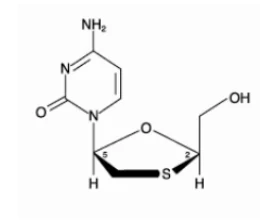
Physicochemical properties: Lamivudine is soluble in water.
Tenofovir DF:
Proper name: tenofovir disoproxil fumarate
Chemical name: 9-[(R)-2-[[bis[[(isopropoxycarbonyl)oxy]methoxy] phosphinyl]- methoxy]propyl]adenine fumarate (1:1)
Molecular formula and molecular mass: C19H30N5O10 P·C4H4O4; 635.52
Structural formula:
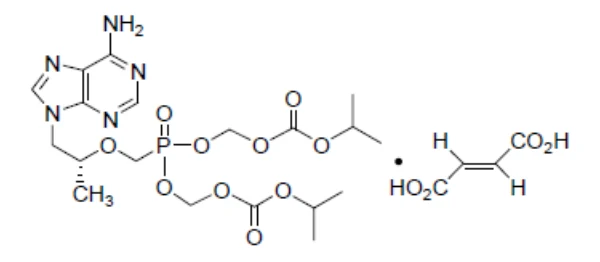
Physicochemical properties: Tenofovir DF is slightly soluble in water.
14 Clinical Trials
14.1 Clinical Trials by Indication
The efficacy and safety of DELSTRIGO® (doravirine/lamivudine/tenofovir disoproxil fumarate) were evaluated in the study summarized in Table 11.
Table 11 - Summary of Subject Demographics for Clinical Trials in HIV-1-Infected Patients
| Study # | Trial design | Dosage, route of administration and duration | Study subjects (n) | Mean age (Range) | Sex |
P021 (DRIVE-AHEAD) | Randomized, international, multicenter, double-blind, active-controlled trial in treatment-naive patients | DELSTRIGO® or EFV/FTC/TDF Oral, once daily 48 Weeks and 96 Weeks | 728 | 33.1 (18 to 70 years) | Male: 616 Female: 112 |
P024 (DRIVE-SHIFT) | Randomized, international, multicenter, open-label, active-controlled trial in virologically-suppressed patients | Immediate switch group (ISG): DELSTRIGO® Oral, once daily for 48 Weeks Delayed switch group (DSG): Ritonavir- or cobicistat-boosted PI or cobicistat-boosted EVG or an NNRTI each administered with 2 NRTIs Oral, dose and frequency determined by baseline regimen 24 Weeks followed by DELSTRIGO® Oral, once daily Weeks 24 to 48 | 670 | 43.3 (21 to 71 years) | Male: 566 Female: 104 |
Adult Subjects with No Antiretroviral Treatment History
The demographic and baseline characteristics of patients in DRIVE-AHEAD are summarized in Table 12.
Table 12 – Demographic and Baseline Characteristics in DRIVE-AHEAD at Week 48 in HIV-1 Adult Subjects with No Antiretroviral Treatment History
DELSTRIGO® Once Daily (N = 364) | Comparator Once Daily (N = 364) | |||||||||||||||
|---|---|---|---|---|---|---|---|---|---|---|---|---|---|---|---|---|
DELSTRIGO® Once Daily (N = 364) | Comparator Once Daily (N = 364) | |||||||||||||||
DELSTRIGO® Once Daily (N = 364) | Comparator Once Daily (N = 364) | |||||||||||||||
| Gender n (%) | ||||||||||||||||
| Male | 305 (83.8) | 311 (85.4) | ||||||||||||||
| Female | 59 (16.2) | 53 (14.6) | ||||||||||||||
| Race n (%) | ||||||||||||||||
| American Indian or Alaska Native | 10 (2.7) | 6 (1.6) | ||||||||||||||
| Asian | 59 (16.2) | 65 (17.9) | ||||||||||||||
| Black or African American | 67 (18.4) | 68 (18.7) | ||||||||||||||
| Multiple | 51 (14.0) | 55 (15.1) | ||||||||||||||
| Native Hawaiian or Other Pacific Islander | - | - | ||||||||||||||
| White | 177 (48.6) | 170 (46.7) | ||||||||||||||
| Ethnicity n (%) | ||||||||||||||||
| Hispanic or Latino | 126 (34.6) | 120 (33.0) | ||||||||||||||
| Not Hispanic or Latino | 236 (64.8) | 238 (65.4) | ||||||||||||||
| Unknown | 2 (0.5) | 6 (1.6) | ||||||||||||||
| Region n (%) | ||||||||||||||||
| Africa | 37 (10.2) | 27 (7.4) | ||||||||||||||
| Asia / Pacific | 59 (16.2) | 62 (17.0) | ||||||||||||||
| Europe | 88 (24.2) | 94 (25.8) | ||||||||||||||
| Latin America | 89 (24.5) | 87 (23.9) | ||||||||||||||
| North America | 91 (25.0) | 94 (25.8) | ||||||||||||||
| Age (years) | ||||||||||||||||
| 18 to 64 | 362 (99.5) | 362 (99.5) | ||||||||||||||
| ≥ 65 | 2 (0.5) | 2 (0.5) | ||||||||||||||
| Mean (SD) | 33.6 (10.5) | 32.7 (9.9) | ||||||||||||||
| Median (min, max) | 32.0 (18, 70) | 30.0 (18, 69) | ||||||||||||||
| Baseline CD4+ T-Cell Count (cells/mm3) | ||||||||||||||||
| N† | 364 | 364 | ||||||||||||||
| Mean (SD) | 434,9 (217.9) | 415,5 (210.6) | ||||||||||||||
| Median (min, max) | 413,5 (19, 1399) | 388.0 (19, 1452) | ||||||||||||||
| Baseline CD4+ T-Cell Count n (%) | ||||||||||||||||
| ≤ 50 cells/mm 3 | 9 (2.5) | 10 (2.7) | ||||||||||||||
> 50 cells/mm 3 and ≤ 200 cells/mm3 | 35 (9.6) | 35 (9.9) | ||||||||||||||
| > 200 cells/mm 3 | 320 (87.9) | 318 (87.4) | ||||||||||||||
| Baseline Plasma HIV-1 RNA (log10 copies/mL) | ||||||||||||||||
| N† | 364 | 364 | ||||||||||||||
| Mean (SD) | 4,4 (0.7) | 4,4 (0.7) | ||||||||||||||
| Median (min, max) | 4.4 (2.4, 6.1) | 4,5 (2.6, 6.4) | ||||||||||||||
| Baseline Plasma HIV-1 RNA (copies/mL) | ||||||||||||||||
| N† | 364 | 364 | ||||||||||||||
| Geometric Mean | 23760.4 | 29087.1 | ||||||||||||||
| Median (min, max) | 22438.5 (259, 1268560) | 25467.5 (403, 2692740) | ||||||||||||||
| Baseline Plasma HIV-1 RNA n (%) | ||||||||||||||||
| ≤ 100,000 copies/mL | 291(79.9) | 282 (77.5) | ||||||||||||||
| > 100,000 copies/mL | 73 (20.1) | 82 (22.5) | ||||||||||||||
| History of AIDS n (%) | ||||||||||||||||
| Yes | 46 (12.6) | 53 (14.6) | ||||||||||||||
| No | 318 (87.4) | 311 (85.4) | ||||||||||||||
| Stratum n (%) | ||||||||||||||||
| Screening HIV RNA ≤ 100,000 | 275 (75.5) | 274 (75.3) | ||||||||||||||
| Screening HIV RNA > 100,000 | 89 (24.5) | 90 (24.7) | ||||||||||||||
| Hepatitis B and/or C Positive | 19 (5.2) | 18 (4.9) | ||||||||||||||
| Hepatitis B and C Negative | 345 (94.8) | 346 (95.1) | ||||||||||||||
| Baseline Hepatitis Status†† | ||||||||||||||||
| Hepatitis B and/or C Positive | 11 (3.0) | 9 (2.5) | ||||||||||||||
| Hepatitis B Positive Only | 9 (2.5) | 8 (2.2) | ||||||||||||||
| Hepatitis C Positive Only | 2 (0.5) | 1 (0.3) | ||||||||||||||
| Viral Subtype n (%) | ||||||||||||||||
| Subtype B | 232 (63.7) | 253 (69.5) | ||||||||||||||
| Non-Subtype B | 130 (35.7) | 111 (30.5) | ||||||||||||||
| Missing | 2 (0.5) | 0 (0.0) | ||||||||||||||
† Subjects with missing results excluded. †† Evidence of hepatitis B surface antigen or evidence of HCV RNA by polymerase chain reaction (PCR) quantitative test for hepatitis C virus. N = Number of subjects randomized and treated in each treatment group. n (%) = Number (percent) of subjects in each sub-category. | ||||||||||||||||
| 21 subjects previously classified as hepatitis B and/or C positive were subsequently identified based on lab tests as being hepatitis B and C negative. 4 subjects previously classified as hepatitis B and C negative were subsequently identified based on lab tests as being hepatitis B and/or C positive. | ||||||||||||||||
The efficacy of DELSTRIGO® in antiretroviral treatment-naïve adult, HIV-1-infected subjects, was assessed at 48-Weeks in a Phase 3, randomized, international, multicenter, double-blind, active-controlled trial DRIVE-AHEAD (Protocol 021).
In DRIVE-AHEAD, 728 subjects were randomized and received at least 1 dose of either DELSTRIGO® or efavirenz/emtricitabine/tenofovir disoproxil (EFV/FTC/TDF) once daily. At baseline, the median age of subjects was 31 years (range 18-70 years), 85 % were male, 52 % were Non-White, 3 % had hepatitis B or C co-infection, 14 % had a history of AIDS, 21 % had HIV-1 RNA > 100,000 copies per mL, and 12 % had CD4+ T-cell count < 200 cells per mm3; these characteristics were similar between treatment groups.
At Week 96, efficacy in the DELSTRIGO® treatment group was similar to that in the EFV/FTC/TDF treatment group with regard to the proportion of participants with HIV-1 RNA <50 copies/mL, using the FDA snapshot approach; this supports the non-inferiority of DELSTRIGO® to EFV/FTC/TDF previously established at Week 48. Specifically, 77.5% [282/364] and 73.6% [268/364] of participants in the DELSTRIGO® and EFV/FTC/TDF treatment groups, respectively, achieved HIV-1 RNA <50 copies/mL, with an estimated treatment difference of 3.8% (95%CI: -2.4, 10.0).
Week 48 outcomes for DRIVE-AHEAD are provided in Table 13.
DELSTRIGO® demonstrated consistent efficacy across demographic and baseline prognostic factors, including gender, race, ethnicity, baseline HIV-1 RNA (≤100,000 or >100,000 copies/mL), CD4+ T-cell count, and viral subtypes. Mean CD4+ T-cell counts in the DELSTRIGO® and EFV/FTC/TDF groups increased from baseline by 198 and 188 cells/mm3, respectively.
Table 13 - Virologic Outcome in DRIVE-AHEAD at Week 48 in HIV-1 Adult Subjects with No Antiretroviral Treatment History
| Outcome | DRIVE-AHEAD | |
|---|---|---|
DELSTRIGO® Once Daily | Comparator Once Daily | |
| N=364 | N=364 | |
| n (%) | n (%) | |
| HIV-1 RNA <50 copies/mL | 307 (84%) | 294 (81%) |
| Treatment Differences (95% CI) Þ | 3.5% (-2.0%, 9.0%) | |
| HIV-1 RNA ≥ 50 copies/mL† | 39 (11%) | 37 (10%) |
| No Virologic Data at Week 48 Window | 18 (5%) | 33 (9%) |
| Reasons | ||
| Discontinued study due to AE or Death ‡ | 9 (2%) | 24 (7%) |
| Discontinued study for Other Reasons § | 9 (2%) | 8 (2%) |
| On study but missing data in window | 0 (0%) | 1(<1%) |
| Proportion (%) of Subjects With HIV-1 RNA <50 copies/mL at Week 48 by Baseline and Demographic Category | ||
| n / N (%) | n / N (%) | |
| Gender | ||
| Male | 257/305 (84%) | 250/311 (80%) |
| Female | 50/59 (85%) | 44/53 (83%) |
| Race | ||
| White | 149/177 (84%) | 138/170 (81%) |
| Non-White | 158/187 (84%) | 156/194 (80%) |
| Ethnicity | ||
| Hispanic or Latino | 105/126 (83%) | 101/120 (84%) |
| Not Hispanic or Latino | 200/236 (85%) | 189/238 (79%) |
| Baseline HIV-1 RNA (copies/mL) | ||
| ≤ 100,000 copies/mL | 251/291 (86%) | 235/282 (83%) |
| > 100,000 copies/mL | 56/73 (77%) | 59/82 (72%) |
| CD4+ T-cell Count (cells/mm3) | ||
| ≤ 200 cells/mm3 | 29/44 (66%) | 36/46 (78%) |
| > 200 cells/mm3 | 278/320 (87%) | 258/318 (81%) |
| Viral Subtype¶ | ||
| Subtype B | 195/232 (84%) | 202/253 (80%) |
Subtype Non-B ¶Viral subtype was not available for two subjects. | 110/130 (85%) | 92/111 (83%) |
Þ The 95% CIs for the treatment differences were calculated using stratum-adjusted Mantel-Haenszel method. † Includes subjects who discontinued study drug or study before Week 48 for lack or loss of efficacy and subjects with HIV-1 RNA equal to or above 50 copies/mL in the Week 48 window (relative day 295-378). ‡ Includes subjects who discontinued because of adverse event (AE) or death if this resulted in no virologic data in the Week 48 window. § Other Reasons include: lost to follow-up, non-compliance with study drug, physician decision, pregnancy, protocol deviation, screen failure, withdrawal by subject. | ||
Virologically suppressed patients
The demographic and baseline characteristics of patients in DRIVE-SHIFT are summarized in Table14.
Table 14 – Demographic and Baseline Characteristics in DRIVE-SHIFT in HIV-1 Virologically-Suppressed Subjects
DELSTRIGO® ISG Once Daily (N = 447) | Baseline Regimen DSG (N = 223) | ||||||||||||||
|---|---|---|---|---|---|---|---|---|---|---|---|---|---|---|---|
DELSTRIGO® ISG Once Daily (N = 447) | Baseline Regimen DSG (N = 223) | ||||||||||||||
DELSTRIGO® ISG Once Daily (N = 447) | Baseline Regimen DSG (N = 223) | ||||||||||||||
| Gender n (%) | |||||||||||||||
| Male | 372 (83.2) | 194 (87.0) | |||||||||||||
| Female | 75 (16.8) | 29 (13.0) | |||||||||||||
| Race n (%) | |||||||||||||||
| American Indian or Alaska Native | 5 (1.1) | 2 (0.9) | |||||||||||||
| Asian | 17 (3.8) | 8 (3.6) | |||||||||||||
| Black or African American | 56 (12.5) | 34 (15.2) | |||||||||||||
| Multiple | 24 (5.4) | 11 (4.9) | |||||||||||||
| Native Hawaiian or Other Pacific Islander | 1 (0.2) | 0 (0.0) | |||||||||||||
| White | 344 (77.0) | 168 (75.3) | |||||||||||||
| Ethnicity n (%) | |||||||||||||||
| Hispanic or Latino | 99 (22.1) | 45 (20.2) | |||||||||||||
| Not Hispanic or Latino | 341 (76.3) | 175 (78.5) | |||||||||||||
| Unknown | 7 (1.6) | 3 (1.3) | |||||||||||||
| Region n (%) | |||||||||||||||
| Asia / Pacific | 19 (4.3) | 12 (5.4) | |||||||||||||
| Europe | 268 (60.0) | 137 (61.4) | |||||||||||||
| Latin America | 49 (11.0) | 24 (10.8) | |||||||||||||
| North America | 111 (24.8) | 50 (22.4) | |||||||||||||
| Age (years) | |||||||||||||||
| 18 to 64 | 438 (98.0) | 214 (96.0) | |||||||||||||
| ≥ 65 | 9 (2.0) | 9 (4.0) | |||||||||||||
| Mean (SD) | 43.1 (10.1) | 43.7 (10.6) | |||||||||||||
| Median (min, max) | 43.0 (21,71) | 42.0 (22,71) | |||||||||||||
| Baseline CD4+T-Cell Count (cells/mm3) | |||||||||||||||
| N† | 439 | 220 | |||||||||||||
| Mean (SD) | 664.9 (295.3) | 649.9 (279.2) | |||||||||||||
| Median (min, max) | 633.0 (82, 1928) | 624.5 (140, 1687) | |||||||||||||
| Baseline CD4+T-Cell Count n (%) | |||||||||||||||
| < 200 cells/mm3 | 13 (2.9) | 4 (1.8) | |||||||||||||
| ≥ 200 cells/mm 3 | 426 (95.3) | 216 (96.9) | |||||||||||||
| Missing | 8 (1.8) | 3 (1.3) | |||||||||||||
| Baseline Plasma HIV-1 RNA n (%) | |||||||||||||||
| <50 copies/mL | 436 (97.5) | 222 (99.6) | |||||||||||||
| <40 copies/mL | 436 (97.5) | 220 (98.7) | |||||||||||||
| ≥40 copies/mL | 11 (2.5) | 3 (1.3) | |||||||||||||
| ≥50 copies/mL | 11 (2.5) | 1 (0.4) | |||||||||||||
| History of AIDS n (%) | |||||||||||||||
| Yes | 80 (17.9) | 35 (15.7) | |||||||||||||
| No | 367 (82.1) | 188 (84.3) | |||||||||||||
| Stratum n (%) | |||||||||||||||
| Ritonavir-boosted PI | 312 (69.8) | 155 (69.5) | |||||||||||||
| Lipid-lowering therapy | 31 ( 6.9) | 12 (5.4) | |||||||||||||
| Non-Lipid-lowering therapy | 281 (62.9) | 143 (64.1) | |||||||||||||
| Cobicistat-boosted PI | 4 (0.9) | 2 (0.9) | |||||||||||||
| Cobicistat-boosted elvitegravir or an NNRTI | 131 (29.3) | 66 (29.6) | |||||||||||||
| Duration of ART Regimen Prior to Enrollment (%) | |||||||||||||||
| <1 year | 26 (5.8) | 12 (5.4) | |||||||||||||
| ≥1 year | 421 (94.2) | 211 (94.6) | |||||||||||||
| Duration of ART Regimen Prior to Enrollment (months) | |||||||||||||||
| N† | 447 | 223 | |||||||||||||
| Mean (SD) | 56.6 (38.4) | 58.6 (37.0) | |||||||||||||
| Median (min, max) | 48.4 (6.9, 264.9) | 50.5 (7.2, 181.1) | |||||||||||||
| Baseline Hepatitis Status†† | |||||||||||||||
| Hep B and/or C Positive | 14 (3.1) | 9 (4.0) | |||||||||||||
| Hep B Positive Only | 12 (2.7) | 7 (3.1) | |||||||||||||
| Hep C Positive Only | 2 (0.4) | 2 (0.9) | |||||||||||||
| History of Selected NNRTI Mutations in Subjects on PI and InSTI Regimen | |||||||||||||||
| N | 340 (76.1) | 168 (75.3) | |||||||||||||
| K103N, Y181C, and/or G190A | 11 (2.5) | 13 (5.8) | |||||||||||||
† Subjects with missing results excluded. †† Evidence of hepatitis B surface antigen or evidence of hepatitis C virus (HCV) RNA by polymerase chain reaction (PCR) quantitative test for HCV. Baseline Regimen = ritonavir or cobicistat-boosted PI, or cobicistat-boosted elvitegravir, or NNRTI, each administered with two NRTIs. Note: The DSG continues their baseline regimen until the time of the switch to DELSTRIGO® QD at Study Week 24. N = Number of subjects randomized and treated in each treatment group. n (%) = Number (percent) of subjects in each sub-category. | |||||||||||||||
The efficacy of switching from a baseline regimen consisting of two NRTIs in combination with a ritonavir- or cobicistat-boosted PI, or cobicistat-boosted elvitegravir, or an NNRTI to DELSTRIGO® was evaluated in a randomized, open-label trial (DRIVE-SHIFT), in virologically-suppressed HIV-1-infected adults. Subjects must have been virologically suppressed (HIV-1 RNA <50 copies/mL) on their baseline regimen for at least 6 months prior to trial entry, with no history of virologic failure. Subjects were randomized to either switch to DELSTRIGO® at baseline [n = 447, ISG], or stay on their baseline regimen until Week 24, at which point they switched to DELSTRIGO® [n = 223, DSG].
In the DRIVE-SHIFT trial, an immediate switch to DELSTRIGO® was demonstrated to be non-inferior at Week 48 compared to continuation of the baseline regimen at Week 24 as assessed by the proportion of subjects with HIV-1 RNA <50 copies/mL. Consistent results were seen for the comparison at Study Week 24 in each treatment group. Treatment results are shown in Table 15.
Table 15 - Virologic Outcomes in DRIVE-SHIFT in HIV-1 Virologically-Suppressed Subjects Who Switched to DELSTRIGO®
| Outcome | DELSTRIGO® Once Daily ISG | Baseline Regimen DSG |
|---|---|---|
| Week 48 | Week 24 | |
| N=447 | N=223 | |
| n (%) | n (%) | |
| HIV-1 RNA <50 copies/mL | 406 (91%) | 211 (95%) |
| ISG-DSG, Difference (95% CI)** | 3.8% (-7.9%, 0.3%)** | |
| HIV-1 RNA ≥50 copies/mL† | 7 (2%) | 4 (2%) |
| No Virologic Data at Within the Time Window | 34 (8%) | 8 (4%) |
| Discontinued study due to AE or Death‡ | 14 (3%) | 0 (0%) |
| Discontinued study for Other Reasons§ | 20 (4%) | 8 (4%) |
| On study but missing data in window | 0 (0%) | 0 (0%) |
| Proportion (%) of Subjects With HIV-1 RNA <50 copies/mL by Baseline and Demographic Category | ||
| n / N (%) | n / N (%) | |
| Gender | ||
| Male | 338/372 (91%) | 182/194 (94%) |
| Female | 68/75 (91%) | 29/29 (100%) |
| Race | ||
| White | 310/344 (90%) | 160/168 (95%) |
| Non-White | 96/103 (93%) | 51/55 (93%) |
| Ethnicity | ||
| Hispanic or Latino | 87/99 (88%) | 41/45 (91%) |
| Not Hispanic or Latino | 312/341 (91%) | 167/175 (95%) |
| CD4+ T-cell Count (cells/mm3) | ||
| <200 cells/mm3 | 11/13 (85%) | 3/4 (75%) |
| ≥200 cells/mm3 | 388/426 (91%) | 205/216 (95%) |
**The 95% CI for the treatment difference was calculated using stratum-adjusted Mantel-Haenszel method. †Includes subjects who discontinued study drug or study before Week 48 for ISG or before Week 24 for DSG for lack or loss of efficacy and subjects with HIV-1 RNA ≥50 copies/mL in the Week 48 window for ISG and in the Week 24 window for DSG. ‡Includes subjects who discontinued because of adverse event (AE) or death if this resulted in no virologic data on treatment during the specified window. §Other Reasons include: lost to follow-up, non-compliance with study drug, physician decision, protocol deviation, withdrawal by subject. Baseline Regimen = ritonavir or cobicistat-boosted PI (specifically atazanavir, darunavir, or lopinavir), or cobicistat-boosted elvitegravir, or NNRTI (specifically efavirenz, nevirapine, or rilpivirine), each administered with two NRTIs. | ||
Pediatric subjects (≥ 12 years of age and weighing ≥ 35 kg)
Table 16 - Summary of Subject Demographics for Clinical Trials in HIV-1--Infected Pediatric Patients 12 Years of Age and Older and Weighing at Least 35 kg
| Study # | Trial design | Dosage, route of administration and duration | Study subjects (n) | Mean age (Range) | Sex |
P027 (IMPAACT 2014) | Phase 1/2 multicenter, open label 2 cohort study of the PK, safety, and tolerability of DOR and DOR/3TC/TDF in HIV-1 infected children and adolescents (age 12 to <18 years, who weigh at least 35 kg) Cohort 1: Single dose of DOR (100 mg) added to current regimen of dolutegravir or raltegravir and 2 NRTIs in virologically suppressed participants. Intensive PK evaluation completed on Day 1 to confirm the dose for Cohort 2 and safety follow-up through 2 weeks post-dose. Cohort 2: DOR/3TC/TDF once daily in virologically suppressed and antiretroviral treatment-naïve participants. PK using intensive (tenofovir [TFV] and 3TC) and semi-intensive (DOR) PK sampling at Week 1. Safety and tolerability assessed through 24 weeks. | Cohort 1: PIFELTRO® 100 mg Oral, single dose Cohort 2: DELSTRIGO® (DOR 100mg/3TC 300 mg/ TDF 300 mg) Oral, once daily for 24 weeks (study is ongoing). | Cohort 1 : 9 Cohort 2: 45 (virologically suppressed (N=43) and antiretrovira l treatment-naïve (N=2)) | Cohort 1: 14.3 years (12 to 16 years) Cohort 2: 15.0 years (12 to 17 years) | Cohort 1: Male: 7 Female: 2 Cohort 2: Male: 19 Female: 26 |
The efficacy of DELSTRIGO® was evaluated in cohort 2 of an open-label, single-arm 2-cohort trial in HIV-1-infected pediatric patients 12 to less than 18 years of age (IMPAACT 2014 (Protocol 027). In cohort 1, virologically-suppressed subjects (n=9) received a single 100 mg dose of doravirine followed by intensive PK sampling. In cohort 2, virologically-suppressed subjects (n=43) were switched to DELSTRIGO® and treatment-naïve subjects (n=2) were started on DELSTRIGO®.
In cohort 2, at baseline the median age of subjects was 15 years (range: 12 to 17), the median weight was 52 kg (range: 45 to 80), 58% were female, 78% were Asian and 22% were Black, and the median CD4+ T-cell count was 713 cells per mm3 (range 84 to 1397). After switching to DELSTRIGO®, 95% (41/43) of virologically-suppressed subjects remained suppressed (HIV-1 RNA <50 copies/mL) at Week 24. One of the two treatment-naïve subjects achieved HIV-1 RNA <50 copies/mL at Week 24. The other treatment-naïve subject met the protocol-defined virologic failure criteria (defined as 2 consecutive plasma HIV-1 RNA test results ≥ 200 copies/mL at or after Week 24) and was evaluated for the development of resistance; no emergence of genotypic or phenotypic resistance to doravirine, lamivudine, or tenofovir was detected (see 15 Microbiology).
Table 17 - Virologic Outcomes in IMPAACT 2014 at Week 24 in HIV-1 Pediatric Subjects (Cohort 2)
| Outcome | Treatment Naïve N=2 n (%) | Virologically-Suppressed N=43 n (%) |
| HIV-1 RNA <50 copies/mL | 1 (50.0) | 41 (95.3) |
| HIV-1 RNA ≥50 copies/mLa | 1 (50.0) | 0 (0) |
| No Virologic Data | 0 (0) | 2 (4.7) |
| Discontinued study due to AE or Death | 0 (0) | 0 (0) |
| Discontinued for other reasons while below threshold | 0 (0) | 1 (2.3) |
| Missing data during window but on study | 0 (0) | 1 (2.3) |
| Proportion (%) of Subjects With HIV-1 RNA <50 copies/mL by Baseline and Demographic Category | ||
| n/N (%) | n/N (%) | |
Gender Male Female | 1/1 (100%) 0/1 (0) | 18/18 (100%) 23/25 (92%) |
Race Black or African American Asian | 0/0 (NA) 1/2 (50%) | 8/10 (80%) 33/33 (100%) |
Region South African Thailand United States of America | 0/0 (NA) 1/2 (50%) 0/0 (NA) | 7/9 (78%) 33/33 (100%) 1/1 (100%) |
Ethnicity Hispanic or Latino Not Hispanic | 0/0 (NA) 1/2 (50%) | 1/1 (100%) 40/42 (95%) |
CD4+ T-cell Count (cells/mm3) ≤ 200 cells/mm3 >200 cells/mm3 | 1/2 (50%) 0/0 (NA) | 0/0 (NA) 41/43 (95%) |
a Includes subjects who discontinued study drug or study before Week 24 for lack or loss of efficacy and subjects with HIV-1 RNA equal to or above 50 copies/mL in the Week 24 window (relative day 141-210). NA = Not Applicable | ||
15 Microbiology
Antiviral Activity in Cell Culture
Doravirine: Doravirine exhibited an EC50 value of 12.0 ± 4.4 nM against wild-type laboratory strains of HIV-1 when tested in the presence of 100% normal human serum (NHS) using MT4-GFP reporter cells. Doravirine demonstrated antiviral activity against a broad panel of primary HIV-1 isolates (A, A1, AE, AG, B, BF, C, D, G, H) with EC50 values ranging from 1.2 nM to 10.0 nM. The antiviral activity of doravirine was not antagonistic when combined with lamivudine and tenofovir DF.
Lamivudine: The antiviral activity of lamivudine against HIV-1 was assessed in a number of cell lines including monocytes and peripheral blood mononuclear cells (PBMCs) using standard susceptibility assays. IC50 values were in the range of 0.003 μM to 2 μM (1 μM = 0.23 mcg/mL). The IC50 values of lamivudine against different HIV-1 clades (A to G) ranged from 0.001 to 0.120 μM, and against HIV-2 isolates from 0.002 to 0.041 μM in PBMCs. Ribavirin (50 microM) used in the treatment of chronic HCV infection decreased the anti-HIV-1 activity of lamivudine by 3.5-fold in MT-4 cells.
3TC-TP shows significantly less affinity for host cell DNA polymerases and is a weak inhibitor of mammalian α, β, and γ DNA polymerases.
Tenofovir DF: The antiviral activity of tenofovir against laboratory and clinical isolates of HIV-1 was assessed in T lymphoblastoid cell lines, primary monocyte/macrophage cells and peripheral blood lymphocytes. The EC50 values for tenofovir were in the range of 0.04-8.5 microM. Tenofovir displayed antiviral activity in cell culture against HIV-1 clades A, B, C, D, E, F, G, and O (EC50 values ranged from 0.5–2.2 microM).
Resistance
In Cell Culture
Doravirine: Doravirine-resistant strains were selected in cell culture starting from wild-type HIV-1 of different origins and subtypes, as well as NNRTI-resistant HIV-1. Observed emergent amino acid substitutions in RT included: V106A, V106I, V106M, V108I, H221Y, F227C, F227I, F227L, F227V, M230I, L234I, P236L, and Y318F. The V106A, V106M, V108I, H221Y, F227C, M230I, P236L, and Y318F substitutions conferred 3.4-fold to 70-fold reductions in susceptibility to doravirine. Y318F in combination with V106A, V106M, V108I, and F227C conferred greater decreases in susceptibility to doravirine than Y318F alone, which conferred a 10-fold reduction in susceptibility to doravirine.
Lamivudine: Lamivudine-resistant variants of HIV-1 have been selected in cell culture and in subjects treated with lamivudine. Genotypic analysis showed that the resistance was due to a specific amino acid substitution in the HIV-1 reverse transcriptase at codon 184 changing the methionine to either isoleucine or valine (M184V/I).
Tenofovir DF: HIV-1 isolates selected by tenofovir expressed a K65R substitution in HIV-1 RT and showed a 2–4- fold reduction in susceptibility to tenofovir. In addition, a K70E substitution in HIV-1 RT has been selected by tenofovir and results in low-level reduced susceptibility to abacavir, emtricitabine, lamivudine, and tenofovir.
In Clinical Trials
In Adult Subjects with No Antiretroviral Treatment History
Doravirine: In the doravirine treatment arm of the treatment-naïve trial DRIVE-AHEAD (n=364), through 48 Weeks, emergent doravirine resistance-associated substitutions were observed in 6 of 20 subjects in the resistance analysis subset (subjects with HIV-1 RNA greater than 400 copies per mL at virologic failure or at early study discontinuation and having resistance data). In the doravirine treatment-arm of DRIVE-AHEAD between Weeks 48 and 96, no subjects developed genotypic or phenotypic resistance to doravirine. In the EFV/FTC/TDF treatment arm of the DRIVE-AHEAD trial (n=364) through 48 Weeks, emergent efavirenz resistance-associated substitutions were observed in 12 out of 20 subjects in the resistance analysis subset. In DRIVE-AHEAD between Weeks 48 and 96, 3 additional subjects in the EFV/FTC/TDF treatment arm showed the emergence of efavirenz resistance-associated substitutions.
Emergent doravirine resistance-associated substitutions in RT included one or more of the following: A98G, V106A, V106I, V106M/T, Y188L, H221Y, P225H, F227C, F227C/R, and Y318Y/F.
Lamivudine and Tenofovir DF: In a pooled analysis of antiretroviral-naïve subjects who received doravirine, lamivudine, and tenofovir DF, genotyping was performed on plasma HIV-1 isolates from all subjects with HIV-1 RNA greater than 400 copies per mL at confirmed virologic failure or at time of early study drug discontinuation. Genotypic resistance developed in 8 evaluable subjects who received DELSTRIGO® through Week 96. The resistance associated substitutions that emerged were RT M41L (n=1), A62A/V (n=1), K65R (n=2), and M184V/I (n=4). Between Weeks 48 and 96, genotypic resistance to emtricitabine or tenofovir developed in 1 subject who received EFV/FTC/TDF; the emergent resistance-associated substitution in this subject was V118I.
In DRIVE-AHEAD, no additional genotypic or phenotypic resistance to doravirine, lamivudine or TDF was identified in subjects in the doravirine treatment arm between Week 48 and Week 96.
In Virologically-Suppressed Adult Subjects
In the DRIVE-SHIFT clinical trial, no subject developed genotypic or phenotypic resistance to doravirine, lamivudine, or TDF during treatment with DELSTRIGO® in either the immediate (n=447) or delayed switch (n=209) groups. One subject developed RT M184M/I mutation and phenotypic resistance to lamivudine and emtricitabine during treatment with their baseline regimen. None of the 24 subjects (11 immediate switch group [day 1], 13 delayed switch group [Week 24]) with baseline NNRTI mutations (RT K103N, G190A, or Y181C) experienced virologic failure through Week 48 or at time of discontinuation.
In Pediatric Subjects
In the IMPAACT 2014 (Protocol 027) clinical trial, no subject who was virologically-suppressed at baseline met the criteria for resistance analysis. One treatment-naïve subject who met the protocol-defined virologic failure criteria (defined as 2 consecutive plasma HIV-1 RNA test results ≥200 copies/mL at or after Week 24) was evaluated for the development of resistance; no emergence of genotypic or phenotypic resistance to doravirine, lamivudine, or tenofovir was detected (see Pediatric Subjects).
Cross-Resistance
No significant cross-resistance has been demonstrated between doravirine-resistant HIV-1 variants and lamivudine/emtricitabine or tenofovir or between lamivudine- or tenofovir-resistant variants and doravirine.
Doravirine: Laboratory strains of HIV-1 harboring the common NNRTI-associated mutations K103N, Y181C, or K103N/Y181C substitutions in RT exhibit less than a 3-fold decrease in susceptibility to doravirine compared to wild-type virus. Doravirine was able to suppress the following NNRTI-associated substitutions, K103N, Y181C, G190A, and E138K mutants under clinically relevant concentrations.
A panel of 96 diverse clinical isolates containing NNRTI-associated substitutions was evaluated for susceptibility to doravirine. Isolates that showed potentially clinically meaningful reduced (>100-fold) susceptibility to doravirine contained the following substitutions: Y188L alone or in combination with K103N or V106I; V106A in combination with G190A and F227L; and E138K in combination with Y181C and M230L.
In phase 3 trials, the following amino acid substitutions were observed in clinical isolates obtained from patients with treatment failure who had both genotypic and phenotypic resistance data available: Y188L alone, F227C in combination with A98G, A98G/V106I/H221Y, V106I, V106I/H221Y or V106M; and V106A in combination with P225H and Y318F. Clinical isolates with these substitutions showed a greater than 100-fold reduced susceptibility to doravirine.
Treatment emergent doravirine resistance-associated substitutions may confer cross-resistance to efavirenz, rilpivirine, nevirapine, and etravirine. Of the 8virologic failure subjects who developed doravirine phenotypic resistance, all had phenotypic resistance to nevirapine, 6 had phenotypic resistance to efavirenz, 4 had phenotypic resistance to rilpivirine, and 4had partial resistance to etravirine based on the Monogram Phenosense assay.
Lamivudine: Cross-resistance has been observed among NRTIs. The M184I/V lamivudine resistance substitution confers resistance to emtricitabine. Lamivudine-resistant HIV-1 mutants were also cross-resistant to didanosine (ddI). In some subjects treated with zidovudine plus didanosine, isolates resistant to multiple reverse transcriptase inhibitors, including lamivudine, have emerged.
Tenofovir DF: Cross-resistance has been observed among NRTIs. The K65R substitution in HIV-1 RT selected by tenofovir is also selected in some HIV-1-infected patients treated with abacavir or didanosine. HIV-1 isolates with the K65R substitution also showed reduced susceptibility to emtricitabine and lamivudine. Therefore, cross-resistance among these NRTIs may occur in patients whose virus harbors the K65R substitution. The K70E substitution selected clinically by tenofovir DF results in reduced susceptibility to abacavir, didanosine, emtricitabine, lamivudine, and tenofovir. HIV-1 isolates from patients (N=20) whose HIV-1 expressed a mean of 3 zidovudine associated RT amino acid substitutions (M41L, D67N, K70R, L210W, T215Y/F, or K219Q/E/N) showed a 3.1-fold decrease in the susceptibility to tenofovir. Subjects whose virus expressed an L74V RT substitution without zidovudine resistance-associated substitutions (N=8) had reduced response to tenofovir DF. Limited data are available for patients whose virus expressed a Y115F substitution (N=3), Q151M substitution (N=2), or T69 insertion (N=4) in HIV-1 RT, all of whom had a reduced response in clinical trials.
16 Non-Clinical Toxicology
General Toxicology
Acute Toxicity
Tenofovir DF: Following single-doses, the no-effect-level (NOEL) in rats was 1500 mg/kg. Following single doses in dogs (up to 270 mg/kg), mild renal tubular karyomegaly and/or basophilia were the only effects observed. An assessment of effects on renal function after a single-dose demonstrated increased urinary electrolyte excretion and urine volume in rats administered tenofovir DF 500 mg/kg; no effect was observed at 50 mg/kg. When rats were administered tenofovir DF (0, 50, or 500 mg/kg) to evaluate effects on the gastrointestinal transit of a charcoal meal, there was reduced gastric emptying at 500 mg/kg/day, but no effect at 50 mg/kg/day.
Chronic Toxicity
Tenofovir DF: Tenofovir and tenofovir DF administered in toxicology studies to rats, dogs, and monkeys at exposures (based on AUCs) greater than or equal to 6-times those observed in humans caused bone toxicity. In monkeys the bone toxicity was diagnosed as osteomalacia. Osteomalacia observed in monkeys appeared to be reversible upon dose reduction or discontinuation of tenofovir. In rats and dogs, the bone toxicity manifested as reduced bone mineral density. The mechanism(s) underlying bone toxicity is unknown.
Evidence of renal toxicity was noted in the 4 animal species tested. Increases in serum creatinine, BUN, glycosuria, proteinuria, phosphaturia, and/or calciuria and decreases in serum phosphate were observed to varying degrees in these animals. These toxicities were noted at exposures (based on AUCs) 2–20 times higher than those observed in humans. The relationship of the renal abnormalities, particularly the phosphaturia, to the bone toxicity is not known.
Carcinogenicity:
Doravirine: Long-term oral carcinogenicity studies of doravirine in transgenic RasH2 mice (6 months, 6 times the RHD exposure) and rats (2 years, 7 times the RHD exposure) showed no evidence of carcinogenic potential.
Lamivudine: Long-term carcinogenicity studies with lamivudine in mice and rats showed no evidence of carcinogenic potential at exposures up to 12 times (mice) and 57 times (rats) the human exposures at the RHD.
Tenofovir DF: Long-term oral carcinogenicity studies of tenofovir DF in mice and rats were carried out at exposures up to approximately 10 times (mice) and 4 times (rats) those observed in humans at the RHD. At the high-dose in female mice, liver adenomas were increased at exposures 10 times of that in humans. In rats, the study was negative for carcinogenic findings at exposures up to 4 times that observed in humans at the RHD.
Genotoxicity
Doravirine: Doravirine was not genotoxic in a battery of in vitro or in vivo assays, including microbial mutagenesis, chromosomal aberration in Chinese Hamster Ovary cells, and in in vivo rat micronucleus assays.
Lamivudine: Lamivudine was mutagenic in an L5178Y mouse lymphoma assay and clastogenic in a cytogenetic assay using cultured human lymphocytes. Lamivudine was not mutagenic in a microbial mutagenicity assay, in an in vitro cell transformation assay, in a rat micronucleus test, in a rat bone marrow cytogenetic assay, and in an assay for unscheduled DNA synthesis in rat liver.
Tenofovir DF: Tenofovir DF was mutagenic in the in vitro mouse lymphoma assay and negative in an in vitro bacterial mutagenicity test (Ames test). In an in vivo mouse micronucleus assay, tenofovir DF was negative when administered to male mice.
Reproductive and Developmental Toxicology
Reproduction
Doravirine: There were no effects of doravirine on fertility, mating performance or early embryonic development up to systemic exposures that were approximately 7 times the exposure in humans at the RHD.
Lamivudine: Lamivudine did not affect male or female fertility in rats at doses associated with exposures approximately 112 times higher than the exposures in humans at the RHD.
Tenofovir DF: There were no effects on fertility, mating performance or early embryonic development when tenofovir DF was administered to male rats at a dose equivalent to 10 times the RHD based on body surface area comparisons for 28 days prior to mating and to female rats for 15 days prior to mating through day 7 of gestation. There was, however, an alteration of the estrous cycle in female rats.