


Product Monograph - Prezcobix
RECENT MAJOR LABEL CHANGES
| 7 WARNINGS AND PRECAUTIONS | 10/2025 |
|---|
TABLE OF CONTENTS
Sections or subsections that are not applicable at the time of authorization are not listed.
RECENT MAJOR LABEL CHANGES .............................................................................. 2
TABLE OF CONTENTS .................................................................................................... 2
PART I: HEALTH PROFESSIONAL INFORMATION ..................................................... 4
1 INDICATIONS ......................................................................................................... 4
1.1 Pediatrics .............................................................................................................. 4
1.2 Geriatrics .............................................................................................................. 4
2 CONTRAINDICATIONS ......................................................................................... 4
4 DOSAGE AND ADMINISTRATION ....................................................................... 5
4.1 Dosing Considerations ....................................................................................... 5
4.2 Recommended Dose and Dosage Adjustment .............................................. 5
4.4 Administration ...................................................................................................... 7
4.5 Missed Dose ........................................................................................................ 7
5 OVERDOSAGE ....................................................................................................... 7
6 DOSAGE FORMS, STRENGTHS, COMPOSITION AND PACKAGING ............. 7
7 WARNINGS AND PRECAUTIONS ........................................................................ 8
7.1 Special Populations .......................................................................................... 12
7.1.1 Pregnant Women .......................................................................................... 12
7.1.2 Breast-feeding................................................................................................ 13
7.1.3 Pediatrics ........................................................................................................ 13
7.1.4 Geriatrics ........................................................................................................ 13
8 ADVERSE REACTIONS ...................................................................................... 13
8.1 Adverse Reaction Overview ............................................................................ 13
8.2 Clinical Trial Adverse Reactions ..................................................................... 13
8.3 Less Common Clinical Trial Adverse Reactions .......................................... 16
8.4 Abnormal Laboratory Findings: Hematologic, Clinical Chemistry and Other Quantitative Data ............................................................................................... 16
8.5 Post-Market Adverse Reactions ..................................................................... 18
9 DRUG INTERACTIONS ....................................................................................... 19
9.1 Serious Drug Interactions ................................................................................ 19
9.2 Drug Interactions Overview ............................................................................. 19
9.4 Drug-Drug Interactions ..................................................................................... 20
9.5 Drug-Food Interactions .......................................................................................... 36
9.6 Drug-Herb Interactions .......................................................................................... 37
9.7 Drug-Laboratory Test Interactions .................................................................. 37
10 CLINICAL PHARMACOLOGY ............................................................................. 37
10.1 Mechanism of Action ........................................................................................ 37
10.2 Pharmacodynamics .......................................................................................... 37
10.3 Pharmacokinetics .............................................................................................. 38
11 STORAGE, STABILITY AND DISPOSAL ........................................................... 43
PART II: SCIENTIFIC INFORMATION ........................................................................... 44
13 PHARMACEUTICAL INFORMATION ................................................................. 44
14 CLINICAL TRIALS ............................................................................................... 45
14.1 Clinical Trials By Indication .............................................................................. 45
14.2 Comparative Bioavailability Studies ............................................................... 48
15 MICROBIOLOGY .................................................................................................. 50
16 NON-CLINICAL TOXICOLOGY ........................................................................... 52
PATIENT MEDICATION INFORMATION ....................................................................... 55
PART I: HEALTH PROFESSIONAL INFORMATION
1 INDICATIONS
PREZCOBIX® (darunavir/cobicistat), a fixed dose combination of darunavir and cobicistat, is indicated in combination with other antiretroviral agents for the treatment of HIV infection in treatment-naive and in treatment-experienced adult patients without DRV RAMS.
For a description of the clinical data and dosing in support of this indication, refer to 4 DOSAGE AND ADMINISTRATION and 14 CLINICAL TRIALS.
1.1 Pediatrics
Pediatrics (<18 years of age): No data are available to Health Canada; therefore, Health Canada has not authorized an indication for pediatric use.
The safety and efficacy of PREZCOBIX have not been established in pediatric patients (see 4 DOSAGE AND ADMINISTRATION and 7 WARNINGS AND PRECAUTIONS).
1.2 Geriatrics
Geriatrics (≥65 years of age)
Clinical studies of PREZCOBIX did not include sufficient numbers of patients aged 65 and over to determine whether they respond differently from younger patients. In general, caution should be exercised in the administration and monitoring of PREZCOBIX in elderly patients, reflecting the greater frequency of decreased hepatic, renal or cardiac function and of concomitant disease or other drug therapy (see 4 DOSAGE AND ADMINISTRATION and 7 WARNINGS AND PRECAUTIONS, and 10 CLINICAL PHARMACOLOGY).
2 CONTRAINDICATIONS
PREZCOBIX is contraindicated in patients who are hypersensitive to this drug or to any ingredient in the formulation or component of the container. For a complete listing, see the 6 DOSAGE FORMS, STRENGTHS, COMPOSITION AND PACKAGING.
PREZCOBIX is contraindicated in patients with severe (Child-Pugh Class C) hepatic insufficiency.
Administration of PREZCOBIX is contraindicated with drugs that are highly dependent on CYP3A for clearance and for which elevated plasma concentrations are associated with serious and/or life-threatening events (narrow therapeutic index). Darunavir and cobicistat are both substrates of the CYP3A isoform. Co-administration of PREZCOBIX is contraindicated with potent CYP3A inducers as it may lead to lower exposures of darunavir and cobicistat and potential loss of efficacy of darunavir and possible resistance. Drugs that are contraindicated with PREZCOBIX are listed in Table 1 (also see 9.4 Drug-Drug Interactions, Table 4).
Table 1: Drugs that are Contraindicated with PREZCOBIX
| Drug Class | Drugs within Class that are Contraindicated with PREZCOBIX |
| Alpha 1-Adrenoreceptor Antagonist | alfuzosin |
| Antiarrhythmics/Antianginals | amiodarone, dronedarone, ivabradine, lidocaine (systemic) |
| Direct Oral Anti-coagulants (DOACs) | apixaban, dabigatran, rivaroxaban |
| Anti-convulsants | carbamezepine, phenobarbital, phenytoin |
| Anti-gout | colchicine (in patients with renal and/or hepatic impairment) |
| Antimycobacterial | rifampin |
| Antivirals (Hepatitis C virus [HCV] direct-acting antivirals) | elbasvir/grazoprevir |
| Ergot Derivatives | dihydroergotamine, ergonovine, ergotamine |
| Herbal Products | St. John’s wort (Hypericum perforatum) |
HMG-CoA Reductase Inhibitors / Other lipid modifying agents | lovastatin, simvastatin lomitapide |
| Inhaled Beta Agonist | salmeterol |
| Neuroleptics | lurasidone, pimozide |
| Opioid Antagonist | naloxegol |
| PDE-5 Inhibitor | sildenafil (for treatment of pulmonary arterial hypertension) |
| Platelet Aggregation Inhibitor | ticagrelor |
| Sedatives/Hypnotics | triazolam |
4 DOSAGE AND ADMINISTRATION
4.1 Dosing Considerations
PREZCOBIX consists of the HIV protease inhibitor darunavir and the pharmacokinetic enhancer cobicistat.
After therapy with PREZCOBIX has been initiated, patients should not alter the dosage or discontinue therapy without instruction of their healthcare provider. If discontinuation of therapy with the components of PREZCOBIX is indicated, dose modification of darunavir is necessary, or patients are unable to swallow the PREZCOBIX tablet, separate pharmaceutical forms of darunavir and cobicistat are available. Please refer to the respective prescribing information for proper use of the products.
4.2 Recommended Dose and Dosage Adjustment
Adults
The recommended oral dosing regimen of PREZCOBIX for antiretroviral treatment-naive patients and antiretroviral treatment-experienced patients with no darunavir-resistance associated mutations (DRV-RAMS V11I, V32I, L33F, I47V, I50V, I54M, I54L, T74P, L76V, I84V, L89V) is one tablet taken once daily with food. The type of food does not affect exposure to PREZCOBIX (see 9.5 Drug-Food Interactions, Effects of Food on Oral Absorption and 10.3 Pharmacokinetics).
Genotypic testing is recommended for all antiretroviral (ART) treatment-experienced patients prior to initiation of therapy. When genotypic testing is not feasible and darunavir treatment is considered:
- PREZCOBIX is recommended in protease inhibitor-naive patients only.
- PREZCOBIX is not recommended in protease inhibitor-experienced patients. PREZISTA® should be used instead of PREZCOBIX. Refer to PREZISTA Product Monograph for dosing recommendations.
Pediatric Patients
Health Canada has not authorized an indication for pediatric use.
Geriatric Patients
Insufficient data are available on which to make dose recommendations for patients 65 years of age and older. In general, caution should be exercised in the administration and monitoring of PREZCOBIX in elderly patients, reflecting the greater frequency of decreased hepatic, renal or cardiac function, and of concomitant disease or other drug therapy (see 1 INDICATIONS, 7 WARNINGS AND PRECAUTIONS and 10 CLINICAL PHARMACOLOGY).
Pregnancy and postpartum
PREZCOBIX is not recommended for use during pregnancy because of substantially lower exposures of darunavir and cobicistat during pregnancy.
Therapy with PREZCOBIX should not be initiated during pregnancy, and women who become pregnant during therapy with PREZCOBIX should be switched to an alternative regimen (see 7.1.1 Pregnant Women).
Hepatic Impairment
There are no pharmacokinetic data regarding the use of PREZCOBIX in patients with hepatic impairment. The safety and efficacy of PREZCOBIX have not been established in patients with severe hepatic insufficiency (see 2 CONTRAINDICATIONS).
Darunavir and cobicistat are metabolized by the liver. Studies with darunavir/ritonavir and with cobicistat as a single agent suggest no dose adjustment is required in patients with mild or moderate hepatic impairment (see 10.3 Pharmacokinetics).
Renal Impairment
No dose adjustment is required in patients with renal impairment. PREZCOBIX should not be initiated as part of a regimen containing emtricitabine, lamivudine, tenofovir disoproxil fumarate or adefovir in patients who have an estimated creatinine clearance below 70 mL/min since dose adjustment of these drugs is required below 50 mL/min and such dose adjustments have not been established in combination with PREZCOBIX (see 7 WARNINGS AND PRECAUTIONS, Renal and 10.3 Pharmacokinetics).
4.4 Administration
PREZCOBIX should be swallowed whole without breaking or crushing to ensure administration of the entire dose.
Dosing with Didanosine
As it is recommended that didanosine be administered on an empty stomach, didanosine should be administered at least one hour before or two hours after PREZCOBIX (administered with food).
4.5 Missed Dose
If a dose of PREZCOBIX is missed by less than 12 hours, the missed dose should be taken as soon as possible. If the dose of PREZCOBIX was missed by more than 12 hours, the next dose should be taken at the next regularly scheduled time. Doses should be taken with food and should not be doubled.
5 OVERDOSAGE
Human experience of acute overdose with PREZCOBIX is limited. Single doses up to 3,200 mg of the oral solution of darunavir alone and up to 1,600 mg of the tablet formulation of darunavir co-administered with ritonavir have been administered to healthy volunteers without untoward symptomatic effects.
Limited clinical experience with cobicistat is available at doses higher than the therapeutic dose. In two studies, a single dose of cobicistat 400 mg was administered to a total of 60 healthy subjects. No severe adverse reactions were reported. The effects of higher doses are not known.
There is no specific antidote for overdose with PREZCOBIX. Treatment of overdose with PREZCOBIX consists of general supportive measures including monitoring of vital signs and observation of the clinical status of the patient. Since darunavir and cobicistat are highly protein bound, dialysis is unlikely to be beneficial in significant removal of the active substances.
For management of a suspected drug overdose, contact your regional poison control centre.
6 DOSAGE FORMS, STRENGTHS, COMPOSITION AND PACKAGING
Table – Dosage Forms, Strengths, Composition and Packaging
| Route of Administration | Dosage Form / Strength / Composition | Non-medicinal Ingredients |
| Oral | film-coated tablet / 800 mg darunavir (as darunavir ethanolate) / 150 mg cobicistat | silicified microcrystalline cellulose, crospovidone, hypromellose, and magnesium stearate. The tablet film coating contains OPADRY® II Pink (polyethylene glycol, polyvinyl alcohol - partially hydrolyzed, talc, titanium dioxide, iron oxide red, iron oxide black). |
Description
PREZCOBIX Tablets
PREZCOBIX (darunavir/cobicistat) 800/150-mg tablets are supplied as pink, oval-shaped, film-coated tablets containing darunavir ethanolate equivalent to 800 mg of darunavir per tablet and 150 mg cobicistat. Each tablet is debossed with “800” on one side and “TG” on the other side. Each bottle contains 30 tablets.
7 WARNINGS AND PRECAUTIONS
General
PREZCOBIX is not a cure for HIV-1 infection or AIDS. Patients receiving darunavir/cobicistat or any other antiretroviral therapy may continue to develop opportunistic infections and other complications of HIV-1 infection. Appropriate precautions to prevent the transmission of HIV should continue to be employed. PREZCOBIX should not be used concurrently with products or regimens containing ritonavir or cobicistat and PREZCOBIX should not be used in combination with the individual components of PREZCOBIX (darunavir or cobicistat).
PREZCOBIX should not be used in combination with another antiretroviral that requires pharmacokinetic boosting (e.g., atazanavir, indinavir, lopinavir, saquinavir).
Caution should be exercised when administering PREZCOBIX to patients who have been previously treated with a protease inhibitor-based regimen. Genotypic testing is recommended, however, when genotypic testing is not feasible, PREZCOBIX is recommended in protease inhibitor-naive patients only (see 10.3 Pharmacokinetics).
Due to inhibition of CYP3A by PREZCOBIX, co-administration of PREZCOBIX with quetiapine may results in increased quetiapine concentrations. Serious and life-threatening quetiapine-related adverse reactions have been reported with CYP3A inhibitors. PREZCOBIX should not be used in combination with quetiapine (see 9 DRUG INTERACTIONS). Monitoring and dose reductions may be required if necessary.
Carcinogenesis and Mutagenesis
Darunavir was evaluated for carcinogenic potential by oral gavage administration to mice and rats up to 104 weeks. A dose-related increase in the incidence of hepatocellular adenomas and carcinomas were observed in males and females of both species as well as an increase in thyroid follicular cell adenomas in male rats. These findings are considered to be of limited relevance to humans. Based on AUC measurements, exposure to darunavir at the dose levels studied was below or approximately equivalent to exposure in humans at the recommended therapeutic dose (see 16 NON-CLINICAL TOXICOLOGY, Carcinogenicity and Genotoxicity).
Darunavir was not mutagenic or genotoxic in a battery of in vitro and in vivo assays including bacterial reverse mutation (Ames), chromosomal aberration in human lymphocytes and in vivo micronucleus test in mice (see 16 NON-CLINICAL TOXICOLOGY, Carcinogenicity and Genotoxicity).
Refer to 16 NON-CLINICAL TOXICOLOGY, Carcinogenicity and Genotoxicity for information regarding cobicistat.
Endocrine and Metabolism
Diabetes Mellitus/Hyperglycemia
New onset diabetes mellitus, exacerbation of pre-existing diabetes mellitus, and hyperglycemia have been reported during post-marketing surveillance in HIV-infected patients receiving protease inhibitor (PI) therapy. Some patients required either initiation or dose adjustments of insulin or oral hypoglycemic agents for treatment of these events. In some cases, diabetic ketoacidosis has occurred. In those patients who discontinued PI therapy, hyperglycemia persisted in some cases. Because these events have been reported voluntarily during clinical practice, estimates of frequency cannot be made and causal relationships between PI therapy and these events have not been established.
Lipid Elevations
Treatment with darunavir has resulted in increases in the concentration of total cholesterol and triglycerides. Triglyceride and cholesterol testing should be performed prior to initiating PREZCOBIX therapy and at periodic intervals during therapy. Lipid disorders should be managed as clinically appropriate. See Table 4 and Table 5 for additional information on potential drug interactions with PREZCOBIX and HMG-CoA reductase inhibitors /other lipid modifying agents.
Hematologic
There have been reports of increased bleeding, including spontaneous skin hematomas and hemarthrosis, in patients with hemophilia type A and B treated with protease inhibitors. In some patients, additional factor VIII was given. In more than half of the reported cases, treatment with protease inhibitors was continued or reintroduced. A causal relationship between protease inhibitor therapy and these events has not been established; however, the frequency of bleeding episodes should be closely monitored in patients on PREZCOBIX.
Hepatic/Biliary/Pancreatic
Hepatic Impairment
There are no pharmacokinetic data regarding the use of PREZCOBIX in patients with hepatic impairment. Pharmacokinetic data in patients with mild or moderate hepatic impairment is available for darunavir and cobicistat separately.
PREZCOBIX is contraindicated in patients with severe hepatic insufficiency (Child-Pugh Class C) (see 2 CONTRAINDICATIONS). Patients with mild or moderate hepatic impairment (Child-Pugh Class A or B, respectively) should be closely monitored.
Refer to the TYBOST and PREZISTA Product Monographs for additional information.
Hepatotoxicity
Drug-induced hepatitis (e.g., acute hepatitis, cytolytic hepatitis) has been reported with darunavir/ritonavir. During the darunavir clinical development program (n=3,063), hepatitis has been reported in 0.5% of patients receiving combination therapy with darunavir/ritonavir.
Post-marketing cases of clinical hepatitis and hepatic decompensation, including some fatalities have been reported. These have generally occurred in patients with advanced HIV disease taking multiple concomitant medications, having co-morbidities including hepatitis B or C co-infection, and/or developing immune reconstitution inflammatory syndrome. A causal relationship with darunavir/ritonavir therapy has not been established.
Patients Co-infected with Hepatitis B and/or Hepatitis C Virus
Patients with chronic hepatitis B and/or C and treated with combination antiretroviral therapy are at an increased risk for severe and potentially fatal hepatic adverse events. Limited information is available on the use of PREZCOBIX in patients co-infected with hepatitis B and/or C virus.
With darunavir/ritonavir, the incidence of adverse events or clinical chemistry abnormalities, except for increased hepatic enzymes, was comparable in patients co-infected with hepatitis B or C virus and patients who were not co-infected. Patients co-infected with hepatitis B or C virus receiving darunavir/ritonavir were more likely to have baseline and treatment-emergent hepatic transaminase elevations than those without chronic viral hepatitis. Patients with chronic hepatitis B and/or C co-infection should be monitored appropriately.
Patients with pre-existing liver dysfunction including chronic hepatitis B or C have an increased frequency of liver function abnormalities during combination antiretroviral therapy. Appropriate monitoring should be conducted prior to initiating therapy with PREZCOBIX and increased monitoring should be considered in patients with elevated baseline transaminase levels, active hepatitis B and/or C and in patients with underlying liver disease, especially during the first several months of PREZCOBIX treatment. Evidence of new or worsening liver dysfunction (including clinically significant elevation of liver enzymes and/or symptoms such as fatigue, anorexia, nausea, jaundice, dark urine, liver tenderness and hepatomegaly) in patients on PREZCOBIX, should prompt consideration to interrupt or discontinue treatment.
Pancreatic
Pancreatitis has been observed in patients receiving darunavir/ritonavir therapy, including those who developed marked triglyceride elevations. Although a causal relationship to darunavir has not been established, marked triglyceride elevation is a risk factor for development of pancreatitis (see 7 WARNINGS AND PRECAUTIONS, Lipid Elevations). Patients with advanced HIV disease may be at risk of elevated triglycerides and pancreatitis, and patients with a history of pancreatitis may be at increased risk for recurrence during PREZCOBIX therapy.
Immune
Immune Reconstitution Inflammatory Syndrome
During the initial phase of treatment, patients responding to antiretroviral therapy may develop an inflammatory response to indolent or residual opportunistic infections (such as Mycobacterium avium complex (MAC), cytomegalovirus (CMV) infection, Pneumocystis jirovecii pneumonia (PCP), and tuberculosis (TB), which may necessitate further evaluation and treatment.
Autoimmune disorders (such as Graves’ disease, autoimmune hepatitis, polymyositis and Guillain-Barré syndrome) have also been reported to occur in the setting of immune reconstitution; however, the time to onset is more variable, and can occur many months after initiation of treatment.
Renal
Effects on Serum Creatinine
Population pharmacokinetic analysis showed that the pharmacokinetics of darunavir were not significantly affected in HIV-infected patients with moderate renal impairment (CrCL between 30–60 mL/min, n=20). There are no pharmacokinetic data available in HIV-1 infected patients with severe renal impairment or end-stage renal disease. Cobicistat has been shown to decrease estimated creatinine clearance due to inhibition of tubular secretion of creatinine without affecting actual renal glomerular function. An increase in serum creatinine due to cobicistat’s inhibitory effect generally does not exceed 0.4 mg per dL from baseline. This effect should be considered when interpreting changes in creatinine clearance in patients initiating PREZCOBIX particularly when co-administered with a drug that has dosing adjustment recommendations guided by estimated creatinine clearance. Dosing recommendations are not available for drugs that require dosing adjustment for renal impairment with the use of cobicistat (see 4.2 Recommended Dose and Dosage Adjustment). Consider alternative medications that do not require dosing adjustments.
Prior to initiating therapy with PREZCOBIX, assess estimated creatinine clearance. Although cobicistat may cause modest increases in serum creatinine and modest declines in estimated creatinine clearance without affecting renal glomerular function, patients who experience a confirmed increase in serum creatinine of greater than 0.4 mg per dL from baseline should be closely monitored for renal safety.
New Onset or Worsening Renal Impairment When Used with Tenofovir Disoproxil Fumarate
Renal impairment, including cases of acute renal failure and Fanconi syndrome, has been reported when cobicistat is used in an antiretroviral regimen that contains tenofovir disoproxil fumarate (tenofovir DF).
- Do not initiate cobicistat as part of a regimen containing tenofovir DF in patients who have an estimated creatinine clearance below 70 mL/min because dose adjustment of tenofovir DF is required below 50 mL/min and such dose adjustments have not been established for co-administration with cobicistat.
- Document urine glucose and urine protein at baseline and perform routine monitoring of estimated creatinine clearance, urine glucose, and urine protein during treatment when cobicistat is used with tenofovir DF.
- Measure serum phosphorus in patients with or at risk for renal impairment.
- Avoid use of cobicistat with tenofovir DF in combination with concomitant or recent use of a nephrotoxic agent.
Since the renal clearance of darunavir and cobicistat is limited, a decrease in total body clearance of darunavir and cobicistat is not expected in patients with renal impairment. As darunavir and cobicistat are highly bound to plasma proteins, it is unlikely that they will be significantly removed by hemodialysis or peritoneal dialysis (see 4 DOSAGE AND ADMINISTRATION and 10.3 Pharmacokinetics, Special Populations and Conditions, Renal Insufficiency).
Sensitivity/Resistance
Darunavir contains a sulfonamide moiety. PREZCOBIX (darunavir/cobicistat) should be used with caution in patients with a known sulfonamide allergy. The potential for cross-sensitivity between drugs in the sulfonamide class and darunavir is unknown. In clinical studies with darunavir/ritonavir, the incidence and severity of rash was similar in patients with or without a history of sulphonamide allergy.
Skin
Severe Skin Reactions
During the clinical development program (n=3,063), where darunavir was co-administered with low dose ritonavir, severe skin reactions, which may be accompanied by fever and/or elevations of transaminases, have been reported in 0.4% of patients. Stevens-Johnson Syndrome was rarely (<0.1%) reported; and during post-marketing experience toxic epidermal necrolysis, Drug Rash with Eosinophilia and Systemic Symptoms (DRESS) and acute generalized exanthematous pustulosis have been reported very rarely (<0.01%). Discontinue PREZCOBIX immediately if signs or symptoms of severe skin reactions develop. These can include but are not limited to severe rash or rash accompanied with fever, general malaise, fatigue, muscle or joint aches, blisters, oral lesions, conjunctivitis, hepatitis and/or eosinophilia.
Rash (all grades, regardless of causality) occurred in 10.3% of patients treated with darunavir/ritonavir (see 8 ADVERSE REACTIONS). Rash was mostly mild-to-moderate, often occurring within the first four weeks of treatment and resolving with continued dosing. The discontinuation rate due to rash in patients using darunavir/ritonavir was 0.5%.
Rash occurred more commonly in treatment-experienced patients receiving regimens containing darunavir/ritonavir + raltegravir compared to subjects receiving darunavir/ritonavir without raltegravir or raltegravir without darunavir/ritonavir. However, rash that was considered drug related occurred at similar rates for all three groups. These rashes were mild to moderate in severity and did not limit therapy; there were no discontinuations due to rash.
In a single-arm trial investigating darunavir 800 mg once daily in combination with cobicistat 150 mg once daily and other antiretrovirals, 15.7% of patients experienced rash, and 2.2% discontinued treatment due to rash. Rash was mostly mild-to-moderate, often occurring within the first four weeks of treatment and resolving with continued dosing (see 8 ADVERSE REACTIONS).
7.1 Special Populations
7.1.1 Pregnant Women
PREZCOBIX is not recommended for use during pregnancy because of substantially lower exposures of darunavir and cobicistat during pregnancy. PREZCOBIX should not be initiated in pregnant women. An alternative regimen is recommended for women who become pregnant during therapy with PREZCOBIX.
PREZCOBIX in combination with a background regimen was evaluated in a clinical trial of 7 pregnant women during the second and third trimesters, and postpartum (6-12 weeks). The pharmacokinetic data demonstrate that exposure to darunavir boosted with cobicistat was substantially lower during pregnancy compared with postpartum (see 10.3 Pharmacokinetics, Special Populations and Conditions, Pregnancy and Breast-feeding).
There are no clinical data on the virologic response when PREZCOBIX is initiated during pregnancy.
At clinically relevant exposures of darunavir and cobicistat, animal studies do not indicate direct or indirect harmful effects with respect to developmental or reproductive toxicity and fertility. However, due to limited bioavailability and/or dosing limitations with darunavir, animal exposures (based on AUC) were only 50% (mice and rats) and 5% (rabbit) of those obtained in humans at the recommended clinical dose boosted with ritonavir (see 16 NON-CLINICAL TOXICOLOGY, Reproductive and Developmental Toxicity).
Antiretroviral Pregnancy Registry: To monitor maternal-fetal outcomes of pregnant women exposed to PREZCOBIX, an Antiretroviral Pregnancy Registry has been established. Physicians are encouraged to register patients by calling 1-800-258-4263.
7.1.2 Breast-feeding
HIV-infected mothers should not breast-feed their infants to avoid risking postnatal transmission of HIV. It is not known whether darunavir, cobicistat or their metabolites are excreted in human milk. Animal studies have demonstrated that darunavir and cobicistat are excreted in milk. Because of both the potential for HIV transmission and the potential for serious adverse events in nursing infants, mothers should be instructed not to breast-feed if they are receiving PREZCOBIX (see 16 NON-CLINICAL TOXICOLOGY, Reproductive and Developmental Toxicity).
7.1.3 Pediatrics
Pediatrics (<18 years of age)
PREZCOBIX is not indicated in pediatric patients <18 years of age. The safety and efficacy of PREZCOBIX have not been established in pediatric patients. In pre-clinical studies of darunavir, toxicity and mortality were observed in juvenile rats dosed with darunavir (from 20 mg/kg to 1,000 mg/kg) up to days 23 to 26 of age (see 10.3 Pharmacokinetics, Special Populations and Conditions, Pediatrics and 16 NON-CLINICAL TOXICOLOGY, Reproductive and Developmental Toxicity).
7.1.4 Geriatrics
Geriatrics (≥65 years of age)
Clinical studies of PREZCOBIX did not include sufficient numbers of patients aged 65 and over to determine whether they respond differently from younger patients. In general, caution should be exercised in the administration and monitoring of PREZCOBIX in elderly patients, reflecting the greater frequency of decreased hepatic, renal or cardiac function and of concomitant disease or other drug therapy.
8 ADVERSE REACTIONS
8.1 Adverse Reaction Overview
The overall safety profile of PREZCOBIX is based on all available clinical data from the Phase 3 single-arm trial (GS-US-216-0130) and on all available clinical trial and post-marketing data on darunavir/ritonavir and cobicistat in combination with other antiretroviral agents and is consistent with the data presented below.
ADRs to darunavir/ ritonavir or to cobicistat are considered ADRs to PREZCOBIX unless otherwise specified.
8.2 Clinical Trial Adverse Reactions
Clinical trials are conducted under very specific conditions. The adverse reaction rates observed in the clinical trials; therefore, may not reflect the rates observed in practice and should not be compared to the rates in the clinical trials of another drug. Adverse reaction information from clinical trials may be useful in identifying and approximating rates of adverse drug reactions in real-world use.
Adverse Drug Reactions in Trials with Darunavir/Cobicistat 800/150 mg q.d.
The safety of darunavir in combination with cobicistat has been evaluated in a Phase 3 single arm trial (GSUS-216-0130), in which 295 treatment-naive patients and 18 treatment-experienced patients received darunavir 800 mg once daily in combination with cobicistat 150 mg once daily as single agents and other antiretrovirals for at least 48 weeks. The mean exposure in 313 patients treated with darunavir/cobicistat was 58.4 weeks.
The majority of the ADRs reported during treatment with darunavir/cobicistat in GS-US-216-0130 were mild in severity. The most frequent (≥5%) ADRs to darunavir/cobicistat that were moderate to severe (Grade 2 to 4) were diarrhea and rash. The most frequent (≥1%) ADR that was severe (Grade 3 or 4) was drug hypersensitivity. All other Grade 3 or 4 ADRs were reported in less than 1% of the patients; 3.8% of the patients discontinued treatment due to ADRs.
ADRs of Grades 2 to 4 severity reported in GS-US-216-0130, considered ADRs to PREZCOBIX are presented in Table 2 below.
Table 2: Adverse Drug Reactions of At Least Moderate Intensity (≥Grade 2) Reported in ≥1% of HIV-1-Infected, Antiretroviral Treatment-Naive and Treatment-Experienced Adult Patients Who Received darunavir/cobicistat 800/150 mg q.d. (Open-Label Study GS-US-216-0130; Week 48 Analyses)
darunavir/cobicistat 800 mg/150 mg q.d. + OBR N=313 | |||
darunavir/cobicistat 800 mg/150 mg q.d. + OBR N=313 | |||
| Gastrointestinal Disorders | |||
| Abdominal Pain | 1.3% | ||
| Diarrhea | 5.4% | ||
| Flatulence | 1.0% | ||
| Nausea | 3.5% | ||
| Vomiting | 1.9% | ||
| Hepatobiliary Disorders | |||
| Hepatic Enzyme Increased | 1.0% | ||
| Immune System Disorders | |||
| Drug Hypersensitivity | 1.9% | ||
| Nervous System Disorders | |||
| Headache | 2.9% | ||
| Skin and Subcutaneous Tissue Disorders | |||
| Rash1 | 5.4% | ||
N=total number of subjects with data; OBR=optimized background regimen 1Grouped term ‘rash’ included the preferred terms dermatitis allergic, drug eruption, erythema, rash, rash erythematous, rash generalized, rash macular, rash macula-papular, rash papular, rash pruritic, skin reaction, urticaria papular | |||
Adverse Drug Reactions in Trials with Darunavir/Ritonavir 800/100 mg q.d.
The safety assessment is based on all safety data from two randomized, controlled, open-label Phase 3 trials: TMC114-C211 in antiretroviral treatment-naive HIV-1-infected adult patients comparing darunavir/ritonavir 800/100 mg q.d. versus the comparator in antiretroviral treatment-naive HIV-1-infected adult patients and TMC114-C229 comparing darunavir/ritonavir 800/100 mg q.d. to darunavir/ritonavir 600/100 mg b.i.d. in treatment-experienced HIV-1 infected patients with screening genotype resistance test showing no darunavir resistance associated mutations. Additional ADRs identified in other clinical trials are also included. The majority of the ADRs reported during treatment with darunavir/ritonavir 800/100 mg q.d. were mild in severity.
ADRs to darunavir/ritonavir 800/100 mg q.d. of at least moderate intensity (≥Grade 2) in HIV-1-infected adult patients occurring in ≥1% of patients included abdominal pain, anorexia, diarrhea, headache, nausea, pruritis, rash, urticaria and vomiting.
Serious ADRs
The following serious ADRs of at least moderate intensity (≥Grade 2) occurred in the Phase 2b studies and Phase 3 studies with darunavir/ritonavir: abdominal pain, acute hepatitis, acute pancreatitis, anorexia, asthenia, diabetes mellitus, diarrhea, fatigue, headache, hepatic enzyme increased, hypercholesterolemia, hyperglycemia, hypertriglyceridemia, immune reconstitution inflammatory syndrome, low density lipoprotein increased, nausea, pancreatic enzyme increased, rash, Stevens-Johnson Syndrome and vomiting.
Refer to the TYBOST and PREZISTA Product Monographs for additional information.
8.3 Less Common Clinical Trial Adverse Reactions
Adverse Drug Reactions in Trials with Darunavir/Cobicistat 800/150 mg q.d.:
Less Common Clinical Trial Adverse Drug Reactions (<1%)
Adverse drug reactions occurring in less than 1% of patients receiving darunavir/cobicistat considered at least possibly related to treatment and of at least moderate intensity are listed below by body system:
Gastrointestinal Disorders: dyspepsia
General Disorders and Administration Site Conditions: fatigue
Immune System Disorders: immune reconstitution inflammatory syndrome
Metabolism and Nutrition Disorders: diabetes mellitus, hypercholesterolemia, hypertriglyceridemia
Musculoskeletal and Connective Tissue Disorders: myalgia
Psychiatric Disorders: abnormal dreams
Skin and Subcutaneous Tissue Disorders: pruritus
Adverse Drug Reactions in Trials with Darunavir/Ritonavir 800/100 mg q.d.:
Less common ADRs of at least moderate intensity (≥Grade 2) in HIV-1-infected adult patients occurring in <1% of patients included abdominal distension, abnormal dreams, acute hepatitis, acute pancreatitis, angioedema, asthenia, diabetes mellitus, dyspepsia, flatulence, fatigue, gynecomastia, (drug) hypersensitivity, immune reconstitution inflammatory syndrome, lipodystrophy (lipohypertrophy, lipodystrophy, lipoatrophy) myalgia, osteonecrosis, pruritus, Stevens-Johnson Syndrome, and urticaria.
8.4 Abnormal Laboratory Findings: Hematologic, Clinical Chemistry and Other Quantitative Data
Clinical Trial Findings
Adverse Drug Reactions in Trials with Darunavir/Cobicistat 800/150 mg q.d.:
Abnormal Clinical Chemistry Findings
The percentages of antiretroviral treatment-naive and treatment-experienced HIV-1-infected adult patients treated with darunavir/cobicistat 800/150 mg q.d. with Grade 2 to 4 laboratory abnormalities, with a term considered an ADR, are presented in Table 3.
Table 3: Grade 2 to 4 Laboratory Abnormalities, Observed in Antiretroviral Treatment-Naive and Treatment-Experienced HIV-1-Infected Adult Patients (Open-Label Study GS-US-216-0130; Week 48 Analyses)
Laboratory Parameter Preferred Term | Limit | darunavir/cobicistat 800 mg/150 mg q.d. + OBR N=313 |
| Biochemistry | ||
| Pancreatic Amylase | ||
| Grade 2 | >1.5 to ≤2.0 x ULN | 6.5% |
| Grade 3 | >2.0 to ≤5.0 x ULN | 2.6% |
| Lipase | ||
| Grade 2 | >1.5 to ≤3.0 x ULN | 3.9% |
| Grade 3 | >3.0 to ≤5.0 x ULN | 1.0% |
| Grade 4 | >5.0 x ULN | 1.3% |
| Creatinine | ||
| Grade 2 | 1.4-1.8 ULN | 3.2% |
| Total Cholesterol | ||
| Grade 2 | 240-300 mg/dL | 10.6% |
| Grade 3 | >300 mg/dL | 1.0% |
| Glucose | ||
| Grade 2 | 251-500 mg/dL | 6.5% |
| LDL Cholesterol | ||
| Grade 2 | 160-190 mg/dL | 10.9% |
| Grade 3 | ≥191 mg/dL | 4.8% |
| Triglycerides | ||
| Grade 2 | 500-750 mg/dL | 1.4% |
| Grade 3 | 751-1,200 mg/dL | 1.4% |
| ALT | ||
| Grade 2 | >2.5 to ≤5.0 x ULN | 3.2% |
| Grade 3 | >5.0 to ≤10.0 x ULN | 1.9% |
| Grade 4 | >10.0 x ULN | 1.0% |
| ALP | ||
| Grade 2 | >2.5 to ≤5.0 x ULN | 1.0% |
| AST | ||
| Grade 2 | >2.5 to ≤5.0 x ULN | 6.1% |
| Grade 3 | >5.0 to ≤10.0 x ULN | 2.3% |
| Grade 4 | >10.0 x ULN | 0.6% |
N=total number of subjects with data; OBR=optimized background regimen The number of subjects with data can vary per laboratory parameter, but the % reflects the true percentage of observed abnormalities. | ||
Cobicistat has been shown to decrease estimated creatinine clearance due to inhibition of tubular secretion of creatinine without affecting actual renal glomerular function. An increase in serum creatinine due to cobicistat’s inhibitory effect generally does not exceed 0.4 mg per dL from baseline. In the Phase 3 single-arm trial (GS-US-216-0130), a decrease in the estimated glomerular filtration rate based on creatinine clearance, as estimated by the Cockcroft-Gault formula (eGFRCG), was noted at Week 2, which remained stable through Week 48. The mean ± SD eGFRCG change from baseline was -9.6 ± 13.66 mL/min at Week 2, and -11.5 ± 15.47 mL/min at Week 24, and -9.6mL/min at Week 48.
Adverse Drug Reactions in Trials with Darunavir/Ritonavir 800/100 mg q.d.:
Grade 2 to 4 laboratory abnormalities, with a term considered an ADR included increased ALP, ALT, AST, glucose, hyperbilirubinemia, LDL cholesterol, total cholesterol, pancreatic amylase, pancreatic lipase, and triglycerides.
8.5 Post-Market Adverse Reactions
Post-Market Adverse Drug Reactions
In addition to adverse events identified in clinical trials, the following post-marketing events have been included due to their seriousness, frequency of reporting, potential causal association with darunavir/ritonavir, or a combination of these factors. Because they are reported spontaneously from a population of unknown size, estimates of incidence cannot be made.
Blood and Lymphatic System Disorders: anemia, pancytopenia, thrombocytopenia and neutropenia
Cardiac Disorders: bradycardia, myocarditis
Eye Disorders: eye swelling, uveitis, maculopathy, blurred vision
Gastrointestinal Disorders: pancreatitis, pancreatitis relapsing, rectal hemorrhage, gastritis
Hepatobiliary Disorders: bile duct obstruction, hepatic cirrhosis, hepatic failure, hepatitis, hepatotoxicity, jaundice
Infections and Infestations: clostridial infection, cryptosporidiosis infection, cytomegalovirus encephalitis, hepatitis B, esophageal candidiasis, progressive multifocal leukoencephalopathy, sepsis
Investigations: blood alkaline phosphatase increased, blood bilirubin increased, abnormal liver function test
Immune System Disorders: drug hypersensitivity, immune reconstitution inflammatory syndrome, autoimmune disorders such as Graves’ disease and autoimmune hepatitis
Injury, Poisoning and Procedural Complications: drug toxicity
Metabolism and Nutrition Disorders: dehydration, hyperkalemia, metabolic acidosis
Musculoskeletal and Connective Tissue Disorders: myositis, osteonecrosis, rhabdomyolysis, sensation of heaviness, arthritis, bone pain, pain in extremities, arthropathy
Neoplasms Benign, Malignant and Unspecified: diffuse large B-cell neoplasm, malignant hepatic neoplasm, lymphoma
Nervous System Disorders: altered state of consciousness, cerebrovascular accident, dizziness, facial palsy, grand mal convulsion, ischemic cerebral infarction, nervous system disorder, neuromyopathy, petit mal epilepsy
Psychiatric Disorders: completed suicide, anxiety, depression
Renal and Urinary Disorders: acute renal failure, hematuria, renal tubular necrosis, creatinine renal decreased, GFR decreased, renal failure, proteinuria, crystal nephropathy
Respiratory, Thoracic and Mediastinal Disorders: acute respiratory distress syndrome, pharyngeal lesion, pneumothorax, respiratory failure, pulmonary edema, epistaxis
Skin and Subcutaneous Tissue Disorders: angioedema, rash, swelling face, Stevens-Johnson syndrome, toxic epidermal necrolysis, urticaria, acute generalized exanthematous pustulosis, DRESS (Drug Rash with Eosinophilia and Systemic Symptoms)
9 DRUG INTERACTIONS
9.1 Serious Drug Interactions
Serious Drug Interactions
- Darunavir and cobicistat are both inhibitors of the cytochrome P450 3A4 (CYP3A4) isoform. PREZCOBIX should not be co-administered with medicinal products that are highly dependent on CYP3A4 for clearance, and for which increased plasma concentrations are associated with serious and/or life-threatening events (narrow therapeutic index). Examples include alfuzosin, amiodarone, apixaban, colchicine (in patients with renal and/or hepatic impairment), dabigatran, dronedarone, elbasvir/grazoprevir, the ergot alkaloids (e.g., ergotamine, dihydroergotamine, ergonovine), lidocaine (systemic), ivabradine, lomitapide, lovastatin, lurasidone, naloxegol, pimozide, rivaroxaban, salmeterol, sildenafil (when used for the treatment of pulmonary arterial hypertension), simvastatin, ticagrelor and triazolam (see 2 CONTRAINDICATIONS).
- Cobicistat inhibits OATP1B transporters. PREZCOBIX should not be co-administrated with medicinal products that are substrates of these transporters and for which, when co-administered with PREZCOBIX, a significant increase in plasma concentrations may occur. These medicinal products include elbasvir/grazoprevir.
- Rifampin and St John’s Wort (Hypericum perforatum), carbamezepine, phenytoin and phenobarbital are potent inducers of CYP450 metabolism. PREZCOBIX should not be used in combination with these products as this may cause significant decreases in darunavir plasma concentrations. This may result in a loss of therapeutic effect of PREZCOBIX and development of resistance (see 2 CONTRAINDICATIONS).
9.2 Drug Interactions Overview
Darunavir is an inhibitor of the cytochrome P450 isoform CYP3A4. Cobicistat is a weak inhibitor of CYP2D6 and strong inhibitor of CYP3A4. Cobicistat is not expected to inhibit CYP1A2, CYP2B6, CYP2C8, CYP2C9 or CYP2C19. Cobicistat is not expected to induce CYP1A2, CYP3A4, CYP2C9, CYP2C19, uridine diphosphate glucuronosyltransferase 1A1 (UGT1A1), or multidrug resistance protein 1 (MDR1). The transporters cobicistat inhibits include p-glycoprotein (P-gp), BCRP, MATE1, OATP1B1 and OATP1B3. Thus, co-administration of PREZCOBIX with drugs that are primarily metabolized by CYP3A, or CYP2D6, or are substrates of P-gp, BCRP, MATE1, OATP1B1, or OATP1B3 may result in increased plasma concentrations of such drugs, which could increase or prolong their therapeutic effect and adverse events (see 2 CONTRAINDICATIONS and 9.4 Drug-Drug Interactions, Table 4 and Table 5). Co-administration of PREZCOBIX with drugs that have active metabolite(s) formed by CYP3A may result in reduced plasma concentrations of these active metabolite(s), potentially leading to loss of their therapeutic effect (see 9.4 Drug-Drug Interactions, Table 5).
Darunavir and cobicistat are metabolized by CYP3A. Drugs that induce CYP3A activity would be expected to lower plasma concentrations of darunavir and cobicistat. Co-administration with strong inducers of CYP3A could potentially lead to loss of efficacy of darunavir and possible development of resistance (see 2 CONTRAINDICATIONS and 9.4 Drug-Drug Interactions, Table 4 and Table 5). Co-administration of PREZCOBIX and other medicinal products that inhibit CYP3A may increase plasma concentrations of darunavir and cobicistat.
PREZCOBIX should not be used in combination with another antiretroviral that requires pharmacokinetic boosting (e.g., atazanavir, indinavir, lopinavir, saquinavir). PREZCOBIX should not be used concurrently with products or regimens containing darunavir, ritonavir or cobicistat. PREZCOBIX should not be used in combination with the individual components of PREZCOBIX (darunavir or cobicistat).
The interaction profile of darunavir depends on whether ritonavir or cobicistat is used as pharmacokinetic enhancer, therefore there may be different recommendations for the use of darunavir with concomitant medicines. In the table below, it is specified when recommendations for PREZCOBIX differ from those for darunavir boosted with low dose ritonavir. Refer to the product information for PREZISTA (darunavir) for further information.
Refer to the TYBOST and PREZISTA Product Monographs for additional information.
9.4 Drug-Drug Interactions
No drug interaction studies have been performed using PREZCOBIX. As PREZCOBIX contains darunavir and cobicistat, interactions that have been identified with darunavir (in combination with low-dose ritonavir) and with cobicistat determine the interactions that may occur with PREZCOBIX. Interaction studies with darunavir/ritonavir and with cobicistat have only been performed in adults (see 9 DRUG INTERACTIONS).
As PREZCOBIX contains darunavir and cobicistat, interactions that have been identified with darunavir (in combination with low-dose ritonavir) and with cobicistat determine the interactions that may occur with PREZCOBIX. Interaction studies with darunavir/ritonavir and with cobicistat have only been performed in adults.
Drugs that are contraindicated for co-administration with PREZCOBIX are included in Table 4. These recommendations are based on either drug interaction studies or predicted interactions due to the expected magnitude of interaction and potential for serious events or loss of efficacy.
The below list of examples of drug-drug interactions is not comprehensive and therefore the label of each drug that is co-administered with PREZCOBIX should be consulted for information related to the route of metabolism, interaction pathways, potential risks, and specific actions to be taken with regards to co-administration.
The drugs listed in this Table are based on either drug interactions case reports or studies, or potential interactions due to the expected magnitude and seriousness of the interactions (i.e., those identified as contraindicated).
Table 4: Drugs that are CONTRAINDICATED with PREZCOBIX
| Drug Class: Drug Name | Clinical Comment |
| Drug Class: Drug Name | Clinical Comment |
Alpha 1-Adrenoreceptor Antagonists: alfuzosin | CONTRAINDICATED due to potential for serious and/or life-threatening reactions such as hypotension. |
Antiarrhythmics/Antianginals: amiodarone dronedarone ivabradine lidocaine (systemic) | CONTRAINDICATED: Concentrations of bepredil, dronedarone, ivabradine, lidocaine (systemic), and amiodarone may be increased when co-administered with PREZCOBIX due to inhibition of CYP3A and/or CYP2D6. |
Direct Oral Anticoagulants DOACs): apixaban dabigatran rivaroxaban | CONTRAINDICATED: Concentrations of apixaban, dabigatran or rivaroxaban may be increased when co-administered with PREZCOBIX (inhibition of CYP3A and/or P-glycoprotein). |
Anti-convulsants: carbamezepine phenobarbital phenytoin | CONTRAINDICATED: due to potential in loss of therapeutic effect and development of resistance. |
Anti-gout: colchicine | Concomitant use of PREZCOBIX with colchicine may increase concentrations of colchicine (inhibition of CYP3A). Refer to colchicine product information for dosing recommendations. CONTRAINDICATED: Patients with renal or hepatic impairment should not be given colchicine with PREZCOBIX. |
Antimycobacterials: rifampin | CONTRAINDICATED: Rifampin is a potent inducer of CYP450 metabolism. PREZCOBIX should not be used in combination with rifampin, as this may cause significant decreases in darunavir plasma concentrations. This may result in loss of therapeutic effect of PREZCOBIX and development of resistance. |
Antivirals (Hepatitis C Virus [HCV] direct-acting antivirals): elbasvir/grazoprevir | CONTRAINDICATED: Concentrations of grazoprevir may be increased when co-administered with PREZCOBIX due to inhibition of OATP1B and CYP3A. |
Ergot Derivatives: dihydroergotamine ergonovine ergotamine | CONTRAINDICATED due to potential for serious and/or life-threatening reactions such as acute ergot toxicity characterized by peripheral vasospasm and ischemia of the extremities and other tissues. |
Herbal Products: St. John's wort (Hypericum perforatum) | CONTRAINDICATED: PREZCOBIX should not be used concomitantly with products containing St. John’s wort (Hypericum perforatum) because co-administration may cause significant decreases in darunavir plasma concentrations. This may result in loss of therapeutic effect and development of resistance. |
HMG-CoA Reductase Inhibitors: lovastatin simvastatin Other Lipid modifying agents: lomitapide | CONTRAINDICATED: HMG-CoA reductase inhibitors, such as lovastatin and simvastatin, which are highly dependent on CYP3A4 metabolism, are expected to have markedly increased plasma concentrations when co-administered with PREZCOBIX. Increased concentrations of HMG-CoA reductase inhibitors may cause myopathy, including rhabdomyolysis. Concomitant use of PREZCOBIX with lovastatin or simvastatin is not recommended. For information regarding atorvastatin and pravastatin see Table 5. PREZCOBIX is expected to increase the exposure of lomitapide when co-administered. |
Inhaled Beta Agonist: salmeterol | CONTRAINDICATED as the combination may result in increased risk of cardiovascular adverse events associated with salmeterol, including QT prolongation, palpitations and sinus tachycardia. |
Neuroleptics: lurasidone pimozide | CONTRAINDICATED due to the potential for serious and/or life-threatening reactions such as cardiac arrhythmias. |
Opioid Antagonist: naloxegol | CONTRAINDICATED: Concomitant use of naloxegol and PREZCOBIX may increase the exposure to naloxegol (inhibition of CYP3A). |
PDE-5 Inhibitors: sildenafil (for treatment of pulmonary arterial hypertension) | CONTRAINDICATED: A safe and effective dose of the PDE-5 inhibitors for the treatment of pulmonary arterial hypertension has not been established when co-administered with PREZCOBIX. There is an increased potential for sildenafil-associated adverse events (which include visual disturbances, hypotension, prolonged erection, and syncope). |
Platelet Aggregation Inhibitors: ticagrelor | CONTRAINDICATED: Based on theoretical considerations co-administration of PREZCOBIX with ticagrelor may increase concentrations of the anticoagulant (CYP3A and/or P-glycoprotein inhibition). Concomitant administration of PREZCOBIX with ticagrelor is contraindicated. |
Sedatives/Hypnotics: triazolam | CONTRAINDICATED due to the potential for serious and/or life-threatening reactions such as prolonged or increased sedation or respiratory depression. |
Established and other potentially significant drug interactions with PREZCOBIX are included in Table 5. These recommendations are based on either drug interaction studies or predicted interactions due to the expected magnitude of interaction and potential for serious events or loss of efficacy.
Table 5: Established and Other Potentially Significant Drug Interactions: Alterations in Dose or Regimen May Be Recommended Based on Drug Interaction Studies or Predicted Interaction
Concomitant Drug Class: Drug Name | Effect on Concentration of Darunavir and/or Cobicistat or Concomitant Drug | Clinical Comment |
Concomitant Drug Class: Drug Name | Effect on Concentration of Darunavir and/or Cobicistat or Concomitant Drug | Clinical Comment |
Concomitant Drug Class: Drug Name | Effect on Concentration of Darunavir and/or Cobicistat or Concomitant Drug | Clinical Comment |
Concomitant Drug Class: Drug Name | Effect on Concentration of Darunavir and/or Cobicistat or Concomitant Drug | Clinical Comment |
Concomitant Drug Class: Drug Name | Effect on Concentration of Darunavir and/or Cobicistat or Concomitant Drug | Clinical Comment |
Concomitant Drug Class: Drug Name | Effect on Concentration of Darunavir and/or Cobicistat or Concomitant Drug | Clinical Comment |
Concomitant Drug Class: Drug Name | Effect on Concentration of Darunavir and/or Cobicistat or Concomitant Drug | Clinical Comment |
Concomitant Drug Class: Drug Name | Effect on Concentration of Darunavir and/or Cobicistat or Concomitant Drug | Clinical Comment |
Concomitant Drug Class: Drug Name | Effect on Concentration of Darunavir and/or Cobicistat or Concomitant Drug | Clinical Comment |
Concomitant Drug Class: Drug Name | Effect on Concentration of Darunavir and/or Cobicistat or Concomitant Drug | Clinical Comment |
Concomitant Drug Class: Drug Name | Effect on Concentration of Darunavir and/or Cobicistat or Concomitant Drug | Clinical Comment |
Concomitant Drug Class: Drug Name | Effect on Concentration of Darunavir and/or Cobicistat or Concomitant Drug | Clinical Comment |
Concomitant Drug Class: Drug Name | Effect on Concentration of Darunavir and/or Cobicistat or Concomitant Drug | Clinical Comment |
Concomitant Drug Class: Drug Name | Effect on Concentration of Darunavir and/or Cobicistat or Concomitant Drug | Clinical Comment |
| HIV-Antiviral Agents: Non-Nucleoside Reverse Transcriptase Inhibitors (NNRTIs) | ||
| delavirdine | ↑ darunavir ↑ cobicistat ↑ delavirdine | Co-administration of PREZCOBIX and delavirdine may increase darunavir, cobicistat and/or delavirdine concentrations (inhibition of CYP3A). The appropriate dose of PREZCOBIX and delavirdine has not been established. The combination of PREZCOBIX and delavirdine is not recommended. |
| efavirenz | ↓ darunavir ↓ cobicistat ↑ efavirenz | Co-administration of PREZCOBIX with efavirenz may decrease darunavir and/or cobicistat concentrations (induction of CYP3A) which may result in loss of therapeutic effect and development of resistance. Co-administration of PREZCOBIX with efavirenz is not recommended. The recommendation is different from ritonavir-boosted darunavir. Consult the PREZISTA Product Monograph for further details. |
| etravirine | ↔ darunavir ↓ cobicistat ↓ etravirine | Co-administration of PREZCOBIX with etravirine may decrease darunavir and/or cobicistat concentrations (induction of CYP3A) which may result in loss of therapeutic effect and development of resistance. Co-administration of PREZCOBIX with etravirine is not recommended. The recommendation is different from ritonavir-boosted darunavir. Consult the PREZISTA Product Monograph for further details. |
| nevirapine | ↔ darunavir ↓ cobicistat ↑ nevirapine | Co-administration of PREZCOBIX with nevirapine may decrease darunavir and/or cobicistat concentrations (induction of CYP3A) which may result in loss of therapeutic effect and development of resistance. Nevirapine concentrations may be increased when co-administered with PREZCOBIX. Co-administration of PREZCOBIX with nevirapine is not recommended. The recommendation is different from ritonavir-boosted darunavir. Consult the PREZISTA Product Monograph for further details. |
| rilpivirine | ↔ darunavir ↔ cobicistat ↑ rilpivirine | Co-administration of PREZCOBIX with rilpivirine may increase concentrations of rilpivirine (inhibition of CYP3A). The increase in rilpivirine is not expected to be clinically relevant and no dose adjustment of rilpivirine is needed when co-administered with PREZCOBIX. |
| HIV-Antiviral Agents: Nucleoside Reverse Transcriptase Inhibitors (NRTIs) | ||
| didanosine | ↔ darunavir ↔ cobicistat ↔ didanosine | PREZCOBIX and didanosine can be used without dose adjustments. As it is recommended that didanosine be administered on an empty stomach, didanosine should be administered one hour before or two hours after PREZCOBIX (administered with food). |
| tenofovir disoproxil fumarate | ↔ darunavir ↔ cobicistat ↑ tenofovir | Co-administration of PREZCOBIX with tenofovir disoproxil fumarate may increase concentrations of tenofovir (inhibition of P-glycoprotein). The increase in tenofovir is not expected to be clinically relevant and no dose adjustment of tenofovir disoproxil fumarate is needed. |
| HIV-Antiviral Agents: CCR5 Antagonist | ||
| maraviroc | ↑ maraviroc | Co-administration of PREZCOBIX with maraviroc may increase concentrations of maraviroc (inhibition of CYP3A). When used in combination with PREZCOBIX, the recommended dose of maraviroc is 150 mg twice daily. |
| HIV-1 Antiviral Agents: Integrase Strand Transfer Inhibitors | ||
| dolutegravir | ↔ darunavir ↔ cobicistat ↔ dolutegravir | Darunavir/rtv (600/100 mg b.i.d.) did not have a clinically relevant effect on dolutegravir exposure and the same is anticipated for cobicistat-boosted darunavir. Using cross-study comparisons to historical pharmacokinetic data, dolutegravir had no clinically significant effect on the pharmacokinetics of darunavir. PREZCOBIX and dolutegravir can be used concomitantly without dose adjustment. |
| elvitegravir | ↔ darunavir | The pharmacokinetics and dosing recommendations for darunavir with elvitegravir/cobicistat have not been established. Therefore, co-administration of PREZCOBIX with elvitegravir is not recommended. |
| raltegravir | ↓ darunavir | Some clinical studies suggest raltegravir may cause a modest decrease in darunavir plasma. At present the effect of raltegravir on darunavir concentrations does not appear to be clinically relevant. PREZCOBIX and raltegravir can be used concomitantly without dose adjustments. |
| HIV-Antiviral Agents: HIV-Protease Inhibitors (PIs) | ||
| ritonavir | ↑ darunavir | PREZCOBIX should not be used concurrently with products or regimens containing ritonavir. |
atazanavir indinavir lopinavir/ritonavir saquinavir | ↔ darunavir ↔ atazanavir ↑ indinavir ↑ darunavir ↓ darunavir ↓ darunavir | PREZCOBIX should not be used in combination with another antiretroviral that requires pharmacokinetic boosting. |
| Other Agents | ||
Antacids: aluminium/magnesium, hydroxide, calcium carbonate | ↔ darunavir ↔ cobicistat | PREZCOBIX and antacids can be used concomitantly without dose adjustment. |
Antiarrhythmics/Antianginals: digoxin disopyramide flecainide mexiletine propafenone | ↑ digoxin ↑ antiarrhythmics/antianginals | Co-administration of PREZCOBIX with digoxin may increase concentrations of digoxin (inhibition of p-glycoprotein). The lowest dose of digoxin should initially be prescribed. The serum digoxin concentrations should be monitored and used for titration of digoxin dose to obtain the desired clinical effect. Co-administration of PREZCOBIX with disopyramide, flecainide, mexiletine or propafenoe may increase concentrations of the antiarrhythmic (inhibition of CYP3A). Caution is warranted and therapeutic concentration monitoring, if available, is recommended for antiarrhythmics/antianginals when co-administered with PREZCOBIX. |
Anticancer Agents: dasatinib nilotinib vinblastine vincristine everolimus, irinotecan | ↑ anticancer agent | Co-administration of PREZCOBIX with these anticancer agents may increase concentrations of the anticancer agent (inhibition of CYP3A), resulting in the potential for increased adverse events usually associated with these agents. Clinical monitoring is recommended when coadministering PREZCOBIX with these anticancer agents. Concomitant use of everolimus or irinotecan and PREZCOBIX is not recommended. |
Direct Oral Anticoagulants (DOACs): dabigatran edoxaban | ↑ dabigatran ↑ edoxaban | DOACs are primarily metabolized by CYP3A4 and/or transported by P-gp. Co-administration with PREZCOBIX may result in increased plasma concentrations of the DOAC, which may lead to an increased bleeding risk. The results of a drug-drug interaction study, between darunavir/cobicistat 800/150 mg and dabigatran 150 mg in healthy participants showed a 2.6-fold increase in dabigatran plasma AUC after single dosing of darunavir/cobicistat, and a 1.9-fold increase in dabigatran plasma AUC after repeated dosing of darunavir/cobicistat. The study demonstrated a 2.6-fold increase in dabigatran plasma Cmax after single dosing of darunavir/cobicistat and a 2.0-fold increase in dabigatran plasma Cmax after repeated dosing of darunavir/cobicistat. Use of dabigatran is contraindicated (see Table 4). Clinical monitoring is required when edoxaban, which is not affected by CYP3A4 but is transported by P-gp, is co-administered with PREZCOBIX. A dose reduction of edoxaban may be needed. The combination of darunavir/cobicistat and edoxaban is not recommended in subjects with severe renal impairment. |
| warfarin | effect on warfarin unknown | Warfarin concentrations may be affected when co-administered with PREZCOBIX. It is recommended that the international normalized ratio (INR) be monitored when warfarin is combined with PREZCOBIX. |
Anticonvulsants: oxcarbazepine clonazepam, ethosuximide | ↓ darunavir ↓ cobicistat ↑clonazepam ↑ ethosuximide | Co-administration of PREZCOBIX with oxcarbazepine may decrease darunavir and/or cobicistat concentrations (induction of CYP3A), which may result in loss of therapeutic effect to darunavir and development of resistance. Co-administration of PREZCOBIX with oxcarbezepine is not recommended. Alternative anticonvulsants should be considered. Co-administration of PREZCOBIX with clonazepam or ethosuximide may increase concentrations of the anticonvulsant (inhibition of CYP3A). Clinical monitoring is recommended when coadministering PREZCOBIX with these anticonvulsants. |
Anti-infectives: ketolide or macrolide antibiotics clarithromycin erythromycin | ↔ darunavir ↑ cobicistat ↑ anti-infective | Co-administration of PREZCOBIX with these antibacterials may increase concentrations of darunavir, cobicistat, or the antibacterial (inhibition of CYP3A). PREZCOBIX and clarithromycin can be used without dose adjustment in patients with normal renal function; for patients with renal impairment, consult the prescribing information for clarithromycin for the recommended dosage. |
Antiemetics: domperidone | ↑ domperidone | Use with caution: monitor for domperidone adverse reactions. |
Antifungals: fluconazole ketoconazole itraconazole isavuconazole posaconazole voriconazole | ↑ darunavir ↑ cobicistat ↑ antifungal | Co-administration of PREZCOBIX with these antifungals may increase concentrations of darunavir, cobicistat, and/or the antifungal (inhibition of CYP3A and/or P-glycoprotein). Clinical monitoring is recommended when coadministering PREZCOBIX with these antifungals. When co-administration is required, the daily dose of ketoconazole or itraconazole should not exceed 200 mg. Clinical monitoring is recommended when co administering PREZCOBIX with posaconazole or isavuconazole. Voriconazole should not be administered to patients receiving PREZCOBIX unless an assessment of the benefit/risk ratio justifies the use of voriconazole. |
Anti-gout: colchicine | ↑ colchicine | Concomitant use of PREZCOBIX with colchicine may increase concentrations of colchicine (inhibition of CYP3A). Refer to colchicine product information for dosing recommendations. Patients with renal or hepatic impairment should not be given colchicine with PREZCOBIX. |
Antimycobacterials: rifabutin | ↓ darunavir ↓ cobicistat ↑ rifabutin | Co-administration of PREZCOBIX with rifabutin may decrease darunavir and/or cobicistat concentrations (induction of CYP3A), which may result in loss of therapeutic effect and development of resistance. Rifabutin concentrations may be increased when co-administered with PREZCOBIX. Co-administration of PREZCOBIX with rifabutin is not recommended. A dosage reduction of rifabutin by 75% of the usual dose of 300 mg/day (i.e., rifabutin 150 mg every other day) is warranted if rifabutin is co-administered with PREZCOBIX. Increased monitoring for rifabutin-related adverse events is warranted in patients receiving the combination. |
Antiplatelets: clopidogrel | ↓ clopidogrel active metabolite | Co-administration of PREZCOBIX with clopidogrel is expected to decrease clopidogrel active metabolite plasma concentration, which may reduce the antiplatelet activity of clopidogrel. Co-administration of PREZCOBIX with clopidogrel is not recommended. |
β-Blockers: carvedilol metoprolol timolol | ↑ β-blockers | Co-administration of PREZCOBIX and beta-blockers may increase concentrations of the beta-blocker (inhibition of CYP2D6). Clinical monitoring is recommended when co- administering PREZCOBIX with beta-blockers and a lower dose of the beta-blocker should be considered. |
Calcium Channel Blockers: amlodipine diltiazem felodipine nifedipine verapamil | ↑ calcium channel blockers | Plasma concentrations of calcium channel blockers (e.g., amlodipine, diltiazem, felodipine, nifedipine, verapamil) may increase when PREZCOBIX are co-administered. Caution is warranted and clinical monitoring of patients is recommended. |
Corticosteroids: Systemic dexamethasone prednisone Primarily metabolized by CYP3A, including inhaled/nasal/topical betamethasone budesonide fluticasone mometasone triamcinolone | ↓ darunavir ↓ cobicistat ↑ corticosteroid | Use with caution. Systemic dexamethasone induces CYP3A4 and can thereby decrease darunavir and/or cobicistat plasma concentrations. This may result in loss of therapeutic effect of darunavir and development of resistance. Corticosteroid concentrations may be increased when coadministered with PREZCOBIX. Concomitant use may increase the risk for development of systemic corticosteroid effects, including Cushing’s syndrome and adrenal suppression. Clinical monitoring is recommended when co-administering PREZCOBIX with corticosteroids. Concomitant use of inhaled/topical corticosteroids and PREZCOBIX may increase plasma concentrations of the corticosteroid. Alternatives should be considered, particularly for long-term use. For co-administration of cutaneously-administered corticosteroids sensitive to CYP3A inhibition, refer to the prescribing information of the corticosteroid for conditions or uses that augment its systemic absorption. |
Endothelin Receptor Antagonists: bosentan | ↓ darunavir ↓ cobicistat ↑ bosentan | Bosentan concentrations may be increased when co-administered with PREZCOBIX. Clinical monitoring is recommended when co-administering PREZCOBIX with bosentan and a dose adjustment of bosentan may be needed. |
Estrogen-Based Contraceptives: drospirenone ethinyl estradiol norethindrone norgestimate | ↑ drospirenone ↓ ethinyl estradiol ↑ norgestimate ↓ norethindrone | The results of an interaction trial between PREZCOBIX and ethinyl estradiol and drospirenone demonstrated that single dose systemic exposures to ethinylestradiol and drospirenone are decreased by 30% and increased by 58%, respectively. When PREZCOBIX is co-administered with a drospirenone-containing product, clinical monitoring is recommended due to the potential for hyperkalemia. No data are available to make recommendations on the use of PREZCOBIX with other hormonal contraceptives. Therefore, additional or alternative (non-hormonal) methods of contraception are recommended. Drug interaction data with hormonal contraceptives are available from studies using one of the active products of PREZCOBIX together with other products; it is not known which of the products is responsible for the observed effects. The results of an interaction trial between darunavir/rtv (600/100 mg b.i.d.) and ethinyl estradiol and norethindrone demonstrated that at steady-state, systemic exposures to ethinyl estradiol and norethindrone are decreased by 44% and 14%, respectively. A drug interaction study between elvitegravir/emtricitabine/tenofovir/cobicistat, which contains cobicistat, and a norgestimate/ethinyl estradiol containing hormonal oral contraceptive resulted in decreased plasma concentrations of ethinyl estradiol and an increase in norgestimate. The effects of increases in the concentration of the progestational component norgestimate are not fully known and can include increased risk of insulin resistance, dyslipedemia, acne and venous thrombosis. The potential unknown risks and benefits associated with co-administration of norgestimate/ethinyl estradiol with cobicistat should be considered, particularly in women who have risk factors for these events. |
Eugeroics: modafinil | ↓ darunavir ↓ cobicistat | Co-administration of PREZCOBIX with modafinil may decrease darunavir and/or cobicistat concentrations (induction of CYP3A), which may result in loss of therapeutic effect and development of resistance. Co-administration of PREZCOBIX and modafinil is not recommended. |
HMG-CoA Reductase Inhibitors: atorvastatin rosuvastatin pravastatin | ↑HMG-CoA reductase inhibitors | Concomitant use of a HMG-CoA reductase inhibitor and PREZCOBIX may increase plasma concentrations of the lipid-lowering agent (inhibition of CYP3A and/or transport), which may lead to adverse events such as myopathy. Clinical monitoring is recommended when co-administering PREZCOBIX with HMG-CoA reductase inhibitors and a lower dose of the lipid-lowering agent should be considered. The results of an interaction trial with PREZCOBIX and atorvastatin (10 mg q.d.) showed a 3.9-fold increase in exposure to atorvastatin. When administration of atorvastatin and PREZCOBIX is desired, it is recommended to start with an atorvastatin dose of 10 mg q.d. A gradual dose increase of atorvastatin may be tailored to the clinical response. The results of an interaction trial with PREZCOBIX and rosuvastatin (10 mg q.d.) showed a 1.9-fold increase in exposure to rosuvastatin. When administration of rosuvastatin and PREZCOBIX is desired, it is recommended to start with the lowest possible dose of rosuvastatin and titrate up to the desired clinical effect while monitoring for safety. |
H2-Receptor Antagonists and Proton Pump Inhibitors: cimetidine famotidine nizatidine ranitidine esomeprazole lansoprazole omeprazole pantoprazole rabeprazole | ↔ darunavir ↔ cobicistat | Based on mechanistic considerations (i.e., decreased gastric acidity) no interaction is expected when PREZCOBIX is co-administered with H2-receptor antagonists. PREZCOBIX can be co-administered with H2-receptor antagonists and proton pump inhibitors without dose adjustments. |
Immunosuppressants: cyclosporine everolimus tacrolimus sirolimus | ↑ immunosuppressants | Plasma concentrations of cyclosporine, everolimus, tacrolimus or sirolimus may be increased when co-administered with PREZCOBIX. Therapeutic concentration monitoring of the immunosuppressive agent is recommended for immunosuppressant agents when co-administered with PREZCOBIX. Concomitant use of everolimus and PREZCOBIX is not recommended. |
Narcotic Analgesics: methadone buprenorphine/naloxone meperidine fentanyl oxycodone tramadol | ↓ methadone ↔ buprenorphine ↔naloxone ↑ norbuprenorphine ↓ meperidine ↑ fentanyl ↑ oxycodone ↑ tramadol | No dose adjustment of buprenorphine or methadone is required when co-administering with PREZCOBIX. However, careful clinical monitoring is recommended as the dose of buprenorphine or methadone may need to be adjusted in some patients. PREZCOBIX is expected to decrease meperidine concentrations and increase normeperidine metabolite concentrations. Dosage increase, and long-term use of meperidine and PREZCOBIX are not recommended due to the increased concentrations of the metabolite normeperidine, which has both analgesic and CNS stimulant activity (e.g., seizures). Co-administration of PREZCOBIX with these analgesics may increase concentrations of the analgesic (inhibition of CYP2D6 and/or CYP3A). Clinical monitoring is recommended when co- administering PREZCOBIX with these analgesics. |
Neuroleptics: perphenazine risperidone quetiapine | ↑ neuroleptics ↑ quetiapine | Co-administration of PREZCOBIX and these neuroleptics may increase concentrations of the neuroleptic (inhibition of CYP3A or CYP2D6). Clinical monitoring is recommended when co-administering PREZCOBIX with these neuroleptics and a lower dose of the neuroleptic should be considered. PREZCOBIX should not be used in combination with quetiapine. Due to CYP3A inhibition by PREZCOBIX, concentrations of quetiapine are expected to increase, which can result in serious and/or life-threatening adverse reactions. The quetiapine dose should be substantially reduced when co-administered with PREZCOBIX. For details, refer to the quetiapine prescribing information. |
Protease Inhibitors [Hepatitis C Virus (HCV) direct-acting antivirals]: glecaprevir/pibrentasvir | ↑ glecaprevir ↑ pibrentasvir | Concomitant use of glecaprevir/pibrentasvir and PREZCOBIX may increase the exposure to glecaprevir and pibrentasvir (inhibition of P-gp, BCRP and/or OATP1B1/3). Co-administration of PREZCOBIX with glecaprevir/pibrentasvir is not recommended. |
PDE-5 Inhibitors: sildenafil tadalafil vardenafil | ↑ PDE-5 inhibitors | Co-administration with PREZCOBIX may result in an increase in PDE-5 inhibitor-associated adverse events, including hypotension, syncope, visual disturbances and priapism. Use of PDE-5 inhibitors for erectile dysfunction: Concomitant use of PDE-5 inhibitors, when used for the treatment of erectile dysfunction, should be done with caution. Co-administration of darunavir with sildenafil or tadalafil is expected to substantially increase the PDE-5 concentration and may result in an increase in PDE-5 inhibitor-associated adverse events including hypotension, visual changes, syncope, and priapism. If concomitant use of PREZCOBIX with sildenafil or tadalafil is required, sildenafil at a single dose not exceeding 25 mg in 48 hours or tadalafil at a single dose not exceeding 10 mg in 72 hours is recommended. Vardenafil should not be used with PREZCOBIX. Use of PDE-5 inhibitors for pulmonary arterial hypertension (PAH): Use of sildenafil is contraindicated (see Table 4). Based on theoretical considerations, co-administration of PREZCOBIX with tadalafil may increase concentrations of tadalafil (CYP3A inhibition). Co-administration of PREZCOBIX with tadalafil is not recommended. |
Sedatives/Hypnotics: buspirone clorazepate diazepam flurazepam zolpidem parenterally administered midazolam | ↑ sedatives/hypnotics | Co-administration of PREZCOBIX with these sedatives/hypnotics may increase concentrations of the sedative/hypnotic (inhibition of CYP3A). Clinical monitoring is recommended when co-administering PREZCOBIX with these sedatives/hypnotics and a lower dose of the sedatives/hypnotics should be considered. Co-administration of parenteral midazolam should be done in a setting that ensures close clinical monitoring and appropriate medical management in case of respiratory depression and/or prolonged sedation. Dose reduction for parenteral midazolam should be considered, especially if more than a single dose of midazolam is administered. |
Urinary antispasmodics: fesoterodine solifenacin | ↑ Urinary antispasmodics | Use with caution. Monitor for fesoterodine or solifenacin adverse reactions, dose reduction of fesoterodine or solifenacin may be necessary. |
Antidepressants: amitriptyline desipramine imipramine nortriptyline sertraline paroxetine trazodone | ↑ antidepressant | Concomitant use of PREZCOBIX and these antidepressants may increase concentrations of the antidepressant (inhibition of CYP2D6 and/or CYP3A). Clinical monitoring is recommended when co-administering PREZCOBIX with these antidepressants and a dose adjustment of the antidepressant may be needed. |
Other NRTIs
Based on the different elimination pathways of the other NRTIs (zidovudine, zalcitabine, emtricitabine, stavudine, lamivudine and abacavir) that are primarily renally excreted, no drug interactions are expected for these drugs and PREZCOBIX.
9.5 Drug-Food Interactions
PREZCOBIX, when given as a tablet should be taken with food. The type of food does not affect the exposure to darunavir from PREZCOBIX.
Effects of Food on Oral Absorption
When administered with food, the rate and extent of darunavir exposure were 2.27 and 1.7-fold higher as compared to intake without food. Therefore, PREZCOBIX tablets should be taken with food. The type of food does not affect exposure to darunavir from PREZCOBIX.
9.6 Drug-Herb Interactions
Concomitant use of PREZCOBIX and St. John’s wort (Hypericum perforatum) or products containing St. John’s wort is contraindicated. Co-administration of protease inhibitors (PIs), including PREZCOBIX, with St. John’s wort is expected to substantially decrease PI concentrations and may result in suboptimal concentrations of darunavir and lead to loss of virologic response and possible resistance to PREZCOBIX or to the class of PIs (see 9.4 Drug-Drug Interactions, Table 4).
Interactions with other herbal products have not been established.
9.7 Drug-Laboratory Test Interactions
Interactions with laboratory tests have not been established.
10 CLINICAL PHARMACOLOGY
10.1 Mechanism of Action
Darunavir is an inhibitor of the dimerization and of the catalytic activity of the HIV-1 protease. It selectively inhibits the cleavage of HIV-encoded Gag-Pol polyproteins in virus-infected cells, thereby preventing the formation of mature infectious virus particles.
Darunavir tightly binds to the HIV-1 protease with a KD of 4.5 x 10⁻¹² M.
Darunavir is not an inhibitor of any of 13 tested human cellular proteases.
Cobicistat is a selective, mechanism-based inhibitor of the CYP3A subfamily. Inhibition of CYP3A-mediated metabolism by cobicistat enhances the systemic exposure of CYP3A substrates, such as darunavir, where bioavailability is limited, and half-life is shortened due to CYP3A-dependent metabolism.
10.2 Pharmacodynamics
Electrocardiogram (Effect on QT Interval)
In an open-label, randomized, placebo- and active-controlled, four-way crossover trial, 40 healthy subjects were administered supratherapeutic doses of darunavir/ritonavir 1,600/100 mg once daily and 800/100 mg twice daily for seven days.
At the mean maximum darunavir concentration of 6,599 ng/mL observed in this study, the mean increase in QTcF was 2.2 ms with a 90% two-sided confidence interval (CI) of –2.0 to 6.3 ms. When evaluating the two-sided 90% CI on the time-matched mean changes in QTcF versus placebo control, the upper bounds of both darunavir/ritonavir groups never exceeded the 10 ms boundary. In the setting of this trial, darunavir/ritonavir did not appear to prolong the QTc interval.
The electrocardiographic effects of cobicistat were determined in a study of 48 healthy subjects. Cobicistat did not prolong the QTcF interval at doses of 250 mg and 400 mg, providing exposures 2- and 4-fold above the recommended therapeutic dose, respectively. A modest increase in PR interval (+9.6 msec) occurred around Cmax, 3 to 5 hours after dosing of cobicistat 250 mg. This finding was not considered to be clinically significant.
In a human clinical study of 35 healthy subjects, echocardiograms performed at baseline and after receiving 150 mg cobicistat once daily for at least 15 days indicated no clinically significant change in left ventricular function.
Effects on Serum Creatinine
The effect of cobicistat on serum creatinine was investigated in a Phase I study in subjects with normal renal function (eGFR ≥80 mL/min, N=12) and mild to moderate renal impairment (eGFR 50-79 mL/min, N=18). A statistically significant change of estimated glomerular filtration rate calculated by Cockcroft-Gault method (eGFRCG) from baseline was observed after 7 days of treatment with cobicistat 150 mg among subjects with normal renal function (9.9 ± 13.1 mL/min) and mild to moderate renal impairment (11.9 ± 7.0 mL/min).
These decreases in eGFRCG were reversible after cobicistat was discontinued. The actual glomerular filtration rate, as determined by the clearance of probe drug iohexol, was not altered from baseline following treatment of cobicistat among subjects with normal renal function and mild to moderate renal impairment, indicating cobicistat inhibits tubular secretion of creatinine, reflected as a reduction in eGFRCG, without affecting the actual glomerular filtration rate.
10.3 Pharmacokinetics
General
Darunavir exposure was shown to be comparable in a bioavailability study between PREZCOBIX and darunavir/ritonavir 800/100 mg q.d. at steady-state and fed conditions in healthy subjects.
The bioequivalence between PREZCOBIX and darunavir/cobicistat 800/150 mg co-administered as single agents was established under fed and fasted conditions in healthy subjects (see 14.3 Comparative Bioavailability Studies).
Absorption
Absorption and Bioavailability
Darunavir was rapidly absorbed following oral administration of PREZCOBIX in healthy volunteers. The maximum plasma concentration of darunavir in the presence of cobicistat is generally achieved within 3.0 to 4.5 hours. Following oral administration of PREZCOBIX in healthy volunteers, maximum plasma concentrations of cobicistat were observed 2 to 5 hours post-dose for cobicistat.
The absolute oral bioavailability of a single 600 mg dose of darunavir alone was approximately 37%.
Table 6 displays the mean plasma concentrations over time of darunavir and cobicistat at steady state for darunavir/cobicistat 800/150 mg q.d.
Table 6: Mean Steady-State Plasma Concentration-Time Profiles of Darunavir and Cobicistat at 800/150 mg q.d. at Weeks 2-8 (Study GS-US-216-0130 PK substudy, n=60)
Scheduled Time | Darunavir | Cobicistat | ||||||||
|---|---|---|---|---|---|---|---|---|---|---|
Mean ± SD (ng/mL) | CV (%) | Mean ± SD (ng/mL) | CV (%) | |||||||
| 0 h | 1560 ± 1328 | 85.1 | 76.2 ± 186.2 | 244.3 | ||||||
| 1 h | 3534 ± 2132 | 60.3 | 390.2 ± 375.1 | 96.1 | ||||||
| 2 h | 5646 ± 2048 | 36.3 | 663.5 ± 371.5 | 56.0 | ||||||
| 3 h | 6762 ± 1855 | 27.4 | 822.2 ± 374.6 | 45.6 | ||||||
| 3.5 h | 6777 ± 1771 | 26.1 | 826.8 ± 338.5 | 40.9 | ||||||
| 4 h | 6813 ± 1876 | 27.5 | 821.4 ± 342.5 | 41.7 | ||||||
| 4.5 h | 6755 ± 2053 | 30.4 | 834.6 ± 341.2 | 40.9 | ||||||
| 5 h | 6328 ± 1959 | 31.0 | 787.7 ± 322.2 | 40.9 | ||||||
| 6 h | 5568 ± 1875 | 33.7 | 681.9 ± 283.6 | 41.6 | ||||||
| 8 h | 4321 ± 1681 | 38.9 | 485.6 ± 233.8 | 48.2 | ||||||
| 10 h | 3558 ± 1498 | 42.1 | 343.8 ± 204.9 | 59.6 | ||||||
| 12 h | 3226 ± 1331 | 41.3 | 244.1 ± 165.3 | 67.7 | ||||||
| 24 h | 1311 ± 969.5 | 74.0 | 32.8 ± 99.9 | 289.4 | ||||||
The relative mean minimum concentration (Cmin) of darunavir at steady state when boosted with cobicistat was shown to be lower than the Cmin of darunavir when boosted with ritonavir in comparative bioavailability studies.
When administered with food, the rate and extent of darunavir exposure were 2.27 and 1.7-fold higher as compared to intake without food. Therefore, PREZCOBIX tablets should be taken with food. The type of food does not affect exposure to darunavir from PREZCOBIX (see 4 DOSAGE AND ADMINISTRATION and 9.5 Drug-Food Interactions).
Distribution:
Darunavir is approximately 95% bound to plasma proteins. Darunavir binds primarily to plasma alpha-1-acid glycoprotein (AAG).
Cobicistat is 97 to 98% bound to human plasma proteins and the mean plasma to blood-drug concentration ratio was approximately 2.
Metabolism:
In vitro experiments with human liver microsomes (HLMs) indicate that darunavir primarily undergoes oxidative metabolism. Darunavir is extensively metabolized by the hepatic CYP system, and almost exclusively by isozyme CYP3A4. A 14C-darunavir trial in healthy volunteers showed that a majority of the radioactivity in plasma after a single 400/100 mg darunavir/ritonavir dose was due to the parent drug. At least three oxidative metabolites of darunavir have been identified in humans; all showed activity that was at least 10-fold less than the activity of darunavir against wild-type HIV.
Cobicistat is metabolized via CYP3A (major) and CYP2D6 (minor)-mediated oxidation and does not undergo glucuronidation. Following oral administration of 14C-cobicistat, 99% of circulating radioactivity in plasma was unchanged cobicistat. Low levels of metabolites are observed in urine and feces and do not contribute to the CYP3A inhibitory activity of cobicistat.
Elimination
Following oral administration of 14C-cobicistat, 86% and 8.2% of the dose were recovered in feces and urine, respectively. The median terminal elimination half-life of cobicistat is approximately 3-4 hours.
After a 400/100 mg 14C-darunavir/ritonavir dose, approximately 79.5% and 13.9% of the administered dose of 14C-darunavir could be retrieved in feces and urine, respectively. Unchanged darunavir accounted for approximately 41.2% and 7.7% of the administered dose in feces and urine, respectively. The terminal elimination half-life of darunavir was approximately 11 hours when combined with cobicistat. The intravenous clearance of darunavir alone (150 mg) and in the presence of low-dose ritonavir was 32.8 L/h and 5.9 L/h, respectively.
Special Populations and Conditions
- Pediatrics The pharmacokinetics of PREZCOBIX in pediatric patients have not been investigated. PREZCOBIX is not indicated for pediatric patients <18 years of age.
Geriatrics Population pharmacokinetic analysis in HIV-infected patients showed that darunavir (co-administered with low dose ritonavir) pharmacokinetics are not considerably different in the age range (18 to 75 years) evaluated in HIV-infected patients (n=12, age ≥65) (see 7.1 Special Populations, 7.1.4 Geriatrics).
Pharmacokinetics of PREZCOBIX have not been fully evaluated in the elderly (65 years of age and older).
Sex Population pharmacokinetic analysis showed a slightly higher darunavir (co-administered with low dose ritonavir) exposure (16.8%) in HIV-infected females (n=68) compared to males. This difference is not considered clinically relevant.
No clinically relevant pharmacokinetic differences due to gender have been identified for cobicistat.
Pregnancy and Breast-feeding PREZCOBIX in combination with a background regimen was evaluated in a clinical trial of 7 pregnant women taking PREZCOBIX prior to enrollment and who were willing to remain on PREZCOBIX throughout the study. The study period included the second and third trimesters, and through 12 weeks postpartum. Six women completed the trial. One out of 6 women who completed the study experienced virologic failure with HIV-1 RNA >1,000 copies/mL from the third trimester visit through the postpartum period. Five women had sustained virologic response (HIV RNA <50 copies/mL) throughout the study period. There are no clinical data on the virologic response when PREZCOBIX is initiated during pregnancy.
The exposure to total darunavir boosted with cobicistat after intake of PREZCOBIX as part of an antiretroviral regimen was substantially lower during the second and third trimesters of pregnancy compared with 6-12 weeks postpartum. The decrease in unbound (i.e., active) darunavir pharmacokinetic parameters (Cmax and AUC24h) during pregnancy compared to postpartum was less pronounced than for total darunavir.
In women receiving PREZCOBIX during the 2nd trimester of pregnancy, mean intra-individual values for total darunavir Cmax, AUC24h and Cmin were 49%, 56% and 92% lower, respectively, as compared with postpartum; during the 3rd trimester of pregnancy, total darunavir Cmax, AUC24h and Cmin values were 37%, 50% and 89% lower, respectively, as compared with postpartum.
Ethnic Origin Population pharmacokinetic analysis of darunavir (co-administered with low dose ritonavir) in HIV-infected patients indicated that race had no apparent effect on the exposure to darunavir.
No clinically relevant pharmacokinetic differences due to ethnicity have been identified for cobicistat.
Hepatic Insufficiency PREZCOBIX has not been investigated in patients with hepatic impairment.
In a multiple dose study with darunavir co-administered with ritonavir (600/100 mg) twice daily, it was demonstrated that the steady-state pharmacokinetic parameters of darunavir in patients with mild (Child-Pugh Class A, n=8) and moderate (Child-Pugh Class B, n=8) hepatic impairment were comparable with those in healthy patients. The effect of severe hepatic impairment on the pharmacokinetics of darunavir has not been studied (see 2 CONTRAINDICATIONS, 4 DOSAGE AND ADMINISTRATION and 7 WARNINGS AND PRECAUTIONS).
Cobicistat is primarily metabolized and eliminated by the liver. A study of the pharmacokinetics of cobicistat was performed in non-HIV-1 infected subjects with moderate hepatic impairment (Child-Pugh Class B). No clinically relevant differences in cobicistat pharmacokinetics were observed between subjects with moderate impairment and healthy subjects. The effect of severe hepatic impairment (Child-Pugh Class C) on the pharmacokinetics of cobicistat has not been studied.
Hepatitis B or Hepatitis C Virus Co-infection
There were insufficient pharmacokinetic data in the clinical trials to determine the effect of hepatitis B and/or C virus infection on the pharmacokinetics of PREZCOBIX.
Renal Insufficiency PREZCOBIX has not been investigated in patients with renal impairment.
Results from a mass balance study with 14C-darunavir/ritonavir showed that approximately 7.7% of the administered dose of darunavir is excreted in the urine as unchanged drug. As darunavir is highly bound to plasma proteins, it is unlikely that it will be significantly removed by hemodialysis or peritoneal dialysis. Although darunavir has not been studied in patients with renal impairment, population pharmacokinetic analysis showed that the pharmacokinetics of darunavir were not significantly affected in HIV-infected patients with moderate renal impairment (CrCL between 30–60 mL/min, n=20) (see 4.2 Recommended Dose and Dosage Adjustment, Renal Impairment and 7 WARNINGS AND PRECAUTIONS).
A study of the pharmacokinetics of cobicistat was performed in non-HIV-1 infected subjects with severe renal impairment (estimated creatinine clearance below 30 mL/min). No meaningful differences in cobicistat pharmacokinetics were observed between subjects with severe renal impairment and healthy subjects, consistent with low renal clearance of cobicistat.
Population Pharmacokinetics
Darunavir/Cobicistat
The population pharmacokinetics derived mean (SD) C0h and AUC24h for darunavir in HIV-1-infected patients after oral administration of darunavir/cobicistat 800/150 mg once daily co-administered as single agents with a background regimen (based on sparse sampling in 298 patients in Study GS-US-216-0130) is 2043 (±1257) ng/mL and 100152 (±32042) ng.h/mL, respectively; which is comparable to the darunavir pharmacokinetics in HIV-1-infected patients receiving 800/100 mg once daily darunavir/ritonavir (see Table 7) to HIV-1-infected patients.
Table 7: Population Pharmacokinetic Estimates of Darunavir Following Multiple-Dose Administration of Darunavir/Cobicistat 800/150 mg Once Daily Co-Administered as Single Agents + Background Regimen in HIV-1 Infected Subjects (Study GS-US-216-0130, 24 Week Analysis)
| Parameter | darunavir/cobicistat 800/150 mg once daily + background regimen N=298 | ||||
|---|---|---|---|---|---|
| AUC24h (ng∙h/mL) | |||||
| Mean ± Standard Deviation | 100152 ± 32042 | ||||
| Median (Range) | 96900 (34500-224000) | ||||
| C0h (ng/mL) | |||||
| Mean ± Standard Deviation | 2043 ± 1257 | ||||
| Median (Range) | 1875 (70-6890) | ||||
| N=number of patients with data. | |||||
Darunavir/Ritonavir
Population pharmacokinetic analysis in HIV-infected patients showed that darunavir pharmacokinetics is not considerably different in the age range (18 to 75 years) evaluated in HIV-infected patients. Population pharmacokinetic analysis showed a slightly higher darunavir exposure in HIV-infected females compared to males. This difference is not considered clinically relevant.
Population pharmacokinetic analysis of darunavir in HIV-infected patients indicated that race had no apparent effect on the exposure to darunavir. The steady-state pharmacokinetic parameters of darunavir in patients with mild and moderate hepatic impairment were comparable with those in healthy patients, therefore, no dose adjustment is required in patients with mild or moderate hepatic impairment. PREZCOBIX has not been studied in patients with severe hepatic impairment.
Population pharmacokinetic analysis showed that the pharmacokinetics of darunavir were not significantly affected in HIV-infected patients with moderate renal impairment. There are no pharmacokinetic data available in HIV-1-infected patients with severe renal impairment or end-stage renal disease. However, since the renal clearance of darunavir and cobicistat is limited, a decrease in total body clearance is not expected in patients with renal impairment.
The pharmacokinetics of darunavir, co-administered with low dose ritonavir (100 mg), has been evaluated in healthy adult volunteers and in HIV-1-infected patients. Table 8 displays the population pharmacokinetic estimates of darunavir after oral administration of darunavir/ritonavir 800/100 mg once daily (based on sparse sampling in 335 patients in Study TMC114-C211 and 280 patients in Study TMC114-C229) to HIV-1-infected patients.
Table 8: Population Pharmacokinetic Estimates of darunavir/ritonavir 800/100 mg Once Daily (Study TMC114-C211, 48 Week Analysis and Study TMC114-C229, 48 Week Analysis)
| Parameter | Study TMC114-C211 darunavir/ritonavir 800/100 mg once daily N=335 | Study TMC114-C229 darunavir/ritonavir 800/100 mg once daily N=280 |
|---|---|---|
| AUC24h (ng∙h/mL)1 | ||
| Mean ± Standard Deviation | 93026 ± 27050 | 93334 ± 28626 |
| Median (Range) | 87854 (45000-219240) | 87788 (45456-236920) |
| C0h (ng/mL) | ||
| Mean ± Standard Deviation | 2282 ± 1168 | 2160 ± 1201 |
| Median (Range) | 2041 (368-7242) | 1896 (184-7881) |
N=number of patients with data. 1AUC24h is calculated as AUC12h*2
11 STORAGE, STABILITY AND DISPOSAL
Store PREZCOBIX tablets in the original container between 15 – 30°C.
PART II: SCIENTIFIC INFORMATION
13 PHARMACEUTICAL INFORMATION
Drug Substance
Proper name: Darunavir ethanolate
Chemical name: [(1S,2R)-3-[[(4-aminophenyl)sulfonyl](2-methylpropyl)amino]-2-hydroxy-1-(phenylmethyl)propyl]-carbamic acid (3R,3aS,6aR)-hexahydrofuro [2,3-b]furan-3-yl ester ethanolate.
Molecular formula: C27H37N3O7S.C2H5OH
Molecular mass: 593.73 g/mol
Structural formula:
Physicochemical properties:
Physical Description: Darunavir ethanolate is a white to off-white powder.
Solubility: The solubility of darunavir (or darunavir ethanolate) is approximately 0.015 mg/mL in water at 20°C.
Proper name: Cobicistat
Chemical name: 1,3-Thiazol-5-ylmethyl[(2R,5R)-5-{[(2S)-2-[(methyl{[2-(propan-2-yl)-1,3-thiazol-4-yl]methyl}carbamoyl)amino]-4-(morpholin-4-yl)butanoyl]amino}-1,6-diphenylhexan-2-yl)carbamate.
Molecular formula: C40H53N7O5S2
Molecular mass: 776.0 g/mol
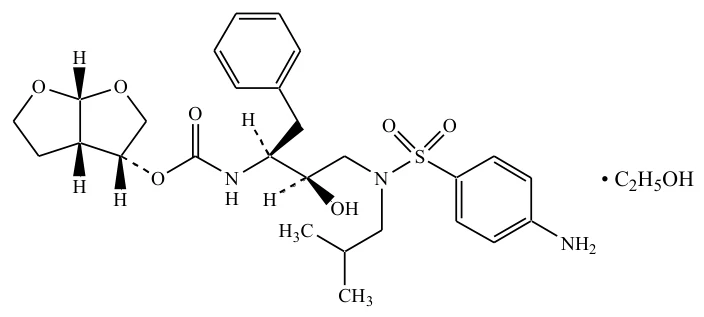
Structural formula:
Physicochemical properties:
Physical Description: Cobicistat is a white to yellow solid. Cobicistat is adsorbed onto silicon dioxide.
Solubility: The solubility of cobicistat is approximately 0.1 mg/mL in water at 20°C.
14 CLINICAL TRIALS
General
The antiretroviral effect of PREZCOBIX is due to the darunavir component. The activity of cobicistat as a pharmacokinetic enhancer to darunavir has been demonstrated in pharmacokinetic studies. In these pharmacokinetic studies, the exposure of darunavir 800 mg boosted with cobicistat 150 mg was consistent with that observed when boosted with ritonavir 100 mg. Darunavir as a component of PREZCOBIX is bioequivalent to darunavir 800 mg once daily in combination with cobicistat 150 mg once daily co-administered as single agents (see 14 CLINICAL TRIALS, Pivotal Comparative Bioavailability Study).
The efficacy of PREZCOBIX is supported by the analysis of 24-week data from study GS-US-216-0130 in treatment-naive and treatment-experienced patients and two Phase 3 trials, ARTEMIS (TMC114-C211) and ODIN (TMC114-C229), conducted with darunavir/ritonavir 800/100 mg q.d. in treatment-naive and treatment-experienced patients, respectively.
For safety and efficacy studies using PREZISTA, or TYBOST in combination with other antiretroviral agents, also consult the Product Monographs for these products.
14.1 Clinical Trials By Indication
Antiretroviral Treatment-Naive Adult Patients (TMC114-C211 (ARTEMIS))
The evidence of efficacy of darunavir/ritonavir 800/100 mg q.d.in anti-retroviral treatment-naive patients is based on the analyses of 192-week data from the randomized, controlled, open-label Phase 3 trial TMC114-C211 comparing darunavir/ritonavir 800/100 mg q.d. with lopinavir/ritonavir 800/200 mg per day (given as a twice-daily or as a once-daily regimen). Both arms used a fixed background regimen consisting of tenofovir disoproxil fumarate 300 mg q.d. (TDF) and emtricitabine 200 mg q.d. (FTC). Demographics and baseline characteristics were balanced between the darunavir/ritonavir arm and the lopinavir/ritonavir arm.
Analyses of the data at 192 weeks of treatment in the ARTEMIS trial demonstrated sustained antiretroviral efficacy and immunological benefit of the darunavir/ritonavir arm. In the 192-weeks analysis, virologic response (HIV-1 RNA<50 copies/mL) in the ITT population was 68.8% (N=343) and 57.2% (N=346) for the darunavir/ritonavir and lopinavir/ritonavir arm, respectively (p<0.001, difference = 11.6%, 95% CI = [-4.4; 18.8]).
Antiretroviral Treatment-Experienced Adult Patients with no darunavir resistance-associated mutations (TMC114-C229 (ODIN))
The evidence of efficacy of darunavir/ritonavir 800/100 mg q.d. in anti-retroviral treatment-experienced patients with no darunavir resistance-associated mutations is based on the 48-week analysis of the randomized, open-label Phase 3 trial TMC114-C229 (ODIN) comparing darunavir/ritonavir 800/100 mg q.d. with darunavir/ritonavir 600/100 mg per b.i.d. Both arms used an optimized background regimen consisting of ≥2 NRTIs selected by the investigator. No imbalances between the two arms were noted.
In the 48-week primary analysis, the virologic response defined as a confirmed plasma HIV-1 RNA viral load <50 copies/mL (ITT, TLOVR), was 72.1% (N=294) for the darunavir/ritonavir q.d. arm and 70.9% (N=296) for the darunavir/ritonavir b.i.d. arm (p<0.001, difference = 1.2%, 95% CI = [-6.1; 8.5]).
GS-US-216-0130
Demographics and Trial Design
GSUS-216-0130 is a single-arm, open-label, Phase 3 trial evaluating the pharmacokinetics, safety, tolerability, and efficacy of darunavir with cobicistat in 313 HIV1 infected adult patients (295 treatment-naive and 18 treatment-experienced). These patients received darunavir 800 mg once daily in combination with cobicistat 150 mg once daily with an investigator-selected background regimen consisting of 2 active NRTIs.
HIV-1 infected patients who were eligible for this trial had a screening genotype showing no darunavir RAMs and plasma HIV-1 RNA ≥1000 copies/mL. Virologic response was defined as confirmed plasma HIV-1 RNA viral load <50 copies/mL using the Snapshot analysis.
Table 9: Demographic and Baseline Characteristics of Patients in Open-Label GS-US-216-0130 Trial
All Subjects darunavir/cobicistat 800/150 mg q.d. + OBR N=313 | |||||
|---|---|---|---|---|---|
All Subjects darunavir/cobicistat 800/150 mg q.d. + OBR N=313 | |||||
Median Age (years) (range, years) | 35 (18-72) | ||||
| Sex | |||||
| Male | 89% | ||||
| Female | 11% | ||||
| Race | |||||
| White | 60% | ||||
| 35% | |||||
| American Indian or Alaska Native | 1% | ||||
| Asian | 1% | ||||
| Native Hawaiian or Pacific Islander | 1% | ||||
| Other | 3% | ||||
| Mean Baseline Plasma HIV-1 RNA (log10 copies/mL) | 4.8 | ||||
Median Baseline CD4+ Cell Count, 106 (cells/L) (range, cells/L) | 361.0 (5-1473) | ||||
| Percentage of Patients with Baseline Viral Load ≥100,000 copies/mL | 42% | ||||
| Percentage of Patients with Baseline CD4+ Cell Count ≤200x106 cells/L | 19% | ||||
| N=total number of patients in the ITT population with data; OBR=optimized background regimen | |||||
The table below shows the efficacy data of the 24-week analyses from the GS-US-216-0130 trial.
Table 10: Virologic Outcome of Randomized Treatment of Trial GS-US-216-0130 at 24 Weeks
All Subjects darunavir/cobicistat 800/150 mg q.d. + OBR N=313 | ||||
| Virologic success HIV-1 RNA <50 copies/mL | 82.4% | |||
| Virologic failure1 | 11.5% | |||
No virologic data at Week 24 window2 Reasons | ||||
| Discontinued study due to adverse event or death3 | 4.5% | |||
| Discontinued study for other reasons4 | 1.0% | |||
| Missing data during window‡ but on study | 0.6% | |||
N=total number of subjects with data 1 Includes patients who discontinued prior to Week 24 for lack or loss of efficacy and patients who are ≥50 copies/mL in the 24-week window and patients who had a change in their background regimen that was not permitted by the protocol 2 Window 20-30 weeks 3 Includes patients who discontinued due to adverse event or death at any time point from Day 1 through the time window if this resulted in no virologic data on treatment during the specified window 4 Other includes: withdrew consent, loss to follow-up, etc., if the viral load at the time of discontinuation was <50 copies/mL | ||||
14.2 Comparative Bioavailability Studies
Pivotal Comparative Bioavailability Study
In a Phase 1, single-dose, open-label, randomized 3-panel, 2-way crossover trial the rate and extent of absorption of darunavir following administration of a 800 mg darunavir/150 mg cobicistat fixed-dose combination tablet and 2 x 400 mg darunavir tablets (in the presence of 150 mg cobicistat) under fasted and fed (low fat, low calorie and high fat, high calorie) conditions was assessed in 133 healthy male and female subjects.
In Panel 1, 74 male and female subjects randomly received under fasted conditions a single oral dose of 800 mg darunavir formulated as the 400 mg tablet (2 x 400 mg) and 150 mg cobicistat (Treatment A) and a single oral dose of a 800 mg darunavir/150 mg cobicistat fixed-dose combination tablet (Treatment B) with a washout period of at least 7 days in between treatments. The results indicate that the bioavailabilities of darunavir and cobicistat from the 800 mg darunavir/150 mg cobicistat fixed-dose combination tablet are comparable to the bioavailabilities of darunavir and cobicistat from the 2 x 400 mg dose of darunavir co-administered with 150 mg of cobicistat under fasted conditions.
In Panel 2, 40 male and female subjects randomly received under fed conditions (low fat, low calorie) a single oral dose of 800 mg darunavir formulated as the 400 mg tablet (2 x 400 mg) and 150 mg cobicistat (Treatment C), and a single oral dose of a 800 mg darunavir/150 mg cobicistat fixed-dose combination tablet (Treatment D) with a washout period of at least 7 days in between treatments. The results indicate that the bioavailabilities of darunavir and cobicistat from the 800 mg darunavir/150 mg cobicistat fixed-dose combination tablet are comparable to the bioavailabilities of darunavir and cobicistat from 2 x 400-mg dose of darunavir co-administered with 150 mg of cobicistat under low fat, low calorie fed conditions. The summary of results is presented in Table 11.
Table 11: Summary Table of the Comparative Bioavailability Data Under Fed and Fasting Conditions
Geometric Least Square Mean Arithmetic Mean (CV%) | ||||||
|---|---|---|---|---|---|---|
| Darunavir | Fasted Conditions | Fed (Standardized Breakfast) | ||||
| Parameter | Test1 | Reference2 | % Ratio of Geometric Means (90% Confidence Interval) | Test1 | Reference2 | % Ratio of Geometric Means (90% Confidence Interval) |
AUClast (ng.h/mL) | 42831 46329 (39.9) | 44524 47326 (38.7) | 96.20 (90.98 – 101.71) | 74744 78942 (33.8) | 76499 81483 (33.8) | 97.71 (93.08 – 102.57) |
| AUC∞ (ng.h/mL) | 43058 46291 (40.6) | 44851 47668 (39.2) | 96.00 (90.30 – 102.07) | 74302 78811 (34.6) | 75962 79836 (33.7) | 97.81 (92.85 – 103.05) |
Cmax (ng/mL) | 2950 3087 (30.0) | 2992 3129 (29.8) | 98.59 (93.72 – 103.73) | 6650 6773 (19.8) | 6873 6979 (17.2) | 96.76 (93.06 – 100.60) |
Tmax3 (h) | 3.00 (1.00 – 12.00) | 3.00 (1.00 – 12.00) | 4.03 (1.50 – 9.05) | 4.00 (1.00 – 9.00) | ||
T½4 (h) | 7.6 (46.9) | 7.2 (46.2) | 6.7 (51.3) | 5.5 (29.6) | ||
| Cobicistat | Fasted Conditions | Fed (Standardized Breakfast) | ||||
| Parameter | Test1 | Reference2 | % Ratio of Geometric Means (90% Confidence Interval) | Test1 | Reference2 | % Ratio of Geometric Means (90% Confidence Interval) |
AUClast (ng.h/mL) | 4226 5219 (58.5%) | 4175 4962 (50.2%) | 101.20 (91.77 – 111.61) | 5751 6285 (43.5) | 5879 6401 (42.9) | 97.82 (94.65 – 101.10) |
| AUC∞ (ng.h/mL) | 4580 5448 (55.2%) | 4390 5106 (48.4%) | 104.33 (94.85 – 114.77) | 5842 6388 (43.5) | 5975 6511 (42.8) | 97.77 (94.60 – 101.05) |
Cmax (ng/mL) | 591 697 (48.6%) | 572 664 (45.4%) | 103.40 (94.25 – 113.44) | 789 819 (27.0) | 808 823 (25.3) | 97.65 (93.77 – 101.70) |
Tmax3 (h) | 2.00 (1.00 – 5.03) | 2.50 (1.00 – 5.03) | 4.00 (1.00 – 5.02) | 3.99 (1.00 – 5.03) | ||
T½4 (h) | 3.9 (21.0%) | 4.0 (22.3%) | 3.8 (22.2) | 3.9 (21.8) | ||
1 800 mg/150 mg (darunavir/cobicistat) fixed-dose combination tablet (G006).
2 2 x 400 mg darunavir tablet (F030) + 150 mg cobicistat tablet.
3 Expressed arithmetic median (range) only.
4 Expressed as the arithmetic mean (CV%) only.
In Panel 3, the effect of food on the oral bioavailability of darunavir when administered as the darunavir/cobicistat fixed-dose combination tablet was assessed in 19 male and female subjects. Exposure to darunavir following single-dose administration of the 800 mg darunavir/150 mg cobicistat fixed-dose combination tablet was higher with a high-fat breakfast relative to fasted conditions; the Cmax, AUClast, and AUC∞ values for darunavir were 2.27-, 1.63-, and 1.70-fold higher, respectively. Exposure to cobicistat following single-dose administration of the 800 mg darunavir/150 mg cobicistat fixed-dose combination tablet was comparable when it was administered with a high-fat breakfast and under fasted conditions.
15 MICROBIOLOGY
Antiviral Activity In Vitro
Darunavir exhibits activity against laboratory strains and clinical isolates of HIV-1 and laboratory strains of HIV-2 in acutely infected T-cell lines, human peripheral blood mononuclear cells and human monocytes/macrophages with median EC50 values ranging from 1.2 to 8.5 nM (0.7 to 5.0 ng/mL). Darunavir demonstrates antiviral activity in vitro against a broad panel of HIV-1 group M (A, B, C, D, E, F, G) and group O primary isolates with EC50 values ranging from <0.1 to 4.3 nM.
These EC50 values are well below the 50% cellular toxicity concentration range of 87 µM to >100 µM. The EC50 value of darunavir increases by a median factor of 5.4 in the presence of human serum.
Darunavir showed synergistic antiviral activity when studied in combination with the PIs ritonavir, nelfinavir, or amprenavir, and additive antiviral activity when studied in combination with the PIs indinavir, saquinavir, lopinavir, atazanavir, or tipranavir, the nucleoside (nucleotide) reverse transcriptase inhibitors (N(t)RTIs) zidovudine, lamivudine, zalcitabine, didanosine, stavudine, abacavir, emtricitabine, or tenofovir, the non-nucleoside reverse transcriptase inhibitors (NNRTIs) nevirapine, delavirdine, etravirine, or efavirenz, and the fusion inhibitor enfuvirtide. No antagonism was observed between darunavir and any of these antiretrovirals in vitro.
Cobicistat has no detectable antiviral activity against HIV-1, HBV, or HCV and does not antagonize the antiviral effect of darunavir.
Resistance In Vitro
In vitro selection of darunavir-resistant virus from wild-type HIV-1 was lengthy (more than 2 years). The selected viruses were unable to grow in the presence of darunavir concentrations above 220 nM. Viruses selected in these conditions and showing decreased susceptibility to darunavir (range: 23- to 50-fold) harboured 2 to 4 amino acid substitutions in the protease gene. Identification of determinants of decreased susceptibility to darunavir in those viruses is under investigation.
In vitro selection of darunavir-resistant HIV-1 (range: 53- to 641-fold change in EC50 values) from 9 HIV-1 strains harbouring multiple PI resistance-associated mutations (RAMs) resulted in the overall emergence of 22 mutations in the protease, of which L10F, V32I, L33F, S37N, M46I, I47V, I50V, L63P, A71V, and I84V were present in more than 50% of the 9 darunavir-resistant isolates. A minimum of 8 of these darunavir in vitro selected mutations, from which at least 2 were already present in the protease prior to selection, were required in the HIV-1 protease to render a virus resistant (fold change (FC) >10) to darunavir.
In 1113 clinical isolates resistant to amprenavir, atazanavir, indinavir, lopinavir, nelfinavir, ritonavir, saquinavir and/or tipranavir, and in 886 baseline isolates from treatment-experienced patients only the subgroups with >10 PI resistance-associated mutations showed a median FC for darunavir >10.
Cross-Resistance In Vitro
Cross-resistance has been observed among PIs. Darunavir has a <10-fold decreased susceptibility against 90% of 3309 clinical isolates resistant to amprenavir, atazanavir, indinavir, lopinavir, nelfinavir, ritonavir, saquinavir and/or tipranavir showing that viruses resistant to most PIs remain susceptible to darunavir.
Seven of the 9 darunavir-resistant viruses selected from PI-resistant viruses had phenotypic data for tipranavir. Six of those showed a FC in EC50 value <3 for tipranavir, indicative of limited cross-resistance between these 2 PIs.
Cross-resistance between darunavir and the nucleoside/nucleotide reverse transcriptase inhibitors, the non-nucleoside reverse transcriptase inhibitors, the entry inhibitors, or the integrase inhibitor is unlikely because the viral targets for those inhibitors are different.
In Vivo Selection of Viral Resistance
The resistance profile of PREZCOBIX is driven by darunavir. Cobicistat does not select any HIV resistance mutations, due to its lack of antiviral activity. The resistance profile of PREZCOBIX is supported by the analysis of 24-week data from trial GS-US-216-0130 in treatment-naive and treatment-experienced patients and two Phase 3 trials conducted with darunavir/ritonavir in treatment-naive and treatment-experienced patients, respectively.
In Vivo Selection of Viral Resistance During PREZCOBIX Therapy
In the 24-week analysis of the GS-US-216-130 trial, no PI or NRTI RAMs developed in the treatment-naive patients. One treatment-experienced patient developed a DRV RAM. This mutation was not associated with a decreased susceptibility to darunavir. One treatment-experienced patient developed an NRTI RAM, which was not associated with a decreased susceptibility to the NRTIs included in the background regimen.
In Vivo Selection of Viral Resistance During darunavir/ritonavir 800/100 mg q.d. Therapy
In the 192-week analysis of the TMC114-C211 (ARTEMIS) trial, the number of virologic failures was lower in the group of patients receiving darunavir/ritonavir 800/100 mg q.d. than in patients receiving lopinavir/ritonavir 800/200 mg per day (16.0% vs. 20.5%, respectively). In the virologic failures of the darunavir/ritonavir arm with paired baseline/endpoint genotype data, four patients with developing PI RAMs were identified. In the virologic failures of the lopinavir/ritonavir arm with paired baseline/endpoint genotype data, nine patients with developing PI RAMs at endpoint were identified. This was not associated with a loss in susceptibility to lopinavir. None of the developing mutations in the darunavir/ritonavir group or in the lopinavir/ritonavir group were primary (i.e., major) PI mutations. In four virologic failures in the darunavir/ritonavir arm and seven virologic failures in the lopinavir/ritonavir arm, a maximum of two developing NRTI RAMs were identified. The development of the NRTI RAM at position 184 (n=9) was identified, which was associated with a decreased susceptibility to emtricitabine (FTC) included in the fixed background regimen.
In the 48-week analysis of the TMC114-C229 (ODIN) trial, the number of virologic failures was comparable in the darunavir/ritonavir 800/100 mg q.d. group and the darunavir/ritonavir 600/100 mg b.i.d. group (22.1% vs. 18.2%, respectively). Of the virologic failures, the darunavir/ritonavir 800/100 mg q.d. group reported 7 (12%) patients with developing PI RAMs compared to 4 (10%) patients in the darunavir/ritonavir 600/100 mg b.i.d group. Only 1 subject, in the darunavir/ritonavir q.d. group, developed primary (major) PI mutations (V32I, M46I, L76V and I84V), which included 3 DRV RAMs (V32I, L76Vand I84V). The emergence of these DRV RAMs was associated with loss of darunavir susceptibility.
All virologic failures from the darunavir/ritonavir 600/100 mg b.i.d. group retained susceptibility to darunavir. Four (6.7%) and 3 (7.1%) virologic failures developed 1 or 2 NRTI RAMs in the darunavir/ritonavir 800/100 mg q.d. and the darunavir/ritonavir 600/100 mg b.i.d. groups, respectively. In 3 and 2 of these virologic failures in the darunavir/ritonavir 800/100 mg q.d. and the darunavir/ritonavir 600/100 mg b.i.d. groups, respectively, the development of these NRTI RAMs (V75I+M184V; M184V; T215Y in the q.d. group and M184V; M41L+T215Y in the b.i.d. group) was associated with a decreased susceptibility to a NRTI included in the background regimen.
In Vivo Cross-Resistance with Other Protease Inhibitors
In the virologic failures of the GS-US-216-0130 trial no cross-resistance with other PIs was observed.
In the virologic failures of the ARTEMIS trial, no cross-resistance with other PIs was observed.
Of the viruses isolated from patients receiving darunavir/ritonavir 800/100 mg q.d. experiencing virologic failure in the ODIN trial, 98% remained susceptible to darunavir after treatment. In the same group of patients, 96% to 100% that were susceptible at baseline to amprenavir, atazanavir, indinavir, lopinavir, saquinavir or tipranivir remained susceptible to these protease inhibitors after treatment. In the virologic failures receiving darunavir/ritonavir 600/100 mg b.i.d. no cross-resistance with other PIs was observed.
16 NON-CLINICAL TOXICOLOGY
General Toxicology:
Animal toxicology studies have been conducted with darunavir alone, in mice, rats and dogs and in combination with ritonavir in rats and dogs. Animal toxicology studies have been conducted with cobicistat alone, in mice, rats, rabbits and dogs. Animal studies have not been conducted with darunavir in combination with cobicistat. Animal toxicology for darunavir and cobicistat in combination is based on the studies conducted in the individual products.
In chronic toxicology studies in rats and dogs, there were only limited effects of treatment with darunavir. In the rat the key target organs identified were the hematopoietic system, the blood coagulation system, liver, and thyroid, observed at 100 mg/kg/day and above and at exposures below clinical levels. A variable but limited decrease in red blood cell-related parameters was observed, together with increases in activated PTT. The observed liver and thyroid changes were considered to reflect an adaptive response to enzyme induction in the rat rather than an adverse effect. In combination toxicity studies with ritonavir, no additional target organs of toxicity were reported in rats. In the dog, no major toxicity findings or key target organs were identified at doses up to 120 mg/kg/day and exposures equivalent to clinical exposure at the recommended dose.
Carcinogenicity:
Darunavir was evaluated for carcinogenic potential by oral gavage administration to mice and rats up to 104 weeks. Daily doses of 150, 450 and 1000 mg/kg were administered to mice and doses of 50, 150 and 500 mg/kg were administered to rats. A dose related increase in the incidences of hepatocellular adenomas and carcinomas were observed in males and females of both species. Thyroid follicular cell adenomas were noted in male rats. Administration of darunavir did not cause a statistically significant increase in the incidence of any other benign or malignant neoplasm in mice or rats. The observed hepatocellular findings in rodents are considered to be of limited relevance to humans. Repeated administration of darunavir to rats caused hepatic microsomal enzyme induction and increased thyroid hormone elimination, which predispose rats, but not humans, to thyroid neoplasms. At the highest tested doses, the systemic exposures (based on AUC) to darunavir were between 0.4- and 0.7-fold (mice) and 0.7- and 1-fold (rats), relative to those observed in humans at the recommended therapeutic doses (600/100 mg twice daily or 800/100 mg once daily).
In a long-term carcinogenicity study of cobicistat in mice, no drug-related increases in tumour incidence were observed at doses up to 50 and 100 mg/kg/day (males and females, respectively). Cobicistat exposures at these doses were approximately 7 (males) and 16 (females) times, respectively, the human systemic exposure at the therapeutic daily dose. In a long-term carcinogenicity study of cobicistat in rats, an increased incidence of follicular cell adenomas and/or carcinomas in the thyroid gland was observed at doses of 25 and 50 mg/kg/day in males, and at 30 mg/kg/day in females. The follicular cell findings are considered to be rat-specific, secondary to hepatic microsomal enzyme induction and thyroid hormone imbalance and are not relevant for humans. At the highest doses tested in the rat carcinogenicity study, systemic exposures were approximately 2 times the human systemic exposure at the therapeutic daily dose.
Genotoxicity:
Darunavir was not mutagenic or genotoxic in a battery of in vitro and in vivo assays including bacterial reverse mutation (Ames), chromosomal aberration in human lymphocytes and in vivo micronucleus test in mice.
Cobicistat was not genotoxic in the reverse mutation bacterial test (Ames test), mouse lymphoma or rat micronucleus assays.
Cardiovascular
Ex vivo rabbit studies and in vivo dog studies suggest that cobicistat has a low potential for QT prolongation, and may slightly prolong the PR interval and decrease left ventricular function at mean concentrations at least 10-fold higher than the human exposure at the recommended 150 mg daily dose (see 10.2 Pharmacodynamics, Electrocardiogram (Effect on QT Intervals).
Reproductive and Developmental Toxicology:
Investigation of fertility and early embryonic development with darunavir was performed in rats, teratogenicity studies were conducted in mice, rats and rabbits, and the pre- and post-natal development study was conducted in rats.
In the fertility and early embryonic development study conducted with darunavir, a significant decrease in body weight gain with subsequent related reduction in the number of ovulations resulting in a reduction in the number of live fetuses was observed in female rats treated with 1000 mg/kg. Otherwise, there were no effects on mating or fertility with darunavir treatment up to 1000 mg/kg/day and exposure levels below (AUC 0.5-fold) that in humans at the clinically recommended dose. Up to the same dose levels, there was no teratogenicity with darunavir in rats and rabbits when treated alone nor in mice when treated in combination with ritonavir. The exposure levels were lower than those observed with the recommended clinical dose in humans. In a pre- and post-natal development assessment in rats, darunavir with and without ritonavir caused a transient reduction in body weight gain of the offspring during lactation. This was attributed to drug exposure via the milk. No post-weaning functions were affected with darunavir alone or in combination with ritonavir.
Reproductive studies with cobicistat were conducted in rats and rabbits. Animal studies do not indicate direct or indirect harmful effects of cobicistat with respect to pregnancy, fetal development, parturition, or postnatal development. There were no effects on mating and fertility parameters. Studies in animals have shown no evidence of teratogenicity or an effect on reproductive function. In offspring from rat and rabbit dams treated with cobicistat during pregnancy, there were no toxicologically significant effects on developmental endpoints. The exposures at the embryo-fetal NOAELs in rats and rabbits were respectively 1.4 and 3.3 times higher than the exposure in humans at the recommended daily dose of 150 mg.
Cobicistat did not affect fertility in male or female rats at daily exposures (AUC) approximately 3.3-fold higher than human exposures at the recommended 150 mg daily dose. Fertility was normal in the offspring of rats exposed daily from before birth (in utero) through sexual maturity at daily exposures (AUC) of approximately 1.2-fold higher than human exposures at the recommended 150 mg daily dose.
Juvenile Toxicity
In juvenile rats directly dosed with darunavir (from 20 mg/kg to 1000 mg/kg) up to days 23 to 26 of age, mortality was observed and, in some of the animals, convulsions. Within this age range exposures in plasma, liver and brain were dose and age dependent and were considerably greater than those observed in adult rats. These findings were attributed to the ontogeny of the CYP450 liver enzymes involved in the metabolism of darunavir and the immaturity of the blood-brain barrier. No treatment-related mortalities were noted in juvenile rats dosed at 1000 mg/kg darunavir (single dose) on day 26 of age or at 500 mg/kg (repeated dose) from day 23 to 50 of age, and the exposures and toxicity profile were comparable to those observed in adult rats. In humans, the activity of drug-metabolizing enzymes approaches adult values by 3 years of age.