


Product Monograph - Dom-Ticlopidine
INDICATIONS AND CLINICAL USE
Ticlopidine hydrochloride tablets are indicated for reduction of the risk of recurrent stroke for patients who have experienced at least one of the following events: complete thromboembolic stroke, minor stroke, reversible ischemic neurological deficit (RIND), or transient ischemic attack (TIA) including transient monocular blindness (TMB).
Because ticlopidine can cause life threatening thrombotic thrombocytopenic purpura (TTP) and other blood dyscrasias including neutropenia/agranulocytosis, and aplastic anemia
(WARNINGS, Haematological Complications), ticlopidine should be reserved for patients who are intolerant or allergic to acetylsalicylic acid therapy, have failed acetylsalicylic acid therapy, and who are not suitable candidates for the other antiplatelet therapy.
Considerations in the selection of stroke prevention therapy should include the patient’s current medical status and history, and their ability to comply with the required blood monitoring instructions concerning the use of ticlopidine.
CONTRAINDICATIONS
Dom-TICLOPIDINE is contraindicated in the following conditions:
- 1. known hypersensitivity to drug or its excipients
- 2. presence of hematopoietic disorders (such as neutropenia and/or thrombocytopenia)
- 3. presence of hemostatic disorder
- 4. conditions associated with active bleeding, such as bleeding peptic ulcer or intracranial bleeding
- 5. severe liver dysfunction.
WARNINGS
Ticlopidine can cause life-threatening thrombotic thrombocytopenic purpura (TTP) and other blood dyscrasias including neutropenia/agranulocytosis, and aplastic anemia (see WARNINGS,
Haematological Complications and ADVERSE REACTIONS). Ticlopidine should be reserved only for patients at high-risk of stroke (see INDICATION AND CLINICAL USE).
All patients should have a white blood cell count with a differential and platelet count performed at baseline, before treatment is initiated, followed by monitoring at weekly intervals, to the end of the third month of therapy with ticlopidine (see WARNINGS, Haematological
Complications). If any evidence of TTP or neutropenia is seen, ticlopidine should be immediately discontinued. For the first 3 month of therapy, prescriptions of ticlopidine should be limited to a 14-day supply (see AVAILABILITY).
Hematological Complications
All forms of hematological adverse reactions are potentially fatal. Rarely, cases of pancytopenia, aplastic anemia or thrombocytopenia, have been reported. Thrombotic thrombocytopenic purpura (TTP) is characterized by thrombocytopenia, microangiopathic haemolytic anemia
(schistocytes [fragmented RBCs] seen on peripheral smear), neurological findings, renal dysfunction and fever. The signs and symptoms can occur in any order; in particular, clinical symptoms may precede laboratory findings by hours or days.
TTP was not seen during clinical trials but a number of cases (with fatal outcomes) have been reported to date through spontaneous worldwide post-marketing reporting. The estimated incidence of TTP in association with the use of ticlopidine for the prevention of stroke and for the prevention of thrombosis following coronary stent placement is one case per 1600 to 5000 patients treated (0.06% to 0.02%), while in the general population TTP is estimated to occur at a frequency of 3.7 cases per years per millions persons (0.00037%). The median time to occurrence was 3 - 4 weeks from the start of therapy, but a few cases occurred as soon as the same day of therapy, or more than 12 weeks after drug administration. Treatment consists of discontinuation of ticlopidine and plasmapheresis. Because platelet transfusion may accelerate thrombosis is patient with TTP on ticlopidine, they should be avoided.
About 2.4% of ticlopidine treated patients in clinical trials developed neutropenia (defined as an absolute neutrophil count (ANC) below 1.2 x 10⁹ cells/L). The incidence of severe neutropenia
(ANC<0.45 x 10⁹ cells/L) was 0.8%. Severe neutropenia occurs during the first 3-12 weeks of therapy, and may develop quickly over a few days. The bone marrow shows a reduction in myeloid precursors. The condition may be life-threatening. It is usually reversible, and recovery occurs within 1 - 3 weeks after discontinuation of the drug, but may take longer on occasion.
In clinical trials, thrombocytopenia (defined as a platelet count of <0.8 x 10¹¹ cells/L) has been observed in 0.4% of ticlopidine patients. The incidence of thrombocytopenia in patients on ASA or placebo was 0.3% or 0.4% respectively. The thrombocytopenia may occur as an isolated finding or in combination with neutropenia. Thrombocytopenia occurs during the first 3- 12 weeks of therapy, and recovery usually occurs after drug discontinuation. All patients should have a white blood cell count with a differential and platelet count performed every week starting at baseline, before treatment is initiated, to the end of the third month of therapy with ticlopidine. When the neutrophil count shows a declining trend or the neutrophil numbers have fallen below 30% of the baseline, the values should be confirmed. If the presence of neutropenia
(ANC <1.2 x 10⁹ cells/L) or thrombocytopenia (<0.8 x 10¹¹ cells/L) are confirmed, the drug should be discontinued and CBC white cell differential and platelet count should be monitored until they return to normal. Because of the long plasma half-life of ticlopidine, it is recommended that any patient who discontinues ticlopidine for any reason within the first 90 days have an additional CBC with white cell differential count obtained two weeks after discontinuation of therapy (see PRECAUTIONS).
Hemorrhagic Complications
Prolongation of bleeding time occurs in subjects treated with ticlopidine. Purpura and a few cases of more serious hemorrhagic events such as hematemesis, melena, hemothorax and intracranial bleeding have been reported. Patients must be instructed to watch for signs of bleeding disorders and to report any abnormality to their physician immediately. Ticlopidine therapy has to be stopped by the patient if a physician is not immediately available for consultation.
Anticoagulant Drugs
The use of heparins, oral anticoagulants and antiplatelet agents should be avoided as tolerance and safety of simultaneous administration with ticlopidine has not been established (SEE
PRECAUTIONS). However, in exceptional cases of concomitant treatment, close clinical and laboratory monitoring is required.
Hepatic Abnormalities
Most patients receiving ticlopidine showed some increase of their alkaline phosphatase values above their baseline and in one-third the increase exceeded the upper reference range. In 6% the value was greater than twice the upper reference range. These increases in alkaline phosphatase were nonprogressive and asymptomatic. In clinical trials, 2 cases (0.1%) of cholestatic jaundice accompanied by elevated transaminases alkaline phosphatase, and bilirubin levels above 43
:mol/L have been observed. Both patients recovered promptly upon drug discontinuation. There have been rare reports of hepatitis during the first months of treatment from postmarketing experience. The course has generally been favourable after treatment was discontinued with recovery periods ranging from 4-239 days and a median of 30 days.
Pregnancy
The safety of ticlopidine in pregnancy has not been established. It should not be used in pregnant patients.
Children
Safety in children has not been studied. Do not use in pediatric patients.
PRECAUTIONS
Selection of Patients
Ticlopidine should be used only for the established indications (see INDICATIONS AND
CLINICAL USE) and should not be given to patients with hematopoietic disorders, hemostatic disorders, patients suffering from conditions associated with active bleeding (see
CONTRAINDICATIONS) and patients anticipating elective surgery. In clinical trials elderly patients tolerated the drug well, but safety in children and pregnant women have not been established.
Clinical Monitoring
All patients have to be carefully monitored for clinical signs and symptoms of adverse drug reactions especially during the first three months of therapy (see ADVERSE REACTIONS). The signs and symptoms possibly related to neutropenia (fever, chills, sore throat, ulcerations in oral cavity), thrombocytopenia and abnormal hemostasis (prolonged or unusual bleeding, bruising, purpura, dark stool), jaundice (including dark urine, light coloured stool) and allergic reactions should be explained to the patients who should be advised to stop medication and consult their physician immediately if any of these occur.
Laboratory Monitoring
All patients should have a white blood cell count with a differential and platelet count performed every week starting at baseline, before treatment is initiated, to the end of the third month of therapy with ticlopidine. When the neutrophil count shows a declining trend or the neutrophil numbers have fallen below 30% of the baseline, the value should be confirmed. If the presence of neutropenia (ANC <1.2 x 10⁹ cells/L) or thrombocytopenia (<0.8 x 10¹¹ cells/L) are confirmed, the drug should be discontinued. Because of the long plasma half-life of ticlopidine, it is recommended that any patient who discontinues ticlopidine for any reason within the first 90 days, have an additional CBC with white cell differential obtained 2 weeks after discontinuation of therapy (see WARNINGS). Thereafter, the WBC counts need only be repeated for symptoms or signs suggestive of neutropenia.
Liver function tests should be conducted during therapy with ticlopidine in response to signs and symptoms suggestive of hepatic dysfunction.
Elective Surgery
Ticlopidine should be discontinued 10 to 14 days prior to elective surgery or dental extraction and bleeding time and thrombocyte count performed before the procedure if clinically indicated.
Emergency Surgery
Prolonged bleeding during surgery may be a problem in ticlopidine treated patients. Transfusions of fresh platelets would be expected to improve hemostasis in such patients, but there are no data from clinical trials to confirm this expectation. There are data from clinical pharmacology trials that indicate treatment with glucocorticosteroids can normalize bleeding time in ticlopidine treated subjects, but there is no experience with ticlopidine treated surgical patients to show that such treatment improves hemostasis.
Specific Precautions
Liver: Ticlopidine is contraindicated in patients with severe liver dysfunction or cholestatic jaundice. Mild increase of alkaline phosphatase may be seen for the duration of the treatment and is inconsequential in the majority of patients (see WARNINGS and CONTRAINDICATIONS).
Kidneys: Ticlopidine has been well tolerated in patients with moderately decreased renal function. In severe renal disease, caution and close monitoring are recommended.
Gastrointestinal: Conditions associated with active bleeding, such as bleeding ulcers, constitute contraindication for ticlopidine. Clinical judgment and monitoring of stool for occult blood are required for patients with a history of ulcerative lesions.
Trauma: Ticlopidine should be discontinued temporarily until the danger of abnormal bleeding is eliminated. A single fatal case of intracranial bleeding following head trauma has been reported.
The extent to which ticlopidine may have contributed to the severity of the bleeding is unknown.
Drug Interactions
Since ticlopidine is metabolized by the liver, dosing of ticlopidine or other drugs metabolized in the liver may require adjustment upon starting or stopping therapy.
The following table outlines the agents which have been concomitantly administered with ticlopidine and the observed interaction if any.
Agents Observed Interaction
NSAIDs including ASA The combined antithrombotic affect of ticlopidine and ASA or NSAIDs can lead to increased risk of haemorrhagic complications. If concomitant use of these drugs is necessary, close clinical and laboratory monitoring is required.
Heparins Increased haemorrhagic risk due to combination of anticoagulant and platelet antiaggregant activity. If such drugs are necessary, close clinical and laboratory monitoring is required.
Combinations Requiring Special Precautions
Antipyrine and products
metabolized by hepatic
microsomal enzymes
30% increase in t½ of antipyrine. Dose of products metabolized by hepatic microsomal enzymes to be adjusted when starting or stopping concomitant therapy with ticlopidine hydrochloride.
Theophylline t½ of theophylline increased from 8.6 to 12.2 hours along with a comparable reduction in its total plasma clearance. Monitoring of plasma levels of theophyline followed by the theophylline dose adjustment is mandatory when treating patients concomitantly with ticlopidine and theophyline.
Digoxin Approximately 15% reduction in digoxin plasma levels, (little or no change in digoxin’s efficacy expected).
Cimetidine Chronic administration of cimetidine induced a 50% reduction in clearance of a single dose of ticlopidine hydrochloride.
Antacids 20% decrease in ticlopidine plasma level when administered after antacids.
Phenytoin In vitro studies demonstrated that ticlopidine does not alter the plasma protein binding of phenytoin. However, the protein binding interactions of ticlopidine and its metabolites have not been studied in vivo. Caution should be exercised in coadministering this drug with Dom-
TICLOPIDINE and it may be useful to to remesure phenytoin blood concentrations.
Phenobarbital No interaction reported.
Other Concomitant Therapy
Although specific interaction studies were not performed, in clinical studies, ticlopidine was used concomitantly with beta-blockers, calcium channel blockers and diuretics without evidence of clinically significant adverse interactions.
In vitro studies demonstrated that ticlopidine is reversibly bound to plasma proteins (98%), but that it does not interact with plasma protein binding of propanolol, which is also highly protein bound in its basic form.
Cyclosporine blood levels should be monitored in case of coadministration with Dom-
TICLOPIDINE. In vary rare instances, lowering of cyclosporine blood levels have been reported.
Use in women
Pregnant women
The safety of ticlopidine in pregnant women has not been established. Unless absolutely indicated, ticlopidine should not be prescribed to a pregnant woman (see WARNINGS;
TOXICOLOGY -Fertility and Reproduction).
Lactating Women
Studies in rats have shown that ticlopidine is excreted in milk. Unless absolutely indicated, ticlopidine should not be prescribed to a lactating woman.
ADVERSE REACTIONS
Most adverse effects are mild, transient and occur early in the course of treatment. In controlled clinical trials of 1 to 5 years' duration, discontinuation of ticlopidine due to one or more adverse effects was required in 20.9% of patients. In these same trials, ASA and placebo led to discontinuation in 14.5 and 6.7% of patients respectively.
The incidence rates of adverse reactions listed in the following table were derived from multicentre, controlled clinical trials comparing ticlopidine, placebo and ASA over study periods of up to 5 years. The rates are based on adverse reactions considered probably drug-related by the investigator. Adverse experiences occurring in greater than 1% of patients treated with ticlopidine in controlled clinical trials are shown in the following table:
Percent of Patients in Controlled Studies
Event Ticlopidine
(n=2048)
Incidence
ASA
(n=1527)
Incidence
Placebo
(n=536)
Incidence Diarrhea 12.5 (6.3)* 5.2 (1.8) 4.5 (1.7) Nausea 7.0 (2.6) 6.2 (1.9) 1.7 (0.9) Dyspepsia 7.0 (1.1) 9.0 (2.0) 0.9 (0.2) Rash 5.1 (3.4) 1.5 (0.8) 0.6 (0.9) Gastrointestinal
Pain
3.7 (1.9) 5.6 (2.7) 1.3 (0.4)
Neutropenia 2.4 (1.3) 0.8 (0.1) 1.4 (0.4) Purpura 2.2 (0.2) 1.6 (0.1) 0.0 (0.0) Vomiting 1.9 (1.4) 1.4 (0.9) 0.9 (0.4) Flatulence 1.5 (0.1) 1.4 (0.3) 0.0 (0.0) Pruritus 1.3 (0.8) 0.3 (0.1) 0.0 (0.0) Dizziness 1.1 (0.4) 0.5 (0.4) 0.0 (0.0) Anorexia 1.0 (0.4) 0.5 (0.4) 0.0 (0.0) *Percent of patients (in parentheses) discontinuing clinical trials due to event.
The incidence of thrombocytopenia in these controlled studies was 0.4% in the ticlopidine and placebo groups of patients and 0.3% in the ASA patient population.
The following rare events have been reported:
Pancytopenia, bone marrow aplasia, hemolytic anemia with reticulocytosis, thrombocytopenic thrombotic purpura, jaundice, allergic pneumonitis, systemic lupus (positive ANA), peripheral neuropathy, vasculitis, serum sickness, arthropathy, hepatitis, nephrotic syndrome, myositis, angioedema (quick edema), fever, hyponatremia, bleeding increased (spontaneous, post-traumatic or postoperative), cholestatic jaundice, colitis, erythema multiforme, hepatic necrosis, hepatocellular jaundice, peptic ulcer, Stevens-Johnson syndrome, renal failure, sepsis and hypersensitive nephropathy.
Gastrointestinal: Ticlopidine therapy has been associated with a variety of gastrointestinal complaints including diarrhea and nausea. While most are mild and transient, when chronic or severe or accompanied by weight loss, fatigue and/or anorexia, it can also be indicative of colitis.
The majority of cases occur within the first 3 months of initiation of therapy. If the effect is persistent or severe, the therapy should be discontinued. Typically, events are resolved within 1 to 2 weeks thereafter.
Hemorrhagic: Ticlopidine has been associated with a number of bleeding complications such as ecchymosis, epistaxis, hematuria, conjunctival hemorrhage, gastrointestinal bleeding and peri and postoperative bleeding (SEE PRECAUTIONS). Intracerebral bleeding was rare in clinical trials with ticlopidine and was no more than that seen with comparator agents (ASA, placebo).
Cutaneous: Ticlopidine has been associated with a maculopapular or urticarial rash (often with pruritus). Rash usually occurs within 3 months of initiation of therapy, with a mean time to onset of 11 days. If drug is discontinued, recovery should occur within several days. Many rashes do not recur on drug rechallenge. There have been rare reports of more severe rashes.
Altered Laboratory Findings:
Hematological: agranulocytosis, eosinophilia, neutropenia, pancytopenia, isolated
thrombocytopenia (rarely accompanied by haemolytic anaemia), and thrombocytosis have been associated with ticlopidine administration (see WARNINGS).
Liver: Dom-TICLOPIDINE therapy has been accompanied by an increase in hepatic enzymes.
In clinical trails, increases of alkaline phosphatase and transaminase levels (incidence greater than twice the upper limit of normal) were observed in both ticlopidine and placebo groups.
Maximal changes occur within 1-4 months of therapy initiation (see WARNINGS). No progressive increase were observed in closely monitored clinical trials, but most patients with these abnormalities had therapy discontinued. Pms-TICLOPIDINE therapy has also been accompanied by a minor elevation of bilirubin and deviations in GGTP. One case of significant increase in (GT in an elderly patient was reported in the literature. (GT returned to normal upon discontinuation of ticxlopidine therapy.
Cholesterol: Chronic ticlopidine therapy has been associated with increased serum cholesterol and triglycerides. Serum levels of HDL-C, LDL-C, VLDL-C, and triglycerides are increased 8 to
10% after 1 to 4 months of therapy. No further progressive elevations are seen with continuous therapy. The ratios of the lipoprotein subfractions (especially the ration of HDL to LDL) remain unchanged. The effect is not correlated with age, sex, alcohol use or diabetes.
SYMPTOMS AND TREATMENT OF OVERDOSAGE
One case of deliberate overdosage with ticlopidine has been reported in a foreign postmarketing surveillance program. A 38-year-old male took a single 6000 mg dose of ticlopidine (equivalent to 24 standard 250 mg tablets). The only abnormalities reported were increased bleeding time and increased SGPT. No special therapy was instituted and the patient recovered without sequelae. Based on animal studies, overdosage may result in severe gastrointestinal intolerance.
In the case of excessive bleeding after injury or surgery, standard supportive measures should be carried out if indicated, including gastric lavage, platelet transfusion and use of corticosteroids.
In case of drug overdose, contact a heath care practitioner, hospital emergency department or regional Poison Control Centre immediately, even if there are no symptoms.
DOSAGE AND ADMINISTRATION
The recommended dose of Dom-TICLOPIDINE is 250 mg twice daily with food.
Dom-TICLOPIDINE should be taken with meals to minimize gastrointestinal intolerance.
PHARMACEUTICAL INFORMATION
Drug Substance
Proper Name: Ticlopidine Hyrochloride
Chemical Name: 5-(2-chlorobenzyl)-4,5,6,7-tetrahydrothieno-(3,2-c) pyridine hydrochloride
(IUPAC)
Structural Formula:
S
N
Cl
HCl
Molecular Formula: C14H14ClNS.HCl
Molecular Weight: 300.25
Solubility: Ticlopidine HCl is sparingly soluble in water
pKa: 7.64
Description: Ticlopidine hydrochloride is a white crystalline solid. It is freely soluble in water and self buffers to a pH of 3.6. It also dissolves freely in methanol, is sparingly soluble in buffer solutions above pH 6.0, methylene chloride and ethanol, and is slightly soluble in acetone.
Drug Product
Composition: Each tablet contains ticlopidine hydrochloride and the following non-medicinal ingredients: butylated hydroxyanisole, microcrystalline cellulose, starch, povidone, stearic acid, magnesium stearate, hydroxypropyl methylcellulose, titanium dioxide, and polyethylene glycol.
Stability and Storage Recommendations
Dom-TICLOPIDINE tablets should be stored at room temperature and dispensed in light-resistant containers. Blister packs should not be exposed to light.
AVAILABILITY OF DOSAGE FORMS
Dom-TICLOPIDINE tablets are white to off-white film coated and oval shaped, debossed with
“93" on one side and “154" on the other.
Dom-TICLOPIDINE Tablets 250mg are available in HDPE bottles of 100 tablets.
INFORMATION FOR THE CONSUMER
PLEASE READ CAREFULLY
You have been prescribed Dom-TICLOPIDINE by your doctor. Reading this information can help you learn about Dom-TICLOPIDINE and how to make this medicine work best for you. If you have any questions after reading this information, speak with your doctor or pharmacist.
What is Dom-TICLOPIDINE?
Dom-TICLOPIDINE is a product name for the prescription drug ticlopidine. Each film-coated tablet of Dom-TICLOPIDINE contains 250 mg of ticlopidine hydrochloride, the active ingredient. It also contains additional (non-medicinal or inactive) ingredients. These are: citric acid, cornstarch, hydroxypropylmethylcellulose, magnesium stearate, microcrystalline cellulose, polyethylene glycol, povidone, stearic acid, titanium dioxide and FD&C blue #1 aluminum lake.
Ticlopidine reduces the ability of blood clotting cells (platelets) to stick to each other and to the walls of blood vessels. This action reduces the tendency of blood to clot in unwanted places such as in narrowed blood vessels.
What is ticlopidine used for?
Dom-TICLOPIDINE is usually prescribed to patients who have had a previous stroke or who experienced one or more warning episodes indicating an increased risk of stroke, such as transient ischemic attacks, ischemic neurological changes or minor strokes. A stroke occurs when a clot (or thrombus) forms in a blood vessel in the brain, or forms in another part of the body and breaks off and then travels to the brain (embolus). In clinical trials, Dom-
TICLOPIDINE has been shown to decrease both the stroke mortality and the occurrence of first or repeat stroke in such patients.
What should you tell your doctor before you start taking Dom-TICLOPIDINE?
Before beginning treatment with Dom-TICLOPIDINE, make sure your doctor knows if:
- you ever had a bad reaction to Dom-TICLOPIDINE or any of its inactive ingredients
- you have a history of blood disorders such as low white blood cell counts (neutropenia), low platelets (thrombocytopenia) or lack of white blood cells (agranulocytosis)
you have active bleeding problems such as stomach or intestinal ulcers, intracranial
(within the head) bleeding
- you have severe liver disease
- you are pregnant, plan on becoming pregnant, or are breast-feeding a child
you are taking any other medicines (including those not prescribed by your doctor). Dom-
TICLOPIDINE is known to interfere with some other drugs.
This information will help your doctor and you decide whether you should use Dom-
TICLOPIDINE, and what extra care may need to be taken while you are on the medication.
How should Dom-TICLOPIDINE be taken?
Your doctor has prescribed Dom-TICLOPIDINE after carefully studying your case. Other people may not benefit from taking this medicine, even though their problems may seem similar to yours. Do not give your Dom-TICLOPIDINE to anyone else.
Dom-TICLOPIDINE is intended for oral use only. The usual dosage is two tablets daily with meals throughout the course of treatment.
Dom-TICLOPIDINE has been prescribed to you to be used strictly as directed by your doctor.
As certain adverse reactions may occur in some patients (see below), you will have to be carefully monitored by your doctor for their signs and symptoms especially for the first three months you are on Dom-TICLOPIDINE. You will also be required to have a blood test (to measure your blood count and some biochemical indicators) before you start taking Dom-
TICLOPIDINE and then every week for the first three months you are on Dom-
TICLOPIDINE. If you stop taking Dom-TICLOPIDINE for any reason within the first 3 months, you will still need to have your blood tested for an additional two weeks after you have stopped taking Dom-TICLOPIDINE.
It is also very important that you report to your doctor immediately if you notice:
- any sign of infection such as fever, chills, sore throat, ulcers in the mouth, etc.
- abnormal bleeding and bruising or dark stool
- signs of jaundice (yellow eyes or skin, dark urine or light coloured stool).
- signs of fever, weakness, difficulty speaking or seizures
- skin rash
- persistent diarrhea
If your doctor is not immediately available, discontinue the medication until he/she can be consulted with.
If you are to have any surgery or dental extraction, inform the surgeon or dentist that you are on Dom-TICLOPIDINE, which may cause prolonged bleeding.
Taking other medicines:
Dom-TICLOPIDINE may alter your response to some medications; therefore, you should tell your doctor if you are presently taking any other medications. Your doctor will determine whether medications should be discontinued or if close monitoring or adjustments to the dosage or schedule are necessary. In particular, inform your doctor if you are taking any of the following medications: heparins, oral anticoagulants, antiplatelet drugs, non-steroidal anti-inflammatory drugs or acetylsalicylic acid and derivatives, theophylline, digoxin, phenobarbital, phenytoin or cyclosporine.
What are the possible unwanted effects of Dom-TICLOPIDINE?
About 20% of patients will experience some side-effects caused by Dom-TICLOPIDINE. Most side effects develop during the first three months of treatment and they usually disappear within
1-2 weeks after Dom-TICLOPIDINE is stopped. The potentially more serious adverse reactions are the following:
Decreased white blood count occurs in about 2% of patients on Dom-TICLOPIDINE treatment. This condition will cause reduced resistance to infection. Regular blood tests are necessary to detect this side effect early and stop the medication. In less than 1% of patients, the white blood count can drop to very low levels, but discontinuation of Dom-
TICLOPIDINE therapy will almost always result in complete recovery.
- Thrombotic thrombocytopenic purpura (TTP) is a serious blood disorder. TTP can occur in some patients taking Dom-TICLOPIDINE. TTP can sometimes be associated with serious consequences such as a large fall in platelet count or red blood cell count measured in your blood tests, kidney problems, fever, hallucinations, headaches and confusion, or changes in consciousness.
Increased bleeding tendency manifested by prolonged bleeding from traumatic or surgical wounds, bruising, bleeding into gastrointestinal tract (manifested by black stool), etc.
occurs rarely, in less than 1% of patients, but has to be watched for if you have a history of bleeding disorders, gastroduodenal ulcers, etc. (discuss your medical history with your physician), or if you are about to have a surgical procedure (do not forget to inform the surgeon or dentist).
Very rarely jaundice and/or liver failure, usually reversible upon withdrawal of Dom-
TICLOPIDINE, have been reported.
More common side-effects are upset stomach - (to minimize this possibility, always take Dom-
TICLOPIDINE with meals), diarrhea, and skin rashes.
Your doctor may wish to do routine blood tests from time to time as Dom-TICLOPIDINE may alter blood counts, blood flow (hemostasis) or liver tests.
As with any drug, the possibility of an unexpected, previously unknown, potentially serious adverse reaction can never be ruled out. Report any other undesirable or unpleasant effects not mentioned in this leaflet to your doctor.
What should you do in case of an overdose or accidental taking of Dom-TICLOPIDINE?
Contact you doctor and/or poison control centre immediately if you suspect you have taken an overdose or someone else accidentally takes your Dom-TICLOPIDINE. If you are unable to contact them, go to a hospital emergency department for medical help.
In case of drug overdose, contact a heath care practitioner, hospital emergency department or regional Poison Control Centre immediately, even if there are no symptoms.
How should this product be stored?
- Keep out of the reach of children.
- Store at room temperature (15 - 30° C). Protect from light.
- Do not use this medicine after the expiry date on the package.
WARNING
Use only as directed.
REPORTING SUSPECTED SIDE EFFECTS
You can report any suspected adverse reactions associated with the use of health products to the Canada Vigilance Program by one of the following 3 ways:
---------------------------------------------------------------------------------------------------------------------
$ Report online at www.healthcanada.gc.ca/medeffect
$ Call toll-free at 1-866-234-2345
$ Complete a Canada Vigilance Reporting Form and:
- Fax toll-free to 1-866-678-6789, or
Mail to: Canada Vigilance Program
Health Canada
Postal Locator 0701E
Ottawa, Ontario
K1A 0K9
Postage paid labels, Canada Vigilance Reporting Form and the adverse reaction reporting guidelines are available on the MedEffect™ Canada Web site at www.healthcanada.gc.ca/medeffect.
NOTE: Should you require information related to the management of side effects, contact your health professional. The Canada Vigilance Program does not provide medical advice.
This insert does not provide all known information about Dom-TICLOPIDINE. If you do not understand this information, or have any questions or concerns about your treatment, please speak with your doctor or pharmacist.
PHARMACOLOGY
Ticlopidine hydrochloride is a new chemical entity with a mechanism of platelt aggregation inhibition different from other available antithrombotic agents.
Primary Pharmacology
- 1. Ex Vivo / In Vivo Studies
The administration of ticlopidine hydrochloride to intact animals results in inhibition of platelt aggregation activity that is dose-and time-dependent. For ex vivo aggregation induced by ADP,
ID50 values less than 50 mg/kg were found for ticlopidine hydrochloride in the mouse, rat, monkey, baboon and human (ID50 = the dose of ticlopidine hydrochloride needed to produce a
50% inhibition of ex vivo ADP induced platelet aggregation). These data are shown in the following table (Table 1):
Table 1:
Comparison of Platelet Aggregation Inhibition Effects of Ticlopidine Hydrochloride | ||||
| Species | ID50 (mg/kg) | Route | Treatment Duration | Inducer |
| Rat | 31 44 22 | po po po | 1 dose 1 dose 1 dose | ADP ADP Collagen |
| Mouse | approx. 10 | po | 3 days | ADP |
| Guinea Pig | approx 300 approx 300 > 100 | po po po | 1 dose 1 dose 3 days | ADP Collagen ADP |
| Rabbit | approx. 50 | po | 7 days | ADP |
| Dog | < 50 | po | 3 days | ADP |
Pig 100 po 3 days ADP
Comparison of Platelet Aggregation Inhibition Effects of Ticlopidine Hydrochloride | ||||
| Rhesus Monkey | > 10 | po | 5 days | ADP |
| Baboon | < 100 < 100 < 25 | po po po | 1 dose 3 days 2-3 days | ADP ADP ADP |
| Man | < 10 | po | 5-6 days | ADP |
Ticlopidine hydrochloride is effective whether administered orally, intravenously or subcutaneously. Ticlopidine hydrochloride inhibits aggregation stimulated by a variety of inducers. The inhibition of aggregation ex vivo occurs at plasma levels of ticlopidine hydrochloride far below those required for in vitro inhibition. The inhibitory effects of ticlopidine hydrochloride are long-lasting (> 24 hours). In order to restore aggregation rapidly, administration of normal platelets is required.
When aggregation inducers are administered to intact animals, transient thrombocytopenia or mortality occurs. Ticlopidine hydrochloride protects mice, rats and rabbits from thrombocytopenia or death induced by ADP, collagen, liquoid (sodium polyanethol sulfate), and other agents when the challenge was given subsequently to ticlopidine hydrochloride dosing.
- 2. In Vitro Studies
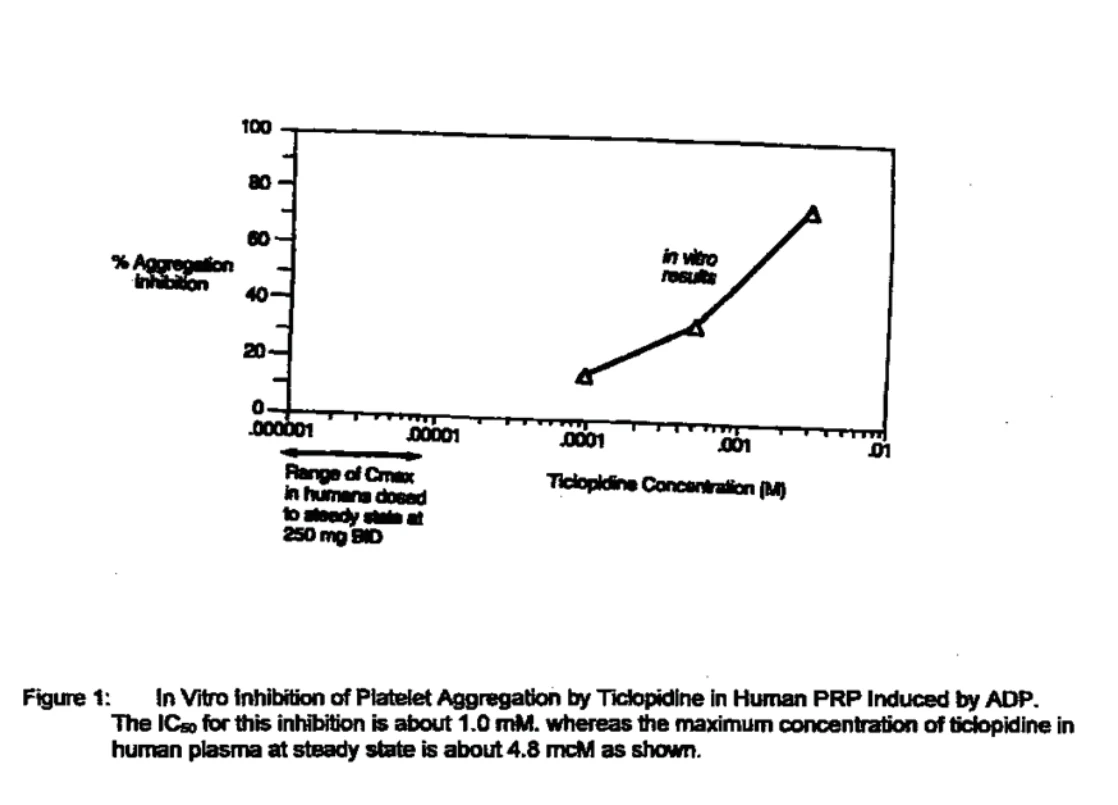
In vitro studies have shown that ticlopidine hydrochloride is a relatively weak inhibitor of platelet aggregation, regardless of the species whose platelet-rich plasma (PRP) is used. The concentrations required for inhibition of aggregation in vitro are several hundred-fold higher than the peak plasma levels found in vivo. When ticlopidine hydrochloride was studied in the PRP of rats, rabbits and humans, the IC50 values for inhibition of aggregation induced by ADP were about 1 mM whereas concentrations of ticlopidine hydrochloride in plasma after therapeutic doses (250mg BID) are in the range of 1 to 5 mcM.
- 3. Thrombosis Models
Ticlopidine hydrochloride inhibits thrombus formation in several in vivo thrombosis models which are considered to be platelet dependent (Table 2). In the rat, single oral doses of ticlopidine hydrochloride as low as 5 mg/kg inhibit the formation of thrombus in an AV shunt while acetylsalicylic acid in doses as high as 300 mg/kg fails to inhibit thrombosis in this model.
Ticlopidine hydrochloride, given for three days, inhibits thrombus formation induced by dental clips inserted in the inferior vena cava, by ligation of the vena cava and by insertion of a silk thread in a shunt between the carotid artery and jugular vein. In rabbits treated witb ticlopidine hydrochloride, thrombus formation is inhibited in a glass extracorporeal shunt between the dorsal aorta and inferior vena cava. When given to dogs, ticlopidine hydrochloride prevents thrombus formation during dialysis and reduces thrombus formation after electrical stimulation of the femoral vein. Thrombosis in dogs with implanted Gore-Tex grafts is reduced by prior treatment of the animals with ticlopidine hydrochloride.
Thus, ticlopidine hydrochloride is effective in reducing or preventing thrombosis in rats, rabbits, dogs and baboons in several different models. The efficacy of ticlopidine hydrochloride in these thrombosis models supports the concept that the compound possesses utility in treatment of human thrombotic disorders.
Table 2: Ticlopidine Hydrochloride: Minimum Effect Doses (MED)
In Vivo Effects: Platelet Stimuli and Thrombosis Models
| Species | MED mg/kg | Route | # of Doses | Challenge Agent | Endpoint |
| Mouse | < 30 < 100 30 | iv po po | Single Single Single | ADP ADP Collagen | Mortality Mortality Mortality |
| Rat | < 125 Approx. 100 100 200 200 Approx. 25 50 3 10 200 5 < 100 150 | po po po po po iv po po po po po po po | Single Single 4 days 4 days 4 days Single Single Single 7 days 4 days Single 3 days 3 days | ADP Collagen Collagen Liquoid Endotoxin Lactic Acid Lactic Acid Laurate APN Clip AV Shunt Silk Thread Vena Cava Ligation | Mortality Platelet Count Lung Thrombi Platelet Count Platelet Count Lung Emboli Lung Emboli Gangrene Platelet Survival Thrombus Thrombus Thrombus Thrombus |
| Guinea Pig | 100 | po | 3 days | ADP | Platelet Count |
| Rabbit | 50 200 100 | iv po po | Single Single 5 days | Laurate IIa/EPI Glass Shunt | Platelet Count Lung Thrombi Thrombus |
Dog
100
83
100
po
po
po
Single
Single
3 days prior
Dialyzer
Electrical
Gore-Tex Grafts
Pressure Drop
Thrombus
Graft Patency
| Species | MED mg/kg | Route | # of Doses | Challenge Agent | Endpoint |
| Baboon | 100 25 | po po | 4 days prior 3 days | Electrical Damage AV Shunt | Thrombus Morphology Platelet Survival |
- 4. Platelet Survival
Beta-aminopropionitrile, when given to rats, decreases the platelet half-life. Treatment with 10 mg/kg/day, po of ticlopidine hydrochloride for 7 days, normalizes platelet half-life in this model.
Ticlopidine at 25 mg/kg, po completely normalized platelet survival in baboons fitted with AV cannulae after 3 days of treatment. Thus, ticlopidine hydrochloride treatment decreases the enhanced platelet consumption generated in these models.
- 5. Platelet Retention and Adherence
Platelet adherence plays an important role in both thrombosis and atherosclerosis. Treatment of animals and humans with ticlopidine hydrochloride resulted in the inhibition of retention of platelets to glass beads. Platelets from rabbits treated with ticlopidine hydrochloride displayed reduced adherence to a subcellular matrix from cultured endothelial cells. When de-endothelialized carotid arteries of rats dosed with ticlopidine hydrochloride were compared with de-endothelialized arteries from control animals, an approximately 50% reduction in adherence of platelets to the de-endothelialized carotid artery was found; this effect was associated with a
50% reduction in myointimal proliferation.
- 6. Atherosclerosis Models
Ticlopidine hydrochloride was tested in two models of angioplasty in rabbits with mixed results.
No difference in intimal hyperplasia between control and ticlopidine-treated (50 mg/kg/day, po)
Dutch belted rabbits were observed for 14 days after baalloon induced endothelial damage of the iliac arteries. However, when the endothelial cells of the aorta were removed by balloon catheterization in New Zealand white rabbits, 30 and 60 days after ballooning, ticlopidine hydrochloride-treated (50 mg/kg/day, po) animals showed 46% and 32% reduction, respectively, in intimal proliferation when compared to controls.
- 7. Coagulation, Fibrinolysis, and Bleeding Time
Ticlopidine hydrochhloride has no effect on the classical coagulation or fibrinolytic systems.
Analysis of several experiments also indicates that ticlopidine has no effect on PF-3 availability.
However, when coagulation is induced by aortic pieces from ticlopidine hydrochloride-treated rats, there is a prolongation of coagulation time and this is observed only in the presence of platelets. As expected for an agent which inhibited platelet aggregation, prolongation of bleeding times is observed in several animal models as well as in humans.
- 8. Physical Properties of Bond
Ticlopidine hydrochloride was shown in rats to decrease blood viscosity (at doses of 200 mg/kg)
under various shear conditions and to increase erythrocyte deformability (at doses of 30 or 300 mg/kg).
- 9. Fibrinogen Binding
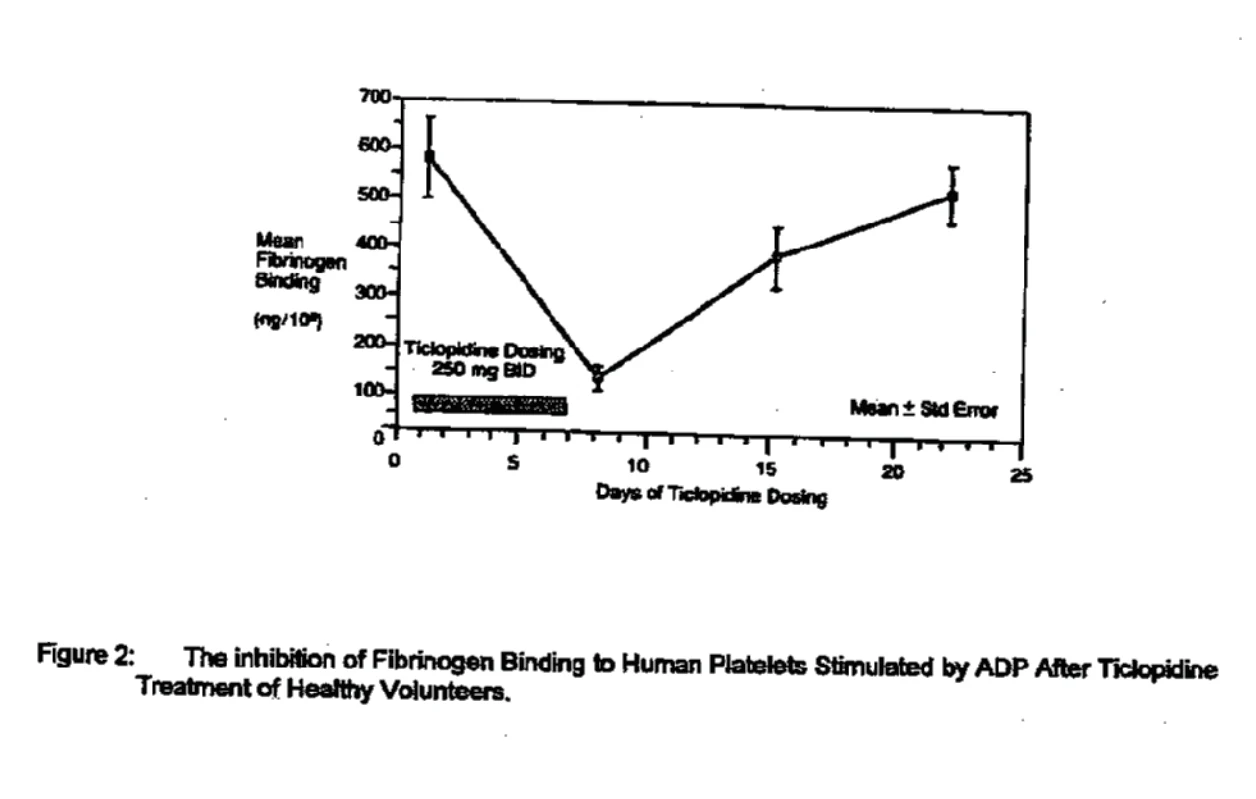
Fibrinogen is required for normal human platelet function in vivo and in vitro. Fibrinogen binds to platelets when they are stimulated. It has been established that the fibrinogen molecules bound to the platelt as a result of platelet stimulation are directly involved in the platelet aggregation response. The primary mediator of fibrinogen binding to platelets is ADP. Studies on the effects of ticlopidine hydrochloride and several other platelet aggregation inhibitors on fibrinogen binding revealed that ticlopidine hydrochloride displays unique effects. Neither acetylsalicylic acid nor the prostaglandins, PG12 and PGEi, when added to PRP, inhibit fibrinogen binding.
Ticlopidine hydrochloride when added in vitro is also inactive. However, after dosing to both animals and humans, ticlopidine hydrochloride inhibits fibrinogen binding. The inhibition was irreversible for the life of the platelets.
- 10. Mechanism of Action
The mechanism of action of ticlopidine is still unknown. It does not inhibit the cyclooxygenase enzyme system.
Small but significant cAMP elevations have been noted in platelets from ticlopidine hydrochloride-treated animals and humans. However, the lack of an effect of an adenylate cyclase inhibitor on the inhibition by ticlopidine hydrochloride casts doubt on the relevance of cAMP elevation to the mechanism of action of ticlopidine hydrochloride.
The data indicate that ticlopidine hydrochloride does not act via prostaglandin or cAMP dependent pathways. However, there is some evidence that ticlopidine acts by inhibition of the aDP-mediated pathways of platelet aggregation. The initial rate of ADP-induced aggregation is independent of products released from platelet granules and products of the cyclooxygenase pathway. Ticlopidine hydrochloride treatment of human volunteers results in inhibition of the rate of ADP-induced aggreagation. Another of the actions of ADP is to promote the binding of fibrinogen to specific receptors on the platelet membrane, which is necessary for platelet-platelet adherence during aggregation. Ticlopidine hydrochloride inhibits the ADP-stimulated binding of
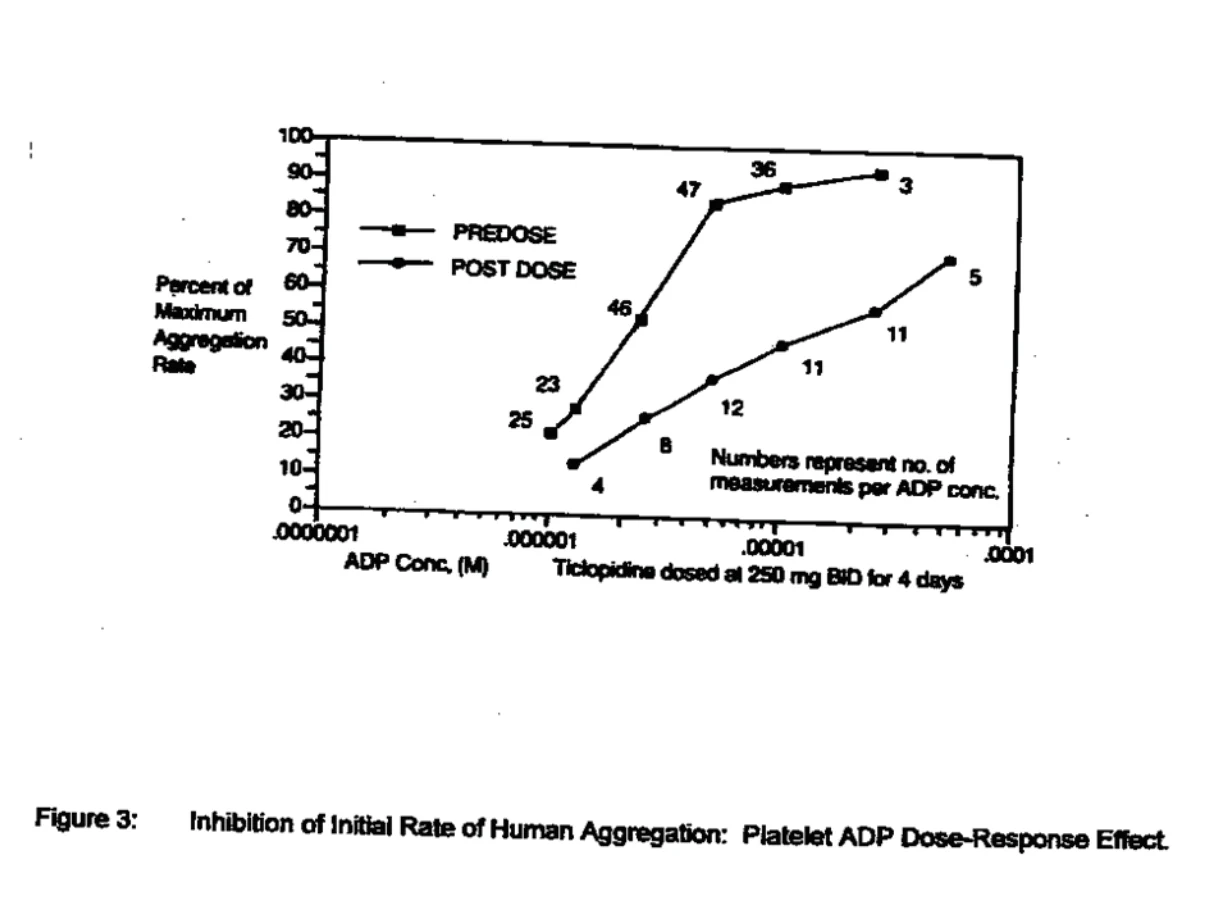 fibrinogen to human platelets, providing further evidence for the inhibition of ADP-mediated
mechanisms by ticlopidine hydrochloride.
The observation that ticlopidine hydrochloride is essentially inactive when added directly to suspensions of platelets has resulted in speculation that the platelet inhibitory activity of ticlopidine hydrochloride is mediated by a metabolite. However, inhibition of platelet aggregation does not appear to be mediated by circulating metabolites in plasma. Addition of plasma from animals or humans treated with ticlopidine hydrochloride to platelets from untreated individuals do not inhibit platelet aggregation, indicating that circulating levels of ticlopidine hydrochloride or its metabolites does not directly inhibit platelet aggregation. 2-hydroxy ticlopidine hydrochloride (2-HT) is the only identified metabolite of ticlopidine hydrochloride which significantly inhibits platelet aggregation after oral administration. However, 2-HT is also relatively inactive in vitro against platelets and has not been detected (<0.05 :g/mL) in plasma of rats, mice, rhesus monkeys, baboons, or humans given oral doses of ticlopidine. The metabolism of ticlopidine hydrochloride to 2-HT may represent an initial step which results in formation of an active metabolite.
Although a number of studies have examined the effects of agents which alter drug metabolism on the platelet inhibitory activity of ticlopidine hydrochloride, the results of these studies are equivocal. The role of metabolism of ticlopidine hydrochloride in the development of inhibition of platelet aggregation remains unclear but it is unlikely to be due to a circulating metabolite.
Based on the above, certain characteristics of ticlopidine’s mechanism of action have been established (Table 3):
Table 3: Characteristics of Ticlopidine Hydrochloride’s Mechanism of Action
Not a cyclooxygenase inhibitor (no inhibition of PG12 formation)
Not phosphodiesterase inhibitor
Action not dependent on cAMP elevation
Action not dependent on prostaglandin formation
Action is irreversible for the life of the platelet
No metabolite directly responsible for ticlopidine’s action has been identified
Inhibits fibrinogen binding
Evidence suggests ticlopidine hydrochloride primarily inhibits ADP effects
Although the mechanism by which ticlopidine hydrochloride inhibits the ADP-mediated pathway for platelet aggregation is not yet known, it is clear from the evidence that ticlopidine exerts its inhibition of platelet aggregation induced by a variety of stimulants by inhibiting the ADP component of the aggreagtion pathway. Ticlopidine hydrochloride therefore represents an antiplatelet agent with a mechanism of action distinct from that of other available antithrombotic agents.
CLINICAL PHARMACOLOGY
The effect of ticlopidine hydrochloride on platelt function is irreversible as shown both by inhibition of fibrinogen binding after washing and by inhibition of platelet aggregation after resuspension of platelets in buffered medium.
At the therapeutic dose, ADP-induced platelet aggregation is inhibited by 50-70%. Lower total daily doses of 375 and 250 mg result in 30-60% and 25-50% inhibition of platelet aggregation, respectively.
Following an oral dose of radioactive ticlopidine hydrochloride administered in solution, 60% of the radioactivity was recovered in the urine and 23% in the feces. Ticlopidine hydrochloride is metabolised extensively by the liver. Unmetabolised ticlopidine hydrochloride is a minor component in plasma after a single dose, but at steady state, ticlopidine hydrochloride is the major component. Approximately 40-50% of the radioactive metabolites circulating in plasma are covalently bound to plasma proteins.
Patients with normal, mildly or moderately impaired renal function were studied for pharmacokinetic and platelet pharmacodynamic effects of ticlopdidine hydrochloride given as
250 mg BID for 11 days. Concentrations of unchanged ticlopidine were measured after a single
250 mg dose and after the final 250 mg dose on Day 11 in subjects with normal (creatinine clearance Ccr = 80-150 mL/min), mildly impaired (Ccr = 50-80 mL/min) and moderately impaired (Ccr = 20-50 mL/min) renal function. There was a pattern of increasing AUC values and decreasing plasma clearance with increasing renal impairment. There were no statistical differences in ADP-induced aggregation. Bleeding times showed significant prolongation only in the moderately-impaired patients.
The effect of decreased hepatic function on the pharmacokinetics of ticlopidine was studied in 17 patients with advanced cirrhosis. The average plasma concentration of ticlopidine in these subjects was slightly higher than that seen in normal subjects of similar age.
GENERAL PHARMACOLOGY
At the commonly-used therapeutic dose, ticlopidine hydrochloride has no known significant pharmacological actions in man other than inhibition of platelet function.
Ticlopidine hydrochloride has no appreciable CNS effects in mice or rats. It does not affect behaviour in the mouse or modify stereotypy or food intake in rats. Ticlopidine hydrochloride is inactive in animal models of inflammation that detect cyclooxygenase activity, in accord with the demonstrated lack of cylcooxygenase inhibition in platelets. Ticlopidine hydrochloride has no known effect on immunologic function in animal models and displays no activity in antiviral screens. Ticlopidine hydrochloride does not inhibit tumor cells in culture but did show occasional ability to reduce metastasis induced by injection of tumor cells in mouse and rat models. Ticlopidine hydrochloride does, however, prolong the time to hyperacute renal xenograft rejection in both rabbits and cats.
Ticlopidine hydrochloride produces rapid, transient, dose-related decreases in mean blood pressure of less than 5 minutes duration following intravenous administration to anesthetized rats. Subsequent to oral ticlopidine hydrochloride administration in spontaneously hypertensive rats, non-dose-related decreases in systolic blood pressure are observed and the duration exceeds
24 hours. Intracoronary administration of ticlopidine hydrochloride in the Langendorff dog heart preparation produces dose-related increases in coronary blood flow with no increase in heart rate or myocardial oxygen consumption. In the open-chest anesthetised dog, intravenous ticlopidine hydrochloride produces rapid non-dose-related decreases in mean blood pressure and increases in aortic blood flow of 0.5-1.0 minutes duration. At the highest dose, coronary blood flow is increased for more than 15 minutes. In tracheal-cannulated, spontaneously breathing dogs, intravenous ticlopidine produces rapid dose-related increases in respiratory rate with no effect on depth of respiration. Non-dose-related decreases in mean blood pressure are accompanied by small but significant increases in heart rate. Renal and femoral arterial blood flow increases of short duration occurred. No cardiac depression or ECG changes were reported.
In rats diarrhea is seen at doses which produced platelet inhibitory responses. Ticlopidine hydrochloride reduces the gastric ulceration and bleeding which developed after rats were subjected to cold restraint stress.
At a high oral dose (500 mg/kg), ticlopidine hydrochloride significantly elevates blood glucose levels in rats. After prolonged dosing at a lower dose (200 mg/kg/day for 6 weeks), no changes in blood glucose levels are seen. Ticlopidine hydrochloride competitively inhibits hepatic drug-metabolising enzymes after single doses but induces cytochromes P-450 and b5 after prolonged dosing to rats and mice. The effects of ticlopidine hydrochloride on barbituate-induced loss-of-righting reflex and sleep prolongation were in keeping with the observed effects on the liver drug-metabolising enzymes. The possible role of ticlopidine in the induction of drug-metabolising enzymes in humans is still under investigation.
TOXICOLOGY
Preclinical toxicity studies were conducted with ticlopidine hydrochloride to evaluate the systemic, reproductive, carcinogenic, immunogenic, and the genotoxic effects of ticlopidine hydrochloride. A summary of these studies follows.
ACUTE TOXICITY:
Species: Mouse (ddY), 10/sex
Route: Oral (gavage)
Duration (observation period): single dose (7-day)
Doses (mg/kg): 500, 600, 750, 825, 900, 1000, and 1500
Results: Most deaths occurred within 48 hours. Piloerection, hypothermia, prostration, and hypopnea were noted prior to death. Necropsy revealed gastric bleeding in several dead mice.
Conclusions: The oral LD50 value was 850 mg/kg and 600 mg/kg, respectively, for males and females. The nonlethal oral dose was less than 750 mg/kg for males and 500 mg/kg for females.
Species: Mouse (strain, sex unknown), 20-40/group
Route: Oral (gavage)
Duration (observation period): single dose (12-day)
Doses (mg/kg): 500, 1000, and 1500
Results: Most deaths occurred within 24 hours. There were no special finding in major organs at autopsy.
Conclusions: The oral LD50 value (males and females combined) was 825 mg/kg. The nonlethal dose was less than 500 mg/kg.
Species: Mouse (Swiss), 5/sex
Route: Oral (gavage)
Duration (observation period): single dose (8-day)
Doses (mg/kg): 250, 500, 750, 1000, and 1250
Results: Most deaths occurred by 48 hours. Dose-re;ated observations at 500 mg/kg and higher doses included piloerection, prostration, decreased activity, ptosis, and abnormal gait. Principal postmortem findings were hemorrhagic stomach, intestines, and lungs, and congested subungular tissue.
Conclusions: The oral LD50 value (males and females combined) was 777 mg/kg. The nonlethal oral dose was 250 mg/kg.
Species: Mouse (ddY), 10/sex
Route: I.V.
Duration (observation period): single dose (7-day)
Doses (mg/kg): 70, 80, 90, and 100
Results: Deaths occurred within 30 minutes. Convulsions and dyspnea were noted prior to death.
Necropsy revealed lung congestion in some of the dead mice.
Conclusions: The i.v. LD50 value was 88 mg/kg for males and 91 mg/kg for females. The nonlethal i.v dose was 70 mg/kg for females and less than 70 mg/kg for males.
Species: Mouse (Swiss), 10 females
Route: I.V.
Duration (observation period): single dose (8-day)
Doses (mg/kg): 25, 50, 75, and 100
Results: At 25 mg/kg, mice exhibited exophthalmia, and gasping. At higher doses, disordered running, loss of equilibrium, clonic convulsion, leaping, and death in respiratory arrest were noted.
Conclusions: The i.v. LD50 value in female mice was 51 mg/kg. The nonlethal i.v. dose was 25 mg/kg.
Species: Mouse (strain, sex unknown), 20
Route: I.P.
Duration (observation period): single dose (12-day)
Doses (mg/kg): 100, 200, 300, 400, and 800
Results: Most deaths occurred within 72 hours. At autopsy, there were no special findings in the major organs.
Conclusions: The i.p. LD50 value (males and females combined) was 225 mg/kg. The nonlethal i.p dose was 100 mg/kg.
Species: Mouse (ddY), 10/sex
Route: S.C.
Duration (observation period): single dose (7-day)
Doses (mg/kg): 800, 1000, 1200, 1500, 1700, 2000, 3000, 3200, 3500, and 4000
Results: Most deaths occurred within 72 hours. Piloerection and hypopnea were noted before death. Necrosis around the injection site was prominent in most animals.
Conclusions: The s.c. LD50 value was 3270 mg/kg for males and 1250 mg/kg for females. The nonlethal s.c. dose was 2000 mg/kg in males and less than 800 mg/kg in females.
Species: Rat (Wistar), 10/sex
Route: Oral (gavage)
Duration (observation period): Single dose (7-day)
Doses (mg/kg): 1440, 1600, 1720, 2080, 2290, 2500, and 3000
Results: Most deaths occurred within 48 hours. Prior to death, animals showed sedation, abnormal gait, piloerection, chromodacryorrhea, lacrimation, nasal bloody discharge, hypopnea, and hypothermia. Necropsy revealed gastric and intestinal bleeding in dead rats.
Conclusions: The oral LD50 value was 1780 mg/kg for males and 1800 mg/kg for females. The nonlethal oral dose was 1440 mg/kg.
Species: Rat (strain unknown), 10-20/sex
Route: Oral (gavage)
Duration (observation period): single dose (12-day)
Doses (mg/kg): 1000, 1500, 2000, and 3000
Results: Most deaths occurred within 48 hours. At autopsy, there were no special findings in the major organs.
Conclusions: The oral LD50 value (males and females combined) was 1500 mg/kg. The nonlethal oral dose was less than 1000 mg/kg in males and was 1000 mg/kg in females.
Species: Rat (Sprague-Dawley), 5/sex
Route: Oral (gavage)
Duration (observation period): single dose (8-day)
Doses (mg/kg): 1000, 1500, 2000, 3000, 4000, and 5000
Results: Clinical changes included regurgitation, decreased activity, piloerection, ptosis, hypopnea, bloody lacrimation, and ataxia. Principal necropsy findings were distended stomach and hemorrhage in stomach and lungs.
Conclusions: The oral LD50 value (males and females combined) was 1938 mg/kg. The nonlethal dose was 1500 mg/kg.
Species: Rat (Wistar), 10/sex
Route: I.V.
Duration (observation period): single dose (7-day)
Doses (mg/kg): 60, 65, 70, 75, 80, and 100
Results: Deaths occurred within 30 minutes. Prior to death, tonic convulsions and dyspnea were noted. Necropsy revealed lung congestion in some of the dead rats.
Conclusions: The i.v. LD50 value was 70 mg/kg for males and 79 mg/kg for females. The nonlethal i.v. dose was less than 60 mg/kg for males and 60 mg/kg for females.
Species: Rat (Wistar), 10 males
Route: I.V.
Duration (observation period): single dose (3-day)
Doses (mg/kg): 40, 50, 55, 60, and 75
Results: Clinical changes were excitation, decreased activity, prostration, lateral decubitis, and convulsions.
Conclusions: The i.v. LD50 value in male rats was 55 mg/kg. The nonlethal i.v. dose was 40 mg/kg in males.
Species: Rat (Strain unknown), 10/sex
Route: I.P.
Duration (observation period): single dose (12-day)
Doses (mg/kg): 100, 200, 400, and 800
Results: Deaths occurred within 24 hours. At autopsy, there were no special findings in the major organs.
Conclusions: The i.p. LD50 value (males and females combined) was 500 mg/kg. The nonlethal i.p. dose was 200 mg/kg.
Species: Rat (Wistar), 10/sex
Route: S.C.
Duration (observation period): single dose (7-day)
Doses (mg/kg): 5000
Results: Animals showed piloerection, nasal discharge, weakness, and necrosis at injection site.
Conclusions: The nonlethal s.c. dose for males and females was greater than 5000 mg/kg.
Species: Baboon (Papio cynocephalus), 1/sex
Route: Oral (gavage)
Duration (observation period): single dose (14-day)
Doses (mg/kg): 1500, 3000, and 6000
Results: Emesis occurred in all animals within 30 minutes after dosing. Additional clinical changes were salivation, diarrhea, and yellow-coloured urine.
Conclusions: The nonlethal oral dose in baboons was greater than 6000 mg/kg.
Species: Baboon (Papio cynocephalus), 2/sex
Route: I.P.
Duration (observation period): single dose (14-day)
Doses (mg/kg): 500 and 1000
Results: Clinical changes included yellow-coloured urine, prostration, emesis, tremors, incoordination, salivation, torpidity, clonic convulsions, and hyperexcitability. Deaths occurred within 24 hours. Necrospy revealed accumulation of serous fluid in the peritoneal cavity, and congestion of lungs, liver, kidney, and the alimentary canal.
Conclusions: The i.p. LD50 value was estimated to be between 500 and 1000 mg/kg. The nonlethal i.p. dose was less than 500 mg/kg in males and 500 mg/kg in females.
SUBCHRONIC TOXICITY
Species: Rat (Sprague-Dawley), 10/sex
Route: Oral (gavage)
Duration: 4 weeks (6 days/week)
Doses (mg/kg): 0, 40, 150, and 600
Results: Changes that were present predominantly at 600 mg/kg were:
< Salivation, lacrimation, bloody nasal discharge, lack of huddling behaviour, sedation, and urinary incontinence
< Decrease in body weight, food intake, and water consumption
< Decreases in red cell count, hemoglobin, hemtocrit, and platelet count
< Increases in serum cholesterol and total protein
< Decreases in urinary sodium, potassium, and pH
< Increases in liver, kidney, and adrenal weights, and decreased thymus weight
< Hemosiderin deposition in spleen, centrolobular hypertrophy with eosinophilic material in proximal tubular cells, and a slight decrease in thymocytes in thymic cortex
Conclusions: Daily oral administration of 600 mg/kg/day for 1 month was toxic to the rat while doses of 150 mg/kg/day were nontoxic.
Species: Rat (Sprague-Dawley), 15/sex
Route: Oral (gavage)
Duration: 4 weeks with 2 and 4-week recovery periods each on 5/sex
Doses (mg/kg): 0 and 600
Results: In rats sacrificed at end of 1 month of treatment, the findings at 600 mg/kg/day were essentially similar to those of the previous 1-month toxicity study (AT 2419).
In treated rats evaluated at 2 and 4 weeks post-treatment, the changes, except for hemosiderin deposition in spleen, were reversible.
Conclusions: Changes seen in the rat following continued oral administration of 600 mg/kg.day were essentially reversible upon cessation of treatment.
Species: Rat (Sprague-Dawley), 5-10/sex
Route: Oral (gavage)
Duration: 4 weeks
Doses (mg/kg): 0 and 1000
Results: Clinical changes included salivation, lacrimation, bloody nasal discharge, lack of huddling behaviour, sedation, urinary incontinence, hypothermia, and respiratory depression.
Eight of 10 males and 8 of 10 females given 1000 mg/kg.day died within 1 week. In surviving animals, the clinical pathologic and the histo-pathologic changes were similar to the rats given
600 mg/kg/day for 1-month (AT 2419).
Conclusions: Daily oral doses of 1000 mg/kg/day caused lethalities in the rat within 1 week.
Species: Rat (Sprague-Dawley), 3 males
Route: Oral (gavage)
Duration: 2 weeks
Doses (mg/kg): 0 and 600
Results: Light microscopy of the liver revealed centrolobular hepatocytic hypertrophy with homogeneous eosinophilic material in hepatocytes. Electron microscopy revealed marked proliferation of smooth endoplastic reticulum in hepatocytes.
Conclusions: The homogeneous eosinophilic material in hepatocytes observed in ticlopidine-treated rats was characterized as proliferation of smooth endoplastic reticulum.
Species: Rat (Wistar), 15/sex
Route: Oral (gavage)
Duration: 6 weeks 5days/week with a 2-week recovery period on 5/sex/group
Doses (mg/kg): 0, 50, and 200
Results: In high-dose females, a slight increase in blood cholesterol and a decrease in hepatic triglycerides were present. The liver and the adronal weights were elevated in treated rats. No treatment-related histopathologic alterations were present.
Conclusions: Daily oral dose of 50 mg/kg/day for 6 weeks was nontoxic to the rat while a dose of 200 mg/kg/day was slightly toxic.
Species: Dog, 2 males
Route: Oral (hard gelatin capsules)
Duration: Dose-titration (3-week)
Doses (mg/kg): 0, 25, 50, and 100 (Each dose given for 5 days)
Results: No treatment-related changes in clinical condition, ECG, hematology, and blood chemistry were present.
Conclusions: Daily oral doses up to and including 100 mg/kg/day for 5 days were nontoxic to the dog.
CHRONIC TOXICITY:
Species: Rat (Sprague-Dawley), 15/sex
Route: Oral (gavage)
Duration: 6 months 6 days/week with a 3-month interim sacrifice on 4-5/sex/group
Doses (mg/kg): 0, 10, 30, 100, and 300
Results: At 30 mg/kg, mild salivation and yellow urine were present.
At higher doses, the principal findings were:
< Salivation, lack of grooming, urinary incontinence, and yellow urine
< Decreased weight gain and increased water intake
< Mild anemia
< Increases in blood cholesterol, total protein, and phosphorus, and decreases in sugar,
GOT, and GPT
< Increases in urinary volume, sodium, potassium, chloride, and protein
< Increased liver weight
< Centrolobular hepatocytic hypertrophy with eosinophilic material in hepatocytes, and presence of eosinophilic granules/golden-brown pigments in tubular epithelium and casts in the kidney
Conclusions: In rats given ticlopidine orally for 6 months, the nontoxic dose was 30 mg/kg/day and the toxic dose was 100 mg/kg/day.
Species: Rat (Sprague-Dawley), 35/sex
Route: Oral (gavage)
Duration: 18 months with interim sacrifice after 6 months on 10/sex/group
Doses (mg/kg):0, 30, 100, and 300
Results: At 100 and/or 300 mg/kg/day, principal changes were:
< Salivation, reduced grooming, aversion to handling, decreases in weight gain and food intake, increased water consumption, and higher mortality
< Increases in serum cholesterol, total protein, and alkaline phosphatase, and decreased serum glucose
< Inhibition of platelet aggregation
< Increased liver weight, and centrolobular hepatocytic hypertrophy with eosinophilic material in hepatocytes (proliferation of smooth endoplasmic reticulum)
< The extent of hepatic changes were similar at 6- and 18-month sacrifices
< The hepatic changes were reversible in rats given a 5 week recovery period after 6 months of treatment
Conclusions: In rats given ticlopidine orally for 18 months, the nontoxic dose was 30 mg/kg/day and the toxic dose was 100 mg/kg/day.
Species: Baboon (Papio cynocephalus), 5/sex
Route: Oral (gavage)
Duration: 12 months with interim sacrifice at 6 months on 2/sex/group
Doses (mg/kg): 0, 30, 75, and 125 (187.5 up to week 4 and 125 thereafter)
Results: At 75 mg/kg/day and higher doses, the principal changes were:
< Salivation, emesis, greenish-yellow coloured urine, cough, inappettance, inactivity, and decreased weight gain
< Inhibition of platelet aggregation
< Increased liver, kidney, and adrenal weights
< Elevated levels of hepatic cytochrome P450 and microsomal protein
< Distension of blood sinusoids in the adrenal medulla
Conclusions: In baboons given ticlopidine orally for at least 12 months the nontoxic dose was 30 mg/kg/day, and the toxic dose was 75 mg/kg/day.
CARCINOGENICITY
Species: Mouse (C5781/10J)
Control group: 156/sex for 18 months, 28/sex for interim sacrifice
Treated group: 52/sex for 18 months, 28/sex for interim sacrifice
Route: Oral (via diet)
Duration: 18 months
Doses (mg/kg): 0, 25, 135, and 275
Results: The body weights of high-dose males were lower than controls. The liver weights were elevated in mid- and high-dose animals. Non-neoplastic histologic changes were present in the liver (periacinar hepatocytic hypertrophy) and in the kidney (increased) incidence of protein-filled tubules and renal pelvic calculi) of the mid and/or high-dose animals. There was no evidence of neoplasia attributable to the test compound.
Conclusions: Dietary administration of ticlopidine hydrochloride at doses of 25, 135, and 275 mg/kg of body weight per day for 18 months was not carcinogenic in the mouse.
Species: Rat (Sprague-Dawley)
Control group: 150/sex for 24 months, 35/sex for interim sacrifice
Treated group: 50/sex for 24 months, 35/sex for interim sacrifice
Route: Oral (via diet)
Duration: 24 months
Doses (mg/kg): 0, 10, 30, 100
Results: The body weights and the food intakes were lower for high-dose animals compared with controls. No differences were noted in the survival distribution for males, while in females there was evidence of increased survival with increasing dose. Non-neoplastic histologic changes were present in the liver of mid- and/or high-dose animals, and those included hepatocytic hypertrophy and hepatocytic vacuolation. There was no evidence of neoplasia attributable to the test compound.
Conclusions: Dietary administration of ticlopidine hydrochloride at doses of 10, 30, and 100 mg/kg of body weight per day for 24 months was not carcinogenic in the rat.
SPECIAL TOXICITY STUDIES
Antigencity:
Species: Guinea Pig (4-10 females)
Route: Oral/S.C.
Systemic anaphylaxis, Passive cutaneous anaphylaxis (PCA)
Results: No symptoms of systmeic anaphylaxis and no PCA reaction were present.
Conclusions: Ticlopidine hydrochloride did not elicit sensitization activity in sytemic anaphylaxis and PCA tests in guinea pigs.
Myelotoxicity:
Species: Mouse (C3H), 4 males
Route: Oral (gavage)
Duration: 5 days
Doses (mg/kg): 75, 150, and 300
Results: Ticlopidine did not induce any decrease either in the number of bone marrow ccells or in the bone marrow pluripotential cells.
Conclusions: Ticlopidine was not toxic to bone marrow pluripotential stem cells in mice.
Hematotoxicity:
Species: Baboon (Papio papio), 3/sex
Route: Oral (gavage)
Duration: 8-75 days, survivors necropsied between study days 94 and 99
Dose (mg/kg): 0 (vehicle)
Ticlopidine: 200 (day 1 to 75)
400/300 (day 1 to 17
PCR 3787: 200 (day 1 to 75)
400/300 (day 1 to 33)
3 x 150 (day 75 to 80)
Results:
Mortalities with ticlopidine were:
4 of 6 at 200 mg/kg between days 18 and 23
6 of 6 at 400/300 mg/kg between days 5 and 17
Reticulopenia was present in found dead or sacrificed animals.
With PCR 787:
no deaths at 200 or 3 x 150 mg/kg
2 of 6 died at 400/300 mg/kg between days 28 and 30.
Hematologic changes were present at 400/300 mg/kg.
Conclusions: No significant hematologic changes or bone marrow changes were present in the baboon at daily oral doses of 200 mg/kg of ticlopidine (lethal dose) or PCR 3787. Mortality and hematologic changes were present at 400/300 mg/kg of PCR 3787.
Hematotoxicity:
Species: Baboon (Papio papio), 2/sex (control), 8/sex (ticlopidine)
Route: Oral (gavage)
Duration: 18 days
Doses (mg/kg): 0 (vehicle), 125
Results: Four females given ticlopidine died or were sacrificed because of poor clinical condition and 1 male died from intercurrent disease. Hematologic and bone marrow evaluations showed slight and transient anemia, reticulopenia, and neutropenia, increased heterophagy of hematopoietic cells, and heterogeneity of granules in eosinophilic leukocytes. Slight thymic involution and slight nephropathy were also present.
Conclusions: Daily oral doses of 125 mg/kg of ticlopidine were highly toxic to the baboon. slight changes in hematology and bone marrow at the toxic dose.
Hematotoxicity:
Species: Baboon (Papio papio), 1/sex
Route: Oral (gavage)
Duration: 32 days
Doses (mg/kg): 0 (vehicle)
Ticlopidine: 30, 75, and 125
Chloramphenicol (given I.M.): 30, 75, and 125
Thiamphenicol: 30, 75, and 125
Results: Mortalities occurred at 125 mg/kg of ticlopidine or thiamphenicol. Slight anemia was present in animals given ticlopidine while thrombopenia and/or anemia were present in animals given thiamphenicol or chloramphenicol. In the bone marrow, areas of cytolysis and vacuolated myelocytes were present with all test compounds, and macrophagocytosis of erythroblasts and abnormal granules and lipids in eosinophilic leukocytes with ticlopidine at 125 mg/kg/day.
Conclusions: Daily oral doses of 125 mg/kg of ticlopidine was highly toxic to the baboon. Slight changes were present in hematology and bone marrow at toxic doses of ticlopidine. Similar changes also occurred with thiamphenicol and chloramphenicol.
Effects on gastric mucosa:
Species: Rat (Sprague-Dawley), 35-39 males
Route: Oral (gavage)
Duration: 2, 5, and 10 days
Doses (mg/kg): 100, 200, and 400
Results: After 2 days of treatment, ticlopidine-treated rats had less severe lesions and a lower ulcer index than animals in the phenylbutazone group (100 mg/kg/day).
After 5 and 10 days of treatment, the results of ticlopidine-treated rats were similar or close to those found in control animals.
Conclusions: In rats, ticlopidine was better tolerated by the gastric mucosa than phenylbutazone.
Gastric and hepatic tolerance:
Species: Rat (Wistar), 5/sex
Route: Oral (gavage)
Duration: 4 days
Doses (mg/kg): 0, 100, and 400
Results: At 100 mg/kg/day, the blood cholesterol was elevated. At 400 mg/kg/day, the changes were: elevated blood cholesterol, elevated SGPT, increased liver weight, decreased thymus weight, and a higher incidence of hepatic steatosis.
Conclusions: In fasted rats given ticlopidine orally for 4 days, elevated blood cholesterol was noted at 100 mg/kg/day, while elevated levels of blood cholesterol and SGPT, increased liver weight, and probable hepatic steatosis were present at 400 mg/kg/day.
Effects on rat liver:
Species: Rat (Alderly Park strain), 6 males
Route: Oral (gavage)
Duration: 3 and 18 days
Doses (mg/kg): 0, 20, and 100
Results: Phenobarbitone (20 and 100 mg/kg/day) was used as positive control. The principal results were decreased hexobarbitone sleeping time, increased cytochrome P450 and b5, and hepatocytic changes.
Conclusions: The hepatic effects with ticlopidine in the rat represent a phenobarbitone-like pharmacologic effect and not hepatotoxicity.
Decomposition product toxicity:
Species: Rat (Sprague-Dawley strain), 6/sex
Route: Oral (gavage)
Duration: 2 weeks
Doses (mg/kg): DE-4160B: 50, 200, and 800
DE-4160: 800
Results: No adverse effects with DE-4106B at 50 and 200 mg/kg/day. At 800 mg/kg/day, the toxicity profile of DE-4160B was similar to that of DE-4160 (ticlopidine). Both compounds caused lethalities.
Conclusions: The decomposition product of ticlopidine (DE-4160B) was nontoxic to the rat at oral doses of 50 and 200 mg/kg/day for 2 weeks. Both DE-4160 and DE-4160B caused lethalities in rats at 800 mg/kg/day.
FERTILITY AND REPRODUCTION:
Species: Rat (Sprague-Dawley), 30/sex
Route: Oral (gavage)
Duration: Male and female reproduction
Doses (mg/kg): 0, 20, 80, and 320
Results: The mating performance and pregnancy rate were comparable. A tendency for slight increase in fetal weight and the degree of ossification were present in treated groups. No treatment-related external, skeletal, and visceral changes were present in fetuses.
Conclusions: At doses as high as 320 mg/kg/day, there were no adverse effects on the reproductive capacity of male and female rats and there was no evidence of teratogenicity.
Species: Rat (Sprague-Dawley), 30/sex
Route: Oral (gavage)
Duration: Male and female reproduction
Doses (mg/kg): 0, 50, 100, and 400
Results: At 400 mg/kg/day, the observations were: increase in resorptions, decrease in litter size, and decreases in F1 pup survival and body weight. No adverse effects on the reproductive performance of the F1 offspring were present.
Conclusions: At doses of 50, 100, and 400 mg/kg/day, there were no adverse effects on the reproductive performance of male and female rats. At 400 mg/kg/day, embryo/fetotoxicity was seen, but there were no adverse effects on the reproductive performance of offspring.
TERATOLOGY:
Species: Mouse (OF1), 29-45 females
Route: Oral (gavage)
Duration: Teratology
Doses (mg/kg): 0, 50, 100, and 200
Results: At 200 mg/kg/day, a decreased litter size and an increase in resorptions were present. No treatment-related external, skeletal, and visceral changes were present in fetuses.
Conclusions: Oral administration of 50, 100, and 200 mg/kg/day during organogenesis was not teratogenic in the mouse. Maternal/embryo-toxicity was present at 200 mg/kg/day.
Species: Rat (Sprague-Dawley), 32-35 females
Route: Oral (gavage)
Duration: Teratology and Female Reproduction
Doses (mg/kg): 0, 20, 90, and 400
results: At 400 mg/kg/day, an increase in resorptions and a decrease in fetal weight were present.
No treatment-related external, skeletal, and visceral changes were present in fetuses. No adverse effects on parturition and the fertility of the offspring were present.
Conclusions: At oral doses of 20, 90, and 400 mg/kg/day, there was no evidence of teratogenicity and no adverse effects on the fertility of the offspring. Maternal/embryo-toxicity was present at
400 mg/kg/day.
Species: Rat (Sprague-Dawley), 23-25 females
Route: Oral (gavage)
Duration: Teratology
Doses (mg/kg): 0, 50, 140, and 400
Results: The fetal weight was decreased at 400 mg/kg/day. No treatment-related external, skeletal, and visceral changes were present in fetuses.
Conclusions: Oral administration of 50, 140, and 400 mg/kg/day during organogenesis was not teratogenic in the rat. Maternal toxicity was present at 400 mg/kg/day.
Species: Rabbit (Japanese White), 15 females
Route: Oral (gavage)
Duration: Teratology
Doses (mg/kg): 0, 50, 100, and 200
Results: At 100 and 200 mg/kg/day, decreased weight gain and food intake were present. No treatment-related external, skeletal, and visceral changes were present in fetuses.
Conclusions: Oral administration of 50, 100, and 200 mg/kg/day during organogenesis was not teratogenic in the rabbit. Maternal toxicity was present at 100 and 200 mg/kg/day.
Species: Rabbit (New Zealand Whie), 13-14 females
Route: Oral (gavage)
Duration: Teratology
Doses (mg/kg): 0, 50, 100, and 200
Results: At 200 mg/kg/day, there was anorexia and decreased weight gain. No treatment-related external, skeletal, and visceral changes were present in fetuses.
Conclusions: Oral administration of 50, 100, and 200 mg/kg/day during organogenesis was not teratogenic in the rabbit. Maternal toxicity was present at 200 mg/kg/day.
PERINATAL AND POSTNATAL REPRODUCTION:
Species: Rat (Sprague-Dawley), 22 females
Route: Oral (gavage)
Duration: Pertinatal/Postnatal Reproduction
Doses (mg/kg): 0, 50, 100, and 400
Results: At 400 mg/kg/day, the principal changes were: decreased weight gain in dams, probable mortality (7 of 22 dams died), increased number of dead pups at birth and decrease in live litter size, pup viability, and pup weight.
Conclusions: Oral administration of 50 and 100 mg/kg/day during the perinatal and the postnatal period had no adverse effects in rats. At 400 mg/kg/day, ticlopidine was toxic to dams and was accompanied by decreases in pup survival and pup weights.
Species: Rat (Sprague-Dawley), 23-26 females
Route: Oral (gavage)
Duration: Perinatal/Postnatal Reproduction
Doses (mg/kg): 0, 20, 90, 190, and 400
Results: At 400 mg/kg/day, the principal changes were: decreased weight gain in dams, slu=ight increase in gestation period, decreased live litter size, increased number of pups born dead, and decreases in the post-natal survival and the weight of pups. No adverse effects on the postnatal developmental/behavioural tests and the reproductive capacity of the offspring were present.
Conclusions: Oral administration of 20, 90, and 190 mg/kg/day during the perinatal and the postnatal period had no adverse effects in rats. At 400 mg/kg/day, ticlopidine was toxic to dams and was accompanied by decreases in pup survival and pup weights.
GENOTOXICITY:
Species: Bacillus subtilis, Salmonella typhimurium (with and without activation), Escherichia coli (with and without activation), and Chinese hamster lung fibroblasts (D-6 cell)
Results: the in vitro assays were all negative.
Conclusions: No mutagenic activity in B.subtilis, S.typhimurium, (with and without activation), and Chinese hamster culture cells.
Species: Salmonella typhimurium (with and without activation)
Results: the in vitro assays were all negative
Conclusions: No mutagenic activity in S.typhimurium (with and without activation).
Species: Salmonella typhimurium (with and without activation), Rat hepatocyte primary culture-
DNA repair assay
Results: the in vitro assays were all negative
Conclusions: No mutagenic activity in S.typhimurium (with and without activation), and hepatocyte primary culture cells.
Species: Salmonella typhimurium and Escherichia coli (with and without activation)
Results: The in vitro assays were all negative
Conclusions: no mutagenic activity in S.typhimurium and E.coli (with and without activation).
Species: Salmonella typhimurium and Escherichia coli (with and without activation): N-oxide metabolite
Results: The in vitro assays were all negative
Conclusions: no mutagenic activity with N-oxide metabolite in S.typhimurium and E.coli (with and without activation).
Species: Mouse (C57/CBA)
Route: I.P.
Duration: 5 days
Doses (mg/kg): 17.5, 37.5, 75, and 150
Results: No significant increase in the frequency of abnormal spermatozoids.
Conclusions: No mutagenic activity in an in vivo assay that evaluated morphology of spermatozoids in the mouse.
Species: Chinese Hamster (cricatulus griseus)
Route: Oral (gavage)
Duration: One or two daily doses
Doses (mg/kg): 137.5 and 275
Results: No increase either in the amount of sister chromatid exchange or in structural chromosome abnormalities.
Conclusions: No mutagenic activity in an in vivo assay that evaluated sister chromatid exchange and chromosome abnormalities in Chinese hamster bone marrow.
BIBLIOGRAPHY
- 1.
Akashi A, Hashisume T, Tanaka M, Naka S, Hirohashi M, Kassai Y, Sakurai T,
Watanabe K, Tsubokawa M, and Kasahara A. Pharmacological studies on ticlopidine, a new platelet aggregation inhibitor Part II: General pharmacological properties. Arzneim-
Forsch/Drug Res 1980; 30 (I), Nr 3: 415-19.
- 2.
Barnett MD, Kirkwood CF. Ticlopidine: A New Stroke Preventive. Hospital Therapy
1990; 15: 458-64.
- 3.
Gent M, Blakely JA, Easton JD, Ellis DJ, Hachinski VC, Harbison JW, Panak E, Roberts
RS, Sicurella J, Turpie AGG, and the CATS Group. The Canadian American Ticlopidine
Study (CATS) in Thromboembolic Stroke. The Lancet, 3 June 1989; No.8649: 338-343.
- 4.
Hardisty RM, Powling MJ, Nokes TJC. The Action of Ticlopidine on Human Platelets.
Studies on Aggregation, Secretion, Calcium Mobilization and Membrane Glycoproteins.
Thromb Haemost 1990; 64: 150-5.
- 5.
Hass WK, Easton JD, Adams HP, Pryse-Phillips W, Molony BA, Anderson S, Kamm B.
A Randomized Trial comparing Ticlopidine Hydrochloride with Aspirin for the
Prevention of Stroke in High-Risk Patients. NEJM 1989; V.321 (8): 501-507.
- 6. McTavish D, Faulds D, Goa KL. Ticlopidine: An Updated Review of its Pharmacology and Therapeutic Use in Platelet- Dependent Disorders. Drugs 40(2): 238-259, 1990.
- 7.
O’Brien JR, Etherington MD, Shuttleworth RD. Ticlopidine. An Antiplatelet Drug:
Effects on Human Volunteers. Thromb Res 1978; V.13 (2): 245-254.
- 8.
Shah J, Fratis A, Ellis D, Murakami S, and Teitelbaum P. Effect of Food and Antaacid on
Absorption of Orally Administered Ticlopidine Hydrochloride. J Clin Pharmacol 1990;
30: 733-736.
- 9. Thebault J, Blatrix C, Blanchard J, Panak E. The Interactions of Ticlopidine and Aspirin in Normal Subjects. J Int Med Res 1977; 5: 405-411.
- 10.
Thebault J, Blatrix C, Blanchard J, Panak E. Effect of Ticlopidine Treatment on Liver
Metabolizing Enzymes in Man. Br J Clin Pharmac 1980; 10: 311-313.
- 11. Product Monograph - TICLID, Hoffmann-La Roche Ltd., February 25, 2003