


Product Monograph - Dyanavel XR
Recent Major Label Changes
None at time of the most recent authorization
Table of Contents
Certain sections or subsections that are not applicable at the time of the preparation of the most recent authorized product monograph are not listed.
Recent Major Label Changes ..................................................................................................... 2
Table of Contents ...................................................................................................................... 2
Part 1: Healthcare Professional Information .............................................................................. 4
- 1.
Indications ................................................................................................................................. 4
1.1. Pediatrics ............................................................................................................................... 4
1.2. Geriatrics ............................................................................................................................... 4
- 2. Contraindications ...................................................................................................................... 5
- 3. Serious Warnings and Precautions Box ..................................................................................... 5
- 4.
Dosage and Administration ....................................................................................................... 5
4.1. Dosing Considerations .......................................................................................................... 5
4.2. Recommended Dose and Dosage Adjustment ..................................................................... 6
4.2.1. Discontinuing Treatment ...................................................................................................... 7
4.4. Administration ...................................................................................................................... 7
4.5. Missed Dose .......................................................................................................................... 7
- 5. Overdose ................................................................................................................................... 8
- 6. Dosage Forms, Strengths, Composition, and Packaging ............................................................ 9
- 7.
Warnings and Precautions ...................................................................................................... 10
General ............................................................................................................................................. 10
Carcinogenesis and Genotoxicity ..................................................................................................... 10
Cardiovascular .................................................................................................................................. 10
Dependence, Tolerance and/or Abuse Liability ............................................................................... 11
Driving and Operating Machinery .................................................................................................... 12
Endocrine and Metabolism .............................................................................................................. 12
Monitoring and Laboratory Tests..................................................................................................... 12
Neurologic ........................................................................................................................................ 12
Ophthalmologic ................................................................................................................................ 13
Psychiatric ........................................................................................................................................ 13
Renal .. ............................................................................................................................................. 14
Reproductive Health ........................................................................................................................ 14
7.1. Special Populations ............................................................................................................. 14
7.1.1. Pregnancy ............................................................................................................................ 14
7.1.2. Breastfeeding ...................................................................................................................... 15
7.1.3. Pediatrics ............................................................................................................................. 15
7.1.4. Geriatrics ............................................................................................................................. 15
- 8.
Adverse Reactions ................................................................................................................... 16
8.1. Adverse Reaction Overview ................................................................................................ 16
8.2. Clinical Trial Adverse Reactions .......................................................................................... 16
8.2.1. Clinical Trial Adverse Reactions – Pediatrics ....................................................................... 17
8.5. Post-Market Adverse Reactions .......................................................................................... 19
- 9.
Drug Interactions .................................................................................................................... 20
9.1. Serious Drug Interactions .................................................................................................... 20
9.2. Drug Interactions Overview ................................................................................................ 20
9.3. Drug-Behaviour Interactions ............................................................................................... 21
9.4. Drug-Drug Interactions ....................................................................................................... 21
9.5. Drug-Food Interactions ....................................................................................................... 24
9.6. Drug-Herb Interactions ....................................................................................................... 24
9.7. Drug-Laboratory Test Interactions ...................................................................................... 24
- 10.
Clinical Pharmacology ........................................................................................................... 25
10.1. Mechanism of Action .......................................................................................................... 25
10.2. Pharmacodynamics ............................................................................................................. 25
10.3. Pharmacokinetics ................................................................................................................ 25
- 11. Storage, Stability, and Disposal ............................................................................................. 30
Part 2: Scientific Information ................................................................................................... 31
- 13. Pharmaceutical Information .................................................................................................. 31
- 14.
Clinical Trials ......................................................................................................................... 32
14.1. Clinical Trials by Indication .................................................................................................. 32
- 16. Non-Clinical Toxicology ......................................................................................................... 35
Patient Medication Information ............................................................................................. 37
Patient Medication Information ............................................................................................. 47
Part 1: Healthcare Professional Information
1. Indications
DYANAVEL XR (amphetamine extended-release oral suspension and amphetamine extended-release tablets) is indicated for the treatment of Attention Deficit Hyperactivity Disorder (ADHD) in:
- Children (6 – 12 years of age)
- Adults (18 years of age and older)
Need for Comprehensive Treatment Program
DYANAVEL XR is indicated as an integral part of a total treatment program for ADHD that may include other measures (psychological, educational, social) for patients with this syndrome. Drug treatment may not be indicated for all patients with this syndrome. Drug treatment is not intended for use in the patient who exhibits symptoms secondary to environmental factors and/or other primary psychiatric disorders, including psychosis. Appropriate educational placement is essential in children and adolescents with this diagnosis and psychosocial intervention is often helpful. When remedial measures alone are insufficient, the decision to prescribe drug treatment medication will depend upon the physician’s assessment of the chronicity and severity of the patient’s symptoms.
Long-Term Use
The effectiveness of DYANAVEL XR for long-term use, i.e., for more than 7 weeks in children aged 6 to 12 years and more than 5 weeks in adults, has not been systematically evaluated in controlled trials. Therefore, the healthcare professional who elects to use DYANAVEL XR for extended periods should periodically re-evaluate the long-term usefulness of the drug for the individual patient (see 4 Dosage and Administration).
1.1. Pediatrics
Pediatrics (< 6 years of age): DYANAVEL XR should not be used in children under six years. The safety and effectiveness of DYANAVEL XR in pediatric patients less than 6 years of age have not been established; therefore, Health Canada has not authorized an indication for pediatric use in patients under 6 years of age.
Pediatrics (6-12 years of age): Based on the data submitted and reviewed by Health Canada, the safety and efficacy of DYANAVEL XR in pediatric patients (6-12 years of age) have been established. Therefore, Health Canada has authorized an indication for pediatric use (see 4.2. Recommended Dose and Dosage Adjustment).
Adolescents (13 – 17 years of age): Based on the data submitted and reviewed by Health Canada, the safety and efficacy of DYANAVEL XR in pediatric patients aged 13-17 years have not been established; therefore, Health Canada has not authorized an indication for use in ages 13-17 years (see 7.1.3 Pediatrics).
1.2. Geriatrics
Geriatrics (≥ 65 years of age): DYANAVEL XR has not been studied in the geriatric population. Consideration should be given to hepatic, renal and cardiovascular function prior to prescribing (see 4.2 Recommended Dose and Dosage Adjustment and 7.1.4 Geriatrics).
2. Contraindications
DYANAVEL XR is contraindicated in patients:
- who are hypersensitive to this drug or to any ingredient in the formulation, including any non- medicinal ingredient, or component of the container. For a complete listing, see 6 Dosage Forms, Strengths, Composition and Packaging.
- with a known hypersensitivity or idiosyncrasy to the sympathomimetic amines
- with thyrotoxicosis
- with advanced arteriosclerosis
- with symptomatic cardiovascular disease
- with hyperthyroidism
- with moderate to severe hypertension
- with glaucoma
- with agitated states
- with history of drug abuse
- undergoing concomitant treatment with monoamine oxidase inhibitors (MAOIs) or within 14 days following the withdrawal of MAOIs (hypertensive crises may result) (see 9.4 Drug-Drug Interactions).
- allergic to amphetamine
- with pheochromocytoma
3. Serious Warnings and Precautions Box
Misuse and Serious Cardiovascular Adverse Events
|
|---|
4. Dosage and Administration
4.1. Dosing Considerations
- DYANAVEL XR is to be administered orally in the morning. Dosage should be individualized according to the needs and response of the patient.
- DYANAVEL XR should be administered starting at the lowest possible dose. Dosage should then be individually and slowly adjusted to the lowest effective dose since individual patient response to DYANAVEL XR varies widely (see 4.2 Recommended Dose and Dosage Adjustment).
The effect of renal impairment on the pharmacokinetics of DYANAVEL XR has not been assessed as d-
- amphetamine is not dialyzable. In patients with severe renal impairment (GFR 15 to <30 mL/min/1.73m2) the recommended dosage should be reduced and the maximum dosage not exceeded.(see 10.3 Pharmacokinetics, Special Populations and Conditions; 7 Warnings and Precautions, Renal).
- DYANAVEL XR should not be used in patients with symptomatic cardiovascular disease and should generally not be used in patients with known structural cardiac abnormalities (see 2 Contraindications and 7 Warnings and Precautions, Cardiovascular).
- Theoretically, there exists a pharmacological potential for all ADHD medications to increase the risk of sudden/cardiac death. Although confirmation of an incremental risk for adverse cardiac events arising from treatment with ADHD medications is lacking, prescribers should consider this potential risk.
- Prior to treating children with CNS stimulants including DYANAVEL XR, assess for the presence and familial history of cardiac disease, arrhythmias and sudden death (see 7 Warnings and Precautions, Cardiovascular).
- Assess the patient history of substance use prior to prescribing and monitor for signs of abuse and dependence, while on therapy. Maintain careful prescription records, educate patients about amphetamine abuse potential, monitor for signs of overuse, and periodically re-evaluate the need for DYANAVEL XR use (see 3 Serious Warnings and Precautions Box, 7 Warnings and Precautions).
- Patients should be advised to avoid alcohol while taking DYANAVEL XR (see 9.3 Drug-Behaviour Interactions).
- Careful clinical evaluation for motor or verbal tics of Tourette’s syndrome should be conducted before initiating DYANAVEL XR (see 7 Warnings and Precautions, Neurologic, Tics).
- Prior to initiating treatment with a stimulant, screen patients for risk factors for developing a manic episode (e.g., comorbid or history of depressive symptoms or a family history of suicide, bipolar disorder, and depression) (see 7 Warnings and Precautions, Psychiatric, Screening Patients for Bipolar Disorder).
- Pharmacologic treatment of ADHD may be needed for extended periods. However, healthcare professionals should periodically re-evaluate the long-term use of DYANAVEL XR and adjust dosage as needed. Drug holidays should be considered.
- Patients requiring extended treatment with DYANAVEL XR should undergo periodic evaluation of their cardiovascular status (see 7 Warnings and Precautions, Cardiovascular).
4.2. Recommended Dose and Dosage Adjustment
DYANAVEL XR Tablets and DYANAVEL XR Oral Suspension (children 6-12 years and adults)
- DYANAVEL XR Oral Suspension and DYANAVEL XR Tablets are interchangeable and can be substituted with each other on a milligram per milligram basis (see 10 Clinical Pharmacology).
- DYANAVEL XR is not interchangeable with other amphetamine products. Do not substitute for other amphetamine products on a milligram-per-milligram basis, because of different amphetamine salt compositions and differing pharmacokinetic profiles (see 10 Clinical Pharmacology). If switching from another amphetamine product, discontinue that treatment and titrate with DYANAVEL XR Oral Suspension or DYANAVEL XR Tablets according to the dosing instructions below.
- As with any CNS stimulant, during titration of DYANAVEL XR, the prescribed dose should be adjusted, if necessary, until a well-tolerated, therapeutic dose is achieved.
Renal Insufficiency
The effect of renal impairment on the pharmacokinetics of DYANAVEL XR has not been assessed; d-amphetamine is not dialyzable. Consequently, renal dysfunction has the potential to inhibit the
- elimination of amphetamine and result in prolonged exposures. (see 7 Warnings and Precautions, Renal; 10.3 Pharmacokinetics, Special Populations and Conditions, Renal Insufficiency).
DYANAVEL XR Tablets
- The recommended starting dose is 2.5 to 5 mg once daily in the morning.
- The dose may be increased in increments of 2.5 to 5 mg per day every 4 to 7 days based on clinical response. The maximum recommended dose is 20 mg once daily.
DYANAVEL XR Oral Suspension
Pediatrics
- The recommended starting dose is 2.5 to 5 mg (1-2 mL) once daily in the morning. The dose may be increased in increments of 2.5 mg to 5 mg (1-2 mL) per day every 4 to 7 days based on clinical response. The maximum recommended dose is 20 mg (8 mL) once daily.
Adults
- The recommended starting dose is 5 mg (2 mL) once daily in the morning. The dose may be increased in increments of 2.5 to 5 mg (1-2 mL) per day every 4 to 7 days based on clinical response. The maximum recommended dose is 20 mg (8 mL) once daily.
4.2.1. Discontinuing Treatment
Abrupt discontinuation or dose reduction following prolonged use of CNS stimulants, including DYANAVEL XR, may be associated with withdrawal signs and symptoms. These include dysphoric mood, depression, suicidal behaviour or ideation, fatigue, vivid and/or unpleasant dreams, insomnia or hypersomnia, increased appetite, abdominal discomfort and psychomotor retardation or agitation. Careful supervision is therefore recommended during drug withdrawal (see 7 Warnings and Precautions, Dependence, Tolerance and/or Abuse Liability).
4.4. Administration
DYANAVEL XR should be orally administered once daily in the morning with or without food (see 10 Clinical Pharmacology).
The effect of DYANAVEL XR might last into the evening, take as soon as possible in the morning to avoid any potential effect on sleep.
DYANAVEL XR Oral Suspension (children over 6 years and adults):
- Instruct patients to read the “Instructions for Use” provided by their pharmacist for complete administration instructions.
- DYANAVEL XR extended-release oral suspension should be shaken vigorously for at least 10 seconds to ensure that the proper dose is administered.
DYANAVEL XR Tablets (children over 6 years and adults):
- May be chewed or swallowed whole (see 10 Clinical Pharmacology).
- The 5 mg extended-release tablet is functionally scored and may be divided into equal halves (2.5 mg) at the score line.
4.5. Missed Dose
If a dose of DYANAVEL XR is missed, the patient should be instructed to take the next dose in the usual amount at the usual time the next morning. Patients should be instructed not to take an afternoon dose and not to double the dose.
5. Overdose
Individual patient response to amphetamines varies widely. Toxic symptoms may occur idiosyncratically at low doses.
Symptoms: Manifestations of acute overdosage with amphetamines include restlessness, tremor, hyperreflexia, rapid respiration, confusion, aggression, hallucinations, panic states, hyperpyrexia and rhabdomyolysis. Fatigue and depression usually follow the central nervous system stimulation. Cardiovascular effects include arrhythmias, hypertension or hypotension and circulatory collapse. Takotsubo cardiomyopathy may develop. Gastrointestinal symptoms include nausea, vomiting, diarrhea, and abdominal cramps. Fatal poisoning is usually preceded by convulsions and coma.
Posterior reversible encephalopathy syndrome (PRES) has been reported in association with amphetamine overdose. Symptoms indicating PRES include headache, altered mental status, seizures and visual disturbances. Diagnosis should be confirmed by radiological procedure (e.g., MRI). If PRES is suspected or diagnosed, appropriate measures should be taken. Symptoms of PRES are usually reversible but may evolve into ischemic stroke or cerebral hemorrhage. Delay in diagnosis and treatment may lead to permanent neurological sequelae.
Fatal poisoning is usually preceded by convulsions and coma.
Treatment: Treatment of overdose consists of appropriate supportive measures. Consult with a Certified Poison Control Center for up-to-date guidance and advice. Management of acute amphetamine intoxication is largely symptomatic and includes administration of activated charcoal, administration of a cathartic and sedation. Experience with hemodialysis or peritoneal dialysis is inadequate to permit its recommendation in this regard. D- amphetamine is not dialyzable. Acidification of the urine increases amphetamine excretion, but is believed to increase risk of acute renal failure if myoglobinuria is present. If acute severe hypertension complicates amphetamine overdose, administration of intravenous phentolamine has been suggested. However, a gradual drop in blood pressure will usually result when sufficient sedation has been achieved. Chlorpromazine antagonizes the central stimulant effects of amphetamines and can be used to treat amphetamine intoxication.
The prolonged release of amphetamine from DYANAVEL XR should be considered when treating patients with overdose.
The possibility of multiple drug ingestion, including alcohol, should be considered (see 9.3 Drug-Behaviour Interactions).
Animal Toxicology
Administration of amphetamine (d- or d,l-) has been shown to produce long-lasting neurotoxic effects, including irreversible nerve fiber damage in rodents. The significance of these findings to humans is unknown.
| For the most recent information in the management of a suspected drug overdose, contact your regional poison control centre or Health Canada’s toll-free number, 1-844 POISON-X (1-844-764-7669). |
|---|
- 6. Dosage Forms, Strengths, Composition, and Packaging
Table 1 - Dosage Forms, Strengths, and Composition
| Route of Administration | Dosage Form / Strength / Composition | Non-medicinal Ingredients |
|---|---|---|
| Oral | Extended-Release for Oral Suspension: 2.5 mg amphetamine base equivalents per mL | Anhydrous citric acid, beta damascone, citral, d-limonene, ethyl acetate, ethyl butyrate, glycerin, isoamyl acetate, iso-amyl butyrate, iso-butyl acetate, methylparaben, modified starch, orange oil, polysorbate 80, polyvinyl acetate, povidone, propylene glycol, propylparaben, sodium lauryl sulfate, sodium polystyrene sulfonate, sucralose, tangerine oil, triacetin, vanillin, and xanthan gum. |
| Oral | Extended-Release Tablets: 5, 10, 15 and 20 mg amphetamine base equivalents | Citral, crospovidone, d-limonene, ethyl acetate, ethyl alcohol, ethyl butyrate, eugenol, gamma methyl ionone, guar gum, isoamyl acetate, iso-amyl butyrate, iso-butyl acetate, magnesium stearate, mannitol, microcrystalline cellulose, modified corn starch, orange oil, polyvinyl acetate, povidone, silicon dioxide, sodium lauryl sulfate, sodium polystyrene sulfonate, sucralose, talc, tangerine oil, triacetin, vanillin and xanthan gum. |
Description
DYANAVEL XR has a tablet and oral suspension formulation that uses a drug delivery technology called LiquiXR® made up of resin bound uncoated immediate release drug and extended-release drug with variable coating. The combination of free drug, resin-bound uncoated drug and resin bound coated drug with variable thickness coating results in continuous release of amphetamine.
There are three active ingredients: amphetamine (complexed with sodium polystyrene sulfonate), dextroamphetamine sulfate and amphetamine aspartate. The dosage strengths are expressed in terms of amphetamine base. DYANAVEL XR contains both immediate-release and extended-release components.
DYANAVEL XR (amphetamine) extended-release oral suspension:
- A beige to tan viscous suspension available as 2.5 mg amphetamine base equivalents per mL. Each bottle contains 60 mL or 464 mL of the oral suspension.
Each carton is packaged with:
- 60 mL: one (1) 3 oz amber bottle, along with two (2) oral dispensers and two (2) LDPE bottle adaptors.
- 464 mL: one (1) 16 oz amber bottle, along with four (4) oral dispensers and four (4) LDPE bottle adaptors.
- Each 1 mL contains 2 mg of amphetamine (in a 3.2 to 1 ratio of d- to l-amphetamine complexed with sodium polystyrene sulfonate), and 0.5 mg amphetamine (present as 0.3 mg of amphetamine aspartate and 0.5 mg of dextroamphetamine sulfate).
DYANAVEL XR (amphetamine) extended-release tablets are supplied as follows:
5 mg: Off-white, speckled, caplet shaped tablet with ‘5’ debossed on one side and functionally scored
- on the other side. Available in bottles of 30 tablets each.
- 10 mg: Off-white, speckled, diamond shaped tablet with ‘10’ debossed on one side and plain on the other side. Available in bottles of 30 tablets each.
- 15 mg: Off-white, speckled, triangle shaped tablet with ‘15’ debossed on one side and plain on the other side. Available in bottles of 30 tablets each.
- 20 mg: Off-white, speckled, oval shaped tablet with ‘20’ debossed on one side and plain on the other side. Available in bottles of 30 tablets each.
All strengths are expressed in terms of amphetamine base equivalents.
7. Warnings and Precautions
See 3 Serious Warnings and Precautions Box at the beginning of Part I: Health Professional Information.
General
- The least amount of amphetamine feasible should be prescribed or dispensed at one time in order to minimize the possibility of overdose. DYANAVEL XR should be used with caution in patients who use other sympathomimetic medications.
All drugs with sympathomimetic effects prescribed in the management of ADHD should be used with caution in patients who:
- are involved in strenuous exercise or activities,
- use other sympathomimetic ADHD medications or
- have a family history of sudden/cardiac death. Prior to the initiation of treatment, a personal and family history (including assessment for a family history of sudden death or ventricular arrhythmia) and physical exam should be obtained to assess for the presence of cardiac disease.
Carcinogenesis and Genotoxicity
See 16 Non-Clinical Toxicology.
Cardiovascular
Sudden Death and Pre-existing Structural Cardiac Abnormalities or Other Serious Heart Problems
Children and Adolescents
Sudden death, stroke and myocardial infarction have been reported in adults with CNS stimulant treatment at recommended doses. Sudden death has been reported in pediatric patients with structural cardiac abnormalities and other serious heart problems taking CNS stimulants at recommended doses for ADHD. Avoid use in patients with known structural cardiac abnormalities, cardiomyopathy, serious heart arrhythmia, coronary artery disease, and other serious heart problems. Further evaluate patients who develop exertional chest pain, unexplained syncope, or arrhythmias during DYANAVEL XR treatment (see 2 Contraindications).
Adults
Sudden death, stroke, and myocardial infarction have been reported in adults taking stimulant drugs at usual doses for ADHD. Although the role of stimulants in these adult cases is also unknown, adults have a greater likelihood than children of having serious structural cardiac abnormalities, cardiomyopathy, serious heart rhythm abnormalities, coronary artery disease, or other serious cardiac problems. Adults with such abnormalities should also generally not be treated with stimulant drugs (see 2 Contraindications).
Pre-existing Cardiovascular and Cerebral Vascular Conditions
Central Nervous System (CNS) stimulants should be used with caution in patients with a pre-existing cardiovascular or cerebrovascular condition, taking into account risk predictors for these conditions. Patients should be screened for pre-existing or underlying cardiovascular or cerebrovascular conditions before initiation of treatment with stimulants and monitored for new conditions of the heart or brain during the course of treatment.
Hypertension and Other Cardiovascular Conditions
CNS stimulants cause an increase in blood pressure (mean increase about 2 to 4 mm Hg) and heart rate (mean increase about 3 to 6 bpm) but individuals may have larger increases. Monitor all patients for potential tachycardia and hypertension.
Blood pressure should be monitored at appropriate intervals in patients receiving stimulants, especially in patients with pre-existing conditions that may result in hypertension.
QTc Prolongation
Amphetamine has been shown to prolong QTc interval in some patients (see 8.5 Post-Market Adverse Reactions). It should be used with caution in patients with known prolongation of the QTc interval or congenital Long QT syndrome, in patients treated with drugs affecting the QTc interval or in patients with relevant pre-existing cardiac disease or electrolyte disturbances. DYANAVEL XR is contraindicated in patients with symptomatic cardiovascular disease and also in patients with moderate to severe hypertension (see 2 Contraindications).
Misuse and Serious Cardiovascular Adverse Events
The misuse of central nervous system stimulants may cause serious cardiovascular adverse events and sudden death (see 3 Serious Warnings and Precautions Box).
Peripheral Vasculopathy, Including Raynaud’s Phenomenon
Stimulants used to treat ADHD, including amphetamine products, are associated with peripheral vasculopathy, including Raynaud’s phenomenon. Signs and symptoms are usually intermittent and mild; however, very rare sequelae include digital ulceration and/or soft tissue breakdown. Effects of peripheral vasculopathy, including Raynaud’s phenomenon, were observed in post-marketing reports at different times and at therapeutic doses in all age groups throughout the course of treatment. Signs and symptoms generally improve after reduction in dose or discontinuation of drug. Careful observation for digital changes is necessary during treatment with ADHD stimulants.
Further clinical evaluation (e.g., rheumatology referral) may be appropriate for certain patients.
Dependence, Tolerance and/or Abuse Liability
Amphetamines have a high potential for abuse (see 3 Serious Warnings and Precautions Box). Tolerance, extreme psychological dependence, and severe social disability have occurred in this context. There are reports of patients who have increased the dosage to levels many times higher than recommended. The smallest possible amount of DYANAVEL XR should be prescribed or dispensed at one time. The possibility of tolerance and psychological dependence, particularly with excessive use, should be kept in mind. Therefore, care should be taken in the selection of patients for DYANAVEL XR therapy, in particular if patients have a previous history of drug or alcohol dependence or substance use disorder.
Abrupt cessation following prolonged high dosage administration results in extreme fatigue and mental depression; changes are also noted on the sleep EEG. Careful supervision is therefore recommended during drug withdrawal. Manifestations of chronic intoxication with amphetamines may include severe dermatoses, marked insomnia, irritability, hyperactivity, and personality changes. The most severe manifestation of chronic intoxication is psychosis, often clinically indistinguishable from schizophrenia. DYANAVEL XR can be diverted for nontherapeutic use in illicit channels or distribution.
Driving and Operating Machinery
Stimulants may impair the ability of the patient to operate potentially hazardous machinery or vehicles. Patients should be cautioned accordingly until they are reasonably certain that DYANAVEL XR does not adversely affect their ability to engage in such activities.
Endocrine and Metabolism
Long-Term Suppression of Growth
Long-term suppression of growth has not been evaluated with DYANAVEL XR. In a controlled trial of extended-release amphetamine in adolescents aged 13 to 17 years, mean weight change from baseline within the initial 4 weeks of therapy was –1.1 lbs and –2.8 lbs, respectively, for patients receiving 10 mg and 20 mg extended-release amphetamine. Higher doses were associated with greater weight loss within the initial 4 weeks of treatment. Published data for other stimulants report that in children aged 7-10 years, there is a temporary slowing in growth rate without evidence of growth rebound on treatment. Data are inadequate to determine whether the chronic use of amphetamines in children may be causally associated with suppression of growth.
While DYANAVEL XR is not indicated in pediatric patients under six years of age, stimulants, including amphetamine, may lead to a greater risk of weight loss and other adverse reactions than in older children taking the same dose of the same medication.
Therefore, growth should be monitored during treatment, and patients who are not growing or gaining weight as expected may need to have their treatment interrupted.
Monitoring and Laboratory Tests
Periodic laboratory tests are advised during prolonged therapy. The tests should include, but not be limited to, haematological parameters, including complete blood count, differential and platelet counts, and liver enzymes.
Neurologic
Tics
Amphetamines have been reported to exacerbate motor and phonic tics in Tourette’s syndrome. Therefore, careful clinical evaluation for tics in Tourette’s syndrome in children and their families should precede use of stimulant medications. DYANAVEL XR has been associated with new onset of tics, though not necessarily associated with Tourette’s syndrome.
Seizures
There is some clinical evidence that stimulants may lower the convulsive threshold in patients with prior history of seizures, in patients with prior EEG abnormalities in absence of seizures, and, very rarely, in patients without a history of seizures and no prior EEG evidence of seizures. In the presence of seizures, the drug should be discontinued.
Serotonin toxicity/ serotonin syndrome
Serotonin toxicity, also known as serotonin syndrome, is a potentially life-threatening condition and has been reported with amphetamines, including DYANAVEL XR, with concomitant use of serotonergic or dopaminergic drugs (see 9.1 Serious Drug Interactions).
Serotonin toxicity is characterized by neuromuscular excitation, autonomic stimulation (e.g., tachycardia, flushing) and altered mental state (e.g. anxiety, agitation, hypomania). In accordance with the Hunter Criteria, serotonin toxicity diagnosis is likely when, in the presence of at least one serotonergic agent, one of the following is observed:
- Spontaneous clonus
- Inducible clonus or ocular clonus with agitation or diaphoresis
- Tremor and hyperreflexia
- Hypertonia and body temperature >38°C and ocular clonus or inducible clonus
If concomitant treatment with DYANAVEL XR and other serotonergic agents is clinically warranted, careful observation of the patient is advised, particularly during treatment initiation and dose increases (see 9.1 Serious Drug Interactions). If serotonin toxicity is suspected, discontinuation of DYANAVEL XR and other serotonergic agents should be considered and appropriate treatment instituted.
Ophthalmologic
Difficulties with accommodation and blurring of vision have been reported with stimulant treatment (see 2 Contraindications).
Psychiatric
Pre-Existing Psychosis
Administration of stimulants may exacerbate symptoms of behaviour disturbance and thought disorder in patients with a pre-existing psychotic disorder.
Screening Patients for Bipolar Disorder
Particular care should be taken in using stimulants to treat ADHD in patients with comorbid bipolar disorder because of concern for possible induction of a mixed or manic episode in such patients. Prior to initiating treatment with a stimulant, patients with comorbid depressive symptoms should be adequately screened to determine if they are at risk for bipolar disorder. Such screening should include a detailed psychiatric history, including a family history of suicide, bipolar disorder and depression.
Emergence of New Psychotic or Manic Symptoms
CNS stimulants, at recommended doses, may cause psychotic or manic symptoms, e.g., hallucinations, delusional thinking, or mania in patients without prior history of psychotic illness or mania. If such symptoms occur, consider discontinuing DYANAVEL XR. In a pooled analysis of multiple short-term, placebo-controlled studies of CNS stimulants, psychotic or manic symptoms occurred in 0.1% of CNS stimulant-treated patients compared to 0% in placebo-treated patients.
Aggression, Anxiety and Agitation
Patients with an element of agitation may react adversely; discontinue therapy if necessary.
Aggressive behaviour, marked anxiety, hostility or agitation has been observed in patients with ADHD, and have been reported in clinical trials and the post-marketing experience of some medications indicated for the treatment of ADHD. Although there is no systematic evidence that stimulants cause aggressive behaviour or hostility, patients beginning treatment for ADHD should be monitored for the appearance of or worsening of aggressive behaviour, marked anxiety, hostility or agitation.
Suicidal Behaviour and Ideation
There have been post-marketing reports of suicide-related events in patients treated with ADHD medications, including cases of ideation, attempts, and very rarely, completed suicide. The mechanism of this risk is not known. ADHD and its related co-morbidities may be associated with increased risk of suicidal ideation and/or behaviour.
Therefore, it is recommended for patients treated with ADHD medications that caregivers and healthcare professionals monitor for signs of suicide-related behaviour, including at dose initiation/ optimization and drug discontinuation. Patients should be encouraged to report any distressing thoughts or feelings at any time to their healthcare professional. Patients with emergent suicidal ideation and behaviour should be evaluated immediately. The healthcare professional should initiate appropriate treatment of the underlying psychiatric condition and consider a possible change in the ADHD treatment regimen (see 8.5 Post-Market Adverse Reactions).
Renal
The effect of renal impairment on the pharmacokinetics of DYANAVEL XR has not been assessed. d-amphetamine is not dialyzable. In patients with severe renal impairment (GFR 15 to <30 mL/min/1.73m2) the recommended dosage should be reduced and the maximum dosage not exceeded (see 4.2 Recommended Dose and Dose Adjustment, Renal Insufficiency; 10.3 Pharmacokinetics, Special Populations and Conditions, Renal Insufficiency).
Reproductive Health
- Fertility
Amphetamine, in the enantiomer d- to l- ratio of approximately 3:1 did not adversely affect fertility or early embryonic development in the rat at doses of up to 20 mg/kg/day (approximately 10 times the maximum recommended human dose of 20 mg/day [as base equivalents] given to adults on a mg/m2 basis).
7.1. Special Populations
7.1.1. Pregnancy
Infants born to mothers dependent on amphetamines have an increased risk of premature delivery and low birth weight. Also, these infants may experience symptoms of withdrawal as demonstrated by dysphoria, including agitation and significant lassitude. Amphetamines should be used during pregnancy only if the potential benefit justifies the potential risk to the fetus.
There are limited published data on the use of amphetamines in pregnant women. These data are insufficient to determine a drug-associated risk of major congenital malformations or miscarriage.
Adverse pregnancy outcomes, including premature delivery and low birth weight, have been seen in infants born to mothers dependent on amphetamines. Long-term neurochemical and behavioral effects have been reported in published animal developmental studies using clinically relevant doses of amphetamine (see 16 Non-Clinical Toxicology, Reproductive and developmental toxicology).
- Fetal/Neonatal adverse reactions
Amphetamines, such as DYANAVEL XR, may cause vasoconstriction, including vasoconstriction of placental blood vessels and may increase the risk for intrauterine growth restriction. In addition, amphetamines can stimulate uterine contractions increasing the risk of premature delivery. Premature delivery and low birth weight infants have been reported in amphetamine-dependent mothers.
Monitor infants born to mothers taking amphetamines for symptoms of withdrawal, such as feeding difficulties, irritability, agitation, and excessive drowsiness.
Fetal malformations and death have been reported in mice following parenteral administration of d-amphetamine doses of 50 mg/kg/day (approximately 12 times the MRHD) given to adults on a mg/m2 basis or greater to pregnant animals. Administration of these doses was also associated with severe maternal toxicity (see 16 Non-Clinical Toxicology, Reproductive and developmental toxicology).
A number of studies in rodents indicate that prenatal or early postnatal administration of amphetamine (d- or d, l‑), at doses which provide similar exposure to those used clinically, can result in long- term neurochemical and behavioral alterations. Reported behavioral effects include learning and memory deficits, altered locomotor activity and changes in sexual function (see 16 Non-Clinical Toxicology, Reproductive and developmental toxicology).
7.1.2. Breastfeeding
Based on limited case reports in published literature, amphetamine (d- or d, l-) is present in human milk, at relative infant doses of 2% to 13.8% of the maternal weight-adjusted dose and a milk/plasma ratio ranging between 1.9 and 7.5. There are no reports of adverse effects on the breastfed infant and no effects on milk production. However, long term neurodevelopmental effects on infants from stimulant exposure are unknown. Because of the potential for serious adverse reactions in a breastfed infant, breastfeeding is not recommended during treatment with DYANAVEL XR.
7.1.3. Pediatrics
Pediatrics (<6 years of age): DYANAVEL XR should not be used in children under six years. Based on the data submitted and reviewed by Health Canada, the safety and efficacy of DYANAVEL XR in pediatric patients under age 6 have not been established; therefore, Health Canada has not authorized an indication for pediatric use. Particular caution is warranted in this population due to a greater risk of weight loss (see 7 Warnings and Precautions, Endocrine and Metabolism).
Adolescents (13 – 17 years of age): Based on the data submitted and reviewed by Health Canada, the safety and efficacy of DYANAVEL XR in pediatric patients aged 13-17 years have not been established; therefore, Health Canada has not authorized an indication for use in this age range. Pharmacometric modeling data suggests that the projected pharmacokinetic profile of DYANAVEL XR in adolescents matches closely to that observed in children and adults.
7.1.4. Geriatrics
DYANAVEL XR has not been studied in patients 65 years of age and older (see 1.2 Geriatrics). In general, dose selection for a geriatric patient should be cautious, usually starting at the low end of the dosing range, reflecting the greater frequency of decreased hepatic, renal, or cardiac function, concomitant disease or other drug therapy.
8. Adverse Reactions
8.1. Adverse Reaction Overview
There is limited experience with DYANAVEL XR in controlled trials. Based on this limited experience, the adverse reaction profile of DYANAVEL XR appears similar to other amphetamine extended-release products. In a single clinical trial with DYANAVEL XR Oral Suspension, the most frequent adverse events (occurring at > 5%) reported in children upon dose initiation were insomnia, affect liability and mood swings. In the clinical trial with DYANAVEL XR Tablets, the most frequent adverse events (occurring at >5%) were insomnia, irritability, anxiety, decreased appetite, dry mouth, nausea, headache and tachycardia. There were no adverse events leading to discontinuation with DYANAVEL XR Oral Suspension. Adverse events leading to discontinuation in 3 patients treated with DYANAVEL XR Tablets included blood pressure increased, central nervous system stimulation and anxiety. There were no serious adverse events (SAEs) in any study.
8.2. Clinical Trial Adverse Reactions
Clinical trials are conducted under very specific conditions. Therefore, the frequencies of adverse reactions observed in the clinical trials may not reflect the frequencies observed in clinical practice and should not be compared to frequencies reported in clinical trials of another drug.
The clinical trial program for DYANAVEL XR tablets included exposures in 127 adult patients (18-60 years of age) with ADHD enrolled in a randomized, double-blind, fixed-dose, placebo-controlled study. The information included in this section is based on data from this study. Adverse reactions were assessed by collecting treatment emergent adverse events (TEAEs) including risk of suicidality using the Columbia Suicide Severity Rating Scale, vital signs (blood pressure and heart rate) elicitation of sleep disturbances, appetite, mood, and psychotic adverse events. Adverse events reported in the study with doses of 5, 10, 15 and 20 mg once daily for up to 5 weeks are presented in Table 2. The stated frequencies represent the proportion of individuals who experienced, at least once, a TEAE of the type listed. An event was considered treatment-emergent if it occurred for the first time or worsened while receiving therapy following baseline evaluation.
Table 2 - Treatment Emergent Adverse Events Reported by ≥ 1% of Adults Receiving Weekly Fixed Ascending Doses of DYANAVEL XR Tablet from 5 mg up to a Final Dose of 20 mg/day*
| Preferred Term | Placebo N = 65 n (%) | DYANAVEL XR Tablet N = 62 n (%) | ||||||
|---|---|---|---|---|---|---|---|---|
| Preferred Term | Placebo N = 65 n (%) | DYANAVEL XR Tablet N = 62 n (%) | ||||||
| Psychiatric disorders | ||||||||
| Insomnia | 8 (12.3) | 14 (22.6) | ||||||
| Initial insomnia | 3 (4.6) | 5 (8.1) | ||||||
| Irritability | 5 (7.7) | 11 (17.7) | ||||||
| Anxiety | 0 | 5 (8.1) | ||||||
| Dysphoria | 0 | 3 (4.8) | ||||||
| Affect lability | 0 | 2 (3.2) | ||||||
| Anhedonia | 1 (1.5) | 1 (1.6) | ||||||
| Bruxism | 1 (1.5) | 1 (1.6) | ||||||
| Change in sustained attention | 1 (1.5) | 1 (1.6) | ||||||
| Libido decreased | 1 (1.5) | 1 (1.6) | ||||||
| Mood altered | 0 | 2 (3.2) | ||||||
| Sleep disorder | 1 (1.5) | 1 (1.6) | ||||||
| Metabolism and nutrition disorders | ||||||||
| Decreased appetite | 14 (21.5) | 30 (48.4) | ||||||
| Increased appetite | 2 (3.1) | 2 (3.2) | ||||||
| Gastrointestinal disorders | ||||||||
| Dry mouth | 1 (1.5) | 12 (19.4) | ||||||
| Nausea | 2 (3.1) | 5 (8.1) | ||||||
| Constipation | 2 (3.1) | 1 (1.6) | ||||||
| Vomiting | 3 (4.6) | 0 | ||||||
| Abdominal discomfort | 1 (1.5) | 1 (1.6) | ||||||
| Nervous system disorders | ||||||||
| Headache | 4 (6.2) | 8 (12.9) | ||||||
| Dizziness | 1 (1.5) | 5 (8.1) | ||||||
| Migraine | 2 (3.1) | 0 | ||||||
| General disorders and administration site conditions | ||||||||
| Fatigue | 4 (6.2) | 1 (1.6) | ||||||
| Feeling jittery | 1 (1.5) | 2 (3.2) | ||||||
| Thirst | 2 (3.1) | 2 (3.2) | ||||||
| Infections and infestations | ||||||||
| Bronchitis | 1 (1.5) | 2 (3.2) | ||||||
| Pharyngitis | 0 | 2 (3.2) | ||||||
| Upper respiratory tract infection | 0 | 2 (3.2) | ||||||
| Investigations | ||||||||
| Blood pressure increased | 1 (1.5) | 1 (1.6) | ||||||
| Blood pressure systolic increased | 1 (1.5) | 1 (1.6) | ||||||
| Skin subcutaneous tissue disorders | ||||||||
| Hyperhydrosis | 0 | 3 (4.8) | ||||||
| Acne | 0 | 2 (3.2) | ||||||
| Cardiac disorders | ||||||||
| Tachycardia | 0 | 5 (8.1) | ||||||
| *Subjects randomized to DYANAVEL XR Tablets were titrated in increments of 5 mg each week to a final dose of 20 mg for 14(+/- 3) days. Subjects who could not tolerate study drug at any dose were discontinued from study. Treatment-emergent adverse events reported above reflect events occurring at any dose over the 5 weeks. | ||||||||
8.2.1. Clinical Trial Adverse Reactions – Pediatrics
Adverse events reported in ≥1% of patients in the phase 3, dose-optimized, randomized, double-blind, placebo-controlled laboratory-based classroom study of pediatric patients with ADHD (aged 6 to 12 years) treated with DYANAVEL XR Oral Suspension are presented in the following table. TEAEs and frequencies were recorded as outlined above. All patients were treated with DYANAVEL XR Oral Suspension for 5 weeks, with doses escalating each week (to a maximum of 20 mg/day) until the optimum dose was achieved according to patient tolerance. At Week 6, patients were randomized in a 1:1 ratio to placebo or to remain on optimized treatment.
Table 3 - Treatment-Emergent Adverse Events Reported by ≥ 1% of Children (6 to 12 years of age) in up to 5 weeks Open-Label, Dose-Titration Period followed by a 1 week Double-Blind, Placebo-Controlled Treatment Period*
| Preferred Term | Open Label Dose- Optimization Period (5 weeks) N = 107 n (%) | Double-Blind Placebo-Controlled Period (1 week) | ||||||||
|---|---|---|---|---|---|---|---|---|---|---|
| Preferred Term | Open Label Dose- Optimization Period (5 weeks) N = 107 n (%) | Double-Blind Placebo-Controlled Period (1 week) | ||||||||
Placebo (N=48) n (%) | DYANAVEL XR Oral Suspension (N=52) n (%) | |||||||||
Placebo (N=48) n (%) | DYANAVEL XR Oral Suspension (N=52) n (%) | |||||||||
| Psychiatric disorders | ||||||||||
| Insomnia | 14 (13.1) | 1 (2.1) | 1 (1.9) | |||||||
| Initial insomnia | 0 | 1 (1.2) | 0 | |||||||
| Affect lability | 10 (9.3) | 0 | 0 | |||||||
| Mood swings | 6 (5.6) | 0 | 0 | |||||||
| Dysphoria | 4 (3.7) | 0 | 0 | |||||||
| Irritability | 4 (3.7) | 0 | 0 | |||||||
| Aggression | 2 (1.9) | 0 | 0 | |||||||
| Tearfulness | 2 (1.9) | 0 | 0 | |||||||
| Metabolism and nutrition disorders | ||||||||||
| Decreased appetite | 28 (26.2) | 0 | 1 (1.9) | |||||||
| Gastrointestinal disorders | ||||||||||
| Abdominal pain upper | 8 (7.5) | 1 (2.1) | 2 (3.8) | |||||||
| Nausea | 5 (4.7) | 0 | 0 | |||||||
| Vomiting | 4 (3.7) | 1 (2.1) | 1 (1.9) | |||||||
| Apthous stomatitis | 2 (1.9) | 0 | 0 | |||||||
| Injury, poisoning and procedural complications | ||||||||||
| Arthropod bite | 2 (1.9) | 1 (2.1) | 0 | |||||||
| Muscle strain | 2 (1.9) | 0 | 0 | |||||||
| Nervous system disorders | ||||||||||
| Headache | 6 (5.6) | 1 (2.1) | 1 (1.9) | |||||||
| Dizziness | 2 (1.9) | 0 | 0 | |||||||
| Sudden onset of sleep | 0 | 1 (2.1) | 0 | |||||||
| Infections and infestations | ||||||||||
| Gastroenteritis viral | 2 (1.9) | 1 (2.1) | 1 (1.9) | |||||||
| Upper respiratory tract infection | 2 (1.9) | 1 (2.1) | 0 | |||||||
| General disorders and administration site conditions | ||||||||||
| Fatigue | 5 (4.7) | 0 | 0 | |||||||
| Malaise | 0 | 1 (2.1) | 0 | |||||||
| Pyrexia | 0 | 1 (2.1) | 0 | |||||||
| Respiratory, thoracic and mediastinal disorders | ||||||||||
| Cough | 5 (4.7) | 0 | 0 | |||||||
| Epistaxis | 0 | 0 | 2 (3.8) | |||||||
| Rhinitis allergic | 0 | 0 | 2 (3.8) | |||||||
| Musculoskeletal and connective tissue disorders | ||||||||||
| Musculoskeletal pain | 0 | 0 | 1 (1.9) | |||||||
| Investigations | ||||||||||
| Weight decreased | 3 (2.8) | 0 | 0 | |||||||
| * Study TRI102-ADD-001 was a Phase 3 dose-optimized, randomized double-blind, placebo-controlled, parallel-group laboratory-based classroom study in pediatric patients aged 6 to 12 years. Participants were titrated up from a starting dose of 2.5 or 5.0 mg/day for 5 weeks to a stable dose of 10 to 20 mg/day and were then randomized to double-blind treatment with either the optimal dose of DYANAVEL XR Oral Suspension that was established in the open-label, dose optimization phase, or to placebo, for one week. | ||||||||||
Clinical Trials Experience with Other Amphetamine Products in Pediatric Patients and Adults with ADHD
Cardiovascular: Palpitations, tachycardia, elevation of blood pressure, sudden death, myocardial infarction. There have been isolated reports of cardiomyopathy associated with chronic amphetamine use.
Central Nervous System: Psychotic episodes at recommended doses, overstimulation, restlessness, irritability, euphoria, dyskinesia, dysphoria, depression, tremor, tics, aggression, anger, logorrhea.
Eye Disorders: Vision blurred, mydriasis.
Gastrointestinal: Dryness of the mouth, unpleasant taste, diarrhea, constipation, other gastrointestinal disturbances. Anorexia and weight loss may occur as undesirable effects.
Allergic: Urticaria, rash, hypersensitivity reactions including angioedema and anaphylaxis. Serious skin rashes, including Stevens-Johnson syndrome and toxic epidermal necrolysis have been reported.
Endocrine: Impotence, changes in libido.
Skin: Alopecia.
8.5. Post-Market Adverse Reactions
Suicidal Behaviour and Ideation
- There have been post-marketing reports of suicide-related events, including completed suicide, suicide attempt, and suicidal ideation in patients treated with ADHD medications. In some of these reports, comorbid conditions may have contributed to the event (see 7 Warnings and Precautions, Suicidal Behaviour and Ideation).
Adverse Events Reported with Other Amphetamine Products
The following adverse reactions have been identified during post approval use of other amphetamine products. Because these reactions are reported voluntarily from a population of uncertain size, it is not possible to reliably estimate their frequency or establish a causal relationship to drug exposure.
Allergic: urticaria, rash, hypersensitivity reactions including angioedema and anaphylaxis.
- Serious skin rashes, including Stevens-Johnson Syndrome and toxic epidermal necrolysis have been reported
- Cardiovascular: palpitations, sudden death, myocardial infarction. There have been isolated reports of cardiomyopathy associated with chronic amphetamine use
- Central Nervous System: restlessness, irritability, euphoria, dyskinesia, dysphoria, depression, tremor, aggression, anger, logorrhea, and paresthesia (including formication)
- Endocrine: impotence, changes in libido, frequent or prolonged erections
- Eye Disorders: vision blurred, mydriasis
- Gastrointestinal: unpleasant taste, constipation, intestinal ischemia, and other gastrointestinal disturbances
- Investigations: QTc Prolongation
- Musculoskeletal, Connective Tissue, and Bone Disorders: rhabdomyolysis Psychiatric Disorders: dermatillomania, bruxism
- Skin: alopecia
- Vascular Disorders: Raynaud’s phenomenon, epistaxis, contusion
9. Drug Interactions
9.1. Serious Drug Interactions
|
|---|
9.2. Drug Interactions Overview
- Because of possible increases in blood pressure and heart rate, DYANAVEL XR should be used cautiously with drugs with similar pharmacological actions.
- Alcohol should be avoided while taking DYANAVEL XR.
- Downward dose adjustment of anticoagulants, anticonvulsants and some antidepressants may be required when given concomitantly with amphetamines.
- DYANAVEL XR should not be used concomitantly with monoamine oxidase inhibitors (MAOIs) or within 14 days after discontinuing MAOI treatment.
Serotonergic Drugs: On rare occasions, serotonin syndrome has occurred in association with the use of amphetamines, such as DYANAVEL XR when given in conjunction with serotonergic drugs, including selective serotonin reuptake inhibitors (SSRIs) and serotonin and noradrenaline reuptake inhibitors (SNRIs) (see 7 Warnings and Precautions, Serotonin toxicity / Serotonin syndrome). It has also been reported in association with overdose of amphetamines, including DYANAVEL XR (see 5 Overdose).
As these syndromes may result in potentially life-threatening conditions (characterized by clusters of symptoms such as hyperthermia, rigidity, myoclonus, autonomic instability with possible rapid fluctuations of vital signs, mental status changes including confusion, irritability, extreme agitation progressing to delirium and coma), treatment with serotonergic drugs should be discontinued if such events occur and supportive symptomatic treatment should be initiated. DYANAVEL XR should be used with caution in combination with serotonergic and/or neuroleptic drugs (e.g. triptans, certain tricyclic antidepressants and opiate analgesics, lithium, St. John’s Wort, MAOI) due to the risk of serotonergic syndrome (see 7 Warnings and Precautions, Serotonin toxicity / Serotonin syndrome).
9.3. Drug-Behaviour Interactions
There is no in vivo study conducted for the effect of alcohol on drug exposure. An in vitro dissolution study on DYANAVEL XR extended-release oral suspension showed alcohol-induced dose dumping potential in the presence of 40% alcohol. A similar study on the DYANAVEL XR extended-release tablets showed no alcohol-induced dose dumping in the presence of 40% alcohol. Dose dumping was not observed in the presence of 5%, 10%, or 20% alcohol concentrations for either product. Patients should be advised not to consume alcohol while taking DYANAVEL XR. Consumption of alcohol while taking DYANAVEL XR may result in a more rapid release of the dose of amphetamine
9.4. Drug-Drug Interactions
The drugs listed below are based on either drug interaction case reports or studies, or potential interactions due to the expected magnitude and seriousness of the interaction (i.e., those identified as contraindicated).
Table 4 – Established or Potential Drug-Drug Interactions
| Therapeutic class | Source of Evidence | Effect | Clinical comment |
| Therapeutic class | Source of Evidence | Effect | Clinical comment |
| Therapeutic class | Source of Evidence | Effect | Clinical comment |
| Therapeutic class | Source of Evidence | Effect | Clinical comment |
| Gastrointestinal acidifying agents (e.g. guanethidine, reserpine, glutamic acid HCl, ascorbic acid, etc.) | T | Gastrointestinal acidifying agents may lower blood levels and efficacy of DYANAVEL XR (amphetamine). | Increased dose of DYANAVEL XR may need to be considered when taken concomitantly with acidifying agents based on patient’s response. |
| Acidifying Agents (Urinary and gastrointestinal) (e.g. ammonium chloride, sodium acid phosphate, etc.) | T | Lower blood levels and efficacy of amphetamine. Urinary acidifying agents increase the concentration of the ionized species of the amphetamine molecule, thereby increasing urinary excretion. | Increased dose of DYANAVEL XR may need to be considered when taken concomitantly with acidifying agents based on patient’s response. |
| Adrenergic blockers | T | Adrenergic blockers are inhibited by amphetamines. | Caution should be taken with concomitant administration with DYANAVEL XR. |
| Gastrointestinal and urinary alkalinizing agents (e.g. sodium bicarbonate, antacids, acetazolamide, some thiazides) | T | Gastrointestinal and urinary alkalinizing agents Increase blood level and potentiate the action of amphetamine. | Co-administration of DYANAVEL XR and gastrointestinal or alkalinizing agents should be avoided. |
| Proton Pump Inhibitors | T | Proton Pump inhibitors act on proton pumps by blocking acid production thereby reducing gastric acidity. | Co-administration with DYANAVEL XR and proton pump inhibitors should be avoided. |
| Antidepressants, tricyclic (e.g. desipramine, protriptyline) | T | Amphetamines may enhance the activity of tricyclic antidepressant or sympathomimetic agents d-amphetamine with desipramine or protriptyline and possibly other tricyclics cause striking and sustained increases in the concentration of d-amphetamine in the brain. Cardiovascular effects can be potentiated. | Monitor frequently and adjust dosage or use alternative therapy based on patient’s response. |
| Monoamine oxidase inhibitor antidepressants, furazolidone metabolite | T | MAO inhibitors slow amphetamine metabolism, potentiating their effect on the release of norepinephrine and other monoamines from adrenergic nerve endings. May cause headaches and other signs of hypertensive crisis. A variety of neurological toxic effects and malignant hyperpyrexia can occur, sometimes with fatal results. | Do not administer DYANAVEL XR concomitantly with monoamine oxidase inhibitors (MAOIs) or within 14 days after discontinuing MAOI treatment. |
| Antihistamines | T | Amphetamines may counteract the sedative effect of some antihistamines. | Caution should be taken with concomitant administration with DYANAVEL XR Oral Suspension or DYANAVEL XR. |
| Antihypertensives | T | Amphetamines may antagonize the hypotensive effects of antihypertensives. | Caution should be taken with concomitant administration with DYANAVEL XR. It is recommended to monitor blood pressure and adjust the dosage of the antihypertensive drug as needed (see 7 Warnings and Precautions, Hypertension and Other Cardiovascular Conditions). |
| Chlorpromazine | T | Chlorpromazine blocks dopamine and norepinephrine receptors, thus inhibiting the central stimulant effects of amphetamines, and can be used to treat amphetamine poisoning. | Caution should be taken with concomitant administration with DYANAVEL XR |
| Serotonergic drugs (e.g., SSRIs, SNRIs, triptans) | T | The concomitant use of DYANAVEL XR with selective serotonin reuptake inhibitors (SSRIs), serotonin norepinephrine reuptake inhibitors (SNRIs), triptans, tricyclic antidepressants, fentanyl, lithium, tramadol, tryptophan, buspirone, and St. John’s Wort increase the risk of Serotonin syndrome. | Initiate with lower doses and monitor patients for signs and symptoms of serotonin syndrome, particularly during DYANAVEL XR initiation or dosage increase. If serotonin syndrome occurs, discontinue DYANAVEL XR and the concomitant serotonergic drug(s). |
| Ethosuximide | T | Amphetamines may delay intestinal absorption of ethosuximide. | Caution should be taken with concomitant administration with DYANAVEL XR |
| Haloperidol | T | Haloperidol blocks dopamine receptors, thus inhibiting the central stimulant effects of amphetamines. | Caution should be taken with concomitant administration with DYANAVEL XR. |
| Lithium carbonate | T | The anorectic and stimulatory effects of amphetamines may be inhibited by lithium carbonate. | Caution should be taken with concomitant administration with DYANAVEL XR. |
| Meperidine | T | Amphetamines potentiate the analgesic effect of meperidine. | Caution should be taken with concomitant administration with DYANAVEL XR. |
| Methenamine therapy | T | Urinary excretion of amphetamines is increased, and efficacy is reduced, by acidifying agents used in methenamine therapy. | Caution should be taken with concomitant administration with DYANAVEL XR. |
| Norepinephrine | T | Amphetamines enhance the adrenergic effect of norepinephrine. | Caution should be taken with concomitant administration with DYANAVEL XR. |
| Phenobarbital | T | Amphetamines may delay intestinal absorption of phenobarbital; co- administration of phenobarbital may produce a synergistic anticonvulsant action. | Caution should be taken with concomitant administration with DYANAVEL XR. |
| Phenytoin | T | Amphetamines may delay intestinal absorption of phenytoin; co- administration of phenytoin may produce a synergistic anticonvulsant action. | Caution should be taken with concomitant administration with DYANAVEL XR. |
| Propoxyphene | T | In cases of propoxyphene overdose, amphetamine CNS stimulation is potentiated, and fatal convulsions can occur. | Caution should be taken with concomitant administration with DYANAVEL XR. |
| Veratrum alkaloids | T | Amphetamines inhibit the hypotensive effect of veratrum alkaloids. | Caution should be taken with concomitant administration with DYANAVEL XR. |
| C = Case Study; CT = Clinical Trial; T = Theoretical | |||
9.5. Drug-Food Interactions
Food does not affect the extent of absorption of DYANAVEL XR. No significant differences were found between fed and fasted conditions (see 4.2 Recommended Dose and Dosage Adjustment, 10.3 Pharmacokinetics).
9.6. Drug-Herb Interactions
Interactions with herbal products have not been established. St. John's Wort can increase serotonin levels in the brain and can therefore contribute to the risk of serotonin toxicity if DYANAVEL XR is prescribed with other serotonergic drugs.
9.7. Drug-Laboratory Test Interactions
Amphetamines can cause a significant elevation in plasma corticosteroid levels. This increase is greatest in the evening. Amphetamines may interfere with urinary steroid determinations.
10. Clinical Pharmacology
10.1. Mechanism of Action
Amphetamines are non-catecholamine sympathomimetic amines with CNS stimulant activity. The mode of therapeutic action in ADHD is not known. Amphetamines are thought to block the reuptake of norepinephrine and dopamine into the presynaptic neuron and increase the release of these monoamines into the extraneuronal space.
10.2. Pharmacodynamics
The behavioral manifestations of ADHD are believed to involve an interactive imbalance between dopaminergic and other neurotransmitter systems. Amphetamine increases the availability of synaptic dopamine at key sites in the brain by stimulating its release from newly synthesized (cytoplasmic) dopamine pools.
DYANAVEL XR has a tablet and oral suspension formulation that uses a drug delivery technology called LiquiXR® made up of resin bound uncoated immediate release drug and extended-release drug with variable coating. The combination of free drug, resin-bound uncoated drug and resin bound coated drug with variable thickness coating results in continuous release of amphetamine.
In addition to a dopaminergic mechanism of action, there is experimental evidence to suggest involvement of other neurotransmitter systems in the regulation of behavioral effects (e.g., motor activity). These include interactions between dopaminergic, GABAergic and glutamatergic pathways and possible involvement of cholinergic pathways.
Amphetamine-induced effects are primarily mediated by D1 and D2 receptors. In addition, 5-HT2A and 5-HT3 receptors, and NMDA receptors are suggested to play a role in amphetamine-induced release of dopamine and in the regulation of the firing rate and pattern of midbrain dopamine neurons, respectively.
Prenatal exposure to amphetamine was associated with a variety of responses in offspring that included increases in conditioned avoidance, exploratory behavior and sexual behavior and decreases in 5-HT content in the medial hypothalamus.
Repeated administration of high concentrations of amphetamine produced striatal, neostriatum and frontal cortex dopamine nerve fiber degeneration.
Amphetamine interacted with a variety of compounds that included caffeine, cocaine, morphine, diazepam, phencyclidine, clonidine, fluoxetine, lithium, pentobarbital, ethanol and THC. The mechanism of many of these interactions is currently not known.
10.3. Pharmacokinetics
Pharmacokinetic Results in Healthy Adults
Table 5 – Summary of d- and l-Amphetamine Pharmacokinetic Parameters in Healthy Adults under Fasted Conditions1
| d-Amphetamine | l-Amphetamine | |||||||||||
| d-Amphetamine | l-Amphetamine | |||||||||||
| Dose of amphetamine base | Cmax | median Tmax (h) | t½ (h) | AUC0-∞ | Cmax | median Tmax (h) | t½ (h) | AUC0-∞ | ||||
| Dose of amphetamine base | Cmax | median Tmax (h) | t½ (h) | AUC0-∞ | Cmax | median Tmax (h) | t½ (h) | AUC0-∞ | ||||
20 mg (chewed ER Tablet) | 54.71 | 5.0 | 13.9 | 1206.43 | 17.47 | 5.0 | 17.8 | 472.66 | ||||
20 mg (ER oral suspension) | 54.13 | 4.0 | 12.4 | 1197.32 | 17.29 | 4.0 | 15.1 | 461.54 | ||||
1Values reported are arithmetic means unless indicated otherwise. ER=extended release | ||||||||||||
No differences were found between fed and fasted conditions.
Pharmacokinetic Results in Pediatric Patients
Table 6 - Summary of d- and l-Amphetamine Pharmacokinetic Parameters in Pediatric Patients (6-12 years old) under Fasting Conditions1
| d-Amphetamine | l-Amphetamine | ||||||||||
| Dose of amphetamine base | Cmax | median Tmax (h) | t½ (h) | AUC0-∞ | Cmax | median Tmax (h) | t½ (h) | AUC0-∞ | |||
10 mg (ER oral suspension, fasting conditions) | 54.87 | 3.4 | 10.6 | 1061.20 | 17.15 | 5.0 | 12.5 | 380.53 | |||
1Values reported are arithmetic means unless indicated otherwise.
ER=extended release
Absorption
Extended-Release Oral Suspension
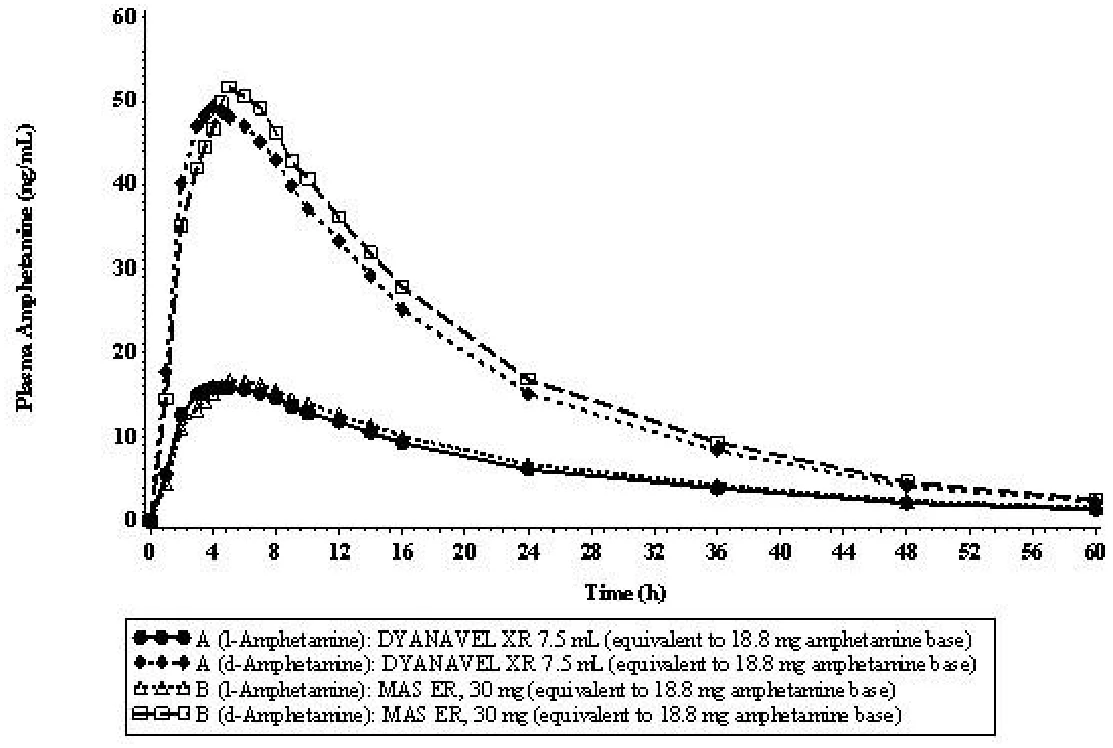
Following a single 18.75 mg dose of DYANAVEL XR extended-release oral suspension in 29 healthy adult subjects under fasting conditions in a crossover study, the median (range) time to peak plasma concentrations (Tmax) for both d- and l- isomers of amphetamine were 4 (2 to 7) hours after dosing.
Following a single 18.75 mg dose of DYANAVEL XR extended-release oral suspension in 28 healthy adult subjects in a crossover study under fasting conditions, the median (range) time to peak plasma concentrations (Tmax) were about 4 (2 to 7) hours and 5 (3 to 7) hours for d- and l-amphetamine, respectively. Peak concentration (Cmax) was 93% and 94%, respectively, of the Cmax of extended release (ER) mixed amphetamine salts (MAS) capsules. The relative bioavailability of DYANAVEL XR compared with an equal dose of ER mixed amphetamine salts (MAS) capsules is 94% for both d- and l-amphetamine.
Figure 1: Mean d- and l- Amphetamine Plasma Concentration-Time Profile Following Administration of a Single Dose (18.8 mg amphetamine base) of DYANAVEL XR Extended-Release Oral Suspension and MAS ER Under Fasting Conditions in Adults
Extended-Release Tablet
Following a single 20 mg dose of DYANAVEL XR extended-release tablets (swallowed whole) to 32 healthy adults under fasted conditions in a crossover study, the median. range) time to peak plasma concentration (Tmax) for both d- and l-amphetamine, were 5.0 (2 to 9) hours after dosing. Peak concentrations (Cmax) for both d- and l-amphetamine, were 101% of the Cmax of DYANAVEL XR oral suspension. The relative bioavailability of DYANAVEL XR tablets compared with an equal dose of DYANAVEL XR oral suspension, for d- and l-amphetamine, were 105% and 106%, respectively.
DYANAVEL XR extended-release tablets chewed or swallowed whole under fasted conditions did not significantly affect exposure and Tmax.
Figure 2: Mean Plasma d- and l-Amphetamine Concentration-Time Profiles for DYANAVEL XR Extended-Release Tablet and DYANAVEL XR Extended-Release Oral Suspension in Healthy Adults
60
50
40
30
20
10
0
0 4 8 12 16 20 24 28 32 36 40 44 48 52 56 60
Time (h)
Effect of Food
Extended-Release Oral Suspension
Ingestion of 7.5 mL of DYANAVEL XR extended-release oral suspension with a high- fat meal increased the average Cmax of both isomers of DYANAVEL XR by about 2%, decreased the AUC of d- and l-amphetamine by 5.7% and 7.4%, respectively. A delay of Tmax by approximately 1 hour was observed for both isomers.
Extended-Release Tablet
Ingestion of 20 mg DYANAVEL XR extended-release tablets with a high-fat meal decreased the average Cmax of both isomers of amphetamine by about 3%, decreased AUC of d- and l- amphetamine by about 4.0% and 7.3%, respectively. Median Tmax was not delayed for either isomer.
Distribution
Literature studies indicated a stereospecific distribution of the individual dextro (d-) and levo (l-) enantiomers of amphetamine in the brain and heart of mice. Distribution kinetics in the rat indicated that similar amounts of both enantiomers were excreted in the urine as parent drug and as the hydroxy metabolite.
Radiolabelled 3H-d-amphetamine was distributed in many tissues of pregnant and non-pregnant female
Co ncentration (ng/mL)
l-Amphetamine, A: DYANAVEL XR Tablet,20 mg (chewed/fast)
l-Amphetamine, C: DYANAVEL XR Tablet,20 mg (swallowed whole/fast) l-Amphetamine, D: DYANAVEL XR Oral Suspension 7.5 mL (20 mg)
d-Amphetamine, A: DYANAVEL XR Tablet,20 mg (chewed/fast)
d-Amphetamine, C: DYANAVEL XR Tablet,20 mg (swallowed whole/fast) d-Amphetamine, D: DYANAVEL XR Oral Suspension 7.5 mL (20 mg)
and male mice. Amphetamine crossed the placenta and was present in the placenta, whole fetus, and in fetal brain and liver. Fetal tissue concentrations were generally much lower than maternal tissue concentrations.
Metabolism
Amphetamine is reported to be oxidized at the 4 position of the benzene ring to form 4-hydroxyamphetamine, or on the side chain A or B carbons to form alpha-hydroxy-amphetamine or norephedrine, respectively. Norephedrine and 4-hydroxy-amphetamine are both active and each is subsequently oxidized to form 4-hydroxy-norephedrine. Alpha-hydroxy-amphetamine undergoes deamination to form phenylacetone, which ultimately forms benzoic acid and its glucuronide and the glycine conjugate hippuric acid. Although the enzymes involved in amphetamine metabolism have not been clearly defined, CYP2D6 is known to be involved with formation of 4-hydroxy-amphetamine.
Because CYP2D6 is genetically polymorphic, population variations in amphetamine metabolism are a possibility.
Elimination
The mean plasma terminal elimination half-lives of d- and l-amphetamine were 12.4 hours and 15.1 hours, respectively, following a single 7.5 mL (2.5 mg/mL) dose of DYANAVEL XR extended-release oral suspension.
The mean plasma terminal elimination half-lives of d- and l-amphetamine were 13.5 hours and 17.3 hours, respectively, following a single 20 mg dose of DYANAVEL XR extended-release tablets.
With normal urine pH, approximately half of an administered dose of amphetamine is recoverable in urine as derivatives of alpha-hydroxy-amphetamine and approximately another 30%-40% of the dose is recoverable in urine as amphetamine itself.
Special Populations and Conditions
- Pediatrics: Following a single 10 mg dose of DYANAVEL XR extended-release oral suspension (2.5 mg/mL) in pediatric subjects with ADHD (aged 6 to 12 years) under fasting conditions, peak plasma concentrations of d- and l-amphetamine occurred at a median time of 3.4 and 5 hours after dosing, respectively. The mean plasma terminal elimination half-lives of d- and l-amphetamine were 10.6 hours and 12.5 hours, respectively.
- Geriatrics: Specific studies of DYANAVEL XR in geriatric patients have not been conducted.
- Sex: There is insufficient experience with the use of DYANAVEL XR to detect gender variations in pharmacokinetics.
- Ethnic Origin: There is insufficient experience with the use of DYANAVEL XR to detect ethnic variations in pharmacokinetics.
- Pregnancy and Breast-feeding: Based on limited case reports in published literature, amphetamine (d- or d, l-) is present in human milk, at relative infant doses of 2% to 13.8% of the maternal weight-adjusted dose and a milk/plasma ratio ranging between 1.9 and 7.5. There are no reports of adverse effects on the breastfed infant and no effects on milk production. However, long term neurodevelopmental effects on infants from stimulant exposure are unknown. Because of the potential for serious adverse reactions in a breastfed infant, breastfeeding is not recommended during treatment with DYANAVEL XR.
- Hepatic Insufficiency: There is no experience with the use of DYANAVEL XR in patients with hepatic insufficiency. However, a fraction of amphetamine dose has been reported to undergo hepatic metabolism; consequently hepatic impairment has the potential to inhibit the elimination of amphetamine and result in prolonged exposures.
- Renal Insufficiency: No specific studies have been conducted to evaluate the effect of renal impairment on the PK after DYANAVEL XR administration. However, urinary recovery of amphetamine has been reported to range from 1% to 75%, depending on urinary pH, with the remaining fraction of the dose hepatically metabolized, as amphetamine is not dialyzable. Consequently, renal dysfunction has the potential to inhibit the elimination of amphetamine and result in prolonged exposures.
- Storage, Stability, and Disposal
Store DYANAVEL XR at 15°C to 30°C.
DYANAVEL XR extended-release oral suspension: Dispense in a tight container with child resistant closure. Once the oral suspension bottle is opened, the marketed pack should be discarded appropriately within 6 months from the date of opening (or upon the expiry date, whichever is first). The pharmacy container should be discarded appropriately within 40 days after dispensing.
Dispose of remaining, unused, or expired DYANAVEL XR Oral Suspension or DYANAVEL XR Tablets at the pharmacy. Do not discard with household trash.
DYANAVEL XR should be kept in a safe place, such as under lock and out of the sight and reach of children before, during and after use to prevent inappropriate or accidental use by others.
Unused or expired DYANAVEL XR should be properly disposed of as soon as it is no longer needed to prevent accidental exposure to others, including children or pets. DYANAVEL XR should not be shared with others and steps should be taken to protect it from theft or misuse. The patient should speak to their pharmacist about temporary storage options, if required, until the medication can be returned to the pharmacy for safe disposal.
Part 2: Scientific Information
13. Pharmaceutical Information
Drug Substance
Proper name: Amphetamine Sulfate
Chemical name: Phenyl-2-(R,S)-aminopropane sulfate
Molecular formula and molecular mass: C18H28N2SO4, 368.5 g/mol
Structural formula:
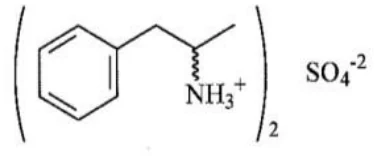
Physicochemical properties: White to off-white crystalline powder pH: 5.0 to 6.0, of the aqueous solution
pKa: 9.9
Solubility: Soluble in water and slightly soluble in alcohol
Melting Point: 131 to 135°C (of n-benzoyl derivative of amphetamine)
Proper name: Dextroamphetamine Sulfate
Chemical name:
- 1) Phenyl-2-(S)-aminopropane sulfate
- 2) (+)-α-Methylphenethylamine sulfate (2:1)
- 3) Benzeneethanamine, α-methyl-, (S)-, sulfate (2:1)
Molecular formula and molecular mass: C18H28N2SO4, 368.49 g/mol
Structural formula:
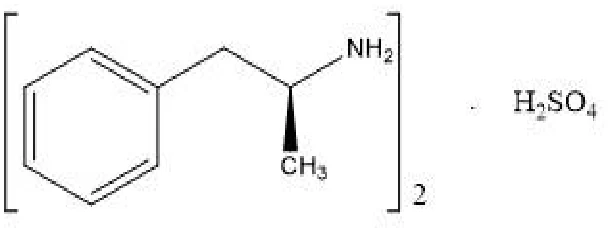
Physicochemical properties: White crystalline powder
pH: 5.0 to 6.0, of aqueous solution
pKa: 9.9
Solubility: Soluble in water and slightly soluble in alcohol
Melting Point: 155 to 160°C (of n-benzoyl derivative of amphetamine)
Proper name: Amphetamine Aspartate Monohydrate
Chemical name: Phenyl-2-(R,S)-aminopropane aspartate
Molecular formula and molecular mass: C13H22N2O5, 286.3 g/mol
Structural formula:
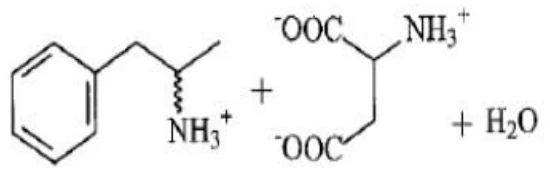
Physicochemical properties: White to off-white crystalline powder
pH: 5.0 to 7.0 of the aqueous solution
pKa: 9.9
Solubility: Soluble in water and slightly soluble in alcohol
Melting Point: 131 to 135°C (of n-benzoyl derivative of amphetamine)
14. Clinical Trials
14.1. Clinical Trials by Indication
Attention-Deficit Hyperactivity Disorder (ADHD)
DYANAVEL XR Oral Suspension
Table 7 - Summary of patient demographics for the pivotal clinical trial of DYANAVEL XR Oral Suspension in pediatric patients aged 6-12 years with ADHD1
| Study # | Study Design | Dosage, route of administration, and duration | Study subjects (n) | Mean age (Range) | Sex |
|---|---|---|---|---|---|
| TRI102-ADD-001 | Phase 3, dose-optimized, randomized, double- blind, placebo-controlled, multicenter, parallel-group, laboratory classroom study | Open label dose optimization period (5- weeks): 2.5 to 20 mg/day oral doses Double-blind period (1 week): oral dose determined during open-label phase, once per day | Total: (99) Placebo: (48) DYANAVEL XR oral suspension: (51) | 9.2 years (6-12 years) | 68 M 31 F |
1 Intent to treat (ITT) population
The efficacy of DYANAVEL XR oral suspension was evaluated in a Phase 3 randomized, double-blind, placebo-controlled, parallel-group, multicenter laboratory classroom study conducted in 107 pediatric patients (aged 6 to 12 years) with ADHD (according to DSM-IV criteria). The study began with an open-label dose optimization period (5 weeks) with an initial DYANAVEL XR dose of 2.5 or 5 mg once daily in the morning (dose based on investigator’s discretion). The dose could be titrated weekly in increments of 2.5 to 10 mg until an optimal dose or the maximum dose of 20 mg/day was reached. Subjects then entered a 1-week randomized, double-blind treatment period with the individually optimized dose of DYANAVEL XR or placebo. There was a practice laboratory classroom session before the randomized, controlled phase. At the end of the week, school teachers and raters evaluated the attention and behavior of the subjects in a laboratory classroom using the Swanson, Kotkin, Agler, M-Flynn, and Pelham (SKAMP) rating scale. SKAMP is a 13-item teacher-rated scale that assesses manifestations of ADHD in a classroom setting. Each item is rated on a 7-point impairment scale.
The primary endpoint was the assessment of change from pre-dose in model-adjusted SKAMP-Combined scores at 4 hours post-dose measured during the laboratory school day (Visit 8) in the ITT Population. The primary efficacy analysis at 4 hours post-dose, showed a statistically significant difference in the DYANAVEL XR Oral Solution group relative to the placebo group (treatment difference LS mean [SE]: -14.8 [1.61], p <0.001).
Table 8 - Summary of Primary Efficacy Results in Pediatric Patients (6-12 years) with ADHD1
| Study TRI102-ADD-001 | |||||||
|---|---|---|---|---|---|---|---|
DYANAVEL XR Extended Release Oral Suspension n = 51 | Placebo n = 48 | Treatment difference (95% CI) | |||||
| Primary endpoints | |||||||
| SKAMP Combined Score | |||||||
| Mean Pre-dose Score (SD) | 17.3 (8.9) | 15.5 (7.4) | --- | ||||
| LS Mean Change from Pre-dose at 4 hours Post-Dosing (SE) | -8.8 (1.14) | 6.0 (1.2) | -14.8 (-17.9, -11.6)2 p < 0.0001 | ||||
SD = Standard deviation; SE = Standard error; LS Mean = Least squares mean; CI = confidence interval SKAMP: Swanson, Kotkin, Agler, M-Flynn, and Pelham Scale The SKAMP-Combined score is obtained by summing items 1-13, where each item is rated on a 7-point scale (0=normal to 6=maximal impairment). Treatment comparisons for change from pre-dose scores are assessed using a mixed model repeated measures analysis, with treatment (TRI102/placebo), study center, time point, and time point-by-treatment interaction as main effects, and subject intercept as a random effect. 1 Intent to treat (ITT) population 2 Difference (drug minus placebo) in least squares mean change from pre-dose | |||||||
Key secondary endpoints included onset of clinical effect, defined as the earliest post-dose time point at which the SKAMP-Combined score difference between the 2 treatments is statistically significant (p<0.05) and duration of clinical effect, defined as the difference between the onset time and the latest consecutive time point at which the SKAMP-Combined score difference between the 2 treatments is still statistically significant (p<0.05).
Results from the double-blind, placebo-controlled week of the study are summarized in Table 8 and Figure 3.
Figure 3: LS Mean Change from Pre-dose in SKAMP-Combined Score after Treatment with DYANAVEL XR Oral Suspension or Placebo in Pediatric Patients (6 to 12 years) with ADHD
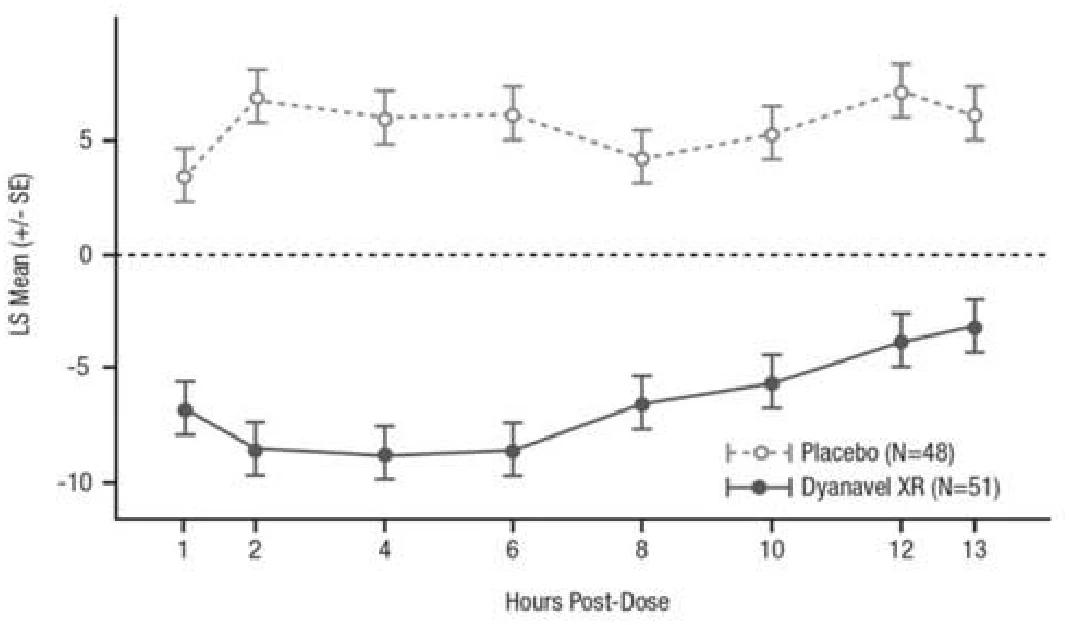
The onset of treatment effect was observed at the earliest time point assessed, 1 hour post-dose. The duration of efficacy persisted until the final time point at 13 hours post-dose. The highest magnitude of effect relative to pre-dose in the DYANAVEL XR group occurred at the 4-hour post-dose time point and the highest treatment difference relative to placebo occurred at 2 hours post-dose.
DYANAVEL XR Tablets
Table 9 - Summary of patient demographics for the pivotal clinical trial of DYANAVEL XR Tablets in adults aged 18-60 years with ADHD (TRI-108-ADD-400)1
| Study # | Study Design | Dosage, route of administration and duration | Study subjects (n) | Mean age (Range) | Sex |
|---|---|---|---|---|---|
| TRI-108-ADD-400 | Phase 3, randomized, double-blind, placebo- controlled, parallel-group study | 5 week double-blind titration (placebo or DYANAVEL XR Tablet; starting dose 5 mg orally, titrated up by 5 mg increments each week) Final dose of 20 mg for 14 days. | Total: (127) Placebo: (65) DYANAVEL XR Tablet: (62) | 32.4 years (18-60 years) | 76 M 51 F |
| 1 Intent to treat (ITT) population | |||||
Study TRI-108-ADD-400 was a randomized, double-blind (DB), placebo-controlled, parallel study to assess the efficacy and safety of DYANAVEL XR Tablets compared with placebo for the treatment of ADHD in adults aged 18 to 60 years. After screening and baseline evaluations were completed, eligible subjects were randomized to DYANAVEL XR Tablets or matching placebo taken orally once daily in the morning beginning the day after the Baseline visit.
Following randomization, subjects underwent a 5-week double-blind dose-titration phase. Subjects were administered a starting dose of 5 mg DYANAVEL XR Tablets or matching placebo, with or without food, swallowed whole or chewed, in the morning before 10 am. Subjects were then titrated up by 5 mg increments each week. After Visit 3, subjects received a final dose of 20 mg for 14 (±3) days before Visit 5. Subjects who could not tolerate the study drug were discontinued from the study.
A Permanent Product Measure of Performance (PERMP) placement test was administered at screening or baseline. PERMP practice sessions were done before and after efficacy and safety assessments during baseline and Visits 1 to 3. An abbreviated administration of serial PERMP tests took place at Visit 4 where the PERMP was administered pre-dose, and at 0.5, 1, 2 and 4 hours post-dose. At Visit 5, efficacy assessments included the administration of serial PERMPs pre-dose and at 0.5, 1, 2, 4, 8, 10, 12, 13, and 14 hours post-dose.
Table 10 – Summary of Primary Efficacy Results in Adult Patients with ADHD1
| Study TRI108-ADD-400 | ||||||||||
|---|---|---|---|---|---|---|---|---|---|---|
DYANAVEL XR Tablets N = 45 | Placebo N = 46 | Treatment difference2 [95% CI] | ||||||||
Primary endpoint PERMP-T scores at Visit 5 | ||||||||||
| Predose mean (SD) | 259.5 (69.4) | 260.6 (77.8) | ||||||||
| Over all postdose timepoints | ||||||||||
| Mean (SD) | 302.8 (87.6) | 279.6 (79.8) | ||||||||
| Adjusted mean (SE)2 | 303.4 (5.9) | 279.0 (5.8) | 24.3 (8.3) [7.8, 40.8] p = 0.00433 | |||||||
| 95% CI for adjusted mean2 | (291.6, 315.1) | (267.4, 290.6) | ||||||||
PERMP-T = Permanent Product Measure of Performance Total. PERMP-T score ranges from 0 to 800 with higher scores indicating better performance. SD = standard deviation, SE = standard error N = number of subjects. 1Modified Intent-to-Treat Population (mITT) is comprised of subjects who completed the study. 2Adjusted mean (SE), treatment difference between adjusted mean (DYANAVEL XR Tablets – Placebo), 95% CI of difference and p-value are based on mixed model repeated measures (MMRM) analysis model with treatment, time, and treatment-by-time as fixed effects, and subject as a random effect. Predose PERMP-T scores are included as covariate. 3Two-sided p-value | ||||||||||
The primary efficacy endpoint, mean post-dose PERMP-T score, over all post-dose time points at Visit 5 was statistically significantly higher in the DYANAVEL XR tablets group (302.8) compared to the placebo group (279.6) (p-value = 0.0043).
16. Non-Clinical Toxicology
General toxicology: Administration of amphetamine (d- or d, l-) have been shown to produce long-lasting neurotoxic effects, including irreversible nerve fiber damage in adult rodents. The significance of these findings to humans is unknown.
Genotoxicity: Amphetamine, in the enantiomer d- to l- ratio of approximately 3:1, was not clastogenic in the mouse bone marrow micronucleus test in vivo and was negative when tested in the E. coli component of the Ames test in vitro. d, l-Amphetamine (1:1 enantiomer ratio) has been reported to produce a positive response in the mouse bone marrow micronucleus test, an equivocal response in the Ames test, and negative responses in the in vitro sister chromatid exchange and chromosomal aberration assays.
Carcinogenicity: No evidence of carcinogenicity was found in studies in which d, l- amphetamine (enantiomer ratio of 1:1) was administered to mice and rats in the diet for 2 years at doses of up to 30 mg/kg/day in male mice, 19 mg/kg/day in female mice and 5 mg/kg/day in male and female rats. These doses are approximately 7, 5, and 2 times, respectively, the maximum recommended human dose of 20 mg/day (as base equivalents) given to adults, on a mg/m2 basis.
Reproductive and developmental toxicology: Amphetamine, in the enantiomer ratio (d- to l- of approximately 3:1) did not adversely affect fertility or early embryonic development in the rat at doses of up to 20 mg/kg/day (approximately 10 times the maximum recommended human dose of 20 mg/day [as base equivalents] given to adults on a mg/m2 basis).
No effects on morphological development were observed in embryo-fetal development studies with oral administration of amphetamine to rats and rabbits during organogenesis at doses of up to 6 and 16 mg/kg/day, respectively. These doses are approximately 3 and 16 times, respectively, the maximum recommended human dose (MRHD) of 20 mg/day (as base equivalents) on a mg/m2 basis, given to adults.
However, a number of studies in rodents indicate that prenatal or early postnatal administration of amphetamine (d- or d,l-), at doses which provide similar exposure to those used clinically, can result in long-term neurochemical and behavioral alterations. Reported behavioral effects include learning and memory deficits, altered locomotor activity, and changes in sexual function.