


Product Monograph - Evra
Recent Major Label Changes
| 2 Contraindications | 2026-08 |
|---|---|
| 3 Serious Warnings and Precautions Box | 2026-08 |
| 7 Warnings and Precautions, Immune | 2026-08 |
| 7 Warnings and Precautions, Hepatic/Biliary/Pancreatic | 2026-08 |
Table of Contents
Certain sections or subsections that are not applicable at the time of the preparation of the most recent authorized product monograph are not listed.
Recent Major Label Changes ....................................................................................................2
Table of Contents.....................................................................................................................2
Part 1: Healthcare Professional Information.............................................................................5
- 1.
Indications ....................................................................................................................5
1.1. Pediatrics...........................................................................................................5
1.2. Geriatrics ...........................................................................................................5
- 2. Contraindications .........................................................................................................5
- 3. Serious Warnings and Precautions Box .........................................................................6
- 4.
Dosage and Administration ..........................................................................................7
4.2. Recommended Dose and Dosage Adjustment .....................................................7
4.4. Administration ...................................................................................................7
4.5. Missed Dose .................................................................................................... 11
- 5. Overdose .................................................................................................................... 11
- 6. Dosage Forms, Strengths, Composition, and Packaging............................................... 12
7 Warnings and Precautions .......................................................................................... 12
General ....................................................................................................................... 12
Carcinogenesis and Genotoxicity ................................................................................. 15
Cardiovascular ............................................................................................................ 15
Endocrine and Metabolism .......................................................................................... 16
Genitourinary.............................................................................................................. 17
Hematologic................................................................................................................ 17
Hepatic/Biliary/Pancreatic ........................................................................................... 18
Immune ...................................................................................................................... 19
Monitoring and Laboratory Tests ................................................................................. 19
Neurologic .................................................................................................................. 19
Ophthalmologic........................................................................................................... 19
Perioperative Considerations....................................................................................... 20
Psychiatric................................................................................................................... 20
Renal .......................................................................................................................... 20
Reproductive Health.................................................................................................... 20
Skin............................................................................................................................. 21
7.1. Special Populations .......................................................................................... 21
7.1.1. Pregnancy ....................................................................................................21
7.1.2. Breastfeeding...............................................................................................21
7.1.3. Pediatrics .....................................................................................................21
7.1.4. Geriatrics .....................................................................................................21
- 8.
Adverse Reactions ...................................................................................................... 22
8.1. Adverse Reaction Overview .............................................................................. 22
8.2. Clinical Trial Adverse Reactions ........................................................................ 23
8.3. Less Common Clinical Trial Adverse Reactions .................................................. 24
8.5. Post-Market Adverse Reactions ........................................................................ 26
- 9.
Drug Interactions ........................................................................................................ 28
9.2. Drug Interactions Overview .............................................................................. 28
9.3. Drug-Behavioural Interactions .......................................................................... 29
9.4. Drug-Drug Interactions..................................................................................... 30
9.5. Drug-Food Interactions .................................................................................... 34
9.6. Drug-Herb Interactions..................................................................................... 34
9.7. Drug-Laboratory Test Interactions .................................................................... 34
- 10.
Clinical Pharmacology ................................................................................................. 36
10.1. Mechanism of Action.................................................................................... 36
10.2. Pharmacodynamics ...................................................................................... 37
10.3. Pharmacokinetics ......................................................................................... 41
- 11. Storage, Stability, and Disposal................................................................................... 47
- 12. Special Handling Instructions ...................................................................................... 47
Part 2: Scientific Information ................................................................................................. 48
- 13. Pharmaceutical Information ....................................................................................... 48
- 14.
Clinical Trials............................................................................................................... 49
14.1. Clinical Trials by Indication............................................................................ 49
- 15. Microbiology .............................................................................................................. 51
- 16. Non-Clinical Toxicology............................................................................................... 51
Patient Medication Information............................................................................................. 62
Part 1: Healthcare Professional Information
1. Indications
EVRA (norelgestromin and ethinyl estradiol extended release patch) is indicated for:
- The prevention of pregnancy
The pharmacokinetic profile for the EVRA transdermal system is different from that of an oral contraceptive. The clinical relevance of the differences in PK profiles between transdermal and oral delivery is not known (see 7 Warnings and Precautions, General and 10.3 Pharmacokinetics).
1.1. Pediatrics
Pediatrics (˂18 years of age): No data in female patients under the age of 18 are available to Health Canada; therefore, Health Canada has not authorized an indication for pediatric use.
1.2. Geriatrics
Geriatrics: No data in post-menopausal women are available to Health Canada; therefore, Health Canada has not authorized an indication for geriatric use.
2. Contraindications
EVRA transdermal system is contraindicated in women:
- who are hypersensitive to this drug or to any ingredient in the formulation, including any non-medicinal ingredient, or component of the container. For a complete listing, see 6 Dosage Forms, Strengths, Composition, and Packaging;
- with history of or actual thrombophlebitis or thromboembolic disorders;
- with known thrombophilic conditions;
- with history of or actual cerebrovascular disorders;
- with history of or actual myocardial infarction or coronary artery disease;
- with valvular heart disease with complications;
- with active liver disease, or history of or actual benign or malignant liver tumours;
- Concomitant use with the medicinal products containing ombitasvir/paritaprevir/ritonavir and dasabuvir, medicinal products containing glecaprevir/pibrentasvir or sofosbuvir/velpatasvir/voxilaprevir (see 7 Warnings and Precautions, Hepatitis C);
- with known or suspected carcinoma of the breast;
- with carcinoma of the endometrium or other known or suspected estrogen-dependent neoplasia;
- with undiagnosed abnormal vaginal bleeding;
- with steroid-dependent jaundice, cholestatic jaundice, history of jaundice of pregnancy;
- with any ocular lesion arising from ophthalmic vascular disease, such as partial or complete loss of vision, or defect in visual fields;
- with known or suspected pregnancy;
- with current or history of migraine with focal aura;
with presence of severe or multiple risk factor(s) for arterial or venous thrombosis such as:
- persistent blood pressure values of ≥ 160 mm Hg systolic or ≥ 100 mmHg diastolic
- hereditary or acquired predisposition for venous or arterial thrombosis, such as Factor V Leiden mutation and activated protein C (APC-) resistance, antithrombin-III-deficiency, protein C deficiency, protein S deficiency, hyperhomocysteinemia (e.g., due to MTHFR C677T, A1298 mutations), prothrombin mutation G20210A, and antiphospholipid-antibodies (anticardiolipin antibodies, lupus anticoagulant)
- severe dyslipoproteinemia
- over age 35 and smoke
- diabetes mellitus with vascular involvement
- major surgery associated with an increased risk of post-operative thromboembolism
- prolonged immobilization
3. Serious Warnings and Precautions Box
|
|---|
|
4. Dosage and Administration
4.2. Recommended Dose and Dosage Adjustment
To achieve maximum contraceptive effectiveness, the EVRA transdermal system must be used exactly as directed.
Transdermal Contraceptive System Overview
This system uses a 28-day, four-week cycle. A new patch is applied each week for three weeks – 21 total days. Week Four is patch-free. Withdrawal bleeding is expected during this time.
This means that every new patch will be applied on the same day of the week. This day is known as the “Patch Change Day”. For example, if the first patch is applied on a Monday, all subsequent patches should be applied on a Monday. Only one patch should be worn at a time.
The EVRA patch should not be cut, damaged or altered in any way. If the EVRA patch is cut, damaged or altered in size, contraceptive efficacy may be impaired.
On the day after Week Four ends, a new four-week cycle is started by applying a new patch. Under no circumstances should there be more than a 7-day patch-free interval between dosing cycles.
Clinical trials demonstrated that subjects randomized to EVRA were able to adhere to the weekly dosing regimen better than with daily dosing of oral contraceptives (see 14 Clinical Trials).
Health Canada has not authorized an indication for pediatric use. See 1.1 Pediatrics.
4.4. Administration
| 1 |  | If the patient is starting EVRA for the first time, she should wait until the day she begins her menstrual period. Either a First Day start or Sunday start may be utilized (see below). The day she applies her first patch will be Day 1. Her “Patch Change Day” will be on this day every week. |
| 2 |  |
OR
For both a First Day start and a Sunday start: A non-hormonal contraceptive (such as a condom or diaphragm) should be used concurrently for the first 7 consecutive days of the first treatment cycle. |
| 3 |  | Where to apply the patch. The patch should be applied to clean, dry, hairless, intact healthy skin on the buttock, abdomen, upper outer arm or upper torso, in a place where it won’t be rubbed by tight clothing. EVRA should not be placed on skin that is red, irritated or cut, nor should it be placed on the breast. To prevent interference with the adhesive properties of EVRA, no make-up, creams, lotions, powders or other topical products should be applied to the skin area where the EVRA patch is currently placed or will be applied shortly. |
| 4 | 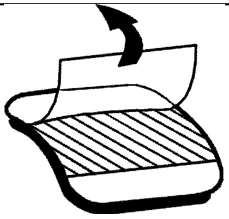 | Application of the EVRA patch The foil pouch is opened by tearing it along the edge using the fingers. A corner of the patch is grasped firmly and gently removed from the foil pouch. Sometimes patches can stick to the inside of the pouch – the patient should be careful not to accidentally remove the clear liner as she removes the patch. Then half of the clear protective liner is peeled away. The patient should avoid touching the sticky surface of the patch. |
| 5 | 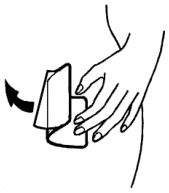 | The patch is positioned on the skin and the other half of the liner is removed. The patient should press down firmly on the patch with the palm of her hand for 10 seconds, making sure that the edges stick well. She should check her patch every day to make sure it is sticking. |
| 6 |  | The patch is worn for 7 days (one week). On the “Patch Change Day,” Day 8, the used patch is removed and a new one is applied immediately. The used patch still contains some active hormones – it should be thrown away by carefully folding it in half so that it sticks to itself. |
| 7 |  | A new patch is applied on Week Two (Day 8) and again on Week Three (Day 15), on the usual “Patch Change Day.” Patch changes may occur at any time on the Change Day. Consecutive EVRA patches should be applied to a new spot on the skin to help avoid potential irritation, although they may be kept within the same anatomic site. |
| 8 |  | Week Four is patch-free (Day 22 through Day 28), thus completing the four-week contraceptive cycle. Bleeding is expected during this time. |
| 9 | The next four-week cycle is started by applying a new patch on the usual “Patch Change Day,” the day after Day 28, no matter when the menstrual period begins or ends. Under no circumstances should there be more than a 7-day patch-free interval between dosing cycles. |
Patch adhesion was assessed indirectly by replacement rates for complete and partial patch detachment. Experience with more than 70,000 EVRA patches worn for contraception for 6 to 13 cycles showed that 4.7% of patches were replaced because they either fell off (1.8%) or were partly detached (2.9%). Similarly, in a small study of patch wear under conditions of physical exertion and variable temperature and humidity, less than 2% of patches were replaced for complete or partial detachment.
If the EVRA patch lifts at the edges or completely detaches and remains detached, insufficient drug delivery occurs.
If EVRA remains even partly detached:
- for less than one day (up to 24 hours), it should be reapplied to the same place or replaced with a new EVRA patch immediately. No additional contraception is needed. The next EVRA patch should be applied on the usual “Patch Change Day”
- for more than one day (> 24 hours) OR if the user is not aware when the patch lifted or became detached, the user may not be protected from pregnancy. The user should stop the current contraceptive cycle and start a new cycle immediately by putting on a new EVRA patch. There is now a new “Day 1” and a new “Patch Change Day” A non-hormonal contraception must be used for the first week of the new cycle only.
A patch should not be re-applied if it is no longer sticky, if it has become stuck to itself or another surface, if it has other material stuck to it or if it has become loose or fallen off before. If a patch cannot be re-attached, a new patch should be applied immediately. Supplemental adhesives or wraps should not be used to hold the EVRA patch in place.
Change Day Adjustment
If the user wishes to move the “Patch Change Day”, the current cycle should be completed, removing the third EVRA patch on the correct day. During the patch-free week, a new “Patch Change Day” may be selected by applying the first EVRA patch of the next cycle on the first occurrence of the desired day. In no case should there be more than 7 consecutive patch-free days.
The shorter the patch-free interval, the higher the risk of breakthrough bleeding and spotting replacing the expected withdrawal bleeding. This practice is for a one-time only change and should not be used as a standard dosing regimen, as there are no long-term safety data available on the continuous use of EVRA.
Switching from an Oral Contraceptive
Treatment with EVRA should begin on the first day of withdrawal bleeding. If there is no withdrawal bleeding within 5 days of the last active (hormone-containing) tablet, pregnancy must be ruled out prior to start of treatment with EVRA. If therapy starts after the first day of withdrawal bleeding, a non-hormonal contraceptive should be used concurrently for 7 days. If more than 7 days elapse after taking the last active oral contraceptive tablet, the patient may have ovulated. The patient should be instructed
 |
to consult her physician before initiating treatment with EVRA. If coital exposure has occurred during such an extended patch-free interval, the possibility of fertilization should be considered.
Use after Childbirth
Women who elect not to breast-feed should start contraceptive therapy with EVRA no sooner than 4 weeks after childbirth (see 7 Warnings and Precautions, Hematologic).
Use after Abortion or Miscarriage
After an abortion or miscarriage that occurs before 20 weeks gestation, EVRA may be started immediately. An additional method of contraception is not needed if EVRA is started immediately. Be advised that ovulation may occur within 10 days of an abortion or miscarriage.
After an abortion or miscarriage that occurs at or after 20 weeks gestation, EVRA may be started either on Day 21 post-abortion or on the first day of the first spontaneous menstruation, whichever comes first. The incidence of ovulation on Day 21 post-abortion (at 20 weeks gestation) is not known.
In Case of Vomiting or Diarrhea
Unlike oral contraceptives, dose delivery by transdermal application should be unaffected by vomiting. Dose delivery is also expected to be unaffected by diarrhea.
In Case of Skin Irritation
If patch use results in uncomfortable irritation, a new patch may be applied to a new location until the next Change Day. Only one patch should be worn at a time.
Additional Instructions for All Dosing Regimens
Breakthrough bleeding, spotting, and amenorrhea are frequent reasons for patients discontinuing hormonal contraceptives.
Breakthrough Bleeding or Spotting
In the event of breakthrough bleeding or spotting (bleeding that occurs during EVRA usage), treatment should be continued. This type of bleeding usually disappears after the first few cycles. Non-functional causes should be considered, however, and in cases of undiagnosed persistent or recurrent abnormal bleeding from the vagina, adequate diagnostic measures are indicated to rule out pregnancy or malignancy. If pathology has been excluded, time or a change to another formulation may solve the problem. Changing to a hormonal contraceptive with a higher estrogen content, while potentially useful in minimizing menstrual irregularity, should be done only if necessary since this may increase the risk of thromboembolic disease.
Amenorrhea
Use of hormonal contraceptives in the event of a missed menstrual period:
- 1. If the woman has not adhered to the prescribed schedule, the possibility of pregnancy should be ruled out at the time of the first missed period.
- 2. If EVRA has been used correctly, the absence of withdrawal bleeding (bleeding that should occur during the patch-free week) is not necessarily an indication of pregnancy. If the woman has adhered to the prescribed regimen and misses one period, she should continue using her contraceptive patches on the next scheduled Change Day. If the woman has adhered to the prescribed regimen and misses two consecutive periods, pregnancy should be ruled out before continuing hormonal contraceptive use.
4.5. Missed Dose
If the patient forgets to change her patch:
- at the start of any patch cycle (Week One/Day 1): The user may not be protected from pregnancy. The user should apply the first patch of her new cycle as soon as remembered. There is now a new “Patch Change Day” and a new “Day 1.” A non-hormonal contraceptive must be used concurrently for the first 7 days of the new cycle. If coital exposure has occurred during such an extended patch-free interval, the possibility of fertilization should be considered.
in the middle of the patch cycle (Week Two/Day 8 or Week Three/Day 15):
- for one or two days (up to 48 hours): The user should apply a new EVRA patch immediately. The next EVRA patch should be applied on the usual “Patch Change Day”. No additional contraception is needed.
- for more than two days (48 hours or more): The user may not be protected from pregnancy. The user should stop the current contraceptive cycle and start a new four-week cycle immediately by putting on a new EVRA patch. There is now a new “Day 1” and a new “Patch Change Day”. A non-hormonal contraceptive must be used concurrently for the first 7 consecutive days of the new cycle.
at the end of the patch cycle (Week Four/Day 22):
- if the EVRA patch is not removed at the beginning of Week 4 (Day 22), it should be removed as soon as possible. The next cycle should be started on the usual “Patch Change Day,” which is the day after Day 28. No additional contraception is needed.
Under no circumstances should there be more than a 7-day patch-free interval between dosing cycles. If there are more than 7 patch-free days, the patient may not be protected from pregnancy and back-up contraception must be used concurrently for 7 days. As with combined oral contraceptives, the risk of ovulation increases with each day beyond the recommended contraceptive-free period. If coital exposure has occurred during the patch-free interval, the possibility of fertilization should be considered.
5. Overdose
Serious ill effects have not been reported following accidental ingestion of large doses of hormonal contraceptives. Overdosage may cause nausea and vomiting. Withdrawal bleeding may occur in females. In case of suspected overdose, all transdermal contraceptive systems should be removed and symptomatic treatment given. Liver function tests should be conducted, particularly transaminase levels, 2 to 3 weeks after overdosage.
| For the most recent information in the management of a suspected drug overdose, contact your regional poison control centre or Health Canada’s toll-free number, 1-844 POISON-X (1-844-764-7669). |
|---|
- 6. Dosage Forms, Strengths, Composition, and Packaging
Table 1: Dosage Forms, Strengths, and Composition
Description
EVRA transdermal system is available in cartons containing 3 systems each. Each system is sealed within a protective pouch and heat-stamped “EVRA™.”
Each transdermal system contains 6.00 mg norelgestromin and 0.60 mg ethinyl estradiol releasing approximately 200 mcg norelgestromin and 35 mcg ethinyl estradiol every 24 hours.
EVRA transdermal system does not contain any metal components.
7 Warnings and Precautions
Please see 3 Serious Warnings and Precautions Box.
General
The risk of venous thromboembolism (VTE) among women aged 15 to 44 who used ORTHO EVRA compared to women who used oral contraceptives containing 30 to 35 mcg of ethinyl estradiol (EE) and either norgestimate (NGM) or levonorgestrel (LNG) has been estimated in three case control studies using electronic healthcare claims data derived from users in the USA. These studies (see Table 2), which used different study designs, reported odds ratios ranging from 0.9 (indicating no increase in risk) to 2.5 (indicating an approximate doubling of risk). One study (i3 Ingenix) included patient chart review to confirm the VTE occurrence (see Table 2).
| Route of Administration | Dosage Form / Strength / Composition | Non-medicinal Ingredients |
| Transdermal | Extended release patch Each transdermal system contains 6 mg norelgestromin (NGMN) and 0.6 mg ethinyl estradiol (EE) and releases approximately 200 mcg norelgestromin and 35 mcg ethinyl estradiol from the patch every 24 hours | Backing Layer: polyester and polyethylene Middle Layer: crospovidone, lauryl lactate, non-woven polyester, polyisobutylene/polybutene adhesive Release Liner: polydimethylsiloxane and polyethylene terephthalate |
Table 2: Estimates (Odds Ratios) of Venous Thromboembolism Risk in Current Users of ORTHO EVRA compared to Oral Contraceptive Users
| Epidemiologic Study | Comparator Product | Odds Ratio (95% C.I.) |
| i3 Ingenix | Norgestimate/35 mcg Ethinyl Estradiol | 2.5* (1.1-5.5) 33 months of data Data Set one |
1.4 (0.5-3.7) 24 months of data€ Data Set two | ||
2.2 (1.2-4.0) Cumulative¥ | ||
Boston Collaborative Drug Surveillance Program (Norgestimate) | Norgestimate/35 mcg Ethinyl Estradiol | 0.9 (0.5-1.6) initial 36 months of data 1.1 (0.6-2.1) 17 Month Extension‡ 2.4* (1.2-5.0) 14 Month Extension‡ 1.2 (0.9-1.8) [Pooled odds ratio from 3 datasets above] |
Boston Collaborative Drug Surveillance Program (Levonorgestrel) Database one | Levonorgestrel/30 mcg Ethinyl Estradiol | 2.0 (0.9-4.1) 48 Months of data |
Boston Collaborative Drug Surveillance Program (Levonorgestrel) Database two | Levonorgestrel/30 mcg Ethinyl Estradiol | 1.3 (0.8-2.0) 69 Months of data |
* Increase in risk of VTE is statistically significant
‡ New cases not included in the previous estimates
€ Separate estimate from 24 months of data on new cases not included in the previous estimate
¥ Cumulative odds ratio from Data set one and Data set two.
Transdermal versus Oral Contraceptives
Prescribers should be aware of the differences in pharmacokinetic (PK) profiles of transdermal and oral combined hormonal contraceptives and should exercise caution when making a direct comparison between these parameters. In general, transdermal patches are designed to maintain steady delivery of EE and NGMN over a seven-day period while oral contraceptives are administered on a daily basis and produce daily peaks and troughs. Inter-subject variability (%CV) for PK parameters following delivery from the patch is higher relative to the variability determined from the oral contraceptive. The clinical relevance of the differences in PK profiles between transdermal and oral delivery is not known (see 10.3 Pharmacokinetics).
Sex Hormone Binding Globulin (SHBG)
Published reports have indicated that the mean percent change in concentration of SHBG, a marker of systemic estrogenic activity, is higher following the application of a combined transdermal patch releasing ethinyl estradiol 20 mcg and norelgestromin 150 mcg per 24 hours than following administration of a daily oral contraceptive. The clinical significance of this finding is not known.
Discontinue Medication at the Earliest Manifestation of the Following:
A. Thromboembolic and cardiovascular disorders, such as thrombophlebitis, pulmonary embolism, cerebrovascular disorders, myocardial ischemia, mesenteric thrombosis and retinal thrombosis;
B. Conditions that predispose to venous stasis and vascular thrombosis, such as immobilization after accidents or confinement to bed during long-term illness. Other non-hormonal methods of contraception should be used until regular activities are resumed. For use of hormonal contraceptives when surgery is contemplated, see Peri-operative Considerations below;
C. Visual defects—partial or complete;
D. Papilledema or ophthalmic (retinal) vascular lesions;
E. Severe headache of unknown etiology or worsening of pre-existing migraine headache;
Risk of Unintentional Increase in Drug Exposure
See 9.3 Drug-Behaviour Interactions and 10.3. Pharmacokinetics.
Patients with Fever: Serum estradiol concentrations could theoretically increase in patients with fever. Any clinical consequences due to any increase in temperature are unknown at this time.
External Heat Sources: Due to a theoretical risk of increased exposure to ethinyl estradiol, all patients should be advised to avoid exposing the EVRA application site to direct external heat sources, such as heating pads, electric blankets, heated water beds, heat lamps, hot water bottles, saunas and hot whirlpool spa baths, intensive sunbathing, etc.
The following information is provided from studies of combination oral contraceptives. The use of EVRA transdermal system is expected to be associated with similar risks.
The use of combination hormonal contraceptives (CHC) is associated with increased risks of several serious conditions including myocardial infarction, thromboembolism, stroke, hepatic neoplasia and gallbladder disease, although the risk of serious morbidity and mortality is small in healthy women without underlying risk factors. The risk of morbidity and mortality increases significantly if associated with the presence of other risk factors such as cigarette smoking, hypertension, hyperlipidemias, obesity, and diabetes. History of pre-eclampsia is a predisposing risk factor for arterial thrombosis associated with hormonal contraceptive use.
The information contained in this section is principally based on studies carried out in women who used combination oral contraceptives with higher formulations of estrogens and progestins than those in common use today. The effect of long-term use of CHC with lower doses of both estrogen and progestin administered orally or transdermally remains to be determined.
Carcinogenesis and Genotoxicity
Breast Cancer
Increasing age and a strong family history are the most significant risk factors for the development of breast cancer. Other established risk factors include obesity, nulliparity and late age for first full-term pregnancy. The identified groups of women that may be at increased risk of developing breast cancer before menopause are long-term users of hormonal contraceptives (more than eight years) and starters at an early age. In a few women, the use of hormonal contraceptives may accelerate the growth of an existing but undiagnosed breast cancer. Since any potential increased risk related to oral contraceptive use is small, there is no reason to change prescribing habits at present.
Women using hormonal contraceptives should be instructed in breast self-examination. Their healthcare providers should be notified whenever any mass is detected. A yearly clinical breast examination is recommended because, if a breast cancer should develop, drugs that contain estrogen may cause a rapid progression.
Cervical Cancer
The most important risk factor for cervical cancer is persistent human papillomavirus infection (HPV). Some studies suggest that hormonal contraceptive use has been associated with an increased risk of cervical intraepithelial neoplasia in some populations of users. However, there continues to be controversy about the extent to which such findings may be due to differences in sexual behavior and other factors.
Hepatocellular Carcinoma
Studies have shown that CHC users have an increased risk of developing hepatocellular carcinoma. The risk appears to increase with duration of hormonal contraceptive use. However, the attributable risk (the excess incidence) of liver cancers in oral contraceptive users is extremely small.
Cardiovascular
See also 2. Contraindications, 7 Warnings and Precautions, General, 7 Warnings and Precautions Hematologic and 8 Adverse Reactions.
In the post-market period there have been cases of myocardial infarction, stroke, deep vein thrombosis and pulmonary embolism associated with use of EVRA, with some cases resulting in fatality.
Prescribers are advised to carefully assess a patient’s baseline and cumulative risk of thromboembolism and discuss the risk of thromboembolism with all patients before prescribing EVRA.
Predisposing Factors for Coronary Artery Disease
Cigarette smoking increases the risk of serious cardiovascular events and mortality. Hormonal contraceptives increase this risk, particularly in women over 35 years of age, and with the number of cigarettes smoked. Convincing data are available to support an upper age limit of 35 years for hormonal contraceptive use by women who smoke. For this reason, hormonal contraceptives, including EVRA, should not be used by women who are over 35 years of age and smoke.
Other women who are independently at high risk for cardiovascular disease include those who suffer from hypertension (persistent blood pressure values ≥ 140 mm Hg systolic or ≥ 90 mm Hg diastolic), systemic lupus erythematosus, an abnormal lipid profile or have a family history of diabetes. Whether hormonal contraceptives accentuate this risk is unclear.
In low-risk, non-smoking women of any age, the benefits of hormonal contraceptive use outweigh the possible cardiovascular risks associated with low-dose formulations. Consequently, hormonal contraceptives may be prescribed for these women up to the age of menopause.
Hypertension
An increase in blood pressure (BP) has been reported in some users taking hormonal contraceptives. Studies indicate that this increase is more likely to occur in older hormonal contraceptive users and with extended duration of use. For many users, elevated blood pressure will return to normal after they stop taking hormonal contraceptives. There is no difference in the occurrence of hypertension between former and never users. In three clinical trials of EVRA (n = 1530, n = 819 and n = 748, respectively), mean changes from baseline in systolic and diastolic blood pressure were less than 1 mm Hg.
Patients with essential hypertension whose blood pressure is well controlled may be given hormonal contraceptives but only under close supervision. If a significant and persistent elevation of blood pressure (≥ 160 mm HG systolic or ≥ 100 mm Hg diastolic) in previously normotensive or hypertensive subjects occurs at any time during the administration of the drug and cannot be adequately controlled, cessation of medication is necessary. In general, women who develop hypertension during hormonal contraceptive therapy should be switched to a non-hormonal contraceptive. If other contraceptive methods are not suitable, hormonal contraceptive therapy may continue combined with anti-hypertensive therapy. Regular monitoring of BP throughout hormonal contraception therapy is recommended.
Endocrine and Metabolism
Obesity
Obesity (BMI ≥30 kg/m2) is generally considered a risk factor for venous thromboembolism.
There have been a number of post-market cases of thromboembolism reported in overweight (BMI ≥ 25 kg/m2) and obese (BMI ≥ 30kg/m2) women using EVRA. Particular caution should be exercised when prescribing hormonal contraceptives, including EVRA, to women who are obese (see also 7 Warnings and Precautions, Hematologic).
Body Weight ≥ 90 kg
Analyses of Phase III data suggest that the EVRA transdermal system may be less effective in women with body weight ≥ 90 kg (198 lbs.) than in women with lower body weights. Below 90 kg, there was no apparent association between body weight and pregnancy rate (see 14 Clinical Trials).
Lipid and Other Metabolic Effects
A small proportion of women will have adverse lipid changes while on oral contraceptives. Alternative contraception should be used in women with uncontrolled dyslipidemias (see also 2 Contraindications). Elevations of plasma triglycerides may lead to pancreatitis and other complications.
Diabetes
Current low-dose hormonal contraceptives exert minimal impact on glucose metabolism. Diabetic patients, or those with a family history of diabetes, should be observed closely to detect any worsening of carbohydrate metabolism. Patients predisposed to diabetes who can be kept under close supervision may be given hormonal contraceptives. Young diabetic patients whose disease is of recent origin, well controlled and not associated with hypertension or other signs of vascular disease such as ocular fundal changes, should be monitored more frequently while using hormonal contraceptives.
In a 6-cycle clinical trial with EVRA, there were no clinically significant changes in fasting blood glucose from baseline to end of treatment.
Genitourinary
Vaginal Bleeding
Persistent irregular vaginal bleeding requires assessment to exclude underlying pathology. For more information on bleeding irregularities see 4 Dosage and Administration.
Fibroids
Patients with fibroids (leiomyomata) should be carefully observed. Sudden enlargement, pain or tenderness requires discontinuation of hormonal contraceptive use.
Hematologic
See also 2 Contraindications, and 8. Adverse Reactions.
In the clinical trials (n = 3330 subjects with 1704 women years of exposure), two cases of non-fatal pulmonary embolism were reported with use of EVRA, one of which was postoperative.
The excess risk of VTE is highest during the first year a woman ever uses a CHC or restarts (following a 4-week or greater pill-free interval) the same or a different CHC.
In the post-market period there have been cases of myocardial infarction, stroke, deep vein thrombosis and pulmonary embolism associated with use of EVRA, with some cases resulting in fatality.
Prescribers are advised to carefully assess a patient’s baseline and cumulative risk of thromboembolism and discuss the risk of thromboembolism with all patients before prescribing EVRA.
Post-partum period
There have been post-market cases of thromboembolism reported in women using EVRA up to two months post-partum. Since the immediate postpartum period is associated with an increased risk of thromboembolism, hormonal contraceptives should be started no earlier than four weeks after delivery in women who elect not to breast-feed. If possible, women should be encouraged to use a non-hormonal form of contraception in the three months following delivery. Women who elect to use EVRA in the immediate post-partum period should be carefully monitored for signs and symptoms of thromboembolism.
Post-abortion/post-miscarriage
After an abortion or miscarriage that occurs at or after 20 weeks gestation, hormonal contraceptives may be started either on Day 21 post-abortion or on the first day of the first spontaneous menstruation, whichever comes first (see 4. Dosage and Administration).
Obesity
Obesity (BMI ≥ 30 kg/m2) is generally considered a risk factor for venous thromboembolism.
There have been a number of post-market cases of thromboembolism reported in overweight (BMI ≥ 25 kg/m2) and obese (BMI ≥ 30kg/m2) women using EVRA. Particular caution should be exercised when prescribing hormonal contraceptives, including EVRA, to women who are obese.
Other risk factors for venous thromboembolism (VTE)
Other generalized risk factors for VTE include but are not limited to a personal history of VTE, a family history (the occurrence of VTE in a direct relative at a relatively early age may indicate genetic predisposition), systemic lupus erythematosus and inflammatory bowel disease such as Crohn’s disease or ulcerative colitis. The risk of VTE also increases with age and smoking. The risk of VTE may be temporarily increased with prolonged immobilization, major surgery or trauma. Also, patients with varicose veins and leg cast should be closely supervised.
If a hereditary or acquired predisposition to venous thromboembolism is suspected, the woman should be referred to a specialist for advice before deciding on any hormonal contraception use.
Hepatic/Biliary/Pancreatic
Jaundice
Patients who have had jaundice should be given hormonal contraceptives only with great care and under close observation. Oral contraceptive-related cholestasis has been described in women with a history of pregnancy-related cholestasis. Women with a history of cholestasis may have the condition recur with subsequent hormonal contraceptive use.
The development of severe generalized pruritus or icterus requires that the medication be withdrawn until the problem is resolved.
If a patient develops jaundice that proves to be cholestatic in type, the use of hormonal contraceptives should not be resumed. In patients taking hormonal contraceptives, changes in the composition of the bile may occur and an increased incidence of gallstones has been reported.
Hepatic nodules
Hepatic nodules (adenoma and focal nodular hyperplasia) have been reported, particularly in long-term users of hormonal contraceptives. Although these lesions are extremely rare, they have caused fatal intra-abdominal hemorrhage and should be considered in women with an abdominal mass, acute abdominal pain, or evidence of intra-abdominal bleeding.
Gallbladder disease
Gallbladder disease including cholecystitis and cholelithiasis has been reported with hormonal contraceptive use.
Users of oral contraceptives have a greater risk of developing gallbladder disease requiring surgery within the first year of use. The risk may double after four or five years of use.
Hepatitis C
EVRA must be discontinued prior to starting therapy with the Hepatitis C virus (HCV) combination drug regimen ombitasvir, paritaprevir, ritonavir, glecaprevir / pibrentasvir or sofosbuvir / velpatasvir / voxilaprevir with or without dasabuvir (see 2. Contraindications and 9. Drug Interactions). During clinical trials with ombitasvir, paritaprevir, ritonavir with or without dasabuvir, ALT elevations 5 to >20 times the upper limit of normal (ULN) were significantly more frequent in healthy female subjects and HCV infected women using ethinyl estradiol-containing medications such as CHCs. Additionally, also in patients treated with glecaprevir / pibrentasvir or sofosbuvir / velpatasvir / voxilaprevir, ALT elevations were observed in women using ethinyl estradiol-containing medications such as CHCs. Physicians are advised to consult the labelling of concurrently-used HCV combination drug regimen ombitasvir, paritaprevir, ritonavir with or without dasabuvir, glecaprevir / pibrentasvir or sofosbuvir / velpatasvir / voxilaprevir to obtain further information about restarting EVRA.
Immune
Exogenous estrogens may induce or exacerbate symptoms of hereditary and acquired angioedema.
Symptoms may include swelling of the face, tongue and/or throat, difficulty swallowing, urticaria, and/or respiratory distress. Angioedema constitutes a serious adverse reaction and requires immediate contact with healthcare professional.
Monitoring and Laboratory Tests
Physical Examination and Follow-up
Before hormonal contraceptives are used, a thorough history and physical examination should be performed, including a blood pressure determination and the family case history carefully noted. In addition, disturbances of the clotting system must be ruled out if any members of the family have suffered from thromboembolic diseases (e.g., deep vein thrombosis, stroke, myocardial infarction) at a young age. Breasts, liver, extremities and pelvic organs should be examined. A Papanicolaou smear should be taken if the patient has been sexually active.
The first follow-up visit should be three months after the initiation of hormonal contraceptive therapy. Thereafter, examinations should be performed at least once a year, or more frequently if indicated. Women with a strong family history of breast cancer or who have breast nodules should be monitored with particular care. At each visit, examination should include those procedures that were done at the initial visit, as outlined above or as per the recommendations of the Canadian Task Force on the Periodic Health Examination.
Neurologic
Migraine and Headache
The onset or exacerbation of migraine or the development of headaches with a new pattern that is recurrent, persistent or severe requires discontinuation of EVRA and evaluation of the cause. Women with migraine headaches who take hormonal contraceptives may be at increased risk of stroke (see 2. Contraindications).
Epilepsy/seizures
There have been very rare cases of seizure/convulsion reported in patients using EVRA (see 8.5 Post-Market Adverse Reactions). Patients with epilepsy or other seizure disorders who are being treated with anticonvulsants should be monitored closely while using hormonal contraceptives. In some patients being treated with anticonvulsants, a method of contraception other than hormonal contraceptives may be recommended. If a woman experiences new onset or exacerbation of seizures while using EVRA, the use of EVRA should be re-evaluated.
Ophthalmologic
Ocular Disease
Patients who are pregnant or are taking oral contraceptives may experience corneal edema. This may cause visual disturbances and changes in contact lens tolerance in rigid contact lens users; soft contact lenses do not usually cause disturbances. If visual changes or alterations in lens tolerance occur, temporary or permanent cessation of wear may be advised.
Perioperative Considerations
Thromboembolic Complications - Post-surgery
A two- to four-fold increase in relative risk of postoperative thromboembolic complications has been reported with the use of hormonal contraceptives. The relative risk of venous thrombosis in women who have predisposing conditions is twice that of women without such medical conditions.
Hormonal contraceptives should be discontinued and an alternative method substituted at least four weeks prior to elective surgery of a type associated with an increase in risk of thromboembolism and during prolonged immobilization. Hormonal contraceptives should not be resumed until the first menstrual period after hospital discharge following surgery or following prolonged immobilization.
Psychiatric
Emotional Disorders
Patients with a history of emotional disturbances, especially the depressive type, may be more prone to have a recurrence of depression while using hormonal contraceptives. In cases of a serious recurrence, a trial of an alternative method of contraception should be made, which may help to clarify the possible relationship. Women with premenstrual syndrome (PMS) may have a varied response to hormonal contraceptives, ranging from symptomatic improvement to worsening of the condition.
Renal
Fluid Retention
Hormonal contraceptives may cause some degree of fluid retention. They should be prescribed with caution, and only with careful monitoring, in patients with conditions which might be aggravated by fluid retention.
Reproductive Health
Return to Fertility
After discontinuing hormonal contraceptive therapy, the patient should delay pregnancy until at least one normal spontaneous cycle has occurred in order to date the pregnancy. An alternative contraceptive method should be used during this time. There may be some delay in the patient becoming pregnant following discontinuation of the contraceptive patch, particularly if the patient had irregular menstrual cycles before using the contraceptive patch.
Amenorrhea
In the event of amenorrhea, pregnancy should be ruled out.
Women with a history of oligomenorrhea, secondary amenorrhea or irregular cycles may remain anovulatory or become amenorrheic following discontinuation of estrogen-progestin combination therapy.
Amenorrhea, especially if associated with breast secretion that continues for six months or more after withdrawal, warrants a careful assessment of hypothalamic-pituitary function.
Skin
Chloasma may occasionally occur with use of hormonal contraception, especially in users with a history of chloasma gravidarum. Users with a tendency to chloasma should avoid exposure to the sun or ultraviolet radiation while using EVRA. Chloasma is often not fully reversible.
7.1. Special Populations
7.1.1. Pregnancy
Extensive epidemiological studies have revealed no increased risk of birth defects in women who have used oral contraceptives prior to pregnancy.
EVRA is contraindicated for use in pregnancy. However, if conception accidentally occurs while hormonal contraceptives are being used, there is no conclusive evidence that the hormones contained in the contraceptive will harm the developing child. The majority of recent studies also do not indicate a teratogenic effect, particularly insofar as cardiac anomalies and limb reduction defects are concerned, when taken inadvertently during early pregnancy.
7.1.2. Breastfeeding
In breast-feeding women, the use of hormonal contraceptives results in the hormonal components being excreted in breast milk and may reduce its quantity and quality.
A few adverse effects on the child have been reported, including jaundice and breast enlargement. The nursing mother should be advised not to use CHC, but to use other forms of contraception until she has completely weaned her child.
7.1.3. Pediatrics
Pediatrics (˂18 years of age): The safety and efficacy of EVRA have not been established in women younger than 18 years of age. Use of this product before menarche is not indicated.
7.1.4. Geriatrics
Geriatrics: EVRA is not indicated for use in post-menopausal women.
Renal Impairment
EVRA has not been studied in women with renal impairment. There is a suggestion in the literature that the unbound fraction of ethinyl estradiol is higher. EVRA should be used with supervision in this population.
Hepatic Impairment
EVRA is contraindicated in this population (see 2. Contraindications).
8. Adverse Reactions
8.1. Adverse Reaction Overview
Listed below are adverse events that have been associated with the use of combination hormonal contraceptives (CHC). These are also likely to apply to combination transdermal hormonal contraceptives such as EVRA.
An increased risk of the following serious adverse reactions has been associated with the use of hormonal contraceptives:
- Thrombophlebitis and venous thrombosis with or without embolism
- Arterial thromboembolism
- Pulmonary embolism
- Mesenteric thrombosis
- Myocardial infarction
- Cerebral hemorrhage
- Cerebral thrombosis
- Hypertension
- Gallbladder disease
- Hepatic adenomas or benign liver tumours
- Neuro-ocular lesions (e.g., Retinal thrombosis)
- Congenital anomalies
The following adverse reactions have also been reported in patients receiving hormonal contraceptives:
- Nausea
- Vomiting
- Gastrointestinal symptoms (such as abdominal cramps and bloating)
- Breakthrough bleeding
- Spotting
- Change in menstrual flow
- Amenorrhea during and after treatment
- Temporary infertility after discontinuation of treatment
- Edema
- Chloasma or melasma that may persist
- Breast changes (tenderness, enlargement, secretion)
- Change in weight (increase or decrease)
- Change in cervical erosion and secretion
- Diminution in lactation when given immediately postpartum
- Cholestatic jaundice
- Migraine
- Rash (allergic)
- Depression
- Reduced tolerance to carbohydrates
- Vaginal candidiasis
- Change in corneal curvature (steepening)
- Intolerance to contact lenses
- Administration-site reaction (transdermal, sub-dermal or intramuscular administration only)
- Premenstrual-like syndrome
- Cataracts
- Optic neuritis
- Retinal thrombosis
- Chorea
- Changes in appetite
- Cystitis-like syndrome
- Rhinitis
- Headache
- Nervousness
- Dizziness
- Hirsutism
- Loss of scalp hair
- Erythema multiforme
- Erythema nodosum
- Hemorrhagic eruption
- Vaginitis
- Porphyria
- Impaired renal function
- Hemolytic uremic syndrome
- Raynaud’s phenomenon
- Auditory disturbances
- Pancreatitis
- Dysmenorrhea
- Increase in size of uterine leiomyomata
- Endocervical hyperplasia
- Change in libido
8.2. Clinical Trial Adverse Reactions
Clinical trials are conducted under very specific conditions. The adverse reaction rates observed in the clinical trials; therefore, may not reflect the rates observed in practice and should not be compared to the rates in the clinical trials of another drug. Adverse reaction information from clinical trials may be useful in identifying and approximating rates of adverse drug reactions in real-world use.
Two adequate and well-controlled trials demonstrated that the incidence of breakthrough bleeding and spotting with EVRA is statistically and clinically comparable to that seen with CYCLEN (norgestimate/ethinyl estradiol) and TRIPHASIL (levonorgestrel/ethinyl estradiol) tablets.
Presented in the following table are the most common treatment-emergent adverse events reported with the use of EVRA in three clinical studies (n=3330), two comparing EVRA to an oral contraceptive, and a third evaluating EVRA alone, occurring in ≥ 1% of subjects. Treatment-emergent adverse events are all adverse events reported in three clinical studies in subjects receiving EVRA regardless of whether they were deemed by the Investigator to be causally related to EVRA use.
Table 3: Incidence (% of patients) of Treatment-Emergent Adverse Events in three Studies
| Body System | EVRA (n = 3330) (%) |
| Gastrointestinal disorders | nausea (17%), abdominal pain (9%), vomiting (5%), diarrhea (4%), dyspepsia (2%), flatulence (2%), gastroenteritis (2%), toothache (1%) |
| General disorders and administration site conditions | application site reaction (17%), Influenza-like symptoms (7%), fatigue (3%), injury (3%), fever (2%), malaise (1%) |
| Immune system disorders | allergy (1%) |
| Infections and infestations | monoliasis (3%), otitis media (1%) |
| Investigations | weight increase (3%), cervical smear test positive (1%) |
| Musculo-skeletal and connective tissue disorders | back pain (5%), myalgia (2%), tendon disorder (1%) |
| Nervous system disorders | headache (21%), dizziness (3%), migraine (3%) |
| Psychiatric disorders | emotional lability (4%), depression (3%), libido decreased (1%) |
| Renal and urinary disorders | urinary tract infection (2%), cystitis (1%) |
| Reproductive system and breast disorders | breast discomfort (17%), dysmenorrhea (10%), vaginitis (5%), breast pain female (4%), intermenstrual bleeding (3%), menorrhagia (3%), breast engorgement (2%), breast enlargement (2%), leukorrhea (2%), breast fibroadenosis (1%), menstrual disorder (1%) |
| Respiratory, thoracic and mediastinal disorders | upper respiratory tract infection (10%), pharyngitis (5%), sinusitis (5%), bronchitis (2%), coughing (1%), rhinitis (1%) |
| Skin and subcutaneous tissue disorders | pruritus (4%), acne (3%), rash (2%), pruritus genital (1%) |
8.3. Less Common Clinical Trial Adverse Reactions
Blood and lymphatic system disorders: anemia, granulocytopenia, leucopenia, leukocytosis, lymphadenopathy, monocytosis, platelets abnormal, thrombocytopenia
Cardiac disorders: angina pectoris, bradycardia, edema dependent, hypertension, hypotension, palpitation, tachycardia
Ear and labyrinth disorders: ear disorder nos, earache, tinnitus, vestibular disorder
Endocrine disorders: goitre, hyperprolactinaemia, hypothyroidism
Eye disorders: conjunctival discolouration, conjunctivitis, corneal ulceration, exophthalmos, eye abnormality, eye pain, eyelid retraction, myopia, retinal detachment, vision abnormal, xerophthalmia
Gastrointestinal disorders: abdomen enlarged, colitis, constipation, enanthema, enteritis, gastritis, gastro-intestinal disorder nos, gastroesophageal reflux, gingival bleeding, gingivitis, glossitis, hemorrhoids, mouth dry, periodontal destruction, rectal disorder, saliva increased, stomatitis ulcerative, taste perversion, tenesmus, tooth caries, tooth disorder
General disorders and administration site conditions: asthenia, chest pain, application site cellulitis, face edema, hot flushes, edema, edema generalized, edema peripheral, pain, rigors, syncope, thirst, tolerance decreased
Hepatobiliary disorders: cholesystitis, cholelithiasis, hepatic function abnormal
Immune system disorders: allergic reaction, vasculitis allergic,
Infections and infestations: abscess, herpes simplex, herpes zoster, infection, infection bacterial, infection fungal, infection viral
Investigations: globulins increased, SGOT increased, SGPT increased, weight decrease
Metabolism and nutrition disorders: alcohol intolerance, anorexia, appetite increase, dehydration, diabetes mellitus, fat disorder, hypercholesterolemia, hyperglycemia, hypertriglyceridemia, hypoglycemia, edema legs, obesity
Musculoskeletal and connective tissue disorders: arthralgia, arthritis, arthrosis, bursitis, cramps legs, leg pain, muscle weakness, myositis, osteoma, skeletal pain, tendonitis, torticollis
Neoplasms benign, malignant and unspecified: breast neoplasm benign female, cervical uterine polyp, cervix carcinoma in situ, lipoma, melanoma malignant, neoplasm nos, neuroma, ovarian cyst, phaeochromocytoma, skin neoplasm malignant, thyroid cyst, uterine fibroid
Nervous System disorders: convulsions, coordination abnormal, dysphonia, hemiplegia, hypertonia, hypoesthesia, hypotonia, meningitis, migraine aggravated, neuralgia, paraesthesia, stupor, tremor, vertigo
Psychiatric disorders: amnesia, anxiety, apathy, crying abnormal, depersonalization, depression aggravated, dyspareunia, insomnia, libido increased, nervousness, paroniria, psychosis manic-depressive, sleep disorder, somnolence, suicide attempt
Renal and urinary disorders: dysuria, micturition frequency, pyelonephritis, renal calculus, renal pain, strangury, urethral disorder, urinary incontinence, urine abnormal
Reproductive system and breast disorders: breast atrophy, cervical dysplasia, cervicitis, cervix lesion, endometriosis, genital ulceration, lactation nonpuerperal, mastitis, ovarian disorder, pelvic inflammation, perineal pain female, uterine disorder nos, uterine spasm, vaginal hemorrhage, vulva disorder, withdrawal bleeding
Respiratory, thoracic and mediastinal disorders: asthma, bronchospasm, dyspnoea, laryngitis, pleurisy, pneumonia, stridor
Skin and subcutaneous tissue disorders: alopecia, bullous eruption, chloasma, dermatitis, dermatitis contact, eczema, folliculitis, furunculosis, hypertrichosis, melanosis, nail disorder, paronychia, photosensitivity allergic reaction, photosensitivity reaction, pigmentation abnormal, psoriasis, purpura, rash erythematous, rash maculo-papular, seborrhoea, skin cold clammy, skin depigmentation, skin discolouration, skin disorder, skin dry, sweat gland disorder, sweating increased, urticaria, vasculitis allergic, verruca
Social Circumstance: drug abuse
Vascular disorders: aneurysm, epistaxis, flushing, hematoma, peripheral ischaemia, phlebitis, pulmonary embolism, purpura allergic, thrombophlebitis, thrombophlebitis superficial, vascular disorder, thrombosis arterial leg, vasculitis, vein disorder, vein distended, vein pain, vein varicose
8.5. Post-Market Adverse Reactions
In addition to the adverse events observed in clinical trials listed above, the following other serious and unexpected adverse events have been reported in users of EVRA in the post-marketing period. These adverse events are compiled from spontaneous reports and are listed regardless of frequency and whether or not a causal relationship with EVRA has been established:
Blood and lymphatic system disorders: hemolytic uremic syndrome, idiopathic thrombocytopenic purpura, iron deficiency anemia
Cardiac disorders: acute coronary syndrome, arrhythmia, atrial tachycardia, cardiac failure, coronary artery atherosclerosis, coronary artery dissection (with fatal outcome), intracardiac thrombus, myocardial infarction, myocarditis (with fatal outcome), pericardial effusion, sinus tachycardia, supraventricular tachycardia
Congenital, familial and genetic disorders: atrial septal defect, cleft lip, cleft palate, congenital musculoskeletal anomaly, ovarian dermoid cyst, Tetralogy of fallot, limb malformation, skull malformation, ventricular septal defect
Ear and labyrinth disorders: motion sickness, otosclerosis
Endocrine disorders: thyroid disorder
Eye disorders: amaurosis fugax, blindness, blindness transient, blindness unilateral, cataract, contact lens intolerance, corneal neovascularisation, diplopia, dry eye, eye disorder, eye irritation, eye haemorrhage, eye swelling, iritis, mydriasis, ocular discomfort, ocular hyperaemia, ocular icterus, optic nerve disorder, papilloedema, photophobia, retinal vascular thrombosis, vision blurred, visual acuity reduced, visual disturbance
Gastrointestinal disorders: abdominal discomfort, abdominal distension, ascites, colitis ulcerative, edema mouth, gastric disorder, gastrointestinal edema, gastrointestinal hemorrhage, gastrointestinal pain, gastroesophageal reflux disease, oral hypoesthesia, intestinal ischemia, intestinal obstruction, irritable bowel syndrome, oral mucosal blistering, pancreatic disorder, pancreatitis, rectal hemorrhage, stomach discomfort, umbilical hernia
General disorders and administration site conditions: abasia, application site burn, application site dermatitis, application site discolouration, application site erythema, application site irritation, application site pain, application site photosensitivity reaction, application site pruritus, application site swelling, application site urticaria, chest discomfort, chills, cyst rupture, death, difficulty in walking, disease progression, drug ineffective, drug interaction, drug withdrawal syndrome, dysplasia, feeling abnormal, feeling cold, feeling hot and feeling cold, feeling jittery, feeling of body temperature change, gait disturbance, hernia, hunger, irritability, local swelling, swelling, temperature intolerance, therapeutic response delayed
Hepatobiliary disorders: cholestasis, gallbladder disorder, hepatic cirrhosis, hepatic failure, hepatic pain, hepatitis, hepatocellular damage, hepatomegaly, jaundice, liver disorder, portal vein thrombosis
Immune system disorders: anaphylactic reaction, anaphylactic shock, anaphylactoid reaction, autoimmune disorder, food allergy, hereditary and acquired angioedema, hypersensitivity, sarcoidosis
Infections and infestations: alpha haemolytic streptococcal infection, appendicitis, breast abscess, cavernous sinus thrombosis, cellulitis, ear infection, encephalitis viral (with fatal outcome), Escherichia urinary tract infection, gastroenteritis viral, gastrointestinal infection, infectious mononucleosis, influenza, joint abscess, nasopharyngitis, osteomyelitis, pelvic inflammatory disease, pneumonia, respiratory tract infection, septic embolus, septic shock, skin infection, staphylococcal infection, streptococcal infection, tonsillitis, vaginal candidiasis, vaginal infection, vaginitis bacterial, vulvovaginal mycotic infection
Injury, poisoning and procedural complications: brachial plexopathy, intracranial injury, pneumothorax, concussion, contusion, drug administration error, drug exposure during pregnancy, drug exposure via breast milk, fall, inappropriate schedule of drug administration, incision site complication, intentional misuse, joint sprain, limb injury, medication error, overdose, road traffic accident, stress fracture, wrist fracture
Investigations: alanine aminotransferase increased, anti-thyroid antibody positive, aspartate aminotransferase increased, blood cholesterol increased, blood creatine phosphokinase increased, blood glucose increased, blood lactate dehydrogenase increased, blood pressure increased, blood test abnormal, blood triglycerides increased, cardiac enzymes increased, electrocardiogram abnormal, electrocardiogram T wave abnormal, fetal heart rate decreased, hemoglobin abnormal, haemoglobin decreased, heart rate decreased, heart rate increased, heart rate irregular, hepatic enzyme increased, intraocular pressure increased, liver function test abnormal, red blood cell sedimentation rate increased, cervical smear abnormal, thyroid function test abnormal
Metabolism and nutrition disorders: anorexia, decreased appetite, diabetes mellitus non-insulin-dependent, fluid retention, food intolerance, gestational diabetes, hypokalemia, increased appetite, iron deficiency
Musculoskeletal and connective tissue disorders: bone pain, flank pain, groin pain, joint effusion, joint swelling, muscle spasms, muscle tightness, muscle twitching, pain in extremity, rhabdomyolysis, rotator cuff syndrome, sensation of heaviness, shoulder pain
Neoplasms benign, malignant and unspecified: hydatidiform mole, brain neoplasm, cervix carcinoma, colon cancer Stage II, colon neoplasm, fibroadenoma of breast, fibromatosis, focal nodular hyperplasia, gastrointestinal carcinoma, hepatic neoplasm, neoplasm malignant, ovarian cancer, peritoneal neoplasm, renal neoplasm, teratoma benign, thyroid gland cancer
Nervous system disorders: amnesia, basilar artery thrombosis, benign intracranial hypertension, burning sensation, carotid artery stenosis, cerebral artery occlusion, cerebral hemorrhage, cerebral infarction, cerebral thrombosis, cerebral venous thrombosis (with fatal outcome), cerebrovascular accident (with fatal outcome), coma, depressed level of consciousness, dysarthria, dysgeusia, dyskinesia, encephalitis, facial palsy, facial paresis, formication, grand mal convulsion, hemiparesis, hemorrhagic stroke, intracranial aneurysm, intracranial venous sinus thrombosis, ischemic stroke, lethargy, loss of consciousness, mental impairment, migraine with aura, monoparesis, multiple sclerosis, multiple sclerosis relapse, nervous system disorder, optic neuritis, petit mal epilepsy, polyneuropathy, sinus headache, somnolence, speech disorder, subarachnoid haemorrhage, superior sagittal sinus thrombosis, syncope, thrombotic stroke, transient ischemic attack, transverse sinus thrombosis, tunnel vision, visual field defect
Pregnancy, puerperium and perinatal conditions: abnormal product of conception, abortion, abortion incomplete, abortion missed, abortion spontaneous, abortion threatened, antepartum hemorrhage, blighted ovum, ectopic pregnancy, fetal disorder, fetal growth retardation, intra-uterine death, oligohydramnios, placenta previa, placental insufficiency, postpartum haemorrhage, preeclampsia, pregnancy, pregnancy-induced hypertension, premature labour, premature separation of placenta, ruptured ectopic pregnancy, twin pregnancy, unintended pregnancy
Psychiatric disorders: abnormal behaviour, acute psychosis, affect lability, aggression, anger, attention deficit/hyperactivity disorder, bipolar disorder, completed suicide, confusional state, decreased interest, depressed mood, expressive language disorder, hallucination (auditory, visual), homicidal ideation, mood altered, mood swings, nightmare, panic attack, personality change, stress, suicidal ideation
Renal and urinary disorders: chromaturia, renal disorder, renal failure, acute renal failure, urethral cyst
Reproductive system and breast disorders: adenomyosis, amenorrhea, breast discharge, breast disorder, breast dysplasia, breast mass, breast swelling, breast tenderness, galactorrhea, genital discharge, genital rash, hypertrophy breast, hypomenorrhea, infertility, menometrorrhagia, oligomenorrhea, ovulation pain, pelvic discomfort, pelvic pain, polymenorrhea, premenstrual syndrome, reproductive tract disorder, uterine cyst, uterine hemorrhage, vaginal disorder, vaginal lesion, withdrawal bleeding irregular
Respiratory, thoracic and mediastinal disorders: acute respiratory distress syndrome, dyspnea, lung consolidation, neonatal respiratory distress syndrome, pharyngeal edema, pharyngolaryngeal pain, pharynx discomfort, pulmonary alveolar hemorrhage (with fatal outcome), pulmonary congestion, pulmonary edema (with fatal outcome), pulmonary alveolar hemorrhage, pulmonary congestion, pulmonary embolism (with fatal outcome), pulmonary hypertension, pulmonary infarction, pulmonary thrombosis, respiratory disorder, respiratory failure, sinus disorder, sleep apnea syndrome, tonsillar disorder
Skin and subcutaneous tissue disorders: angioedema, angioneurotic edema, dermatitis allergic, erythema nodusum, hyperhidrosis, night sweats, pigmentation disorder, pruritus generalized, pyoderma gangrenosum, rash generalized, rash papular, rash pruritic, seborrheic dermatitis, skin irritation, skin reaction, swelling face, urticaria generalized, yellow skin.
Surgical and medical procedures: abortion induced, appendectomy, dental operation, foot operation, cholecystectomy, hospitalisation, hysterectomy, lipectomy, plastic surgery, removal of renal calculus salpingo-oophorectomy, surgery, sympathectomy
Vascular disorders: angiopathy, arterial thrombosis, cavernous sinus thrombosis, circulatory collapse, deep vein thrombosis (with fatal outcome), diastolic hypertension, embolism, hemorrhage, iliac artery thrombosis, jugular vein thrombosis, malignant hypertension, orthostatic hypotension, pallor, Raynaud’s phenomenon, thrombosis (with fatal outcome), necrotizing vasculitis (with fatal outcome), venous thrombosis, limb venous thrombosis.
9. Drug Interactions
9.2. Drug Interactions Overview
The concurrent administration of oral contraceptives with other drugs may result in an altered response to either agent (see Table 4 and Table 5). Similar drug interactions are likely with the transdermal system. It is important to ascertain all drugs that a patient is taking, both prescription and non-prescription, before hormonal contraceptives are prescribed.
Physicians are advised to consult the labelling of concurrently-used drugs to obtain further information about interactions with hormonal contraceptives or the potential for enzyme alterations and the possible need to adjust dosages.
Refer to Oral Contraceptives 1994 (Chapter 8), Health Canada, for other possible drug interactions with hormonal contraceptives.
Antibiotics
There have been reports of pregnancy while taking hormonal contraceptives and antibiotics, but clinical pharmacokinetic studies have not shown consistent effects of antibiotics on plasma concentrations of synthetic steroids. In a pharmacokinetic drug interaction study, oral administration of tetracycline HCl, 500 mg q.i.d. for 3 days prior to and 7 days during wear of ORTHO EVRA (the formulation of EVRA marketed in the United States) did not significantly affect the pharmacokinetics of norelgestromin or EE.
HIV/AIDS Drugs
Several of the anti-HIV protease inhibitors (e.g., ritonavir) and non-nucleoside reverse transcriptase inhibitors (e.g., nevirapine) have been studied with co-administration of oral combination hormonal contraceptives; significant changes (both increases and decreases) in the mean AUC of the estrogen and progestin and the potential to affect hepatic metabolism have been noted in some cases. The efficacy and safety of oral contraceptive products may be affected. Health care providers should refer to the label of the individual anti-HIV protease inhibitor for further drug-drug interaction information.
Increase in Plasma Hormone Levels Associated With Co-administered Drugs
Some drugs and grapefruit juice may increase the plasma levels of ethinyl estradiol if co-administered. Examples include:
- acetaminophen
- ascorbic acid
- CYP3A4 inhibitors (including itraconazole, ketoconazole, voriconazole, fluconazole and grapefruit juice)
- some HIV protease inhibitors (e.g., atazanavir and indinavir)
- HMG-CoA reductase inhibitors (including atorvastatin and rosuvastatin)
- some non-nucleoside reverse transcriptase inhibitors (e.g., etravirine)
Contraindicated co-administration
Ombitasvir, paritaprevir, ritonavir, glecaprevir/pibrentasvir or sofosbuvir/velpatasvir/voxilaprevir with or without dasabuvir (direct-acting antiviral medicinal products) have been shown to be associated with increases in ALT levels 5 to >20 times the upper limit of normal in healthy female subjects and HCV infected women using ethinyl estradiol-containing medications such as CHCs (see 2. Contraindications and 7 Warnings and Precautions, Hepatic/Biliary/Pancreatic).
9.3. Drug-Behavioural Interactions
When use of EVRA was studied under conditions encountered in a health club (sauna, whirlpool and treadmill), there were slight increases in both steady state concentration (Css) and area under the curve (AUC) of ethinyl estradiol; however, the Css values following these treatments were within the reference range. The clinical significance of this finding is not known. Due to a theoretical risk of increased exposure to ethinyl estradiol, all patients should be advised to avoid exposing the EVRA application site to direct external heat sources, such as heating pads, electric blankets, heated water beds, heat lamps, hot water bottles, saunas and hot whirlpool spa baths, intensive sunbathing, etc. (see 7 Warnings and Precautions, General and 10.3 Pharmacokinetics).
9.4. Drug-Drug Interactions
The drugs listed in Table 4 and Table 5 are based on either drug interaction case reports or studies, or potential interactions due to the expected magnitude and seriousness of the interaction (i.e., those identified as contraindicated).
Table 4: Drugs that May Decrease the Efficacy of Oral Contraceptives
| Class of Compound | Proper / common name | Effect | Clinical comment |
| Class of Compound | Proper / common name | Effect | Clinical comment |
| Class of Compound | Proper / common name | Effect | Clinical comment |
| Antacids | Decreased intestinal absorption of progestins. | Dose two hours apart. | |
| Anticonvulsants | Carbamazepine Eslicarbazepine acetate Ethosuximide Felbamate Lamotrigine Oxcarbazepine Phenobarbital Phenytoin Primidone Rufinamide Topiramate | Induction of hepatic microsomal enzymes. Rapid metabolism of estrogen and increased binding of progestin and ethinyl estradiol to SHBG. | Use higher dose OCs (50 mcg ethinyl estradiol), another drug or another method. |
| Antibiotics | Ampicillin Cotrimoxazole Penicillin | Enterohepatic circulation disturbance, intestinal hurry. | For short course, use additional method or use another drug. For long course, use another method. |
Rifabutin Rifampin | Increased metabolism of progestins. Suspected acceleration of estrogen metabolism. | Use another method. | |
Chloramphenicol Metronidazole Neomycin Nitrofurantoin Sulfonamides Tetracyclines | Induction of hepatic microsomal enzymes. Also disturbance of enterohepatic circulation. | For short course, use additional method or use another drug. For long course, use another method. | |
| Troleandomycin | May retard metabolism of OCs, increasing the risk of cholestatic jaundice. | ||
| Antifungals | Griseofulvin | Stimulation of hepatic metabolism of contraceptive steroids may occur. | Use another method. |
| Cholesterol-Lowering Agent | Cholestyramine | May result in hastened elimination and impaired effectiveness. | |
| Clofibrate | Reduces elevated serum triglycerides and cholesterol; this reduces oral contraceptive efficacy. | Use another method | |
| CYP3A inhibitors given in combination with HIV/AIDS drugs | Cobicistat | May reduce the efficacy of estrogen-based contraceptives | Use another drug combination or another method |
| HIV Protease Inhibitors | Nelfinavir Ritonavir Ritonavir-boosted protease inhibitors | Induction of hepatic microsomal enzymes. | Use another drug or another method. |
| Non-nucleoside Reverse Transcriptase Inhibitors | Nevirapine | Induction of hepatic microsomal enzymes. | Use another drug or another method. |
| Sedatives and Hypnotics | Benzodiazepines Barbiturates Chloral hydrate Glutethimide Meprobamate | Induction of hepatic microsomal enzymes. | For short course, use additional method or another drug. For long course, use another method or higher-dose OCs. |
| Other Drugs | Analgesics Antihistamines Antimigraine preparations Modafinil Phenylbutazone Vitamin E | Reduced OC efficacy has been reported. Remains to be confirmed. | Use with caution. |
| Bosentan | Induction of hepatic microsomal enzymes. | Consider switching to a non-hormonal contraceptive method or adding a barrier method to oral contraceptive therapy. | |
| (fos)aprepitant | Induction of hepatic microsomal enzymes. | Use another method |
Table 5: Modifications of Other Drug Action by Oral Contraceptives
Class of Compound | Proper / common name | Effect | Clinical comment |
Class of Compound | Proper / common name | Effect | Clinical comment |
Class of Compound | Proper / common name | Effect | Clinical comment |
| Alpha-II Adrenorecepto r Agents | Clonidine | Sedation effect increased. | Use with caution. |
| Anticoagulants | All | OCs increase clotting factors, decrease efficacy. However, OCs may potentiate action in some patients. | Use another method. |
| Anticonvulsant s | All | Estrogens may increase risk of seizures. | Use another method. |
| Lamotrigine | Significantly decreased lamotrigine levels (due to induction of lamotrigine glucuronidation) may lead to breakthrough seizures. | Adjust dose of drug if necessary. | |
| Antidiabetic Drugs | Oral hypoglycemics and Insulin | OCs may impair glucose tolerance and increase blood glucose. | Use low-dose estrogen and progestin OC or another method. Monitor blood glucose. |
| Antihypertensiv e Agents | Guanethidine and Methyldopa | Estrogen component causes sodium retention, progestin has no effect. | Use low-dose estrogen OC or use another method. |
| Beta blockers | Increased drug effect (decreased metabolism). | Adjust dose of drug if necessary. Monitor cardiovascular status. | |
| Antipyretics | Acetaminophen | Increased metabolism and renal clearance. | Dose of drug may have to be increased. |
| Antipyrine | Impaired metabolism. | Decrease dose of drug. | |
| ASA | Effects of ASA may be decreased by the short-term use of OCs. | Patients on chronic ASA therapy may require an increase in ASA dosage. | |
| Salicylic acid | Plasma levels may be decreased (due to induction of glucuronidation). | Use with caution. | |
| Aminocaproic Acid | Theoretically, a hypercoagulable state may occur because OCs augment clotting factors. | Avoid concomitant use. | |
| Betamimetic Agents | Isoproterenol | Estrogen causes decreased response to these drugs. | Adjust dose of drug as necessary. Discontinuing OCs can result in excessive drug activity. |
| Corticosteroids | Prednisone Prednisolone | Markedly increased serum levels. | Possible need for decrease in dose. |
| Cyclosporine | May lead to an increase in cyclosporine levels and hepatotoxicity. | Monitor hepatic function. The cyclosporine dose may have to be decreased. | |
| Folic Acid | OCs have been reported to impair folate metabolism. | May need to increase dietary intake, or supplement. | |
| Meperidine | Possible increased analgesia and CNS depression due to decreased metabolism of meperidine. | Use combination with caution. | |
| Morphine | May lead to decreased morphine levels due to induction of glucuronidation. | Use with caution. | |
| Phenothiazine Tranquilizers | All Phenothiazines, Reserpine and similar drugs | Estrogen potentiates the hyperprolactinemia effect of these drugs. | Use other drugs or lower dose OCs. If galactorrhea or hyperprolactinemia occurs, use other method. |
| Proton Pump Inhibitors- | Omeprazole | May lead to an increase in omeprazole plasma levels (due to CYP inhibition). | Use with caution. |
| Sedatives and Hypnotics | Chlordiazepoxid e Lorazepam Oxazepam Diazepam Temazepam | Increased effect (increased metabolism). | Use with caution. |
| Theophylline | All | Decreased oxidation, leading to possible toxicity. | Use with caution. Monitor theophylline levels. |
| Tricyclic Antidepressant s | Clomipramine (possibly others) | Increased side effects; i.e. depression. | Use with caution. |
| Vitamin B12 | OCs have been reported to reduce serum levels of Vitamin B12. | May need to increase dietary intake, or supplement. | |
| Other | Selegiline | May lead to an increase in selegiline plasma levels (due to CYP inhibition). | Avoid concomitant use. |
| Tizanidine | May lead to an increase in tizanidine plasma levels (due to CYP inhibition). | Use with caution. | |
| Voriconazole | May lead to an increase in voriconazole plasma levels (due to CYP inhibition). | Use with caution. |
9.5. Drug-Food Interactions
Alcohol: possible increased levels of ethanol or acetaldehyde. Use with caution.
Caffeine: The actions of caffeine may be enhanced as OCs may impair the hepatic metabolism of caffeine. Use with caution.
9.6. Drug-Herb Interactions
A possible interaction has been suggested with hormonal contraceptives and the herbal supplement St. John’s Wort based on some reports of oral contraceptive users experiencing breakthrough bleeding shortly after starting St. John’s Wort. Pregnancies have been reported by users of combined hormonal contraceptives who also used some form of St. John’s Wort.
9.7. Drug-Laboratory Test Interactions
Laboratory Test Interactions
Certain endocrine and liver function tests and blood components may be affected by hormonal contraceptives:
Coagulation Tests
Factors II, VII, IX, X, XII and XIII
Increased
Factor VIII
Mild increase
Platelet aggregation and adhesiveness
Mild increase in response to common aggregating agents
Fibrinogen
Increased
Plasminogen
Mild increase
Protein S
Antithrombin III
Decreased
Mild decrease
Prothrombin time
Increased
Thyroid Function Tests
Protein-Bound Iodine (PBI)
Increased
Total serum thyroxine (T4)
Increased
Thyroid Stimulating Hormone (TSH)
Unchanged
Free T3 resin uptake
Decreased, reflecting the elevated TBG
Free T4 concentration
Unchanged
Miscellaneous Tests
Other binding proteins
May be elevated in serum
Sex Hormone Binding Globulins
Increased and resulted in elevated levels of total circulating endogenous sex steroids and corticoids; however, free or biologically active levels either decrease or remain unchanged
High-Density Lipoprotein (HDL-C)
May increase
Total Cholesterol (Total-C)
May increase
Low-Density Lipoprotein (LDL-C)
May increase
Triglycerides
May increase
LDL-C/HDL-C ratio
May remain unchanged
Glucose tolerance
May be decreased
Serum folate levels
May be depressed by hormonal contraceptive therapy. This may be of clinical significance if a woman becomes pregnant shortly after discontinuing hormonal contraceptives.
Insulin response
Mild to moderate increase
c-Peptide response
Mild to moderate increase
Tissue Specimens
Pathologists should be advised of hormonal contraceptive use when specimens from surgical procedures and/or Pap smears are submitted for examination.
10. Clinical Pharmacology
10.1. Mechanism of Action
The EVRA transdermal system, with a contact surface area of 20 cm2, is a thin, matrix-type transdermal system consisting of three layers. Each transdermal system contains 6.0 mg norelgestromin (NGMN) and 0.60 mg ethinyl estradiol (EE). Each transdermal system releases an average of approximately 200 mcg of NGMN and 35 mcg of EE every 24 hours (see 14. Clinical Trials). Drug exposure is more appropriately characterized by the pharmacokinetic profile. Systemic exposures (as measured by area under the curve [AUC] and steady state concentration [Css]) of NGMN and EE during use of EVRA are comparable to those produced by an oral contraceptive containing norgestimate 250 mcg/EE 35 mcg, and peak concentrations (Cmax) are lower than those produced by this oral contraceptive.
Each EVRA transdermal system consists of three layers.
- 1. The backing layer is composed of a beige flexible film consisting of a low-density pigmented polyethylene outer layer and a polyester inner layer. It provides structural support and protects the middle adhesive layer from the environment.
- 2. The middle layer contains polyisobutylene/polybutene adhesive, crospovidone, non-woven polyester fabric and lauryl lactate as inactive components. The active components in this layer are the hormones, NGMN and EE.
- 3. The third layer is the release liner, which is a transparent polyethylene terephthalate (PET) film with a polydimethylsiloxane coating on the side that is in contact with the middle adhesive layer. The release liner protects the adhesive layer during storage and is removed just prior to application.
The outside of the backing layer is heat-stamped “EVRA™”.
Combination oral contraceptives act by suppression of gonadotropins. Although the primary mechanism of this action is inhibition of ovulation, other alterations include changes in the cervical mucus (which increase the difficulty of sperm entry into the uterus) and the endometrium (which reduce the likelihood of implantation).
10.2. Pharmacodynamics
Norelgestromin (NGMN) is the active progestin largely responsible for the progestational activity that occurs in women following application of EVRA. NGMN is also the primary active metabolite produced following oral administration of norgestimate (NGM), the progestin component of the oral contraceptive products CYCLEN (norgestimate/ethinyl estradiol) and TRI-CYCLEN (norgestimate/ethinyl estradiol).
Receptor and human sex hormone-binding globulin (SHBG) binding studies, as well as studies in animals and humans, have shown that both norgestimate (NGM) and NGMN exhibit high progestational activity with minimal intrinsic androgenicity. Transdermally-administered norelgestromin, in combination with ethinyl estradiol, does not counteract the estrogen-induced increases in SHBG, resulting in lower levels of free testosterone in serum compared to baseline.
Nonclinical Pharmacology
Norelgestromin is the primary active metabolite produced following oral administration of norgestimate (NGM). Extensive in vivo and in vitro pharmacology studies have been conducted with oral norelgestromin, NGM and EE, alone or in combination. Table 6 and Table 7 present results for norelgestromin (17d-NGM), and NGM and EE in combination.
EVRA® (norelgestromin and ethinyl estradiol extended release patch) Page 38 of 78
Table 6: Pharmacological Effects of 17-Deacetylnorgestimate (17d-NGM)
| Pharmacological Effects | Test Methods | Results | |||||||
| Pharmacological Effects | Test Methods | Results | |||||||
| Progestational Activity | Clauberg progestational assay: Measured ability to stimulate the endometrium of immature estrogen-primed rabbits. | The response and potency of 17d-NGM was similar to that of norgestimate (NGM). 3-Keto-norgestimate and levonorgestrel were 3.39 and 4.92 times more potent than NGM, respectively. | |||||||
| Progestin receptor binding: Measured displacement of 3H-R50200 (a synthetic progestin ligand) from isolated progestin receptors of rabbit uteri. 0.01 or 0.1% bovine serum albumin (BSA) was added to the test solutions to prevent binding of test substances to glassware. | Test substance 17d-NGMa NGM 3-Keto-norgestimatea Levonorgestrela Progesterone | IC50 2.82* 5.01* 0.83* 0.71* - | (nM) - 4.72** - 0.84** 1.87** | *In presence of 0.1% BSA **In presence of 0.01% BSA | |||||
| Androgenic | Measured stimulation of ventral prostate growth in groups of castrated rats dosed orally and subcutaneously for 7 days. | Androgenic activity of 17d-NGM was not significantly different from that of NGM. 3-Keto-norgestimate and levonorgestrel were significantly more androgenic than NGM. | |||||||
| Androgen receptor binding: Measured displacement of radiolabeled 5α-dihydrotestosterone from isolated androgen receptors from rat ventral prostates. 0.1% BSA was added to the test solutions to prevent binding of test substances to glassware. | Test substance 17d-NGMa NGM 3-Keto-norgestimatea Levonorgestrela Dihydrotestosterone | IC50 (nM) 156 857 78 11 2.2 Number of rats ovulating/10 rats treated | |||||||
| Antiovulatory | Examined oviducts for presence of ova of rats dosed orally or subcutaneously with 17d-NGM or NGM. The rats were dosed on the mornings of metestrus, diestrus, and proestrus. | Oral s.c. | mg/kg: 17d-NGM: NGM: 17d-NGM: NGM: | 1010 | 0.06 2 - - 8 10 | 0.12 6 | 0.25 89 | 0.053 | 1.0 3 2 - - |
a Metabolite of NGM
IC50 = the concentration of test substance corresponding to 50% inhibition on the linear regression response curve; s.c. = subcutaneous
Table 7: Pharmacological Effects of Norgestimate/Ethinyl Estradiol (NGM/EE)
| Pharmacological Effects | Test Methods | Results |
| Pharmacological Effects | Test Methods | Results |
| Antiovulatory Activity | Examination of oviducts for ova | EE alone had no inhibitory effect on the number of rats ovulating. NGM alone and NGM/EE at 0.5 mg/kg totally inhibited ovulation. Doses of 0.25 mg/kg showed partial inhibition of ovulation. |
| Examination of oviducts for ova | NGM alone at 250, 500, and 1000 mcg/kg inhibited ovulation in 30, 60 and 100% of the rats, respectively. EE alone had no effect at 140 mcg/kg. At some doses NGM/EE caused a greater inhibition of ovulation than NGM alone. | |
| Examination of oviducts for ova. Vaginal cytology of rats monitored. | NGM given alone inhibited ovulation in 20, 30, 60 and 100% of animals at 0.25, 0.5, 1.0 and 2.0 mg/kg, respectively. EE alone inhibited ovulation by 50% at 270 mcg/kg, but had no effect at lower doses. NGM/EE was approximately 2.8 times more potent than NGM alone at dose levels of 30, 90, and 270 mg/kg EE. | |
| Progestational Activity | Uterine contents of rats and guinea pigs examined for number of implants following oral administration (10:1 NGM/EE ratio). | The NGM/EE combination caused implantation failure at 2.0 mg/kg in the rat and 0.1 mg/kg in the guinea pig. NGM alone at the equivalent dose had no effect, confirming that the antifertility effects were due to EE. |
| Clauberg progestational assay: measured ability to stimulate the endometrium of immature rabbits (10:1 NGM/EE ratio). | Endometrial proliferation observed at a total dose as low as 0.2 mg NGM alone. When in combination with EE, NGM was less potent. |
10.3. Pharmacokinetics
Absorption
Following application of EVRA, both NGMN and EE rapidly appear in the serum, reach a plateau by approximately 48 hours, and are maintained at an approximate steady-state throughout the wear period. CSS concentrations for NGMN and EE during one week of patch wear are approximately 0.8 ng/mL and 50 pg/mL, respectively, and are generally consistent from all studies and application sites. These CSS concentrations are well within the reference ranges for NGMN (0.6 to 1.2 ng/mL) and EE (25 to 75 pg/mL) established based upon the Cave concentrations in 90% of the individual subjects taking CYCLEN. This was computed from AUC0-t/t for these analytes from steady-state data following administration of the NGM/EE oral contraceptives.
The absorption of NGMN and EE following application of EVRA to the abdomen, buttock, upper outer arm and upper torso (excluding breast) was evaluated in a crossover design study. The results of this study indicated that CSS and AUC for the buttock, upper arm and torso for each analyte were equivalent. While CSS values for the abdomen were within reference ranges for EE 35 mcg/NGM 250 mcg oral contraceptive users, strict bioequivalence requirements for AUC were not met in this study for the abdomen. However, in a separate parallel-group, multiple-application pharmacokinetic study, CSS and AUC for the buttock and abdomen were not statistically different. In a dose-ranging study, EVRA caused effective ovulation suppression when applied to the abdomen. Therefore, all four sites are therapeutically equivalent.
The absorption of NGMN and EE following application of EVRA was studied under conditions encountered in a health club (sauna, whirlpool and treadmill) and in a cold-water bath. The results indicated that for NGMN there were no significant treatment effects on CSS or AUC when compared to normal wear. For EE, slight increases were observed due to sauna, whirlpool and treadmill; however, the CSS values following these treatments were within the reference range. There was no significant effect of cold water on these parameters. Serum estradiol concentrations could theoretically increase in patients with fever. Any clinical consequences due to an increase in temperature are unknown at this time. Due to a theoretical risk of increased exposure to ethinyl estradiol, all patients should be advised to avoid exposing the EVRA application site to direct external heat sources, such as heating pads, electric blankets, heated water beds, heat lamps, hot water bottles, saunas and hot whirlpool spa baths, intensive sunbathing, etc. See 7 Warnings and Precautions, General and 9.3 Drug-Behavioural Interactions.
In multiple dose studies, CSS and AUC for NGMN and EE were found to increase slightly over time when compared to Week 1 of Cycle 1. In a three-cycle study, these pharmacokinetic parameters reached steady-state conditions during all three weeks of Cycle 3 (see Table 8, Figure 1 and Figure 2).
Table 8: Mean (SD) Pharmacokinetic Parameters of NGMN and EE Following Three Consecutive Cycles of EVRA Wear on the Buttock
| Analyte | Parameter | Cycle 1 Week 1 | Cycle 3 Week 1 | Cycle 3 Week 2 | Cycle 3 Week 3 |
| Analyte | Parameter | Cycle 1 Week 1 | Cycle 3 Week 1 | Cycle 3 Week 2 | Cycle 3 Week 3 |
| NGMN | Cssa | 0.70 (0.28) | 0.70 (0.29) | 0.80 (0.23) | 0.70 (0.32) |
| AUC0-168b | 107 (44.2) | 105 (45.5) | 132 (57.1) | 120 (52.8) | |
| t½c | nc | nc | nc | 32.1 (12.9) | |
| EE | Css d | 46.4 (17.9) | 47.6 (17.3) | 59.0 (25.1) | 49.6 (27.0) |
| AUC 0-168e | 6796 (2673) | 7160 (2893) | 10054 (4205) | 8840 (5176) | |
| t½c | nc | nc | nc | 21.0 (9.07) |
a ng/mL b ng·h/mL c h d pg/mL e pg·h/mL nc = not calculated
Figure 1: Mean Norelgestromin (NGMN) Serum Concentrations (ng/mL) in Healthy Female Volunteers Following Application of EVRA on the Buttock for Three Consecutive Cycles (Dotted horizontal lines indicate the reference range. Dotted vertical arrow indicates time of patch removal.)
Time, hours 0 48 96 144 192 240 17d-NGM Co nc ., ng/mL 0.0 0.2 0.4 0.6 0.8 1.0 1.2 1.4 1.6 1.8 2.0 Cycle 1 Week 1 Cycle 3 Week 1 Cycle 3 Week 2 Cycle 3 Week 3
Figure 2: Mean Ethinyl Estradiol (EE) Serum Concentrations (pg/mL) in Healthy Female Volunteers Following Application of EVRA on the Buttock for Three Consecutive Cycles (Dotted horizontal lines indicate the reference range. Dotted vertical arrow indicates time of patch removal.)
Time, hours 0 48 96 144 192 240 EE Conc ., pg/mL 0 25 50 75 100 Cycle 1 Week 1 Cycle 3 Week 1 Cycle 3 Week 2 Cycle 3 Week 3
Results from a study of consecutive EVRA wear for 7 days and 10 days indicated that target Css of NGMN and EE were maintained during a 3-day extended wear of EVRA. These findings suggest that clinical efficacy would be maintained even if a scheduled change is missed for as long as 2 full days (see Figure 3 and Figure 4).
Figure 3: Mean Norelgestromin (NGMN) Serum Concentrations (ng/mL) Following Application of EVRA to the Abdomen for 7 Days and 10 Days (Dotted horizontal lines indicate the reference range. Solid vertical arrows indicate actual time of patch removal. Dotted vertical arrow indicates theoretical time of patch removal under normal use.)
Time, hours 0 48 96 144 192 240 288 336 384 432 480 17d-NGM co nc ., ng/mL 0.0 0.2 0.4 0.6 0.8 1.0 1.2 1.4 1.6 Day 8 Day 15 Day 18
Figure 4: Mean Ethinyl Estradiol (EE) Serum Concentrations (pg/mL) Following Application of EVRA to Abdomen for 7 Days and 10 Days (Dotted horizontal lines indicate reference range. Solid vertical arrows indicate actual time of patch removal. Dotted vertical arrow indicates theoretical time of patch removal under normal use.)
Time, hours 0 48 96 144 192 240 288 336 384 432 480 EE conc ., pg/mL 0 25 50 75 100 Day 8 Day 15 Day 18
Distribution
Norelgestromin (NGMN) and norgestrel (a serum metabolite of norelgestromin) are highly bound (> 97%) to serum proteins. NGMN is bound to albumin and not to SHBG, while norgestrel is bound primarily to SHBG, which limits its biological activity. Ethinyl estradiol (EE) is extensively bound to serum albumin.
Metabolism
Since EVRA is applied transdermally, first-pass metabolism (via the gastrointestinal tract and/or liver) of NGMN and EE that would be expected with oral administration is avoided. Hepatic metabolism of NGMN occurs and metabolites include norgestrel, which is highly bound to SHBG, and various hydroxylated and conjugated metabolites. EE is also metabolized to various hydroxylated products and their glucuronide and sulfate conjugates.
Elimination
Following removal of transdermal systems, the elimination kinetics of NGMN and EE were consistent for all studies with half-life values of approximately 28 hours and 17 hours, respectively. The metabolites of NGMN and EE are eliminated by renal and fecal pathways.
Transdermal versus Oral Contraceptives
The pharmacokinetic profiles of transdermal and oral combined hormonal contraceptives are different and caution should be exercised when making a direct comparison of these PK parameters.
The EVRA transdermal patch was designed to deliver EE and NGMN over a 7-day period while oral contraceptives (containing NGM 250 mcg/EE 35 mcg) are administered on a daily basis. Figure 5 and Figure 6 present mean pharmacokinetic (PK) profiles for EE and NGMN following administration of an oral contraceptive (containing NGM 250 mcg/EE 35 mcg) compared to the 7-day transdermal EVRA patch (containing NGMN 6.0 mg/EE 0.60 mg) in 54 healthy female volunteers.
Figure 5: Mean Serum Concentration-Time Profiles of NGMN Following Once-Daily Administration of an Oral Contraceptive for 7 days or Application of EVRA to the Buttock in Healthy Female Volunteers
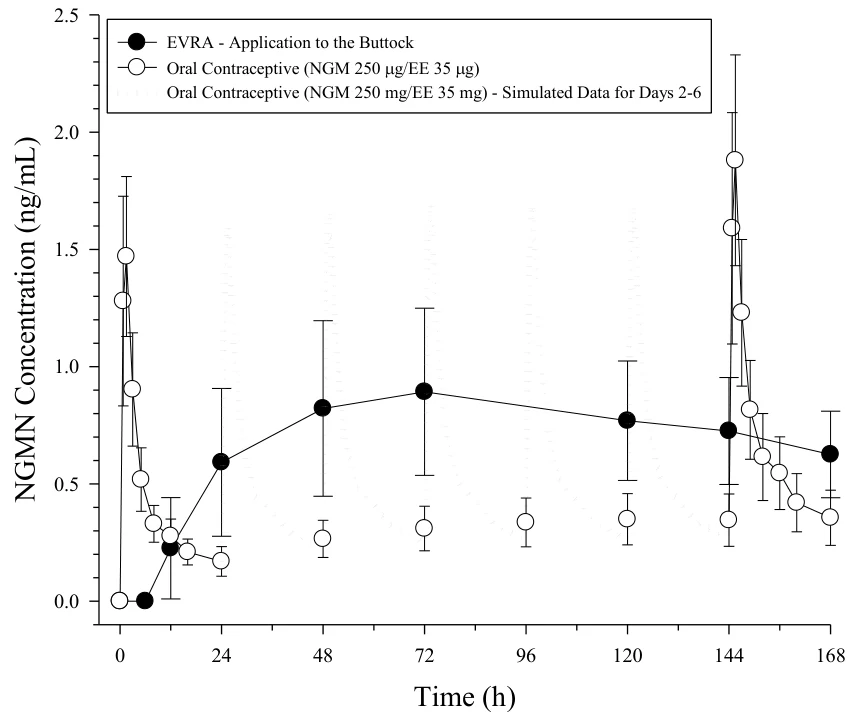
Figure 6: Mean Serum Concentration-Time Profiles of EE Following Once-Daily Administration of an Oral Contraceptive for 7 days or Application of EVRA to the Buttock in Healthy Female Volunteers
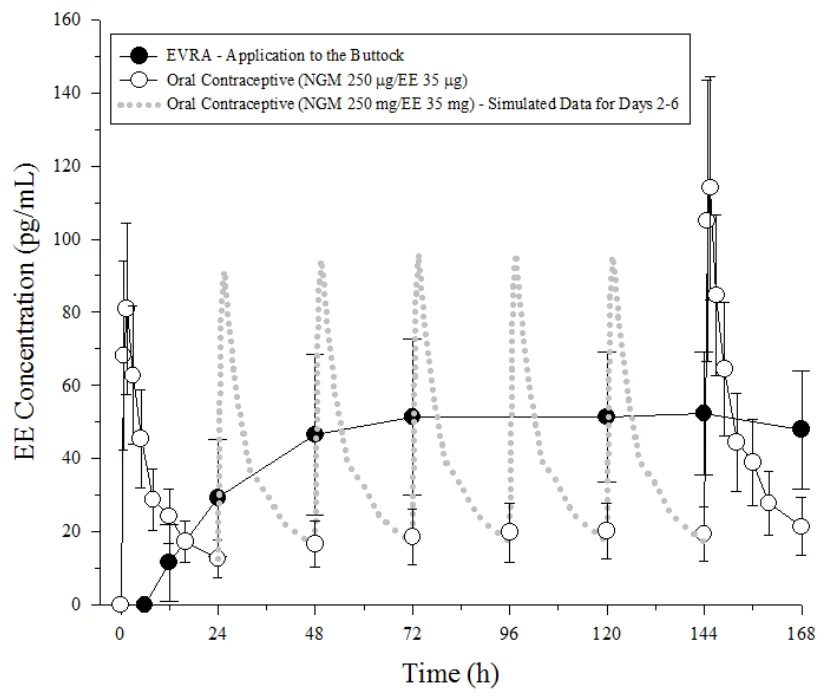
Table 9 provides the mean (%CV) for NGMN and EE pharmacokinetic (PK) parameters.
Table 9: Mean (%CV) NGMN and EE Steady State Pharmacokinetic Parameters Following Application of EVRA and Once-daily Administration of an Oral Contraceptive (containing NGM 250 mcg/EE 35 mcg) in Healthy Female Volunteers
| Parameter | EVRAd | ORAL CONTRACEPTIVEe |
| NGMNa Cmax (ng/mL) AUC0-168 (ng⋅h/mL) Css (ng/mL) | 0.934 (37.7) 118 (36.9) 0.768 (34.0) | 1.95 (21.3) 108 (21.5)b 0.663 (25.1)c |
| EE Cmax (pg/mL) AUC0-168 (pg⋅h/mL) Css (ng/mL) | 58.5 (38.1) 7289 (35.8) 49.9 (34.8) | 118 (28.7) 7226 (28.3)b 45.2 (27.8)c |
aNGM is rapidly metabolized to NGMN following oral administration
bAverage weekly exposure, calculated as AUC24 × 7
cCavg
dDays 1-7
eWeek 1
In general, Cmax values were 2-fold higher for NGMN and EE in subjects administered the oral contraceptive compared to EVRA, while overall exposure (AUC and Css) was comparable in subjects treated with EVRA. Inter-subject variability (%CV) for the PK parameters following delivery from EVRA was higher relative to the variability determined from the oral contraceptive. The mean pharmacokinetic profiles are different between the two products and caution should be exercised when making a direct comparison of these PK parameters.
The clinical relevance of the difference in PK profile and pharmacodynamics (PD) response between transdermal and oral delivery is not known (see 7 Warnings and Precautions, General).
Special Populations and Conditions
Effects of Age, Body Weight, Body Surface Area and Race
The effects of age, body weight, body surface area and race on the pharmacokinetics of NGMN and EE were evaluated in 230 healthy women from nine pharmacokinetic studies of single 7-day applications of EVRA. For both norelgestromin and ethinyl estradiol, increasing age, body weight and body surface area each were associated with slight decreases in CSS and AUC values. However, only a small fraction (10-20%) of the overall variability in the pharmacokinetics of NGMN and EE following application of EVRA may be associated with any or all of the above demographic parameters. There was no significant effect of race with respect to Caucasians, Hispanics and Blacks.
- Hepatic Insufficiency: No studies with EVRA have been conducted in women with hepatic impairment. EVRA is contraindicated in patients with hepatic dysfunction (see 2. Contraindications and 7 Warnings and Precautions ).
- Renal Insufficiency: No studies with EVRA have been conducted in women with renal impairment.
- Storage, Stability, and Disposal
Store between 15°C - 25°C. Do not refrigerate or freeze. Store patches in their protective pouches inside the original box. Apply patch immediately upon removal from its packaging.
Keep new and used transdermal systems out of the reach of children and pets.
12. Special Handling Instructions
Disposal of EVRA
Used transdermal systems still contain some active hormones. Used transdermal systems should be carefully folded in half so the adhesive side sticks to itself. The folded patch should be placed in a sturdy container, preferably with a child-resistant cap, and disposed of in the garbage out of the reach of children and pets. Remaining active hormonal ingredients of the patch may have harmful effects if reaching the aquatic environment. Used or unused patches should not be flushed down the toilet or placed in liquid waste disposal systems.
Part 2: Scientific Information
13. Pharmaceutical Information
Drug Substance
Non-proprietary name of the drug substance: Norelgestromin
Chemical name: (17α)-17-Hydroxy-13-ethyl-18,19-dinorpregn-4-en-20-yn-3- one-3-oxime18,19-Dinorpregn-4-en-20-yn-3-one, 13-ethyl, 17-hydroxy, 3-oxime, (17α)
Molecular formula and molecular mass: C21H29NO2 and 327.47 g/mol
Structural formula:
CH2 OH HON H H H H3C H C CH
Physicochemical properties: norelgestromin is a white or off-white crystalline powder.
Product Characteristics:
Partition coefficient: 2.70
Solubility: Practically insoluble in water, freely soluble in ethanol and acetone, and sparingly soluble in methylene chloride.
Melting point: As 17d-NGM is a mixture of the syn- and anti-isomers, its melting point varies between 174°C and 185°C.
Non-proprietary name of the drug substance: ethinyl estradiol
INN: Ethinylestradiol
Ph. Eur.: Ethinylestradiol, Ethinylestradiolum
USP, USAN: Ethinyl Estradiol
BAN: Ethinyloestradiol
Chemical name: 19-Norpregna-1,3,5(10)-trien-20-yne-3,17-diol, (17α)- 19-Nor-17α-pregna-1,3,5(10)-trien-20-yne-3,17-diol (17)-αEthinyl-1,3,5(10)-estratrien-3,17-diol 19-Ethinyl-estra-1,3,5(10)-triene-3,17α-diol
Molecular formula and molecular mass: C20H24O2 and 296.41 g/mol
Structural formula:
Physicochemical properties: ethinyl estradiol is a white or slightly yellowish-white, crystalline powder
Product Characteristics:
Partition coefficient: 1.69
Solubility: Practically insoluble in water, freely soluble in ethanol, acetone, dioxane, and diethyl ether.
Soluble in chloroform.
Melting point: 180°C to 186°C; EE forms a stable hemihydrate, characterized by a melting range of approximately 140°C to 150°C.
14. Clinical Trials
14.1. Clinical Trials by Indication
Prevention of Pregnancy
Three Phase III contraceptive trials (CONT-002, CONT-003 and CONT-004) involving 4578 women for 31,026 cycles were conducted worldwide. Overall, 3319 women received EVRA. The overall Pearl Index for EVRA from these trials was 0.88. Analyses were performed to determine whether in the Phase III studies (n = 3319) the population characteristics of age, race and weight were associated with pregnancy. The analyses indicated no association of age and race with pregnancy. With respect to weight, 5 of the 15 pregnancies reported with EVRA were among women with a baseline body weight ≥ 90 kg (198 lbs.), which constituted < 3% of the study population. Below 90 kg, there was no apparent association between body weight and pregnancy rate. Although only 10 – 20% of the variability in pharmacokinetic data can be explained by weight (see 10 Clinical Pharmacology), the greater proportion of pregnancies among women at or above 90 kg was statistically significant and suggests that EVRA may be less effective in these women (see 7 Warnings and Precautions).
In the North American comparative trial, 811 women received EVRA and 605 women received TRIPHASIL (levonorgestrel/ethinyl estradiol), an oral contraceptive containing a triphasic regimen. Phase 1 consisted of 50 mcg levonorgestrel and 30 mcg EE for 6 days, phase 2 consisted of 75 mcg levonorgestrel and 40 mcg of EE for 5 days and phase 3 consisted of 125 mcg of levonorgestrel and 30 mcg EE for 10 days. In this trial, the Pearl Index for EVRA was 1.24 and the Pearl Index for TRIPHASIL was 2.18.
Adherence to the EVRA dosing regimen was shown to be superior to that for oral contraceptives in two (CONT-001 and CONT-004) adequate and well-controlled comparative trials (89% vs. 79%, respectively).
Among more than 3000 women who used EVRA for up to 13 cycles, the mean change in body weight from baseline to the end of treatment was an increase less than 1 lb. In a 9-cycle, placebo-controlled
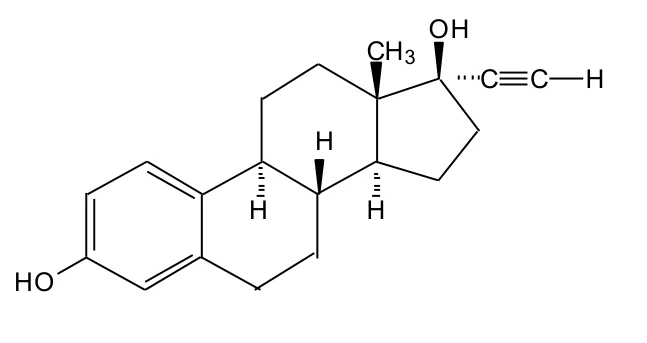
trial there was no difference between EVRA and placebo in the mean change in body weight from baseline to the end of treatment.
The following table gives reported pregnancy rates for various forms of birth control, including no birth control. The reported rates represent the number of women out of 100 who would become pregnant in one year.
Reported Pregnancies per 100 Women per Year:
Combination pill
less than 1 to 2
Intrauterine device (IUD)
less than 1 to 6
Condom with spermicidal foam or gel
1 to 6
Mini-pill
3 to 6
Condom
2 to 12
Diaphragm with spermicidal foam or gel
3 to 18
Spermicide
3 to 21
Sponge with spermicide
3 to 28
Cervical cap with spermicide
5 to 18
Periodic abstinence (rhythm), all types
2 to 20
No birth control
60 to 85
Other Clinical Experience
In a multi-centre dose selection study for EVRA, 615 subjects were randomized to receive either one of 3 patch sizes or CYCLEN (norgestimate/ethinyl estradiol), an oral contraceptive comparator containing 250 mcg NGM/ 35 mcg EE, for 4 cycles. This study demonstrated that the 20 cm2 patch (EVRA) inhibits ovulation to the same extent as CYCLEN (norgestimate/ethinyl estradiol).
Pharmacokinetic studies with EVRA demonstrated consistent elimination kinetics for norelgestromin and EE with half-life values of approximately 28 hours and 17 hours, respectively. One clinical trial assessed the return of hypothalamic-pituitary-ovarian axis function post-therapy and found that FSH, LH, and estradiol mean values, though suppressed during therapy, returned to near baseline values during the 6 weeks post-therapy. Therefore, it is anticipated that following discontinuation of EVRA treatment, return to fertility will be rapid, approximately that seen with oral contraceptives.
Residual Analysis Study
Study NRGEEP-CON-1013, a single center, randomized, open-label, 2-way crossover study in 50 healthy women, was designed to estimate the average daily release rate of ethinyl estradiol (EE) and norelgestromin (NGMN) from the EVRA transdermal patch after single 7-day applications to the abdomen and buttock. Subjects were randomly assigned to one of two treatment sequence groups and wore the EVRA patch on the abdomen or the buttock during separate treatment periods for 7 days each. At the end of each 7-day application period, the worn patches were removed and the skin area under the patch was swabbed to collect any EE and NGMN sitting on the surface of the skin. The worn patches and skin swabs were analyzed for residual drug content. Differences in the drug content between worn and unworn patches were used to estimate average daily release rates of drug from the patch.
Table 106: Descriptive Statistics for Amounts of EE and NGMN Released Daily from the Worn Patches (With and Without Swab Data) (Study NRGEEP-CON-1013: Pharmacokinetic Analysis Set)
| -- DRUG RELEASE / DAY -- | ||||||||
| Analyte | Application Site | N | Mean | 90% CI | ||||
| Amount of drug contained in worn patch only | ||||||||
| EE (mcg) | Abdomen | 50 | 31.6 | (29.4; 33.8) | ||||
| Buttock | 49 | 36.1 | (34.4; 37.9) | |||||
| Combined | 99 | 33.9 | (32.4; 35.3) | |||||
| NGMN (mcg) | Abdomen | 50 | 190.2 | (179.3; 201.1) | ||||
| Buttock | 49 | 215.4 | (204.9; 226.0) | |||||
| Combined | 99 | 202.7 | (194.6; 210.8) | |||||
| Amount of drug contained in combination worn patch/swab | ||||||||
| EE (mcg) | Abdomen | 50 | 30.9 | (28.7; 33.2) | ||||
| Buttock | 49 | 35.5 | (33.7; 37.2) | |||||
| Combined | 99 | 33.2 | (31.7; 34.6) | |||||
| NGMN (mcg) | Abdomen | 50 | 183.4 | (172.4; 194.3) | ||||
| Buttock | 49 | 209.2 | (198.6; 219.7) | |||||
| Combined | 99 | 196.1 | (188.0; 204.3) | |||||
Table 10 summarizes the average daily release rate of EE and NGMN from EVRA. The mean amounts of EE released from the patch following application to the abdomen and buttock, averaged over the 7-day wear period, were 31.6 mcg/day and 36.1 mcg/day, respectively. Similarly, the mean amounts of NGMN released were 190 mcg /day from the abdomen and 215 mcg/day from the buttock. The overall mean amounts of EE and NGMN released from the patch when combining data from both the application sites were approximately 35 mcg/day and 200 mcg/day, respectively.
15. Microbiology
No microbiological information is required for this drug product.
16. Non-Clinical Toxicology
The toxicology program for EVRA 17d-NGM/EE with 17d-NGM, NGM and EE alone or in combination includes acute toxicity, long-term toxicity, mutagenicity, reproductive and special toxicity studies. The majority of subchronic and chronic toxicity studies conducted in support of EVRA are conducted with oral formulations of NGM/EE or NGM alone. Since 17d-NGM is the primary metabolite of NGM in most laboratory animal species, the pharmacological activity of 17d-NGM is equivalent to NGM, and the metabolism, distribution, and excretion of 17d-NGM in women following dermal administration of 17d-NGM and oral administration of NGM are comparable. Studies have also been conducted for the patch excipient, dermal lauryl lactate (LL).
General toxicology:
Acute Toxicity Studies
Table 117: Summary of the Acute Toxicity Studies Conducted with NGM and EE Alone and in Combination
| Species | Route | Test Article | Dose Levels (mg/kg) | Lethality | LD (mg/kg) | Summary of Observations |
| Species | Route | Test Article | Dose Levels (mg/kg) | Lethality | LD (mg/kg) | Summary of Observations |
| Mouse | Oral | NGM | 5000 | 0/10 males 0/10 females | >5000 | No clinical signs; necropsy – 3/10 with slight hyperemia of uterus. |
| Mouse | Oral | EE | 5000 | 0/10 males 0/10 females | >5000 | Depression, laboured breathing, males only; 10/10 – slightly enlarged uterus. |
| Mouse | Oral | NGM/EE 5:1 ratio | 5000 | 0/10 males 1/10 females | >5000 | Intermittent hyperactivity up to first 3 days; necropsy – enlarged periovarian sac in 7/10 and distended uterus in 3/10; fatty metamorphosis of liver in most females and some males. |
| Rat | Oral | NGM | 5000 | 0/10 males 0/10 females | >5000 | No clinical signs; small testes – 1/10. |
| Rat | Oral | NGM | 6200 | 0/5 females | >6200 | No clinical signs. |
| Rat | Oral | EE | 3200 4000 5000 | 1/10 males 5/10 females 0/10 males 7/10 females 5/10 males 9/10 females | Males 5300 Females 3200 | Dose-related depression, ataxia, and exophthalmos. |
| Rat | Oral | NGM/EE , 5:1 ratio | 5000 | 0/10 | >5000 | No clinical signs; reduced size of testes, prostate and seminal vesicles; spermatogenic arrest in 2 males examined microscopically. |
| Dog | Oral | NGM | 1000 2500 5000 | 0/2 0/2 0/2 | >5000 | No remarkable findings. |
| Dog | Oral | EE | 1000 2500 5000 | 0/2 0/2 0/2 | >5000 | No remarkable findings. |
| Dog | i.v. | NGM/EE 7:1 ratio | 16.3 0 (vehicle ) | 0/2 males 0/3 females 0/1 males 0/1 females | >16.3 | Signs of ethanol intoxication (prostration, decreased response to stimuli and coordination, increased respiration); meiosis and salivation in females. Necropsy-prominence of corticomedullary junction of kidney and reddened areas at base of papillary muscle in each treated animal. |
Long-term Toxicology
Table 128: Summary of the Repeated-dose Toxicity Studies Conducted with 17d-NGM/EE, NGM and EE.
| Species | No./Sex/Grou p | Test Article | Dosage | |
| Species | No./Sex/Grou p | Test Article | Dosage | |
| Species | No./Sex/Grou p | Test Article | Dosage | |
| Species | No./Sex/Grou p | Test Article | Dosage | |
| Species | No./Sex/Grou p | Test Article | Dosage | |
| Species | No./Sex/Grou p | Test Article | Dosage | |
| Duration | Ratio | (mg/kg/day) | Results | |
| Duration | Ratio | (mg/kg/day) | Results | |
| Duration | Ratio | (mg/kg/day) | Results | |
| Duration | Ratio | (mg/kg/day) | Results | |
| Duration | Ratio | (mg/kg/day) | Results | |
| Duration | Ratio | (mg/kg/day) | Results | |
| Rabbit | 5 females 28 days | 17d-NGM/ EE (EVRA) | 3/0.375; 4.5/0.56; 6/0.75 mg applied once weekly (10, 15, or 20 cm2 patch) | Mild signs of irritation at the patch site were unrelated to 17d-NGM/EE and caused in part by difficulty of patch removal. Some rabbits had decreased erythrocyte values and increases and decreases in serum liver enzyme concentrations, increased glucose, and decreased triglyceride and phosphorus. These effects were dose-related and considered secondary to hormonally-induced metabolic changes. Other dose-related hormonal changes included increased ovarian weights, smooth muscle hypertrophy in the vagina and cervix, and mammary gland development with secretory activity; uterine enlargement, multifocal decidualization (stromal thickening, increased vascularity of myometrium and endometrium, myometrial hypertrophy, glandular hyperplasia, and luminal dilation). Uterine epithelial, myometrial and endometrial necrosis were observed in one high dose rabbit and another had foci of decidualization in the spleen. Thymic lymphoid depletion and deposits of amyloid-like material in the spleen. |
| Rat | 15 females 3 mo | NGM NA | 0, 0.5, 1.0, 2.5, 10 | There were no deaths and no remarkable findings observed in the clinical signs. There was a dose-related decrease in cholesterol levels. Dose-related decrease in uterine and ovary weights; increase in liver weight were seen at 10 mg/kg. There were no remarkable microscopic observations. |
| Rat | 15 females 3 mo | NGM/EE 10:1 | 0, 0.55, 1.1, 2.75, 11.0 | Decreased body weight gain in all treated groups. Lower erythrocyte counts, hemoglobin and hematocrit in all groups but within normal range. Dose-related decrease in cholesterol and weights of pituitary, thyroid, ovaries, and kidney. Adrenal, liver and heart weight were increased. There were no remarkable microscopic observations and no deaths. |
| Rat | 110 females (Controls) 70 females (NGM/EE dosed groups) 24 mo | NGM/EE 5:1 | 0, 0.15, 0.6, 3.0 | Lethality at 24 mo: Control 44/75; low 20/50; mid 17/50; high 24/50 (35 controls and 20 per treated group were sacrificed at 1 yr). Slight decrease in body weight gain in all groups; greater incidence of lenticular opacities in treated groups than controls. Slight decrease in red blood cell parameters in all groups; slight increase in neutrophils and decrease in lymphocytes. At high dose; decrease in cholesterol for all groups at 12 and 24 mo. Increased alkaline phosphatase in all treated groups at 12 mo. Dose-related decreases in uterine and ovarian weights and increases in adrenal weight in all treated groups and liver weight in mid- and high-dose groups at 24 mo. Increased incidence of liver cell hyperplasia/hypertrophy, telangiectasis and hematocyst formation; increased incidence of endometrial hyperplasia. Significantly increased incidence of mammary adenocarcinoma in high-dose group. |
| Rat | 100 females in carboxymethyl -cellulose (CMC) control group; 50 females in treated groups and food only group 24 mo | NGM/EE 5:1 NG/EE 5:1 NG EE NGM | 0, 0, 0.01875, 0.0375, 0.075, 0.15 0.0375, 0.075, 0.15 0.125 0.025 0.125 | Lethality: Vehicle control 49/100; food control 27/50; low 22/50; a low-mid 28/50; mid 30/50; high 26/50. Minor transient body weight and food consumption changes early in study. Cumulative incidence of lenticular opacities comparable between controls and NGM/EE groups, time of onset shorter but not statistically different for NGM/EE compared to controls; slight decrease in hematocrit in high-dose NGM/EE; decreased cholesterol in high-dose NGM/EE and EE alone and increased triglycerides in all groups given progestin/EE combinations. Organ weight changes comparable to previous study; no significant differences in mammary tumours between control and treated groups. |
| Dog | 4 females 3 mo | NGM/EE 10:1 | 0, 0.28, 1.65, 5.5 | Decreased incidence of estrus, enlarged vulva and mammary glands seen in all treated groups. Increased uterine weight and decreased ovarian weight in all treated groups. Increased leukocytes in mid- and high-dose groups. Increased liver and kidney weights in mid- and high-dose groups. Similar microscopic changes noted as reported for NGM alone. There were no deaths. |
| Dog | 20 females (control, low- and mid- dose) 16 females (high dose) 24 mo | NGM/EE 5:1 | 0, 0.06, 0.15, 0.6 (cyclically) | Lethality: None. Observations similar to those for NGM. Decreased erythrocytes, hemoglobin, and hematocrit at high-dose; increased leukocytes related to neutrophils in high and mid-dose groups. Decreased ovarian and increased uterine weights seen in all treated groups. Dose-related genital and mammary changes as described above. Benign ductal adenoma in one high-dose dog. |
| Dog | 15 females 84 mo | NGM/EE 5:1 during Mo 1 to 46 7:1 during Mo 47 to 84 | 0, 0.003, 0.03, 0.075 (cyclically) 0, 0.0057, 0.057, 0.1425 (cyclically) | Lethality: Control – 2; low – 1; mid – 4; high – 2. Enlarged uteri at high- and mid-dose; decreased incidence of estrus in mid- and high-dose, posterior polar lenticular opacities in one control, 4 low-, 3 mid-, and 3 high-dose dogs at 84 mo. Decreased erythrocyte parameters primarily at high dose; sporadic increases in serum glutamic pyruvic transaminase in all groups; decreased cholesterol and triglyceride levels and increased T4 in high-dose group. Ovarian suppression, cystic endometrial hyperplasia and hepatic nodular tissue. Benign smooth muscle and connective tissue tumours in one each of control, low- and mid-dose dogs and in five high-dose dogs; leiomyosarcoma in one high-dose dog. |
| Monkey | 4 females 3 mo | NGM | 0, 0.25, 1.5, 5.0 | Decreased duration of menses at 5.0 mg/kg. Increased liver to body weight ratio at 0.25 and 5 mg/kg and increased heart: body weight ratios at 1.5 and 5 mg/kg. No changes seen under microscopy or in clinical pathology and there were no deaths. |
| Monkey | 4 females 3 mo | NGM/EE 10:1 | 0, 0.275, 1.65, 5.5 | Decreased duration of menses at 5.5 mg/kg. Increased absolute heart weight in 0.275 and 5.5 mg/kg. Stimulation of cervical mucus secretion and mammary gland activity at 5.5 mg/kg. Endometrial hyperplasia and sloughing; increased size and number of mammary gland acini. No changes seen in clinical pathology were observed and there were no deaths. |
| Monkey | 4 females 6 mo | NGM EE NGM/EE 7:1 | 0, 0.005 0, 0.0007 0, 0.0057 0.0285 (cyclically) | There were neither deaths nor changes in clinical signs except effects on menstrual cycle. Menstruation clearly regulated by NGM alone and high-dose NGM/EE and to a lesser extent by low-dose NGM/EE. Decreased progesterone levels were observed in all treated groups except EE alone. Decreased ovarian weights in all treated groups with an increase in uterine weight in the EE group. No change was seen in liver microscopy in any group. Microscopy of reproductive organs showed all individuals in luteal phase, all groups except EE alone. One case of epithelial plaque seen in the high-dose NGM/EE group. |
| Monkey | 20 females in the control, low- and mid- dose groups 16 females in the high-dose group 24 mo | NGM/EE 5:1 | 0, 0.06, 0.3, 0.6 (cyclically) | Lethality: Control – 1; 0.06 mg/kg – 0; 0.3 mg/kg – 4; 0.6 mg/kg – 1. Decreased body weight gain (0.6 mg/kg) and menses primarily during withdrawal (0.3 and 0.6 mg/kg). Increased degree of hypopigmented spots in the macula of treated groups. Transient decrease in erythrocyte parameters and platelets; increased triglyceride and decreased serum alkaline phosphatase; transient increase in prothrombin time and cholesterol. Decreased ovarian and uterine weights; ovarian, vaginal and mammary gland changes as described above; increased vacuolization of pigmented epithelium of retina; isolated cases of focal capsular sinusoidal dilation, congestion and/or hemorrhages in the liver. |
| Monkey | 16 females 120 mo | NGM/EE 5:1 (Mo 1 to 48) 7:1 (Mo 49 to 120) | 0, 0.003, 0.03, 0.15 (cyclically) 0, 0.0057, 0.057, 0.285 (cyclically) | Lethality: Control – 3; low – 1; mid – 0; high – 2. Transient decrease in body weight gain (mid- and high-dose) and menses primarily during withdrawal (mid- and high-dose); decreased number menses in latter part of study (control and high dose); dose-related sex skin changes; mammary nodules in 1 mid- and 1 high-dose monkey; increased incidence mammary secretion (mid- and high-dose); increased intensity of macular hypopigmentation in mid- and low-doses; no differences in visual acuity. Increased neutrophils, APTT, platelets (mid- and high-dose), dose-related increase in globulin, serum glutamic pyruvic transaminase, triglycerides and T3 and T4; decreased albumin, T3 uptake and cholesterol. Increased liver and pituitary weights (mid- and high-dose) and decreased ovarian weight (all groups); increased incidence and amount cervical mucus (mid- and high-dose); increased ovarian size (all doses); decreased thickness and keratinization of vaginal mucosa, ovarian atrophy associated with absence of corpora luteum; decreased maturing follicles, endometrial atrophy with stromal proliferation and/or decidualization, villous elongation and crypt dilation of cervical mucosa, mucosal atrophy and columnar metaplasia of vaginal mucosa, atrophy of oviducts and lobular hyperplasia of some mammary glands – mid- and high-dose; mucoepidermoid carcinoma of cervix and leiomyoma – one high dose; mammary gland carcinoma in situ and intraductal papilloma – one high dose; few other miscellaneous tumours. |
Carcinogenicity:
An initial carcinogenicity study of NGM/EE (5:1 ratio) was conducted in rats at dosages of 0.15 to 3.0 mg/kg/day. A significant increase in the incidence of malignant mammary tumours, especially adenocarcinomas in the high-dose group, was observed. A second rat oral carcinogenicity study was conducted with lower dosages of NGM/EE (5:1 ratio) that ranged from 0.01875 to 0.15 mg/kg/day. In this study, the incidence of mammary tumours was comparable between the control and treated groups supporting a dose-response relationship.
In a 7-year dog study with NGM/EE, oral dosages of 0.003, 0.03, and 0.075 mg/kg/day (5:1 ratio) were given for 46 months followed by 0.0057, 0.057, and 0.1425 mg/kg/day (7:1 ratio) for the remaining half of the study. A cyclic dosing regimen was used. An increased incidence over controls in leiomyomas and leiomyosarcomas, tumours of smooth muscle origin, occurred in the high-dose group. Hepatic nodular hyperplasia also occurred in a few NGM/EE-dosed dogs.
A 10-year study of NGM/EE was conducted with rhesus monkeys. The monkeys were given oral dosages of 0.003, 0.03, and 0.15 mg/kg/day (5:1 ratio) for 4 years followed by 0.0057, 0.057, and 0.285 mg/kg/day (7:1 ratio) for the remaining 6 years of the study using a cyclic dosing regimen. Single occurrences of tumours were noted in the vagina and cervix of one high-dose monkey, the lobular and ductal mammary tissue of one high-dose monkey, and the urinary bladder of a mid-dose monkey. Other less noteworthy tumours occurred without predilection for treated groups.
Mutagenicity:
The mutagenic potentials of 17d-NGM, NGM, and NGM/EE have been extensively tested in bacterial and mammalian cell point mutation assays, chromosome aberration assay, in vivo sister chromatid exchange assay, and in vivo micronucleus assays. There were no indications of mutagenic activity in any of the assays with these compounds.
Reproductive and developmental toxicology:
All studies conducted with NGM/EE use the oral formulation while the 17d-NGM study uses a subcutaneous route of administration.
Table 139: Summary of the Fertility and Reproductive Performance Studies Conducted with 17d-NGM and NGM/EE.
Species Test article/Ratio Dosage, Duration | Maternal Toxicity | Summary of Reproduction Parameters |
Species Test article/Ratio Dosage, Duration | Maternal Toxicity | Summary of Reproduction Parameters |
| Female Fertility | ||
Female rats, NGM/EE, 5:1 ratio 0.03, 0.05, 0.06, 0.0833, 0.120 mg/kg/day for 14 days premating to termination; treated females mated to untreated males | Minimal body weight reduction at all doses during first pre-mating week; weight reduction during gestation due to increased resorptions and decreased litter size; dose-related decrease in fertility. | Dose-related decreased implantation and litter size and increased resorptions and stillbirths; decreased neonatal survival at ≥0.06 mg/kg; Similar findings but to lesser degree in F1 generation. |
| Embryo/Fetal Toxicity | ||
Rabbit, 17d-NGM 1, 2, 4, 6 mg/kg/day Gestation Days 7 to 19 | Reduced food consumption at 6 mg/kg and thickened placentae firmly adhered to the uterine wall at 4 mg/kg and above. | Reduced ossification of pubis bone (fetal variation) was observed at 1 mg/kg and above. Decreased fetal body weights occurred at 2 mg/kg and above. Malformations were observed at higher dose levels, including paw hyperflexion at 4 mg/kg and above and cleft palate and paw hyperextension at 6 mg/kg. An increased number of resorptions and a decrease in live fetuses were also observed at the 6 mg/kg dose level. |
Rats, NGM/EE 5:1 ratio 0.012, 0.06, 0.3 mg/kg/day on Days 6 through 15 gestation | Dose-related decreases in body weight and body weight gains. | Decreased implantations and increased resorptions at the high dose. Increase in incidence of wavy rib variations at the mid- and high-doses. No malformations were observed. |
Rabbit, NGM/EE, 5:1 ratio 0.012, 0.060, 0.3 mg/kg/day on Days 7 through 19 of gestation | Mean body weight loss observed in all treated groups. | Resorptions in 65.5 and 100% of mothers in mid- and high-dose. No malformations or variations. |
| Peri-/Postnatal Toxicity | ||
Rats, NGM/EE 5:1 ratio, 0.03, 0.18, 0.3, 0.6 mg/kg/day on Day 15 of gestation through lactation | Some lactation insufficiency at the high dose. | Dose-related decrease in female fertility of F1 generation at 0.18 mg/kg/day; decreased offspring viability and pup weight at high dose; no significant effects on F2 generation. |
Special toxicology:
Table 1410: Summary of Special Toxicity Studies with 17d-NGM/EE
| Study type | No./Group/ Species/ Duration | Test Article/ Dose/Route | Results |
| Primary Irritation | 6 female rabbits 24-h exposure | 6 mg 17d-NGM/ 0.75 mg EE patches, dermal | Rabbits observed for 72 h after patch removal. Slight to well-defined erythema observed. Patches and mineral oil (control) were mildly irritating. |
| Sensitization | 10 female guinea pigs | 17d-NGM/EE (estimated 3.0/0.49 mg disk form EVRA) dermal | Induction: 6 h exposure, 3 times weekly over 18 days. Challenge: 14 days after induction with patch applied for 6 h. No indication of sensitization. Dinitrochlorobenzene (positive control) induced sensitization. |
Excipient: Dermal LL
Dermal LL is > 70% lauryl lactate and < 30% lauryl alcohol and lauryl lactoyl lactate. Lauryl lactate (LL) with empirical formula C15H30O3 is an ester of lauryl alcohol and the alpha-hydroxy acid, lactic acid.
Lauryl lactate was not toxic when given orally to five male and five female rats at a dose of 5 mL/kg. The animals were observed over a 14-day period for pharmacological and toxicological activity.
Lauryl lactate was found to have no apparent potential to cause significant eye irritation when a 10% w/w solution was tested with six New Zealand white rabbits. In studies with face cream formulations containing 5% lauryl lactate, minimal or mild irritation was observed. Minimal eye irritation was caused by 15% lauryl lactate in propylene glycol in rabbits. Ocular irritation determined in the Eytex in vitro assay was reported as being minimal (0.1% in eye cream formulations) to moderate (3.2% in a face cream).
The potential of lauryl lactate to cause dermal irritation was investigated in one study in which six New Zealand white rabbits were dosed with 0.5 mL of a 10% w/w solution in propylene glycol. It was found that at 10%, lauryl lactate caused minimal irritation. Primary dermal irritation studies in rabbits of two cosmetic products containing lauryl lactate applied on an occlusive patch had caused minimal (1% concentration) or mild (5% concentration) irritation.
A contact sensitization assay was conducted in female guinea pigs. The animals were induced with 2 doses of lauryl lactate and challenged with 5% or 25% lauryl lactate. Signs of mild irritation were only observed in the high-dose group. This study suggests that lauryl lactate has little potential to cause contact sensitization.
The mutagenic potential of lauryl lactate has been extensively tested in bacterial and mammalian cell point mutation assays, and an in vivo micronucleus assay. There were no indications of mutagenic activity in any of the assays with lauryl lactate.