


Product Monograph - Icatibant Injection (Jamp Pharma)
RECENT MAJOR LABEL CHANGES
None at time of most recent authorization
TABLE OF CONTENTS
Sections or subsections that are not applicable at the time of the most recent authorized product monograph are not listed.
RECENT MAJOR LABEL CHANGES ............................................................................................ 2
TABLE OF CONTENTS .............................................................................................................. 2
PART I: HEALTH PROFESSIONAL INFORMATION .......................................................................................................4
- 1
INDICATIONS .............................................................................................................. 4
- 1.1 Pediatrics ............................................................................................................... 4
- 1.2 Geriatrics ............................................................................................................... 4
- 2 CONTRAINDICATIONS ................................................................................................. 4
- 4
DOSAGE AND ADMINISTRATION ................................................................................. 4
- 4.1 Dosing Considerations ............................................................................................ 4
- 4.2 Recommended Dose and Dosage Adjustment ......................................................... 4
- 4.4 Administration ....................................................................................................... 5
- 4.5 Missed Dose .......................................................................................................... 6
- 5 OVERDOSAGE ............................................................................................................. 6
- 6 DOSAGE FORMS, STRENGTHS, COMPOSITION AND PACKAGING ................................. 7
- 7
WARNINGS AND PRECAUTIONS .................................................................................. 7
General ....................................................................................................................... 7
Cardiovascular ............................................................................................................. 8
Driving and Operating Machinery................................................................................. 8
Hepatic/Biliary/Pancreatic............................................................................................ 8
Monitoring and Laboratory Tests ................................................................................. 8
Renal........................................................................................................................... 8
Reproductive Health .................................................................................................... 8
- 7.1 Special Populations ................................................................................................ 9
- 7.1.1 Pregnant Women ......................................................................................... 9
- 7.1.2 Breastfeeding .............................................................................................. 9
- 7.1.3 Pediatrics ..................................................................................................... 9
- 7.1.4 Geriatrics ..................................................................................................... 9
- 8
ADVERSE REACTIONS .................................................................................................. 9
- 8.1 Adverse Reaction Overview ................................................................................... 9
- 8.2 Clinical Trial Adverse Reactions ............................................................................ 10
- 8.2.1 Clinical Trial Adverse Reactions – Pediatrics ................................................ 12
- 8.4 Abnormal Laboratory Findings: Hematologic, Clinical Chemistry and Other Quantitative Data ...................................................................................................... 12
- 8.5 Post-Market Adverse Reactions ........................................................................... 13
- 9
DRUG INTERACTIONS ................................................................................................ 13
- 9.2 Drug Interactions Overview ................................................................................. 13
- 9.3 Drug-Behaviour Interactions ................................................................................ 13
- 9.4 Drug-Drug Interactions ........................................................................................ 13
- 9.5 Drug-Food Interactions ........................................................................................ 13
- 9.6 Drug-Herb Interactions ........................................................................................ 14
- 9.7 Drug-Laboratory Test Interactions ........................................................................ 14
- 10
CLINICAL PHARMACOLOGY ....................................................................................... 14
- 10.1 Mechanism of Action ......................................................................................... 14
- 10.2 Pharmacodynamics ............................................................................................ 14
- 10.3 Pharmacokinetics............................................................................................... 14
- 11 STORAGE, STABILITY AND DISPOSAL ......................................................................... 16
- 12 SPECIAL HANDLING INSTRUCTIONS ........................................................................... 16
PART II: SCIENTIFIC INFORMATION ....................................................................................... 17
- 13 PHARMACEUTICAL INFORMATION ............................................................................ 17
- 14
CLINICAL TRIALS ........................................................................................................ 18
- 14.1 Clinical Trials by Indication ................................................................................. 18
HAE........................................................................................................................... 18
- 15 MICROBIOLOGY ........................................................................................................ 27
- 16 NON-CLINICAL TOXICOLOGY ..................................................................................... 28
- 17 SUPPORTING PRODUCT MONOGRAPH ..................................................................... 30
PATIENT MEDICATION INFORMATION.................................................................................. 31
PART I: HEALTH PROFESSIONAL INFORMATION
1 INDICATIONS
Icatibant Injection (icatibant acetate) is indicated for:
- the treatment of acute attacks of hereditary angioedema (HAE) in adults, adolescents and children aged 2 years and older with C1-esterase inhibitor deficiency.
Patients or a caregiver should be trained in subcutaneous injection techniques under the guidance of a healthcare professional before they can administer Icatibant Injection (see 4.4 Administration).
1.1 Pediatrics
≥ 2 years to <18 years of age and weighing ≥12 kg: Based on the data submitted and reviewed by Health Canada, the safety and efficacy of icatibant acetate in pediatric patients aged 2 years and older who weigh ≥12 kg have been established. Therefore, Health Canada has authorized an indication for pediatric use.
< 2 years of age and in patients weighing < 12 kg: Studies in children aged less than 2 years or children weighing less than 12 kg have not been performed. No dosage regimen can be recommended in children aged less than two years or weighing less than 12 kg as the safety and efficacy have not been established (see 7.1.3 Pediatrics).
1.2 Geriatrics
Geriatrics (≥65 years of age): Evidence from clinical studies and experience suggests that use in the geriatric population demonstrated that the total exposure to icatibant was higher than in young adults (see 10.3 Pharmacokinetics).
2 CONTRAINDICATIONS
Icatibant Injection is contraindicated in patients who are hypersensitive to this drug or to any ingredient in the formulation, including any non-medicinal ingredient, or component of the container. For a complete listing, see 6 DOSAGE FORMS, STRENGTHS, COMPOSITION AND PACKAGING.
4 DOSAGE AND ADMINISTRATION
JAMP Care Patient Support Program
Patients should be enrolled in the JAMP Care Patient Support Program to receive Icatibant Injection prefilled syringes and patient self-administration kits. Physicians and dispensers should encourage their patients to register in the JAMP Care Patient Support Program to obtain Icatibant Injection and additional training and educational materials.
4.1 Dosing Considerations
Patients with laryngeal symptoms or any swelling causing breathing difficulties should seek medical attention immediately after administration of Icatibant Injection and need to be managed in an appropriate medical institution after injection until the physician considers discharge to be safe.
4.2 Recommended Dose and Dosage Adjustment
Adults: The recommended dose of Icatibant Injection is 30 mg. Additional doses may be administered at intervals of at least 6 hours if response is inadequate or if symptoms recur. No more than 3 doses may be administered in any 24 hour period. The safety of more than 8 injections in a month has not been investigated in clinical trials.
Pediatrics (aged 2 to 17 years): The recommended dose of Icatibant Injection based on body weight is provided in Table 1 below.
Table 1 - Dosage Regimen for Pediatric Patients
| Body Weight | Dose (Injection Volume) |
|---|---|
| 12 kg to 25 kg | 10 mg (1.0 mL) |
| 26 kg to 40 kg | 15 mg (1.5 mL) |
| 41 kg to 50 kg | 20 mg (2.0 mL) |
| 51 kg to 65 kg | 25 mg (2.5 mL) |
| >65 kg | 30 mg (3.0 mL) |
In the clinical trial, not more than 1 injection of icatibant acetate per HAE attack was administered.
Pediatrics (< 2 years of age and in patients who weigh less than 12 kg): No dosage regimen can be recommended as the safety and efficacy have not been established (see 14 CLINICAL TRIALS).
Geriatrics (≥65 years of age): Patients are likely to have increased systemic exposure to Icatibant Injection compared to younger patients. The magnitude of these differences is not expected to be clinically relevant for safety or efficacy, and therefore no dose adjustment is necessary for elderly patients (see 10.3 Pharmacokinetics).
Hepatic Impairment: No dosage adjustment is required.
Renal Impairment: No dosage adjustment is required.
4.4 Administration
Icatibant Injection is recommended to be initiated under the supervision of a physician experienced in the treatment of HAE.
Icatibant Injection is supplied as a single-use prefilled syringe that delivers 3 mL of solution, equivalent to a 30 mg icatibant dose. The syringe and needle should be discarded in a sharps container after use.
Icatibant Injection is not to be injected if the patient has only pre-attack symptoms (e.g. paresthesia or erythema).
Icatibant Injection should be inspected visually for particulate matter and discolouration prior to administration.
The drug solution should be clear and colourless. Do not administer if the product contains particulates or is discoloured.
Adult Patients
For adults, attach the provided 25 gauge needle to the prefilled syringe hub and screw on securely. Do not use a different needle. Disinfect the injection site and administer Icatibant Injection by slow subcutaneous injection in the abdominal area over at least 30 seconds.
Adult patients (or their caregivers) may self-administer Icatibant Injection upon recognition of symptoms of an HAE attack. They should be trained in subcutaneous injection techniques by a healthcare professional before they can administer Icatibant Injection. The first administration of Icatibant Injection should be performed under the guidance of a healthcare professional before beginning the self-administration of Icatibant Injection. Self- administration training is also available to adult patients and caregivers directly through JAMP Care Patient Support Program.
Pediatric Patients
Pediatrics (aged 2 years and above who weigh between ≥ 12 kg and ≤ 65 kg): attach the provided 25 gauge needle to the graduated syringe hub containing the required injection volume (dose) and screw on securely. Do not use a different needle. Disinfect the injection site and administer Icatibant Injection by slow subcutaneous injection in the abdominal area over at least 30 seconds.
Pediatrics (adolescents weighing > 65 kg): attach the provided 25 gauge needle to the prefilled syringe hub and screw on securely. Do not use a different needle. Disinfect the injection site and administer Icatibant Injection by slow subcutaneous injection in the abdominal area over at least 30 seconds.
Icatibant Injection may be administered to children and adolescents (≥2 to <18 years) by a healthcare professional. Icatibant Injection may also be self-administered, if appropriate, or administered by a caregiver only after training in subcutaneous injection technique by a healthcare professional. Self-administration may require measurement of the correct dose of Icatibant Injection. Ensure patients have received adequate training in the preparation of the empty graduated syringe, measurement of the correct dose of Icatibant Injection, and transfer of the dose to the graduated syringe. Self-administration training is also available directly through JAMP Care Patient Support Program.
The required injection volume in mL (derived from Table 1) from the prefilled syringe should be transferred into an empty, 3 mL graduated syringe for subcutaneous injection. Supplies required for extracting the appropriate dose from the prefilled syringe for pediatric patients (3 mL graduated syringes and connectors), as well as alcohol wipes, may be obtained through JAMP Care Patient Support Program.
4.5 Missed Dose
Not applicable.
5 OVERDOSAGE
In a clinical study evaluating a 90 mg dose (30 mg in each of 3 subcutaneous sites), the adverse event profile was similar to that seen with 30 mg administered in a single subcutaneous site.
In another clinical study, a dose of 3.2 mg/kg intravenously (approximately 8 times the therapeutic dose) caused transient erythema, itching, flushing or hypotension in healthy subjects. No therapeutic intervention was necessary.
There are no specific data in pediatric patients related to overdose.
6 DOSAGE FORMS, STRENGTHS, COMPOSITION AND PACKAGING
Table 2 - Dosage Forms, Strengths and Composition
For the most recent information in the management of a suspected drug overdose, contact your regional poison control centre or Health Canada’s toll-free number, 1-844 POISON-X (1-844-764-7669).
| Route of Administration | Dosage Form / Strength/Composition | Non-medicinal Ingredients |
|---|---|---|
| Subcutaneous | Solution / 30 mg / 3 mL (10 mg/mL) icatibant as icatibant acetate | Glacial acetic acid, sodium chloride, sodium hydroxide, and water for injection. |
Description
Icatibant Injection is supplied as a sterile solution for subcutaneous injection in a single-use prefilled syringe. The solution is clear and colourless.
Each prefilled syringe delivers 3 mL containing icatibant acetate equivalent to 30 mg icatibant. Each mL of the solution contains 10 mg of icatibant. Each mL of solution contains the non-medicinal ingredients glacial acetic acid, sodium chloride, sodium hydroxide, and water for injection.
- 3 mL of solution is supplied in a 3 mL prefilled syringe (clear type I glass) with grey plunger stopper (bromobutyl coated with fluorocarbon polymer), a Luer-lock with a screw tip cap, and a white polypropylene backstop. A hypodermic needle (25 G; 16 mm) is included in the pack.
The carton includes one prefilled syringe with one needle.
A patient self-administration kit, containing a travel case, needle protection devices and alcohol wipes can be obtained through JAMP Care Patient Support Program. Pediatric patients must obtain a separate self-administration kit through JAMP Care Patient Support Program, which contains a travel case, needle protection devices, connectors, graduated syringes, and alcohol wipes.
7 WARNINGS AND PRECAUTIONS
General
Icatibant Injection is recommended to be initiated under the supervision of a physician experienced in the treatment of HAE. Patients or a caregiver should be trained in subcutaneous injection techniques under the guidance of a healthcare professional before they can administer Icatibant Injection. The first self- administration of Icatibant Injection should be performed under the guidance of a healthcare professional.
Administration of Icatibant Injection to children and adolescents should be performed by a healthcare professional, caregiver, or through self-administration, if appropriate (see 4.4 ADMINISTRATION).
Patients with laryngeal symptoms or any swelling causing breathing difficulties should seek medical attention immediately after administration of Icatibant Injection (see 4.1 Dosing Considerations). Asphyxia may occur more rapidly in children than adults due to smaller airway passages. The safety and efficacy of icatibant acetate for the treatment of laryngeal symptoms is based on limited data in pediatric patients (see 14 CLINICAL TRIALS).
Cardiovascular
Ischemic Heart Disease
Icatibant acetate has been shown to aggravate induced cardiac ischemia in several animal models by antagonising the cardioprotective effects of bradykinin (see 10.2 Pharmacodynamics). Use of Icatibant Injection in patients with acute ischemic heart disease or unstable angina pectoris could theoretically lead to a decrease in coronary blood flow and a deterioration in cardiac function.
Cerebrovascular Accident
Use of Icatibant Injection in the weeks following a stroke could theoretically attenuate the positive late phase neuroprotective effects of bradykinin.
Driving and Operating Machinery
While taking Icatibant Injection, patients should be cautioned not to drive, operate dangerous machinery or engage in activities that require alertness or physical coordination. The following symptoms have been reported following the use of icatibant acetate and may occur as a result of an attack of HAE: Fatigue; lethargy; tiredness; somnolence; and dizziness.
Hepatic/Biliary/Pancreatic
Hepatic impairment: Data from subjects with a wide range of hepatic insufficiency suggest that icatibant acetate exposure is not influenced by hepatic impairment. No dosage adjustment is required in patients with hepatic impairment (See 10.3 Pharmacokinetics).
Monitoring and Laboratory Tests
Monitoring reproductive hormone concentrations should be considered in children and adolescents receiving frequent Icatibant Injection treatment (see 16 NON-CLINICAL TOXICOLOGY).
Renal
Renal impairment: Limited data from subjects with renal insufficiency suggest that icatibant acetate exposure is not influenced by renal impairment. No dosage adjustment is required in patients with renal impairment (See 10.3 Pharmacokinetics).
Reproductive Health
Fertility
The long-term effects of frequent treatment with icatibant acetate in children and adolescents are unknown. Nonclinical studies administering icatibant acetate at a high-frequency of high doses in rats and dogs, in which icatibant acetate was administered on a daily basis for 7 and 13 weeks, respectively, demonstrated treatment-related, reversible impairment of sexual maturation and degeneration in sexual organs (See 16 NON-CLINICAL TOXICOLOGY).
7.1 Special Populations
7.1.1 Pregnant Women
No formal studies of the use of icatibant acetate in pregnant women have been conducted. Icatibant Injection should be used during pregnancy only if the potential benefit justifies the potential risk to the fetus.
Animal studies showed that icatibant acetate had effects in late stage pregnancy where icatibant acetate exhibited a tocolytic effect resulting in delayed parturition and fetal death at 0.5 and 2-fold the maximum recommended human dose (MRHD) (on an AUC basis at maternal doses of 1 and 3 mg/kg, respectively). Increased fetal distress and perinatal death were observed at high doses (at 7-fold the MRHD, on an AUC basis at a maternal daily dose of 10 mg/kg/day). The potential risk for humans is unknown (see 16 NON-CLINICAL TOXICOLOGY).
7.1.2 Breastfeeding
Animal studies showed that icatibant acetate is excreted in the milk of lactating rats at concentrations similar to those in maternal blood. It is unknown whether icatibant acetate is excreted in human breast milk. Many drugs are excreted in human milk, therefore caution should be exercised.
7.1.3 Pediatrics
Pediatrics (< 18 years of age): Icatibant Injection is indicated for use in adolescents and children aged 2 years and older. The safety and efficacy of icatibant acetate have not been established in children less than 2 years of age or weighing less than 12 kg, and limited information is available in children less than 6 years of age (See 14.1 Clinical Trials by Indication, 7 Reproductive Health, Fertility).
7.1.4 Geriatrics
Geriatrics (> 65 years of age): Limited information is available for icatibant acetate in patients older than 65 years of age. Studies demonstrated that the total exposure to icatibant in geriatric patients was higher than in young adults (see 10.3 Pharmacokinetics)
8 ADVERSE REACTIONS
8.1 Adverse Reaction Overview Adult Population
The majority of adult patients (97%) who were treated with subcutaneous icatibant acetate in clinical trials developed reactions at the site of injection including erythema, swelling, warm sensation, burning, itching and /or cutaneous pain. These reactions were generally mild to moderate in severity, transient, and the majority (62%) resolved without intervention within 4 hours of icatibant acetate dosing. Other adverse reactions reported by patients treated with icatibant acetate (≥1% to <10% of patients) were dizziness, headache, nausea, rash, erythema, pruritus, pyrexia, and increased transaminases (ALT and AST).
The overall incidence of serious adverse events (SAEs) in adult trials was low in the clinical development program. In the Phase I and II studies, only 2 SAEs were reported within 14 days of icatibant acetate treatment (manic episode, HAE); these were judged as not related/probably not related to treatment. In the controlled part of the three Phase III studies, only one SAE (cystitis) was reported within 14 days of dosing with icatibant acetate. This event was judged as not related to treatment. In the repeated treatment part of the Phase III studies, safety was evaluated for up to 15 icatibant acetate-treated attacks for patients. Sixteen patients experienced a total of 22 SAEs that occurred within 14 days of icatibant acetate administration. The only SAE that occurred in more than one patient was worsening or recurrence of HAE. Two SAEs were considered by the investigator as related to icatibant acetate treatment (events of arrhythmia and noncardiac chest pain).
Pediatric Population
The majority of pediatric patients (90.6%) who were treated with subcutaneous icatibant acetate in the clinical trial developed reactions at the site of injection including erythema, swelling, burning sensation, warm sensation, cutaneous pain, and/or itching. These reactions were generally mild-to-moderate in severity, transient, and the majority resolved within 6 hours of icatibant acetate dosing. Other adverse reactions reported by patients treated with icatibant acetate (≥1% to <10% of patients) and considered possibly related were dry mouth and fatigue. Each event occurred at a frequency of 3.1%.
8.2 Clinical Trial Adverse Reactions
Clinical trials are conducted under very specific conditions. Therefore, the frequencies of adverse reactions observed in the clinical trials may not reflect frequencies observed in clinical practice and should not be compared to frequencies reported in clinical trials of another drug.
Adult Population
In clinical studies, a total of 1,411 HAE attacks have been treated with 30 mg icatibant acetate administered subcutaneously.
The safety of icatibant acetate was evaluated in three controlled Phase III trials that included 223 patients who received subcutaneous injection of icatibant acetate 30 mg (n=113), placebo (n=75), or tranexamic acid (n=38), administered by healthcare professionals. Study drug treatment occurred within 6 hours of the attack becoming at least moderate in severity for abdominal or cutaneous attacks. The mean age at study entry was 38 years (range 18 to 83 years), 64% were female, and 95% were Caucasian. Patients were excluded if they were receiving treatment with an angiotensin converting enzyme inhibitor; had evidence of coronary artery disease based on medical history (e.g., unstable angina pectoris, severe coronary heart disease or congestive heart failure [New York Heart Association class 3 and 4]) that in the investigator’s judgment would be a contraindication for participation in the trial; or were pregnant or breastfeeding.
The safety data described below represent adverse reactions observed from the two placebo- controlled Phase III trials, consisting of 77 patients who were randomized to receive icatibant acetate at a dose of 30 mg SC, and 75 who were randomized to receive placebo. The safety data represent events occurring within 14 days of treatment of the patient’s first attack. The most frequently reported adverse reactions occurring in greater than 2% of icatibant acetate-treated patients (2 or more patients), and at a higher frequency with icatibant acetate compared to placebo, are shown in Table 1. The severity of adverse reactions was assessed by the investigator based on the following definitions: mild - no limitation of usual activities; moderate - some limitation of usual activities; and severe – inability to carry out usual activities. The majority of adverse reactions reported following icatibant acetate treatment were judged to be mild or moderate in severity.
Table 3 - Adverse reactions observed in >2% of Adult icatibant acetate-treated patients (≥2 patients) and at a higher rate with icatibant acetate compared to placebo in the placebo-controlled trials a
| System Organ Class / Preferred Term | Icatibant acetate (N = 77) (%) | Placebo (n = 75) (%) | ||
|---|---|---|---|---|
| Gastrointestinal disorders | ||||
| Abdominal distension | 2 (3) | 0 (0) | ||
| Abdominal pain | 2 (3) | 0 (0) | ||
| Diarrhea | 2 (3) | 0 (0) | ||
| General disorders and administration site conditions | ||||
| Injection site reactionb | 75 (97) | 25 (33) | ||
| Pyrexia | 3 (4) | 0 (0) | ||
| Infections and infestations | ||||
| Nasopharyngitis | 2 (3) | 0 (0) | ||
| Sinusitis | 2 (3) | 1 (1) | ||
| Urinary tract infection | 2 (3) | 1 (1) | ||
| Investigations | ||||
| Transaminases increasedc | 3 (4) | 0 (0) | ||
| Nervous System Disorders | ||||
| Dizziness | 2 (3) | 1 (1) | ||
| Respiratory, thoracic and mediastinal disorders | ||||
| Nasal congestion | 2 (3) | 0 (0) | ||
a Events occurring within 14 days of study drug administration. Five patients who experienced laryngeal attacks (mild to moderate in severity) were randomized in Study 1 and are included in this table (3 in the icatibant acetate group and 2 in the placebo group); patients with laryngeal attacks were not randomized in Studies 2 and 3 and are excluded from this table. b Injection site reactions include any of the following: injection site burning, injection site erythema, injection site swelling, injection site pain, injection site pruritus, and injection site warmth. c Alanine aminotransferase (ALT), Aspartate aminotransferase (AST) | ||||
The third Phase III trial was active-controlled and was comprised of 36 patients who received a single subcutaneous injection of icatibant acetate 30 mg and 38 patients who received the comparator, tranexamic acid. Adverse reactions for icatibant acetate were similar in nature and frequency to those reported in Table 3.
In all three Phase III trials, patients were eligible for icatibant acetate treatment of subsequent attacks in an open-label extension. Patients were treated with icatibant acetate 30 mg and could receive up to 3 doses of icatibant acetate 30 mg administered subcutaneously at least 6 hours apart for each attack.
Across the controlled and open-label phases of the studies, a total of 237 patients were treated with icatibant acetate for at least one acute attack of HAE and 68 were treated for at least 5 attacks. A limited number of patients experienced up to 15 icatibant acetate-treated attacks. Adverse reactions similar in nature and frequency to those seen in the controlled phase of the trials were observed. Other adverse reactions reported (<5% incidence) included worsening or recurrence of HAE, headache, rash and nausea.
No anaphylactic reactions were reported with icatibant acetate. One patient experienced non-serious adverse reactions of generalized pruritus (moderate in severity) and generalized cutaneous burning sensation approximately 5 hours after injection with icatibant acetate during the patient’s eighth treated attack. An antihistamine was administered and the symptoms resolved later that same day. There was no associated rash, no respiratory symptoms or compromise, and no abnormalities in vital signs. There were no similar symptoms or other symptoms related to hypersensitivity during the patient’s ninth icatibant acetate-treated attack. At the tenth treated attack, the patient experienced mild generalized pruritus following icatibant acetate administration, which resolved the same day. No clinically significant changes in reproductive hormones were observed in adult subjects during clinical studies.
In an open-label study, the safety profile of icatibant acetate in patients who self-administered icatibant acetate was similar to that of patients whose therapy was administered by healthcare professionals.
8.2.1 Clinical Trial Adverse Reactions – Pediatrics
A total of 32 pediatric subjects (11 pre-pubertal and 21 pubertal/post-pubertal) with HAE were exposed to treatment with icatibant acetate during the open-label, nonrandomized, multicenter, single-arm clinical study, at a dose of 0.4 mg/kg based on body weight up to a maximum dose of 30 mg administered by a healthcare professional within 12 hours of the onset of symptoms. For pre-pubertal children, the mean age at study drug administration was 8.6 years, 100% of the subjects were Caucasian, and 54.5% of subjects were male. Of the 11 pre-pubertal children exposed to icatibant acetate, 2 were under the age of 6 years. For pubertal/post-pubertal pediatric patients, the mean age at study drug administration was 14.3 years, 95.2% of subjects were Caucasian, and 61.9% were male. Thirty-one patients received a single dose of icatibant acetate and 1 pubertal/post-pubertal patient received a single dose of icatibant acetate for each of two HAE attacks (in total, two doses).
The majority of pediatric patients (N=29 [90.6%]) treated with subcutaneous icatibant acetate experienced mild to moderate injection site reactions such as erythema, swelling, burning sensation, skin pain, and itching/pruritus. These reactions are consistent with reactions that have been reported in adults. Two pediatric patients experienced injection site reactions which were assessed as severe and which were completely resolved within 6 hours. Other adverse reactions reported and considered possibly related were dry mouth and fatigue. Each event occurred at a frequency of 3.1%.
No clinically significant changes in reproductive hormones were observed in pediatric subjects following a single icatibant acetate exposure in the 90-day clinical study period.
8.4 Abnormal Laboratory Findings: Hematologic, Clinical Chemistry and Other Quantitative Data Clinical Trial Findings
Liver enzyme tests
Transaminase levels (ALT, AST) were increased in 4% of adult patients treated with icatibant acetate (See Table 3).
8.5 Post-Market Adverse Reactions
Cardiac: Acute myocardial infarction, chest pain.
Investigations: One case of serious AST/ALT increase was reported in a patient with multi- organ failure due to sepsis.
Hypersensitivity: Urticaria
Product issues: Drug ineffectiveness, device failure
9 DRUG INTERACTIONS
9.2 Drug Interactions Overview
Formal drug-drug interaction studies have not been conducted with icatibant acetate . Pharmacokinetic drug interactions involving CYP450 are not expected (see 10.3 Pharmacokinetics, Metabolism). The treatment with Icatibant Injection may interfere with the mode of action of angiotensin converting enzyme inhibitor (ACE-I) products.
9.3 Drug-Behaviour Interactions
The interaction of icatibant acetate with individual behavioural risks (e.g. cigarette smoking, cannabis use, and/or alcohol consumption) has not been studied.
9.4 Drug-Drug Interactions
Table 4 - Established or Potential Drug-Drug Interactions
| Icatibant acetate | Source of Evidence | Effect | Clinical comment |
|---|---|---|---|
| Angiotensin converting enzyme inhibitor (ACE-I) products | T | Co-administration of icatibant acetate and ACE-I is not expected to lead to changes in blood or tissue levels of either medicinal product. A theoretical mode of action for ACE-I in treatment of cardiac indications is the increase of systemic bradykinin. Thus, treatment with icatibant acetate may interfere with the mode of action of ACE-I products by blocking the bradykinin 2 receptor. icatibant acetate has been reported to attenuate the blood pressure-lowering effects of ACE-I in normotensive and hypertensive subjects. | Caution is recommended if Icatibant Injection is administered concomitantly with ACE-I products. |
Legend: T = Theoretical
9.5 Drug-Food Interactions
Interactions with food have not been established.
9.6 Drug-Herb Interactions
Interactions with herbal products have not been established.
9.7 Drug-Laboratory Test Interactions
Interactions with laboratory tests have not been established.
10 CLINICAL PHARMACOLOGY
10.1 Mechanism of Action
Hereditary angioedema (HAE) types I and II is an autosomal dominant disease. It is caused by absence or dysfunction of C1-esterase-inhibitor, a key regulator of the Factor XII/kallikrein proteolytic cascade, that leads to bradykinin production. Bradykinin is a vasodilator which is the key mediator of the characteristic HAE symptoms of localized swelling, inflammation and pain. An HAE attack usually lasts between 2 to 5 days.
Icatibant is a competitive antagonist selective for the bradykinin B2 receptor, with an affinity similar to bradykinin and thereby treats the clinical symptoms of an acute, episodic attack of HAE.
10.2 Pharmacodynamics
Following bradykinin challenge, development of bradykinin-induced hypotension, vasodilation, and reflex tachycardia was prevented in healthy young adult subjects who received doses of 0.8 mg/kg over 4 hours, 1.5 mg/kg/day or 0.15 mg/kg/day for 3 days. Icatibant was shown to be a competitive antagonist when the bradykinin challenge dose was increased 4-fold. Doses of 0.4 and 0.8 mg/kg inhibited response to challenge with bradykinin for 6 to 12 hours after the infusion was initiated.
Cardiac Electrophysiology
In a randomized, placebo- and positive-controlled, crossover ECG assessment study in healthy adult subjects (N=70), single subcutaneous doses of icatibant 30 mg (therapeutic dose) and 90 mg (3X supratherapeutic dose) were not associated with effects on the QTc interval, the QRS duration, the PR interval, or heart rate.
10.3 Pharmacokinetics
Table 5 - Summary of Icatibant’s Pharmacokinetic Parameters in Healthy Adult Subjects Following
Subcutaneous Administration
| Cmax | t½ (h) | AUC0-∞ | CL | Vd | |
|---|---|---|---|---|---|
Single dose mean (30 mg) | 974 ± 280 ng/mL | 1.4 ± 0.3 hours | 2165 ± 568 ng·hr/mL | 245 ± 58 mL/min | 29.0 ± 8.7 L |
Absorption
Following subcutaneous administration of a single 30 mg dose of icatibant acetate to healthy adult subjects (N=96), a mean (± standard deviation) maximum plasma concentration (Cmax) of 974 ± 280 ng/mL was observed after approximately 0.75 hours. The mean area under the plasma concentration-time curve
(AUC0-∞) after a single 30 mg dose was 2165 ± 568 ng·hr/mL, with no evidence of accumulation of icatibant following three 30 mg doses administered 6 hours apart.
Distribution
Following subcutaneous administration of a single 30 mg dose the volume of distribution at steady state (Vss) was 29.0 ± 8.7 L.
Metabolism
Icatibant is extensively metabolized by proteolytic enzymes to inactive metabolites. Icatibant is not degraded by oxidative metabolic pathways, is not an inhibitor of major cytochrome P450 (CYP) isoenzymes (CYP 1A2, 2A6, 2B6, 2C8, 2C9, 2C19, 2D6, 2E1, and 3A4) and is not an inducer of CYP 1A2 and 3A4.
Elimination
Following subcutaneous administration of a 30 mg dose, plasma clearance was 245 ± 58 mL/min with a mean elimination half-life of 1.4 ± 0.4 hours.
Inactive metabolites are primarily excreted in the urine, with less than 10% of the dose eliminated as unchanged drug.
Special Populations and Conditions
Pediatrics: The pharmacokinetics of icatibant were characterized in one study for pediatric HAE patients. Following subcutaneous administration, the time to maximum concentration was approximately 30 minutes and the terminal half-life was approximately 2 hours. There were no observed differences in the exposure to icatibant between patients first treated with icatibant during an HAE attack, and those first treated with icatibant in the absence of an attack. Population pharmacokinetic modeling using both adult and pediatric data showed that the exposure to icatibant in the pediatric HAE population following a single subcutaneous 0.4 mg/kg administration was lower than in adult HAE patients. Despite lower exposure, the 0.4 mg/kg subcutaneous dose of icatibant in pediatric patients was sufficient to produce a clinically meaningful treatment response (overall median time to minimal symptoms was 1.1 hours); in all patients, the HAE symptoms were either mild or absent within 6 hours of icatibant administration.
Following the 5 weight-band dosing regimen, the greatest exposure values are expected to be observed in the subjects in the lowest body weight category (12˗25 kg) receiving the lowest dose (10 mg [1.0 mL]) of icatibant acetate.
- Geriatrics: patients (>65 years of age) have been shown to have increased systemic exposure to icatibant.
- Hepatic Insufficiency: Clinical pharmacokinetic studies demonstrate that for mild to moderate impairment of hepatic function, no dose adjustment is necessary. Icatibant clearance in subjects with a wide range of hepatic impairment (Child-Pugh score ≥ 7 and ≤ 15) was similar to that of healthy subjects.
- Renal Insufficiency: Clinical pharmacokinetic studies demonstrate that for mild to moderate impairment of renal function, no dose adjustment is necessary. In 10 patients with hepatorenal syndrome (GFR 30-60 mL/min), clearance of icatibant was not dependent on renal function.
- Obesity: The plasma clearance was higher in patients with increased body weight.
11 STORAGE, STABILITY AND DISPOSAL
Store at 15-30°C. Do not freeze. Any unused product or waste materials should be disposed of in accordance with local requirements
12 SPECIAL HANDLING INSTRUCTIONS
The solution should be clear and colourless and free from visible particles. Prefilled syringes are for single use only.
PART II: SCIENTIFIC INFORMATION
13 PHARMACEUTICAL INFORMATION
Drug Substance
Non-proprietary name of the drug substance : icatibant (as icatibant acetate)
Chemical name: D-Arginyl-L-arginyl-L-prolyl-L[(4R)-4-hydroxyprolyl]-glycyl-L[3-(2-thienyl)alanyl]-L-seryl- D-(1,2,3,4-tetrahydroisoquinolin-3-ylcarbonyl)-L[(3aS,7aS)-octahydrindol-2-ylcarbonyl]-L-arginine, acetate salt
Molecular formula and molecular mass: C59H89N19O13S (net), 1304.55 g/mol (average, net) Structure (for biologics)/Structural formula:
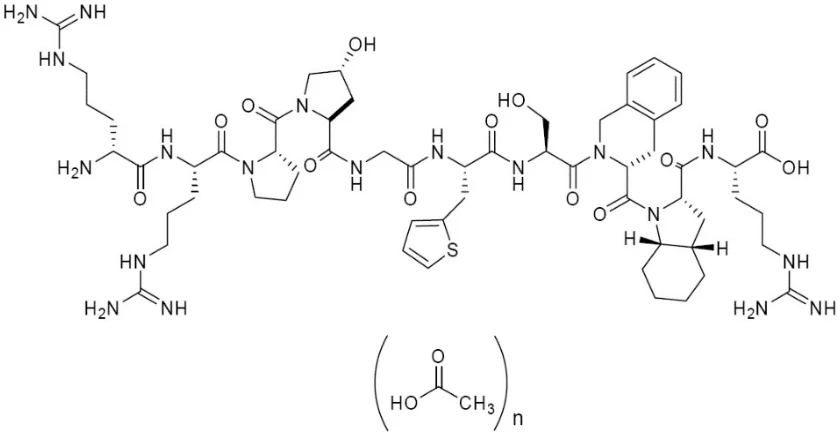
Where n= 1-4
Physicochemical properties: Icatibant acetate (icatibant) is a synthetic decapeptide and it consists of amino acid sequences. Icatibant Acetate is Hygroscopic in nature. Melting Range: 218°C (DSC)
Solubility properties: Icatibant acetate is freely soluble in water, acetate buffer (pH 5.5); Isoelectric pH 5.6. pH (1 % in water) around 4-6
14 CLINICAL TRIALS
14.1 Clinical Trials by Indication HAE
Table 6 - Summary of patient demographics for clinical trials in HAE
| Study # | Study design | Dosage, route of administration and duration | Study subjects (n) | Age (Range) | Sex |
|---|---|---|---|---|---|
| Study 1 | Randomized, placebo-controlled, parallel- group: Patients with moderate to severe cutaneous or abdominal attacks or mild to moderately severe laryngeal attacks | Icatibant acetate 30 mg/3 mL | 93 | 36.8 years | 34 male; |
| (FAST 3, HGT-FIR-054) | SC x 1 dose or placebo 3 mL SC x 1 dose. | (18 to 83) | 59 female | ||
| Open-label: | Icatibant acetate 30 mg/3 mL SC x 1 dose. | 5 | 41.6 years (29 to 59) | 3 male; | |
| Patients with severe | 2 female | ||||
| laryngeal attack | |||||
| Open-label extension: | Icatibant acetate 30 mg/3 mL | 82 | 37.2 years (18 to 83) | 27 male; | |
| Patients with subsequent attacks | SC for up to 3 doses at least 6 hours apart. | 55 female | |||
| Entire Study | 98 | 37.0 years (18 to 83) | 37 male; | ||
| 61 female | |||||
Study 2 (FAST 1, JE049 #2103) | Randomized, double- blind, placebo- controlled: Patients with moderate to severe abdominal or cutaneous attacks | Icatibant acetate 30 mg/3 mL SC x 1 dose. or placebo 3 mL SC x 1 dose. | 56 | 34.9 years (18 to 58) | 19 male; 37 female |
Open-label: Patients with any laryngeal attack | Icatibant acetate 30 mg/3 mL SC x 1 dose. | 8 | 47.1 years (25 to 61) | 3 male; 5 female | |
Open-label extension: Patients with subsequent attacks | Icatibant acetate 30 mg/3 mL SC for up to 3 doses at least 6 hours apart. | 72 | 35.5 years (18 to 65) | 23 male; 49 female | |
| Study # | Study design | Dosage, route of administration and duration | Study subjects (n) | Age (Range) | Sex |
|---|---|---|---|---|---|
| Entire Study | 84 | 36.6 years (18 to 65) | 27 male; 57 female | ||
| Study 3 | Randomized, double- | Icatibant acetate 30 mg/3 mL SC x 1 dose or tranexamic acid PO TID for 2 days plus a placebo matched to the alternate therapy. | 74 | 41.1 years (19 to 68) | 27 male; |
| (FAST 2, JE049 | blind, active- controlled: | 47 female | |||
| #2102) | Patients with | ||||
| moderate to severe | |||||
| abdominal or | |||||
| cutaneous attacks | |||||
| Open-label: | Icatibant acetate 30 mg/3 mL | 3 | 35.0 years (27 to 48) | 2 male; | |
| Patients with any | SC x 1 dose. | 1 female | |||
| laryngeal attack | |||||
| Open-label extension: | Icatibant acetate 30 mg/ 3mL | 54 | 42.3 years (22 to 70) | 19 male; | |
| Patients with subsequent attacks | SC for up to 3 doses at least 6 hours apart. | 35 female | |||
| Entire Study | 85 | 40.9 years (19 | 30 male; | ||
| to 70) | 55 female | ||||
Study 4 (JE049- 3101) | Open-label, uncontrolled | Icatibant acetate 30 mg/3 mL SC x 1 dose. | 104 | 41.6 years (18 to76) | 36 male; 68 female |
HCP Administration: Any attack severe enough to warrant treatment. | 23 | 44.0 years (19 to 76) | 8 male; 15 female | ||
Self-administration: Any attack severe enough to warrant treatment | 98 | 40.8 years (18 to 76) | 33 male; 65 female | ||
| Study 5 | Open-label | Icatibant acetate | 32 | 12.3 years | 19 male |
| (HGT-FIR- 086) | Any cutaneous, abdominal, or laryngeal symptoms of an acute attack | Single dose 0.4 mg/kg SC up to a maximal dose of 30 mg.* | (3.4 to 17.4) | 13 female | |
SC=subcutaneous; HCP=Healthcare professional
*One patient received 2 doses for two separate HAE attacks
The efficacy and safety of icatibant acetate for the treatment of acute attacks of HAE in adults was established by three controlled Phase III clinical trials (designated Study 1, 2, and 3). In these studies, patients were enrolled if their attack involved the cutaneous, abdominal and/or laryngeal areas; the cutaneous or abdominal attacks were at least moderate in severity and the laryngeal attacks were at least mild in severity, as determined by the investigator; and study drug could be administered within 6 hours of the attack severity becoming at least mild (laryngeal) or moderate (non-laryngeal), but not more than 12 hours after the onset of the attack.
The phase III clinical trials used endpoints that were specifically developed to assess the response to therapy in patients with acute HAE attacks. The effect of therapy on HAE-specific symptoms was recorded by the patients using a visual analog scale (VAS) during pretreatment and at pre-determined time points after administration of therapy. The symptoms assessed by the patient using the VAS were skin swelling, skin pain, and abdominal pain. Patients with laryngeal attacks also assessed difficulty swallowing and voice change.
Study 1 was a randomized, double-blind, placebo-controlled study of 98 adult HAE type I or II patients with a mean age of 37.0 years (88.8% white; 86.7% HAE type I; 3.1% >65 years of age) who had developed moderate to very severe cutaneous or abdominal, or mild to moderately severe laryngeal attacks of HAE. These patients were randomized to receive a single dose of either icatibant acetate 30 mg or placebo by subcutaneous injection. Patients with severe laryngeal attacks of HAE were not randomized and received open-label icatibant acetate 30 mg SC. In the open-label extension phase of the study, patients were eligible for treatment of subsequent attacks with icatibant acetate 30 mg subcutaneous and could receive up to 3 doses at least 6 hours apart for each attack.
The primary endpoint of Study 1 was the Time to Onset of Symptom Relief (TOSR), assessed using a 3- item composite visual analog scale score (VAS-3) consisting of assessments of skin swelling, skin pain and abdominal pain. The non-laryngeal ITT population was used for the primary efficacy analysis. The onset of symptom relief was defined as a 50% reduction from pretreatment in the composite VAS score. The time of onset of symptom relief was determined retrospectively as the earliest of 3 consecutive non-missing measurements for which there was at least a 50% reduction in the pretreatment composite VAS score.
Studies 2 and 3 were randomized, double-blind, controlled trials and had identical designs except for the comparator. In Study 2 an attack of HAE was treated with a single dose of either icatibant acetate 30 mg, or placebo administered by subcutaneous injection. Study 3 was designed as a double-blind, double- dummy trial with tranexamic acid as an active comparator. Tranexamic acid tablets were encapsulated and oral placebo consisted of capsules of identical size, shape and colour. Initial treatment of the attack in the double-blind phase consisted of 1 subcutaneous injection of icatibant acetate administered with 2 capsules of placebo (oral) or 1 subcutaneous injection of placebo administered with 2 capsules of tranexamic acid (oral). Subsequent study drug treatment consisted of tranexamic acid or matching placebo administered orally (3 times per day) for 2 days.
In Studies 2 and 3, patients who developed moderate to very severe cutaneous or abdominal attacks of HAE were eligible for randomization to study drug treatment; patients with laryngeal symptoms were not randomized and were treated with open-label icatibant acetate 30 mg subcutaneous. Similar to Study 1, both studies had open-label extension phases in which patients were eligible for treatment of subsequent attacks with icatibant acetate (30 mg subcutaneous for up to 3 doses administered at least 6 hours apart).
The primary efficacy endpoint for Studies 2 and 3 was the Time to Onset of Primary Symptom Relief based on a pre-specified reduction from the pretreatment VAS score for a single identified primary symptom. The primary symptom was identified based on the type of attack. For abdominal attacks, the single primary symptom was based on the VAS for “abdominal pain.” For cutaneous attacks, the single primary symptom was based on the most severe VAS for “skin swelling” or “skin pain.” If both were equally severe, the VAS for “skin pain” was used. This endpoint was defined as the key secondary efficacy endpoint for Study 1. The non-laryngeal ITT population was used for the primary efficacy analyses of both studies.
Study 2 enrolled 84 adult HAE type I or II patients with a mean age of 36.6 years (95.2% white; 84.5% HAE type I; 0% >65 years of age). Study 3 enrolled 85 adult HAE type I or II patients with a mean age of
40.9 years (100% white; 91.8% HAE type I; 4.7% >65 years of age).
Study Results
Double-blind, Controlled Trials
Efficacy results are shown in Figure 1 and Table 7 below.
Figure 1 Time to 50% reduction from baseline 3-item VAS score in Study 1 (non-laryngeal ITT population)
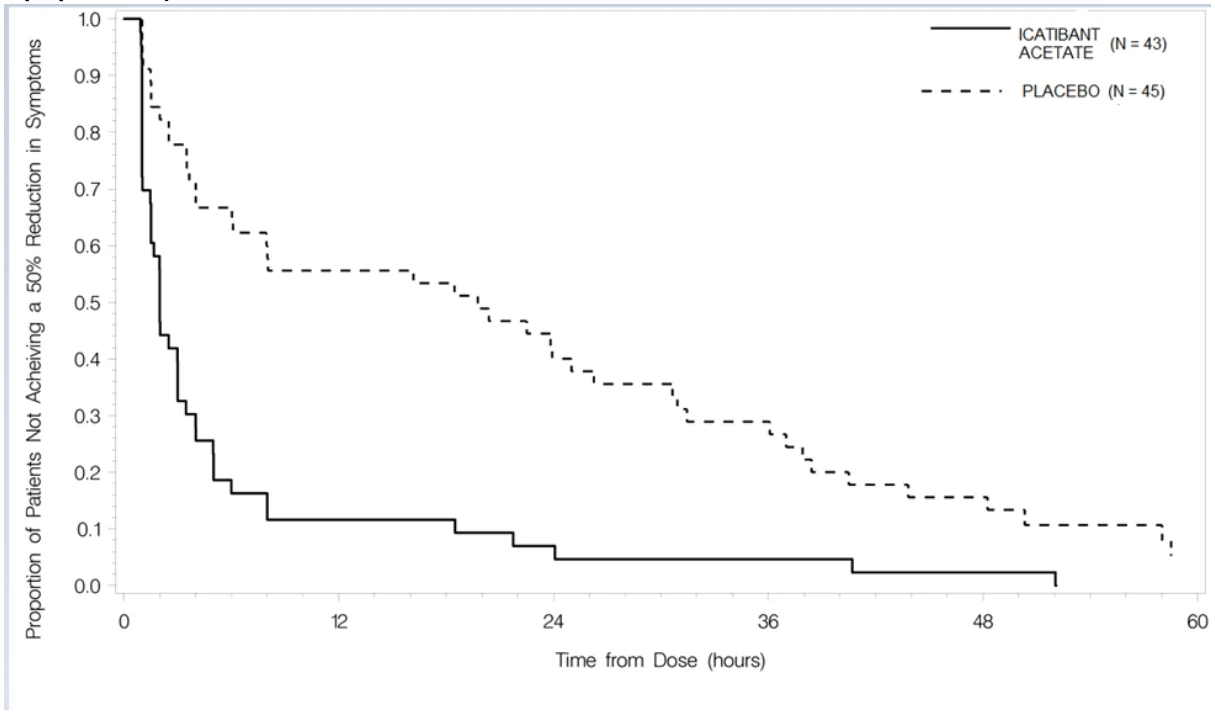
Table 7 - Results of studies 1, 2, and 3 in the non-laryngeal ITT population
| Study 1 | Statistic | Icatibant acetate (n = 43) | Placebo (n = 45) |
|---|---|---|---|
| Primary Endpoint | |||
| Time to Onset of Symptom Relief (hours) a | Median p-value | 2.0 < 0.001 | 19.8 |
| Other Endpoints | |||
|---|---|---|---|
| Time to Onset of Primary Symptom Relief (hours) b | Median p-value | 1.5 < 0.001 | 18.5 |
| Time to Onset of Symptom Relief (hours) for the Individual VAS score of c | |||
| Skin Swelling | Median p-value | 3.0 <0.001 | 22.3 |
| Skin Pain | Median p-value | 2.0 0.013 | 8.0 |
| Abdominal Pain | Median p-value | 1.8 0.007 | 3.5 |
| Change in Composite VAS Score at 2 hours After Treatment | Mean p-value | -19.74 <0.001 | -7.49 |
| Time to Almost Complete Symptom Relief (hours) d | Median p-value | 8.0 0.012 | 36.0 |
| Patients who use Rescue Medication Prior to Onset of Symptom Relief | Number (%) p-value | 0/43 (0%) <0.001 | 16/45 (35.6%) |
| Study 2 | Statistic | Icatibant acetate (n = 27) | Placebo (n = 29) |
| Primary Endpoint | |||
| Time to Onset of Primary Symptom Relief (hours) b | Median p-value | 2.5 0.142 | 4.6 |
| Other Endpoints | |||
| Time to Onset of Symptom Relief (hours) a, e | Median p-value | 2.3 0.014 | 7.9 |
| Time to Almost Complete Symptom Relief (hours)d | Median p-value | 8.5 0.079 | 19.4 |
| Patients who used Rescue Medication Prior to Onset of Symptom Relief e, f | Number (%) p-value | 1/26 (3.8) 0.005 | 10/27 (37.0) |
| Study 3 | Statistic | Icatibant acetate (n = 36) | Tranexamic Acid (n=38) |
|---|---|---|---|
| Primary Endpoint | |||
| Time to Onset of Primary Symptom Relief (hours)b | Median p-value | 2.0 < 0.001 | 12.0 |
| Other Endpoints | |||
| Time to Onset of Symptom Relief (hours)a e | Median p-value | 2.0 < 0.001 | 12.0 |
| Time to Almost Complete Symptom Relief (hours) d | Median p-value | 10.0 <0.001 | 51.0 |
| Patients who used Rescue Medication Prior to Onset of Symptom Relief e, f | Number (%) p-value | 0/33 (0) 0.002 | 9/34 (26.5) |
a Onset of symptom relief was defined as the earliest of 3 consecutive non-missing measurements for which there was at least a 50% reduction from pretreatment composite 3-item (skin swelling, skin pain, and abdominal pain) VAS score.
b Primary symptom relief was defined as a reduction from pretreatment in the score of a single primary VAS Symptom. Onset of symptom relief was defined as the earliest of 3 consecutive non-missing measurements for which there was any reduction below (6/7) pre-treatment value – 16 for pretreatment VAS ≥30 mm. For a pre-treatment VAS < 30 mm, symptom relief was defined as a 68% reduction from pre-treatment.
c Onset of symptom relief (hours) for the individual VAS scores was defined as the earliest of 3 consecutive non-missing measurements for which there was at least a 50% reduction from the pretreatment VAS score for each of the individual symptoms.
d Almost complete symptom relief (hours) was defined as the earliest of 3 consecutive non-missing measurements for which all VAS scores were less than 10 mm.
e Post-hoc analysis
f Analysis includes only those subjects who achieved onset of symptom relief; Study 2: icatibant acetate n=26, Placebo n=27; Study 3: icatibant acetate n= 33, Tranexamic Acid n=34.
Response was also consistent across repeated attacks in the controlled Phase III trials. A total of 237 patients were treated with 1,383 doses of 30 mg icatibant acetate for 1,278 attacks of acute HAE in these Phase III clinical trials. Ninety-one and one-half percent (91.5%) of attacks of HAE that were eligible for 3 injections (1149) were treated with a single dose of icatibant acetate . In the first 15 icatibant acetate treated attacks (1,114 doses for 1,030 attacks), the median times to onset of symptom relief were similar across attacks (2.0 to 2.5 hours).
Patients with laryngeal attacks were treated during the open-label phases of the studies; therefore, comparisons of the efficacy of icatibant acetate with a control arm are not available for most of the patients with laryngeal attacks. In study 1, 27 patients completed laryngeal symptom assessments using a 5- item composite visual analog score (VAS-5). Post-hoc analyses of these efficacy data are shown in Table 7 below. The median time to onset of symptom relief (2.0 hours) was similar to those observed for the non-laryngeal attacks in studies 1, 2 and 3 (2.0 to 2.3 hours). This was reflected by similar median times to onset of symptom relief for the individual laryngeal symptoms of difficulty swallowing (1.8 hours) and voice change (1.7 hours). No formal studies have been conducted to determine if icatibant acetate treatment can reduce the risk of suffocation and mortality in HAE patients with laryngeal attacks.
Table 8 - Results of Study 1 in the laryngeal treated population (post-hoc analysis)
| Endpoints | Statistic | Icatibant acetate (n = 27) |
|---|---|---|
| Time to onset of symptom relief (hours) a | Median (95% CI) | 2.0 (1.5, 3.5) |
| Time to Onset of Primary Symptom Relief (hours) b | Median (95% CI) | 2.0 (1.5. 2.5) |
| Time to Onset of Symptom Relief (hours) for the Individual VAS score of c | ||
| Difficulty Swallowing | Median (95% CI) | 1.8 (1.3, 2.5) |
| Voice Change | Median (95% CI) | 1.7 (1.5, 2.5) |
| Skin Swelling | Median (95% CI) | 1.8 (1.3, 5.0) |
| Skin Pain | Median (95% CI) | 1.8 (1.3, 3.5) |
| Abdominal Pain | Median (95% CI) | 2.2 (1.0, 48.4) |
Time to Almost Complete Symptom Relief (hours) d | Median (95% CI) | 6.4 (3.1, 24.3) |
a Onset of symptom relief was defined as the earliest of 3 consecutive non-missing measurements for which there was at least a 50% reduction from pretreatment composite 5-item (difficulty swallowing, voice change, skin swelling, skin pain, and abdominal pain) VAS score.
b Primary symptom relief was defined as a reduction from pretreatment in the score of a single primary VAS Symptom. Onset of symptom relief was classified as the earliest of 3 consecutive non-missing measurements for which there was any reduction below (6/7) pre-treatment value – 16 for pretreatment VAS ≥30 mm. For a pre-treatment VAS < 30 mm, symptom relief was defined as a 68% reduction from pre-treatment. For the laryngeal attacks, the single primary symptom was based on the more severe pretreatment VAS score of either difficulty swallowing or voice change. If both were equally severe at pretreatment, then the VAS score for difficulty swallowing was used as the single primary symptom.
c Onset of symptom relief (hours) for the individual VAS scores was defined as the earliest of 3 consecutive non-missing measurements for which there was at least a 50% reduction from the pretreatment VAS score for each of the individual symptoms.
d Almost complete symptom relief (hours): was defined as the earliest of 3 consecutive non-missing measurements for which all VAS scores were less than 10 mm.
Open-label, Uncontrolled Study
Self-administration of icatibant acetate by patients who experienced acute attacks of HAE was assessed in the open-label uncontrolled Study 4. Patients who self-administered icatibant acetate during an acute attack of HAE had results similar to those seen after administration by a healthcare professional in the controlled Phase III studies.
Pediatric Population
An open label, non-randomized single-arm study, Study 5, was performed with a total of 32 patients. All patients received at least one dose of icatibant (0.4 mg/kg body weight up to a maximum dose of 30 mg) and the majority of patients were followed-up for a minimum of 90 days following administration. Eleven patients were of pre-pubertal status (Tanner stage I) and 21 patients were either pubertal or post-pubertal (Tanner stages II to V).
The efficacy population consisted of 22 patients who had been treated with icatibant (11 pre-pubertal and 11 pubertal/post-pubertal) for a first HAE attack. Ten additional pubertal/post-pubertal subjects were treated with icatibant in the absence of an acute HAE attack. The safety population consisted of the 32 subjects overall.
The primary efficacy endpoint was the time to onset of symptom relief (TOSR) measured using a composite investigator-reported symptom score. Time to symptom relief was defined as the duration of time (in hours) taken for improvement of symptoms to occur by a magnitude of 20%. Table 8 shows the efficacy results for Study 5.
Table 9 - Efficacy results for Study 5
| Parameter | Pre-pubertal (n=11) | Pubertal/post-pubertal (n=11) | Overall (n=22) |
|---|---|---|---|
| Median time to onset of symptom relief (hours) | 1.0 | 1.0 | 1.0 |
| 95% CI for median time (hours) | 1.0, 2.0 | 1.0, 2.0 | 1.0, 1.1 |
CI = confidence interval
At 1 and 2 hours post treatment, approximately 50% and 90% of patients experienced onset of symptom relief, respectively.
Overall, the median time to minimal symptoms (earliest time post treatment when all symptoms were either mild or absent) was 1.1 hours (95% confidence interval, 1.0-2.0 hours).
The safety and efficacy of icatibant acetate for treatment of acute laryngeal attacks have not been established in pediatric patients. Of the 23 on-study HAE attacks included in the pediatric clinical trial, one was a laryngeal attack. This attack was the second treated attack for one adolescent subject. The subject received icatibant acetate 3 hours and 40 minutes following the onset of laryngeal symptoms, which included mild dysphagia and mild erythema. The time to onset of symptom relief and the time to initial symptom relief as assessed by the investigator were 4 hours for this attack and the time to onset of pain relief as assessed by the subject was 4 hours. No rescue medications were required.
15 MICROBIOLOGY
No microbiological information is required for this drug product.
16 NON-CLINICAL TOXICOLOGY
General Toxicology
Repeated-dose studies have been conducted in rats and dogs for durations of 6 and 9 months, respectively. In both rats and dogs, there was a dose-related reduction in circulating sex hormone levels.
In the mature rat, ovary weights were increased in females and prostate weights decreased in males. With the exception of the spleen weights (increased), these changes in organ weights were completely or partially reversed following the dose-free recovery period. Histopathological changes of the reproductive organs in the males included minimal to severe bilateral hypospermia and minimal or slight intratubular degenerate spermatozoa/spermatids in the epididymides, minimal or moderate reduction in secretion in the prostate gland and seminal vesicles, minimal to marked bilateral germinal epithelial degeneration in the testes in males. In the females, changes included masculinization of the mammary glands, increased numbers of corpora lutea and decreased developing follicles in the ovaries, minimal to marked uterine atrophy and mucification and/or atrophy of the vaginal mucosa.
Microscopic findings in reproductive organs of male and female animals included severe bilateral tubular atrophy of the testes, atrophy and inactivation of the mammary glands, severe atrophy of the prostate gland, slight to moderate uterine atrophy, no corpora lutea or developing follicles in the ovaries and absence of spermatozoa in the epididymal tubules. Following the 4 week recovery period, most findings showed evidence of at least partial recovery.
In the mature dog, testosterone levels in males were lowered in the majority of animals. FSH levels (both sexes) showed a trend toward decrease. These findings were reversible following the 4 week treatment free period.
Repeat use of icatibant reversibly delayed sexual maturation of juvenile rats and dogs. Sexually immature rats were treated daily with 3 mg/kg for 7 weeks. Macroscopic observations in the male rats included atrophy of testes and epididymides. Microscopic findings of tubular cell vacuolation and germ cell degeneration in the testes were observed. In the males treated with 9.0 and 25 mg/kg/day, there were statistically significant delays in physical maturation, lowered prostate and testes weights, tubular cell vacuolation and germ cell degeneration. Decreased sperm count, motility, and velocity were observed when males were treated with the dose of 25 mg/kg/day. Consequently, decreased fertility was observed in untreated females paired with males treated with an icatibant dose of 25 mg/kg/day. All microscopic and organ weight findings were either completely or partially reversible following the treatment-free period. In the females, there was reduced uterine weight.
Sexually immature dogs were treated with icatibant for 13-weeks. The observations in the male dogs included lower testicular volume, lower testosterone, LH (males) and FSH levels. In the female dogs, the FSH levels were lower. These effects showed partial reversibility during the treatment-free period. Macroscopic observations included decreased testes, epididymides, prostate, uterus, vagina and ovaries. Immaturity of the genital organs was observed in all males at all dose levels as well as in the females, which also demonstrated lack of glandular portion of the mammary glands. During the treatment-free period, progressive development and maturation of the male and female reproductive organs was considered to be consistent with the normal maturation process and recovery.
The observations regarding the reproductive organs in the sexually immature animals are similar to the effects of icatibant on reproductive tissues in sexually mature rats and dogs (see above). Icatibant has a reversible effect on the gonadotrophins.
Bradykinin, acting through the B2 receptor, is recognized to have a role in the control of hormone secretion within the hypothalamus. Therefore, these effects on hormone secretion, with consequent effects on sexual organs, are not unexpected. The daily dosing regimen utilized in the nonclinical studies is an exaggeration of the clinical treatment conditions. Adult patients treated with icatibant are unlikely to experience adverse reactions affecting sexual organs, given the intermittent nature of HAE attacks and use of icatibant.
In a clinical setting, 39 healthy adult men and women were treated with a single subcutaneous 30 mg injection every 6 hours for 3 doses every 3 days for a total of 9 doses. There were no clinically significant changes from baseline in basal and GnRH-stimulated concentrations of reproductive hormones (estradiol, progesterone, prolactin, DHEA, DHEAS, SHBG, FSH, and LH) in females and (testosterone, DHEA, DHEA-S, SHBG, FSH, LH, and Inhibin-B) in males. There were no significant effects of icatibant on the concentration of luteal phase progesterone and luteal function, or on menstrual cycle length in females, and there were no significant effects of icatibant on sperm count, motility and morphology in males. The dosing regimen used for this study is very unlikely to be sustained in the clinical setting.
Carcinogenicity
A two-year study was conducted in rats to assess the carcinogenic potential of icatibant. No evidence of tumorigenicity was observed in rats at icatibant subcutaneous doses up to 6 mg/kg/day (approximately 6-fold greater than the Maximum Recommended Human Dose on an AUC basis).
Genotoxicity
In a standard battery of in vitro and in vivo tests, icatibant was not genotoxic.
Reproductive and Developmental Toxicology
Icatibant was not teratogenic when administered by subcutaneous injection during early embryonic and fetal development in rat (25 mg/kg/day) and rabbit (10 mg/kg/day). In animal studies, icatibant caused delayed parturition, fetal death, and pre-implantation loss in rats and premature birth, abortion, fetal death, and pre-implantation loss in rabbits. Delayed parturition and fetal death in rats occurred at 0.5 and 2-fold, respectively, the maximum recommended human dose (MRHD) (on an AUC basis at maternal doses of 1 and 3 mg/kg, respectively). Increased pre-implantation loss in rats occurred at 7-fold the MRHD (on an AUC basis at a maternal daily dose of 10 mg/kg). The mean number of pups born per female was lower than for the controls and pup survival rate (10 mg/kg/day) was 25% between day 1 and day 4 post-partum. After day 4 post-partum, pup survival was 100%.
Studies in rabbits indicated that pre-implantation loss and increased fetal deaths occurred at 13 fold greater than the MRHD (on an AUC basis at a maternal dose of 10 mg/kg). Icatibant is a potent antagonist of bradykinin and therefore, at high dose levels, treatment can have effects on the uterine implantation process and subsequent uterine stability in early pregnancy. These uterine effects also manifest in late stage pregnancy where icatibant exhibits a tocolytic effect resulting in delayed parturition in the rat, with increased fetal distress and perinatal death at high doses (10 mg/kg/day).
Following a single subcutaneous dose (1 mg/kg) to pregnant rats, no effects were detected in the post- natal development of rat pups.
17 SUPPORTING PRODUCT MONOGRAPH
PrFIRAZYR®(Solution, 30 mg / 3 mL (10 mg / mL)), submission control 287307, Product Monograph, Takeda Canada Inc., October 24, 2024