


Product Monograph - Inprosub
1 INDICATIONS
INPROSUB™ (25 mg progesterone injection) is indicated for progesterone supplementation in women up to and including 34 years of age who are unable to use or tolerate vaginal preparations and undergoing in vitro fertilization (IVF) with or without intracytoplasmic sperm injection (ICSI).
Limitation of Use
Efficacy in women 35 years of age and older, and in women over 30 kg/m2 have not been established.
1.1 Pediatrics
Pediatrics (0 to 18 years): The safety and efficacy of INPROSUB™ in pediatric patients has not been established as there is no relevant use in the pediatric population for the indication of progesterone supplementation in women undergoing IVF. Therefore, Health Canada has not authorized an indication for pediatric use (see Pediatrics).
1.2 Geriatrics
Geriatrics (> 65 years of age): No clinical data have been collected in patients over age 65, therefore, Health Canada has not authorized an indication for geriatric use.
2 CONTRAINDICATIONS
INPROSUB™ is contraindicated in patients who are hypersensitive to this progesterone drug or to any ingredient in the formulation, including any non-medicinal ingredient, or component of the container. For a complete listing, see DOSAGE FORMS, STRENGTHS, COMPOSITION AND PACKAGING.
INPROSUB™ is contraindicated in:
- Undiagnosed vaginal bleeding
- Known missed abortion or ectopic pregnancy
- Liver dysfunction or disease
- Known or suspected breast or genital tract cancer
- Active arterial or venous thromboembolism or severe thrombophlebitis, or a history of these events
- Porphyria
- A history of idiopathic jaundice, severe pruritus or pemphigoid gestationis during pregnancy
3 SERIOUS WARNINGS AND PRECAUTIONS BOX
4 DOSAGE AND ADMINISTRATION
4.1 Dosing Considerations
As the indication for INPROSUB™ is restricted to women of child-bearing age, dosage recommendations for pediatric and geriatric use are not appropriate.
There is no experience with the use of INPROSUB™ in patients with impaired liver or renal function. INPROSUB™ is contradicted in hepatic dysfunction or disease (see CONTRAINDICATIONS).
4.2 Recommended Dose and Dosage Adjustment
INPROSUB™ is administered by subcutaneous (25 mg) injection.
Adult Dosage
Once daily injection of 25 mg from day of oocyte retrieval for up to 10 weeks of total duration, usually until 12 weeks of confirmed pregnancy.
Health Canada has not authorized an indication for pediatric use.
4.3 Administration
Treatment with INPROSUB™ should be initiated under the supervision of a physician experienced in the treatment of fertility problems.
After proper training in subcutaneous injection technique, a patient may self-inject with INPROSUB™ if a physician or a nurse determines that it is appropriate. Patients should be instructed to follow the directions provided in the Patient Medication Information.
The solution should be inspected visually for clarity, foreign particulate matter, precipitation, discolouration, and leakage prior to administration. Do not use product if solution shows haziness, foreign particulate matter, discolouration, or leakage.
INPROSUB™ is intended for subcutaneous administration.
Subcutaneous Administration
Draw all the liquid in the vial into the syringe. Choose an appropriate area (front of thigh, lower abdomen), swab proposed area, pinch the skin together firmly and insert the needle at an angle of 45° to 90°. The product should be injected slowly to minimise local tissue damage.
Serious Warnings and Precautions
Arterial and venous thromboembolic disorders may occur with use of INPROSUBTM. Discontinue INPROSUBTM and initiate appropriate treatment measures if any of these are suspected.
This medicinal product must not be mixed with other medicinal products.
4.4 Missed Dose
If a patient misses a dose, the patient should be instructed to take the dose as soon as she remembers. The patient should also be instructed not to double the dose to make up for the missed dose.
5 OVERDOSAGE
High doses of progesterone may cause drowsiness.
Treatment of overdose consists of discontinuation of INPROSUB™ together with initiation of appropriate symptomatic and supportive care.
| For management of a suspected drug overdose, contact your regional poison control centre. |
6 DOSAGE FORMS, STRENGTHS, COMPOSITION AND PACKAGING
Table 1: Dosage Forms, Strengths, Composition and Packaging.
INPROSUBTM is a sterile, clear, colourless-to-light brown solution in single dose vials.
INPROSUB™ is contained in a type I glass vial for parenteral preparations, sealed with a rubber closure, and held in place with a cap (flip-off type).
Each vial (1.112 mL) contains 25 mg of progesterone (theoretical concentration 22.48 mg/mL). INPROSUB™ is available in packs of 1, 7 or 14 vials.
7 WARNINGS AND PRECAUTIONS
Please see SERIOUS WARNINGS AND PRECAUTIONS BOX.
General
Before starting treatment with INPROSUB™, the patient and her partner should be assessed by a doctor for causes of infertility or pregnancy complications.
A pretreatment physical examination should include special reference to breasts, pelvic organs as well as Papanicolaou smear.
In all cases of irregular vaginal bleeding adequate diagnostic measures should be undertaken. The pathologist should be informed of progesterone therapy when relevant specimens are submitted.
Because progesterone may cause some degree of fluid retention, conditions that might be
| Route of Administration | Dosage Form / Strength/Composition | Non-medicinal Ingredients |
| Subcutaneous injection | Solution, 25 mg | Hydroxypropylbetadex, water for injection |
influenced by this factor (e.g., epilepsy, migraine, asthma, cardiac or renal dysfunction) require careful observation.
Abrupt discontinuation of progesterone dosing may cause increased anxiety, moodiness, and increased sensitivity to seizures.
Carcinogenesis and Mutagenesis
Nonclinical toxicity studies to determine the potential of INPROSUB™ to cause carcinogenicity or mutagenicity have not been performed.
Cardiovascular or Cerebrovascular Disorders
The physician should be alert to the earliest signs of myocardial infarction, cerebrovascular disorders, arterial or venous thromboembolism (venous thromboembolism or pulmonary embolism), thrombophlebitis, or retinal thrombosis. INPROSUB™ should be discontinued if any of these conditions are suspected.
Driving and Operating Machinery
INPROSUB™ has minor or moderate influence on the ability to drive and use machines. Progesterone may cause drowsiness and/or dizziness; therefore, caution is advised in drivers and those operating machinery.
Endocrine and Metabolism
A decrease in insulin sensitivity and thereby in glucose tolerance has been observed in a small number of patients on oestrogen-progestogen combination drugs. The mechanism of this decrease is not known. For this reason, diabetic patients should be carefully observed while receiving progesterone therapy (see DRUG INTERACTIONS).
Hepatic/Biliary/Pancreatic
Since progesterone is metabolized by the liver, use in patients with liver dysfunction or disease is contraindicated (see CONTRAINDICATIONS).
Ophthalmologic
Sex steroid use may also increase the risk of retinal vascular lesions. To prevent these latter complications, caution is to be taken in users >35 years, in smokers, and in those with risk factors for atherosclerosis. Use should be terminated in case of transient ischemic events, appearance of sudden severe headaches, or vision impairments related to papillary edema or retinal hemorrhage.
Psychiatric
Patients with a history of depression need to be closely observed. Consider discontinuation if symptoms worsen.
Reproductive Health: Female and Male Potential
Fertility
INPROSUB™ is used in the treatment of some forms of infertility (see INDICATIONS).
Skin
Injection Site Reactions In Study 1, in which INPROSUB™ was administered by subcutaneous administration, the following administration site adverse reactions were reported in ≥1% of patients in the INPROSUB™ group: administration site pain (49.7%), administration site irritation (13.3%), administration site pruritus (12.1%), administration site swelling (11.0%), injection site haematoma (2.1%), and injection site induration (2.1%).
In Study 2, in which INPROSUB™ was administered by subcutaneous administration, the following administration site adverse reactions were reported in ≥1% of patients in the INPROSUB™ group: injection site pain/discomfort (14.5%), injection site bruising (10.5%), injection site inflammation (3.8%), injection site oedema (2.0%), and injection site mass (1.3%).
7.1 Special Populations
7.1.1 Pregnant Women
Maternal risks are discussed throughout the product monograph.
In clinical trials, there was numerical difference in fetal congenital malformations seen between the INPROSUB™ treatment groups and the control treatment groups. There is limited and inconclusive data on the risk of congenital anomalies, including genital abnormalities in male or female infants, following intrauterine exposure during pregnancy. Fetal monitoring and prenatal screening should be conducted as per clinical guideline by the Society of Obstetricians and Gynaecologists of Canada and the Canadian College of Medical Geneticists.
In Study 1, among the 338 subjects treated with INPROSUB™ daily, 91 subjects had livebirths, 14 subjects had an early spontaneous abortion, 2 subjects had an ectopic pregnancy, and 6 subjects reported a total of 10 fetal congenital anomalies (multiple abnormalities could be reported for one subject). Fetal congenital anomalies reported included: congenital abdominal hernia (two fetuses), congenital hydrocephalus (two fetuses), congenital pneumonia (two fetuses), Fallot’s tetralogy (one fetus), hydrocele (one fetus), and phenylketonuria (two fetuses).
In Study 2, among the 400 subjects treated with INPROSUB™ daily, 161 subjects had livebirths, 14 subjects had an abortion (9 complete spontaneous abortions, 1 incomplete spontaneous abortion and 4 missed abortions), 6 subjects had an ectopic pregnancy, and 8 subjects reported fetal congenital anomalies. Fetal congenital anomalies reported included: two fetuses with heart murmur, one fetus with intraventricular hemorrhage, one fetus with patent ductus arteriosus resulted fetal demise, one fetus with club foot, one fetus with hernia, one fetus with Epstein anomaly, and one fetus with hydronephrosis.
7.1.2 Breast-feeding
Progesterone is excreted in human milk and the effect of this on the nursing infant has not been determined. INPROSUB™ should not be used during breast-feeding.
7.1.3 Pediatrics
Pediatrics (0 to 18 years): The safety and efficacy of INPROSUB™ in pediatric patients has not been established (see INDICATIONS). Health Canada has not authorized an indication for pediatric use.
7.1.4 Geriatrics
No clinical data have been collected in patients over age 65 (see INDICATIONS).
7.1.5 BMI
Patients over 30 kg/m2 were not studied.
8 ADVERSE REACTIONS
8.1 Adverse Reaction Overview
The following serious adverse reactions are discussed elsewhere in the Product Monograph:
- Cardiovascular or Cerebrovascular Disorders [see WARNINGS AND PRECAUTIONS]
- Depression [See Psychiatric under WARNINGS AND PRECAUTIONS]
The safety of INPROSUB™ was evaluated in 682 patients in a randomized controlled trial with 338 patients receiving INPROSUB™ and 344 patients receiving an active comparator (Progesterone Gel 8%, vaginal administration). The duration of treatment was 10 weeks (i.e., starting on the oocyte retrieval day, up to 12 weeks gestation). The overall non-serious adverse event rates (all adverse events excluding adverse events related to tolerability) were 55.3% with INPROSUB™ 55.5% with the comparator, and the incidence of serious adverse events was 4.1% in patients treated with INPROSUB™ and 5.8% with the comparator. The rate of adverse events leading to discontinuation of study drug was 5.6% in patients treated with INPROSUB™ and 6.4% with the comparator. Very common adverse reactions with INPROSUB™ reported in ≥10% of patients were administration site reactions (irritation, pain, pruritus, and swelling), headache, uterine spasm, and vaginal haemorrhage.
The safety of INPROSUB™ was evaluated in 800 patients in a randomized controlled trial with 400 patients receiving INPROSUB™ and 400 patients receiving comparator (Progesterone vaginal tablets). The duration of treatment was 10 weeks (i.e., starting on the oocyte retrieval day, up to 12 weeks gestation). The overall adverse event rates were 69.0% in patients treated with INPROSUB™ and 67.5% with the comparator, and the incidence of serious adverse events was 4.8% in patients treated with INPROSUB™ and 5.3% with the comparator. The rate of adverse events leading to discontinuation of study drug was 5.3% in patients treated with INPROSUB™ and 5.0% with the comparator. Very common adverse reactions with INPROSUB™ reported in ≥10% of patients were administration site reactions (injection site bruising, injection site pain/discomfort), abdominal pain/discomfort, headache, nausea, and vaginal haemorrhage.
Expected Adverse Reaction Profile seen with Progesterone: INPROSUB™ is also expected to have adverse reactions similar to other drugs containing progesterone that may include breast tenderness, bloating, mood swings, depression, irritability, drowsiness, insomnia, jaundice, urticaria, acne, hirsutism, alopecia, weight gain and vaginal bleeding.
8.2 Clinical Trial Adverse Reactions
Clinical trials are conducted under very specific conditions. The adverse reaction rates observed in the clinical trials may not reflect the rates observed in practice and should not be compared to the rates in the clinical trials of another drug. Adverse reaction information from clinical trials may be useful for identifying and approximating rates of adverse drug reactions in real-world use.
Adverse Reactions in Study 1
In this prospective, open-label, randomized, multicentre, two-arm study to compare the safety and effectiveness of INPROSUB™ to a comparator (Progesterone Gel 8%, vaginal administration) for luteal support in female patients undergoing IVF, 338 patients were randomized to INPROSUB™ and 344 patients were randomized to comparator. The mean age of enrolled patients was 34 years in both groups. In the INPROSUB™ group 92.2% were Caucasian, 4.2% were Asian, 2.4% were Black, and 1.2% identified as other race. In the comparator group 91.6% were Caucasian, 4.5% were Asian, 1.8% were Black, and 2.1% identified as other race. Patients were exposed to INPROSUB™ or comparator for 10 weeks.
Adverse Reactions in Study 2
In this prospective, open-label, randomized, parallel-group, multicentre, two-arm study to compare the safety and effectiveness of INPROSUB™ to a comparator (progesterone vaginal tablets) for luteal support in female patients undergoing IVF, 400 patients were randomized to INPROSUB™ and 400 patients were randomized to comparator. The mean age of enrolled patients was 34 years in both groups. In the INPROSUB™ group 67.3% were Caucasian, 21.5% were Asian, 8.5% were Hispanic, 2.5% were Black, and 0.3% identified as other race. In the comparator group 66.3% were Caucasian, 20.3% were Asian, 8.5% were Hispanic, 3.5% were Black, and 1.5% identified as other race. Patients were exposed to INPROSUB™ or comparator for 10 weeks.
Table 2: Adverse Events Occurring at Incidence of ≥2% in Women Treated with Progesterone in Study 1
| IBSA - Progesterone (25 mg/day subcutaneous administration) n=338 n (%) | Comparator – Progesterone Gel 8% (90 mg/day vaginal administration) n=344 n (%) | ||||
|---|---|---|---|---|---|
| Gastrointestinal disorders | |||||
| Abdominal distension | 31 (9.2) | 39 (11.3) | |||
| Nausea | 30 (8.9) | 31 (9.0) | |||
| Abdominal pain | 27 (8.0) | 44 (12.8) | |||
| Abdominal pain upper | 18 (5.3) | 11 (3.2) | |||
| Constipation | 17 (5.0) | 13 (3.8) | |||
| Diarrhoea | 14 (4.1) | 16 (4.7) | |||
| Vomiting | 11 (3.3) | 6 (1.7) | |||
| Flatulence | 8 (2.4) | 7 (2.0) | |||
| Abdominal pain lower | 7 (2.1) | 8 (2.3) | |||
| Dyspepsia | 7 (2.1) | 2 (0.6) | |||
| General disorders and administration site conditions | |||||
| Fatigue | 16 (4.7) | 14 (4.1) | |||
| IBSA - Progesterone (25 mg/day subcutaneous administration) n=338 n (%) | Comparator – Progesterone Gel 8% (90 mg/day vaginal administration) n=344 n (%) | ||||||
|---|---|---|---|---|---|---|---|
| Infections and Infestations - all | 10 (3.0) | 17 (4.9) | |||||
| Musculoskeletal and connective tissue disorder | |||||||
| Back pain | 12 (3.6) | 10 (2.9) | |||||
| Nervous system disorders | |||||||
| Headache | 45 (13.3) | 37 (10.8) | |||||
| Dizziness | 14 (4.1) | 9 (2.6) | |||||
| Pregnancy, pueperium and perinatal conditions | |||||||
| Abortion spontaneous (including missed abortions)* | 10 (3.0) | 10 (2.9) | |||||
| Psychiatric disorders | |||||||
| Insomnia | 9 (2.7) | 6 (1.7) | |||||
| Reproductive system and breast disorders | |||||||
| Vaginal haemorrhage | 48 (14.2) | 63 (18.3) | |||||
| Uterine spasm | 42 (12.4) | 60 (17.4) | |||||
| Breast tenderness | 24 (7.1) | 25 (7.3) | |||||
| Breast pain | 20 (5.9) | 21 (6.1) | |||||
| Vaginal discharge | 13 (3.9) | 60 (17.4) | |||||
| Vulvovaginal pruritus | 11 (3.3) | - | |||||
| Vulvovaginal discomfort | 10 (3.0) | - | |||||
| Respiratory, thoracic and mediastinal disorders - all | 11 (3.3) | 7 (2.0) | |||||
| Skin and subcutaneous tissue disorders - all | 19 (5.6) | 11 (3.2) | |||||
Note: MedDRA version 13.1 used in Study 1. * Four additional abortions were not included in the table as these were not reported or considered as an adverse event by the investigator at a very early stage. | |||||||
Table 3: Adverse Events Occurring at Incidence of ≥2% in Women Treated with Progesterone in Study 2
| IBSA - Progesterone (25 mg/day subcutaneous administration) n=400 n (%) | Comparator – Progesterone Vaginal Tablets (100 mg twice daily vaginal administration) n=400 n (%) | ||||||
|---|---|---|---|---|---|---|---|
| Adverse events associated with injection | |||||||
| Injection site pain/discomfort | 58 (14.5) | - | |||||
| Injection site bruising | 42 (10.5) | - | |||||
| Injection site inflammation | 15 (3.8) | - | |||||
| Injection site oedema | 8 (2.0) | - | |||||
| Adverse events associated with IVF procedure | |||||||
| Post procedural pain | 58 (14.5) | 59 (14.8) | |||||
| Post procedural discomfort | 43 (10.8) | 38 (9.5) | |||||
| Gastrointestinal disorders | |||||||
| Abdominal pain/discomfort | 63 (15.8) | 82 (20.5) | |||||
| Nausea | 50 (12.5) | 51 (12.8) | |||||
| Constipation | 29 (7.3) | 39 (9.8) | |||||
| Vomiting | 15 (3.8) | 22 (5.5) | |||||
| General Disorders | |||||||
| Fatigue | 13 (3.3) | 31 (7.8) | |||||
| Pyrexia | 8 (2.0) | 2 (0.5) | |||||
| Infections and infestations | |||||||
| Nasopharyngitis | 10 (2.5) | 3 (0.8) | |||||
| Nervous system disorders | |||||||
| Headache | 49 (12.3) | 59 (14.8) | |||||
| Pregnancy, puerperium and perinatal conditions | |||||||
| Abortion spontaneous* | 10 (2.5) | 13 (3.3) | |||||
| Antepartum Haemorrhage | 9 (2.3) | 13 (3.3) | |||||
| IBSA - Progesterone (25 mg/day subcutaneous administration) n=400 n (%) | Comparator – Progesterone Vaginal Tablets (100 mg twice daily vaginal administration) n=400 n (%) | |||||
|---|---|---|---|---|---|---|
| Reproductive system and breast disorders | ||||||
| Vaginal haemorrhage | 62 (15.5) | 62 (15.5) | ||||
| Ovarian hyperstimulation syndrome | 24 (6.0) | 22 (5.5) | ||||
| Breast pain/tenderness | 22 (5.5) | 48 (12.0) | ||||
| Respiratory, thoracic and mediastinal disorders | ||||||
| All | 16 (4.0) | 13 (3.3) | ||||
| Skin and subcutaneous tissue disorders | ||||||
| Rash | 8 (2.0) | 8 (2.0) | ||||
| Vascular disorders | ||||||
| Hot flush | 9 (2.3) | 8 (2.0) | ||||
Note: MedDRA version 10.0 used in Study 2. * Four additional abortions were not included in the table as these were not reported or considered as an adverse event by the investigator at a very early stage. | ||||||
In Study 1, 5.6% subjects (19 subjects out of 338 subjects) or 21 events treated with INPROSUB™ were withdrawn due to adverse events (1 event: abdominal distension; 1 event: headache; 3 events: discomfort at injection site; 14 events: abortion; 2 events: ectopic pregnancy).
In Study 2, 5.3% subjects (21 subjects out of 400 subjects) treated with INPROSUB™ were withdrawn due to adverse events [9 subjects: spontaneous abortion/miscarriage (8 complete abortions and 1 incomplete abortion); 5 subjects: ectopic pregnancy; 4 subjects: missed abortion; 1 subject: ovarian hyperstimulation syndrome; 2 subjects: injection discomfort].
Injection Site Reactions
See Skin under WARNINGS AND PRECAUTIONS.
8.3 Less Common Clinical Trial Adverse Reactions
The following less common adverse reactions occurred at <2% in the INPROSUB™ group.
Ear and labyrinth disorders: inner ear inflammation
Gastrointestinal disorders: dry mouth, gastrointestinal disorder, gastrointestinal pain, retching
General disorders and administration site: asthenia, chest pain, feeling hot, feeling hot and cold, injection site rash, injection site urticaria, malaise, nodule, pain, rigors
Infections and infestations: candidiasis, vaginal mycosis
Injury, poisoning and procedural complications: administration site bleeding, contusion
Investigations: body temperature increased, weight increased
Musculoskeletal and connective tissue disorders: arthralgia, groin pain, pain in extremity
Nervous system disorders: migraine, somnolence
Pregnancy, puerperium and perinatal conditions: intra-uterine death
Psychiatric disorders: affect lability, depressed mood, insomnia, irritability, mood altered, mood swings, nervousness, restlessness
Renal and urinary disorders: pollakiuria, urinary tract pain
Reproductive system and breast disorders: adnexa uteri pain, breast swelling, nipple pain, nipple swelling, pelvic pain, vaginal inflammation, vulvovaginal burning sensation, vulvovaginal pain
Respiratory system and breast disorders: cough, dyspnoea, oropharyngeal pain, pharyngolaryngeal pain, respiratory tract congestion
Skin and subcutaneous tissue disorders: acne, alopecia, dermatitis, dermatitis allergic, dry skin, erythema, hyperhidrosis, night sweats, pigmentation disorder, pruritus, pruritus generalised, rash macular, rash papular, skin discolouration, swelling face, urticaria
Vascular disorders: flushing, hypotension
8.4 Post-Market Adverse Reactions
The following adverse reactions have been identified during post approval use of INPROSUB™. Because these reactions are reported voluntarily from a population of uncertain size, it is not always possible to reliably estimate their frequency or establish a causal relationship to drug exposure.
The more frequent adverse reactions reported were:
- Hypersensitivity reactions
8.5 Abnormal Laboratory Findings: Hematologic, Clinical Chemistry and Other Quantitative Data
The laboratory results may be altered by the use of progestin drugs. There are possible risks which may be associated with the use of progestin treatment, including adverse effects on carbohydrate and lipid metabolism and coagulation tests.
No clinical tests on lipids, carbohydrate and coagulation parameters have been performed for INPROSUB™.
9 DRUG INTERACTIONS
9.1 Overview
Drugs known to induce the hepatic cytochrome-P450-3A4 system (e.g., rifampicin, carbamazepine, griseofulvin, phenobarbital, phenytoin or St. John’s Wort (Hypericum perforatum-containing herbal products) may increase the elimination rate and thereby decrease the bioavailability of progesterone. In contrast ketoconazole and other inhibitors of cytochrome P450-3A4 may decrease elimination rate and thereby increase the bioavailability of progesterone.
Since progesterone can influence diabetic control, an adjustment in antidiabetic dosage may be required (see Special Populations).
Progestogens may inhibit cyclosporine metabolism leading to increased plasma cyclosporine concentrations and a risk of toxicity.
The effect of concomitant injectable products on the exposure of progesterone from INPROSUB™ has not been assessed. Concomitant use with other drugs is not recommended.
9.2 Drug-Drug Interactions
No drug-drug interaction studies have been conducted for INPROSUBTM.
9.3 Drug-Food Interactions
Interactions with food have not been established.
9.4 Drug-Herb Interactions
Interactions with herbal products have not been established.
9.5 Drug-Laboratory Test Interactions
Interactions with laboratory tests have not been established.
10 ACTION AND CLINICAL PHARMACOLOGY
10.1 Mechanism of Action
Progesterone is a naturally occurring steroid that is secreted by the ovary, placenta, and adrenal glands. In the presence of adequate estrogen, progesterone transforms a proliferative endometrium into a secretory endometrium. Progesterone is necessary to increase endometrial receptivity for implantation of an embryo. Once an embryo is implanted, progesterone acts to maintain a pregnancy.
10.2 Pharmacokinetics
Absorption: Progesterone serum concentrations increased following the subcutaneous (SC) administration of 25 mg of INPROSUB™ to 28 healthy post-menopausal women. By one-hour post-administration of a single SC dose, the mean Cmax was 53.43 ± 18.95 ng/mL. The progesterone serum concentration decreased following a mono-exponential decay, with a half-life of 10.45 ± 1.93 hours, and by twelve hours post-administration the average concentration was 6.55±2.4 ng/ml. The minimum serum concentration, 1.45±0.45 ng/ml, was reached at the 36-hour time-point.
Following multiple dosing of 25 mg/daily via SC administration, steady state concentrations were attained within approximately 2 days of treatment with INPROSUB™. Trough values of 4.8 ± 1.1 ng/mL were observed with an AUC of 346.9 ± 41.9 ng*hr/mL on Day 11. Serum concentration returned to basal after 72 hours.
Distribution: In humans, 96-99% of progesterone is bound to serum proteins like albumin (50-54%) or transcortin (43-48%), and the remainder is free in the plasma. Owing to its lipid solubility, progesterone travels from the bloodstream to its target cells through passive diffusion.
Metabolism: Progesterone is metabolized in the liver largely to pregnanediols and pregnanolones. Pregnanediols and pregnanolones are conjugated in the liver to glucuronide and sulfate metabolites. Progesterone metabolites that are excreted in the bile may be deconjugated and may be further metabolized via reduction dihydroxylation and epimerization.
Elimination: Progesterone undergoes renal and biliary elimination.
Special Populations and Conditions
- BMI: Patients over 30 kg/m2 were not studied.
11 STORAGE, STABILITY AND DISPOSAL
Store at room temperature (15 ºC to 25 ºC). Store in the original carton in order to protect from light. Do not refrigerate or freeze.
The medicinal product must be used immediately after first opening: any remaining solution must be discarded (see SPECIAL HANDLING INSTRUCTIONS).
12 SPECIAL HANDLING INSTRUCTIONS
The solution is for single use only and should not be used if it contains particles, is discoloured or leaking.
Any unused product or waste material should be disposed of in accordance with local requirements.
PART II: SCIENTIFIC INFORMATION
13 PHARMACEUTICAL INFORMATION
Drug Substance
Proper name: progesterone
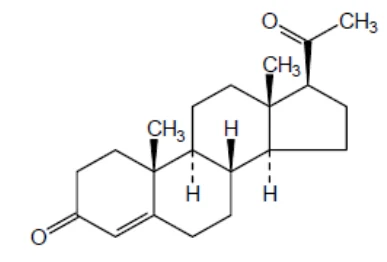
Chemical name: pregn-4-ene-3,20-dione
Molecular formula and molecular mass: C21H30O2 314.5
Structural formula:
Physicochemical properties: Progesterone is a white or almost white, crystalline powder or colourless crystals, practically insoluble in water, freely soluble in ethanol, and sparingly soluble in acetone and in fatty oils.
14 CLINICAL TRIALS
14.1 Trial Design and Study Demographics
Table 4: Summary of Patient Demographics for Clinical Trials in IVF
| Study # | Trial design | Dosage, route of administration and duration | Study subjects (n) | Mean age (Range) | Sex |
|---|---|---|---|---|---|
| Study 1 | Prospective, open-label, randomised, parallel-group, multicentre, two-arm study | Progesterone-IBSA: 25 mg daily via SC injection for 10 weeks | Progesterone-IBSA: n=339 | 33.79 ± 4.25 years | Female |
Progesterone Gel 8%: 90 mg daily via vaginal administration for 10 weeks | Progesterone Gel 8%: n=344 | 33.95 ± 4.31 years | Female |
| Study # | Trial design | Dosage, route of administration and duration | Study subjects (n) | Mean age (Range) | Sex |
|---|---|---|---|---|---|
| Study 2 | Prospective, open-label, randomised, parallel-group, multicentre, two arm study | Progesterone-IBSA: 25 mg daily via SC injection for 10 weeks | Progesterone-IBSA: n=400 | 34.3 ± 4.4 years | Female |
Progesterone Effervescent Vaginal Tablets 100 mg: 100 mg twice daily via vaginal administration for 10 weeks | Progesterone Effervescent Vaginal Tablets 100 mg: n=400 | 34.3 ± 4.5 years | Female |
The efficacy and tolerability of INPROSUB™ was evaluated in two Phase III, randomised, open-label, parallel group studies in women undergoing in vitro fertilization (IVF) with or without intracytoplasmic sperm injection (ICSI) using fresh eggs. History of recurrent miscarriage and subjects with thawed/donated oocytes and embryos were excluded. Study 1 compared the efficacy and safety of subcutaneous Progesterone-IBSA 25 mg to an intra-vaginal progesterone gel (90 mg once daily) in several European countries, and Study 2 compared the efficacy and safety of subcutaneous Progesterone-IBSA 25 mg versus vaginal progesterone tablets (100 mg administered vaginally twice daily) in the United States.
Subjects participating in the studies were not stratified at randomization by age and ovarian reserve (as measured by serum FSH levels). The efficacy of INPROSUB™ has not been established in women age 35 and older.
Study 1
In Study 1, patients were randomized in a 1:1 ratio to receive either subcutaneous (SC) Progesterone-IBSA 25 mg once daily or intra-vaginal progesterone gel at a daily dose of 90 mg. The total duration of treatment for each patient was no longer than 10 weeks, over two study phases. Phase I covered the period from screening until the initial pregnancy testing, and Phase II covered the period of ongoing luteal support in the event of pregnancy.
Efficacy was assessed on the endpoint of ongoing pregnancies, defined as identification of at least one gestational sac with foetal heart motion on ultrasound scan 10 weeks after the start of treatment.
A total of 740 female patients were screened, of whom 683 were randomised and enrolled in the study. The two treatment groups were generally well matched for demographic characteristics. In both groups, the majority (≥ 92%) of patients was Caucasian and the mean age was approximately 34 years. Mean BMI values were also similar in the two groups (22.8 kg/m² vs. 23.0 kg/m² in the Progesterone-IBSA and intra-vaginal progesterone gel groups, respectively), and ranged from 16.6 to 31.6 kg/m2.
Study 2
In Study 2, patients were randomized in a 1:1 ratio to receive either SC Progesterone-IBSA 25 mg once daily or intra-vaginal progesterone tablets 100 mg twice a day. The total duration of treatment for each patient was no longer than 10 weeks, over two study phases. The study design was the same as that for Study 1.
Efficacy was assessed on the endpoint of ongoing pregnancies, defined as identification of at least one gestational sac with foetal heart motion on ultrasound scan 10 weeks after the start of treatment.
A total of 930 female patients were screened, of whom 800 were randomised and enrolled in the study. The two treatment groups were generally well matched for demographic characteristics. In both groups, the majority (≥ 66%) of patients was Caucasian and the mean age was approximately 34 years. Mean BMI values were also similar in the two groups (23.4 kg/m² vs. 23.6 kg/m² in the Progesterone-IBSA and intra-vaginal progesterone tablets groups, respectively), and ranged from 16.0 to 30.0 kg/m2.
14.2 Study Results
Study 1
Treatment with INPROSUBTM was declared non-inferior to the active comparator if the lower bound of the 95% confidence interval (CI) for the difference in pregnancy rate was greater than -10% based on the ITT population. In this study, the ongoing pregnancy rates for subjects treated with INPROSUBTM were non-inferior (lower bounds of the 95% confidence interval of the difference between INPROSUBTM and the active comparator excluded a difference greater than 10%) to the ongoing pregnancy rate for subjects treated with the active comparator. The results are shown in Table 5. Similar data were reported for the Per-Protocol (PP) population (Table 5).
Table 5: Study Results from Controlled Clinical Trials - Study 1
| Primary Endpoint | Progesterone-IBSA n (%) | Intra-Vaginal Progesterone Gel n (%) | Difference versus Intra-Vaginal Progesterone Gel (95% CI) |
| Ongoing pregnancy rate at 10 weeks % | ITT: 93 (27.4) PP: 93 (29.2) | ITT: 105 (30.5) PP: 100 (31.2) | ITT: −3.09 (−9.91%, 3.73%) PP: −2.00 (−9.12%, 5.13%) |
ITT Population: N=339 in the Progesterone-IBSA group; N=344 in the Intra-Vaginal Progesterone Gel group. ET Population: N=319 in the Progesterone-IBSA group; N=321 in the Intra-vaginal Progesterone Gel group. | |||
Study 2
Treatment with INPROSUBTM was declared non-inferior to the active comparator as the lower bound of the 95% CI of the difference in pregnancy rate was greater than -10% based on the ITT population. In this study, the ongoing pregnancy rates for subjects treated with INPROSUBTM were non-inferior (lower bounds of the 95% confidence interval of the difference between INPROSUBTM and the active comparator excluded a difference greater than 10%) to the ongoing pregnancy rate for subjects treated with the active comparator. The results are shown in Table 6. Similar data were reported for the PP Population (Table 6).
Table 6: Study Results from Controlled Clinical Trials – Study 2
| Primary Endpoint | Progesterone-IBSA n (%) | Intra-Vaginal Progesterone Tablets n (%) | Difference versus Intra-Vaginal Progesterone Tablets (95% CI) |
| Ongoing pregnancy rate at 10 weeks % | ITT: 163 (40.8) PP: 163 (41.6) | ITT: 173 (43.3) PP: 173 (44.4) | ITT: −2.5 (−9.4%, 4.4%) PP: −2.8 (−9.7%, 4.2%) |
ITT Population: N=400 in both the Progesterone-IBSA and Intra-Vaginal Progesterone Tablets group. PP Population: N=392 in the Progesterone-IBSA group; N=390 in the Intra-Vaginal Progesterone Tablets group. | |||
15 NON-CLINICAL TOXICOLOGY
Carcinogenicity
The carcinogenicity of progesterone administered by s.c. or i.m. injection to mice, rats, rabbits, and dogs and by s.c. implantation in mice and rats has been extensively reviewed. Progesterone, when given alone, increased the incidence of ovarian, uterine, or mammary tumours in mice, while a study in dogs (74 weeks) in doses of 0.8–22.5 mg/day was considered to be of an insufficient duration to allow an assessment to be made. The carcinogenic effects of progestogens are intimately associated with the complex hormonal systems in which they operate and with dose-effect relationships. The role of hormones in mammary neoplasia in rodents parallels some of the activities seen in humans, but there are also significant differences which render extrapolation from rodent to human carcinogenicity problematic. However, progesterone can reasonably be expected to be a human carcinogen.
Genotoxicity
Based on available genotoxicity data, progesterone did not induce dominant lethal mutations in mice or chromosomal aberrations in rats treated in vivo. Progesterone did not induce chromosomal aberrations or sister chromatid exchanges in cultured human cells. It did not induce chromosomal aberrations or DNA-strand breaks in rodent cells, and was not mutagenic to bacteria.
Inconclusive results were obtained for in vitro transformation of rodent cells. A positive result was obtained for rat embryo cells, a weakly positive result for mouse cells and a negative result for Syrian hamster embryo cells. Studies reported that progesterone did not induce the formation of DNA adducts as determined by 32P post-labelling. No significant increase was seen in the frequency of structural or numerical chromosome aberrations in Syrian hamster embryo cells after treatment for 24 hours with 3 to 30 µg/mL progesterone.
Reproductive and Developmental Toxicology
Fertility and Reproduction
No developmental toxicity studies in laboratory animals of any species with progesterone were identified in the published literature. Fertility studies were conducted in pregnant female Crl:CD(SD) rats using MPA (a synthetic progestagen) at dose levels of 0, 0.4, 2.0 or 10.0 mg/kg/day, which were administered by gavage from 2 weeks prior to mating to Day 7 of gestation. The number of females with irregular or prolonged estrus cycles increased at 0.4 mg/kg/day with no changes in fertility. A decreased number of copulating animals, and a decreased gestation rate with low preimplantation loss were observed in the 2.0 mg/kg treatment group and no copulation was observed in the group treated with10 mg/kg.
Progesterone supplementation is known to prevent preterm birth (PTB) in some high-risk women. One third of PTB is associated with preterm premature rupture of membranes (PPROM). It was hypothesised that progesterone may block proinflammatory cytokine-induced apoptosis of fetal membrane, preventing PPROM. Fetal membranes cultured with or without progesterone (125 to 500 ng/mL) were treated with/without liopopolysaccharide (LPS; 100 ng/mL) or tumour necrosis factor alpha (TNF-alpha; 50 ng/mL). Both TNF-alpha and LPS significantly increased caspase-3 activities in term fetal membranes in a time-dependent manner. Progesterone was reported to inhibit basal and TNF-alpha-induced apoptosis in term fetal membranes. The effect of progesterone on basal levels of apoptosis suggested that this mechanism may also be important for normal labour at term.
Special Toxicology Studies
Single-dose toxicity
Published single-dose toxicity data indicate that the intravenous (i.v.) median lethal dose (LD50) of progesterone in the mouse is 100 mg/kg. Observed effects included convulsions, ataxia, and respiratory effects, including dyspnea. The intraperitoneal (i.p.) LD50 of progesterone in the rat is reported to be 327 mg/kg but no details of signs of toxicity were reported. In rabbits, the LD50 was 26.5 mg/kg of body weight.
Repeated-dose toxicity
No relevant repeated-dose toxicity studies in laboratory animal species with progesterone were identified in the published literature. Two- and four-week repeated dose toxicity studies in female Crl:CD(SD) rats using medroxyprogesterone acetate (MPA, a synthetic progestagen) have been conducted in order to investigate the relationship between histopathological changes of the ovary and functional changes in female fertility. MPA was administered to non-pregnant female rats by gavage at dose levels of 0, 0.4, 2.0 or 10.0 mg/kg/day. The number of non-pregnant females with irregular oestrus cycles increased with dose, and decreased ovary weights were observed at doses ≥2 mg/kg/day after treatment for 2 or 4 weeks. The histopathological examination revealed an increased number of large atretic follicles and decreases in currently formed corpora lutea and previously-formed large or small ones were observed at the same doses in the 2- and 4-week treatment groups.
Local tolerance
Rabbits were treated with 6.7 mg/kg/day of INPROSUB™ for up to 7 consecutive days by subcutaneous (SC) injection. No relevant effect attributed to the treatment with INPROSUB™ by the SC route was seen at local, macroscopic and histopathological examination.
A longer-term study was performed with administration of INPROSUB™ at 1 mg/kg/day SC or at 4 mg/kg/day IM. No toxicologically important clinical signs were recorded, and the signs observed were similar to those receiving vehicle. Histopathological examination of the injection sites after 28 days of treatment identified minor changes that were generally similar to those animals receiving vehicle. After the post-treatment observation period (14 days) there were no changes associated with injection of INPROSUB™.
Other preclinical studies have not revealed other effects than those which can be explained based on the known hormone profile of progesterone. However, it should be noted that sex steroids such as progesterone can promote the growth of certain hormone-dependent tissues and tumours. Nonclinical toxicity studies to determine the potential of INPROSUB™ to cause carcinogenicity or mutagenicity have not been performed.
Other Toxicity Studies
HPβCD toxicity studies
Mouse
Published HPβCD single dose toxicity studies in mice showed transient episodes of soft defecation or diarrhoea, while carcinogenic studies showed no increased tumours.
Rat
Published data in rats reported transient episodes of soft defecation or diarrhoea in HPβCD single dose toxicity studies. HPβCD given to rats through diet for 12 months produced dose-dependent urinary tract changes consisting of vacuolated renal tubuli and vacuolated epithelial cells in renal pelvis and urinary bladder. At high doses (2 and 5 g/kg), the main toxicological findings were characterized by lower body weights, minor hematological changes, and some serum chemistry changes, such as increases in chloride, alanine aminotransferase, and aspartate aminotransferase. Analysis of male urine samples showed increases in specific gravity, creatinine, calcium oxalate crystals, white blood cells, urobilinogen, and proteins and decreases in urinary volume and pH. Urinalysis of female samples revealed bacterial growth at both doses, and granular casts and occult blood at the 5 g/kg dose. The weights of the pancreas (both doses) and kidneys of both sexes, adrenals of females, and lungs of males (5 g/kg) were increased. Several histopathological changes were seen in the liver such as centrilobular swelling, hepatocytic vacuolation, and prominent Kupffer cells (both doses) and foam cells in the lungs (5 g/kg). These hepatotoxic effects were almost not present after the 1-month recovery period. Furthermore, urinary tract changes seen in two 4-day intravenous infusion studies resembled those observed after oral and intravenous bolus injections, confirming that the occurrence of these histological changes is not influenced by the mode of administration of HPβCD.
HPβCD, independent of the dose and route of administration, did not adversely affect the reproductive function of male and female rats and parental toxicity was only characterized by a slight decrease in body weight. While no primary embryotoxic effect was observed, a decreased survival rate as well as reduced pup birth weight and body weight gain were noted and were associated with maternal toxicity at the oral doses of 2 and 5 g/kg and at the intravenous dose of 400 mg/kg. Carcinogenic studies in the rat revealed evidence of urinary tract changes (all doses) and an increase in pancreatic and intestinal tumours at high doses. Exocrine pancreatic hyperplasia was initially seen at 12 months, which developed to exocrine pancreatic neoplasia by 24 months of treatment. Mechanistic studies have shown this to be cholecystokinin (CCK) dependent, a rat specific mitogen and thus these pancreatic tumours were considered a rat-specific effect with minimal clinical relevance.
Rabbit
In rabbit, and while no primary embryotoxic effects were reported in published toxicological studies, maternal toxicity at a dose of 1g/kg resulted in minor embryonic effects as evidenced by the increase in skeletal variations. In addition, no teratogenic effects were noted in any rabbit study. HPβCD did not cause any ocular irritation or local irritation at the injection site in rabbits.
Dog
Published single dose toxicity studies in dogs, just like in mice and rats, revealed transient episodes of soft defecation or diarrhoea. In addition, vomiting and licking were only observed in dogs. Moreover, the repeated oral administration of HPβCD at 2 g/kg resulted in softer stools. Dogs given HPβCD for twelve months by gavage produced dose-dependent urinary tract anomalies consisting of vacuolated epithelial cells in the bladder and renal pelvis. Moreover, data from two 4-day infusion studies showed that urinary tract changes, seen after oral and intravenous bolus injection, are present after intravenous infusion. Similar to findings in other animal models, HPβCD oral administration at either high single doses or a prolonged period of administration induced minor biochemical changes in dogs. For instance, in a 1-month study, an oral dose of 2.25 g/kg/day 45% HPβCD proved to be a no effect dose.
HPβCD showed no mutagenic potential in any of the in vivo and in vitro studies performed to investigate its potential to induce DNA-damage, point/gene mutations, and chromosome aberrations.