


Product Monograph - Jurnista
SUMMARY PRODUCT INFORMATION
| Route of Administration | Dosage Form / Strength | Nonmedicinal Ingredients |
| Oral | Prolonged-Release Tablet 4 mg, 8 mg, 16 mg, and 32 mg | butyl hydroxytoluene, cellulose acetate, glycerol triacetate (8 mg, 16 mg and 32 mg only), iron oxide black, ferric oxide red (4 mg and 8 mg only), ferric oxide yellow (4 mg, 16 mg and 32 mg only), hypromellose, lactose anhydrous, lactose monohydrate (8 mg, 16 mg and 32 mg only), macrogol, magnesium stearate, polyethylene oxide, povidone, propylene glycol, sodium chloride and titanium dioxide. JURNISTA® may contain traces of sodium metabisulfite. |
INDICATIONS AND CLINICAL USE
Adults
JURNISTA® (HYDROmorphone hydrochloride) is indicated for the management of pain severe enough to require daily, continuous, long-term opioid treatment, and:
- that is opioid-responsive; and
- for which alternative options are inadequate.
JURNISTA® is not indicated as an as-needed (prn) analgesic.
Geriatrics (> 65 years of age)
In general, dose selection for an elderly patient should be cautious, usually starting at the low end of the dosing range, reflecting the greater frequency of decreased hepatic, renal, or cardiac function, concomitant disease or other drug therapy. The elderly are more prone to central nervous system (CNS) adverse effects (see DOSAGE AND ADMINISTRATION).
Pediatrics (< 18 years of age)
The safety and efficacy of JURNISTA® have not been studied in the pediatric population. Therefore, the use of JURNISTA® in patients under 18 years of age is not recommended.
CONTRAINDICATIONS
JURNISTA® (HYDROmorphone hydrochloride) is contraindicated in:
- Patients who are hypersensitive to this drug or to any ingredient in the formulation or component of the container. For a complete listing of excipients, see the DOSAGE FORMS, COMPOSITION AND PACKAGING section of the Product Monograph.
- Patients who have had surgical procedures and/or underlying disease that may result in narrowing of the gastrointestinal tract, or have “blind loops” of the gastrointestinal tract or gastrointestinal obstruction.
- Patients who have ileus of any type.
- Patients with suspected surgical abdomen (e.g., acute appendicitis or pancreatitis).
- Patients with mild, intermittent or short duration pain that can otherwise be managed.
- The management of acute pain.
- The management of perioperative pain.
- Patients with acute asthma or other obstructive airway, and status asthmaticus.
- Patients with acute or significant respiratory depression, elevated carbon dioxide levels in the blood, and cor pulmonale.
- Patients with acute alcoholism, delirium tremens, and convulsive disorders.
- Patients with severe CNS depression, increased cerebrospinal or intracranial pressure, and head injury.
- Patients taking monoamine oxidase (MAO) inhibitors (or within 14 days of such therapy).
- Women during breastfeeding, pregnancy, labour and delivery (see SERIOUS WARNINGS AND PRECAUTIONS and WARNINGS AND PRECAUTIONS).
WARNINGS AND PRECAUTIONS
SERIOUS WARNINGS AND PRECAUTIONS Limitations of Use Because of the risks of addiction, abuse, and misuse with opioids, even at recommended doses, and because of the greater risks of overdose and death with extended-release opioid formulations, JURNISTA® should only be used in patients for whom alternative treatment options are ineffective or not tolerated (e.g., non-opioid analgesics), or would be otherwise inadequate to provide sufficient management of pain (e.g., immediate-release opioids) (see DOSAGE AND ADMINISTRATION). Addiction, Abuse, and Misuse JURNISTA® poses risks of opioid addiction, abuse, and misuse, which can lead to overdose and death. Each patient’s risk should be assessed prior to prescribing JURNISTA®, and all patients should be monitored regularly for the development of these behaviours or conditions (see WARNINGS AND PRECAUTIONS). JURNISTA® should be stored securely to avoid theft or misuse. Life-threatening Respiratory Depression: OVERDOSE Serious, life-threatening, or fatal respiratory depression may occur with use of JURNISTA®. Infants exposed in-utero or through breast milk are at risk of life-threatening respiratory depression upon delivery or when nursed. Patients should be monitored for respiratory depression, especially during initiation of JURNISTA® or following a dose increase. JURNISTA® should be swallowed whole; crushing, chewing, or dissolving JURNISTA® tablets can cause rapid release and absorption of a potentially fatal dose of HYDROmorphone hydrochloride (see WARNINGS AND PRECAUTIONS). Further, instruct patients of the hazards related to taking opioids including fatal overdose. Accidental Exposure Accidental consumption of even one dose of JURNISTA®, especially by children, can result in a fatal overdose of HYDROmorphone hydrochloride (see DOSAGE AND ADMINISTRATION subsection Disposal, for instructions on proper disposal). Neonatal Opioid Withdrawal Syndrome Prolonged maternal use of JURNISTA® during pregnancy can result in neonatal opioid withdrawal syndrome, which may be life-threatening (see WARNINGS AND PRECAUTIONS). Interaction with Alcohol The co-ingestion of alcohol with JURNISTA® should be avoided as it may result in dangerous additive effects, causing serious injury or death (see WARNINGS AND PRECAUTIONS and DRUG INTERACTIONS). Risks from Concomitant Use with Benzodiazepines or Other CNS Depressants Concomitant use of opioids with benzodiazepines or other CNS depressants, including alcohol, may result in profound sedation, respiratory depression, coma, and death (see WARNINGS AND PRECAUTIONS, Neurologic and DRUG INTERACTIONS). |
|
General
JURNISTA® should be prescribed only by healthcare professionals who are knowledgeable in the use of potent opioids for the management of chronic pain.
Tablet strengths of 16 mg or higher are only for opioid tolerant patients requiring HYDROmorphone equivalent dosages of 16 mg or higher per day. These doses may lead to severe medical consequences, including fatal respiratory depression, in patients not previously exposed to similar daily doses of opioids at the time of switching to JURNISTA®.
JURNISTA® is for continuous opioid coverage, given once a day in patients who require treatment for several days or more. Because it may be more time consuming to titrate a patient not routinely taking opioids to adequate analgesia using a controlled-release opioid preparation, it is advisable to have patients titrated to a satisfactory level of pain relief with an immediate- release opioid prior to conversion to the appropriate total daily dose of JURNISTA®.
Patients who have received JURNISTA® should be closely monitored, especially for signs of respiratory depression, until a stable maintenance dose is reached. Since alcohol increases the sedative effect of opioids, the concomitant use of JURNISTA® and alcohol should be avoided.
Gastrointestinal
Potential for Gastrointestinal Obstruction
Because the JURNISTA® tablet is non-deformable and does not appreciably change in shape in the gastrointestinal (GI) tract, JURNISTA® should not be administered to patients with pre-existing severe GI narrowing (pathologic or iatrogenic, for example: esophageal motility disorders, small bowel inflammatory disease, “short gut” syndrome due to adhesions or decreased transit time, past history of peritonitis, cystic fibrosis, chronic intestinal pseudo-obstruction, or Meckel’s diverticulum) or in patients with dysphagia or significant difficulty in swallowing tablets.
There have been very rare reports of obstructive symptoms in patients with known strictures in association with the ingestion of medicinal products in non-deformable controlled-release formulations (see ADVERSE REACTIONS).
Constipation
JURNISTA® causes a reduction in gastrointestinal motility associated with an increase in smooth muscle tone. Constipation is a frequent side effect reported with opioid treatment. Patients should be advised on measures to prevent constipation and prophylactic laxative use should be considered. Extra caution should be used in patients with chronic constipation.
Gastrointestinal Transition
Clinical conditions or medical products that cause a sudden and significant shortening of gastrointestinal transit time may result in decreased HYDROmorphone absorption from JURNISTA® and may potentially lead to withdrawal symptoms in patients with a physical dependence on opioids. Appropriate coverage with an immediate-release opioid formulation should be considered.
Due to the controlled-release design, JURNISTA® tablets should only be used in patients who are able to swallow the tablets whole. The JURNISTA® tablet is non-deformable and does not appreciably change in shape in the GI tract. Patients should be advised that the depleted JURNISTA® shells are excreted in their stool in the original shape.
Acute Abdominal Conditions
The administration of opioids may obscure the diagnosis or clinical course of acute abdominal conditions. Therefore, it is important to make sure that the patient is not suffering from intestinal occlusion, including ileus, before initiation of treatment.
Addiction, Abuse and Misuse
JURNISTA® is a potential drug of abuse and misuse, which can lead to overdose and death. Therefore, JURNISTA® should be prescribed and handled with caution.
Patients should be assessed for their clinical risks for opioid abuse or addiction prior to being prescribed opioids. All patients receiving opioids should be routinely monitored for signs of misuse and abuse.
Opioids, such as JURNISTA®, should be used with particular care in patients with a history of alcohol and illicit/prescription drug abuse. However, concerns about abuse, addiction, and diversion should not prevent the proper management of pain.
Dependence/Tolerance
As with other opioids, tolerance and physical dependence may develop upon repeated administration of JURNISTA® and there is a potential for development of psychological dependence.
Physical dependence and tolerance reflect the neuroadaptation of the opiate receptors to chronic exposure to an opiate, and are separate and distinct from abuse and addiction. Tolerance, as well as physical dependence, may develop upon repeated administration of opioids, and are not by themselves evidence of an addictive disorder or abuse.
Patients on prolonged therapy should be tapered gradually from the drug if it is no longer required for pain control. Withdrawal symptoms may occur following abrupt discontinuation of therapy or upon administration of an opioid antagonist. Some of the symptoms that may be associated with abrupt withdrawal of an opioid analgesic include body aches, diarrhea, gooseflesh, loss of appetite, nausea, nervousness or restlessness, anxiety, runny nose, sneezing, tremors or shivering, stomach cramps, tachycardia, trouble with sleeping, unusual increase in sweating, palpitations, unexplained fever, weakness and yawning (See DOSAGE AND ADMINISTRATION, Discontinuation of Treatment).
Do not abruptly discontinue JURNISTA® in a patient physically dependent on opioids. There have been reports that rapid tapering of JURNISTA® in a patient physically dependent on opioids may lead to serious withdrawal symptoms and uncontrolled pain (see DOSAGE AND ADMINISTRATION, Discontinuation of Treatment).
JURNISTA® should be used with caution in patients with alcoholism and other drug dependencies, due to the increased frequency of opioid tolerance and psychological dependence observed in these patient populations. With abuse by parenteral route, the tablet excipients may cause lethal complications (see TOXICOLOGY).
Patients with a personal or family history of substance abuse (including drug or alcohol abuse or addiction) or mental illness (e.g., major depression) may be at higher risk of becoming addicted to JURNISTA® unless used under extreme caution and awareness.
Cardiovascular
Hypotension: Opioid analgesics, including HYDROmorphone, may cause severe hypotension in an individual whose ability to maintain blood pressure is compromised because of lower blood volume or concomitant administration of drugs such as phenothiazines or general anesthetics (see DRUG INTERACTIONS, Drug-Drug Interactions).
Endocrine and Metabolism
JURNISTA® should be administered with caution and in reduced dosages in patients with adrenocortical insufficiency, myxedema, and hypothyroidism.
Adrenal Insufficiency
Cases of adrenal insufficiency have been reported with opioid use, more often following greater than one month of use. Presentation of adrenal insufficiency may include non-specific symptoms and signs including nausea, vomiting, anorexia, fatigue, weakness, dizziness, and low blood pressure. If adrenal insufficiency is suspected, confirm the diagnosis with diagnostic testing as soon as possible. If adrenal insufficiency is diagnosed, treat with physiologic replacement doses of corticosteroids. Wean the patient off of the opioid to allow adrenal function to recover and continue corticosteroid treatment until adrenal function recovers. Other opioids may be tried as some cases reported use of a different opioid without recurrence of adrenal insufficiency. The information available does not identify any particular opioids as being more likely to be associated with adrenal insufficiency.
Genitourinary
JURNISTA®, like all opioid analgesics, should be administered with caution and in reduced dosages in patients with prostatic hypertrophy or urethral stricture.
Hepatic/Biliary/Pancreatic
Patients with moderate hepatic insufficiency should be started on a reduced JURNISTA® dose and be closely monitored. If indicated, great caution and careful monitoring should be exercised for patients with severe hepatic insufficiency (see DOSAGE AND ADMINISTRATION).
Opioids can cause an increase in biliary tract pressure as a result of spasm in the sphincter of Oddi. Caution should, therefore, be exercised in the administration of JURNISTA® to patients with inflammatory or obstructive bowel disorders, or acute pancreatitis secondary to biliary tract disease, and in patients about to undergo biliary surgery.
Neurologic
Interactions with Central Nervous System Depressants (including benzodiazepines, alcohol and illegal drugs):
JURNISTA® should be used with caution and in a reduced dosage during concomitant administration of other opioid analgesics, general anesthetics, phenothiazines and other tranquilizers, sedative/hypnotics, tricyclic antidepressants, antipsychotics, antihistamines, benzodiazepines, centrally-active anti-emetics and other CNS depressants including alcohol and illegal drugs. Respiratory depression, hypotension and profound sedation, coma or death may result. When such combination therapy is contemplated, prescribe the lowest effective dosages and minimum duration for both drugs. Patients should be carefully monitored for signs of respiratory depression and sedation (see DRUG INTERACTIONS).
Observational studies have demonstrated that concomitant use of opioid analgesics and benzodiazepines increases the risk of drug-related mortality compared to use of opioid analgesics alone. Because of similar pharmacological properties, it is reasonable to expect similar risk with the concomitant use of other CNS depressant drugs with opioid analgesics (see DRUG INTERACTIONS). If the decision is made to prescribe a benzodiazepine or other CNS depressant concomitantly with an opioid analgesic, prescribe the lowest effective dosages and minimum durations of concomitant use. In patients already receiving an opioid analgesic, prescribe a lower initial dose of the benzodiazepine or other CNS depressant than indicated in the absence of an opioid, and titrate based on clinical response. If an opioid analgesic is initiated in a patient already taking a benzodiazepine or other CNS depressant, prescribe a lower initial dose of the opioid analgesic, and titrate based on clinical response. Follow patients closely for signs and symptoms of respiratory depression and sedation.
Advise both patients and caregivers about the risks of respiratory depression and sedation when JURNISTA® is used with benzodiazepines or other CNS depressants (including alcohol and illicit drugs). Advise patients not to drive or operate heavy machinery until the effects of concomitant use of the benzodiazepine or other CNS depressant have been determined. Screen patients for risk of substance use disorders, including opioid abuse and misuse, and warn them of the risk for overdose and death associated with the use of additional CNS depressants including alcohol and illicit drugs (see DRUG INTERACTIONS).
JURNISTA® should not be consumed with alcohol as it may increase the chance of experiencing dangerous side effects, including death (see CONTRAINDICATIONS and ADVERSE REACTIONS, and DRUG INTERACTIONS).
Severe pain antagonizes the subjective and respiratory depressant actions of opioid analgesics. Should pain suddenly subside, these effects may rapidly become manifest.
Serotonin syndrome: JURNISTA® could cause a rare but potentially life-threatening condition resulting from concomitant administration of serotonergic drugs (e.g. anti-depressants, migraine medications). Treatment with the serotonergic drug should be discontinued if such events (characterized by clusters of symptoms such as hyperthermia, rigidity, myoclonus, autonomic instability with possible rapid fluctuations of vital signs, mental status changes including confusion, irritability, extreme agitation progressing to delirium and coma) occur and supportive symptomatic treatment should be initiated. JURNISTA® should not be used in combination with MAO inhibitors or serotonin-precursors (such as L-tryptophan, oxitriptan) and should be used with caution in combination with other serotonergic drugs (triptans, certain tricyclic antidepressants, lithium, tramadol, St. John’s Wort) due to the risk of serotonergic syndrome (see DRUG INTERACTIONS).
Head Injury and Increased Intracranial Pressure: The respiratory depressant effects of opioids with carbon dioxide retention and secondary elevation of cerebrospinal fluid pressure may be markedly exaggerated in the presence of head injury or raised intracranial pressure. Opioids produce effects that may obscure neurological signs of further increases in intracranial pressure in patients with head injuries. JURNISTA® should only be administered under such circumstances when it is considered essential and then with extreme caution, and is contraindicated in patients with increased cerebrospinal or intracranial pressure, and head injury (see CONTRAINDICATIONS).
Neonatal Opioid Withdrawal Syndrome (NOWS)
Prolonged maternal use of opioids during pregnancy can result in withdrawal signs in the neonate. Neonatal opioid withdrawal syndrome, unlike opioid withdrawal syndrome in adults, may be life-threatening.
Neonatal opioid withdrawal syndrome presents as irritability, hyperactivity and abnormal sleep pattern, high pitched cry, tremor, vomiting, diarrhea and failure to gain weight. The onset, duration, and severity of neonatal opioid withdrawal syndrome vary based on the specific opioid used, duration of use, timing and amount of last maternal use, and rate of elimination of the drug by the newborn.
Use of JURNISTA® is contraindicated in pregnant women (see CONTRAINDICATIONS).
Perioperative Considerations
JURNISTA® is contraindicated for perioperative pain relief. In the case of planned chordotomy or other pain-relieving operations, patients should not be treated with JURNISTA® within 24 hours before or after the operation. Thereafter, if JURNISTA® is to be continued after the patient recovers from the postoperative period, a new dosage should be administered in accordance with the changed need for pain relief. The risk of withdrawal in opioid-tolerant patients should be addressed as clinically indicated (see DOSAGE AND ADMINISTRATION, Discontinuation of Treatment).
The administration of analgesics in the perioperative period should be managed by health care providers with adequate training and experience (e.g., by an anesthesiologist).
Psychomotor Impairment
HYDROmorphone may impair the mental and/or physical ability required for the performance of potentially hazardous tasks such as driving a car or operating machinery. This is particularly likely at the start of therapy, following an increase in dose or change of preparation. Patients should be advised not to drive a car or operate machinery unless they are tolerant to the effects of JURNISTA®.
Renal
Patients with moderate renal insufficiency should be started on a reduced JURNISTA® dose and closely monitored during dose titration. In patients with severe renal insufficiency, an increased dosing interval should also be considered and these patients should, in addition, be monitored during maintenance therapy for development of opioid-related adverse reactions (see DOSAGE AND ADMINISTRATION).
Respiratory Depression
Serious, life-threatening, or fatal respiratory depression has been reported with the use of opioids, even when used as recommended. Respiratory depression from opioid use, if not immediately recognized and treated, may lead to respiratory arrest and death. Carbon dioxide (CO2) retention from opioid-induced respiratory depression can exacerbate the sedating effects of opioids.
While serious, life-threatening, or fatal respiratory depression can occur at any time during the use of JURNISTA®, the risk is greatest during the initiation of therapy or following a dose increase. Patients should be closely monitored for respiratory depression when initiating therapy with JURNISTA® and following dose increases.
Severe pain antagonizes the respiratory-depressant effects of opioids. However, should pain suddenly subside, these effects may rapidly become manifest. Patients who are scheduled for regional anesthetic procedures or other interruptions of pain transmission pathways should not receive JURNISTA® within 24 hours of the procedure. Concomitant administration of HYDROmorphone with other opioid analgesics is associated with an increased risk of respiratory failure. Therefore, it is important to reduce the dose of HYDROmorphone when other analgesics are given concomitantly.
Opioids can cause sleep-related breathing disorders such as sleep apnea syndromes (including central sleep apnea [CSA]) and hypoxia (including sleep-related hypoxia) (see ADVERSE REACTIONS). Opioid use increases the risk of CSA in a dose-dependent fashion. Evaluate patients on an ongoing basis for the onset of a new sleep apnea, or a worsening of an existing sleep apnea. In these patients, consider reducing or stopping the opioid treatment if appropriate, using best practices for tapering of opioids (see WARNINGS AND PRECAUTIONS, Dependence/Tolerance; DOSAGE AND ADMINISTRATION, Discontinuation of Treatment).
To reduce the risk of respiratory depression, proper dosing and titration of JURNISTA® are essential (see DOSAGE AND ADMINISTRATION). Overestimating the JURNISTA® dose when converting patients from another opioid product can result in fatal overdose with the first dose.
Sensitivity/Resistance
Galactose Intolerance
Lactose is a non-medicinal ingredient in JURNISTA®. Patients with rare hereditary diseases of galactose intolerance (galactosemia or glucose-galactose malabsorption) should not take this medicine.
Sulfite Allergy
JURNISTA® may contain traces of sodium metabisulfite, a sulfite that may cause allergic-type reactions including anaphylactic symptoms and life-threatening or less severe asthmatic episodes in certain susceptible people. The overall prevalence of sulfite sensitivity in the general population is unknown and probably low. Sulfite sensitivity is seen more frequently in asthmatic than in non-asthmatic people.
Patient Counselling Information
A patient information sheet is included in the package of JURNISTA® tablets dispensed to the patient.
Patients receiving JURNISTA® should be given the following instructions by the physician:
- 1. Patients should be informed that accidental ingestion or use by individuals (including children) other than the patient for whom it was originally prescribed, may lead to severe, even fatal, consequences.
- 2. Patients should be advised that JURNISTA® contains HYDROmorphone, an opioid pain medicine.
- 3. Patients should be advised that JURNISTA® should only be taken as directed. The dose of JURNISTA® should not be adjusted without consulting with a physician or other healthcare professional.
- 4. JURNISTA® should be swallowed whole (not crushed, divided, or chewed) due to a risk of fatal HYDROmorphone overdose.
- 5. Patients should not combine JURNISTA® with alcohol or other central nervous system depressants (sleep aids, tranquilizers) because dangerous additive effects may occur resulting in serious injury or death.
- 6. Patients should be advised to consult their physician or pharmacist if other medications are being used or will be used with JURNISTA®.
- 7.
Patients should be advised that if they have been receiving treatment with JURNISTA® and cessation of therapy is indicated, it may be appropriate to taper the JURNISTA® dose, rather than abruptly discontinue it, due to the risk of precipitating withdrawal
- symptoms.
- 8. Patients should be advised of the most common adverse reactions that may occur while taking JURNISTA®: constipation, nausea, vomiting, somnolence, headache and dizziness.
- 9. Patients should be advised that JURNISTA® may cause drowsiness, dizziness, or lightheadedness and may impair the mental and/or physical ability required for the performance of potentially hazardous tasks (e.g., driving, operating machinery). Patients started on JURNISTA® or patients whose dose has been adjusted should be advised not to drive a car or operate machinery unless they are tolerant to the effects of JURNISTA®.
- 10. As with other opioids, patients taking JURNISTA® should be advised of the potential for constipation; patients should be advised on measures to prevent constipation and prophylactic laxative use should be considered.
- 11. Patients should be advised that JURNISTA® is a potential drug of abuse. They should protect it from theft or misuse.
- 12. Patients should be advised that JURNISTA® should never be given to anyone other than the individual for whom it was prescribed.
- 13. Patients should be advised that JURNISTA® 16 mg or higher is for use only in opioid-tolerant patients.
Sexual Function/Reproduction
Long-term use of opioids may be associated with decreased sex hormone levels and symptoms such as low libido, erectile dysfunction, or infertility (see ADVERSE REACTIONS, Post-Market Adverse Drug Reactions).
Special Populations
Pregnant Women: Prolonged maternal use of opioids during pregnancy can result in withdrawal signs in the neonate. Neonatal opioid withdrawal syndrome, unlike opioid withdrawal syndrome in adults, may be life-threatening (see WARNINGS AND PRECAUTIONS, Neonatal Opioid Withdrawal Syndrome).
JURNISTA® is contraindicated during pregnancy, labour and delivery due to impaired uterine contractility and the risk of neonatal respiratory depression. No clinical data on pregnant women exposed to JURNISTA® are available. While studies in rats and rabbits have revealed no teratogenic effects, reproductive toxicity has been observed.
HYDROmorphone has been shown to cross the placental barrier in experimental animals. The potential teratogenic risk for humans from the use of HYDROmorphone and other opiates during pregnancy is unknown. Withdrawal symptoms may be observed in the newborn of mothers undergoing chronic opioid treatment (see CONTRAINDICATIONS).
Nursing Women: Preclinical studies have shown that HYDROmorphone can be detected in the milk of lactating rats. Low concentrations of HYDROmorphone and other opioid analgesics have been detected in human milk in clinical studies. JURNISTA® should not be used during breast-feeding (see CONTRAINDICATIONS). Life-threatening respiratory depression may occur in the infant if opioids are administered to the mother. Naloxone, a drug that counters the effects of opioids, should be readily available if JURNISTA® is used in this population.
Pediatrics (< 18 years of age): The use of JURNISTA® in children under 18 years of age is not recommended, as the safety and efficacy of JURNISTA® have not been studied in the pediatric population.
Geriatrics (> 65 years of age): In general, dose selection for an elderly patient should be cautious, usually starting at the low end of the dosing range, reflecting the greater frequency of decreased hepatic, renal, or cardiac function, concomitant disease or other drug therapy (see DOSAGE AND ADMINISTRATION). The elderly are more prone to central nervous system (CNS) adverse effects. Concomitant use of other medications, especially tricyclic antidepressants, increases the risk of confusion and constipation. Diseases of the prostate gland and the urinary tract are often seen in the elderly. This contributes to the increased risk of urinary retention.
ADVERSE REACTIONS
Adverse Drug Reaction Overview
The most common adverse reactions related to JURNISTA® were opioid-related gastrointestinal events of constipation, nausea, and vomiting, and opioid-related nervous system events of somnolence, headache, and dizziness.
The most serious adverse reaction associated with opioid therapy is respiratory depression. Use of an opioid dose that is higher than the opioid tolerance level of the patient may lead to fatal respiratory depression. Respiratory depression due to overexposure may be more likely in certain subgroups of patients, such as in the elderly, in the debilitated, and in those suffering from conditions accompanied by hypoxia or hypercapnia when even moderate doses may lead to fatal respiratory depression (see WARNINGS AND PRECAUTIONS).
Clinical Trial Adverse Drug Reactions
Because clinical trials are conducted under very specific conditions the adverse reaction rates observed in the clinical trials may not reflect the rates observed in practice and should not be compared to the rates in the clinical trials of another drug. Adverse drug reaction information from clinical trials is useful for identifying drug-related adverse events and for approximating rates.
The safety of JURNISTA® was evaluated from the safety data of 13 studies in chronic pain. The 13 studies were conducted in patients with cancer pain and non-malignant pain, including osteoarthritis (OA) pain and low back pain. In total, 2335 patients had received JURNISTA® for pain treatment.
Placebo-Controlled Studies
The placebo-controlled safety database for JURNISTA® contains 268 patients with chronic low back pain, and 981 patients with osteoarthritis pain.
Low Back Pain
The study in chronic low back pain was a 12-week double-blind placebo-controlled, randomized withdrawal study with flexible dosing. A total of 447 patients were enrolled into the open-label titration phase with 268 patients randomized into the double-blind treatment phase. In the open-label phase, patients were converted to and titrated to a stable dose with JURNISTA®.
At the beginning of the double-blind phase, patients were randomized (in a 1:1 ratio) to either JURNISTA® or the matching placebo dosage, administered daily for up to 12 weeks. Patients who were randomized to placebo received JURNISTA® in dosages tapering from their stable Conversion and Titration phase dosage to placebo over a maximum of 14 days.
Overall discontinuation rates during the double-blind phase were 50.7% in JURNISTA®-treated patients and 67.2% in placebo-treated patients. There were no occurrences of gastrointestinal obstruction or respiratory depression.
The most common treatment-emergent adverse events (≥2%) reported during the titration phase were constipation, diarrhea, dry mouth, nausea, vomiting, drug withdrawal syndrome, fatigue, edema peripheral, arthralgia, back pain, dizziness, headache, somnolence, anxiety, insomnia, hyperhidrosis and pruritus. Table 1.1 summarizes the treatment-emergent adverse events for JURNISTA® and placebo-treated patients from the placebo-controlled low back pain study.
Table 1.1: Treatment-Emergent Adverse Events Reported in a JURNISTA®
Chronic Pain Trial in Patients with Low Back Pain (≥1% and more frequent than the placebo group)
JURNISTA® % (n = 134) | Placebo % (n = 134) | |
| Gastrointestinal disorders | ||
| Abdominal pain | 1.5 | 0 |
| Constipation | 7.5 | 3.7 |
| Dry mouth | 1.5 | 0 |
| Nausea | 9.0 | 7.5 |
| Toothache | 2.2 | 0 |
| Vomiting | 6.0 | 4.5 |
| General disorders and administration site conditions | ||
| Irritability | 1.5 | 0 |
| Edema peripheral | 2.2 | 0.7 |
| Pyrexia | 1.5 | 0.7 |
| Infections and infestations | ||
| Bronchitis | 1.5 | 0 |
| Gastroenteritis | 1.5 | 0 |
| Gastroenteritis viral | 1.5 | 0.7 |
| Influenza | 3.0 | 1.5 |
| Sinusitis | 4.5 | 0.7 |
| Upper respiratory tract infection | 3.0 | 2.2 |
| Urinary tract infections | 3.0 | 1.5 |
| Investigations | ||
| Weight decreased | 3.0 | 2.2 |
| Metabolism and nutrition disorders | ||
| Dehydration | 1.5 | 0.7 |
| Musculoskeletal and connective tissue disorders |
| Arthralgia | 6.0 | 2.2 |
| Joint swelling | 1.5 | 0 |
| Muscle spasms | 2.2 | 0.7 |
| Pain in extremity | 1.5 | 0.7 |
| Nervous system disorders | ||
| Dizziness | 2.2 | 1.5 |
| Hypersomnia | 1.5 | 0 |
| Psychiatric disorders | ||
| Insomnia | 5.2 | 3.7 |
| Respiratory, thoracic and mediastinal disorders | ||
| Nasal congestion | 2.2 | 1.5 |
| Oropharyngeal pain | 1.5 | 0 |
| Respiratory tract congestion | 1.5 | 0 |
| Rhinorrhea | 1.5 | 0.7 |
| Vascular disorders | ||
| Hypotension | 1.5 | 0 |
Osteoarthritis Pain
In the placebo-controlled study with osteoarthritis pain, both opioid naïve and current opioid users were included. The current opioid users were receiving a daily morphine equivalent dose of < 40 mg. All patients were randomly assigned to placebo or a fixed dose of JURNISTA® (8 or 16 mg) with no dose adjustments allowed. Overall discontinuation rates were 43.7% (145/332 patients) from placebo treatment, 50.8% (162/319 patients) from the 8 mg treatment, and 61.2% (202/330 patients) from the 16 mg treatment. Adverse events were the predominant reason for discontinuation from active treatment and lack of analgesia was the predominant reason for discontinuation from placebo treatment. Adverse events that led to discontinuation of the active study medication were most frequently the common opioid-related events, constipation, nausea, somnolence, dizziness and headache. No deaths occurred during the study or within 30 days after completion of the study treatments. Table 1.2 summarizes the treatment-emergent adverse events for JURNISTA® and placebo-treated patients from the placebo-controlled study in osteoarthritis pain.
Table 1.2: Treatment-Emergent Adverse Events Reported in a JURNISTA® Chronic Pain Trial in Patients with Osteoarthritis Pain (≥1% and more frequent than the placebo group)
JURNISTA® % (n = 649) | Placebo % (n = 332) | |
| Cardiac disorders | ||
| Palpitations | 1.1 | 0 |
| Ear and labyrinth disorders | ||
| Vertigo | 1.5 | 0.6 |
| Gastrointestinal disorders | ||
| Constipation | 44.1 | 11.7 |
| Nausea | 33.3 | 9.6 |
| Vomiting | 10.3 | 2.1 |
| Dry mouth | 5.7 | 2.7 |
| Dyspepsia | 2.2 | 1.5 |
| Abdominal pain | 3.5 | 1.5 |
| Flatulence | 1.5 | 1.2 |
| General disorders and administration site conditions | ||
| Fatigue | 8.0 | 2.4 |
| Edema | 2.2 | 1.8 |
| Pyrexia | 1.1 | 0 |
| Infections and infestations | ||
| Influenza | 2.8 | 2.4 |
| Gastroenteritis viral | 2.3 | 0.9 |
| Urinary tract infections | 1.5 | 0.6 |
| Viral infection | 1.5 | 0.3 |
| Injury, poisoning and procedural complications | ||
| Contusion | 1.1 | 0.9 |
| Investigations | ||
| Weight decreased | 1.4 | 0.3 |
| Metabolism and nutrition disorders | ||
| Decreased appetite | 2.5 | 0.6 |
| Anorexia | 1.8 | 0.3 |
| Musculoskeletal and connective tissue disorders | ||
| Arthralgia | 2.9 | 2.1 |
| Nervous system disorders | ||
| Headache | 12.9 | 11.4 |
| Somnolence | 15.7 | 4.8 |
| Dizziness | 12.6 | 6.0 |
| Lethargy | 1.7 | 0 |
| Paresthesia | 1.1 | 0.9 |
| Tremor | 1.2 | 0.6 |
| Psychiatric disorders | ||
| Insomnia | 4.8 | 3.3 |
| Anxiety | 2.6 | 0.9 |
| Depression | 1.5 | 0.3 |
| Irritability | 1.1 | 0.3 |
| Libido decreased | 1.2 | 0 |
| Respiratory, thoracic and Mediastinal disorders | ||
| Pharyngolaryngeal pain | 1.8 | 0.6 |
| Dyspnea | 1.4 | 0.6 |
| Skin and subcutaneous tissue disorders | ||
| Pruritus | 11.2 | 2.4 |
| Hyperhidrosis | 2.8 | 0 |
| Rash | 2.0 | 0.6 |
| Vascular disorders | ||
| Hot flush | 1.1 | 0 |
All Clinical Studies
The following treatment-emergent adverse reactions were identified premarketing based on pooling the safety data from the 13 studies. Of the 2335 patients who had received JURNISTA®, 420 patients were treated with JURNISTA® for at least 6 months, while 141 patients were treated with JURNISTA® for more than 12 months.
A total of 64 deaths were reported in the 13 studies during or after JURNISTA® treatment. Fifty-eight deaths were attributed to cancer and six were associated with other conditions (cardiac arrest in two patients and sepsis, respiratory failure/dehydration, myocardial infarction, and congestive heart failure, each in one patient). All of the deaths were considered unrelated or unlikely related to drug treatment.
Respiratory depression was reported in one patient with cancer pain. The event, which occurred on day 263 of JURNISTA® treatment, was considered mild in intensity and definitely related to drug treatment but did not require cessation of JURNISTA® treatment. Six gastrointestinal obstructive events were reported: small intestinal obstruction in two patients; and intestinal obstruction, fecaloma, bezoar, and gastric outlet obstruction, each in one patient. All events occurred in the context of predisposing conditions (i.e., pathologic or iatrogenic gastrointestinal narrowing, Crohn’s disease, colon cancer, colon resection, colon tortuosity, previous bowel obstruction, gall bladder surgery, gastric ulcer, vagotomy, antrectomy, pyloroplasty, and chronic constipation with chronic laxative abuse). For the bezoar and fecaloma events, there was no evidence of OROS® shells in the impacted material.
The most common treatment-emergent adverse reactions related to JURNISTA® were opioid-related gastrointestinal events of constipation, nausea, and vomiting, and opioid-related nervous system events of somnolence, headache, and dizziness. The safety profile for JURNISTA® is consistent with those of other strong opioids.
Clinical Trial Treatment-Emergent Adverse Reactions
Following are the treatment-emergent adverse reactions from the 13 JURNISTA® studies in patients with chronic pain:
Table 1.3: Treatment-Emergent Adverse Reactions
| System Organ Class | Treatment-Emergent Adverse Reaction | ||||
|---|---|---|---|---|---|
| Frequency | |||||
| Very Common (≥10%) | Common (≥1% to <10%) | Uncommon (≥0.1% to 1%) | Rare (≥ 0.01% to 0.1%) | ||
| Cardiac disorders | tachycardia | palpitations, extrasystoles | bradycardia | ||
| Ear and labyrinth disorders | vertigo | tinnitus | |||
| Endocrine disorders | hypogonadism | ||||
| Eye disorders | vision blurred | diplopia, dry eye | miosis | ||
| Gastrointestinal disorders | constipation, nausea, vomiting | diarrhea, abdominal pain, dry mouth, dyspepsia, dysphagia, flatulence | hematochezia, abdominal distension, hemorrhoids, abnormal feces, intestinal obstruction, diverticulum, eructation, gastrointestinal motility disorder, large intestine perforation | anal fissure, bezoar, duodenitis, ileus, impaired gastric emptying, painful defecation | |
| General disorders and administration site conditions | asthenia | edema, pyrexia, pain, chest discomfort, chills, drug withdrawal syndrome | malaise, feeling abnormal, feeling jittery, difficulty in walking, hangover | feeling drunk, feeling hot and cold, hypothermia | |
| Infections and infestations | gastroenteritis, diverticulitis | ||||
| Injury, poisoning and procedural complications | fall, contusion | overdose | |||
| Investigations | weight decreased | oxygen saturation decreased, blood potassium decreased, hepatic enzyme increased, blood amylase increased | blood testosterone decreased | ||
| Metabolism and nutrition disorders | anorexia, dehydration | fluid retention, increased appetite, hyperuricemia | |||
| Musculoskeletal and connective tissue disorders | muscle spasms, back pain, arthralgia, pain in | myalgia | |||
| System Organ Class | Treatment-Emergent Adverse Reaction |
|---|
| Frequency |
|---|
| Very Common (≥10%) | Common (≥1% to <10%) | Uncommon (≥0.1% to 1%) | Rare (≥ 0.01% to 0.1%) | |
|---|---|---|---|---|
| extremity | ||||
| Nervous system disorders | somnolence, headache, dizziness | hypoesthesia paresthesia, tremor, sedation, memory impairment, disturbance in attention, dysgeusia | dysarthria, syncope, balance disorder, coordination abnormal, depressed level of consciousness, hyperesthesia, dyskinesia, myoclonus, encephalopathy, cognitive disorder, psychomotor hyperactivity, fits/convulsions | hyperreflexia |
| Psychiatric disorders | insomnia, anxiety, depression, confusional state, nervousness, abnormal dreams, restlessness, hallucination, mood altered | libido decreased, panic attack, euphoric mood, listless, paranoia, aggression, crying, suicide ideation | dysphoria | |
| Renal and urinary disorders | dysuria, urinary retention | pollakiuria, urinary hesitation, micturition disorder | ||
| Reproductive system and breast disorders | erectile dysfunction, sexual dysfunction | |||
| Respiratory, thoracic and mediastinal disorders | dyspnea | rhinorrhea, hypoxia, respiratory distress, bronchospasm, hyperventilation, sneezing | respiratory depression | |
| Skin and subcutaneous tissue disorders | pruritus, hyperhidrosis, rash | erythema | ||
| Vascular disorders | flushing, hypertension | hypotension | ||
Post-Market Adverse Drug Reactions
In post-marketing experience, adverse drug reactions such as angioedema, urticaria, hypersensitivity and sleep apnea syndromes have been reported very rarely. There have also been post-marketing reports of esophageal reflux aggravated, influenza like illness, skin burning sensation, and sleep disorder.
Androgen deficiency: Chronic use of opioids may influence the hypothalamic-pituitary-gonadal axis, leading to androgen deficiency that may manifest as low libido, impotence, erectile dysfunction, amenorrhea, or infertility. The causal role of opioids in the clinical syndrome of hypogonadism is unknown because the various medical, physical, lifestyle, and psychological stressors that may influence gonadal hormone levels have not been adequately controlled for in studies conducted to date. Patients presenting with symptoms of androgen deficiency should undergo laboratory evaluation.
DRUG INTERACTIONS
Overview
The low level of protein binding of HYDROmorphone to human plasma proteins (less than 30%) makes it unlikely to result in protein-displacement drug-drug interactions.
In vitro and in vivo data suggest that HYDROmorphone in clinical practice has minimal potential to moderate the activity of human hepatic CYP450 activities. Metabolism of HYDROmorphone is predominantly through conjugation with glucuronic acid as a first-pass effect, with no identified active metabolites and with little potential for drug-drug interactions at the level of metabolizing enzymes.
Drug-Drug Interactions
Interactions with Central Nervous System (CNS) Depressants (including benzodiazepines, alcohol and illegal drugs):
CNS depressants, such as other opioids, general anesthetics, benzodiazepines, sedatives, hypnotics, barbiturates, phenothiazines, other antipsychotics, and glutethimide may enhance the depressant effects of HYDROmorphone. The concomitant use of central nervous system depressants may cause additive depressant effects and respiratory depression. Additionally, hypotension and profound sedation, coma or death may occur. Pyrazolidone antihistamines, beta-blockers, alcohol and illegal drugs may also enhance the depressant effects of HYDROmorphone. When this combination therapy is indicated with these drugs, the dose of one or both agents should be reduced.
JURNISTA®, like other opioids, may enhance the neuromuscular blocking action of muscle relaxants and may cause an increased degree of respiratory depression.
The concomitant use of alcohol should be avoided. Alcohol increases the sedative effect of HYDROmorphone.
Monoamine oxidase inhibitors
Monoamine oxidase inhibitors (MAOIs) may cause CNS excitation or depression, hypotension or hypertension if co-administered with opioids. JURNISTA® is contraindicated in patients taking MAOIs or within 14 days of stopping such treatment. MAOIs (including procarbazine) should not be taken within two weeks of using JURNISTA®.
Mixed agonist-antagonist opioid analgesics
The concomitant use of HYDROmorphone (a pure opioid agonist) with mixed agonist-antagonist opioid analgesics (buprenorphine, nalbuphine, pentazocine) could lead to a reduction of the analgesic effect by competitive blocking of receptors, thus leading to a risk of withdrawal symptoms. Therefore, this combination is not recommended.
Alcohol Interaction Studies
In vitro dissolution studies have demonstrated no dose dumping with JURNISTA® in the presence of 4%, 20% or 40% alcohol (% v/v) with continuous exposure to alcohol over 24 hours.
The effect of co-administering 240 mL 4-40% alcohol on the pharmacokinetics of HYDROmorphone from a 16 mg JURNISTA® tablet was evaluated in healthy subjects. The maximum concentration of HYDROmorphone (Cmax) increased on average between 10 to 31% with the co-administration of alcohol. Median Tmax values were similar across treatment groups and there were no effects seen in AUC values (see ACTION AND CLINICAL PHARMACOLOGY, Pharmacokinetics).
Co-administration of 240 mL 4%, 20% and 40% alcohol (% v/v) increased Cmax on average by 17%, 31% and 28% for 4%, 20% and 40% alcohol respectively in the fasting state; Cmax was less affected in the fed state with increases at 14%, 14% and 10%, respectively. The observed variation in Cmax is consistent with inter-subject variability associated with the use of immediate-release opioids. Median Tmax in the presence/absence of alcohol remains between 12-16 hours. No effect was seen on AUC values both in the fed and fasted state. Due to the OROS® technology in JURNISTA®, the extended-release properties of JURNISTA® are maintained in the presence of alcohol. However, concomitant use of alcohol should be avoided (see WARNINGS AND PRECAUTIONS, General).
Serotonergic Agents: Coadministration of HYDROmorphone with a serotonergic agent, such as a Selective Serotonin Re-uptake Inhibitor or a Serotonin Norepinephrine Re-uptake Inhibitor, may increase the risk of serotonin syndrome, a potentially life-threatening condition (see WARNINGS AND PRECAUTIONS, Neurologic).
Drug-Food Interactions
No effects on the pharmacokinetics of JURNISTA® were observed with administration of a high- fat meal. JURNISTA® can be taken with or without food.
Drug-Herb Interactions
Interactions with herbal products have not been established.
Drug-Laboratory Interactions
Interactions with laboratory tests have not been established.
Drug-Lifestyle Interactions
The concomitant use of alcohol should be avoided (see WARNINGS AND PRECAUTIONS, Neurologic).
DOSAGE AND ADMINISTRATION
JURNISTA® should only be used in patients for whom alternative treatment options are ineffective or not tolerated (e.g., non-opioid analgesics), or would be otherwise inadequate to provide sufficient management of pain (e.g., immediate-release opioids).
JURNISTA® should be swallowed whole; crushing, chewing, or dissolving JURNISTA® tablets can cause rapid release and absorption of a potentially fatal dose of HYDROmorphone (see WARNINGS AND PRECAUTIONS).
All doses of opioids carry an inherent risk of fatal or non-fatal adverse events. This risk is increased with higher doses. For the management of chronic non-cancer, non-palliative pain, it is recommended that 18 mg† (90 morphine milligram equivalent) of HYDROmorphone not be exceeded. Each patient should be assessed for their risk prior to prescribing JURNISTA®, as the likelihood of experiencing serious adverse events can depend upon the type of opioid, duration of treatment, level of pain as well as the patient’s own level of tolerance. In addition, the level of pain should be assessed routinely to confirm the most appropriate dose and the need for further use of JURNISTA® (see Recommended Dose and Dosage Adjustment below).
The lowest effective dose should be used for the shortest period of time (see Discontinuation of Treatment).
† JURNISTA® is available in 4, 8, 16 and 32 mg tablets.
Dosing Considerations
- Safe and effective administration of JURNISTA® to patients with pain depends upon a comprehensive assessment of the patient. The nature of the pain, as well as the patient’s medical and analgesic history will affect the selection of the dose. Owing to the varied response to opioids observed between individuals, it is recommended that all patients be started at the lowest possible dose of opioid therapy and titrated to an adequate level of analgesia, balanced against acceptable adverse reactions. The lowest titration increment for JURNISTA® is 4 mg.
- Tablet strengths of 16 mg and higher are only for opioid-tolerant patients requiring HYDROmorphone equivalent dosages of 16 mg or higher per day. These doses may lead to severe medical consequences, including fatal respiratory depression, in patients not previously exposed to similar daily doses of opioids.
- Appropriate prophylaxis for known adverse reactions should be considered. For example, the prescription of antiemetics for nausea and vomiting, and an appropriate regimen of bowel management for constipation (stool softeners, laxatives etc.) should be considered.
Recommended Dose and Dosage Adjustment
The controlled-release nature of the formulation allows JURNISTA® to be administered once every 24 hours. JURNISTA® tablets should be taken at approximately the same time each day with a glass of water.
JURNISTA® tablets can be taken with or without food. JURNISTA® should not be taken more than once every 24 hours.
Dose Initiation
Patients Currently Not Routinely Receiving Opioids
Because it takes 13–16 hours for JURNISTA® to reach its maximum drug release, it is recommended to begin treatment with a conventional immediate-release preparation (e.g. immediate-release morphine or immediate-release HYDROmorphone). Once the patient achieves a steady balance between pain control and adverse reactions, the patient can be converted to the appropriate total daily dose of JURNISTA®.
The initial dose in patients who are opioid naïve or receiving low intermittent doses of weak opioid analgesics - less than 40 mg daily oral morphine equivalents - should be 4 mg every 24 hours. If the physician, based on clinical judgement, decides that a higher initial dose is warranted, 8 mg every 24 hours should not be exceeded. The dose may be titrated upwards or downwards, if required, in increments of either 4 or 8 mg depending on response and supplementary analgesic requirements. The dosage should not be titrated more frequently than every fourth dose (for example, if the first dose is given on a Monday, the dosage could be increased no earlier than the fourth dose, on Thursday).
Patients Currently Receiving Opioids Regularly
Discontinue all other around-the-clock opioid analgesic medications when JURNISTA® therapy is initiated.
In patients currently taking opioid analgesics regularly, the starting dose of JURNISTA® should be based on the prior daily opioid dose, using standard equianalgesic ratios. For opioids other than morphine, first estimate the equivalent total daily dose of morphine, then use Table 1.4 to determine the equivalent total daily dose of JURNISTA®.
Opioid Rotation: Conversion ratios for opioids are subject to variations in kinetics governed by genetics and other factors. When switching from one opioid to another, consider reducing the calculated dose by 25-50% to minimize the risk of overdose. Subsequently, up-titrate the dose, as required, to reach the appropriate maintenance dose.
| Table 1.4: Opioid Conversion Tablea | |||||||||||||
| Opioids | To convert to oral morphine equivalent | To convert from oral morphine multiply by | Daily 90 mg MEDb | ||||||||||
| Morphine | 1 | 1 | 90 mg | ||||||||||
| Codeine | 0.15 | 6.67 | 600 mg | ||||||||||
| Hydromorphone | 5 | 0.2 | 18 mg | ||||||||||
| Oxycodone | 1.5 | 0.667 | 60 mg | ||||||||||
| Tapentadol | 0.3-0.4 | 2.5-3.33 | 300 mg | ||||||||||
| Tramadol | 0.1-0.2 | 6 | *** | ||||||||||
| Methadone | Morphine dose equivalence is not reliably established | ||||||||||||
*** The maximum recommended daily dose of tramadol is 300 mg - 400 mg depending on the formulation. a Adapted from the 2017 Canadian guideline for opioids for chronic non-cancer pain. McMaster University; 2017 b MED. Morphine Equivalent Dose | |||||||||||||
No fixed conversion ratio is likely to be satisfactory in all patients, due to individual patient and formulation differences. Therefore, conversion to the recommended starting dose of JURNISTA® followed by close patient monitoring and titration is advised.
Immediate-release HYDROmorphone daily dose or converted HYDROmorphone equivalent doses should be rounded down to the closest dose of JURNISTA® available, and given once a day.
JURNISTA® may be used with usual doses of non-opioid analgesics and analgesic adjuvants.
Individualization of Dosage and Maintenance of Therapy
After the initiation of therapy with JURNISTA®, dose adjustments may be necessary to obtain the patient’s best balance between pain relief and opioid-related adverse reactions.
If the pain increases in severity or analgesia is inadequate, a gradual increase in dosage may be required. In order to allow the effects of the dose change to stabilize, the dosage should not be increased more frequently than every fourth dose (for example, if the first dose is given on a Monday, the dosage could be increased no earlier than the fourth dose, on Thursday). As a guideline, dosage increases of 25% to 75% of the current daily dose of JURNISTA® should be considered for each titration step.
Once patients become stable on a selected once-daily dose of JURNISTA®, the dose may be continued for as long as pain relief is necessary, however, the lowest effective dose should be used for the shortest period of time (see Discontinuation of Treatment). The continued need for around-the-clock opioid therapy and adjustments in therapy should be reassessed periodically as appropriate.
Some patients may require periodic supplemental doses of a short-acting analgesic for “breakthrough” pain. The initial individual supplemental analgesia doses should generally not exceed 10% to 25% of the 24-hour JURNISTA® dose.
Use in Children and Adolescents
JURNISTA® is not recommended for use in children and adolescents below age 18 as the safety and efficacy of JURNISTA® have not been studied in the pediatric population.
Use in the Elderly
The medical status of the elderly patient is often complex. Therefore, treatment with JURNISTA® should be initiated cautiously at a reduced initial dose (see WARNINGS AND PRECAUTIONS, Special Populations).
Renal Impairment
Following single-dose administration of HYDROmorphone immediate-release tablets, the following results were observed in clinical studies:
- In patients with moderate renal insufficiency (creatinine clearance of 40-60 mL/min), exposure (plasma AUC) to HYDROmorphone was approximately 2 times higher than in those with normal renal function, and elimination half-life was unaltered.
- In patients with severe renal insufficiency (creatinine clearance < 30 mL/min), exposure (plasma AUC) to HYDROmorphone was approximately 4 times greater than in those with normal renal function, and elimination half-life 3 times longer.
Therefore, patients with renal insufficiency should be started on a reduced dose and closely monitored during dose titration. In patients with severe renal insufficiency, an increased dosing interval should also be considered and these patients should, in addition, be monitored during maintenance therapy for development of opioid-related adverse reactions.
Hepatic Impairment
Following single-dose administration of HYDROmorphone immediate-release tablets, the following results were observed in clinical studies:
- In patients with moderate hepatic insufficiency (scoring 7-9 on Child-Pugh rating scale) both exposure (plasma AUC) and peak plasma concentrations of HYDROmorphone were approximately 4 times higher compared with healthy controls and elimination half-life was unaltered.
Therefore, patients with moderate hepatic insufficiency should be started on a reduced dose and closely monitored during dose titration.
Discontinuation of Treatment
In patients who are physically dependent on opioids and receiving daily administration of HYDROmorphone, abrupt discontinuation of treatment with JURNISTA® will result in symptoms of withdrawal syndrome. There have been reports that rapid discontinuation of opioid analgesics in patients who are physically dependent on opioids has resulted in serious withdrawal symptoms and uncontrolled pain. Therefore, if cessation of therapy with JURNISTA® is indicated in patients, a gradual downward titration in small increments, such as in steps of 50%, every 2 days is recommended until the lowest possible dose is reached, at which time therapy may be safely discontinued. If symptoms of withdrawal appear, tapering should be stopped. The dose should be slightly increased until the signs and symptoms of opioid withdrawal disappear. Tapering should then begin again, but with longer periods of time between each JURNISTA® dose reduction, or before converting to an equianalgesic dose of another opioid to continue tapering.
Physical dependence with or without psychological dependence tends to occur with chronic administration of opioids, including JURNISTA®. Withdrawal (abstinence) symptoms may occur following abrupt discontinuation of therapy. These symptoms may include body aches, diarrhea, gooseflesh, loss of appetite, nausea, nervousness or restlessness, runny nose, sneezing, tremors or shivering, stomach cramps, tachycardia, trouble with sleeping, unusual increase in sweating, palpitations, unexplained fever, weakness and yawning.
Patients on prolonged therapy should be withdrawn gradually from the drug if it is no longer required for pain control. In patients who are appropriately treated with opioid analgesics and who undergo gradual withdrawal for the drug, these symptoms are usually mild (see WARNINGS AND PRECAUTIONS). Tapering should be individualized and carried out under medical supervision.
Patient should be informed that reducing and/or discontinuing opioids decreases their tolerance to these drugs. If treatment needs to be re-initiated, the patient must start at the lowest dose and titrate up to avoid overdose.
Missed Dose
If the patient did not take the regularly scheduled dose of JURNISTA®, the patient should be instructed to take the next dose immediately and start a new 24 hour regimen. Patients should be advised not to take extra tablets or a double dose to make up for a missed dose. JURNISTA® should be taken once approximately every 24 hours.
Administration
JURNISTA® tablets should be swallowed whole with a glass of water, at approximately the same time each day. They should never be chewed, divided, or crushed. JURNISTA® may be taken with or without food (see ACTION AND CLINICAL PHARMACOLOGY,
Pharmacokinetics, Absorption).
The pharmacokinetics of JURNISTA® (single dose 16 mg) was not affected by a high-fat meal. Bioequivalence (AUC and Cmax) was demonstrated under fast and fed conditions. Therefore, JURNISTA® can be administered with or without food.
Disposal
JURNISTA® should be kept in a safe place, out of the sight and reach of children before, during and after use. JURNISTA® should not be used in front of children, since they may copy these actions.
Unused or expired JURNISTA® should be properly disposed of as soon as it is no longer needed to prevent accidental exposure to others, including children or pets. If temporary storage is required before disposal, a sealed child-proof container, such as a biohazard waste container or a lockable medication box could be obtained from a pharmacy.
JURNISTA® should never be disposed of in household trash. Disposal via a pharmacy take-back program is recommended.
OVERDOSAGE
| For management of a suspected drug overdose, contact your regional Poison Control Centre. |
Symptoms
Opioid overdose is characterized by respiratory depression, drowsiness which progresses to stupor and coma, musculoskeletal flaccidity, cold skin, contracted pupils and at times, tachycardia and hypotension. In cases of severe overdose, apnea, circulatory collapse, cardiac arrest and death may occur.
Treatment
In the treatment of overdose, primary attention should be given to the re-establishment of adequate respiratory exchange by keeping the airway open and instituting assisted or controlled ventilation. If oral ingestion was recent, gastric contents may be emptied by gastric lavage, as indicated.
Supportive measures (including oxygen and vasopressors) should be used to manage the shock and pulmonary edema, which potentially accompany overdose. Cardiac arrest and arrhythmias may require cardiac massage or defibrillation.
In cases of severe overdose, specific antidotes such as naloxone should be used to manage respiratory depression (see the prescribing information for the specific opioid antagonist for details of proper use). The effect of naloxone is relatively short; therefore, the patient should be carefully monitored until respiration has stabilized. JURNISTA® will release HYDROmorphone for approximately 24 hours. This should be taken into account in determining the treatment. Opioid antagonists should not be given in the absence of clinically significant respiratory depression, or circulatory depression caused by opioids. Opioid antagonists should be administered with caution to patients suspected to be physically dependent on HYDROmorphone, since rapid reversal of an opioid, including HYDROmorphone, may precipitate symptoms of withdrawal.
ACTION AND CLINICAL PHARMACOLOGY
Mechanism of Action
HYDROmorphone, a semi-synthetic morphine derivative, is a hydrogenated ketone of morphine. HYDROmorphone is principally an agonist of μ-receptors, showing a weak affinity for κ-receptors. Comparing relative binding affinity for μ- and κ-opioid receptors, HYDROmorphone binds more specifically to μ-receptors than structurally related morphine. HYDROmorphone produces diverse pharmacological effects by binding to opioid receptors in the CNS and other tissues.
Pharmacodynamics
As with all opioid analgesics, HYDROmorphone exerts its principal pharmacological effects on the CNS and smooth muscle, including the gastrointestinal tract. These effects are expressed and modulated by binding to specific opioid receptors. HYDROmorphone is principally an agonist of μ-receptors, showing a weak affinity for κ-receptors. Analgesia occurs as a consequence of the binding of HYDROmorphone to the μ-receptors of the CNS. Although estimates vary (from 2 to 10 times), oral HYDROmorphone appears to be approximately 5 times as potent (by weight) as morphine. Respiratory depression occurs principally by direct action on the cerebral respiratory control centres. Opioids may cause nausea and vomiting due to direct stimulation of the chemoreceptor for emesis in the posterior area of the medulla.
Pharmacokinetics
Absorption
Following a single oral dose of JURNISTA® prolonged-release tablets, plasma concentrations gradually increase over 6 to 8 hours, and thereafter concentrations are sustained for approximately 18 to 24 hours post-dose; the mean Tmax values were approximately 13 to 16 hours. This demonstrates that HYDROmorphone is released in a controlled manner consistent with once-daily dosing. The mean absolute bioavailability of HYDROmorphone from JURNISTA® ranged from 22% to 26%.
Steady-state plasma concentrations are approximately twice those observed following the first dose, and steady state is reached by the fourth dose of JURNISTA®. No time-dependent change in pharmacokinetics was seen with multiple dosing. At steady state, JURNISTA® given once daily maintained HYDROmorphone plasma concentrations within the same concentration range as the immediate-release tablet given 4 times daily at the same total daily dose, and diminished the periodic fluctuations in plasma levels seen with the immediate-release tablet. The degree of fluctuation in plasma concentration at steady state during a 24-hour period was lower with JURNISTA® (83%) as compared to the overall fluctuations of the immediate-release tablet (147%) (see Figure 1.1). At steady state, HYDROmorphone AUC for JURNISTA® is equivalent to that observed for the immediate-release tablet dosed four times daily.
Figure 1.1
Steady-State Plasma HYDROmorphone Concentration-Time Curves
0 0.9 1.8 2.7 72 78 84 90 96 HYDROm orph one (ng /m L) Time (h) JURNISTA - 16 mg q24h Hydromorphone IR 4 mg q6h
Linear pharmacokinetics has been demonstrated for JURNISTA® over the dose range 4 to 64 mg, with a dose-proportional increase in plasma concentrations (Cmax) and overall exposure (AUC(0-48h) and AUC(0-inf)).
Studies with immediate-release HYDROmorphone indicated that food delayed the rate of absorption of HYDROmorphone, resulting in a 25% decrease in Cmax and a 24% increase in AUC. The pharmacokinetics of JURNISTA® (single dose 16 mg) was not affected by a high-fat meal. Bioequivalence (AUC and Cmax) was demonstrated under fast and fed conditions. Therefore, JURNISTA® can be administered with or without food (see DETAILED PHARMACOLOGY).
In a study in patients with chronic pain who had been titrated with JURNISTA® to control pain, plasma concentrations began to rise about two hours post-dose, achieving maximal values over a broad and sustained time period, similar to that observed with JURNISTA® in healthy subjects. Pharmacokinetic/pharmacodynamic analysis indicated that, in general, rising and falling plasma HYDROmorphone concentrations correlated with decreasing and increasing pain, respectively.
In a study comparing HYDROmorphone absorption from JURNISTA® taken with no alcohol and taken with 240 mL of 4%, 20% and 40% alcohol, Cmax increased on average by 17%, 31%, and 28% respectively in the fasting state and was less affected in the fed state with increases of 14%, 14%, and 10%, respectively. Median Tmax (fasted and fed) with 4%, 20% and 40% alcohol was 12-16 hours and with 0% alcohol was 16 hours. No effect was seen on AUC values both in the fed and fasted state. Concomitant use of alcohol should be avoided. Due to the OROS® technology in JURNISTA®, the prolonged-release properties of JURNISTA® are maintained in the presence of alcohol. For the pharmacodynamic interactions (see WARNINGS AND PRECAUTIONS, General).
Distribution
The mean extent of binding of HYDROmorphone to human plasma proteins was determined to be < 30% in an in vitro study.
Metabolism
Glucuronidation is the main metabolic pathway and the principal metabolite is the inactive HYDROmorphone 3-glucuronide, which follows a similar time course to HYDROmorphone in plasma. Unlike morphine, no active 6-glucuronide metabolite is produced.
First-pass metabolism is rapid and extensive. The elimination half-life for HYDROmorphone is approximately 2 hours.
Excretion
Following a single dose of [14C]- HYDROmorphone, HYDROmorphone and total radiolabelled material disappear from the plasma in approximately 8 hours after dosing, indicating relatively rapid clearance of all drug-related material from the plasma.
Most of the administered HYDROmorphone dose is excreted as metabolites, with urine as the major route of excretion, accounting for 75% of the administered dose. Approximately 7% and 1% of the dose are excreted as unchanged HYDROmorphone in urine and feces, respectively.
Special Populations and Conditions
Pediatrics
Very limited data (in published literature) suggest that the pharmacokinetic profile of HYDROmorphone in children is comparable to that in adults. No clinical studies with JURNISTA® have been conducted in children.
Geriatrics
The effect of age on the single-dose pharmacokinetics of immediate-release HYDROmorphone resulted in a 14% decrease in Cmax and a modest increase (11%) in AUC in elderly subjects compared to young subjects. No difference in Tmax was observed. Greater sensitivity of older individuals cannot be excluded. In general, dose selection for an elderly patient should be cautious, usually starting at the low end of the dosing range, reflecting the greater frequency of decreased hepatic, renal, or cardiac function, and of concomitant disease or other drug therapy in this population (see DOSAGE AND ADMINISTRATION).
Gender
Plasma concentrations and pharmacokinetic parameters following administration of JURNISTA® are comparable in male and female subjects.
Race
Population pharmacokinetic analysis revealed no evidence of race-related differences in the pharmacokinetics of HYDROmorphone following JURNISTA® administration.
Hepatic Insufficiency
In studies that used single oral dosing with conventional immediate-release HYDROmorphone tablets, hepatic impairment reduced the first-pass metabolism of HYDROmorphone such that four-fold increases in plasma levels of HYDROmorphone were seen in subjects with moderate hepatic dysfunction. See DOSAGE AND ADMINISTRATION for recommendations on dosage.
Renal Insufficiency
Renal impairment affected the pharmacokinetics of HYDROmorphone and its metabolites HYDROmorphone 3-glucuronide and HYDROmorphone 3-sulphate following administration of a single oral dose of the immediate-release tablet. The effects of renal impairment on HYDROmorphone pharmacokinetics were two-fold and four-fold increases in HYDROmorphone bioavailability in moderate and severe impairment, respectively. There were also substantial changes in HYDROmorphone 3-glucuronide elimination kinetics for the severe impairment group, although hemodialysis was effective at reducing plasma levels of both HYDROmorphone and its metabolites. See DOSAGE AND ADMINISTRATION for recommendations on dosage.
STORAGE AND STABILITY
JURNISTA® HYDROmorphone hydrochloride prolonged-release tablets should be stored between 15 and 25°C.
Keep out of the sight and reach of children and pets.
Because of the risks associated with accidental ingestion, misuse, and abuse, advise patients to store JURNISTA® securely, in a location not accessible by others.
SPECIAL HANDLING INSTRUCTIONS
JURNISTA® should never be thrown into household trash, where children and pets may find it. It should be returned to a pharmacy for proper disposal.
DOSAGE FORMS, COMPOSITION AND PACKAGING
JURNISTA® tablets use the oral osmotic pump (OROS®) Push-Pull™ technology to deliver HYDROmorphone by a membrane-controlled, osmotically activated process at a constant, controlled rate over 24 hours. All JURNISTA® dosage strengths have qualitatively similar formulations, and are designed to deliver proportionately similar amounts of HYDROmorphone over the 24-hour dosing period.
The JURNISTA® tablet is a small, round tablet with HYDROmorphone hydrochloride as the active ingredient. The JURNISTA® tablet is composed of a bilayer tablet core surrounded by a semi-permeable membrane, and coloured and clear overcoating.
Each JURNISTA® 4 mg prolonged-release tablet contains 4.36 mg and delivers 4 mg HYDROmorphone HCl, equivalent to 3.56 mg HYDROmorphone base. JURNISTA® 4 mg is a pale beige, round, biconvex tablet, with ‘HM 4’ printed in black ink on one side.
Each JURNISTA® 8 mg prolonged-release tablet contains 8.72 mg and delivers 8 mg HYDROmorphone HCl, equivalent to 7.12 mg HYDROmorphone base. JURNISTA® 8 mg is a red, round, biconvex tablet, with ‘HM 8’ printed in black ink on one side.
Each JURNISTA® 16 mg prolonged-release tablet contains 16.35 mg and delivers 16 mg HYDROmorphone HCl, equivalent to 14.24 mg of HYDROmorphone base. JURNISTA® 16 mg is a yellow, round, biconvex tablet, with ‘HM 16’ printed in black ink on one side.
Each JURNISTA® 32 mg prolonged-release tablet contains and delivers 32 mg HYDROmorphone HCl, equivalent to 28.48 mg of HYDROmorphone base. JURNISTA® 32 mg is a white, round, biconvex tablet, with ‘HM 32’ printed in black ink on one side.
The following are the excipients for JURNISTA® prolonged-release tablets:
butyl hydroxytoluene, cellulose acetate, glycerol triacetate (8 mg, 16 mg, and 32 mg), iron oxide black, ferric oxide red (4 mg and 8 mg), ferric oxide yellow (4 mg, 16 mg and 32 mg), hypromellose, lactose anhydrous, lactose monohydrate (8 mg, 16 mg, and 32 mg), macrogol, magnesium stearate, polyethylene oxide, povidone, propylene glycol, sodium chloride, and titanium dioxide.
JURNISTA® may contain traces of sodium metabisulfite.
JURNISTA® prolonged-release tablets are packaged in PVC/Aclar aluminum blisters in cartons of 30 tablets.
PART II: SCIENTIFIC INFORMATION
PHARMACEUTICAL INFORMATION
Drug Substance
Proper Name: HYDROmorphone hydrochloride
Chemical Name: 4,5α-epoxy-3-hydroxy-17-methylmorphinan-6-one hydrochloride
Molecular Formula and Molecular Mass:
Molecular formula: C17H19NO3·HCl
Molecular mass: 321.8
Structural Formula:
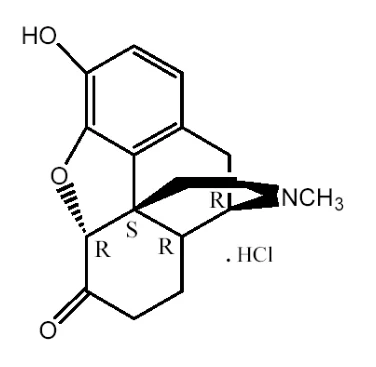
Physicochemical properties:
HYDROmorphone hydrochloride is a white or almost white crystalline powder that is freely soluble in water, very slightly soluble in ethanol (96%) and practically insoluble in methylene chloride. HYDROmorphone hydrochloride has a pKa of 8.1 for the deprotonation of the NH+ group and a pKa: 9.6 for the deprotonation of the phenolic group.
The specific rotation for HYDROmorphone hydrochloride at 20°C has a range of -136° to -140°.
CLINICAL TRIALS
JURNISTA® was studied in several clinical pain models including patients with cancer pain, osteoarthritis, low back pain, and other non-cancer chronic pain (see REFERENCES, Clinical). The safety profile of JURNISTA® from these studies was consistent with that of a strong opioid agonist (see ADVERSE REACTIONS).
Placebo-Controlled Studies
Table 2.1: Summary of Patient Demographics for JURNISTA® Clinical Trials
| Study # | Trial design | Dosage, route of administration and duration | Study subjects (n = number) | Mean age (Range) | Gender |
|---|---|---|---|---|---|
| M03-644 | Double-blind, fixed-dose, parallel-group, placebo-controlled study | Oral administration of JURNISTA® 8 mg, 16 mg, or placebo qd with 12 weeks double-blind treatment period | n = 981 (319 for 8 mg, 330 for 16 mg, 332 for placebo) | 59 y (22, 89) | 354 M 627 F |
| NMT 1077-301 | Placebo-controlled, double-blind study with a conversion and titration phase (C&T), and a double-blind phase (DB) | Oral administration of JURNISTA® 12 to 64 mg, or placebo qd | C&T phase: n = 447; DB phase: n= 266 (ITT: 133 for JURNISTA®, 133 for placebo) | 49.0 y (23,75) | C&T: 227 M, 220 F; DB: 132 M, 134 F |
Low Back Pain
Study Demographics and Trial Design
JURNISTA® was investigated in Study NMT01077-301, a double-blind, placebo-controlled, randomized withdrawal study in 266 opioid tolerant patients with moderate to severe chronic Low Back Pain. Patients who were stabilized previously with an immediate release strong opioid entered an open-label conversion and titration phase with JURNISTA®. The starting dose for conversion was approximately 75% of their total daily morphine equivalent dose. Patients were dosed with JURNISTA® once daily until adequate pain control was achieved, balanced against acceptable adverse reactions. Patients who achieved a stable dose entered a 12-week, double-blind, placebo-controlled, randomized treatment phase. Mean daily dose at randomization was 37.8 mg/day (median 32.0 mg/day, range of 12 mg/day to 64 mg/day). During the double-blind treatment phase, patients randomized to JURNISTA® continued with the stable dose achieved in the conversion and titration phase of the study. Patients randomized to placebo received JURNISTA® and matching placebo in doses tapering from the stable dose achieved in conversion and titration. Immediate release HYDROmorphone was provided for analgesia rescue throughout the JURNISTA® Conversion and Titration phase and double-blind treatment phase.
The primary efficacy outcome parameter, change in mean pain intensity on the 11-point Numeric Rating Scale (NRS) from baseline to Week 12, was 0.2 (median, range -5, 5) on JURNISTA® versus 1.6 (median, range -3, 7) on placebo (p < 0.001). Results from secondary outcome parameters based on change from baseline to Week 12, such as patient global assessment, and Roland Morris Disability Questionnaire were supportive. During the 12-week double-blind withdrawal study phase, the percentage of drop-outs was 66.9% in patients on placebo versus 50.4% in patient on JURNISTA® (p < 0.01).
Comparative Bioavailability Studies
Comparative bioavailability between JURNISTA® and Immediate-Release (IR) HYDROmorphone tablet has been evaluated in single- and multi-dose studies. To block the opioid effects of HYDROmorphone during study treatment, each subject received oral naltrexone 50 mg as an opioid antagonist in each treatment period.
Study PAI-1008 was a randomized, open-label, three-way crossover study conducted in 30 healthy male and female adult subjects. This study assessed the relative bioavailability of HYDROmorphone following the oral administration of a daily dose of JURNISTA® (OROS® HYDROmorphone) 16 mg and DILAUDID® (IR HYDROmorphone) 4 mg q6h. Additionally, the effects of a high-fat meal on the pharmacokinetics of JURNISTA® 16 mg were also assessed.
The following table summarizes the pharmacokinetic parameters for JURNISTA® and IR HYDROmorphone under fasted condition.
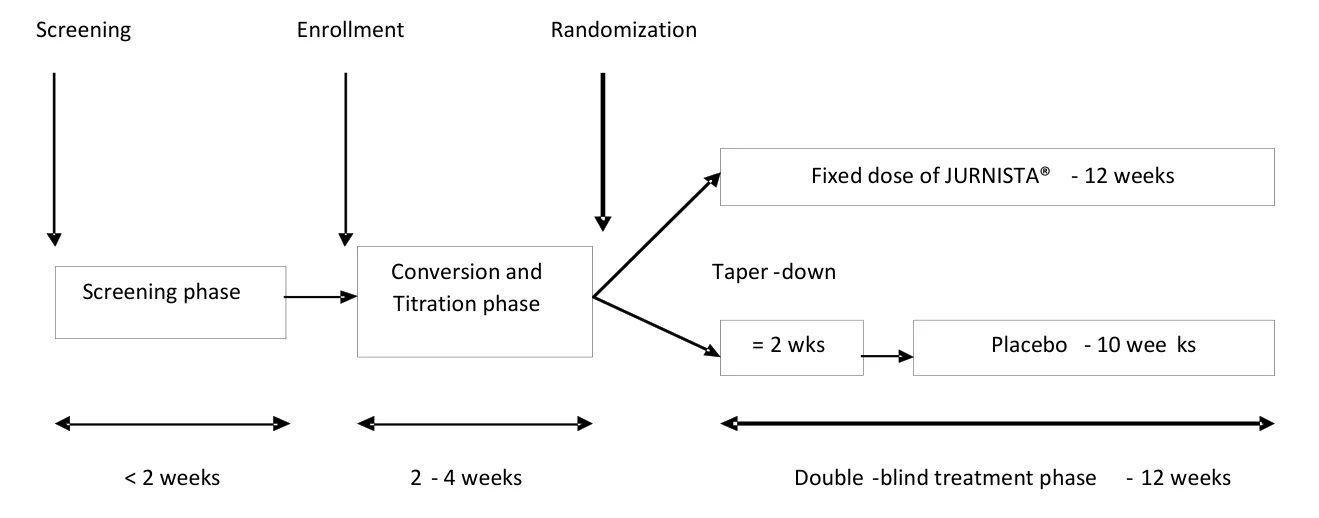
JURNISTA® 16 mg qd HYDROmorphone IR 4 mg q6h From Measured Data Geometric Mean Arithmetic Mean (±SD) | ||||
|---|---|---|---|---|
| Parameter | JURNISTA® | IR HYDROmorphone | % Ratio of Geometric Means | 90% Confidence Interval |
| AUClast (ng.h/mL)* | 44.696 | 42.836 | 104.3 | 94.9 - 114.7 |
| AUC∞ (ng.h/mL)* | 47.578 | 44.436 | 107.1 | 97.0 - 118.1 |
Cmax € (ng/mL) | 1.89 (0.484) | 3.57 (1.46) | ||
Tmax§ (h) | 17.9 (6.01-24.2) | 18.5 (18.5-20.0) | ||
T½€ (h) | 14.4 (6.04) | 12.7 (3.43) | ||
*AUC values are expressed as the geometric mean
§ Expressed as the arithmetic median (range)
€ Expressed as the arithmetic mean (SD)
The JURNISTA® and IR HYDROmorphone formulations administered under fasting conditions were bioequivalent with respect to AUClast and AUC∞. Additionally, the JURNISTA® formulation administered under fasting and fed conditions were bioequivalent with respect to Cmax and AUC.
Study PAI-1009 was a randomized, open-label, multi-dose, two-way crossover study conducted in 29 healthy male and female adult subjects. This study assessed the steady-state relative bioavailability and pharmacokinetics of HYDROmorphone following oral administration of JURNISTA® (OROS® HYDROmorphone) 16 mg qd and DILAUDID® (IR HYDROmorphone) 4 mg q6h for five days. The following table summarizes the multiple-dose pharmacokinetic parameters for JURNISTA® and IR HYDROmorphone.
JURNISTA® 16 mg qd HYDROmorphone IR 4 mg q6h From Measured Data Geometric Mean Arithmetic Mean (±SD) | ||||
|---|---|---|---|---|
| Parameter | JURNISTA® | IR HYDROmorphone | % Ratio of Geometric Means | 90% Confidence Interval |
| AUC0-τ* (ng.h/mL)‡ | 55.677 | 52.915 | 105.2 | 99.9 – 110.8 |
| Cmax,ss € (ng/mL) | 3.54 (0.959) | 5.28 (1.37) | ||
| Cmin,ss€ (ng/mL) | 2.15 (0.872) | 1.47 (0.417) | ||
| Cave,ss € (ng/mL) | 2.40 (0.678) | 2.28 (0.618) | ||
| tmaxss§ (h) | 11.9 (5.92-24.2) | 7.00 (0.500-18.8) | ||
| Flux (%) | 60.5 (41.1) | 172 (57.6) | ||
*AUC values are expressed in geometric mean
€ Expressed as the arithmetic mean (±SD)
§ Expressed as median (range)
JURNISTA® 16 mg qd attained steady-state concentrations by Day 4 and was shown to maintain steady-state HYDROmorphone plasma concentrations within the same range as IR HYDROmorphone 4mg q6h tablets, although with reduced plasma level fluctuation.
DETAILED PHARMACOLOGY
Pharmacodynamics
HYDROmorphone is an opioid analgesic with ATC code: N02AA03.
HYDROmorphone hydrochloride is a hydrogenated ketone of morphine. In vitro assays demonstrate that HYDROmorphone binds to the opioid μ-receptor with high affinity with Ki = 0.24 nM, which is 7 times that of morphine (Ki = 1.8 nM). In a comparison of the binding affinity to the μ-receptor, the selectivity of HYDROmorphone is 60-fold versus the δ-receptor, and 52-fold versus the κ-opioid receptor, while morphine binding affinity is 89-fold versus the δ-receptor and 26-fold versus the κ-opioid receptor. Whereas analgesia appeared to correlate with μ-binding affinity, activation of κ-receptors is considered to be responsible, among other adverse effects, for cardiac changes, such as arrhythmias during ischemia/reperfusion seen in the isolated rat heart.
TOXICOLOGY
The potential toxicity of HYDROmorphone has been evaluated in single-dose, repeat-dose, mutagenicity, reproduction and developmental studies. The oral tolerability of JURNISTA® was evaluated in a repeat-dose study and the intravenous toxicity of the major polyethylene oxide excipients was evaluated in single and repeat dose studies.
Single-Dose Toxicity
Summary of the acute toxicity studies is presented in the following table. The acute intoxication in rodents is characterised by respiratory depression and CNS depression in terms of sedation, agitation, effects on eyes as well as weakness and uncoordinated muscle movements.
Table 2.2: Single-Dose Toxicity
| Species (Strain) / Sex & No./Dose Group | Duration / Route / Dose (mg/kg) | Noteworthy Findings / NOAELa (mg#/kg) |
Mouse (NMRI) / 5M, 5F | Single dose/ Oral (gavage) 0, 46.4, 147, 215, 261 | Straub tail, hyperactivity, stiff gait, rough coat, ataxia / M: 46.4, F: 147 |
Mouse (NMRI) / 5M, 5F | Single dose/ Intravenous / 0, 14.7, 21.5, 31.6, 46.4, 68.1, 100.0 | Straub tail, hyperactivity, intermittent apathy, stiff gait, exophthalmos, clonic convulsions, ataxia / M: 46.4, F: 68.1 |
Rat (Wistar) / 5M, 5F | Single dose / Oral (gavage) / 0, 1.0, 10.0, 21.5, 31.6 | Exophthalmos, opisthotonus, hyperphagia of bedding, lassitude, gnawing of tail / M: 10, F: 21.5 |
Rat (Wistar) / 5M, 5F | Single dose / Intravenous / 0, 1.0, 4.64, 6.81 | Prone position, stiffness, lassitude, exophthalmos, flat respiration, impaired grip strength/pinna reflex/toe pinch reflex, red discoloration of paws, hyperactivity, compulsive grooming / M & F: 1.0 |
a NOAEL: No Observed Adverse Effect Level
# expressed as HYDROmorphone base
Repeat-Dose Toxicity
HYDROmorphone
In mice, repeated oral administration of HYDROmorphone resulted in increased activity, rough coat, Straub tail, inappetence and in females only, vocalization. Following repeat-dose administration to rats, there were no signs of respiratory depression; however, distinct symptoms of CNS depression predominated. In addition to the findings of acute intoxication, the animals showed abnormal behaviour (i.e. aggressiveness), inappetence (i.e. reduction of food consumption and body weight), and effects on eyes (i.e. mydriasis) and gastrointestinal tract (i.e. diarrhea), as well as rigid posture indicating uncoordinated muscle movements.
The frequently observed side effects in repeatedly dosed dogs included respiratory depression and CNS depression in terms of sedation, vomiting, salivation, abnormal behaviour, hypothermia, inappetence, effects on eyes and gastrointestinal tract, as well as uncoordinated muscle movements (i.e. imbalance, abnormal posture/recumbency or tremor). To a lesser degree, circulatory depression in terms of a decrease in blood pressure (probably due to peripheral vasodilation) and a compensatory increase in heart rate was also observed.
Following chronic administration of oral HYDROmorphone to rats (for at least 39 weeks), there were signs of tolerance to the treatment-related effects, but no symptoms of withdrawal were observed in the course of the study. A summary for the pivotal repeated-dose studies for HYDROmorphone is provided in Table 2.3.
OROS® HYDROmorphone: Gastrointestinal Tolerability
The gastrointestinal tolerability of 30-day daily administration of OROS® HYDROmorphone was assessed in dogs in comparison with oral immediate-release HYDROmorphone at 64 mg/day. The OROS® HYDROmorphone dosage form was as equally well tolerated as immediate-release HYDROmorphone, at similar exposures, with no gastric irritation apparent.
Polyethylene Oxide: Excipient
Polyethylene oxides, POLYOX™ 200K and POLYOX™ 2000K, are the major OROS® tablet excipients that provide the osmotic engine for the OROS® controlled-release mechanism. Both POLYOX 200K and POLYOX 2000K are metabolically inert and well tolerated by the oral route at doses up to 2000 mg/kg/day over extended periods of administration.
Due to the known potential for parenteral abuse of HYDROmorphone, in particular via the intravenous route, the toxicologic risk presented by inadvertent intravenous co-administration of the OROS® HYDROmorphone tablet polyethylene oxide excipients was investigated. When administered intravenously to rats, both forms of POLYOX were found to be poorly tolerated, while POLYOX 2000K caused mortality at the highest doses tested, supporting findings reported in literature. Both forms of POLYOX remained in the circulation at high concentrations for extended periods, consistent with their high molecular weights and lack of metabolic clearance pathway.
Table 2.3: Repeat-Dose Toxicity
Species and Strain/ Sex / No./Group | Duration of Dosing / Method of Administration/ Doses# (mg/kg) or (units) # | Noteworthy Findings / NOAELa (mg/kg) |
|---|---|---|
Rat (Wistar) / 10M, 10F | 4 weeks / Oral (gavage) / 0, 3.5, 7.0, 14.0 | No mortality. In all dose groups, M & F: signif. decrease in body weight change; non-signif. decrease in food consumption; neurobehavioural clinical signs including hyperactivity, compulsive chewing; at 7 mg/kg and above, exophthalmus; at 14 mg/kg, alopecia and ophthalmic observations 9/10M, 4/10F. From 3.5 mg/kg in M & F, signif. decreased triglycerides and urea; increased bilirubin. From 3.5 mg/kg: signif. increased (M > F) organ weights over controls: brain, heart, liver, adrenal glands, testes (M), decreased thymus. No significant effects in 4-week recovery group. / M, F: 3.5 |
Rat (Wistar) / 20M, 20F | 27 weeks / Oral (gavage) / 0, 3.5, 7.0, 14.0 | One M died in each of 3.5 and 14 mg/kg groups. In all dose groups, M & F: decrease in body weight change (M > F); neurobehavioural clinical signs including hyperactivity, compulsive chewing; self-mutilation, sedation, lassitude, mydriasis, diarrhea, exophthalmus, alopecia, rough coat; from 7.0 mg/kg, aggressiveness, rigid posture, and increased ophthalmic observations (lens opacities). From 3.5 mg/kg in M > F, occasional signif. increased K, decreased Na, Ca, protein, triglycerides. From 3.5 mg/kg: signif. increased (M > F) organ weights over controls: brain, heart, liver, adrenal glands, testes (M). From 3.5 mg/kg, gross pathology showed hepatocellular atrophy in M with increasing incidence, retinal atrophy; from 7 mg/kg minimal adnexal atrophy; at 14 mg/kg lungs showed granulomas, confirmed histopathologically. Occasional increased organ weights remained significant effects in recovery group. / M, F: 3.5 |
Dog (Beagle) / 4M, 4F | 30 days / Oral JURNISTA® (tablets) / 0, 8, 64 mg/animal DILAUDID® (tablets) / 64 (2 x 32) mg/animal | One F dosed with Dil-IR died. Dil-IR M & F: excess salivation; increased fasting glucose. In F in all groups and M at 64 mg OHM and Dil-IR, vomiting, unformed stool, decreased activity, tremors, ophthalmoscopy findings. / M, F: 8 |
Dog (Beagle) / 4M, 4F | 4 weeks / Oral (capsules) / 0, 1.75, 3.5, 7 | No mortality. From 1.75 mg/kg, F: signif. decreased body weight. At 7 mg/kg, week 4, M & F: signif. decreased mean arterial blood pressure, increased heart rate; sl. increased Na; increased CL. At 7 mg/kg, M: signif. decreased spleen weight. In gross pathology, from 3.5 mg/kg: diminished size thymus; enlarged adrenals, liver; at 7.0 mg/kg: diminished size prostate; emaciation/dehydration noted. At 7 mg/kg histopathology showed increased gastric mucus, focal adrenocortical hypertrophy, increased cortical atrophy. / M, F: 3.5 |
Dog (Beagle) / 7M, 7F | 39 weeks / Oral (capsules) / 0, 1.75, 4.0, 9 | No mortality. From 1.75 mg/kg, M & F: clinical observations of sedated, foamy salivation, incomplete food consumption, ventral recumbency. At week 38, from 1.75 mg/kg, M & F: signif. increased glucose; decreased ALT (except 1.75 & 4 mg/kg M). From 4.0, M: signif. increased pituitary gland weight. From 1.75, M & F: histopathology showed many observations in 1 or 2 animals, with no clear dose-related pattern of incidence except granulocytic infiltrates in kidneys observed in 3-4 animals per group. / M, F: 9 |
a NOAEL: No Observed Adverse Effect Level
# Doses in mg of HYDROmorphone base
Mutagenic Potential
HYDROmorphone under in vitro and in vivo conditions was neither mutagenic nor clastogenic. Details of the studies are provided in Table 2.4.
Table 2.4: Genotoxicity
Type of Test / Species and Strain / No./Group | Duration of Dosing / Method of Administration / Concentrations (units) / Doses (mg/kg) # | Noteworthy Findings |
| Ames Test: Reverse Mutation Assay / Salmonella typhimurium (TA98, TA100, TA1535, TA1537) | In vitro/ 100–5000 µL/plate | No mutagenicity No cytotoxic effects |
Ames Test: Reverse Mutation Assay / Salmonella typhimurium (TA98, TA100, TA1535, TA1537, TA102) | In vitro/ 33–5000 µL/plate | No mutagenicity Assay #1: Slight effects without S9 mix in TA100 at 5000 µg/plate Assay #2: Slight effects without S9 mix in TA1537 at 5000 µg/plate |
Chromosome Aberration Test / Human lymphocytes / | Single dose / Oral (gavage) / 400–3200 µg/mL | No mutagenicity or clastogenicity Assay #1: Only slightly reduced mitotic index (MI) at top dose without S9 mix (3200µg/mL). Assay #2: Distinctly reduced MI after 22.5h and 46h continuous treatment without S9 mix only observed at 1600 µg/mL. |
Micronucleus Assay/ Mouse (NMRI) / 6M, 6F | Single dose / Oral (gavage)/ 10, 33.3, 100 (mg/mL) | No genotoxicity effects observed MTD: 100 mg/kg, 3/24 animals died prematurely at this dose. Cytotoxic effect only at 100 mg/kg at 48h. |
# Doses in mg of HYDROmorphone base
Carcinogenesis and Mutagenesis
Long-term studies to evaluate the carcinogenic potential of hydromorphone hydrochloride were completed in both Han-Wistar rats and Crl:CD1® (ICR) mice. Hydromorphone HCl was administered to Han-Wistar rats (0, 2, 5, and 15 mg/kg/day for males, and 0, 8, 25 and 75 mg/kg/day for females) for 2 years by oral gavage. In female rats, combined incidences of benign and malignant hibernoma (tumour of brown fat) were not seen at 0 mg/kg/day and at 8 mg/kg/day, but were increased at 4.2 times the maximum recommended human daily exposure based on AUC at the mid dose (2 tumours, 25 mg/kg/day) and 21.7 times the maximum recommended human daily exposure based on AUC at the maximum dose (4 tumours, 75 mg/kg/day). In male rats, the combined incidences of benign and malignant hibernomas were observed at 0 mg/kg/day (2 tumours); 2 mg/kg/day (1 tumour); 5 mg/kg/day (2 tumours); and 15 mg/kg/day (0 tumours). The clinical relevance of these rodent brown fat tumours to humans has not been established.The systemic drug exposure (AUC, ng•h/mL) at the 15 mg/kg/day in male rats was 3.1 times greater than the human exposure after a single 64 mg dose of JURNISTA®. There was no evidence of carcinogenic potential in Crl:CD1® (ICR) mice administered hydromorphone HCl at doses up to 15 mg/kg/day for 2 years by oral gavage (0, 1.5, 5 and 15 mg/kg/day for both males and females). The systemic drug exposure (AUC, ng•h/mL) at the 15 mg/kg/day in mice was 0.4 (in males) and 0.5 (in females) times the human exposure at a single
64 mg dose of JURNISTA®. Full microscopic examination was carried out for all mice and rats in only the control and high dose groups.
Reproduction and Developmental Studies
In reproductive and developmental studies in rats and rabbits, no effects on male or female fertility or sperm parameters were observed in rats at oral HYDROmorphone doses of up to 6.25 mg/kg/day. No effect was observed on female reproductive parameters at oral doses of up to 25 mg/kg/day in rabbits, or 3.13 mg/kg/day in rats. In rats, a slight but statistically significant reduction in implantations was observed at 6.25 mg/kg/day, a dose level that produced maternal toxicity (weight loss) during the mating period. There was no evidence of teratogenicity or toxicity to the developing rat fetus at oral doses of 6.25 mg/kg/day. Plasma exposure (AUC) to HYDROmorphone at this dose level was 135 ng.hr/mL, approximately 1.5 times the human exposure (AUC) based on the median daily dose. Neonatal viability and survival was reduced in preweaning rats, at the maternal oral daily dose of 6.25 mg/kg. The latter appears to be a class effect of an opioid analgesic. In view of the demonstrated ability of HYDROmorphone to cross the placental barrier in rats and rabbits and to be excreted in breast milk of rats and humans, HYDROmorphone (and also other morphine-like drugs) should not be used during labour or in nursing mothers. Reproduction and teratology studies are summarized in Table 2.5.
Table 2.5: Reproductive and Developmental Toxicity
Type of Study / Species (Strain) / No./Group | Duration of Dosing / Method of Administration / Doses (mg/kg) # | Noteworthy Findings / NOAELa |
|---|---|---|
Segment I: Fertility and Early Embryonic Development / Rat (Sprague-Dawley) / 20M, 20F | Males: 28 days premating Females: 14 days premating to 7th day of gestation / Oral (gavage) / 0, 1.56, 3.13, 6.25 | Males: no mortalities. From 1.56 mg/kg: increased restlessness, motor activity and self-mutilation. From 3.13 mg/kg: loss of hair; decreased body weight; slight decrease in spermatids/g testicular tissue. Females: no mortalities. From 1.56 mg/kg: increased restlessness, motor activity. From 3.13 mg/kg: loss of hair; decreased body weight, premating & gestational. At 6.25 mg/kg: decreased: mean no. corpora lutea; signif. mean no. implantations; mean no. live conceptuses; NOAEL F0 M: <1.56 mg/kg; NOAEL F0 F: <1.56 mg/kg; NOAEL F1 litters: 3.13 mg/kg |
Segment II: Effects on Embryofetal Development / Rat (Sprague-Dawley) / 20F | Females: 11 days (6th to 17th day of gestation) / Oral (gavage) / 0, 1.56, 3.13, 6.25 | No mortalities. No fetal abnormalities. From 1.75 mg/kg: signif. decreased body weight, premating & gestational. From 3.13 mg/kg: signif. increased restlessness, motor activity, loss of hair; signif. decreased food consumption. At 6.25 mg/kg: signif. decreased mean no. implantations; increased mean % post-implantation loss. NOAEL F0 F: 1.56 mg/kg; NOAEL F1 litters: 3.13 mg/kg |
Segment II: Effects on Embryofetal Development (non-pivotal) / Rabbit (Himalayan) / 2F (both pregnant) | Females: 14 days (6th to 20th day of gestation) / Oral (gavage) / 0, 1.56, 3.13, 6.25, 12.5 | No mortality in dams; no fetal abnormalities. From 1.56 mg/kg: decreased body weight; decreased food consumption. At 12.5 mg/kg: increased resorptions; increased % mean pre-implantation loss; decreased fetal body weight. NOAEL F0 F: 12.5 mg/kg; NOAEL F1 litters: >12.5 mg/kg |
Segment II: Effects on Embryofetal Development / Rabbit (Himalayan) 20F | Females: 14 days (6th to 20th day of gestation) / Oral (gavage) / 0, 6.25, 12.5, 25 | No mortality in dams; no dose-related fetal abnormalities. From 12.5 mg/kg: reduced motility. At 25 mg/kg: abdominal position, mydriasis, sedation; signif. decreased body weight; signif. decreased food consumption. From 12.5 mg/kg: increased mean % preimplanation loss; decreased fetal body weight. NOAEL F0 F: 6.25 mg/kg; NOAEL F1 litters: 25 mg/kg |
Segment III: Effects Pre- and Postnatal Development Including Maternal Function / Rat (Sprague-Dawley) / 20F | Females: 27 days (6th day of gestation to 21st day of lactation) / Oral (gavage) / 0, 1.56, 3.13, 6.25 | F0: One mortality each at 1.56 and 6.25 mg/kg. No abnormal parturition. From 1.56 mg/kg: thin fur. At 3.13 mg/kg: self-mutilation; signif. decreased gestational body weight and food consumption, and lactational food consumption. F1 litters (preweaning), at 6.25 mg/kg: signif. decreased viability index - mean litter index (%) and overall survival - mean litter index (%); M & F: signif. decreased Day 1 mean body weights. F1 pups: no clinical signs and no abnormalities; F2: No fetal abnormalities NOAEL F0 F: <1.56 mg/kg ; NOAEL F1 litters: 1.56 mg/kg; NOAEL F2 litters: 6.25 mg/kg |
a NOAEL: No observed adverse effect level
# Doses in mg of HYDROmorphone base
REFERENCES
PreClinical
- 1. Dow Chemical Company. POLYOX Water-Soluble Resins Applications. Dow Chemical Company. 2006. Dow Chemical Company website. Information on the Pharmaceutical use of POLYOX Water Soluble Resins. http://www.dow.com/dowwolff/en/pdf/Polyox.pdf, accessed August 2, 2013.
- 2. Edwards JE, Rudy AC, Wermeling DP, Desai N, McNamara PJ. Hydromorphone transfer into breast milk after intranasal administration. Pharmacotherapy. 2003;23(2):153-158.
- 3. Fields HL. Brainstem mechanisms of pain modulation: anatomy and physiology. In: Opioids II, eds Herz A, Akil H, Simon EJ, Berlin, Heidelberg: Springer-Verlag, Handbook of Experimental Pharmacology. 1993; 104/II: 3-20.
- 4. Knapp RJ, Malatynska E, Collins N, Fang L, Wang JY, Hruby VJ, Roeske WR, Yamamura HJ. Molecular biology and pharmacology of cloned opioid receptors. FASEB J. 1995; 9: 516-525.
- 5. Mignat C, Wille U, Ziegler A. Affinity profile of morphine, codeine, dihydrocodeine and their glucuronides at opioid receptor subtypes. Life Sci. 1995; 56(10): 793-799.
- 6. Muenter, K. The effects of opioids on cardiac electrophysiology, white paper review, Knoll AG, 2000 (1-10).
- 7. Smyth Jr HF, Weil CS, Woodside MD, Knaak JB, Sullivan LJ, Carpenter CP. Experiemental toxicity of a high molecular weight poly (ethylene oxide). Toxicol & Applied Pharmacol. 1969; 16: 442-445.
Clinical
- 1. Angst MS, Drover DR, Lötsch J, Ramaswamy B, et al. Pharmacodynamics of orally administered sustained-release hydromorphone in humans. Anesthesiology 2001; 94:63–73.
- 2. Drover DR, Angst MS, Valle M, et al. Input characteristics and bioavailability after administration of immediate and a new extended-release formulation of hydromorphone in healthy volunteers. Anesthesiology 2002; 97:827–36.
- 3. Palangio M, Northfelt DW, Portenoy RK, et al. Dose conversion and titration with a novel, once-daily, OROS® osmotic technology, extended-release hydromorphone formulation in the treatment of chronic malignant or nonmalignant pain. Journal of Pain and Symptom Management 2002; 23 (5): 355-368.
- 4. Sathyan G, Xu E, Thipphawong J, Gupta SK. Pharmacokinetic profile of a 24-hour controlled-release OROS® formulation of hydromorphone in the presence and absence of food. BMC Clinical Pharmacology 2007; 7:2.
- 5. Sathyan G, Xu E, Thipphawong J, Gupta SK. Pharmacokinetic investigation of dose proportionality with a 24-hour controlled-release formulation of hydromorphone. BMC Clinical Pharmacology 2007; 7:3 doi:10.1186/1472-6904-7-3.The electronic version of this article is the complete one and can be found online at: http://www.biomedcentral.com/1472-6904/7/3.
- 6. Wallace M, Skowronski R, Khanna S, Tudor IC, and Thipphawong, J. Efficacy and safety evaluation of once-daily OROS hydromorphone in patients with chronic low back pain: a pilot open-label study (DO-127). Current Medical Research and Opinion 2007; 23(5): 981–989.
- 7. Hale M, Tudor IC, Khanna S, Thipphawong, J. Efficacy and tolerability of once-daily OROS® hydromorphone and twice-daily extended-release oxycodone in patients with chronic , moderate to severe osteoarthritis pain: Results of a 6-weeks, randomized, open-label, noninferiority analysis. Clinical Therapeutics 2007; 29(5): 874-888.
- 8. Wallace M, Rauck RL, Moulin D, Thipphawong J, Khanna S, Tudor IC. Once-daily OROS® hydromorphone for the management of chronic nonmalignant pain: a dose-conversion and titration study. Int J Clin Pract 2007: 6(10): 1671–1676.
- 9. Gupta S, Sathyan, G, Providing Constant Analgesia with OROS-Hydromorphone, Journal of Pain and Symptom Management 2007; 33(2S): S19-S24
- 10. Sathyan G, Sivakumar K, Thipphawong J. Pharmacokinetic Profile of a 24-Hour Controlled-Release OROS® Formulation of Hydromorphone in the Presence of Alcohol. Current Medical Research and Opinion 2008; 24(1): 297-305.
- 11. Wallace M, Rauck RL, Moulin D, Thipphawong J, Khanna S, Tudor IC. Conversion from standard opioid therapy to once-daily oral extended-release hydromorphone in patients with chronic cancer pain. The Journal of International Medical Research 2008; 36: 343-352.
- 12. Gajria K, Kosinski M, Schein J, Kavanagh S, and Dubois D. Health-related quality-of-life outcomes in patients treated with push-pull OROS hydromorphone versus extended-release oxycodone for chronic hip or knee osteoarthritis pain, A randomized, open-label, parallel-group multicenter study. Patient 2008; 1(3): 223-238.
- 13. Hanna M, Thipphawong J and the 118 study group. A randomized, double-blind comparison of OROS hydromorphone and controlled-release morphine for the control of chronic cancer pain. BMC Palliative Care 2008; 7:17. doi: 10.1186/1472-684X-7-17.
- 14. Wallace M, Moulin DE, Rauck RL, Khanna S, Tudor IC, Skowronski R, Thipphawong J. Long-term safety, tolerability and efficacy of OROS hydromorphone in patients with chronic pain. J Opioid Management 2009; 5(2): 97-105.
- 15. Hanna M, Tuca A, Thipphawong J. An open-label, An open-label, 1-year extension study of the long-term safety and efficacy of once-daily OROS® hydromorphone in patients with chronic cancer pain. BMC Palliative Care 2009, 8:14doi:10.1186/1472-684X-8-14.