


Product Monograph - Kinlytic (Urokinase for Injection)
INDICATIONS AND CLINICAL USE
Pulmonary Embolism
Kinlytic® is indicated in adults for the lysis of acute massive pulmonary emboli, defined as obstruction of blood flow to a lobe or multiple segments, and for the lysis of pulmonary emboli accompanied by unstable hemodynamics, i.e. failure to maintain blood pressure without supportive measures.
The diagnosis should be confirmed by objective means, such as pulmonary angiography via an upper extremity vein, or non-invasive procedures such as lung scanning.
Angiographic and hemodynamic measurements demonstrate a more rapid improvement with lytic therapy than with heparin therapy 3-7.
Urokinase treatment should be instituted as soon as possible after onset of pulmonary embolism, preferably no later than seven days after onset. Any delay in instituting lytic therapy to evaluate the effect of heparin decreases the potential for optimal efficacy 8.
Coronary Artery Thrombosis
Kinlytic® has been reported to lyse acute thrombi obstructing coronary arteries, associated with evolving transmural myocardial infarction 9-16. The majority of patients who received KINLYTIC® by intracoronary infusion within six hours following onset of symptoms showed recanalization of the involved vessel.
IT HAS NOT BEEN ESTABLISHED THAT INTRACORONARY ADMINISTRATION OF KINLYTIC® DURING EVOLVING TRANSMURAL MYOCARDIAL INFARCTION RESUL TS IN SALVAGE OF MYOCARDIAL TISSUE, NOR THAT IT REDUCES MORTALITY. THE PATIENTS WHO MIGHT BENEFIT FROM THIS THERAPY CANNOT BE DEFINED.
When urokinase is used for the treatment of coronary artery thrombosis associated with evolving transmural myocardial infarction, therapy should be instituted within six hours of symptom onset.
Peripheral Arterial and Graft Thromboembolic Occlusion
Kinlytic® has been shown to be effective in lysing occlusive thromboemboli in peripheral arteries and grafts, resulting in revascularization of the ischemic limb 17-19. The use of Kinlytic ® to lyse arterial emboli originating from the left side of the heart (e.g., in mitral stenosis accompanied by atrial fibrillation) should be avoided due to the danger of new embolic phenomena, including those to cerebral vessels (see WARNINGS section).
When urokinase is used for the treatment of peripheral arterial thromboembolic occlusion, therapy should be instituted as soon as possible after the diagnosis has been established.
I.V. Catheter Clearance
Kinlytic ® is indicated for the restoration of patency to intravenous catheters, including central venous catheters, obstructed by clotted blood or fibrin 20,21. A product called KINLYTIC ® OPEN-CATH® is also available for this purpose in DIL-U-VIAL containing 5,000 IU or 9,000 IU per vial. (See Kinlytic Open-Cath Product Monograph for information regarding this product.)
CONTRAINDICATIONS
Because thrombolytic therapy increases the risk of bleeding, KINLYTIC® (urokinase for injection) is contraindicated in the following situations (see WARNINGS section): active internal bleeding, history of cerebrovascular accident, recent (within two months) intracranial or intraspinal surgery, recent trauma including cardiopulmonary resuscitation, intracranial neoplasm, arteriovenous malformation or aneurysm, known bleeding diathesis, severe uncontrolled arterial hypertension, aortic dissection and history of hypersensitivity to urokinase.
Kinlytic ® alone or in combination with anticoagulants may cause bleeding complications. Therefore careful monitoring is advised.
Rapid lysis of coronary thrombi, resulting in reperfusion, has been reported occasionally to cause atrial or ventricular dysrhythmias requiring immediate treatment.
Thrombolytic revascularization should not be attempted in any patient whose ischaemia has been of sufficient severity and /or duration to cause both motor and sensory paresis.
WARNINGS
Kinlytic is produced from cultures of primary human neonatal kidney cells. Products manufactured from human source materials have the potential to transmit infectious agents. Procedures to control such risks can reduce but cannot completely eliminate the risk of transmitting infectious agents. The procedures used in the manufacture of currently available Kinlytic raise concerns regarding the risk of transmission of infectious agents. In considering this risk, the prescriber should be aware of the following information regarding currently available lots of Kinlytic:
The kidney cells used in the manufacture of this product were obtained from populations at high risk for a variety of infectious diseases, including tropical diseases. Although efforts were made to screen and test the mothers and neonate donors, the screening and testing measures were inadequate and were not consistently or reliably performed. For example, the screening of potential donors did not include the questioning of the mothers to determine infectious disease status or specific risk factors for infectious diseases, and donors were not tested for hepatitis C virus (HCV) infection. While Abbott has recently instituted a test for HCV in kidney cells used in the manufacture of currently available lots of Kinlytic this test has not been validated. A viral inactivation procedure that has been shown to substantially inactivate HIV and HCV in other biological products was used in the production of the currently available product. However, this process has variable effects on other infectious agents and has not been fully validated for viral inactivation of Kinlytic.
Bleeding: The aim of urokinase treatment is the production of sufficient amounts of plasmin for lysis of intravascular deposits of fibrin; however, fibrin deposits which provide hemostatis, for example, at sites of needle puncture, will also lyse, and bleeding from such sites may occur. Therefore urokinase therapy requires careful attention to an increased frequency of bleeding complications in patients with pre-disposing hemostatic defects, to potential bleeding sites e.g. catheter entry sites, arterial puncture sites, and prosthetic Dacron 22 and Gore-Tex grafts 23,24.
Intramuscular injections and nonessential handling of the patient must be avoided during treatment with urokinase. Venipunctures should be performed carefully and as infrequently as possible.
Should an arterial puncture be necessary (except for intracoronary ad ministration), upper extremity vessels are preferable. Pressure should be applied for at least 30 minutes, a pressure dressing applied, and the puncture site checked frequently for evidence of bleeding.
Should serious spontaneous bleeding (not controllable by local pressure) occur, the infusion of urokinase should be terminated immediately, and treatment instituted as described in the ADVERSE REACTIONS Section.
In the following conditions, the risks of therapy may be increased and should be weighed against
- 4 –
- the anticipated benefits: recent (within 10 days) major surgery, obstetrical delivery, organ biopsy, previous puncture of non-compressible vessels; recent (within 10 days) serious gastrointestinal bleeding; recent trauma including cardiopulmonary resuscitation; severe uncontrolled arterial hypertension; high likelihood of a left heart thrombus, e.g., mitral stenosis with atrial fibrillation; subacute bacterial endocarditis; hemostatic defects including those secondary to severe hepatic or renal disease; pregnancy; cerebrovascular disease; diabetic hemorrhagic retinopathy; any other condition in which bleeding might constitute a significant hazard or be particularly difficult to manage because of its location.
FIBRINOGEN LEVELS SHOULD BE KEPT GREATER THAN 100 mg PER 100 mL.
Complications in ischemia: During treatment of peripheral arterial and graft thromboembolic occlusion in patients who have had prolonged and/or severe ischemia, systemic complications including adult respiratory distress syndrome (ARDS) and acute tubular necrosis (ATN) have occurred following revascularization. Hypotension, hyperkalemia, lactic acidosis, ATN, congestive heart failure/ARDS, disseminated intravascular coagulation and death have been reported following the use of Kinlytic ® to revascularize a nonviable limb17
Distal embolization of the lysing clot with an associated increase in ischemic severity has been reported during intra-arterial treatment of peripheral arterial and graft thromboembolic occlusions. This condition usually responds to continued KINLYTIC® infusion at the site of the distally migrated clot (see DOSAGE AND ADMINISTRATION).
Use of anticoagulants: Concurrent use of anticoagulants with intravenous administration of ABBOKINAS E® (urokinase for injection) is not recommended. However, concurrent use of heparin should be used during intracoronary or intra-arterial administration of KINLYTIC®. Clinical studies with concurrent use of heparin and ABBOKI NASE® during intracoronary and intraarterial administration have demonstrated no tendency toward increased bleeding that would not be attributable to the procedure or KINLYTIC® alone 9,17 Nevertheless, careful monitoring for excessive bleeding is advised.
Arrhythmias: Coronary thrombolysis may result in arrhythmias associated with reperfusion. These arrhythmias (such as bradycardia, accelerated idioventricular rhythm, ventricular premature depolarization, ventricular tachycardia) are not different from those often seen in the ordinary course of acute myocardial infarction and may be managed with standard antiarrhythmic measures. It is recommended that antiarrhythmic therapy for bradycardia andlor ventricular irritability be available in patients who receive KINLYTIC®.
Cholesterol Embolization Syndrome: Cholesterol embolization has been reported in the literature following the intravenous administration of thrombolytic agents 25,26
I.V. Catheter Clearance: Excessive pressure should be avoided when KINLYTIC® is injected into the catheter. Such force could cause rupture of the catheter or expulsion of the clot into the circulation.
During attempts to determine catheter occlusion, vigorous suction should not be applied due to possible damage to the vascular wall or collapse of soft-wall catheters.
Catheters may be occluded by substances other than fibrin clots, such as drug precipitates. KINLYTIC® is not effective in such cases and there is the possibility that the substances may be forced into the vascular system.
PRECAUTIONS
KINLYTIC® (urokinase for injection) should be used in hospitals where the recommended diagnosis and monitoring techniques are available.
Thrombolytic therapy should be considered in all situations where the benefits to be achieved outweigh the risk of potentially serious hemorrhage. When internal bleeding does occur, it may be more difficult to manage than that which occurs with conventional anticoagulant therapy.
Use in Pregnancy: Reproduction studies have been performed in mice and rats at doses up to 1,000 times the human dose and have revealed no evidence of impaired fertility or harm to the fetus due to urokinase. There are, however, no adequate and well-controlled studies in pregnant women. Because animal reproduction studies are not always predictive of human response, this drug should be used during pregnancy only if clearly needed.
Use in Nursing Mothers: It is not known whether this drug is excreted in human milk. Because many drugs are excreted in human milk, caution should be exercised when urokinase is administered to a nursing woman.
Pediatric Use: Safety and effectiveness in children have not been established.
Drug Interactions: The interaction of urokinase with other drugs has not been studied. Drugs that alter platelet function should not be used. Common examples are: aspirin, indomethacin and phenylbutazone.
Although a bolus dose of heparin is recommended in conjunction with intracoronary or intra-arterial use of urokinase, oral anticoagulants or heparin should not be given concurrently with large doses of urokinase such as those used for pulmonary embolism. Concomitant use of intravenous urokinase and oral anticoagulants or heparin may increase the risk of hemorrhage (see WARNINGS section).
Laboratory tests: Before commencing thrombolytic therapy, obtain a hematocrit, platelet count, and a thrombin time (TT), activated partial thromboplastin time (APTT), or prothrombin time (PT).
If heparin has been given, it should be discontinued during the intravenous administration of KINLYTIC® for pulmonary embolism. Heparin should be used in conjunction with KINLYTIC® for intracoronary or intra-arterial administration.
During the infusion, coagulation tests and/or measures of fibrinolytic activity may be performed if desired. Results do not, however, reliably predict either efficacy or a risk of bleeding. The clinical response should be observed frequently, and vital signs, i.e., pulse, temperature, respiratory rate and blood pressure should be checked at least every four hours. The blood pressure should not be taken in the lower extremities to avoid dislodgment of possible deep vein thrombi.
Following the intravenous infusion of KINLYTIC® for pulmonary embolism, before reinstituting heparin, the TT or APTT should be less than twice the normal control value.
Following intracoronary infusion of KINLYTIC®, blood coagulation parameters should be determined and heparin therapy continued as appropriate.
Following intra-arterial infusion of KINLYTIC®, the administration of heparin is discontinued. The infusion catheter is removed one hour after cessation of heparin and urokinase infusion. Protamine sulfate (30 mg intravenously) is usually given a few minutes before the removal of the Catheter 17
ADVERSE REACTIONS
The following adverse reactions have been associated with intravenous therapy but may also occur with intra-arterial infusion.
Bleeding: The type of bleeding associated with thrombolytic therapy can be placed into two broad categories: a) superficial or surface bleeding, observed mainly at invaded or disturbed sites (e.g., venous cutdowns, arterial punctures, sites of recent surgical intervention, etc.), and b) internal bleeding, involving e.g., the gastrointestinal tract, genitourinary tract, vagina, or intramuscular, retroperitoneal, or intracerebral sites. Bleeding through Gore-Tex grafts has been reported.
Several fatalities due to intracranial or retroperitoneal hemorrhage have occurred during thrombolytic therapy.
Should serious bleeding occur, urokinase infusion should be discontinued, and if necessary, blood loss and reversal of the bleeding tendency can be effectively managed with whole blood (fresh blood preferable), packed red blood cells and cryoprecipitate or fresh frozen plasma. Dextran should not be used. Although the use of aminocaproic acid (ACA, AMICAR') in humans as an antidote for urokinase has not been documented, it may be considered in an emergency situation.
Allergic Reactions: In vitro tests with urokinase, as well as intradermal tests in humans, gave no evidence of induced antibody formation. Relatively mild allergic type reaction s, e.g., bronchospasm and skin rash, have been reported rarely. When such reactions occur, they usually respond to conventional therapy. In addition, rare cases of anaphylaxis have been reported.
Miscellaneous: Fever and chills, including shaking chills (rigors), nausea and/or vomiting, transient hypotension or hypertension, dyspnea, tachycardia, cyanosis, back pain, hypoxemia, and acidosis have been reported together and separately. Rare cases of myocardial infarction have also been reported. A cause and effect relationship has not been established.
Febrile episodes have occurred in approximately 2-3% of treated patients. Symptomatic treatment
of fever with acetaminophen is usually sufficient to alleviate discomfort. The use of acetaminophen rather than acetyl salicylic acid (ASA) is recommended,
SYMPTOMS AND TREATMENT OF OVERDOSAGE
KINLYTIC® (urokinase for injection) therapy should be discontinued if there is bleeding and fresh whole blood or fresh-frozen plasma should be administered; if these fail to control bleeding, the use of aminocaproic acid (ACA) is suggested although there is no documented evidence for this use in humans.
Mild external bleeding is usually controlled by the application of local pressure,
Local reaction involving development of a compartment syndrome and systemic effects including ARDS, ATN, DIC, lactic acidosis, hyperkalemia and hypotension have been observed as revascularization complications,
DOSAGE AND ADMINISTRATION
KINLYTIC® IS INTENDED FOR INTRAVASCULAR AND INTRACORONARY INFUSION ONLY AFTER RECONSTITUTION ACCORDING TO THE RECOMMENDATIONS DESCRIBED UNDER "Reconstituted Solutions".
A. Pulmonary Embolism
Heparin should be discontinued during the intravenous administration of KINLYTIC® for pulmonary embolism.
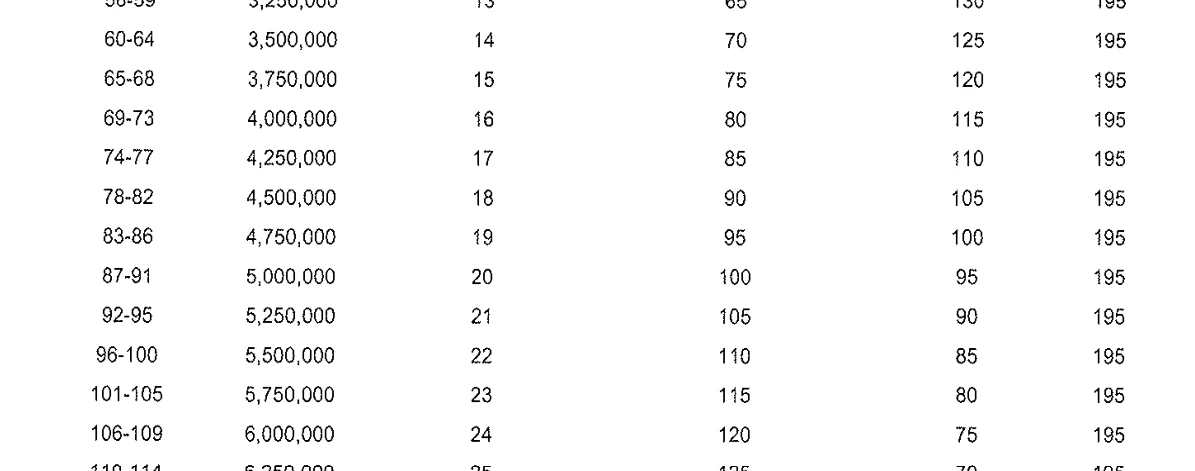
Reconstituted KINLYTIC® (urokinase for injection) (see Reconstituted Solutions) should be diluted with either 0,9% Sodium Chloride Injection USP or 5% Dextrose Injection USP prior to intravenous infusion (see Dilution before use, Table 1, Dose Preparation - Pulmonary Embolism).
Administer KINLYTIC® (urokinase for injection) by means of a constant infusion pump that is capable of delivering a total volume of 195 mL.
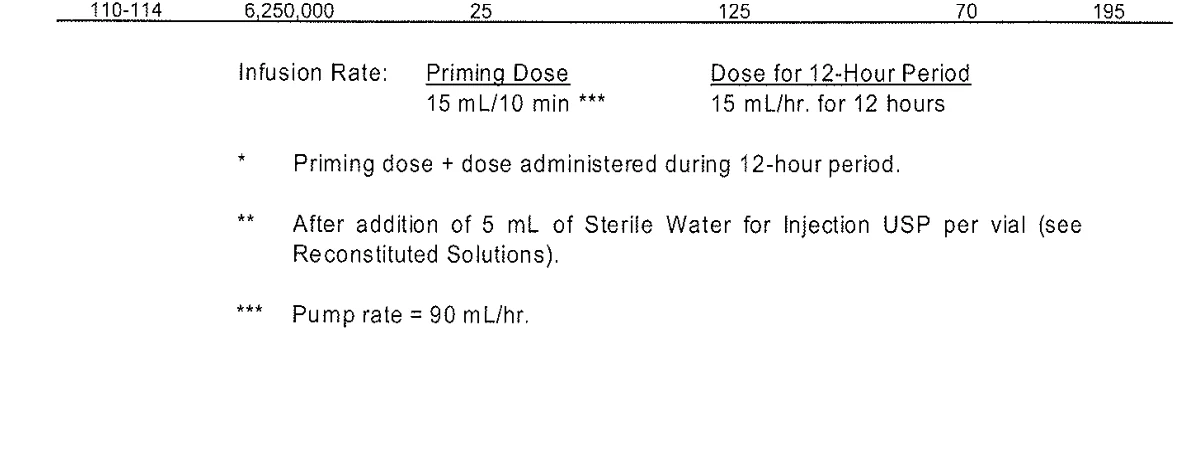
A priming dose of 4,400 IU/kg of KINLYTIC® is given as KINLYTIC 0,9% Sodium Chloride Injection or 5% Dextrose Injection admixture at a rate of 90 mL/hour over a period of 10 minutes. This is followed by a continuous infusion of 4,400 IU/kg/hr of KINLYTIC® at a rate of 15 mL/hour for 12 hours,
Since some KINLYTIC admixture will remain in the tubing at the end of an infusion pump delivery cycle, the following flush procedure should be
performed to insure that the total dose of KINLYTIC® is administered. A solution of 0.9% Sodium Chloride Injection, USP or 5% Dextrose Injection USP approximately equal in amount to the volume of the tubing in the infusion set should be administered via the pump to flush the KINLYTIC admixture from the entire length of the infusion set. The pump should be set to administer the flush solution at the continuous infusion rate of 15 mL/hour.
Anticoagulation After Terminating Urokinase Treatment: At the end of urokinase therapy, treatment with heparin by continuous intravenous infusion is recommended to prevent recurrent thrombosis. Heparin treatment, without a loading dose, should not begin until the thrombin time has decreased to less than twice the normal control value (approximately 3 to 4 hours after completion of the infusion). See manufacturer's prescribing information for proper use of heparin. This should then be followed by oral anticoagulants in the conventional manner.
B. Lysis of Coronary Artery Thrombi
Intracoronary administration: Reconstituted KINLYTIC® (see Reconstituted Solutions) should be diluted with 5% Dextrose Injection USP to give a concentration of approximately 1500 IU per m L prior to intracoronary administration (see Dilution before use - Lysis 01 Coronary Artery Thrombosis). No other medication should be added to the solution.
Before the infusion of KINLYTIC®, a bolus dose of heparin ranging from 2500 to 10,000 units should be administered intravenously to maintain an increase in coagulation test parameters of 1.5 to 2 times the normal. Prior heparin administration should be considered when calculating the heparin dose for this procedure. Following the bolus dose of heparin, the prepared KINLYTIC® solution should be infused into the occluded artery at a rate of 4 mL per minute (6000 IU per minute) for periods up to 2 hours to a maximal dose of 720,000 IU.
In a clinical study, the average total dose of KINLYTIC® utilized for lysis of coronary artery thrombi was 500,000 IU9.
To determine response to KINLYTIC® therapy, periodic angiography during the infusion is recommended. It is suggested that the angiography be repeated at approximately 15 minute intervals.
KINLYTIC® therapy should be continued until the artery is maximally opened, usually 15 to 30 minutes after the initial opening. Following the infusion, coagulation parameters should be determined. It is advisable to continue heparin therapy after the artery is opened by KINLYTIC®.
When KINLYTIC® was administered selectively into thrombosed coronary arteries via coronary catheter within 6 hours following onset of symptoms of acute transmural myocardial infarction, 60% of the occlusions were opened'.
Thrombolytic therapy may be used in conjunction with other therapeutic modalities (anticoagulation, surgery or percutaneous transluminal angioplasty).
C. Peripheral Arterial and Graft Thromboembolic Occlusion
Reconstituted KINLYTIC® (see Reconstituted Solutions) should be diluted with 0.9% Sodium Chloride Injection USP to give a concentration of approximately 2500 IU per mL prior to administration (see Dilution before use - Peripheral Arterial and Graft Thromboembolic Occlusion).
Mechanical disruption of the clot with guide-wire or catheter seems to improve the fibrinolytic process 17-19,27 . The ability of the guide-wire to penetrate the clot appears to be one of the best predictors of probable success 17
Advance a catheter to the site of occlusion. Infuse KINLYTIC® directly onto the clot at a rate ranging from 60,000 IU/hour to 240,000 IU/hour, with the higher doses used initially until antegrade blood flow is reestablished and/or in the presence of significant ischemia or when the catheter cannot be placed in contact with the clot. In a clinical study 17 antegrade blood flow was reestablished in 73% of the patients at a rate of 4000 IU/min for a mean infusion time of 3.3 hours.
Intravenous heparin therapy should be administered concurrently to maintain an increase in coagulation test parameters of 3 to 4 times the normal values around the infusion catheter until reestablishment of antegrade blood flow. During the infusion, monitor thrombolytic progress by arteriography minimally every 500,000 IU increments (2 hours at an initial rate of 4000 IU/min or 8 hours at a rate of 1,000 lU/min).
Create a thin channel with the guide-wire in the remaining distal clot and advance the catheter tip into the clot as lysis progresses. Following reestablishment of antegrade blood flow, reposition the catheter tip just proximal to the remaining clot and continue the infusion until all of the remaining clot has been lysed or until no further progress can be documented between arteriograms «10% reduction in clot length after a 500,000 IU increment).
Complete thrombus lysis was achieved in 83% (70/84) of the completed urokinase infusions with a mean infusion time of 18 ± 15 hr 17.
In eighty-three percent (83%) of the patients who completed infusion, complete clot lysis was observed with a mean infusion time of 18 hours17.
Following reestablishment of antegrade blood flow using high doses of KINLYTIC®, the dose may be reduced to 1000 IU/min to lyse all of the remaining clot. In the event of distal migration of the lysing clot, advance the catheter either into the migrated clot or the vessel it is occluding and continue the KINLYTIC® infusion at high doses until complete clot lysis has occurred.
A low incidence (1 %) of rethrombosis, after thrombolytic therapy, was observed in patients who received concomitant heparin (to maintain the PTT at 3 to 4 times normal) and percutaneous transluminal angioplasty (PTA) immediately after complete clot lysis (residual stenoses ~ 50%). Surgery may be necessary in patients who do not respond to PTA.
D I.V. Catheter Clearance
Reconstitute KINLYTIC® (see Reconstituted Solutions) and add 1 mL of the reconstituted drug to 9 mL Sterile Water for Injection USP to make a final dilution equivalent to 5,000 IU/mL. One mL of this preparation is to be utilized for each catheter clearing procedure.
When the following procedure is used to clear a central venous catheter, the patient should be instructed to exhale and hold his breath any time the catheter is not connected to I.V. tubing or a syringe. This is to prevent air from entering the open catheter.
Aseptically disconnect the I.V. tubing connection at the catheter hub and attach a 10 mL syringe. Determine occlusion of the catheter by gently attempting to aspirate blood from the catheter with the 10 mL syringe. If aspiration is not possible, remove the 10 mL syringe and attach a 1 mL tuberculin syringe filled with prepared KINLYTIC® to the catheter. Slowly and gently inject an amount of KINLYTIC® equal to the volume of the catheter.
Aseptically remove the tuberculin syringe and connect an empty syringe (e.g., 5 mL) to the catheter. Wait at least 5 minutes before attempting to aspirate the drug and residual clot with the empty syringe. Repeat aspiration attempts every 5 minutes. If the catheter is not open within 30 minutes, the catheter may be capped allowing KINLYTIC® to remain in the catheter for 30 to 60 minutes before again attempting to aspirate. A second injection of KINLYTIC® may be necessary in resistant cases.
When patency is restored, aspirate 4 to 5 mL of blood to assure removal of all drug and clot residual. Remove the blood-filled syringe and replace it with a 10 mL syringe filled with 0.9% Sodium Chloride Injection USP. The catheter should then be gently irrigated with this solution to assure patency of the catheter. After the catheter has been irrigated, remove the 10 mL syringe and aseptically reconnect sterile LV. tubing to the catheter hub.
PHARMACEUTICAL INFORMATION
Drug Substance
Name: Urokinase
Description: Urokinase is an enzyme (protein) produced by the kidney, and found in the urine. There are two forms of urokinase differing in molecular weight but having similar clinical effects.
Urokinase is present in normal human urine from which it may be extracted. Urokinase is produced on a large scale by tissue culture of human embryo kidney cells. While the number of molecular sizes can vary from two to five, two major forms are found in most samples; tissue culture urokinase is predominantly of molecular weight 33,000 (S-I), while in the urinary product a 57,000 (S-2) fraction predominates.
Composition
KINLYTIC® (urokinase for injection) is a thrombolytic agent obtained from human kidney cells by tissue culture techniques and is primarily the low molecular weight form. It is a sterile lyophilized white powder. Each vial contains 250,000 IU urokinase, 25 mg mannitol, 50 mg sodium chloride and 250 mg albumin (human) or 1 ,000,000 IU urokinase, 10 mg mannitol, 200 mg sodium chloride and 1 g albumin (human).
Sodium hydroxide and/or hydrochloric acid have been added prior to lyophilization for pH adjustment.
Storage Recommendations
Store powder at 2° - 30°C.
Reconstituted Solutions
Reconstitute the KINLYTIC® (urokinase for injection) vials by aseptically adding 5 m L of Sterile Water for Injection US P to each vial of 250, 000 IU or 20 m L of Sterile Water for Injection USP to each vial of 1,000,000 IU. After reconstitution each mL contains 50,000 IU.
KINLYTIC® should be reconstituted only with Sterile Water for Injection USP without preservatives. Bacteriostatic Water for Injection should not be used.
The solution may be terminally filtered, e.g., through a 0.45 micron or smaller cellulose membrane filter. No other medication should be added to this solution.
Because KINLYTIC® contains no preservative, it should not be reconstituted until immediately before using. Any unused portion of the reconstituted material should be discarded.
To minimize formation of filaments, avoid shaking the vial during reconstitution. Roll and tilt the vial to enhance reconstitution.
Each vial should be visually inspected for discoloration (practically colorless solution) and for the presence of particulate material. Highly colored solutions should not be used.
Parenteral Products - Dilution before use
Reconstituted KINLYTIC® should be diluted with either 0.9% Sodium Chloride Injection USP or 5% Dextrose Injection USP prior to infusion (see Dilution for Use for each indication).
No other medication should be added to this solution. The solution may be terminally filtered, e.g., through a 0.45 micron or smaller cellulose membrane filter.
The admixture should be administered immediately as described under DOSAGE AND ADMINISTRATION.
NOTE: Adsorption of drug from dilute protein solutions to various materials has been reported in the literature. Therefore, the directions for Preparation and Administration must be followed to assure that significant drug loss does not occur.
BECAUSE KINLYTIC® CONTAINS NO PRESERVATIVES, IT SHOULD NOT BE PREPARED UNTIL IMMEDIATELY BEFORE USING. ANY SOLUTION REMAINING AFTER ADMINISTRATION SHOULD BE DISCARDED.
Pulmonary Embolism
Reconstitute the appropriate number of vials for the weight of the patient and add contents of the reconstituted KINLYTIC® vials to 0.9% Sodium Chloride Injection USP, or 5% Dextrose Injection USP as indicated in Table 1.
-13 – 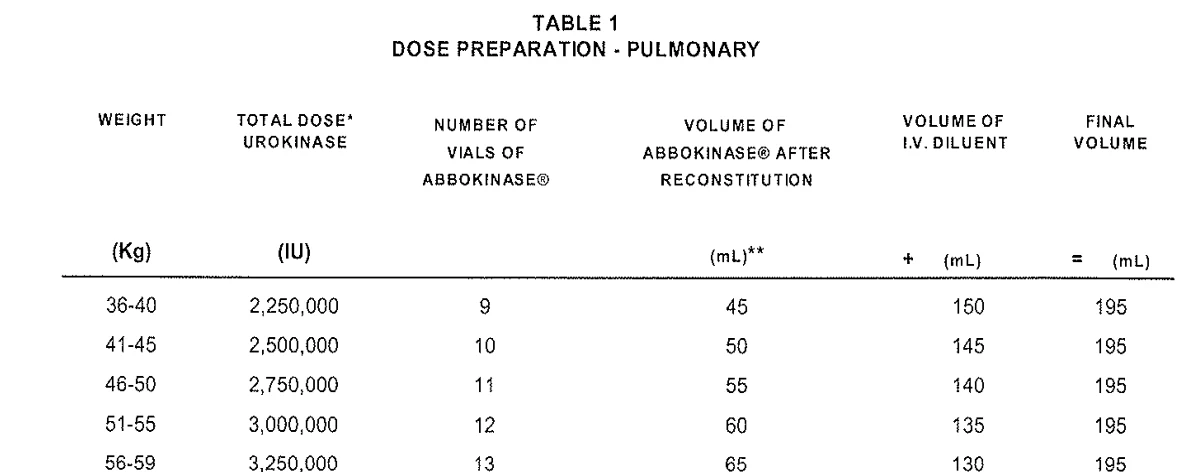
1 Lysis of Coronary Artery Thrombi
Intracoronary infusion: Add the contents of three reconstituted KINLYTIC® vials to 500 mL of 5% Dextrose Injection USP to give a concentration of approximately 1500 IU/mL. No other medication should be added to this solution.
Peripheral Arterial and Graft Thromboembolic Occlusion
Add the contents of the two reconstituted KINLYTIC® vials to 190 mL of 0.9% Sodium Chloride Injection USP. The resulting solution admixture will have a concentration of approximately 2500 IU per mL (500,000 IU/200 mL).
Stability of solutions
The admixture should be administered immediately. Any solution remaining after administration should be discarded.
AVAILABILITY OF DOSAGE FORMS
KINLYTIC® (urokinase for injection) is a sterile lyophilized powder supplied in 5 mL vials containing 250,000 IU of urokinase activity or 20 mL vials containing 1,000,000 IU of urokinase activity.
PHARMACOLOGY
Animal Pharmacology
Urokinase (tissue culture) was administered intravenously to dogs at a dose of 22,000 IU/kg and produced a decrease in plasma plasminogen for a period of 15 to 360 minutes following injection. The prothrombin and thrombin times were prolonged only at the 15-minute measurement, and the slope of the platelet aggregation curve was decreased at this time also.
In rabbits, the only significant effects observed following the intravenous administration of urokinase were a decrease in the plasminogen level, 15 minutes after a dose of 4,400 IU/kg, and a reduction in the prothrombin time, 60 minutes after a dose of 22,000 IU/kg.
Cardiovascular Studies
Urokinase was administered intravenously to anesthetized dogs, monkeys and rabbits (1/sex/dose/species) at doses of 4,400 or 22,000 IU/kg. In dogs and monkeys no effect on arterial blood pressure, heart rate, ECG or respiratory rate were observed. One rabbit following a dose of 4,400 IU/kg exhibited a decrease in mean arterial blood pressure, the others were not affected. In unanesthetized dogs, urokinase administered intravenously at 22,000 IU/kg produced a marginal increase in blood pressure. No consistent, significant changes in heart rate or respiration rate were observed.
Coronary arterial flow measurements in anesthetized dogs (4/sexJdose) following a 10,000 IU/kg bolus administered intravenously followed by infusion of 10,000 IU/kg per hour for 4 hours causes no change in the left circumflex coronary blood flow, although the rate of change of heart rate was significantly greater than in control animals. The pharmacological significance of this observation is not clear.
TOXICOLOGY
Acute Toxicity Studies
Urokinase (tissue culture source) was administered as a single dose to mice, rats, rabbits, dogs and monkeys.
No fatalities or behavioral effects were noted in doses of 108,125 IU/kg in mice; 86,500 IU/kg in rats and rabbits; and 4,400, 22,000 and 44,000 IU/kg in monkeys.
Dogs receiving 4,400, 22,000 and 43,250 IU/kg of urokinase exhibited slight emesis. At 43,250 IU/kg a slight decrease in motor activity was noted.
Chronic Toxicity Studies:
Rats were treated with urokinase by the intravenous route for 7 days in 105,600 and 528,000 IU/kg/day. All clinical and hematological parameters were within normal limits. No tissue or organ pathological changes were seen.
Dogs were treated with urokinase by the intravenous route for 7 days with 105,600 and 528,000 IU/kg/day. At both dosages emesis and occasional excess salivation, with transiently decreased plasma fibrinogen levels and increased prothrombin times, were seen. RBC, hemoglobin and hematocrit values were depressed with normal MCH and MCHC. This was consistent with a picture of mild, chronic hemorrhage and returned to normal following cessation of drug. No pathological changes were found in the lungs or other organs of treated dogs.
Carcinogenicity
Adequate data is not available on the long-term potential for carcinogenicity of urokinase in animals or humans.
Mutagenicity
In vivo mutagenicity tests including host-mediated assay, cytogenetics, and dominant lethal assay failed to show a mutagenic potential for urokinase.
REFERENCES
- 1.
Bang NU. Physiology and Biochemistry of Fibrinolysis. Bang NU, Beller FK, Deutsch E,
Mammen EF, Eds. Thrombosis and Bleeding Disorders. New York Academic Press 1971; 292-327.
- 2. McNicol GP. The Fibrinolytic Enzyme System. Postgrad Med J 1973; (Suppl. 5) 49: 10-12.
- 3.
Sasahara AA, Hyers TM, Cole CM, Ederer F, Murray JA, Wenger NK, Sherry S, Stengle JM.
The Urokinase Pulmonary Embolism Trial. Circulation 1973; (Suppl. II) 47: 1-108.
- 4.
Bell WR, Blackmon JR, de Groot W, Genton E, Messer JV, Sasahara AA, Sautter R,
Wenger NK, Willis PW, Walton JA, Hildner FJ. Fowler NO. Urokinase Pulmonary Embolism Trial Study Group. Urokinase-Streptokinase Embolism Trial. JAMA 1974; 229: 1606-1613.
- 5.
Sasahara AA, Bell WR, Simon TL, Strengle JM, Sherry S. The Phase II
UrokinaseStreptokinase
Pulmonary Embolism Trial. Thromb Diathes Haemorrk 1975; 33: 464-476.
- 6.
Bell WR, Thrombolytic Therapy. A comparison between Urokinase and Streptokinase.
Semin Thromb Hemost 1975; 21: 1-13.
- 7.
Fratantoni JC, Ness P, Simon TL. Thrombolytic Therapy. Current Status. N Eng J Med
1975; 293: 1073-1078.
- 8.
Sherry S, Bell WR, Duckert PH, Fletcher AP, Gurewich V, Long OM, Murder VJ, Roberts H,
Salzman EW, Sasahara A, Verstraete M. Thrombolytic Therapy in Thrombosis: A National Institutes of Health Consensus Development Conference. Ann Intern Med 1980; 93: 141- 144.
- 9.
Tennant SN, Dixon J, Venable TC, Page HL, Roach A, Kaiser AB, Frederiksen R, Tagogue
L, Kaplan P, Babu NS, Anderson EE, Wooten E, Jennings HS, Breinig J, Campbell WB. Intracoronary Thrombolysis in patients with Acute Myocardial Infarction: Comparison of the Efficacy of Urokinase to Streptokinase. Circulation 1984; 69: 756-760.
- 10. Cernogliaro C, Sansa M, Campi A, Bongo AS, Carfora A, Rossi P. Efficacy of Intracoronary and Intravenous Urokinase in Acute Myocardial Infarction. G ItalCardiol1984; 14: 927-930.
- 11. Mathey DG, SchoferJ, Sheehan FH, Becher H, TilsnerV, Dodge HT. Intravenous Urokinase in Acute Myocardial Infarction. AM J Cardio 1985; 55: 878-882.
- 12. Ibba GV, Terrosu P, Franceschino V, Contini GM, Sannia L, Frau G. Short-time High-dose of Intravenous Urokinase in the Treatment of Acute Myocardial Infarction. EurHeart J 1984; (Abstr Suppl1) 5: 24.
- 13.
Doyle OJ, Cairns JA, Turpie AGG, Holder DA, McEwan , MP. Intravenous Urokinase (UK)
and Streptokinase (SK) in Acute Myocardial Infarction (AMI), Haemostatis 1984; 14 (1): 8.
- 14.
Brochier M, Raynaud R, Planiol T, Fauchier JP, Griguer P, Archambaud D, Pellois A,
Clisson M. The Treatment of Myocardial Infarction and Impending Myocardial Infarction with Urokinase: Randomized Study of 120 patients. Arch Mal Coeur Vaiss 1975;68(6):563-569.
- 15. Duckert F, Burkart F, Hecker S, Bounameaux Y, Batschelet E. Controlled Trial of Urokinase in Myocardial Infarction - A European Collaborative Study. 1975; Lancet 2: 624-626.
- 16.
Babeau P, Pras P. Urokinase in the Treatment of Acute Myocardial Infarction and
Impending Myocardial Infarction. Ann Med Interne 1977; 128 (2): 219-225.
- 17.
McNamara TO, Fisher JR. Thrombolysis of Peripheral Arterial and Graft Occulsions:
Improved Results Using High-Dose Urokinase. AJR 1985; 144: 769-775.
- 18.
Gardiner GA, Koltun W, Kandarpa K, Wittemore A, Meyerovitz MF, Bettmann MA, Levin DC,
Harrington DP. Thrombolysis of Occluded Femoropopliteal Grafts. AJR 1986: 147; 621-626.
- 19.
Traughber PO, Cook PS, Micklos T J, Miller FJ. Intra-arterial Fibrinoly1ic Therapy for
Popliteal and TibrialArtery Obstruction. AJR 1987: 149; 453-456.
- 20.
Lawson, M. Bottino JC, Hurtubise MR, McCredie KB. The use of Urokinase to Restore the
Patency of Occluded Central Venous Catheters. Am J Intravenous TherClin Nutr 1982; 9(9): 29-32.
- 21.
Glynn MFX, Linger B, Jeejeeboy KN. Therapy for Thombotic Occlusion of Long-Term
Intravenous Alimentation Catheters. JPEN 1980; 4(4): 387-390.
- 22. Rabe FE, Becker GJ, Richmond, BD, Yune HY, Holden RW, Dilley RS, Klatte EC. Contrast extravasation through dacron grafts: a sequela of low-dose streptokinase therapy. AJR 1982; 138: 917-920.
- 23. Becker, GJ, Holder RW, Rabe FE. Contrast extravasation from a Gore-Tex graft: a complication of thrombolytic therapy. AJR 1984; 142: 573-574.
- 24. Rosner NH, Doris PE. Contrast extravasation through a Gore-Tex graft: a sequela of lowdose streptokinase therapy. AJR 1984: 143; 633-634.
- 25.
Ridker PM, Mitchel T. Streptokinase therapy and cholesterol embolization. Am J Med 1989;
87: 357-358.
- 26. Fine MJ, Kapoor W, Falanga V. Cholesterol crystal embolization: a review of 221 cases in the English literature Angiology 1987; 38(10): 769-784.
- 27.
Saldinger E, Bookstein JJ. Mechanism of fibrinolysis: native and exogenous systems.
Semin Interven Radiol 1985; 2: 321-329