


Product Monograph - Levodopa-Carbidopa CR
SUMMARY PRODUCT INFORMATION
Route of Administration | Dosage Form / Strength | All Non Medicinal Ingredients |
| Oral | Tablet 100 mg/25 mg, 200 mg/50 mg | Hydroxypropylcellulose, hypromellose, magnesium stearate, FD&C Blue No.2 Aluminum Lake and FD&C Red No.40 Aluminum Lake. |
INDICATIONS AND CLINICAL USE
LEVODOPA-CARBIDOPA CR (levodopa and carbidopa) is indicated for the treatment of Parkinson's disease.
LEVODOPA-CARBIDOPA CR is not recommended for the treatment of drug-induced extrapyramidal reactions.
Pediatrics (<18 years of age):
The safety and effectiveness of levodopa and carbidopa in patients under 18 years of age has not been established.
CONTRAINDICATIONS
- Patients who are hypersensitive to this drug or to any ingredient in the formulation. For a complete listing, see the DOSAGE FORMS, COMPOSITION AND PACKAGING section of the product monograph.
Nonselective monoamine oxidase (MAO) inhibitors are contraindicated for use with
LEVODOPA-CARBIDOPA CR. These inhibitors must be discontinued at least two weeks prior to initiating therapy with LEVODOPA-CARBIDOPA CR. LEVODOPA-CARBIDOPA
CR may be administered concomitantly with a MAO inhibitor with selectivity for MAO type B (e.g. selegiline HCl) (see DRUG INTERACTIONS, Drug-Drug Interactions, Psychoactive Drugs) at the manufacturer’s recommended dose which maintains selectivity for MAO type B.
- LEVODOPA-CARBIDOPA CR should not be administered to patients with clinical or laboratory evidence of uncompensated cardiovascular, endocrine, hematologic, hepatic, pulmonary (including bronchial asthma), or renal disease; or to patients with narrow angle glaucoma.
- As with levodopa, LEVODOPA-CARBIDOPA CR should not be given when administration of a sympathomimetic amine is contraindicated (e.g., epinephrine, norepinephrine or isoproterenol).
- Because levodopa may activate a malignant melanoma, LEVODOPA-CARBIDOPA CR should not be used in patients with suspicious undiagnosed skin lesions or a history of melanoma.
WARNINGS AND PRECAUTIONS
Serious Warnings and Precautions
Sudden Onset of Sleep: Patients receiving treatment with levodopa and carbidopa and other dopaminergic agents have reported suddenly falling asleep while engaged in activities of daily living, including the driving of a car, which has sometimes resulted in accidents. Although some of the patients reported somnolence while on levodopa and carbidopa, others perceived that they had no warning signs, such as excessive drowsiness, and believed that they were alert immediately prior to the event.
Physicians should alert patients of the reported cases of sudden onset of sleep, bearing in mind that these events are NOT limited to initiation of therapy. Patients should also be advised that sudden onset of sleep has occurred without warning signs and should be specifically asked about factors that may increase the risk with LEVODOPA-CARBIDOPA CR such as concomitant medications or the presence of sleep disorders. Given the reported cases of somnolence and sudden onset of sleep (not necessarily preceded by somnolence), physicians should caution patients about the risk of operating hazardous machinery, including driving motor vehicles, while taking LEVODOPA-CARBIDOPA CR. If drowsiness or sudden onset of sleep should occur, patients should be informed to refrain from driving or operating machines and to immediately contact their physician.
While dose reduction clearly reduces the degree of somnolence, there is insufficient information to establish that dose reduction will eliminate episodes of falling asleep while engaged in activities of daily living.
Episodes of falling asleep while engaged in activities of daily living have also been reported in patients taking other dopaminergic agents; therefore, symptoms may not be alleviated by substituting these products.
Currently, the precise cause of this event is unknown. It is known that many Parkinson’s disease patients experience alterations in sleep architecture, which results in excessive daytime sleepiness or spontaneous dozing, and that dopaminergic agents can also induce sleepiness.
General
When patients are receiving levodopa without a decarboxylase inhibitor, levodopa must be discontinued at least 8 hours before therapy with LEVODOPA-CARBIDOPA CR is started. (For appropriate dosage substitutions, see DOSAGE AND ADMINISTRATION.)
Periodic evaluations of hepatic, hematopoietic, cardiovascular and renal function are recommended during extended therapy (see ADVERSE REACTIONS).
Physical Activity
Patients who improve while on therapy with LEVODOPA-CARBIDOPA CR should increase physical activities gradually, with caution, consistent with other medical considerations such as the presence of osteoporosis or phlebothrombosis.
Cardiovascular
Care should be exercised in administering LEVODOPA-CARBIDOPA CR to patients with a history of recent myocardial infarction who have residual atrial, nodal, or ventricular arrhythmias. In such patients, cardiac function should be monitored with particular care during the period of initial dosage administration and titration, in a facility with provisions for intensive cardiac care.
Gastrointestinal
LEVODOPA-CARBIDOPA CR should be administered cautiously to patients with a history of peptic ulcer disease due to the possibility of upper gastrointestinal hemorrhage.
Neurologic
As with levodopa or levodopa and carbidopa, LEVODOPA-CARBIDOPA CR may cause involuntary movements and mental disturbances. These reactions are thought to be due to increased brain dopamine following administration of levodopa. These adverse reactions may be more prolonged with levodopa and carbidopa controlled release tablets than with levodopa and carbidopa tablets.
LEVODOPA-CARBIDOPA CR should be used cautiously in patients who have a history of seizures or have conditions associated with seizure or have a lowered seizure threshold.
Neuroleptic Malignant Syndrome: A symptom complex resembling the neuroleptic malignant syndrome including muscular rigidity, elevated body temperature, altered consciousness, mental changes, autonomic instability and increased serum creatine phosphokinase has been reported in association with rapid dose reduction, withdrawal of, or changes in antiparkinsonian therapy. Therefore, patients should be observed carefully when the dosage of LEVODOPA-CARBIDOPA CR is reduced abruptly or discontinued, especially if the patient is receiving neuroleptics.
Psychomotor Performance
Certain side effects that have been reported with levodopa and carbidopa may affect some patients’ ability to drive or operate machinery.
Given the reported cases of somnolence and sudden onset of sleep (not necessarily preceded by somnolence), physicians should caution patients about the risk of operating hazardous machinery, including driving motor vehicles, while taking LEVODOPA-CARBIDOPA CR. If drowsiness or sudden onset of sleep should occur, patients should be informed to refrain from driving or operating machines and to immediately contact their physician (see WARNINGS AND PRECAUTIONS, Serious Warnings and Precautions, Sudden Onset of Sleep).
Ophthalmologic
Patients with chronic wide angle glaucoma may be treated cautiously with LEVODOPA-CARBIDOPA CR (levodopa and carbidopa), provided the intraocular pressure is well controlled and the patient monitored carefully for changes in intraocular pressure during therapy.
Peri-Operative Considerations
If general anesthesia is required, LEVODOPA-CARBIDOPA CR may be continued as long as the patient is permitted to take oral medication. If therapy is interrupted temporarily, the usual dosage should be administered as soon as the patient is able to take oral medication (see DOSAGE AND ADMINISTRATION, Recommended Dose and Dosage Adjustment, Interruption of Therapy).
Psychiatric
All patients should be observed carefully for the development of depression with concomitant suicidal tendencies. Patients with past or current psychoses should be treated with caution.
Behavioural Changes: Patients and caregivers should be advised to adhere to dosage instructions given by the physician. Patients should be regularly monitored for the development of impulse control disorders. Patients and caregivers should be made aware that behavioral symptoms of impulse control disorders, including pathological (compulsive) gambling, hypersexuality, increased libido, compulsive spending/buying, and binge/compulsive eating, have been reported in patients treated with dopaminergic agonists and/or other dopaminergic treatments for Parkinson's disease, including levodopa and carbidopa (see ADVERSE REACTIONS). Literature and postmarketing reports have described a very rare addictive pattern of dopamine replacement therapy, in which patients use doses in excess of those required to control their motor symptoms. Review of treatment is recommended if such symptoms develop.
Hallucinations
Hallucinations and confusion are known side effects of treatment with dopaminergic agents, including levodopa. Patients should be aware of the fact that hallucinations (mostly visual) can occur.
Skin
Melanoma: Epidemiological studies have shown that patients with Parkinson’s disease have a higher risk (2- to approximately 6-fold higher) of developing melanoma than the general population. Whether the increased risk observed was due to Parkinson’s disease or other factors, such as drugs used to treat Parkinson’s disease, is unclear. For the reasons stated above, patients and healthcare providers are advised to monitor for melanomas frequently and on a regular basis when using LEVODOPA-CARBIDOPA CR for any indication. Ideally, periodic skin examinations should be performed by appropriately qualified individuals (e.g., dermatologists).
Special Populations
Pregnant Women: Although the effects of levodopa and carbidopa on human pregnancy and lactation are unknown, both levodopa and combinations of carbidopa and levodopa have caused visceral and skeletal malformations in rabbits (see TOXICOLOGY, Teratologic and Reproductive Studies). Therefore, use of LEVODOPA-CARBIDOPA CR in women of child-bearing potential requires that the anticipated benefits of the drug be weighed against possible hazards to the mother and to the fetus.
Nursing Women: It is not known whether carbidopa is excreted in human milk. In a study of one nursing mother with Parkinson’s disease, excretion of levodopa in breast milk was reported. LEVODOPA-CARBIDOPA CR should not be given to nursing mothers unless the anticipated benefits to the mother outweigh the potential hazards to the infant.
Pediatrics (<18 years of age): Safety levodopa and carbidopa in patients under 18 years of age has not been established.
Monitoring and Laboratory Tests
Periodic evaluations of hepatic, hematopoietic, cardiovascular and renal function are recommended during extended therapy (see ADVERSE REACTIONS).
Levodopa and carbidopa may cause a false-positive reaction for urinary ketone bodies when a tape test is used for determination of ketonuria. False-negative tests may result with the use of glucose-oxidase methods of testing for glucosuria. Caution should be exercised when interpreting the plasma and urine levels of catecholamines and their metabolites in patients on levodopa or levodopa-carbidopa therapy (see DRUG INTERACTIONS, Drug-Laboratory Interactions).
ADVERSE REACTIONS
Clinical Trial Adverse Drug Reactions
In controlled clinical trials involving 748 patients with moderate to severe motor fluctuations, levodopa and carbidopa did not produce side effects which were unique to the controlled release formulation.
The adverse reaction reported most frequently was dyskinesia (12.8%). Occasionally, prolonged, and at times, severe afternoon dyskinesias have occurred in some patients.
Other adverse reactions that were reported frequently were: nausea (5.5%), hallucinations (5.3%), confusion (4.9%), dizziness (3.5%), headache (2.5%), depression (2.5%), chorea (2.5%), dry mouth (2.3%), somnolence (2.1%), including very rarely excessive daytime somnolence and sudden sleep onset episodes, dream abnormalities (2.1%), dystonia (2.0%) and asthenia (2.0%).
Adverse reactions occurring less frequently (less than 2%) were:
| System | % |
Body as a whole Chest pain Fatigue Weight loss | 1.7 0.9 0.8 |
Cardiovascular Orthostatic hypotension Palpitation Hypotension | 0.8 0.8 0.5 |
Nervous System / Psychiatric Insomnia Falling On-off phenomenon Paresthesia Disorientation Anxiety disorders Decreased mental acuity Extrapyramidal disorder Gait abnormalities Agitation Memory impairment | 1.7 1.6 1.2 0.9 0.8 0.8 0.7 0.7 0.7 0.5 0.5 |
Gastrointestinal Anorexia Constipation Vomiting Diarrhea Gastrointestinal pain Dyspepsia | 1.9 1.5 1.3 1.2 0.9 0.8 |
| Musculoskeletal Muscle cramps | 0.9 |
| Respiratory Dyspnea | 1.6 |
| Special Senses Blurred vision | 1.1 |
Other adverse reactions reported in clinical trials or in post-marketing experience include: orthostatic effects, hypertension, myocardial infarction, cardiac irregularities, syncope, hypotensive episodes, dysphagia, heartburn, taste alterations, dark saliva, leg pain, shoulder
pain, back pain, angioedema, urticaria, pruritus, bullous lesions (including pemphigus-like reactions), nervousness, sleep disorders, neuroleptic malignant syndrome (see WARNINGS AND PRECAUTIONS), increased tremor, peripheral neuropathy, psychotic episodes including delusions and paranoid ideation, cough, pharyngeal pain, common cold, upper respiratory infection, blurred vision, flushing, alopecia, rash, dark sweat, dark urine, urinary incontinence, urinary frequency, urinary tract infection, malignant melanoma (see CONTRAINDICATIONS and WARNINGS AND PRECAUTIONS, Skin).
Behavioural Changes:
In post-marketing use, pathological (compulsive) gambling, increased libido, hypersexuality, compulsive spending/buying, and binge/compulsive eating have been reported with dopamine agonists and/or other dopaminergic treatments, and rarely in patients treated with levodopa, including levodopa and carbidopa (see WARNINGS AND PRECAUTIONS).
Post-Market Adverse Drug Reactions
Other adverse reactions that have been reported with levodopa or levodopa and carbidopa, and may be potential side effects with levodopa and carbidopa are listed below.
Cardiovascular:
Arrhythmias, non-specific ECG changes, phlebitis.
Gastrointestinal:
Sialorrhea, bruxism, hiccups, gastrointestinal bleeding, flatulence, burning sensation of tongue, development of duodenal ulcer.
Genitourinary:
Urinary retention, hematuria, and priapism.
Hematologic:
Leukopenia, hemolytic and non-hemolytic anemia, thrombocytopenia, agranulocytosis.
Hypersensitivity:
Henoch-Schoenlein purpura.
Nervous System/Psychiatric:
Ataxia, numbness, increased hand tremor, muscle twitching, blepharospasm (which may be taken as a early sign of excess dosage, consideration of dosage reduction may be needed at this time), trismus, activation of latent Horner’s syndrome, euphoria and dementia, depression with suicidal tendencies, bradykinetic episodes.
Skin:
Increased sweating, pruritus.
Special Senses:
Diplopia, dilated pupils, oculogyric crises.
Miscellaneous:
Weight gain, edema, faintness, hoarseness, malaise, hot flashes, sense of stimulation, bizarre breathing patterns.
Convulsions have occurred; however, a causal relationship with levodopa or levodopa/carbidopa combinations has not been established.
Abnormal Hematologic and Clinical Chemistry Findings
Laboratory tests which have been reported to be abnormal are alkaline phosphatase, SGOT (AST), SGPT (ALT), lactic dehydrogenase, bilirubin, blood urea nitrogen, creatinine, uric acid and positive Coomb’s test.
Decreased hemoglobin and hematocrit; elevated serum glucose; and white blood cells, bacteria and blood in the urine have been reported.
Decreased white blood cell count and serum potassium; protein and glucose in urine have been reported with levodopa alone and with various levodopa-carbidopa formulations, and may occur with levodopa and carbidopa.
DRUG INTERACTIONS
Drug-Drug Interactions
Caution should be exercised when the following drugs are administered concomitantly with LEVODOPA-CARBIDOPA CR:
Antihypertensive Drugs: Symptomatic postural hypotension has occurred when levodopa/decarboxylase inhibitor combinations were added to the treatment of patients receiving antihypertensive drugs. Therefore, when therapy with LEVODOPA-CARBIDOPA
CR is started, dosage adjustment of the antihypertensive drug may be required.
Psychoactive Drugs: Dopamine D2 receptor antagonists (e.g., phenothiazines, butyrophenones, and risperidone) may reduce the therapeutic effects of levodopa. The beneficial effects of levodopa in Parkinson’s disease have been reported to be reversed by phenytoin and papaverine. Patients taking these drugs with LEVODOPA-CARBIDOPA CR should be observed carefully for loss of therapeutic response.
Concomitant therapy with selegiline and levodopa-carbidopa preparations may be associated with severe orthostatic hypotension not attributable to levodopa-carbidopa alone (see CONTRAINDICATIONS).
There have been rare reports of adverse reactions, including hypertension and dyskinesia, resulting from the concomitant use of tricyclic antidepressants and carbidopa-levodopa
preparations. (For patients receiving monoamine oxidase inhibitors, see CONTRAINDICATIONS.)
Dopamine Depleting Agents: Use of levodopa and carbidopa with dopamine-depleting agents (e.g., reserpine1 and tetrabenazine) or other drugs known to deplete monoamine stores is not recommended as reduction in patient response to levodopa may occur.
Isoniazid: Isoniazid may reduce the therapeutic effects of levodopa.
Anesthetics: When general anesthesia is required, LEVODOPA-CARBIDOPA CR should be discontinued the night before. Therapy with LEVODOPA-CARBIDOPA CR may be continued as soon as the patient is able to take medication by mouth.
Iron: Studies have demonstrated that ferrous sulphate decreases the bioavailability of carbidopa and/or levodopa. Because this interaction may be due to the formation of drug-iron complexes, other iron supplement formulations and iron-containing multivitamins may have similar effects.
Metoclopramide: Although metoclopramide may increase the bioavailability of levodopa by increasing gastric emptying, metoclopramide may also adversely affect disease control by its dopamine receptor antagonistic properties.
Other Drugs: Although specific interaction studies were not performed with other concomitant drugs, in clinical trials of levodopa/carbidopa combination patients were allowed to receive tricyclic antidepressants, benzodiazepines, propranolol, thiazides, angiotensin converting enzyme inhibitors, calcium channel blockers, digoxin, H2 antagonists, salicylates and other nonsteroidal anti-inflammatory drugs. Levodopa andcarbidopa combination was also used with other antiparkinson agents (see DOSAGE AND ADMINISTRATION).
Drug-Food Interactions
Since levodopa competes with certain amino acids, the absorption of levodopa may be impaired in some patients on a high protein diet.
Drug-Laboratory Interactions
LEVODOPA-CARBIDOPA CR may cause a false-positive reaction for urinary ketone bodies when a tape test is used for determination of ketonuria. This reaction will not be altered by boiling the urine specimen. False-negative tests may result with the use of glucose-oxidase methods of testing for glucosuria.
Cases of falsely diagnosed pheochromocytoma in patients with levodopa-carbidopa therapy have been reported very rarely. Caution should be exercised when interpreting the plasma and urine levels of catecholamines and their metabolites in patients on levodopa or levodopa-carbidopa therapy.
1 Not marketed in Canada
DOSAGE AND ADMINISTRATION
Dosing Considerations
LEVODOPA-CARBIDOPA CR (levodopa and carbidopa) tablets contain a 4:1 ratio of levodopa to carbidopa. LEVODOPA-CARBIDOPA CR 200/50 contains levodopa 200 mg/carbidopa 50 mg (anhydrous equivalent) per tablet. LEVODOPA-CARBIDOPA CR 100/25 contains levodopa 100 mg/carbidopa 25 mg (anhydrous equivalent) per tablet. The daily dosage of LEVODOPA-CARBIDOPA CR must be determined by careful titration. Patients should be monitored closely during the dose adjustment period, particularly with regard to appearance or worsening of nausea or abnormal involuntary movements, including dyskinesias, chorea and dystonia.
LEVODOPA-CARBIDOPA CR should only be administered as whole tablets. To maintain the controlled release properties of the product, tablets should not be chewed or crushed.
Standard antiparkinson drugs, other than levodopa alone, may be continued while LEVODOPA-CARBIDOPA CR is being administered, although their dosage may have to be adjusted. The delayed onset of action with LEVODOPA-CARBIDOPA CR may require the supplemental use of conventional levodopa/carbidopa tablets for optimal control in the mornings.
Recommended Dose and Dosage Adjustment
Initial Dosage and Titration for Patients Currently Treated with Conventional Levodopa/ Decarboxylase Inhibitor Combinations
Dosage with LEVODOPA-CARBIDOPA CR 200/50 should be substituted at an amount that eventually provides approximately 10 to 30 percent more levodopa per day. The interval between doses should be prolonged by 30 to 50 percent. Initially, patients should receive LEVODOPA-CARBIDOPA CR 200/50 at a dosage that provides the same amount of levodopa, but with a longer dosing interval. Depending on clinical response, the dosage may be increased.
A guide for the initiation of treatment with LEVODOPA-CARBIDOPA CR is shown in the following table:
Guideline for Initial Conversion from regular levodopa/carbidopa to LEVODOPA-CARBIDOPA CR
Regular levodopa/carbidopa Total Daily Dose * Levodopa (mg) | LEVODOPA-CARBIDOPA CR Suggested Dosage Regimen |
| 300-400 | 1 tablet 200/50 b.i.d |
| 500-600 | 1 tablet 200/50 plus 1 tablet 100/25 b.i.d. or 1 tablet 200/50 t.i.d. |
| 700-800 | 1 tablet 200/50 plus 1 tablet 100/25, in the a.m., 1 tablet 200/50 plus 1 tablet 100/25, in the early p.m., 1 tablet 200/50, in the later p.m. |
| 900-1000 | 2 tablets 200/50, in the a.m. 2 tablets 200/50, in the early p.m. 1 tablet 200/50 in the later p.m. |
*For dosing ranges not shown in the table, see DOSAGE AND ADMINISTRATION. LEVODOPA-CARBIDOPA
CR 100/25 is available to facilitate titration when 100 mg steps are required.
Initial Dosage for Patients Currently Treated with Levodopa Alone Levodopa tablets must be discontinued at least eight hours before therapy with LEVODOPA-CARBIDOPA CR 200/50 is started. LEVODOPA-CARBIDOPA CR should be substituted at a dosage that will provide approximately 25% of the previous levodopa dosage. In patients with mild to moderate disease, the initial dose is usually 1 tablet of LEVODOPA-CARBIDOPA CR 200/50 two times daily.
Patients Without Prior Levodopa Therapy
LEVODOPA-CARBIDOPA CR 100/25 may be used in early stage patients who have not had prior levodopa therapy or to facilitate titration when necessary in patients receiving LEVODOPA-CARBIDOPA CR 200/50. The initial recommended dose is 1 tablet of LEVODOPA-CARBIDOPA CR 100/25 twice daily. For patients who require more levodopa, a daily dose of 1 to 4 tablets of LEVODOPA-CARBIDOPA CR 100/25 twice a day is generally well-tolerated.
When appropriate, levodopa therapy may also be initiated with LEVODOPA-CARBIDOPA
CR 200/50. The initial recommended dose in patients with mild to moderate disease is 1 tablet of LEVODOPA-CARBIDOPA CR 200/50 two times daily. Initial dosages should not exceed 600 mg per day of levodopa or be given at intervals of less than 6 hours.
Titration
Doses and dosing intervals must be adjusted on an individual basis, depending upon therapeutic response. An interval of at least 3 days between dosage adjustments is recommended. Most patients have been adequately treated with 2 to 8 tablets of LEVODOPA-CARBIDOPA CR 200/50 per day, administered as divided doses at intervals ranging from 4 to 12 hours during the waking day.
If the divided doses of LEVODOPA-CARBIDOPA CR 200/50 are not equal, it is recommended that the smaller doses be given at the end of the day.
Maintenance
Because Parkinson’s disease is progressive, periodic clinical evaluations are recommended and adjustment of the dosage regimen of LEVODOPA-CARBIDOPA CR may be required.
Addition of other Antiparkinson Medications
Anticholinergic agents, dopamine agonists, amantadine and lower doses of selective MAO-B inhibitors can be given with LEVODOPA-CARBIDOPA CR. When combining therapies, dosage adjustments may be necessary.
Interruption of Therapy
Patients should be observed carefully if abrupt reduction or discontinuation of LEVODOPA-CARBIDOPA CR is required, especially if the patient is receiving neuroleptics (see WARNINGS AND PRECAUTIONS).
If general anesthesia is required, LEVODOPA-CARBIDOPA CR may be continued as long as the patient is permitted to take oral medication. If therapy is interrupted temporarily, the usual dosage should be administered as soon as the patient is able to take oral medication.
Missed Dose
If a tablet is missed, it should be taken as soon as possible. If it is almost time to take the next tablet, the missed tablet should not be taken, and the normal schedule should be resumed.
OVERDOSAGE
Management of acute overdosage with levodopa and carbidopa is basically the same as management of acute overdosage with levodopa; however, pyridoxine is not effective in reversing the actions of levodopa and carbidopa.
Electrocardiographic monitoring should be instituted and the patient observed carefully for the development of arrhythmias; if required, appropriate antiarrhythmic therapy should be given. The possibility that the patient may have taken other drugs as well as levodopa and carbidopa should be taken into consideration. To date, no experience has been reported with dialysis; hence, its value in overdosage is not known.
For up-to-date information on the management of a suspected drug overdose, the physician should consider contacting a regional Poison Control Centre.
For management of a suspected drug overdose, contact your
regional Poison Control Centre immediately.
ACTION AND CLINICAL PHARMACOLOGY
Mechanism of Action
Levodopa and carbidopa, a combination of levodopa, the metabolic precursor of dopamine, and carbidopa, an aromatic amino acid decarboxylase inhibitor, is available in a polymer-based controlled-release tablet formulation. Levodopa and carbidopa combination can be useful in reducing "off" time in patients treated previously with a conventional levodopa/decarboxylase inhibitor combination who have had predictable peak dose dyskinesias and unpredictable motor fluctuations.
The symptoms of Parkinson’s disease are related to depletion of dopamine in the corpus striatum. While the administration of dopamine is ineffective in the treatment of Parkinson’s disease because it does not cross the blood-brain barrier, levodopa, the metabolic precursor of dopamine, does cross the blood-brain barrier and is converted to dopamine in the basal ganglia. This is thought to be the mechanism whereby levodopa relieves the symptoms of Parkinson’s disease.
Pharmacodynamics
Levodopa is rapidly decarboxylated to dopamine in peripheral tissues so that only a small portion of a given dose is transported unchanged to the central nervous system. For this reason, large doses of levodopa are required for adequate therapeutic effect and these may often be attended by nausea and other adverse reactions, some of which are attributable to dopamine formed in peripheral tissues.
Carbidopa, a decarboxylase inhibitor, does not cross the blood-brain barrier and does not affect the metabolism of levodopa within the central nervous system. Since its decarboxylase inhibiting activity is limited to peripheral tissues, administration of carbidopa with levodopa makes more levodopa available for transport to the brain. Combined therapy with levodopa and carbidopa reduces the amount of levodopa required for optimum therapeutic benefit by about 75- 80%, permits an earlier response to therapy, and also reduces the incidence of nausea, vomiting and cardiac arrhythmias. Combined therapy, however, does not decrease adverse reactions due to central effects of levodopa.
Following years of treatment with preparations containing levodopa, an increasing number of parkinsonian patients develop fluctuations in motor performance and dyskinesias. The advanced form of motor fluctuations (‘on-off’ phenomenon) is characterized by unpredictable swings from mobility to immobility. Although the causes of the motor fluctuations are not completely understood, it has been demonstrated that they can be attenuated by treatment regimens that produce steady plasma levels of levodopa.
In clinical trials, patients with motor fluctuations experienced reduced "off" time with levodopa and carbidopa controlled release tablets when compared with regular levodopa and carbidopa. Global ratings of improvement and activities of daily living in the "on" and "off" states, as assessed by both patient and physician, were slightly better in some patients during therapy with levodopa and carbidopa controlled release tablets than with regular levodopa and carbidopa. In
patients without motor fluctuations, levodopa and carbidopa controlled release tablets provided therapeutic benefit similar to regular levodopa/carbidopa but with less frequent dosing.
Pyridoxine hydrochloride (vitamin B6), in oral doses of 10 mg to 25 mg, may reverse the effects of levodopa by increasing the rate of aromatic amino acid decarboxylation. Carbidopa inhibits this action of pyridoxine.
Pharmacokinetics
Levodopa and carbidopa 200/50 contain levodopa, 200 mg and carbidopa, 50 mg (anhydrous equivalent), per tablet, in a controlled-release formulation designed to release the active ingredients over a 4- to 6-hour period.
The absorption of levodopa following levodopa and carbidopa controlled-release tablets 200/50 is gradual and continuous for 4 to 5 hours although the majority of the dose is absorbed in 2 to 3 hours. With conventional levodopa and carbidopa tablets, absorption is rapid and is virtually complete in 2 to 3 hours. The pharmacokinetic parameters of levodopa, following the administration of levodopa and carbidopa controlled-release tablets 200/50 and conventional levodopa and carbidopa tablets to healthy elderly volunteers, are presented in Table 1.
Table 1 - Mean Pharmacokinetic Parameters Of Levodopa Following The Administration Of Two levodopa and carbidopa 100/25 Tablets Or One levodopa and carbidopa 200/50 Tablet In Healthy Elderly Volunteers.
| Single Dose | Steady-State | |||
| levodopa/ carbidopa | levodopa/ carbidopa CR 200/50 | levodopa/ carbidopa | levodopa/ carbidopa CR 200/50 | |
| Bioavailability* % | - | - | 99 | 71 |
| Cmax, µg/mL | 3.26 | 1.15 | 3.20 | 1.14 |
| Trough Cp at 8 hr, µg/mL | 0.048 | 0.090 | 0.074 | 0.163 |
| Peak Time, hr | 0.5 | 2.1 | 0.7 | 2.4 |
| AUC -µg•hr/mL | 5.31 | 4.01 | 5.62 | 4.19 |
* Relative to an intravenous dose
In general, peak levodopa plasma levels are lower, bioavailability is less and time to reach peak levels is delayed when using levodopa and carbidopa controlled-release tablets. Levodopa plasma levels following a single dose are essentially identical to those following repeated administration. However, with levodopa and carbidopa controlled-release tablets, levodopa plasma concentrations fluctuate less, namely peak plasma levels are lower and end of dose levels (trough concentrations) higher than after conventional therapy.
The bioavailability of levodopa and carbidopa controlled-release tablets is somewhat increased in the presence of food. Dose- proportionality has been demonstrated over the dose range of one and two levodopa and carbidopa controlled-release tablets 200/50.
The pharmacokinetics of levodopa following administration of levodopa and carbidopa controlled-release tablets 100/25 were studied in patients with Parkinson’s disease. Chronic three month, open-label, twice daily dosing with levodopa and carbidopa controlled-release tablets 100/25 (range: 200 mg levodopa, 50 mg carbidopa up to 600 mg levodopa, 150 mg carbidopa per day) did not result in accumulation of plasma levodopa. The dose- adjusted bioavailability for one levodopa and carbidopa controlled-release tablets 100/25 tablet was equivalent to that for one levodopa and carbidopa controlled-release tablets 200/50 tablet. The mean peak concentration of levodopa following the administration of one levodopa and carbidopa controlled-release tablets 100/25 tablet was greater than 50% of that following one levodopa and carbidopa controlled-release tablets 200/50 tablet. Mean time-to-peak plasma levels may be slightly less for levodopa/ carbidopa controlled-release tablets 100/25 than for levodopa and carbidopa controlled-release tablets 200/50.
Elimination half-life of levodopa in the presence of carbidopa is about 1.5 hours. Following levodopa and carbidopa controlled-release tablets, the apparent half-life of levodopa may be prolonged because of continuous absorption.
STORAGE AND STABILITY
Store between 15oC and 30oC in tightly closed container, protected from light and moisture.
DOSAGE FORMS, COMPOSITION AND PACKAGING
LEVODOPA-CARBIDOPA CR is a controlled-release formulation of levodopa and carbidopa, in a ratio of 4:1. The tablet contains a polymer-based drug delivery system which controls the release of levodopa and carbidopa as it slowly erodes.
Tablets
100 mg / 25 mg: Each dappled-purple colored, oval-shaped tablet is debossed with “LC” on one side and “12” on the other side. Available in HDPE bottles of 100 (desiccant included).
200 mg / 50 mg: Each dappled-purple colored, oval-shaped tablet is debossed with “LVC”
on one side and “250” on the other side. Available in HDPE bottles of 100 and 500 (desiccant included).
Non-medicinal ingredients: Hydroxypropylcellulose, hypromellose and magnesium stearate. LEVODOPA-CARBIDOPA CR 100/25 and LEVODOPA-CARBIDOPA CR 200/50 tablets contain FD&C Blue No.2 Aluminum Lake and FD&C Red No.40 Aluminum Lake.
PART II: SCIENTIFIC INFORMATION
PHARMACEUTICAL INFORMATION
Drug Substance
| Proper name: | levodopa and | carbidopa |
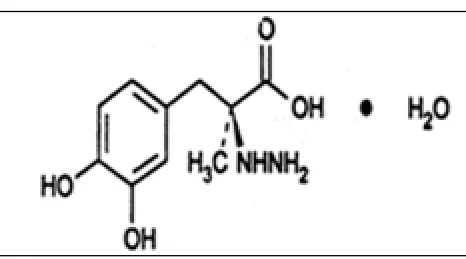
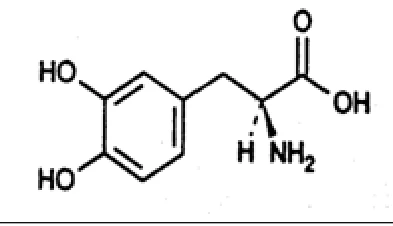
| Chemical name: | (-)-3-(3,4-Dihydroxyphenyl)- L-alanine | (-)-L-α-Hydrazino-3,4- dihydroxy- α- methylhydrocinnamic acid mono- hydrate. |
| Molecular formula: | C9H11NO4 | C10H14N2O4 y H2O |
| Molecular mass: | 197.2 g/mol | 244.3 g/mol |
| Tablet content is expressed in terms of anhydrous carbidopa, which has a molecular weight of 226.3 g/mol. | ||
| Structural formula: | ||
| Physicochemical properties: | Levodopa, an aromatic amino acid, is a white, crystalline compound, slightly soluble in water. | Carbidopa, an inhibitor of aromatic amino acid decarboxylase, is a white, crystalline compound, slighty soluble in water. |
CLINICAL TRIALS
Comparative Bioavailability Studies
A single center, randomized, single dose, blinded, two-period, two-sequence, crossover bioequivalence study comparing LEVODOPA-CARBIDOPA CR (levodopa and carbidopa) 200 mg - 50 mg tablets (Pharmascience Inc.) with SINEMET CR (levodopa and carbidopa) 200 mg - 50 mg tablets (Merck Canada Inc.) in 50 healthy, adult, human male subjects was conducted under fasting conditions.
SUMMARY TABLE OF THE COMPARATIVE BIOAVAILABILITY DATA
Levodopa (1x 200 mg levodopa - 50 mg carbidopa) Geometric Mean Arithmetic Mean (CV %) | ||||
| Parameter | Test* | Reference† | % Ratio of Geometric Means | 90% Confidence Interval |
AUCT (ng·hr/mL) | 3727.5 3807.7 (20.6) | 3607.6 3715.9 (23.7) | 103.3 | 100.2-106.5 |
AUCI (ng·hr/mL) | 3798.1 3878.6 (20.5) | 3679.6 3786.8 (23.4) | 103.2 | 100.2-106.3 |
Cmax (ng/mL) | 1042.7 1085.6 (31.7) | 1018.9 1078.0 (37.3) | 102.3 | 94.5-110.8 |
Tmax§ (h) | 2.500 (0.500-5.000) | 2.259 (0.500-5.017) | ||
T½€ (h) | 1.61 (13.6) | 1.59 (14.1) | ||
* LEVODOPA-CARBIDOPA CR 200 mg - 50 mg Tablets (Pharmascience Inc.) † SINEMET®
CR 200mg - 50 mg Tablets (Merck Canada Inc.) were purchased in Canada. § Expressed as the median (range) only.
€ Expressed as the arithmetic mean (CV%) only.
SUMMARY TABLE OF THE COMPARATIVE BIOAVAILABILITY DATA FOR
CARBIDOPA
Carbidopa (1x 200 mg levodopa - 50 mg carbidopa) Geometric Mean Arithmetic Mean (CV %) | ||||
| Parameter | Test* | Reference† | % Ratio of Geometric Means | 90% Confidence Interval |
AUCT (ng·hr/mL) | 717.2 784.86 (41.1) | 718.9 790.90 (38.7) | 99.8 | 92.4-107.7 |
AUCI (ng·hr/mL) | 733.3 801.85 (40.9) | 735.0 806.98 (38.6) | 99.8 | 92.5-107.6 |
Cmax (ng/mL) | 145.0 160.46 (45.3) | 149.7 167.55 (45.4) | 96.9 | 88.6-105.9 |
Tmax§ (h) | 4.667 (1.750-7.000) | 4.342 (2.000-6.000) | ||
T½€ (h) | 2.08 (17.3) | 2.02 (14.2) | ||
* LEVODOPA-CARBIDOPA CR 200 mg - 50 mg Tablets (Pharmascience Inc.) † SINEMET ® CR 200mg - 50 mg Tablets (Merck Canada Inc.) were purchased in Canada. § Expressed as the median (range) only.
€ Expressed as the arithmetic mean (CV%) only.
A single center, randomized, single dose, blinded, two-period, two-sequence, crossover bioequivalence study comparing LEVODOPA-CARBIDOPA CR (levodopa and carbidopa) 200 mg – 50 mg tablets (Pharmascience Inc.) with SINEMET CR (levodopa and carbidopa) 200 mg - 50 mg tablets (Merck Canada Inc.) in 12 healthy, adult, non-smoking human male subjects was conducted under fed conditions.
SUMMARY TABLE OF THE COMPARATIVE BIOAVAILABILITY DATA
Levodopa (1x 200 mg levodopa- 50 mg carbidopa) Geometric Mean Arithmetic Mean (CV %) | ||||
| Parameter | Test* | Reference† | % Ratio of Geometric Means | 90% Confidence Interval |
AUCT (ng·hr/mL) | 3877.818 3922.7 (16.1) | 3828.476 3880.2 (16.9) | 101.3 | 96.8 -105.9 |
AUCI (ng·hr/mL) | 3946.360 3990.2 (15.7) | 3901.263 3953.3 (16.8) | 101.2 | 96.8-105.7 |
Cmax (ng/mL) | 1326.791 1355.1 (21.2) | 1282.265 1315.0 (24.0) | 103.5 | 89.4-119.8 |
Tmax§ (h) | 3.17 (1.50-5.00) | 2.50 (1.50-4.67) | ||
T½€ (h) | 1.45 (9.0) | 1.47 (11.5) | ||
* LEVODOPA-CARBIDOPA CR 200 mg - 50 mg Tablets (Pharmascience Inc.) † SINEMET
® CR 200mg - 50 mg Tablets (Merck Canada Inc.) were purchased in Canada. § Expressed as the median (range) only.
€ Expressed as the arithmetic mean (CV%) only.
SUMMARY TABLE OF THE COMPARATIVE BIOAVAILABILITY DATA
Carbidopa (1x 200 mg levodopa - 50 mg carbidopa) Geometric Mean Arithmetic Mean (CV %) | ||||
| Parameter | Test* | Reference† | % Ratio of Geometric Means | 90% Confidence Interval |
AUCT (ng·hr/mL) | 393.556 401.95 (21.0) | 367.662 373.55 (18.8) | 107.0 | 96.4 -118.9 |
AUCI (ng·hr/mL) | 401.721 410.14 (21.0) | 377.433 383.48 (18.9) | 106.4 | 96.0 -118.0 |
Cmax (ng/mL) | 93.038 96.20 (25.4) | 85.908 87.56 (20.1) | 108.3 | 88.6-132.4 |
Tmax§ (h) | 3.84 (2.50-5.67) | 3.84 (2.00-5.00) | ||
T½€ (h) | 1.80 (9.6) | 2.01 (22.4) | ||
* LEVODOPA-CARBIDOPA CR 200 mg - 50 mg Tablets (Pharmascience Inc.) † SINEMET
® CR 200mg - 50 mg Tablets (Merck Canada Inc.) were purchased in Canada. § Expressed as the median (range) only.
€ Expressed as the arithmetic mean (CV%) only.
DETAILED PHARMACOLOGY
Levodopa: Pharmacological experiments in various species of animals have shown that levodopa produced increased motor activity, aggressive behaviour and electroencephalographic alerting behaviour. However, occasional sedation and ataxia have also been reported in some animal species. Levodopa also reverses the reserpine induced Parkinson-like effects in animals. Cardiovascular studies in dogs and cats have shown that levodopa increases the catecholamine levels in the brain which has been evident in an initial increase in blood pressure followed by a secondary decrease in blood pressure. The changes in blood pressure appear to correlate with the changes in renal function. Biochemical studies in vivo as well as in vitro have demonstrated that levodopa is decarboxylated to dopamine in many tissues. Levodopa crosses the blood-brain barrier and elevates the dopamine concentration in the brain. The dopamine formed can be degraded to dihydroxyphenylacetic and homovanillic acids which are the two major metabolites in the urine. Dopamine may also be converted to noradrenaline, in which case the major metabolites are vanillylmandelic acid and dihydroxymandelic acid.
Carbidopa: In the absence of biogenic amine precursors, carbidopa is singularly inert pharmacologically. Carbidopa lacks effects upon blood pressure in normal, neurogenic hypertensive, or renal hypertensive dogs. It also does not affect heart rate, exhibit ganglionic, adrenergic, or peripheral anticholinergic properties, or influence renal electrolyte excretion in this species. In mice or rats, carbidopa does not appreciably affect gastric secretion, nor gastric or colonic motility. The compound does not antagonize electroshock or pentylenetetrazol-induced convulsions in mice; neither does it exhibit analgesic activity or affect fixed interval- fixed ratio reinforcement behaviour in rats. Overt behavioural effects have not been observed with carbidopa in the rhesus monkey, dog, rat, mouse or pigeon. The dose levels of carbidopa used in the latter investigations were in excess of those necessary to inhibit aromatic amino acid decarboxylase or to alter the actions of levodopa. The studies suggest that carbidopa, when administered alone at dose levels effective in inhibiting aromatic amino acid decarboxylases, lacks appreciable effects upon the cardiovascular, gastrointestinal, renal, or central nervous systems.
Levodopa and Carbidopa Combination: Decarboxylation within peripheral organs and the walls of the brain capillaries limits the portion of an administered dose of levodopa accessible to most central nervous structures. Inhibition of peripheral aromatic amino acid decarboxylase enhances the accumulation of levodopa in the blood and increases the amount of this amino acid available to the brain. If brain decarboxylase is not also inhibited, the result is a marked accumulation of dopamine in the brain. Such a mechanism explains the marked enhancement of brain Dopa and dopamine levels which results when levodopa is administered in combination with carbidopa which does not penetrate central nervous system structures even when administered in high doses. Levodopa increases motor activity and irritability, and antagonizes reserpine-induced hypothermia, suppressed locomotion, and ptosis in mice. All these effects are enhanced two-to-six fold by pre-treatment with carbidopa. Increased motor activity induced by levodopa in rats also is enhanced by pre-treatment with carbidopa. In contrast, levodopa-induced vomiting is decreased significantly in dogs and pigeons by pre-treatment with carbidopa.
Metabolism: Carbidopa is incompletely absorbed in the rat, dog and rhesus monkey. Following oral administration of a dose of 14C labelled drug, the percentages of radioactive carbon excreted in urine and feces were:
| URINE | FECES | |
| RAT | 16 | 52 |
| DOG | 66 | 11 |
| MONKEY | 40 | 32 |
Urines contained both unchanged drug and metabolites.
Tissue distribution of radioactivity in rats, sacrificed one hour after an intravenous dose of 20 mg/kg of 14C-carbidopa, showed the major portion of radioactivity to be concentrated in the kidneys, lungs, small intestine, and liver; in descending order. None was detected in the brain. Following an oral dose of radioactive labelled carbidopa to healthy subjects and to patients with Parkinson’s disease, maximal plasma levels of radioactivity were reached in two to four hours in the healthy subjects and in one and one-half to five hours in the patients. Approximately equal quantities were excreted in the urine and the feces by both groups. Comparison of urinary metabolites in healthy subjects and patients indicated that the drug is metabolized to the same degree in both. Urinary excretion of unchanged drug was essentially complete in seven hours and represented 35% of the total urinary radioactivity. Only metabolites were present thereafter. In monkeys, an oral dose of levodopa given one hour after a dose of radioactive labelled carbidopa had no significant effect on the absorption or excretion of carbidopa. Peak plasma levels of radioactivity were achieved in the same period of time and disappeared at the same rate as with carbidopa alone.
TOXICOLOGY
Summary of Acute Oral Toxicity Data
A. Carbidopa
| Species | Sex | LD50 mg/kg | Signs of Toxicity |
| Rat (A&W) | F | 4810 | Ptosis, ataxia, decreased activity |
| Rat (A&W) | M | 5610 | |
| Rat (I) | M&F | 2251 | |
| Mouse (A) | F | 1750 | As above plus bradypnea |
B. Levodopa
| Species | Sex | LD50 mg/kg | Signs of Toxicity |
| Rat (A) | F | 2260 | Vocalization, irritability, excitability, increased activity followed by decreased activity. |
| Rat (A) | M | 1780 | |
| Mouse | F | 1460 |
C. Carbidopa/Levodopa (1:1)
| Species | Sex | LD50 mg/kg | Signs of Toxicity |
| Mouse | M & F | 1930 xx | Erect tail, piloerection, ataxia, lacrimation, increased activity and irritability, clonic convulsion. |
D. Carbidopa/Levodopa (1:3)
| Species | Sex | LD50 mg/kg | Signs of Toxicity |
| Mouse | M & F | 3270 xx | As above |
xx Sum of individual doses of carbidopa/levodopa
A - Adult
W - Weanling
I - Infant
The preceding table summarizes the acute toxicity data for carbidopa and levodopa alone and in combination. Mortality usually occurred in 12 hours with carbidopa and 30 minutes with levodopa. With the combination of carbidopa and levodopa, deaths occurred between 30 minutes and 24 hours at high doses and up to 12 days with lower doses. The toxicity did not continue to decrease with drug ratios above 1:3.
In oral subacute toxicity studies, carbidopa is more toxic for dogs than for monkeys or rats. Following doses of 45 mg/kg/day for six weeks, dogs exhibited anorexia, emesis, tarry stools, diarrhea, dry nose and/or gums, fine muscular tremors, weight loss, prolonged clotting and prothrombin times, bilirubinuria and decreases in total leukocytes, total protein and albumin, and SGOT activity. The increased toxicity in dogs appeared to be due to pyridoxine-deficiency, since concurrent administration of pyridoxine decreased the toxicity of carbidopa. Doses up to 135 mg/kg/day produced no drug-related effects in the monkey and only flaccidity in some rats. Slight centrolobular vacuolization of hepatocytes in two rats and significantly higher mean kidney weights were observed in the highest dosage group.
Oral toxicity studies with doses of levodopa up to 1000 mg/kg/day for 13 weeks indicated no treatment-related effects in monkeys. In rats, treatment-related morphologic changes occurred in salivary glands (hypertrophy of acinar cells) and adrenals (cytoplasmic rarefaction of the zona glomerulosa) at all dosage levels, in kidneys of rats receiving 500 and 1000 mg/kg/day (tubular necrosis with regeneration and necrosis respectively) and in the stomach (focal necrosis of the superficial epithelium) of some rats in the high dosage group. A statistically significant leucocytosis and increase in heart and kidney weights occurred in females of this latter group; males had a significant increase in heart and liver weights and a decrease in growth rate. Clinical signs of toxicity included ptyalism, piloerection, hyperventilation with intermittent dyspnea and decreased activity.
Combinations of carbidopa and levodopa in respective doses of 30/30, 30/60, and 30/120 mg/kg/day were given orally for 14 weeks to monkeys and for 13 weeks to rats. Signs of toxicity in monkeys were related to dosage and indicated that coadministration enhanced the pharmacologic activity of levodopa. In the rat, the apparent degree of potentiation of levodopa by carbidopa appeared to be less.
Three dosage ratios of carbidopa and levodopa were given orally to monkeys and rats for 54 weeks. Dosages of 10/20 mg/kg/day had no apparent physical effects while hyperactivity occurred in monkeys at dosages of 10/50 and 10/100 mg/kg/day, and continued for 32 weeks with the higher dose. Muscular incoordination and weakness were observed until the twenty-second week with the 10/100 mg/kg/day dose. Pathologic studies did not show any morphologic changes. Rats that received 10/50 and 10/100 mg/kg/day had a decrease in normal activity and displayed abnormal body positions. The higher dose caused excessive salivation. There was a decrease in body weight gain. Morphological changes, where present, were those noted with levodopa alone.
Acute oral interaction studies in mice demonstrated that pre-treatment with pharmacological doses (1 mg/kg) of benztropine mesylate or trihexyphenidyl hydrochloride did not affect the acute toxicity of carbidopa, levodopa or a 1:3 mixture of carbidopa:levodopa.
Higher doses (24-184 mg/kg) increased the acute toxicity of carbidopa and the combination but not of levodopa. Pre-treatment with an MAO inhibitor (phenelzine) resulted in a five-fold increase in acute toxicity of the mixture and a four-fold increase in toxicity of levodopa with no change in toxicity of carbidopa. Synergism between a 1:10 mixture of carbidopa:levodopa and amantadine was indicated by increased toxicity in the female mouse. However, no synergism was demonstrated between therapeutic doses of amantadine and carbidopa, levodopa or a 1:10 mixture.
Teratologic and Reproductive Studies
The incidences of malformations of the heart and great vessels were 0 of 105, 1 of 94, and 6 of 81 fetuses from rabbits given 75, 125 or 250 mg of levodopa/kg/day respectively by the oral route, indicating a dose-dependent teratogenic effect. Anomalies included septal defects, constricted or missing ductus arteriosus, enlarged aortic arches, fused aortas and pulmonary arches, and transpositions.
The same types of malformations were also induced in fetuses from rabbits given doses of various combinations of levodopa and carbidopa, but they were not observed when carbidopa was given alone. The malformations, possibly drug-related, were also seen in one mouse fetus from a dam which had received 500 mg of levodopa/kg/day. No drug-induced malformations were observed in fetuses of mice given various combinations of the two drugs or in the offspring of rats given carbidopa. The significance of heart and great vessel malformations in one stunted fetus from a female mouse given the lowest dose of carbidopa (30 mg/kg/day) and in one stillborn pup from a female rat given the mid-dose of the drug combination (10 mg) of carbidopa/kg plus 50 mg of levodopa/kg/day is questionable; both offspring also had other external, cranial and skeletal malformations.
Other effects on reproduction associated with combination treatments in the rabbit included decreased maternal weight gains and fetal weights, and increased resorptions, and incidences of various skeletal anomalies, especially of vertebral centra and skull bones. In mice given the combination product, only a decrease in fetal weight occurred. In rats, none of these effects were observed; the maximal dose administered was 10 mg of carbidopa/kg plus 100 mg of levodopa/kg/day.
REFERENCES
- 1. Bruno G, Serrati C, Kask A, Tamminga C, Gillespie M, Chase TN. Treatment of on-off fluctuations in Parkinson’s disease. Neurology 1985;35(Suppl 1):201.
- 2. Cedarbaum JM, Kutt H, Dhar AK, Watkins S, McDowell FH. Effect of supplemental carbidopa on bioavailability of L-dopa. Clin Neuropharmacol 1986; 9:153-9.
- 3.
Cedarbaum JM, Breck L, Kutt H, McDowell FH. Controlled-release levodopa/carbidopa.
II. Sinemet CR4 treatment of response fluctuations in Parkinson’s Disease. Neurology 1987; 37:1607-12.
- 4.
Cedarbaum JM, Silvestri M, Clark M, Toy L, Harts A, Green-Parsons A, McDowell FH.
Results of long-term treatment with controlled-release levodopa/carbidopa (SINEMET®
CR). J Neural Transm 1990; 2:205-13.
- 5. Cedarbaum JM, Toy LH, Green-Parsons A. L-Deprenyl (selegiline) added to Sinemet CR in the management of Parkinson’s disease patients with motor response fluctuations. Clin Neuropharmacol 1991; 14:228-34.
- 6. Duvoisin, RC, ed. New strategies in dopaminergic therapy of Parkinson’s disease: the use of a controlled-release formulation. Neurology 1989; 39(Suppl 2):1-106.
- 7. Fabbrini G, Juncos J, Mouradian MM, Serrati C, Chase TN. Levodopa pharmacokinetic mechanisms and motor fluctuations in Parkinson’s disease. Ann Neurol 1987; 21:370-6.
- 8. Juncos JL, Fabbrini G, Mouradian MM, Chase TN. Controlled release levodopa- carbidopa (CR-5) in the management of Parkinsonian motor fluctuations. Arch Neurol 1987; 44:1010-2.
- 9.
Nutt J. On-off phenomenon: Relation to levodopa pharmacokinetics and
pharmacodynamics. Ann Neurol 1987; 22:535-40.
- 10.
Nutt JG, Fellman JH. Pharmacokinetics of levodopa. Clin Neuropharmacol 1984;7:35-
49.
- 11. Nutt JG, Woodward WR, Hammerstad JP, Carter JH, Anderson JL. The ‘on-off’ phenomenon in Parkinson’s disease: relation to levodopa absorption and transport. N Engl J Med 1984; 310: 483-8.
- 12.
Olanow CW, Nakano K, Nausieda P, Tetrud JA, Manyam B, Last B, Block G, Liss C,
Bush D. An open multicenter trial of Sinemet CR in levodopa-naive Parkinson’s disease patients. Clin Neuropharmacol 1991; 14:235-40.
- 13. Thulin PC, Woodwart WR, Carter JH, Nutt JG. Levodopa in breast milk: Clinical implication. Neurology 1998; 50(6):1920-1.
- 14.
SINEMET®CR Product Monograph, Merck Canada Inc., dated February 6, 2014, Control
No. 169999.