


Product Monograph - Mint-Levodopa/Benserazide
SUMMARY PRODUCT INFORMATION
| Route of Administration | Dosage Form / Strength | Non-medicinal Ingredients (alphabetical order) |
|---|---|---|
| Oral | Capsule 50 mg / 12.5 mg, 100 mg / 25 mg, 200 mg / 50 mg | Anhydrous dibasic calcium phosphate, Ethyl cellulose, Gelatin, Indigo Carmine, Iron oxide black, Iron oxide red (present in 100mg / 25mg and 200mg / 50mg), Magnesium stearate, Mannitol, Potassium hydroxide, Propylene glycol, Shellac, Talc, and Titanium dioxide. |
INDICATIONS AND CLINICAL USE
Adults > 25 years of age
MINT-LEVODOPA/BENSERAZIDE (levodopa and benserazide capsules) is indicated for the treatment of Parkinson’s disease with the exception of drug-induced parkinsonism.
The administration of MINT-LEVODOPA/BENSERAZIDE is associated with amelioration of the symptoms of Parkinson’s disease with the advantage that combined therapy significantly diminishes the incidence of the levodopa-induced peripheral side-effects of nausea, vomiting and possibly cardiac arrhythmias.
This results in an advantage for those patients who previously were unable to tolerate an optimal daily dosage of levodopa. Improved gastrointestinal tolerance also provides for a more rapid induction of therapy, e.g., optimum dosage can in most cases be achieved within two to three weeks.
However, combined therapy with levodopa and benserazide increases the incidence of centrally mediated abnormal movements earlier in therapy and can lead to an earlier appearance of oscillations in performance. Thus, when combined therapy with levodopa and benserazide is instituted it is important to strive at using and maintaining a dosage regimen which balances efficacy with freedom from dyskinesias.
Despite the dramatic symptomatic improvement it produces in many patients with Parkinson’s disease, levodopa does not arrest the progression of the disease and there is evidence to indicate that drug adverse effects increase with continuing use. Combined therapy, because of the advantages already described, is therefore indicated only when its use is capable of improving the quality of life of the patient. However, there is little to be gained by substituting combined therapy for levodopa in patients already on stable, effective and well-tolerated levodopa therapy.
Pediatrics and Young Adults (<25 years of age)
The safety and effectiveness of levodopa and benserazide capsules have not been established in these populations. Animal studies have suggested the possibility of skeletal abnormalities when beserazide is administered before ossification is complete. Therefore MINT-LEVODOPA/BENSERAZIDE must not be given to patients less than 25 years of age (see CONTRAINDICATIONS and WARNINGS AND PRECAUTIONS).
CONTRAINDICATIONS
As with levodopa, MINT-LEVODOPA/BENSERAZIDE should not be given when administration of a sympathomimetic amine is contraindicated (e.g., epinephrine, norepinephrine or isoproterenol).
Monoamine oxidase inhibitors cannot be given concomitantly and should be withdrawn at least two weeks prior to initiating therapy with MINT-LEVODOPA/BENSERAZIDE, otherwise, unwanted effects such as hypertensive crises are likely to occur.
MINT-LEVODOPA/BENSERAZIDE is contraindicated in patients with clinical or laboratory evidence of uncompensated cardiovascular, endocrine, renal, hepatic, hematologic, or pulmonary disease. MINT-LEVODOPA/BENSERAZIDE is also contraindicated in patients with narrow angle glaucoma.
MINT-LEVODOPA/BENSERAZIDE is contraindicated in patients with a known hypersensitivity to levodopa, benserazide or to any ingredient in the formulation or component of the container. For a complete listing, see the Dosage Forms, Composition and Packaging section of the product monograph.
MINT-LEVODOPA/BENSERAZIDE is contraindicated in patients with decompensated endocrine, renal or hepatic function, cardiac disorders, psychiatric diseases with a psychiatric component or closed angle glaucoma.
MINT-LEVODOPA/BENSERAZIDE is contraindicated in patients less than 25 years old (skeletal development must be complete) (see WARNINGS AND PRECAUTIONS).
MINT-LEVODOPA/BENSERAZIDE is contraindicated in pregnant women or to women of childbearing potential in the absence of adequate contraception. If pregnancy occurs in a woman taking MINT-LEVODOPA/BENSERAZIDE, the drug must be discontinued via tapering, as advised by the prescribing physician. MINT-LEVODOPA/BENSERAZIDE must not be withdrawn abruptly (see WARNINGS AND PRECAUTIONS, Neurologic, Neuroleptic Malignant Syndrome).
WARNINGS AND PRECAUTIONS
Serious Warnings and Precautions Patients receiving treatment with levodopa and benserazide capsules and other dopaminergic agents have reported suddenly falling asleep while engaged in activities of daily living, including the driving of a car, which has sometimes resulted in accidents. Although some of the patients reported somnolence while on levodopa and benserazide capsules, others perceived that they had no warning signs, such as excessive drowsiness, and believed that they were alert immediately prior to the event. Physicians should alert patients of the reported cases of sudden onset of sleep, bearing in mind that these events are NOT limited to initiation of therapy. Patients should also be advised that sudden onset of sleep has occurred without warning signs and should be specifically asked about factors that may increase the risk with MINT-LEVODOPA/BENSERAZIDE such as concomitant medications or the presence of sleep disorders. Given the reported cases of somnolence and sudden onset of sleep (not |
|---|
necessarily preceded by somnolence), physicians should caution patients about the risk of operating hazardous machinery, including driving motor vehicles, while taking MINT-LEVODOPA/BENSERAZIDE. If drowsiness or sudden onset of sleep should occur, patients should be informed to immediately contact their physician. Episodes of falling asleep while engaged in activities of daily living have also been reported in patients taking other dopaminergic agents, therefore, symptoms may not be alleviated by substituting these products. Currently, the precise cause of this event is unknown. It is known that many Parkinson´s disease patients experience alterations in sleep architecture, which results in excessive daytime sleepiness or spontaneous dozing, and that dopaminergic agents can also induce sleepiness. There is insufficient information to determine whether this event is associated specifically with levodopa and benserazide, all dopaminergic agents, or Parkinson´s disease itself. |
General
Before initiating therapy in patients already receiving levodopa, this drug should be discontinued at least 12 hours before MINT-LEVODOPA/BENSERAZIDE (levodopa and benserazide capsules) is started. If converting from a non-combination levodopa formulation, therapy with MINT-LEVODOPA/BENSERAZIDE should be instituted at a level that will provide approximately 15% of the previous dosage of levodopa alone. (see DOSAGE AND ADMINISTRATION).
Regular assessment of cardiovascular, hepatic, hematopoietic and renal function should be performed in all patients during the dosage stabilization period.
Hypersensitivity reactions may occur in susceptible individuals.
Patients with severe parkinsonism who improve on therapy with MINT-LEVODOPA/BENSERAZIDE should be advised to resume normal activities gradually and with caution as rapid mobilization may increase the risk of injury, especially in those patients with osteoporosis or phlebothrombosis. Physiotherapy and appropriate safeguards may be useful during this phase.
Cardiovascular
Care should be exercised in administering MINT-LEVODOPA/BENSERAZIDE to patients with a history of myocardial infarction or who have atrial, nodal or ventricular arrhythmias. Patients with cardiac abnormalities should have their treatment with MINT-LEVODOPA/BENSERAZIDE initiated in a facility with adequate monitoring equipment and provision for intensive care.
Dependence/Tolerance/Abuse
MINT-LEVODOPA/BENSERAZIDE may induce dopamine dysregulation syndrome (DDS) resulting in excessive use of the product: A small number of patients suffer from cognitive and behavioural disturbance that can be directly attributed to taking increasing quantities of dopaminergic medication against medical advice and well beyond the dose required to treat their motor disabilities (see WARNINGS AND PRECAUTIONS: Psychiatric, Behavioural Changes).
Endocrine and Metabolism
Patients with diabetes should undergo frequent blood sugar tests, and the dosage of antidiabetic agents should be adjusted to blood sugar levels.
Gastrointestinal
The possibility of upper gastrointestinal hemorrhage occurring in patients with a history of peptic ulcer must be borne in mind when treating them with MINT-LEVODOPA/BENSERAZIDE.
Neurologic
MINT-LEVODOPA/BENSERAZIDE is not indicated in the management of intention tremor, Huntington’s chorea, or drug-induced extrapyramidal effects.
Since MINT-LEVODOPA/BENSERAZIDE may induce central nervous system side effects shortly after beginning its use, and at lower doses than levodopa alone, it is important to administer the dosage in careful increments and to observe patients carefully for the development of abnormal involuntary movements. These movements and oscillations in performance may appear earlier with combination therapy. Should they occur, a reduction of dosage is indicated.
Patients with a history of convulsive disorders should be treated cautiously if MINT-LEVODOPA/BENSERAZIDE is incorporated into their treatment regimen.
Neuroleptic Malignant-like Syndrome: MINT-LEVODOPA/BENSERAZIDE must not be withdrawn abruptly. A symptom complex resembling the neuroleptic malignant syndrome, characterized by elevated temperature, muscular rigidity, altered consciousness, autonomic instability, possible psychological changes and elevated serum creatinine phosphokinase has been reported in association with rapid dose reduction, withdrawal of, or changes in antiparkinsonian therapy. Therefore, withdrawal of treatment should proceed slowly and patients should be monitored carefully when the dosage of MINT-LEVODOPA/BENSERAZIDE is reduced or discontinued. Should a combination of such symptoms occur, the patient should be kept under medical surveillance, hospitalized if necessary, and appropriate symptomatic treatment given. This may include resumption of therapy with MINT-LEVODOPA/BENSERAZIDE after appropriate evaluation.
Ophthalmologic
Patients with chronic wide-angle glaucoma can be treated cautiously with MINT-LEVODOPA/BENSERAZIDE, provided the intraocular pressure is well controlled. The intraocular pressure should be monitored carefully during therapy as levodopa theoretically has the potential to raise intraocular pressure. Rarely pupillary dilatation and activation of latent Horner’s syndrome have been reported during levodopa treatment.
Peri-Operative Considerations
If a patient on levodopa requires general anesthetics, the normal MINT-LEVODOPA/BENSERAZIDE regimen should be continued as close to surgery as possible, except in the case of halothane (see DRUG INTERACTIONS).
In general anesthesia with halothane, MINT-LEVODOPA/BENSERAZIDE should be discontinued 12-48 hours before surgical interventions as fluctuations in blood pressure and/or arrhythmias may occur in patients being treated with MINT-LEVODOPA/BENSERAZIDE. Therapy with MINT-LEVODOPA/BENSERAZIDE may be resumed following surgery; the dosage should be increased gradually to the preoperative level (see DRUG INTERACTIONS).
Psychiatric
Depression may occur in patients treated with MINT-LEVODOPA/BENSERAZIDE, but may also be an effect of the underlying disease. All patients should be carefully observed for signs of depression with suicidal tendencies or other serious behavioural changes. Extreme caution should be used in treating patients with a history of psychotic disorders or who are receiving psychotherapeutic agents such as reserpine, phenothiazines or tricyclic antidepressants.
Psychomotor Performance: Patients being treated with MINT-LEVODOPA/BENSERAZIDE and presenting with somnolence and/or sudden onset sleep episodes should be advised to refrain from driving or engaging in activities where impaired alertness may put themselves or others at risk of serious injury or death (e.g., operating machines) until such recurrent episodes and somnolence have resolved (see WARNINGS AND PRECAUTIONS: Serious Warnings and Precautions).
Behavioural Changes: Patients and caregivers should be advised to adhere to dosage instructions given by the physician. Patients should be regularly monitored for the development of impulse control disorders. Patients and caregivers should be made aware that behavioral symptoms of impulse control disorders, including pathological (compulsive) gambling, hyper-sexuality, increased libido, compulsive spending/buying, and compulsive eating (binge), have been reported in patients treated with dopamine agonists for Parkinson's disease (see ADVERSE REACTIONS). Although MINT-LEVODOPA/BENSERAZIDE is not a dopamine agonist, caution is advised as MINT-LEVODOPA/BENSERAZIDE is a dopaminergic drug and patients should be monitored for the development of impulse control disorders. Literature and post-marketing reports have described a very rare addictive pattern of dopamine replacement therapy, in which patients use doses in excess of those required to control their motor symptoms. Review of treatment is recommended if such symptoms develop.
Hallucinations: Hallucinations and confusion are known side effects of treatment with dopaminergic agents, including levodopa. Patients should be aware of the fact that hallucinations (mostly visual) can occur.
Skin
Care should be exercised in administering this drug to patients with a history of melanoma or with suspicious undiagnosed skin lesions.
Epidemiological studies have shown that patients with Parkinson’s disease have a higher risk (2- to approximately 6-fold higher) of developing melanoma than the general population. Whether the increased risk observed was due to Parkinson’s disease or other factors, such as drugs used to treat Parkinson’s disease, is unclear. For the reasons stated above, patients and healthcare providers are advised to monitor for melanomas frequently and on a regular basis when using MINT-LEVODOPA/BENSERAZIDE for any indication. Ideally, periodic skin examinations should be performed by appropriately qualified individuals (e.g., dermatologists).
Special Populations
Pregnant Women: Although the effects of levodopa and benserazide capsules on human pregnancy are unknown, levodopa has caused visceral and skeletal malformations in rabbits (see TOXICOLOGY: Teratologic and Reproductive Studies). Therefore, MINT-LEVODOPA/BENSERAZIDE is completely contraindicated during pregnancy and in women of childbearing potential in the absence of adequate contraception (see CONTRAINDICATIONS).
Nursing Women: It is not known whether benserazide passes into breast milk. Mothers requiring treatment with MINT-LEVODOPA/BENSERAZIDE should not nurse their infants, since the occurrence of skeletal malformations in infants cannot be excluded.
Pediatrics and Young Adults (<25 years of age): The safety and effectiveness of levodopa and benserazide capsules have not been established in these populations. Animal studies have suggested the possibility of skeletal abnormalities when benserazide is administered before ossification is complete. Therefore MINT-LEVODOPA/BENSERAZIDE must not be given to patients less than 25 years of age (see CONTRAINDICATIONS).
It should also be borne in mind that levodopa and benserazide capsules stimulate human growth hormone secretion.
Monitoring and Laboratory Tests
Liver and kidney function tests and monitoring of blood cell counts should be performed during the dosage stabilization period and periodically during extended treatment.
Patients with diabetes should undergo frequent blood sugar tests, and the dosage of antidiabetic agents should be adjusted to blood sugar levels.
ADVERSE REACTIONS
Adverse Drug Reaction Overview
The most common serious adverse reactions occurring with levodopa and benserazide capsules are abnormal involuntary movements and dyskinesias. Dosage reduction can diminish those reactions though often at the expense of increasing parkinsonism. Other serious adverse reactions are oscillations in performance, psychiatric disorders and, less frequently, cardiovascular effects.
Involuntary Movements: choreiform, dystonic, athetotic and other involuntary movements. Muscle twitching and blepharospasm occur less often and may be taken as early signs of overdosage. The appearance of these reactions can usually be eliminated or made tolerable by adjusting the dosage and by giving smaller single doses more frequently. The incidence of involuntary movements reported by several investigators was 30% to 40% in the first month and 50% to 60% or more by six to nine months.
Oscillations in Performance: Periodic oscillations in performance constitute the most serious problem encountered after prolonged levodopa therapy and appear earlier with combined therapy than when levodopa is used alone. Three types have been described:
End-of-dose akinesia: episodic re-emergence of Parkinsonian symptoms three or more hours after each dose of levodopa, often following a period of dyskinesia. This type of akinesia tends to occur progressively earlier after each dose during prolonged therapy and is regarded as resulting from a temporary insufficiency of dopamine at the appropriate receptor sites.
On-off phenomenon: a rapid alternation between a state of satisfactory motility, usually with oral- facial dyskinesias and a rigid akinetic state without dyskinesias. This oscillation of performance is also regarded as being associated with a temporary insufficiency of dopamine.
Akinesia paradoxica (hypotonic freezing): irregular episodes of sudden freezing, usually short duration, with the patient unable to move, accompanied by hypotonia and postural instability. These episodes are at times accompanied by autonomic symptoms. Hypotonic freezing is regarded as possibly associated with a severe temporary deficiency in noradrenaline in progressively depleted and damaged noradrenaline pathways.
Psychiatric Disorders: paranoid ideation, psychotic episodes, depression (with or without development of suicidal tendencies) and dementia. In depressed patients, levodopa may give rise to an improvement in mood in a small number of individuals. However, when administered to patients with bipolar depression, it tends regularly to produce hypomania. Various psychiatric disturbances have been reported in about 20% of patients.
Gastrointestinal Effects: Undesirable gastrointestinal effects may occur mainly in the early stages of treatment. A snack or liquid containing little to no protein (e.g., biscuits or fruit juice) may be taken or the dose may be increased slowly to help control these effects (see DRUG INTERACTIONS, Drug-Food Interactions; DOSAGE AND ADMINISTRATION, Administration).
Other adverse reactions that have been reported less frequently are:
Cardiovascular: arrhythmias, flushing and angina pectoris
Dermatologic: dark sweat, sweating, edema, hair loss, pallor, rash, pruritus
Gastrointestinal: nausea and vomiting, constipation, diarrhea, epigastric and abdominal distress or pain, flatulence, eructation, hiccups, sialorrhea, difficulty in swallowing, bitter taste, dry mouth, duodenal ulcer, gastrointestinal bleeding, burning sensation of the tongue
General: fever, fatigue and malaise
Genitourinary: dark urine, hematuria, nocturia and urinary frequency, retention or incontinence and changes in libido
Hematologic: hemolytic anemia, transient leukopenia, agranulocytosis, thrombocytopenia
Investigations: non-specific ECG changes, weight variation, body fluids or tissues may be discoloured or stained including saliva, the tongue, teeth or oral mucosa
Metabolic and Nutritional: anorexia
Musculoskeletal: low back pain, muscle spasm and twitching, musculoskeletal pain
Neurologic: ataxia, faintness, impairment of gait, headache, increased hand tremor, akinetic episodes, torticollis, trismus, tightness of the mouth, lips or tongue, oculogyric crisis, weakness, numbness, bruxism and convulsions, loss of taste
Ophthalmologic: blurred vision, diplopia, dilated pupils, activation of latent Horner’s syndrome
Psychiatric: increased libido with serious antisocial behaviour, euphoria, lethargy, sedation, stimulation, confusion, insomnia, nightmares, hallucinations and/or delusions, agitation, temporal disorientation and anxiety, somnolence and very rarely excessive daytime sleepiness and sudden sleep onset episodes. Agitation, anxiety, insomnia, hallucinations, delusions and temporal disorientation may occur particularly in geriatric patients and in patients with a history of such disorders. Dopamine dysregulation syndrome (DDS) has been reported.
Respiratory: cough, hoarseness, bizarre breathing pattern, post nasal drip
Skin: pruritus, rash
Urogenital: urine discoloration
Vascular: orthostatic hypotensive episodes, hypertension, phlebitis
Progressive impairment of intellectual and autonomic functions has been described, particularly in akinetic patients, after prolonged levodopa therapy.
Pathological (compulsive) gambling has been reported in post-marketing data, including those in the literature, for antiparkinsoninan drugs. Sporadic cases of pathological (compulsive) gambling have been reported in patients treated with dopaminergic agents including levodopa. Dosage adjustments should be considered in the management of this behaviour.
Abnormal Hematologic and Clinical Chemistry Findings
Elevations of BUN, serum uric acid, SGOT, SGPT, LDH, bilirubin, alkaline phosphatase or PBI have been observed. Increase of GGT has also been reported. Positive Coombs’ tests have been observed during extended therapy, both with levodopa and benserazide capsules and with levodopa alone but hemolytic anemia is extremely rare.
DRUG INTERACTIONS
Drug-Drug Interactions
Cardiovascular Drugs: Postural hypotensive episodes have been reported; therefore, levodopa and benserazide capsules should be administered cautiously and blood pressure monitored in patients on antihypertensive medication. It may be necessary to adjust the dosage of the latter particularly during the initial stages of therapy with MINT-LEVODOPA/BENSERAZIDE. Antihypertensive medications containing reserpine inhibit the action of MINT-LEVODOPA/BENSERAZIDE.
MAO Inhibitors: See CONTRAINDICTIONS.
Psychoactive Drugs: If concomitant administration of psychoactive drugs is necessary, they should be administered with great caution. Patients should be carefully observed for unusual untoward drug effects (see CONTRAINDICATIONS and WARNINGS AND PRECAUTIONS: Psychiatric).
Antipsychotics: Concomitant administration of antipsychotics with dopamine receptor blocking properties, particularly D2 receptor antagonists (e.g., phenothiazines, butyrophenones and risperidone), may reduce the therapeutic effects of levodopa and should be used with caution. Patients taking these medications together with MINT-LEVODOPA/BENSERAZIDE should be observed carefully for loss of therapeutic response or worsening of parkinsonian symptoms.
Anesthetics: If a patient requires general anesthetics, the normal MINT-LEVODOPA/BENSERAZIDE regimen should be continued as close to surgery as possible, except in the case of halothane (see WARNINGS AND PRECAUTIONS).
MINT-LEVODOPA/BENSERAZIDE should be discontinued 12-48 hours before surgical intervention requiring general anesthesia with halothane as fluctuations in blood pressure and/or arrhythmias may occur in patients being treated with MINT-LEVODOPA/BENSERAZIDE. Therapy with MINT-LEVODOPA/BENSERAZIDE may be resumed following surgery; the dosage should be increased gradually to the preoperative level (see WARNINGS AND PRECAUTIONS).
Sympathomimetics: MINT-LEVODOPA/BENSERAZIDE should not be administered concomitantly with sympathomimetics (agents such as epinephrine, norepinephrine, isoproterenol or amphetamine which stimulate the sympathetic nervous system) as levodopa may potentiate their effects (see CONTRAINDICATIONS). Should concomitant administration prove necessary, close surveillance of the cardiovascular system is essential, and the dose of the sympathomimetic agents may need to be reduced.
Trihexyphenidyl: Co-administration of the anticholinergic drug trihexyphenidyl with levodopa and benserazide capsules reduces the rate, but not the extent, of levodopa absorption.
Ferrous Sulphate: Ferrous sulphate decreases the maximum plasma concentration and the AUC of levodopa by 30% to 50%. The pharmacokinetic changes observed during co-treatment with ferrous sulphate appear to be clinically significant in some but not all patients.
Isoniazid: Isoniazid may reduce the therapeutic effects of levodopa.
Phenytoin and papaverine: The beneficial effects of levodopa in Parkinson’s disease have been reported to be reversed by phenytoin and papaverine. Patients taking these drugs with MINT-LEVODOPA/BENSERAZIDE should be carefully observed for loss of therapeutic response.
Metoclopramide: Although metoclopramide may increase the bioavailability of levodopa by increasing gastric emptying, metoclopramide may also adversely affect disease control by its dopamine receptor antagonistic properties.
Domperidone: May increase the bioavailability of levodopa as a result of increased absorption of levodopa in the intestine.
Opioids: Opioids have pharmacodynamic effects that may inhibit the action of levodopa and benserazide capsules.
Other Anti-Parkinsonian Agents: Combination with other anti-parkinsonian agents (e.g. anticholinergics, amantadine, dopamine agonists, bromocriptine and selegiline) is permissible, though both the desired and undesired effects of treatment may be intensified. It may be necessary to reduce the dosage of MINT-LEVODOPA/BENSERAZIDE or the other substance. When initiating an adjuvant treatment with a COMT inhibitor, a reduction of the dosage of MINT-LEVODOPA/BENSERAZIDE may be necessary. Anticholinergics should not be withdrawn abruptly when therapy with MINT-LEVODOPA/BENSERAZIDE is instituted, as levodopa does not begin to take effect for some time.
Drug-Food Interactions
Levodopa is a large neutral amino acid that competes with similar amino acids from diet for transport across the gastric mucosa and blood-brain barrier. As such, the consumption of dietary protein with MINT-LEVODOPA/BENSERAZIDE administration may impair the absorption and diminish the effects of levodopa. Taking MINT-LEVODOPA/BENSERAZIDE with a snack or liquid containing little to no protein (e.g., biscuits or fruit juice) is less likely to impair absorption and may help to control gastrointestinal side effects.
Drug-Herb Interactions
No Drug-Herb interactions have been established.
Drug-Laboratory Test Interactions
Levodopa may affect the results of laboratory tests for catecholamines, creatinine, uric acid and glucose. The urine test results can be false positive for ketone bodies. Glycosuria measurements should be avoided while on MINT-LEVODOPA/BENSERAZIDE due to the potential for inaccurate results.
DOSAGE AND ADMINISTRATION
Dosing Considerations
General
In order to achieve maximal benefit and reduce the incidence of adverse reactions, therapy with MINT-LEVODOPA/BENSERAZIDE should be introduced gradually and must be individualized. Drug administration must be continuously matched to the needs and tolerance of the patient. The following dosing instructions should therefore be regarded as guidelines. Because of the increased availability of levodopa to the central nervous system when administered in combined therapy, titration and adjustments of dosage should be made in small steps and the dosage ranges recommended should usually not be exceeded. The appearance of involuntary movements should be regarded as a sign of levodopa toxicity and as an indication of overdosage, usually requiring a reduction in dosage. Treatment should aim at maximal benefit without dyskinesias. Patients should be carefully observed for possible undesirable psychiatric symptoms (see WARNINGS AND PRECAUTIONS: Psychiatric).
Levodopa should be discontinued for at least twelve (12) hours before initiating therapy with MINT-LEVODOPA/BENSERAZIDE (see WARNINGS AND PRECAUTIONS: General).
MINT-LEVODOPA/BENSERAZIDE must not be withdrawn abruptly, due to risk of neuroleptic malignant syndrome (see WARNINGS AND PRECAUTIONS, Neurologic, Neuroleptic Malignant Syndrome).
Geriatrics: Dosage must be carefully titrated in the elderly.
Pediatrics and Young Adults (< 25 years of age): The safety and effectiveness of levodopa and benserazide capsules have not been established in these populations (see CONTRAINDICATIONS and WARNINGS AND PRECAUTIONS).
Recommended Dose and Dosage Adjustment
Initiation of Treatment in Patients Not on Levodopa Therapy: The initial recommended dose is one capsule of MINT-LEVODOPA/BENSERAZIDE 100 mg / 25 mg once or twice a day. This dose may be carefully increased by one capsule every third or fourth day until an optimal therapeutic effect is obtained without dyskinesias. Near the upper limits of dosage, the increments should be made slowly, at two to four week intervals for example. The dosage should be divided, aiming at a frequency of dosing of at least four times daily. The optimal dosage for most patients is usually four to eight capsules of MINT-LEVODOPA/BENSERAZIDE 100 mg / 25 mg daily (400 mg to 800 mg of levodopa) divided into four to six doses. Most patients require no more than six capsules of MINT-LEVODOPA/BENSERAZIDE 100 mg / 25 mg (600 mg of levodopa) per day.
Individual patient response varies. Some patients, e.g., post-encephalitic Parkinson patients, may only tolerate a slower rate of increase in dosage, e.g., one capsule of MINT-LEVODOPA/BENSERAZIDE 100 mg / 25 mg at weekly intervals, since these patients are more sensitive to levodopa and usually only tolerate lower dosages.
MINT-LEVODOPA/BENSERAZIDE 200 mg / 50 mg capsules are intended only for maintenance therapy once the optimal dosage has been determined using MINT-LEVODOPA/BENSERAZIDE 100 mg / 25mg capsules. No patient should receive more than five to six capsules of MINT-LEVODOPA/BENSERAZIDE 200 mg / 50 mg daily (1000 mg to 1200 mg of levodopa in combined therapy) during the first year of therapy.
Treatment should be continued for at least three to six weeks before it is concluded that therapy with MINT-LEVODOPA/BENSERAZIDE has not benefited the patient.
Initiation of Treatment in Patients on Levodopa Therapy: Allow at least twelve (12) hours or more to elapse between the last dose of levodopa and the first dose of MINT-LEVODOPA/BENSERAZIDE. If converting from a non-combination levodopa formulation, a dosage of MINT-LEVODOPA/BENSERAZIDE should be used that will provide approximately 15% of the previous daily dosage of levodopa. For example, if a patient was previously receiving 4000 mg of levodopa alone per day, the daily dosage of MINT-LEVODOPA/BENSERAZIDE 100 mg / 25 mg should not exceed six capsules (600 mg of levodopa) divided into four to six doses.
Adjustment and Maintenance of Therapy in All Patients: MINT-LEVODOPA/BENSERAZIDE 200 mg / 50 mg capsules may be used for maintenance therapy once the optimal dosage has been determined using MINT-LEVODOPA/BENSERAZIDE 100 mg / 25 mg capsules. MINT-LEVODOPA/BENSERAZIDE 50 mg / 12.5 mg capsules should be used when frequent dosing is required to minimize adverse effects. During the first year of treatment, the total daily dosage should not exceed 1000 mg to 1200 mg of levodopa in combined therapy.
The variability in dosage response of patients is considerable. Some individuals may experience oscillations in performance with a diurnal rhythm of periods of symptomatic control alternating with periods of akinesia (end-of-dose), with return of Parkinson’s symptoms, which can frequently be corrected by re-scheduling individual doses. A low protein diet tends to potentiate and stabilize the effects of levodopa, whereas a high protein diet may decrease the effect of levodopa, although with combined therapy this effect may be less prominent. The predominant limiting factor in treatment with levodopa and benserazide capsules is the occurrence of involuntary movements. These frequently can be controlled by reducing the dosage of levodopa and varying the frequency of individual doses. A progressive decrease in the threshold for dyskinetic manifestations and an increase in the incidence of oscillations in performance have been reported after a certain time on levodopa therapy. These appear earlier in the course of combined treatment with MINT-LEVODOPA/BENSERAZIDE than with levodopa alone.
In an attempt to avoid the emergence, or decrease the incidence of these manifestations, it is recommended that, after the initial period, the daily maintenance dosage of levodopa as combined therapy should be reduced slowly (at a rate of about 50 mg a month) over a period of a few months, to a maintenance level without dyskinesias. After one year of therapy, the patient should usually receive not more than six capsules of MINT-LEVODOPA/BENSERAZIDE 100 mg / 25 mg daily (600 mg of levodopa) divided into at least four to six doses.
Other antiparkinson agents, e.g., anticholinergics, amantadine, and dopamine agonists may be continued during therapy with MINT-LEVODOPA/BENSERAZIDE (although both the desired and undesired effects of treatment may be intensified) and should not be abruptly withdrawn. However, as treatment proceeds, their dosage may need to be altered (see DRUG INTERACTIONS).
Interruption of Therapy: If therapy with MINT-LEVODOPA/BENSERAZIDE is interrupted for a brief period, the previous dosage may be administered as soon as the patient is again able to take oral medication. If, however, therapy is interrupted for a longer period, a lower dosage should be given and the dosage should be adjusted gradually. In many cases, patients can be returned rapidly to their previous therapeutic dosage.
Administration
MINT-LEVODOPA/BENSERAZIDE should be taken orally in divided doses.
It is recommended that the capsules be swallowed whole and not be opened or dissolved in liquid.
To help control undesirable gastrointestinal effects, it is recommended that MINT-LEVODOPA/BENSERAZIDE be taken with or immediately after a non-protein or low-protein snack (such as fruit, applesauce or biscuits). Dietary protein may impair the absorption and diminish the effects of levodopa.
OVERDOSAGE
Symptoms and Signs
Symptoms and signs of overdose are qualitatively similar to the side effects of levodopa and benserazide in therapeutic doses but may be of greater severity. Overdose may lead to: cardiovascular side effects (e.g. cardiac arrhythmias), psychiatric disturbances (e.g. confusion and insomnia), gastro-intestinal effects (e.g. nausea and vomiting) and abnormal involuntary movements (see WARNINGS AND PRECAUTIONS: Neurologic).
Treatment
Monitor the patient’s vital signs and institute supportive measures as indicated by the patient’s clinical state. Intravenous fluids should be administered judiciously and an adequate airway maintained. Monitoring of respiratory function is recommended. It may be necessary to administer respiratory stimulants, or where appropriate, neuroleptics. ECG monitoring should be instituted and the patient carefully observed for the development of arrhythmias and if required appropriate anti-arrhythmic therapy should be provided. To date, the value of dialysis in the treatment of levodopa and benserazide capsules overdosage is not known. Consideration should be given to the possibility of multiple drug ingestion by the patient. Pyridoxine is ineffective in reversing the effects of levodopa and benserazide capsules overdosage.
| For the most recent information in the management of a suspected drug overdose, contact your regional poison control centre or Health Canada’s toll-free number, 1-844 POISON-X (1-844-764-7669). |
|---|
ACTION AND CLINICAL PHARMACOLOGY
Mechanism of Action
The symptoms of Parkinson’s disease are to a high degree associated with striatal dopamine deficiency and degeneration of the dopamine containing neurons in the nigro-striatal bundle. Levodopa (INN) or L-DOPA (3,4-dihydroxy L-henylalanine) is an intermediate in dopamine biosynthesis. Levodopa (dopamine precursor) is used as a prodrug to increase dopamine levels since it is able to cross the blood-brain barrier whereas dopamine itself cannot. Once levodopa has entered the central nervous system (CNS), it is metabolized to dopamine by aromatic L-amino acid decarboxylase
Levodopa, appears to correct the akinesia of Parkinson’s disease by the formation of dopamine at nigro-striatal dopaminergic sites that remain functional. While rigidity and tremor also improve with levodopa therapy, these symptoms seem to be related to a disturbed balance of neurotransmitters.
When levodopa is given alone, a large proportion of it does not reach the brain, because it is rapidly converted to dopamine by aromatic acid decarboxylase at extracerebral sites. Large doses must therefore be given in order to allow for sufficient levodopa to reach the brain and provide the dopamine needed to correct the deficiency observed in patients with Parkinson’s disease. These large doses of levodopa result in a sharp increase in the levels of circulating dopamine and other dopa metabolites, and the excessive quantities of these substances in extracerebral tissues may explain in part some of the side effects of levodopa, such as nausea, vomiting and cardiac arrhythmias. The high incidence of these adverse effects requires a very slow titration of levodopa and may interfere with the administration of an effective drug dosage.
The decarboxylase inhibitor, benserazide, at the recommended therapeutic doses, does not cross the blood-brain barrier. Thus, administration of this agent makes it possible to inhibit the peripheral decarboxylation of levodopa without significantly affecting its metabolism in the brain.
In this way, the formation of circulating dopamine is minimized and the incidence of extracerebral side effects may thereby be reduced while at the same time permitting more levodopa to reach the brain. Combined therapy with levodopa and benserazide reduces the amount of levodopa required for optimum therapeutic benefit and permits an earlier response to therapy.
Nevertheless, combined therapy does not decrease the adverse reactions due to central effects of levodopa. In fact, dyskinesias and oscillations in performance occur at lower dosages of levodopa and earlier in treatment during combined therapy.
Plasma levels of levodopa are markedly increased when the drug is given in combination with benserazide compared to those obtained after levodopa alone. There is also a reduction in the level of dopa metabolites when levodopa is combined with benserazide. Clinical trials have suggested that the combination of levodopa and benserazide in a 4 to 1 ratio is effective in reducing peripheral side effects and the amount of levodopa required for therapeutic improvement.
Pharmacokinetics
The pharmacokinetics of 14C-benserazide administered alone and in combination with levodopa has been studied in six patients with Parkinson’s disease. Three of these patients were administered 50 mg of the inhibitor by both intravenous and oral routes. Three additional patients received oral doses of 50 mg 14C-benserazide alone and also in combination with 200 mg of levodopa.
Comparison of the time-plasma concentration curves of total radioactivity in the patients receiving oral and intravenous 14C-benserazide indicated that between 66% and 74% of the administered dose was absorbed from the gastrointestinal tract. Peak plasma concentrations of radioactivity were detected one hour after oral administration in five of the six patients.
Elimination of the 14C-label was primarily by urinary excretion with 86% to 90% of an intravenous dose recovered in the urine while 53% to 64% of the oral dose was detected in the urine. The majority of the 14C radioisotope was accounted for in the urine within 48 hours after administration. Fecal recovery studies conducted over five to eight days accounted for the majority (approximately 30%) of the remainder of administered 14C-benserazide.
In still another experiment in man, where 14C-dopa had been administered either intravenously (0.1 mg/kg) or orally (3 mg/kg), the administration of benserazide (16 mg to 24 mg orally) enhanced the 14C dopa and 14C-methyldopa plasma concentrations 6 to 10 fold over those observed with the administration of 14C-dopa alone. Also, the 14C-phenolcarboxylic acid concentration was 1/5 to 1/10th that which was observed when 14C-dopa was administered alone.
Absorption: Levodopa is mainly absorbed from the upper regions of the small intestine. Maximum plasma concentrations of levodopa are reached approximately one hour after ingestion of levodopa and benserazide capsules. The bioavailability of levodopa from levodopa and benserazide capsules is 98% (range 74-112%).
Food intake impairs or reduces the rate and extent of levodopa absorption. The peak levodopa plasma concentration is 30% lower and occurs later when levodopa and benserazide capsules is administered after a standard meal. The extent of levodopa absorption is reduced by 15% due to an increase in gastric emptying time.
Distribution: Levodopa crosses the gastric mucosa and blood-brain barrier by a saturable transport system. It is not bound to plasma proteins, and its volume of distribution is 57 litres. In contrast to levodopa, benserazide does not penetrate the blood-brain barrier at therapeutic doses. It is concentrated mainly in the kidneys, lungs, small intestine and liver.
Metabolism: Levodopa is metabolized by two major pathways (decarboxylation and O- methylation) and two minor ones (transamination and oxidation).
Aromatic amino acid decarboxylase converts levodopa to dopamine. The major end-products of this pathway are homovanillic acid and dihydroxyphenylacetic acid.
Catechol-O-methyltransferase methylates levodopa to 3-O-methyldopa. This major plasma metabolite has an elimination half-life of 15 hours and accumulates in patients who are treated with therapeutic doses of levodopa and benserazide capsules.
Decreased peripheral decarboxylation of levodopa when it is administered with benserazide is reflected in higher plasma levels of levodopa and 3-O-methyldopa and lower plasma levels of catecholamines (dopamine, noradrenaline) and phenolcarboxylic acids (homovanillic acid and dihydroxyphenylacetic acid).
Benserazide is hydroxylated to trihydroxybenzylhydrazine in the intestinal mucosa and the liver. This metabolite is a potent inhibitor of the aromatic amino acid decarboxylase.
Pyridoxine hydrochloride (Vitamin B6) accelerates the decarboxylation of levodopa and is therefore contraindicated in patients on levodopa alone.
Excretion: In the presence of peripherally inhibited levodopa decarboxylase, the elimination half- life of levodopa is approximately 1.5 hours. The elimination half-life is slightly longer in geriatric patients with Parkinson’s disease. The clearance of levodopa in plasma is about 430 mL/min.
Benserazide is almost entirely eliminated by metabolism. The metabolites are mainly excreted in the urine (64%) and to a smaller extent in feces (24%).
STORAGE AND STABILITY
Store between 15-30°C. Protect from moisture and light.
DOSAGE FORMS, COMPOSITION AND PACKAGING
Composition
Each MINT-LEVODOPA/BENSERAZIDE 50 mg / 12.5 mg capsule contains 50 mg of levodopa and 12.5 mg of benserazide base in the form of benserazide hydrochloride.
Each MINT-LEVODOPA/BENSERAZIDE 100 mg / 25 mg capsule contains 100 mg of levodopa and 25 mg of benserazide base in the form of benserazide hydrochloride.
Each MINT-LEVODOPA/BENSERAZIDE 200 mg / 50 mg capsule contains 200 mg of levodopa and 50 mg of benserazide base in the form of benserazide hydrochloride.
Packaging
MINT-LEVODOPA/BENSERAZIDE 50 mg / 12.5 mg capsules in bottles of 100: blue opaque cap imprinted with “BL1” in black ink and light grey opaque body imprinted with “ZN24” in black ink, size #4, filled with white to off-white powder and free from physical defects.
MINT-LEVODOPA/BENSERAZIDE 100 mg / 25 mg capsules in bottles of 100: blue opaque cap imprinted with “BL2” in black ink and pale pink opaque body imprinted with “ZN25” in black ink, size #2, filled with white to off-white powder and free from physical defects.
MINT-LEVODOPA/BENSERAZIDE 200 mg / 50 mg capsules in bottles of 100: blue opaque cap imprinted with “BL3” in black ink and light brown opaque body imprinted with “ZN26” in black ink, size #0, filled with white to off-white powder and free from physical defects.
Disposal
The release of pharmaceuticals in the environment should be minimized. Medicines should not be disposed of via wastewater and disposal through household waste should be avoided. Any unused medicinal product or waste material should be disposed of in accordance with local requirements.
PART II: SCIENTIFIC INFORMATION
PHARMACEUTICAL INFORMATION
Drug Substance
Proper Name
:
Levodopa and Benserazide Hydrochloride
Chemical Name
:
MINT-LEVODOPA/BENSERAZIDE contains levodopa and benserazide in a 4:1 ratio.
Levodopa is chemically L-(-3-(3,4-dihydroxy-phenyl)-alanine, a metabolic precursor of dopamine.
Benserazide, an inhibitor of aromatic amino acid decarboxylase, is chemically DL- (-) seryl-2(2,3,4-trihydroxybenzyl) hydrazine hydrochloride.
Structural Formula
:
Levodopa
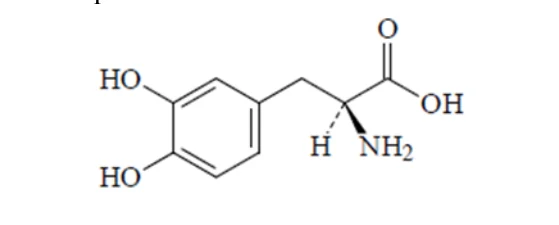
Benserazide
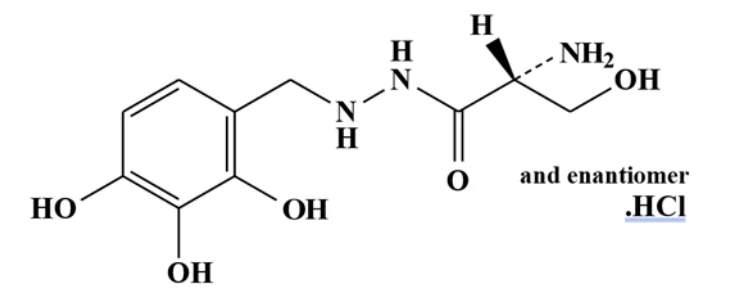
DETAILED PHARMACOLOGY
Levodopa
Pharmacological experiments in various species of animals have shown that levodopa produces increased motor activity, aggressive behaviour and electroencephalographic alerting behaviour. However, occasional sedation and ataxia have also been reported in some species. Levodopa also reverses the reserpine induced Parkinson-like effects in animals. Cardiovascular studies in dogs and cats have shown that levodopa increases the catecholamine levels in the brain which was evident as an initial increase in blood pressure followed by a secondary decrease in blood pressure. The changes in blood pressure appear to correlate with changes in renal function.
Biochemical studies in vivo as well as in vitro have demonstrated that levodopa is decarboxylated to dopamine in many tissues. Levodopa crosses the blood-brain barrier and elevates the dopamine concentration in the brain, although probably less than 1% penetrates the central nervous system. The level of aromatic acid decarboxylase activity in the striatum is reduced, but apparently sufficient enzymatic action remains to convert levodopa to the active moiety, dopamine. Levodopa is extensively decarboxylated in its first passage through the liver. The dopamine formed can be degraded to dihydroxyphenylacetic acid and homovanillic acid, which are the two major metabolites in the urine. Dopamine may also be converted to noradrenaline, in which case the major metabolites are 4-hydroxy-3-methoxy-mandelic acid and mandelic acid.
Dopamine is a pharmacologically active catecholamine with effects on alpha and beta adrenergic receptors. Its cardiac stimulating properties are produced by an action on beta adrenergic receptors but the orthostatic hypotension produced by levodopa is thought to be related to a central effect. The cardiac effect of levodopa can usually be prevented by beta-adrenergic blockers. Dopamine also stimulates the extracerebral chemotherapy trigger zone (CTZ) in the area postrama of the medulla producing nausea and vomiting. Levodopa stimulates the secretion of growth hormone and can inhibit the secretion of prolactin.
Benserazide
Benserazide belongs to the hydroxyphenylalkylhydrazine groups of aromatic L-amino acid decarboxylase inhibitors. Benserazide also inhibits other enzymes found in the periphery, e.g., in vivo tryptophan hydroxylase, aromatic amino acid transaminase, monoamine oxidase, diamine oxidase, dopamine-beta-hydroxylase and catechol-0-methyltransferase. However, benserazide is significantly more specific for decarboxylase. In the rat, benserazide penetrates into the brain at high doses (300 mg/kg) whereas at lower dosages (as high as 50 mg/kg) in the mouse, guinea pig and rabbit there is a complete and selective inhibition of extracerebral decarboxylase without inhibition of this enzyme in cerebral tissues. This results in a diminution of catecholamines and an accumulation of levodopa in peripheral tissues. Dopa decarboxylase forms a major barrier to the entry of levodopa into the central nervous system at the level of the brain capillaries and it has been suggested that benserazide inhibits this enzymatic mechanism in the capillaries of the extrapyramidal area which in turn provides levodopa more efficiently for conversion to dopamine within the basal ganglia. High doses of benserazide cause a slight decrease of endogenous monoamines in various peripheral tissues, e.g., noradrenaline in the heart.
When administered alone, the effects of benserazide vary from species to species, e.g., blood pressure, blood flow, and heart rate increase in the cat, although there are only slight cardiovascular effects in the dog. In normotensive and renal hypertensive rats, benserazide, over the range 50 to 500 mg/kg, has little or no effect on blood pressure. High pre-treatment doses of benserazide (200 mg/kg) inhibit the hypotensive effect of alpha-methyldopa in renal hypertensive rats. The respiratory minute volume also increases, especially in the cat. Benserazide administered alone shows no diuretic, anti-inflammatory or analgesic activity in rats. The hypnotic activity of ethyl alcohol, sodium pentobarbital or hexobarbital is not affected by administration of benserazide. Benserazide has no effect on experimentally induced cough in guinea pigs, apart from a weak protection from the effects of a histamine spray. It has no protective effect against anaphylactic shock produced in experimental animals. Thus, in the usually administered doses there are no appreciable effects of benserazide on the cardiovascular, renal, gastrointestinal or central nervous systems.
Levodopa and Benserazide Combination
Because of the selective inhibition of extracerebral aromatic acid decarboxylase, the degradation of levodopa in the heart, kidney, liver, gastrointestinal tract and peripheral adrenergic terminals, as well as in the capillaries of the brain is diminished. Therefore, a considerably larger proportion of levodopa is available for the cerebral parenchyma where it is converted to dopamine. In addition, there is improved intestinal absorption of levodopa as a consequence of decarboxylase inhibition in the gastrointestinal tract. Benserazide has not been shown to further raise the levodopa-induced increase of homovanillic acid in the CSF and can result in a reduced concentration of dopamine metabolites. The combination of levodopa and benserazide has slight or no effect on sleeping time when given with other hypnotics and no analgesic or antitussive properties. The combination stimulated conditioned-avoidance response rates in the rat. Small doses of benserazide markedly enhance the increase in locomotor activity resulting from administration of levodopa, possibly as a result of greater dopaminergic transmission in the basal ganglia. This combination was also shown to partially antagonize the cataleptic effect of chlorpromazine and butyrophenone. In addition, benserazide improved the efficacy of levodopa in reversing the reserpine syndrome. All of these effects are presumably due to enhancement of the levodopa-induced rise in catecholamines, mainly dopamine, in the brain as a result of benserazide pre-treatment. Administration of the combination to dogs reduced catecholamine formation in peripheral organs and has been shown in some studies to significantly diminish levodopa-induced cardiac arrhythmias, arterial hypertension, nausea and vomiting.
Metabolism
In rats, mice, dogs and humans, the major proportion of benserazide is absorbed following oral administration. The main biotransformation of benserazide takes place in the gut and consists in splitting off the serine moiety to liberate the trihydroxybenzylhydrazine aromatic acid decarboxylase inhibitor. In rats, following oral administration, plasma levels peak approximately 30 to 60 minutes after dosing, level off after 2 hours and remain fairly constant up to 24 hours. At the usual doses recommended in humans distribution of benserazide and its metabolites in rat tissues is consistent with peripheral, but not central, decarboxylase inhibition. In studies in mice, benserazide and/or its metabolites showed a great affinity for tissues with a high content of elastic fibres, i.e., large arteries and to a lesser extent, the corium. The highest concentrations of radioactivity were found respectively in the intestine, kidney, bladder, liver and no radioactive material was detected in the central nervous system following oral administration. Similar findings have been reported for rats with the highest radioactivity being found in liver and kidney tissues.
In mice and rats, the majority of benserazide is eliminated in the bile and urine and approximately similar proportions of a given dose are excreted in the feces and urine. Most of the dose is excreted within 24 hours. In dogs, excretion in urine accounted for two thirds of an oral dose of 100 mg/kg benserazide.
TOXICOLOGY
| Acute (oral) | LEVODOPA | |
|---|---|---|
| Species | LD50 (mg/kg) | Signs of Toxicity |
| Mice | 2363 | excitation, spasms |
| Rats | >8000 | excitation |
| Rabbits | 609 | increased activity, convulsions, vasodilation |
| Neonatal Rats | 582 | cyanosis |
| BENSERAZIDE | ||
|---|---|---|
| Mice | 6317 | sedation, depressed respiration, tonic clonic spasms |
| Rats | 6489 | sedation, depressed respiration |
| Rabbits | 1720 | increased and decreased activity, ataxia |
| Neonatal Rats | 500 | respiratory failure, cyanosis, pallor |
| LEVODOPA/BENSERAZIDE 4:1 | ||
|---|---|---|
| Mice | >8000 | excitation, sedation, depressed respiration |
| Rats | >8000 | as above |
| LEVODOPA/BENSERAZIDE 3:1 | ||
|---|---|---|
| Mice | >4000 | vasodilation |
| Rats | >4000 | decreased motor activity |
| Rabbits | 1920 | decreased motor activity |
| LEVODOPA/BENSERAZIDE 1:1 | ||
|---|---|---|
| Mice | >8000 | excitation, sedation, depressed respiration |
| Rats | >6434 | as above |
| Rabbits | 1880 | --- |
The minimum lethal oral dose for the squirrel monkey of the 4:1 combination of levodopa plus benserazide was 2000 mg/kg. For benserazide and levodopa given separately, the minimum lethal dose was 400 mg/kg.
Sub-acute
Thirteen-week studies in dogs treated with benserazide in oral doses ranging from 40 to 120 mg/kg indicated that 40 mg/kg was well tolerated except for a slight loss of weight and some fatty degeneration of the liver. Higher doses resulted in anorexia and severe loss of weight, severe fatty degeneration of the liver and testicular changes, the latter possibly owing to inanition. No bone deformation or neurological damage was observed.
Oral studies (13 weeks) in the rat with benserazide alone indicated that 75 mg/kg/day were well tolerated, except for the development of skeletal alterations. Skeletal alterations were increasingly severe with doses of 150 and 240 mg/kg/day; these doses were also associated with paralysis of the hind limbs. The bone changes were characterized by severe deformations in the thoracic region (vertebral column, ribs, sternum) and the extremities, observable macroscopically.
Histologically, increased bone resorption and pronounced proliferation of periosteal connective tissue were also observed.
Slightly raised hematocrit and hemoglobin levels and elevated leucocyte counts were seen in the two higher dosage groups of rats (240 and 150 mg/kg/day). In some rats of both groups, serum alkaline phosphatase activity levels were increased, and the blood glucose levels were slightly reduced. Mild fatty degeneration of the liver was observed in all three groups, but was more pronounced in the highest dosage group.
A study in rats to determine the effect of benserazide alone on possible skeletal alterations showed that skeletal formation where the epiphyseal discs had already closed was not affected by benserazide. Normal ossification also occurred in locations where the epiphyseal discs were due to close shortly, and no skeletal alterations were observed. Only those epiphyseal discs which were not due to close for a long time were severely altered. In all groups dosage started at 125 mg/kg/day of benserazide and 500 mg/kg/day of levodopa. After three weeks, the dosage level was lowered to 100 and 400 mg/kg/day and the study was continued for another nine weeks.
A further study was made on the effect of benserazide alone on possible hepatic changes in dogs. A severe fatty degeneration of the liver was produced by high doses (up to 70 mg/kg/day) of benserazide. However, this degeneration was shown to be reversible within 2½ weeks following withdrawal of benserazide.
Chronic
One-year chronic toxicity studies in dogs with a 4:1 combination of levodopa plus benserazide indicated that an oral daily dose of 60 mg/kg levodopa + 15 mg/kg benserazide was well tolerated except for frequent vomiting during the first two weeks. Doses of 120 mg/kg of levodopa + 30 mg/kg of benserazide were moderately well tolerated. Doses of 240 mg/kg of levodopa + 60 mg/kg of benserazide were poorly tolerated, and none of the animals could continue with these high doses beyond three weeks.
In the high dosage group (240 mg/kg of levodopa + 60 mg/kg of benserazide), the prothrombin time of all dogs was increased; some animals showed moderate to definite leucocytosis. BSP elimination in all dogs was seriously delayed; SGPT (but not SGOT) levels in some dogs were greatly increased; and BUN values in nearly all dogs were higher. All dogs had fatty degeneration of the liver and all showed a decrease in hematopoietic tissue in the bone marrow, possibly due to malnutrition.
In the other two groups of dogs (120 + 30 mg/kg/day, and 60 + 15 mg/kg/day) the red blood cell values, were slightly decreased and there was a slight increase in alkaline phosphatase and a temporary delay in BSP elimination in individual animals. In the group with 120 + 30 mg/kg/day the weights of the liver, adrenals and pituitary gland were increased, no histological abnormality was noted in these two groups.
In the 18 month oral toxicity test in rats treated daily with 400 mg/kg levodopa + 100 mg/kg benserazide, 200 mg/kg levodopa + 50 mg/kg benserazide or 100 mg/kg levodopa + 25 mg/kg benserazide, the findings were essentially the same as in the 13 week test with benserazide alone. The combination was very poorly tolerated by the highest dosage group, in which the experiment had to be terminated after 12 to 15 weeks. It was also sufficiently poorly tolerated in the middle dosage group and required termination of the experiment after approximately 12 months. The same types of skeletal abnormalities were observed in all groups as had been noted in the study with benserazide alone, and they were again dose related. Unlike the experiment with benserazide alone, no evidence of hepatic dysfunction was observed.
Teratologic and Reproductive Studies
Malformations of the heart and great vessels were observed in fetuses from rabbits fed 125 mg/kg and 250 mg/kg of levodopa during days 8 to 15 of gestation. Anomalies observed included septal defects, constricted or missing ductus arteriosus, enlarged aortic arches, fused aortas and pulmonary arches, and transposition. A low level of fetal-toxicity was also observed. A similar heart malformation was observed in one mouse fetus from a dam who was fed 500 mg/kg of levodopa from day 6 through 15 of gestation.
In experiments with rats and mice, levodopa plus benserazide in a 4:1 combination (up to 320 + 80 mg/kg/day) and benserazide alone (up to 200 mg/kg/day) were well tolerated by mothers and fetuses. Reproduction physiology data, the detailed examination for fetal skeletal abnormalities, and the rearing and fertility experiments yielded no indication of any detrimental effects.
In the rabbit experiment with benserazide alone, the lower doses (10 and 30 mg/kg/day) had no effect on the reproductive process, or on the viability of the young (24 hour test). Doses of 100 mg/kg/day were toxic for the females: severe loss of weight, raised mortality rate, fatty degeneration of the liver and resorption of 95% of already implanted embryos, usually in the early stage of embryonic development. The fetuses delivered did not exhibit any deformities.
In the rabbit experiment with levodopa + benserazide 4:1, 16 + 4 mg/kg/day had no adverse effect on the course of reproduction. Studies at 48 + 12 mg/kg/day and 120 + 30 mg/kg/day dosage levels caused a marked increase in the resorption rate and a reduction in the mean fetal weight; the other recorded reproduction parameters remained within the normal range. The viability of the neonates (24 hour test) was not impaired. The toxic threshold dose for pregnant rabbits would appear to be 120 + 30 mg/kg/day.
Comparative Bioavailability Studies
A randomized, double-blind, single dose, two-treatment, two-period, cross-over, comparative bioavailability study of MINT-LEVODOPA/BENSERAZIDE 200 mg/50 mg capsules (Mint Pharmaceuticals Inc.) and PROLOPA 200 mg/50 mg capsules (Hoffmann-La Roche Limited, Canada) was conducted in healthy, adult male subjects under fasting conditions. Comparative bioavailability data from 44 subjects included in the statistical analysis are presented in the following table:
SUMMARY TABLE OF THE COMPARATIVE BIOAVAILABILITY DATA
Levodopa (1 X 200 mg levodopa /50 mg benserazide) Geometric Mean, Arithmetic Mean (CV %) | ||||
| Parameter | Test1 | Reference2 | % Ratio of Geometric Means | 90% Confidence Interval |
AUCT (ng·h/mL) | 6247.36 6321.01 (15.68) | 6442.80 6525.96 (15.95) | 97.0 | 94.6 - 99.6 |
AUCI (ng·h/mL) | 6300.62 6374.69 (15.65) | 6492.24 6576.04 (15.95) | 97.1 | 94.7 - 99.6 |
CMAX (ng/mL) | 3690.45 3932.42 (35.84) | 3869.78 4094.61 (33.45) | 95.3 | 85.1 - 106.8 |
TMAX3 (h) | 0.83 (0.33 - 4.00) | 0.83 (0.50 - 4.00) | - | - |
T½4 (h) | 2.11 (23.50) | 2.00 (20.08) | - | - |
1 MINT-LEVODOPA/BENSERAZIDE (levodopa and benserazide, as benserazide hydrochloride) capsules, 200 mg/50 mg (Mint Pharmaceuticals Inc.)
2 PROLOPA (levodopa and benserazide, as benserazide hydrochloride) capsules, 200 mg/50 mg (Hoffmann-La Roche Limited, Canada)
3 Expressed as median (range) only
4 Expressed as the arithmetic mean (CV %) only
REFERENCES
Pharmacology and Toxicology
- 1. Bartholini G, Pletscher A. Decarboxylase Inhibitors. Pharmac Therap B 1975;1:407-21.
- 2. Butcher LL, et al. L-dopa induced changes in central monoamine neurons after peripheral decarboxylase inhibition. Letter to the Editor. J Pharm Pharmacol 1970;22:313-6.
- 3. Henning M. Interaction of dopa decarboxylase inhibitors with the effect of methyldopa on blood pressure and tissue monoamines in rats. Acta Pharmacol Toxicol 1969;27:135-48.
- 4. Parks LC, et al. Prevention or reversal of levodopa-induced cardiac arrhythmias by decarboxylase inhibitors. Lancet 1970;2:1014-5.
- 5. Pletscher A, Bartholini G. Selective rise in brain dopamine by inhibition of extracerebral levodopa decarboxylation. Clin Pharmacol Ther 1971;12:344-53.
- 6. Staples RE, Mattis PA. Teratology of l-dopa. Teratology 1973;8:238.
- 7. Theiss E, Schaerer K. Toxicity of l-dopa and a decarboxylase inhibitor in animal experiments, in monoamines, noyaux gris centraux et syndrome de Parkinson, Symposium Bel Air IV, Genève, 1970,J. de Ajuriaguerra and G. Gauthier (Ed.), Georg et Masson, Geneva and Paris 1971;497-504.
- 8. Kuruma I, et al. The metabolism of L-3-0-methyldopa, a precursor of dopa in man. Clin Pharmacol Ther 1971;12:678-82.
Pharmacokinetics
- 9. Kuruma I, et al. Comparative investigation of inhibitors of extracerebral dopa decarboxylase in man and rats. J Pharm Pharmacol 1972;24:289-94.
- 10. Tissot R, et al. Drug-induced changes of extracerebral dopa metabolism in man. Arch Neurol 1969;20:187-90.
Clinical
- 11. Barbeau A. Treatment of parkinson’s disease with l-dopa and Ro 4-4602: review and present status. Adv Neurol 1973;2:173-98.
- 12. Barbeau A, et al. Levodopa combined with peripheral decarboxylase inhibition in parkinson’s disease. Can Med Assoc 1972;106:1169-74.
- 13. Birkmayer W, et al. Two years’ experience in the treatment of parkinson’s syndrome with a combination of l-dopa and the decarboxylase inhibitor, benserazide (Ro 4-4602). Wien Med Wochenschr 1974;124:340-4.
- 14. Calne DB, et al. Idiopathic parkinsonism treated with an extracerebral decarboxylase inhibitor in combination with levodopa. Brit Med J 1971;3:729-32.
- 15. Dupont E, et al. Treatment of parkinsonism with a combination of levodopa and the decarboxylase inhibitor Ro 4-4602, (a comparison with levodopa treatment alone). Acta Neurol Scand 1972;48:115- 7.
- 16. Gauthier G, et al. Parkinsonism syndromes: treatment by association of l-dopa plus decarboxylase inhibitor. Eur Neurol 1974;11:133-57.
- 17. Rinne UK, et al. Treatment of parkinson’s disease with l dopa and decarboxylase inhibitor. Z Neurol 1972;202:1-20.
- 18. Siegfried J, et al. Treatment of parkinsonism with l-dopa in association with a decarboxylase inhibitor: first objective results. Pharmacol Clin 1969;2:23-6.
- 19.
Sober AJ, Wick MM. Levodopa therapy and malignant melanoma. JAMA
- 1978;240:554-5.
- 20. Barbeau A, Roy M. Six-year results of treatment with levodopa plus benserazide in parkinson’s disease. Neurology 1976;26:399-404.
- 21. Pakkenberg H, et al. Parkinson’s disease treated with sinemet or madopar: a controlled multicentre trial. Acta Neurol Scand 1976;53:376-85.
Reviews
- 22. Barbeau A. Progress in understanding and treating parkinson’s disease. Can J Neurol Sci 1976;3:81-4.
- 23. Pinder RM, et al. Levodopa and decarboxylase inhibitors: a review of their clinical pharmacology and use in the treatment of parkinsonism. Drugs 1976;11:329-77.
- 24. Sweet RD, McDowell FH. Five years’ treatment of parkinson’s disease with levodopa. Therapeutic results and survival of 100 patients. Ann Internal Med 1975;83:456-63.
- 25. Yahr MD. Levodopa. Ann Internal Med 1975;83:677-82.
- 26. PROLOPA Product Monograph. Hoffmann-La Roche Limited. Date of revision: August 2, 2019.