


Product Monograph - Longavo
Recent Major Label Changes
Not applicable
Table of Contents
Certain sections or subsections that are not applicable at the time of the preparation of the most recent authorized product monograph are not listed.
Recent Major Label Changes ................................................................................................. 2
Table of Contents ................................................................................................................. 2
Part 1: Healthcare Professional Information.......................................................................... 5
- 1.
Indications..................................................................................................................... 5
1.1. Pediatrics .................................................................................................................... 5
1.2. Geriatrics .................................................................................................................... 5
- 2. Contraindications .......................................................................................................... 5
- 3. Serious Warnings and Precautions Box ........................................................................... 5
- 4.
Dosage and Administration ............................................................................................ 6
4.1. Dosing Considerations ............................................................................................... 6
4.2. Recommended Dose and Dosage Adjustment .......................................................... 6
4.4. Administration ........................................................................................................... 8
4.5. Missed Dose ............................................................................................................. 14
- 5. Overdose ..................................................................................................................... 15
- 6. Dosage Forms, Strengths, Composition, and Packaging ................................................ 16
- 7.
Warnings and Precautions ........................................................................................... 17
General ................................................................................................................................. 17
Carcinogenesis and Genotoxicity ......................................................................................... 17
Cardiovascular ...................................................................................................................... 17
Driving and Operating Machinery ........................................................................................ 18
Endocrine and Metabolism .................................................................................................. 18
Gastrointestinal .................................................................................................................... 19
Genitourinary ....................................................................................................................... 20
Hematologic ......................................................................................................................... 20
Hepatic/Biliary/Pancreatic ................................................................................................... 20
Immune ................................................................................................................................ 21
Neurologic ............................................................................................................................ 21
Ophthalmologic .................................................................................................................... 23
Psychiatric ............................................................................................................................. 23
Renal ..................................................................................................................................... 23
Reproductive Health ............................................................................................................. 23
Skin ....................................................................................................................................... 23
7.1. Special Populations .................................................................................................. 24
7.1.1. Pregnancy ......................................................................................................... 24
7.1.2. Breastfeeding ................................................................................................... 25
7.1.3. Pediatrics .......................................................................................................... 25
7.1.4. Geriatrics .......................................................................................................... 25
- 8.
Adverse Reactions ....................................................................................................... 26
8.1. Adverse Reaction Overview ..................................................................................... 27
8.2. Clinical Trial Adverse Reactions ............................................................................... 27
8.3. Less Common Clinical Trial Adverse Reactions ........................................................ 31
8.4. Abnormal Laboratory Findings: Hematologic, Clinical Chemistry, and Other Quantitative Data ................................................................................................................. 32
8.5. Post-Market Adverse Reactions ............................................................................... 33
- 9.
Drug Interactions ......................................................................................................... 34
9.2. Drug Interactions Overview ..................................................................................... 34
9.3. Drug-Behaviour Interactions .................................................................................... 35
9.4. Drug-Drug Interactions ............................................................................................ 35
9.5. Drug-Food Interactions ............................................................................................ 40
9.6. Drug-Herb Interactions ............................................................................................ 40
9.7. Drug-Laboratory Test Interactions........................................................................... 40
- 10.
Clinical Pharmacology .................................................................................................. 40
10.1. Mechanism of Action ............................................................................................... 40
10.2. Pharmacodynamics .................................................................................................. 40
10.3. Pharmacokinetics ..................................................................................................... 41
- 11. Storage, Stability, and Disposal .................................................................................... 43
Part 2: Scientific Information .............................................................................................. 44
- 13. Pharmaceutical Information ........................................................................................ 44
- 14.
Clinical Trials ............................................................................................................... 45
14.1. Clinical Trials by Indication ...................................................................................... 45
- 16. Non-Clinical Toxicology ................................................................................................ 48
Patient Medication Information ......................................................................................... 50
Part 1: Healthcare Professional Information
1. Indications
LONGAVO (risperidone extended release injectable suspension) is indicated for:
- the treatment of schizophrenia in adults.
LONGAVO was superior to placebo at prolonging time to impending relapse in adult patients first stabilized on oral risperidone.
1.1. Pediatrics
Pediatrics (<18 years of age): No data are available to Health Canada; therefore, Health Canada has not authorized an indication for pediatric use (see 7.1.3 Pediatrics).
1.2. Geriatrics
Geriatrics (>65 years of age): LONGAVO is not approved for the treatment of patients with dementia related psychosis. (see 3 SERIOUS WARNINGS AND PRECAUTIONS BOX; 7.1 4 Geriatrics; 14 CLINICAL TRIALS).
Clinical studies of LONGAVO in the treatment of schizophrenia did not include patients older than 65 years to determine whether or not they respond differently from younger patients. LONGAVO should be used with care in the elderly (see 7.1.4 Geriatrics).
2. Contraindications
- LONGAVO is contraindicated in patients who are hypersensitive to risperidone, its metabolite, paliperidone, (see 7 WARNINGS AND PRECAUTIONS, Hypersensitivity); or to any ingredient in the formulation including any non-medicinal ingredient, or component of the container. For a complete listing, see 6 DOSAGE FORMS, STRENGTHS, COMPOSITION AND PACKAGING.
- Serious Warnings and Precautions Box
Serious Warnings and Precautions
Increased Mortality in Elderly Patients with Dementia
|
|---|
4. Dosage and Administration
4.1. Dosing Considerations
- For patients who have never taken risperidone, establish tolerability with oral risperidone prior to initiating treatment with LONGAVO.
- Neither a loading dose nor supplemental oral risperidone doses are recommended when switching.
- Each injection must be administered subcutaneously monthly by a healthcare professional using the prefilled syringe and enclosed safety needle. Do not administer by any other route.
- Prior to injection, forceful downward flicks are required to move the bubble to the cap of the syringe (see 4.4 ADMINISTRATION). Failure to move the bubble to the cap of the syringe could result in incomplete dosage.
- Caution should be exercised in patients prone to hypotension, geriatrics, patients with renal impairment and patients with hepatic impairment.
- Very rare cases of severe hypersensitivity after injection with risperidone have been reported during post-marketing experience in patients who have previously tolerated oral paliperidone or oral risperidone. Care should be taken to avoid exposure to those that are suspected to be hypersensitive or have shown hypersensitivity reactions to any of the excipients (see 2 CONTRAINDICATIONS, 6 DOSAGE FORMS, STRENGTHS, COMPOSITION AND PACKAGING and 7 WARNINGS AND PRECAUTIONS, Immune, Hypersensitivity).
4.2. Recommended Dose and Dosage Adjustment
- LONGAVO is to be administered as an abdominal or upper arm subcutaneous injection only. Do not administer by any other route.
- Each injection must be administered by a healthcare professional using the prefilled syringe and enclosed safety needle.
- For patients who have never taken risperidone, establish tolerability with oral risperidone prior to starting LONGAVO.
LONGAVO can be administered:
- Monthly: 50 mg/0.14mL, 75 mg/0.21 mL, 100 mg/0.28 mL, 125 mg/0.35 mL.
Switching from oral risperidone
Based on modelling and simulation study data (see 10.3 Pharmacokinetics), patients previously stabilized on different doses of oral risperidone can attain similar steady-state exposure to the active moiety during maintenance treatment with corresponding LONGAVO monthly doses as shown below:
Table 1: LONGAVO Dosage Selection Guide Based on Modelling and Simulation steady state exposure
| Dosing Regimen | LONGAVO Doses | ||||
|---|---|---|---|---|---|
| LONGAVO Injection Monthly* | 50 mg | 75 mg | 100 mg | 125 mg | |
| Comparable Oral Doses | |||||
| Daily Oral Risperidone | 2 mg | 3 mg | 4 mg | 5 mg | |
*Administer 1 dose per month
Patients who are on stable oral risperidone doses lower than 2 mg/day or higher than 5 mg/day may not be candidates for LONGAVO.
Based on modelling and simulation study data, a loading dose is not recommended (see 10.3 Pharmacokinetics).
- Pediatrics (<18 years of age): Health Canada has not authorized an indication for pediatric use (see 1.1 INDICATIONS, Pediatrics and 7.1.3 Pediatrics).
- Geriatrics: Clinical studies of LONGAVO in the treatment of schizophrenia did not include patients older than 65 years (see 14 CLINICAL TRIALS). In general, dose selection for an elderly patient should be cautious. Starting dose should be at the low end of the dosing range (see 7.1.4 Geriatrics).
Dosage Recommendations for Patients with Renal or Hepatic Impairment
LONGAVO has not been studied in patients with renal or hepatic impairment and should be used with caution in these special populations (see 10.3 Pharmacokinetics, Special Populations and Conditions).
Before considering initiation of LONGAVO with these patients, tolerability must be established with oral risperidone. It is advisable that patients be carefully titrated up to at least 2 mg daily of oral risperidone and if 2 mg is well tolerated, switching to LONGAVO may be considered at the lowest dose of 50 mg/ 0.14 mL monthly.
- Dosage recommendations for Concomitant Use with Strong CYP2D6 Inhibitors and Strong CYP3A4 Inducers
Co-administration with Strong CYP2D6 Inhibitors
When initiation of fluoxetine or paroxetine is considered, patients may be placed on a lower dose of LONGAVO prior to the planned start of fluoxetine or paroxetine therapy to adjust for the expected increase in plasma concentrations of risperidone.
When fluoxetine or paroxetine is initiated in patients receiving the recommended dose of 50 mg/0.14 mL monthly of LONGAVO, it is recommended to continue treatment with this dose unless clinical judgment necessitates interruption of LONGAVO (see 9.4 Drug-Drug Interactions).
The effects of discontinuation of concomitant fluoxetine or paroxetine therapy on the pharmacokinetics of risperidone and 9-hydroxyrisperidone have not been studied.
Co-administration with Strong CYP3A4 Inducers
At the initiation of therapy with carbamazepine or other known hepatic enzyme inducers, patients should be closely monitored during the first 4 to 8 weeks since the dose of LONGAVO may need to be adjusted. A dose increase, or additional oral risperidone, may be considered.
On discontinuation of carbamazepine or other CYP3A4 enzyme inducers, the dosage of LONGAVO should be re-evaluated and, if necessary, decreased. Patients may be placed on a lower dose of LONGAVO upon discontinuation of carbamazepine or other CYP3A4 enzyme inducers to adjust for the expected increase in plasma concentrations of risperidone plus 9-hydroxyrisperidone. For patients discontinuing carbamazepine or other CYP3A4 enzyme inducers, who are treated with the recommended dose of 50 mg/0.14 mL monthly of LONGAVO, it is recommended to continue treatment with this dose unless clinical judgment necessitates interruption of LONGAVO (see 9.4 Drug-Drug Interactions).
The effects of discontinuation of concomitant carbamazepine therapy on the pharmacokinetics of risperidone and 9-hydroxyrisperidone have not been studied.
Switching Antipsychotic Agents
There are no data to specifically address switching patients with schizophrenia from other antipsychotics to LONGAVO or concerning concomitant administration with other antipsychotics.
Discontinuation of the previous antipsychotic should be made in accordance with the appropriate prescribing information.
4.4. Administration
IMPORTANT ADMINISTRATION INSTRUCTIONS FOR HEALTHCARE PROFESSIONALS
INSTRUCTION FOR USE
You must read all the steps of the instructions before you administer LONGAVO for the first time.
- For subcutaneous injection only. Do not inject any other route.
- To be administered by a healthcare professional only
- Allow LONGAVO to come to room temperature for at least 30 minutes prior to administration.
- As a universal precaution, always wear gloves.
STEP 1
Check to make sure LONGAVO kit contains:
- One sterile single-dose, prefilled glass syringe
- One sterile 21G x 5/8” needle
Do not substitute any components of the kit for administration.
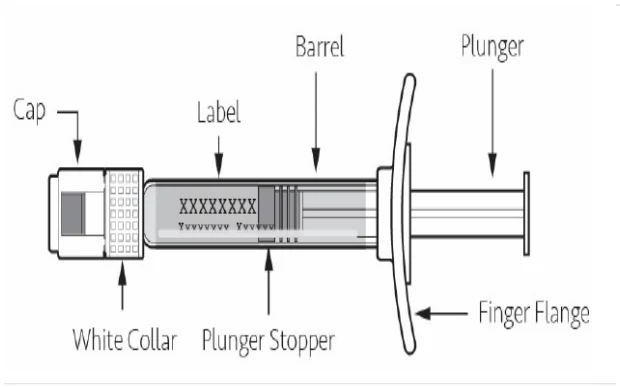
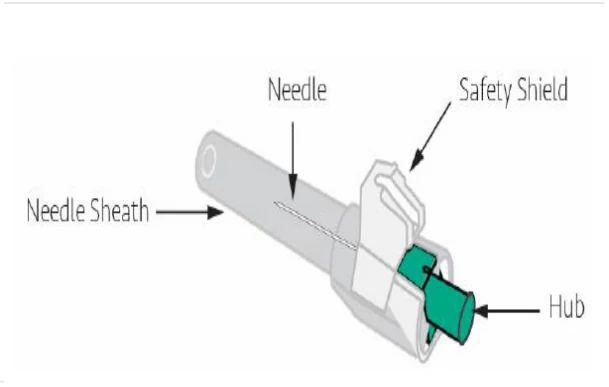
Prefilled Syringe Safety Needle
STEP 2
Remove LONGAVO kit from refrigerated storage and allow the package to sit at room temperature (20 to 25°C) for at least 30 minutes.
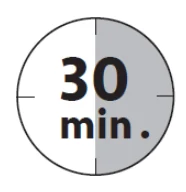
At room temperature
Note: LONGAVO is solid at refrigerated temperatures and must reach room temperature prior to administration. Do not warm any other way and keep protected from light.
STEP 3
Check that the drug in the syringe is white to off-white, opaque in color, and free from non-white particulate matter. Check that the pouch label states the needle size is 21G x 5/8”. Do not use if any component of the kit is damaged or if the expiration date has passed.
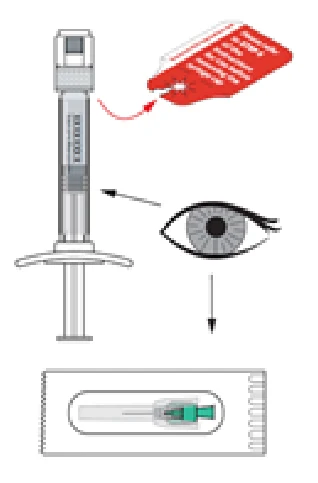 STEP 4 Expose the safety needle hub by peeling back the paper tab of the needle pouch. Set aside for use in Step 7. STEP 5 |
|---|
| IMPORTANT: This step must be performed to ensure complete dosing. LONGAVO is viscous and forceful downward flicks are required to move the bubble to the cap of the syringe. Failure to move the bubble to the cap of the syringe could result in incomplete dosage. |
|---|
Firmly hold the syringe by the white collar 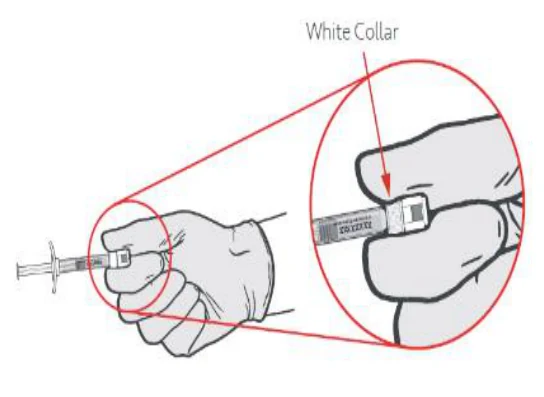 Flick Syringe Forcefully Three Times to Move the Bubble to the Cap
Note: Standing while you do this may help achieve required force. Check that the Bubble is at the Cap of the Syringe
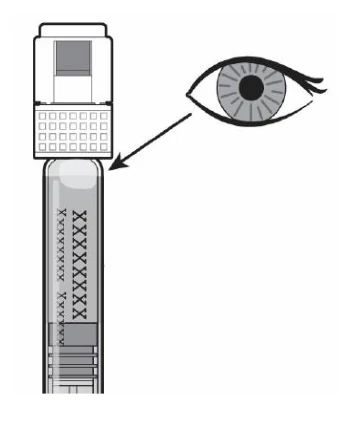 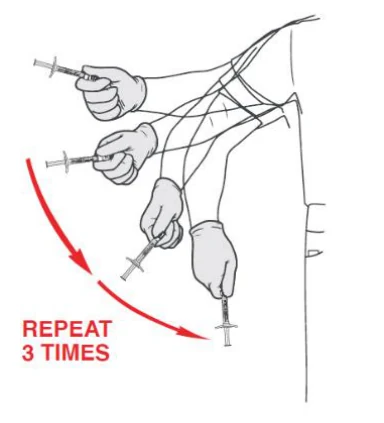 Flick downwards forcefully with your full arm |
|---|
STEP 6
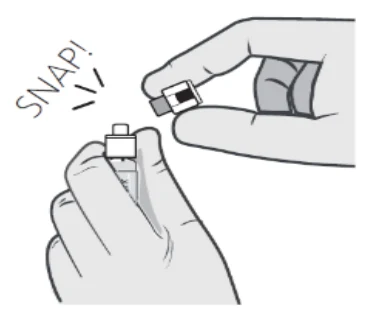
Hold the syringe vertically by the white collar, bend and snap off the cap.
Do not touch the syringe tip to avoid contamination.
STEP 7
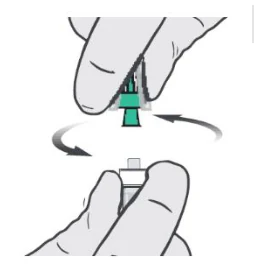
Attach the Needle to the Syringe
- Hold the syringe vertically with the white collar at the top.
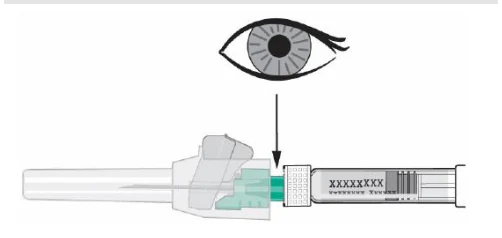
- Push the green hub of safety needle inside the white collar of syringe and rotate the safety needle while holding the white collar until secure and tight.
Inspect the needle connection to check that the hub is not damaged
STEP 8
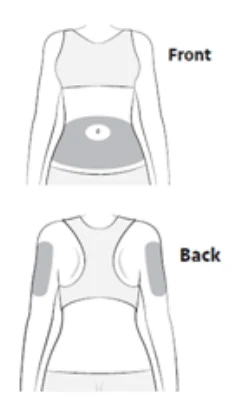
Select Injection Site from the Following Areas:
- Stomach area (abdomen) around the belly button
- Back and outer area of the upper arms
Do not inject LONGAVO anywhere except in the areas specified above.
Do not inject LONGAVO into an area that is tender, red, bruised, callused, tattooed, hard, or has scars or stretch marks.
STEP 9
Clean the Injection Site with an alcohol wipe.
STEP 10
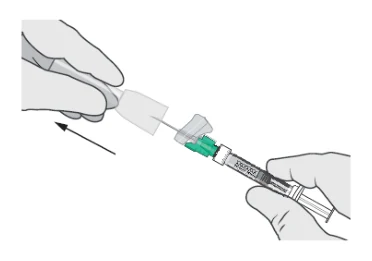
Remove the needle sheath by pulling the needle sheath away from the green hub to expose the needle.
Do not expel any visible air bubble.
STEP 11
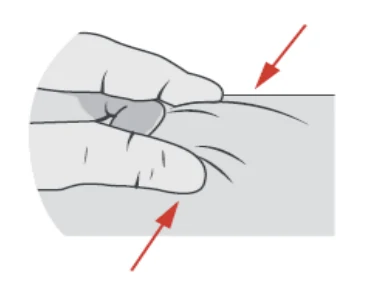
Pinch at least 1 inch of the area of cleaned skin with your free hand.
STEP 12
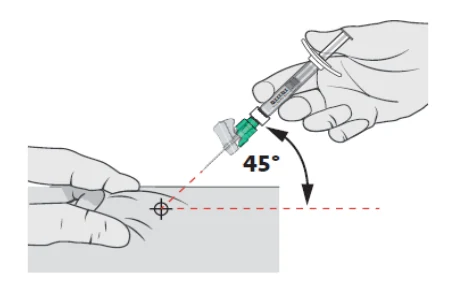
Insert the needle into subcutaneous tissue (actual angle of injection will depend on the amount of subcutaneous tissue). Do not apply pressure to the plunger.
STEP 13
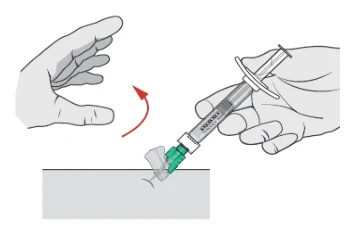
Release the pinched skin once the needle is in the subcutaneous tissue.
STEP 14
Inject the Medication
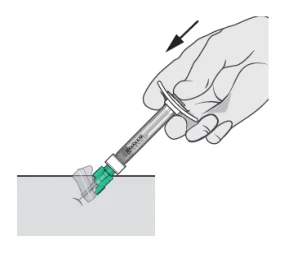
- Push on the plunger using a slow, firm, and steady push until the entire dose is delivered.
- Inject the entire dose at one time, without interruption.
- Check that the plunger stopper is at the White Collar.
IMPORTANT: LONGAVO is viscous. Resistance will be experienced during dose delivery. Do not use excessive force in an attempt to deliver LONGAVO faster.
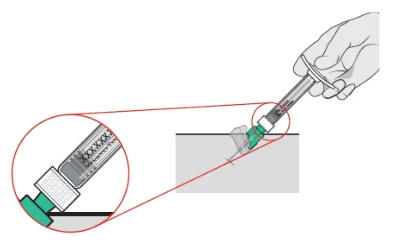
STEP 15
Wait 2-3 seconds after the entire dose is delivered before removing the needle. Slowly pull the needle out from the injection site at the same angle as insertion.
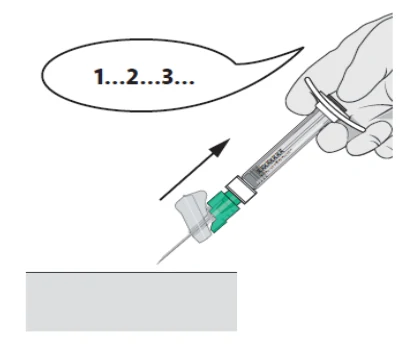
STEP 16
Activate (lock) the safety needle shield using one of the following methods:
- Surface Activation: Place the needle shield on a flat surface and pull the syringe backward until needle shield covers needle tip.
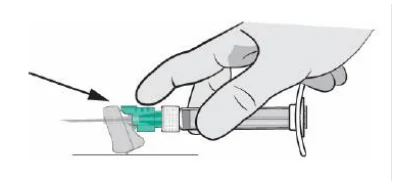
OR
- Finger/Thumb Activation: Press either your thumb or finger on the needle shield and push it forward until the needle shield covers the needle tip.
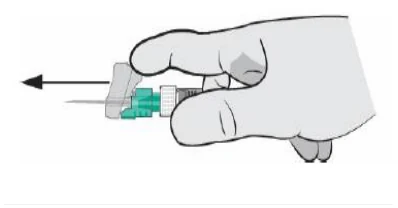
There will be an audible click when the needle safety shield is locked.
Dispose of the syringe and needle in a suitable sharp container.
4.5. Missed Dose
A patient who misses a dose should receive the next dose as soon as possible. Adjust the administration schedule accordingly. Do not administer more frequently than recommended.
5. Overdose
No cases of overdose were reported in premarketing studies with LONGAVO. Because LONGAVO is to be administered by healthcare professionals, the potential for overdosage by patients is low.
While overdose is less likely with parenteral than oral medicinal products, reference information for oral risperidone overdose is presented below.
Cases of overdose have been reported with oral risperidone; the estimated doses were between 20 and 360 mg. In general, reported signs and symptoms were those resulting from an exaggeration of the drug’s known pharmacological effects, namely drowsiness, sedation, tachycardia, hypotension and extrapyramidal symptoms. In overdose, QT prolongation, widened QRS complex, convulsions, hyponatremia and hypokalemia were also reported. Torsade de pointes has been reported in association with combined overdose of oral risperidone and paroxetine.
Treatment of Overdosage
In case of acute overdosage, establish and maintain an airway and ensure adequate oxygenation and ventilation. Cardiovascular monitoring should commence immediately and should include continuous electrocardiographic monitoring to detect possible arrhythmias. If antiarrhythmic therapy is administered, disopyramide, procainamide, and quinidine carry a theoretical hazard of QT prolonging effects that might be additive to those of risperidone. Similarly, it is reasonable to expect that the alpha-blocking properties of bretylium might be additive to those of risperidone, resulting in problematic hypotension.
There is no specific antidote to risperidone. Appropriate supportive measures should be instituted. Hypotension and circulatory collapse should be treated with appropriate measures, such as intravenous fluids and/or sympathomimetic agents (epinephrine and dopamine should not be used, since beta stimulation may worsen hypotension in the setting of risperidone-induced alpha blockade). In cases of severe extrapyramidal symptoms, anticholinergic medication should be administered. Close medical supervision and monitoring should continue until the patient recovers.
Consider the possibility of multiple drug overdosage. Consider the long-acting nature of LONGAVO when assessing treatment needs and recovery.
| For the most recent information in the management of a suspected drug overdose, contact your regional poison control centre or Health Canada’s toll-free number, 1-844 POISON-X (1-844-764-7669). |
|---|
- 6. Dosage Forms, Strengths, Composition, and Packaging
Table 2 – Dosage Forms, Strengths, Composition and Packaging
a Methoxy-poly(ethylene glycol)-co-poly(D,L-lactide)
B Poly(D,L-lactide)-co-poly(ethylene glycol)-co-poly(D,L-lactide)
LONGAVO is comprised of mPEG-PDL and PDL-PEG-PDL copolymers, and dimethyl sulfoxide in the following risperidone dosages as shown in Table 3:
Table 3: LONGAVO Composition and Fill Volume
| Risperidone (mg/mL) | mPEG-PDL and PDL-PEG-PDL Copolymers (mg) | Dimethyl Sulfoxide (mg) | Total Volume (mL) |
|---|---|---|---|
| 50/ 0.14 | 42 | 75 | 0.14 |
| 75/0.21 | 63 | 113 | 0.21 |
| 100/ 0.28 | 83 | 150 | 0.28 |
| 125/0.35 | 104 | 188 | 0.35 |
LONGAVO (risperidone) extended-release injectable suspension is a white to off-white opaque viscous suspension, for subcutaneous use and is available in dosage strengths of 50 mg/0.14 mL, 75 mg/0.21 mL, 100 mg/0.28 mL, 125 mg/0.35 mL.
LONGAVO is supplied in single-dose kits, packaged in a carton containing the following:
- 50 mg/0.14 mL single-dose prefilled syringe with one 21 gauge, 5/8-inch needle
- 75 mg/0.21 mL single-dose prefilled syringe with one 21 gauge, 5/8-inch needle
- 100 mg/0.28 mL single-dose prefilled syringe with one 21 gauge, 5/8-inch needle
- 125 mg/0.35 mL single-dose prefilled syringe with one 21 gauge, 5/8-inch needle
The prefilled syringe cap is not made with natural rubber latex.
| Route of Administration | Dosage Form / Strength/Composition | Non-medicinal Ingredients |
| abdominal or upper arm for subcutaneous use only | Extended-release injectable suspension 50 mg/0.14 mL, 75 mg/0.21 mL, 100 mg/0.28 mL, 125 mg/0.35 mL. | mPEG-PDLa and PDL-PEG-PDLb copolymers, and dimethyl sulfoxide. |
7. Warnings and Precautions
Please see 3 SERIOUS WARNINGS AND PRECAUTIONS BOX.
General
Body Temperature Regulation
Disruption of the body’s ability to reduce core body temperature has been attributed to antipsychotic drugs. Appropriate care is advised when prescribing LONGAVO for patients who will be experiencing conditions which may contribute to an elevation or reduction of core temperature, e.g., exercising strenuously, exposure to extreme heat or cold, receiving concomitant medication with anticholinergic activity, or being subject to dehydration.
Falls
Somnolence, postural hypotension, motor instability, and sensory instability have been reported with the use of antipsychotics, including LONGAVO, which may lead to falls and, consequently, fractures or other fall-related injuries. For patients, particularly the elderly, with diseases, conditions, or medications that could exacerbate these effects, assess the risk of falls when initiating LONGAVO treatment and recurrently for patients on long-term antipsychotic therapy.
Carcinogenesis and Genotoxicity
For animal data see 16 NON-CLINICAL TOXICOLOGY
Cardiovascular
Orthostatic Hypotension
LONGAVO may induce orthostatic hypotension associated with dizziness, tachycardia. Rare cases of syncope, cardiac arrhythmias and first degree AV-block have been reported. Clinically significant hypotension has also been observed post-marketing with concomitant use of oral risperidone and antihypertensive treatment.
LONGAVO should be used with caution in patients with cardiovascular diseases (e.g., heart failure, history of myocardial infarction or ischemia, cerebrovascular disease, conduction abnormalities) and other conditions such as dehydration and hypovolemia and in the elderly and patients with renal or hepatic impairment.
Special care should be taken to avoid hypotension in patients with a history of cerebrovascular insufficiency or ischemic heart disease, and in patients taking medications to lower blood pressure. Monitoring of orthostatic vital signs should be considered in all such patients and a dose reduction should be considered if hypotension occurs.
QT interval
As with other antipsychotics, caution should be exercised when LONGAVO is prescribed in patients with a history of cardiac arrhythmias, in patients with congenital long QT syndrome, and in concomitant use with drugs known to prolong the QT interval.
Driving and Operating Machinery
Potential for Cognitive and Motor Impairment
In a double-blind, placebo-controlled study, somnolence, sedation and dizziness were reported by patients treated with LONGAVO (see 8.2 Clinical Trial Adverse Reactions).
LONGAVO, as other antipsychotics, has the potential to impair judgement, thinking, and motor skills. Patients should be cautioned against driving a car or operating hazardous machinery until they are reasonably certain that treatment with LONGAVO does not affect them adversely.
Endocrine and Metabolism
Educate patients about the risk of metabolic changes, how to recognize symptoms of hyperglycemia and diabetes mellitus and the need for specific monitoring, including blood glucose, lipids, and weight gain.
Dyslipidemia
Undesirable alterations in lipids have been observed in patients treated with atypical antipsychotics.
Hyperglycemia and Diabetes Mellitus
Hyperglycemia, diabetes mellitus and exacerbation of pre-existing diabetes, in some cases serious and associated with ketoacidosis or hyperosmolar coma or death, have been reported in patients treated with atypical antipsychotics, including LONGAVO.
Diabetic ketoacidosis (DKA) has occurred in patients treated with antipsychotics with no reported history of hyperglycemia. Appropriate clinical monitoring of patients treated with antipsychotics is advisable in accordance with utilized antipsychotic guidelines (see 8.5 ADVERSE REACTIONS, Post-Market Adverse Reactions).
Assessment of the relationship between atypical antipsychotic use and glucose abnormalities is complicated by the possibility of an increased background risk of diabetes mellitus in patients with schizophrenia and the increasing incidence of diabetes mellitus in the general population. Given these confounders, the relationship between atypical antipsychotic use and hyperglycemia-related adverse events is not completely understood. However, epidemiological studies suggest an increased risk of treatment-emergent hyperglycemia-related adverse events in patients treated with the atypical antipsychotics. Precise risk estimates for hyperglycemia-related adverse events in patients treated with atypical antipsychotics are not available.
Any patient treated with atypical antipsychotics, including LONGAVO, should be monitored for symptoms of hyperglycemia and diabetes mellitus including polydipsia, polyuria, polyphagia, and weakness. Patients who develop symptoms of hyperglycemia and diabetes mellitus during treatment with atypical antipsychotics should undergo fasting blood glucose testing at the beginning of treatment with LONGAVO and periodically during treatment.
In some cases, hyperglycemia has resolved when the atypical antipsychotic was discontinued; however, some patients required continuation of antidiabetic treatment despite discontinuation of risperidone.
Patients with risk factors for diabetes mellitus (e.g., obesity, family history of diabetes) who are starting treatment with atypical antipsychotics including LONGAVO should undergo fasting blood glucose testing at the beginning of treatment and periodically during treatment.
Patients with an established diagnosis of diabetes mellitus who are started on LONGAVO should be monitored regularly for worsening of glucose control.
Hyperprolactinemia
As with other drugs that antagonize dopamine D2 receptors, risperidone elevates prolactin levels and the elevation persists during chronic administration. Risperidone is associated with higher levels of prolactin elevation than other antipsychotic agents.
Hyperprolactinemia may suppress hypothalamic GnRH, resulting in reduced pituitary gonadotropin secretion. This in turn may inhibit reproductive function by impairing gonadal steroidogenesis in both female and male patients. Galactorrhea, amenorrhea, gynecomastia, nonpuerperal lactation, abnormal sexual function, ejaculation failure, decreased libido and impotence have been reported in patients receiving prolactin-elevating compounds. Long-standing hyperprolactinemia may lead to decreased bone density in both female and male patients.
Tissue culture experiments indicate that approximately one-third of human breast cancers are prolactin dependent in vitro. LONGAVO should only be administered to a patient with previously detected breast cancer if the benefits outweigh the risks. Caution should also be exercised when considering LONGAVO treatment in patients with pituitary tumours.
An increase in pituitary gland, mammary gland, and pancreatic islet cell neoplasia (mammary adenocarcinomas, pituitary and pancreatic adenomas) was observed in the risperidone carcinogenicity studies conducted in mice and rats (see 16 NON-CLINICAL TOXICOLOGY). Neither clinical studies nor epidemiologic studies conducted to date have shown an association between chronic administration of this class of drugs and tumorigenesis in humans; the available evidence is considered too limited to be conclusive at this time.
Weight Gain
Weight gain has been observed with atypical antipsychotic use. Clinical monitoring of weight is recommended (see 8 ADVERSE REACTIONS).
Gastrointestinal
Antiemetic Effect
Consistent with its dopamine antagonistic effects, LONGAVO may have an antiemetic effect. Such an effect may mask signs of toxicity due to overdosage with other drugs, or may mask symptoms of disease such as brain tumour, or intestinal obstruction or Reye’s syndrome.
Dysphagia
Esophageal dysmotility and aspiration have been associated with antipsychotic drug use. Aspiration pneumonia is a common cause of morbidity and mortality in patients with advanced Alzheimer’s dementia. LONGAVO and other antipsychotic drugs should be used cautiously in patients at risk for aspiration pneumonia (see 3 SERIOUS WARNINGS AND PRECAUTIONS BOX and 7.1.4 Geriatrics).
Genitourinary
Priapism
Drugs with alpha-adrenergic blocking effects have been reported to induce priapism. Priapism has been reported with risperidone during post-marketing surveillance. This adverse reaction, as with other psychotropic drugs, did not appear to be dose dependent and did not correlate with the duration of treatment. In a long term safety study, 1 patient treated with LONGAVO monthly dosing regimen experienced priapism.
Hematologic
Leukopenia, Neutropenia, and Agranulocytosis
In clinical trial and/or post-marketing experience, events of leukopenia/neutropenia have been reported temporally related to antipsychotic agents, including risperidone. Granulocytopenia and agranulocytosis have also been reported.
Possible risk factors for leukopenia/neutropenia include pre-existing low white blood cell count (WBC) and a history of drug-induced leukopenia/neutropenia. Patients with a history of a clinically significant low WBC or a drug-induced leukopenia/neutropenia should have their complete blood count (CBC) monitored frequently during the first few months of therapy and discontinuation of LONGAVO should be considered at the first sign of a clinically significant decline in WBC in the absence of other causative factors.
Patients with clinically significant neutropenia should be carefully monitored for fever or other symptoms or signs of infection and treated promptly if such symptoms or signs occur. Patients with severe neutropenia (absolute neutrophil count < 1 x 10⁹/L) should discontinue LONGAVO and have their WBC followed until recovery.
Venous Thromboembolism
Venous thromboembolism (VTE), including fatal pulmonary embolism, has been reported with antipsychotic drugs, including risperidone, in case reports and/or observational studies. When prescribing LONGAVO, all potential risk factors for VTE should be identified and preventative measures undertaken.
Hepatic/Biliary/Pancreatic
LONGAVO was not studied in patients with hepatic impairment; however, such effect has been investigated with oral risperidone.
In patients with hepatic impairment, carefully titrate with oral risperidone (up to at least 2 mg daily) before initiating treatment with LONGAVO at a dose of 50 mg/0.14 mL monthly (see 4 DOSAGE AND ADMINISTRATION and 10.3 Pharmacokinetics, Special Populations and Conditions).
Immune
Hypersensitivity
Patients with hypersensitivity to oral risperidone, paliperidone, or to any other ingredient of the formulation or component of the container, should not be treated with LONGAVO (see 2 CONTRAINDICATIONS).
There have been very rare spontaneous post-marketing reports of severe hypersensitivity (e.g., anaphylaxis, angioedema, anaphylactic shock) in some patients after injection with risperidone. It is unknown how many of these patients previously tolerated oral risperidone or paliperidone. However, anaphylactic-type reactions have occurred after injection with risperidone in patients who have previously tolerated oral risperidone or oral paliperidone. Symptoms of anaphylaxis include skin rash, hives, peripheral edema, swollen eye, tongue and face, hyperhidrosis, dyspnea, and hypotension. Discontinue exposure to LONGAVO if such symptoms occur. Caution should also be exercised in patients who have had serious allergic reactions to other medications. Prior to initiating treatment with LONGAVO, tolerability with oral risperidone should be established (see 4 DOSAGE AND ADMINISTRATION). For a complete listing of ingredients, see 6 DOSAGE FORMS, STRENGTHS, COMPOSITION AND PACKAGING.
For serious skin reactions see, 7 WARNINGS AND PRECAUTIONS, Skin.
Neurologic
Extrapyramidal symptoms and psychostimulants
Caution is warranted in patients receiving both psychostimulants (e.g. methylphenidate) and risperidone concomitantly, as extrapyramidal symptoms could emerge when adjusting one or both medications. Gradual withdrawal of one or both treatments should be considered (see 9.4 Drug-Drug Interactions).
Neuroleptic Malignant Syndrome (NMS)
Neuroleptic malignant syndrome is a potentially fatal symptom complex that has been reported in association with antipsychotic drugs, including risperidone.
Clinical manifestations of NMS are hyperthermia, muscle rigidity, altered mental status (including catatonic signs) and evidence of autonomic instability (irregular blood pressure, tachycardia, cardiac arrhythmias, and diaphoresis). Additional signs may include elevated creatine phosphokinase, myoglobinuria (rhabdomyolysis) and acute renal failure.
In arriving at a diagnosis, it is important to identify cases where the clinical presentation includes both serious medical illness (e.g., pneumonia, systemic infection, etc.) and untreated or inadequately treated extrapyramidal signs and symptoms. Other important considerations in the differential diagnosis include central anticholinergic toxicity, heat stroke, drug fever, and primary central nervous system pathology.
The management of NMS should include: 1) immediate discontinuation of all antipsychotic drugs including LONGAVO, and other drugs not essential to concurrent therapy; 2) intensive symptomatic treatment and medical monitoring; and 3) treatment of any concomitant serious medical problems for which specific treatments are available. There is no general agreement about specific pharmacological treatment regimens for uncomplicated NMS.
If a patient requires antipsychotic drug treatment after recovery from NMS, the potential reintroduction of drug therapy should be carefully considered. The patient should be carefully monitored, since recurrences of NMS has been reported.
Seizures
Seizures have been observed during premarketing studies of risperidone in adult patients with schizophrenia. LONGAVO should be used cautiously in patients with a history of seizures or other conditions that potentially lower the seizure threshold.
Tardive Dyskinesia
Tardive dyskinesia (TD), a syndrome consisting of potentially irreversible, involuntary, dyskinetic movements may develop in patients treated with antipsychotic drugs. Although the prevalence of the syndrome appears to be highest among the elderly, especially elderly women, it is impossible to predict which patients will develop the syndrome. It has been suggested that the occurrence of parkinsonian side effects is one of the risk factors for the development of TD. Whether antipsychotic drug products differ in their potential to cause tardive dyskinesia is unknown.
The risk of developing tardive dyskinesia and the likelihood that it will become irreversible are believed to increase with increased duration of treatment and the cumulative dose of antipsychotic drugs administered to the patient. However, the syndrome can develop, although much less commonly, after relatively brief treatment periods at low doses. It may also occur after discontinuation of treatment.
Tardive dyskinesia may remit, partially or completely, if antipsychotic treatment is discontinued. However, antipsychotic treatment, itself, may suppress (or partially suppress) the signs and symptoms of the syndrome possibly masking the underlying process. The effect that symptomatic suppression has upon the long-term course of the syndrome is unknown.
Given these considerations, LONGAVO should be prescribed in a manner that is most likely to minimize the occurrence of tardive dyskinesia. Chronic antipsychotic treatment should generally be reserved for patients (1) who appear to be obtaining substantial benefit from the drug, and (2) for whom alternative, equally effective, but potentially less harmful treatments are not available or appropriate. In patients who do require chronic treatment, the lowest dose and the shortest duration of treatment producing a satisfactory clinical response should be sought. Periodically reassess the need for continued treatment.
If signs and symptoms of tardive dyskinesia appear in a patient treated with LONGAVO, drug discontinuation should be considered. However, some patients may require treatment with LONGAVO despite the presence of the syndrome.
Use in Patients with Parkinson’s Disease or Dementia with Lewy Bodies (DLB)
Physicians should weigh the risks versus the benefits when prescribing antipsychotics, including LONGAVO, to patients with Parkinson’s Disease or Dementia with Lewy Bodies (DLB) since both groups may be at increased risk of Neuroleptic Malignant Syndrome as well as having an increased sensitivity to antipsychotic medications. Manifestation of this increased sensitivity can include confusion, obtundation, and postural instability with frequent falls, in addition to extrapyramidal symptoms.
Ophthalmologic
Intraoperative Floppy Iris Syndrome
Intraoperative Floppy Iris Syndrome (IFIS) has been observed during cataract surgery in patients treated with medicines with alpha1a-adrenergic antagonist effect, including risperidone (see 8.5 Post-Market Adverse Reactions).
This variant of small pupil syndrome is characterized by the combination of a flaccid iris that billows in response to intraoperative irrigation currents, progressive intraoperative miosis despite preoperative dilation with standard mydriatic drugs and potential prolapse of the iris toward the phacoemulsification incisions. IFIS may increase the risk of eye complications during and after the operation. Current or past use of medicines with alpha1a-adrenergic antagonist effect should be made known to the ophthalmic surgeon in advance of surgery. The potential benefit of stopping alpha1 blocking therapy prior to cataract surgery has not been established and must be weighed against the risk of stopping the antipsychotic therapy.
Psychiatric
Suicide
The possibility of suicide or attempted suicide is inherent in psychosis, and thus, close supervision and appropriate clinical management of high-risk patients should accompany drug therapy. LONGAVO is to be administered by a healthcare professional (see 4 DOSAGE AND ADMINISTRATION); therefore, suicide due to an overdose is unlikely.
Renal
LONGAVO was not studied in patients with renal impairment; however, such effect has been investigated with oral risperidone.
In patients with renal impairment, carefully titrate with oral risperidone (up to at least 2 mg daily) before initiating treatment with LONGAVO at a dose of 50 mg/0.14 mL monthly (see 4 DOSAGE AND ADMINISTRATION and 10.3 Pharmacokinetics, Special Populations and Conditions).
Reproductive Health
Fertility
Based on the pharmacologic action of risperidone (D2 receptor antagonism), treatment with LONGAVO may result in an increase in serum prolactin levels, which may lead to a reversible reduction in fertility in females of reproductive potential (see 7 WARNINGS AND PRECAUTIONS, Endocrine and Metabolism, Hyperprolactinemia, and 16 NON-CLINICAL TOXICOLOGY, Reproductive and Developmental Toxicology).
Skin
Severe cutaneous adverse reactions (SCARs), including Stevens-Johnson syndrome (SJS), toxic epidermal necrolysis (TEN) and drug reaction with eosinophilia and systemic symptoms (DRESS) are potentially life-threatening adverse drug reactions that have been reported with atypical antipsychotic exposure. SCARs commonly present as a combination of the following symptoms: malaise, mucosal ulceration, extensive cutaneous rash or exfoliative dermatitis, fever, lymphadenopathy and possible eosinophilia. Discontinue LONGAVO if severe cutaneous adverse reactions occur (see 8.5 Post-Market Adverse Reactions).
7.1. Special Populations
7.1.1. Pregnancy
LONGAVO should not be used during pregnancy unless the expected benefits to the mother markedly outweigh the potential risks to the fetus.
A prospective observational study including 6 women treated with risperidone demonstrated placental passage of risperidone.
Teratogenic effects
There are no adequate and well-controlled studies in pregnant women. However, there was one report of a case of agenesis of the corpus callosum in an infant exposed to risperidone in utero. The causal relationship to risperidone therapy is unknown.
Published data from observational studies, birth registries, and case reports on the use of atypical antipsychotics during pregnancy do not report a clear association with antipsychotics and major birth defects. A retrospective cohort study from a US claims database of 9258 women exposed to antipsychotics during pregnancy did not indicate an overall increased risk for major birth defects. Compared to no antipsychotic exposure, there was a small increase in the risk of major birth defects (RR = 1.26, 95% CI 1.02 to 1.56) and of cardiac malformations (RR = 1.26, 95% CI 0.88 to 1.81) in a subgroup of 1566 women exposed to risperidone during the first trimester of pregnancy; however, there is no mechanism of action to explain the difference in malformation rates.
Oral administration of risperidone to pregnant mice caused cleft palate at doses 3 to 4 times the maximum recommended human dose (MRHD) of 16 mg/day with maternal toxicity observed at 4 times the MRHD based on mg/m2 body surface area. Risperidone was not teratogenic in rats or rabbits at doses up to 6 times the MRHD based on mg/m2 body surface area. Increased stillbirths and decreased birth weight occurred after oral risperidone administration to pregnant rats at 1.5 times the MRHD based on mg/m2 body surface area. Learning was impaired in offspring of rats when the dams were dosed at 0.6 times the MRHD and offspring mortality increased at doses 0.1 to 3 times the MRHD based on mg/m2 body surface area.
Non-Teratogenic Effects
Neonates exposed to antipsychotic drugs during the third trimester of pregnancy are at risk of extrapyramidal and/or withdrawal symptoms following delivery. There have been reports of agitation, hypertonia, hypotonia, tremor, somnolence, respiratory distress and feeding disorder in these neonates. These complications have varied in severity; while in some cases symptoms have been self-limited, in other cases neonates have required intensive care unit support and prolonged hospitalization. Some neonates recovered within hours or days without specific treatment; others required prolonged hospitalization. Monitor neonates for extrapyramidal and/or withdrawal symptoms and manage symptoms appropriately.
7.1.2. Breastfeeding
Risperidone appeared in the milk of lactating dogs. The concentration of risperidone was similar in milk and plasma, while that of 9-hydroxyrisperidone was higher in the milk than in plasma. It has been demonstrated that risperidone and 9-hydroxyrisperidone are also excreted in human breast milk.
Nursing should not be undertaken while a patient is receiving LONGAVO.
Infants exposed to LONGAVO through breastmilk should be monitored for excess sedation, failure to thrive, jitteriness, and extrapyramidal symptoms (tremors and abnormal muscle movements).
There is no information on the effects of risperidone on milk production
7.1.3. Pediatrics
Pediatrics (<18 years of age): No data are available to Health Canada; therefore, Health Canada has not authorized an indication for pediatric use.
The safety and efficacy of LONGAVO in children under the age of 18 have not been established and its use is not recommended.
Weight gain has been observed with atypical antipsychotic use in pediatric and adolescent patient populations. Independent of any drug-specific effects, weight gain can be associated with adverse changes in other metabolic parameters (e.g., glucose and lipid metabolism). Abnormal childhood weight and metabolic status can have adverse effects on cardiovascular outcomes in adulthood. Weight gain and adverse effects on other metabolic parameters associated with atypical antipsychotics can be more frequent or more severe in pediatric and adolescent patients than in the adult patients.
The long-term safety, including cardiometabolic effects and effects on growth, maturation and behavioural development in patients under 18 years of age has not been systematically evaluated.
7.1.4. Geriatrics
Clinical studies of LONGAVO in the treatment of schizophrenia did not include patients older than 65 years to determine whether or not they respond differently from younger patients.
In general, dose selection for an elderly patient should be cautious, usually starting at the low end of the dosing range, reflecting the greater frequency of decreased hepatic, renal, or cardiac function, increased tendency to postural hypotension and of concomitant disease or other drug therapy.
Risperidone is substantially excreted by the kidneys. Thus, the risk of toxic reactions to this drug may be greater in patients with impaired renal function. Because elderly patients are more likely to have decreased renal function, caution should be taken in dose selection and titration. It may also be useful to monitor renal function in these patients (see 4 DOSAGE AND ADMINISTRATION).
Use in Geriatric Patients with Dementia
Overall Mortality
Elderly patients with dementia-related psychosis treated with atypical antipsychotic drugs are at an increased risk of death. In a meta-analysis of 13 placebo-controlled trials of various atypical antipsychotic drugs, elderly patients with dementia treated with atypical antipsychotic drugs showed increased mortality compared to placebo. In six placebo-controlled trials with oral risperidone in this population, the incidence of mortality was 4.0% for oral risperidone-treated patients compared to 3.1% for placebo-treated patients.
Observational studies suggest that, similar to atypical antipsychotic drugs, treatment with conventional antipsychotic drugs may increase mortality. The extent to which the findings of increased mortality in observational studies may be attributed to the antipsychotic drug as opposed to some characteristic(s) of the patients is not clear.
LONGAVO is not indicated for the treatment of patients with dementia-related psychosis.
Concomitant Use with Furosemide
In risperidone placebo-controlled trials in elderly patients with dementia, a higher incidence of mortality was observed in patients treated with furosemide plus risperidone (7.3%; mean age 89 years, range 75–97) when compared to patients treated with risperidone alone (3.1%; mean age 84 years, range 70–96), furosemide alone (4.1%; mean age 80 years, range 67–90) or placebo without furosemide (2.9%; mean age 88 years, range 71–100). The increase in mortality in patients treated with furosemide plus risperidone was observed in two of the four clinical trials.
No pathophysiological mechanism has been identified to explain this finding, and no consistent pattern for cause of death observed. Nevertheless, caution should be exercised and the risks and benefits of this combination should be considered prior to the decision to use. There was no increased incidence of mortality among patients taking other diuretics as concomitant medication with risperidone. Irrespective of treatment, dehydration was an overall risk factor for mortality and should therefore be carefully avoided in elderly patients with dementia.
Cerebrovascular Adverse Events (CVAEs) in Elderly Patients with Dementia
Cerebrovascular adverse reactions (e.g., stroke, transient ischemic attack), including fatalities, were reported in patients (mean age 85 years; range 73 to 97) in trials of oral risperidone in elderly patients with dementia-related psychosis. In placebo-controlled trials, there was a significantly higher incidence of cerebrovascular adverse reactions in patients treated with oral risperidone compared to patients treated with placebo. There is insufficient information to determine whether CVAEs in elderly patients with dementia are associated specifically with risperidone or other antipsychotic agents. LONGAVO is not approved for the treatment of patients with dementia-related psychosis.
Dysphagia
Esophageal dysmotility and aspiration have been associated with antipsychotic drug use.
Aspiration pneumonia is a common cause of morbidity and mortality in patients with advanced Alzheimer’s dementia. LONGAVO and other antipsychotic drugs should be used cautiously in patients at risk for aspiration pneumonia.
8. Adverse Reactions
8.1. Adverse Reaction Overview
The same adverse drug reactions described for other risperidone containing products should be considered in treatment with LONGAVO.
Discontinuations Due to Adverse Drug Reactions
Approximately 14% (25/183) of LONGAVO-treated patients in the double-blind, placebo-controlled study, following at least 12 weeks of treatment with open-label oral risperidone, discontinued treatment due to an adverse event, compared with 11% (20/179) who received placebo. The most common adverse reactions leading to discontinuation in LONGAVO-treated patients were psychiatric disorders (4% vs. 8% in placebo), mostly related to exacerbation of underlying disorder, neurological (5% vs. <1% in placebo), mostly movement disorders (3% vs.<1% in placebo), somnolence (2% vs. 0% in placebo), and injection site reactions (2% vs. 0% in placebo).
8.2. Clinical Trial Adverse Reactions
Clinical trials are conducted under very specific conditions. Therefore, the frequencies of adverse reactions observed in the clinical trials may not reflect frequencies observed in clinical practice and should not be compared to frequencies reported in clinical trials of another drug.
The safety of LONGAVO was evaluated in a total of 740 adult patients with schizophrenia (and a few with schizoaffective disorder) who received at least 1 dose of LONGAVO during the clinical development program. A total of 351 patients were exposed to LONGAVO for at least 6 months, of which 221 patients were exposed to LONGAVO for at least 12 months which included 112 patients exposed to monthly dosing regimen. In addition, 32 patients were exposed to LONGAVO for at least 24 months, including 16 patients exposed to monthly dosing regimen.
Safety data from a double-blind, placebo-controlled, randomized-withdrawal, time-to-relapse study conducted in patients with schizophrenia are described in this section. Patients were treated with open-label oral risperidone 2-5 mg/day for at least 12 weeks before randomization to placebo or LONGAVO.
Patient exposure in the study varied since participation length was dependent on when or if, the patient withdrew, relapsed or persisted until the study ended. Upon completion of the study, eligible patients continued into a safety extension study where they received additional treatments for up to one year. Median exposure was approximately 41 weeks for LONGAVO-treated patients and 24 weeks for placebo-treated patients.
Commonly-Observed Adverse Reactions in a Double-Blind, Randomized-withdrawal, Placebo-Controlled, Time-to-relapse Clinical Trial with LONGAVO in patients with Schizophrenia
Adverse reactions with an incidence of 2% or greater in LONGAVO-treated patients with incidence greater than placebo in the double-blind observation period, following at least 12 weeks of open-label treatment with oral risperidone, are shown in Table 4.
Table 4: Treatment-emergent Adverse Reactions with an Incidence of 2% or Greater in LONGAVO-Treated Patients with Schizophrenia and greater than Placebo during the Double-Blind, Placebo-Controlled Observation of Relapse Period.
System Organ Class Preferred Term | LONGAVO Monthly 50-125 mg (N=183) | Placebo (N=179) | ||
|---|---|---|---|---|
| Percentage of Subjects Reporting Adverse Drug Reaction | ||||
| Gastrointestinal disorders | ||||
| Dyspepsia | 2 | 0 | ||
| Nausea | 2 | 1 | ||
| Vomiting | 2 | 1 | ||
| General disorders and administration site conditions | ||||
| Injection site nodule | 7 | 3 | ||
| Injection site pruritus | 5 | 2 | ||
| Injection site erythema | 3 | 1 | ||
| Injection site mass | 2 | 1 | ||
| Infections and infestations | ||||
| Nasopharyngitis | 5 | 3 | ||
| Upper respiratory tract infection | 4 | 3 | ||
| Urinary tract infection | 4 | 2 | ||
| Investigations | ||||
| Weight increased | 5 | 3 | ||
| Metabolism and nutrition disorders | ||||
| Increased appetite | 2 | 1 | ||
| Type 2 diabetes mellitus | 2 | 0 | ||
| Nervous system disorders | ||||
| Extrapyramidal disorder | 5 | 0 | ||
| Akathisia | 4 | 3 | ||
| Dizziness | 4 | <1 | ||
| Somnolence | 3 | <1 | ||
| Sedation | 2 | <1 | ||
| Tremor | 2 | 0 | ||
| Psychiatric disorders | ||||
| Insomnia | 7 | 6 | ||
| Respiratory, thoracic, and mediastinal disorders | ||||
| Cough | 2 | <1 | ||
Dose Dependency: The study has limitations for analyses of dose-dependency. For example, assignment to LONGAVO doses was based on the oral risperidone dose prior to randomization, and patients were not evenly distributed by dose subgroups, with under-representation particularly for the highest dose subgroup. For oral risperidone, somnolence and EPS were reported as dose-dependent.
Selected Adverse Reactions
Changes in Body Weight
Data on the proportion of patients with at least one post-baseline weight measurement meeting a weight gain criterion of 7% or greater of body weight from a double-blind, placebo-controlled study with LONGAVO in adult patients with schizophrenia are presented in Table 5.
Table 5: Number and Proportion of Patients with ≥7% Gain in Body Weight from a Double-Blind, Placebo-Controlled Study in Adult Patients with Schizophrenia
| LONGAVO Monthly (N=155)* n (%) | Placebo (N=155) n (%) | |
|---|---|---|
|
|
|
*N=155: Patients with at least 1 post-baseline weight measurement
Extrapyramidal Syndrome (EPS)
The rates of adverse drug reactions associated with EPS were analyzed using cumulative analysis of related adverse events such as dystonia, dyskinesia including tardive dyskinesia, symptoms of parkinsonism, restlessness and akathisia. The incidence of EPS was dose dependent (see Table 6).
Table 6: Incidence of EPS Associated Adverse Events in a Double-Blind, Placebo-Controlled Study
| Adverse Event | Treatment | ||||||||||
|---|---|---|---|---|---|---|---|---|---|---|---|
| LONGAVO Monthly Doses (mg) | Placebo (N=179) | ||||||||||
| 50 mg (N=47) | 75 mg (N=46) | 100 mg (N=68) | 125 mg (N=22) | ||||||||
| Percent of Patients | |||||||||||
| Incidence of EPS* | 6 | 11 | 21 | 14 | 6 | ||||||
* MedDRA EPS SMQ: includes dystonia, akathisia, Parkinson-like events, dyskinesia
The incidence of grouped events in LONGAVO-treated patients was 14% for EPS in general, and 9% for akathisia, 9% for parkinsonism, 7% for dystonia and 5% for dyskinesia grouped events.
Dystonia
Symptoms of dystonia, prolonged abnormal contractions of muscle groups, may occur in susceptible individuals during the first few days of treatment. Dystonic symptoms include: spasm of the neck muscles, sometimes progressing to tightness of the throat, swallowing difficulty, difficulty breathing, and/or protrusion of the tongue. While these symptoms can occur at low doses, they occur more frequently and with greater severity with high potency and at higher doses of first generation antipsychotic drugs. An elevated risk of acute dystonia is observed in males and younger age groups.
Pain Assessment and Local Injection Site Reactions
Local tolerability assessments were administered to patients who reported injection site adverse reactions in a double-blind, placebo-controlled study with LONGAVO in adult patients with schizophrenia. The injection site was assessed by appropriately trained personnel throughout the clinical development program.
Injection site adverse events in a double-blind, placebo-controlled study with LONGAVO in adult patients with schizophrenia were reported in 22 patients (13%) in the placebo (vehicle only injection) group and 36 patients (20%) in the LONGAVO group. The most common injection site reactions were: nodule (7% in LONGAVO-treated group and 3% in the placebo group) and pruritus (5% in the LONGAVO-treated group and 2% in the placebo group). Injection site pain adverse events were reported in 11 patients (6%) in the placebo group and 9 patients (5%) in the LONGAVO group.
Injection site reactions were observed more frequently in the abdomen than in the upper arm. All injection site reactions were mild to moderate in severity with the exception of 1 case of severe pruritus which resolved after 6 days.
Injection site adverse events commonly resolved before the next injection.
8.3. Less Common Clinical Trial Adverse Reactions
Other Adverse Drug Reactions Observed During the Clinical Trial Evaluation of LONGAVO
The following is an integrated list of adverse reactions from both the double-blind, placebo-controlled trial and a safety extension study, which occurred in LONGAVO-treated patients.
The following list does not include reactions:
- 1) already listed in previous tables or elsewhere in labeling, 2) which are part of the disease state, 3) for which a drug cause was remote, 4) which were so general as to be uninformative, or 5) which were not considered to have significant clinical implications.
Gastrointestinal Disorders: abdominal pain upper
General Disorders and Administration Site Conditions: injection site reactions including pain, irritation, pruritus, paresthesia, erythema, rash, nodule, induration, edema, mass, inflammation or abscess, discoloration, hematoma
Infections and Infestations: bronchitis, sinusitis
Investigations: blood glucose increased, blood creatine phosphokinase increased
Metabolism and Nutrition Disorders: hyperglycemia
Musculoskeletal, Connective Tissue, and Bone Disorders: muscle rigidity, neck pain
Nervous System Disorders: headache, dizziness postural
Psychiatric Disorders: irritability
Reproductive System and Breast Disorders: ejaculation disorder, galactorrhea, gynecomastia
Respiratory, Thoracic, and Mediastinal Disorders: nasal congestion
Vascular Disorders: hypertension, hypotension
Other Adverse Reactions Observed During the Clinical Trial Evaluations of Oral Risperidone and Paliperidone
The following is a list of additional adverse drug reactions that have been reported during the clinical trial evaluation of oral risperidone, regardless of frequency of occurrence:
Blood and Lymphatic System Disorders: anemia, granulocytopenia, neutropenia
Cardiac Disorders: atrioventricular block, atrioventricular block first degree, bundle branch block left, bundle branch block right, electrocardiogram QT prolonged, postural orthostatic tachycardia syndrome, sinus arrhythmia, sinus tachycardia, tachycardia
Ear and Labyrinth Disorders: ear pain, tinnitus, vertigo
Eye Disorders: conjunctivitis, dry eye, eye discharge, eyelid margin crusting, eyelid oedema, eye rolling, eye swelling, glaucoma, lacrimation increased, oculogyration, ocular hyperemia, photophobia, vision blurred, visual acuity reduced
Gastrointestinal Disorders: aptyalism, cheilitis, constipation, dysphagia, fecal incontinence, fecaloma, flatulence, gastritis, gastroenteritis, intestinal obstruction, lip swelling, swollen tongue
General Disorders: chest pain, chills, discomfort, drug withdrawal syndrome, face oedema, fatigue, feeling abnormal, gait disturbance, generalised oedema, influenza-like illness, malaise, oedema, peripheral coldness, pitting oedema, thirst
Immune System Disorders: anaphylactic reaction, drug hypersensitivity
Infections and Infestations: acarodermatitis, bronchopneumonia, cellulitis, cystitis, ear infection, eye infection, influenza, localized infection, onychomycosis, otitis media, otitis media chronic, pharyngitis, pneumonia, respiratory tract infection, tracheobronchitis, tonsillitis, viral infection
Injury, Poisoning and Procedural Complications: fall, procedural pain
Investigations: alanine aminotransferase increased, body temperature decreased, body temperature increased, blood cholesterol increased, blood pressure decreased, blood triglycerides increased, eosinophil count increased, gamma-glutamyltransferase increased, hematocrit decreased, hemoglobin decreased, transaminases increased, weight decreased, white blood cell count decreased
Metabolism and Nutrition Disorders: anorexia, hyperinsulinaemia, polydipsia
Musculoskeletal, Connective Tissue, and Bone Disorders: arthralgia, joint swelling, muscle contracture, myalgia, muscular weakness, posture abnormal, rhabdomyolysis
Nervous System Disorders: akinesia, balance disorder, bradykinesia, cerebral ischemia, cerebrovascular accident, cerebrovascular disorder, coordination abnormal, convulsion (includes Grand mal convulsion), depressed level of consciousness, diabetic coma, disturbance in attention, head titubation, hypoesthesia, hypokinesia, loss of consciousness, masked facies, movement disorder, muscle contractions involuntary, neuroleptic malignant syndrome, Parkinson’s disease, paresthesia, psychomotor hyperactivity, speech disorder, syncope, tardive dyskinesia, tongue paralysis, transient ischemic attack, unresponsive to stimuli
Psychiatric Disorders: agitation, anorgasmia, anxiety, blunted affect, confusional state, depression, libido decreased, listlessness, middle insomnia, nervousness, nightmare, sleep disorder, suicide attempt
Renal and Urinary Disorders: dysuria, pollakiuria, urinary incontinence
Reproductive System and Breast Disorders: amenorrhea, breast discharge, menstrual disorder, retrograde ejaculation, sexual dysfunction, vaginal discharge
Respiratory, Thoracic, and Mediastinal Disorders: dysphonia, dyspnea, epistaxis, hyperventilation, nasal edema, pneumonia aspiration, productive cough, pulmonary congestion, rales, respiratory disorder, respiratory tract congestion, sinus congestion, wheezing
Skin and Subcutaneous Tissue Disorders: acne, dandruff, drug eruption, dry skin, eczema, erythema, hyperkeratosis, pruritus, rash, rash erythematous, rash generalised, rash maculopapular, rash papular, seborrheic dermatitis, skin discoloration, skin disorder, skin lesion, urticaria
Vascular Disorders: flushing
8.4. Abnormal Laboratory Findings: Hematologic, Clinical Chemistry, and Other Quantitative Data
Clinical Trial Findings
Hyperprolactinemia
During the double-blind, placebo-controlled observation of relapse period of the clinical study, following the switch from 12 weeks of open-label oral risperidone treatment, there was a typical increase in placebo-corrected mean prolactin levels from baseline to End of Study assessments associated with LONGAVO. Compared to placebo-treated patients, there was also a larger proportion of shifts from baseline low or normal prolactin levels to above normal at post-baseline in LONGAVO-treated patients. Adverse events of menstruation irregular, galactorrhea, ejaculation dysfunction, erectile dysfunction and gynecomastia were reported in LONGAVO-treated patients in the trial.
Hyperglycemia
In a double-blind, placebo-controlled, randomized withdrawal study, the proportion of patients with fasting glucose < 100 mg/dL at baseline who had shifts to ≥ 126 mg/dL after start of treatment during the observation of relapse period, following a switch from at least 12 weeks of open-label oral risperidone treatment, was greater in LONGAVO-treated patients compared to placebo.
Adverse events related to increased glucose levels reported during the double-blind, placebo-controlled observation of relapse period, following a switch from oral risperidone treatment, in the clinical study with LONGAVO in adult patients with schizophrenia are presented in Table 7.
Table 7: Adverse Events Related to Increased Glucose Levels with incidence in LONGAVO-treated patients greater than in placebo-treated patients during the Double-Blind, Placebo-Controlled Period of the Clinical Study in Adult Patients with Schizophrenia
| Adverse Event | LONGAVO Monthly (N=183) n (%) | Placebo (N=179) n (%) |
|---|---|---|
| Blood glucose increased | 2 (1) | 0 (0) |
| Type 2 diabetes mellitus | 4 (2) | 0 (0) |
Dyslipidemia
Undesirable alterations in lipids have been observed in patients treated with atypical antipsychotics.
In a double-blind, placebo-controlled, randomized withdrawal study, the proportion of patients with fasting triglycerides < 150 mg/dL at baseline who had shifts to ≥ 200 mg/dL after start of treatment during the observation of relapse period, following a switch from at least 12 weeks of open-label oral risperidone treatment, was greater in LONGAVO-treated patients compared to placebo.
8.5. Post-Market Adverse Reactions
The following adverse reactions have been identified during post approval use of oral risperidone. Because these reactions are reported voluntarily from a population of uncertain size, it is not always possible to reliably estimate their frequency or establish a causal relationship to drug exposure.
Blood and Lymphatic Disorders: thrombocytopenia, thrombotic thrombocytopenic purpura
Cardiac Disorders: atrial fibrillation, cardiopulmonary arrest
Endocrine Disorders: inappropriate antidiuretic hormone secretion, precocious puberty
Eye Disorders: floppy iris syndrome (intraoperative)
Gastrointestinal Disorders: pancreatitis, ileus, intestinal obstruction
General Disorders: hypothermia, drug withdrawal syndrome neonatal, sudden death
Hepatobiliary disorders: jaundice
Immune System Disorders: anaphylactic reaction
Investigations: QT prolongation
Metabolism and Nutrition Disorders: diabetes mellitus, diabetic ketoacidosis (in patients with impaired glucose metabolism), hyperinsulinemia, hypoglycemia, water intoxication
Neoplasms benign, malignant and unspecified (including cysts and polyps): pituitary adenoma
Nervous System Disorders: dysgeusia
Psychiatric Disorders: catatonia, mania
Reproductive System and Breast Disorders: priapism
Renal and Urinary Disorders: urinary retention
Respiratory, Thoracic, and Mediastinal Disorders: pulmonary embolism, sleep apnea syndrome
Skin and Subcutaneous Tissue Disorders: alopecia, angioedema
Vascular Disorders: deep vein thrombosis
As with other neuroleptics, sudden death, torsades de pointes, ventricular tachycardia, arrhythmia, cardiopulmonary arrest and QT prolongation have been reported during treatment with risperidone. Many of the patients had pre-existing cardiovascular disease, were on concomitant medications known to prolong the QT interval, had risk factors for QT prolongation, took an overdose of risperidone, and/or were morbidly obese. Very rarely, QT prolongation has been reported in the absence of confounding factors.
In clinical trial and/or post-marketing experience, events of leukopenia/neutropenia have been reported temporally related to antipsychotic agents, including risperidone. Granulocytopenia and agranulocytosis have also been reported (see 7 WARNINGS AND PRECAUTIONS, Hematologic).
In post-marketing experience, neonatal drug withdrawal syndrome has been reported very rarely.
Hyperglycemia and exacerbation of pre-existing diabetes have been reported during risperidone treatment (see 7 WARNINGS AND PRECAUTIONS, Endocrine and Metabolism).
Significant weight gain has been reported in both clinical trials and post-marketing (see 7 WARNINGS AND PRECAUTIONS, Endocrine and Metabolism).
Atypical antipsychotic drugs, such as risperidone, have been associated with cases of sleep apnea, with or without concomitant weight gain. In patients who have a history of, or that are at risk of, sleep apnea, LONGAVO should be prescribed with caution.
Risks of somnambulism (sleep walking) and sleep-related eating disorder have been associated with the use of atypical antipsychotics including risperidone.
Adverse events reported since market introduction of risperidone, which were temporally related include the following: angioedema, skin manifestations of allergy including cases of Stevens-Johnson syndrome, toxic epidermal necrolysis (TENS), Drug Reaction with Eosinophilia and System Symptoms (DRESS), systemic manifestations of allergy including a case of anaphylactic shock, neuroleptic malignant syndrome, body temperature dysregulation, apnea, atrial fibrillation, benign pituitary adenomas, intestinal obstruction, Parkinson’s disease aggravated, and cerebrovascular adverse events, such as strokes (cerebrovascular accident), and transient ischemic attacks, including some fatalities.
9. Drug Interactions
9.2. Drug Interactions Overview
Risperidone is mainly metabolized through CYP2D6, and to a lesser extent through CYP3A4. Both risperidone and its active metabolite 9-hydroxyrisperidone are substrates of P-glycoprotein (P-gp).
Substances that modify CYP2D6 activity, or substances strongly inhibiting or inducing CYP3A4 and/or P-gp activity, may influence the pharmacokinetics of the risperidone active antipsychotic fraction.
Centrally-acting Drugs and Alcohol
- Given the primary central nervous system effects of risperidone, caution should be used when LONGAVO is taken in combination with other centrally acting drugs and alcohol.
Levodopa and Dopamine Agonists
- LONGAVO may antagonize the effects of levodopa and dopamine agonists.
Drugs with Hypotensive Effects
Because of its potential for inducing hypotension, LONGAVO may enhance the hypotensive effects of other therapeutic agents.
Clinically significant hypotension has been observed post-marketing with concomitant use of risperidone and antihypertensive medications.
Drugs Known to Prolong the QT interval
- Caution is advised when prescribing LONGAVO with drugs known to prolong the QT interval.
Psychostimulants
- The combined use of psychostimulants (e.g. methylphenidate) with LONGAVO can lead to the emergence of extrapyramidal symptoms upon change of either or both treatments (see 7 WARNINGS AND PRECAUTIONS, Neurologic).
Concomitant use with furosemide
- See 7.1.4 Geriatrics, Concomitant Use with Furosemide regarding increased mortality in elderly patients with dementia concomitantly receiving furosemide.
9.3. Drug-Behaviour Interactions
Given the primary central nervous system effects of risperidone, caution should be used when LONGAVO is taken in combination with other centrally acting drugs and alcohol (see 9.4 Drug-Drug Interactions).
9.4. Drug-Drug Interactions
The interactions of LONGAVO with co-administration of other drugs have not been studied. The drug interaction data including the effects of other drugs on the risperidone, 9-hydroxyrisperidone, and total active moiety, as well as the effects of risperidone on other drugs, provided in this section is based on studies with oral risperidone. Table 8 includes clinically significant drug interactions with LONGAVO.
Table 8: Clinically Important Drug Interactions with LONGAVO
| Class of Compound | Drug | Source of Evidence | Effect | Clinical comment |
| Class of Compound | Drug | Source of Evidence | Effect | Clinical comment |
| Class of Compound | Drug | Source of Evidence | Effect | Clinical comment |
| Class of Compound | Drug | Source of Evidence | Effect | Clinical comment |
| Strong CYP2D6 Inhibitors | Paroxetine, fluoxetine, quinidine | CT | Concomitant use of LONGAVO with strong CYP2D6 inhibitors may increase the plasma exposure of risperidone, but less so of the total active moiety (risperidone and 9-hydroxyrisperidone combined) | When initiation of strong CYP2D6 inhibitors is considered, patients may be placed on the lowest monthly dose (50 mg/0.14 mL) of LONGAVO prior to the planned start of strong CYP2D6 inhibitors to adjust for the expected increase in plasma concentrations of risperidone. When strong CYP2D6 inhibitors are initiated in patients receiving LONGAVO 50 mg/0.14 mL monthly dose, it is recommended to continue treatment with this dose unless clinical judgment necessitates interruption of LONGAVO treatment. The effects of discontinuation of strong CYP2D6 inhibitors on the pharmacokinetics of risperidone and 9-hydroxyrisperidone have not been studied. |
| Strong CYP3A4 and /or P-gp Inhibitors | Itraconazole | CT | Co-administration of risperidone with a strong CYP3A4 and/or P-gp inhibitor may substantially elevate | When a concomitant strong CYP3A4 and/or P-gp inhibitor is initiated or discontinued, the physician should re- |
| plasma concentrations of the total active moiety. | evaluate the dosing of LONGAVO. | |||
| Strong CYP3A4 and /or P-gp Inducers | Rifampin, carbamazepine, phenytoin, phenobarbital | CT | Concomitant use of LONGAVO and a strong CYP3A4 inducer may cause decreases in the combined plasma concentrations of risperidone and 9-hydroxyrisperidone which could lead to decreased efficacy of LONGAVO. | Changes in efficacy and safety should be carefully monitored with any dose adjustment of LONGAVO. At the initiation of therapy with a strong CYP3A4 and/or P-gp inducer, patients should be closely monitored during the first 4 to 8 weeks. In patients receiving LONGAVO at a specific dose consider increasing the dose to the next highest dose. In patients receiving LONGAVO 125 mg/0.35 mL monthly dose, additional oral risperidone therapy may need to be considered. On discontinuation of a strong CYP3A4 and/or P-gp inducer, the dosage of LONGAVO or any additional oral risperidone therapy should be reevaluated; if necessary, before the planned discontinuation, decrease the LONGAVO dose to adjust for the expected increase in plasma concentration of risperidone and 9-hydroxyrisperidone. For patients treated with |
| LONGAVO 50 mg/0.14 mL monthly dose discontinuing from a strong CYP3A4 inducer, it is recommended to continue treatment with this dose unless clinical judgment necessitates interruption of LONGAVO treatment. | ||||
| Centrally-Acting Drugs and Alcohol | Antipsychotics, alcohol | CT | Due to additive pharmacologic effects, the concomitant use of centrally-acting drugs, including alcohol, may increase nervous system disorders. | Caution should be used when LONGAVO is administered in combination with other centrally-acting drugs or alcohol |
| Hypotensive Agents | Antihypertensive drugs | CT | Because of its potential for inducing hypotension, LONGAVO may enhance the hypotensive effects of other therapeutic agents with this potential. | Caution should be used when LONGAVO is administered with other therapeutic agents with hypotensive effects. |
| Dopamine Agonists | Carbidopa, levodopa | CT | Agents with central antidopaminergic activity such as LONGAVO may antagonize the pharmacologic effects of dopamine agonists. | Caution should be used when LONGAVO is administered in combination with levodopa and dopamine agonists. |
| Drugs Known to prolong the QT interval | CT | Caution is advised when prescribing LONGAVO with drugs known to prolong the QT interval | ||
| Furosemide | CT | See 7.1.4 Geriatrics, Concomitant Use with Furosemide regarding increased mortality in elderly | Caution should be exercised when furosemide is concomitantly prescribed with LONGAVO. | |
| patients with dementia concomitantly receiving furosemide. | ||||
| Psychostimulants | (e.g. methylphenidate) | CT | The combined use of psychostimulants with LONGAVO can lead to the emergence of extrapyramidal symptoms upon change of either or both treatments. | Caution is advised when psychostimulants are concomitantly prescribed with LONGAVO |
Legend: C = Case Study; CT = Clinical Trial; T = Theoretical; PBPK = physiologically based pharmacokinetic modeling; popPK = population pharmacokinetic modeling
Drugs Having No Clinically Important Interactions with LONGAVO
Based on pharmacokinetic studies with oral risperidone, no dosage adjustment of LONGAVO is required when administered concomitantly with amitriptyline, cimetidine, ranitidine, clozapine, topiramate, and moderate CYP3A4 inhibitors (erythromycin). Additionally, no dosage adjustment is necessary for lithium, valproate, topiramate, digoxin, and CYP2D6 substrates (donepezil and galantamine) when co-administered with LONGAVO.
9.5. Drug-Food Interactions
Interactions with food have not been established.
9.6. Drug-Herb Interactions
Interactions with herbal products have not been established.
9.7. Drug-Laboratory Test Interactions
Interactions with laboratory tests have not been established.
10. Clinical Pharmacology
10.1. Mechanism of Action
The mechanism of action of risperidone, in schizophrenia, is unclear. The drug’s therapeutic activity in schizophrenia could be mediated through a combination of dopamine Type 2 (D2) and serotonin Type 2 (5HT2) receptor antagonism. The clinical effect from risperidone results from the combined concentrations of risperidone and its major metabolite, 9-hydroxyrisperidone (paliperidone). The total active moiety is the sum of the risperidone and 9-hydroxyrisperidone. Antagonism at receptors other than D2 and 5HT2 may explain some of the other effects of risperidone.
Receptor occupancy was also demonstrated in vivo in humans. Using positron emission tomography, risperidone was shown to block both 5-HT2A and dopamine D2 receptors in three healthy volunteers. Although risperidone is a potent D2 antagonist, which is considered to improve the positive symptoms of schizophrenia, it causes less depression of motor activity and induction of catalepsy in animal models than classical antipsychotics. Risperidone has also been found to be one of the most potent known antagonists of 5-HT2A (cloned human receptor); 5-HT2A antagonism has been shown to reverse deficits in several in vivo animal models predictive of novel antipsychotic activity (PCP-induced social deficit, microdialysis assessment of dopamine output in prefrontal cortex, glutamate antagonist-induced hyperlocomotion).
10.2. Pharmacodynamics
Risperidone is a monoaminergic antagonist with high affinity (Ki of 0.12 to 7.3 nM) for the serotonin Type 2 (5HT2), dopamine Type 2 (D2), α1 and α2 adrenergic, and H1 histaminergic receptors. Risperidone showed low to moderate affinity (Ki of 47 to 253 nM) for the serotonin 5HT1C, 5HT1D, and 5HT1A receptors, weak affinity (Ki of 620 to 800 nM) for the dopamine D1 and haloperidol-sensitive sigma site, and no affinity (when tested at concentrations > 10-5 M) for cholinergic muscarinic or β1 and β2 adrenergic receptors. Due to the lack of muscarinic receptor binding, risperidone is not expected to produce anticholinergic adverse effects. Balanced central serotonin and dopamine antagonism may reduce extrapyramidal side-effect liability.
10.3. Pharmacokinetics
The pharmacokinetics of the total active moiety and its individual components (risperidone and 9-hydroxyrisperidone), following subcutaneous injection of LONGAVO were evaluated in both healthy subjects (n = 53) and in patients with clinically stable schizophrenia and schizoaffective disorder after single doses (12.5 to 225 mg, n = 195) and 3 repeated monthly doses (75 mg and 150 mg, n=24).
For all doses, steady-state levels of risperidone and 9-hydroxyrisperidone were approached approximately at 80% after 2 months (i.e. from the third dose). LONGAVO attained a complete steady state at 6 months from initiation (see Figure 1). Steady-state plasma exposure values of risperidone, 9-hydroxyrisperidone, and total active moiety following monthly administration of LONGAVO are approximately 2- to 2.5-fold higher than single dose exposure. After administration of LONGAVO, plasma levels of risperidone, 9-hydroxyrisperidone, and total active moiety (AUC0-tau and Cmax) appeared to increase in a dose-proportional manner.
Following monthly dosing regimens of 50 mg/0.14mL to 125 mg/0.35 mL, the mean exposure of the total active moiety (AUC0-tau) of LONGAVO at steady-state corresponds to that of oral risperidone (2 mg to 5 mg/day) administered over an equivalent dosing period.
Absorption
LONGAVO contains risperidone in a liquid delivery system. Following subcutaneous injection, a depot forms which provides a sustained total active moiety concentration level in plasma over one month. All LONGAVO doses administered monthly demonstrate dual absorption with a rapid initial absorption phase and a slower secondary absorption phase. After subcutaneous administration, median tmax for the total active moiety ranges from 8 to 14 days. Plasma concentrations within the therapeutic range (i.e., >10 ng/mL) are reached within 6 to 24 hours following the first subcutaneous injection. No loading dose or supplementation with oral risperidone is recommended to initiate treatment with LONGAVO.
LONGAVO administered in the abdomen and upper arm results in similar pharmacokinetic profiles for all LONGAVO doses, permitting either injection site to be used interchangeably.
Due to the subcutaneous route of administration of LONGAVO, food intake is not expected to impact exposure to the total active moiety.
Distribution
Once absorbed, risperidone is rapidly distributed. The volume of distribution is 1 to 2 L/kg. The final population PK model for LONGAVO estimates for apparent volume of distribution of risperidone and 9-hydroxyrisperidone were in line with these values. Risperidone is bound to albumin and α1-acid glycoprotein. The plasma protein binding of risperidone is approximately 90%, and that of its major metabolite, 9-hydroxyrisperidone, is 77%. Neither risperidone nor 9-hydroxyrisperidone displace each other from plasma binding sites.
Metabolism
Risperidone is extensively metabolized in the liver. The main metabolic pathway is through hydroxylation of risperidone to 9-hydroxyrisperidone by the enzyme cytochrome CYP2D6 with minor contribution by CYP3A4. A minor metabolic pathway is through N-dealkylation. The main metabolite, 9-hydroxyrisperidone, has similar pharmacological activity as risperidone. Consequently, the clinical effect of the drug results from the combined concentrations of risperidone plus 9-hydroxyrisperidone. CYP2D6 is the enzyme responsible for metabolism of many neuroleptics, antidepressants, antiarrhythmics, and other drugs. CYP2D6 is subject to genetic polymorphism (about 6 to 8% of Caucasians, and a very low percentage of Asians, have little or no activity and are “poor metabolizers”) and to inhibition by a variety of substrates and some non-substrates, notably quinidine. Extensive CYP2D6 metabolizers convert risperidone rapidly into 9-hydroxyrisperidone; whereas, poor CYP2D6 metabolizers convert it much more slowly. Modulation or genetic polymorphism of CYP2D6 may have little if any impact on efficacy of LONGAVO, since the overall pharmacologic activity is governed by the total active moiety (combined concentrations of risperidone and 9-hydroxyrisperidone).
Population PK analysis demonstrates that plasma exposure to the total active moiety was similar in CYP2D6 extensive, intermediate, poor and non-poor metabolizers following subcutaneous injection with LONGAVO supporting no need for dose adjustment based on genotype of CYP2D6.
Elimination
The clearance of the total active moiety following LONGAVO administration is 14.3 L/h at steady state.
Risperidone and its metabolites are eliminated via the urine and, to a much lesser extent, via the feces. As illustrated by a mass balance study of a single 1 mg oral dose of 14C-risperidone administered as a solution to three healthy male volunteers, total recovery of radioactivity at 1-week was 84%, including 70% in the urine and 14% in the feces.
The mean apparent half-life (t½) of LONGAVO ranges between 14 to 22 days for risperidone, 9-hydroxyrisperidone, and total active moiety.
Population PK simulated total active moiety concentrations (median and 5%-95% Confidence Interval) for multiple dosing is shown below in Figure 1.
Figure 1- Total Active Moiety Concentration-Time Profiles for q1m Regimens
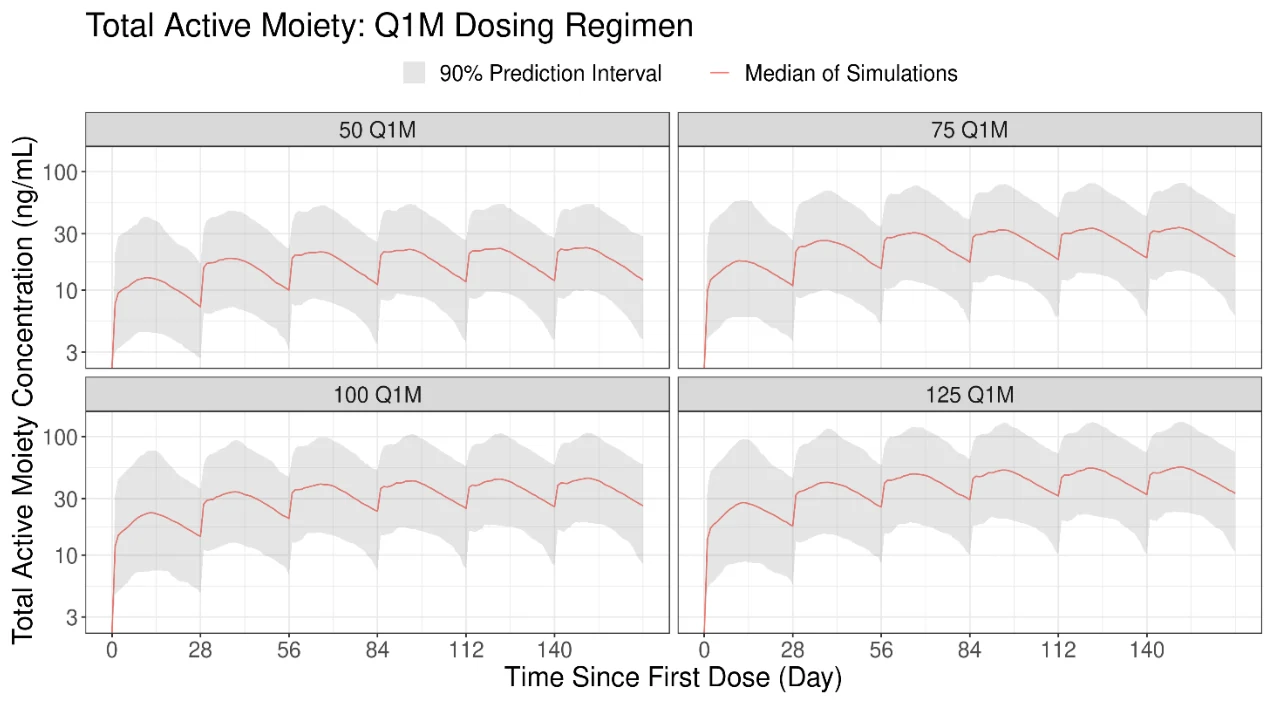
Special populations and conditions
Based on population pharmacokinetic analyses, sex, race and weight do not have a clinically meaningful effect on the pharmacokinetics of LONGAVO, similar to known data for oral risperidone.
- Pediatrics: No data are available to Health Canada; therefore, Health Canada has not authorized an indication for pediatric use (see 7.1.3 Pediatrics).
- Geriatrics: Clinical studies of LONGAVO in the treatment of schizophrenia did not include patients older than 65 years (see 1.2 Geriatrics, 4.2 Recommended Dose and Dosage Adjustment and 7.1.4 Geriatrics).
Hepatic Insufficiency: The effect of hepatic impairment on the pharmacokinetics of LONGAVO has not been studied.
The effect of hepatic impairment on the pharmacokinetics of oral risperidone has been evaluated in a dedicated Phase I study. While the pharmacokinetics of risperidone in subjects with liver disease were comparable to those in young healthy subjects, the mean free fraction of risperidone in plasma was increased by about 35% because of the diminished concentration of both albumin and α1-acid glycoprotein (see 4.2 Recommended Dose and Dosage Adjustment).
- Renal Insufficiency: LONGAVO was not studied in patients with renal impairment; however, such effect has been investigated with oral risperidone. In patients with moderate to severe renal disease treated with oral risperidone, the apparent clearance (CL/F) of total active moiety was decreased by 60% in patients with moderate to severe renal disease compared with young healthy subjects(see 4.2 Recommended Dose and Dosage Adjustment).
- Storage, Stability, and Disposal
Store LONGAVO in refrigerator at 2°C to 8°C in the original carton to protect from light.
Allow LONGAVO to come to room temperature at 20°C to 25°C for at least 30 minutes prior to administration.
LONGAVO may be stored in its unopened original packaging at room temperature, 20°C to 25°C, for up to 90 days. If unopened, LONGAVO may be returned to refrigerated storage within 90 days. Once the carton is opened, administer LONGAVO or discard.
Part 2: Scientific Information
13. Pharmaceutical Information
Drug Substance
Non-proprietary name of the drug substance: Risperidone
Chemical name: 3-2{-[4-(6-Fluoro-1,2-benzisoxazol-3-yl)piperidin-1-yl]ethyl}-2-methyl-6,7,8,9-tetrahydro-4H-pyrido[1,2-a]pyrimidin-4-one.
Molecular formula and molecular mass: C23H27FN4O2 and its molecular weight is 410.5 g/mol.
Structural formula:
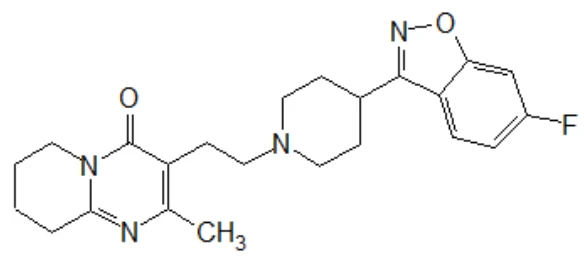
Physicochemical properties: Risperidone is a white to off-white powder. It is practically insoluble in water and soluble in methanol and 0.1 N HCl.
Melting Point: 169°C - 173°C
14. Clinical Trials
14.1. Clinical Trials by Indication
Schizophrenia
The efficacy of LONGAVO in the treatment of schizophrenia was established in a double-blind, randomized-withdrawal, placebo-controlled phase III study to evaluate time to relapse. The study evaluated the efficacy, safety and tolerability of LONGAVO administered subcutaneously every month at doses of 50 mg/0.14 mL to 125 mg/0.35 mL risperidone, compared with monthly placebo injections, in adult male and female patients (aged 18 to 65 years) who had a confirmed diagnosis of schizophrenia and were eligible for risperidone treatment. Patients were required to have a Positive and Negative Syndrome Scale (PANSS) total score lower than 100 at the screening visit. Eligible screened patients were enrolled into an open-label oral conversion and stabilization period (stage 1) for 12 weeks duration and were administered oral risperidone (2 to 5 mg/day). Eligible patients were randomized into the double-blind period of the study (stage 2) if they met the following randomization criteria for at least 4 consecutive weeks prior to the baseline visit:
- outpatient status
- PANSS total ≤ 80
- Minimal presence of specific psychotic symptoms on the PANSS, as measured by a score of ≤ 4 on each of the following items: conceptual disorganization, suspiciousness, hallucinatory behavior, and unusual thought content
- Clinical Global Impression-Severity (CGI-S) score ≤ 4 (moderately ill)
- Clinical Global Impression-Severity of Suicidality (CGI-SS) score ≤ 2 (mildly suicidal) on Part 1 and ≤ 5 (minimally worsened) on Part 2
In the double-blind stage (variable in duration), patients were randomized to receive subcutaneous injections of placebo or LONGAVO at doses expected (by PK modelling and simulations) to be comparable, at steady-state, to the oral dose on which they were previously stabilized in the oral conversion and stabilization stage.
The primary efficacy endpoint was time to impending relapse. Relapse was defined as one or more of the following items:
Clinical Global Impression–Improvement (CGI-I) of ≥5 (greater than or equal to minimally worse, i.e., minimally worse, much worse or very much worse), AND
- an increase of any of the following individual Positive and Negative Syndrome Scale (PANSS) items: conceptual disorganization, hallucinatory behavior, suspiciousness, and unusual thought content, to a score of >4 with an absolute increase of ≥2 on that specific item since randomization, OR
an increase in any of the following 4 individual PANSS items: conceptual disorganization, hallucinatory behavior, suspiciousness, and unusual thought content, to a score of >4 and an absolute increase of ≥4 on the combined score of
- these 4 PANSS items (conceptual disorganization, hallucinatory behavior, suspiciousness, and unusual thought content) since randomization
- hospitalization due to worsening of psychotic symptoms (including partial hospitalization programs), excluding hospitalization for psychosocial reasons
- Clinical Global Impression-Severity of Suicidality (CGI-SS) of 4 (severely suicidal) or 5 (attempted suicide) on Part 1 and/or 6 (much worse) or 7 (very much worse) on Part 2
- violent behavior resulting in clinically significant self-injury, injury to another person, or property damage
Summary of patient demographics
Characteristics of the patient population were balanced across the treatment groups. The mean baseline PANSS total score was similar across the groups (approximately 61 in each group). Most patients were male (61% per group) and the median age was 52 years. Most patients in this study were Black or African American (57% to 61% per group).
The median duration of treatment was 41 weeks (range: 4 to 104 weeks) for the 183 patients in the LONGAVO monthly (q1m) treatment group and 24.3 weeks (range: 4 to 96 weeks) for the 179 patients in the placebo group.
Study Results
The study met its prespecified primary endpoint and demonstrated statistically significant (log-rank p<0.0001) reduction in the time to impending relapse for LONGAVO vs placebo (Figure 2). The study was not designed to evaluate comparable efficacy between LONGAVO and oral risperidone at the doses used for the switch, since there was no randomized treatment arm to continue on the oral risperidone treatment.
Subgroup analyses by gender, age, and race did not suggest any clear evidence of differential responsiveness to LONGAVO.
Figure 2: Time to Impending Relapse by Treatment Group – Kaplan-Meier Curve (ITT Analysis Set)
16. Non-Clinical Toxicology
General toxicology: In single-dose toxicology studies in rats and dogs, a single subcutaneous dose of up to 140 mg/kg TV-46000 in rats and up to 100 mg/kg TV-46000 in dogs resulted in clinical signs of half-closed eyes accompanied by transient clinical signs such as hypoactivity, reflecting both stress and known effects of risperidone. Organ weight and microscopic changes noted in male and female reproductive organs were suggestive of hyperprolactinemia, a known effect of risperidone. Minor pathological changes in the thymus were considered indicative of stress. In addition, local signs at the vehicle control and treatment injection sites consisted of nodules and thickening and were not associated with adverse microscopic findings. Microscopically, a well circumscribed granulomatous reaction surrounded by a fibrotic capsule was noted around the injected depot in all groups, including the vehicle control group, with a trend for a time-related recovery. The local changes were considered a normal benign reaction to subcutaneously injected foreign materials.
In a repeat-dose toxicology study in dogs, a subcutaneous dose of up to 50 mg/kg TV-46000 administered every month for 3 months resulted in clinical signs associated with the expected pharmacological effects of risperidone, including half-closed eyes, organ weight and macroscopic changes in male and female reproductive organs suggestive of hyperprolactinemia. In addition, local signs observed at the injection sites (with and without risperidone) consisted of nodules, induration and transient erythema, edema, and hematoma and were not associated with adverse microscopic findings. Microscopically, vacuolation in axillary lymph nodes was observed (with and without risperidone) and was considered related to drainage of subcutaneously injected foreign materials by these lymph nodes. The expected foreign body reaction of nodules associated with a well circumscribed granulomatous reaction surrounded by a fibrotic capsule was noted microscopically around the injected depot in all groups, including the vehicle group. The microscopic findings were partially resolved during the 12- week recovery period.
A no-observed-adverse-effect-level was not identified in TV-46000 single-and repeat-dose studies in rats and dogs due to adverse effects attributable to risperidone at all dose levels tested. Based on the highest dose, the exposure ratio is 8.6 times greater than what was reached in patients receiving a dose of 150 mg, which is higher than the maximum recommended human dose (MHRD) of 125 mg.
Genotoxicity: No evidence of mutagenic or clastogenic potential for risperidone was found in the in vitro tests of Ames gene mutation, the mouse lymphoma assay, rat hepatocyte DNA-repair assay, the chromosomal aberration test in human lymphocytes, Chinese hamster ovary cells, or in the in vivo oral micronucleus test in mice and the sex-linked recessive lethal test in Drosophila.
In addition, no evidence of mutagenic potential was found in the in vitro Ames reverse mutation test for the vehicle solution (copolymer mixture in DMSO).
Carcinogenicity: No carcinogenicity studies were conducted with the subcutaneous risperidone suspension. Carcinogenicity studies were conducted with oral risperidone in mice and rats. Risperidone was administered in the diet at doses of 0.63, 2.5, and 10 mg/kg for 18-months to mice and for 25-months to rats. These doses are equivalent to approximately 0.2-, 0.75-, and 3-times (mice) and 0.4-, 1.5-, and 6-times (rats) the MRHD of 16 mg/day, based on a mg/m2 body surface area. A maximum tolerated dose was not achieved in male mice. There were statistically significant increases in pituitary gland adenomas, endocrine pancreas adenomas, and mammary gland adenocarcinomas. Table 9 summarizes the multiples of the human dose on a mg/m2 (mg/kg) basis at which these tumors occurred.
Table 9: Summary of Tumor Occurrence at the Multiples of the Human Dose on a mg/m2 (mg/kg) Basis with Oral Risperidone Dosing
| Tumor Type | Species | Sex | Multiples of Maximum Human Dose in mg/m2 (mg/kg) | |
|---|---|---|---|---|
| Lowest Effect Level | Highest No-Effect Level | |||
| Pituitary adenomas | mouse | Female | 0.75 (9.4) | 0.2 (2.4) |
| Endocrine pancreas adenomas | rat | Male | 1.5 (9.4) | 0.4 (2.4) |
| Mammary gland adenocarcinomas | mouse | Female | 0.2 (2.4) | none |
| rat | Female | 0.4 (2.4) | none | |
| rat | Male | 6.0 (37.5) | 1.5 (9.4) | |
| Mammary gland neoplasm, Total | rat | Male | 1.5 (9.4) | 0.4 (2.4) |
Antipsychotic drugs have been shown to chronically elevate prolactin levels in rodents. Serum prolactin levels were not measured during the risperidone carcinogenicity studies; however, measurements during subchronic toxicity studies showed that risperidone elevated serum prolactin levels 5- to 6-fold in mice and rats at the same doses used in the carcinogenicity studies. An increase in mammary, pituitary, and endocrine pancreas neoplasms has been found in rodents after chronic administration of other antipsychotic drugs and is considered to be prolactin-mediated. The relevance for human risk of the findings of prolactin-mediated endocrine tumors in rodents is unknown.
Reproductive and developmental toxicology: Hypo-spermatogenesis was reported in the single dose dog study, with a possible dose-relationship. Furthermore, oral risperidone (0.16 to 5 mg/kg) impaired mating, but not fertility, in three rat reproductive studies at doses 0.1- to 3-times the MHRD (based on mg/m2 body surface area) of 16 mg/day. The effect appeared to be in females, since impaired mating behavior was not noted in the male fertility study. In a subchronic study in Beagle dogs in which risperidone was administered orally at doses of 0.31 to 5 mg/kg, sperm motility and concentration were decreased at doses 0.6- to 10-times the MRHD based on mg/m2 body surface area. Dose-related decreases were also noted in serum testosterone at the same doses. Serum testosterone and sperm parameters partially recovered, but remained decreased after treatment was discontinued. A no-effect dose could not be determined in either rat or dog.