


Product Monograph - Morphine SR
SUMMARY PRODUCT INFORMATION
Route of Administration | Dosage Form / Strength | Nonmedicinal Ingredients |
| Oral | Sustained Release Tablets / 15 mg, 30 mg and 60 mg | Tablet core (all strengths): Colloidal Silicon Dioxide, Hydroxypropyl Methylcellulose, Lactose Monohydrate, Magnesium Stearate and Stearic Acid. Tablet Coating: Polyvinyl Alcohol (Partially Hydrolyzed), Polyethylene Glycol 3350, Talc, Titanium Dioxide Additional coating ingredients specific to each strength: 15 mg: D&C Yellow #10/Aluminum Lake FD&C Blue #1/Aluminum Lake FD&C Red #40/ Aluminum Lake 30 mg: FD&C Blue #2/ Aluminum Lake D&C Red #27/Aluminum Lake FD&C Yellow #6/Aluminum Lake 60 mg: FD&C Yellow #6/Aluminum Lake FD&C Red #40/Aluminum Lake |
INDICATIONS AND CLINICAL USE
Adults
MORPHINE SR (morphine sulfate sustained release tablets) is indicated for the management of pain severe enough to require daily, continuous, long-term opioid treatment, and:
- that is opioid-responsive; and,
- for which alternative treatment options are inadequate
MORPHINE SR is not indicated as an as-needed (prn) analgesic.
Geriatrics (> 65 years of age)
In general, dose selection for an elderly patient should be cautious, usually starting at the low end of the dosing range, reflecting the greater frequency of decreased hepatic, renal or cardiac function, concomitant disease or other drug therapy (see ACTION AND CLINICAL PHARMACOLOGY, Special Populations and Conditions, Geriatrics).
Pediatrics (< 18 years of age)
Individual dosing requirements vary considerably based on each patient’s age, weight, severity of pain, medical and analgesic history (see ACTION AND CLINICAL PHARMACOLOGY, Special Populations and Conditions, Pediatrics).
CONTRAINDICATIONS
MORPHINE SR (morphine sulfate sustained release tablets) is contraindicated in:
- Patients who are hypersensitive to the active substance (morphine) or other opioid analgesics, or to any ingredient in the formulation. For a complete listing, see the DOSAGE FORMS, COMPOSITION AND PACKAGING section of the Product Monograph.
- Patients with known or suspected mechanical gastrointestinal obstruction (e.g., bowel obstruction, strictures) or any diseases/conditions that affect bowel transit (e.g., ileus of any type).
- Patients with suspected surgical abdomen (e.g., acute appendicitis or pancreatitis).
- Patients with mild, intermittent or short duration pain that can be managed with other pain medications.
- The management of acute pain, including use in outpatient or day surgeries.
- Patients with acute or severe bronchial asthma, chronicobstructive airway, and status asthmaticus.
- Patients with acute respiratory depression, elevated carbon dioxide levels in the blood, and cor pulmonale.
- Patients with acute alcoholism, delirium tremens, and convulsive disorders.
- Patients with severe CNS depression, increased cerebrospinal or intracranial pressure, brain tumour and/or head injury.
- Patients with cardiac arrhythmias.
- Patients taking monoamine oxidase (MAO) inhibitors (or within 14 days of such therapy).
- Women who are breast-feeding, pregnant, or during labour and delivery (see SERIOUS WARNINGS AND PRECAUTIONS and WARNINGS AND PRECAUTIONS).
WARNINGS AND PRECAUTIONS
Serious Warnings and Precautions
Limitations of Use Because the risks of addiction, abuse, and misuse with opioids, even at recommended doses, and because of the greater risks of overdose and death with sustained release opioid formulations, MORPHINE SR ® (morphine sulfate sustained release tablets) should only be used in patients for whom alternative treatment options (e.g., non-opioid analgesics) are ineffective, not tolerated, or would be otherwise inadequate to provide appropriate management of pain (see DOSAGE AND ADMINISTRATION). Addiction, Abuse, and Misuse MORPHINE SR poses risks of opioid addiction, abuse, and misuse, which can lead to overdose and death. Each patient’s risk should be assessed prior to prescribing MORPHINE SR, and all patients should be monitored regularly for the development of these behaviours or conditions (see WARNINGS AND PRECAUTIONS). MORPHINE SR should be stored securely to avoid theft or misuse. Life-threatening Respiratory Depression: OVERDOSE Serious, life-threatening, or fatal respiratory depression may occur with use of MORPHINE SR. Infants exposed in-utero or through breast milk are at risk of life-threatening respiratory depression upon delivery or when nursed. Patients should be monitored for respiratory depression, especially during initiation of MORPHINE SR or following a dose increase.
MORPHINE SR 15, 30 and 60 mg tablets must be swallowed whole. Cutting, breaking, crushing, chewing, or dissolving MORPHINE SR can lead to rapid release and absorption of a potentially fatal dose of morphine (see WARNINGS AND PRECAUTIONS). Further, instruct patients of the hazards related to taking opioids including fatal overdose. Accidental Exposure Accidental ingestion of even one dose of MORPHINE SR, especially by children, can result in a fatal overdose of morphine (see DOSAGE AND ADMINISTRATION, Disposal, for instructions on proper disposal). Neonatal Opioid Withdrawal Syndrome Prolonged maternal use of MORPHINE SR during pregnancy can result in neonatal opioid withdrawal syndrome, which may be life-threatening (see WARNINGS AND PRECAUTIONS).
Interaction with Alcohol
The co-ingestion of alcohol with MORPHINE SR should be avoided as it may result in dangerous additive effects, causing serious injury or death (see WARNINGS AND PRECAUTIONS and DRUG INTERACTIONS).
Risks From Concomitant Use With Benzodiazepines Or Other CNS Depressants
Concomitant use of opioids with benzodiazepines or other CNS depressants, including alcohol, may result in profound sedation, respiratory depression, coma, and death (see WARNINGS AND PRECAUTIONS, Neurologic and DRUG INTERACTIONS).
Reserve concomitant prescribing of MORPHINE SR and benzodiazepines or other CNS depressants for use in patients for whom alternative treatment options are inadequate
- Limit dosages and durations to the minimum required.
- Follow patients for signs and symptoms of respiratory depression and sedation.
General
MORPHINE SR (morphine sulfate sustained release tablets) 15, 30 and 60 mg tablets must be swallowed whole, and must not be cut, chewed, dissolved or crushed. Taking cut, broken, chewed, dissolved or crushed tablets could lead to the rapid release and absorption of a potentially fatal dose of morphine.
Patients should be instructed not to give MORPHINE SR to anyone other than for whom it was prescribed, as such, inappropriate use may have severe medical consequences, including death.
Patients should be cautioned not to consume alcohol while taking MORPHINE SR, as it may increase the chance of experiencing dangerous side effects.
Hyperalgesia that will not respond to a further dose increase of morphine may occur in particular in high doses. A morphine dose reduction or change in opioid may be required.
Addiction, Abuse and Misuse
Like all opioids, MORPHINE SR is a potential drug of abuse and misuse, which can lead to overdose and death. Therefore, MORPHINE SR should be prescribed and handled with caution.
Patients should be assessed for their clinical risks for opioid abuse or addiction prior to being prescribed opioids. All patients receiving opioids should be routinely monitored for signs of misuse and abuse.
Opioids, such as MORPHINE SR, should be used with particular care in patients with a history of alcohol and illicit/prescription drug abuse. However, concerns about abuse, addiction, and diversion should not prevent the proper management of pain.
With parenteral abuse, the tablet excipients, especially talc, can be expected to result in local tissue necrosis, infection, pulmonary granulomas, and increased risk of endocarditis and valvular heart injury, which may also be fatal.
Carcinogenesis and Mutagenesis
See TOXICOLOGY section.
Cardiovascular
Morphine administration may result in severe hypotension in patients whose ability to maintain adequate blood pressure is compromised by reduced blood volume, or concurrent administration of such drugs as phenothiazines or certain anaesthetics.
Dependence/Tolerance
As with other opioids, tolerance and physical dependence may develop upon repeated administration of MORPHINE SR and there is a potential for development of psychological dependence.
Physical dependence and tolerance reflect the neuroadaptaion of the opioid receptors to chronic exposure to an opioid, and are separate and distinct from abuse and addiction. Tolerance, as well as physical dependence, may develop upon repeated administration of opioids, and are not by themselves evidence of an addictive disorder or abuse.
Patients on prolonged therapy should be tapered gradually from the drug if it is no longer required for pain control. Withdrawal symptoms may occur following abrupt discontinuation of therapy or upon administration of an opioid antagonist. Some of the symptoms that may be associated with abrupt withdrawal of an opioid analgesic include body aches, diarrhea,gooseflesh, loss of appetite, nausea, nervousness or restlessness, anxiety, runny nose, sneezing,tremors or shivering, stomach cramps, tachycardia, trouble with sleeping, unusual increase in sweating, palpitations, unexplained fever, weakness and yawning.
Physical dependence with or without psychological dependence tends to occur with chronic administration. An abstinence syndrome may be precipitated when opioid administration is discontinued or opioid antagonists administered. With appropriate medical use of opioids and gradual withdrawal from the drug, these symptoms are usually mild.
Use in Drug and Alcohol Addiction
MORPHINE SR is an opioid with no approved use in the management of addictive disorders. Its proper usage in individuals with drug or alcohol dependence, either active or in remission is for the management of pain requiring opioid analgesia. Patients with a history of addiction to drugs or alcohol may be at higher risk of becoming addicted to MORPHINE SR unless used under extreme caution and awareness.
Endocrine
Adrenal Insufficiency
Cases of adrenal insufficiency have been reported with opioid use, more often following greater than one month of use. Presentation of adrenal insufficiency may include non-specific symptoms and signs including nausea, vomiting, anorexia, fatigue, weakness, dizziness, and low blood pressure. If adrenal insufficiency is suspected, confirm the diagnosis with diagnostic testing as soon as possible. If adrenal insufficiency is diagnosed, treat with physiologic replacement doses of corticosteroids. Wean the patient off of the opioid to allow adrenal function to recover and continue corticosteroid treatment until adrenal function recovers. Other opioids may be tried as some cases reported use of a different opioid without recurrence of adrenal insufficiency. The information available does not identify any particular opioids as being more likely to be associated with adrenal insufficiency.
Gastrointestinal Effects
Morphine (and other morphine-like opioids) has been shown to decrease bowel motility. Morphine may obscure the diagnosis or clinical course of patients with acute abdominal conditions (see CONTRAINDICATIONS and ADVERSE REACTIONS, Nausea and Vomiting and Constipation).
Neonatal Opioid Withdrawal Syndrome (NOWS)
Prolonged maternal use of opioid during pregnancy can result in withdrawal signs in the neonate. Neonatal opioid withdrawal syndrome, unlike opioid withdrawal syndrome in adults, may be life-threatening.
Neonatal opioid withdrawal syndrome presents as irritability, hyperactivity and abnormal sleep pattern, high pitched cry, tremor, vomiting, diarrhea and failure to gain weight.
The onset, duration, and severity of neonatal opioid withdrawal syndrome vary based on the specific opioid used, duration of use, timing and amount of last maternal use, and rate of elimination of the drug by the newborn.
Use of MORPHINE SR is contraindicated in pregnant women (see CONTRAINDICATIONS).
Neurologic
Interactions with Central Nervous System Depressants (including benzodiazepines and alcohol):
Morphine should be used with caution and in a reduced dosage during concomitant administration of other opioid analgesics, general anaesthetics, phenothiazines and other tranquilizers, sedative-hypnotics, tricyclic antidepressants, antipsychotics, antihistamines, benzodiazepines, centrally-active anti-emetics and other CNS depressants. Respiratory depression, hypotension and profound sedation or coma may result.
When such combination therapy is contemplated, a substantial reduction in the dose of one or both agents should be considered and patients should be carefully monitored. MORPHINE SR should not be consumed with alcohol as it may increase the chance of experiencing dangerous side effects (see DRUG INTERACTIONS).
Observational studies have demonstrated that concomitant use of opioid analgesics and benzodiazepines increases the risk of drug-related mortality compared to use of opioid analgesics alone. Because of similar pharmacological properties, it is reasonable to expect similar risk with the concomitant use of other CNS depressant drugs with opioid analgesics (see DRUG INTERACTIONS). If the decision is made to prescribe a benzodiazepine or other CNS depressant concomitantly with an opioid analgesic, prescribe the lowest effective dosages and minimum durations of concomitant use. In patients already receiving an opioid analgesic, prescribe a lower initial dose of the benzodiazepine or other CNS depressant than indicated in the absence of an opioid, and titrate based on clinical response. If an opioid analgesic is initiated in a patient already taking a benzodiazepine or other CNS depressant, prescribe a lower initial dose of the opioid analgesic, and titrate based on clinical response. Follow patients closely for signs and symptoms of respiratory depression and sedation.
Advise both patients and caregivers about the risks of respiratory depression and sedation when
MORPHINE SR is used with benzodiazepines or other CNS depressants (including alcohol and illicit drugs). Advise patients not to drive or operate heavy machinery until the effects of concomitant use of the benzodiazepine or other CNS depressant have been determined. Screen patients for risk of substance use disorders, including opioid abuse and misuse, and warn them of the risk for overdose and death associated with the use of additional CNS depressants including alcohol and illicit drugs (see DRUG INTERACTIONS).
MORPHINE SR should not be consumed with alcohol as it may increase the chance of experiencing dangerous side effects, including death (see CONTRAINDICATIONS and ADVERSE REACTIONS, Sedation, and DRUG INTERACTIONS).
Severe pain antagonizes the subjective and respiratory depressant actions of opioid analgesics. Should pain suddenly subside, these effects may rapidly become manifest.
Use in Patients with Convulsive or Seizure Disorders: The morphine sulfate in MORPHINE SR may aggravate convulsions in patients with convulsive disorders, and may induce or aggravate seizures in some clinical settings. Therefore, MORPHINE SR should not be used in these patients (see CONTRAINDICATIONS).
Serotonin syndrome: MORPHINE SR could cause a rare but potentially life-threatening condition resulting from concomitant administration of serotonergic drugs (e.g. anti-depressants, migraine medications). Treatment with the serotonergic drug should be discontinued if such events (characterized by clusters of symptoms such as hyperthermia, rigidity, myoclonus, autonomic instability with possible rapid fluctuations of vital signs, mental status changes including confusion, irritability, extreme agitation progressing to delirium and coma) occur and supportive symptomatic treatment should be initiated. MORPHINE SR should not be used in combination with MAO inhibitors or serotonin-precursors (such as L-tryptophan, oxitriptan) and should be used with caution in combination with other serotonergic drugs (triptans, certain tricyclic antidepressants, lithium, tramadol, St. John’s Wort) due to the risk of serotonergic syndrome (see DRUG INTERACTIONS).
Head Injury: The respiratory depressant effects of morphine, and the capacity to elevate cerebrospinal fluid pressure, may be greatly increased in the presence of an already elevated intracranial pressure produced by trauma. Also, morphine may produce confusion, miosis, vomiting and other side effects which obscure the clinical course of patients with head injury. In such patients, morphine must be used with extreme caution and only if it is judged essential.
Seizures: Morphine may lower the seizure threshold in patients with a history of epilepsy.
Peri-Operative Considerations
MORPHINE SR is not recommended for preoperative use or postoperatively within the first 24 hours.
In the case of planned chordotomy or other pain-relieving operations, patients should not be treated with MORPHINE SR for at least 24 hours before the operation and MORPHINE SR should not be used in the immediate post-operative period.
Physicians should individualize treatment, moving from parenteral to oral analgesics as appropriate. Thereafter, if MORPHINE SR is to be continued after the patient recovers from the post-operative period, a new dosage should be administered in accordance with the changed need for pain relief. The risk of withdrawal in opioid-tolerant patients should be addressed as clinically indicated.
The administration of analgesics in the peri-operative period should be managed by healthcare providers with adequate training and experience (e.g., by an anesthesiologist).
Morphine (and other morphine-like opioids) has been shown to decrease bowel motility. Ileus is a common post-operative complication, especially after intra-abdominal surgery with opioid analgesia. Caution should be taken to monitor for decreased bowel motility in post-operative patients receiving opioids. Standard supportive therapy should be implemented.
Psychomotor Impairment
MORPHINE SR may impair the mental and/or physical abilities needed for certain potentially hazardous activities such as driving a car or operating machinery. Patients should be cautioned accordingly. Patients should also be cautioned about the combined effects of morphine with other CNS depressants, including other opioids, phenothiazines, sedative/hypnotics and alcohol.
Respiratory
Respiratory Depression: Serious, life-threatening, or fatal respiratory depression has been reported with the use of opioids, even when used as recommended. Respiratory depression from opioid use, if not immediately recognized and treated, may lead to respiratory arrest and death. Management of respiratory depression may include close observation, supportive measures, and use of opioid antagonists, depending on the patient’s clinical status. Carbon dioxide (CO2) retention from opioid-induced respiratory depression can exacerbate the sedating effects of opioids.
While serious, life-threatening, or fatal respiratory depression can occur at any time during the use of MORPHINE SR, the risk is greatest during the initiation of therapy or following a dose increase. Patients should be closely monitored for respiratory depression when initiating therapy with MORPHINE SR and following dose increases.
To reduce the risk of respiratory depression, proper dosing and titration of MORPHINE SR are essential (see DOSAGE AND ADMINISTRATION). Overestimating the MORPHINE SR dose when converting patients from another opioid product can result in a fatal overdose with the first dose.
Use in Patients with Chronic Pulmonary Disease: Monitor patients with significant chronic obstructive pulmonary disease or cor pulmonale, and patients having a substantially decreased respiratory reserve, hypoxia, hypercapnia, or pre-existing respiratory depression for respiratory depression, particularly when initiating therapy and titrating with MORPHINE SR, as in these patients, even usual therapeutic doses of MORPHINE SR may decrease respiratory drive to the point of apnea. In these patients, use of alternative non-opioid analgesics should be considered, if possible. The use of MORPHINE SR is contraindicated in patients with acute or severe bronchial asthma, chronic obstructive airway, or status asthmaticus (see CONTRAINDICATIONS).
Patient Counselling Information
A patient information sheet should be provided when MORPHINE SR is dispensed to the patient.
Patients receiving MORPHINE SR should be given the following instructions by the physician:
- 1. Patients should be informed that accidental ingestion or use by individuals (including children) other than the patient for whom it was originally prescribed, may lead to severe, even fatal, consequences.
- 2. Patients should be advised that MORPHINE SR contains morphine, an opioid pain medicine.
- 3. Patients should be advised that MORPHINE SR should only be taken as directed. The dose of MORPHINE SR should not be adjusted without consulting with a physician.
- 4. MORPHINE SR must be swallowed whole (not cut, broken, chewed, dissolved or crushed) due to the risk of fatal morphine overdose.
- 5. Patients should be advised to report episodes of pain and adverse experiences occurring during therapy. Individualization of dosage is essential to make optimal use of this medication.
- 6. Patients should not combine MORPHINE SR with alcohol or other central nervous system depressants (sleep aids, tranquilizers) because dangerous additive effects may occur resulting in serious injury or death.
- 7. Patients should be advised to consult their physician or pharmacist if other medications are being used or will be used with MORPHINE SR.
- 8. Patients should be advised that if they have been receiving treatment with MORPHINE SR and cessation of therapy is indicated, it may be appropriate to taper the MORPHINE SR dose, rather than abruptly discontinue it, due to the risk of precipitating withdrawal symptoms.
- 9. Patients should be advised of the most common adverse reactions that may occur while taking MORPHINE SR: constipation, dizziness, hyperhidrosis, nausea, sedation and vomiting.
- 10. Patients should be advised that MORPHINE SR may cause drowsiness, dizziness, or light-headedness and may impair mental and/or physical ability required for the performance of potentially hazardous tasks (e.g., driving, operating machinery). Patients started on MORPHINE SR or patients whose dose has been adjusted should be advised not to drive a car or operate machinery unless they are tolerant to the effects of MORPHINE SR.
- 11. Patients should be advised not to take MORPHINE SR if they have seizure disorders.
- 12. Patients should be advised that MORPHINE SR is a potential drug of abuse. They should protect it from theft or misuse.
- 13. Patients should be advised that MORPHINE SR should never be given to anyone other than the individual for whom it was prescribed.
- 14. Women of childbearing potential who become or are planning to become pregnant should be advised to consult a physician prior to initiating or continuing therapy with MORPHINE SR. Women who are breast-feeding or pregnant should not use MORPHINE SR.
Sexual Function/Reproduction
Long-term use of opioids may be associated with decreased sex hormone levels and symptoms such as low libido, erectile dysfunction, or infertility (see ADVERSE REACTIONS, Post-
Market Adverse Drug Reactions).
Special Populations
Special Risk Groups: Morphine should be administered with caution to patients with a history of alcohol, seizures, and drug abuse and in a reduced dosage to elderly or debilitated patients, patients with reduced hepatic function or severe renal dysfunction, and to patients with adrenocortical insufficiency (e.g., Addison's disease), biliary tract disorders, hypotension with hypovolaemia, hypothyroidism, prostatic hypertrophy or urethral stricture.
Pregnant Women: Animal studies with morphine and other opioids have indicated the possibility of teratogenic effects. In humans, it is not known whether morphine can cause fetal harm when administered during pregnancy or can affect reproductive capacity. Since morphine crosses the placental barrier, MORPHINE SR is contraindicated in patients who are pregnant (see CONTRAINDICATIONS).
Prolonged maternal use of opioids during pregnancy can result in withdrawal signs in the neonate. Neonatal opioid withdrawal syndrome, unlike opioid withdrawal syndrome in adults, may be life-threatening (see WARNINGS AND PRECAUTIONS, Neonatal Opioid Withdrawal Syndrome).
Labour, Delivery and Nursing Mothers:
MORPHINE SR is contraindicated during labour, delivery, pregnancy and in nursing mothers. Morphine sulfate can cross the placental barrier and is also excreted in breast milk. Life-threatening respiratory depression may occur in the infant if opioids are administered to the mother. Naloxone, a drug that counters the effects of opioids, should be readily available if MORPHINE SR is used in this population.
Pediatrics (< 18 years of age): Individual dosing requirements vary considerably based on each patient’s age, weight, severity of pain, medical and analgesic history.
An appropriate initial dose for children inadequately controlled on non-opioids or weak opioids is
0.5 - 1 mg/kg MORPHINE SR orally every 12 hours.
Geriatrics (> 65 years of age): Dose selection for an elderly patient should be cautious, usually starting at the low end of the dosing range and titrated slowly, reflecting the greater frequency of decreased hepatic, renal, or cardiac function, and of concomitant disease or other drug therapy.
Patients over 50 years of age tend to require much lower doses of morphine than in the younger age group. Morphine should be administered with caution and in a reduced dosage to elderly or debilitated patients. The initial dose usually starts at the low end of the dosing range.
In Vitro Dissolution Studies of Interaction with Alcohol
Increasing concentrations of alcohol in the dissolution medium resulted in a decrease in the rate of release of morphine from morphine sulfate sustained release tablets. The clinical significance of these findings is unknown.
ADVERSE REACTIONS
Adverse Drug Reaction Overview
Adverse effects of morphine sulfate sustained release tablets are similar to those of other opioid analgesics, and represent an extension of pharmacological effects of the drug class. The major hazards of opioids include respiratory and central nervous system depression and, to a lesser degree, circulatory depression respiratory arrest, shock and cardiac arrest.
The most frequently observed side effects of morphine sulfate sustained release tablets are constipation, dizziness, hyperhidrosis, nausea, sedation and vomiting.
Sedation: Some degree of sedation is experienced by most patients upon initiation of therapy. This may be at least partly because patients often recuperate from prolonged fatigue after the relief of persistent pain. Drowsiness usually clears in three to five days and is usually not a reason for concern providing that it is not excessive, or associated with unsteadiness or confusion. If excessive sedation persists, the reason for it must be sought. Some of these are:
concomitant sedative medications, hepatic or renal failure, exacerbated respiratory failure, higher doses than tolerated in an older patient, or the patient is actually more severely ill than realized.
If it is necessary to reduce the dose, it can be carefully increased again after three or four days if it is obvious that the pain is not being well controlled. Dizziness and unsteadiness may be caused by postural hypotension particularly in elderly or debilitated patients. It can be alleviated if the patient lies down. Because of the slower clearance in patients over 50 years of age, an appropriate dose in this age group may be as low as half or less the usual dose in the younger age group.
Nausea and Vomiting: Nausea is a common side effect on initiation of therapy with opioid analgesics and is thought to occur by activation of the chemoreceptor trigger zone, stimulation of the vestibular apparatus and through delayed gastric emptying. The prevalence of nausea declines following continued treatment with opioid analgesics. When instituting therapy with an opioid for chronic pain, the routine prescription of an antiemetic should be considered. In the cancer patient, investigation of nausea should include such causes as constipation, bowel obstruction, uremia, hypercalcemia, hepatomegaly, tumor invasion of celiac plexus and concurrent use of drugs with emetogenic properties. Persistent nausea which does not respond to dosage reduction may be caused by opioid-induced gastric stasis and may be accompanied by other symptoms including anorexia, early satiety, vomiting and abdominal fullness. These symptoms respond to chronic treatment with gastrointestinal prokinetic agents.
Constipation: Practically all patients become constipated while taking opioids on a persistent basis. In some patients, particularly the elderly or bedridden, fecal impaction may result. It is essential to caution the patients in this regard and to institute an appropriate regimen of bowel management at the start of prolonged opioid therapy. Stool softeners, stimulant laxatives and other appropriate measures should be used as required. As fecal impaction may present as overflow diarrhea, the presence of constipation should be excluded in patients on opioid therapy prior to initiating treatment for diarrhea.
The following adverse effects occur with MORPHINE SR and opioid analgesics. The reactions are categorized by body system and frequency according to the following definitions: Very common (> 1/10); (Common (> 1/100 to <1/10); Uncommon (> 1/1,000 to <1/100); Rare (>1/10,000 to <1/1,000); Very rare (< 1/10,000), Not known (cannot be estimated from the available data).
General Disorders and Administration Site Conditions:
Common: asthenia, fatigue, malaise, pruritus, weakness, sedation
Uncommon: peripheral edema
Not known: drug tolerance, drug withdrawal syndrome, drug withdrawal syndrome neonatal
Cardiac Disorders:
Uncommon: palpitations
Rare: faintness
Unknown: supraventricular tachycardia, bradycardia
Ear and Labyrinth Disorders:
Uncommon: vertigo
Endocrine Disorders: a syndrome of inappropriate antidiuretic hormone secretion characterized by hyponatremia secondary to decreased free-water excretion may be prominent (monitoring of electrolytes may be necessary)
Eye Disorders:
Uncommon: visual disturbance
Not known: miosis
Gastrointestinal Disorders:
Very common: constipation, nausea
Common: abdominal pain, anorexia, dry mouth, vomiting
Uncommon: dyspepsia, ileus, taste perversion
Hepato-biliary Disorders:
Uncommon: increased hepatic enzyme
Not known: biliary pain, exacerbation of pancreatitis
Immune System Disorders:
Uncommon: hypersensitivity
Not known: anaphylactic reaction, anaphylactoid reaction
Nervous System Disorders:
Common: dizziness, headache, involuntary muscle contractions, somnolence
Uncommon: convulsions, hypertonia, paraesthesia, syncope, myoclonus
Not known: hyperalgesia
Psychiatric Disorders:
Common: confusion, insomnia
Uncommon: agitation, euphoria, hallucinations, mood altered
Not known: drug dependence, dysphoria, thinking disturbances
Renal and Urinary Disorders:
Uncommon: urinary retention
Unknown: ureteric spasm
Respiratory, Thoracic and Mediastinal Disorders:
Uncommon: bronchospasm, pulmonary edema, respiratory depression
Not known: cough decreased
Reproductive System and Breast Disorders:
Not known: amenorrhoea, decreased libido, erectile dysfunction
Skin and Subcutaneous Tissue Disorders:
Common: hyperhidrosis, rash
Uncommon: urticaria
Vascular Disorders:
Uncommon: facial flushing, hypotension
Unknown: hypertension
Post-Marketing Experience
Androgen deficiency: Chronic use of opioids may influence the hypothalamic-pituitary-gonadal axis, leading to androgen deficiency that may manifest as low libido, impotence, erectile dysfunction, amenorrhea, or infertility. The causal role of opioids in the clinical syndrome of hypogonadism is unknown because the various medical, physical, lifestyle, and psychological stressors that may influence gonadal hormone levels have not been adequately controlled for in studies conducted to date. Patients presenting with symptoms of androgen deficiency should undergo laboratory evaluation.
DRUG INTERACTIONS
Overview
Interactions with Central Nervous System (CNS) Depressants (including benzodiazepines and alcohol): MORPHINE SR (morphine sulfate sustained release tablets) should be dosed with caution and started in a reduced dosage in patients who are currently talking other central nervous system depressants (e.g., other opioids, anaesthetics, sedatives, hypnotics, antidepressants, phenothiazines, neuroleptics, antihistamines and antiemetics) glutethimide or gabapentin, and beta-blockers, as they may enhance the CNS-depressant effect (e.g., respiratory depression) of MORPHINE SR. MORPHINE SR should not be consumed with alcohol as it may increase the chance of experiencing dangerous side effects.
Drug-Drug Interactions
Generally, the effects of morphine may be antagonized by acidifying agents and potentiated by alkalizing agents. The analgesic effect of morphine is potentiated by amphetamines, chlorpromazine and methocarbamol.
Warfarin and Other Coumarin Anticoagulants: Morphine may increase the anticoagulant activity of coumarin and other anticoagulants.
Administration with Mixed Activity Agonist/Antagonist Opioids: Mixed agonist/antagonist opioid analgesics (i.e., pentazocine, nalbuphine, butorphanol, and buprenorphine) should be administered with caution to a patient who has received or is receiving a course of therapy with a pure opioid agonist analgesic such as morphine. In this situation, mixed agonist/antagonist analgesics may reduce the analgesic effect of morphine and/or may precipitate withdrawal symptoms in these patients.
MAO Inhibitors: Monoamine oxidase inhibitors intensify the effects of opioid drugs which can cause anxiety, confusion and decreased respiration. MORPHINE SR is contraindicated in patients receiving MAO inhibitors or who have taken them within the previous 14 days (see CONTRAINDICATIONS).
Serotonergic Agents: Coadministration of morphine sulfate with a serotonergic agent, such as a selective serotonin re-uptake inhibitor or a serotonin norepinephrine re-uptake inhibitor, may increase the risk of serotonin syndrome, a potentially life-threatening condition (see WARNINGS AND PRECAUTIONS, Neurologic).
Drug-Food Interactions
Food has no significant effect on the extent of absorption of morphine from morphine sulfate sustained release tablet.
Drug-Herb Interactions
Interactions with herbal products have not been established.
Drug-Laboratory Interactions
Interactions with laboratory tests have not been established.
Drug-Lifestyle Interaction
The concomitant use of alcohol should be avoided (see WARNINGS AND PRECAUTIONS, General).
DOSAGE AND ADMINISTRATION
Dosing Considerations
All doses of opioids carry an inherent risk of fatal or non-fatal adverse events. This risk is increased with higher doses. For the management of chronic non-cancer, non-palliative pain, it is recommended that 90 mg of MORPHINE SR (morphine sulfate sustained release tablets) not be exceeded. Each patient should be assessed for their risk prior to prescribing
MORPHINE SR, as the likelihood of experiencing serious adverse events can depend upon the type of opioid, duration of treatment, level of pain as well as the patient’s own level of tolerance. In addition, the level of pain should be assessed routinely to confirm the most appropriate dose and the need for further use of MORPHINE SR (see DOSAGE AND ADMINISTRATION - Adjustment or Reduction of Dosage).
MORPHINE SR (morphine sulfate sustained release tablets) should only be used in patients for whom alternative treatment options (e.g., non-opioid analgesics) are ineffective, or not tolerated, or would be otherwise inadequate to provide appropriate management of pain.
MORPHINE SR 15 mg, 30 mg and 60 mg tablets must be swallowed whole. Cutting, breaking, crushing, chewing, or dissolving MORPHINE SR can lead to the rapid release and absorption of a potentially fatal dose of morphine.
Administration and dosing of morphine should be individualized bearing in mind the properties of the drug. In addition, the nature and severity of the pain or pains experienced, and the total condition of the patient must be taken into account. Of special importance is other medication given previously or concurrently.
As with other opioid analgesics, use of morphine for the management of persistent pain should be preceded by a thorough assessment of the patient and diagnosis of the specific pain or pains and their causes. Use of opioids for the relief of chronic pain, including cancer pain, all important as it may be, should be only one part of a comprehensive approach to pain control including other treatment modalities or drug therapy, non-drug measures and psychosocial support.
MORPHINE SR should be used with caution within 24 hours pre-operatively and within the first 24 hours post-operatively (see WARNINGS AND PRECAUTIONS, Peri-operative Considerations).
MORPHINE SR tablets are not indicated for rectal administration.
The sustained release tablets may be taken with or without food, with a glass of water.
Recommended Dose and Dosage Adjustment
Adults: Individual dosing requirements vary considerably based on each patient's age, weight, severity of pain, and medical and analgesic history.
The most frequent initial dose is 30 mg orally every 12 hours.
Patients over the Age of 50: Patients over 50 years of age tend to require much lower doses of morphine than in the younger age group.
Geriatrics (>65 years of age): In general, dose selection for an elderly patient should be cautious, usually starting at the low end of the dosing range, reflecting the greater frequency of decreased hepatic, renal or cardiac function, concomitant disease or other drug therapy.
Pediatrics (< 18 years of age): Individual dosing requirements vary considerably based on each patient’s age, weight, severity of pain, medical and analgesic history.
An appropriate initial dose for children inadequately controlled on non-opioids or weak opioids is 0.5 - 1 mg/kg MORPHINE SR orally every 12 hours.
Patients Not Receiving Opioids at the Time of Initiation of Morphine Treatment: The usual initial adult dose of MORPHINE SR for patients who have not previously received opioid analgesics is 30 mg orally, every 12 hours.
Patients Currently Receiving Opioids: Patients currently receiving other oral morphine formulations may be transferred to MORPHINE SR at the same total daily morphine dosage, equally divided into two 12 hourly MORPHINE SR doses.
For patients who are receiving an alternate opioid, the “oral morphine sulfate equivalent” of the analgesic presently being used should be determined. Having determined the total daily dosage of the present analgesic, TABLE 1 can be used to calculate the approximate daily oral morphine sulfate dosage that should provide equivalent analgesia. This total daily oral morphine dosage should then be equally divided into two 12 hourly MORPHINE SR doses. Further dose reductions should be considered due to incomplete cross-tolerance between opioids.
Use with Non-Opioid Medications: If a non-opioid analgesic is being provided, it may be continued. If the non-opioid is discontinued, consideration should be given to increasing the opioid dose to compensate for the non-opioid analgesic. MORPHINE SR can be safely used concomitantly with usual doses of other non-opioid analgesics.
Opioid Rotation: Conversion ratios for opioids are subject to variations in kinetics governed by genetics and other factors. When switching from one opioid to another, consider reducing the calculated dose by 25-50% to minimize the risk of overdose. Subsequently, up-titrate the dose, as required, to reach the appropriate maintenance dose.
| Table 1: Opioid conversion Tablea | ||||||||||||
| Opiods | To convert to oral morphine equivalent | To convert from oral morphine multiply by | Daily 90 mg MEDb | |||||||||
| Morphine | 1 | 1 | 90 mg | |||||||||
| Codeine | 0.15 | 6.67 | 600 mg | |||||||||
| Hydromorphone | 5 | 0.2 | 18 mg | |||||||||
| Oxycodone | 1.5 | 0.667 | 60 mg | |||||||||
| Tapentadol | 0.3 – 0.4 | 2.5 – 3.33 | 300 mg | |||||||||
| Tramadol | 0.1 – 0.2 | 6 | *** | |||||||||
| Methadone | Morphine dose equivalence is not reliably established | |||||||||||
*** The maximum recommended daily dose of tramadol is 300 mg – 400 mg depending on the formulation.
a. Adapted from the 2017 Canadian guideline for opioids for chronic non-cancer pain. McMaster University; 2017 b. MED. Morphine Equivalent Dose
Dose Titration: Dose titration is the key to success with morphine therapy. Proper optimization of doses scaled to the relief of the individual's pain should aim at regular administration of the lowest dose of sustained release morphine (MORPHINE SR) which will achieve the overall treatment goal of satisfactory pain relief with acceptable side effects.
Dose adjustments should be based on the patient's clinical response. Higher doses, at certain times, may be justified in some patients to cover periods of physical activity.
Because of the sustained release properties of MORPHINE SR, dosage adjustments should generally be separated by 48 hours. If dose increments turn out to be required, they should be proportionately greater at the lower dose level (in terms of percentage of previous dose), than when adjusting a higher dose. The usual recommended dose (q12h) increments for MORPHINE SR tablets are 15, 30, 45, 60, 90, 120, 150, 180 and 200 mg. Above the 200 mg/dose (400 mg/day) increments should be by 30-60 mg/dose.
MORPHINE SR is designed to allow 12 hourly dosing. If pain repeatedly occurs at the end of a dose interval, it is generally an indication for a dosage increase, rather than more frequent administration of sustained release MORPHINE SR. However, where judged necessary for optimization of drug effects, MORPHINE SR tablets may be administered q8h. More frequent (than q8h) administration is not recommended.
Adjustment or Reduction of Dosage: Physical dependence with or without psychological dependence tends to occur with chronic administration of opioids, including MORPHINE SR Withdrawal (abstinence) symptoms may occur following abrupt discontinuation of therapy. These symptoms may include body aches, diarrhea, gooseflesh, loss of appetite, nausea, nervousness or restlessness, runny nose, sneezing, tremors or shivering, stomach cramps, tachycardia, trouble with sleeping, unusual increase in sweating, palpitations, unexplained fever, weakness and yawning.
Following successful relief of severe pain, periodic attempts to reduce the opioid dose should be made. Smaller doses or complete discontinuation may become feasible due to a change in the patient's condition or improved mental state. Patients on prolonged therapy should be withdrawn gradually from the drug if it is no longer required for pain control. In patients who are appropriately treated with opioid analgesics and who undergo gradual withdrawal for the drug, these symptoms are usually mild (see WARNINGS AND PRECAUTIONS). Tapering should be individualized and carried out under medical supervision.
Patient should be informed that reducing and/or discontinuing opioids decreases their tolerance to these drugs. If treatment needs to be re-initiated, the patient must start at the lowest dose and titrate up to avoid overdose.
Opioid analgesics may only be partially effective in relieving dysesthetic pain, postherpetic neuralgia, stabbing pains, activity-related pain and some forms of headache. That is not to say that patients with advanced cancer suffering from some of these forms of pain should not be given an adequate trial of opioid analgesics, but it may be necessary to refer such patients at an early time to other forms of pain therapy.
Management of Patients Requiring Rescue Medication
Some patients taking MORPHINE SR according to a fixed time schedule may require immediate-release analgesics as "rescue" medication for pain. Selection of rescue medication should be based on individual patient conditions. MORPHINE SR is a sustained release formulation and therefore is not intended for use as rescue medication.
Missed Dose
If the patient forgets to take one or more doses, they should take their next dose at the next scheduled time and in the normal amount.
Disposal
MORPHINE SR should be kept in a safe place, such as under lock and out of the sight and reach of children before, during and after use. MORPHINE SR should not be used in front of children, since they may copy these actions.
Unused or expired MORPHINE SR should be properly disposed of as soon as it is no longer needed to prevent accidental exposure to others, including children or pets. MORPHINE SR should not be shared with others and steps should be taken to protect it from theft or misuse. The patient should speak to their pharmacist about temporary storage options, if required, until the medication can be returned to the pharmacy for safe disposal.
MORPHINE SR should never be disposed of in household trash. Disposal via a pharmacy take back program is recommended.
OVERDOSAGE
For management of a suspected drug overdose, contact your regional Poison Control Centre.
Symptoms: Serious overdosage with morphine may be characterized by respiratory depression (respiratory rate and/or tidal volume; Cheyne-Stokes respiration; cyanosis), dizziness, confusion, extreme somnolence progressing to stupor or coma, pneumonia aspiration, miosis, rhabdomyolysis progressing to renal failure, hypotonia, cold and clammy skin, and sometimes bradycardia and hypotension. Pinpoint pupils are a sign of narcotic overdose, but are not pathognomonic (e.g., pontine lesions of hemorrhagic or ischemic origin may produce similar findings). Marked mydriasis rather than miosis may be seen with hypoxia in the setting of morphine overdose. Severe overdosage may result in apnea, circulatory collapse, cardiac arrest and death.
Treatment: Primary attention should be given to the establishment of adequate respiratory exchange through the provision of a patent airway and controlled or assisted ventilation. The opioid antagonist naloxone hydrochloride is a specific antidote against respiratory depression due to overdosage or as a result of unusual sensitivity to morphine. An appropriate dose of one of the antagonists should therefore be administered, preferably by the intravenous route. The usual initial intravenous adult dose of naloxone is 0.4 mg or higher. Concomitant efforts at respiratory resuscitation should be carried out. Since the duration of action of morphine, particularly sustained release formulations, may exceed that of the antagonist, the patient should be under continued surveillance and doses of the antagonist should be repeated as needed to maintain adequate respiration.
An antagonist should not be administered in the absence of clinically significant respiratory or cardiovascular depression. Oxygen, intravenous fluids, vasopressors and other supportive measures should be used as indicated.
In an individual physically dependent on opioids, the administration of the usual dose of opioid antagonist will precipitate an acute withdrawal syndrome. The severity of this syndrome will depend on the degree of physical dependence and the dose of antagonist administered. The use of opioid antagonists in such individuals should be avoided if possible. If an opioid antagonist must be used to treat serious respiratory depression in the physically dependent patient, the antagonist should be administered with extreme care by using dosage titration, commencing with 10% to 20% of the usual recommended initial dose.
Evacuation of gastric contents may be useful in removing unabsorbed drug, particularly when a sustained release oral formulation has been taken.
ACTION AND CLINICAL PHARMACOLOGY
Mechanism of Action
Morphine is an opioid analgesic which exerts an agonist effect at specific, saturable opioid receptors in the CNS and other tissues. In man, morphine produces a variety of effects including analgesia, constipation from decreased gastrointestinal motility, suppression of the cough reflex, respiratory depression from reduced responsiveness of the respiratory center to CO2, nausea and vomiting via stimulation of the CTZ, changes in mood including euphoria and dysphoria, sedation, mental clouding, and alterations of the endocrine and autonomic nervous systems.
Pharmacodynamics
Morphine is an opioid agonist. Adequate doses will relieve even the most severe pain. Clinically however, dosage limitations are imposed by the adverse effects, primarily respiratory depression, nausea and vomiting, which can result from high doses.
Cardiovascular System: Morphine may produce release of histamine with or without associated peripheral vasodilation. Manifestations of histamine release and/or peripheral vasodilation may include pruritus, flushing, red eyes, sweating, and/or orthostatic hypotension.
Central Nervous System: In man, the principal pharmacological actions of morphine are in the CNS; analgesia, drowsiness, mood changes, mental clouding, respiratory depression, nausea or emesis and miosis.
Morphine produces respiratory depression by direct action on brain stem respiratory centres. It depresses the cough reflex by direct effect on the cough centre in the medulla. Antitussive effects may occur with doses lower than those usually required for analgesia.
Morphine causes miosis, even in total darkness. Pinpoint pupils are a sign of narcotic overdose but are not pathognomonic (e.g., pontine lesions of hemorrhagic or ischemic origin may produce similar findings). Marked mydriasis rather than miosis may be seen with hypoxia in the setting of morphine overdose.
Endocrine System: Opioids may influence the hypothalamic-pituitary-adrenal or -gonadal axes. Some changes that can be seen include an increase in serum prolactin, and decreases in plasma cortisol and testosterone. Clinical signs and symptoms may be manifest from these hormonal changes.
Gastrointestinal Tract and Other Smooth Muscle: Morphine causes a reduction in motility associated with an increase in smooth muscle tone in the antrum of the stomach and duodenum. Digestion of food in the small intestine is delayed and propulsive contractions are decreased. Propulsive peristaltic waves in the colon are decreased, while tone is increased to the point of spasm resulting in constipation.
Immune System: In vitro and animal studies indicate that opioids have a variety of effects on immune functions, depending on the context in which they are used. The clinical significance of these findings is unknown.
Concentration – Efficacy Relationships
Morphine induced analgesia is a result of increases in both the pain threshold and pain tolerance. Morphine alters the affective response to pain in that patients remain aware of its existence but are less distressed. Morphine relieves most types of pain but is more effective against dull constant pains than sharp intermittent ones.
Concentration – Adverse Reaction Relationship
There is a significant relationship between increasing morphine plasma concentrations and increasing frequency of dose-related opioid adverse reactions such as nausea, vomiting, CNS effects, and respiratory depression. In opioid-tolerant patients, the situation may be altered by the development of tolerance to opioid-related side effects.
The dose of morphine sulfate sustained release tablet must be individualized (see DOSAGE AND ADMINISTRATION) because the effective analgesic dose for some patients will be too high to be tolerated by other patients.
Pharmacokinetics
With repeated regular dosing, oral morphine is about 1/3 as potent as when given by intramuscular injection. The relationship between mean plasma concentration and dose has been shown to be linear over a dosage range of 60 - 600 mg/day in the case of the morphine sulfate sustained release tablets.
Absorption: Morphine is readily absorbed when given orally, rectally or by subcutaneous or intramuscular injection. Due to "first-pass" metabolism in the liver, the effect of an oral dose is less than after parenteral administration.
When administered every 12 hours, the sustained-release tablets provide equivalent analgesia to morphine oral solution given 4 hourly. In most cases, administration on a twelve hourly schedule produces equivalent pain control to eight hourly administration.
Distribution: Following absorption, approximately 30% to 35% of morphine is reversibly bound to plasma proteins. Free morphine readily leaves the circulation and is concentrated in the liver, kidney, lung, spleen and, to a lesser extent, skeletal muscle. In adults, only small quantities of morphine pass the blood brain barrier.
Metabolism: Conjugated morphine excreted in the bile may be hydrolyzed and reabsorbed from the large bowel. Conjugation with glucuronic acid is the major metabolic pathway for morphine. The major metabolites are morphine-3-glucuronide (M3G) and morphine-6-glucuronide (M6G). Minor metabolites include normorphine, morphine-3-6 diglucuronide and morphine-3-ethereal sulfate.
The mean elimination half-life of morphine is 2 to 3 hours with great inter-patient variability.
Excretion: The major route of elimination is via the kidney. Morphine is primarily excreted in the urine as morphine-3-glucuronide. About 7% to 10% of a dose of morphine is excreted in the feces via the bile.
Special Populations and Conditions
Pediatrics: Individual dosing requirements vary considerably based on each patient’s age, weight, severity of pain, medical and analgesic history.
Geriatrics: Dose selection for an elderly patient should be cautious, usually starting at one half the recommended adult dose, reflecting the greater frequency of decreased hepatic, renal, or cardiac function, and of concomitant disease or other drug therapy.
STORAGE AND STABILITY
MORPHINE SR 15 mg tablets: store tablets at room temperature (15°C - 25°C).
Protect from light.
MORPHINE SR 30 mg and 60 mg tablets: Store tablets at room temperature (15°C - 30°C). Protect from light.
SPECIAL HANDLING INSTRUCTIONS
Not applicable.
DOSAGE FORMS, COMPOSITION AND PACKAGING
Dosage Forms
MORPHINE SR (morphine sulfate sustained release tablets) are available as:
15 mg: Green, round, sustained release, film-coated, biconvex tablets, engraved N on one side and 15 on the other side.
30 mg: Violet, round, sustained release, film-coated, biconvex tablets, engraved N on one side and 30 on the other side.
60 mg: Orange, round, sustained release, film-coated, biconvex tablets, engraved N on one side and 60 on the other side.
Composition
Tablet core (all strengths): Colloidal Silicon Dioxide, Hydroxypropyl Methylcellulose, Lactose Monohydrate, Magnesium Stearate and Stearic Acid.
Tablet Coating: Polyvinyl Alcohol (Partially Hydrolyzed), Polyethylene Glycol 3350, Talc, Titanium Dioxide
Additional coating ingredients specific to each strength:
15 mg: D&C Yellow #10/Aluminum Lake
FD&C Blue #1/Aluminum Lake
FD&C Red #40/ Aluminum Lake
30 mg: FD&C Blue #2/ Aluminum Lake
D&C Red #27/Aluminum Lake
FD&C Yellow #6/Aluminum Lake
60 mg: FD&C Yellow #6/Aluminum Lake
FD&C Red #40/Aluminum Lake
Packaging
MORPHINE SR 15 mg tablets are supplied in bottles of 50 tablets.
MORPHINE SR 30 mg and 60 mg tablets are supplied in bottles of 50 and 100 tablets.
PART II: SCIENTIFIC INFORMATION
PHARMACEUTICAL INFORMATION
Drug Substance
Proper name: morphine sulfate
Chemical name: (5α,6α) 7,8-didehydro-4,5-epoxy-17-methylmorphinan-3,6-diol sulphate (2:1 salt) pentahydrate
di[(5R,6S)-4,5-epoxy-N-methylmorphin-7-ene-3,6-diol]sulphate pentahydrate
Molecular formula: (C17H19NO3)2 H2SO4•5H2O
Molecular mass: 758.8 (pentahydrate) g/mol
668.8 (anhydrous) g/mol
Structural Formula:
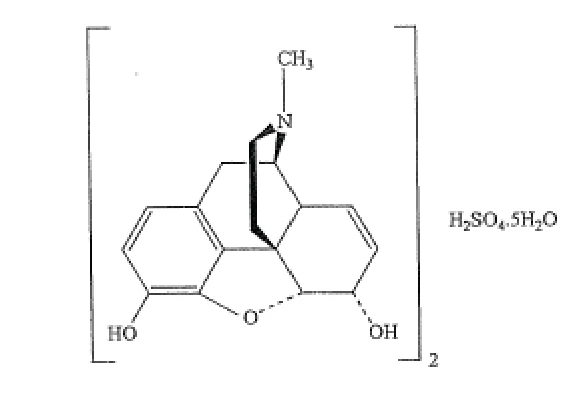
Description: Morphine sulfate is a white or almost white crystalline powder. Morphine sulfate is soluble 1:21 in water and 1:1000 in ethanol. It is practically insoluble in ether or chloroform.
CLINICAL STUDIES
SUMMARY TABLES:
A randomized, two period, two treatment crossover comparative bioavailability study of Morphine SR (sustained-release) 15 mg tablets (Sanis Health Inc., Canada) and MS Contin® 15 mg sustained-release tablets (Purdue Pharma, Canada) administered as a single 1 x 15 mg dose, was conducted in 34 healthy adult male and female subjects under fed conditions. A summary of the bioavailability data is presented below.
Morphine (1x 15 mg) From measured data uncorrected for potency Geometric Mean Arithmetic Mean (CV %) | ||||
|---|---|---|---|---|
| Parameter | Test* | Reference† | % Ratio of Geometric Means | Confidence Interval, 90% |
AUCT (ng*h/mL) | 53.284 55.066 (27) | 52.958 54.638 (25) | 100.62 | 96.81 - 104.57 |
AUC(0-12) (ng*h/mL) | 40.504 41.696 (25) | 39.793 40.966 (24) | 101.79 | 97.95 - 105.78 |
AUCI (ng*h/mL) | 60.319 61.347 (26) | 58.688 60.122 (22) | 102.78 | 99.37 - 106.31 |
Cmax (ng/mL) | 8.109 8.401 (25) | 8.784 9.222 (33) | 92.32 | 85.04 - 100.21 |
Tmax§ (h) | 2.79 (48) | 2.72 (46) | ||
T½§ (h) | 12.17 (35) | 13.05 (32) | ||
* Morphine SR Tablets 15 mg (Sanis Health Inc., Canada)
† MS Contin® 15 mg Sustained Release Tablets (Purdue Pharma, Canada). Purchased in Canada.
§ Expressed as the arithmetic mean (CV %) only
A randomized, two period, two treatment crossover comparative bioavailability study of Morphine SR (sustained-release) 15 mg tablets (Sanis Health Inc., Canada) and MS Contin® 15 mg sustained-release tablets (Purdue Pharma, Canada) administered as a single 1 x 15 mg dose, was conducted in 22 healthy adult male and female subjects under fasting conditions. A summary of the bioavailability data is presented below.
Morphine (1 x 15 mg) From measured data uncorrected for potency Geometric Mean Arithmetic Mean (CV %) | ||||
|---|---|---|---|---|
| Parameter | Test* | Reference† | % Ratio of Geometric Means | 90% Confidence Interval |
AUCt (ng*h/mL) | 52.667 54.631 (27) | 53.373 55.504 (27) | 98.68 | 95.05 – 102.44 |
AUC0-12 (ng*h/mL) | 36.189 37.405 (25) | 37.755 39.086 (26) | 95.85 | 92.76 – 99.05 |
AUCinf (ng*h/mL) | 58.850 62.263 (22) | 59.879 61.014 (25) | 98.28 | 94.51 – 102.21 |
Cmax (ng/mL) | 6.298 6.519 (27) | 6.800 7.048 (26) | 92.61 | 87.62 – 97.90 |
Tmax§ (h) | 1.75 (55) | 1.74 (72) | ||
T½ § (h) | 10.78 (68) | 11.19 (42) | ||
* Morphine SR Tablets 15 mg (Sanis Health Inc., Canada)
† MS Contin® 15 mg Sustained Release Tablets (Purdue Pharma, Canada). Purchased in Canada.
§ Expressed as the arithmetic mean (CV %) only
A randomized, two period, two treatment crossover comparative bioavailability study of Morphine SR (sustained-release) 15 mg tablets (Sanis Health Inc., Canada) and MS Contin® 15 mg sustained-release tablets (Purdue Pharma, Canada) administered as a a multiple-dose 1 x 15 mg (q12h), was conducted in 20 healthy adult male and female subjects under fasting conditions. A summary of the bioavailability data is presented below.
Morphine (1 x 15 mg, q12h) From measured data uncorrected for potency Geometric Mean Arithmetic Mean (CV %) | ||||
|---|---|---|---|---|
| Parameter | Test* | Reference† | % Ratio of Geometric Means | Confidence Interval, 90% |
AUCtau (ng*h/mL) | 61.637 63.162 (23) | 62.059 63.687 (24) | 99.32 | 94.61 - 104.26 |
Cmax (ng/mL) | 8.634 8.804 (20) | 9.347 9.601 (24) | 92.37 | 87.57 – 97.42 |
Cmin (ng/mL) | 2.481 2.604 (35) | 2.322 2.490 (38) | 106.85 | 93.01 – 122.74 |
Tmax§ (h) | 2.30 (57) | 1.98 (58) | ||
| FL§ (%) | 119.88 (19) | 135.45 (22) | ||
* Morphine SR Tablets 15 mg (Sanis Health Inc., Canada)
† MS Contin® 15 mg Sustained Release Tablets (Purdue Pharma, Canada). Purchased in Canada.
§ Expressed as the arithmetic mean (CV %) only
DETAILED PHARMACOLOGY
Morphine is readily absorbed from the gastrointestinal tract, nasal mucosa, lung, and after subcutaneous or intramuscular injection. Due to first-pass metabolism the effect of an oral dose is less than that of the same dose given parenterally. The parenteral to oral morphine potency ratio has been reported to range from 1:6 to 1:2. In general, the greatest difference between parenteral and oral potency is seen in acute studies. With chronic dosing, oral morphine is about 1/3 as potent as when given by injection.
Absorption of the sustained-release tablets is equivalent to that of immediate-release tablet or liquid formulations and is not significantly affected by administration with food. At steady-state, the sustained-release tablets produce peak morphine levels approximately 4 to 5 hours post-dose and therapeutic levels persist for a 12 hour period.
In a steady-state crossover study utilizing morphine sulfated sustained release tablets every 12 hours versus morphine sulfate solution every 4 hours in cancer patients, there was no significant difference between formulations in respect to the extent of absorption of morphine. The mean maximum concentration following morphine sulfate sustained release was approximately 15% higher than with morphine oral solution and was achieved at a mean of 3.4 hours post-dose compared with 1.2 hours for the solution. There was a linear relationship between mean plasma morphine concentration and dose over the range of 60-600 mg/day.
TOXICOLOGY
Animal
Acute: Oral LD50
Mice 650 mg/kg
Rats 460 mg/kg
Guinea Pigs 1000 mg/kg
Morphine toxicity varies considerably from species to species. In some species, relatively low doses of morphine cause hypothermia and gross excitation. In the rat, for example, doses suitable for analgesia also affect a continually restless and seemingly frightened state. These effects are antagonized by naloxone and are prevented by phenytoin.
Human
Morphine toxicity may result from overdosage but because of the great interindividual variation in sensitivity to opioids it is difficult to determine an exact dose of any opioid that is toxic or lethal.
The presence of pain or tolerance tends to diminish the toxic effects of morphine. Published data suggests that in a morphine naive, pain-free individual, the lethal oral dose would be in excess of
120 mg. Patients on chronic oral morphine therapy have been known to take in excess of
3000 mg/day with no apparent toxicity.
REFERENCES
- 1. Babul N, Darke AC. Disposition of morphine and its glucuronide metabolites after oral and rectal administration: evidence of route specificity. Clin Pharmacol Ther 1993;54:286-92.
- 2. Bianchi G, Ferretti P, Recchia M, Rocchetti M, Tavani A, Manara L. Morphine tissue levels and reduction of gastrointestinal transit in rats. Correlation supports primary action site in the gut. Gastroenterology 1983;85:852-8.
- 3. Brunk SF, Delle M. Morphine metabolism in man. Clin Pharmacol Ther 1974;16:51-7.
- 4. Bullingham RE, Moore RA, Symonds HW, Allen MC, Baldwin D, McQuay HJ. A novel form of dependency of hepatic extraction ratio of opioids in vivo upon the portal vein concentration of drug: comparison of morphine, diamorphine, fentanyl, methadone and buprenorphine in the chronically cannulated cow. Life Sci 1984;34:2047-56.
- 5. Cronin CM, Kaiko RF, Healy N, Grandy RP, Thomas G, Goldenheim PD. Controlled- release oral morphine insensitivity to a high fat meal. J Clin Pharmacol 1988;28:944.
- 6. Dickson PH, Lind A, Studts P, Nipper HC, Makoid M, Makoid M, et al. The routine analysis of breast milk for drugs of abuse in a clinical toxicology laboratory. J Forensic Sci 1994;39(1):207-14.
- 7. Expert Advisory Committee on the Management of Severe Chronic Pain in Cancer Patients, Health and Welfare Canada. Cancer pain: A monograph on the management of cancer pain. Ministry of Supplies and Services Canada, 1987. Cat. No. H42-2/5-1984E.
- 8. Ferrell B, Wisdom C, Wenzl C, Brown J. Effects of controlled-release morphine on quality of life for cancer pain. Oncol Nurs Forum 1989;16(4):521-6.
- 9. Goughnour BR, Arkinstall WW, Stewart JH. Analgesic response to single and multiple doses of controlled-release morphine tablets and morphine oral solution in cancer patients. Cancer 1989;63:2294-7.
- 10. Goughnour BR, Arkinstall WW. Potential cost-avoidance with oral extended-release morphine sulfate tablets versus morphine sulfate solution. Am J Hosp Pharm 1991;48: 101-4.
- 11. Hanks GW, Trueman T. Controlled-release morphine tablets are effective in twice-daily dosage in chronic cancer pain. In: Wilkes E, Levy J, editors. Advances in morphine therapy/the 1983 International Symposium on Pain Control. New York: Oxford University Press;1984. p.103-5.
- 12. Health and Public Policy Committee, American College of Physicians: Drug therapy of severe, chronic pain in terminal illness. Ann Intern Med 1983;99:870-3.
- 13. Henriksen H, Knudsen J. MST Continus tablets in pain of advanced cancer: a controlled study. In: Wilkes E, Levy J, editors. Advances in morphine therapy/the 1983 International Symposium on Pain Control. New York: Oxford University Press;1984. p.123-6.
- 14. Jaffee JH, Mertin WR. Opioid analgesics and antagonists. In: Goodman LS, Gilman A, Gilman AG, editors. The Pharmacological Basis of Therapeutics. 6th ed. New York: Macmillan Press; 1980. p. 494-534.
- 15. Kaiko RF, Grandy RP, Oshlack B, Pav J, Horodniak J, Thomas G, et al. The United States experience with oral controlled-release morphine (MS Contin® tablets). Parts I and II. Review of nine dose titration studies and clinical pharmacology of 15-mg, 30-mg, 60-mg and 100-mg tablet strengths in normal subjects. Cancer 1989;63:2348-54.
- 16. Knodell RG, Farleigh RM, Steele NM, Bond JH. Effects of liver congestion on hepatic drug metabolism in the rat. J Pharmacol Exp Ther 1982;221:52-7.
- 17. Lamerton RC. Evaluation of MST Continus tablets 60 mg and 100 mg in the treatment of pain in terminal illness - a hospice overview. In: Wilkes E, Levy J, editors. Advances in morphine therapy/the 1983 International Symposium on Pain Control. New York: Oxford University Press;1984. p.85-9.
- 18. McQuay HJ, Moore RA, Bullingham RES, Carroll D, Baldwin D, Allen MS, et al. High systemic relative bioavailability of oral morphine in both solution and sustained-release formulation. In: Wilkes E, Levy J, editors. Advances in morphine therapy/the 1983 International Symposium on Pain Control. New York: Oxford University Press;1984. p.149-54.
- 19. Mignault GG, Latreille J, Viguié F, Richer P, Lemire F, Harsanyi Z, et al. Control of cancer-related pain with MS Contin: a comparison between 12-hourly and 8-hourly administration. J Pain Symptom Manage 1995;10(6):416-22.
- 20. Misra AL. Metabolism of opiates. [Factors affecting the action of narcotics.] In: Adler ML, Manara L, Samanin R, editors. New York: Raven Press; 1978. p. 197-343.
- 21. Moore A, Sear J, Baldwin D, Allen M, Hunnise A, Bullingham R, McQuay H. Morphine kinetics during and after renal transplantation. Clin Pharmacol Ther 1984;35:641-5.
- 22. Patwardhan RV, Johnson RF, Hoyumpa A Jr., Sheehan JJ, Desmond PV, Wilkinson GR, Branch RA, Schenker S. Normal metabolism of morphine in cirrhosis. Gastroenterology 1981;81:1006-11.
- 23. Portenoy RK, Maldonado M, Fitzmartin R, Kaiko RF, Kanner R. Oral controlled-release morphine sulfate. Analgesic efficacy and side effects of a 100-mg tablet in cancer pain patients: Cancer 1989;63:2284-8.
- 24. Portenoy RK. Chronic opioid therapy in non-malignant pain. J Pain Symptom Manage 1990;5:S46-S62.
- 25. Portenoy RK, Foley KM, Intrussisi CE. The nature of opioid responsiveness and its implications for neuropathic pain: new hypotheses derived from studies of opioid infusions. Pain 1990;43:273-86.
- 26. Principles of analgesic use in the treatment of acute pain and cancer pain. 3rd ed. Illinois: American Pain Society; 1992.
- 27. Regnard CB, Randell F. Controlled-release morphine in advanced cancer pain. In: Wilkes E, Levy J, editors. Advances in morphine therapy/the 1983 International Symposium on Pain Control. New York: Oxford University Press;1984. p.142-4.
- 28. Thirlwell MP, Sloan PA, Maroun JA, Boos GJ, Besner JG, Stewart JH, et al. Pharmacokinetics and clinical efficacy of oral morphine solution and controlled-release morphine tablets in cancer patients: Cancer 1989;63:2275-83.
- 29. Stewart JJ, Weisbrodt NW, Burks TF. Central and peripheral actions of morphine on intestinal transit. J Pharmacol Exp Ther 1978;205:547-55.
- 30. Stimmel B. Pain, analgesia and addiction: the pharmacologic treatment of pain. New York: Raven Press, 1983.
- 31. Twycross RG, Lack SA. Symptom control in far advanced cancer: pain relief. London: Pitman; 1983.
- 32. United States. Management of Cancer Pain Guideline Panel. Management of cancer pain. Rockville (MD): U.S. Department of Health and Human Services, Public Health Service, Agency for Health Care Policy and Research, 1994. Publication No. AHCPR94-0592.
- 33. Vandenberghe HM, Soldin SJ, MacLeod SM. Pharmacokinetics of morphine: a review. Ther Drug Monit 1982;11:1-5.
- 34. Wall PD, Melzack R, editors. Textbook of pain. 3rd ed. New York: Churchill Livingstone;1994.
- 35. Walsh TD. Opiates and respiratory function in advanced cancer. Recent Results Cancer Res 1984;89:115-7.
- 36. Walsh TD. A controlled study of MST Continus tablets for chronic pain in advanced cancer. In: Wilkes E, editor. Advances in morphine therapy. The 1983 International Symposium on Pain Control. Royal Soc Med International Congress Series 1984;64:99- 102.
- 37. Welsh J, Stuart JF, Habeshaw T, Blackie R, Whitehill D, Setanoians A, et al. A comparative pharmacokinetic study of morphine sulphate solution and MST Continus 30 mg tablets in conditions expected to allow steady-state drug level formulation. In: Stuart JF, editor. Methods of morphine estimation in biological fluids and the concept of free morphine. New York: Academic Press; 1981. p. 9-13.
- 38. MS Contin® SR Tablets Product Monograph, Purdue Pharma, Canada, Control No. 210003, Revision Date: March 29, 2018.
- 39. A Single-Dose, Comparative Bioavailability Study of Two Formulations of Morphine Sulfate 15 mg Sustained Release Tablets Under Fed Conditions. Data on file at Teva Canada Limited.
- 40. A Single-Dose, Comparative Bioavailability Study of Two Formulations of Morphine Sulfate 15 mg Sustained Release Tablets Under Fasting Conditions. Data on file at Teva Canada Limited.
- 41. A Multiple-Dose, Comparative Bioavailability Study of Two Formulations of Morphine Sulfate Sustained Release Tablets 15 mg q12h Under Fasting Conditions. Data on file at Teva Canada Limited.