


Product Monograph - Nat-Bosentan
Recent Major Label Changes
| 4 Dosage and Administration | 2025-03 |
|---|---|
| 7 Warnings and Precautions, General | 2025-03 |
| 7 Warnings and Precautions, Driving and Operating Machinery | 2025-03 |
| 7 Warnings and Precautions, Hepatic/Biliary/Pancreatic | 2026-04 |
| 7 Warnings and Precaution, 7.1.2 Breastfeeding | 2025-03 |
Table Of Contents
Certain sections or subsections that are not applicable at the time of the preparation of the most recent authorized product monograph are not listed.
Recent Major Label Changes ................................................................................................... 2
Table Of Contents ................................................................................................................... 2
Part 1: Healthcare Professional Information ........................................................................... 5
1 Indications .................................................................................................................. 5
1.1 Pediatrics .............................................................................................................. 5
1.2 Geriatrics .............................................................................................................. 5
2 Contraindications ........................................................................................................ 5
4 Dosage and Administration ......................................................................................... 5
4.1 Dosing Considerations .......................................................................................... 5
4.2 Recommended Dose and Dosage Adjustment ..................................................... 6
4.4 Administration ...................................................................................................... 7
4.5 Missed Dose ......................................................................................................... 7
5 Overdosage ................................................................................................................. 7
6 Dosage Forms, Strengths, Composition and Packaging ................................................ 7
7 Warnings and Precautions ........................................................................................... 8
General ............................................................................................................................. 8
Carcinogenesis and Genotoxicity ..................................................................................... 8
Cardiovascular .................................................................................................................. 8
Driving and Operating Machinery .................................................................................... 9
Hematologic ..................................................................................................................... 9
Hepatic/Biliary/Pancreatic ............................................................................................... 9
Monitoring and Laboratory Tests ................................................................................... 10
Reproductive Health ...................................................................................................... 10
7.1 Special Populations ............................................................................................. 11
7.1.1 Pregnancy ....................................................................................................... 11
7.1.2 Breastfeeding ................................................................................................. 11
7.1.3 Pediatrics ........................................................................................................ 11
7.1.4 Geriatrics ........................................................................................................ 12
8 Adverse Reactions ..................................................................................................... 12
8.1 Adverse Reaction Overview ................................................................................ 12
8.2 Clinical Trial Adverse Reactions .......................................................................... 12
8.2.1 Clinical Trial Adverse Reactions – Pediatrics ................................................... 17
8.3 Less Common Clinical Trial Adverse Reactions ................................................... 18
8.4 Abnormal Laboratory Findings: Hematologic, Clinical Chemistry, and Other Quantitative Data ........................................................................................................... 18
8.5 Post-Market Adverse Reactions ......................................................................... 19
9 Drug Interactions ...................................................................................................... 20
9.1 Serious Drug Interactions ................................................................................... 20
9.2 Drug Interactions Overview ................................................................................ 20
9.3 Drug-Behaviour Interactions .............................................................................. 20
9.4 Drug-Drug Interactions ....................................................................................... 21
9.5 Drug-Food Interactions ....................................................................................... 25
9.6 Drug-Herb Interactions ....................................................................................... 25
9.7 Drug-Laboratory Test Interactions ...................................................................... 25
10 Clinical Pharmacology ............................................................................................... 25
10.1 Mechanism of Action .......................................................................................... 25
10.2 Pharmacodynamics ............................................................................................ 26
10.3 Pharmacokinetics ............................................................................................... 26
11 Storage, Stability, and Disposal ................................................................................. 28
Part 2: Scientific Information ................................................................................................ 29
13 Pharmaceutical Information ...................................................................................... 29
14 Clinical Trials ............................................................................................................. 29
14.1 Clinical Trials by Indication ................................................................................. 29
14.2 Comparative Bioavailability Studies.................................................................... 37
15 Microbiology ............................................................................................................. 37
16 Non-Clinical Toxicology ............................................................................................. 38
17 Supporting Product Monographs .............................................................................. 39
Patient Medication Information ........................................................................................... 40
Part 1: Healthcare Professional Information
1 Indications
NAT-BOSENTAN (bosentan monohydrate) is indicated for the treatment of:
- pulmonary arterial hypertension in patients with WHO functional class III or IV primary pulmonary hypertension, or
- pulmonary hypertension secondary to scleroderma or congenital heart disease or human immunodeficiency virus in patients who did not respond adequately to conventional therapy.
As well, a prolongation of time to clinical worsening was shown in patients with WHO functional class II.
1.1 Pediatrics
Pediatrics (<18 years of age): There is only limited experience with bosentan tablets in patients under the age of 18 years (see 7.1.3 Pediatrics). Based on the data submitted and reviewed by Health Canada, the safety and efficacy of bosentan tablets in pediatric patients has not been established; therefore, Health Canada has not authorized an indication for pediatric use.
1.2 Geriatrics
Geriatrics (> 65 years of age): Data available to Health Canada are insufficient to establish differences in the safety and efficacy associated with the use of bosentan tablets in geriatric patients.
2 Contraindications
Bosentan monohydrate is contraindicated in patients:
- who are hypersensitive to bosentan or to any ingredient in the formulation, including any non-medicinal ingredient, or component of the container. For a complete listing, (see 6 Dosage Forms, Strengths, Composition and Packaging).
- who are pregnant, or of childbearing potential unless adequate contraceptive measures are taken. Fetal malformations were reported in animals (see 7.1.1 Pregnancy).
- with moderate or severe liver impairment and/or with baseline values of liver transaminases, i.e., aspartate aminotransferase (AST) and/or alanine aminotransferase (ALT), greater than 3 times the upper limit of normal (ULN), particularly when the total bilirubin is increased to greater than 2 times the ULN (see 7 Warnings and Precautions, Hepatic/Biliary/Pancreatic).
- with concomitant use of cyclosporine A.
- with concomitant use of glyburide.
4 Dosage and Administration
4.1 Dosing Considerations
Use of NAT-BOSENTAN in patients with moderate or severe liver impairment is contraindicated (see 2 Contraindications, 7 Warnings and Precautions, Hepatic/Biliary/Pancreatic and 10.3 Pharmacokinetics, Hepatic Insufficiency).
Hemoglobin concentrations management:
Hemoglobin concentrations should be checked prior to the initiation of treatment, after 1 month and after 3 months, and quarterly thereafter. (See 7 Warnings and Precautions, Hematologic).
Liver abnormalities management:
Liver aminotransferase levels must be measured prior to initiation of treatment and subsequently at monthly intervals (see 7 Warnings and Precautions, Hepatic/Biliary/Pancreatic and Monitoring and Laboratory Tests).
Use with Protease Inhibitors:
Co-administration of bosentan in patients already on protease inhibitors for at least 10 days:
Start at 62.5 mg once daily or every other day based upon individual tolerability.
Co-administration of protease inhibitors/antiretroviral agents in patients on bosentan:
Discontinue use of bosentan at least 36 hours prior to initiation of protease inhibitors. After at least 10 days following the initiation of protease inhibitors, resume bosentan at 62.5 mg once daily or every other day based upon individual tolerability.
4.2 Recommended Dose and Dosage Adjustment
NAT-BOSENTAN should be initiated at a dose of 62.5 mg twice daily for 4 weeks and then increased to the recommended maintenance dose of 125 mg twice daily. Doses above 125 mg twice daily do not confer additional benefit sufficient to offset the increased risk of liver injury.
- Dosage in Pediatric Patients: There is only limited experience with bosentan in patients under the age of 18 years (see 7.1.3 Pediatrics). Health Canada has not authorized an indication for pediatric use (see 1.1 Pediatrics).
- Dosage in Elderly Patients: Clinical studies of bosentan did not include a sufficient number of patients aged 65 and over to determine if they respond differently than younger patients with pulmonary arterial hypertension. In general, dose selection for an elderly patient should be made cautiously, reflecting a possible decrease in renal and/or cardiac function, concomitant disease, other drug therapy, and, particularly, decrease in hepatic function.
- Dosage in Patients with Hepatic Impairment: No dose adjustment of bosentan is needed in patients with mild hepatic impairment (i.e., Child-Pugh class A). Use of bosentan in patients with moderate or severe liver impairment is contraindicated (see 2 Contraindications, 7 Warnings and Precautions, Hepatic/Biliary/Pancreatic and 10.3 Pharmacokinetics, Hepatic Insufficiency).
- Dosage in Patients with Renal Impairment: The effect of renal impairment on the pharmacokinetics of bosentan is small. No dosing adjustment is required including patients undergoing dialysis.
Discontinuation of Treatment
There is no experience with abrupt discontinuation of bosentan at the recommended doses in pulmonary arterial hypertension patients. However, to avoid the possible occurrence of sudden clinical deterioration as has been seen with the discontinuation of other medications for this disease, patients should be monitored closely and reducing the dose by half for 3 to 7 days prior to discontinuation should be considered.
4.4 Administration
The film-coated tablets are to be swallowed with water.
NAT-BOSENTAN should be taken morning and evening, consistently, with or without food.
4.5 Missed Dose
If a scheduled dose of NAT-BOSENTAN is missed, a double dose should not be taken to make up for the forgotten individual dose. The patient should take the next tablet at the usual scheduled time.
5 Overdosage
Bosentan has been given as a single dose of up to 2,400 mg in normal volunteers, or up to 2,000 mg/day for two months in patients, without any major clinical consequences. The most common side effect was headaches of mild-to-moderate intensity. In the cyclosporine A interaction study, where doses of 500 and 1,000 mg of bosentan were given concomitantly with cyclosporine A, initial trough plasma concentrations of bosentan increased 30-fold resulting in severe headaches, nausea, and vomiting, but no serious adverse events occurred. Mild decreases in blood pressure and increases in heart rate were observed.
Massive overdosage may result in pronounced hypotension requiring active cardiovascular support. In the post-marketing period there was one reported overdose of 10,000 mg of bosentan taken by an adolescent male patient. He had symptoms of nausea, vomiting, hypotension, dizziness, sweating, blurred vision. He recovered completely within 24 hours with blood pressure support. Note: bosentan is not removed through dialysis.
For the most recent information in the management of a suspected drug overdose, contact your regional poison control centre or Health Canada’s toll-free number, 1-844 POISON-X (1-844-764-7669).
6 Dosage Forms, Strengths, Composition and Packaging
NAT-BOSENTAN is supplied as follows:
- 62.5 mg film-coated, round, biconvex, orange-white tablets with plain surface on one side and ‘N’ on other side – carton containing 4 blisters packs of 14 tablets each (56 tablets in total), and bottles of 60s tablets.
| Route of Administration | Dosage Form / Strength/Composition | Non-medicinal Ingredients |
| Oral | Tablet, 62.5 mg and 125 mg bosentan (from bosentan monohydrate) | Tablet contents: corn starch, croscarmellose sodium, glyceryl behenate, magnesium stearate, povidone, pregelatinized starch, and sodium starch glycolate. Film coating: ethylcellulose, hydroxypropylmethylcellulose, iron oxide red, iron oxide yellow, talc, titanium dioxide, and triacetin. |
- 125 mg film-coated, oval, biconvex, orange-white tablets, debossed with ‘125’ on one side and ‘NAT’ on other side – carton containing 4 blisters packs of 14 tablets each (56 tablets in total), and bottles of 60s tablets.
7 Warnings and Precautions
General
Pulmonary veno-occlusive disease
Cases of pulmonary edema have been reported with vasodilators (mainly prostacyclins) when used in patients with pulmonary veno-occlusive disease. Consequently, should signs of pulmonary edema occur when bosentan is administered in patients with PAH, the possibility of associated veno-occlusive disease should be considered. In the post-marketing period there have been rare reports of pulmonary edema in patients treated with bosentan who had a suspected diagnosis of pulmonary veno-occlusive disease.
Fluid retention
In a placebo-controlled study, 1,611 patients with severe chronic heart failure were treated with bosentan for a mean duration of 1.5 years. In this study there was one new safety finding that was not previously observed in the pulmonary arterial hypertension studies. This was an early increased incidence of hospitalization due to worsening of chronic heart failure with no difference in mortality between bosentan and placebo-treated patients. At the end of the study, there was no difference in overall hospitalizations for heart failure or in mortality between bosentan and placebo-treated patients. This effect was observed during the first 4-8 weeks of treatment with bosentan and could have been the result of fluid retention. In this trial, fluid retention was reflected by early weight gain, decreased hemoglobin concentration, and increased incidence of leg edema.
In the placebo-controlled trials with pulmonary arterial hypertension patients, peripheral edema and decreased hemoglobin concentrations were reported with no evidence for increased incidence of early hospitalization due to clinical worsening.
It is recommended that patients be monitored for signs of fluid retention (e.g., leg edema, weight gain). Should this occur, starting treatment with diuretics or increasing the existing dose of diuretics is recommended. Treatment with diuretics is recommended in patients with evidence of fluid retention before the start of treatment with bosentan.
If clinically significant fluid retention develops, with or without associated weight gain, further evaluation should be undertaken to determine the cause, such as NAT-BOSENTAN or underlying heart failure, and the possible need for treatment or discontinuation of NAT-BOSENTAN therapy.
Carcinogenesis and Genotoxicity
See 16 Non-Clinical Toxicology.
Cardiovascular
NAT-BOSENTAN should be initiated with caution if the patient has a systemic systolic blood pressure lower than 85 mm Hg.
Driving and Operating Machinery
No studies on the effect of bosentan on the ability to drive and use machines have been performed. Bosentan can induce hypotension, blurred vision and dizziness that can impact the ability to drive or use machines. Exercise caution when driving or operating a vehicle or potentially dangerous machinery.
Hematologic
Treatment with bosentan has been associated with dose-related decreases in hemoglobin concentration (0.9 g/dL overall average), which is likely due to hemodilution. In placebo-controlled studies bosentan-related decreases in hemoglobin concentration were not progressive, and stabilized after the first 4-12 weeks of treatment. It is recommended that hemoglobin concentrations be checked prior to the initiation of treatment, after 1 month and after 3 months, and quarterly thereafter. If a marked decrease in hemoglobin concentration occurs, further evaluation should be undertaken to determine the cause and the need for specific treatment. In the post-marketing period, cases of anemia requiring red blood cell transfusion have been reported (see 8.5 Post-Market Adverse Drug Reactions).
Hepatic/Biliary/Pancreatic
Bosentan has been associated with a reversible, dose-related increase in aspartate aminotransferase (AST) and alanine aminotransferase (ALT), accompanied in some cases by elevated bilirubin. Increases in liver enzymes usually occurred within the first 26 weeks following initiation of treatment and returned to pretreatment levels without sequelae within a few days to 9 weeks, either spontaneously or after dose reduction or discontinuation. These increases may also occur late in treatment.
In the post-marketing period, rare cases of unexplained hepatic cirrhosis were reported after prolonged (> 12 months) therapy with bosentan in patients with multiple co-morbidities and drug therapies. There have also been rare reports of liver failure. Rare cases of autoimmune hepatitis with a latency of a few months to years have also been reported. The contribution of bosentan in these cases could not be excluded.
In at least one case the initial presentation (after >20 months of treatment) included pronounced elevations in aminotransferases and bilirubin levels accompanied by non-specific symptoms, all of which resolved slowly over time after discontinuation of bosentan. This case reinforces the importance of strict adherence to the monthly monitoring schedule for the duration of treatment and the treatment algorithm, which includes stopping bosentan with a rise of aminotransferases accompanied by signs or symptoms of liver dysfunction.
Liver transaminase levels must be measured prior to initiation of treatment and subsequently at monthly intervals.
Pre-existing Liver Impairment:
Use in patients with baseline values of liver transaminases, i.e., aspartate aminotransferase (AST) and/or alanine aminotransferase (ALT), greater than 3 times the upper limit of normal (ULN), particularly when the total bilirubin is increased to greater than 2 times the ULN, is contraindicated (see 2 Contraindications).
Management of Patients with Increased Liver Transaminases:
| ALT/AST levels | Treatment and monitoring recommendations are as follows: |
|---|---|
| > 3 and ≤ 5 x ULN | Confirm by another liver function test; if confirmed, reduce the daily dose or stop treatment, monitor aminotransferase levels at least every 2 weeks. If the aminotransferase levels return to pretreatment values consider continuing or reintroducing NAT-BOSENTAN as appropriate (see Reintroduction of Treatment below). |
| > 5 and ≤ 8 x ULN | Confirm by another liver function test; if confirmed, stop treatment and monitor aminotransferase levels at least every 2 weeks. Once the aminotransferase levels return to pretreatment values consider reintroducing NAT-BOSENTAN (see Reintroduction of Treatment below). |
| > 8 x ULN | Treatment must be stopped and reintroduction of NAT-BOSENTAN is not to be considered. |
In the case of elevations of aminotransferases accompanied by clinical symptoms of liver injury (such as nausea, vomiting, fever, abdominal pain, jaundice or unusual lethargy or fatigue) or of increases in bilirubin ≥2 x ULN, treatment must be stopped and reintroduction of NAT-BOSENTAN is not to be considered.
Reintroduction of treatment
Reintroduction of treatment with NAT-BOSENTAN should only be considered if the potential benefits of treatment with NAT-BOSENTAN outweigh the potential risks and when aminotransferase levels are within pretreatment values. NAT-BOSENTAN is to be reintroduced at the starting dose and aminotransferase levels must then be checked within 3 days after reintroduction, then again after further 2 weeks, and thereafter according to the recommendations above.
Monitoring and Laboratory Tests
Liver abnormalities management
Liver transaminase levels must be measured prior to initiation of treatment and subsequently at monthly intervals. For liver abnormalities management, see 7 Warnings and Precautions, Hepatic/Biliary/Pancreatic.
Hemoglobin concentrations management
Hemoglobin concentrations should be checked prior to the initiation of treatment, after 1 month and after 3 months, and quarterly thereafter. If a marked decrease in hemoglobin concentration occurs, further evaluation should be undertaken to determine the cause and the need for specific treatment. (See 7 Warnings and Precautions, Hematologic).
Reproductive Health
Fertility
It cannot be excluded that bosentan may have a detrimental effect on spermatogenesis (decrease sperm count) in men. In male children, a long-term impact on fertility after treatment with bosentan cannot be excluded.
7.1 Special Populations
7.1.1 Pregnancy
Bosentan should be considered a potential human teratogen. Bosentan has been shown to be teratogenic in rats when given at doses ≥60 mg/kg/day (twice the human oral therapeutic dose of 125 mg b.i.d., on an mg/m2 basis). In an embryo-fetal toxicity study in rats, bosentan showed dose-dependent teratogenic effects including malformations of the head and face and of the major vessels. No birth defects were observed in rabbits at doses of up to 1500 mg/kg/day; however, the plasma concentrations were lower than those reached in rats. The similarity of malformations induced by bosentan and those observed in endothelin-1 knockout mice and in animals treated by other endothelin receptor antagonists indicates that teratogenicity is a class effect of these drugs. There are no studies in pregnant women.
NAT-BOSENTAN treatment must not be initiated in women of childbearing potential unless they practice reliable contraception and the result of the pretreatment pregnancy test is negative.
Before the initiation of NAT-BOSENTAN treatment in women of childbearing potential, the absence of pregnancy should be checked, appropriate advice on reliable method of contraception provided, and reliable contraception initiated. Patients and prescribers must be aware that, due to potential pharmacokinetic interactions, NAT-BOSENTAN may render hormonal contraceptives ineffective (see 9.4 Drug-Drug Interactions). Therefore, women of childbearing potential must not use hormonal contraceptives (including oral, injectable, transdermal, and implantable forms) as the sole method of contraception but should use an additional or an alternative reliable method of contraception. If there is any doubt on what contraceptive advice should be given to the individual patient, consultation with a gynecologist is recommended.
Because of possible hormonal contraception failure during NAT-BOSENTAN treatment and also bearing in mind the risk that pulmonary hypertension severely deteriorates with pregnancy, monthly pregnancy tests during treatment with NAT-BOSENTAN are recommended to allow early detection of pregnancy.
7.1.2 Breastfeeding
Data from a case report describe the presence of bosentan in human milk. There is insufficient information about the effects of bosentan on the breastfed infant. Because the adverse reactions (see 7 Warnings and Precautions and 8 Adverse Reactions) associated with the use of bosentan could potentially occur in the breastfed infant, breast-feeding is not recommended during treatment with NAT-BOSENTAN.
7.1.3 Pediatrics
Pediatrics (3-18 years of age): The safety and efficacy of bosentan in children was studied in a group of 19 patients ages 3-15 years with PAH either primary or secondary to various congenital heart defects, in WHO functional class II or III. Of the 19 patients, 10 were receiving concomitant FLOLAN (epoprostenol). After 12 weeks of treatment with bosentan, efficacy could not be demonstrated based on increased exercise capacity. However, statistically significant improvements in certain hemodynamic indices were noted (mean pulmonary artery pressure, mean systemic artery pressure, pulmonary vascular resistance and pulmonary vascular resistance index, systemic vascular resistance and systemic vascular resistance index, cardiac output and stroke index). No statistically significant improvement in respiratory parameters (oxygen and CO2) or cardiac index was present. By treatment end, five patients had improved by one functional class and one deteriorated. No new safety concerns arose during the study, though one patient was withdrawn from treatment due to increased liver transaminases.
The dosing regimen used in the study was based on body-weight with a recommended target dose of 2 mg/kg, morning and evening. There is extremely limited clinical experience in children below 1 year of age.
| Body Weight (kg) | Initiation Dose | Maintenance Dose |
|---|---|---|
| 10 ≤ x ≤ 20 | 31.25 mg q.d. | 31.25 mg b.i.d. |
| 20 ≤ x ≤ 40 | 31.25 mg b.i.d. | 62.5 mg b.i.d. |
| > 40 kg | 62.5 mg b.i.d. | 125 mg b.i.d. |
Health Canada has not authorized an indication for pediatric use of bosentan.
7.1.4 Geriatrics
Geriatrics (> 65 years of age): Limited clinical experience with bosentan tablets in patients aged 65 years or older has not identified any difference in response between elderly and younger patients, but the possibility of decreased hepatic function in the elderly should be considered (see 4.2 Recommended Dose and Dosage Adjustment).
8 Adverse Reactions
8.1 Adverse Reaction Overview
Safety data on bosentan were obtained from placebo-controlled and open-label studies in 677 patients with pulmonary arterial hypertension or other conditions. Doses up to 8 times the currently recommended maintenance dose for pulmonary arterial hypertension were administered. The duration of treatment ranged from 1 day to 4.1 years. In the placebo-controlled studies, the adverse events that occurred more frequently in patients treated with bosentan than those treated with placebo were flushing, leg edema, abnormal hepatic function, headache and anemia. Treatment with bosentan has been associated with dose-dependent elevations in liver aminotransferases and decreases in hemoglobin concentration.
8.2 Clinical Trial Adverse Reactions
Clinical trials are conducted under very specific conditions. Therefore, the frequencies of adverse reactions observed in the clinical trials may not reflect frequencies observed in clinical practice and should not be compared to frequencies reported in clinical trials of another drug.
In placebo-controlled studies 258 were patients with pulmonary arterial hypertension. They received bosentan at doses of 250 mg (n=188) or 500 mg (n=70) per day. At the recommended maintenance dose of 125 mg b.i.d., adverse events that occurred at an incidence greater than 1% in bosentan -treated patients with pulmonary arterial hypertension are given in the following table:
Table 1 : Incidence of adverse events, regardless of drug causality, occurring in >1% of patients treated with bosentan (125 mg b.i.d.) in placebo-controlled studies in pulmonary arterial hypertension
| System Organ Class / Adverse Events (AEs) | Bosentan n=188 | Placebo n=172 | ||||||||
|---|---|---|---|---|---|---|---|---|---|---|
| System Organ Class / Adverse Events (AEs) | Bosentan n=188 | Placebo n=172 | ||||||||
| n | (%) | N | (%) | |||||||
| n | (%) | N | (%) | |||||||
| All system Organ Classes | ||||||||||
| Total patients with at least one AE | 155 | (82) | 135 | (79) | ||||||
| Total number of AEs | 504 | 548 | ||||||||
| Blood and lymphatic system disorders | ||||||||||
| Anemia | 6 | (3) | ||||||||
| Cardiac disorders | ||||||||||
| Palpitations | 6 | (3) | 3 | (2) | ||||||
| Eye disorders | ||||||||||
| Vision blurred | 3 | (2) | 2 | (1) | ||||||
| Gastrointestinal disorders | ||||||||||
| Nausea | 15 | (8) | 19 | (11) | ||||||
| Diarrhea | 8 | (4) | 13 | (8) | ||||||
| Abdominal pain | 5 | (3) | 7 | (4) | ||||||
| Vomiting | 4 | (2) | 10 | (6) | ||||||
| Dyspepsia | 4 | (2) | 4 | (2) | ||||||
| Abdominal distension | 4 | (2) | 3 | (2) | ||||||
| Rectal hemorrhage | 4 | (2) | ||||||||
| Constipation | 3 | (2) | 4 | (2) | ||||||
| Dry mouth | 3 | (2) | 2 | (1) | ||||||
| Mouth ulceration | 3 | (2) | ||||||||
| General disorders and administration site conditions | ||||||||||
| Edema peripheral | 15 | (8) | 13 | (8) | ||||||
| Chest pain | 10 | (5) | 8 | (5) | ||||||
| Edema | 5 | (3) | 4 | (2) | ||||||
| Influenza like illness | 4 | (2) | 2 | (1) | ||||||
| Infections and infestations | ||||||||||
| Nasopharyngitis | 16 | (9) | 14 | (8) | ||||||
| Upper respiratory tract infection | 15 | (8) | 11 | (6) | ||||||
| Sinusitis | 7 | (4) | 4 | (2) | ||||||
| Bronchitis | 6 | (3) | 12 | (7) | ||||||
| Urinary tract infection | 5 | (3) | 6 | (4) | ||||||
| Respiratory tract infection | 5 | (3) | 5 | (3) | ||||||
| Influenza | 4 | (2) | 8 | (5) | ||||||
| Lower respiratory tract infection | 3 | (2) | 4 | (2) | ||||||
| Pharyngitis | 3 | (2) | 1 | (1) | ||||||
| Ear infection | 3 | (2) | ||||||||
| Injury, poisoning and procedural complications | ||||||||||
| Contusion | 4 | (2) | 1 | (1) | ||||||
| Investigations | ||||||||||
| Liver function test abnormal | 8 | (4) | 3 | (2) | ||||||
| Hepatic enzyme increased | 3 | (2) | ||||||||
| Musculoskeletal and connective tissue disorders | ||||||||||
| Back pain | 7 | (4) | 6 | (4) | ||||||
| Arthralgia | 6 | (3) | 3 | (2) | ||||||
| Muscle spasms | 5 | (3) | 6 | (4) | ||||||
| Shoulder pain | 4 | (2) | 4 | (2) | ||||||
| Nervous system disorders | ||||||||||
| Headache | 24 | (13) | 25 | (15) | ||||||
| Dizziness | 18 | (10) | 23 | (13) | ||||||
| Syncope | 8 | (4) | 7 | (4) | ||||||
| Respiratory, thoracic and mediastinal disorders | ||||||||||
| Cough | 9 | (5) | 14 | (8) | ||||||
| Pulmonary hypertension | 8 | (4) | 23 | (13) | ||||||
| Dyspnea | 6 | (3) | 7 | (4) | ||||||
| Epistaxis | 6 | (3) | 7 | (4) | ||||||
| Hemoptysis | 4 | (2) | 4 | (2) | ||||||
| Dyspnea exacerbated | 3 | (2) | 6 | (4) | ||||||
| Dyspnea exertional | 3 | (2) | 1 | (1) | ||||||
| Vascular disorders | ||||||||||
| Flushing | 8 | (4) | 5 | (3) | ||||||
| Hypotension | 6 | (3) | 3 | (2) | ||||||
In placebo-controlled studies of bosentan in the treatment of pulmonary arterial hypertension and other diseases, a total of 677 patients were treated with bosentan and 288 patients were treated with placebo, with doses ranging from 100 mg to 2,000 mg per day. The duration of treatment ranged from four weeks to six months. Adverse events that occurred at an incidence greater than 1% in bosentan-treated patients are given in the following table:
Table 2: Incidence of adverse events, regardless of drug causality, occurring in >1% of patients treated with bosentan in placebo-controlled studies
| System Organ Class / Adverse Events (AEs) | Bosentan n=677 | Placebo n=288 | ||||||||
|---|---|---|---|---|---|---|---|---|---|---|
| System Organ Class / Adverse Events (AEs) | Bosentan n=677 | Placebo n=288 | ||||||||
| n | (%) | n | (%) | |||||||
| n | (%) | n | (%) | |||||||
| All System Organ Classes | ||||||||||
| Total patients with at least one AE | 529 | (78) | 220 | (76) | ||||||
| Total number of AEs | 1591 | 840 | ||||||||
| Blood and Lymphatic System Disorders | ||||||||||
| Anemia (NOS) | 23 | (3) | 3 | (1) | ||||||
| Cardiac Disorders | ||||||||||
| Angina Pectoris | 15 | (2) | 3 | (1) | ||||||
| Cardiac failure | 120 | (18) | 64 | (22) | ||||||
| Edema (NOS) | 16 | (2) | 3 | (1) | ||||||
| Edema – Legs (Edema lower limb) | 32 | (5) | 4 | (1) | ||||||
| Palpitations | 18 | (3) | 5 | (2) | ||||||
| Gastrointestinal Disorders | ||||||||||
| Abdominal pain (NOS) | 13 | (2) | 11 | (4) | ||||||
| Constipation | 15 | (2) | 7 | (2) | ||||||
| Diarrhea (NOS) | 30 | (4) | 18 | (6) | ||||||
| Dyspepsia | 11 | (2) | 3 | (1) | ||||||
| Nausea | 31 | (5) | 30 | (10) | ||||||
| Vomiting | 16 | (2) | 12 | (4) | ||||||
| General Disorders | ||||||||||
| Chest pain (NEC) | 27 | (4) | 20 | (7) | ||||||
| Fatigue | 14 | (2) | 12 | (4) | ||||||
| Pyrexia | 13 | (2) | 5 | (2) | ||||||
| Hepato-biliary Disorders | ||||||||||
| Hepatic function abnormal | 40 | (6) | 6 | (2) | ||||||
| Infections and Infestations | ||||||||||
| Influenza | 20 | (3) | 14 | (5) | ||||||
| Metabolic and Nutritional Disorders | ||||||||||
| Gout | 12 | (2) | 7 | (2) | ||||||
Musculo-Skeletal, Connective Tissue and Bone Disorders | ||||||||||
| Arthralgia | 14 | (2) | 10 | (3) | ||||||
| Back pain | 17 | (3) | 8 | (3) | ||||||
| Pain in limb | 12 | (2) | 7 | (2) | ||||||
| Nervous System Disorders | ||||||||||
| Dizziness (exc. Vertigo) | 80 | (12) | 39 | (14) | ||||||
| Headache NOS | 107 | (16) | 37 | (13) | ||||||
| Vision blurred | 20 | (3) | 7 | (2) | ||||||
| Syncope | 20 | (3) | 12 | (4) | ||||||
| Respiratory, Thoracic and Mediastinal Disorders | ||||||||||
| Bronchitis | 19 | (3) | 10 | (3) | ||||||
| Coughing | 26 | (4) | 13 | (5) | ||||||
| Dyspnea (NOS) | 26 | (4) | 14 | (5) | ||||||
| Nasopharyngitis | 23 | (3) | 10 | (3) | ||||||
| Pneumonia | 11 | (2) | 2 | (1) | ||||||
| Sinusitis | 12 | (2) | 5 | (2) | ||||||
| Lower respiratory tract infection | 12 | (2) | 5 | (2) | ||||||
| Upper respiratory tract infection | 32 | (5) | 18 | (6) | ||||||
| Renal and Urinary Disorders | ||||||||||
| Urinary tract infection | 18 | (3) | 12 | (4) | ||||||
| Skin and Subcutaneous Tissue Disorders | ||||||||||
| Pruritus (NOS) | 12 | (2) | ||||||||
| Vascular Disorders | ||||||||||
| Epistaxis | 12 | (2) | 5 | (2) | ||||||
| Flushing | 45 | (7) | 5 | (2) | ||||||
| Hypotension (NOS) | 46 | (7) | 22 | (8) | ||||||
| Postural hypotension | 13 | (2) | 14 | (5) | ||||||
NOS= Not otherwise specified
NEC= Not elsewhere classified
Note: The population studied included patients with pulmonary arterial hypertension as well as patients with other conditions. The doses used in some placebo-controlled studies were higher than those recommended for pulmonary arterial hypertension.
Testicular Function
An open-label, single arm, multicenter, safety study evaluated the effect on testicular function of bosentan 62.5 mg b.i.d. for 4 weeks, followed by 125 mg b.i.d. for 5 months. Twenty-five male patients with WHO functional class III and IV PAH and normal baseline sperm count were enrolled; 23 completed the study and 2 discontinued due to adverse events not related to testicular function. Sperm count remained within the normal range in all 22 patients with data after 6 months and no changes in sperm morphology, sperm motility, or hormone levels were observed. One patient developed marked oligospermia at 3 months and the sperm count remained low with 2 follow-up measurements over the subsequent 6 weeks. Bosentan was discontinued and after two months the sperm count had returned to baseline levels. The relevance of this observation is uncertain considering the large natural intrasubject variability of sperm counts. Although, based on this finding, it cannot be excluded that endothelin receptor antagonists such as bosentan may have an effect on spermatogenesis, the absence of a systematic effect of chronic bosentan treatment on testicular function in humans observed in this study is in line with the toxicology data for bosentan (see 16 Non-Clinical Toxicology).
Combination with Epoprostenol
In study AC-052-355 (BREATHE-2) in adult patients, the most frequent adverse event experienced with the combination was jaw pain (59.1% on bosentan + epoprostenol and 90.9% on placebo + epoprostenol), a known side effect of epoprostenol therapy. Among the events associated with bosentan therapy, only leg edema was more frequent on bosentan plus epoprostenol than placebo plus epoprostenol (27.3% vs 9.1%). Few patients in either group experienced a serious adverse event or had treatment discontinued because of an adverse event. Two patients on combination therapy died during the study from progression of disease, and another died 36 days after having been withdrawn from the study because of a worsening condition. None of the deaths were considered by the investigator to be related to treatment but rather a reflection of the natural progression of the disease.
Incidences of elevated liver aminotransferases to clinically relevant values were higher on placebo plus epoprostenol (18.2%) than on bosentan plus epoprostenol therapy (9.5%). Similarly, the incidences of clinically relevant decreases in hemoglobin were higher on placebo plus epoprostenol (10.0%) than on bosentan plus epoprostenol therapy (0%). The clinical pattern of laboratory abnormalities in the bosentan plus epoprostenol group was consistent with previous findings. No meaningful changes in ECG parameters were seen in either group, and no change in pulse rate was observed with bosentan plus epoprostenol. Decreases in blood pressures were observed in both groups, but the decrease in systolic blood pressure was smaller in the group on combination therapy than on placebo plus epoprostenol. No cases of hypotension or postural hypotension were reported on the combination therapy.
8.2.1 Clinical Trial Adverse Reactions – Pediatrics
In a study in children and adolescents, 17 of the 19 patients (89.5%) reported at least one adverse event. The most frequent adverse events were flushing (four patients), headache, and abnormal hepatic function (three patients each). Dizziness, fluid retention, aggravated PAH, pyrexia, and a variety of infections (including respiratory) occurred in two patients each.
Flushing was noted only in patients also on epoprostenol. Mild fluid retention was reported for two patients and moderate edema for one, but unlike most cases in previous studies did not occur early in treatment, but rather after at least 79 days of treatment. The incidences of these and other adverse events did not appear to have any relationship to weight group.
8.3 Less Common Clinical Trial Adverse Reactions
Less Common Clinical Trial Adverse Drug Reactions (<1%)
Blood and Lymphatic System Disorders: ecchymosis, thrombocytopenia
Cardiac Disorders: complete atrioventricular block, cardiac arrest, myocardial infarction, tachycardia, ventricular arrhythmia, ventricular tachycardia
Eye Disorders: conjunctivitis, eye inflammation, photophobia, xerophthalmia
Gastrointestinal Disorders: anorexia, ascites, duodenal ulcer, flatulence, gastroenteritis, mouth ulceration, intestinal obstruction, loose stools
General Disorders: chest pain (non cardiac), feeling hot, lethargy, pain, shivering, thirst, weakness
Immune System Disorders: anaphylactic shock, urticaria
Infections and Infestations: infection
Investigations: blood alkaline phosphatase increased, blood lactate dehydrogenase increased, decreased weight, hyperglycemia, hypoglycemia, increased blood urea, increased eosinophil count, prolonged coagulation time, shortened coagulation time
Metabolism and Nutrition Disorders: dehydration, hypokalemia, hyponatremia, impaired glucose tolerance
Musculoskeletal Disorders: gout, muscle cramps, muscle twitching, musculoskeletal pain, sensation of heaviness
Nervous System Disorders: central nervous system depression, cerebrovascular accident, hemiparesis, hydrocephalus, hypoesthesia, insomnia, paresthesia, somnolence, tinnitus, tremor, vasovagal attack, vertigo
Psychiatric Disorders: anxiety, disturbance in attention, irritability, increased libido, mood swings, nightmares, panic attack
Respiratory, Thoracic and Mediastinal Disorders: aspiration, asthma, bronchospasm, hemoptysis, pneumonia, respiratory depression, respiratory failure, increased sputum
Skin and Subcutaneous Tissue Disorders: dermatitis, dry skin, eczema, erythema multiforme, erythema, skin discoloration, Stevens-Johnson syndrome, increased sweating
Renal Disorders: cystitis, dysuria, hematuria, renal failure, renal impairment, urinary frequency, urine discoloration
Vascular Disorders: epistaxis, hypertension, peripheral ischemia, subarachnoid hemorrhage, restless leg syndrome
8.4 Abnormal Laboratory Findings: Hematologic, Clinical Chemistry, and Other Quantitative Data
In placebo-controlled studies, increases in alanine aminotransferase (ALT) and aspartate aminotransferase (AST) to more than three times the upper limit of normal (ULN) were observed in 11% of bosentan-treated patients (n=658) as compared to 2% of placebo-treated patients (n=280). Increase in aminotransferases equal or greater than 3 times of ULN was seen in 12.4% of 188 patients with pulmonary arterial hypertension treated with 125 mg b.i.d. and 14% of 70 patients with pulmonary arterial hypertension treated with 250 mg b.i.d. Increase in aminotransferases equal or greater than 8 times of ULN was seen in 3.8% of patients with pulmonary arterial hypertension on 125 mg b.i.d. and 7% of patients with pulmonary arterial hypertension on 250 mg b.i.d. Increases in bilirubin to more than three times the upper limit of normal were associated with aminotransferase increases in 2 of 658 (0.3%) of patients treated with bosentan.
Elevations in alanine aminotransferase (ALT) and aspartate aminotransferase (AST) associated with bosentan are dose-dependent, occur most often early but occasionally late in treatment, usually progress slowly, are typically asymptomatic, and to date have been reversible after treatment interruption or cessation. These aminotransferase elevations may reverse spontaneously while continuing treatment with bosentan. In the post-marketing period, rare cases of liver cirrhosis and liver failure have been reported (see 8.5 Post-Market Adverse Reactions and 7 Warnings and Precautions, Hepatic/Biliary/Pancreatic).
In the placebo-controlled trials of all uses of bosentan, marked decreases in hemoglobin (>15% decrease from baseline and <11 g/dL) were observed in 6.2% of bosentan-treated patients as compared to 2.9% of placebo-treated patients. In patients with pulmonary arterial hypertension treated with doses of 125 mg and 250 mg b.i.d., marked decreases in hemoglobin occurred in 4.3% of patients compared to 1.2% in placebo-treated patients.
A decrease in hemoglobin concentration by at least 1 g/dL was observed in 57% of bosentan-treated patients as compared to 29% of placebo-treated patients. In 80% of those patients whose hemoglobin decreased by at least 1 g/dL, the decrease occurred during the first 6 weeks of bosentan treatment.
During the course of treatment, the hemoglobin concentration remained within normal limits in 68% of bosentan-treated patients compared to 76% of placebo patients. The explanation for the change in hemoglobin is not known, but it does not appear to be hemorrhage, hemolysis or bone marrow toxicity.
In the post-marketing period, cases of anemia requiring red blood cell transfusion have been reported (see 8.5 Post-Market Adverse Reactions).
It is recommended that hemoglobin concentrations be checked after 1 month and after 3 months of treatment and every 3 months thereafter.
8.5 Post-Market Adverse Reactions
Based on an exposure of about 147,000 patients to bosentan in the post-marketing period, the majority of adverse events have been similar to those reported in clinical trials.
Undesirable effects are ranked under headings of frequency using the following convention:
very common:
≥1/10
common:
>1/100, <1/10
uncommon:
>1/1,000, ≤1/100
rare:
>1/10,000, ≤1/1,000
very rare:
≤1/10,000
Blood and lymphatic system disorders:
Common: anemia or hemoglobin decreases, sometimes requiring red blood cell transfusion (see 7 Warnings and Precautions, Hematologic)
Uncommon: thrombocytopenia
Rare: neutropenia, leucopenia
Gastrointestinal disorders:
Common: nausea
Uncommon: vomiting, abdominal pain, diarrhea
Hepato-biliary disorders:
Uncommon: aminotransferase elevations associated with hepatitis and/or jaundice
Rare: hepatic cirrhosis and liver failure, autoimmune hepatitis (see 7 Warnings and Precautions, Hepatic/Biliary/Pancreatic)
Immune system disorders:
Rare: anaphylaxis and/or angioedema
Respiratory, thoracic and mediastinal disorders:
Common: nasal congestion
Skin and subcutaneous tissue disorders:
Uncommon: hypersensitivity reaction including dermatitis pruritus and rash
9 Drug Interactions
9.1 Serious Drug Interactions
- Concomitant treatment with glyburide (see 2 Contraindications and 9.4 Drug-Drug Interactions)
- Concomitant treatment with cyclosporine A (see 2 Contraindications and 9.4 Drug-Drug Interactions)
9.2 Drug Interactions Overview
Cytochrome P450 System: Bosentan is a substrate of CYP2C9 and CYP3A4. Concomitant administration of both a CYP2C9 inhibitor (such as fluconazole or voriconazole) and a CYP3A4 inhibitor (such as ketoconazole, itraconazole or ritonavir) with bosentan may theoretically lead to large increases in plasma concentrations of bosentan. Co-administration of such combinations of a potent CYP2C9 inhibitor plus a CYP3A4 inhibitor with NAT-BOSENTAN is not recommended.
Bosentan is a moderate inducer of CYP3A4 and CYP2C9 and possibly CYP2C19. Consequently, plasma concentrations of drugs metabolized by these two isoenzymes may be decreased when NAT-BOSENTAN is co-administered. The possibility of altered efficacy of drugs metabolized by these isoenzymes should be considered. The dosage of these products may need to be adjusted after initiation, dose change or discontinuation of concomitant NAT-BOSENTAN treatment.
Bosentan had no relevant inhibitory effect on cytochrome P450 isoenzymes CYP1A2, CYP2A6, CYP2B6, CYP2C8, CYP2C9, CYP2C19, CYP2D6, CYP2E1, and CYP3A4. Consequently, NAT-BOSENTAN is not expected to increase plasma concentrations of drugs metabolized by these enzymes.
9.3 Drug-Behaviour Interactions
The interaction of bosentan with individual behavioural risks (e.g. cigarette smoking, cannabis use, and/or alcohol consumption) has not been studied.
9.4 Drug-Drug Interactions
The drugs listed in this table are based on either drug interaction case reports or studies, or potential interactions due to the expected magnitude and seriousness of the interaction (i.e., those identified as contraindicated).
Table 3: Drug-Drug Interactions
| Co-administered drug | Source of Evidence | Effect | Clinical Comments |
|---|---|---|---|
| Co-administered drug | Source of Evidence | Effect | Clinical Comments |
| Co-administered drug | Source of Evidence | Effect | Clinical Comments |
| Co-administered drug | Source of Evidence | Effect | Clinical Comments |
| Co-administered drug | Source of Evidence | Effect | Clinical Comments |
| Cyclosporine A | CT | Co-administration of bosentan ↓ the blood concentrations of cyclosporine A by approximately 50%. This is most likely due to induction of CYP3A4 by bosentan. Co-administration of Cyclosporine A with bosentan 500 mg BID, ↑ initial trough concentrations of bosentan approximately 30-fold compared to those measured after bosentan alone. At steady state, bosentan plasma concentrations ↑ 3- to 4-fold. The mechanism of this interaction is most likely inhibition of transport protein-mediated uptake of bosentan into hepatocytes by cyclosporine. | The concomitant administration of NAT-BOSENTAN and cyclosporine A is contraindicated (see 2 Contraindications). |
CYP3A4 inducers, eg carbamazepine, phenobarbital, phenytoin and St John's wort | T | Data not available but their concomitant administration is expected to lead to reduced systemic exposure to bosentan. | A clinically significant reduction of NAT-BOSENTAN efficacy cannot be excluded. |
| Digoxin | CT | No pharmacokinetic interactions | |
| Epoprostenol | CT | Data obtained in a study in pediatric PAH patients show that after both single- and multiple- dose administration, the Cmax and AUC values of bosentan were similar in patients with or without continuous infusion of epoprostenol. | See 14 Clinical Trials |
| Glyburide | CT | ↓ plasma concentrations of glyburide by approximately 40% ↓ plasma concentrations of bosentan by approximately 30% | An increased risk of elevated transaminases was observed in patients receiving concomitant therapy with glyburide. Therefore, the concomitant administration of NAT-BOSENTAN and glyburide is contraindicated, and alternative hypoglycemic agents should be considered (see 2 Contraindications) |
| Hormonal contraceptives | T | ↓ in plasma concentration of contraceptive steroids that have significant metabolism by CYP3A4 | Hormone-based contraceptives alone, regardless of the route of administration (i.e., oral, injectable, transdermal, and implantable forms), are not considered as reliable methods of contraception (see 7.1.1 Pregnancy) when co-administered with NAT-BOSENTAN. |
| Ketoconazole | CT | ↑ bosentan plasma concentration approximately 2-fold | No dose adjustment of NAT-BOSENTAN is necessary. However, increased effects of NAT-BOSENTAN should be considered |
| Lopinavir + Ritonavir (and other ritonavir- boosted protease inhibitors) | CT | Co-administration of bosentan 125 mg BID and lopinavir + ritonavir 400 +100 mg BID during 9.5 days in healthy volunteers, resulted in initial trough bosentan plasma concentrations:
| In patients receiving lopinavir + ritonavir or other ritonavir-boosted protease inhibitors, NAT-BOSENTAN should be initiated at a dose of 62.5 mg once daily. Patient’s tolerability of NAT-BOSENTAN should be closely monitored to |
Inhibition by ritonavir of transport protein mediated uptake into hepatocytes and of CYP3A4, thereby reducing the clearance of bosentan, most likely causes this interaction. After co-administration of bosentan for 9.5 days, the plasma exposures to lopinavir and ritonavir decreased to a clinically non-significant extent (by approximately 14% and 17%, respectively). However, full induction by bosentan might not have been reached and further decrease of protease inhibitors cannot be excluded. | the risk of hypotension and to liver function tests, especially at the beginning of the NAT-BOSENTAN initiation phase and during titration to the maintenance dose of 125 mg BID. Appropriate monitoring of the HIV therapy is recommended. Similar effects would be expected with other ritonavir-boosted protease inhibitors. | ||
| Losartan | CT | No effect on plasma levels of bosentan | |
| Nevirapine | T | Due to a marked hepatotoxicity of nevirapine that could increase bosentan liver toxicity, this combination is not recommended. | |
| Nimodipine | CT | No pharmacokinetic interactions | |
Norethindrone + ethinyl estradiol | CT | Co-administration of bosentan with norethindrone + ethinyl estradiol ↓ plasma concentration of norethindrone by 14% and ethinyl estradiol by 31%. Exposure ↓ as much as 66% and 56% respectively in individual subjects. | Hormonal based contraceptives alone are not considered as reliable method of contraception (see 7.1.1 Pregnancy) when administered with NAT-BOSENTAN. |
Oral hypoglycemic agents predominantly metabolized by CYP2C9 or CYP3A4 | T | ↓ plasma concentrations of oral hypoglycemic agents | The possibility of worsened glucose control in patients using these agents should be considered. |
| Rifampicin (rifampin) | CT | Co-administration of NAT-BOSENTAN 125 mg BID for 7 days and rifampicin, a potent inducer of CYP2C9 and CYP3A4, | A significantly reduced effect of bosentan is expected when it is co- |
| ↓ the plasma concentrations of bosentan by 58%, and this ↓ reached almost 90% in an individual case. | administered with rifampicin. | ||
| Sildenafil | CT | In healthy volunteers, co- administration of bosentan 125 mg BID (steady state) with sildenafil 80 mg three times a day (steady state) resulted in a 63% ↓ of the sildenafil AUC and a 50% ↑ of the bosentan AUC. The combination was well tolerated. | No dose adjustment of either drug is considered necessary. |
| Simvastatin and other statins that have significant metabolism by CYP3A4 | CT | Co-administration ↓ plasma concentrations of simvastatin, and of its active ß-hydroxy acid metabolite, by approximately 50%. The plasma concentrations of bosentan were not affected. | The possibility of reduced efficacy of these statins should be considered. Monitoring of cholesterol levels and subsequent dosage adjustment should be considered. |
| Sirolimus | T | No drug-interaction study was performed with sirolimus but co- administration may result in ↑ plasma concentrations of bosentan, analogous to co-administration with cyclosporine A. Concomitant bosentan may reduce the plasma concentrations of sirolimus. | Concomitant use of NAT-BOSENTAN and sirolimus is not advisable. Patients in need of the combination should be closely monitored for adverse events related to NAT-BOSENTAN and for sirolimus blood concentrations. |
| Tacrolimus | T | No drug-interaction study was performed with tacrolimus but co- administration may result in ↑ plasma concentrations of bosentan, analogous to co-administration with cyclosporine A. Concomitant bosentan may reduce the plasma concentrations of tacrolimus. | Concomitant use of NAT-BOSENTAN and tacrolimus is not advisable. Patients in need of the combination should be closely monitored for adverse events related to NAT-BOSENTAN and for tacrolimus blood concentrations. |
| Tadalafil | CT | bosentan 125 mg twice daily ↓ tadalafil (40 mg once a day) systemic exposure by 42% and Cmax by 27% following multiple dose co-administration. | |
| Tadalafil did not affect the exposure (AUC and Cmax) of bosentan or its metabolites. | |||
| Warfarin | CT | In patients with pulmonary arterial hypertension, bosentan 125 mg BID had no clinically significant effect on prothrombin time/INR when administered to patients receiving chronic warfarin therapy. bosentan 500 mg BID ↓ plasma concentrations of both S-warfarin and R-warfarin by approximately 30% | No additional dose adjustment should be needed for warfarin, but routine INR monitoring is recommended. |
BID= twice a day; T= Theoretical; CT = Clinical Trial.
9.5 Drug-Food Interactions
Co-administration of bosentan with food results in small clinically irrelevant increases in Cmax (22%) and AUC (10%). Bosentan can be given with or without food.
9.6 Drug-Herb Interactions
Interactions with herbal products have not been established.
Data on interaction with St John’s wort (CYP3A4 inducer) is lacking but concomitant administration is expected to lead to reduced systemic exposure to bosentan. A clinically significant reduction of bosentan efficacy cannot be excluded.
9.7 Drug-Laboratory Test Interactions
Interactions with laboratory tests have not been established (see 8.4 Abnormal Laboratory Findings: Hematologic, Clinical Chemistry and Other Quantitative Data).
10 Clinical Pharmacology
10.1 Mechanism of Action
Bosentan is a dual endothelin receptor antagonist with affinity for both ETA and ETB receptors. Bosentan decreases both pulmonary and systemic vascular resistance, resulting in increased cardiac output without increasing heart rate.
The neurohormone endothelin is a potent vasoconstrictor with the ability to promote fibrosis, cell proliferation, and tissue remodeling. Endothelin concentrations in plasma and tissues are increased in a number of cardiovascular disorders, including pulmonary hypertension, suggesting a pathological role for endothelin in these diseases. In pulmonary arterial hypertension, endothelin plasma concentrations strongly correlate with poor prognosis.
Bosentan is specific for endothelin receptors. Bosentan competes with the binding of endothelin for both ETA and ETB receptors with a slightly higher affinity for ETA receptors. In animal models of pulmonary hypertension, chronic oral administration of bosentan reduced pulmonary vascular resistance and reversed pulmonary vascular and right ventricular hypertrophy. In an animal model of pulmonary fibrosis, bosentan reduced collagen deposition.
10.2 Pharmacodynamics
The clinical pharmacology program for bosentan included 23 studies of <14 days duration, involving 350 healthy subjects and 221 patients, with a total of 434 individuals receiving bosentan.
In healthy subjects, oral administration of bosentan has no clinically relevant effect on heart rate and blood pressure in single and multiple-dose studies at doses up to 1,000 mg.
Plasma endothelin levels increase in a dose- and concentration-dependent manner after i.v. and oral doses of bosentan are administered in healthy subjects. No consistent changes in the plasma levels of other hormonal parameters are found. In these subjects, dose-related headaches of mostly mild-to-moderate intensity are the most frequent adverse event.
In patients with primary pulmonary arterial hypertension and pulmonary arterial hypertension secondary to scleroderma or human immunodeficiency virus, oral bosentan significantly decreases pulmonary arterial pressure (PAP), pulmonary vascular resistance (PVR), right atrial pressure (RAP), and pulmonary capillary wedge pressure (PCWP) and significantly increases cardiac index (CI) as compared to placebo.
In vivo Animal Studies
Bosentan has an effect not only on hemodynamic variables but also on structural changes and disease progression in rat models of pulmonary hypertension.
In chronic hypoxia and monocrotaline rat models, bosentan at doses of 100 mg/kg/day for up to four weeks decreases pulmonary vascular resistance and reverses pulmonary vascular and right ventricular hypertrophy.
In a rat model of bleomycin-induced pulmonary fibrosis, bosentan at doses of 100 mg/kg/day for up to four weeks decreases pulmonary interstitial fibrosis by reducing collagen deposition in the lungs.
In acute pulmonary hypertension pig models, i.v. administration of bosentan at doses of
3 mg/kg-10 mg/kg prevents acute pulmonary hypertension.
10.3 Pharmacokinetics
The pharmacokinetics of bosentan have mainly been documented in healthy subjects. Limited data in patients show that the exposure to bosentan in adult pulmonary arterial hypertension patients is approximately 2-fold greater than in healthy adult subjects.
Table 4: Summary of bosentan’s pharmacokinetic parameters in patients with pulmonary arterial hypertension
| Cmax | t½ | AUC0-4 | |
|---|---|---|---|
14 days (125 mg twice a day) | 2286 ng/ml (1234, 3337) | 2.3 hr (1.0 - 6.0) | 8912 ng·hr/ml (6296, 11531) |
Data are expressed as arithmetic mean (and 95% confidence limits) or, for t1/2, as median (and range). Data were obtained from PAH patients treated for at least two weeks with the maintenance dose of 125 mg b.i.d.
In healthy subjects, bosentan displays dose- and time-dependent pharmacokinetics. Clearance and volume of distribution decrease with increased intravenous doses and increase with time. After oral administration, the systemic exposure is proportional to dose up to 500 mg. At higher oral doses Cmax and AUC increase less than proportionally to the dose.
Upon multiple dosing, plasma concentrations of bosentan decrease gradually to 50%-65% of those seen after single dose administration. This decrease is probably due to auto-induction of metabolizing liver enzymes. Steady-state conditions are reached within 3-5 days.
Absorption
The absolute bioavailability of bosentan is approximately 50% and is unaffected by food. Maximum plasma concentrations are attained within 3-5 hours after oral administration. Pharmacokinetic data following both oral and intravenous administration in adult patients with pulmonary arterial hypertension have been obtained. The data show that the exposure to bosentan in adult pulmonary arterial hypertension patients is about 2-fold greater than in healthy adult subjects.
Distribution
The volume of distribution is about 18 L and the clearance is about 8 L/h. Bosentan is highly bound (> 98%) to plasma proteins, mainly albumin. Bosentan does not penetrate into erythrocytes.
Metabolism
Bosentan is metabolized in the liver by the cytochrome P450 isoenzymes, CYP3A4 and CYP2C9. Three metabolites of bosentan were identified in human plasma. Only one metabolite, Ro 48-5033, is pharmacologically active. In adult patients, the exposure to this active metabolite is greater than in healthy subjects and it may contribute up to 25% to the effect of bosentan. In patients with evidence of the presence of cholestasis, the exposure to the active metabolite may be increased.
Elimination
Bosentan is eliminated by biliary excretion. The apparent elimination half-life (t1/2) is 5.4 hours.
Based on the available data it is not expected that the pharmacokinetics of bosentan will be influenced by gender, body weight, race, or age in the adult population to any relevant extent.
Special populations and conditions
Pediatrics
The pharmacokinetics of single and multiple oral doses of bosentan have been studied in pediatric patients with pulmonary arterial hypertension (see 7.1.3 Pediatrics). The exposure to bosentan decreased with time in a manner consistent with the known auto-induction properties of bosentan. The mean AUC (CV%) values of bosentan in pediatric patients treated with 31.25, 62.5 or 125 mg b.i.d. were 3496 (49), 5428 (79), and 6124 (27) ng·h/ml, respectively, and were lower than the value of 8149 (47) ng·h/ml observed in adult patients receiving 125 mg b.i.d. No kinetic data are available in children under 3 years. Health Canada has not authorized an indication for pediatric use of bosentan.
Geriatrics
The pharmacokinetics of bosentan have not been evaluated in patients over the age of 65 years.
Sex
No significant relationship or trend was noted between bosentan pharmacokinetic parameters and gender.
Ethnic origin
The pharmacokinetics of bosentan were compared between Caucasian and Japanese subjects both after single- and multiple-dose administration. The bosentan pharmacokinetics were similar and dose-proportional in Caucasian and Japanese subjects. Other ethnic differences in bosentan pharmacokinetics have not been evaluated.
Hepatic Insufficiency
In patients with mildly impaired liver function (Child-Pugh class A) no relevant changes in the pharmacokinetics have been observed and no dose adjustment is required in these patients. The steady-state AUC of bosentan was 9% greater and the AUC of the major metabolite, Ro 48-5033, was 33% greater in patients with mild hepatic impairment than in healthy volunteers. The pharmacokinetics of bosentan have not been studied in patients with Child-Pugh class B or C hepatic impairment and bosentan is contraindicated in this patient population (see 2 Contraindications and 7 Warnings and Precautions, Hepatic/Biliary/Pancreatic).
Renal Insufficiency
In patients with severe renal impairment (creatinine clearance 15-30 ml/min), plasma concentrations of bosentan decreased by approximately 10%, and plasma concentrations of the three metabolites increased about 2-fold as compared to volunteers with normal renal function. No dose adjustment is required in patients with renal impairment, as less than 3% of an administered dose is excreted in urine. The degree to which bosentan is removed by hemodialysis has not been established.
11 Storage, Stability, and Disposal
NAT-BOSENTAN should be stored at room temperature between 15°C and 30°C
Part 2: Scientific Information
13 Pharmaceutical Information
Drug Substance
Non-proprietary name of the drug substance(s): Bosentan monohydrate
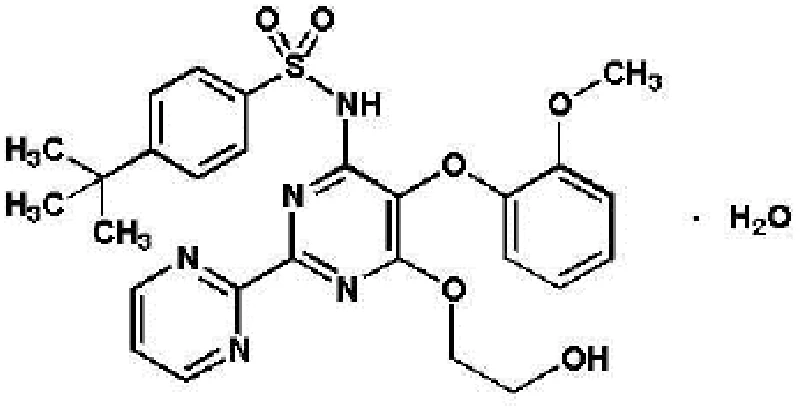
Chemical name: NAT-BOSENTAN (bosentan monohydrate) belongs to a class of highly substituted pyrimidine derivatives, with no chiral centers. Its chemical designation is 4-tert-butyl-N - [6-(2-hydroxy-ethoxy)-5-(2-methoxy-phenoxy)-[2,2'] bipyrimidin-4-yl] - benzenesulfonamide monohydrate.
Molecular formula: C27H29N5O6S·H2O
Molecular weight: 569.64 g/mol
Structural formula:
Physicochemical properties: Bosentan monohydrate is a white to yellowish powder.
Solubility: It is poorly soluble in water (1 mg/100 ml) and in aqueous solutions at low pH (0.1 mg/100 ml at pH 1.1 and 4.0; 0.2 mg/100 ml at pH 5.0). Solubility increases at higher pH values (43 mg/100 ml at pH 7.5). In the solid state, bosentan is very stable, is not hygroscopic, and is not light sensitive.
14 Clinical Trials
14.1 Clinical Trials by Indication
Pulmonary arterial hypertension
Treatment of pulmonary arterial hypertension in patients with WHO functional class III or IV primary pulmonary hypertension, or pulmonary hypertension secondary to scleroderma or congenital heart disease or human immunodeficiency virus in patients who did not respond adequately to conventional therapy.
Table 5 Summary of Patient Demographics for Clinical Trials in Pulmonary Arterial Hypertension
| Study # | Trial design | Dosage, route of administration and duration | Study subjects (n=number) | Mean age (Range) | Gender |
|---|---|---|---|---|---|
| Study # | Trial design | Dosage, route of administration and duration | Study subjects (n=number) | Mean age (Range) | Gender |
| AC-052- 351 | Randomized, double-blind, placebo-controlled | Starting dose: 62.5 mg b.i.d., oral, for 4 weeks. Up-titrated to 125 mg b.i.d., oral, for 8 weeks. | Placebo n=11 Bosentan n=21 | Placebo: 47.4 (25-67) Bosentan: 52.2 (33-73) | Placebo: 0M; 11F Bosentan: 4M; 17F |
| AC-052- 352 | Randomized, double-blind, placebo-controlled | Starting dose: 62.5 mg b.i.d., oral, for 4 weeks. Up-titrated to either 125 mg b.i.d., oral, or 250 mg b.i.d., oral, for 12 weeks. | Placebo n=69 Bosentan n=144 | Placebo: 47.2 (12-80) Bosentan: 48.7 (13-80) | Placebo: 15M; 54F Bosentan: 30M; 114F |
| AC-052- 353 | Open-label, single- arm extension of AC-052-351 | Starting dose: 62.5 mg b.i.d., oral, for 4 weeks. Up-titrated to 125 mg b.i.d., oral. Duration: 706 ± 146 days. | N=29 | 50.2 (26-74) | 4M 25F |
| AC-052- 354 | Open-label, single- arm extension of AC-052-352 | Starting dose: 62.5 mg b.i.d., oral, for 4 weeks. Up-titrated to 125 mg b.i.d., oral. Duration: 479 ± 164 days | n=200 | 48.5 (13-81) | 42M 158F |
| AC-052- 364 | Randomized, double-blind, placebo-controlled | Starting dose: 62.5 mg b.i.d., oral, for 4 weeks. Up-titrated to 125 mg b.i.d., oral for 5 months. | Placebo n=92 Bosentan n=93 | Placebo: 44.2 (19-79) Bosentan: 45.2 (15-85) | Placebo: 34M; 58F Bosentan: 22M; 71F |
| AC-052- 405 | Randomized, double-blind, placebo-controlled Patients with PAH/CHD | Starting dose: 62.5 mg b.i.d., oral, for 4 weeks. Up-titrated to 125 mg b.i.d., oral, for 12 weeks. | Placebo n=17 Bosentan n=37 | Placebo: 44.2 (30-56) Bosentan: 37.2 (15-73) | Placebo: 7M; 10F Bosentan: 14M; 23F |
| AC-052- 362 | Open-label, non- comparative Patients with PAH/HIV | Starting dose: 62.5 mg b.i.d., oral, for 4 weeks. Up-titrated to 125 mg b.i.d., oral, for 12 weeks. | N=16 | 39.2 (29-61) | 9M 7F |
| AC-052- 355 | Randomized, double-blind, placebo-controlled, combination therapy bosentan + epoprostenol | Bosentan: starting dose at 62.5 mg b.i.d., oral, for 4 weeks. Up-titrated to 125 mg b.i.d., oral, for 12 weeks. Epoprostenol: initiated at 2 ng/kg/min, i.v., 4 days up to 4 ng/kg/min, i.v. Up-titrated by 2 ng/kg/min, i.v., each 2 weeks. Target dose of 12 to 16 ng/kg/min, i.v., by weeks 14 and 16. | Placebo n=11 Bosentan n=22 | Placebo: 46.6 (15-68) Bosentan: 44.8 (16-69) | Placebo: 5M; 6F Bosentan: 5M; 17F |
Study AC-052-351 and Study AC-052-352
Two randomized, double-blind, multi-center, placebo-controlled trials were conducted in 32 (Study AC-052-351) and 213 patients (Study AC-052-352 – BREATHE-1) respectively, with WHO functional class III or IV primary pulmonary hypertension (PPH) or pulmonary arterial hypertension secondary to scleroderma or other connective tissue diseases. The BREATHE-1 study compared 2 doses (125 mg b.i.d. and 250 mg b.i.d.) of bosentan with placebo. Study AC-052-351 compared 125 mg b.i.d. with placebo.
In both studies, bosentan or placebo was added to patients’ existing therapy (oral vasodilators, anticoagulants, diuretics, cardiac glycosides and/or supplemental oxygen, but not epoprostenol). Patients received bosentan 62.5 mg or matching placebo twice daily for 4 weeks and then bosentan 125 mg or 250 mg b.i.d. or matching placebo twice daily for either 8 (Study AC-052-351) or 12 (BREATHE-1) additional weeks. The primary study endpoint was 6-minute walk distance. In addition, symptoms and functional status were assessed. Hemodynamic measurements were made at 12 weeks in Study AC-052-351.
At week 12 (study AC-052-351) or week 16 (BREATHE-1) the main evaluations were performed, and patients were followed for up to 28 weeks. In both trials, treatment with bosentan was associated with a significant increase in walking distance. The placebo-corrected increases in the primary efficacy parameter, distance in the 6-minute walk test, compared to baseline were 75.9 ± 31.0 m (95% CL=12.5, 139.2; t-test, p=0.0205) and 44.2 ± 11.6 (95% CL=21.4, 67.0; Mann-Whitney U-test, p=0.0002). The improvement in walk distance was apparent after 1 month of treatment (with 62.5 mg b.i.d.) and fully developed by about 2 months of treatment. It was maintained for up to 7 months of double-blind treatment. (see 4 Dosage and Administration).
Invasive hemodynamic parameters were assessed in Study AC-052-351. As compared to placebo significant improvement from baseline to week 12 was observed with bosentan in pulmonary arterial pressure (PAP), cardiac index (CI), pulmonary vascular resistance (PVR), right atrial pressure (RAP) and pulmonary capillary wedge pressure (PCWP).
Table 6: Change from baseline to week 12 in hemodynamic parameters in study AC-052-351
| Baseline | Absolute Change | Treatment Difference | ||||||||||
|---|---|---|---|---|---|---|---|---|---|---|---|---|
| Bosentan | Placebo | Bosentan | Placebo | |||||||||
| Mean PAP (mm Hg) | n=20 53.7 ± 13.4 | n=10 55.7 ± 10.5 | n=20 -1.6 ± 5.1 | n=10 5.1 ± 8.8 | -6.71 | |||||||
| Cardiac index (L/min/m2) | n=20 2.35 ± 0.73 | n=10 2.48 ± 10.33 | n=20 0.50 ± 0.46 | n=10 -0.52 ± 0.48 | 1.022 | |||||||
| PVR (dyn·sec/cm-5) | n=19 896 ± 425 | n=10 942 ± 430 | n=19 -223 ± 245 | n=10 191 ± 235 | -4152 | |||||||
| Mean RAP (mm Hg) | n=19 9.7 ± 5.6 | n=10 9.9 ± 4.13 | n=19 -1.3 ± 4.1 | n=10 4.9 ± 4.6 | -6.22 | |||||||
| PCWP (mm Hg) | n=19 9.3 ± 2.4 | n=10 8.3 ± 3.4 | n=19 0.1 ± 3.6 | n=10 3.9 ± 5.6 | -3.81 | |||||||
Values are mean ± SD
- 1. p<0.05
- 2. p<0.001
Symptoms of pulmonary arterial hypertension were assessed by WHO functional class, Borg dyspnea score and rate of “clinical worsening”. There was a reduction in dyspnea during walk test (Borg dyspnea score), an improvement in WHO functional class and a significant reduction in the rate of clinical worsening in bosentan-treated patients.
In study AC-052-351, 9 patients (42.8%) treated with bosentan, had their WHO functional class of pulmonary hypertension improved from class III to class II. In the placebo group, 1 patient (9.1%) improved from class III to class II, and 2 patients (18.1%) deteriorated from class III to class IV. In trial
AC-052-352 (BREATHE-1) 92% of the 213 patients were classified at baseline as WHO functional class III and 8% as class IV. Treatment with bosentan led to a WHO functional class improvement in 42.4% of patients (placebo 30.4%).
Clinical worsening was assessed as the time to death or hospitalizations for PAH or discontinuation of therapy because of PAH or need for epoprostenol. Figure 1 below shows the Log-rank test reflecting clinical worsening over 28 weeks and the incidences of each component of the clinical worsening endpoint are described in Table 7 below.
Table 7: Incidence of Clinical Worsening1
| BREATHE-1 | Study AC-052-351 | ||||
|---|---|---|---|---|---|
Bosentan 125 mg b.i.d. (n=74) | Placebo (n=69) | Bosentan 125 mg b.i.d. (n=21) | Placebo (n=11) | ||
| Patients with clinical worsening [n (%)] | 5 (7%)2 | 14 (20%) | 0 (0%)3 | 3 (27%) | |
| Death | 1 (1%) | 2 (3%) | 0 (0%) | 0 (0%) | |
| Hospitalization for PAH | 3 (4%) | 9 (13%) | 0 (0%) | 3 (27%) | |
| Discontinuation due to Worsening of PAH | 3 (4%) | 6 (9%) | 0 (0%) | 3 (27%) | |
| Receipt of epoprostenol4 | 2 (3%) | 3 (4%) | 0 (0%) | 3 (27%) | |
Note: Patients may have had more than one reason for clinical worsening.
- 1. Shortest time to death, premature withdrawal or hospitalization due to PHT worsening, or initiation of epoprostenol therapy
- 2. p=0.015 vs placebo by log rank test.
- 3. p=0.033 vs placebo by Fisher’s exact test.
- 4. Receipt of epoprostenol was always a consequence of clinical worsening.
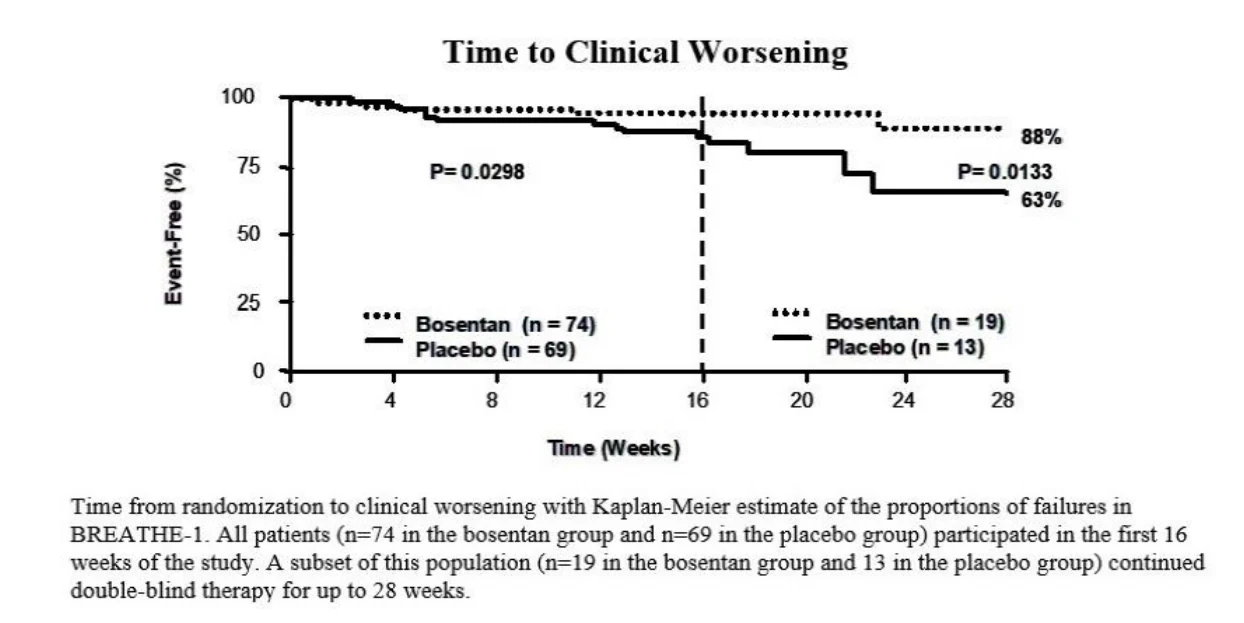
Figure 1: Time from randomization to clinical worsening up to Week 28 in BREATHE-1 Study
Study AC-052-364
In a randomized, double-blind, multicenter, placebo-controlled trial, 185 mildly symptomatic PAH patients with WHO Functional Class II (mean baseline 6-minute walk distance of 443 meters) received bosentan 62.5 mg b.i.d. for 4 weeks followed by 125 mg b.i.d. (n=93), or placebo (n=92) for 5 months. Enrolled patients were treatment-naïve (n=156) or on a stable dose of sildenafil (n=29). The co-primary endpoints were change from baseline to month 6 in PVR and 6-minute walk distance. Time to clinical worsening (assessed as death, hospitalization due to PAH complications, or symptomatic progression of PAH), Borg dyspnea index, change in WHO functional class and hemodynamics were assessed as secondary endpoints.
After 6 months of treatment, there was a 22.6% reduction in PVR compared with placebo (p<0.0001). The increase in 6-minute walk distance with bosentan and decrease with placebo resulted in +19.1 meter and +13.8 meter mean and median treatment effects, respectively. The effect did not reach statistical significance (p=0.0758 for median treatment effect). There was a significant delay in time to clinical worsening (first seen primarily as symptomatic progression of PAH) with bosentan compared with placebo (hazard ratio 0.227, p=0.0114). Compared with placebo, bosentan treatment was also associated with a reduced incidence of worsening of at least one functional class (3.4% bosentan vs 13.2% placebo, p=0.0285), and statistically significant improvement in hemodynamic variables (mPAP, TPR, cardiac index, and SVO2; p<0.05). Findings were consistent in strata with or without treatment with sildenafil at baseline.
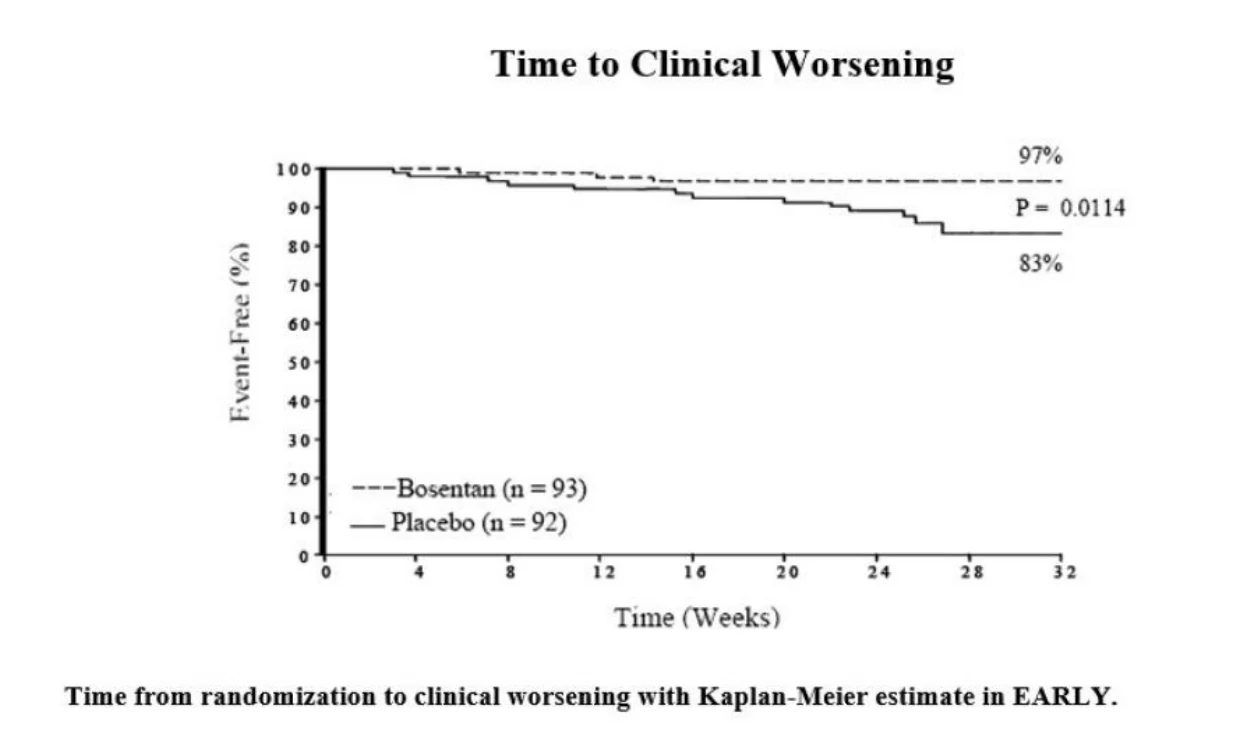
Figure 2 - Time from randomization to clinical worsening up to Week 32 in EARLY study (AC-052-364).
Study AC-052-353 (Open-label extension of Study AC-052-351) and Study AC-052-354 (Open-label extension of AC-052-352)
Long-term treatment
The long-term effect of bosentan was further assessed in two open-label studies (open-label extensions of study AC-052-351 and AC-052-352) with 229 patients treated with bosentan for up to 2.5 years with a mean treatment duration of 1.9 ± 0.7 years. During this period, the effects of bosentan were maintained in the patients previously treated with bosentan. Treatment with bosentan in those patients previously on placebo, resulted in an improvement in exercise capacity. Improvement in functional class observed in the initial period of the study tended to decline later.
Long-term survival
Long-term survival was recorded for all 235 patients who were treated with bosentan in the two pivotal placebo-controlled trials and their open-label extension studies. The results show that 93% and 84% of patients were still alive after 1 and 2 years, respectively, after the start of treatment with bosentan. These estimates may be influenced by the initiation of epoprostenol treatment in 43/235 patients. In a subset of primary pulmonary hypertension (PPH) patients (n=169) the Kaplan-Meier survival estimates were 96% at 1 year and 89% at 2 years as compared to the predicted survival (calculated by the NIH registry formula) of 69% and 57% respectively.
Study AC-052-405: Patients with Pulmonary Arterial Hypertension associated with Congenital Heart Disease
A randomized, double-blind, multi-center, placebo-controlled study was conducted in 54 patients with WHO functional class III pulmonary arterial hypertension associated with Eisenmenger physiology associated with congenital heart disease (resulting in right to left shunt). Patients received bosentan
62.5 mg (n=37) or matching placebo (n=17) twice daily for 4 weeks and then bosentan 125 mg b.i.d. or matching placebo twice daily for 12 additional weeks.
In this study there were two primary endpoints. The first primary endpoint was to show that bosentan did not worsen the shunt or increase hypoxemia. The second primary endpoint was the mean change from baseline versus placebo in pulmonary vascular resistance indexed (PVRi) at Week 16. In addition, 6-minute walk distance was assessed.
After 16 weeks, bosentan increased mean oxygen saturation by 1.0% (95% CL= -0.7; 2.8) as compared to placebo, demonstrating that bosentan did not relevantly worsen hypoxemia. In comparison with placebo, treatment with bosentan statistically significantly decreased the indexed pulmonary vascular resistance by -472.0 ± 221.9 dyn·sec·cm-5 compared with placebo (95% CL= -917.6, -26.5; t-test, p=0.0383).
Treatment with bosentan was associated with a statistically significant improvement in walk distance with a placebo-corrected increases of 53.1 ± 19.2 m (95% CL=14.5, 91.7; t-test, p=0.0079) compared to placebo.
Study AC-052-362: Patients with Pulmonary Arterial Hypertension associated with Human Immunodeficiency Virus
In an open-label study without a control group, 16 epoprostenol-naïve patients with pulmonary arterial hypertension associated with human immunodeficiency virus (HIV) infection (stable, with CD4 cell >100 cells/mm3) with WHO functional class III and IV were treated with bosentan 62.5 mg b.i.d. for 4 weeks and then up-titrated to 125 mg b.i.d. for the remaining 12 weeks of the study.
The distance in 6-minute walk test after 16 weeks of treatment with bosentan improved significantly by 91.4 ± 59.5 m from baseline (95% CL=59.7, 123.3; t-test, p<0.001). Improvement in Borg dyspnea index was also observed and was significantly reduced at week 16 (1.5 ± 1.6) compared with baseline (3.4 ± 2.5) (95% CL= -3.3, -0.5; t-test, p<0.013).
At baseline, 15 of the 16 patients were functional class III and one patient was class IV. After 4 weeks of treatment with bosentan at the 62.5 mg b.i.d. dose, 9 (56.3%) patients showed improvement in functional class. After an additional 12 weeks of treatment at the 125 mg b.i.d. dose, 14 of 16 patients (87.5%) improved from their baseline class including the one patient in class IV. Three patients improved from class III at baseline to class I and no patients deteriorated in functional class. One patient experienced clinical worsening in pulmonary arterial hypertension and was hospitalized.
Improvement from baseline to week 16 was observed with bosentan with a mean increase in cardiac index (0.88 L/min/m2 ± 0.72; 95% CL=0.49, 1.26; t-test, p<0.001) and mean decreases in mean PAP (-11.0 mmHg; 95% CL= -17.4, -4.7; t-test, p=0.0002), and PVR (-339 dyn·sec/cm-5; 95% CL= -454, -223; t-test, p< 0.001). This was an open-label study without a control group. These data should be interpreted cautiously.
Study AC-052-355: Patients Treated with Epoprostenol
The combination of bosentan and epoprostenol has been investigated in two studies: AC-052-355 (BREATHE-2) and AC-052-356 (BREATHE-3). AC-052-355 was a multicentre, randomized, double-blind, parallel-group trial of bosentan versus placebo in 33 patients with severe pulmonary arterial hypertension who were receiving concomitant epoprostenol therapy. AC-052-356 was an open-label, non-control trial in pediatric patients. Ten of the 19 pediatric patients were on concomitant bosentan and epoprostenol therapy during the 12-week trial.
Combination therapy with bosentan and epoprostenol was safe and well tolerated in children and adults. In children, bosentan treatment, with or without epoprostenol, resulted in significantly improved hemodynamics. In adults, combination therapy was associated with a larger improvement in hemodynamics compared to epoprostenol alone, although in no case did the differences between the groups reach statistical significance.
14.2 Comparative Bioavailability Studies
A randomized, two-way, crossover comparative bioavailability study of NAT-BOSENTAN 125 mg tablets (Natco Pharma (Canada) Inc.) and Tracleer® 125 mg tablets (Actelion Pharmaceuticals Canada Inc.) was conducted in healthy, adult, male subjects under fasting conditions. Comparative bioavailability data from 80 subjects that were included in the statistical analysis are presented in the following table:
SUMMARY TABLE OF THE COMPARATIVE BIOAVAILABILITY DATA
Bosentan (1 x 125 mg) Geometric Mean Arithmetic Mean (CV %) | ||||
|---|---|---|---|---|
| Parameter | Test1 | Reference2 | % Ratio of Geometric Means | 90% Confidence Interval |
AUCT (ng·h/ml) | 11951.90 12726.42 (39.18) | 11685.44 12714.55 (44.40) | 102.2 | 96.4 – 108.3 |
AUCI (ng·h/ml) | 12413.03 13189.56 (38.30) | 12173.32 13151.08 (42.88) | 101.9 | 96.4 – 107.6 |
Cmax (ng/ml) | 2165.25 2444.85 (61.05) | 2131.08 2453.78 (56.85) | 101.4 | 93.2 – 110.3 |
Tmax3 (h) | 4.50 (2.50 – 4.50) | 4.50 (2.00 – 4.50) | ||
T½4 (h) | 4.35 (27.05) | 4.53 (33.36) | ||
1 NAT-BOSENTAN (bosentan as bosentan monohydrate) tablets, 125 mg (Natco Pharma (Canada) Inc.)
2 Tracleer® (bosentan as bosentan monohydrate) tablets, 125 mg (Actelion Pharmaceuticals Canada Inc.)
3 Expressed as median (range) only
4 Expressed as the arithmetic mean (CV %) only
15 Microbiology
No microbiological information is required for this drug product.
16 Non-Clinical Toxicology
General Toxicology
Animal toxicity studies
Bosentan had a low order of acute toxicity. The highest non-lethal doses were in the 125 to 250 mg/kg range by the i.v. and intraperitoneal routes of administration, 1,000 mg/kg or more by the subcutaneous route and 2,000 to >4,000 mg/kg by the oral route.
Repeated-dose toxicity - oral administration
Oral repeated-dose toxicity studies were conducted with bosentan in rats, dogs, and marmosets. Three repeated-dose toxicity studies of up to 6 months duration in rats and four studies of up to 12 months duration in dogs were conducted.
There was no substantial toxicity observed in any of the rat studies. Mild decreases (within normal limits) in red blood cell (RBC) parameters were noted that may be due to the vasodilating effects of bosentan and to the associated increase in plasma volume. Increases in liver weight were observed in rat studies; however, there was no histopathological evidence of hepatotoxicity in any of the repeated-dose studies in rats.
In most of the dog studies, a mild decrease in RBC parameters was also observed. In a 4-week study conducted at very high doses (500 and 1,000 mg/kg), increased serum liver enzymes and, histologically, bile duct proliferation and single cell necrosis were observed. In the 6-month study (10, 60 and 400 mg/kg), no significant toxicity was observed at doses up to 400 mg/kg. In the 12-month study (60, 180, and 500 mg/kg), histological changes indicative of a mild cholestasis and increased serum bile salts were observed at high doses. Mild increases in alkaline phosphatase, along with increased liver weights and hepatocellular hypertrophy, are compatible with the microsomal enzyme inducing properties of the drug in dogs. There were no signs of centrolobular necrosis in any studies.
Oral administration (10, 80, and 500 mg/kg/day) to marmosets was generally well tolerated. No signs of systematic toxicity were observed.
Genotoxicity
The mutagenic and clastogenic potential of bosentan was evaluated in a comprehensive battery of tests in vitro and in vivo. In these tests, there was no evidence for any mutagenic or clastogenic activity with bosentan, including the lots with a higher level of impurities.
Carcinogenicity
Two years of dietary administration of bosentan to mice produced an increased incidence of hepatocellular adenomas and carcinomas in males at doses as low as 450 mg/kg/day (about 8 times the maximum recommended human dose (MRHD) of 125 mg b.i.d., on a mg/m2 basis). In the same study, doses greater than 2,000 mg/kg/day (about 32 times the [MRDH]) were associated with an increased incidence of colon adenomas in both males and females.
In rats, oral administration of bosentan for 2 years produced a small, significant increase in the combined incidence of thyroid follicular cell adenomas and carcinomas in male rats treated at doses of 3,000 mg/kg/day, about 600 times the human oral therapeutic dose in a 50-kg patient. There was no significant increase in the incidence of tumors in female rats or at sites other than the thyroid gland in male rats. There was evidence for a mild thyroid hormonal imbalance induced by bosentan in rats. There was no increase in mortality at any dose in mice and rats.
Bosentan is a microsomal enzyme inducer in mice; therefore the formation of liver tumors is not unexpected. Likewise, rats, particularly males, are susceptible to the development of thyroid follicular tumors secondary to thyroid hormone imbalance. No other rat or mouse tumor was considered related to bosentan treatment. The thyroid in rats and the liver in mice are among the most common tumor sites in carcinogenicity studies with pharmaceutical agents and this combination of tumors is found with many other drugs. Since an extensive battery of tests showed bosentan has no genotoxic potential, these findings are considered not to represent a relevant cancer risk.
Reproductive and developmental toxicology
In the fertility studies in rats, no effects were observed on mating performance or fertility, on the development of the preimplantation embryo, or on implantation. There were no changes in sperm count, motility, or viability or on testis weights.
Bosentan has been shown to be teratogenic in rats when given at doses about 6 times the human oral therapeutic dose in a 50-kg patient. In an embryo-fetal toxicity study in rats, bosentan showed dose-dependent teratogenic effects, including malformations of the head and face and of the major vessels. No birth defects were observed in rabbits at doses of up to 1,500 mg/kg/day. Similarities in the pattern of malformations observed with other endothelin receptor antagonists and in endothelin knock-out mice indicate a class effect.
In a juvenile rat toxicity study, where rats were treated from Day 4 post partum up to adulthood, decreased absolute weights of testes and epididymides, and reduced number of sperm in epididymides were observed after weaning. The NOAEL was 21 times (at Day 21 post partum) and 2.3 times (Day 69 post partum) the human therapeutic exposure, respectively. No effects on general development, growth, sensory, cognitive function and reproductive performance were detected at 7 times the therapeutic exposure in children with PAH.
Testicular findings in bosentan-treated rats
In the 2-year carcinogenicity study in rats, an increase in the incidence of testicular tubular atrophy was observed in the treated groups as compared to the control groups. There was no increase in the incidence of testicular tubular atrophy in rats treated for 6 months or in dogs treated up to 12 months. An increased incidence of tubular atrophy was not observed in mice treated for 2 years at doses up to 4,500 mg/kg/day. In various fertility studies, fertility was normal and sperm parameters (motility and counts), testis and epididymal weights, and histopathology were normal.
17 Supporting Product Monographs
- 1. TRACLEER tablets, 62.5 mg, and 125 mg, submission control 297201, Product Monograph, Janssen Inc. (SEP 12, 2025)