


Product Monograph - Netildex
RECENT MAJOR LABEL CHANGES
N/A
TABLE OF CONTENTS
RECENT MAJOR LABEL CHANGES ......................................................................................2
TABLE OF CONTENTS ..............................................................................................................2
PART I: HEALTH PROFESSIONAL INFORMATION ............................................................4
1 INDICATIONS....................................................................................................................4
1.1 Pediatrics ....................................................................................................................4
1.2 Geriatrics ....................................................................................................................4
2 CONTRAINDICATIONS ..................................................................................................4
3 DOSAGE AND ADMINISTRATION ...............................................................................4
3.1 Dosing Considerations ...............................................................................................4
3.2 Recommended Dose and Dosage Adjustment ...........................................................4
3.3 Administration ...........................................................................................................5
3.4 Missed Dose ...............................................................................................................5
4 OVERDOSAGE .................................................................................................... 5
5 DOSAGE FORMS, STRENGTHS, COMPOSITION AND PACKAGING ................5
6 WARNINGS AND PRECAUTIONS ...............................................................................6
6.1 Special Populations ....................................................................................................8
6.2 Pregnant Women ........................................................................................................8
6.3 Breast-feeding ............................................................................................................9
6.4 Pediatrics ....................................................................................................................9
7 ADVERSE REACTIONS..................................................................................................9
7.1 Adverse Reaction Overview ......................................................................................9
7.2 Clinical Trial Adverse Reactions .............................................................................10
7.3 Abnormal Laboratory Findings: Hematologic, Clinical Chemistry and Other Quantitative Data ...............................................................................................................13
7.4 Clinical Trial Adverse Reactions (Pediatrics)..........................................................13
7.5 Post-Market Adverse Reactions ...............................................................................13
8 DRUG INTERACTIONS .................................................................................................14
8.1 Overview ..................................................................................................................14
8.2 Drug-Drug Interactions ............................................................................................14
8.3 Drug-Food Interactions ............................................................................................15
8.4 Drug-Herb Interactions ............................................................................................15
8.5 Drug-Laboratory Test Interactions ..........................................................................16
8.6 Drug-Lifestyle Interactions ......................................................................................16
9 ACTION AND CLINICAL PHARMACOLOGY ...........................................................16
9.1 Mechanism of Action ...............................................................................................16
9.2 Pharmacodynamics ..................................................................................................16
9.3 Pharmacokinetics .....................................................................................................16
10 STORAGE, STABILITY AND DISPOSAL..................................................................17
11 SPECIAL HANDLING INSTRUCTIONS .....................................................................17
PART II: SCIENTIFIC INFORMATION ...................................................................................18
12 PHARMACEUTICAL INFORMATION ........................................................................18
13 CLINICAL TRIALS .........................................................................................................19
13.1 Efficacy and Safety Studies..................................................................................19
13.2 Study Results ........................................................................................................20
14 MICROBIOLOGY ............................................................................................................21
15 NON-CLINICAL TOXICOLOGY ...................................................................................21
PATIENT MEDICATION INFORMATION ...............................................................................23
PATIENT MEDICATION INFORMATION ...............................................................................28
PART I: HEALTH PROFESSIONAL INFORMATION
1 INDICATIONS
PrNETILDEX® (netilmicin and dexamethasone ophthalmic solution) is indicated in adult patients (including the elderly) for the treatment of inflammatory ocular conditions of the anterior segment of the eye following cataract surgery where adjunct topical therapy to reduce the risk of bacterial infection is appropriate.
To reduce the development of drug-resistant bacteria and maintain the effectiveness of NETILDEX and other antibacterial drugs, NETILDEX should be used only to reduce the risk of infections that are proven or strongly suspected to be caused by susceptible bacteria.
1.1 Pediatrics
Pediatrics (<18 years of age): No data are available to Health Canada; therefore, Health Canada has not authorized an indication for pediatric use.
1.2 Geriatrics
Geriatrics (>65 years of age): No overall differences in safety or effectiveness have been observed between elderly and younger adult patients.
2 CONTRAINDICATIONS
NETILDEX is contraindicated in:
- Known or suspected hypersensitivity to netilmicin or other aminoglycosides, dexamethasone or other corticosteroids, or to any ingredient in the formulation or component of the container. For a complete listing, see the Dosage Forms, Composition and Packaging section of the product monograph.
- Herpes simplex keratitis or other Herpes simplex eye infections.
- Vaccinia, varicella, and other viral diseases of the cornea and conjunctiva.
- Fungal diseases of the eye or untreated parasitic eye infections.
- Mycobacterial ocular infections, including tuberculosis of the eye.
- Acute purulent untreated infections of the eye which may be masked or enhanced by the presence of a corticosteroid.
- After uncomplicated removal of a corneal foreign body.
3 DOSAGE AND ADMINISTRATION
3.1 Dosing Considerations
For topical ophthalmic use only. Not for injection into the eye. Not for otic use. Not for nasal use.
3.2 Recommended Dose and Dosage Adjustment
Instill one drop of NETILDEX into the conjunctival sac of the affected eye, four times daily for 7 days.
Health Canada has not authorized an indication for pediatric use (<18 years of age).
3.3 Administration
NETILDEX ophthalmic solution with preservative
Ensure that the tip of the container does not touch the eye or any other surface. Close the container immediately after use. Discard the container and any unused content 28 days after first opening.
NETILDEX preservative-free ophthalmic solution
Ensure the preservative-free container is not damaged before use. Use immediately after opening. After administration, discard the container and any unused content.
If concurrent use of NETILDEX and soft contact lenses is necessary, it is advised to use NETILDEX preservative-free ophthalmic solution. Remove contact lenses prior to administration and wait at least 15 minutes after administration before re-insertion. (see WARNINGS AND PRECAUTIONS).
If more than one topical ophthalmic product is being used by the patient, the administrations should be at least ten minutes apart.
3.4 Missed Dose
If a dose of this medication is missed, it should be taken as soon as possible. However, if it is almost time for the next dose, skip the missed dose and return to the regular dosing schedule. Do not use a double dose to make up for the missed dose.
4 OVERDOSAGE
Overdosage in the use of topical ophthalmic preparations is a remote possibility. An ophthalmic overdose may be flushed from the eye(s) with warm water.
Discontinue medication when heavy or protracted use is suspected.
| For management of a suspected drug overdose, contact your regional poison control centre. |
|---|
5 DOSAGE FORMS, STRENGTHS, COMPOSITION AND PACKAGING
Table 1 – Dosage Forms, Strengths, Composition and Packaging
| Route of Administration | Dosage Form / Strength / Composition | Non-medicinal Ingredients | |||
|---|---|---|---|---|---|
| Topical ophthalmic | Solution with preservative / 0.3% (w/v) netilmicin (as netilmicin sulfate) and 0.1% (w/v) dexamethasone (as dexamethasone sodium phosphate) | Benzalkonium chloride (0.005%) as preservative, disodium phosphate dodecahydrate, monobasic sodium phosphate, purified water, sodium citrate. | |||
| Preservative-free solution / 0.3% (w/v) (as netilmicin sulfate) and 0.1% (w/v) dexamethasone (as dexamethasone sodium phosphate) | Disodium phosphate dodecahydrate, monobasic sodium phosphate, purified water, sodium citrate. Preservative free. | ||||
NETILDEX is a clear, colorless slightly viscous solution. Each ml contains: netilmicin sulfate 4.55 mg (equivalent to netilmicin 3 mg) and dexamethasone sodium phosphate 1.32 mg (equivalent to dexamethasone 1 mg).
Ophthalmic solution with preservative
NETILDEX is available as a sterile ophthalmic solution with preservative in individual 5 mL plastic bottles.
Preservative-free ophthalmic solution
NETILDEX is available as a preservative-free sterile ophthalmic solution in 0.3 mL plastic containers wrapped in an aluminum pouch containing 5 preservative-free containers and are available in 15 or 20 pack sizes.
6 WARNINGS AND PRECAUTIONS
General
FOR TOPICAL OPHTHALMIC USE ONLY.
NOT FOR INJECTION INTO THE EYE. NOT FOR OTIC USE. NOT FOR NASAL USE. NOT FOR ORAL INGESTION.
The safety and efficacy of NETILDEX therapy for a duration beyond 7 days have not been established.
Drug interactions are known to occur with topical ophthalmic and/or systemic exposure to corticosteroids and aminoglycosides. Serious adverse reactions, and increased risk of adverse reactions, may occur with sequential or concurrent use of interacting drugs, including additional corticosteroids and/or aminoglycosides (see DRUG INTERACTIONS).
Carcinogenesis and Mutagenesis
Refer to Non-Clinical Toxicology section.
Driving and Operating Machinery
Temporary blurred vision or other visual disturbances may affect the ability to drive or use machines. If blurred vision occurs after NETILDEX administration, the patient must wait until vision clears before driving or using machinery.
Endocrine and Metabolism
Cushing’s syndrome and/or adrenal suppression associated with systemic absorption of ophthalmic dexamethasone may occur after intensive or long-term continuous therapy in predisposed patients and patients treated with inhibitors of cytochrome P450 3A4 such as ritonavir (see DRUG INTERACTIONS). In these cases, treatment should not be discontinued abruptly, but progressively tapered.
Immune
Sensitivity to topically applied aminoglycosides or corticosteroids may occur in some patients. Severity of hypersensitivity reactions may vary from local effects to generalized reactions, such as erythema, itching, urticaria, skin rash, anaphylaxis, anaphylactoid reactions or bulbous reactions. If hypersensitivity develops during use of NETILDEX, treatment should be discontinued.
Cross-hypersensitivity to other aminoglycosides and to other corticosteroids can occur. Patients who become sensitized to topical netilmicin or to topical dexamethasone may also be sensitive to other topical and/or systemic aminoglycosides or corticosteroids.
Monitoring and Laboratory Tests
Ophthalmic evaluation and intraocular pressure (IOP) should be routinely and frequently monitored according to current clinical practice recommendations.
Ophthalmic examinations are recommended during prolonged therapy.
In predisposed patients, consideration should be given to assessment of auditory function, hypothalamic-pituitary-adrenal (HPA) axis function, or renal function, as appropriate.
Ophthalmologic
Increased risk of bleb formation, cataract, glaucoma, impaired healing, infection, IOP increase, perforation and central serous chorioretinopathy (CSCR) have been associated with the use of topical corticosteroids.
Prolonged or intensive use of topical ophthalmic corticosteroids may result in ocular hypertension and/or glaucoma, with damage to the optic nerve, defects in visual acuity and fields of vision, and posterior subcapsular cataract formation. This risk is higher in patients with diabetes. In patients with diseases causing thinning of the cornea or sclera, perforation has been known to occur with the use of topical corticosteroids.
Corticosteroids should not be used in the presence of glaucoma, ocular hypertension (IOP ≥ 24 mmHg) or a history of steroid-induced IOP elevation unless absolutely necessary and under close ophthalmologic monitoring. Caution should be exercised, and duration of treatment should be kept as short as possible.
If a patient presents with symptoms such as blurred vision or other visual disturbances, consider referral to an ophthalmologist for evaluation.
Impaired Healing
Topical ophthalmic corticosteroids may slow corneal wound healing. Concurrent use of topical ophthalmic corticosteroids and topical NSAIDs may increase the potential for, and severity of, healing problems (see DRUG INTERACTIONS).
Bleb Formation
Topical ophthalmic corticosteroids may increase the incidence of bleb formation after cataract surgery.
Infections
Prolonged use of corticosteroids may suppress the host response, and aid in the establishment of secondary ocular bacterial, viral, fungal or parasitic infections and mask the clinical signs of infection. In patients with a history of herpetic infection of the cornea, reactivation of the disease may occur with use of topical ophthalmic corticosteroids.
Fungal infections of the cornea are particularly prone to develop coincidentally with long-term local steroid application; fungus invasion must be considered in any persistent corneal ulceration where a steroid has been used or is in use. If fungal infection occurs, corticosteroid therapy, including NETILDEX, should be discontinued and appropriate therapy initiated.
NETILDEX, if handled incorrectly, can become contaminated, which may lead to eye infections. Serious ocular damage and subsequent loss of vision may result from using contaminated eye drops. Advise patients not to touch the tip of the container to any surface including the eye to avoid possible contamination.
Corneal Deposits
NETILDEX contains phosphates which may lead to corneal deposits or corneal opacity when topically administered. Risk factors include pre-existing corneal damage. NETILDEX should be used with caution in patients presenting with compromised cornea and in instances where the patient is receiving other phosphate containing eye medications. If significant clinical improvement does not occur within a few days, or if any irritation or sensitization phenomena occur, discontinue NETILDEX and initiate appropriate therapy.
Benzalkonium Chloride
NETILDEX ophthalmic solution with preservative contains the preservative benzalkonium chloride, which may cause eye irritation and is known to bind to, and discolour, soft contact lenses.
Use of Contact Lenses
Contact lens wear is not recommended during treatment with NETILDEX due to the increased risk of ocular infection and irritation. If contact lens wear is necessary, it is advised to use NETILDEX preservative-free. Avoid contact of NETILDEX with preservative with soft contact lenses due to the presence of the preservative benzalkonium chloride.
Sexual Health
Studies have not been performed to evaluate the effect of topical ophthalmic administration of NETILDEX on human fertility.
Susceptibility / Resistance
Development of Drug Resistant Bacteria
Prescribing NETILDEX in the absence of the authorized indication is unlikely to provide benefit to the patient and risks the development of drug-resistant bacteria.
Potential for Microbial Overgrowth
Prolonged use of antibacterials such as netilmicin may result in overgrowth of non-susceptible organisms, including fungi. If superinfection or drug resistance occurs, discontinue NETILDEX and initiate appropriate therapy.
6.1 Special Populations
6.2 Pregnant Women
There are no adequate and well-controlled studies with NETILDEX in pregnant women.
NETILDEX should be given to a pregnant woman only if the potential benefit to the mother outweighs the potential risk to the fetus. Infants born of mothers who have received substantial doses of corticosteroids during pregnancy should be observed carefully for signs of hypoadrenalism.
Studies in animals have shown reproductive toxicity after systemic administration of dexamethasone and netilmicin (see TOXICOLOGY).
Netilmicin does cross the placenta into the fetus after intravenous dosing in pregnant women. Netilmicin is not expected to cause ototoxicity from in utero exposure. Prolonged or repeated corticosteroid use during pregnancy has been associated with an increased risk of intra-uterine growth retardation.
6.3 Breast-feeding
It is not known whether topical NETILDEX therapy results in netilmicin or dexamethasone excretion in human milk. Netilmicin is excreted in human milk after systemic absorption. No data is available on the passage of dexamethasone into human breast milk, but the molecular weight of dexamethasone is small enough to allow for transfer. Systemic corticosteroids could suppress growth, interfere with endogenous corticosteroid production, or cause other untoward effects.
Because many drugs are excreted in human milk, a decision should be made either to discontinue breast-feeding or discontinue/abstain from NETILDEX therapy, taking into account the importance of NETILDEX therapy to the mother and the potential risk to the infant.
6.4 Pediatrics
Pediatrics (< 18 years old): No data are available to Health Canada; therefore, Health Canada has not authorized an indication for pediatric use.
Significant adrenal suppression has been documented in infants on ophthalmic dexamethasone to control inflammation following cataract surgery. Monitor infants for adrenal suppression; and use low doses of ophthalmic corticosteroids for the shortest duration possible.
Pediatric patients are at a greater risk for corticosteroid-induced ocular hypertension, and it may occur earlier in children than in adults. Pediatric patients are also at a greater risk for developing Cushing’s syndrome and/or adrenal suppression associated with intensive or long-term continuous therapy with dexamethasone.
7 ADVERSE REACTIONS
7.1 Adverse Reaction Overview
Adverse reactions have occurred with steroid/anti-infective combination drugs which can be attributed to the steroid component, the anti-infective component or the combination.
The following serious adverse reactions occurred in 0.5% (4/751) of clinical trial subjects treated with NETILDEX (or concurrent single actives), following cataract surgery: bacterial conjunctivitis, corneal oedema, endophthalmitis and uveitis.
Symptoms of ocular discomfort (pain, photophobia, tearing, burning, stinging, itching, blurred vision) were common on the day following cataract surgery, and most resolved within 7 days treatment. In approximately 18% (71/395) of clinical trial subjects treated with NETILDEX, symptoms of ocular discomfort worsened; and in 2.3% (8/395), symptoms worsened to severe.
Intraocular pressure at days 7 or 14 post-cataract surgery, increased from pre-surgery baseline by ≥ 10 mmHg in 0.15% (1/638) of patients, and by 6 to < 10 mmHg in 0.6% (4/638) of patients.
Cases of corneal deposits or corneal opacity have been reported in association with the use of phosphate containing eye drops.
Aminoglycosides
Serious adverse reactions which have been reported in patients receiving systemic aminoglycoside therapy, some with netilmicin, include: ototoxicity, nephrotoxicity, eighth cranial nerve toxicity, neuromuscular blockade, erythema multiforme, Stevens-Johnson syndrome, toxic epidermal necrolysis. Risk factors include: pre-existing renal, vestibular or auditory impairment; concurrent or sequential therapy with nephrotoxic or ototoxic agents; prolonged therapy; high dose; drug interactions.
Corticosteroids
Other reactions which have been reported after use of systemic and topical corticosteroids include: altered vision (visual disturbances, defects in visual acuity and visual fields, loss of accommodation), cataract (posterior subcapsular), central serous chorioretinopathy (CSCR), corneal perforation, Cushing’s syndrome/ adrenal suppression, dysregulation (glucose, potassium), impaired healing, infections (secondary, fungal, viral, worsening Herpes simplex infection), mydriasis, and decreased response to somatotropin. Risk factors include prolonged or intensive corticosteroid use; diabetes; corneal or scleral thinning; concurrent use of topical nonsteroidal anti-inflammatory drugs (NSAIDs); pediatrics; hepatic impairment, hypoprothrombinemia, or hypothyroidism.
7.2 Clinical Trial Adverse Reactions
Because clinical trials are conducted under very specific conditions, the adverse reaction rates observed in the clinical trials may not reflect the rates observed in practice and should not be compared to the rates in the clinical trials of another drug. Adverse reaction information from clinical trials is useful for identifying drug-related adverse events and for approximating rates.
The safety of NETILDEX and netilmicin sulfate (with or without concurrent dexamethasone sodium phosphate), formulated as topical eye solution, eye gel or eye ointment was evaluated across 13 prospective, randomized trials for a treatment period of 6 to 14 days, and followed post-treatment up to study day 14 and 30, respectively, in a total of 1228 adult subjects. Formulation strengths were 0.3% netilmicin (as netilmicin sulfate) and/or 0.1% dexamethasone (as dexamethasone sodium phosphate). Among these trials were 751 unique patients from 4 trials in a post-phacoemulsification cataract surgery / intraocular lens implantation setting (580 treated with NETILDEX solution; 171 treated with concurrent single actives); 50 patients from 1 trial in a post-vitreoretinal surgery setting treated with NETILDEX solution; 334 patients from 6 trials in a non-surgical, conjunctivitis setting (71 treated with NETILDEX solution; 150 treated with netilmicin solution and netilmicin ointment; 122 treated with netilmicin solution) and 84 healthy subjects from 2 trials (21 treated with NETILDEX solution; 21 treated with NETILDEX gel; 21 treated with netilmicin solution; 21 treated with netilmicin gel). Subjects were treated with one drop/eye four times per day, except for 42 healthy subjects who were treated six times per day. Subjects treated with netilmicin ointment received it at bedtime as one of the four daily treatments. The safety analyses were conducted on available data from the safety population, which included all randomized subjects who received at least 1 dose of investigational treatment.
In these trials, 425 adult subjects were treated with active comparators. Among these were 155 patients from 2 trials in a post-phacoemulsification cataract surgery / intraocular lens implantation setting (75 treated with 0.3% tobramycin and 0.1% dexamethasone fixed dose combination ophthalmic suspension; 80 treated with 0.2% betamethasone and 0.5% chloramphenicol fixed dose combination eye drops); 53 patients from 1 trial in a post-vitreoretinal surgery setting treated with 0.3% tobramycin and 0.1% dexamethasone fixed dose combination ophthalmic suspension; 217 patients from 3 trials in a non-surgical, conjunctivitis setting (68 treated with 0.3% tobramycin and 0.1% dexamethasone fixed dose combination ophthalmic suspension; 46 treated with 0.4% chloramphenicol, 0.5% rolitetracycline and 18 000 000/ 100 ml I.U. colistin fixed dose combination eye drops and ointment; 103 treated with 0.3% gentamicin drop and 0.3% gentamicin ointment).
Post-operative inflammation following cataract surgery
Table 2 summarizes treatment-emergent adverse events from four trials of patients treated for post-operative inflammation following uncomplicated phacoemulsification / intraocular lens implantation cataract surgery. Trial subjects were Caucasian male and female adults (age range 40 to 94 years, evenly distributed to age categories ≤ 65; 66 to 74; and ≥75 years), and without: histories of ocular inflammatory or infectious diseases or syndromes, ocular pathology; intraocular pressure > 24 mmHg; ocular surgery in the affected eye within 12 months; laser treatment in the affected eye within 6 months; known or suspected relevant allergy; treatment for an external ocular infection within 1 month; anti-inflammatory therapy within 30 days; antibacterial therapy within 15 days; use of ocular medication other than artificial tears; pregnancy or nursing. Concurrent systemic antibacterial therapy was received during the study period, starting one day before or after surgery, by 35% of patients treated with NETILDEX (or concurrent single actives), and by 43% of patients treated with active comparators. Data on the use of other concurrent medications were not available to Health Canada.
Additional adverse events reported in other trials of subjects treated with NETILDEX or ophthalmic netilmicin (with or without concurrent dexamethasone sodium phosphate) are listed following Table 2.
Ocular Discomfort
In the four cataract surgery / intraocular lens implantation trials, patients were scored none, mild, moderate or severe for six ocular discomfort symptoms (pain, photophobia, tearing, burning, stinging and blurred vision (two studies) or itching (two studies)) at days 1, 7 and 14 post-surgery. The overall incidence of patients who experienced a symptom on day 1 post-surgery was similar for NETILDEX (or concurrent single actives) and active comparators, ranging from approximately 17% to 37% across the symptoms. Based on data available from two of the four studies, one or more worsened ocular symptoms during the 14-day study period (7 days treatment, 7 days follow-up) were experienced by 21% (83/395) patients treated with NETILDEX (or concurrent single actives) and by 12% (9/75) of patients treated with active comparator (0.3% tobramycin and 0.1% dexamethasone fixed dose combination ophthalmic suspension); among these, 3% (12/395) and 8% (6/75), respectively, were transient with improvement by day 14. Symptoms worsened to severe in 2.3% (8/395) and 1.3% (1/75) of patients treated with NETILDEX and active comparator, respectively. Overall treatment group mean symptom scores improved over the study period similarly for the NETILDEX (or concurrent single actives) and the active comparator groups.
Table 2 – Clinical Trial Treatment-Emergent Adverse Eventsa Reported by at least one Subject in Patients Following Cataract Surgery
System Organ Class MedDRA Preferred Term | NETILDEX or concurrent single activesb N=751 n (%) | Active Comparator N=155 n (%) |
|---|---|---|
| Ear and labyrinth disorders | ||
| Vertigo | 1 (0.1) | 0 (0.0) |
| Eye disorders | ||
| Ocular infections, irritations and inflammations | 15 (2.0) | 0 (0.0) |
| Conjunctivitis | 4 (0.5) | 0 (0.0) |
| Conjunctivitis allergic | 3 (0.4) | 0 (0.0) |
| Conjunctivitis bacterial | 1 (0.1) | 0 (0.0) |
| Corneal edema | 3 (0.4) | 0 (0.0) |
| Cystoid macular edema | 1 (0.1) | 0 (0.0) |
| Endophthalmitis | 1 (0.1) | 0 (0.0) |
| Macular edema | 1 (0.1) | 0 (0.0) |
| Uveitis | 1 (0.1) | 0 (0.0) |
| Retina, choroid, and vitreous haemorrhages and vascular disorders | 2 (0.3) | 0 (0.0) |
| Conjunctival haemorrhage | 1 (0.1) | 0 (0.0) |
| Retinal haemorrhage | 1 (0.1) | 0 (0.0) |
| Hepatobiliary disorders | ||
| Coma hepatic | 1 (0.1) | 0 (0.0) |
| Investigations | ||
| Intraocular pressure increasedc | 1 (0.1) | 0 (0.0) |
| Injury, poisoning and procedural complications | ||
| Humerus fracture | 1 (0.1) | 0 (0.0) |
| Lower limb fracture | 1 (0.1) | 0 (0.0) |
| Post-operative wound complication | 1 (0.1) | 0 (0.0) |
| Musculoskeletal and connective tissue disorder | ||
| Back pain | 1 (0.1) | 0 (0.0) |
| Psychiatric Disorders | ||
| Anxiety | 1 (0.1) | 0 (0.0) |
| Vascular Disorders | ||
| Hypotension | 1 (0.1) | 0 (0.0) |
| Peripheral ischemia | 1 (0.1) | 0 (0.0) |
a Adverse events regardless of causality, excluding the ocular discomfort symptoms of pain, photophabia, tearing burning, stinging, itching, blurred vision.
b 0.3% netilmicin (as netilmicin sulfate) and 0.1% dexamethasone (as dexamethasone sodium phosphate)
c “Intraocular pressure increased” was defined as an increase ≥ 10 mmHg from pre-surgery baseline.
Additional Adverse Events from Other Clinical Trials
Additional adverse events reported in other trials of subjects treated with NETILDEX (or ophthalmic netilmicin sulfate with or without concurrent dexamethasone sodium phosphate) were: conjunctival oedema, corneal pigmentation, eye discharge, epistaxis, erythema of eyelid, eyelid oedema, headache, ocular hyperaemia.
7.3 Abnormal Laboratory Findings: Hematologic, Clinical Chemistry and Other Quantitative Data
Intraocular Pressure
Intraocular pressure (IOP) data was available from four of the five post-surgical trials. IOP was monitored in both eyes at pre-surgery, and post-surgery on days 7 and 14, as well as on day 30 in one trial, by applanation tonometry. NETILDEX (or concurrent single actives) and active comparator (0.3% tobramycin and 0.1% dexamethasone fixed dose combination ophthalmic suspension) treatment group mean IOPs were similar at all of the time points. Table 3 summarizes the incidences of IOP categorical increases compared to pre-surgery baseline. One subject treated with NETILDEX developed a clinically significant IOP increase (both an IOP increase of ≥ 10 mmHg and an absolute IOP of ≥ 21 mmHg) detected at day 7 and was treated for glaucoma for 24 days with additional 1% brinzolamide.
Table 3 - Incidence of Categorical IOP Increases from Pre-surgery Baseline
| Clinical Setting | IOP Increase | |||
|---|---|---|---|---|
NETILDEX (or concurrent single actives) n/N (%) | Active Comparator n/N (%) | |||
| Studies in post-surgery trials | 6 to < 10 mmHg | ≥10 mmHg | 6 to < 10 mmHg | ≥ 10 mmHg |
| 4/638 (0.63) | 1/638 (0.16) | 1/126 (0.8) | none | |
7.4 Clinical Trial Adverse Reactions (Pediatrics)
Not applicable.
7.5 Post-Market Adverse Reactions
The following additional adverse reactions were identified through post-market surveillance.
Cardiovascular: sinus bradycardia.
Ear and Labyrinth Disorders: ear pruritus.
Eye: abnormal sensation in eye, chorioretinopathy, conjunctival hyperaemia, eye oedema, eye swelling, eyelid ptosis, foreign body sensation in eye, halo vision, keratitis bacterial, punctate keratitis, visual acuity reduced.
Endocrine Disorders: adrenal suppression.
Gastrointestinal Disorders: nausea, oral discomfort, palatal oedema, vomiting.
General Disorders and Administration Site Conditions: drug ineffective, drug interaction.
Immune System Disorders: hypersensitivity.
Investigations: international normalized ratio increased.
Metabolism and Nutrition Disorders: Cushing’s syndrome, hyperkalemia.
Nervous System Disorders: ageusia, disgeusia, dizziness, hypoglycemic unconsciousness.
Psychiatric disorders: insomnia, nervousness.
Renal and Urinary Disorders: chronic kidney disease.
Skin and Subcutaneous Disorders: eczema, lip oedema, swelling face, pruritus.
8 DRUG INTERACTIONS
8.1 Overview
No specific drug interaction studies have been performed with NETILDEX.
There is a risk of additive toxicity with combined topical and systemic use. In order to prevent additive toxicity, avoid combined use (and sequential use in some cases) with any agent that is known to impair healing; increase intraocular pressure; contain phosphates for ophthalmic use; to inhibit cytochrome P450 3A4; or to be nephrotoxic, ototoxic or neurotoxic. If combined use cannot be avoided, ophthalmic evaluation and monitoring of IOP, total serum aminoglycoside concentration, renal function and/or auditory function are recommended, as appropriate. Refer to the prescribing information of the systemic drug product.
Benzalkonium chloride binds to soft contact lenses which can lead to ocular irritation, and which can cause contact lens discoloration.
8.2 Drug-Drug Interactions
Table 4 - Established or Potential Drug-Drug Interactions, NETILDEX
| Interacting Drugs | Source of Evidence | Effect | Clinical Comment |
|---|---|---|---|
| Dexamethasone sodium phosphate | |||
| Topical nonsteroidal anti-inflammatory drugs (NSAIDs) | L | Impaired healing | Increased risk and/or increased severity may occur. Avoid concurrent use. If concurrent use cannot be avoided, monitor the patient closely. |
| Topical steroids | L | Increased IOP; Impaired healing | Increased risk and/or increased severity may occur. Avoid concurrent use. If concurrent use cannot be avoided, monitor the patient closely. |
| Anticholinergics, especially atropine and related compounds | L | Increased IOP | Increased risk of increased IOP is associated with prolonged corticosteroid therapy in patients predisposed to acute angle closure. Avoid concurrent use. If concurrent use cannot be avoided, monitor the patient closely. |
| Cytochrome P450 3A4 (CYP3A4) inhibitors (including ritonavir) | L | Increased dexamethasone systemic exposure; adrenal suppression; Cushing’s syndrome | Increased risk of effects, including adrenal suppression/Cushing’s syndrome. Avoid concurrent use, unless the benefit outweighs the increased risk of systemic corticosteroid side-effects, in which case patients should be monitored for systemic corticosteroid effects. In case of adrenal suppression / Cushing’s syndrome, treatment should not be discontinued abruptly, but progressively tapered. |
| Systemic corticosteroids | L | Additive effects and toxicities | Avoid concurrent use. If concurrent use cannot be avoided, refer to the prescribing information of the systemic drug product. |
| Interacting Drugs | Source of Evidence | Effect | Clinical Comment |
|---|---|---|---|
| Phosphates | |||
| Phosphate containing eye therapies | L | Corneal deposits or corneal opacity | Increased risk. Avoid concurrent use. If concurrent use cannot be avoided, monitor the patient closely. |
| Netilmicin sulfate | |||
| Systemic or topical drugs with nephrotoxic potential: aminoglycosides, anticholinergics (atropine), cephalosporins (cephaloridine), colistin, cisplatin, diuretics (ethacrynic acid, furosemide), polymyxin B, streptomycin, vancomycin, viomycin | L | Additive toxicity | Increased risk with concurrent or sequential use. Avoid concurrent or sequential use. If concurrent or sequential use cannot be avoided, refer to the prescribing information of the systemic drug product. For aminoglycosides, monitor the total serum aminoglycoside concentration. |
Systemic or topical drugs with ototoxic potential: aminoglycosides, loop diuretics | L | Additive toxicity | Increased risk with concurrent or sequential use. Avoid concurrent or sequential use. If concurrent or sequential use cannot be avoided, refer to the prescribing information of the systemic drug product. For aminoglycosides, monitor the total serum aminoglycoside concentration. |
Systemic, topical or local drugs with neurotoxic potential: aminoglycosides, botulinum toxin type A, succinylcholine, tubocurarine | L, T | Additive toxicity; potentiated interference with neuromuscular transmission | Concurrent use may increase the risk of eighth cranial nerve toxicity or neuromuscular blockade. Avoid concurrent use. If concurrent use cannot be avoided, refer to the prescribing information of the systemic drug product. Caution should be exercised when therapy using botulinum toxin type A is used with aminoglycosides. |
| Beta-lactam | T | Antagonism | In vitro, the combination of an aminoglycoside with a beta-lactam (penicillin or cephalosporin) may result in a significant mutual inactivation. |
Legend: L = literature; T = Theoretical
8.3 Drug-Food Interactions
Interactions with food have not been established.
8.4 Drug-Herb Interactions
Interactions with herbal products have not been established.
8.5 Drug-Laboratory Test Interactions
Interactions with laboratory test have not been established.
8.6 Drug-Lifestyle Interactions
Interactions with alcohol have not been established.
9 ACTION AND CLINICAL PHARMACOLOGY
9.1 Mechanism of Action
Dexamethasone, a corticosteroid, suppresses the inflammatory response.
Netilmicin is an aminoglycoside antibacterial, which accomplishes its primary effect on bacterial cells by inhibiting the normal protein synthesis in susceptible bacteria.
9.2 Pharmacodynamics
Dexamethasone
Dexamethasone is a synthetic corticosteroid. Corticosteroids achieve their anti-inflammatory effects through suppression of vascular endothelial cell adhesion molecules, cyclooxygenase I or II (COX-I or II), and cytokine expression. This results in a reduced expression of pro-inflammatory mediators and the suppression of adhesion of circulating leukocytes to the vascular endothelium, thereby preventing their migration into inflamed ocular tissues.
Netilmicin
Netilmicin is a semi-synthetic aminoglycoside antibiotic. It is active in vitro against most Gram-negative micro-organisms and against many Gram-positive organisms, including Staphylococcus aureus.
9.3 Pharmacokinetics
Absorption
Dexamethasone
As a class, these agents are readily delivered to the cornea, and readily absorbed into the eye from a variety of topical routes (e.g., eyedrops, subconjunctival injection, etc.). When applied as an ophthalmic solution or suspension to the cornea, dexamethasone is readily absorbed. Peak concentrations of dexamethasone are observed in humans between 90 and 120 minutes after administration and measurable quantities have been detected in the aqueous humor up to 12 hours after instillation.
Netilmicin
As with all aminoglycosides, netilmicin is scarcely lipophilic, therefore, after topical administration, it poorly penetrates the anterior chamber of the eye.
Distribution
Dexamethasone
In humans, systemic absorption of topically applied dexamethasone is low.
Netilmicin
In human, netilmicin concentration in tears decreases after a first order kinetics, showing concentrations of netilmicin on the ocular surface more than 120 minutes after eye drop instillation.
Metabolism and Elimination
Dexamethasone
After administration, dexamethasone sodium phosphate is subjected to a hydrolysis reaction, catalyzed by enzymes in the tear film and cornea, and is partly converted into the lipid-soluble dexamethasone alcohol. Following systemic exposure, dexamethasone is excreted in urine practically unchanged.
Netilmicin
Netilmicin, as well as other aminoglycoside antibiotics, is primarily eliminated unchanged by the kidney.
Special Populations and Conditions
Pediatrics: (< 18 years old): No data are available to Health Canada; therefore, Health Canada has not authorized an indication for pediatric use (see WARNNGS AND PRECAUTIONS).
10 STORAGE, STABILITY AND DISPOSAL
NETILDEX with preservative and preservative-free formulations: Store between 15-30°C and in the original package (including outer carton to protect from light when not in use).
NETILDEX ophthalmic solution with preservative: The multi-use container and any unused content must be discarded 28 days after first opening.
NETILDEX preservative-free ophthalmic solution: The single-use container and any unused content must be discarded after administration.
11 SPECIAL HANDLING INSTRUCTIONS
Keep out of the reach and sight of children.
PART II: SCIENTIFIC INFORMATION
12 PHARMACEUTICAL INFORMATION
Drug Substance: Dexamethasone sodium phosphate
Proper name: Dexamethasone sodium phosphate
Chemical name: 9-fluoro-11β,17-dihydroxy-16α-methyl-3,20-dioxopregna-1,4-dien-21-yl disodium phosphate
Molecular formula and molecular mass: C22H28FNa2O8P; 516.4
Structural formula:
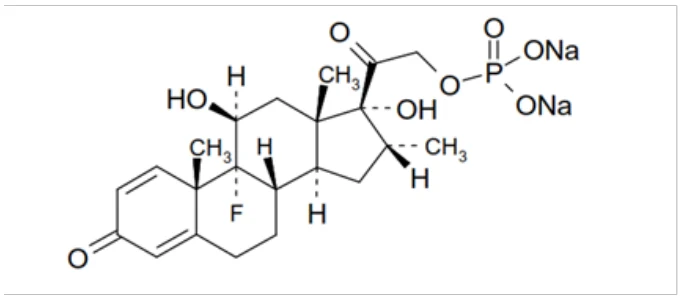
Physicochemical properties: Dexamethasone sodium phosphate is a white or almost white powder, very hygroscopic, freely soluble in water, slightly soluble in alcohol, practically insoluble in ether and in methylene chloride.
Drug Substance: Netilmicin sulfate
Proper name: Netilmicin sulphate
Chemical name: 2-Deoxy-6-O-[3-deoxy-4-C-methyl-3-(methylamino)-β -L-arabinopyranosyl]-4-O-(2,6diamino-2,3,4,6-tetradeoxy-α -D-glycero-hex-4-enopyranosyl)-1-N-ethyl-D-streptamine, sulfate
Molecular formula and molecular mass: C42H92N10O34S5; 1442
Structural formula:
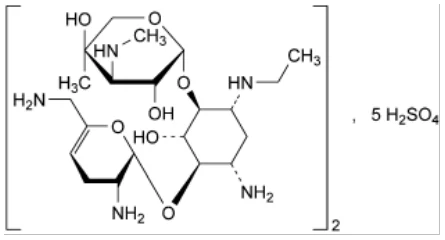
Physicochemical properties: Netilmicin sulfate is a white or yellowish-white crystalline powder, very hygroscopic, very soluble in water, practically insoluble in acetone and in alcohol.
13 CLINICAL TRIALS
13.1 Efficacy and Safety Studies
Tables 5, 6 and 7 summarize the main study in support of the efficacy and safety of NETILDEX (netilmicin and dexamethasone ophthalmic solution).
Trial Design and Study Demographics
Table 5 - Summary of patient demographics for clinical trials
Study # Trial design | Treatment Groups | Dosage, route of administration and duration | Study Subjects (N) (Enrolled / Full Analysis / Per Protocol) | Mean age (Range) | Study Subjects by Sex (N) |
014 Randomized (2:1 allocation ratio), double-masked, active-control, single-center | NETILDEX ophthalmic solution with preservative | one eye-drop in the conjunctival sac of the operated eye immediately after surgery, before bandaging; then one drop/operated eye four times per day for 7±1 days from post-surgery day 1 to day 7±1 | 148 / 135 / 132 | 70.0 (41-91) | 70 M / 78 F |
Active Comparator 0.3% tobramycin and 0.1% dexamethasone ophthalmic suspension fixed dose combination (TOBRADEX) | 75 / 73 / 71 | 69.1 (40-90) | 40 M / 35 F |
Study 014
The main goal of study 014 was to assess the anti-inflammatory proprieties of NETILDEX in the treatment of post-cataract surgery ocular inflammation. Trial subjects were unique Caucasian male and female adult patients with mild to moderate ocular inflammation, based on scores for anterior chamber flare and cells, following unilateral uncomplicated phacoemulsification cataract extraction and intraocular lens implantation surgery. Subject age was approximately evenly distributed across age categories ≤ 65, 66 to 74 and ≥ 75 years.
At enrollment subjects were without: histories of ocular inflammatory or infectious diseases or syndromes, concurrent ocular pathologies; intraocular pressure > 24 mmHg; ocular surgery in the affected eye within 12 months; laser treatment in the affected eye within 6 months; known or suspected relevant allergy; treatment for an external ocular infection within 1 month; anti-inflammatory therapy within 30 days; antibacterial therapy within 15 days; use of ocular medication other than artificial tears; pregnancy or nursing.
Systemic antibacterial therapy, starting on the day of surgery or one day before, was received by 58/148 (39%) of subjects treated with NETILDEX, and by 32/75 (43%) of subjects treated with active comparator. No subject received intra-operative antibacterial therapy. Data on the use of other concurrent medications were not available to Health Canada.
The primary efficacy parameters and endpoint were anterior chamber flare and cells at end of treatment on post-surgery day 7±1. Anterior chamber flare and cells were evaluated in the operated eye by slit-lamp examination (biomicroscopy) post-surgery on days 1, 7±1, and 14±2 (follow-up visit). Anterior chamber flare was scored 0 (none); 1 (mild, barely detectable); 2 (moderate, iris and lens details clear) and 3 (severe, iris and lens details not visible and fibrin in anterior chamber). Anterior chamber cells were scored 0 (none); 1 (mild, 1 to 10 cells); 2 (moderate, 11 to 50 cells); 3 (severe > 50 cells).
Key secondary efficacy parameters were the ocular discomfort parameters pain, photophobia and tearing.
13.2 Study Results
Efficacy Results are summarized in Tables 6 and 7.
Table 6 - Frequency for Slit-Lamp Examination Data – Full Analysis Population
Table 7- Frequency of Ocular Discomfort Parameter Data (Pain, Photophobia, Tearing)– Full Analysis Population
| Day 1 post-surgery | Day 7 ± 1 day post surgery | Day 14 ± 2 days post surgery | |||||||||||||
|---|---|---|---|---|---|---|---|---|---|---|---|---|---|---|---|
| Netildex | Comparator | Netildex | Comparato r | Netildex | Comparator | ||||||||||
| N | (%) | N | (%) | N | (%) | N | (%) | N | (%) | N | (%) | ||||
| Number of patients | 135 | (64.9) | 135 | (64.9) | 135 | (64.9) | 135 | (64.9) | 135 | (64.9) | 135 | (64.9) | |||
| Pain | |||||||||||||||
| None | 121 | (89.6) | 58 | (76.5) | 133 | (98.5) | 69 | (94.5) | 134 | (99.3) | 73 | (100.0) | |||
| Mild | 14 | (10.4) | 14 | (19.2) | 2 | (1.5) | 3 | (4.1) | 1 | (0.7) | 0 | (0.0) | |||
| Moderate | 0 | (0.0) | 1 | (1.4) | 0 | (0.0) | 1 | (1.4) | 0 | (0.0) | 0 | (0.0) | |||
| Severe | 0 | (0.0) | 0 | (0.0) | 0 | (0.0) | 0 | (0.0) | 0 | (0.0) | 0 | (0.0) | |||
| Day 1 post-surgery | Day 7 ± 1 day post surgery | Day 14 ± 2 days post surgery | |||||||||||||
|---|---|---|---|---|---|---|---|---|---|---|---|---|---|---|---|
| Netildex | Comparato r | Netildex | Comparato r | Netildex | Comparator | ||||||||||
| N | (%) | N | (%) | N | (%) | N | (%) | N | (%) | N | (%) | ||||
| Number of patients | 135 | (64.9) | 73 | (35.1) | 135 | (64.9) | 73 | (35.1) | 135 | (64.9) | 73 | (35.1) | |||
| Anterior chamber flare | |||||||||||||||
| None | 2 | (1.5) | 2 | (2.7) | 105 | (77.8) | 50 | (68.5) | 130 | (96.3) | 71 | (97.3) | |||
| Mild | 121 | (89.6) | 59 | (80.8) | 28 | (20.7) | 23 | (31.5) | 5 | (3.7) | 2 | (2.7) | |||
| Moderate | 12 | (8.9) | 11 | (15.1) | 2 | (1.50) | 0 | (0.0) | 0 | (0.0) | 0 | (0.0) | |||
| Severe | 0 | (0.0) | 1 | (1.4) | 0 | (0.0) | 0 | (0.0) | 0 | (0.0) | 0 | (0.0) | |||
| Anterior chamber cells | |||||||||||||||
| None | 2 | (1.5) | 2 | (2.7) | 105 | (77.8) | 50 | (68.5) | 130 | (96.3) | 71 | (97.3) | |||
| Mild | 123 | (91.1) | 58 | (79.5) | 28 | (20.7) | 23 | (31.5) | 4 | (3.0) | 2 | (2.7) | |||
| Moderate | 10 | (7.4) | 12 | (16.4) | 2 | (1.5) | 0 | (0.0) | 1 | (0.7) | 0 | (0.0) | |||
| Severe | 0 | (0.0) | 1 | (1.4) | 0 | (0.0) | 0 | (0.0) | 0 | (0.0) | 0 | (0.0) | |||
| Day 1 post-surgery | Day 7 ± 1 day post surgery | Day 14 ± 2 days post surgery | |||||||||||||
|---|---|---|---|---|---|---|---|---|---|---|---|---|---|---|---|
| Netildex | Comparator | Netildex | Comparato r | Netildex | Comparator | ||||||||||
| N | (%) | N | (%) | N | (%) | N | (%) | N | (%) | N | (%) | ||||
| Number of patients | 135 | (64.9) | 135 | (64.9) | 135 | (64.9) | 135 | (64.9) | 135 | (64.9) | 135 | (64.9) | |||
| Photophobia | |||||||||||||||
| None | 123 | (91.1) | 65 | (89.0) | 134 | (99.3) | 71 | (97.3) | 134 | (99.3) | 73 | (100.0) | |||
| Mild | 9 | (6.7) | 6 | (8.2) | 1 | (0.7) | 1 | (1.4) | 1 | (0.7) | 0 | (0.0) | |||
| Moderate | 3 | (2.2) | 2 | (2.7) | 0 | (0.0) | 1 | (1.4) | 0 | (0.0) | 0 | (0.0) | |||
| Severe | 0 | (0.0) | 0 | (0.0) | 0 | (0.0) | 0 | (0.0) | 0 | (0.0) | 0 | (0.0) | |||
| Tearing | |||||||||||||||
| None | 114 | (84.4) | 59 | (80.8) | 129 | (95.6) | 68 | (93.2) | 133 | (98.5) | 70 | (95.9) | |||
| Mild | 19 | (14.1) | 12 | (16.4) | 6 | (4.4) | 4 | (5.5) | 1 | (0.7) | 3 | (4.1) | |||
| Moderate | 2 | (1.5) | 2 | (2.7) | 0 | (0.0) | 1 | (1.4) | 1 | (0.7) | 0 | (0.0) | |||
| Severe | 0 | (0.0) | 0 | (0.0) | 0 | (0.0) | 0 | (0.0) | 0 | (0.0) | 0 | (0.0) | |||
14 MICROBIOLOGY
Netilmicin has been shown to be active in vitro against susceptible Gram positive and negative bacterial strains. It does not have any activity against anaerobes. The European Committee on Antimicrobial Susceptibility Testing (EUCAST) contains MIC distribution data for netilmicin and sets the epidemiological breakpoint (ECOFF). The relationship between systemic clinical breakpoints and clinical topical efficacy is not established. Bacterial resistance patterns may be regional.
Table 8 - MIC Breakpoints for Netilmicin
| Microorganism | Clinical MIC breakpoints (mg/l) | ||
|---|---|---|---|
| S (≤) | R (≥) | ECOFF | |
| Enterobacteriaceae | 2 | 4 | 2 |
| Pseudomonas | 4 | 4 | 4 |
| Acinetobacter | 4 | 4 | NR |
| Staphylococcus | 1 | 1 | 1 |
| Staphylococcus, coagulase negative | 1 | 1 | NR |
Notes: S= Sensitive. R = Resistant.
ECOFF = Common epidemiological cut-off value for surveillance of resistance
NR = Not reported.
15 NON-CLINICAL TOXICOLOGY
General toxicology
Tolerability to eye drops containing a fixed combination of 0.1% dexamethasone and 0.3% netilmicin, following repeated ocular administration, was investigated in rabbit over a period of 28 days. No lesions at the conjunctival and corneal level or of the fundus were observed and ocular reflexes were not affected. Analysis of organ weight data revealed a number of significant differences between animals treated with the test item compared to the controls treated with placebo.
Single-dose animal studies with dexamethasone observe body weight reduction. A high single dose of aminoglycosides causes respiratory paralysis and death in rats and mice.
Carcinogenicity
No studies were conducted.
Genotoxicity
No genotoxicity studies were conducted with NETILDEX.
Analyses of chromosomal aberrations, sister-chromatid exchanges (SCEs) in human lymphocytes and micronuclei and SCEs in mouse bone marrow showed dexamethasone to be capable of attacking the genetic material. However, the Ames/Salmonella assay, both with and without S9 mix, did not show any increase in His+ revertants.
Netilmicin was examined for mutagenic and DNA-modifying activity in a series of in vitro microbial assays employing Salmonella and Escherichia indicator organisms. The compound was tested directly and in the presence of liver microsomal enzyme preparations from Aroclor-induced rats. The doses ranged between 0.5 µg and 5000 µg per plate. Netilmicin did not demonstrate DNA-modifying or genetic activity in any of the assays conducted in this evaluation and was considered not mutagenic or genotoxic under these test conditions.
Reproductive and Developmental Toxicology
Corticosteroids have been shown to be teratogenic in animal studies. Dexamethasone animal studies resulted in reproductive and developmental abnormalities, including fetal abortions, cleft palate, CNS effects, brain defects, and heart defects following high dose systemic administration. Ocular administration of 0.1% dexamethasone resulted in 15.6% and 32.3% incidence of fetal anomalies in two groups of pregnant rabbits. Fetal growth retardation and increased mortality rates have been observed in rats with chronic dexamethasone therapy.
Fertility, teratogenicity and postnatal studies of netilmicin in rats and rabbits have not provided any significant evidence of toxicity of netilmicin, particularly following ocular administration.