


Product Monograph - Levodexa
RECENT MAJOR LABEL CHANGES:
Not applicable.
TABLE OF CONTENTS
Sections or subsections that are not applicable at the time of authorization are not listed.
RECENT MAJOR LABEL CHANGES: ........................................................................................... 2
TABLE OF CONTENTS .............................................................................................................. 2
PART I: HEALTH PROFESSIONAL INFORMATION ...................................................................... 4
1 INDICATIONS ............................................................................................................... 4
1.1 Pediatrics ................................................................................................................ 4
1.2 Geriatrics ................................................................................................................ 4
2 CONTRAINDICATIONS ................................................................................................. 4
4 DOSAGE AND ADMINISTRATION ................................................................................. 4
4.1 Dosing Considerations ............................................................................................ 4
4.2 Recommended Dose and Dosage Adjustment ....................................................... 5
4.4 Administration ........................................................................................................ 5
4.5 Missed Dose ........................................................................................................... 5
5 OVERDOSAGE .............................................................................................................. 6
6 DOSAGE FORMS, STRENGTHS, COMPOSITION AND PACKAGING ................................. 6
7 WARNINGS AND PRECAUTIONS .................................................................................. 6
7.1 Special Populations................................................................................................. 9
7.1.1 Pregnant Women ............................................................................................. 9
7.1.2 Breast-feeding .................................................................................................. 9
7.1.3 Pediatrics .......................................................................................................... 9
7.1.4 Geriatrics .......................................................................................................... 9
8 ADVERSE REACTIONS .................................................................................................. 9
8.1 Adverse Reaction Overview .................................................................................... 9
8.2 Clinical Trial Adverse Reactions ............................................................................ 10
8.3 Less Common Clinical Trial Adverse Reactions .................................................... 11
9 DRUG INTERACTIONS ................................................................................................ 12
9.2 Drug Interactions Overview .................................................................................. 12
9.3 Drug-behavioural interactions .............................................................................. 12
9.4 Drug-Drug Interactions ......................................................................................... 12
9.5 Drug-Food Interactions ......................................................................................... 12
9.6 Drug-Herb Interactions ......................................................................................... 12
9.7 Drug-Laboratory Test Interactions ........................................................................ 12
10 CLINICAL PHARMACOLOGY ....................................................................................... 12
10.1 Mechanism of Action ...................................................................................... 12
10.2 Pharmacodynamics ........................................................................................ 13
10.3 Pharmacokinetics ........................................................................................... 14
11 STORAGE, STABILITY AND DISPOSAL ......................................................................... 16
12 SPECIAL HANDLING INSTRUCTIONS ........................................................................... 16
PART II: SCIENTIFIC INFORMATION ....................................................................................... 17
13 PHARMACEUTICAL INFORMATION ............................................................................ 17
14 CLINICAL TRIALS ........................................................................................................ 19
14.1 Trial Design and Study Demographics ............................................................ 19
14.2 Study Results .................................................................................................. 19
15 MICROBIOLOGY ........................................................................................................ 20
16 NON-CLINICAL TOXICOLOGY ..................................................................................... 22
17 SUPPORTING PRODUCT MONOGRAPHS .................................................................... 24
PATIENT MEDICATION INFORMATION .................................................................................. 25
PART I: HEALTH PROFESSIONAL INFORMATION
1 INDICATIONS
LEVODEXA (Dexamethasone and levofloxacin ophthalmic solution) is indicated in adults for the prevention and treatment of inflammation, and the prevention of infection, associated with cataract surgery in adults, where adjunct topical therapy to reduce the risk of bacterial infection is appropriate.
To reduce the development of drug-resistant bacteria and maintain the effectiveness of LEVODEXA and other antibacterial drugs, LEVODEXA should be used only to reduce the risk of infections that are proven or strongly suspected to be caused by susceptible bacteria.
1.1 Pediatrics
Pediatrics (< 18 years of age): No data are available to Health Canada; therefore, Health Canada has not authorized an indication for pediatric use.
1.2 Geriatrics
Geriatrics: In elderly patients no adjustment of the recommended dose is required.
2 CONTRAINDICATIONS
LEVODEXA is contraindicated in patients with:
- Hypersensitivity to this drug or to any ingredient in the formulation, including any non-medicinal ingredient, or component of the container. For a complete listing, see 6 DOSAGE FORMS, STRENGTHS, COMPOSITION AND PACKAGING.
- Herpes simplex keratitis.
- Vaccinia, varicella and other viral diseases of the cornea and conjunctiva.
- Mycobacterial ocular infections, including tuberculosis of the eye.
- Fungal diseases of ocular structures or untreated parasitic eye infections.
- Acute purulent untreated infections of the eye, which like other diseases caused by microorganisms, may be masked or enhanced by the presence of dexamethasone.
4 DOSAGE AND ADMINISTRATION
4.1 Dosing Considerations
Re-evaluation of the patient to assess the need to continue the administration of corticosteroid eye drops as monotherapy is recommended after the completion of one week of therapy with LEVODEXA eye drops. The length of this treatment can depend on the patient’s risk factors and outcome of surgery and must be determined by the doctor according to slit-lamp microscopic findings and depending on the severity of the clinical picture. A follow-up treatment with steroid eye drops should not normally exceed 2 weeks. However, care should be taken not to discontinue therapy prematurely.
4.2 Recommended Dose and Dosage Adjustment
One drop instilled into the conjunctival sac after surgery every 6 hours. Duration of treatment is 7 days. Care should be taken not to discontinue therapy prematurely.
Pediatric population:
The safety and efficacy of LEVODEXA in children and adolescents below the age of 18 years have not been established. No data are available. LEVODEXA is not recommended for use in children and adolescents below the age of 18 years.
Elderly patients:
No dosage adjustment in elderly patients is necessary.
Use in renal/hepatic impairment
LEVODEXA has not been studied in patients with renal/hepatic impairment and LEVODEXA should therefore be used with caution in such patients.
4.4 Administration
For ocular use only.
One drop should be administered in the lateral canthus while applying pressure at the medial canthus to prevent drainage of the drops.
Patients should be instructed to wash their hands before use and avoid allowing the tip of the container to come into contact with the eye or surrounding structures as this could cause injury to the eye.
Patients should also be instructed that ocular solutions, if handled improperly, can become contaminated by common bacteria known to cause ocular infections. Serious damage to the eye and subsequent loss of vision may result from using contaminated solutions.
Nasolacrimal occlusion by compression of lacrimal ducts may reduce systemic absorption.
In case of concomitant treatment with other eye drops solutions, instillations should be spaced out by 15 minutes.
4.5 Missed Dose
If one dose is missed, it should be takes as soon as possible. However, if it is close to your next regular dose, skip your missed dose and follow your regular schedule. Do not take a double dose to make up for a forgotten dose.
5 OVERDOSAGE
Overdosage in the use of topical ophthalmic preparations is a remote possibility. An ocular overdose may be flushed from the eye(s) with warm water.
Discontinue medication when heavy or protracted use is suspected.
| For management of a suspected drug overdose, contact your regional poison control centre. |
|---|
6 DOSAGE FORMS, STRENGTHS, COMPOSITION AND PACKAGING
Table 1 – Dosage Forms, Strengths, Composition and Packaging
LEVODEXA is supplied in 5 mL Low-Density Polyethylene (LDPE) bottle, with a LDPE dropper tip and a High-Density Polyethylene (HDPE) screw cap. Each bottle contains 5 mL. LEVODEXA is a clear, greenish-yellow solution practically free from particles. The expelled drops appear clear and colorless.
7 WARNINGS AND PRECAUTIONS
General
LEVODEXA is for topical ocular use only. Not for injection into the eye.
As with other anti-infectives, prolonged use may result in overgrowth of non-susceptible organisms, including fungi. If superinfection occurs, discontinue use and institute alternative therapy.
Delayed Wound Healing: Topical ophthalmic corticosteroids may slow corneal wound healing. Nonsteroidal anti-inflammatory drugs (NSAIDs) are also known to slow or delay healing. Concomitant use of NSAIDs and topical steroids may increase the potential for healing problems.
Driving and Operating Machinery
| Route of Administration | Dosage Form / Strength/Composition | Non-medicinal Ingredients |
| Ophthalmic | Solution, 0.1% (w/v) dexamethasone and 0.5% (w/v) levofloxacin | Benzalkonium chloride, sodium citrate, sodium hydroxide or hydrochloric acid (to adjust pH), sodium phosphate dibasic dodecahydrate, sodium phosphate monobasic monohydrate, water for injections |
Temporary blurred vision or other visual disturbances may affect the ability to drive or use machines. If blurred vision occurs after instillation, the patient must wait until the vision clears before driving or using machinery.
Endocrine and Metabolism
Cushing’s syndrome and/or adrenal suppression associated with systemic absorption of ophthalmic dexamethasone may occur after intensive or long-term continuous therapy in predisposed patients, including children and patients treated with CYP3A4 inhibitors (including ritonavir and cobicistat). (See 9 DRUG INTERACTIONS). In these cases, treatment should not be discontinued abruptly, but progressively tapered.
Immune
Prolonged use of corticosteroids may suppress the host immune response and aid in the establishment of ocular bacterial, viral, fungal, or parasitic infections. In acute purulent conditions of the eye, corticosteroids may mask infection or enhance existing infection.
The possibility of persistent fungal infections of the cornea should be considered after prolonged corticosteroid dosing. Corticosteroid therapy should be discontinued if fungal infection occurs.
Monitoring and Laboratory Tests
If dexamethasone is used for 10 days or longer, intraocular pressure (IOP) should be routinely and frequently monitored.
Musculoskeletal
Tendon inflammation and rupture may occur with systemic fluoroquinolone therapy including levofloxacin, particularly in older patients and those treated concurrently with corticosteroids. Therefore, caution should be exercised and treatment with LEVODEXA should be discontinued at the first sign of tendon inflammation.
The systemic administration of quinolones has led to lesions or erosions of the cartilage in weightbearing joints and other signs of arthropathy in immature animals of various species. Consequently, levofloxacin should not be used in pre-pubertal patients.
Ophthalmologic
Increased risk of bleb formation, cataract, glaucoma, impaired healing, infection, IOP increase, perforation and central serous chorioretinopathy (CSCR) have been associated with the use of topical corticosteroids.
Prolonged use of topical ophthalmic corticosteroids may result in ocular hypertension and/or glaucoma, with damage to the optic nerve, defects in visual acuity and fields of vision, and posterior subcapsular cataract formation. The risk of corticosteroid-induced raised IOP and/or cataract formation is also increased in predisposed patients (e.g. diabetes).
Corticosteroids should not be used in the presence of glaucoma, ocular hypertension (IOP ≥ 24 mmHg) or a history of steroid-induced IOP elevation unless absolutely necessary and under close ophthalmologic monitoring. Caution should be exercised and duration of treatment with dexamethasone should be kept as short as possible.
In diseases causing thinning of the cornea or sclera, perforations have been known to occur with the use of topical corticosteroids.
After cataract surgery patients should not wear contact lenses for the whole duration of therapy with LEVODEXA. The preservative in LEVODEXA, benzalkonium chloride, may cause eye irritation and is known to discolour soft contact lenses.
Reproductive Health: Female and Male Potential
Fertility
Systemically administered corticosteroids may impair male and female fertility by influencing hormonal secretion of the hypothalamus and pituitary gland as well as gametogenesis in testes and ovaries. It is unknown if dexamethasone impairs human fertility after ocular use.
Levofloxacin caused no impairment of fertility in rats at exposures considerably in excess of the maximum human exposure after ocular administration.
Teratogenic Risk
Levofloxacin did not influence fertility and only impaired embryo-foetal development in animals at exposures, considerably in excess of those achievable at the recommended ocular therapeutic dose in humans. Topical and systemic administration of dexamethasone impaired male and female fertility and induced teratogenic effects including formation of cleft palate, intra-uterine growth retardation and foetal mortality. Peri- and postnatal toxicity of dexamethasone was also observed.
Skin
Moderate to severe phototoxicity reactions have been observed in patients exposed to direct sunlight or ultraviolet (UV) light while receiving fluoroquinolones. Excessive exposure to sunlight or UV light should be avoided. However, in clinical trials with levofloxacin, phototoxicity has been observed in less than 0.1% of patients. Therapy should be discontinued if phototoxicity (e.g., skin eruption) occurs.
7.1 Special Populations
7.1.1 Pregnant Women
There are no or limited amount of data from the use of dexamethasone and levofloxacin in pregnant women.
Corticosteroids cross the placenta. Prolonged or repeated corticosteroid use during pregnancy has been associated with an increased risk of intra-uterine growth retardation, lower birth weight and risk for high blood pressure, vascular disorders, and insulin resistance in the adulthood. Infants born of mothers who have received substantial doses of corticosteroids during pregnancy should be carefully observed for signs of hypoadrenalism. Studies in animals with corticosteroids have shown reproductive toxicity and teratogenic effects.
Systemic quinolones have been shown to cause arthropathy in immature animals.
Since a relevant systemic corticosteroid or fluoroquinolone exposure cannot be excluded after ocular administration, treatment with LEVODEXA is not recommended during pregnancy, and especially during the first three months, should only take place after a careful benefit-risk assessment.
7.1.2 Breast-feeding
Systemic corticosteroids and levofloxacin are excreted into human milk. No data are available, to indicate whether relevant amounts of dexamethasone are transferred into human breast milk and which are capable of producing clinical effects in the infant. A risk to the suckling child cannot be excluded. A decision must be made whether to discontinue breast-feeding or to discontinue/abstain from LEVODEXA therapy taking into account the benefit of breast feeding for the child and the benefit of therapy for the woman.
7.1.3 Pediatrics
Pediatrics (< 18 years of age): No data are available to Health Canada; therefore, Health Canada has not authorized an indication for pediatric use.
7.1.4 Geriatrics
Geriatrics (> 65 years of age): In elderly patients no adjustment of the recommended dose is required.
8 ADVERSE REACTIONS
8.1 Adverse Reaction Overview
In clinical studies, 438 patients have been treated with LEVODEXA. No serious adverse reactions occurred. The most commonly reported non-serious adverse reactions are eye irritation, ocular hypertension, and headache.
Increase of intraocular pressure
Prolonged use of corticosteroid treatment may result in ocular hypertension/glaucoma (especially for patients with previous IOP induced by steroids or with pre-existing high IOP or glaucoma). Children and elderly patients may be particularly susceptible to steroid-induced IOP rise. Diabetics are also more prone to develop subcapsular cataracts following prolonged topical steroid administration.
Possible adverse reactions related to cornea
In diseases causing thinning of the cornea, topical use of steroids could lead to cornea perforation in some cases. Cases of corneal calcification have been reported very rarely in association with the use of phosphate containing eye drops in some patients with significantly damaged corneas.
Additional adverse reactions that have been observed with prolonged use of the active substance levofloxacin and may potentially occur also with LEVODEXA.
Ruptures of the shoulder, hand, Achilles, or other tendons that required surgical repair or resulted in prolonged disability have been reported in patients receiving systemic fluoroquinolones. Studies and post marketing experience with systemic quinolones indicate that a risk of these ruptures may be increased in patients receiving corticosteroids, especially geriatric patients and in tendons under high stress, including Achilles tendon.
8.2 Clinical Trial Adverse Reactions
Clinical trials are conducted under very specific conditions. The adverse reaction rates observed in the clinical trials; therefore, may not reflect the rates observed in practice and should not be compared to the rates in the clinical trials of another drug. Adverse reaction information from clinical trials may be useful in identifying and approximating rates of adverse drug reactions in real-world use.
The following adverse reactions have been reported with LEVODEXA during clinical trials that enrolled patients after cataract surgery (within each frequency grouping, adverse reactions are presented in order of decreasing frequency).
Table 2: Adverse Reactions Reported During Clinical Trials with LEVODEXA
LEVODEXA n = 395 (%) | Tobramycin + dexamethasone n = 393 (%) | |
Eye disorders Corneal oedema Eye irritation Eye pain | 3.29 1.27 1.52 | 4.83 1.53 1.02 |
Infections and infestations Nasopharyngitis | 1.27 | 0.25 |
Nervous system disorders Headache | 2.53 | 0.76 |
Post procedural adverse reactions
Ocular disorders (e.g. corneal oedema, eye irritation, abnormal sensation in the eye, lacrimation increased, asthenopia, corneal disorder, dry eye, eye pain, ocular discomfort, uveitis, blurred vision, visual brightness, conjunctivitis) and nausea have been reported during clinical trials. These reactions are usually mild and transient and are assessed to be related to the cataract surgery itself.
8.3 Less Common Clinical Trial Adverse Reactions
Eye disorders: Abnormal sensation in eye, asthenopia, conjunctival haemorrhage, corneal disorder, dry eye, eyelid oedema, foreign body sensation in eyes, lacrimation increased, ocular discomfort, ocular hypertension, retinal detachment, uveitis, vision blurred, visual acuity reduced, visual brightness
General disorders and administration site conditions: Pyrexia
Infections and infestations: Conjunctivitis, rhinitis
Investigations: Intraocular pressure increased
Nervous system disorders: Dysgeusia, headache
9 DRUG INTERACTIONS
9.2 Drug Interactions Overview
No interaction studies have been performed.
Since maximum plasma concentrations of levofloxacin and dexamethasone after ocular administration are at least 1000 times lower than those reported after standard oral doses, interactions with other products for systemic use are unlikely to be clinically relevant.
The concomitant use of probenecid, cimetidine, or ciclosporin with levofloxacin altered some pharmacokinetic parameters of levofloxacin, but not to a clinically significant extent.
Concomitant use of topical steroids and topical NSAIDs may increase the potential for corneal healing problems.
CYP3A4 inhibitors (including ritonavir and cobicistat) may decrease dexamethasone clearance resulting in increased effects. The combination should be avoided unless the benefit outweighs the increased risk of systemic corticosteroid side-effects, in which case patients should be monitored for systemic corticosteroid effects.
9.3 Drug-behavioural interactions
Drug-behavioural interactions have not been established.
9.4 Drug-Drug Interactions
Interactions with other drugs have not been established.
9.5 Drug-Food Interactions
Interactions with food have not been established.
9.6 Drug-Herb Interactions
Interactions with herbal products have not been established.
9.7 Drug-Laboratory Test Interactions
Interactions with laboratory tests have not been established.
10 CLINICAL PHARMACOLOGY
10.1 Mechanism of Action
Levofloxacin
Levofloxacin, the active L-isomer of ofloxacin, is a fluoroquinolone antibacterial agent, that inhibits bacterial type II topoisomerases—DNA gyrase and topoisomerase IV. Levofloxacin preferentially targets DNA gyrase in Gram negative bacteria and topoisomerase IV in Gram positive bacteria. The spectrum of activity against ocular pathogens includes aerobic Gram-positive microorganisms (e.g. S. aureus MSSA, S. pyogenes, S. pneumoniae, viridans group streptococci), aerobic Gram-negative bacteria (e.g. E. coli, H. influenzae, M. catarrhalis, P. aeruginosa community isolates), other organisms (e.g. Chlamydia trachomatis).
Dexamethasone
Corticosteroids like dexamethasone achieve anti-inflammatory effects through the suppression of vascular endothelial cell adhesion molecules, cyclooxygenase I or II, and cytokine expression. This action culminates in a reduced expression of proinflammatory mediators and the suppression of adhesion of circulating leukocytes to the vascular endothelium, thereby preventing their migration into inflamed ocular tissue.
10.2 Pharmacodynamics
Information on the pharmacodynamics (PD) of 5 mg / mL levofloxacin and 1 mg / mL dexamethasone ophthalmic solution is provided by the pivotal study evaluating the efficacy and safety of the product. Table 3 below summarizes the study considered for the PD characterization.
Table 3 - Summary of study for PD characterisation
| Study identifier | Study design and type of control | Dosage and duration of test and reference product | Route | N. of subjects | Healthy subjects or diagnosis of patients | Duration of treatment |
|---|---|---|---|---|---|---|
| Levo-desa 04 2017 | Multicentre, randomised, investigator-blind, reference-controlled. Rating of efficacy and safety of Eye Drop Combi in prevention and treatment of inflammation and prevention of infection associated with cataract surgery | Test product: levofloxacin 0.5% and dexamethasone 0.1% eye drop solution4 x 30 µL drops daily for 7 days followed by 4 x 30 µL drops daily for 7 days Maxidex (dexamethasone sodium phosphate) Reference product: Tobramycin 3 mg / mL + dexamethasone 1 mg / mL eye drops suspension (Tobradex) 4 x 1 drop per day for 14 days | Ocular topical | Test Product: n=395 Reference product: N=393 | Patients scheduled for cataract surgery | Test product: 7 days + 7 days Reference product: 14 days |
Study Levodesa_04-2017 provided information on the PD of the test drug with respect to anterior chamber inflammation following cataract surgery, as measured by the sum of cells in the anterior chamber and the presence of aqueous flares. Overall, 788 patients (full analysis set (FAS)) participated in the study.
The conclusions drawn from the above PD study are summarized below:
On day 4, 76% of the patients in the 0.5% (w/v) levofloxacin and 0.1% (w/v) dexamethasone eye drop solution group were without cells in the anterior chamber. The remaining 24% of patients had a minimal (1 to 5 cells) or intermediate (6 to 15 cells) number of cells. At the end of the treatment (day 15) the percentage of patients without cells in the anterior chamberwas observed to be 97%, whereas the remaining 3% of patients had a minimal number of cells.
Aqueous flare at day 4 was absent in 86% of patients in the 0.5% (w/v) levofloxacin and 0.1% (w/v) dexamethasone eye drop solution group, and mild or barely detectable aqueous flare was observed in the remaining 14% of patients. At day 15 aqueous flare was absent in more than 99% of patients.
For both signs of inflammation there was no significant difference with the reference Tobradex®. At visit 5 (Day 15), 96.40% of the L-DSP + Maxidex® arm and 95.14% of the Tobradex® arm had no signs of anterior chamber inflammation (neither cells nor flare).
10.3 Pharmacokinetics
LEVODEXA is for topical ophthalmic use only. Absorption of levofloxacin and dexamethasone to the system circulation is at a much lower extent. Maximum observed concentration (Cmax), area under the curve (AUC), time to maximum observed concentration (tmax), volume of distribution (Vd), elimination half-life (t1/2) and clearance (CL) are not measured.
Absorption
The ocular instillation of LEVODEXA results in absorption of both actives to the ocular tissues and, at a much lower extent, to the systemic circulation.
Distribution
After instillation to rabbit eyes, the plasma concentrations of levofloxacin increase with the dose after both single and repeated administration. Low levels of dexamethasone sodium phosphate are measured in plasma. In fact, dexamethasone sodium phosphate is rapidly metabolised in vivo to dexamethasone, which is the active metabolite. Dexamethasone exposure increases with the dose and after repeated doses a minor accumulation of both levofloxacin and dexamethasone is evident. Both levofloxacin and dexamethasone levels in ocular tissues (aqueous humour, cornea and conjunctiva) result to be higher than the maximum plasma levels after single and repeated doses. In particular, after 28-day treatment levofloxacin and dexamethasone levels in ocular tissues are 50 to 100-fold and 3 to 4-fold higher than the Cmax in plasma, respectively.
In a clinical study investigating the absorption of the two active ingredients of LEVODEXA in to the aqueous humour, 125 patients undergoing cataract surgery were randomized to 3 groups:
levofloxacin, dexamethasone and LEVODEXA. One drop of each drug was administered 90 and 60 minutes before limbal paracentesis. The mean of the observed values for the concentration of levofloxacin in the aqueous humour was equal to 711.899 ng / mL (95% CI: 595.538; 828.260) in the LEVODEXA group compared to 777.307 ng / mL (95% CI: 617.220; 937.394) when levofloxacin was administered alone. The concentrations of levofloxacin in the aqueous humour are well above the minimum inhibitory concentrations for the ocular pathogens in levofloxacin’s spectrum of activity. When LEVODEXA was administered, dexamethasone reached an aqueous humour concentration of 11.774 ng / mL (95% CI: 9.812; 13.736) compared to 16.483 ng / mL (95% CI: 13.736; 18.838) when dexamethasone was administered alone.
Metabolism:
Levofloxacin is stable following ocular instillation.
Dexamethasone disodium phosphate is hydrolysed to free dexamethasone following ocular administration.
Elimination
The most important mechanism of elimination of the actives from the cul-de-sac is the drainage through tear fluid. Both levofloxacin and dexamethasone absorbed in systemic circulation are eliminated via urine.
Special Populations and Conditions
- Pediatrics: The pharmacokinetics of LEVODEXA in pediatric patients have not been studied.
- Geriatrics: No dosage adjustment in elderly patients is necessary.
- Sex: Dose adjustment based on gender alone is not necessary.
- Pregnancy and Breast-feeding: Pharmacokinetic studies in pregnant and breast-feeding women have not been conducted.
- Genetic Polymorphism: Pharmacokinetic studies for genetic polymorphism have not been conducted.
- Ethnic Origin: Pharmacokinetic studies for different ethnic origins have not been conducted.
- Hepatic Insufficiency: Pharmacokinetic studies in hepatically impaired patients have not been conducted.
- Renal Insufficiency: Pharmacokinetic studies in renally impaired patients have not been conducted.
- Obesity: Pharmacokinetic studies in obese patients have not been conducted.
11 STORAGE, STABILITY AND DISPOSAL
Store in the original container at room temperature (15 – 30 °C). .
To prevent infections, unused portion must be thrown away 28 days after first open.
12 SPECIAL HANDLING INSTRUCTIONS
Special handling for LEVODEXA is not required.
PART II: SCIENTIFIC INFORMATION
13 PHARMACEUTICAL INFORMATION
Drug Substance: Dexamethasone sodium phosphate
Proper name: Dexamethasone sodium phosphate
Chemical name: 9-fluoro-11β,17-dihydroxy-16α-methyl-3,20-dioxopregna-1,4 dien-21-yl disodium phosphate
Molecular formula and molecular mass
Dexamethasone sodium phosphate: C22H28FNa2O8P, 516.41
Dexamethasone: C22H29FO5, 392.46
Structural formula:
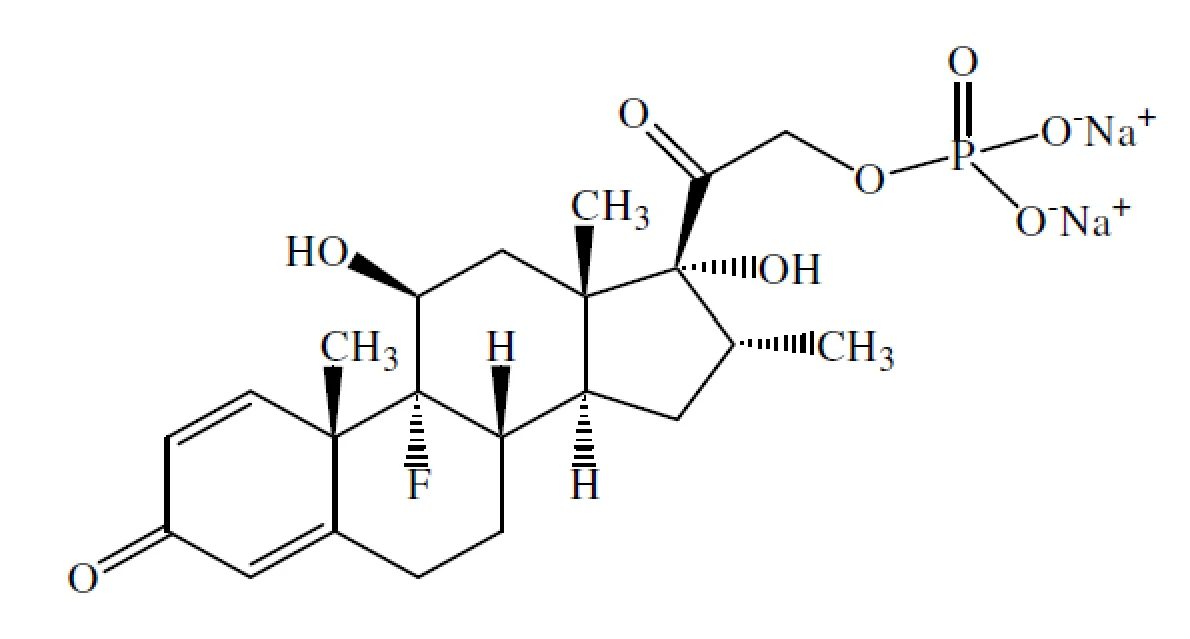
Physicochemical properties: Dexamethasone sodium phosphate is a white or almost white hygroscopic powder, and is freely soluble in water, slightly soluble in ethanol, practically insoluble in Methylene chloride. The melting point is 233 – 235°C.
Drug Substance: Levofloxacin hemihydrate
Proper name: Levofloxacin hemihydrate
Chemical name: (3S)-9-Fluoro-3-methyl-10-(4-methyl-piperazin-1-yl)-7-oxo-2,3-dihydro-7H-pyrido[1,2,3-de]-[1,4]benzoxazine-6-carboxylic acid hemihydrate.
7H-pyrido[1,2,3-de]-1,4-benzoxacine-6-carboxylic acid, 9-fluoro-2,3-dihydro-3-methyl-10-(4-methyl-1-piperazinyl)-7-oxo-hydrate (2:1), (S)-.
(-)-(S)-9-Fluoro-2,3-dihydro-3-methyl-10-(4-methyl-1-piperazinyl)-7-oxo-7H-pyrido[1,2,3-de]-1,4-benzoxacine-6-carboxylic acid, hemihydrate.
(S)-9-Fluoro-2,3-dihydro-3-methyl-10-(4-methyl-1-piperazinyl)-7-oxo-7H-Pyrido[1,2,3-de]-1,4-benzoxazine-6-carboxylic acid, hydrate (2:1).
Molecular formula and molecular mass
Levofloxacin hemihydrate: C18H20FN3O4 · ½ H2O, 370.4
Levofloxacin: C18H20FN304, 361.4
Structural formula:
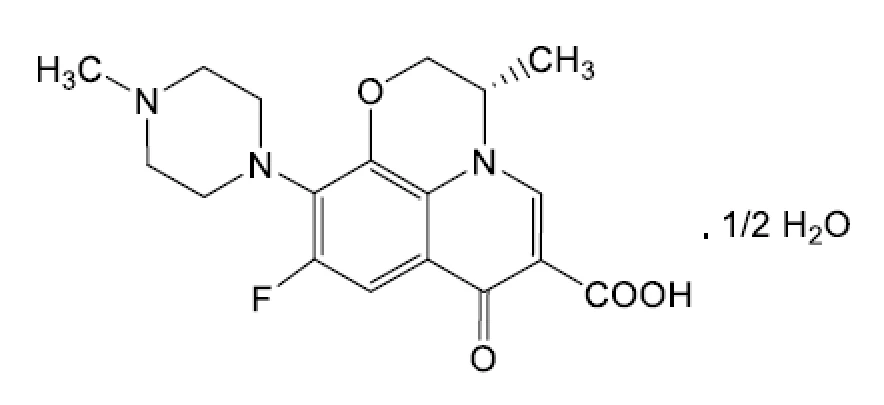
Physicochemical properties: Levofloxacin hemihydrate is Light yellowish-white to light yellow crystalline powder. According to EP monograph Levofloxacin hemihydrate is sparingly soluble in water and methanol; slightly soluble in anhydrous ethanol and freely soluble in acetic acid. Levofloxacin hemihydrate melts at about 220°C.
14 CLINICAL TRIALS
14.1 Trial Design and Study Demographics
Table 4 - Summary of patient demographics for clinical trials in cataract surgery
| Study # | Study design | Dosage, route of administration and duration | Study subjects (n) | Mean age (Range) | Sex |
| Levo-desa _04- 2017 | Multicentre, randomised, investigator-blind, reference-controlled., Rating of efficacy and safety of Eye Drop Combi in prevention and treatment of inflammation and prevention of infection associated with cataract surgery | Test product: levofloxacin 0.5% and dexamethasone 0.1% eye drop solution Eye Drop Combi 4 x 30 µL drops daily for 7 days followed by 4 x 30 µL drops daily for 7 days Maxidex (dexamethasone sodium phosphate) Reference product: Tobramycin 3 mg / ml + dexamethasone 1 mg / ml eye drops suspension (Tobradex) 4 x 1 drop per day for 14 days | N=788 | 71.98 (41 – 92) | 320 males / 468 females |
Patients were roughly 72 years of age on average, 59.39% were female and all but four Caucasian. No remarkable differences in demographic features emerged comparing the two treatment groups.
14.2 Study Results
Table 5 - Results of study Levo-desa_04-2017 in cataract surgery
| Primary Endpoints | Levofloxacin + dexamethasone | Active control (Tobramycin + Dexamethasone) | Difference between treatment groups and 95% CI |
| The proportion of patients without signs of anterior ocular chamber inflammation (No Cells and Flares) | 95.2% | 94.9% | 0.0028 (95% CI, lower and upper: -0.0275 and 0.0331) |
15 MICROBIOLOGY
Levofloxacin is the L-isomer of the racemate, ofloxacin, a quinolone antibacterial agent. The antibacterial activity of ofloxacin resides primarily in the L-isomer. Levofloxacin and other quinolone antibacterial inhibit bacterial topoisomerase II (DNA gyrase) and topoisomerase IV, enzymes required for DNA replication, transcription, repair, and recombination. The L-isomer produces more hydrogen bonds and more stable complexes with DNA gyrase than does the D-isomer. Microbiologically, the L-isomer exhibits 25- to 40-fold greater antibacterial activity over the D-isomer. Quinolones rapidly and specifically inhibit bacterial DNA synthesis.
Levofloxacin has in vitro activity against a broad spectrum of gram-positive and gram-negative aerobic and anaerobic bacteria. Levofloxacin is often bactericidal at concentrations equal to or greater than the Minimum Inhibitory Concentrations (MIC). The in vitro activity of levofloxacin against clinical isolates is summarized in Table 6.
Table 6 - In Vitro Activity of Levofloxacin against Clinical Isolates
| Organism | (# of isolates) | MIC (mcg / mL) | |||||||
|---|---|---|---|---|---|---|---|---|---|
| 50% | 90% | Range | |||||||
| Acinetobacter baumannii | (57) | 0.120 | 16.000 | 0.060 - >16.000 | |||||
| Acinetobacter calcoaceticus | (48) | 0.250 | 0.250 | 0.030 - 64.000 | |||||
| Chlamydia pneumoniae | (10) | 0.250 | 0.250 | 0.125 - 0.500 | |||||
| Citrobacter diversus | (20) | 0.030 | 0.030 | 0.015 - 0.060 | |||||
| Citrobacter freundii | (50) | 0.060 | 1.000 | 0.015 - 8.000 | |||||
| Enterobacter spp. | (200) | 0.060 | 0.500 | ≤0.008 - >16.000 | |||||
| Enterobacter aerogenes | (44) | 0.250 | 0.500 | 0.060- 2.000 | |||||
| Enterobacter agglomerans | (13) | 0.250 | 0.250 | 0.060 - 0.500 | |||||
| Enterobacter cloacae | (97) | 0.250 | 0.500 | 0.025 - 16.000 | |||||
| Enterococcus spp. | (162) | 1.000 | >16.000 | 0.500 - >16.000 | |||||
| Enterococcus (Streptococcus) faecalis | (122) | 1.000 | 16.000 | 0.250 - 64.000 | |||||
| Escherichia coli | (817) | 0.030 | 0.060 | ≤0.008 - >16.000 | |||||
| Haemophilus influenzae | (94) | 0.015 | 0.015 | ≤0.008 - 0.030 | |||||
| Haemophilus parainfluenzae | (127) | 0.250 | 0.250 | 0.015 - 1.000 | |||||
| Haemophilus parahemolyticus | (12) | 0.250 | 0.250 | 0.008 - 0.250 | |||||
| Klebsiella spp. | (345) | 0.060 | 1.000 | 0.015 - 16.000 | |||||
| Organism | (# of isolates) | MIC (mcg / mL) | ||||||||
|---|---|---|---|---|---|---|---|---|---|---|
| 50% | 90% | Range | ||||||||
| Klebsiella oxytoca | (43) | 0.250 | 0.250 | 0.030 - 2.000 | ||||||
| Klebsiella pneumoniae | (225) | 0.250 | 0.500 | 0.060 - 18.000 | ||||||
| Legionella pneumophila | (10) | 0.030 | 0.0079 - 0.030 | |||||||
| Moraxella (Branhamella) catarrhalis | (110) | 0.250 | 0.250 | 0.0150 - 1.000 | ||||||
| Morganella morganii | (43) | 0.060 | 1.000 | 0.0150 - >16.000 | ||||||
| Mycoplasma pneumoniae | (60) | 0.250 | 0.500 | 0.250 - 0.500 | ||||||
| Neisseria gonorrhoeae | (47) | ≤0.008 | 0.016 | ≤0.008 - 0.060 | ||||||
| Neisseria meningitides | (13) | 0.250 | 0.250 | 0.250 - 0.500 | ||||||
| Proteus and Providencia spp. | (36) | 0.060 | 1.000 | 0.015 - >16.000 | ||||||
| Proteus mirabilis | (123) | 0.060 | 0.120 | 0.015 - 4.000 | ||||||
| Proteus vulgaris | (14) | 0.250 | 0.250 | 0.250 - 0.500 | ||||||
| Pseudomonas aeruginosa* | (378) | 1.000 | 8.000 | 0.030 - >16.000 | ||||||
| Pseudomonas maltophilia | (17) | 0.500 | 2.000 | 0.250 - 4.000 | ||||||
| Salmonella spp. | (10) | 0.060 | 0.060 | 0.060 - 0.250 | ||||||
| Serratia spp. | (65) | 0.120 | 0.500 | 0.030 - >16.000 | ||||||
| Serratia marcescens | (42) | 0.250 | 1.000 | 0.125 - 4.000 | ||||||
| Staphylococcus aureus | (565) | 0.250 | 0.500 | 0.125 - 32.000 | ||||||
| Staphylococcus aureus, methicillin-resistant (MRSA)** | (25) | 0.250 | 0.500 | 0.120 - 1.000 | ||||||
| Staphylococcus aureus, methicillin-susceptible (MSSA) | (25) | 0.250 | 0.500 | 0.120 - 0.500 | ||||||
| Staphylococcus aureus, oxacillin-resistant | (62) | 8.000 | >16.000 | 0.120 - >16.000 | ||||||
| Staphylococcus aureus, oxacillin-susceptible | (367) | 0.120 | 0.500 | 0.030 - 16.000 | ||||||
| Staphylococcus epidermidis | (47) | 0.250 | 8.000 | 0.250 - 32.000 | ||||||
| Staphylococcus epidermidis, methicillin-resistant (MRSE) | (14) | 0.250 | 0.250 | 0.120 - 0.500 | ||||||
| Staphylococcus epidermidis, methicillin-susceptible (MSSE) | (12) | 0.250 | 1.000 | 0.250 - 1.000 | ||||||
| Staphylococcus saprophyticus | (16) | 0.500 | 1.000 | 0.250 - 2.000 | ||||||
| Stenotrophomonas maltophilia | (43) | 2.000 | 16.000 | 0.250 - 16.000 | ||||||
| Streptococcus (Viridans group) | (8) | 0.750 | 1.000 | 0.250 - 1.000 | ||||||
| Streptococcus (Group C) | (28) | 0.500 | 1.000 | 0.250 - 2.000 | ||||||
| Streptococcus (Group G) | (34) | 0.500 | 1.000 | 0.250 - 2.000 | ||||||
| Streptococcus agalactiae | (96) | 1.000 | 2.000 | 0.500 - 2.000 | ||||||
| Streptococcus milleri | (35) | 0.500 | 1.000 | 0.250 - 4.000 | ||||||
| Streptococcus pneumoniae | (99) | 1.000 | 1.000 | 0.500 - 2.000 | ||||||
Streptococcus pneumoniae, penicillin-susceptible (MIC ≤0.06 µg / mL)ǂ | (2699) | 0.500 | 1.000 | ≤0.004 - >8.000 | ||||||
Streptococcus pneumoniae, penicillin-resistant (MIC ≥2.0 µg / mL)ǂ | (538) | 0.500 | 1.000 | ≤0.004 - 2.000 | ||||||
| Organism | (# of isolates) | MIC (mcg / mL) | |||||
|---|---|---|---|---|---|---|---|
| 50% | 90% | Range | |||||
Streptococcus pneumoniae, clarithromycin-susceptible (MIC ≤0.25 µg / mL)ǂ | (502) | 0.500 | 1.000 | 0.250 - >16.000 | |||
Streptococcus pneumoniae, clarithromycin-resistant (MIC ≥1.0 µg / mL)ǂ | (136) | 1.000 | 2.000 | 0.12 - 16.000 | |||
Streptococcus pneumoniae, erythromycin-resistant (MIC ≥1.0 µg / mL)ǂ | (27) | 1.000 | 1.000 | 0.500 - 16.000 | |||
| Streptococcus pyogenes | (87) | 0.500 | 1.000 | 0.250 - 2.000 | |||
| Streptococcus sanguis | (19) | 1.000 | 2.000 | 0.250 - 2.000 | |||
* As with other drugs in this class, some strains of Pseudomonas aeruginosa may develop resistance fairly rapidly during treatment with levofloxacin.
** Data obtained for isolates from Complicated Skin and Skin Structure clinical studies, and literature, indicate the MIC value has increased for MRSA.
ǂ Based on NCCLS classification
16 NON-CLINICAL TOXICOLOGY
General Toxicology:
Levofloxacin
After systemic (oral) administration in the 4-wk study, NOEL dose for levofloxacin was 200 mg /kg/day in the rat, and 30 mg/kg/day in the Cynomolgus monkey and in the 26-wk study, 20 mg / kg in the rat and 62.5 mg / kg in the Cynomolgus monkey. The systemic toxicity/teratogenicity of levofloxacin is of limited relevance for the ocular use of the product, as the non-toxic oral doses of the drug are four orders of magnitude larger than those foreseen for the human use in eye drops.
The ocular effects after topical administration of levofloxacin include toxicity on conjunctiva, cornea and iris with 10% and 25% levofloxacin ophthalmic dosing over one day. In repeat dose studies, no evidence of ocular toxicity was observed in rabbits topically instilled with levofloxacin ophthalmic solutions for up to 26 weeks at levofloxacin concentrations up to 3%.
A significant decrease in epithelial thickness of the rabbit cornea was induced by 7 days of exposure to 0.5% levofloxacin containing benzalkonium.
QID treatment with 1.5% levofloxacin produced no delay in healing of epithelial wounds or increased corneal thickness compared to glycerine vehicle, while QID treatment with 3% levofloxacin delayed healing at 24 and 48 hours after injury and increased corneal thickness for
11 days. Histological evaluation of the eyes confirmed that there was no detrimental effect to the corneal endothelium due to treatment with 1.5% levofloxacin.
The intravitreal safety and toxicity of fluoroquinolones have been extensively studied in rabbits. Intravitreal levofloxacin does not show retinal toxicity in rabbit eyes at doses up to 500 micrograms, or up to 625 micrograms.
Dexamethasone
Dexamethasone instilled in the eyes of rabbits five times a day at two-hour intervals for 21 consecutive days was shown to cause adrenal atrophy, although no substantial ocular changes were observed.
Dexamethasone TBA and dexamethasone alcohol at concentrations of 0.2, 0.1, 0.01, and 0.001% (100 µL), topically instilled five times daily into the right eyes for 21 consecutive days, resulted in dose-dependent toxicity of liver, intestines, spleen and adrenal cortex. No pathological changes were noted for the eye. Systemic histopathologic changes were typical of those for steroids.
In order to evaluate single and repeat dose toxicokinetics in plasma and ocular penetration in aqueous humour, cornea and conjunctiva, 30 µL of the levofloxacin and dexamethasone combination product at target concentration and 50 µL and 100 µL at double concentration were instilled 4 times a day for 28 days into the right eye of New Zealand White rabbits. Dose-dependent increases of kidney and liver weight were seen, and post-mortem histology showed known dexamethasone related effects on kidneys and liver with a NOAEL at the low dose.
Carcinogenicity:
No carcinogenicity studies have been conducted with levofloxacin and dexamethasone combination product administered by ophthalmic application.
Levofloxacin exhibited no carcinogenic or tumorigenic potential after dietary administration of 10, 30 or 100 mg/kg/day for 2 years in a rat carcinogenicity study.
Long term studies have not been performed to evaluate the carcinogenic potential of topical otic dexamethasone.
Genotoxicity:
No genotoxicity studies have been conducted with levofloxacin and dexamethasone combination product administered by ophthalmic application.
Levofloxacin was not mutagenic in the following assays: Ames bacterial mutation assays (S. typhimurium and E. coli), CHO/HGPRT forward mutation assay, mouse micronucleus test, mouse dominant lethal test, rat unscheduled DNA synthesis and the mouse sister chromatid exchange (SCE) assays. It was positive in the in vitro chromosomal aberration (CHL cell line) and SCE assays (CHL/IU cell line).
Dexamethasone has been tested for in vitro and in vivo genotoxic potential and shown to be positive in the following assays; chromosomal aberrations, sister-chromatid exchange in human lymphocytes and micronuclei and sister-chromatid exchanges in mouse bone marrow.
Dexamethasone was observed to be negative in the Ames bacterial mutation assay.
Reproductive and Developmental Toxicology:
Levofloxacin did not influence fertility and only impaired embryo-foetal development in animals at exposures considerably in excess of those achievable at the recommended ocular therapeutic dose in humans.
Corticosteroids have been shown to be teratogenic in animal studies. Topical and systemic administration of dexamethasone impaired male and female fertility and induced teratogenic effects including formation of cleft palate, intra-uterine growth retardation and foetal mortality. Peri- and postnatal toxicity of dexamethasone was also observed.
Special Toxicology:
Phototoxic potential: Studies in the mouse after both oral and intravenous dosing showed levofloxacin to have phototoxic activity only at very high doses.
17 SUPPORTING PRODUCT MONOGRAPHS
- 1. ACT LEVOFLOXACIN, tablets, 250 mg, 500 mg and 750 mg, submission control 225677, Product Monograph, Teva Canada Limited. (Apr 29, 2019)
- 2. MAXIDEX, ointment 0.1% w/w and suspension 0.1% w/w, submission control 214859, Product Monograph, Novartis Pharmaceuticals Canada Inc. (Jul 13, 2018)