


Product Monograph - Jamp Tobramycin / Dexamethasone
SUMMARY PRODUCT INFORMATION
| Route of Administration | Dosage Form / Strength | All Nonmedicinal Ingredients |
|---|---|---|
| Topical ophthalmic | Suspension / tobramycin 0.3% w / v and dexamethasone 0.1% w / v | Benzalkonium chloride, edetate disodium dihydrate, hydroxyethyl cellulose, sodium chloride, sodium hydroxide (to adjust pH), sodium sulfate, sulfuric acid (to adjust pH), tyloxapol and water for injection. |
INDICATIONS AND CLINICAL USE
JAMP Tobramycin / Dexamethasone (tobramycin and dexamethasone ophthalmic suspension) is indicated for steroid-responsive inflammatory ocular conditions for which a corticosteroid is indicated and where bacterial infection or a risk of bacterial ocular infection exist.
Ocular steroids are indicated in inflammatory conditions of the palpebral and bulbar conjunctiva, cornea and anterior segment of the globe where the inherent risk of steroid use in certain infective conjunctivitis is accepted to obtain a diminution in edema and inflammation. They are also indicated in chronic anterior uveitis and corneal injury from chemical, radiation, thermal burns or penetration of foreign bodies.
To reduce the development of drug-resistant bacteria and maintain the effectiveness of JAMP Tobramycin / Dexamethasone and other antibacterial drugs, JAMP Tobramycin / Dexamethasone should be used only to treat infections that are proven or strongly suspected to be caused by susceptible bacteria.
Pediatrics (< 18 years of age):
The safety and effectiveness of tobramycin and dexamethasone ophthalmic suspension have not been established in pediatric patients.
CONTRAINDICATIONS
JAMP Tobramycin / Dexamethasone is contraindicated in:
- Patients who are hypersensitive to tobramycin, dexamethasone or to any ingredient in the formulation or component of the container. For a complete listing, see the Dosage Forms, Composition and Packaging section of the product monograph.
- Patients with known or suspected hypersensitivity to other aminoglycosides. Partial cross-allergenicity to other aminoglycosides has been established.
- Herpes simplex keratitis.
- Vaccinia, varicella, and other viral diseases of the cornea and conjunctiva.
- Fungal diseases of the eye or untreated parasitic eye infections.
- Mycobacterial ocular infections, including tuberculosis of the eye.
- Acute purulent untreated infections of the eye which, like other diseases caused by microorganisms, may be masked or enhanced by the presence of the steroid.
- After uncomplicated removal of a corneal foreign body.
WARNINGS AND PRECAUTIONS
General
FOR TOPICAL OCULAR USE ONLY. NOT FOR INJECTION INTO THE EYE.
NOT FOR OTIC USE.
Ophthalmic examinations are recommended during long term therapy. If there is no improvement after 5 or 7 days of therapy, or if the condition worsens, the medication should be discontinued.
Patients should be advised to inform their physicians of any prior use of corticosteroids.
Sensitivity to topically applied aminoglycosides may occur in some patients. Severity of hypersensitivity reactions may vary from local effects to generalized reactions, such as erythema, itching, urticaria, skin rash, anaphylaxis, anaphylactoid reactions or bulbous reactions. If hypersensitivity develops during use of JAMP Tobramycin / Dexamethasone, treatment should be discontinued.
Cross-hypersensitivity to other aminoglycosides can occur, and the possibility that patients who become sensitized to topical tobramycin may also be sensitive to other topical and / or systemic aminoglycosides should be considered.
If topical ocular tobramycin is administered concomitantly with systemic aminoglycoside antibiotics, care should be taken to monitor the total aminoglycoside serum concentration. Serious adverse reactions, including neurotoxicity, ototoxicity and nephrotoxicity, have occurred in patients receiving systemic aminoglycoside therapy, including tobramycin.
Caution should be exercised if JAMP Tobramycin / Dexamethasone is administered with systemic aminoglycosides or other drugs that have neurotoxic, ototoxic, or nephrotoxic effects, particularly in patients with known or suspected renal, auditory, vestibular, or neuromuscular dysfunction.
Caution should be exercised when prescribing JAMP Tobramycin / Dexamethasone to patients with known or suspected neuromuscular disorders such as myasthenia gravis or Parkinson’s disease. Aminoglycosides, including tobramycin, may aggravate muscle weakness because of their known effect on neuromuscular function and potential to produce neuromuscular blockade.
Infections:
Prolonged use of corticosteroids may suppress the host response, and aid in the establishment of secondary ocular bacterial, viral, fungal or parasitic infections and mask the clinical signs of infection.
Fungal infections of the cornea are particularly prone to develop coincidentally with long-term local steroid application; fungus invasion must be considered in any persistent corneal ulceration where a steroid has been used or is in use. If fungal infection occurs, corticosteroid therapy should be discontinued.
Delayed Healing:
Topical ophthalmic corticosteroids may slow corneal wound healing.
Concomitant use of topical ophthalmic corticosteroids and topical NSAIDs may increase the potential for, and severity of, healing problems (see DRUG INTERACTIONS).
Driving and Using Machinery:
Temporary blurred vision or other visual disturbances may affect the ability to drive or use machines. If blurred vision occurs after instillation, the patient must wait until vision clears before driving or using machinery.
Susceptibility / Resistance
Development of Drug Resistant Bacteria:
Prescribing JAMP Tobramycin / Dexamethasone in the absence of a proven or strongly suspected bacterial infection is unlikely to provide benefit to the patient and risks the development of drug-resistant bacteria.
Potential for Microbial Overgrowth:
Prolonged use of antibacterials such as tobramycin may result in overgrowth of non-susceptible organisms, including fungi. If superinfection occurs, appropriate therapy should be initiated.
Endocrine and Metabolism
Cushing’s syndrome and / or adrenal suppression associated with systemic absorption of ophthalmic dexamethasone may occur after intensive or long-term continuous therapy in predisposed patients, including children and patients treated with CYP3A4 inhibitors (including ritonavir and cobicistat) (see DRUG INTERACTIONS). In these cases, treatment should not be discontinued abruptly, but progressively tapered. The combination of CYP3A4 inhibitors with JAMP Tobramycin / Dexamethasone should be avoided unless the benefit outweighs the increased risk of systemic corticosteroid side-effects, in which case patients should be monitored for systemic corticosteroid effects.
Ophthalmologic
Prolonged or intensive use of topical ophthalmic corticosteroids may result in ocular hypertension and / or glaucoma, with damage to the optic nerve, defects in visual acuity and fields of vision, and posterior subcapsular cataract formation. This risk is higher in patients with diabetes. In patients with diseases causing thinning of the cornea or sclera, perforation has been known to occur with the use of topical corticosteroids. If treatment exceeds 9 days, intraocular pressure should be routinely and frequently monitored.
JAMP Tobramycin / Dexamethasone contains the preservative benzalkonium chloride. Benzalkonium chloride has been reported to cause punctate keratopathy and / or toxic ulcerative keratopathy. Contact lens wear is not recommended during treatment of ocular inflammation or infection. Benzalkonium chloride may cause eye irritation and is known to bind to, and discolour, soft contact lenses. Avoid contact of JAMP Tobramycin / Dexamethasone with soft contact lenses. In the event patients are allowed to wear contact lenses, they must be instructed to remove contact lenses prior to application of JAMP Tobramycin / Dexamethasone and wait at least 15 minutes before re-insertion.
JAMP Tobramycin / Dexamethasone is not approved for intraocular and / or subconjunctival use. Ocular side effects beyond the external eye, e.g. macular infarction / necrosis have been reported following administration of aminoglycosides, including tobramycin, by these routes.
Sexual Function / Reproduction
Studies have not been performed to evaluate the effect of topical ocular administration of tobramycin and dexamethasone ophthalmic suspension on human fertility.
Special Populations
Pregnant Women:
There are no adequate and well-controlled studies with tobramycin and dexamethasone ophthalmic suspension in pregnant women. Studies in animals have shown reproductive toxicity after systemic administration of dexamethasone and tobramycin (see TOXICOLOGY, Reproduction and Teratology).
Tobramycin does cross the placenta into the fetus after intravenous dosing in pregnant women. Tobramycin is not expected to cause ototoxicity from in utero exposure. Prolonged or repeated corticosteroid use during pregnancy has been associated with an increased risk of intra-uterine growth retardation.
JAMP Tobramycin / Dexamethasone should be given to a pregnant woman only if the potential benefit to the mother outweighs the potential risk to the fetus. Infants born of mothers who have received substantial doses of corticosteroids during pregnancy should be observed carefully for signs of hypoadrenalism.
Nursing Women:
It is not known whether topical tobramycin and dexamethasone ophthalmic suspension therapy results in tobramycin or dexamethasone excretion in human milk. Tobramycin is excreted in human milk after systemic absorption. No data is available on the passage of dexamethasone into human breast milk, but the molecular weight of dexamethasone is small enough to allow for transfer. Systemic corticosteroids could suppress growth, interfere with endogenous corticosteroid production, or cause other untoward effects.
Because many drugs are excreted in human milk, a decision should be made either to discontinue breast-feeding or discontinue / abstain from JAMP Tobramycin / Dexamethasone therapy, taking into account the importance of JAMP Tobramycin / Dexamethasone therapy to the mother and the potential risk to the infant.
Pediatrics (< 18 years of age):
The safety and effectiveness of tobramycin and dexamethasone ophthalmic suspension has not been established in children. Pediatric patients are at a greater risk for corticosteroid-induced ocular hypertension, and it may occur earlier in children than in adults. Pediatric patients are also at a greater risk for developing Cushing’s syndrome and / or adrenal suppression associated with intensive or long-term continuous therapy with dexamethasone. JAMP Tobramycin / Dexamethasone is not indicated for use in pediatric patients.
ADVERSE REACTIONS
Adverse Drug Reaction Overview
Adverse reactions have occurred with steroid / anti-infective combination drugs which can be attributed to the steroid component, the anti-infective component or the combination. Exact incidence figures are not available.
The most frequent adverse reactions to topical ocular tobramycin are localized ocular toxicity and hypersensitivity, including lid itching and swelling and conjunctival erythema. These reactions occur in less than 4% of patients.
The reactions due to the steroid component, in decreasing order of frequency, are: elevation of intraocular pressure (IOP) with possible development of glaucoma and infrequent optic nerve damage, posterior capsule cataract formation, and delayed wound healing.
The development of secondary infection has occurred after use of combinations containing steroids and antimicrobials.
Clinical Trial Adverse Drug Reactions
Because clinical trials are conducted under very specific conditions the adverse reaction rates observed in the clinical trials may not reflect the rates observed in practice and should not be compared to the rates in the clinical trials of another drug. Adverse drug reaction information from clinical trials is useful for identifying drug-related adverse events and for approximating rates.
In safety evaluations of tobramycin and dexamethasone ophthalmic suspension and ointment involving 40 healthy volunteers, 10 to 25% of subjects experienced a 5-7 mmHg rise in IOP (see CLINICAL TRIALS).
Post-Market Adverse Drug Reactions
Additional adverse reactions identified through spontaneous reporting and subsequent clinical trials are listed below. Reliable estimates of the frequencies of spontaneous reactions cannot be determined because they are reported voluntarily from a population of uncertain size.
Eye disorders: dry eye, erythema of eyelid, eyelid edema, eyelid ptosis, eye allergy, eye irritation, eye pain, eye pruritus, keratitis, lacrimation increased, mydriasis, ocular discomfort, ocular hyperemia, vision blurred;
Gastrointestinal disorders: abdominal discomfort, nausea, dysgeusia; Immune system disorders: anaphylactic reaction, hypersensitivity; Nervous system disorders: dizziness, headache;
Skin and subcutaneous tissue disorders: erythema multiforme, pruritus, rash, swelling face.
DRUG INTERACTIONS
Overview
No specific drug interaction studies have been performed with tobramycin and dexamethasone ophthalmic suspension.
Drug-Drug Interactions
Topical nonsteroidal anti-inflammatory drugs (NSAIDs) are also known to slow or delay healing. Concomitant use of topical NSAIDs and topical steroids may increase the potential for, and severity of, healing problems.
CYP3A4 inhibitors including ritonavir and cobicistat may increase systemic exposure resulting in increased risk of adrenal suppression / Cushing’s syndrome (see WARNINGS AND PRECAUTIONS, Endocrine and Metabolism).
DOSAGE AND ADMINISTRATION
Recommended Dose and Dosage Adjustment
Suspension:
One to two drops instilled into the conjunctival sac every four hours. During the initial 24 to 48 hours, the dosage may be increased to one or two drops every two hours. Frequency should be decreased gradually as warranted by improvement in clinical signs. Care should be taken not to discontinue therapy prematurely.
Each drop (approximately 0.037 mL) of JAMP Tobramycin / Dexamethasone contains 111 mcg of tobramycin and 37 mcg of dexamethasone.
JAMP Tobramycin / Dexamethasone Suspension:
In case of concomitant therapy with other topical ocular medicinal products, an interval of 5 minutes should be allowed between successive applications. Eye ointments should be administered last.
Administration
Shake well before use. After cap is removed: if tamper evident snap collar is loose, remove before using product.
Patients should be instructed to avoid contamination of the dispensing tip.
Missed Dose:
In the case of a missed dose, a patient should take the missed dose as soon as possible. If it is almost time for the next dose, the patient should be instructed to skip the missed dose and return to their regular schedule as planned. Patients should not use a double dose to make up for the missed dose.
OVERDOSAGE
Overdosage in the use of topical ophthalmic preparations is a remote possibility. An ocular overdose may be flushed from the eye(s) with warm water.
Accidental ingestion of the contents of one bottle (5 mL size) would result in ingestion of up to 15 mg tobramycin and 5 mg dexamethasone. Tobramycin is poorly absorbed from the gastrointestinal tract.
Discontinue medication when heavy or protracted use is suspected.
| For the most recent information in the management of suspected drug overdose, particularly accidental oral ingestion, contact your regional poison control center or Health Canada’s toll-free number, 1-844 POISON-X (1-844-764-7699). |
|---|
ACTION AND CLINICAL PHARMACOLOGY
Mechanism of Action
Dexamethasone, a potent corticosteroid, suppresses the inflammatory response to chemical, immunological, or mechanical irritants.
The bactericidal activity of tobramycin, an aminoglycoside antibacterial, is accomplished by specific inhibition of normal protein synthesis in susceptible bacteria.
STORAGE AND STABILITY
Store in an upright position at room temperature (between 15-30°C).
Discard unused portion at end of treatment or 28 days after opening the bottle.
Keep out of the reach and sight of children.
DOSAGE FORMS, COMPOSITION AND PACKAGING
Suspension:
JAMP Tobramycin / Dexamethasone suspension is a sterile, isotonic aqueous suspension containing:
Medicinal ingredients: Tobramycin 0.3% w/v (3 mg/mL) and dexamethasone 0.1% w/v
(1 mg/mL).
Non-medicinal ingredients: Preservative: Benzalkonium chloride 0.01% w/v
Others: Edetate disodium dihydrate, hydroxyethyl cellulose, sodium chloride, sodium hydroxide (to adjust pH), sodium sulfate, sulfuric acid (to adjust pH), tyloxapol and water for injection.
JAMP Tobramycin / Dexamethasone is supplied in 5 mL white LDPE bottle with a clear LDPE nozzle and a white HDPE cap, with a fill volume of 5 mL.
PART II: SCIENTIFIC INFORMATION
PHARMACEUTICAL INFORMATION
Drug Substance: Dexamethasone
Proper name:
Dexamethasone
Chemical name:
9-fluoro-11β,-17, 21-trihydroxy -16α-methylpregna-1,4-diene-3,20- dione
Molecular formula and molecular mass:
C22H29FO5; 392.46 g / mol
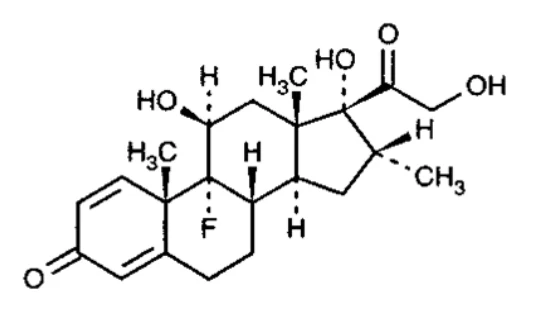
Structural formula:
Physicochemical properties:
Physical form
white to practically white, odorless, crystalline powder.
Solubility
Practically insoluble in water
Sparingly soluble in acetone, dioxane, ethanol, methanol
Slightly soluble in chloroform, dichloromethane
Very slightly soluble in ether
Melting Point
About 250˚C, with some decomposition.
Drug Substance: Tobramycin
Proper name:
Tobramycin
Chemical name:
O-3-amino-3-deoxy-α-D-glucopyranosyl-(1→4)-O-[2,6-diamino-2,3,6-trideoxy-α-D-ribo-hexopyranosyl-(1→6)]-2-deoxy-L-streptamine
Molecular formula and molecular mass:
C18H37N5O9; 467.51 g / mol
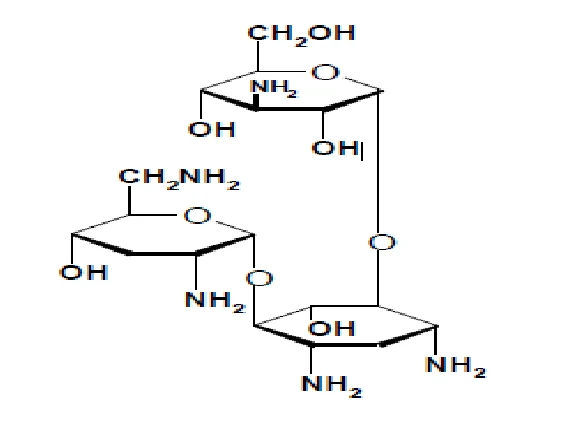
Structural formula:
Physicochemical properties:
Physical form
White to off-white powder
Solubility
Freely soluble in water
Very slightly soluble in ethanol
practically insoluble in chloroform and ether.
Hygroscopicity
Highly hygroscopic
pH in 10% w/v solution
9.0 to 11.0
CLINICAL TRIALS
Safety evaluations of tobramycin-dexamethasone ophthalmic suspension and tobramycin-dexamethasone ophthalmic ointment, USP, using human volunteers, demonstrated that the combination drug is well tolerated. Several subjects
(10 - 25%) experienced a 5-7 mm Hg rise in intraocular pressure in the treated eye.
MICROBIOLOGY
The gram positive bacteria against which tobramycin is active include Staphylococci, including Staphylococcus aureus and Staphylococcus epidermis (coagulase-positive and coagulase- negative) and including penicillin-resistant strains, Streptococcus pneumoniae, other alpha hemolytic streptococci, Group A beta-hemolytic and non-hemolytic streptococci.
The gram negative bacteria against which tobramycin is active include most strains of Pseudomonas aeruginosa, Escherichia coli, Klebsiella pneumoniae, Enterobacter aerogenes, Proteus mirabilis (indole-negative), and indole-positive Proteus species, as well as Haemophilus spp, Moraxella spp. and Acinetobacter calcoaceticus (Herellea vaginacola).
Bacterial susceptibility studies demonstrate that in some cases microorganisms resistant to gentamicin remain susceptible to tobramycin. A significant bacterial population resistant to tobramycin has not yet emerged; however, bacterial resistance may develop upon prolonged use.
The table on the following page details the bacterial species found in the normal (non-infected) eyes of over 10,000 individuals by ocular location (conjunctiva versus eyelids) and by age.
Incidence of Microorganisms Cultured from Conjunctivas and Eyelid Margins*
| 1-18 years | 20-35 years | 40-90 years | |||||||||||||||
|---|---|---|---|---|---|---|---|---|---|---|---|---|---|---|---|---|---|
| Percent positive (range)** | Percent positive (range) | Percent positive (range) | |||||||||||||||
| Microorganisms | Conjunctivas | Eyelids | Conjunctivas | Eyelids | Conjunctivas | Eyelids | |||||||||||
Staphylococcus epidermidis | 56-73 | 62-81 | 61-78 | 63-76 | 54-83 | 62-82 | |||||||||||
| Staphylococcus aureus | 35-38 | 32-45 | 30-41 | 31-44 | 31-45 | 31-47 | |||||||||||
| Diphtheroids | 21-23 | 20-24 | 32-39 | 33-43 | 21-34 | 28-43 | |||||||||||
| Streptococcus viridans | 1.1-2.1 | 0.7-2.5 | 0.3-0.7 | 0.3-0.8 | 0.5-5.0 | 0.5-5.0 | |||||||||||
Diplococcus pneumoniae | 5.0-9.0 | 5.0-9.0 | 0.9-2.7 | 0.5-1.3 | 0.4-0.8 | 0.2-1.2 | |||||||||||
| Escherichia coli | 0.1-0.2 | 0.2-0.4 | 0.2-2.7 | 0.3-1.5 | 0.4-3.0 | 0.5-4.0 | |||||||||||
| Klebsiella pneumoniae | 0.6-3.0 | 0.6-3.0 | 0.3-3.0 | 0.3-1.3 | 0.2-1.2 | 0.2-2.2 | |||||||||||
| Klebsiella ozenae | -- | -- | -- | -- | 0.2-0.6 | 0.2-0.6 | |||||||||||
| Proteus vulgaris | 0.1-0.2 | 0.1-0.2 | 0.1-0.2 | 0.1-0.3 | 0.6-3.0 | 0.9-4.0 | |||||||||||
| Proteus morgani | 0.1-0.2 | 0.1-0.2 | 0.1-0.2 | 0.1-0.6 | 0.3-3.0 | 0.3-3.0 | |||||||||||
| Proteus mirabilis | 0.1-0.2 | 0.1-0.2 | 0.1-0.4 | 0.2-0.9 | 0.7-2.4 | 0.7-2.4 | |||||||||||
| Proteus rettgeri | -- | -- | -- | -- | 0.5-0.9 | 0.5-0.9 | |||||||||||
Neisseria catarrhalis | 0.9-3.0 | 0.2-0.6 | 0.1-1.3 | 0.2-1.5 | 0.2-1.2 | 0.2-1.2 | |||||||||||
| Neisseria sicca | 0.5-0.9 | 0.9-2.0 | 0.2-2.0 | 0.2-3.0 | 0.2-1.1 | 0.5-1.1 | |||||||||||
| Neisseria flava | -- | -- | 0.1-0.7 | 0.2-0.9 | 0.3-1.2 | 0.3-1.2 | |||||||||||
| Bacillus subtilis | 0.6-1.3 | 0.5-1.3 | 0.7-2.3 | 0.8-4.0 | 0.2-1.8 | 0.6-2.6 | |||||||||||
| Bacillus cereus | -- | -- | -- | -- | 0.2-1.2 | 0.2-1.5 | |||||||||||
| Bacillus megaterium | -- | -- | -- | -- | 0.4-1.1 | 0.3-1.5 | |||||||||||
| Sarcina | 0.8-1.2 | 0.9-1.2 | 0.5-1.0 | 0.5-1.5 | 0.2-1.8 | 0.2-2.4 | |||||||||||
| Micrococcus tetragenus | 0.7-1.2 | 0.6-1.2 | 0.5-2.0 | 0.7-3.2 | 0.4-4.0 | 0.8-4.1 | |||||||||||
* From 1,024 young people 1-18 years old, 1786 adults 20-35 years old, and 7461 patients awaiting ocular surgery, 1952-1968. None had infected eyes. Ages 1-18 drawn from children awaiting surgery, those accompanying parents to clinic, and visiting high school students; ages 20-35 years drawn from graduate students and from some of the personnel at the Columbia-Presbyterian Medical Center, 1957-1962.
** Figures given are from the years showing the lowest and the highest incidence for each microorganism.
Source: Microbiology of the Eye. Deborah Locatcher-Khorazo and Beatrice Carrier Seegal. C.V. Mosby Co. 1972.
In vitro Susceptibility of Microorganisms to Tobramycin Cumulative Percent of Strains Inhibited in Broth or Agar Dilution Studies
MIC (mcg / mL)
* (Providencia, Bethesda-Ballerup, Arizona sp)
Data from published sources: 103 - 105 cells / mL inoculum in broth or agar dilution assays
# strains | <0.06 | 0.06- 0.12 | 0.13- 0.25 | 0.26-0.5 | 0.51- 0.78 | 0.79- 1.56 | 1.6-3.12 | 3.2-6.25 | 6.3-12.5 | 12.5 -25 | |
|---|---|---|---|---|---|---|---|---|---|---|---|
| Citrobacter sp. | 167 | 1 | 5 | 19 | 19 | 73 | 93 | 98 | 98 | 99 | |
| Enterobacter sp. | 1126 | 1 | 4 | 15 | 36 | 39 | 81 | 91 | 97 | 99 | 99 |
| Escherichia coli | 2117 | 1 | 4 | 18 | 21 | 58 | 78 | 92 | 97 | 98 | |
| Herellea | 206 | 4 | 8 | 25 | 26 | 76 | 91 | 97 | 99 | 100 | |
Klebsiella sp. Klebsiella - | 1244 | 3 | 5 | 20 | 47 | 50 | 86 | 94 | 97 | 99 | 99 |
| Enterobacter | 721 | 3 | 22 | 48 | 54 | 83 | 94 | 97 | 98 | 99 | |
| Paracolons | 113 | 2 | 4 | 4 | 12 | 28 | 51 | 68 | 81 | ||
Proteus mirabilis (indole -) | 1675 | 1 | 5 | 8 | 37 | 60 | 81 | 96 | 99 | ||
Proteus sp. (indole +) | 1213 | 2 | 4 | 16 | 20 | 51 | 71 | 83 | 92 | 96 | |
| Pseudomonas | 2880 | 6 | 18 | 40 | 63 | 70 | 91 | 96 | 97 | 98 | 99 |
Pseudomonas (gentamicin resistant) | 153 | 12 | 18 | 27 | 30 | 35 | 46 | 59 | 71 | 80 | |
| Salmonella sp. | 123 | 2 | 13 | 13 | 42 | 70 | 85 | 94 | 96 | ||
| Serratia sp. | 546 | 3 | 5 | 28 | 53 | 73 | 88 | 94 | |||
| Shigella sp. | 194 | 2 | 3 | 75 | 96 | 98 | 100 | ||||
Staphylococcus aureus | 2013 | 11 | 28 | 42 | 70 | 73 | 87 | 93 | 96 | 99 | 99 |
Streptococcus faecalis | 448 | 1 | 2 | 2 | 3 | 4 | 14 | 38 | 61 | ||
Streptococcus pyogenes | 177 | 7 | 13 | 15 | 18 | 18 | 27 | 43 | 65 | 87 | 95 |
TOXICOLOGY
Toxicology studies conducted with tobramycin and dexamethasone ophthalmic suspension and ointment are summarized in the following table:
| Test | Suspension Dosage | Ointment Dosage | Observations |
| Acute Toxicity | |||
| Rabbit: Ocular irritation | 0.7 mL/eye over 6 hours | 0.6 mL/eye over 6 hours | Moderate conjunctival congestion, minimal conjunctival discharge |
| Long Term Toxicity | |||
| Rabbit: 30 day ocular irritation | 0.3 mL/eye/day for 2 days; 0.2 mL/eye/day for 31 days | 0.25 mL/eye/day for 2 days; 0.15 mL/eye/day for 31 days | Minimal-moderate conjunctival congestion; minimal ocular discharge; nasal discharge; nasal congestion; loose stool; pulmonary congestion; suppression of weight gain. Two instances of bilateral lens changes for each dosage form. |
| Monkey: 3 month ocular toxicity | 0.18 mL/eye/day for 1 week; 0.24 mL/eye/day for 3 months | 0.15 mL/eye/day for 1 week; 0.20 mL/eye/day for 3 months | Minimal conjunctival congestion; sporadic instances of minimal corneal cloudiness and fluorescein staining; loose stool; transient diarrhea. |
Note: Each mL Tobramycin-Dexamethasone contains:
1.0 mg dexamethasone
3.0 mg tobramycin
Note: Ointment single dose = 10 mm strip = 0.05 mL
Carcinogenicity and Mutagenicity
None conducted.
Reproduction and Teratology
Corticosteroids have been shown to be teratogenic in animal studies. Dexamethasone animal studies resulted in reproductive and developmental abnormalities, including fetal abortions, cleft palate, CNS effects, brain defects, and heart defects following high dose systemic administration. Ocular administration of 0.1% dexamethasone resulted in 15.6% and 32.3% incidence of fetal anomalies in two groups of pregnant rabbits. Fetal growth retardation and increased mortality rates have been observed in rats with chronic dexamethasone therapy.
Reproduction studies have been performed in rats and rabbits with tobramycin at doses up to 100 mg/kg/day (equivalent to human doses of 16 and 32 mg/kg/day) and have revealed no evidence of impaired fertility or harm to the fetus.
REFERENCES
- 1. Davis SD, Sarff LD, Hyndiuk RA. Corticosteroids in experimentally induced pseudomonas keratitis. Arch Ophthal 1978; 96: 126.
- 2.
Kupferman A and Leibowitz HM. Topically applied steroid in corneal disease.
V. Dexamethasone alcohol. Arch Ophthalmol 1974; 92: 326-330.
- 3. Leibowitz HM and Kupferman A. Pharmacology of topically applied dexamethasone. Trans Am Acad Oph Otol 1974; 78: 856.
- 4.
Leibowitz HM and Kupferman A. Bioavailability and therapeutic effectiveness of topically administered corticosteroids. By invitation, Boston MA.
Trans Am Acad Oph Otol 1975; 79.
- 5. Leibowitz HM and Kupferman A. Drug interaction in the eye. Concurrent corticosteroid - antibiotic therapy for inflammatory keratitis. Arch Ophthalmol 1977; 95: 682.
- 6. Leibowitz HM and Kupferman A. Topically administered corticosteroids. Effect on antibiotic treated keratitis. Arch Ophthalmol 1980; 98: 1287.
- 7. Locatcher-Khorazo D, and Seegal BC. Microbiology of the eye. CV Mosby Co St Louis, 1977.
- 8. Maxwell E, and Aijian KM. Maxitrol suspension and ointment; clinical evaluation of two new antibiotic-steroid preparations. Current Therapeutic Research 1964; 6: 130-133.
- 9. Neu, H.C. Tobramycin: an overview. J. Infect. Dis. 1976; 134: 513-519.
- 10.
PrTOBRADEX® (ophthalmic suspension, 0.3%/ 0.1% w/v and ophthalmic ointment,
0.3%/ 0.1% w/w), control 233347, product monograph, Novartis Pharmaceuticals Canada Inc. (February 12, 2020)