


Product Monograph - Nordimet
RECENT MAJOR LABEL CHANGES
| 2025/05 |
|---|
TABLE OF CONTENTS
Sections or subsections that are not applicable at the time of authorization are not listed.
RECENT MAJOR LABEL CHANGES .............................................................................................. 2
TABLE OF CONTENTS .............................................................................................................. 2
Part 1: Health Professional Information .................................................................................... 4
- 1.
Indications ..................................................................................................................... 4
1.1. Pediatrics ............................................................................................................... 4
1.2. Geriatrics................................................................................................................ 4
- 2. Contraindications ........................................................................................................... 4
- 3. Serious Warnings and Precautions Box .............................................................................. 5
- 4.
Dosage and Administration .............................................................................................. 5
4.1. Dosing Considerations .............................................................................................. 5
4.2. Recommended Dose and Dosage Adjustment .............................................................. 6
4.4. Administration ........................................................................................................ 7
4.5. Missed Dose ........................................................................................................... 7
- 5. Overdose ....................................................................................................................... 8
- 6. Dosage forms, strengths, composition, and packaging......................................................... 8
- 7.
Warnings and Precautions ............................................................................................... 9
General ............................................................................................................................. 9
Carcinogenesis and Genotoxicity ......................................................................................... 10
Driving and Operating Machinery ........................................................................................ 10
Gastrointestinal ................................................................................................................ 10
Hematologic..................................................................................................................... 11
Hepatic/Biliary/Pancreatic .................................................................................................. 11
Immune........................................................................................................................... 12
Monitoring and Laboratory Tests......................................................................................... 13
Neurologic ....................................................................................................................... 14
Renal............................................................................................................................... 15
Reproductive Health.......................................................................................................... 16
Respiratory ...................................................................................................................... 16
Skin................................................................................................................................. 17
7.1. Special Population ................................................................................................. 17
7.1.1. Pregnancy......................................................................................................... 17
7.1.2. Breastfeeding .................................................................................................... 18
7.1.3. Pediatrics.......................................................................................................... 18
7.1.4. Geriatrics .......................................................................................................... 18
- 8.
Adverse Reactions ........................................................................................................ 18
8.1. Adverse Reaction Overview ..................................................................................... 18
8.4. Abnormal Laboratory Findings: Hematologic, Clinical Chemistry and Other Quantitative Data 20
8.5. Post-Market Adverse Reactions..................................................................................... 20
- 9.
Drug Interactions .......................................................................................................... 21
9.1. Serious Drug Interactions ........................................................................................ 21
9.2. Drug Interactions Overview ..................................................................................... 21
9.3. Drug-Behavioural Interactions ................................................................................. 22
9.4. Drug-Drug Interactions ........................................................................................... 22
9.5. Drug-Food Interactions ........................................................................................... 26
9.6. Drug-Herb Interactions ........................................................................................... 26
9.7. Drug-Laboratory Test Interactions ............................................................................ 26
- 10.
Clinical Pharmacology ................................................................................................... 26
10.1. Mechanism of Action ............................................................................................. 26
10.2. Pharmacodynamics ................................................................................................ 26
10.3. Pharmacokinetics .................................................................................................. 27
- 11. Storage, Stability, and Disposal ...................................................................................... 28
- 12. Special Handling Instructions ......................................................................................... 28
Part 2: Scientific Information ................................................................................................. 30
- 13. Pharmaceutical Information........................................................................................... 30
- 14. Clinical Trials ................................................................................................................ 31
- 15. Microbiology ................................................................................................................ 31
- 16. Non-Clinical Toxicology ................................................................................................. 31
Patient Medication Information ............................................................................................. 32
Instructions for use for NORDIMET® Autoinjector Pen for Self-injection...................................... 43
Part 1: Health Professional Information
1. Indications
NORDIMET (methotrexate injection) is indicated as a Disease Modifying Antirheumatic Drug (DMARD) in the following diseases where standard therapeutic interventions fail:
- severe disabling active rheumatoid arthritis (RA) in adult patients
- severe disabling psoriasis/psoriatic arthritis in adult patients
In the treatment of psoriasis, NORDIMET should be restricted to severe, recalcitrant, disabling psoriasis in adults who are not adequately responsive to other forms of therapy, and only when the diagnosis has been established after dermatologic consultation.
Limitation of Use
NORDIMET is not indicated for the treatment of neoplastic diseases.
1.1. Pediatrics
Pediatrics (< 18 years of age): No data are available to Health Canada; therefore, Health Canada has not authorized an indication for pediatric use.
1.2. Geriatrics
Geriatrics (> 65 years of age): The clinical pharmacology of methotrexate has not been well studied in older individuals. Due to diminished hepatic and renal function as well as decreased folate stores in this population, relatively low doses should be considered, and these patients should be closely monitored for early signs of toxicity.
2. Contraindications
NORDIMET is contraindicated in:
- Patients who are hypersensitive to this drug or to any ingredient in the formulation, including any non-medicinal ingredient, or component of the container. For a complete listing, see 6. Dosage forms, strengths, composition, and packaging.
- Patients with severe renal impairment including end stage renal disease with and without dialysis (see 4.2. Recommended Dose and Dose Adjustment, Special populations and 10.3. Pharmacokinetics, Special Populations and Conditions)
- Pregnancy: methotrexate can cause fetal death, embryotoxicity, abortion or teratogenic effects when administered to a pregnant woman (see 7. Warnings and Precautions, Reproductive Health Teratogenic Risk and 7.1.1. Pregnancy).
- Women of childbearing potential should not be started on methotrexate until pregnancy is excluded and should be fully counselled on the serious risk to the fetus should they become pregnant while undergoing treatment. Pregnancy should be avoided if either partner is receiving methotrexate (see 7. Warnings and Precautions, Reproductive Health).
- Breastfeeding mothers: Due to the potential for serious adverse reactions in breast fed infants (see 7.1.2. Breastfeeding).
- Patients with alcoholism, alcoholic liver disease or other chronic liver disease (see 7. Warnings and Precautions, Hepatic/Biliary/Pancreatic).
- Patients with overt or laboratory evidence of immunodeficiency syndromes (see 7. Warnings and Precautions, Immune).
- Patients with pre-existing blood dyscrasias, such as bone marrow hypoplasia, leukopenia, thrombocytopenia or significant anemia (see 7. Warnings and Precautions, Hematologic).
- With nitrous oxide anesthesia (see 7. Warnings and Precautions, Renal and 9.4. Drug-Drug Interactions).
3. Serious Warnings and Precautions Box
4. Dosage and Administration
4.1. Dosing Considerations
Patients must be clearly advised that the therapy is to be administered once a week, and not every day. Incorrect administration of methotrexate can lead to severe, including potentially lethal, adverse reactions.
Parenteral drug products should be inspected visually for particulate matter and discolouration prior to administration.
Methotrexate elimination is reduced in patients with a third distribution space (ascites, pleural effusions). Such patients require especially careful monitoring for toxicity, and require dose reduction or, in some cases, discontinuation of methotrexate administration.
During initial or changing doses, or during periods of increased risk of elevated methotrexate blood levels (e.g., dehydration), more frequent monitoring may also be indicated.
When switching from oral use to subcutaneous use, a reduction in the dose may be required, due to the variable bioavailability of methotrexate after oral administration.
NORDIMET should be prescribed only by health professionals whose knowledge and experience includes the use of immunosuppressant therapy because of the possibility of serious toxic reactions (see 7. Warnings and Precautions, General).
Methotrexate has been reported to cause fetal death and/or congenital anomalies (see 7. Warnings and Precautions, Reproductive Health, and 7.1.1. Pregnancy). Therefore, use is contraindicated for women of childbearing potential until pregnancy is excluded and for pregnant patients (see 2. Contraindications).
NORDIMET must be administered only once a week. Dosage errors in the use of NORDIMET (methotrexate injection) can result in serious adverse reactions, including death.
Use another formulation of methotrexate for alternative dosing in patients who require oral, intramuscular, intravenous, intra-arterial, intrathecal dosing, doses less than 7.5 mg per week, doses more than 25 mg per week, high-dose regimens, or dose adjustments of less than 2.5 mg increments.
Folic acid or folinic acid supplementation may be considered in accordance with current therapeutic guidelines.
The overall duration of treatment is decided by the health professional.
4.2. Recommended Dose and Dosage Adjustment
Rheumatoid Arthritis (RA)
Recommended starting dose of methotrexate: 7.5 mg, once weekly.
Depending on the individual activity of the disease and patient tolerability, the initial dose may be gradually increased by 2.5 mg per week to achieve optimal clinical response. A weekly dose of 25 mg should not be exceeded. Doses exceeding 20 mg per week can be associated with significant increase in toxicity, especially bone marrow suppression.
Therapeutic response usually begins within 3 to 6 weeks and the patients may continue to improve for another 12 weeks or more. Once the desired therapeutic result has been achieved, the dose should be reduced gradually to the lowest possible effective maintenance dose.
Methotrexate treatment of rheumatoid arthritis represents long-term treatment.
Psoriasis/Psoriatic Arthritis
Recommended starting dose of methotrexate: 7.5 mg, once weekly.
The dose may be gradually increased by 2.5 mg per week to achieve optimal clinical response. A weekly dose of 25 mg of methotrexate should not be exceeded. Doses exceeding 20 mg per week can be associated with significant increase in toxicity, especially bone marrow suppression.
Once the desired therapeutic result has been achieved, dose should be reduced gradually to the lowest possible amount of drug and to the longest possible rest period. The use of NORDIMET may permit the return to conventional topical therapy, which should be encouraged.
Special Populations
Renal Impairment
NORDIMET is contraindicated in patients with severe renal impairment (see 2. Contraindications).
Methotrexate is excreted to a significant extent by the kidneys, thus in patients with mild or moderate renal impairment the health professional may need to adjust the dose to prevent accumulation of drug. The table below provides recommended starting doses in renally impaired patients; dosing may need further adjustment due to wide inter-subject pharmacokinetic variability.
Table 1: Dose Adjustments in Patients with Renal Insufficiency
| Creatinine clearance (mL/min) | % Standard Dose to Administer |
|---|---|
| ≥ 90 | 100 % |
| 60-89 | 75 % |
| 30-59 | 50 % |
| < 30 | Nordimet must not be used |
Hepatic Impairment
NORDIMET is contraindicated in patients with alcoholic liver disease or other chronic liver disease (see 2. Contraindications). Patients with obesity, diabetes, hepatic fibrosis or steatohepatitis are at increased risk for hepatic injury and fibrosis secondary to methotrexate, and should be monitored closely.
Third distribution space (pleural effusions, ascites)
The half-life of methotrexate can be prolonged to 4 times the normal duration in patients who possess a third distribution space. These patients require careful monitoring for toxicity, and dose reduction; in some cases, discontinuation of methotrexate administration may be required (see 7. Warnings and Precautions, General).
Pediatrics (< 18 years of age): Health Canada has not authorized an indication for pediatric use.
Geriatrics (> 65 years of age): Dose reduction should be considered in geriatric patients due to reduced liver and kidney function as well as lower folate reserves which occur with increased age. These patients should be closely monitored for early signs of toxicity. See Table 1 for reduced doses in patients with renal impairment.
4.4. Administration
NORDIMET is a single-dose pre-filled autoinjector pen for once-weekly subcutaneous use. NORDIMET must be administered in the abdomen or the thigh.
The administration should routinely be done by health professionals. The treating health professional can, in selected cases for whom it is appropriate, delegate the subcutaneous administration to the patients themselves or to a caregiver. In these cases, patients or caregivers must receive proper training on how to prepare and correctly administer NORDIMET. At minimum, the first injection of NORDIMET should be performed under direct medical supervision.
NORDIMET solution should be yellowish in color and should be clear with no particles in it. Visually inspect NORDIMET for particulate matter and discoloration prior to administration.
4.5. Missed Dose
If the patient misses a dose of NORDIMET on the planned date, the next dose should be given as soon as possible. However, the total weekly dose should not exceed 25 mg, a double dose must not be administered to make up for a missed dose.
5. Overdose
Discontinue or reduce dosage of NORDIMET at the first sign of ulceration or bleeding, diarrhea, nausea, vomiting, skin rash, or marked depression of the hematopoietic system.
Leucovorin is indicated to diminish the toxicity and counteract the effect of inadvertently administered overdosage of methotrexate. Leucovorin administration should begin as promptly as possible. As the time interval between methotrexate administration and leucovorin initiation increases, the effectiveness of leucovorin in counteracting toxicity decreases.
Monitoring of the serum methotrexate concentration is essential in determining the optimal dose and duration of treatment with leucovorin.
In cases of massive overdosage, hydration and urinary alkalinization may be necessary to prevent the precipitation of methotrexate and/or its metabolites in the renal tubules. Generally, neither standard hemodialysis nor peritoneal dialysis has been shown to improve methotrexate elimination. However, effective clearance of methotrexate has been reported with acute, intermittent hemodialysis using a high-flux dialyzer.
There are published case reports of intravenous carboxypeptidase G2 treatment to hasten clearance of Methotrexate in cases of overdoses.
| For the most recent information in the management of a suspected drug overdose, contact your regional poison control centre or Health Canada’s toll-free number, 1-844 POISON-X (1-844-764-7669). |
|---|
- 6. Dosage forms, strengths, composition, and packaging
Table 2: Dosage Forms, Strengths, and Composition
NORDIMET is available as a single-dose pre-filled autoinjector pen for subcutaneous injection containing a yellow solution that is free from particles. NORDIMET has a fixed concentration of 25 mg/mL and is available as follows (in colour-coded packaging):
- 1 pre-filled autoinjector pen with 0.3 ml solution, containing 7.5 mg methotrexate (beige grey)
- 1 pre-filled autoinjector pen with 0.4 ml solution, containing 10.0 mg methotrexate (light green)
- 1 pre-filled autoinjector pen with 0.5 ml solution, containing 12.5 mg methotrexate (light blue)
- 1 pre-filled autoinjector pen with 0.6 ml solution, containing 15.0 mg methotrexate (purple)
| Route of Administration | Dosage Form / Strength/Composition | Non-medicinal Ingredients |
| Subcutaneous injection | Solution, single-dose pre-filled autoinjector pen, 7.5 mg/0.3 mL, 10 mg/ 0.4 mL, 12.5 mg/ 0.5 mL, 15 mg/ 0.6 mL, 17.5 mg/0.7 mL, 20 mg/0.8 mL, 22.5 mg/0.9 mL, and 25 mg/1 mL [each corresponding to 25 mg/mL methotrexate (as methotrexate sodium)] |
|
- 1 pre-filled autoinjector pen with 0.7 ml solution, containing 17.5 mg methotrexate (pink)
- 1 pre-filled autoinjector pen with 0.8 ml solution, containing 20.0 mg methotrexate (red)
- 1 pre-filled autoinjector pen with 0.9 ml solution, containing 22.5 mg methotrexate (dark green)
- 1 pre-filled autoinjector pen with 1.0 ml solution, containing 25.0 mg methotrexate (yellow)
Pre-filled autoinjector pen with a 1 mL type I glass syringe with attached stainless-steel needle and a chlorobutyl rubber plunger stopper.
All strengths are separately available as a pack containing 1 pre-filled autoinjector pen and one alcohol swab, and as multipack cartons containing 4 pre-filled autoinjector pens and 4 alcohol swabs.
7. Warnings and Precautions
See 3 Serious Warnings and Precautions Box.
General
NORDIMET has the potential for serious toxicity, which can be fatal.
Fatal toxicities related to inadvertent daily rather than weekly dosing have been reported. It should be emphasized to the patient that the recommended dose is taken weekly.
Deaths have been reported with the use of methotrexate in the treatment of psoriasis and rheumatoid arthritis. Because of the possibility of serious toxic reactions, the patient should be informed by the health professional of the risks involved and should be under a health professional’s constant supervision.
Methotrexate is often used clinically in doses that are nearly toxic and may cause severe depression of all blood cellular elements.
Frequency and severity of toxic effects are generally in direct proportion to dose, frequency of administration, or exposure time, but have been seen at all doses. Because they can occur at any time during therapy, it is necessary to follow patients on NORDIMET closely. Most adverse reactions are reversible if detected early. Signs of gastrointestinal ulceration and bleeding, including bleeding from the mouth, bone marrow depression, primarily of the white cell series and alopecia are indications of toxicity. When such reactions do occur, the drug should be reduced in dosage or discontinued, and appropriate corrective measures should be taken. If necessary, this could include the use of leucovorin calcium and/or acute, intermittent hemodialysis with a high-flux dialyzer (see 5. Overdose). If NORDIMET therapy is re-instituted, it should be carried out with caution, with adequate consideration of further need for the drug and with increased alertness as to possible recurrence of toxicity.
Toxicity of methotrexate to the bone marrow and gastrointestinal epithelium is less dependent on dosage as on the duration of exposure of these organs to the drug and its extracellular (plasma) concentration. For bone marrow and gastrointestinal tract, the critical time factor has been defined as about 42 hours and the critical plasma concentration as 2x10⁻⁸M. Both factors must be exceeded for toxicity to occur to these organs. This toxicity can be minimized by the appropriate administration of Leucovorin Calcium.
Methotrexate exits slowly from third space compartments (e.g., pleural effusions or ascites). This results in a prolonged terminal plasma half-life and unexpected toxicity. In patients with significant third space accumulations, it is advisable to evacuate the fluid before treatment and to monitor plasma methotrexate levels.
NORDIMET should be used with extreme caution in the presence of debility.
Skin and mucosal contact with methotrexate is to be avoided. In the case of contamination, the parts concerned should be rinsed with plenty of water.
Carcinogenesis and Genotoxicity
No controlled human data exist regarding the risk of neoplasia with methotrexate. Methotrexate has been evaluated in a number of animal studies for carcinogenic potential with inconclusive results. Although there is evidence that methotrexate causes chromosomal damage to animal somatic cells and human bone marrow cells, the clinical significance remains uncertain (see 16. Non-Clinical Toxicology). Assessment of the carcinogenic potential of methotrexate is complicated by conflicting evidence of an increased risk of certain tumors in rheumatoid arthritis. Benefit should be weighed against this potential risk before using methotrexate alone or in combination with other drugs, especially in young adults.
Lymphoma/Lymphoproliferative disorders: there have been reports of individual cases of lymphoma and other lymphoproliferative disorders which subsided in a number of cases once treatment with methotrexate had been discontinued.
Driving and Operating Machinery
Methotrexate may cause adverse reactions such as dizziness and fatigue which can affect the ability to drive or operate machinery.
Gastrointestinal
If vomiting, diarrhea, or stomatitis occur, which may result in dehydration, NORDIMET should be discontinued until recovery occurs. Diarrhea and ulcerative stomatitis require interruption of therapy; otherwise, hemorrhagic enteritis and death from intestinal perforation may occur. NORDIMET should be used with extreme caution in the presence of peptic ulcer disease or ulcerative colitis.
Unexpectedly severe (sometimes fatal) gastrointestinal toxicity has been reported with concomitant administration of methotrexate (usually in high dosage) along with some nonsteroidal anti-inflammatory drugs (NSAIDs). Low-dose methotrexate therapy can be used with such drugs under close medical supervision (see 9.4. Drug-Drug Interactions).
Drug Interactions with Proton Pump Inhibitors (PPI): Use caution when administering high-dose methotrexate to patients receiving PPI therapy as concomitant use of some PPIs, such as omeprazole, esomeprazole, and pantoprazole, with methotrexate (primarily at high dose), may elevate and prolong serum levels of methotrexate and/or its metabolite 7-hydroxymethotrexate, possibly leading to methotrexate toxicities (see 9.4. Drug-Drug Interactions).
Hematologic
NORDIMET may produce marked bone marrow depression with resultant anemia, aplastic anemia, pancytopenia, leukopenia neutropenia and/or thrombocytopenia. NORDIMET should be used with caution in patients with impaired bone marrow function and previous or concomitant wide field radiotherapy. In patients with malignancy and pre-existing hematopoietic impairment, the drug should be used with caution, if at all. In controlled clinical trials in rheumatoid arthritis (n=128), leukopenia (WBC <3000/mm3) was seen in 2 patients, thrombocytopenia (platelets <1,000,000/mm3) in 6 patients, and pancytopenia in 2 patients.
NORDIMET should be stopped immediately if there is a significant drop in blood counts. Patients with profound granulocytopenia and fever should be evaluated immediately and usually require parental broad-spectrum antibiotic therapy.
Unexpectedly severe (sometimes fatal) bone marrow suppression and aplastic anemia have been reported with concomitant administration of methotrexate (usually in high dosage) along with some nonsteroidal anti-inflammatory drugs (NSAIDs). Low-dose therapy can be used with such drugs under close medical supervision (see 9.4. Drug-Drug Interactions).
First signs for these life-threatening complications may be: fever, sore throat, ulcerations of oral mucosa, flu-like complaints, strong exhaustion, epistaxis and dermatorrhagia. Use of methotrexate should be interrupted immediately if the number of blood cells significantly declines.
Hepatic/Biliary/Pancreatic
- disease (see 2. Contraindications).
NORDIMET has the potential for acute and chronic hepatotoxicity particularly at high dosage and with prolonged therapy. Liver atrophy, necrosis, cirrhosis, fatty changes and periportal fibrosis have been reported.
Acutely, liver enzyme elevations are frequently seen after methotrexate administration and are usually not a reason for modification of NORDIMET therapy; however, persistent liver abnormalities, and/or decrease of serum albumin may be indicators of serious liver toxicity (see 7. Warnings and Precautions, Monitoring and Laboratory Tests, Hepatic).
Chronic toxicity is potentially fatal; it generally has occurred after prolonged use (generally two years or more) and after a total cumulative dose of at least 1.5 grams.
Methotrexate has caused reactivation or worsening of hepatitis B and C infections, in some cases resulting in death (see 7. Warning and Precautions, Immune). Some cases of hepatitis B reactivation have occurred after discontinuation of methotrexate. Prior to treatment with methotrexate, clinical and laboratory evaluation should be performed to evaluate pre-existing hepatitis virus B and hepatitis virus C infection. Methotrexate is not recommended for patients with active or chronic hepatitis B or C infection.
Psoriasis patients: Liver biopsy after sustained use often shows histologic changes, and fibrosis and cirrhosis have been reported; these latter lesions may not be preceded by symptoms or abnormal liver function tests (LFTs). In studies in psoriatic patients, hepatotoxicity appeared to be a function of total cumulative dose and appeared to be enhanced by alcoholism, obesity, diabetes and advanced age. An accurate incidence rate has not been determined; the rate of progression and reversibility of lesions is not known. Special caution is indicated in the presence of pre-existing liver damage or impaired hepatic function.
Developing fibrosis or cirrhosis may be detectable only by the presence of lesions by biopsy (see 7. Warnings and Precautions, Monitoring and Laboratory Tests, Hepatic).
Moderate fibrosis or any cirrhosis normally leads to discontinuation of the drug; mild fibrosis normally suggests a repeat biopsy in 6 months. Milder histologic findings such as fatty change and low-grade portal inflammation are relatively common pre-therapy. Although these mild changes are usually not a reason to avoid or discontinue methotrexate therapy, the drug should be used with caution.
Rheumatoid Arthritis: Clinical experience with liver disease in rheumatoid arthritis is limited, but the same risk factors would be anticipated. LFTs are also usually not reliable predictors of histological changes in this population.
Persistent abnormalities in LFTs may precede appearance of fibrosis or cirrhosis in the rheumatoid arthritis population.
If the results of a liver biopsy show mild changes (Roenigk grades I, II, IIIa), NORDIMET may be continued and the patient monitored according to the recommendations listed below (see 7. Warnings and Precautions, Monitoring and Laboratory Tests, Hepatic). NORDIMET should be discontinued in any patient who displays persistently abnormal LFTs and refuses liver biopsy, or in any patient whose liver biopsy shows moderate to severe changes (Roenigk grade IIIb or IV).
In rheumatoid arthritis, advanced age at first use of methotrexate and increasing duration of therapy have been reported as risk factors for hepatotoxicity.
There was a combined reported experience in 217 rheumatoid arthritis patients with liver biopsies both before and during treatment (after a cumulative dose of at least 1500 mg) and in 714 patients with a biopsy only during treatment. There were 64 (7%) cases of fibrosis and 1 (0.1%) case of cirrhosis. Of the 64 cases of fibrosis, 60 were deemed mild. The reticulin stain is more sensitive for early fibrosis and its use may increase these figures. It is unknown whether even longer use will increase these risks.
Immune
NORDIMET should be used with extreme caution in the presence of active infection and is contraindicated in patients with overt or laboratory evidence of immunodeficiency syndromes.
Methotrexate may cause reactivation of inactive chronic infections including herpes zoster, tuberculosis, hepatitis B or hepatitis C (see 7. Warnings and Precautions, Hepatic/Biliary/ Pancreatic).
Immunization may be ineffective when given during methotrexate therapy. Immunization with live virus vaccines is generally not recommended. Patients on methotrexate should avoid contact with individuals who have been given a live polio vaccine for at least 6 weeks after the vaccination. There have been reports of disseminated vaccinia infections after smallpox immunizations in patients receiving methotrexate therapy. Hypogammaglobulinemia has been reported rarely.
Potentially fatal opportunistic infections, especially Pneumocystis jirovecii pneumonia, may occur with methotrexate therapy (see 7. Warnings and Precautions, Respiratory). When a patient presents with pulmonary symptoms, the possibility of Pneumocystis jirovecii pneumonia should be considered.
Monitoring and Laboratory Tests
General: Patients undergoing methotrexate therapy should be informed of the early signs and symptoms of toxicity and closely monitored so that toxic effects are detected promptly.
Patients should be closely monitored for bone marrow, liver, lung, skin, and kidney toxicities.
Baseline assessment should include a complete blood count (CBC) with differential and platelet counts, hepatic enzymes, renal function tests, and a chest X-ray. During therapy of rheumatoid arthritis and psoriasis, monitoring of these parameters is recommended: hematology at least monthly, and hepatic enzyme levels and renal function every 1 to 2 months.
During initial or changing doses, or during periods of increased risk of elevated methotrexate blood levels (e.g., dehydration), more frequent monitoring may also be indicated.
Hepatic: LFTs should be performed at baseline and at 4–8-week intervals in patients receiving methotrexate for rheumatoid arthritis. A relationship between abnormal LFTs and fibrosis or cirrhosis of the liver has not been established. Transient LFT abnormalities are observed frequently after methotrexate administration and are usually not cause for modification of methotrexate therapy. Liver enzyme elevations are usually transient and asymptomatic, and do not appear predictive of subsequent hepatic disease. Persistent liver abnormalities, and/or decrease of serum albumin may be indicators of serious liver toxicity and require evaluation.
Patients with obesity, diabetes, hepatic fibrosis, or steatohepatitis are at increased risk for hepatic injury and fibrosis secondary to methotrexate and should be monitored closely.
Pre-treatment liver biopsy should be performed for patients with a history of excessive alcohol consumption, persistently abnormal baseline liver function test values, or chronic hepatitis B or C infection. During therapy, liver biopsy should be performed if there are persistent liver function test abnormalities, or there is a decrease in serum albumin below the normal range (in the setting of well controlled rheumatoid arthritis).
In psoriasis, liver damage and function tests, including serum albumin and prothrombin time, should be performed several times prior to dosing, but are often normal in the face of developing fibrosis or cirrhosis. These lesions may be detectable only by biopsy.
Treatment should not be initiated or should be discontinued if there are persistent or significant abnormalities in LFTs, other non-invasive investigations of hepatic fibrosis, or liver biopsies.
Temporary increases in transaminases to two or three times the upper limit of normal have been reported in patients at a frequency of 13-20 %. Persistent elevation of liver enzymes and/or decrease in serum albumin may be indicative for severe hepatotoxicity. In the event of a constant increase in liver enzymes, consideration should be given to reducing the dose or discontinuing therapy.
Periodic liver biopsies are usually recommended for psoriatic patients who are under long-term treatment. The usual recommendation is to obtain a liver biopsy: 1) before the start of therapy or shortly after initiation of therapy (4-8 weeks); 2) after a total cumulative dose of 1.5 grams; and 3) after each additional 1.0 to 1.5 grams.
Histological changes, fibrosis and more rarely liver cirrhosis may not be preceded by abnormal liver function tests. There are instances in cirrhosis where transaminases are normal. Therefore, non-invasive diagnostic methods for monitoring of liver condition should be considered, in addition to LFTs. Liver biopsy should be considered on an individual basis taking into account the patient’s comorbidities, medical history and the risks related to biopsy. Risk factors for hepatotoxicity include excessive prior alcohol consumption, persistent elevation of liver enzymes, history of liver disease, family history of hereditary liver disorders, diabetes mellitus, obesity and previous contact with hepatotoxic drugs or chemicals and prolonged methotrexate treatment.
Respiratory: Pulmonary function tests may be useful if methotrexate-induced lung disease is suspected, especially if baseline measurements are available.
Serum Level Monitoring: Serum methotrexate level monitoring can significantly reduce methotrexate toxicity and mortality.
Routine monitoring of levels may be of benefit to patients with conditions that predispose to developing elevated or prolonged methotrexate levels (e.g., pleural effusion, ascites, gastrointestinal tract obstruction, dehydration, aciduria, impaired renal function).
Some patients may have delayed methotrexate clearance in the absence of these conditions mentioned above. It is important that patients be identified within 48 hours since methotrexate toxicity may not be reversible if adequate leucovorin rescue is delayed for more than 42 to 48 hours.
Under the conditions mentioned in the above two paragraphs, monitoring of methotrexate concentrations should include determination of a methotrexate level at 24, 48, or 72 hours, and assessment of the rate of decline in methotrexate concentrations (to determine how long to continue leucovorin rescue).
Neurologic
Cases of severe neurological adverse reactions that ranged from headache to paralysis, coma and stroke-like episodes have been reported mostly in juveniles and adolescents given methotrexate in combination with cytarabine.
Acute encephalitis and acute encephalopathy: Intravenous administration of methotrexate may result in acute encephalitis/acute encephalopathy with fatal outcome.
Acute Neurologic Syndrome: A transient acute neurologic syndrome, manifested as behavioural abnormalities, hemiparesis, focal sensorimotor signs, including transient blindness, and abnormal reflexes has been observed in patients treated with high doses of methotrexate. The exact cause is unknown.
Central Nervous System (CNS) Toxicity: After the intrathecal use of methotrexate CNS toxicity may occur. CNS toxicity can be classified as:
- Chemical arachnoiditis manifested by headache, back pain, nuchal rigidity, and fever;
- Paresis, usually transient, manifested by paraplegia involving one or more spinal nerve roots;
- Chronic Leukoencephalopathy manifested by confusion, irritability, somnolence, ataxia, dementia, seizures, and coma. This condition can be progressive and even fatal.
Leukoencephalopathy: There have been reports of leukoencephalopathy following intravenous administration of methotrexate to patients who have had craniospinal irradiation. Serious neurotoxicity, frequently manifested as generalized or focal seizures, has been reported with unexpectedly increased frequency among pediatric patients with acute lymphoblastic leukemia who were treated with intermediate-dose intravenous methotrexate (1 g/m2). Symptomatic patients were commonly noted to have leukoencephalopathy and/or microangiopathic calcifications on diagnostic imaging studies. Chronic leukoencephalopathy has also been reported in patients who received repeated doses of high-dose methotrexate with leucovorin rescue even without cranial irradiation. There are also reports of encephalopathy/ leukoencephalopathy in patients who received low doses (up to 25 mg/week) of methotrexate therapy for rheumatoid arthritis or psoriatic arthritis. Thus, encephalopathy/ leukoencephalopathy cannot be excluded in non-oncologic indications. Discontinuation of methotrexate does not always result in complete recovery.
Progressive multifocal leukoencephalopathy (PML): Cases of progressive PML, including fatal cases, have been reported with methotrexate use. PML is a rare and often fatal demyelinating disease attributed to the presence within the CNS of the John Cunningham virus (JCV) and its reactivation in people with suppressed immune function. Health professionals should consider PML in patients with new or worsening neurological, cognitive, or behavioural signs or symptoms and should take appropriate diagnostic measures. If PML is suspected, further methotrexate dosing must be suspended. If PML is confirmed, methotrexate should be permanently discontinued.
Renal
Methotrexate is contraindicated in patients with severe impairment including end stage renal disease with and without dialysis (see 2. Contraindications).
Methotrexate therapy in patients with mild and moderate renal impairment should be undertaken with extreme caution, and at reduced dosages, because renal dysfunction will prolong methotrexate elimination (see 4.2. Recommended Dose and Dosage Adjustment).
Methotrexate may cause renal damage that may lead to acute renal failure. Nephrotoxicity is due primarily to the precipitation of methotrexate and 7- hydroxymethotrexate in the renal tubules. Close attention to renal function including adequate hydration, urine alkalinization and measurement of serum methotrexate and creatinine levels are essential for safe administration.
Nephritis has been reported on co-administration with nitrous oxide anesthesia in rheumatoid arthritis patients (see 2. Contraindications and 9.4. Drug-Drug Interactions).
Reproductive Health
Fertility
Methotrexate has been reported to cause impairment of fertility (females and males), oligospermia, menstrual dysfunction and amenorrhea in humans, during and for a short period after cessation of therapy.
Teratogenic Risk
Methotrexate is contraindicated during pregnancy in non-oncological indications (see 2. Contraindications). Methotrexate is a powerful human teratogen, with an increased risk of spontaneous abortions, intrauterine growth restriction and congenital malformations (e.g. craniofacial, cardiovascular, central nervous system and extremity-related) in case of exposure during pregnancy (see 7.1.1. Pregnancy). In animal studies, methotrexate has shown reproductive toxicity, especially during the first trimester. Therefore, the possible risks of effects on reproduction, pregnancy loss and congenital malformations should be discussed with both male and female patients of childbearing potential.
The absence of pregnancy must be confirmed before NORDIMET is used. If women of child-bearing potential are treated, effective contraception must be used during treatment and from at least six months to one year after discontinuation of methotrexate (see 7.1.1. Pregnancy). During treatment, pregnancy tests should be repeated as clinically required (e.g., after any gap of contraception).
It is not known if methotrexate is present in semen. Methotrexate has been shown to be genotoxic in animal studies, such that the risk of genotoxic effects on sperm cells cannot completely be excluded. There are insufficient data to estimate the risks of malformations or miscarriage following paternal exposure. As precautionary measures, sexually active male patients or their female partners are recommended to use reliable contraception during treatment of the male patient and from at least 6 months to one year after cessation of methotrexate. Men should not donate semen during therapy or from at least 6 months to one year following discontinuation of methotrexate.
If pregnancy occurs during treatment with methotrexate and for up to one year after methotrexate discontinuation, medical advice should be given regarding the risk of harmful effects on the child associated with treatment and ultrasonography examinations should be performed to confirm normal fetal development.
Respiratory
Methotrexate-induced lung disease, including acute or chronic interstitial pneumonitis, is a potentially dangerous lesion, which may occur acutely at any time during therapy and has been reported at low doses. It is not always fully reversible, and fatalities have been reported.
Pulmonary symptoms (especially a dry non-productive cough) or a non-specific pneumonitis occurring during NORDIMET therapy may be indicative of a potentially dangerous lesion and require interruption of treatment and careful investigation. Additional typical symptoms can include fever, cough, dyspnea, hypoxemia, and an infiltrate on chest X-ray; infection (including pneumonia) needs to be excluded. This lesion can occur at all dosages.
Pulmonary function tests may be useful if methotrexate-induced lung disease is suspected, especially if baseline measurements are available.
Pulmonary alveolar haemorrhage has been reported with methotrexate. This event may also be associated with vasculitis and other comorbidities. Prompt investigations should be considered when pulmonary alveolar haemorrhage is suspected to confirm the diagnosis.
Pneumonia (in some cases leading to respiratory failure) may occur. Potentially fatal opportunistic infections, especially Pneumocystis jirovecii pneumonia, may occur with NORDIMET therapy. When a patient presents with pulmonary symptoms, the possibility of Pneumocystis jirovecii should be considered.
Skin
Severe, occasionally fatal, skin reactions including toxic epidermal necrolysis, Stevens-Johnson syndrome, exfoliative dermatitis, skin necrosis, and erythema multiform, have been reported following single or multiple doses of methotrexate, and have occurred within days of oral, intramuscular, intravenous, or intrathecal methotrexate administration. Recovery has been reported with discontinuation of therapy.
Only mild local skin reactions (such as burning sensations, erythema, swelling, discolouration, pruritus, severe itching, pain) were observed with subcutaneous use, decreasing during therapy.
Photosensitivity reactions, manifested by an exaggerated sunburn, have been observed in some individuals taking methotrexate. Exposure to intense sunlight or UV rays should be avoided unless medically indicated. Patients should use adequate sun-protection to protect themselves.
Lesions of psoriasis may be aggravated by concomitant exposure to ultraviolet radiation. Radiation dermatitis and sunburn may be "recalled" by the use of methotrexate.
7.1. Special Population
7.1.1. Pregnancy
NORDIMET is contraindicated in pregnant patients (see 2. Contraindications). Pregnancy should be avoided if either partner is receiving NORDIMET (see 7. Warnings and Precautions, Reproductive Health).
Methotrexate is a powerful human teratogen, with an increased risk of spontaneous abortions, intrauterine growth restriction and congenital malformations in case of exposure during pregnancy.
Nordimet can cause fetal death, embryotoxicity, abortion, or teratogenic effects when administered to a pregnant woman. Spontaneous abortions have been reported in 42.5% of pregnant women exposed to low-dose methotrexate treatment (less than 30 mg/week), compared to a reported rate of 22.5% in disease-matched patients treated with drugs other than methotrexate. Major birth defects occurred in 6.6% of live births in women exposed to low-dose methotrexate treatment (less than 30 mg/week) during pregnancy, compared to approximately 4% of live births in disease-matched patients treated with drugs other than methotrexate. Insufficient data is available for methotrexate exposure during pregnancy higher than 30 mg/week, but higher rates of spontaneous abortions and congenital malformations are expected.
The risk of effects on reproduction should be discussed with both male and female patients taking NORDIMET.
Women of childbearing potential should not be started on NORDIMET until pregnancy is excluded and should be fully counselled on the serious risk to the fetus should they become pregnant while undergoing treatment. Effective contraception must be used during treatment with methotrexate and at least from 6 months to one year after discontinuation. During treatment, pregnancy tests should be repeated as clinically required (e.g., after any gap of contraception). Female patients of reproductive potential must be counselled regarding pregnancy prevention and planning.
When methotrexate was discontinued prior to conception, normal pregnancies have been reported.
7.1.2. Breastfeeding
Methotrexate is excreted in human milk. Due to the potential for serious adverse reactions in breastfed children, methotrexate is contraindicated during breastfeeding (see 2. Contraindications). Therefore, breastfeeding is to be discontinued prior and during administration of NORDIMET.
7.1.3. Pediatrics
No data are available to Health Canada; therefore, Health Canada has not authorized an indication for pediatric use.
7.1.4. Geriatrics
The clinical pharmacology of methotrexate has not been well studied in older individuals (≥ 65 years of age). Due to diminished hepatic and renal function, as well as decreased folate stores in this population, relatively low doses should be considered (see 4.2. Recommended Dose and Dosage Adjustment, Special Populations), and these patients should be closely monitored for early signs of toxicity.
8. Adverse Reactions
8.1. Adverse Reaction Overview
The most serious adverse reactions with methotrexate include bone marrow suppression, pulmonary toxicity, hepatotoxicity, renal toxicity, neurotoxicity, thromboembolic events, anaphylactic shock, and Stevens-Johnson syndrome. Details are discussed in 7. Warnings and Precautions.
In general, the incidence and severity of acute side effects are related to dose, frequency of administration, and the duration of the exposure to significant blood levels of methotrexate to the target organs. However, as severe adverse reactions can occur even at lower doses, it is indispensable that patients are monitored regularly by the health professional at short intervals.
The most frequently observed adverse reactions of methotrexate include gastrointestinal disorders (e.g., nausea/vomiting (12.5%), abdominal pain (4.3%), loss of appetite (2.6%), dyspepsia (2.4%), and infections (nasopharyngitis (8.6%), bronchitis (1.3%) and abnormal liver function tests (e.g., increased hepatic enzymes (4.1%)). Another frequently observed adverse reaction is suppression of the hematopoietic system .
Table 3 below provides an overview of adverse reactions observed with methotrexate use.
Table 3: Adverse Drug Reactions by System Organ Class
| Blood and lymphatic system disorders | Agranulocytosis and severe courses of bone marrow depression, anaemia, lymphoproliferative disorders. |
|---|---|
| Cardiac disorders | Pericardial effusion, pericardial tamponade, pericarditis. |
| Ear and labyrinth disorders | Vertigo. |
| Eye disorders | Impaired vision, retinopathy, visual disturbances. |
| Gastrointestinal disorders | Abdominal pain, diarrhea, dyspepsia, enteritis, gastrointestinal ulcers, hematemesis, hematorrhea, loss of appetite, mouth ulceration/stomatitis, nausea/vomiting, toxic megacolon. |
| General disorders and administration site conditions | Fatigue, feeling abnormal, injection site irritation, mucosal dryness, pain, wound-healing impairment, and local damage (formation of sterile abscess, lipodystrophy) of injection site following intramuscular or subcutaneous administration. |
| Hepatobiliary disorders | Acute hepatitis, cirrhosis, decrease in serum albumin, fibrosis and fatty degeneration of the liver, hepatic failure. |
| Immune system disorders | Allergic reactions, anaphylactic shock, hypogammaglobulinemia. |
| Infections and infestations | Bronchitis, conjunctivitis, ear mastoiditis, nasopharyngitis, oral herpes, pharyngitis, sepsis. |
| Injury, poisoning and procedural complications | Facial bones fracture. |
| Investigations | Hepatic enzymes increased. |
| Metabolism and nutrition disorders | Anorexia, precipitation of diabetes mellitus. |
| Musculoskeletal and connective tissue disorders | Back pain, musculoskeletal pain, osteoporosis, osteonecrosis of jaw (secondary to lymphoproliferative disorders), rheumatoid arthritis (worsening). |
| Neoplasms benign, malignant and unspecified (including cysts and polyps) | Lymphoma/Lymphoproliferative disorders. |
| Nervous system disorders | Cervical root pain, changes in sense of taste (metallic taste), convulsions, headache, meningism, muscular asthenia or paraesthesia/hypoesthesia, paralysis and encephalopathy/leukoencephalopathy. |
| Psychiatric disorders | Confusion, depression. |
| Renal and urinary disorders | Azotemia, cystitis, dysuria, hematuria, proteinuria, renal failure, severe nephropathy, urogenital dysfunction. |
| Reproductive system and breast disorders | Gynaecomastia, inflammation and ulceration of vagina, impaired menstruation, impotence, loss of libido, oligospermia, vaginal discharge. |
| Respiratory, thoracic and mediastinal disorders | Cough, epistaxis, interstitial alveolitis/pneumonitis often associated with eosinophilia, pleural effusion, pulmonary alveolar hemorrhage, Pneumocystis jirovecii pneumonia, pneumonia, pneumonitis, pulmonary fibrosis and symptoms indicating potentially severe lung injury (interstitial pneumonitis): dry, not productive cough, short of breath and fever; shortness of breath and bronchial asthma. |
| Skin and subcutaneous tissue disorders | Acne, acute paronychia, allergic vasculitis, ecchymosis, erythema, exanthema, furunculosis, herpes zoster, herpetiform eruptions of the skin, increased pigmentary changes of the nails, increase in rheumatic nodules, Stevens-Johnson syndrome, telangiectasia, toxic epidermal necrolysis (Lyell’s syndrome), urticarial increased pigmentation, photosensitisation, pruritus. |
| Vascular disorders | Extremity necrosis, hypotension and thromboembolic events. |
8.4. Abnormal Laboratory Findings: Hematologic, Clinical Chemistry and Other Quantitative Data
Abnormal hematologic and clinical chemistry findings are discussed in 7. Warnings and Precautions – Monitoring and Laboratory Tests.
8.5. Post-Market Adverse Reactions
Because these reactions are reported voluntarily from a population of uncertain size, it is generally not possible to reliably estimate their frequency or establish a causal relationship to drug exposure.
The following adverse events have also been reported during post-marketing experience with methotrexate:
Blood and lymphatic system disorders: Anemia megaloblastic, aplastic anemia, eosinophilia, leukopenia, lymphadenopathy, neutropenia, pancytopenia, thrombopenia.
Eye disorders: Transient blindness/vision loss.
Gastrointestinal disorders: Gingivitis, glossitis, intestinal perforation, malabsorption, melaena, pancreatitis.
General disorders and administration site conditions: Fever, injection site necrosis, local skin reactions at site of injection (such as burning sensations, discolouration, pain, swelling), swelling/oedema at sites independent of injection.
Hepatobiliary disorders: Abnormal liver function tests (increased ALAT, ASAT, alkaline phosphatase and bilirubin), hepatic failure.
Infections and infestations: Cryptococcosis, cystitis, cytomegalovirus infection, influenza, histoplasmosis, nocardiosis, non-infectious peritonitis, reactivation of hepatitis B or other inactive chronic infections, sinusitis.
Investigations: Increased MCV.
Musculoskeletal system, connective tissue and bone disorders: Osteonecrosis, pain in extremity, stress fracture.
Nervous system disorders: Dizziness, drowsiness.
Pregnancy, puerperium and perinatal conditions: Abortion, fetal death.
Psychiatric disorders: Insomnia, mood alterations.
Renal and urinary disorders: Anuria, disturbed micturition, electrolyte disturbances, inflammation and ulceration of the urinary bladder, oliguria, renal impairment, renal vein thrombosis.
Reproductive system and breast disorders: Infertility, urogenital dysfunction.
Respiratory, thoracic and mediastinal disorders: Chest pain, chronic obstructive pulmonary disease, dyspnea, hypoxia, oropharyngeal pain, rhinorrhea.
Skin and subcutaneous tissue disorders: Drug reaction with eosinophilia and systemic symptoms (DRESS), erythema multiforme, loss of hair, petechiae, skin exfoliation/dermatitis exfoliative, skin ulcer, photosensitivity reactions.
9. Drug Interactions
9.1. Serious Drug Interactions
The use of nitrous oxide anesthesia with methotrexate is contraindicated (see 2. Contraindications, 7. Warnings and Precautions - Renal and 9.4. Drug-Drug Interactions).
9.2. Drug Interactions Overview
Methotrexate competes with reduced folates for active transport across cell membranes by means of a single carrier-mediated active transport process. Impaired renal function, as well as concurrent use of drugs such as weak organic acids that undergo tubular secretion, can markedly increase methotrexate serum levels. Laboratory studies demonstrate that methotrexate may be displaced from plasma albumin by various compounds including sulfonamides, salicylates, tetracyclines, chloramphenicol and phenytoin.
9.3. Drug-Behavioural Interactions
Excessive use of alcohol with NORDIMET is contraindicated; alcohol consumption may affect the metabolism and increase the risk of serious side effects with the methotrexate treatment (hepatic impairment (see 2. Contraindications). The effects of smoking on the pharmacokinetics of methotrexate have not been specifically studied.
It is recommended to avoid dehydration, which can increase the toxicity of NORDIMET.
Methotrexate may cause adverse reactions such as dizziness and fatigue which can affect the ability to drive or operate machinery.
9.4. Drug-Drug Interactions
The drugs listed in this table are based on either drug interaction case reports or studies, or potential interactions due to the expected magnitude and seriousness of the interaction (i.e., those identified as contraindicated).
Table 4: Established or Potential Drug-Drug Interactions
| Proper/Common name | Source of Evidence | Effect | Clinical comment |
| Proper/Common name | Source of Evidence | Effect | Clinical comment |
| Proper/Common name | Source of Evidence | Effect | Clinical comment |
| Proper/Common name | Source of Evidence | Effect | Clinical comment |
| Proper/Common name | Source of Evidence | Effect | Clinical comment |
| 5-fluorouracil | C | Increased t½ of 5-fluorouracil | Caution and monitoring are advised. |
| Amiodarone | C | Induced ulcerated skin lesions. | Caution and monitoring are advised. |
| Cefalotin | C, CT | Can in individual cases, reduce the renal clearance of methotrexate, so that increased serum concentrations of methotrexate with simultaneous haematological and gastro-intestinal toxicity may occur. | Caution should be used when methotrexate is administered. |
| Cholestyramine | C | Cholestyramine increases the non-renal elimination of methotrexate by interrupting the enterohepatic circulation. | Caution and monitoring are advised. |
| Ciprofloxacin | T | Renal tubular transport is diminished by ciprofloxacin. | Use of NORDIMET with this drug should be carefully monitored. |
| Disease Modifying Antirheumatic drugs (DMARDs) | T | Combined use of methotrexate with gold (oral or parenteral), penicillamine, hydroxychloroquine, or sulfasalazine has not been studied and may increase the incidence of adverse effects. | Caution and monitoring are advised. |
| Diuretics | C | Bone marrow suppression and decreased folate levels have been described in the concomitant administration of triamterene and methotrexate. | Caution and monitoring are advised. |
| Drugs Highly Bound to Plasma Proteins, such as sulfonylureas, aminobenzoic acid, salicylates, phenylbutazone, phenytoin, sulfonamides, some antibiotics such as penicillins, tetracycline, pristinamycin, and chloramphenicol | T | Methotrexate is partially bound to serum albumin and toxicity may be increased because of displacement by other highly bound drugs. | Use with caution. |
| Hepatotoxins such as leflunomide, azathioprine, sulfasalazine, retinoids | C | Hepatotoxicity has been reported during methotrexate treatment. | Patients receiving concomitant therapy with methotrexate and other potential hepatotoxic agents should be closely monitored for possible increased risk of hepatotoxicity. |
| Leflunomide | T | Methotrexate in combination with leflunomide may increase the risk of pancytopenia. | Caution and monitoring are advised. |
| Mercaptopurine | T | Methotrexate increases the plasma levels of mercaptopurine | Combination of Nordimet and mercaptopurine may require dose adjustment |
| Nephrotoxic Drugs such as aminoglycosides, Amphotericin B and Cyclosporin | T | Could theoretically increase NORDIMET toxicity by decreasing its elimination. | Use with caution. |
| Nitrous Oxide | C | Nitrous oxide anesthesia potentiates the effect of methotrexate resulting in the potential for increased toxicity such as severe, unpredictable myelosuppression, stomatitis, neurotoxicity (with intrathecal administration of methotrexate) and nephritis (see 2. Contraindications and 7. Warnings and Precautions, Renal). | In case of accidental co- administration, this effect can be reduced by the use of leucovorin rescue. |
| Nonsteroidal Anti-inflammatory Drugs (NSAIDS) | C, CT | Elevate and prolong serum methotrexate levels that has resulted in deaths from severe hematologic and gastrointestinal toxicity. Reduce tubular secretion of methotrexate. Increase toxicity of methotrexate. | NSAIDs should not be administered prior to or concomitantly with high doses of methotrexate. Caution is warranted when NSAIDs and salicylates are administered concomitantly with methotrexate. |
| Oral Antibiotics, such as tetracycline, chloramphenicol, and non-absorbable broad- spectrum antibiotics | C, CT | Oral antibiotics may decrease intestinal absorption of methotrexate or interfere with the enterohepatic circulation by inhibiting bowel flora and suppressing metabolism of the drug by bacteria. Neomycin, Polymyxin B, Nystatin and Vancomycin decrease NORDIMET absorption, whereas Kanamycin increases NORDIMET absorption. Trimethoprim/sulfamethoxazole has been reported rarely to increase bone marrow suppression in patients receiving NORDIMET, probably by decreased tubular secretion and/or an additive antifolate effect. | Use with caution. |
| Packed Red Blood Cells | C | Enhanced toxicity probably resulting from prolonged high serum-Methotrexate concentrations. | Care should be exercised whenever packed red blood cells and NORDIMET are given concurrently. |
| Penicillins and Sulfonamides | C, CT, T | May reduce the renal clearance of methotrexate; hematologic and gastrointestinal toxicity have been observed in combination with methotrexate. | Use with caution |
| Probenecid | T | Renal tubular transport is diminished by probenecid. | Use of methotrexate with this drug should be carefully monitored. |
| Proton Pump Inhibitors (PPIs) | C, CT | Case reports and published population pharmacokinetic studies suggest that concomitant use of some PPIs, such as omeprazole, esomeprazole, and pantoprazole, with methotrexate (primarily at high dose), may elevate and prolong serum levels of methotrexate and/or its metabolite 7-hydroxymethotrexate, possibly leading to methotrexate toxicities. In two of these cases, delayed methotrexate elimination was observed when high-dose methotrexate was co-administered with PPIs, but was not observed when methotrexate was co-administered with ranitidine. However, no formal drug interaction studies of methotrexate with ranitidine have been conducted. | Use caution if high-dose methotrexate is administered to patients receiving PPI therapy. Concomitant use of PPIs and high-dose methotrexate should be avoided especially in patients with renal impairment. |
| Psoralen Plus Ultraviolet Light (PUVA) Therapy | C | Skin cancer has been reported in few patients with psoriasis receiving a concomitant treatment with methotrexate plus PUVA therapy (methoxalen and ultraviolet light). | Caution and monitoring are advised. |
| Radiotherapy | T | Methotrexate given concomitantly with radiotherapy may increase the risk of soft tissue necrosis and osteonecrosis. | Caution and monitoring are advised. |
| Theophylline | T | Methotrexate may decrease the clearance of theophylline. | Theophylline levels should be monitored when used concurrently with methotrexate treatment. |
| Vitamins, such as folic acid or folinic acid | CT, C, T | Vitamin preparations containing folic acid or its derivatives may decrease responses to systemically administered methotrexate. Folic acid or folinic acid may reduce methotrexate toxicities such as gastrointestinal symptoms, stomatitis, alopecia and elevated liver enzymes. Folate deficiency states may increase methotrexate toxicity. | Before taking a folate supplement, it is advisable to check B12 levels, particularly in adults over the age of 50, since folate administration can mask symptoms of B12 deficiency. |
Legend: C = Case Study; CT = Clinical Trial; T = Theoretical
9.5. Drug-Food Interactions
The bioavailability of orally administered methotrexate is reduced by food, particularly milk products. Interactions between food and parenterally administered methotrexate have not been established.
9.6. Drug-Herb Interactions
Interactions with herbal products have not been established.
9.7. Drug-Laboratory Test Interactions
Interactions with laboratory tests have not been established.
10. Clinical Pharmacology
10.1. Mechanism of Action
Methotrexate belongs to the class of cytotoxic agents known as antimetabolites. It acts as a folate antagonist that inhibits dihydrofolate reductase (DHFR) and ultimately purine synthesis, blocking highly replicative cells in the S phase. At the lower doses of methotrexate used in rheumatoid arthritis, folinic acid may reduce the side effects associated with methotrexate treatment.
Methotrexate has immunosuppressive activity. This may be a result of inhibition of lymphocyte multiplication. Additionally, methotrexate’s action on inflammatory processes may be in part due to increased adenosine release.
10.2. Pharmacodynamics
The mechanisms of action in the management of rheumatoid arthritis, psoriasis and psoriatic arthritis are unknown, although methotrexate may have immunosuppressive, antiproliferative and/or anti-inflammatory effects.
10.3. Pharmacokinetics
Absorption:
Methotrexate is generally completely absorbed following parenteral administration; after intramuscular injection, peak serum concentrations occur in 30 to 60 minutes.
Distribution:
Methotrexate in serum is approximately 50% protein bound. After intravenous administration, the initial volume of distribution is approximately 0.18 L/kg (18% of body weight) and steady -state volume of distribution is approximately 0.4 to 0.8 L/kg (40% to 80% of body weight).
Methotrexate is widely distributed into body tissues with highest concentrations in the kidneys, gallbladder, spleen, liver and skin. The liver cells appear to retain certain amounts of the drug for prolonged periods even after a single therapeutic dose. Methotrexate does not penetrate the blood-cerebrospinal fluid barrier in therapeutic amounts when given orally or parenterally.
Methotrexate distributes to extravascular compartments, including synovial fluid, and to different tissues, especially kidney, liver and joint tissues. Possible accumulation in pleural effusion and ascitic fluid can act as storage locations for methotrexate, prolonging the presence of methotrexate in plasma.
Metabolism:
After absorption, methotrexate undergoes hepatic and intracellular metabolism to polyglutamated forms which can be converted back to methotrexate by hydrolase enzymes. These polyglutamates act as inhibitors of dihydrofolate reductase and thymidylate syntheses. Small amounts of methotrexate polyglutamates may remain in tissues for extended periods. The retention and prolonged drug action of these active metabolites vary among different cells, tissues and tumours. A small amount of metabolism to 7-hydroxymethotrexate may occur at doses commonly prescribed. The aqueous solubility of 7-hydroxymethotrexate is 3 to 5-fold lower than the parent compound. Methotrexate is partially metabolized by intestinal flora after oral administration.
Elimination:
Renal excretion is the primary route of elimination and is dependent upon dosage and route of administration. Excretion of single daily doses occurs through the kidneys in amounts from 80% to 90% within 24 hours. Repeated daily doses result in more sustained serum levels and some retention of methotrexate over each 24-hour period, which may result in accumulation of the drug within the tissues. Methotrexate is retained in the presence of impaired renal function and may increase rapidly in the serum and in the tissue cells under such conditions.
The terminal half-life reported for methotrexate is approximately 3 to 10 hours for patients receiving treatment for psoriasis, or rheumatoid arthritis.
Methotrexate clearance rates vary widely and are generally decreased at higher doses.
Special populations and conditions
- Breastfeeding
Methotrexate has been detected in human breast milk and is contraindicated during breastfeeding. The highest breast milk to plasma concentration ratio reached was 0.08: 1 (see 7.1.2. Breastfeeding).
- Geriatrics
The clinical pharmacology of methotrexate has not been well studied in older individuals (≥ 65 years of age). Due to diminished hepatic and renal function as well as decreased folate stores in this population, relatively low doses (especially in RA and psoriasis indications) should be considered and these patients should be closely monitored for early signs of toxicity.
- Hepatic Insufficiency
Hepatic excretion of methotrexate is a minor route of elimination. However, the liver cells appear to retain certain amounts of the drug for prolonged periods. Special caution is indicated in the presence of pre-existing liver damage or impaired hepatic function.
- Renal Insufficiency
Renal excretion of methotrexate is the primary route of elimination with 80% to 90% of the single daily doses of methotrexate excreted through the kidneys within 24 hours. Methotrexate can be retained in the presence of impaired renal function and may increase rapidly in the serum and in the tissue cells. Thus, in patients with renal impairment, health professionals may need to adjust the dose to prevent accumulation of the drug (see 4.2. Recommended Dose and Dosage Adjustment, Special Populations).
- 11. Storage, Stability, and Disposal
Keep out of reach and sight of children.
Store NORDIMET at room temperature (15˚C to 25˚C). Do not freeze. Protect from light (keep in carton until the time of use).
Discard the used NORDIMET in a sharps container. Any unused solution should be discarded (see 12. Special Handling Instructions, Safe Handling and Disposal).
12. Special Handling Instructions
General
Individuals who have contact with this drug or work in areas where these drugs are used, may be exposed to these agents in air or through direct contact with contaminated objects. Potential negative health effects may be reduced by adherence to institutional procedures, published guidelines and local regulations for preparation, administration, transportation and disposal of hazardous drugs.
Safe Handling and Disposal
Good medical practice will minimize exposure of persons involved with frequent handling of this drug as outlined below:
Handling: Methotrexate has no vesicant properties and does not show acute toxicity on topical contact with the skin or mucous membranes. However, persons involved with handling this drug should avoid contact with skin and inhalation of airborne particles. In the event of contamination, the affected area must be rinsed immediately with ample amounts of water.
Pregnant or breastfeeding health professionals or caregivers should not handle and/or administer NORDIMET.
Disposal: Dispose NORDIMET according with recommendations for handling and disposal of cytotoxic drugs in accordance with local requirements.
Part 2: Scientific Information
13. Pharmaceutical Information
Drug Substance
Non-proprietary name
of the drug substance Methotrexate*
*Methotrexate sodium is formed in situ during drug product manufacturing.
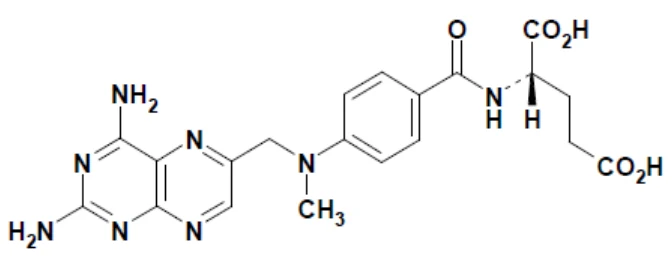
Chemical name: (S)-2-(4-{[(2,4-Diaminopteridin-6-yl)methyl](methyl)amino} benzamido)pentanedioic acid
Molecular formula
and molecular mass: C20H22N8O5 and 454.44 g/mol
Structural formula:
Physicochemical
properties: Methotrexate is a yellow to orange crystalline and hygroscopic powder. Methotrexate appears in different polymorphic forms.
Methotrexate is practically insoluble in water, in ethanol (96%), in chloroform, in ether and in methylene chloride. It dissolves in dilute mineral acids and in dilute solutions of alkali hydroxides and carbonates. Slightly soluble in 6 N hydrochloric acid.
14. Clinical Trials
No clinical trials were performed using NORDIMET.
15. Microbiology
No microbiological information is required for this drug product.
16. Non-Clinical Toxicology
General Toxicology: The acute toxicity (LD50) of methotrexate in mice ranges from 65 to 70 mg/kg intravenously and 45 to 90 mg/kg intraperitoneally.
The LD50 of methotrexate in rats is 317 mg/kg orally, 58 mg/kg subcutaneously, and from 80 to 464 mg/kg intraperitoneally.
Results of a 22-month study in rats, receiving 0.1, 0.2 and 0.4 mg methotrexate/kg/day, 5 days/week every other week showed that methotrexate is apparently free from toxic effects when otherwise lethal doses are administered utilizing an intermittent dosage schedule providing for a recovery period of 9 days. For example, daily oral doses of 0.4 mg/kg were lethal both in dogs and rats when administered for up to two weeks; when 0.5 mg/kg and 0.4 mg/kg doses, respectively, were administered daily five times a week every other week for three months to dogs and for ten months to rats, no toxicity was observed.
Carcinogenicity:
In a 22-month carcinogenicity study in rats that received methotrexate at doses of 0.1, 0.2 and 0.4 mg/kg/day, 5 days/week every other week, little or no effect of the drug was observed. As conventional carcinogenicity studies have not been performed and data from chronic toxicity studies in rodents are inconsistent, methotrexate is considered not classifiable as to its carcinogenicity to humans.
Genotoxicity:
There is evidence that methotrexate is mutagenic in vivo and in vitro. It causes chromosomal damage to animal somatic cells and human bone marrow cells.
Reproductive and development toxicity: Animal studies show that methotrexate impairs fertility in both males and females, is embryo- and fetotoxic and teratogenic.