


Product Monograph - NTP-Mirtazapine Od Tablets
SUMMARY PRODUCT INFORMATION
Route of Administration | Dosage Form / Strength | Clinically Relevant Nonmedicinal Ingredients |
| Oral | Orally Disintegrating Tablet / 15, 30 and 45mg | None For a complete listing see Dosage Forms, Composition and Packaging Section. |
INDICATIONS AND CLINICAL USE
NTP-MIRTAZAPINE OD TABLETS (mirtazapine) is indicated for the symptomatic relief of depressive illness.
The efficacy of mirtazapine in maintaining a response in patients with major depressive disorder for up to 40 weeks following 8-12 weeks of initial open-label treatment was demonstrated in a placebo-controlled trial. Nevertheless, the physician who elects to use mirtazapine for extended periods should periodically evaluate the long-term response of the individual patient to the drug.
Geriatrics:
Evidence from clinical studies and experience suggests that use in the geriatric population is associated with differences in safety or effectiveness and a brief discussion can be found in the appropriate sections (see WARNINGS AND PRECAUTIONS: Geriatric Use)
Pediatrics:
Evidence from clinical studies and experience suggests that use in the pediatric population is associated with differences in safety or effectiveness and a brief discussion can be found in the appropriate sections (see WARNINGS AND PRECAUTIONS: POTENTIAL ASSOCIATION WITH BEHAVIOURAL AND EMOTIONAL CHANGES, INCLUDING SELF-HARM)
CONTRAINDICATIONS
- Patients who are hypersensitive to this drug or to any ingredient in the formulation or component of the container. For a complete listing, see the Dosage Forms, Composition and Packaging section of the product monograph.
WARNINGS AND PRECAUTIONS
Warnings:
POTENTIAL ASSOCIATION WITH BEHAVIOURAL AND EMOTIONAL CHANGES, INCLUDING SELF-HARM
Pediatrics: Placebo-Controlled Clinical Trial Data
- Recent analyses of placebo-controlled clinical trial safety databases from SSRIs and other newer anti-depressants suggest that use of these drugs in patients under the age of 18 may be associated with behavioural and emotional changes, including an increased risk of suicidal ideation and behaviour over that of placebo.
The small denominators in the clinical trial database, as well as the variability in placebo rates, preclude reliable conclusions on the relative safety profiles among these drugs.
Adults and Pediatrics: Additional Data
- There are clinical trial and post-marketing reports with SSRIs and other newer antidepressants, in both pediatrics and adults, of severe agitation-type adverse events coupled with self-harm or harm to others. The agitation-type events include: akathisia, agitation, disinhibition, emotional lability, hostility, aggression, depersonalization. In some cases, the events occurred within several weeks of starting treatment.
Rigorous clinical monitoring for suicidal ideation or other indicators of potential for suicidal behaviour is advised in patients of all ages. This includes monitoring for agitation-type emotional and behavioural changes.
Discontinuation Symptoms
Patients currently taking mirtazapine should NOT be discontinued abruptly, due to risk of discontinuation symptoms. At the time that a medical decision is made to discontinue an SSRI or other newer anti-depressant drug , a gradual reduction in the dose rather than an abrupt cessation, is recommended.
General
Discontinuation of Treatment with NTP-MIRTAZAPINE OD TABLETS: When discontinuing treatment, patients should be monitored for symptoms which may be associated with discontinuation (e.g. dizziness, abnormal dreams, sensory disturbances (including paresthesias and electric shock sensations), agitation, anxiety, fatigue, confusion, headache, tremor, nausea, vomiting and sweating or other symptoms which may be of clinical significance (see ADVERSE REACTIONS). A gradual reduction in the dosage over several weeks, rather than abrupt cessation is recommended whenever possible. If intolerable symptoms occur following a decrease in the dose or upon discontinuation of treatment, dose titration should be managed on the basis of the patient’s clinical response. (See ADVERSE REACTIONS and DOSAGE and ADMINISTRATION).
Cardiovascular
Mirtazapine has not been systematically evaluated or used to any appreciable extent in patients with a recent history of myocardial infarction or other significant heart disease. Mirtazapine was associated with significant orthostatic hypotension in early clinical pharmacology trials with normal human volunteers. Orthostatic hypotension was infrequently observed in clinical trials with depressed patients. NTP-MIRTAZAPINE OD TABLETS should be used with caution in patients with known cardiovascular or cerebrovascular disease that could be exacerbated by hypotension (history of myocardial infarction, angina, or ischemic stroke) and conditions that would predispose patients to hypotension (dehydration, hypovolemia, and treatment with antihypertensive medication).
Endocrine and Metabolism
Increased Appetite/Weight Gain: In U.S. short-term controlled studies the use of mirtazapine was associated with increased appetite in 17% and the complaint of weight gain in 12 % of patients, compared to 2% for placebo in both cases. In these same trials weight gain $ 7% occurred in 7.5% of the patients taking mirtazapine compared to 0% in patients taking placebo. The average weight gain in the US long-term controlled trials was 8 lbs. over 28 weeks.
Cholesterol/Triglycerides: In U.S. short-term controlled studies, non-fasting cholesterol increases of > 20% above the upper limits of normal were observed in 15% of patients taking mirtazapine compared to 7 % for placebo. In these same studies, non-fasting triglycerides increased to > 500 mg/dl in 6 % of patients taking mirtazapine compared to 3 % for placebo.
Hematologic
Agranulocytosis: In premarketing clinical trials, two (one with Sjögren's Syndrome) out of 2,796 patients treated with mirtazapine and one patient treated with imipramine developed agranulocytosis. In all three cases, the patients recovered after the drug with which they were being treated was stopped. If a patient develops a sore throat, fever, stomatitis or other signs of infection, along with a low WBC count, treatment with mirtazapine should be discontinued and
the patient should be closely monitored.
Hepatic/Biliary
Transaminase Elevations: In U.S. short-term controlled studies, clinically significant ALT (SGPT) elevations (3 times the normal range) were noted in 2%, respectively, of patients treated with mirtazapine and in 0% of patients treated with placebo. Most patients did not develop signs or symptoms associated with compromised liver function. While some patients were discontinued due to ALT increases, others patients with elevations continued with enzyme levels returning to normal during ongoing treatment. NTP-MIRTAZAPINE OD TABLETS should be used with caution in patients with impaired hepatic function (See DOSAGE and ADMINISTRATION).
Increased plasma concentrations of mirtazapine occur in patients with moderate and severe renal impairment and to a lesser extent in patients with hepatic impairment (See ACTIONS AND CLINICAL PHARMACOLOGY: Pharmacokinetics). In such patients, upward dose titration should be carefully monitored (see DOSAGE AND ADMINISTRATION).
Neurologic
Somnolence: The use of mirtazapine was associated with somnolence in 54% of patients in U.S. short-term controlled studies, compared to 18% with placebo. In these studies somnolence resulted in discontinuation of 10% of mirtazapine-treated patients compared to 2% of placebo-treated patients. Mirtazapine may cause mental or motor impairment because of this prominent sedative effect. Thus, patients should be cautioned about engaging in hazardous activities, such as driving a car or operating dangerous machines, until they are reasonably certain that mirtazapine therapy does not adversely affect their ability to engage in such activities.
Dizziness: In U.S. short-term controlled studies, the use of mirtazapine was associated with dizziness in 7% of patients compared to 3% for placebo.
Psychiatric
Activation of Mania/Hypomania: Mania/hypomania occurred in approximately 0.2% (3/1,299 patients) of mirtazapine treated patients in all U.S. studies (controlled and non-controlled). Although the incidence of mania/hypomania was very low during treatment with mirtazapine, it should be used carefully in patients with a history of mania/hypomania.
Seizures: In pre-marketing clinical trials, only one seizure was reported in the 2,796 U.S. and non-U.S. patients treated with mirtazapine. However, no controlled studies have been carried out in patients with a history of seizures. Therefore, care should be exercised when NTP-MIRTAZAPINE OD TABLETS is used in these patients.
Suicide: Suicidal ideation is inherent in depression and may persist until significant remission occurs. As with any patient receiving antidepressants, high-risk patients should be closely supervised during initial drug therapy. Prescriptions of NTP-MIRTAZAPINE OD TABLETS
should be written for the smallest quantity consistent with good patient management, in order to reduce the risk of overdose. (see WARNINGS AND PRECAUTIONS: POTENTIAL ASSOCIATION WITH BEHAVIOURAL AND EMOTIONAL CHANGES, INCLUDING SELF-HARM)
Renal
Increased plasma concentrations of mirtazapine occur in patients with moderate and severe renal impairment and to a lesser extent in patients with hepatic impairment (See ACTIONS AND CLINICAL PHARMACOLOGY: Pharmacokinetics). In such patients, upward dose titration should be carefully monitored (see DOSAGE AND ADMINISTRATION).
Use in patients with concomitant illness: Clinical experience with mirtazapine in patients with concomitant systemic illness is limited. Accordingly, care is advisable in prescribing mirtazapine for patients with diseases or conditions that affect metabolism or hemodynamic responses.
Special Populations
Use in Pregnancy and Lactation
Safe use of mirtazapine during pregnancy and lactation has not been established. Therefore, it should not be administered to women of childbearing potential or nursing mothers unless, in the opinion of the treating physician, the expected benefits to the patient outweighs the possible hazards to the child or fetus.
Pediatric Use
Safety and effectiveness in children under 18 years of age have not been established.
Geriatric Use
Pharmacokinetic studies revealed a decreased clearance in the elderly, especially elderly females. Elderly patients may be more susceptible to adverse events such as sedation, dizziness or confusion. Care should be exercised in dosage and titration to higher doses. [See ACTIONS AND CLINICAL PHARMACOLOGY, DOSAGE AND ADMINISTRATION and WARNINGS AND PRECAUTIONS (Somnolence)].
ADVERSE REACTIONS
Clinical Trial Adverse Drug Reactions
Because clinical trials are conducted under very specific conditions the adverse reaction rates observed in the clinical trials may not reflect the rates observed in practice and should not be compared to the rates in the clinical trials of another drug. Adverse drug reaction information from clinical trials is useful for identifying drug-related adverse events and for approximating rates.
Adverse Events leading to discontinuation of treatment
Sixteen percent of patients treated with mirtazapine in U.S. short-term controlled studies discontinued treatment due to an adverse event compared to 7% of patients treated with placebo. Adverse events that accounted for more than 5% of discontinuations with mirtazapine were somnolence (10%).
Commonly Observed Adverse Events in US Short-Term Controlled Clinical Trials: The most commonly observed adverse events related to the use of mirtazapine (5 % or greater drug related incidence for mirtazapine and at least twice that of placebo) were: somnolence (54% vs 18%), increased appetite (17% vs 2%), weight gain (12% vs 2%), dizziness (7% vs 3%).
Adverse Events Occurring at an Incidence of 1% or More Among Mirtazapine Treated Patients: The table that follows enumerates adverse events that occurred at an incidence of 1% or more among mirtazapine treated patients (and greater than the incidence in placebo treated patients) who participated in U.S. short-term placebo-controlled trials in which patients were dosed in a range of 5 to 60 mg/day. The investigator reported adverse clinical experiences using terms of their own choice. Reported adverse events were then classified using the standard COSTART-based Dictionary terminology.
The prescriber should be aware that these figures cannot be used to predict the incidence of side effects in the course of usual medical practice where patient characteristics and other factors differ from those which prevailed in the clinical trials. Similarly, the cited frequencies cannot be compared with figures obtained from other investigations involving different treatments, uses and investigators. The cited figures, however, do provide the prescribing physician with some basis for estimating the relative contribution of drug and non-drug factors to the side effect incidence rate in the population studied.
TABLE 1 INCIDENCE OF ADVERSE CLINICAL EXPERIENCES ($1% for mirtazapine)
IN U.S. Short-Term PLACEBO-CONTROLLED STUDIES1,2,3
Body System Adverse U.S. Studies
Clinical Experience
N= Number of Patients
Mirtazapine Placebo N=453 N=361 Body as a Whole
Asthenia 34 (8%) 17 (5%) Flu Syndrome 22 (5%) 9 (3%) Back Pain 9 (2%) 3 (1%) Digestive System
Dry Mouth 112 (25%) 54 (15%) Increased Appetite 76 (17%) 7 (2%) Constipation 57 (13%) 24 (7%)
Metabolic and Nutritional Disorders
Weight Gain 54 (12%) 6 (2%) Peripheral Edema 11 (2%) 4 (1%) Edema 6 (1%) 1 (0%) Musculoskeletal System
Myalgia 9 (2%) 3 (1%) Nervous System
Somnolence 243 (54%) 65 (18%) Dizziness 33 (7%) 12 (3%) Abnormal Dreams 19 (4%) 5 (1%) Thinking Abnormal 15 (3%) 4 (1%) Tremor 7 (2%) 2 (1%) Confusion 9 (2%) 1 (0%) Respiratory System
Dyspnea 5 (1%) 1 (0%) Urogenital System
Urinary Frequency 8 (2%) 5 (1%)
1 % rounded off to the nearest whole integer
2 Events which had an incidence on placebo> mirtazapine: Infection, pain, headache, nausea, diarrhea and insomnia.
3 Events which had an incidence of mirtazapine comparable to placebo: Chest pain, palpitation, tachycardia, postural hypotension, dyspepsia, flatulence, libido decreased, hypertonia, nervousness, rhinitis, pharyngitis, sweating, amblyopia, tinnitus and taste perversion.
There was evidence of adaptation to some adverse events with continued therapy (e.g. increased appetite, dizziness and somnolence).
During worldwide controlled and uncontrolled clinical trials, Mirtazapine was administered to 2,796 patients. The listing of events which follows are those events which were judged by the investigator to be adverse clinical experiences. The investigators used terminology of their own choice to describe the adverse experiences. Consequently, it is not possible to provide a meaningful estimate of the proportion of individuals experiencing adverse events without first grouping similar types of untoward events into a smaller number of standardized categories. It is important to emphasize that although the events occurred during treatment with Mirtazapine, they were not necessarily drug related. Following the adverse experiences tabulations, the incidence of clinically significant laboratory values which occurred at a rate of $ 1% of patients is presented.
Body as a whole: frequent: malaise, abdominal pain, abdominal syndrome acute.
Cardiovascular System: frequent: hypertension, vasodilatation.
Digestive System: frequent: vomiting, anorexia.
Metabolic and Nutritional Disorders: frequent: thirst.
Musculoskeletal System: frequent: myasthenia, arthralgia.
Nervous System: frequent: hypesthesia, apathy, depression, hypokinesia, vertigo, twitching, agitation, anxiety, amnesia, hyperkinesia, paresthesia.
Respiratory Systems: frequent: cough increased, sinusitis.
Skin and Appendages: frequent: pruritus, rash.
Urogenital System: frequent: urinary tract infection.
Less Common Clinical Trial Adverse Drug Reactions (<1%)
Body as a whole: infrequent: chills, fever, face edema, ulcer, photosensitivity reaction, neck rigidity, neck pain, abdomen enlarged; rare: cellulitis, chest pain substernal.
Cardiovascular System: infrequent: angina pectoris, myocardial infarction, bradycardia, ventricular extrasystoles, syncope, migraine, hypotension; rare: atrial arrhythmia, bigeminy, vascular headache, pulmonary embolus, cerebral ischemia, cardiomegaly, phlebitis, left heart failure.
Digestive System: infrequent: eructation, glossitis, cholecystitis, nausea and vomiting, gum hemorrhage, stomatitis, colitis, liver function tests abnormal; rare: tongue discoloration, ulcerative stomatitis, salivary gland enlargement, increased salivation, intestinal obstruction, pancreatitis, aphthous stomatitis, cirrhosis of liver, gastritis, gastroenteritis, oral moniliasis, tongue edema.
Endocrine System: rare: goiter, hypothyroidism.
Hemic and Lymphatic System: rare: lymphadenopathy, leukopenia, petechia, anemia, thrombocytopenia, lymphocytosis, pancytopenia.
Metabolic and Nutritional Disorders: infrequent: dehydration, weight loss, rare: gout, SGOT increased, healing abnormal, acid phosphatase increased, SGPT increased, diabetes mellitus.
Musculoskeletal System: infrequent: arthritis, tenosynovitis; rare: pathologic fracture, osteoporosis fracture, bone pain, myositis, tendon rupture, arthosis, bursitis.
Nervous System: frequent: infrequent: ataxia, delirium, delusions, depersonalization, dyskinesia, extrapyramidal syndrome, libido increased, coordination abnormal, dysarthria, hallucinations, manic reaction, neurosis, dystonia, hostility, reflexes increased, emotional lability, euphoria, paranoid reaction; rare: aphasia, nystagmus, akathisia, stupor, dementia, diplopia, drug dependence, paralysis, grand mal convulsion, hypotonia, myoclonus, psychotic
depression, withdrawal syndrome.
Respiratory Systems: infrequent: epistaxis, bronchitis, asthma, pneumonia; rare: asphyxia, laryngitis, pneumothorax, hiccup.
Skin and Appendages: infrequent: acne, exfoliative dermatitis, dry skin, herpes simplex, alopecia; rare: urticaria, herpes zoster, skin hypertrophy, seborrhea, skin ulcer.
Special Senses: infrequent: eye pain, abnormality of accommodation, conjunctivitis, deafness, keratoconjunctivitis, lacrimation disorder, glaucoma, hyperacusis, ear pain; rare: blepharitis, partial transitory deafness, otitis media, taste loss, parosmia.
Urogenital System: infrequent: kidney calculus, cystitis, dysuria, urinary incontinence, urinary retention, vaginitis, hematuria, breast pain, amenorrhea, dysmenorrhea, leukorrhea, impotence, rare: polyuria, urethritis, metrorrhagia, menorrhagia, abnormal ejaculation, breast engorgement, breast enlargement, urinary urgency.
Abnormal Hematologic and Clinical Chemistry Findings
ECG Changes: The electrocardiograms for 338 patients who received mirtazapine and 261 patients who received placebo in the U.S. short-term controlled trials were analyzed in which the QTc calculations using the method of Fridericia was employed . Prolongation in QTc $ 500 msec was not observed among mirtazapine-treated patients. Mean change in QTc was +1.6 msec for mirtazapine and -3.1 msec for placebo. Mirtazapine was associated with a mean increase in heart rate of 3.4 bpm, compared to 0.8 bpm for placebo. The clinical significance of these changes is unknown.
Abnormal Laboratory Values: Elevated cholesterol, serum glucose, and triglycerides were the most common blood chemistry parameters observed in US studies.
The plasma samples were drawn from non-fasting patients, and these parameters are affected by diet. Patients taking mirtazapine had increased appetite and weight gain, and are likely to have had increased food intake. Increased food intake may account for the increased triglyceride and cholesterol values. Moreover, LDL:HDL ratio data from a limited number of patients suggest that fat metabolism does not change with mirtazapine treatment, further suggesting that the increase in triglyceride and cholesterol values reflected increased dietary intake.
Mild changes in liver function are shown by increases in liver enzymes. However, changes are temporary, mild, and are not expected to negatively influence liver function. Premature terminations due to liver enzyme abnormalities were mirtazapine 1.7% and placebo 1.1%.
The incidence of neutropenias in all clinical studies for mirtazapine was 1.5%. Most of the
observed cases of neutropenia were mild isolated and nonprogressive (Please see WARNINGS AND PRECAUTIONS).
Post-Market Adverse Drug Reactions
Adverse events reported since market introduction, which were temporally (but not necessary causally) related to mirtazapine therapy, include four cases of the ventricular arrhythmia torsades de pointes. In three of the four cases, however, concomitant drugs were implicated. All patients recovered.
Adverse Reactions following Discontinuation of Treatment (or Dose Reduction) There have been reports of adverse reactions upon the discontinuation of Mirtazapine (particularly when abrupt), including but not limited to the following: dizziness, abnormal dreams, sensory disturbances (including paresthesias and electric shock sensations), agitation, anxiety, fatigue, confusion, headache, tremor, nausea, vomiting and sweating or other symptoms which may be of clinical significance (see WARNINGS AND PRECAUTIONS and DOSAGE AND ADMINISTRATION).
Patients should be monitored for these or any other symptoms. A gradual reduction in the dosage over several weeks, rather than abrupt cessation is recommended whenever possible. If intolerable symptoms occur following a decrease in the dose or upon discontinuation of treatment, dose titration should be managed on the basis of the patient’s clinical response. These events are generally self-limiting. Symptoms associated with discontinuation have been reported for other antidepressants with serotonergic effects (see WARNINGS AND PRECAUTIONS and DOSAGE AND ADMINISTRATION).
DRUG INTERACTIONS
Overview
As with other drugs, the potential for interaction by a variety of mechanisms (e.g., pharmacodynamic, pharmacokinetic inhibition or enhancement, etc.) is a possibility (See ACTIONS AND CLINICAL PHARMACOLOGY).
MAO Inhibitors: In patients receiving other antidepressants in combination with a monoamine oxidase inhibitor (MAOI) and in patients who have recently discontinued an antidepressant drug and then are started on an MAOI, there have been reports of serious, and sometimes fatal, reactions, e.g., including nausea, vomiting, flushing, dizziness, tremor, myoclonus, rigidity, diaphoresis, hyperthermia, autonomic instability with rapid fluctuations of vital signs, seizures, and mental status changes ranging from agitation to coma. Since there are no human data studying such an interaction with mirtazapine, it is recommended that mirtazapine not be used in combination with an MAOI, or within 14 days of initiating or discontinuing therapy with an MAOI.
Drug-Drug Interactions
Drugs Affecting Hepatic Metabolism: The metabolism and pharmacokinetics of mirtazapine may be affected by the induction or inhibition of drug-metabolizing enzymes.
Drugs Metabolized by Cytochrome P4502D6: Many drugs are metabolized by and/or inhibit various cytochrome P450 isoenzymes eg 2D6, 1A2, 3A4 etc. In vitro studies have shown that mirtazapine is a substrate for several of these enzymes, including 2D6, 1A2, and 3A4. While in vitro studies have also shown that mirtazapine is not a potent inhibitor of any of these enzymes, the concomitant use of mirtazapine with other drugs metabolized by these enzymes has not been formally evaluated. Therefore, it is not possible to make any definite statements about the risks of coadministration of mirtazapine with such drugs.
Drugs Bound to Plasma Protein: Because mirtazapine is bound to plasma proteins (85%), care should be exercised when mirtazapine is co-administered to a patient who may be receiving another drug which is highly protein bound.
Diazepam: The impairment of motor skills produced by mirtazapine has been shown to be additive with those caused by diazepam. Accordingly, patients should be advised to avoid diazepam and other similar drugs while taking mirtazapine.
Drug-Food Interactions
Interactions with food have not been established.
Drug-Herb Interactions
St. John’s Wort: In common with SSRI’s and SNRI’s, pharmacodynamic interactions between
mirtazapine and the herbal remedy St. John’s Wort may occur and may result in an increase in undesirable effects. Dose adjustment of mirtazapine should be considered if clinically indicated.
Drug-Laboratory Test Interactions
Interactions laboratory tests have not been established.
Drug-Lifestyle Interactions
Alcohol: The impairment of mental and motor skills produced by mirtazapine have been shown to be additive with those produced by alcohol. Accordingly, patients should be advised to avoid alcohol while taking mirtazapine.
DOSAGE AND ADMINISTRATION
Mirtazapine is not indicated for use in children under the 18 years of age (see WARNINGS: POTENTIAL ASSOCIATION WITH BEHAVIOURAL AND EMOTIONAL CHANGES, INCLUDING SELF-HARM)
DOSING CONSIDERATION
DRUG ABUSE and DEPENDENCE
Physical and psychologic dependence: Mirtazapine has not been systematically studied in animals or humans for its potential for abuse, tolerance or physical dependence. While the clinical trials did not reveal any tendency for any drug-seeking behavior, these observations were not systematic and it is not possible to predict on the basis of this limited experience the extent to which a CNS-active drug will be misused, diverted and/or abused once marketed. Consequently, patients should be evaluated carefully for history of drug abuse, and such patients should be observed closely for signs of NTP-MIRTAZAPINE OD TABLETS misuse or abuse (e.g., development of tolerance, incrementations of dose, drug-seeking behavior).
Recommended Dose and Dosage Adjustment:
ADULTS:
Initial treatment
NTP-MIRTAZAPINE OD TABLETS should be administered as a single dose preferably in the evening prior to sleep. The recommended initial dose is 15 mg daily. In clinical trials, patients generally received doses of mirtazapine in the range of 15-45 mg/day.
While a relationship between dose and antidepressant response for mirtazapine has not been established, patients not responding to the initial 15 mg dose may benefit from dose increases up to a maximum of 45 mg/day. (See ACTIONS AND CLINICAL PHARMACOLOGY, Clinical Trials Showing Efficacy sub-section) Mirtazapine has an elimination half-life of
approximately 20-40 hours, therefore, dose changes should occur in intervals of not less than one week. Dosage adjustments may be made according to the tolerance and based on the patient’s response.
Longer-term treatment
It is generally agreed that acute episodes of depression require several months or longer of sustained therapy beyond response to the acute episode. Systematic evaluation of Mirtazapine has demonstrated that its efficacy in major depressive disorder is maintained for periods of up to 40 weeks following 8 - 12 weeks of initial treatment at a dose 15 - 45 mg/day. (See ACTIONS and CLINICAL PHARMACOLOGY). Based on these limited data, it is unknown whether or not the dose of Mirtazapine needed for continuation treatment is identical to the dose needed to achieve an initial response. Patients should be periodically reassessed to determine the need for continuation treatment and the appropriate dose for such treatment.
Children:
(see WARNINGS AND PRECAUTIONS: POTENTIAL ASSOCIATION WITH BEHAVIOURAL AND EMOTIONAL CHANGES, INCLUDING SELF-HARM)
Elderly and Patients with Moderate to Severe Renal or Hepatic Impairment: In elderly patients, and patients with moderate to severe renal or hepatic impairment, limited pharmacokinetic data (see ACTIONS AND CLINICAL PHARMACOLOGY [Pharmacology]) demonstrates increased serum concentration and/or reduced clearance of mirtazapine. NTP-MIRTAZAPINE OD TABLETS should thus be dosed with care in these populations (See ACTIONS AND CLINICAL PHARMACOLOGY [Pharmacokinetics]).
DISCONTINUATION MIRTAZAPINE TREATMENT:
Symptoms associated with the discontinuation or dosage reduction of mirtazapine have been reported. Patients should be monitored for these and other symptoms when discontinuing treatment or during dosage reduction of mirtazapine (See WARNINGS AND PRECAUTIONS and ADVERSE REACTIONS).
A gradual reduction in the dose over several weeks rather than abrupt cessation is recommended whenever possible. If intolerable symptoms occur following a decrease in the dose or upon discontinuation of treatment, dose titration should be managed on the basis of the patient’s clinical response. (See WARNINGS AND PRECAUTIONS and ADVERSE REACTIONS).
Missed Dose: Patient should not take a double dose to make-up for the forgotten doses. If patient forget to take the evening dose, they are not to take the missed dose next morning. The treatment should be continued in the evening (prior to sleep) with the normal dose.
Administration of NTP-MIRTAZAPINE OD TABLETS
Patients should be instructed to open tablet blister pack with dry hand and place the tablet on the tongue. The tablet should be used immediately after removal from its blister; once removed, it cannot be stored. NTP-MIRTAZAPINE OD TABLETS will disintegrate rapidly on the tongue and can be swallowed with water. Patients should not attempt to split the tablets. (See Information for the Patient).
OVERDOSAGE
Human Experience: In clinical trials, the only drug overdose death reported while taking mirtazapine was in combination with amitriptyline and chlorprohixene in a non-U.S clinical study. Based on plasma levels, the mirtazapine dose taken was 30-45 mg, while plasma levels of amitriptyline and chlorprohixene were found to be at toxic levels. In other premarketing overdose cases with mirtazapine the following signs and symptoms were reported: disorientation, drowsiness, impaired memory, and tachycardia. There were no reports of ECG abnormalities, coma or convulsions following overdose with mirtazapine alone.
Overdose Management: Treatment should consist of those general measures employed in the management of overdose with any antidepressant.
Ensure an adequate airway, oxygenation, and ventilation. Monitor cardiac rhythm and vital signs. General supportive and symptomatic measures are also recommended. Induction of emesis is not recommended. Gastric lavage with a large-bore orogastric tube with appropriate airway protection, if needed, may be indicated if performed soon after ingestion, or in symptomatic patients.
Activated charcoal should be administered. There is no experience with the use of forced diuresis, dialysis, hemoperfusion or exchange transfusion in the treatment of mirtazapine overdosage. No specific antidotes for mirtazapine are known.
In managing overdosage, consider the possibility of multiple-drug involvement. The physician should consider contacting a poison control center for additional information on the treatment of any overdose.
ACTION AND CLINICAL PHARMACOLOGY
Mechanism of Action
NTP-MIRTAZAPINE OD TABLETS (mirtazapine) has a tetracyclic structure unrelated to selective serotonin reuptake inhibitors, tricyclic, or monoamine oxidase inhibitors. Mirtazapine enhances noradrenergic and specific serotonergic transmission.
Pharmacodynamics
Mirtazapine acts as an antagonist at central presynaptic α2 adrenergic inhibitory autoreceptors
and heteroreceptors which result in an increase in central noradrenergic and serotonergic activity. This action may explain its antidepressant activity.
Mirtazapine is a potent antagonist of 5-HT2 and 5-HT3 receptors. The 5-HT2 and 5-HT3 antagonism by mirtazapine may account for its low rate of nausea, insomnia and anxiety as observed in clinical trials. Mirtazapine has no significant effect on 5-HT1A and 5-HT1B receptor.
Both enantiomers of mirtazapine appear to contribute to its pharmacological activity. The (+) enantiomer blocks 5-HT2 receptors as well as α2 receptors and the (-) enantiomer blocks 5-HT3 receptors.
Mirtazapine is a potent histamine(H1) receptor antagonist which may contribute to its sedative effect and possibly to weight gain due to increased appetite.
Mirtazapine is a moderate peripheral α1 adrenergic antagonist, a property which may explain the occasional orthostatic hypotension reported in association with its use.
Mirtazapine is a moderate antagonist at muscarinic receptors, a property that may explain the occasional occurrence of anticholinergic side effects associated with its use as shown in clinical trials.
Pharmacokinetics
Absorption: Mirtazapine is well absorbed following oral administration and its absolute bioavailability is approximately 50% after either single or multiple doses. Peak plasma concentrations are reached within about 2 hours following an oral dose. The time to peak plasma concentration is independent of dose. The presence of food in the stomach somewhat slows the rate but not the extent of absorption, and thus does not require a dosage adjustment.
Plasma levels are linear over a dose range of 30 to 80 mg. Steady state plasma levels are attained within about 5 days. The half-life of elimination of mirtazapine after oral administration is approximately 20-40 hours.
Novo-Mirtazapine Orally Disintegrating Tablets have been found bioequivalent to Mirtazapine Tablets (open, cross-over study; N=40, under fasting conditions).
Metabolism: Mirtazapine is extensively metabolized and quantitatively eliminated via urine (75%) and feces (15%); approximately 90% of this elimination occurs within the first 72-96 hours. Major pathways of biotransformation are demethylation and oxidation followed by conjugation. In vitro data from human liver microsomes indicate that cytochrome 2D6 and 1A2 are involved in the formation of the 8-hydroxy metabolite of mirtazapine, whereas cytochrome 3A is considered to be responsible for the formation of the N-desmethyl and N-oxide metabolite. The demethyl metabolite is pharmacologically active and appears to have a similar pharmacokinetic profile as that of the parent compound.
The (-) enantiomer has an elimination half-life that is approximately twice as long, and achieves plasma levels that are three times as high as that of the (+) enantiomer.
Protein Binding: Mirtazapine is approximately 85% bound to plasma proteins over a concentration range of 10 to 1000 ng/mL. Binding appears to be both nonspecific and reversible. The binding affinity of mirtazapine to human liver proteins is 2.8 times greater than to human plasma proteins. As with all drugs that are protein bound, care should be exercised when co-administering medications that may interact with mirtazapine at protein binding sites (See WARNINGS AND PRECAUTIONS).
Age and Sex: Following administration of mirtazapine 20 mg/day for 7 days, females of all-ages (range 25-74) exhibited significantly longer elimination half-lives than males (mean half-life 37 hours for females vs 26 hours for males) (see Table 2). Although these differences result on average in higher area-under-the-curve (AUC) for females compared to males, there is considerable overlap in individual AUCs between groups. Because of substantial individual variation of AUC and half-life, no specific dosage recommendations based on sex are indicated (see DOSAGE and ADMINISTRATION).
In this same study oral clearance was reduced in older subjects (mean age 65; range 55-75) compared to younger subjects. The difference was greatest in males, with a 40% lower clearance for mirtazapine in the older vs younger group. Caution is indicated in administering mirtazapine in the elderly (see WARNINGS AND PRECAUTIONS, and DOSAGE AND ADMINISTRATION).
TABLE 2 Effect of Age and Gender on plasma half-life of mirtazapine
t½ (mean ± SD)* Group Single Dose Multiple Dose
Adult male 21.7 ± 4.2 22.1 ± 3.7
N=9
Adult female 37.7 ± 13.3 35.4 ± 13.7
N=9
Elderly# male 32.2 ± 15.4 31.1 ± 15.1
N=8
Elderly# female 40.6 ± 12.8 39.0 ± 10.8
N=8
* expressed in hours.
# The ‘elderly’ group consisted of subjects 55 and older (55-75; mean age 65)
Liver Disease: In a single dose study conducted with mirtazapine15 mg, the elimination half-life
of mirtazapine was increased 40% in mild to moderately hepatically impaired subjects as compared to patients with normal hepatic function; this effect on elimination resulted in a 57% increase in AUC and a 33% decrease in clearance.
Renal Disease: In a single dose study conducted with mirtazapine 15 mg, subjects with moderate and severe renal impairment showed a significant decrease in the clearance of ORG 3770 and a consequent increase in the AUC (54% and 215% for moderate and severe renal impairment, respectively). Subjects with severe renal impairment had significantly higher peak plasma levels of ORG 3770 (about double that of subjects without renal impairment). These results suggest that caution must be exercised in administering mirtazapine to patients who may have compromised renal function.
STORAGE AND STABILITY
Store at controlled room temperature, 15º - 30ºC. Protect from light and moisture. Use immediately upon opening individual tablet blister.
Keep in a safe place out of the reach of children.
DOSAGE FORMS, COMPOSITION AND PACKAGING
Dosage Forms:
NTP-MIRTAZAPINE OD TABLETS are supplied as:
15 mg Tablets - white to off white, round, flat, beveled edge tablet - one side of the tablet debossed with the number “93" and the other side debossed with the number “7303"; available in boxes of 30 (5x6 Peelable Unit Dose Blisters).
30 mg Tablets - white to off white, round, flat, beveled edge tablet - one side of the tablet debossed with the number “93" and the other side debossed with the number “7304"; available in boxes of 30 (5x6 Peelable Unit Dose Blisters).
45 mg Tablets - white to off white, round, flat, beveled edge tablet - one side of the tablet debossed with the number “93" and the other side debossed with the number “7305"; available in boxes of 30 (5x6 Peelable Unit Dose Blisters).
Composition: Each tablet contains 15 mg, 30 mg or 45 mg of mirtazapine:
aspartame, crospovidone, eudragit, magnesium stearate, mannitol, orange flavour, silicon dioxide, and xylitol.
PART II: SCIENTIFIC INFORMATION
PHARMACEUTICAL INFORMATION
Drug Substance
Proper name: Mirtazapine
Chemical name: 1,2,3,4,10,14b-Hexahydro-2-methyl-pyrazino [2,1-a] pyrido [2,3-c] [2] benzazepine
Molecular Formula: C17H19N3
Molecular Weight: 265.36
Structural formula:
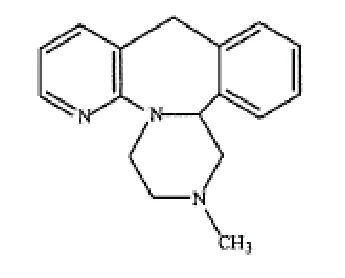
Description: Mirtazapine is a white to creamy white crystalline powder which is slightly soluble in water. Freely soluble in chloroform and methanol; soluble in acetonitrile; slightly soluble in heptane.
Quantitative aqueous pH- solubility profile data are listed in the following table:
| Buffer pH | Dose/solubility Volume (ml)* | Solubility (mg / ml) |
| 1.00 | <3 | >10 |
| 2.00 | <3 | >10 |
| 3.00 | <3 | >10 |
| 4.00 | <3 | >10 |
| 5.00 | <3 | >10 |
| 6.00 | 42.9 | 0.7 |
| 7.00 | 75.0 | 0.4 |
| 8.00 | 300.0 | 0.1 |
pKa = 7.7 (water, 250C)
Partition coefficient: [octanol/water], 250C Log P=3.3
CLINICAL TRIALS
Clinical Trials Showing Efficacy
The efficacy of mirtazapine in the treatment of depression was demonstrated in four US placebo-controlled trials (6 week duration) in adult outpatients meeting DSM III criteria for major depression. Patients were titrated with mirtazapine starting at a dose of 5 mg/day up to a dose of 35 mg/day (by the beginning of week 3). Outcome measures included the Hamilton Depression Rating Scale (21-item), and the Montgomery and Asberg Depression Rating Scale. The mean mirtazapine dose for patients completing the four studies ranged from 21 to 32 mg/day. Additional supportive studies used higher doses up to 50 mg/day. In the U.S. short-term flexible-dose controlled trials (mirtazapine, N = 323), 70% and 54% of the patients received final doses $ 20 mg and $ 25 mg, respectively.
In a longer-term study, patients meeting DSM-IV criteria for major depressive disorder who had responded during an initial 8 to 12 weeks of acute treatment on mirtazapine were randomized to continuation of mirtazapine or placebo for up to 40 weeks of observation for relapse. Response during the open phase was defined as having achieved a HAMD-17 total score of # 8 and a CGI-Improvement score of 1 or 2 at two consecutive visits beginning with week 6 of the 8 - 12 weeks in the open-label phase of the study. Relapse during the double-blind phase was determined by the individual investigators. Patients receiving continued mirtazapne treatment experienced significantly lower relapse rates over the subsequent 40 weeks compared to those receiving placebo. This pattern was demonstrated in both male and female patients.
Comparative Bioavailability Study
Under Fasting Conditions, a Comparative Open-Label, Oral Single-Dose, Randomized, Cross-over Bioavailability Study was performed on 24 Healthy, Non-Smoking, Male and Female Subjects, 18 to 55 Years of Age (inclusive) between two formulations, NTP-Mirtazapine OD Tablets, 30mg (Teva Canada Limited) and Remergil® SolTab™ 30mg Schmelztabletten (Organon GmbH, Germany).
The pharmacokinetic data calculated for the two mirtazapine formulations are tabulated below:
TABLE OF COMPARATIVE BIOAVAILABILITY DATA
Mirtazapine
(1x 30mg)
From measured data Geometric Mean Arithmetic Mean (CV %)
| Parameter | Mirtazapine Tablets 30mg FlashTab‡ | Remergil® SolTab™ 30mg Schmelztabletten † | % Ratio of Geometric Means | 90% Confidence Interval (%) |
AUCT (ng*h/ml) | 771.669 815.031 (36) | 785.254 818.976 (30) | 98.27 | 91.93 - 105.05 |
AUCI (ng*h/ml) | 808.709 857.156 (38) | 824.136 860.724 (31) | 98.13 | 91.80 - 104.90 |
CMAX (ng/ml) | 65.606 71.519 (45) | 69.030 73.024 (34) | 95.04 | 83.99 - 107.55 |
| TMAX 2 (h) | 1.76 (39) | 1.56 (33) | ||
| T½2 (h) | 27.10 (22) | 28.03 (23) |
‡ Mirtazapine Tablets 30mg FlashTab (manufactured by Teva Phamaceutical Industries, Ltd., Kfar Saba,
Israel for Teva Canada Ltd., Toronto, Canada, distributed as NTP-Mirtazapine OD Tablets, 30mg) † Remergil® SolTab™ 30mg Schmelztabletten (Organon GmbH, Germany), purchased in Germany. 2 Expressed as the arithmetic mean (CV%) only.
DETAILED PHARMACOLOGY
Mirtazapine and its enantiomers have been studied for their pharmacological effects in behavioral models for depression (Table 3) in mice and rats and in EEG-derived rat sleep-waking analysis and in receptor interaction studies (receptors for noradrenaline, serotonin (5-HT), histamine, acetylcholine and dopamine in rats and guinea-pigs).
Table 3: CNS-pharmacological profile of mirtazapine and its enantiomers
| CNS-Pharmacological Profile | Mirtazapine | (S)+enant | (R)-enant |
Behavioral models Antidepressant-like effects
| + + - ± | + - - ± |
± |
EEG-studies Antidepressant profile
| 0 | 0 | ± + |
Receptor interactions Noradrenaline (α2-blockade)
Histamine
Acetylcholine
| + + + + + + - - | + + + + - + - - | - - - ± + + - - |
Pharmacological indices of side-effects/(Table 3)
The commonly observed side-effects of antidepressants that can be ascribed to receptor interactions are those of anticholinergic (dry mouth, blurred vision, constipation, urinary retention), α1-adrenolytic (orthostatic hypotension) and antihistaminic (sedation) origin.
Mirtazapine is virtually devoid of anticholinergic activity, as has been shown in in-vitro receptor interactions and confirmed in the in-vivo tremorine antagonism test. It is therefore predicted that the incidence of anticholinergic side-effects observed with mirtazapine in clinical practice should be low. This has been confirmed in clinical trials.
Mirtazapine is a moderately weak antagonist at central and peripheral α1 adrenoceptors, as observed in vitro in the labelled prazosin binding assay in rat brain cortex homogenates and in the isolated rat vas deferens assay. On the basis of these observations a low incidence of orthostatic hypotension would be predicted, which is in line with the clinical observations in depressed patients.
Contribution of mirtazapine enantiomers to its pharmacological profile (Table 3) In the acquired immobility test for antidepressant activity, both mirtazapine and the (S)+enantiomer are inactive, whereas the (R)-enantiomer is active.
In the olfactory bulbectomized rat subchronic treatment with the (S)+enantiomer reverses deficient behavior, whereas the (R)-enantiomer is inactive. However, the bulbectomy-induced decreases in noradrenaline and MHPG levels are reversed by subchronic treatment with the (R)-enantiomer, but not with the (S)+enantiomer.
Both enantiomers are active in the conflict-punishment test (display anti-anxiety activity) and in the sleep-waking EEG test in rats (suppression of REM sleep, an effect shared by many psychotropic drugs). In human pharmaco-EEG profiling in healthy volunteers [16] both enantiomers show a clearcut “antidepressant” profile, at similar dose-levels (0.5 and 1 mg per subject).
The enantiomers of mirtazapine differ considerably with respect to biochemical activity. The α2-blocking activity of mirtazapine is virtually confined to the (S)+enantiomer, which is also the more potent 5HT2 antagonist. However, the (R)-enantiomer is the active principle in mirtazapine with regard to 5HT3 antagonistic activity. Both enantiomers contribute to a similar extent to the antihistaminic and (weak) α1-adrenolytic properties of mirtazapine.
Contribution of mirtazapine main metabolites to its pharmacological profile
Demethyl mirtazapine, the only metabolite found in the rat brain after oral administration of mirtazapine, has anti-anxiety activity in the conflict- punishment test in rats, but is less active in the rat EEG profile for antidepressant activity than the parent compound. The demethyl metabolite is also less active than the parent compound in in-vivo tests for α2-blocking and 5HT2 antagonistic activity. This may be due to poor bioavailability upon systemic administration, since the in vitro tests show that the compound is approximately equally active to mirtazapine as an α2 and 5HT2 antagonist, important indices for therapeutic antidepressant activity. With respect to antagonism at the histamine H1 receptor, which is probably related to sedation, the demethyl metabolite appears to be less active than the parent compound.
8-hydroxy mirtazapine, 8-hydroxy demethyl mirtazapine and N(2)-oxide of mirtazapine have not been found to penetrate into the rat brain and are inactive in vivo, with the exception of the N(2)-oxide and the 8-hydroxy metabolite, which display some anti-serotonergic activity. In vitro, these metabolites are much less active than the parent compound at important receptors, like the α2, 5HT2 and histamine H1 receptors. They are, therefore, not considered to be relevant for the pharmacodynamic profile of mirtazapine , with regard to therapeutic activity or side-effects.
Glucuronide and sulphonate conjugates are not expected to be pharmacologically active and therefore only a limited number of in vivo and in vitro tests have been performed with these
metabolites; they did not show any activity.
Cardiovascular pharmacology of mirtazapine
Cardiovascular effects
In conscious rabbits mirtazapine, at doses of 0.1 and 1.0 mg/kg i.v., has no effect on blood pressure, heart rate and the autonomic nervous system; at 10 mg/kg i.v., mirtazapine has also no effect on blood pressure and heart rate but slightly reduces the noradrenaline-induced increase in blood pressure and isoprenaline-induced increase in heart rate.
In anesthetized cats mirtazapine, at doses of 0.1 and 1.0 mg/kg i.v., induces no cardiovascular effects and does not affect the autonomic nervous system; at 10 mg/kg i.v., Mirtazapine induces a decrease in blood pressure and heart rate and reduces the changes in blood pressure induced by vagus stimulation and carotid occlusion.
Hemodynamic effects
In anesthetized dogs mirtazapine, at 0.1 mg/kg i.v., does not induce any hemodynamic changes; at 1.0 mg/kg i.v., Mirtazapine slightly decreases heart rate and myocardial contractility and slightly increases peripheral vascular resistance; at 10 mg/kg i.v., Mirtazapine induces a slight decrease in heart rate and stroke index resulting in a slightly decreased cardiac index, a decrease in myocardial contractility and an increase in peripheral vascular resistance resulting in decreased femoral and common carotid blood flow.
Cardiotoxicity
In artificially ventilated, anesthetized dogs cardiotoxicity has been investigated by infusing mirtazapine intravenously (30 mg/kg/h) until the animal died from cardiac arrest. If the animal was still alive 5 hours after the start of the infusion the experiment was stopped. Four out of five dogs died at the end of the 5-hour infusion period and one dog survived the infusion period. The mean extrapolated plasma level of mirtazapine prior to death in these four dogs was approximately 20 μg/mL; this is approximately 200 times the anticipated clinical peak plasma levels. There was a linear relationship between the severity of the cardiovascular effects (e.g. decrease in blood pressure, decrease in cardiac output and decrease in dP/dt) and the measured plasma level of mirtazapine.
TOXICOLOGY
Acute toxicity
The oral LD50-value for mirtazapine in male Swiss mice was 830 mg/kg (760-940 mg/kg) after 24 hours and 810 mg/kg (720 - 1010 mg/kg) after 7 days and in females 720 mg/kg (620 - 850 mg/kg) after 24 hours and 7 days.
The oral LD50-value for mirtazapine after 24 hours and 7 days was 490 mg/kg (427-534 mg/kg) and 320 mg/kg (240 - 430 mg/kg) in male and female Wistar rats respectively. In a separate study in rats, the enantiomers of mirtazapine displayed similar acute toxicity, the LD50 being 222 mg/kg and 208 mg/kg for the (R)- and (S)+enantiomers respectively.
Clinical signs observed in both species mainly at the highest doses included motor incoordination, reduced activity, ptosis, twitches, abnormally slow respiration and piloerection; these symptoms reached their peak 2 hours after administration and gradually disappeared during the first day. Gross anatomy revealed no drug-related morphological changes.
Repeated dose toxicity
Oral 13-week toxicity studies were carried out with mirtazapine in rats of both sexes followed by a 4-week recovery period with daily doses of 10, 40 and 120 mg/kg, and in dogs of both sexes followed by a 7-week recovery period at daily doses of 5, 20, and 80 mg/kg. A second study in dogs was performed at a single dose level of 20 mg/kg/day to investigate possible changes in the prostate seen in the initial study in male dogs. One-year toxicity studies, followed by a five week recovery period, were carried out in rats and dogs with daily doses of 2.5, 20 and 120 mg/kg and 2.5, 15 and 80 mg/kg, respectively.
Subchronic toxicity
Oral administration of mirtazapine at 10 mg/kg/day to Wistar rats for 13 consecutive weeks induced no untoward effects, whereas mirtazapine at 40 and 120 mg/kg/day induced:
- transient clinical signs including mydriasis, lachrymation, ptosis, hypothermia, bradypnoea and hypersalivation (only females receiving 120 mg/kg)
- transient decrease in body weight gain and initial decrease in food consumption followed by an increase in food intake
- increased thyroidal weight (males only) associated with hypertrophy of thyroid follicular cells, a finding known to occur with compounds inducing microsomal hepatic enzymes in this species (see rat carcinogenicity study)
- increased adrenal gland weight (females only) not associated with morphological changes
- mild vacuolation of cortical renal tubules not associated with any other cytoplasmic or nuclear changes suggestive of degenerative/necrotic response, lipid deposition or any disturbances in renal function tests; this is not a nephrotoxic response as confirmed in the subsequent chronic toxicity study (see below)
- mild hepatic cell hypertrophy not indicative of hepatotoxicity and not accompanied by hepatic functional disturbances or degenerative changes
All these findings were reversible after a 4 week post-dosing period.
Oral administration of mirtazapine to Beagle dogs for 13 consecutive weeks induced:
- increased liver weights not associated with hepatoxicity at a dose level of 5, 20 and 80 mg/kg/day
- behavioral changes including incidental vomiting, loose defecation, reduced motor activity and body tremors at 20 and 80 mg/kg/day
- slight body weight loss in male dogs at 80 mg/kg/day
- decreased red blood cell parameters (hemoglobin and packed cell volume) at 80 mg/kg/day
- decreased testicular weight associated with reduced spermatogenesis, decreased epididymal weights and reduced epididymal spermatozoal content in two out of five animals at 80 mg/kg/day.
A significant decrease in prostatic weights was seen in all drug-treated animals as well as in a male in the control group kept for recovery. This effect was evaluated in a supplementary study (20 mg/kg/day for 13 consecutive weeks), after which it was concluded that the prostatic weight changes found in the first study most probably were not due to mirtazapine treatment but related to seasonal variations and age differences (younger males appearing to be more sensitive to changes in prostatic weight than the older animals). There is no evidence from the clinical studies to suggest that mirtazapine will affect the prostate in man.
Chronic toxicity
Oral administration of mirtazapine for one year to Sprague-Dawley rats (2.5, 20 and 120 mg/kg/day) and Beagle dogs (2.5, 15 and 80 mg/kg/day) did not induce any effects additional to those observed in the subchronic toxicity studies.
In the rat study, body weight in low-dose (males and females) and mid-dose (females) groups was generally slightly lower than in control animals; there was a marked decrease in body weight in the high-dose animals.
Microscopic examinations revealed that the only drug-related finding was an increased incidence of intracytoplasmic vacuolation in the renal proximal convoluted tubules in the high-dose group of rats after 6 months and those of the high and intermediate dose groups after 12 months. In addition there was an increased incidence of finely granular brown pigment in the cytoplasm of the tubular epithelial cells in the high-dose rats. The above-mentioned changes were not accompanied by any cytoplasmic or nuclear degenerative changes or by any disturbance in the renal function tests. From the light microscopy it was suggested that the vacuolations are the result of an increase in the size and numbers of the vacuoles constituting the endocytotic/lysosomal system in the proximal convoluted tubules. This was verified by electron microscopic examination of the kidneys. Vacuolations are known to occur whenever there is an incompatibility between material that enters the lysosomes and the digestive enzymes stored there. Thus in the chronic toxicity study with mirtazapine in rats, a transient incompatibility may have taken place due to overloading with the high dose of the test material. As in the subchronic thirteen-week study, tubular vacuolation and brown pigmentation were reversed during the one-month recovery period.
Oral administration of mirtazapine at 2.5 and 15 mg/kg/day to Beagle dogs for 12 months induced no untoward effects, whereas at 80 mg/kg/day induced:
- neurological signs (trembling and convulsions)
- decline in condition and mild gastro-intestinal disturbances
- body weight loss mainly during the first half of the dosing period
- decreases in red blood cell parameters (RBC, Hb, PCV)
- mild increases in alkaline phosphatase and glutamic-pyruvic transaminase during the first half of the dosing period together with liver enlargement and hepatic cell hypertrophy possibly indicative of enzyme induction. These changes were not associated with hepatic morphological changes indicative of hepatotoxicity after six or twelve months.
- increases in the erythroid/myeloid ratios in the bone marrow in males and to lesser extent females receiving 15 or 80 mg/kg/day after 52 weeks of dosing due to mildly decreased total myeloid elements in males and females and mildly increased erythroid elements in males.
Reversibility of the drug-related effects was seen after the one-month post-dosing period.
Carcinogenesis, Mutagenesis, Impairment of Fertility
Carcinogenesis: Carcinogenicity studies were conducted with mirtazapine given in the diet at doses of 2, 20, and 200 mg/kg/day to mice and 2, 20, and 60 mg/kg/day to rats. The highest doses used are approximately 20 and 12 times the maximum recommended human dose (MRHD) of 45 mg/day on a mg/m2 basis in mice and rats, respectively There was an increased incidence of hepatocellular adenoma and carcinoma in male mice at the high dose. In rats, there was an increase in hepatocellular adenoma in females at the mid and high doses and in hepatocellular tumors and thyroid follicular adenoma/cystadenoma and carcinoma in males at the high dose. The data suggest that the above effects could possibly be mediated by non-genotoxic mechanisms, the relevance of which to humans is not known.
The doses used in the mouse study may not have been enough to fully characterize the carcinogenic potential of mirtazapine.
Mutagenesis: Mirtazapine was not mutagenic or clastogenic and did not induce general DNA damage as determined in several genotoxicity tests: Ames test, in vitro gene mutation assay in Chinese hamster V 79 cells, in vitro sister chromatid exchange assay in cultured rabbit lymphocytes, in vivo bone marrow micronucleus test in rats, and unscheduled DNA synthesis assay in HeLa cells.
Impairment of Fertility: In a fertility study in rats, mirtazapine was given at doses up to 100 mg/kg (20 times the maximum recommended human dose (MRHD) on a mg/m2 basis). Mating and conception were not affected by the drug, but estrous cycling was disrupted at doses that were 3 or more times the MRHD and pre-implantation losses occurred at 20 times the MRHD.
REFERENCES
- 1.
Bremner James D and Smith Ward T, "ORG 3770 VS Amitriptyline in the Continuation
Treatment of Depression: A Placebo Controlled Trial"; Eur. J. Psychiat. Vol. 10 No. 1, 5-15 (January/March, 1996).
- 2.
Dahl ML, Voortman G, Alm C, Elwin CE, Delbressine L, Vos R, Bogaards JJP and
Bertilsson L, “In Vitro and In Vivo Studies on the Disposition of Mirtazapine in Humans”; Clin. Drug Invest. Vol 13, Supplement 1,37-46 (January 1997).
- 3.
de Boer T and Ruigt GSF, “The Selective α2-Adrenoceptor Antagonist Mirtazapine (Org
3770) Enhances Noradrenergic and 5-HT1A-Mediated Serotonergic Neurotransmission”; CNS Drugs Supplement Vol. 4, Supplement 1, 29-38 (1995).
- 4.
de Boer T, Ruigt GSF and Berendsen HHG, "The" 2-selective Adrenoceptor Antagonist
Org 3770 (Mirtazapine, Remeron®) Enhances Noradrenergic and Serotonergic Transmission"; Human Psychopharmacology Clinical and Experimental Vol. 10, Supplement 2, S107 (July 1995).
- 5.
de Montigny C, Haddjeri N, Mongeau R and Blier P, "The Effects of Mirtazapine on the
Interactions between Central Noradrenergic and Serotonergic Systems"; CNS Drugs Supplement Vol. 4, Supplement 1, 13-17 (1995).
- 6.
Halikas JA, "Org 3770 (Mirtazapine) versus Trazodone: A Placebo Controlled Trial in
Depressed Elderly Patients"; Human Psychopharmacology Clinical and Experimental Vol. 10, Supplement 2, S125 (July 1995).
- 7.
Khan MC, "A Randomized, Double-Blind, Placebo-Controlled, 5-Weeks' Study of Org
3770 (Mirtazapine) in Major Depression"; Human Psychopharmacology Clinical and Experimental Vol. 10, Supplement 2, S119 (July 1995).
- 8.
Leonard BE, “Mechanisms of Action of Antidepressants”; CNS Drugs Supplement Vol.
4, Supplement 1, 1-12 (1995).
- 9.
Peroutka SJ, “Serotonin Receptor Subtypes: Their Evolution and Clinical Relevance”;
CNS Drugs Supplement Vol. 4, Supplement 1, 18-28 (1995).
- 10.
Sitsen JMA and Zivkov M, "Mirtazapine: Clinical Profile"; CNS Drugs Supplement Vol.
4, Supplement 1, 39-48 (1995).
- 11.
Timmer CJ, Lohmann AAM and Mink CPA, “Pharmacokinetic Dose-Proportionality
Study at Steady State of Mirtazapine from Remeron® Tablets”; Human Psychopharmacology Clinical and Experimental Vol. 10, Supplement 2, S97 (July 1995).
12 Voortman G and Paanakker JE, “Bioavailability of Mirtazapine from Remeron® Tablets after Single and Multiple Oral Dosing”; Human Psychopharmacology Clinical and Experimental Vol. 10, Supplement 2, S83 (July 1995).
- 13.
Zivkov M, Roes KCB and Pols AG, “Efficacy of Org 3770 (Mirtazapine) vs
Amitriptyline in Patients with Major Depressive Disorder: A Meta-Analysis”; Human Psychopharmacology Clinical and Experimental Vol. 10, Supplement 2, S135 (July 1995).
- 14.
Montgomery SA, “Safety of mirtazapine: a review”, Int Clin Psychopharmacology 10,
37 45 (1995)
- 15. Wheatly DP, van Moffaert M, Timmerman L and Kremer CME, “Mirtazapine: Efficacy and Tolerability in Comparison with Fluoxetine in Patients with Moderate to Severe Major Depressive Disorder”, J Clin Psychiatry 59, 306 - 312, (1998).
- 16. Benkert O, Szegedi A and Kohnen R, “Mirtazapine Compared with Paroxetine in Major Depression”, J Clin Psychiatry 61, 656 - 662 (2000).
- 17.
Leinonen E, Skarstein J, Behnke K, Agren H, Helsdingen JTh and Nordic Antidepressant
Study Group, “Efficacy and tolerability of mirtazapine versus citalopram: a double-blind randomized study in patients with major depressive disorder” Intl Clinical Psychopharmacology 14, 329 - 337 (1999)
- 18.
Radhakishun FS, Bos JvdB, van der Heijden BCJM, Roes KCB and O’Hanlon JF,
“Mirtazapine Effects on Alertness and Sleep in Patients as Recorded by Interactive Telecommunication during Treatment with Different Dosing Regimens” J Clin Psychopharmacol 20, 531 - 537 (2000).
- 19.
Holm KJ, Markham A, “Mirtazapine: a review of its use in major depression” Drugs 57,
607631 (1999)
- 20.
Comparative Open-Label, Oral Single-Dose, Randomized, Cross-over Bioavailability
Study under fasting condition on 24 Healthy, Non-Smoking, Male and Female Subjects, 18 to 55 Years of Age (inclusive) between two formulations, NTP-Mirtazapine OD Tablets, 30mg (Novopharm Limited, Canada) and Remergil® SolTab™ 30mg Schmelztabletten (Organon GmbH, Germany). Data on file at Novopharm.
- 21.
Thase ME, Nierenberg AA, Keller MB, Panagides J, "Efficacy of Mirtazapine for
Prevention of Depressive Relapse: A Placebo-Controlled Double-Blind Trial of Recently
Remitted High-Risk Patients", J Clin Psychiatry 62 (10), 782 - 788 (2001).
- 22.
Remeron Tablets Product Monograph by ORGANON CANADA LTD Date of
Preparation: December 16, 2003; Date of Revision: November 16, 2004